A practical guide for foodies: 7 must-visit destinations, 8 culinary pitfalls, and tips for eating well
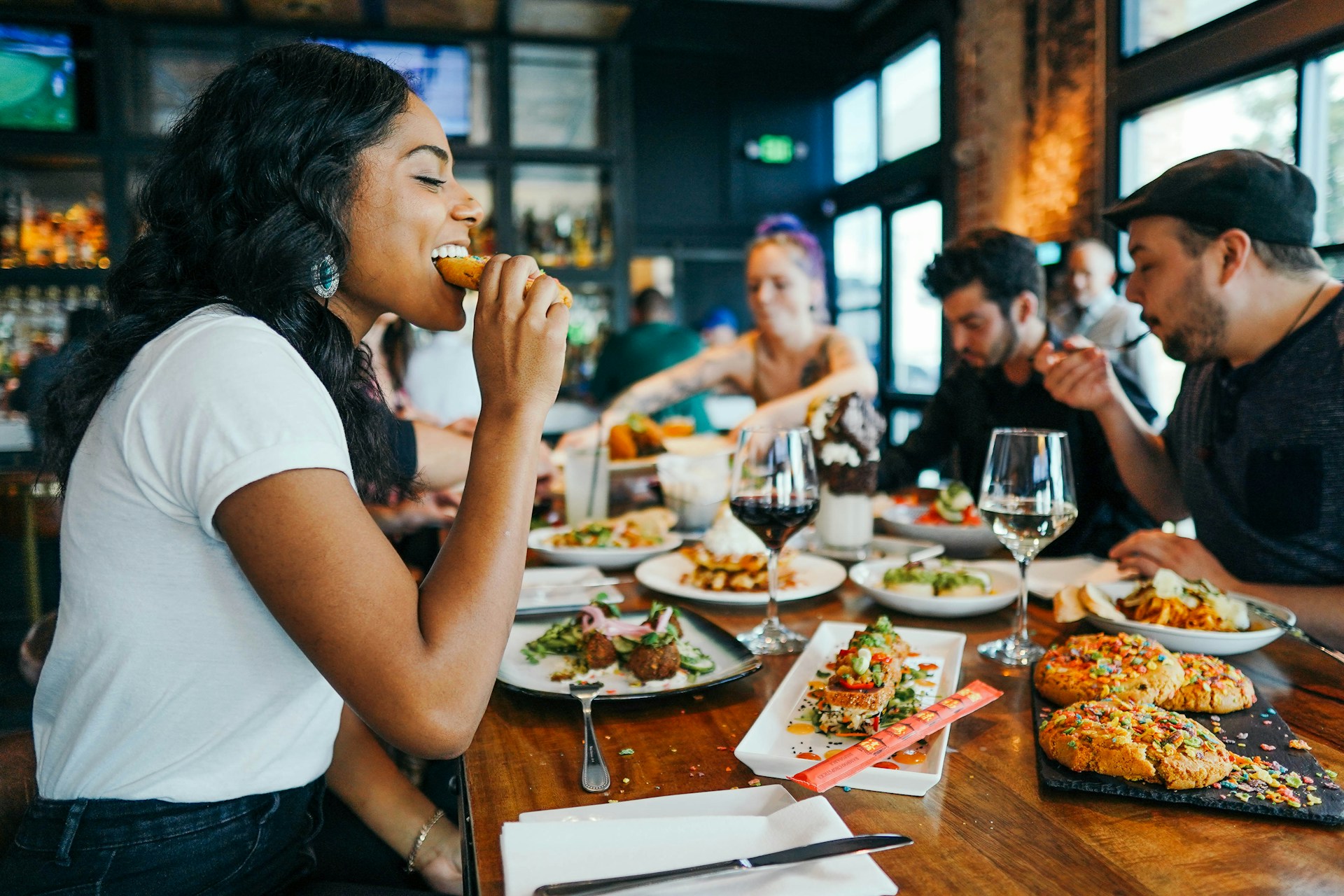
Traveling as a foodie means more than collecting addresses: it means understanding a culture through its ingredients, markets, cooking styles, and ways of sharing. In this practical guide, we review seven cities that are truly worth your appetite and also discuss destinations where you need to be cautious to avoid disappointment. Throughout the guide, you’ll find specialties to try, practical tips, and recommendations for eating smart.
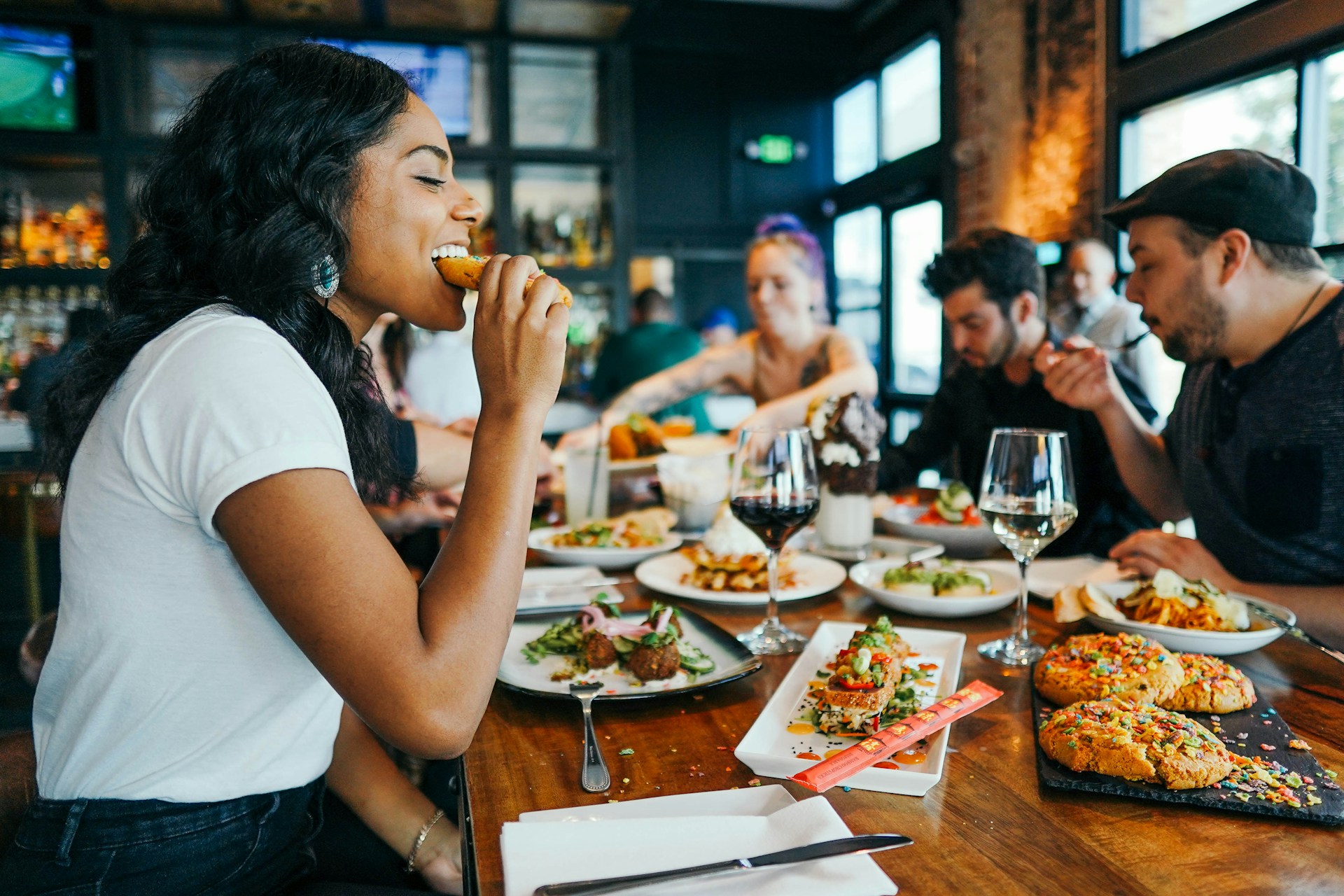
The must-sees
- Tokyo (Japan): The Japanese capital is the perfect example of a culinary scene that excels in both haute cuisine and street food. The chefs there are masters of technique and precision. Try different styles: sushi, ramen, tempura, yakitori. Tip: eat in neighborhood izakaya for a more intimate and often less expensive experience.
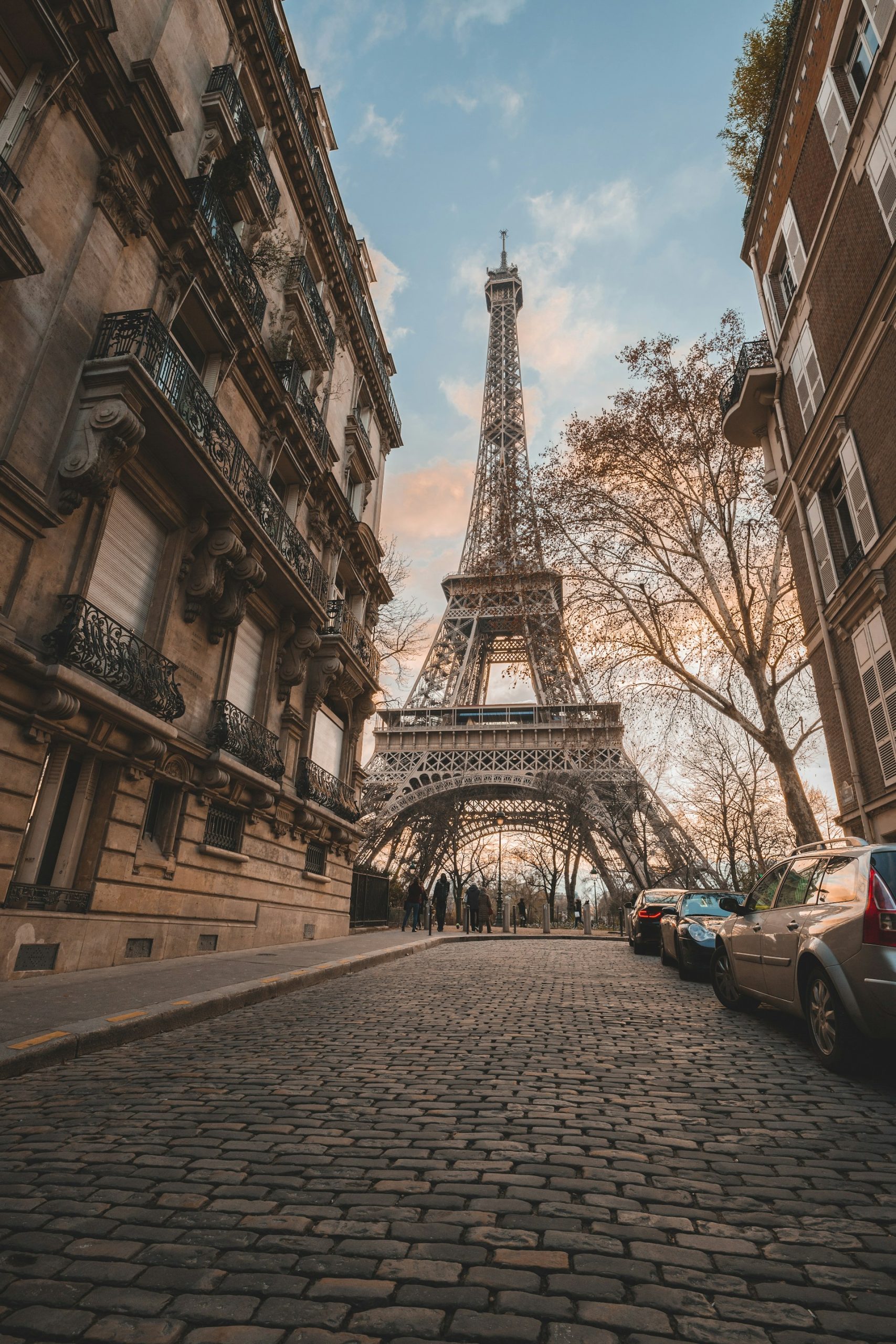
- Paris (France): Between patisseries, cheese shops, and bistros, Paris offers a wide variety. Don’t leave without tasting a good pastry, a traditional dish, and strolling through a local market. Reservations are recommended for renowned restaurants.
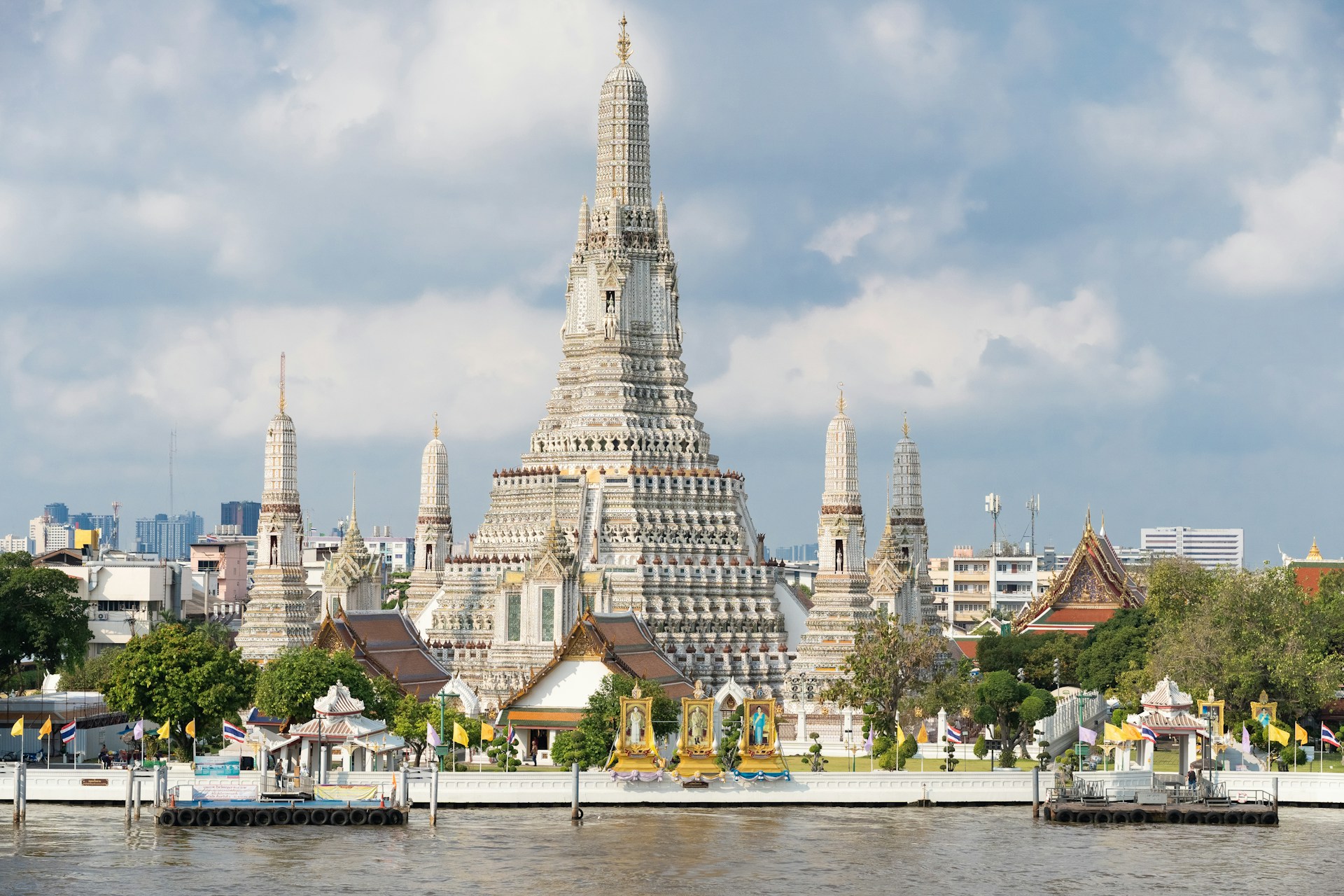
- Bangkok (Thailand): A paradise of intense flavors and spicy dishes, Bangkok shines with its markets and night stalls. Choose roasted foods and drink bottled water.
- Istanbul (Turkey): A crossroads of influences, its mezze, grilled meats, and pastries are rich and varied. Share dishes to sample more.
- Barcelona (Spain): Tapas, markets such as La Boqueria, and creative restaurants make up a versatile scene. Start with a craft coffee, then let yourself be guided by the market stalls.
- New Orleans (United States): Creole and Cajun cuisine offers comforting, historic dishes, perfect for those seeking deep, convivial flavors.
- Mexico City (Mexico): For authentic tacos, homemade sauces, and lively markets, Mexico City remains a benchmark. Follow the local queues to find the best places to eat.

Destinations that are often disappointing (or to be approached with caution)
- Venice: Beautiful setting but uneven quality; avoid crowded and overly touristy restaurants.
- Dubai: The offerings are spectacular but often standardized for an international audience; seek out local neighborhoods.
- Reykjavik: Interesting but very specific cuisine (fermented foods, preserves) — you have to be willing to experiment.
- Other cities mentioned in some travel reviews include Moscow, Cairo, and certain tourist areas of London and Venice Beach, which do not always meet gastronomic expectations.
Practical tips for traveling and eating well
- Ask locals for advice: nothing beats a local’s recommendation for finding a good place to eat.
- Choose markets and small cafes: this is often where you’ll find the most authentic and tasty dishes.
- Think about hygiene: avoid non-bottled water and raw foods if you have any doubts about how they were prepared.
- Share your dishes: tapas, mezze, or sharing plates allow you to try more without getting tired of the same thing.
- Make reservations for the must-see places and arrive early to avoid the crowds at very popular spots.
In short: eating while traveling is a great way to better understand a place. Some destinations shine for the diversity and quality of their offerings (Tokyo, Paris, Bangkok, Istanbul, Barcelona, New Orleans, Mexico City), while others require caution and curiosity to uncover their best restaurants. Keep an open mind, ask the locals, and let yourself be surprised—that’s how the best food memories are made.
Bon appétit and happy discoveries!