Catégories
Uncategorized

Trump Lets US-Russia Nuclear Arms Treaty Expire, Raising Fears Over What Comes Next

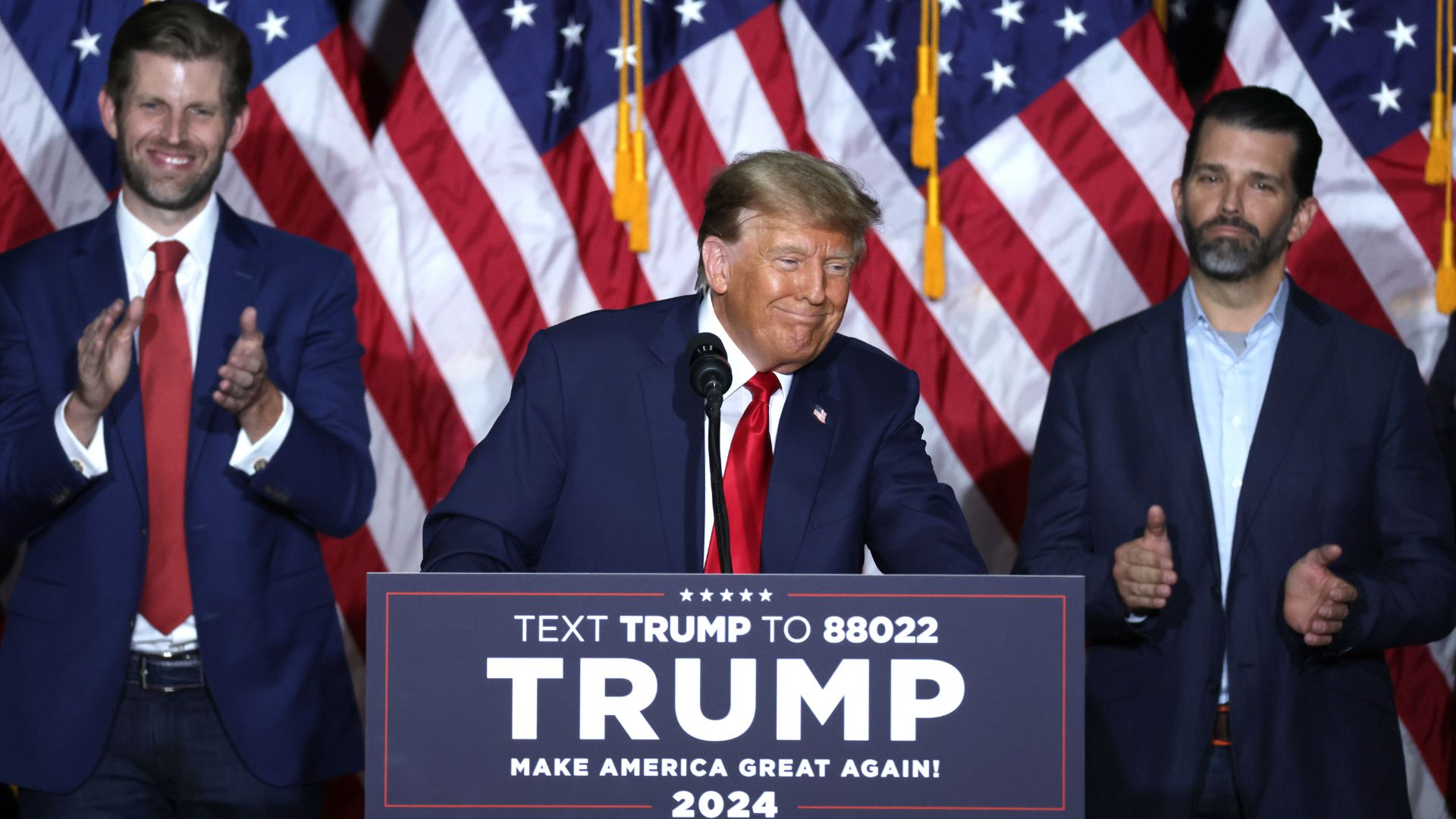
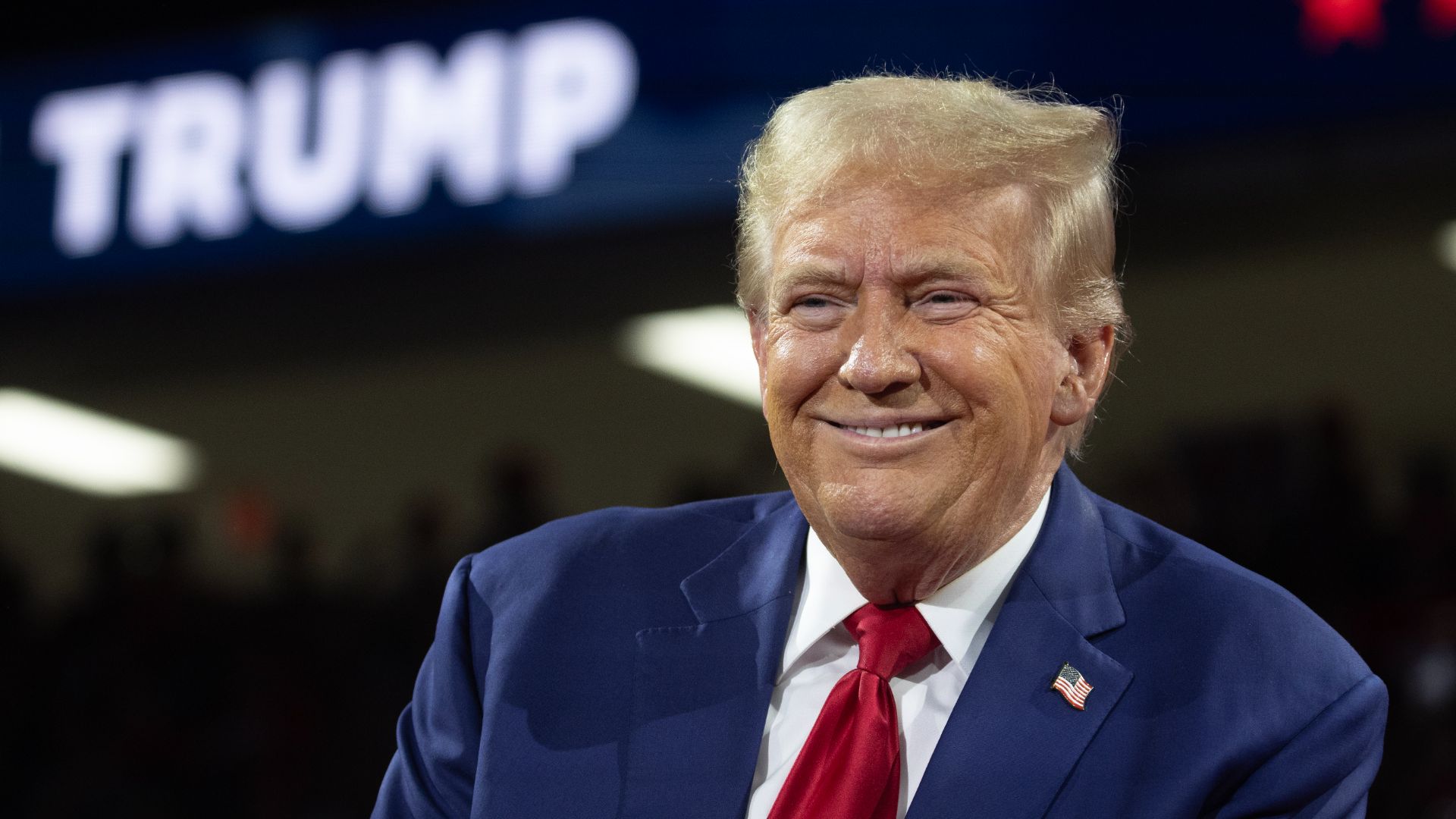
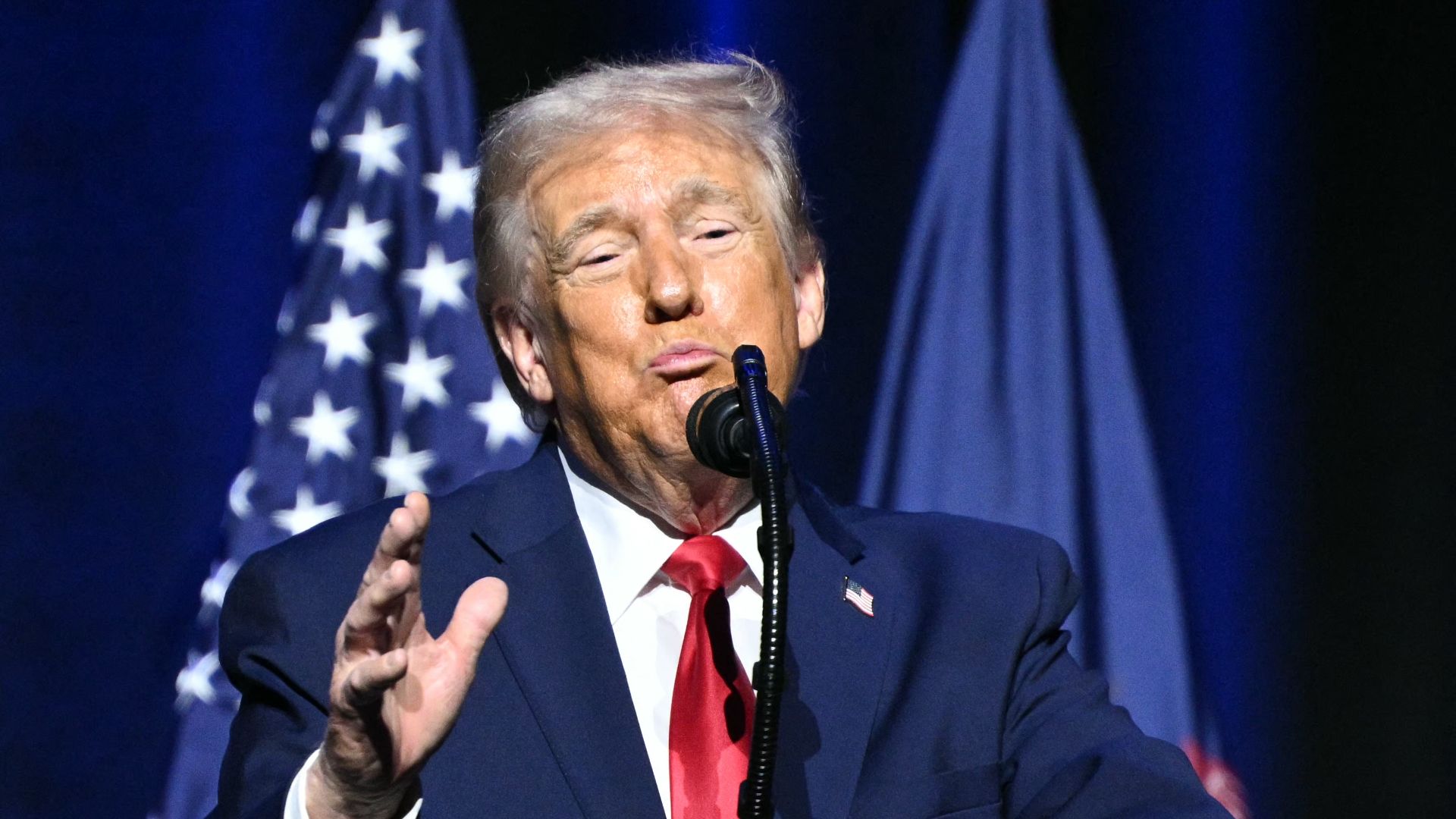
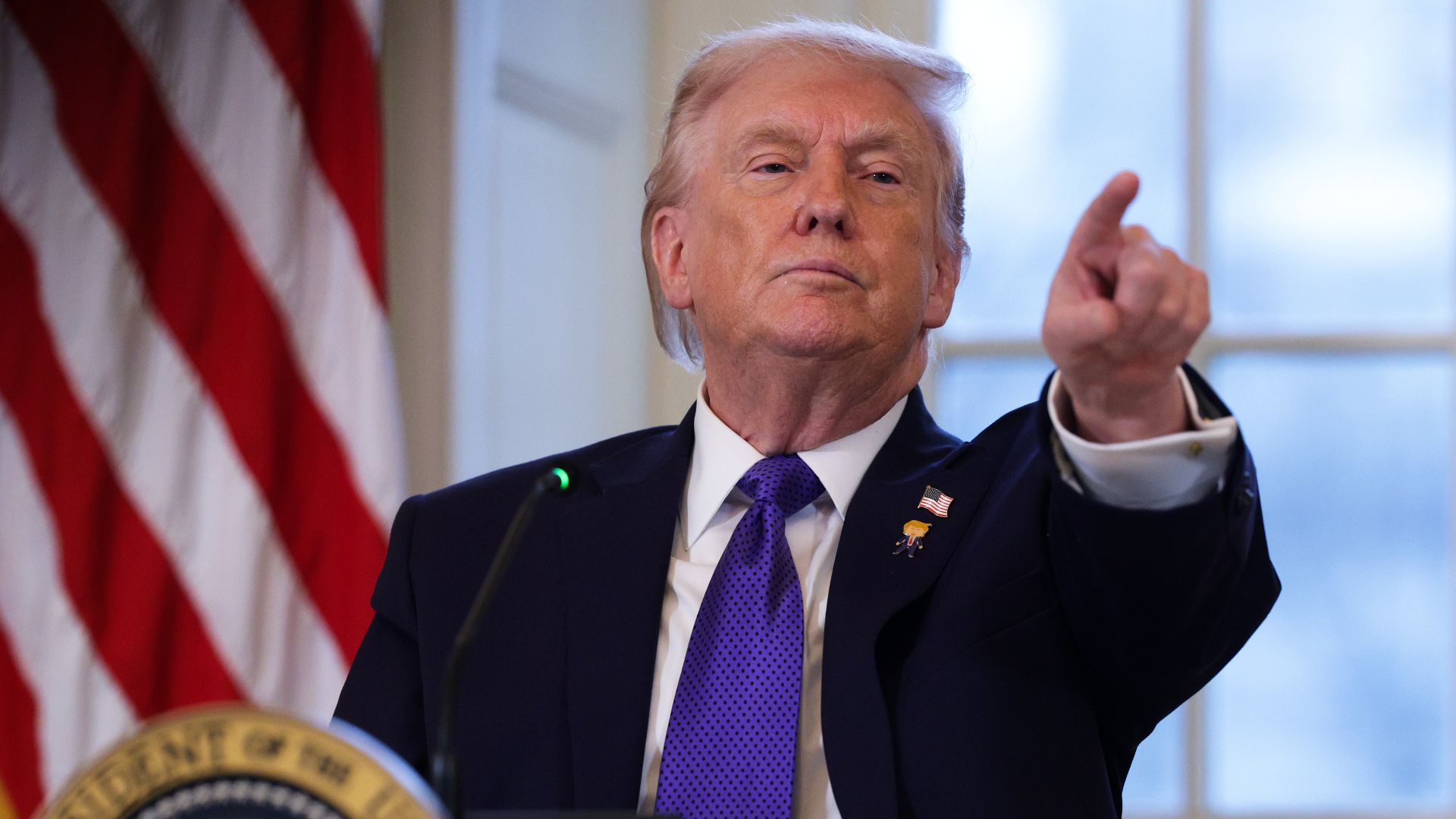
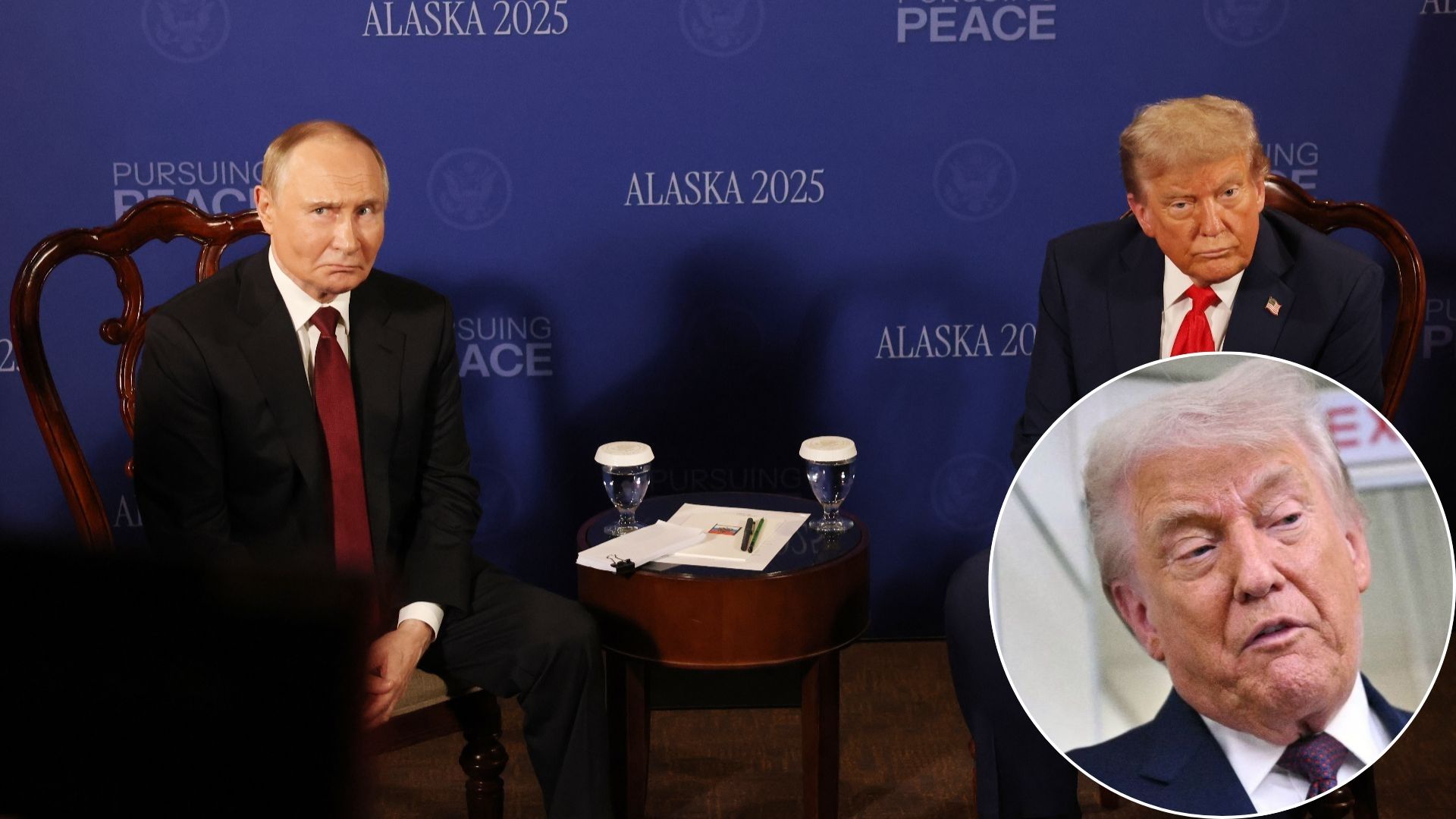
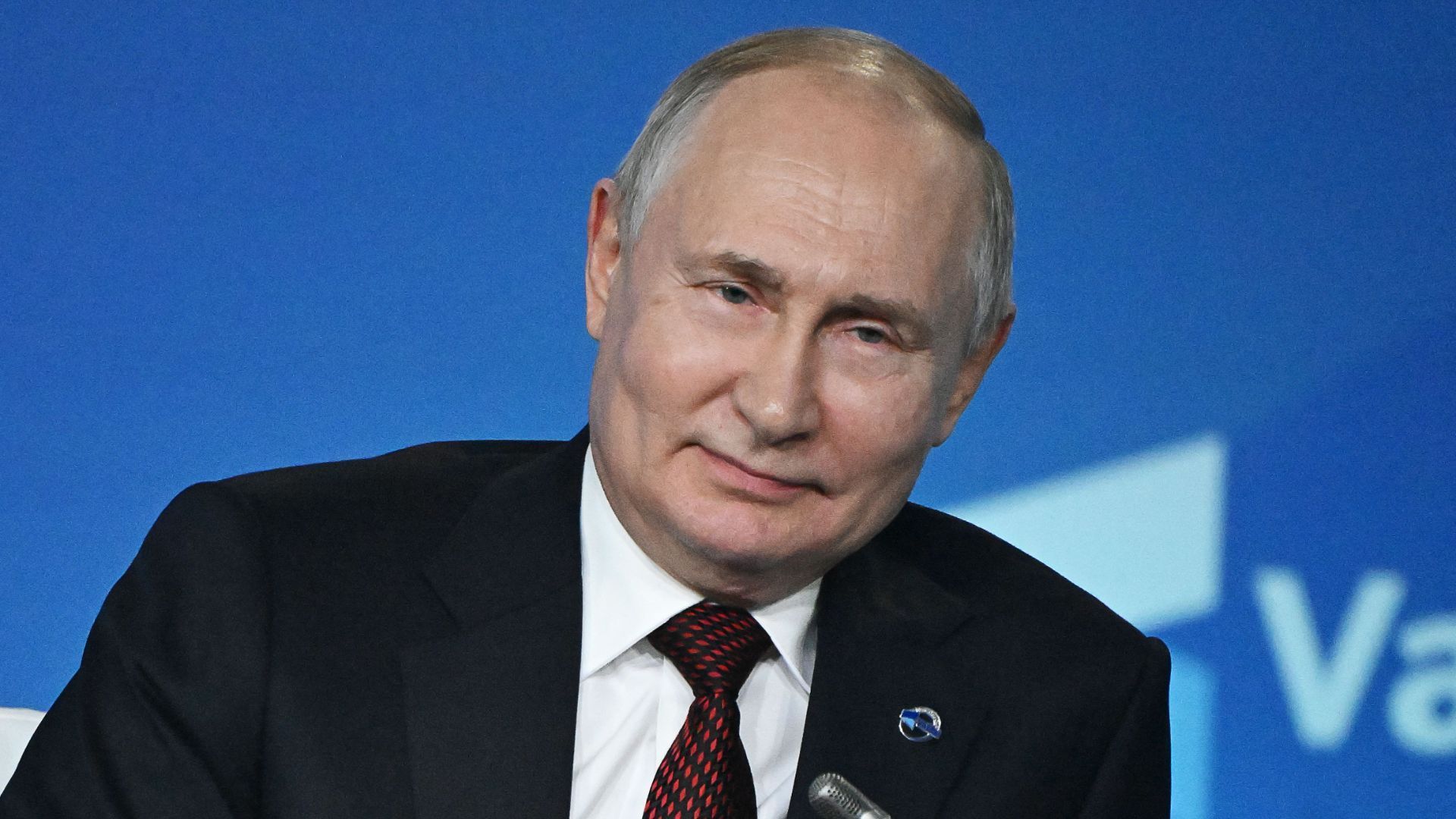
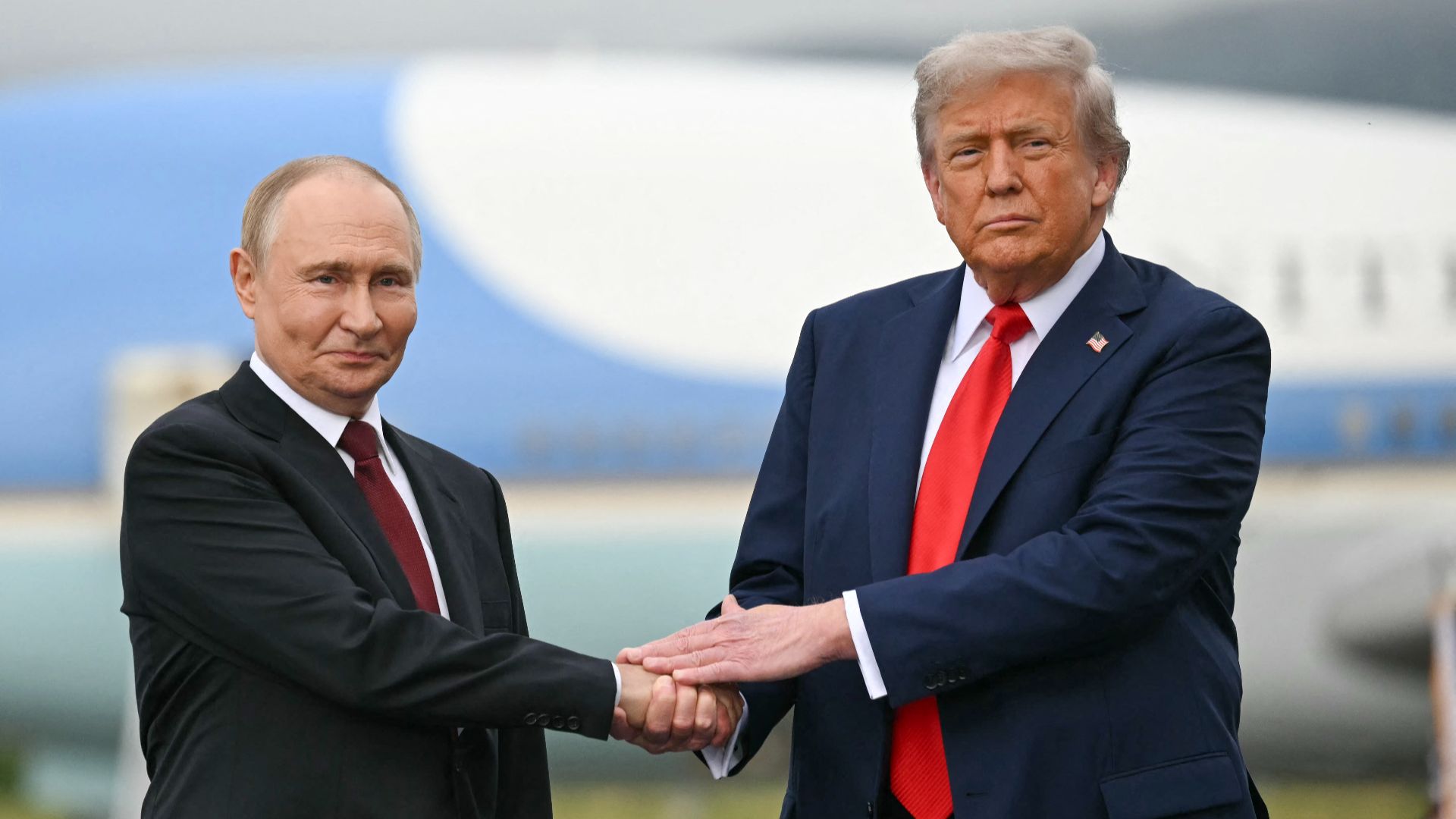
The New Strategic Arms Reduction Treaty, known as New START, expired on February 5, leaving the United States and Russia without a binding nuclear arms control agreement for the first time in decades. The treaty had been the last remaining framework limiting the two countries’ strategic nuclear arsenals.

New START set caps on deployed warheads and delivery systems and created a system of inspections and data exchanges designed to reduce uncertainty between the world’s two largest nuclear powers. Its expiration has raised concerns among diplomats and arms control experts about what happens when both sides are no longer constrained by legally enforceable limits. The end of the treaty also removes a structured channel for transparency, at a time when tensions between Washington and Moscow remain high and global security risks are intensifying.
Getty Images

New START was signed in Prague on April 8, 2010, during the presidency of Barack Obama, and at a time when Dmitry Medvedev was serving as Russia’s president. It entered into force on February 5, 2011, after ratification by both countries. The agreement limited each side to 1,550 deployed strategic nuclear warheads and 700 deployed delivery systems, including intercontinental ballistic missiles, submarine-launched ballistic missiles, and heavy bombers. The treaty also established verification measures, including inspections and regular exchanges of data, which arms control officials considered central to maintaining stability. For years, it served as a key symbol of post–Cold War diplomacy and remained one of the few areas where Washington and Moscow maintained formal cooperation despite broader geopolitical disputes.
Getty Images

In the years before its expiration, the treaty’s functioning was already weakened. On-site inspections were suspended in 2020 during the COVID-19 pandemic and were never fully restored. Russia later announced in 2023 that it would suspend participation in certain treaty obligations, though it indicated it would continue respecting some of the numerical limits. Even with these setbacks, New START remained in force and was widely seen as the final barrier preventing an open-ended nuclear competition. Its collapse follows years of deteriorating relations, including the war in Ukraine and the breakdown of other arms control agreements. Analysts say that without a replacement treaty, both countries lose an important stabilizing mechanism that helped reduce miscalculations and provided predictable rules for nuclear deployments.
Getty Images

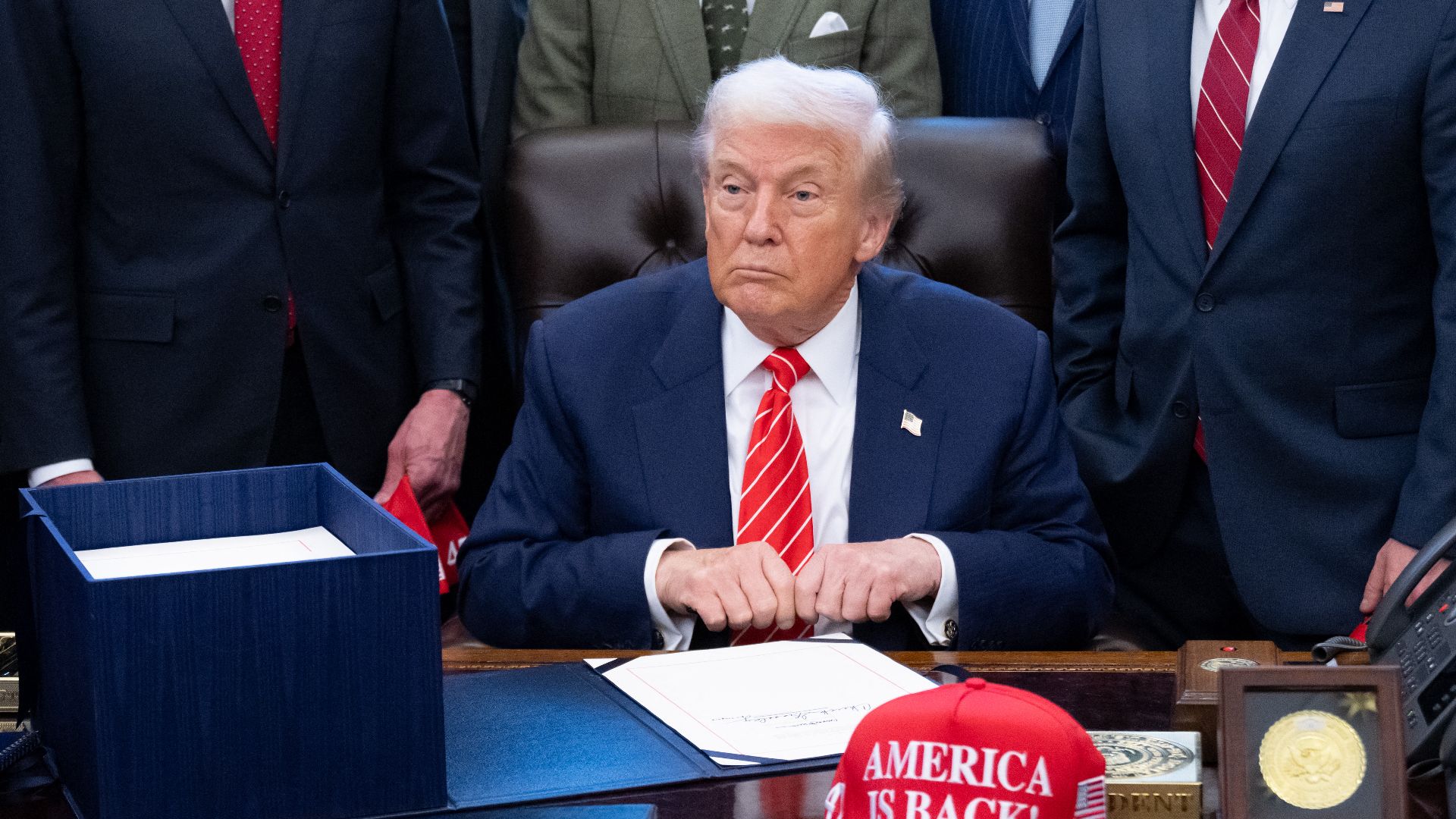
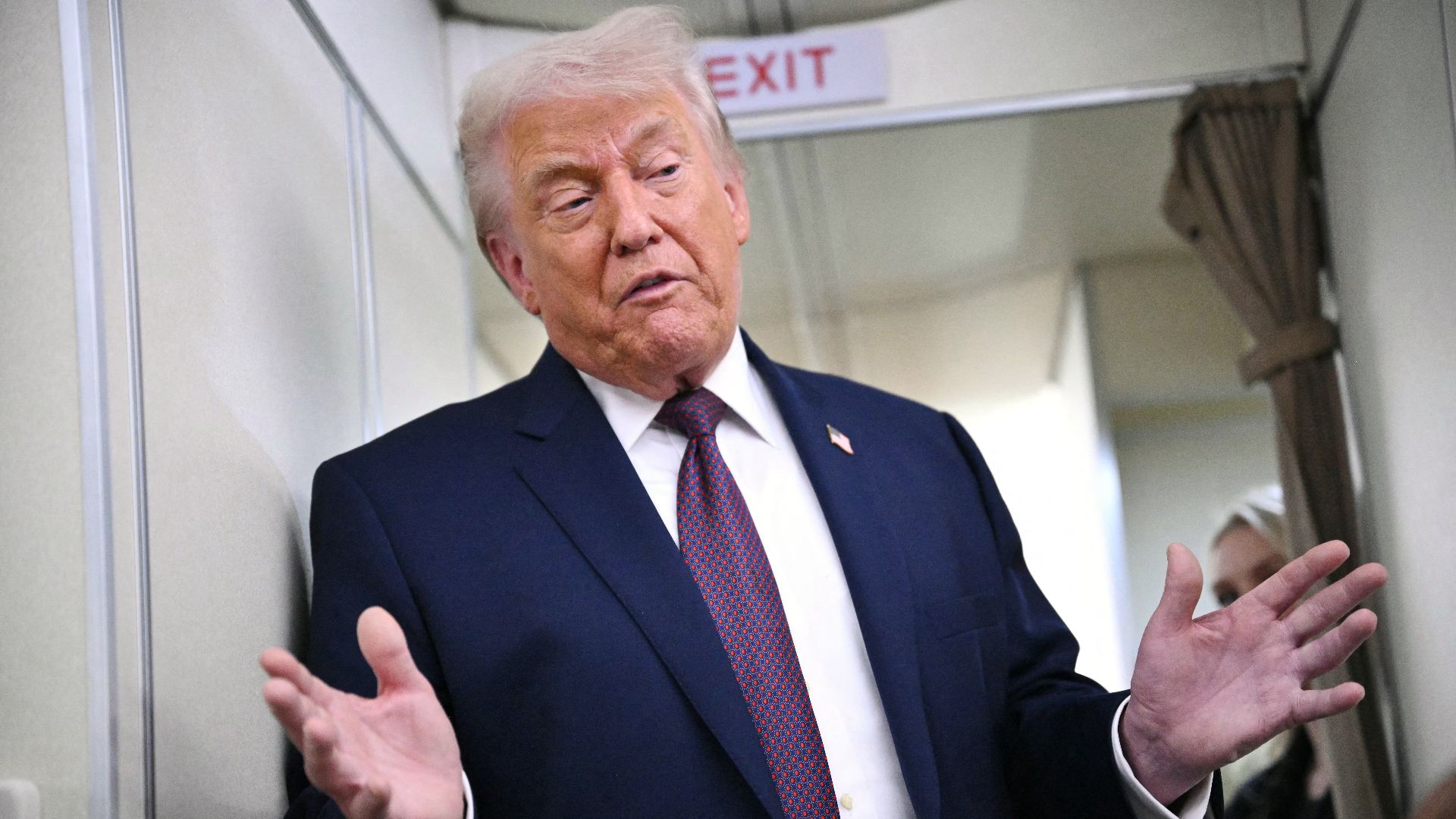
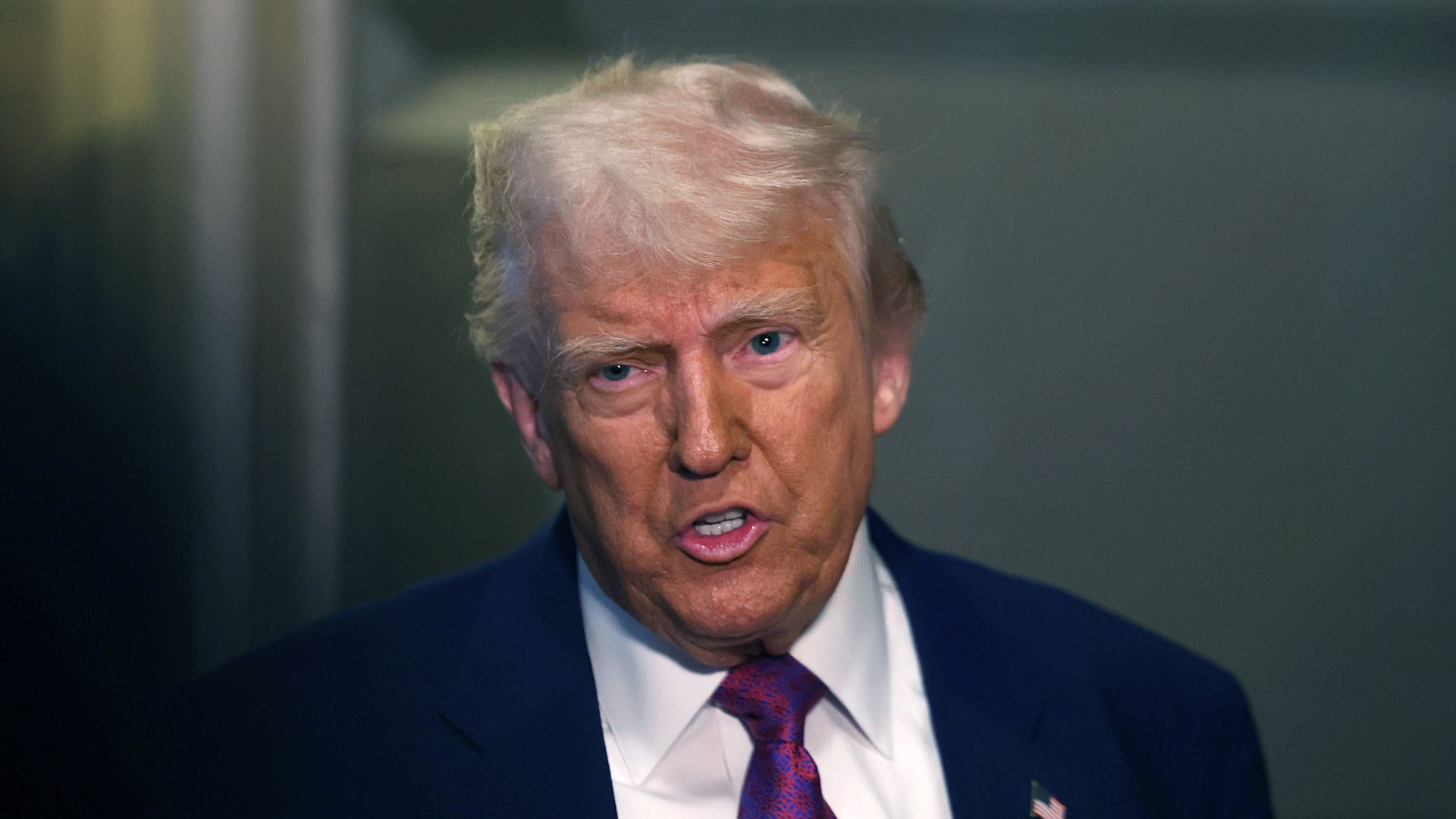
Trump’s decision to let the treaty expire has become a major focus of international concern. Trump had repeatedly argued that the agreement should not simply be extended and insisted that any new arrangement should include China. In comments reported in recent coverage, Trump said:

«If it expires, it expires. We’ll just do a better agreement,» framing the end of New START as an opportunity to negotiate a broader deal. Arms control advocates warned that this approach risked leaving a dangerous gap if no alternative agreement was secured. China has rejected joining a trilateral treaty, saying its nuclear forces are far smaller than those of the United States and Russia. Critics of Trump’s position argue that demanding a broader agreement without securing an interim extension created a situation where the treaty expired without a replacement, increasing uncertainty at a critical moment.
Getty Images

The fears surrounding the treaty’s expiration center on both capability and trust. Without New START’s binding limits, the United States and Russia are now free to expand the number of deployed strategic warheads and delivery systems beyond the treaty’s caps.

Experts warn that both sides could respond to uncertainty by “uploading” additional warheads onto existing missiles, a move that could rapidly increase deployed arsenals without requiring entirely new weapons. The absence of inspections and detailed data exchanges also reduces transparency, making it harder for each side to verify the other’s nuclear posture. This can encourage worst-case assumptions, raising the risk of miscalculation during crises. Arms control groups have warned that the world is entering a period where nuclear stability could be based more on suspicion than structured verification.

«If it expires, it expires. We’ll just do a better agreement.»

-President, Donald Trump

International leaders have described the expiration as a major setback for global security. United Nations Secretary-General António Guterres warned that the treaty’s end represents a “grave moment for international peace and security” and that the risk of nuclear escalation is increasing. The treaty’s collapse also raises broader concerns about the future of the global nonproliferation system, since New START was often cited as evidence that nuclear powers were still committed to restraint.

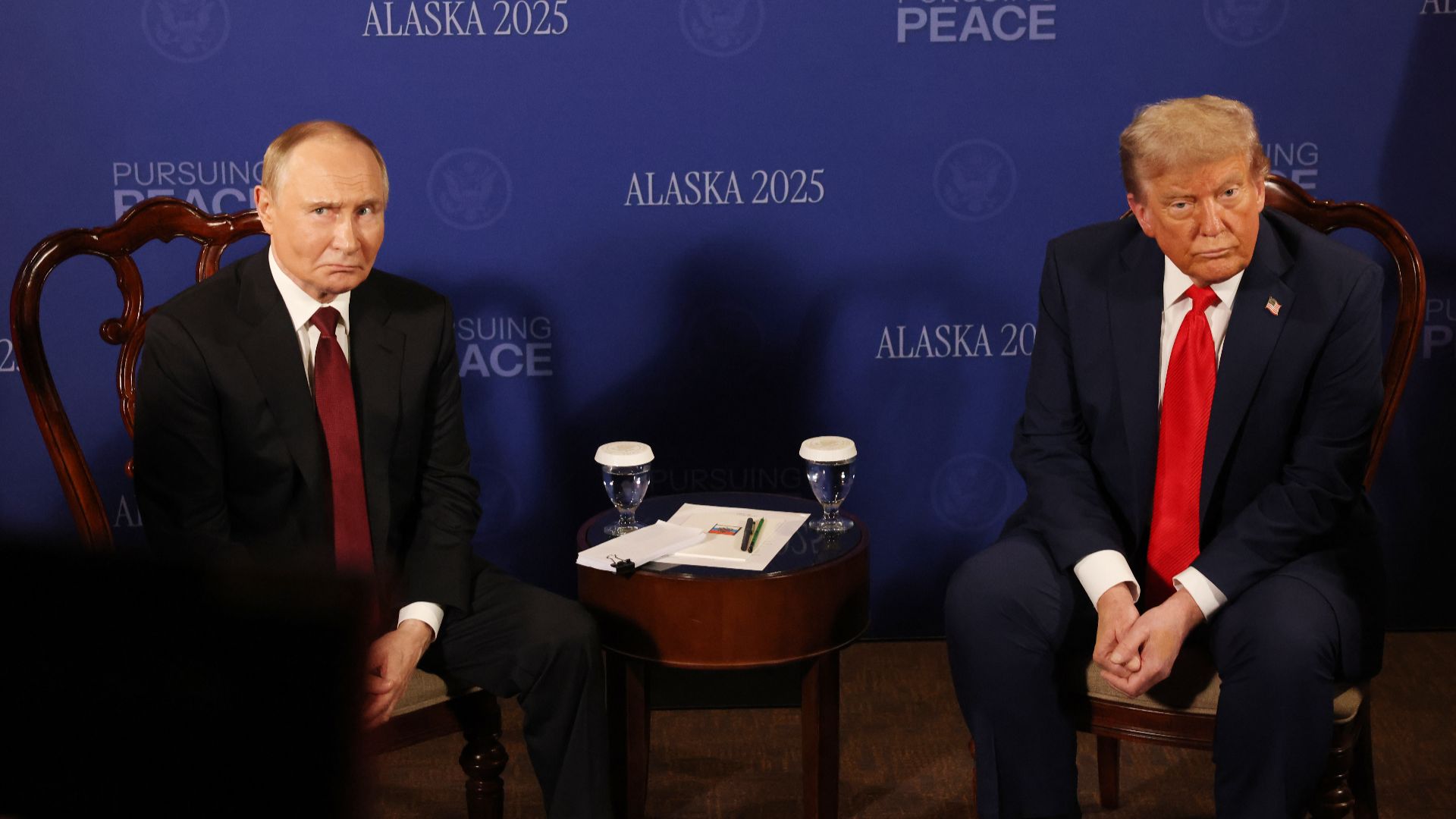
Without a successor agreement, experts say the likelihood of a renewed arms race grows, and future negotiations may become even more difficult as trust continues to erode. With no treaty in place, Washington and Moscow now face the challenge of managing their nuclear rivalry without the guardrails that have shaped strategic stability for more than half a century.

Getty Images
Catégories
Uncategorized

Bitcoin Drops 44% as Trump-Fueled Election Gains Collapse

Bitcoin’s price has dropped sharply from its record highs in October 2025, losing approximately 44 % of its value from the peak near $126,000. The decline has brought the world’s most widely held cryptocurrency to its lowest levels in roughly 15 months, dipping below $70,000 in early February and briefly below $67,000 in some trading sessions—the lowest since before Donald Trump’s re-election. This steep slide erased nearly all of the gains built up under the pro-crypto anticipation that followed the 2024 election. Bitcoin’s plunge coincides with a broader sell-off in risk assets and renewed investor preference for safe havens like gold, which has rallied sharply over the same period. Analysts note that the sheer scale of the drop reflects both systematic risk aversion and deep structural volatility inherent to digital assets, where sentiment can pivot quickly on macroeconomic data, regulatory news, and global financial stress.

Getty Images

Many market participants have interpreted Bitcoin’s recent slide as a reminder of the asset’s persistent volatility, a trait long discussed by analysts and investors alike. While crypto proponents sometimes held out the narrative of Bitcoin as “digital gold,” the recent divergence between Bitcoin’s performance and traditional safe havens has challenged that thesis. Where gold has surged and retained relative investor trust in turbulent markets, Bitcoin instead has suffered sustained selling pressure, partly fueled by liquidation events and shrinking speculative interest.

Long-time market watcher Michael Burry, known for his role in predicting the 2008 financial crisis, wrote on his Substack that he believes there is «no organic use case reason for Bitcoin to slow or stop its descent,» underscoring deep skepticism among some high-profile investors about the cryptocurrency’s resilience as a store of value in moments of systemic fear.

«Together we will make America the undisputed Bitcoin superpower and the crypto capital of the world.»

-Donald Trump

Economists and strategists warn that the structure of Bitcoin markets itself amplifies volatility, especially when macroeconomic signals push investors toward or away from risk assets. Bitcoin’s decline has occurred alongside broader pressure on technology stocks, concerns about Federal Reserve policy, and geopolitical uncertainty, all of which can increase risk-off behavior among institutional and individual investors. A strategist at a major investment firm recently noted that capital flows tend to rotate toward traditional safe havens when fear gauges climb, leaving Bitcoin vulnerable to sell-offs that are deeper than those in equities or conventional commodities. In addition, thin liquidity and heavy leverage in crypto trading can exacerbate price moves, meaning that once sentiment turns negative, Bitcoin can decline rapidly with little resistance until new support levels are found.

Getty Images

Bitcoin’s downturn has erased much of what had been dubbed the “Trump rally,” a period when optimism around cryptocurrency adoption under Donald Trump’s presidency helped push prices to historic highs. Early in his term, Trump actively shifted his stance toward digital assets, a marked departure from his previous skepticism. As part of a broader executive push in early 2025, Trump signed an order establishing a Strategic Bitcoin Reserve and a U.S. Digital Asset Stockpile, designed to treat Bitcoin and other seized crypto holdings as long-term reserve assets held by the federal government. That move was seen as elevating cryptocurrency’s status, with the White House fact sheet noting that the policy aimed to position the United States as a leader in digital asset strategy.

«No organic use case reason for Bitcoin to slow or stop its descent.»

-Michael Burry, the Big Short investor

Trump also publicly set an ambitious goal for the U.S. cryptocurrency landscape, telling attendees at a digital asset summit that his administration would make America the “Bitcoin superpower” and “the crypto capital of the world,” framing digital assets as central to technological innovation and financial competitiveness:

«Together we will make America the undisputed Bitcoin superpower and the crypto capital of the world.»

Critics, however, have pointed out that markets did not sustain a rally following the announcement, illustrating the limits of policy endorsement in countering volatility. Other aspects of Trump’s crypto agenda included calls for clearer regulatory frameworks and the disbanding of enforcement units, which removed some pressure on major exchanges and encouraged institutional involvement. Nonetheless, the stark downturn underscores the persistent question of whether policy enthusiasm can offset fundamental market forces when investors reassess risk exposure.

Getty Images

As Bitcoin sits near its lowest price in over a year and volatility indicators remain elevated, many investors and analysts are weighing both long-term potential and short-term caution. Some strategists argue that current lows could attract new buyers who view Bitcoin as undervalued relative to long-term adoption trends, but they emphasize that regulatory clarity and macroeconomic stability will be critical to any sustained rebound. Others caution that without clear catalysts to restore confidence, Bitcoin may continue to languish or test new support levels, especially if broader markets remain jittery. The juxtaposition of Trump’s pro-crypto policies with a dramatic price slide illustrates the complexity of digital assets as both a political narrative and a financial instrument, and highlights why volatility remains at the core of the Bitcoin story.
Getty Images
Catégories
Uncategorized

Here’s the problem with the latest Epstein files release

On January 30, 2026, the DOJ finally released what it calls ‘the complete Epstein files’. According to the DOJ, the latest batch of files completes the mandate given by Congress in November. The mandate, which was ultimately signed by Donald Trump, instructed the DOJ to release all evidence pertaining to Jeffrey Epstein’s criminal enterprise. While the FBI pumps its own tires, spouting claims of transparency, the truth is far from it.
In reality, not only has the FBI failed to complete the Epstein Transparency Act, it has only released half of the files at its disposal. While the FBI had no problem releasing incriminating evidence regarding ex-Prince Andrew Mountbatten-Windsor, Elon Musk, and a litany of other celebrity business moguls, the files released on January 30 did not include a single piece of admissible evidence against Donald Trump.

While the Epstein files have largely remained above the fold due to possible criminal connections between Epstein and U.S. President Donald Trump, the release seemingly does not include any documents showing criminal wrongdoing by Trump. Attorney General Todd Blanche claimed that the DOJ did not protect President Trump in the released files. While Blanche claims ‘full transparency,’ House Democrats have announced that the FBI still has 2.5 million files sitting unreleased. It is unknown how many of the files incriminate Donald Trump, if any. While Blanche claims only a ‘very small’ portion of files went unreleased, his report is in stark contrast to the numbers the public has had since November (6 million files in total).

Mentions of Trump

The mentions of Trump we did get from the DOJ were scattered, mostly anecdotal, and wholly unusable in a potential criminal trial. While Blanche may claim that the DOJ didn’t protect the DJT, the sheer number of times that Trump is mentioned in the files without being directly implicated is impressive. The picture the DOJ is painting is that Donald Trump was present for hundreds of sex crimes, and was even offered the opportunity to partake, but never did. The closest the documents get to implicating Trump in a sex crime is a series of allegations submitted to the FBI, two of which the agency deemed ‘unreliable’.   

One complaint claims that Donald Trump forced an unidentified female to perform oral acts on him in the 1990’s, when she was just 13. According to the victim, she bit Trump and was hit by the President afterwards. Another allegation claims that Donald Trump was one of the ‘brokers’ of Jeffrey Epstein’s criminal sex parties, and that, along with Epstein and Ghislaine Maxwell, Donald Trump was involved in the planning and recruitment for Epstein’s infamous parties. The complainant also reported that Donald Trump allegedly ran a sex trafficking ring alongside Jeffrey Epstein out of the Trump Gold Course in Rancho Palos Verdes, California.

While this second accusation was deemed uncredible by the FBI, the agency never closed the door on the first accusation.

A memo from January 2020 showed that Donald Trump flew on Jeffrey Epstein’s private plane significantly more times than the DOJ originally thought. Trump flew with Epstein at least eight times between 1993 and 1996 – the height of Epstein’s criminal escapades. In files released months earlier, a memo from Ghislaine Maxwell to Epstein claimed that Trump was ‘the dog that hadn’t barked’, implying the President knows proprietary information regarding Epstein’s actions, and that he’s refrained from making them public.

If the DOJ’s files are to be taken at face value, Donald Trump was a regular face at parties where pedophilia occurred, was on Epstein’s plane while pedophilia occurred, was offered sexual relations with minors multiple times, but never committed any crimes.

Trump’s response

While his Department of Justice released three million files, with thousands of mentions of Trump, the President refused to comment on the files during a thirty-minute interview at the Oval Office on January 30. The interview was regarding (yet another) executive order, this time to allow an Indy car race in DC. Trump spoke about Minneapolis and Iran, the state tax increase in Virginia, and his new nominee to chair the Federal Reserve; he did not address any questions he was asked about Jeffrey Epstein.

‘Relevant’ files

According to the Epstein Transparency Act signed in November, the FBI had to release all files that are relevant to Jeffrey Epstein’s criminal sex-trafficking enterprise. The files released toe the line of relevancy, and feel as though the DOJ is trying to swamp journalists and investigators by releasing irrelevant files on top of the relevant ones. In the 3 million page release, there are hundreds of thousands of files that are simply space. The files contain tens of thousands of photos of Epstein’s island and various residences. Among the tens of thousands, there are only a select few that actually implicate Epstein or anyone else in wrongdoing. There are also thousands of court documents that are entirely redacted. According to Blanche and the DOJ, the redactions are meant to protect the identity of victims and related parties.

If the House Democrats are correct in claiming that there are another 2.5 unreleased files, it’s hard to imagine that those files are less relevant than hundreds of thousands of blank documents, or still-life photos of Epstein’s tacky décor. Todd Blanche and the DOJ seem confident that they’ve closed the book on Epstein, but if there are 2.5 million documents sitting unreleased, and Donald Trump still sitting smug in the Oval Office, neither House Democrats nor the media will let up on the Epstein issue.

Consequences for Trump

There’s really only one reason that the Epstein files still dominate the news: Donald Trump’s involvement.

House Democrats and American voters on both sides of the political spectrum believe that Donald Trump committed crimes related to Jeffrey Epstein. A Reuters poll from December 2025 found that only 23% of Americans approve of how Donald Trump has handled the Epstein files, and while Donald Trump’s approval rate is still sky high among Republicans (more than 80%), only 44% of Republican voters approve of Trump’s handling of the files.

More than 50% of Republicans believe that the Trump administration is hiding something regarding the President’s relationship with Epstein. While the files released on January 30 may not include any admissible evidence, the Epstein story is far from being closed.

UAE-Linked Firm Splashed 500M$ Into Trump’s Crypto Company

Trump sues the IRS for $10 Billion

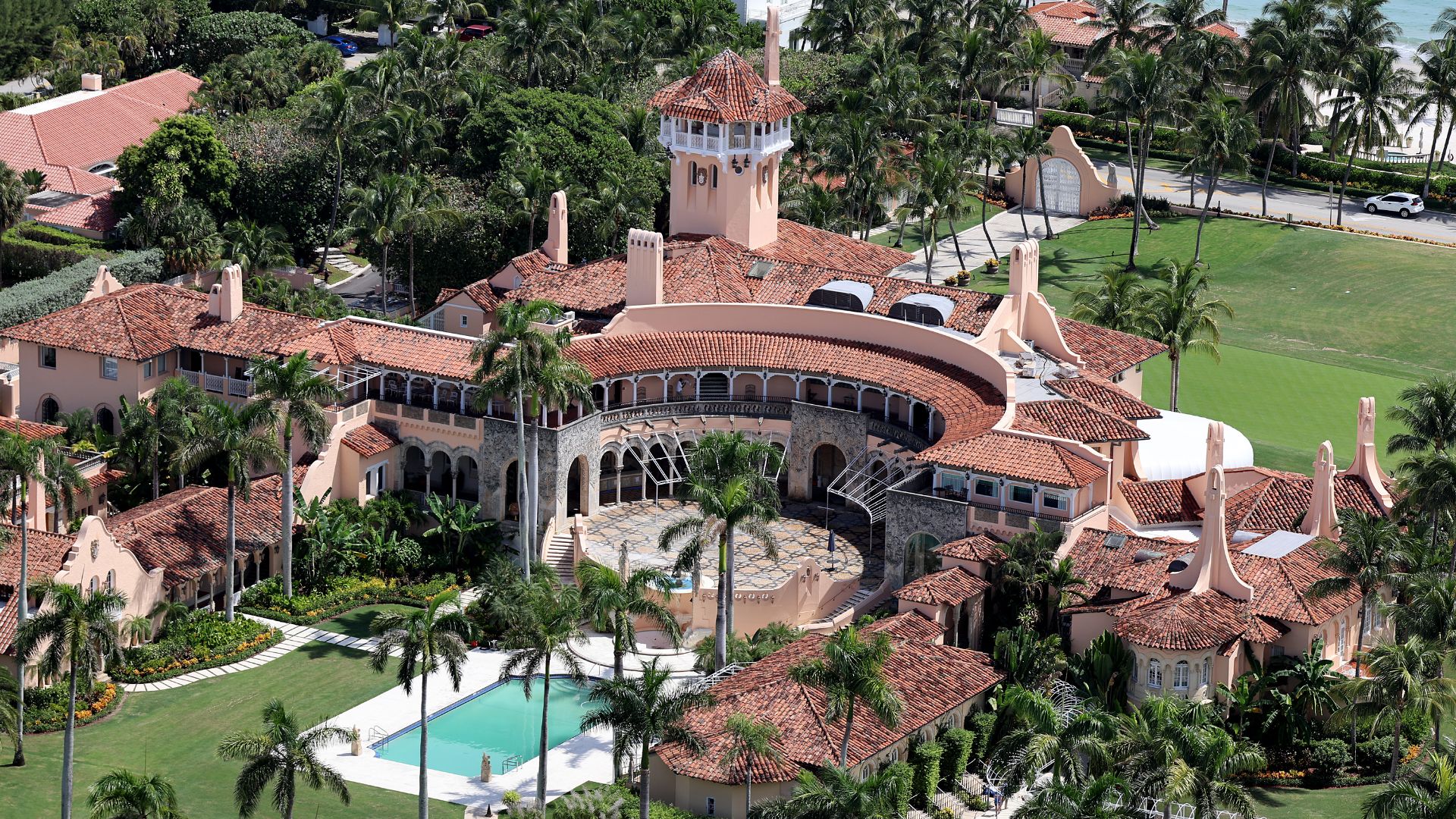
Donald Trump has launched a sweeping legal offensive, headlined by a $10 billion lawsuit against the Treasury Department and the Internal Revenue Service over the leak of his tax returns, an episode tied to the conviction of former IRS contractor Charles Littlejohn. The case revives scrutiny of Trump’s finances, including revelations that he paid just $750 in federal income taxes in 2016 and 2017 and none in 2020. Since returning to the White House, Trump has also sought massive damages from media and tech companies, securing multimillion-dollar settlements, while pressing claims against the US government over the Mar-a-Lago search and earlier investigations, arguing that federal institutions and news organizations systematically wronged him.

Trump Wants To «Take Over The Voting»

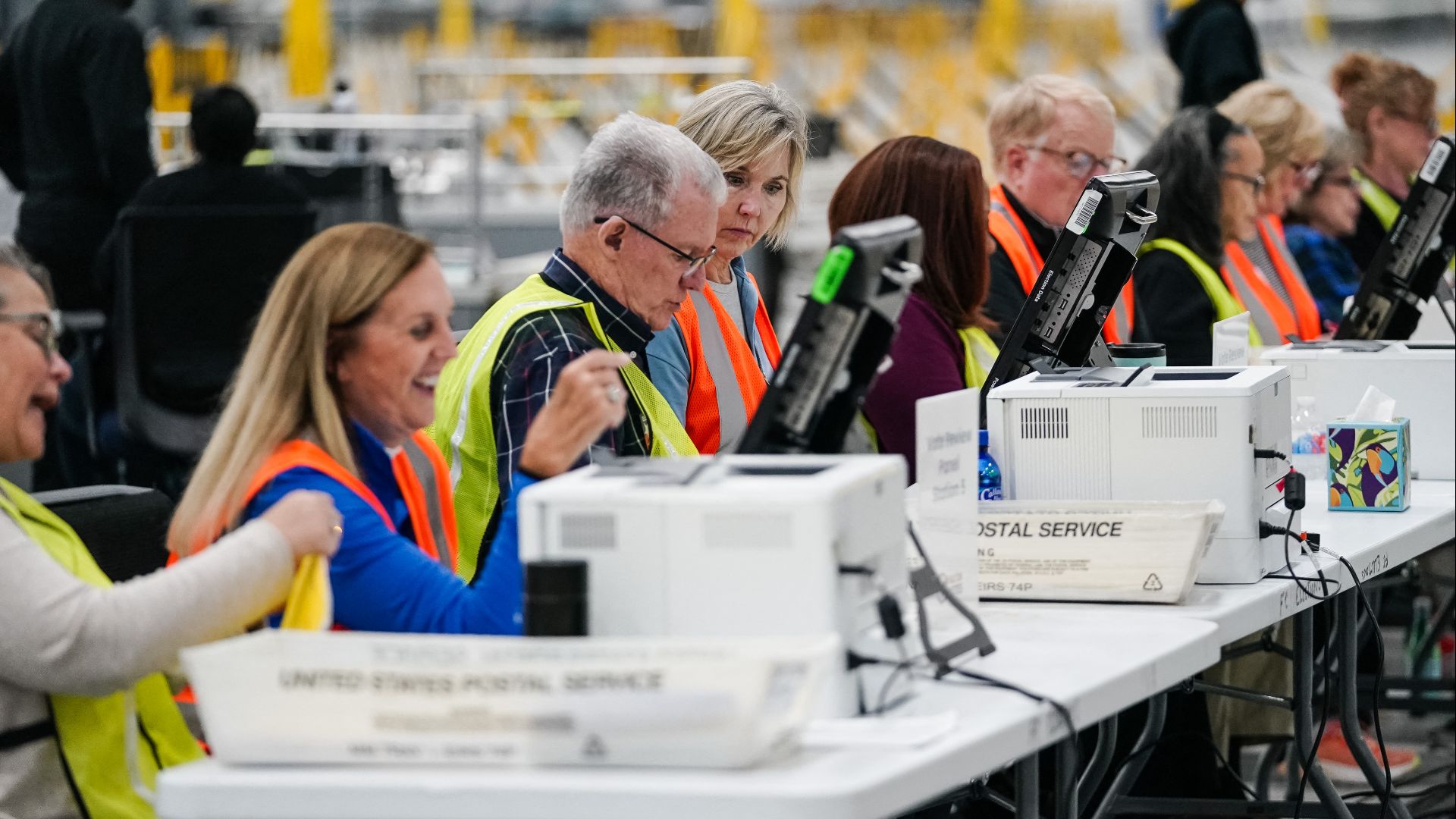
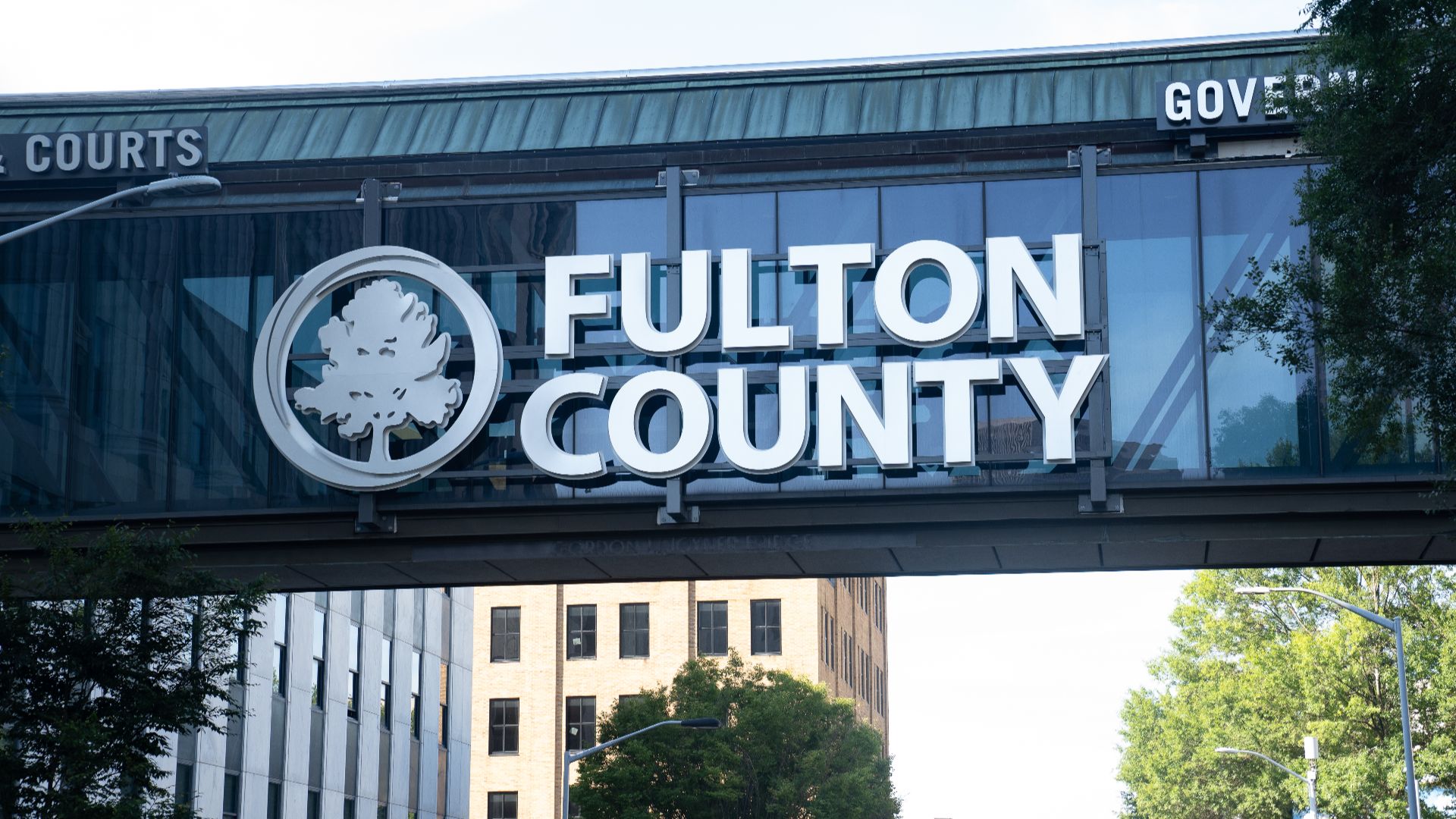
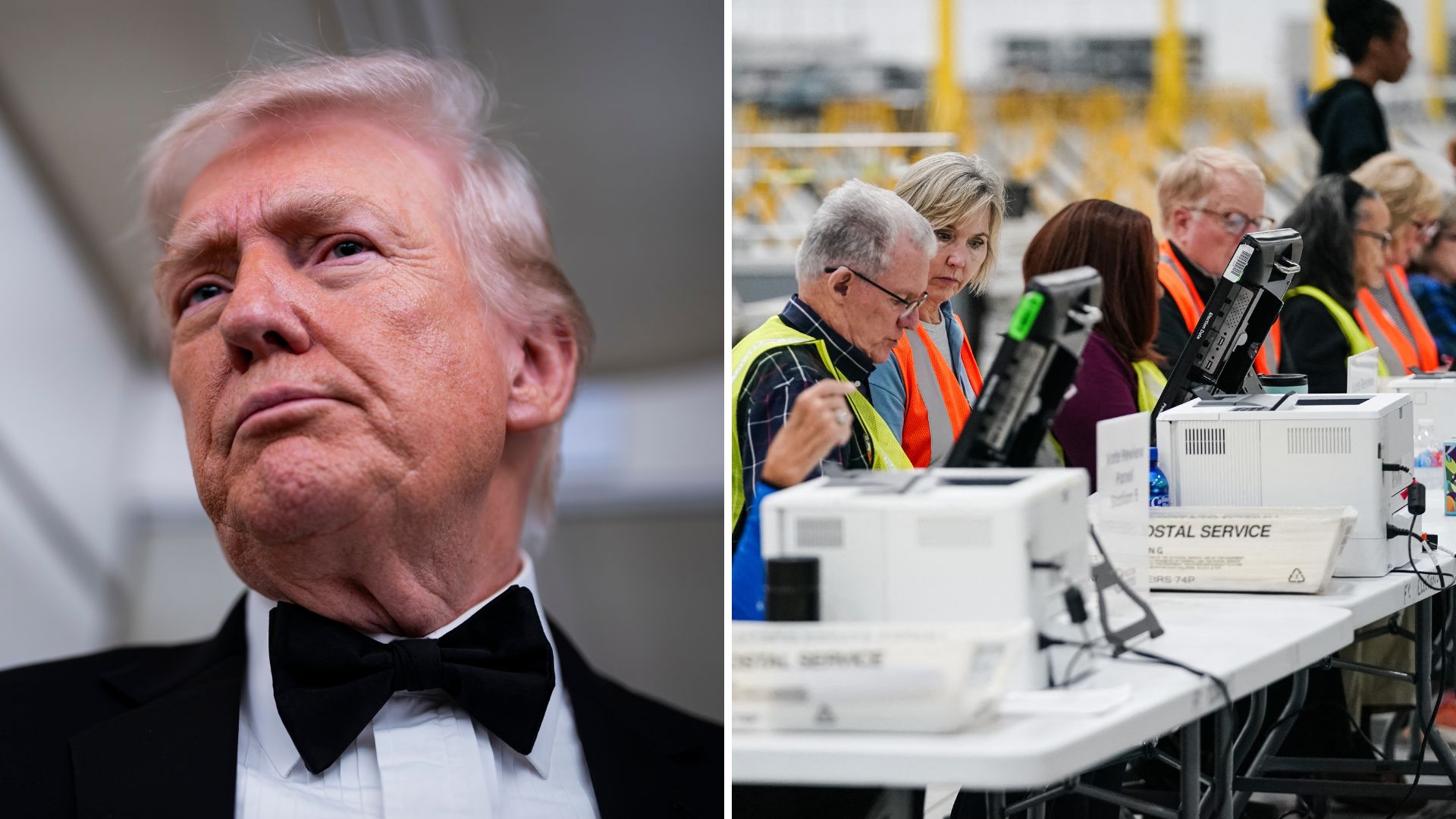
President Donald Trump has urged Republicans to «take over» and «nationalize» US elections, escalating his rhetoric as the 2026 midterms approach and repeating unfounded claims about electoral corruption. Speaking on a podcast, Trump accused states of being «crooked» and called for Republican control of voting, without explaining how such a move would comply with the Constitution. His remarks coincided with a court-ordered FBI seizure of 2020 voting records in Georgia, which Trump cited as vindication despite no evidence of fraud. Democrats denounced his comments as illegal, while Trump again asserted, without proof, that the 2020 election was rigged or that he had won.

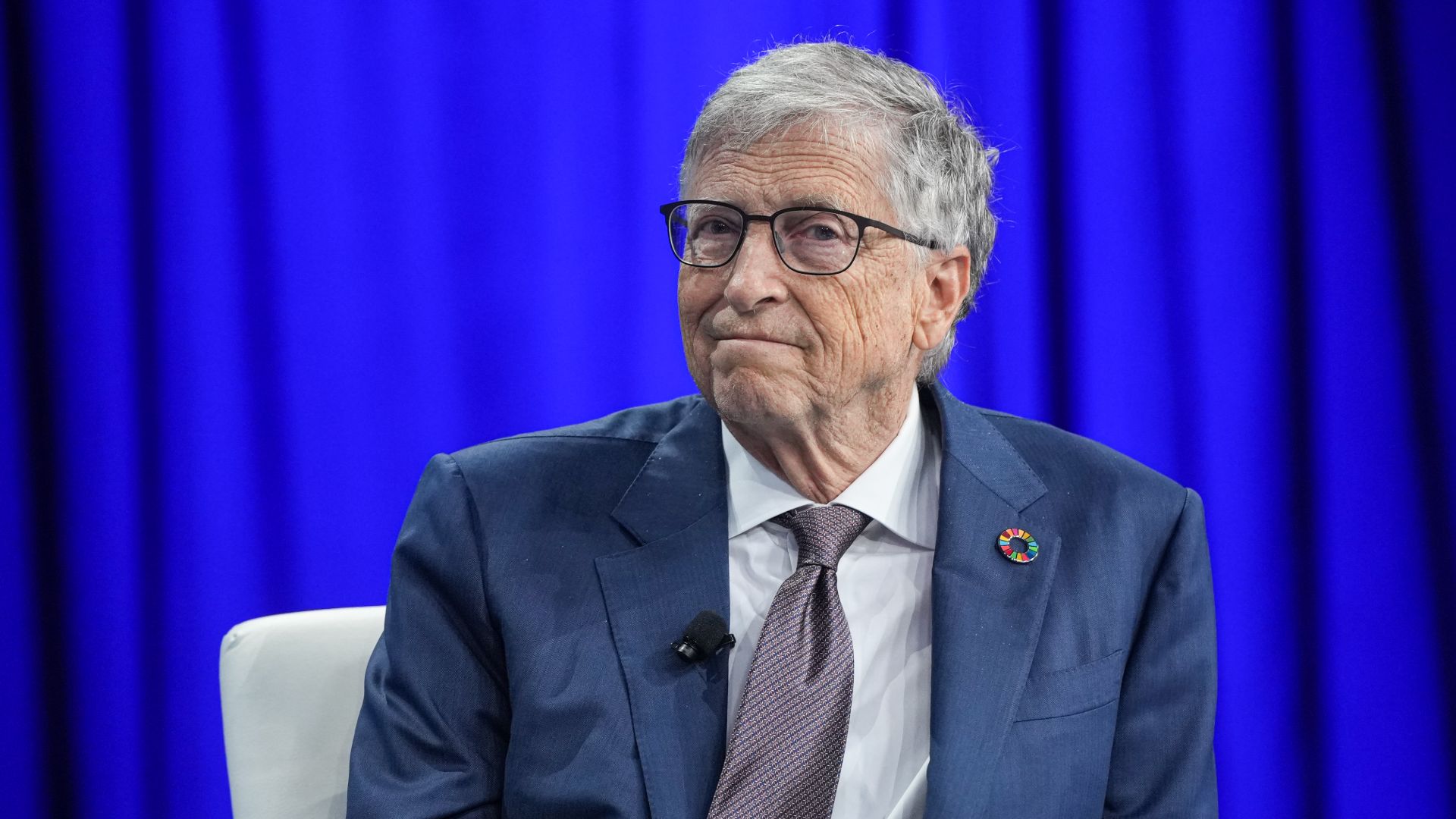
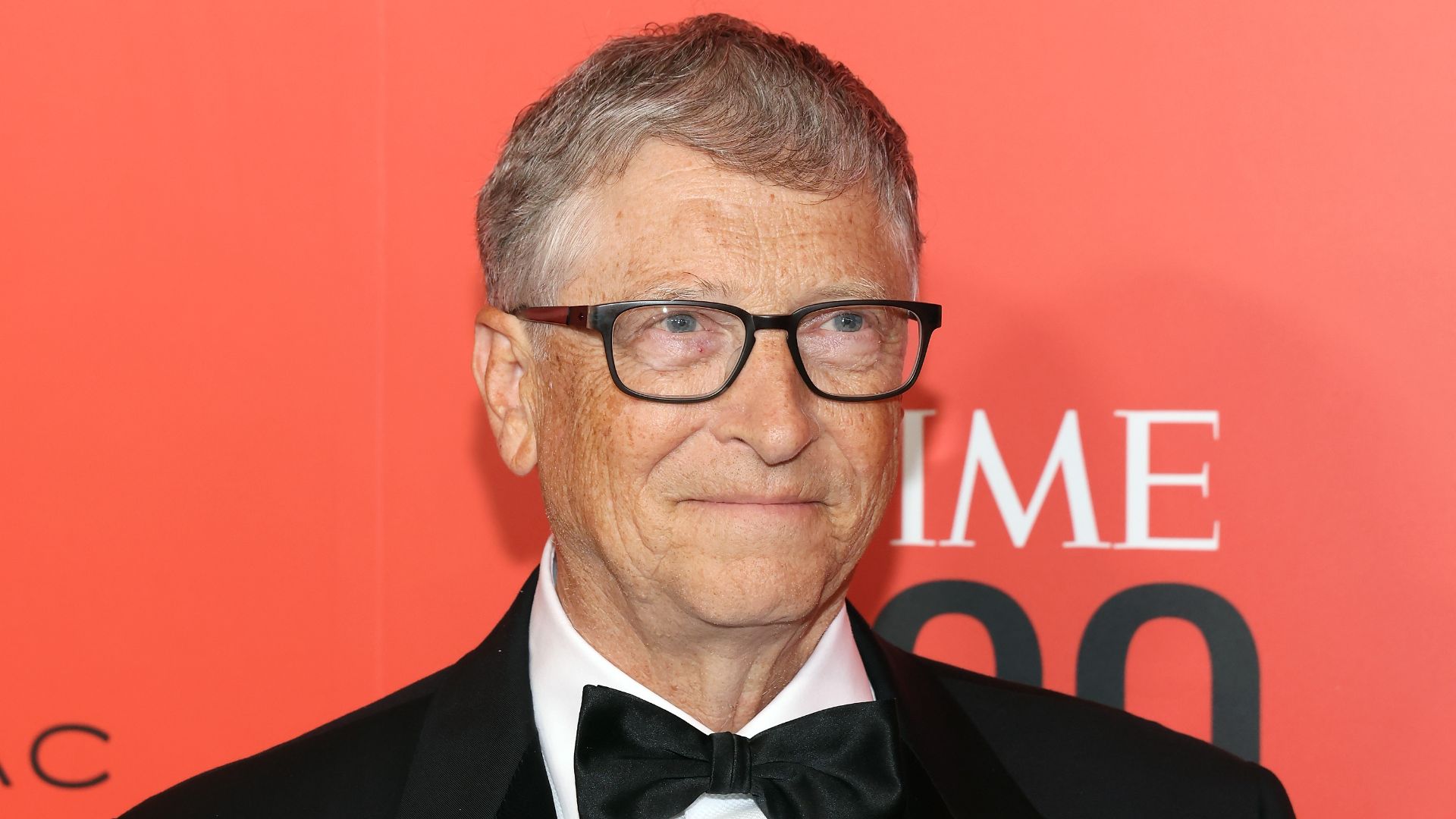
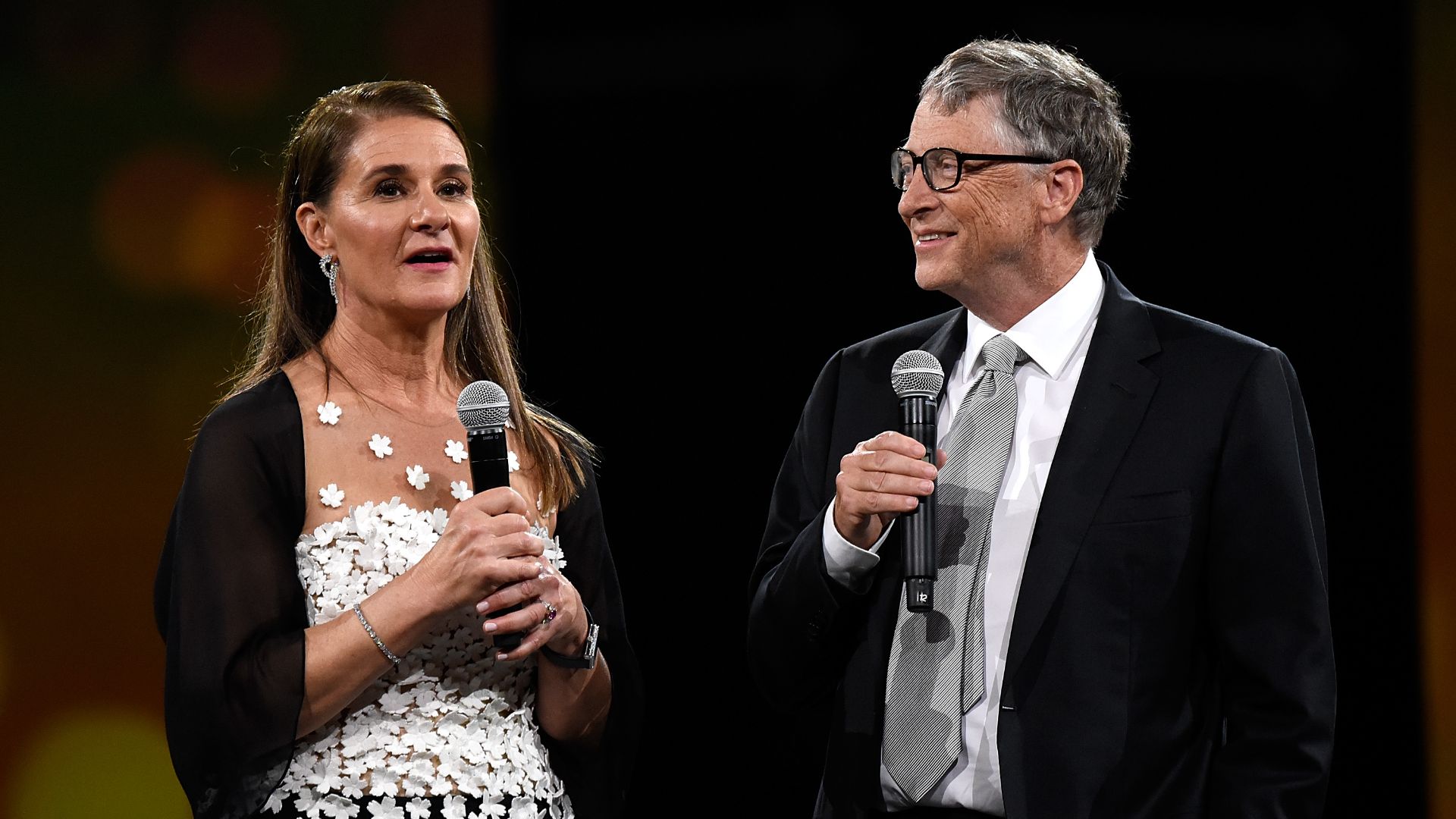
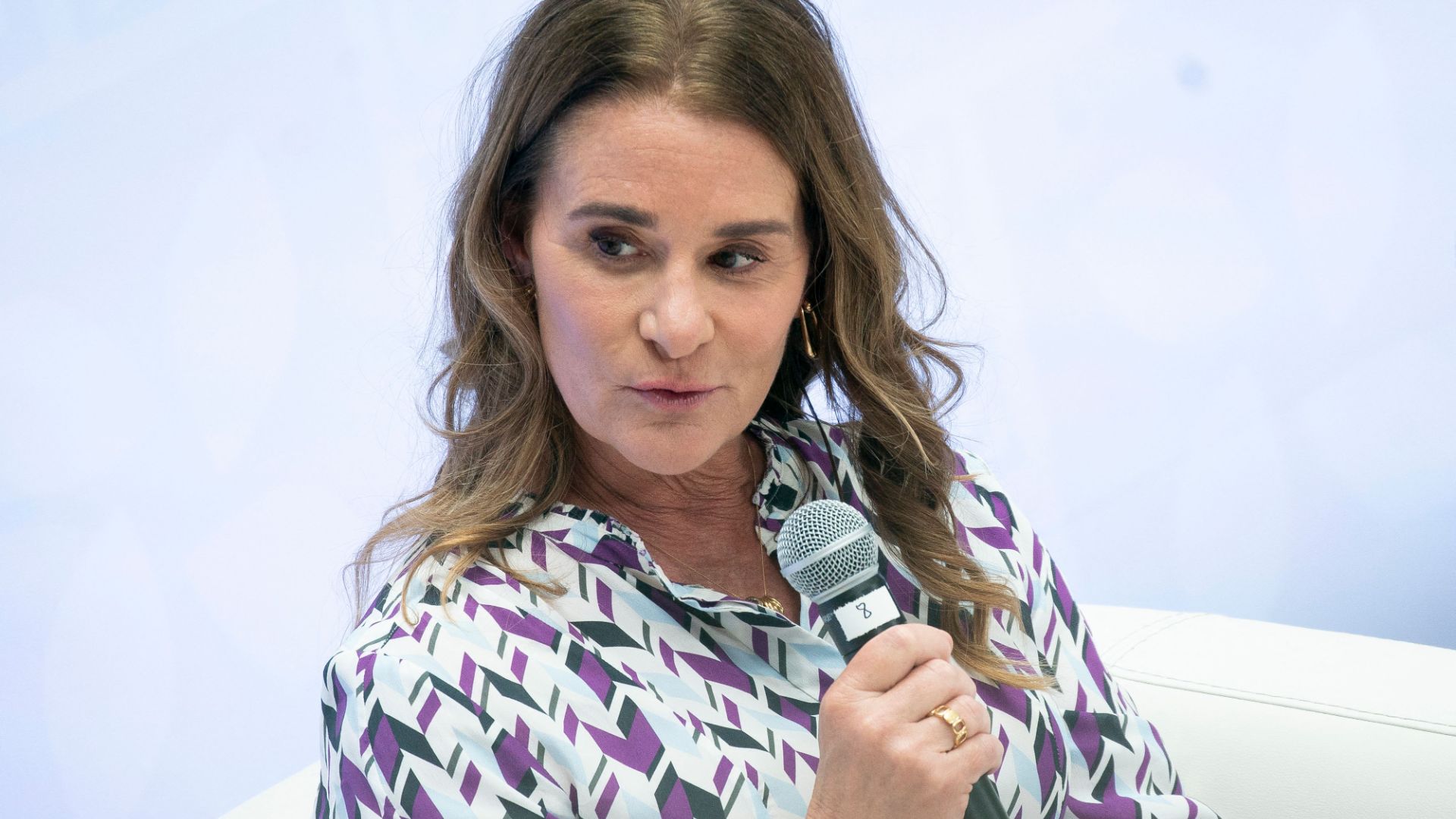
Melinda Gates: Bill «needs to answer» on Epstein files

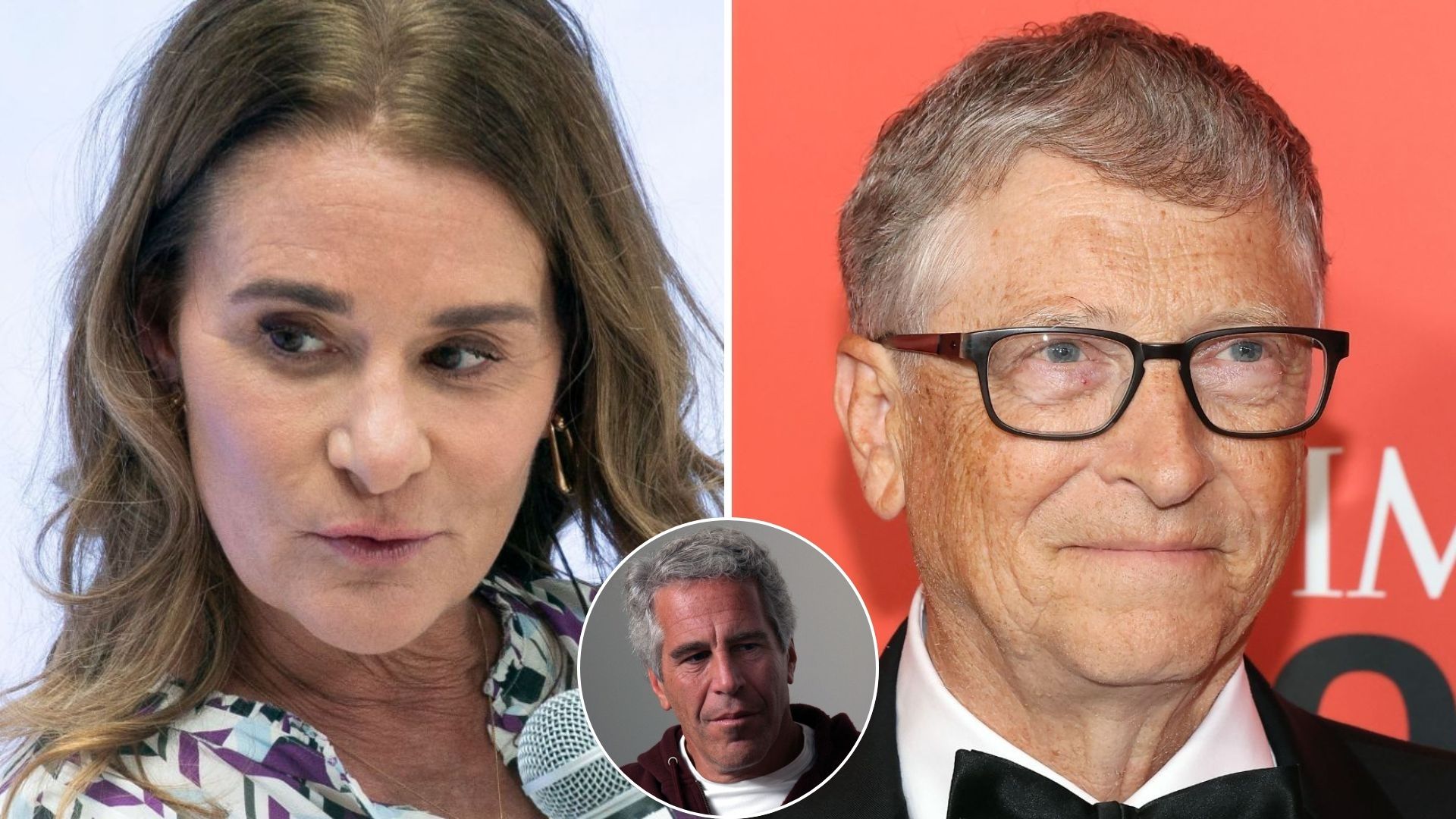
Melinda French Gates has publicly addressed the renewed attention surrounding her ex-husband after Bill Gates’ name appeared in the latest release of the Epstein files, describing the moment as reviving «very, very painful times in my marriage». Speaking on NPR’s Wild Card podcast, she reacted to newly released Justice Department documents containing unverified claims written by Jeffrey Epstein. While Bill Gates’ spokesperson dismissed the allegations as «absolutely absurd and completely false», Melinda said the questions raised by the files must be answered by those involved, not her. Framing the issue within Epstein’s abuse of women and girls, she added: «I think we’re having a reckoning as a society, right?»

Catégories
Uncategorized

Nuclear Weapons in Canada: Former General Says Yes

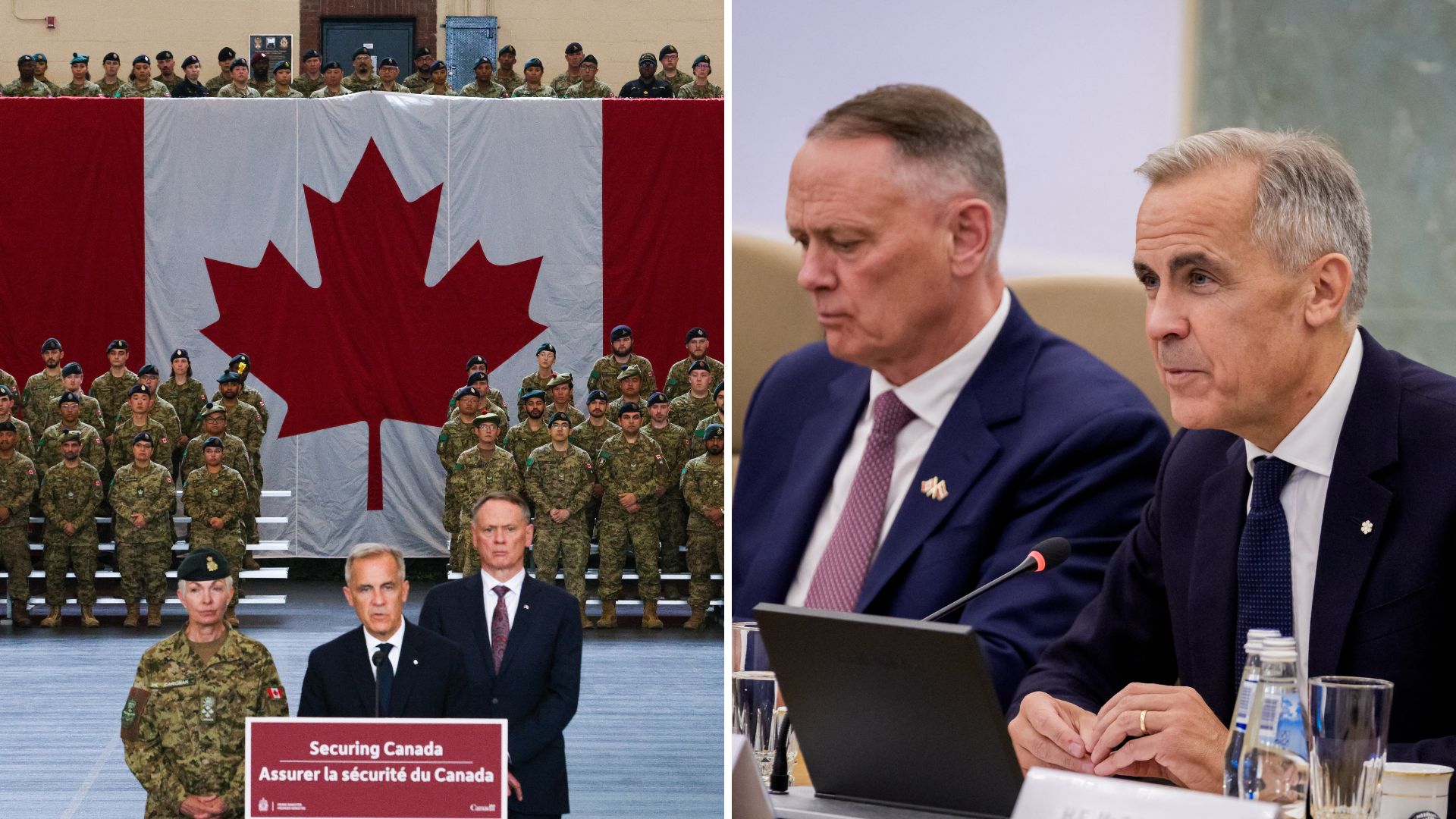
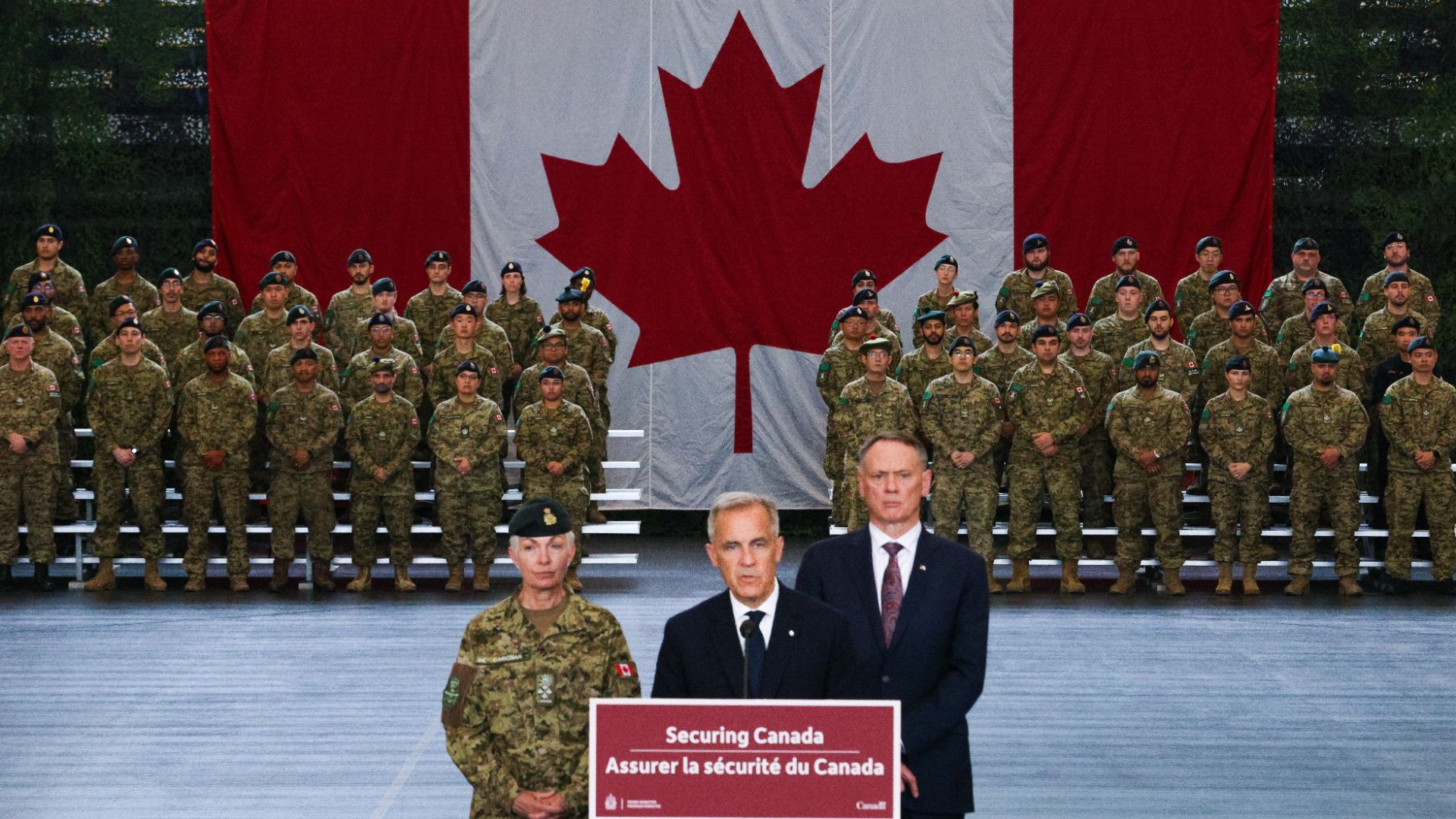
Canada has moved quickly to shut down renewed speculation about whether the country should consider acquiring nuclear weapons, after comments by retired general Wayne Eyre reignited debate over Ottawa’s long-standing non-nuclear posture.

The discussion emerged against a backdrop of rising global instability, renewed nuclear threats from Russia, and mounting uncertainty within NATO following U.S. President Donald Trump’s rhetoric toward allies and Greenland. While Eyre suggested Canada should not entirely rule out the option in the long term, the federal government responded by firmly reaffirming its commitment to non-proliferation and to strengthening the country’s conventional military capabilities instead.

Getty Images

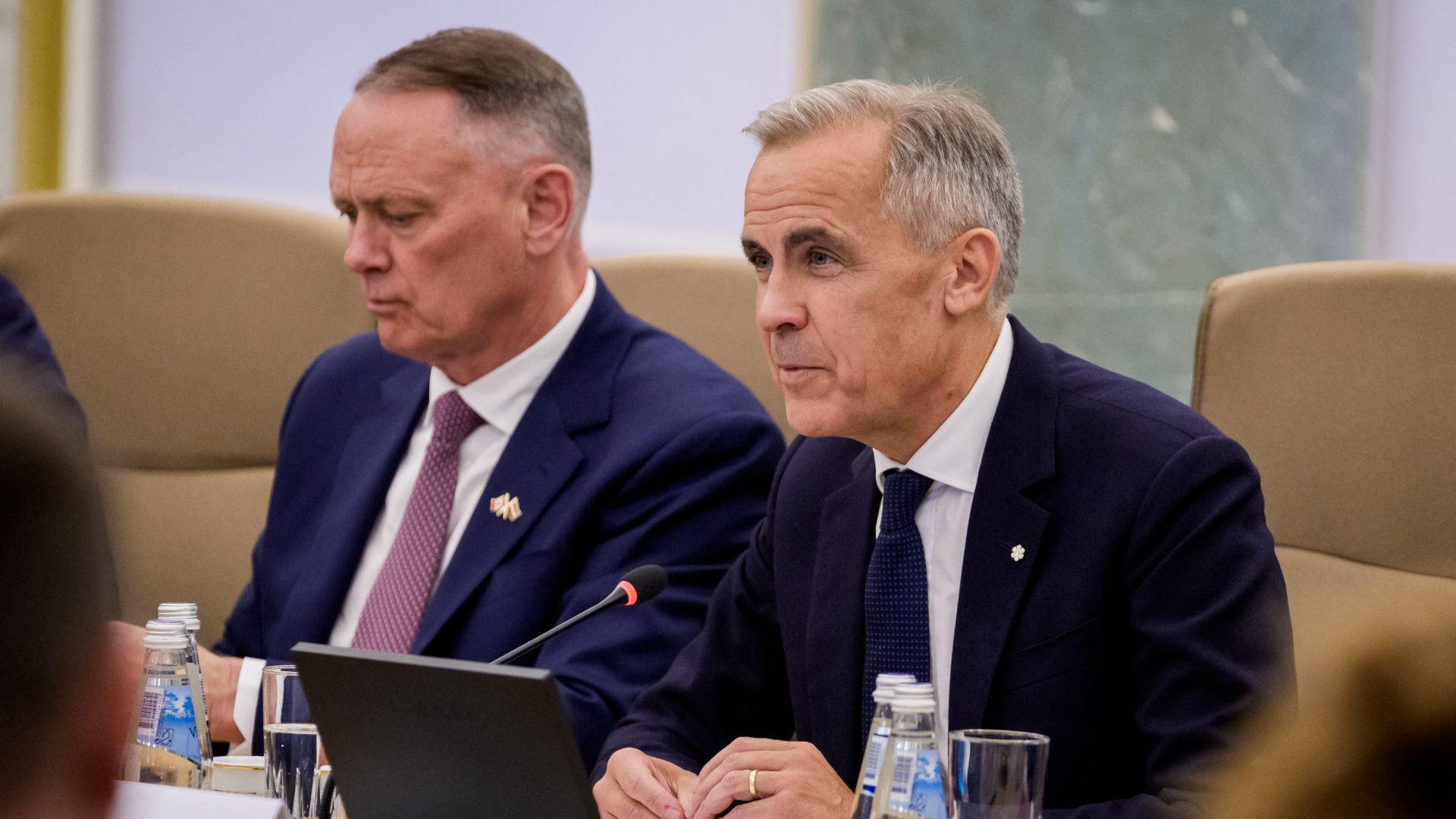
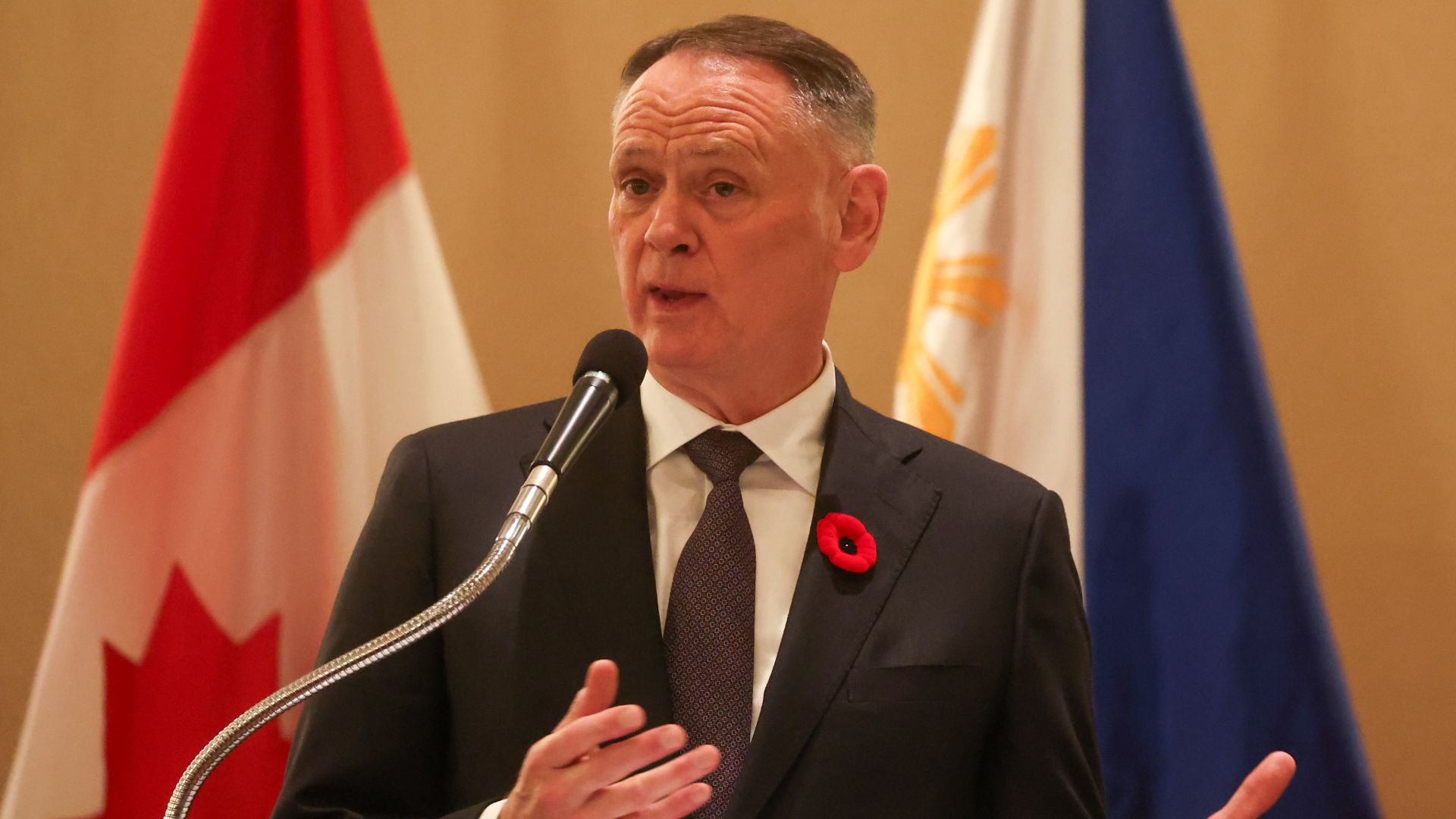
Defence Minister David McGuinty rejected the idea outright, stressing that Canada has no intention of pursuing nuclear weapons and remains bound by international treaties. Speaking to reporters ahead of a cabinet meeting, McGuinty said:

«Canada is a signatory to international treaties which preclude us, number one, and Canada has been a non-nuclear-proliferation state for a long time.»

He added that Ottawa’s focus lies elsewhere:

«We are going to continue to build conventional weapons. We’re going to continue to re-arm. We’re going to continue to reinvest. We’re going to continue to rebuild our Canadian Armed Forces and we’re doing that.»

Getty Images

Eyre’s remarks, delivered during a closed-door discussion in Ottawa on Canadian sovereignty and military autonomy, reflected growing unease among defence experts about reliance on U.S. security guarantees.

According to reports, the former chief of the defence staff argued that Canada may never achieve full strategic independence without a nuclear deterrent, while also acknowledging such a step should not be pursued now. Political leaders were quick to distance themselves from that view. Bloc Québécois Leader Yves-François Blanchet publicly supported the government’s swift rejection of the idea, signalling broad political consensus against any nuclear path.

«Canada is a signatory to international treaties which preclude us, number one, and Canada has been a non-nuclear-proliferation state for a long time.»

-Defence Minister David McGuinty

Experts on nuclear policy and international security have also cautioned strongly against reopening the question. John Erath, senior policy director at the Center for Arms Control and Non-Proliferation, warned that nuclear weapons would only exacerbate global risk.

«Nuclear weapons are not the way to deal with growing uncertainty and danger around the world,» he said. Alexander Lanoszka of the University of Waterloo argued the issue is not technical feasibility, but strategic logic and cost, noting that Canada has «very, very little reason» to pursue such an expensive and diplomatically damaging course.

Getty Images

Canada’s position is closely tied to its role as a signatory to the Nuclear Non-Proliferation Treaty, which bars non-nuclear states from acquiring such weapons. Ottawa has supported the treaty since it entered into force in 1970 and continues to frame it as a cornerstone of global stability, even as major powers modernize their arsenals and key arms control agreements like New START near expiration. While nuclear fears are rising globally, Canadian officials argue abandoning non-proliferation would undermine alliances and isolate the country diplomatically.

«We are going to continue to build conventional weapons. We’re going to continue to re-arm. We’re going to continue to reinvest. We’re going to continue to rebuild our Canadian Armed Forces and we’re doing that.»

-Defence Minister David McGuinty

Instead, the government is placing renewed emphasis on rebuilding the Canadian Armed Forces through conventional means, with particular attention to Arctic security, sovereignty patrols, and independent operational capacity. McGuinty has argued that these investments will ensure Canada can act independently when necessary without a nuclear deterrent. As geopolitical tensions intensify and alliances evolve, Ottawa appears determined to respond by strengthening traditional military capabilities, reinforcing treaty commitments, and avoiding a shift that could fundamentally alter Canada’s defence identity on the world stage.

Getty Images
Catégories
Uncategorized

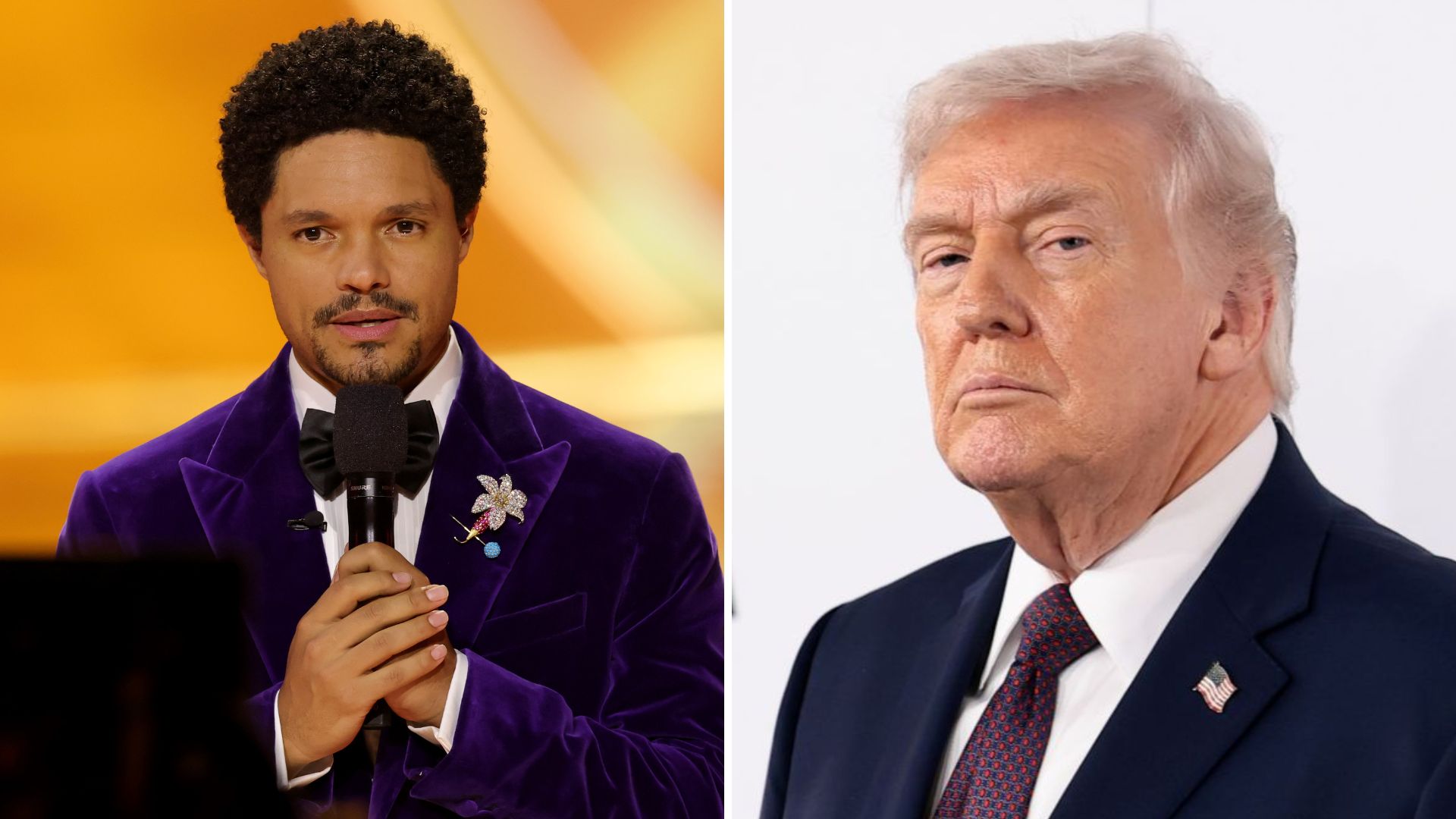
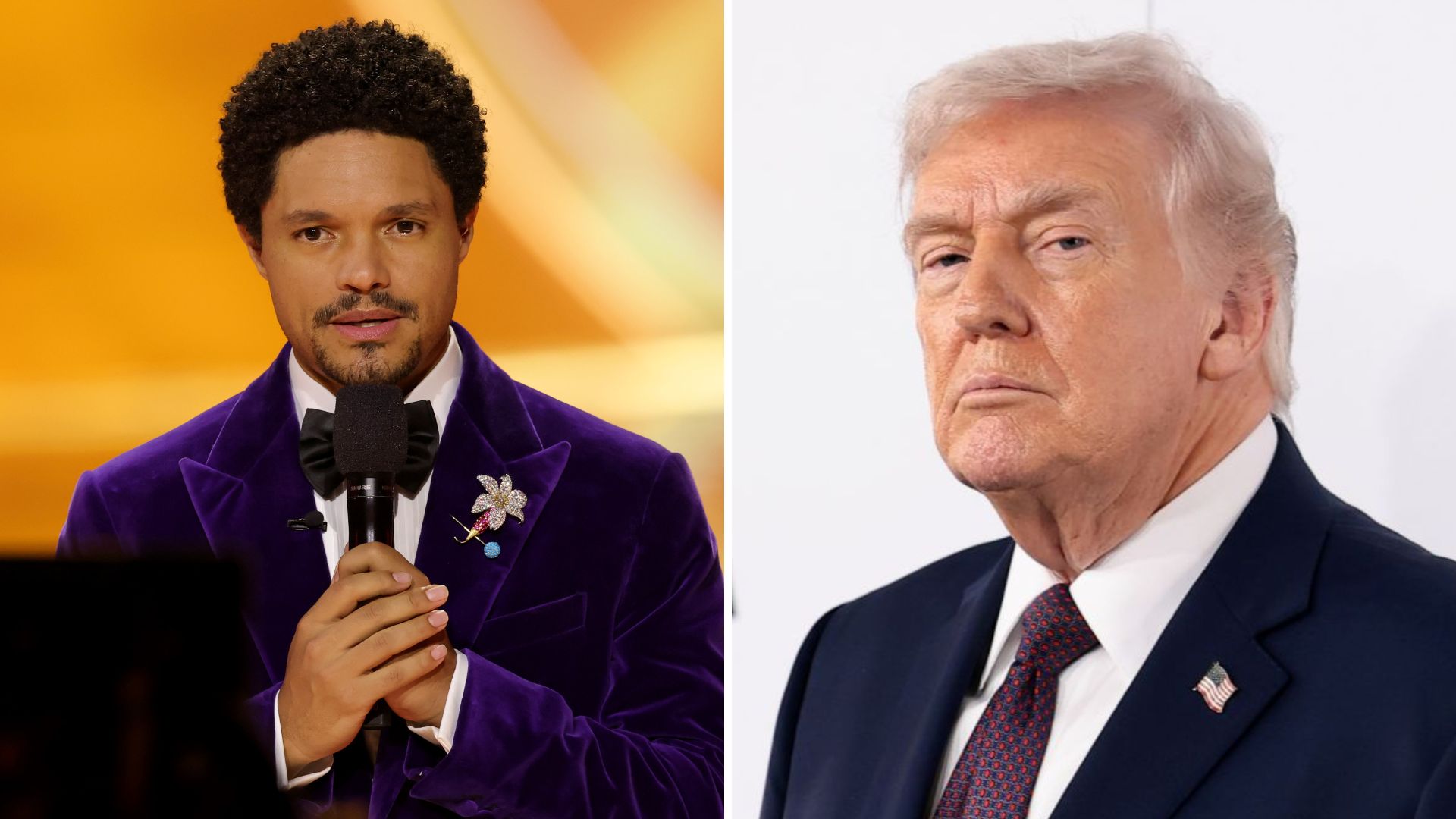
When a joke at the Grammys triggers a legal threat: deciphering Trump’s reaction to Trevor Noah

Trevor Noah’s joke during his opening monologue at the Grammy Awards provoked a disproportionate and very public reaction from President Donald Trump, who threatened to sue the comedian and the network broadcasting the ceremony. Beyond the anecdote, this trade illustrates the tensions between satire, media responsibility, and political strategy.

During the broadcast, Noah mixed political satire and dark humor by referring to Jeffrey Epstein and the alleged visitors to the island linked to his crimes. The line, intended as a comedic jab, was immediately picked up by Trump, who called it « false and defamatory » in a post on his platform, Truth Social. He categorically denied ever being on Epstein’s island and announced that he planned to send his lawyers after Noah.

Trevor Noah et Donald TrumpThe scene raises a simple question: when does a joke become a legal target?
Political satire has a long tradition of provocation. Late-night comedians, cartoonists, and columnists use hyperbole to point out inconsistencies, scandals, or public behavior. However, there is a line between joking and factual allegation: satire is protected in many jurisdictions, but defamation remains actionable if a statement presented as fact causes harm and is false.

Île privée liée à Jeffrey EpsteinIn this particular case, Noah’s joke functions as a comedic juxtaposition—it does not claim to provide documentary evidence but relies on the public association between Epstein and well-known figures. Yet Trump’s reaction shows that public figures can choose to take such jokes very seriously and turn them into a political tool.

Several dynamics are worth highlighting:

  • The role of the platform: Broadcasting a joke during a major ceremony such as the Grammys multiplies its audience and impact. CBS, as the broadcaster, finds itself at the center of a controversy without having intentionally provoked it.
  • The legal-political strategy: Threatening legal action can discourage comedians and the media, and sometimes acts as a tool of intimidation even if the legal outcome is uncertain.
  • The protection of satire: In many legal systems, satire enjoys strong protection when it is clearly humorous and not a verifiable factual assertion.
  • Media polarization: The incident shows how a joke can be reframed as a political weapon in a climate of intense polarization.

Trevor Noah sur scèneThe public response has been mixed: some have viewed Trump’s reaction as an attempt to stifle satire and draw attention to himself, while others have felt that a line must be drawn if a remark is perceived as an unfounded accusation.
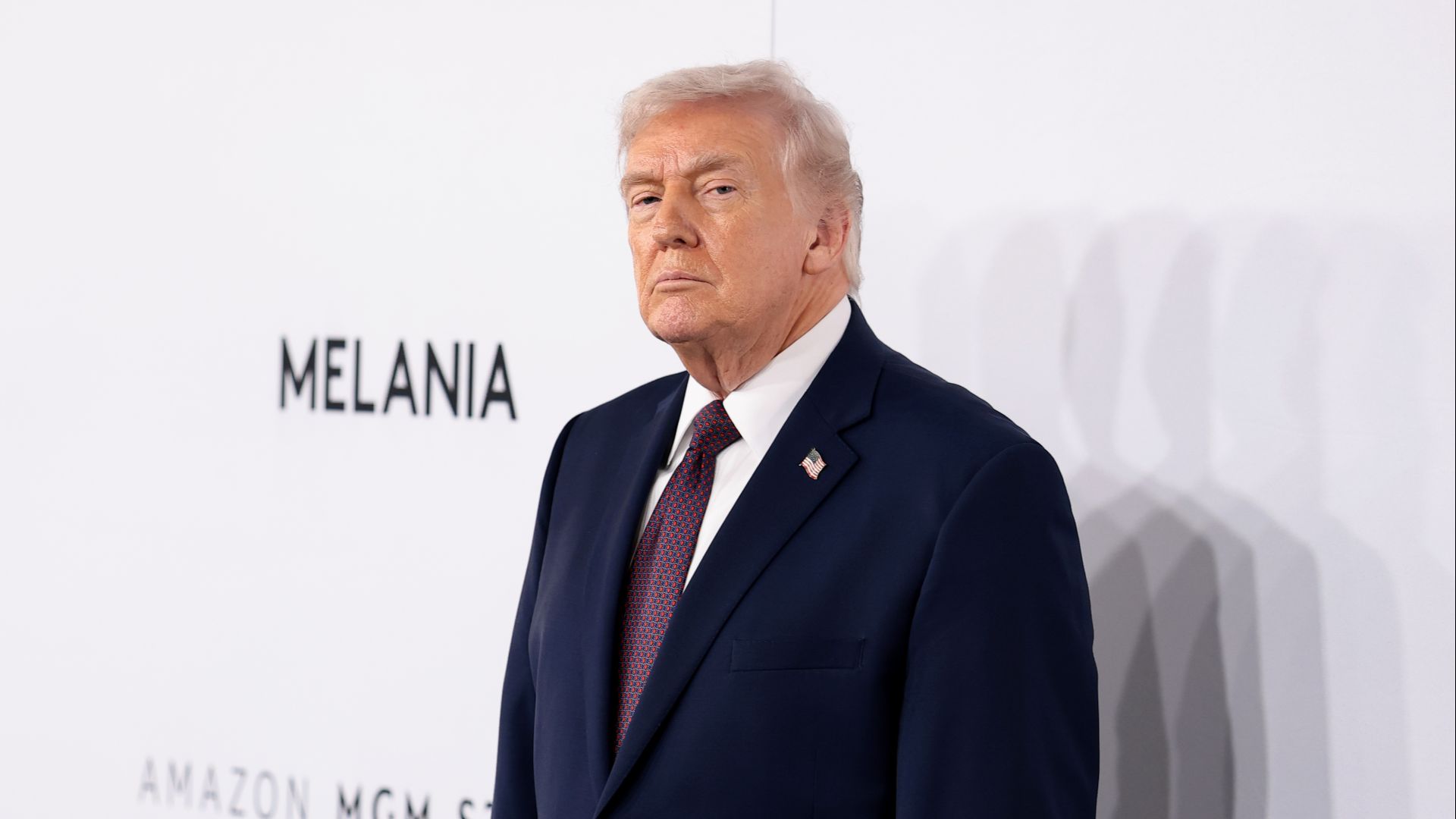
It is also important to place the incident in a broader cultural context. The Grammys provided an opportunity for several artists to express political views on immigration and human rights—statements that were applauded by some and criticized by others. For example, artists such as Bad Bunny and Billie Eilish used their platform to criticize immigration policies perceived as harsh, thereby emphasizing the political nature of the ceremony.

Public et stars aux GrammysUltimately, what can we expect? If Trump takes legal action, the courts will have to assess whether Noah’s remark was a factual assertion or protected satire. Precedents involving defamation of public figures show that the bar is often high for proving harm and bad faith.
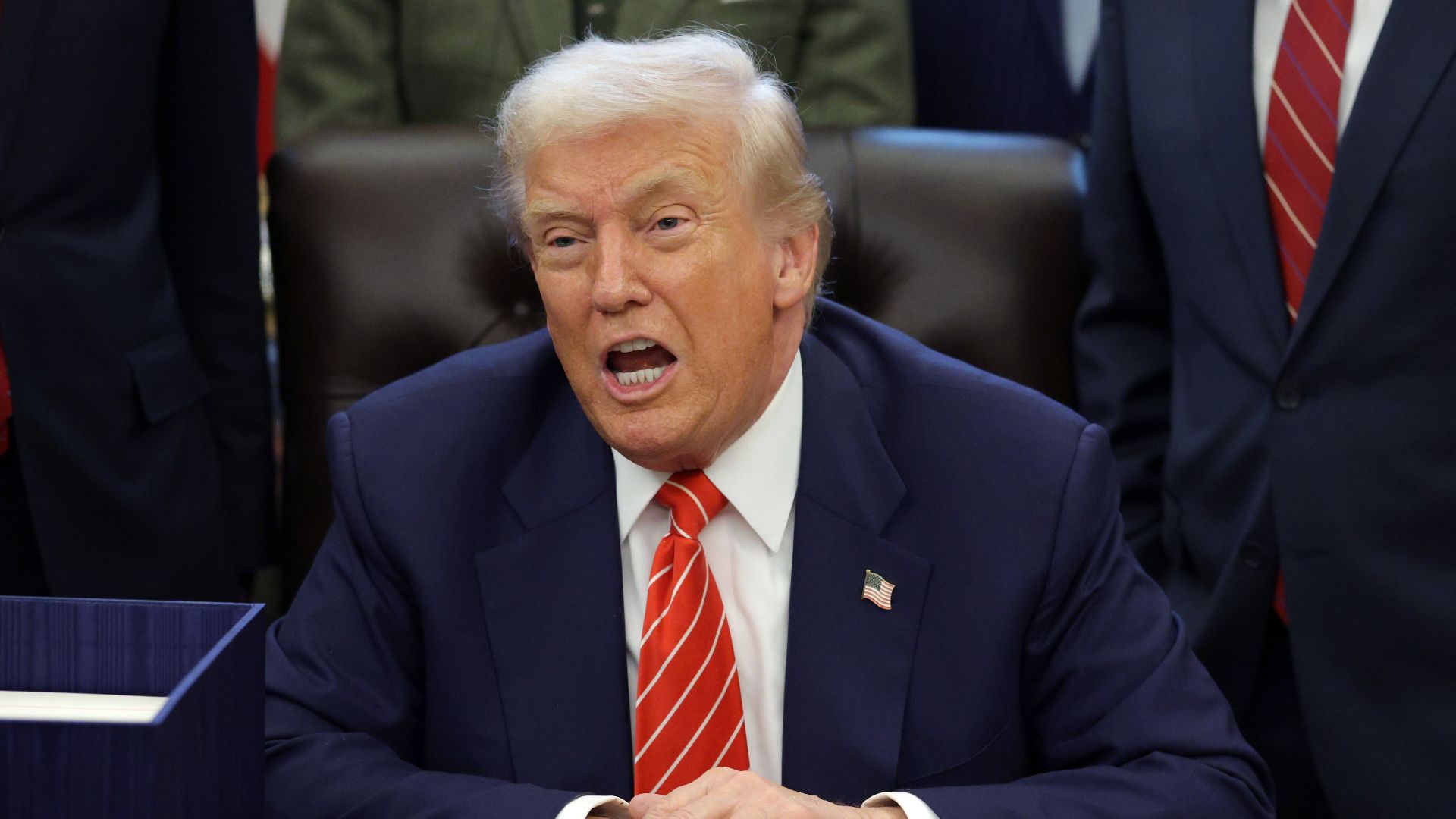
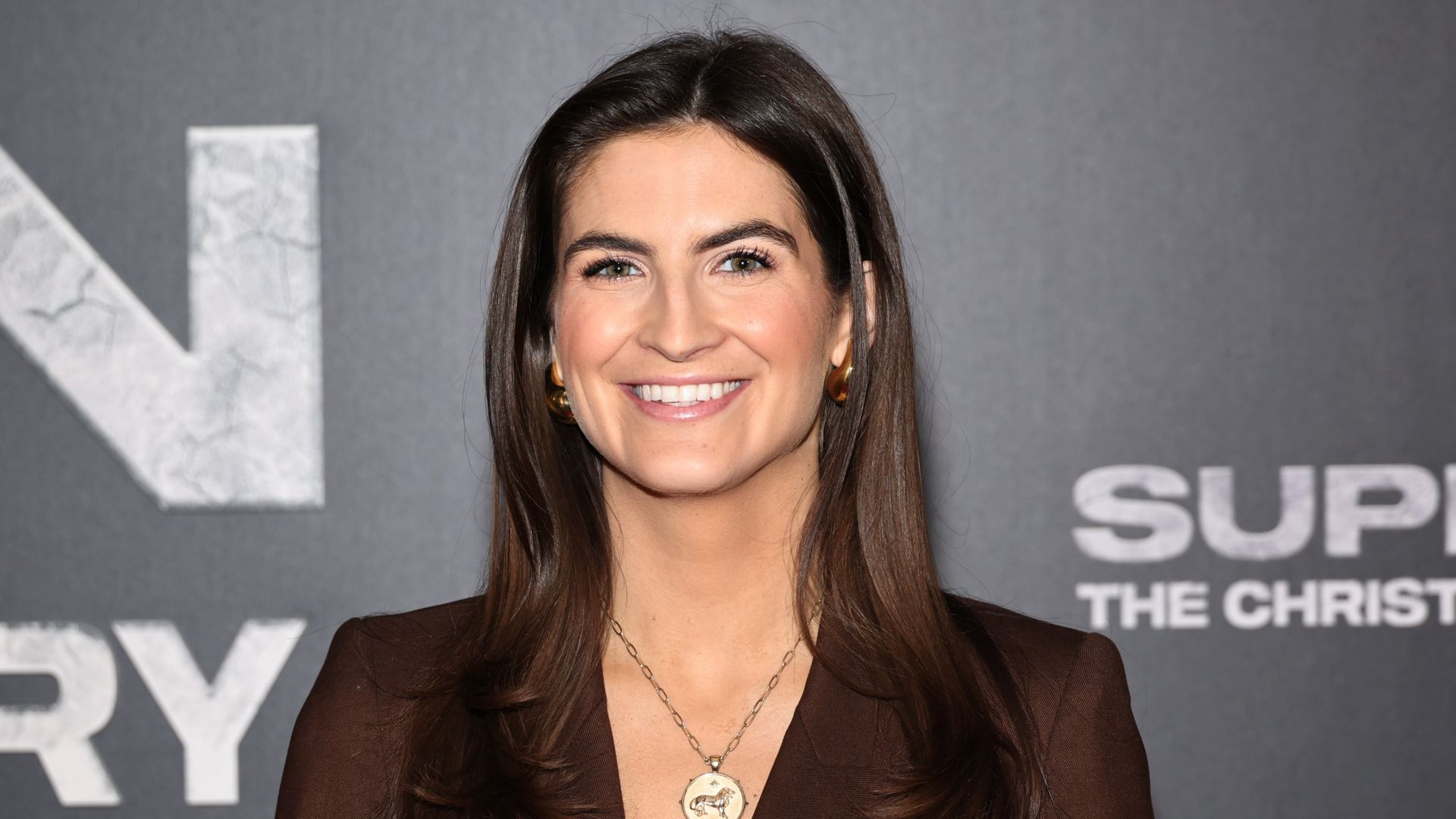
For the public and creators, this episode serves as a reminder of a few lessons: satire retains its democratic value as a form of criticism, but it exists in an environment where media representations can have legal and political repercussions. It remains to be seen whether this threat will come to fruition or whether it will remain just another episode in the era of viral controversies.

In summary: a joke at the Grammys highlighted the tension between humor and public responsibility, showing that in today’s media ecosystem, a funny line can quickly become an institutional confrontation.

Catégories
Uncategorized

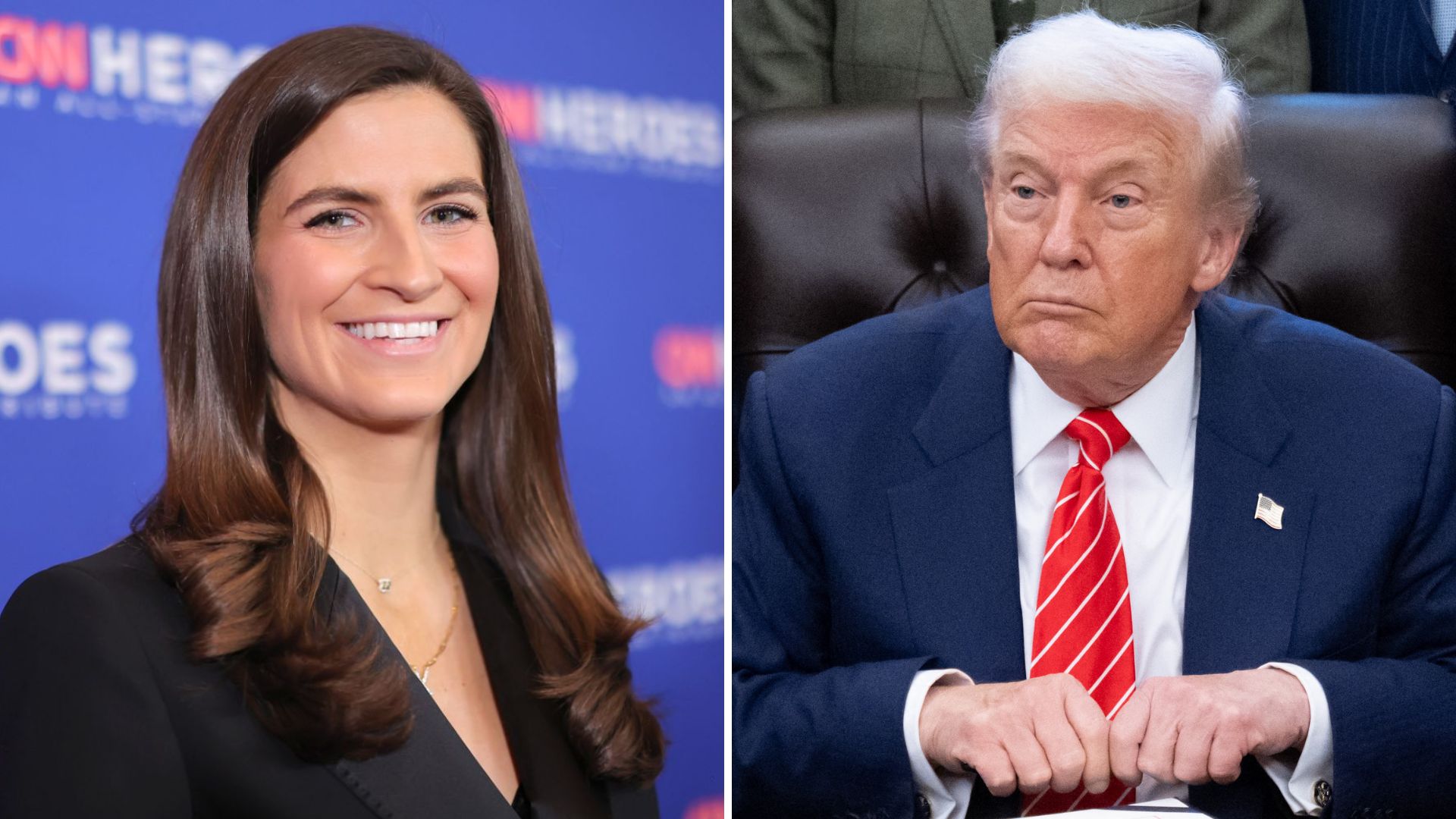
Trump Explodes at Kaitlan Collins, Criticizing Her for «Not Smiling»

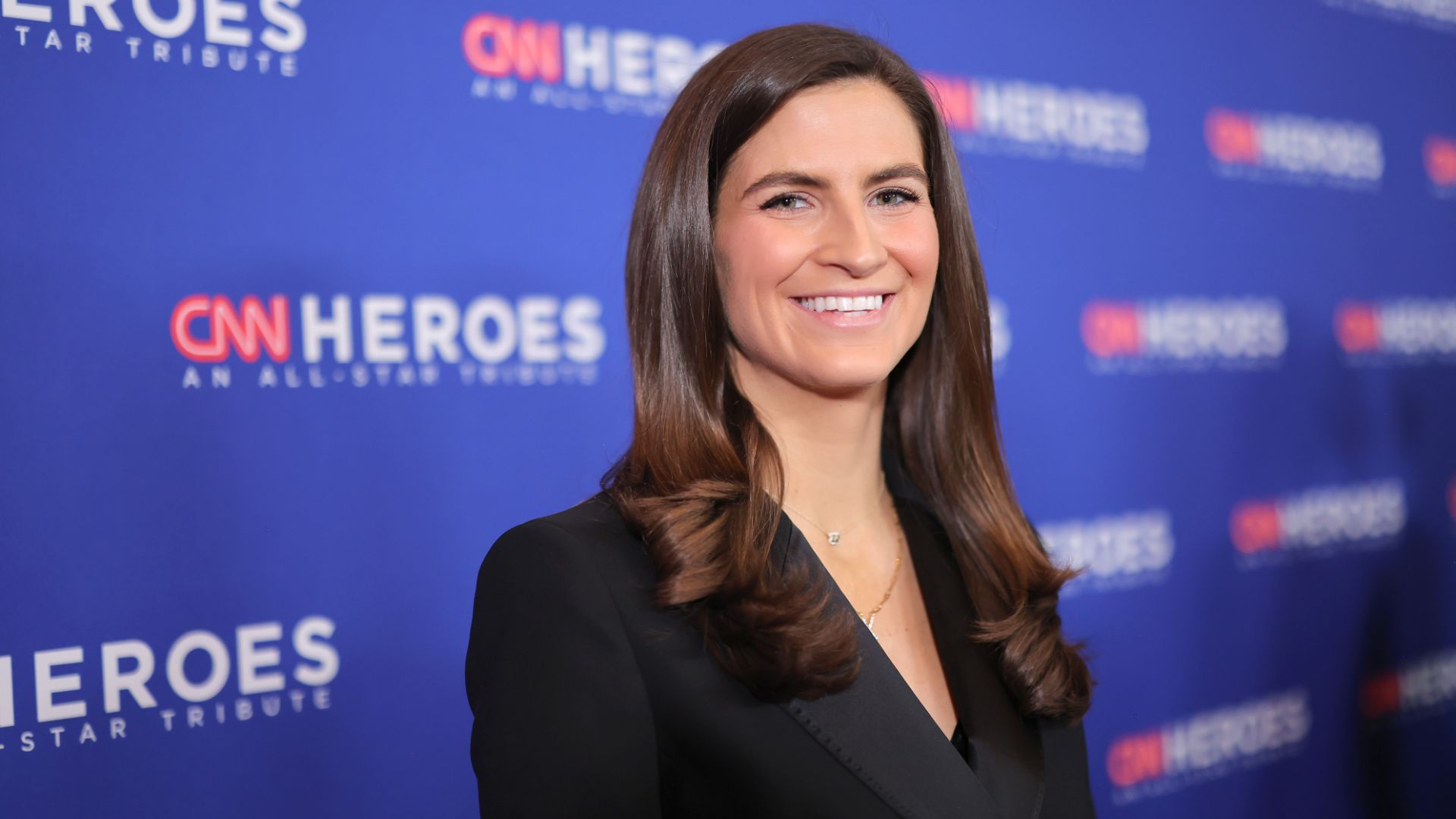
President Donald Trump erupted at CNN reporter Kaitlan Collins during an Oval Office appearance after she attempted to ask a question about survivors of convicted sex offender Jeffrey Epstein. Collins, 33, began asking, «What would you say to survivors–» before Trump abruptly cut her off and launched into a personal attack.

«You are so bad. You know, you are the worst reporter. No wonder,» Trump said, adding:

«CNN has no ratings because of people like you.»

The exchange unfolded in front of Republican lawmakers and other reporters, as Trump prevented Collins from completing her question and immediately shifted his attention elsewhere.

«She’s a young woman. I don’t think I’ve ever seen you smile. I’ve known you for 10 years. I don’t think I’ve ever seen a smile on your face.»

-Donald Trump

As Collins attempted to continue, Trump escalated his remarks, targeting her demeanor rather than the substance of her question.

Getty Images

«You know why you’re not smiling? Because you know you’re not telling the truth, and you’re a very dishonest organization, and they should be ashamed of you,»

-Donald Trump

«She’s a young woman. I don’t think I’ve ever seen you smile. I’ve known you for 10 years. I don’t think I’ve ever seen a smile on your face,» he said.

Collins responded that she was asking about Epstein’s survivors, but Trump continued the attack.

«You know why you’re not smiling? Because you know you’re not telling the truth, and you’re a very dishonest organization, and they should be ashamed of you,» he said, before calling on another reporter and moving on.

Collins’s question followed Trump’s suggestion that the country should move past the Epstein files. She raised concerns voiced by survivors regarding redactions in the latest Justice Department release.

«A lot of women who were, are survivors of Epstein, they’re unhappy with those redactions that came out,» Collins said.

«Some of them, entire witness interviews are blacked out. Do you think they should be more transparent?» Before she could finish, Trump interjected with his own assertion.

«Well, they’re also unhappy with the fact that they thought they released too much. You know I heard that, and you’re telling something else,» he said.

Getty Images

Rather than address the substance of the concerns raised by Epstein’s victims, Trump redirected the discussion to himself. «I think it’s really time for the country to get on to something else really,» he said, later repeating that sentiment and suggesting the focus should shift to issues «like health care.»

Trump also claimed that the only references to him in the latest document release involved what he described as a conspiracy against him.

«Now that nothing came out about me other than it was a conspiracy against me, literally, by Epstein and other people,» he said, dismissing the broader contents of the files.

The confrontation came amid renewed scrutiny of Trump’s presence in Epstein-related records. The latest tranche of documents includes allegations, which Trump has denied, including a claim involving a 13-year-old girl.

The White House has called the accusations false.

A classified 2017 memo included in the release alleged Trump visited Epstein’s home shortly before announcing his presidential run, describing Epstein as «very close to current President Donald Trump». Another document stated that an Epstein assistant told the FBI the financier introduced Trump to Melania. Trump has also threatened to sue journalist Michael Wolff, accusing him of conspiring with Epstein.

Getty Images

The incident with Collins fits a broader pattern of Trump unleashing personal attacks against women journalists who challenge him publicly. Over the years, he has targeted reporters’ appearance, tone, and credibility rather than their questions, often in highly visible settings. In this case, even as the media was ushered out of the Oval Office, Trump could be heard continuing to complain about Collins not smiling.

The exchange underscored how questions about Epstein, survivors, and accountability continue to provoke aggressive responses from Trump, particularly when posed by women reporters, reinforcing criticism that he uses intimidation and insult to deflect scrutiny rather than engage with the substance of the reporting.

Getty Images