When it comes to interior decorating and home decor, minimalism has become very popular in the last few years. It’s not hard to see why, either. Not only does it make it much easier to keep a minimalist home clean and free of clutter, but it can also help reduce anxiety for some people. The only problem is that actually achieving minimalism in the home can be difficult. And yet, it can be done, even if it feels like you have too many things to organize within your home. Here are some tips and tricks that will help you achieve a minimalist home.
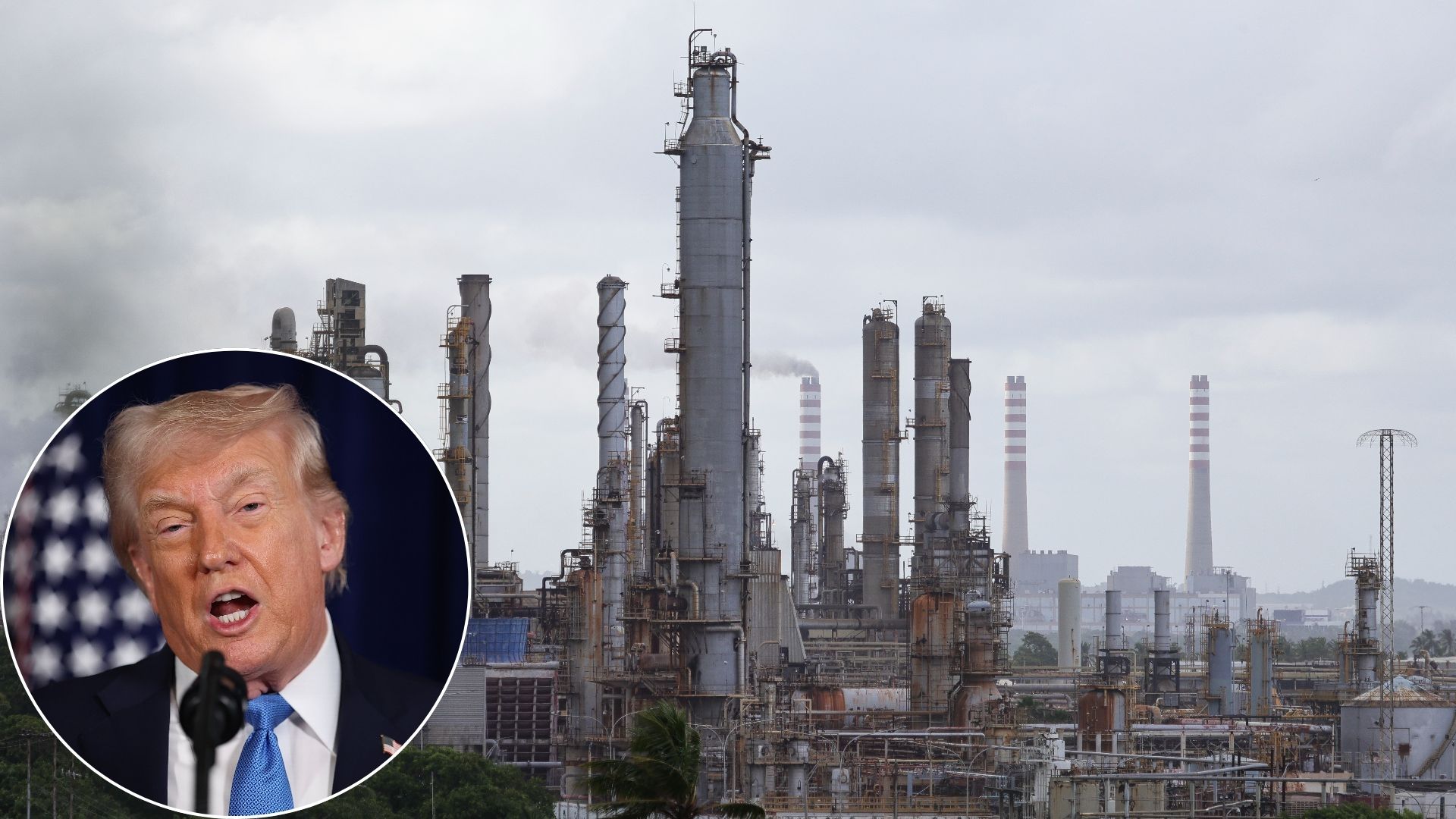
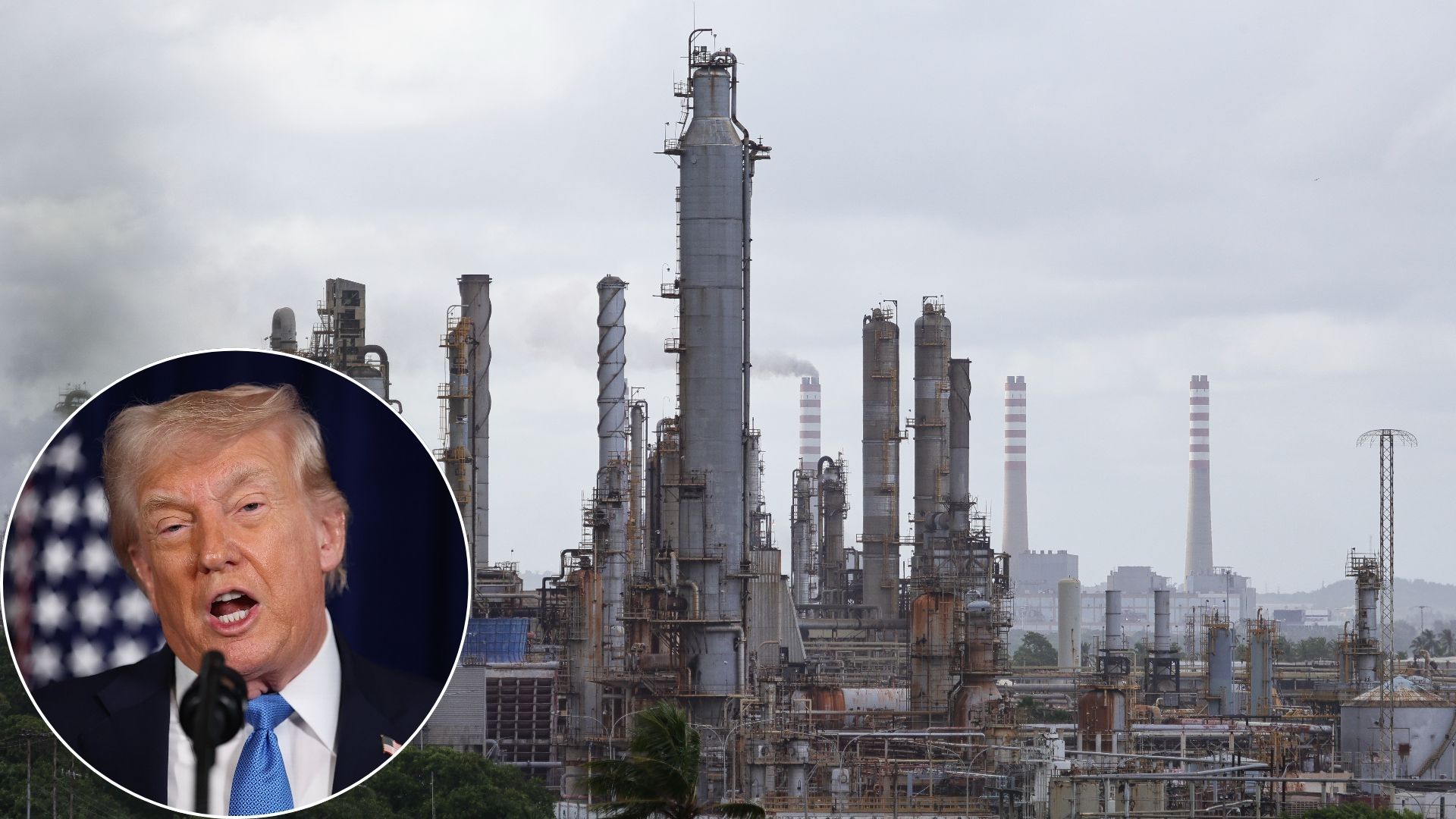
Malgré les assurances répétées de Donald Trump selon lesquelles les compagnies pétrolières américaines sont impatientes de s’installer au Venezuela et de reconstruire son secteur énergétique, la réaction de l’industrie a été beaucoup plus discrète depuis que les États-Unis ont lancé leur attaque contre le pays et capturé le président Nicolás Maduro et son épouse.
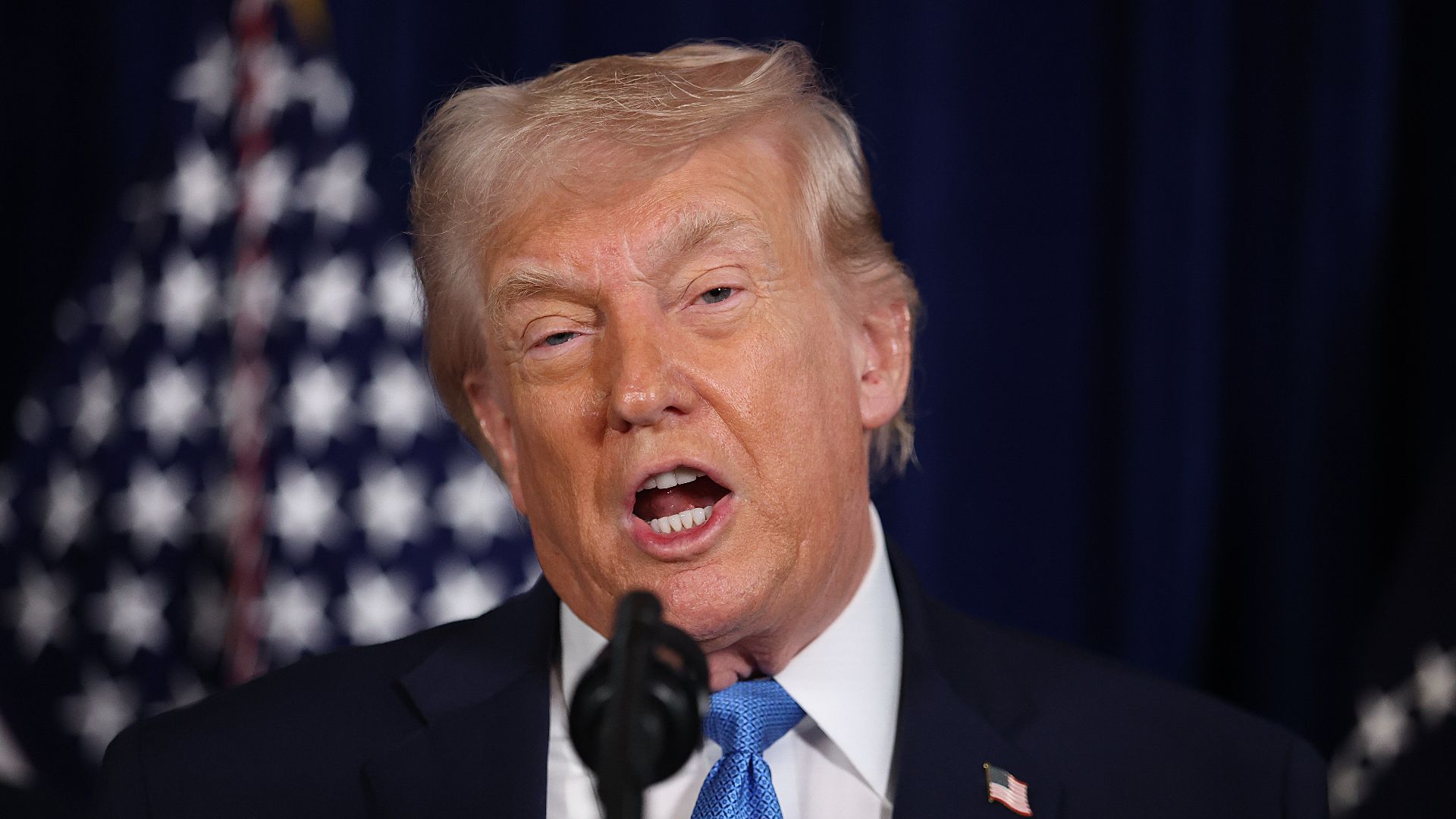
Trump a publiquement insisté sur le fait que les entreprises américaines mèneraient l’effort de restauration de l’industrie pétrolière vénézuélienne, déclarant : « Nous allons demander à nos très grandes compagnies pétrolières américaines, les plus importantes au monde, d’aller sur place, de dépenser des milliards de dollars, de réparer l’infrastructure gravement endommagée – l’infrastructure pétrolière – et de commencer à gagner de l’argent pour le pays ». Pourtant, les dirigeants et les personnalités du secteur n’ont guère manifesté l’enthousiasme exprimé par le président, se montrant plus prudents qu’enthousiastes à l’idée d’investir dans un pays qui sort d’une intervention militaire, d’une incertitude politique et d’années de détérioration de ses installations pétrolières.
Getty Images
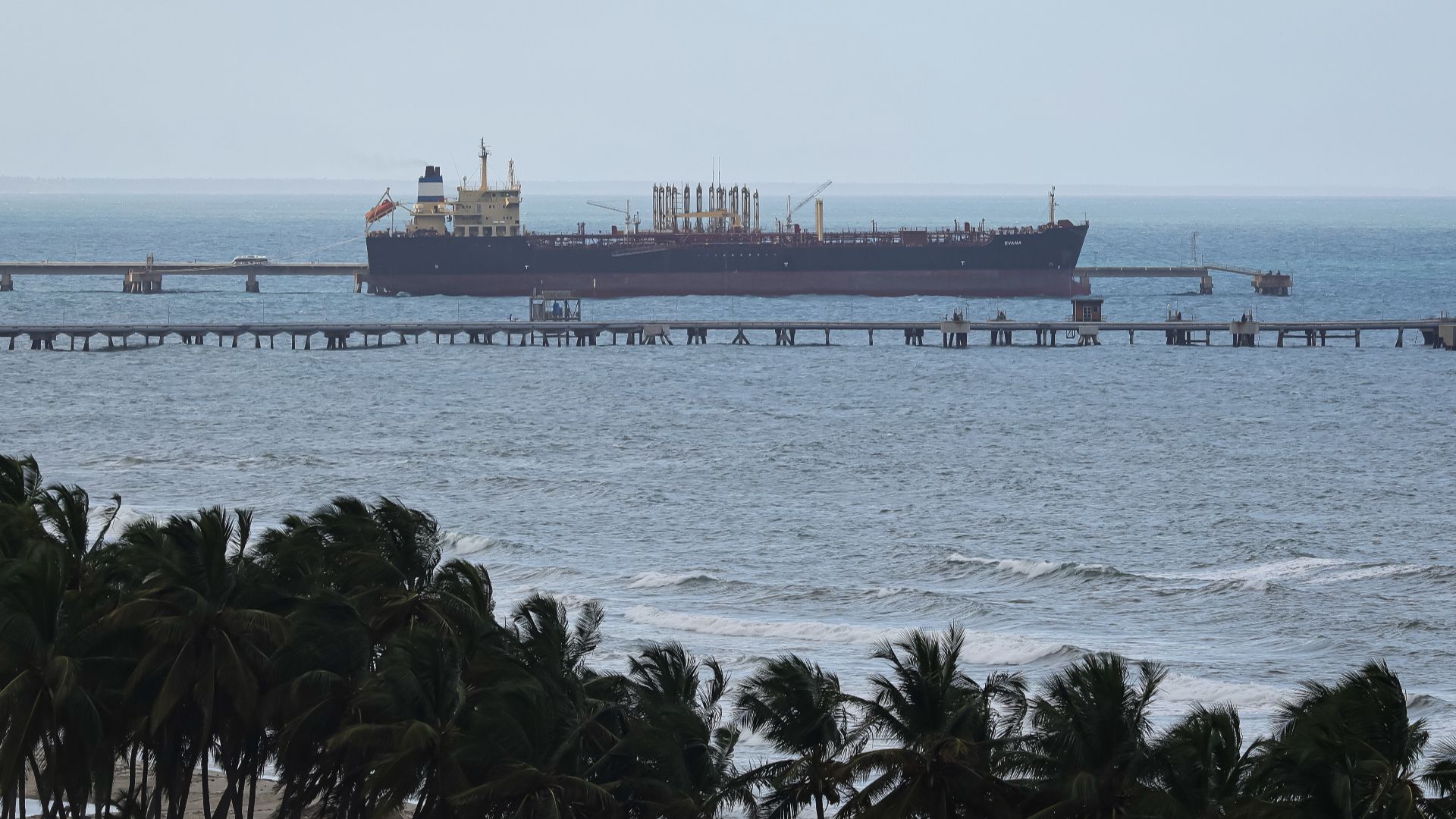
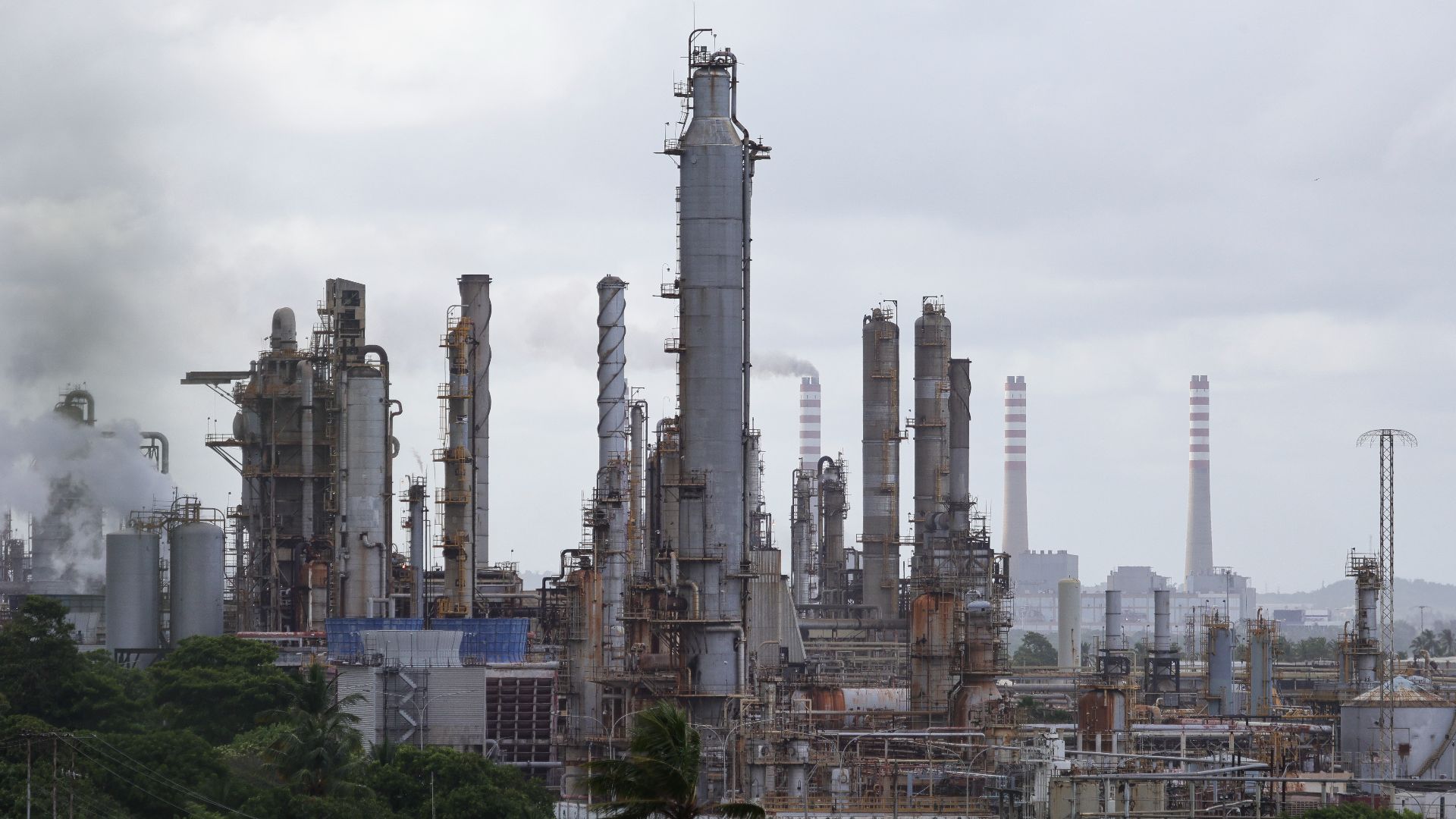
Selon CNN, les compagnies pétrolières américaines citent une combinaison de facteurs structurels, financiers et politiques pour expliquer leur réticence à réinvestir au Venezuela, ce qui va à l’encontre des attentes de la Maison-Blanche. Les dirigeants de l’industrie pétrolière évoquent tout d’abord l’état du secteur pétrolier vénézuélien, décrivant une industrie au bord de l’effondrement, avec des installations de production, des oléoducs et des raffineries gravement dégradés après des années de mauvaise gestion et de sanctions. La reconstruction de cette infrastructure nécessiterait des milliards de dollars d’investissement initial à un moment où les prix mondiaux du pétrole restent relativement bas, ce qui rend l’argument économique difficile à justifier. Les dirigeants ont également souligné que les actions passées du Venezuela pèsent lourdement sur leurs calculs, notant que les entreprises américaines ont été expulsées du pays il y a environ vingt ans et que Caracas a l’habitude de saisir les actifs pétroliers étrangers. Dans l’ensemble, ces risques ont conduit de nombreuses entreprises à conclure que les bénéfices potentiels ne l’emportent pas sur les coûts et les incertitudes, malgré les pressions exercées par l’administration Trump pour revenir sur le marché vénézuélien.
Getty Images
La Maison-Blanche s’est opposée aux allégations de résistance de l’industrie, offrant un compte-rendu très différent de la façon dont les compagnies pétrolières américaines perçoivent l’action controversée de l’administration contre le Venezuela. Les responsables de l’administration insistent sur le fait que les dirigeants du secteur de l’énergie soutiennent largement le plan et sont prêts à participer à la reconstruction du secteur pétrolier du pays, affirmant que l’opposition a été exagérée. « Toutes nos compagnies pétrolières sont prêtes à faire de gros investissements au Venezuela pour reconstruire leur infrastructure pétrolière », a déclaré un responsable de la Maison-Blanche, qui considère l’initiative comme une opportunité plutôt que comme un handicap. De hauts responsables de l’administration devraient organiser des réunions avec des dirigeants de l’industrie au cours de la semaine à venir pour défendre cette cause, même si certaines entreprises américaines qualifient en privé la proposition de « risque très élevé », en citant l’instabilité politique, l’incertitude juridique et l’héritage des expropriations passées.
Despite Donald Trump’s repeated assurances that American oil companies are eager to move into Venezuela and rebuild its energy sector, industry reaction has been far more muted since the U.S. launched its attack on the country and captured President Nicolás Maduro and his wife.
Trump has publicly insisted that U.S. firms would lead the effort to restore Venezuela’s oil industry, declaring «We’re going to have our very large United States oil companies, the biggest anywhere in the world, go in, spend billions of dollars, fix the badly broken infrastructure — the oil infrastructure — and start making money for the country». Yet executives and industry figures have shown little of the enthusiasm expressed by the president, signaling caution rather than excitement about investing in a country emerging from military intervention, political uncertainty and years of deterioration in its oil facilities.
Getty Images
According to CNN, U.S. oil companies cite a combination of structural, financial and political factors for their reluctance to reinvest in Venezuela, pushing back against the White House’s expectations. Industry executives point first to the state of the country’s oil sector, describing an industry in near collapse, with production facilities, pipelines and refineries severely degraded after years of mismanagement and sanctions. Rebuilding that infrastructure would require billions of dollars in upfront investment at a time when global oil prices remain relatively low, making the economic case difficult to justify. Executives have also stressed that Venezuela’s past actions weigh heavily on their calculations, noting that U.S. companies were expelled from the country roughly two decades ago and that Caracas has a history of seizing foreign oil assets. Taken together, those risks have led many firms to conclude that the potential returns do not outweigh the costs and uncertainties, despite pressure from the Trump administration to re-enter the Venezuelan market.
Getty Images
The White House has pushed back against claims of industry resistance, offering a sharply different account of how U.S. oil companies view the administration’s controversial move against Venezuela. Administration officials insist that energy executives are broadly supportive of the plan and prepared to participate in rebuilding the country’s oil sector, arguing that opposition has been overstated. « All of our oil companies are ready and willing to make big investments in Venezuela that will rebuild their oil infrastructure », a White House official said, framing the initiative as an opportunity rather than a liability. Senior administration figures are expected to hold meetings with industry leaders in the coming week to press that case, even as some U.S. companies privately describe the proposal as «a very high risk», citing political instability, legal uncertainty and the legacy of past expropriations.
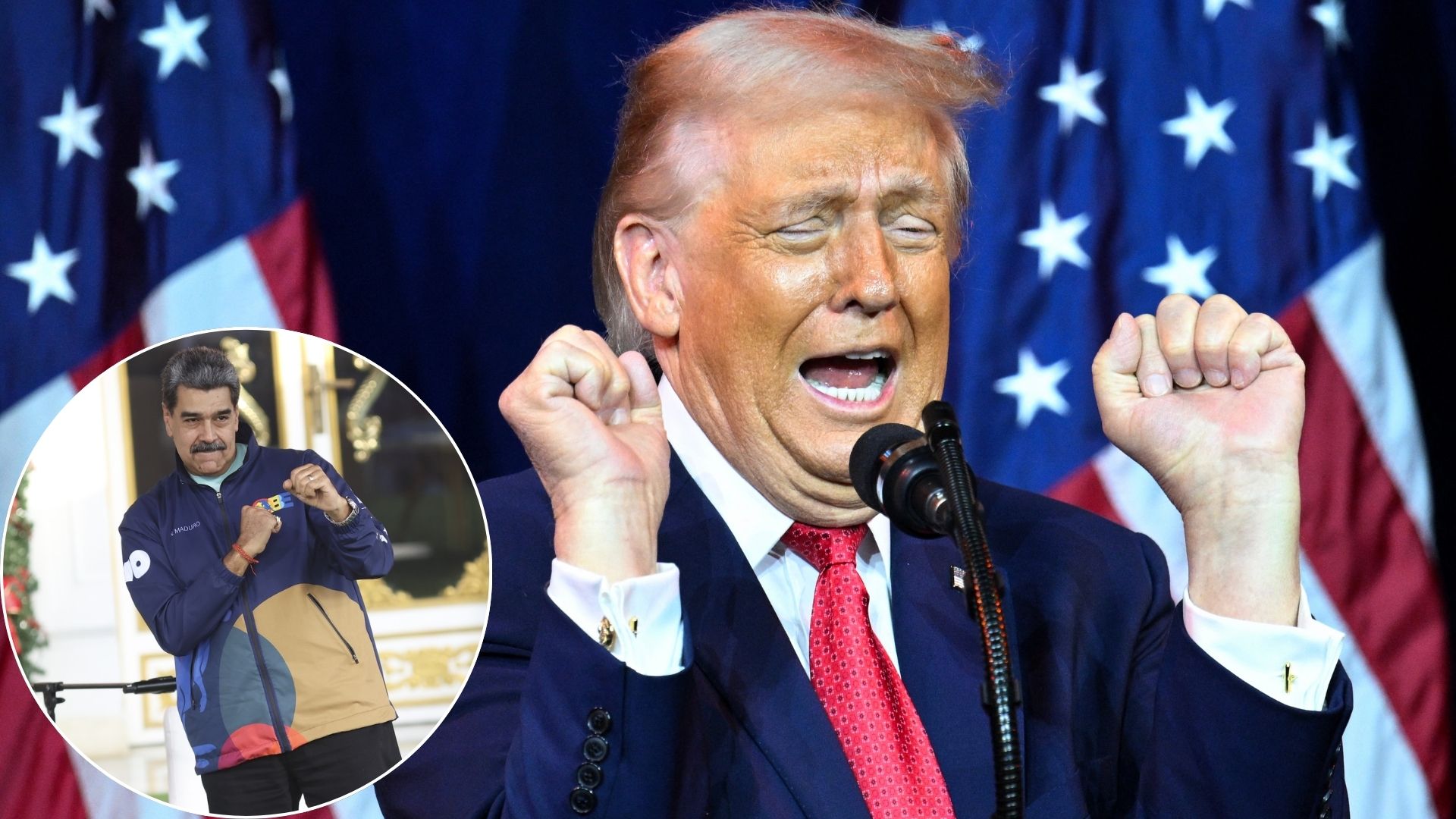
According to The New York Times, Donald Trump’s decision to move against Nicolás Maduro came after he watched a viral video showing the Venezuelan president dancing, a moment that reportedly irritated him rather than amused him. The footage was seen inside the White House as a display of defiance at a time when the Trump administration was deliberately seeking to increase pressure on Caracas, and Trump was said to be visibly triggered by what aides described as Maduro’s nonchalance toward the mounting tensions. Those tensions had been building since September, as the United States began attacking Venezuelan boats it accused of transporting fentanyl bound for the U.S. market.
Getty Images
In the weeks leading up to the operation, Venezuela had been placed under intense and growing pressure by Washington, increasingly isolated diplomatically and economically as its airspace was restricted and U.S. military activity signaled that options were narrowing. According to The New York Times, Donald Trump and his advisers had issued an ultimatum to Nicolás Maduro, urging him to step down and accept a negotiated exile abroad, a proposal that was framed as a way to avoid a direct confrontation. Maduro refused, leaving his government under mounting strain and expectations in Washington that capitulation was imminent. It was in this tense context that an unexpected episode proved decisive: U.S. officials said Trump watched footage of Maduro dancing publicly at an event just days after a U.S. strike on a Venezuelan dock, a display that was interpreted inside the White House as open mockery of American threats. That perceived defiance, more than any immediate security concern, helped tip the administration toward action, reinforcing the view that U.S. credibility was being challenged and that the ultimatum had failed.
«He gets up there and he tries to imitate my dance a little bit.»
Donald Trump
At a recent rally in Caracas, Venezuelan state media broadcast footage of Nicolás Maduro swaying, jumping and waving his arms energetically to an electronic remix built around his slogan, «No War, Yes Peace», with his recorded voice repeating phrases such as «no war, no crazy war» in time with the music, a performance designed to project defiance and energize supporters despite mounting pressure from Washington. In the aftermath of the U.S. intervention in Venezuela, Donald Trump accused Nicolás Maduro of trying to imitate his own dance moves weeks earlier, a remark he used to express open contempt for the Venezuelan leader and that, according to accounts of internal discussions, helped trigger the decision to launch the operation.
Getty Images
The images later drew a pointed reaction from Donald Trump, who, speaking at a press conference the day after the U.S. military intervention in Venezuela that led to Maduro’s capture, singled out the dance moves themselves. Trump dismissed the display as mockery and personal provocation, saying «He’s a bad guy.» and adding «He gets up there and he tries to imitate my dance a little bit. But he’s a violent guy and he’s killed millions of people.», remarks that underscored how the footage had resonated inside the White House in the immediate aftermath of the operation.
The phrase « man up » has probably done more damage than we’ll ever fully understand. It’s shorthand for suppressing anything that might look like weakness or emotional complexity. The result is a generation of men who’ve mastered the art of appearing fine while struggling with things they’re not supposed to struggle with.
This kind of emotional editing happens constantly in male friendships and social settings where there are unspoken rules about what’s okay to discuss and what should stay private. Such boundaries aren’t necessarily conscious or intentional, but they’re real enough to shape what gets shared and what gets buried.
Here’s a look at what often gets lost in that careful curation of acceptable masculinity.
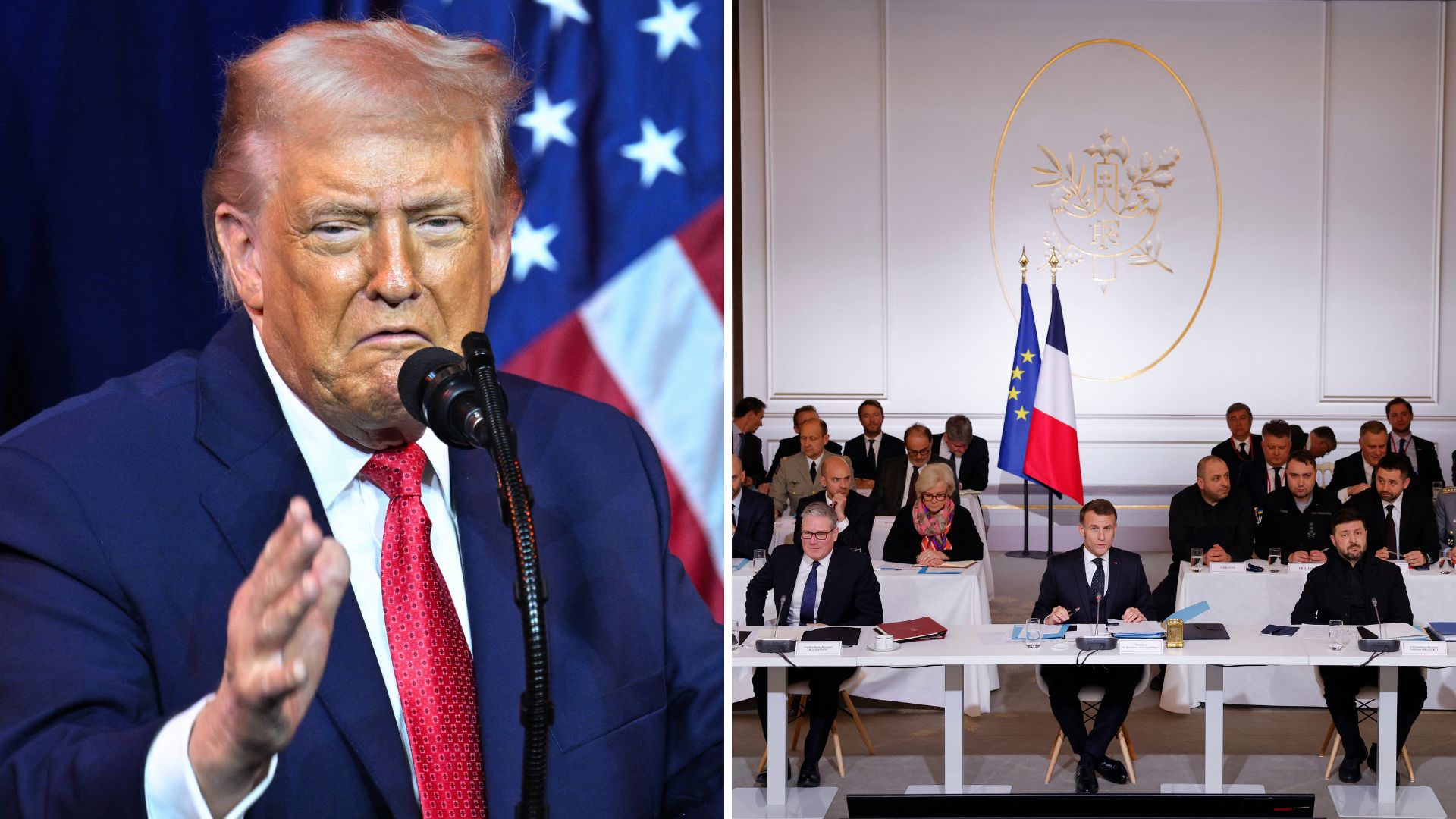
Quelques heures à peine après que Donald Trump et son administration aient lancé une attaque au Venezuela qui a conduit à la capture du président du pays et de son épouse, accompagnée d’affirmations selon lesquelles les États-Unis allaient désormais prendre le contrôle du pays, Trump a élargi sa rhétorique offensive à d’autres nations. Il s’en est pris verbalement à des pays comme Cuba, l’Iran et le Mexique, tout en réactivant une position qu’il avait avancée pour la première fois au début de son second mandat : l’idée d’une prise de contrôle totale du Groenland par les États-Unis. Cette nouvelle position a suscité une réaction immédiate et ferme de la part de l’Europe, dont les dirigeants se sont opposés aux remarques de Trump et ont averti le président américain que le Groenland, qui fait partie du royaume danois, est protégé par l’OTAN, traçant une ligne claire contre toute tentative de remise en cause du cadre de sécurité de l’alliance.
Getty Images
À la suite de l’opération militaire américaine au Venezuela qui a abouti à la capture de Nicolás Maduro et de son épouse, Donald Trump a de nouveau attiré l’attention de la communauté internationale – et suscité l’inquiétude – avec ses commentaires sur la valeur stratégique du Groenland. Selon des rapports récents, Trump a réitéré l’intérêt de longue date des États-Unis pour le territoire arctique et a suggéré un calendrier spécifique pour réexaminer la question, déclarant qu’il « s’inquiéterait du Groenland dans environ deux mois » et qu’il était prêt à discuter de la question « dans 20 jours », des remarques qui ont résonné comme une suite directe à l’épisode du Venezuela et ont intensifié les inquiétudes des dirigeants européens quant aux intentions des États-Unis à l’égard d’un allié de l’OTAN.
Getty Images
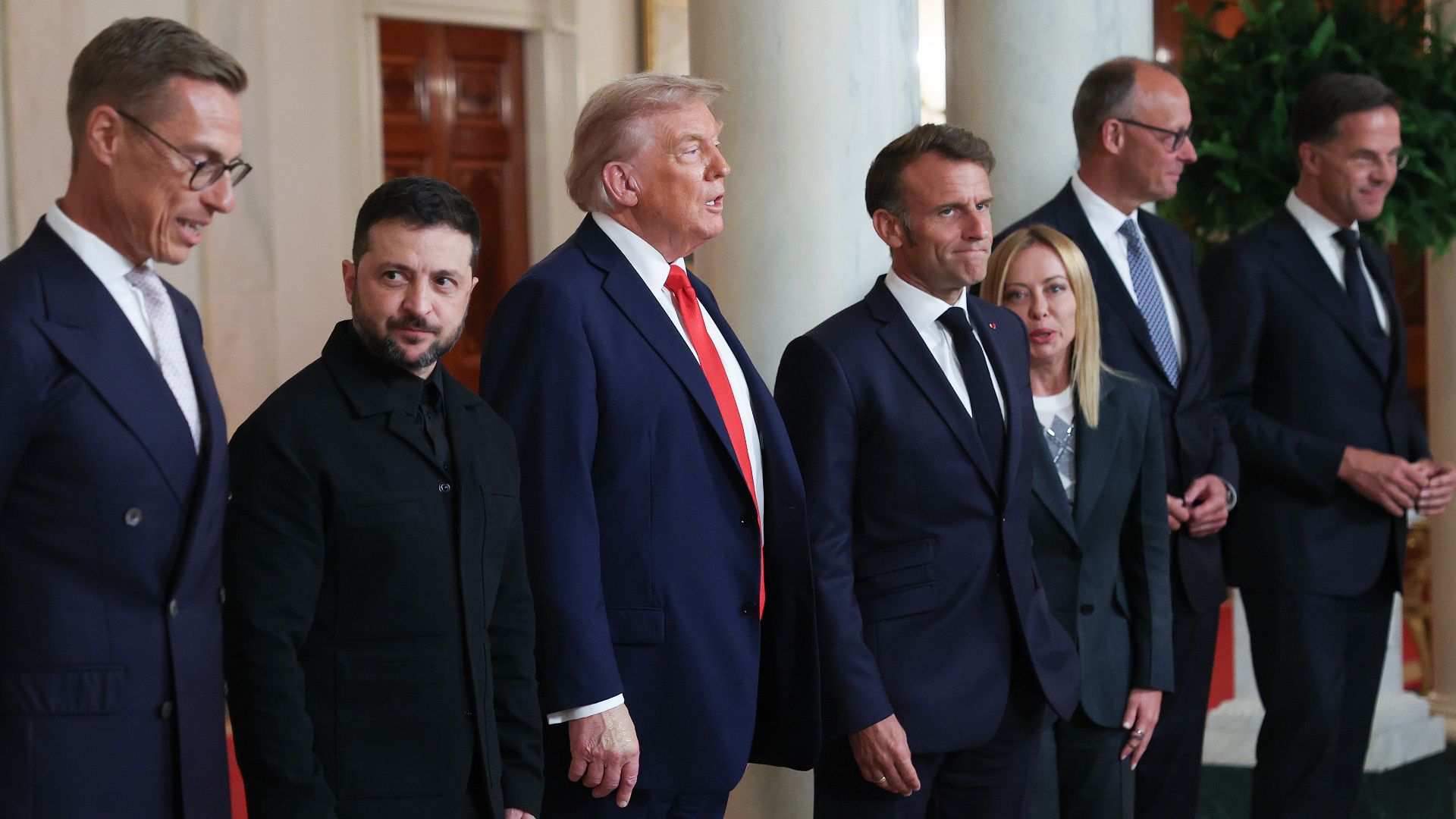
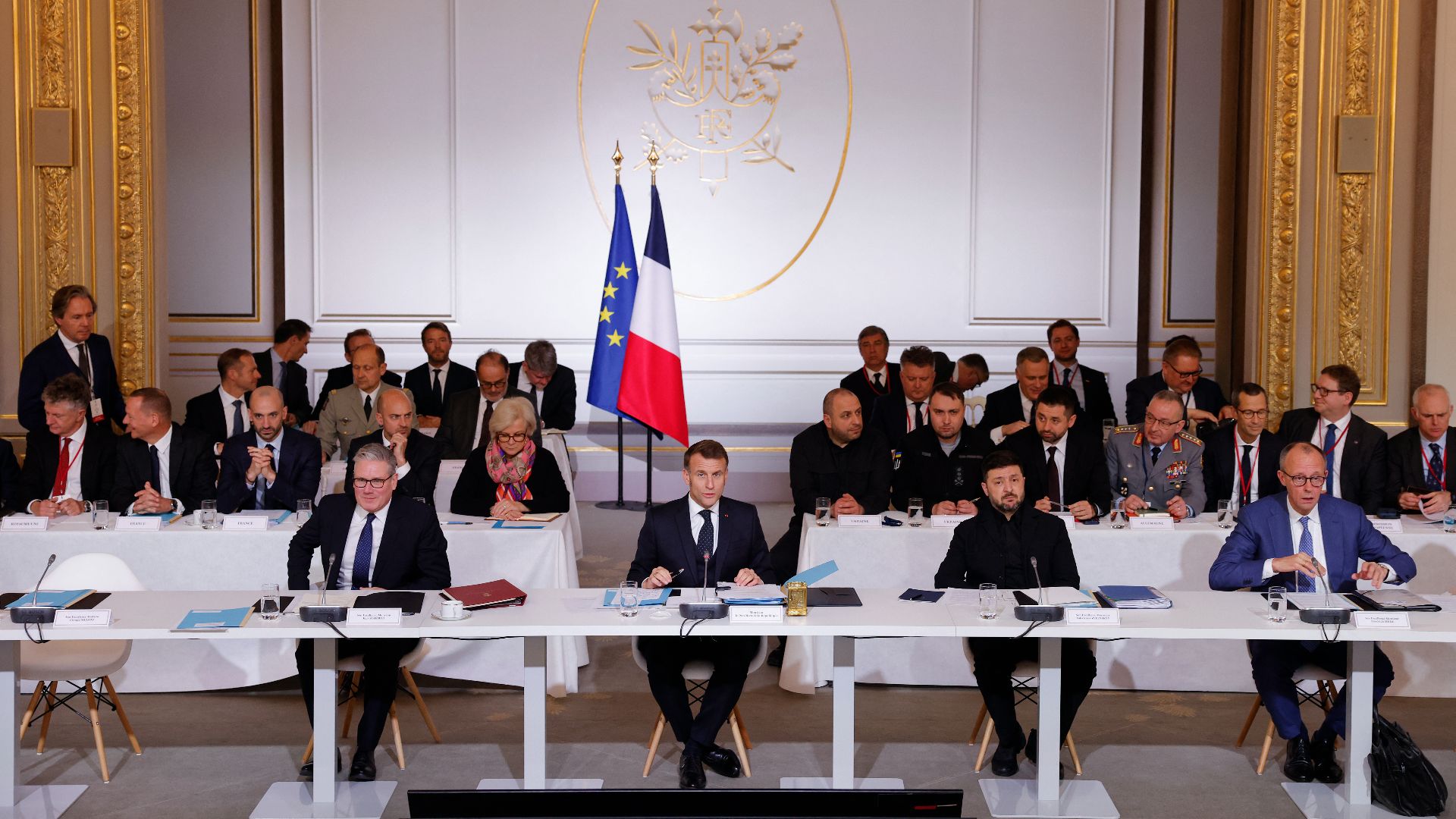
Alors que les dirigeants européens se réunissaient à Paris pour s’entretenir avec un envoyé américain sur le processus de paix en Ukraine, le centre d’intérêt de la réunion s’est nettement déplacé vers les nouvelles menaces de Donald Trump à l’encontre d’un allié de l’OTAN et sa rhétorique entourant une potentielle prise de contrôle du Groenland par les États-Unis. Les dirigeants de la France, de l’Allemagne, de la Grande-Bretagne, de l’Italie, de la Pologne, de l’Espagne et du Danemark ont conjointement réfuté l’idée qu’un allié puisse remettre en cause unilatéralement la sécurité d’un autre allié, en publiant une déclaration qui ne laisse guère de place à l’ambiguïté. Ils ont souligné que « le Royaume du Danemark – y compris le Groenland – fait partie de l’OTAN » et que « la sécurité dans l’Arctique doit donc être assurée collectivement », contredisant directement les affirmations de Trump et réaffirmant le principe de défense partagée de l’alliance à un moment où les tensions géopolitiques sont exacerbées.
Getty Images
Les dirigeants européens ont en outre souligné que « les États-Unis sont un partenaire essentiel dans cette entreprise, en tant qu’allié de l’OTAN », tout en insistant sur le fait que Washington doit respecter le droit des peuples du Groenland et du Danemark à « décider des questions concernant le Danemark et le Groenland ». Leur message s’oppose directement à l’argument de l’administration Trump selon lequel l’importance géostratégique du Groenland justifie une revendication plus forte des États-Unis dans le cadre de leur rôle au sein de l’OTAN, une position qui a déstabilisé les alliés à travers l’Europe. Derrière le langage diplomatique se cache une inquiétude plus profonde : toute tentative des États-Unis de contraindre ou de menacer un autre membre de l’OTAN représenterait une rupture historique de l’ordre international de l’après-Seconde Guerre mondiale. Ces craintes se sont intensifiées après que Stephen Miller a déclaré sur CNN que « personne ne se battra militairement contre les États-Unis au sujet du Groenland », une remarque largement interprétée dans les capitales européennes comme un mépris des principes de l’alliance et renforçant les inquiétudes quant à la mesure dans laquelle Washington pourrait être prêt à pousser sa position.
Barely hours after Donald Trump and his administration launched an attack in Venezuela that led to the capture of the country’s president and his wife, accompanied by claims that the United States would now take control of the country, Trump widened his offensive rhetoric to other nations. He verbally targeted countries including Cuba, Iran and Mexico, while also reviving a position he first advanced at the beginning of his second term: the idea of a complete U.S. takeover of Greenland. That renewed stance prompted an immediate and firm response from Europe, where leaders pushed back against Trump’s remarks and warned the American president that Greenland, as part of the Danish realm, is protected under NATO, drawing a clear line against any attempt to challenge the alliance’s security framework.
Getty Images
In the wake of the U.S. military operation in Venezuela that resulted in the capture of Nicolás Maduro and his wife, Donald Trump drew renewed international attention — and alarm — with his comments about Greenland’s strategic value. According to recent reports, Trump reiterated long-standing U.S. interest in the Arctic territory and suggested a specific timeframe for revisiting the issue, saying he would «worry about Greenland in about two months» and was prepared to discuss the matter «in 20 days», remarks that resonated as a direct follow-up to the Venezuela episode and intensified concerns among European leaders about U.S. intentions toward a NATO ally.
Getty Images
As European leaders gathered in Paris for talks with a U.S. envoy on the Ukraine peace process, the focus of the meeting shifted sharply to Donald Trump’s renewed threats against a NATO ally and his rhetoric surrounding a potential U.S. takeover of Greenland. Leaders from France, Germany, Britain, Italy, Poland, Spain and Denmark jointly rebuked the premise that one ally could unilaterally challenge the security of another, issuing a statement that left little room for ambiguity. They stressed that «The Kingdom of Denmark — including Greenland — is part of NATO» and underlined that «Security in the Arctic must therefore be achieved collectively», directly countering Trump’s assertions and reaffirming the alliance’s principle of shared defense at a moment of heightened geopolitical tension.
Getty Images
European leaders further emphasized that «the United States is an essential partner in this endeavor, as a NATO ally», while insisting that Washington must respect the right of the people of Greenland and Denmark to «decide on matters concerning Denmark and Greenland». Their message directly counters the Trump administration’s argument that Greenland’s geostrategic importance justifies a stronger U.S. claim as part of its role within NATO, a stance that has unsettled allies across Europe. Behind the diplomatic language lies a deeper concern that any attempt by the United States to coerce or threaten a fellow NATO member would represent a historic rupture of the post-World War II international order. Those fears intensified after Stephen Miller said on CNN that «Nobody is going to fight the United States militarily over Greenland,» a remark widely interpreted in European capitals as dismissive of alliance principles and reinforcing anxieties about how far Washington might be willing to push its position.
EDMONTON, CANADA - FEBRUARY 10:
A woman holds a cell phone in front of a computer screen displaying the ChatGPT logo, on February 10, 2025, in Edmonton, Canada. (Photo by Artur Widak/NurPhoto via Getty Images)
The heirs of 83-year-old victim Suzanne Adams, and her son Stein-Erik Soelberg, are suing OpenAI – creator of Chat-GPT for allegedly intensifying Soelberg’s dangerous delusions, and encouraged him to exact them on his mother.
EDMONTON, CANADA – FEBRUARY 10:
A woman holds a cell phone in front of a computer screen displaying the ChatGPT logo, on February 10, 2025, in Edmonton, Canada. (Photo by Artur Widak/NurPhoto via Getty Images)OpenAI logo is screened on a mobile phone with US flag in the background for illustration photo in Krakow, Poland on January 29th, 2025. (Photo by Beata Zawrzel/NurPhoto via Getty Images)MADRID, SPAIN – NOVEMBER 18: Dramatization of a ChatGPT search on November 18, 2025, in Madrid, Spain. Cloudflare is investigating a glitch in its global network that has caused several of its clients to crash, including the social network X, the ChatGPT chatbot and the video game League of Legends. (Photo By Eduardo Parra/Europa Press via Getty Images)POLAND – 2025/12/04: In this photo illustration, the Open AI logo seen displayed on a smartphone. (Photo Illustration by Mateusz Slodkowski/SOPA Images/LightRocket via Getty Images)
BASEL, SWITZERLAND - MAY 11: Yuval Raphael representing Israel attends the Turquoise Carpet of the 69th Eurovision Song Contest Opening Ceremony at Messe Basel on May 11, 2025 in Basel, Switzerland. (Photo by Harold Cunningham/Getty Images)
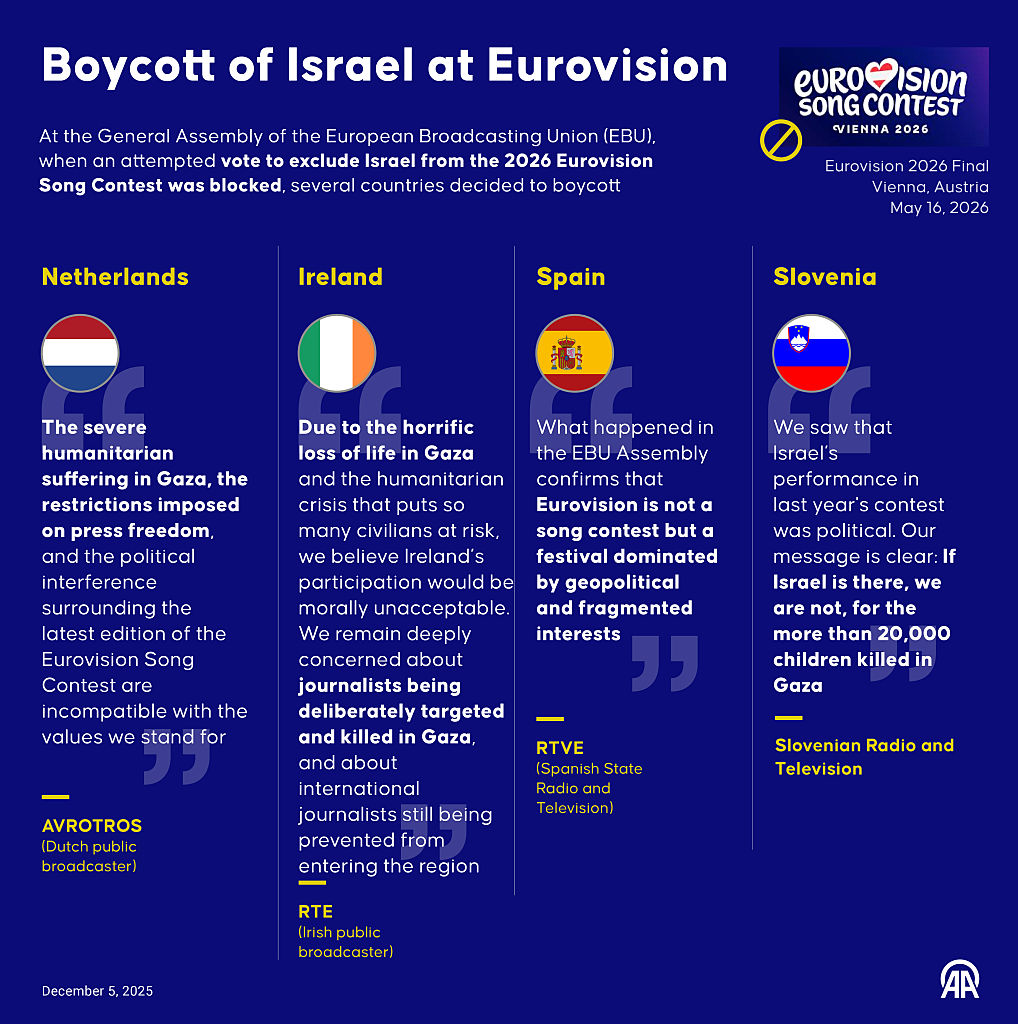
Four countries have now pulled out of Eurovision in protest of Israel’s inclusion in the competition. Spain, the Netherlands, Ireland, and Slovenia have all announced that they will not attend Eurovision 2026 if Israel is allowed to compete. The pullouts came after the European Broadcasting Union (EBU) — the group of public broadcasters from 56 countries that runs the event — said there would not be a vote on whether to exclude Israel, despite calls from some countries to do so. So far, just the four public broadcasters mentioned have pulled out, but some expect other countries to follow suit.
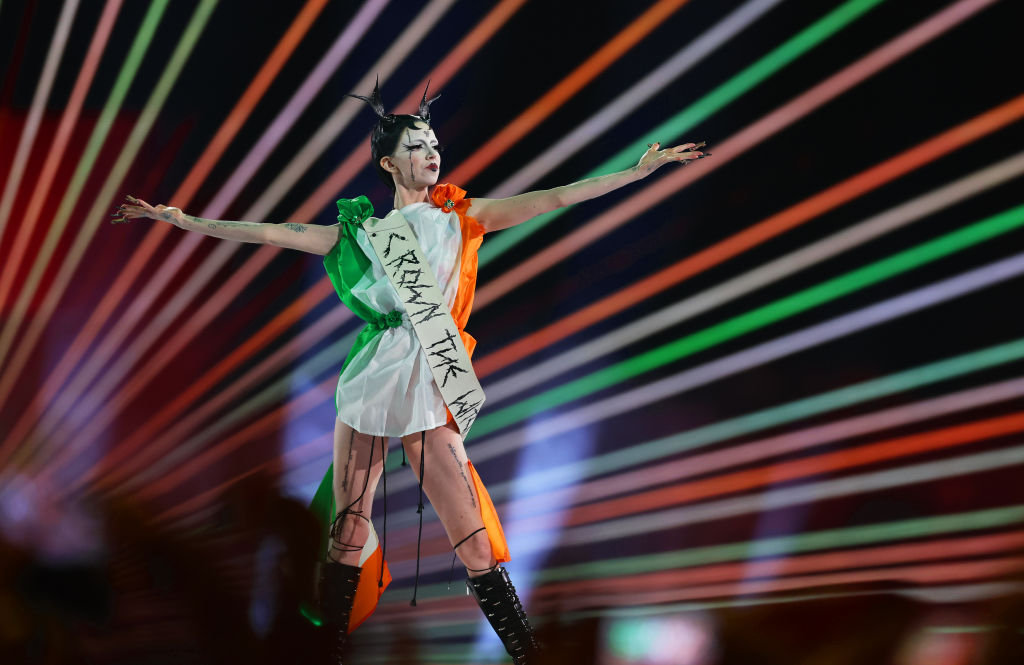
BASEL, SWITZERLAND – MAY 11: Yuval Raphael representing Israel attends the Turquoise Carpet of the 69th Eurovision Song Contest Opening Ceremony at Messe Basel on May 11, 2025 in Basel, Switzerland. (Photo by Harold Cunningham/Getty Images)People cheer as they watch the 2025 Eurovision Song Contest finals being screened at a community center in Tel Aviv, Israel, on May 17, 2025. Austria’s JJ won the 2025 Eurovision Song Contest on May 18, with his operatic song « Wasted Love » triumphing at the world’s biggest live music television event. After the nail-biting drama as the votes were revealed running into Sunday morning, Austria finished with 436 points, ahead of Israel on 357 and Estonia on 356. (Photo by Maya Levin / AFP) (Photo by MAYA LEVIN/AFP via Getty Images)ANKARA, TURKIYE – DECEMBER 5: An infographic titled « Boycott of Israel at Eurovision » created in Ankara, Turkiye on December 5, 2025. At the General Assembly of the European Broadcasting Union (EBU), when an attempted vote to exclude Israel from the 2026 Eurovision Song Contest was blocked, several countries decided to boycott. (Photo by Kadri Suat Celik/Anadolu via Getty Images)18 May 2025, Switzerland, Basel: Music fans from Israel scoring points in the final of the 69th Eurovision Song Contest. A total of 37 acts will be competing for the trophy and almost 60,000 viewers are expected to attend the nine live shows. A good 160 million people watched the music show on television in 2024. Photo: Jens Büttner/dpa (Photo by Jens Büttner/picture alliance via Getty Images)11 May 2024, Sweden, Malmö: Bambie Thug from Ireland takes to the stage at the final of the Eurovision Song Contest (ESC) 2024 in the Malmö Arena. The motto of the world’s biggest singing competition is « United By Music ». Photo: Jens Büttner/dpa (Photo by Jens Büttner/picture alliance via Getty Images)
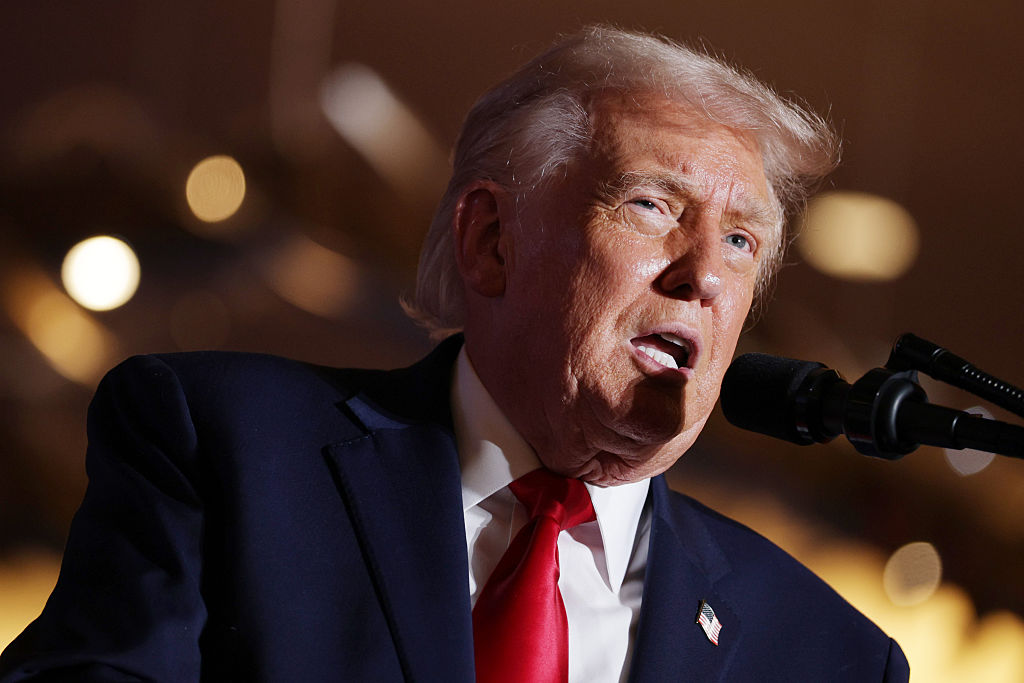
MOUNT POCONO, PENNSYLVANIA - DECEMBER 09: U.S. President Donald Trump delivers remarks during an event at Mount Airy Casino Resort on December 9, 2025 in Mount Pocono, Pennsylvania. Trump discussed his administration's economic agenda and its efforts to lower the cost of living. (Photo by Alex Wong/Getty Images)
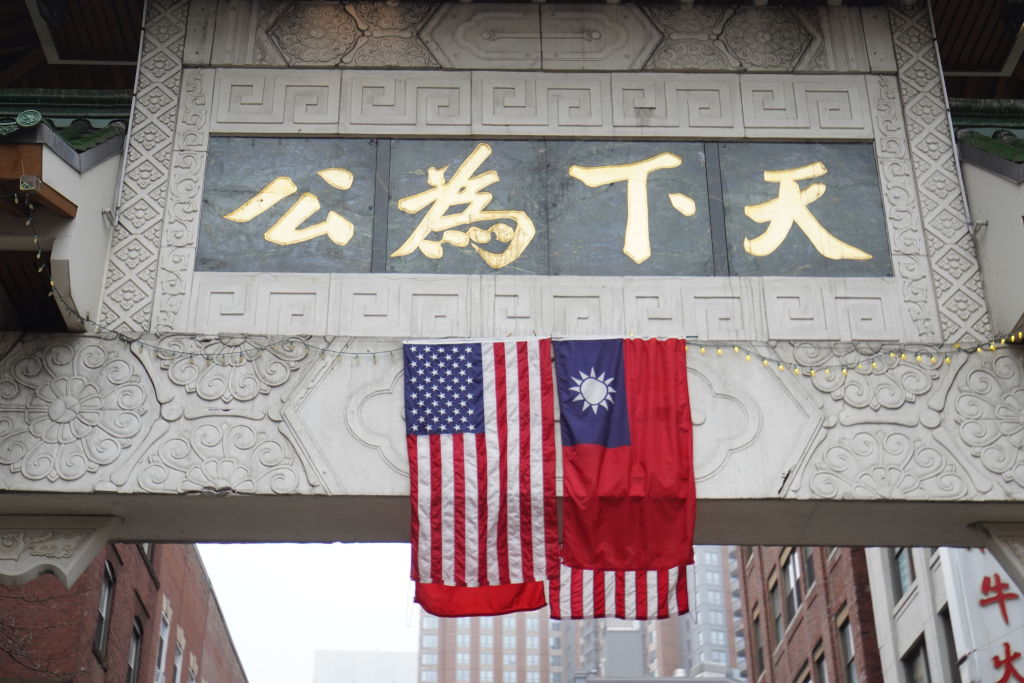
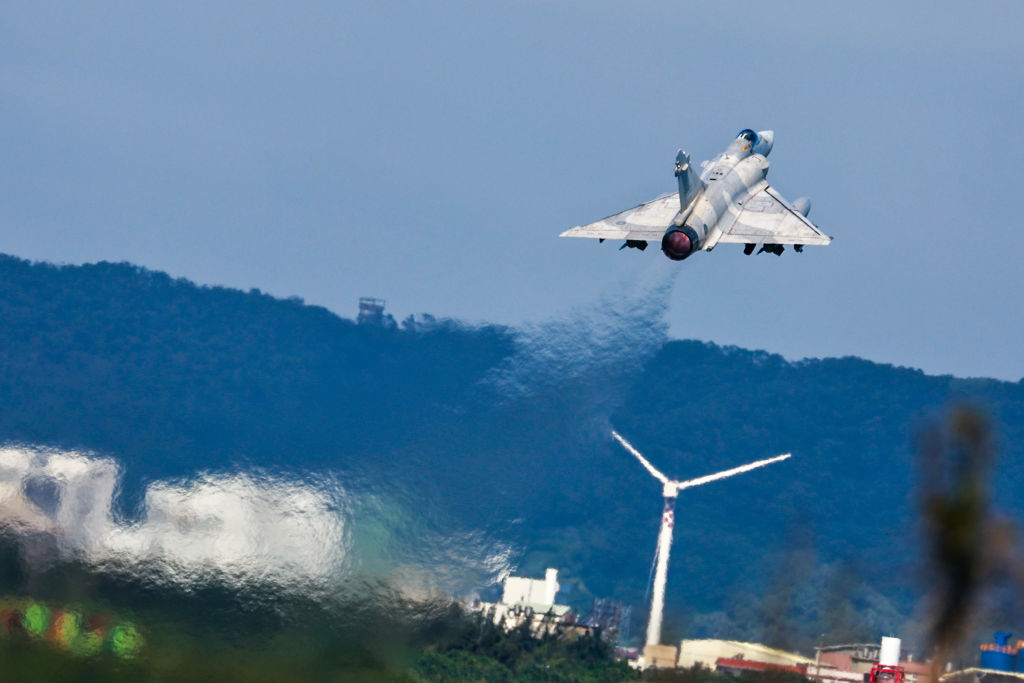
The NDAA also reaffirms the US’s support for the self-governing island of Taiwan that Beijing claims as its own and has recently claimed it will take by force if necessary. Taiwan has been self-governing since 1949, and does not consider itself part of the People’s Republic of China (PRC). Taiwan has its own military, currency, constitution, legal system, and democratically elected government, none of which are controlled by the PRC. Still, China continues to assert its claim that Taiwan is Chinese territory.
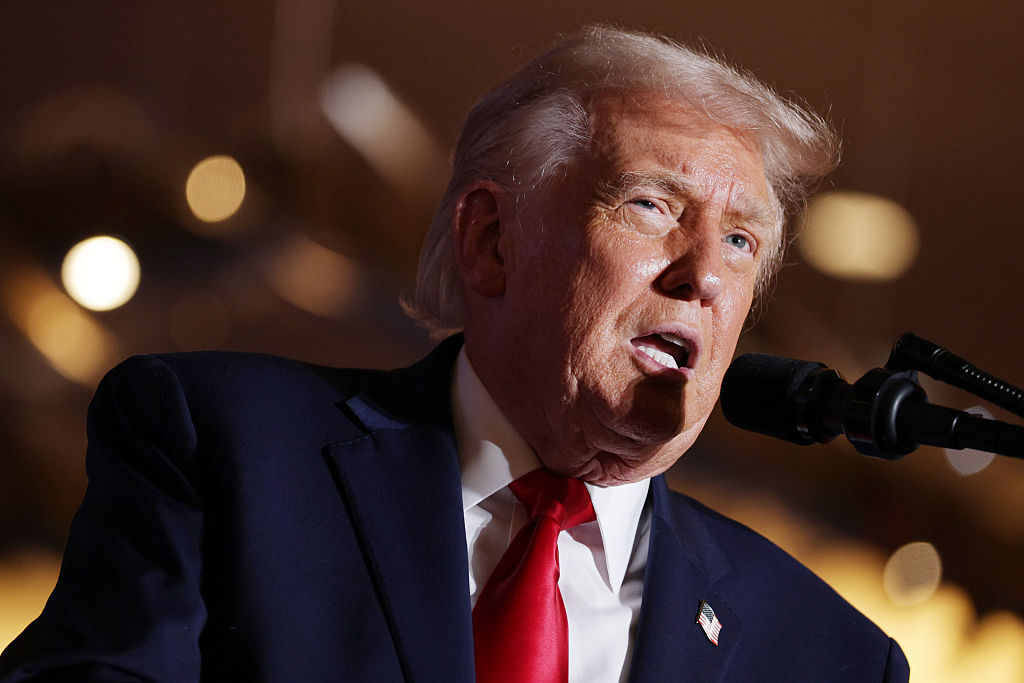
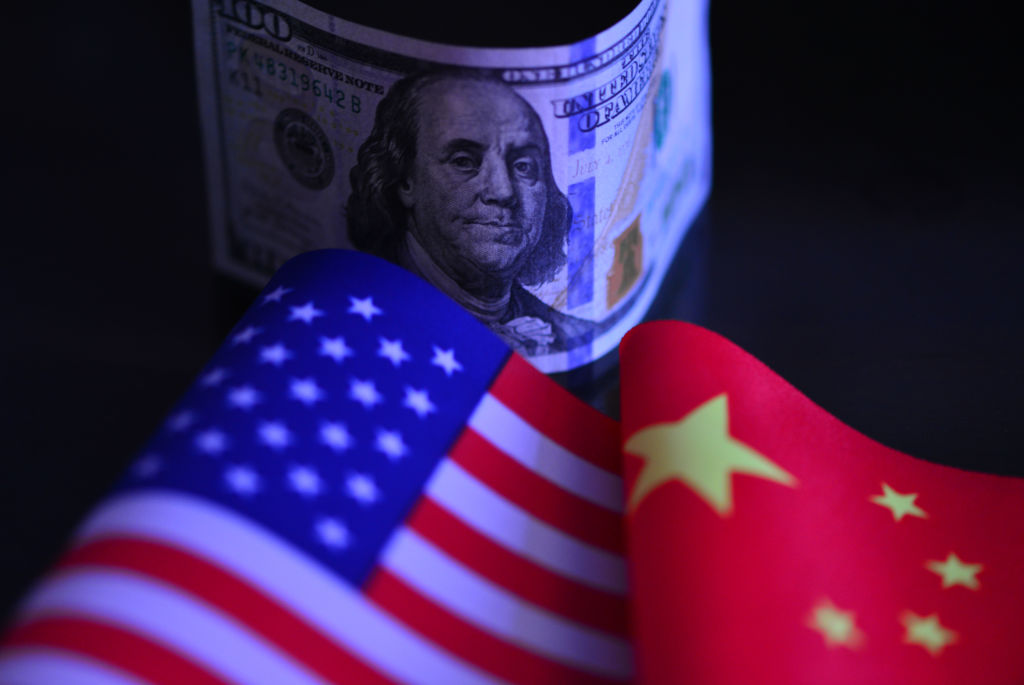
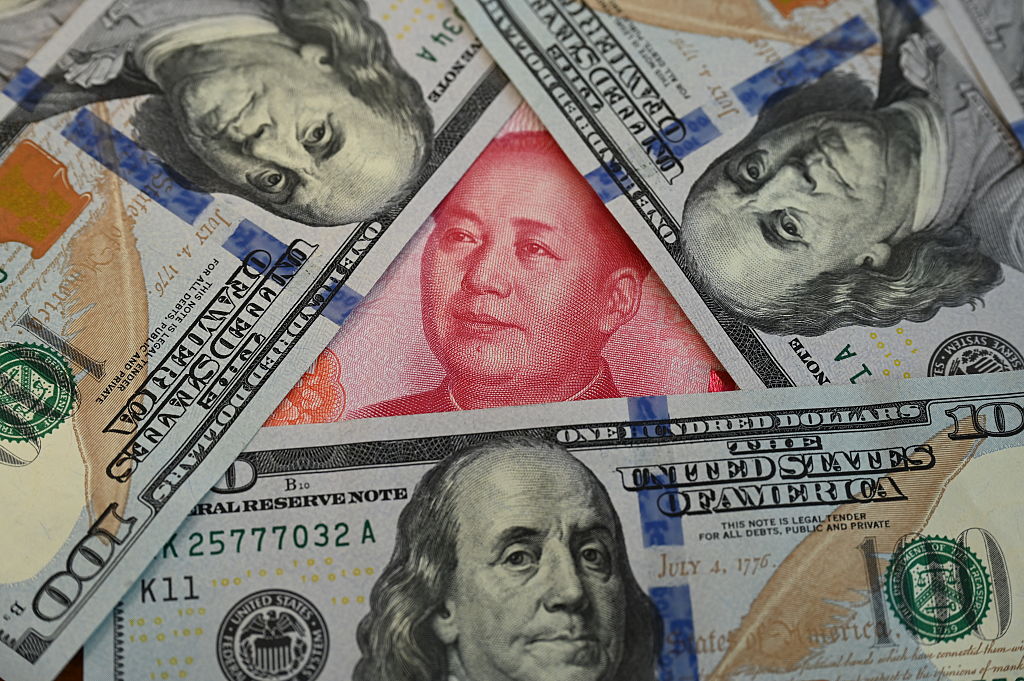
MOUNT POCONO, PENNSYLVANIA – DECEMBER 09: U.S. President Donald Trump delivers remarks during an event at Mount Airy Casino Resort on December 9, 2025 in Mount Pocono, Pennsylvania. Trump discussed his administration’s economic agenda and its efforts to lower the cost of living. (Photo by Alex Wong/Getty Images)A photo taken in Fuyang, China, on September 14, 2024, shows U.S. dollars. (Photo by Costfoto/NurPhoto via Getty Images)BOSTON, MASSACHUSETTS, UNITED STATES – 2024/12/29: A flag of the United States and a flag of Taiwan are seen at Chinatown in Boston. (Photo by Michael Ho Wai Lee/SOPA Images/LightRocket via Getty Images)HSINCHU, TAIWAN – 7 NOVEMBER: A Taiwanese Air Force Mirage 2000-5 fighter jet takes off, during the Sky Dragon aerial drill, at an airbase in Hsinchu, Taiwan, on 7 November, 2024. The 5-day exercise, which started on November 4, aims to test pilots’ air-to-air, air-to-sea and air-to-ground combat skills with fighter jets such as F-16Vs, Mirage 2000-5s and Indigenous Defense Fighters (IDF), amid increasing Chinese People’s Liberation Army military presence in and around the Taiwan. In late October, the United States approved 2 billion dollars in arms sales to the self-ruled island, which might include the National Advanced Surface-to-Air Missile Systems (NASAMS), while Taipei recently said the first batch of High Mobility Artillery Rocket Systems (HIMARS) has arrived from the United State. (Photo by Daniel Ceng/Anadolu via Getty Images)This photo illustration shows Chinese 100 yuan notes (red) and US 100 dollar notes, in Beijing on April 8, 2025. China vowed on April 8 to « fight to the end » against fresh tariffs of 50 percent threatened by US President Donald Trump, further aggravating a trade war that has already wiped trillions off global markets. (Photo by Jade GAO / AFP) (Photo by JADE GAO/AFP via Getty Images)