Catégories
Uncategorized

Ukraine Strikes Russia’s Shadow Fleet in International Waters

Ukraine hits Russia’s energy fleet in international waters, marking a decisive escalation in its campaign to disrupt Moscow’s wartime revenue. In late November, Ukrainian naval drones struck two tankers — the Kairos and the Virat — as they transited through the Black Sea off the coast of Turkey, far outside Russian territorial waters. Both vessels are tied to Russia’s so-called “shadow fleet,” the network of aging, sanctions-dodging tankers that keep Russian oil flowing despite Western restrictions. Ukrainian security officials said the ships were not carrying crude at the time but were en route to load sanctioned Russian exports, making them high-value targets in Kyiv’s effort to undermine Moscow’s financial lifeline. The strikes disabled both tankers and forced emergency responses from regional maritime authorities, underscoring that this was not a domestic act of sabotage but a cross-border, maritime operation in a strategically sensitive international corridor.

After the initial strikes disabled the two targeted tankers, the full extent of the damage became clear as emergency responders approached the vessels. The drones had not merely halted their transit — they had torn into the lower sections of the hulls, causing progressive flooding that forced crews to shut down power systems to avoid electrical fires. Maritime traffic records show both ships drifting for hours, signaling distress as regional authorities issued navigation alerts to prevent collisions. Tugboats dispatched from nearby ports struggled to stabilize the tankers, whose compromised ballast systems left them listing sharply in the swells. Preliminary assessments shared with insurers indicated that the engine rooms of both vessels had taken on significant water, making short-term repairs nearly impossible and raising the likelihood that they will be sidelined for months. The aftermath underscored how a single precisely executed strike can ripple outward — halting operations, triggering costly recovery efforts, and inserting new uncertainty into Russia’s tightly stretched export chain.

Getty Images

Over the past year, Ukraine has repeatedly targeted Russia’s energy infrastructure in strikes confirmed by Russian regional officials and independent reporting. Ukrainian drones have hit oil refineries in regions such as Ryazan, Krasnodar, and St. Petersburg, temporarily disrupting processing operations according to regional authorities and Russian state media. Several fuel depots and oil-handling facilities have also been struck in attacks attributed to Ukraine, including sites near St. Petersburg and in Russia’s southern regions. Kyiv has stated that these operations are intended to reduce Russia’s ability to finance its war through energy exports. Western intelligence assessments and Reuters analyses have noted that repeated strikes have forced temporary shutdowns at multiple refineries, prompting Russia to reroute some crude supply and accelerate repair efforts. These confirmed incidents form the backdrop for Ukraine’s recent expansion of attacks to maritime targets linked to Russia’s oil-export system.

«The most radical solution is to cut Ukraine off from the sea, then piracy will be impossible in principle.»

-Vladimir Putin

Ukraine’s latest strikes unfold against a backdrop of intense controversy surrounding the Trump–Russia peace plan, which major U.S. and European media have described as deeply destabilizing for Kyiv. According to The New York Times and France 24, the proposal being discussed between Trump and Vladimir Putin would require Ukraine to cede territory and abandon its long-standing bid for NATO membership — conditions Ukrainian officials have publicly and firmly rejected. The Washington Post has reported that the plan has alarmed European governments, who fear it would legitimize Russia’s territorial gains and weaken collective security arrangements on the continent. Reuters has similarly noted that Ukrainian leaders view the negotiations with deep suspicion, interpreting them as a diplomatic framework built largely without Ukraine’s participation. As these debates unfold, Ukraine continues to carry out strikes on Russian energy infrastructure — actions that underscore Kyiv’s determination to assert its own leverage and agency at a moment when international discussions about its future are taking place largely above its head.

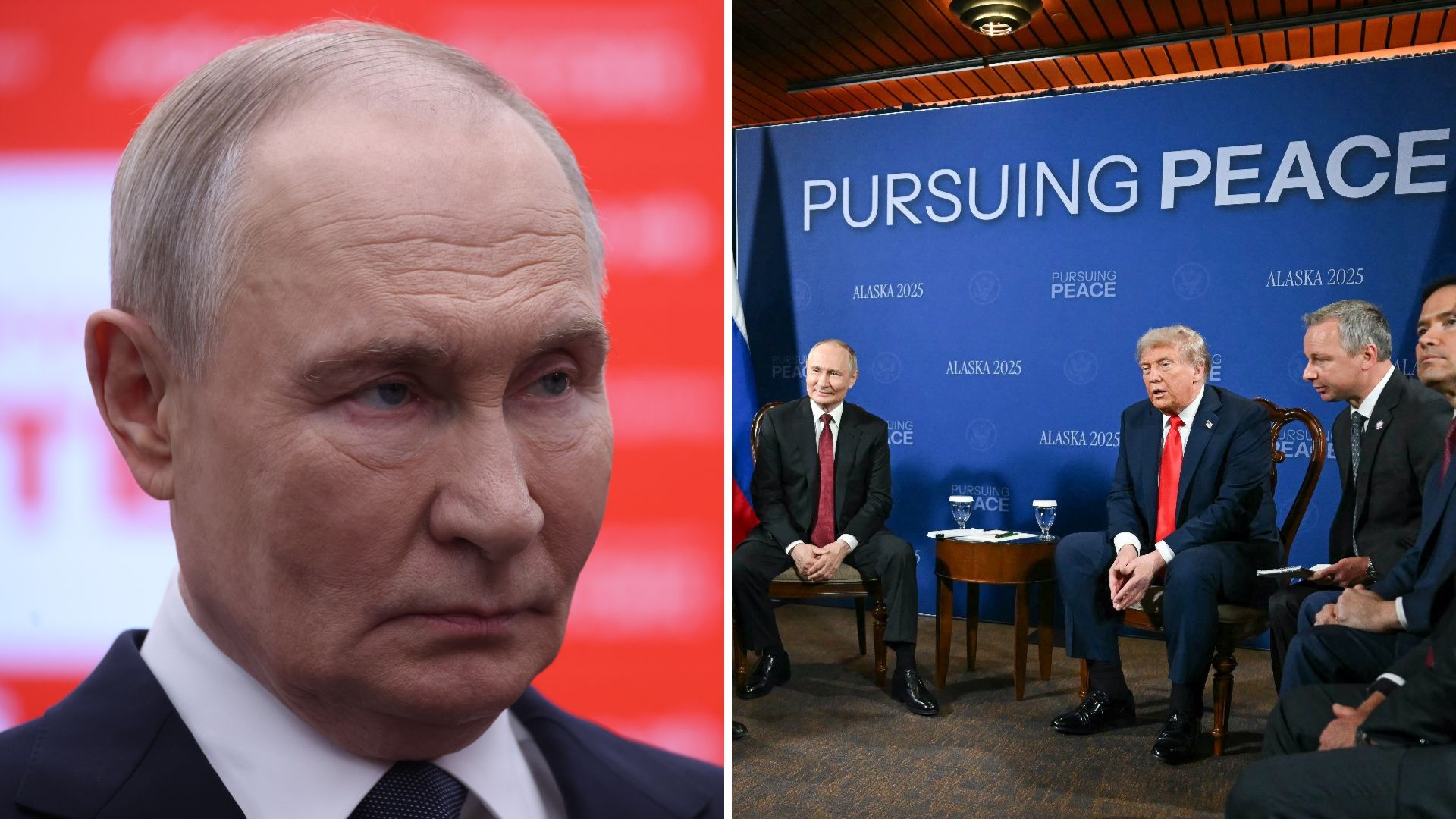
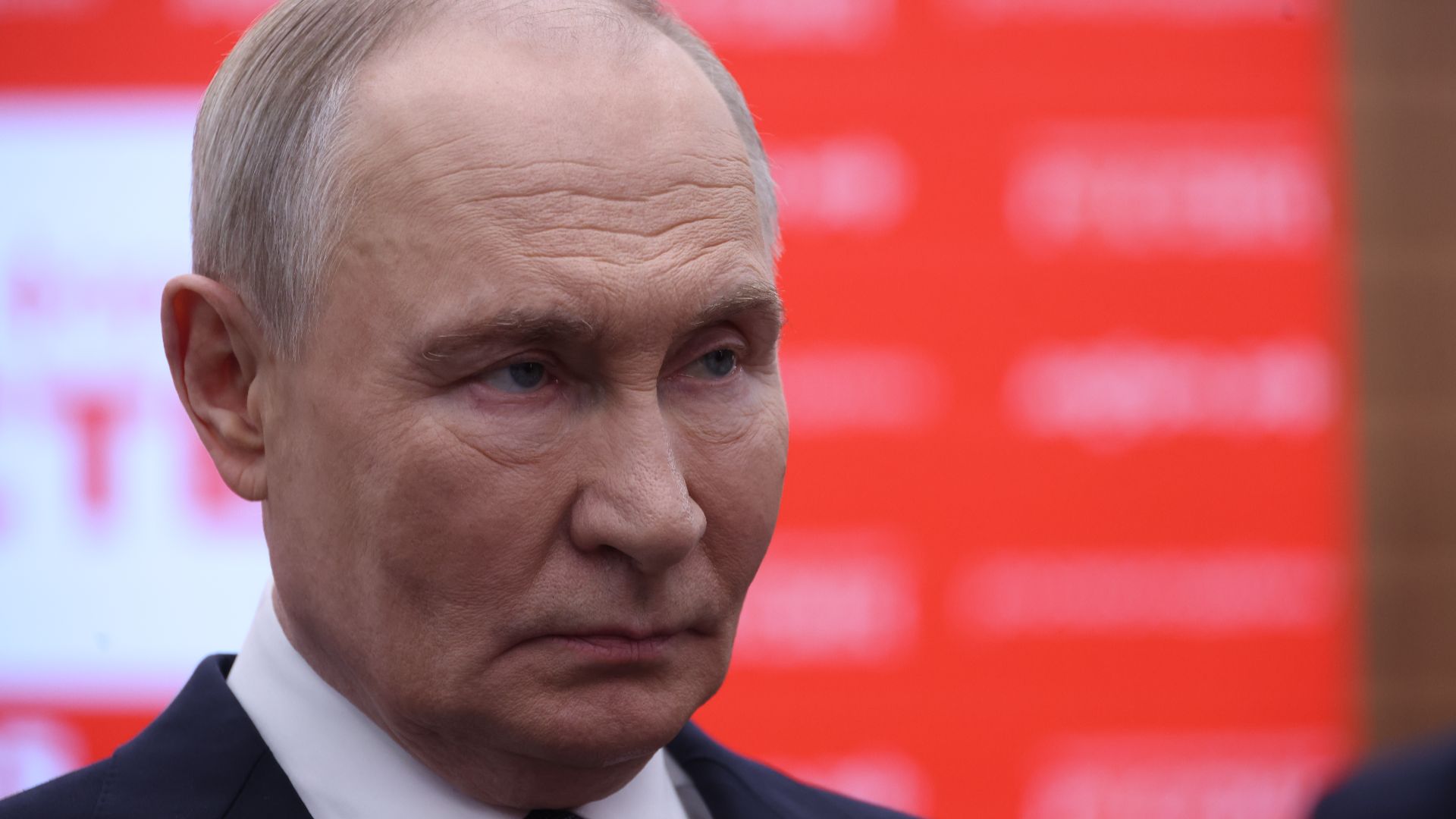
Following the November 29 drone strikes on the Russian-linked tankers Kairos and Virat, the Ukrainian government confirmed the operation, framing it as a blow to Moscow’s capacity to fund the war through oil exports. While President Zelenskyy has previously urged international partners to blacklist and block Russia’s shadow fleet — calling these vessels a major mechanism of sanctions evasion — he has not issued a specific public comment on this particular attack. Putin, by contrast, responded with explicit threats, denouncing the strike as piracy and declaring: «The most radical solution is to cut Ukraine off from the sea, then piracy will be impossible in principle.» He further warned that Russia would “intensify strikes on Ukrainian facilities and vessels … and take measures against tankers of countries that help Ukraine.” As of now, there is no verified record of Donald Trump commenting on the tanker strikes.
Catégories
Uncategorized

Putin’s threats grow more erratic as he vows to seize Donbas and warns Europe of war

Hours before a new round of US–Russia contacts aimed at exploring a possible framework for peace, Vladimir Putin delivered one of his most confrontational statements in months, vowing that Russia would seize the entire Donbas region and warning that Europe could face war if it chose to challenge Moscow. His comments, made just as American representatives prepared to arrive in Moscow for preliminary talks, underscored a widening gap between diplomatic efforts and the Kremlin’s increasingly erratic rhetoric. By insisting that Donetsk and Luhansk would fall «militarily or otherwise» while cautioning Europe that Russia was «ready» for conflict, Putin set a tense tone that threatened to overshadow any tentative steps toward negotiation.

In his televised remarks on the battlefield situation, Putin hardened Russia’s position on the Donbas, presenting the fate of the region as non-negotiable and setting out a blunt ultimatum for Kyiv. He stated that Russia’s goal was to assert full control over Donetsk and Luhansk, describing this as a matter of time rather than choice. As he put it, «Either we liberate these territories by force of arms, or Ukrainian troops leave these territories.» By framing the issue in such stark terms, he effectively ruled out any compromise over the status of the Donbas and signaled that Moscow is prepared to sustain a long and costly campaign. Putin went further by insisting that Russia would secure these territories «militarily or otherwise», a phrase that leaves the door open to additional tools of pressure, from political coercion to economic leverage, while reinforcing the impression that, in his view, the end state is fixed and only the method remains in question for the Kremlin.

Getty Images

When he turned to Europe, Putin’s rhetoric grew even more confrontational, shifting from territorial claims in Ukraine to a direct warning aimed at Western capitals. Addressing the possibility of a deeper European role in the conflict, he delivered a stark message that cast Russia as fully prepared for a wider confrontation. «If Europe suddenly wants to fight with us and starts it, we are ready right now», he said, presenting Moscow as both confident in its military strength and unafraid of escalation. He then added a chilling line about the consequences of such a clash:

«There would be no one to negotiate with in Europe.»

Taken together, these comments amount to a threat that any move by European states to challenge Russia more directly could trigger a level of destruction that would obliterate the very partners Washington is trying to involve in a peace framework, undercutting diplomatic efforts and amplifying concerns about how unrestrained and volatile the Kremlin’s messaging has become.

Ukraine wants «real peace, not appeasement»

Ukraine’s response to Putin’s latest comments was immediate and defiant, with both President Volodymyr Zelensky and senior officials rejecting any suggestion that Kyiv might retreat from the Donbas or accept Moscow’s territorial demands as the price of peace. Zelensky and his team have repeatedly stressed that Ukraine will not withdraw its troops from the territories it still controls in Donetsk and Luhansk, nor legitimize Russia’s claim over land seized by force, framing Putin’s ultimatum as a continuation of the same coercive tactics that began with the 2014 annexation of Crimea. Ukrainian diplomats underlined that peace talks must not become a new version of appeasement, with Foreign Minister Andrii Sybiha insisting that Ukraine wants «real peace, not appeasement» and warning against repeating the historical mistakes of rewarding aggression. Kyiv has also bristled at the broader threat directed at Europe, arguing that Putin’s warning that «there would be no one to negotiate with in Europe» only proves why the EU and NATO must stay united behind Ukraine, maintain sanctions and military support, and refuse any deal that would cement Russian control over occupied regions.

Getty Images

European leaders reacted to Putin’s latest threats with a mix of public condemnation and concrete moves to harden the continent’s defences, framing his comments as proof that Russia remains a direct and long-term danger to European security rather than a partner for compromise. In Brussels and key capitals, officials stressed that warning Europe it could be destroyed if it confronted Moscow would not split the alliance but instead reinforce the urgency of staying united behind Ukraine and resisting any peace terms built on territorial concessions.

EU institutions have kept up sanctions and financial support while exploring the use of frozen Russian assets to fund Kyiv’s war effort, and NATO’s new secretary general has underlined that the alliance is «ready and willing» to defend itself against any attack, explicitly responding to Putin’s war talk. At the same time, the EU is pushing ahead with its Readiness 2030 defence initiative, which seeks to massively increase joint spending on air and missile defence, artillery, drones and other critical capabilities, marking a strategic shift toward a more militarily assertive Europe designed precisely to deter the kind of escalation Putin is now openly threatening.

A network of influential US businessmen and Russian oligarchs

The current US effort to negotiate a Ukraine peace plan has increasingly centered on direct, often discreet discussions between American envoys and the Kremlin, with figures such as Steve Witkoff and Jared Kushner holding extensive talks with Vladimir Putin on a 28-point framework that critics argue mirrors many of Russia’s demands while sidelining Kyiv.

Reports indicate that the US delegation has explored options involving partial sanctions relief or economic incentives for Moscow as part of a potential ceasefire, raising concern in Ukraine and Europe that Washington may be prioritizing geopolitical expediency over Ukrainian sovereignty. Adding to the controversy, investigative outlets have reported that a network of influential US businessmen and Russian oligarchs sees the negotiations as an opening for future energy, infrastructure, and investment deals — fueling suspicion that the proposed peace plan risks blending diplomatic concessions with lucrative private interests rather than ensuring a transparent, Ukraine-first process.

Catégories
Uncategorized

Trump Slaps His Own Name on US Institute of Peace

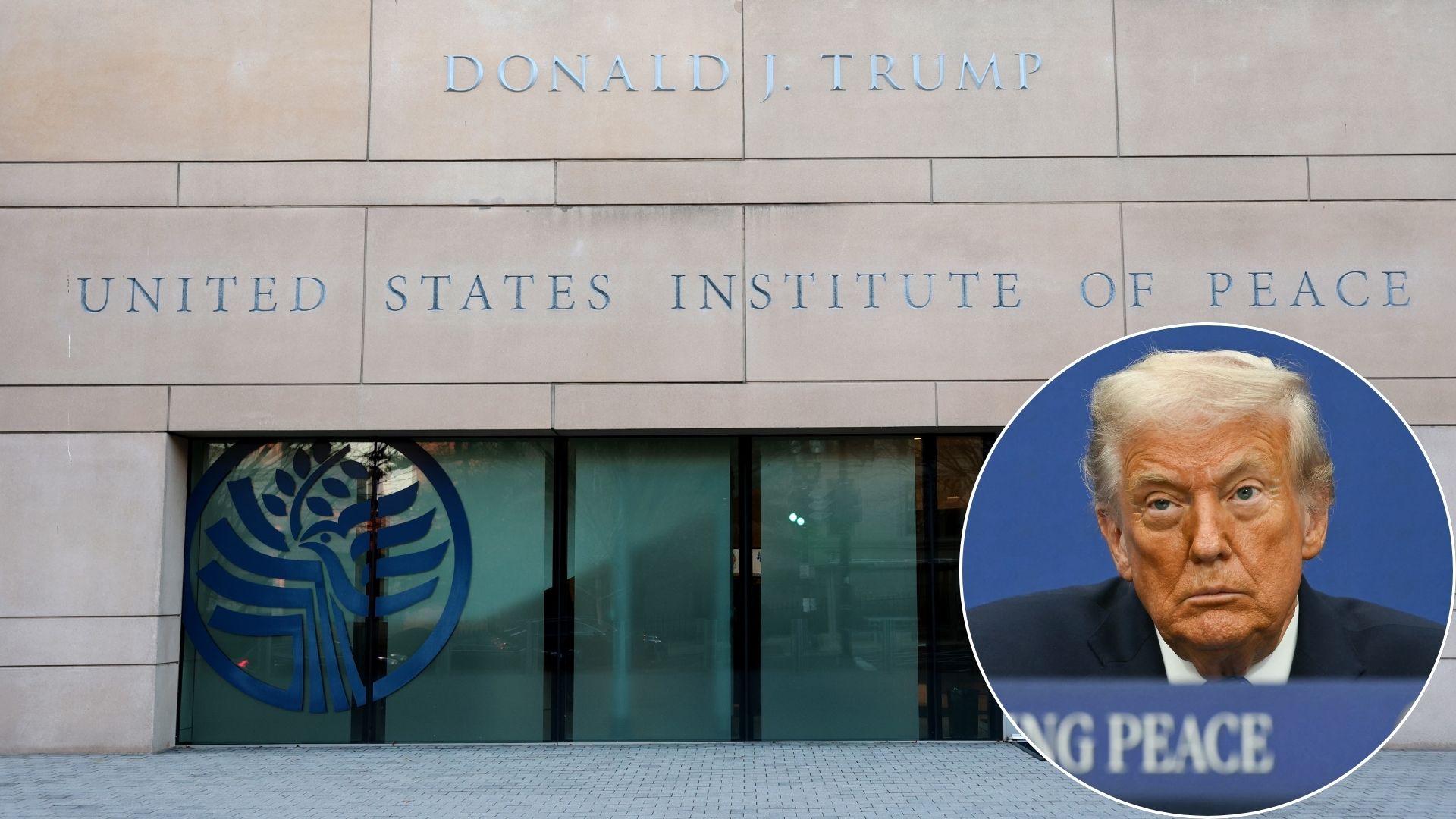
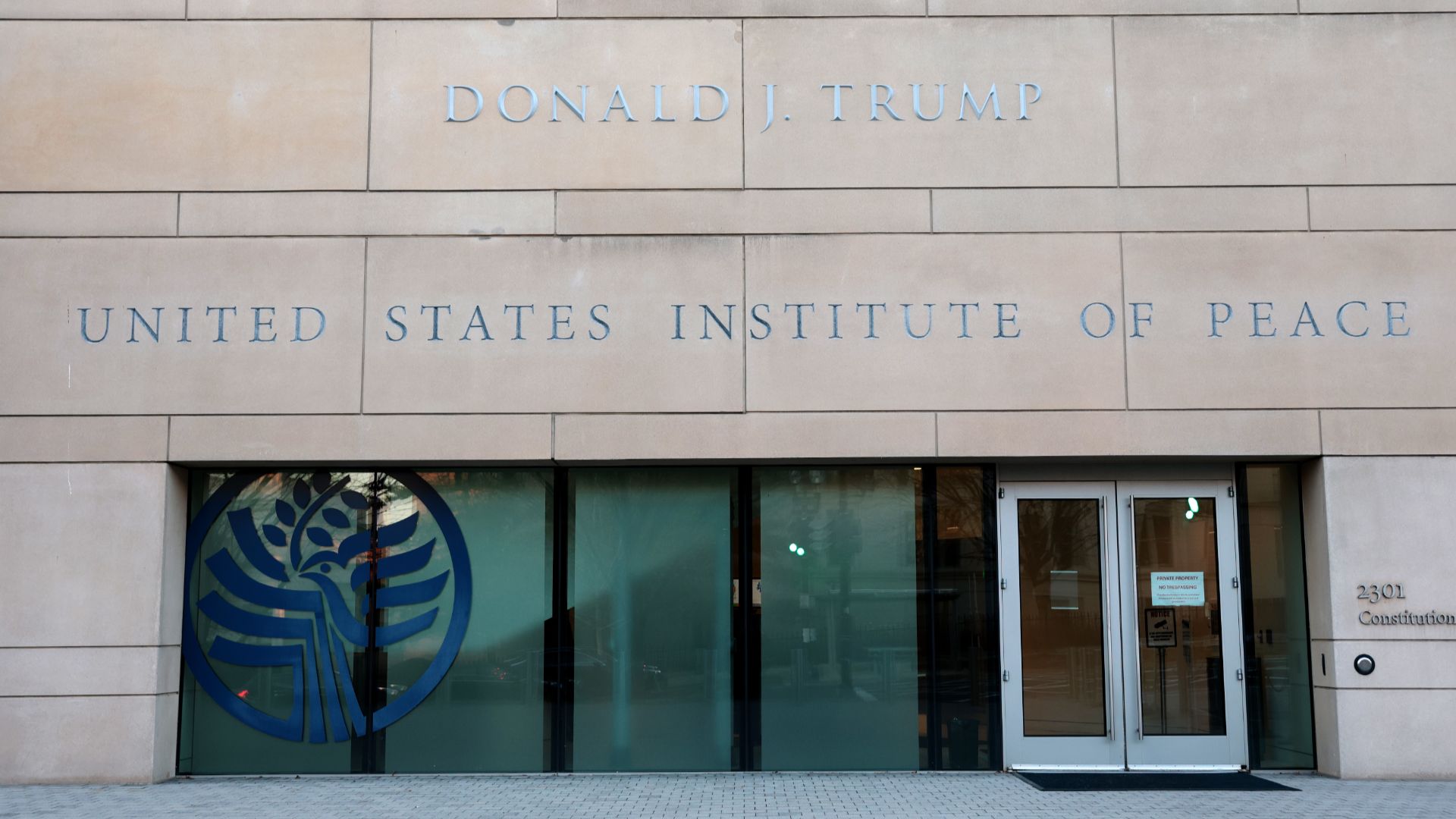
On December 3rd, the State Department used its official X account to turn an ongoing legal and political fight over the US Institute of Peace into a public branding moment. Alongside a photo of the Washington headquarters showing Trump’s name in new metal letters above the existing sign reading “United States Institute of Peace”, the department declared:

«This morning, the State Department renamed the former Institute of Peace to reflect the greatest dealmaker in our nation’s history. Welcome to the Donald J. Trump Institute of Peace. The best is yet to come.»

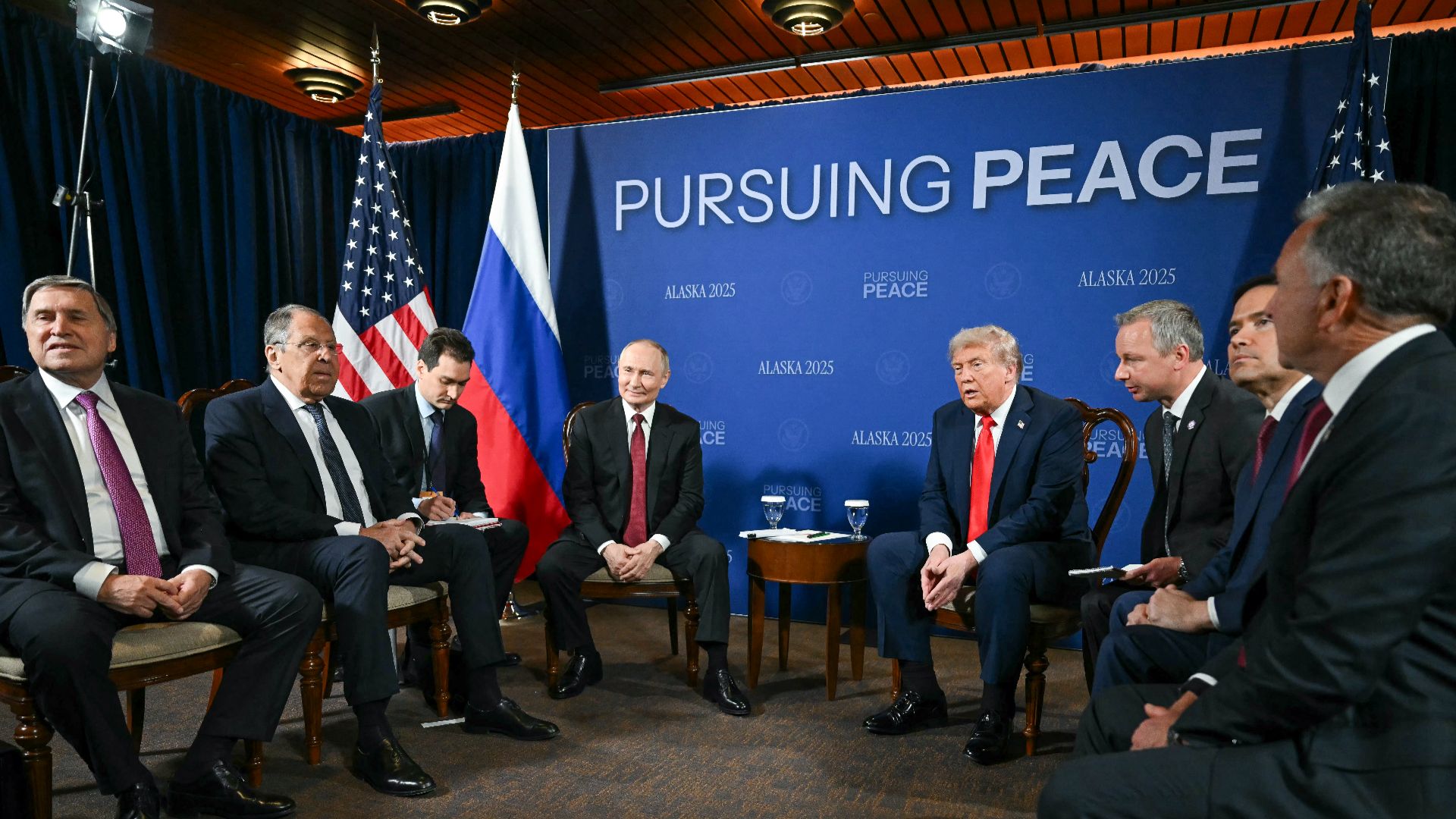
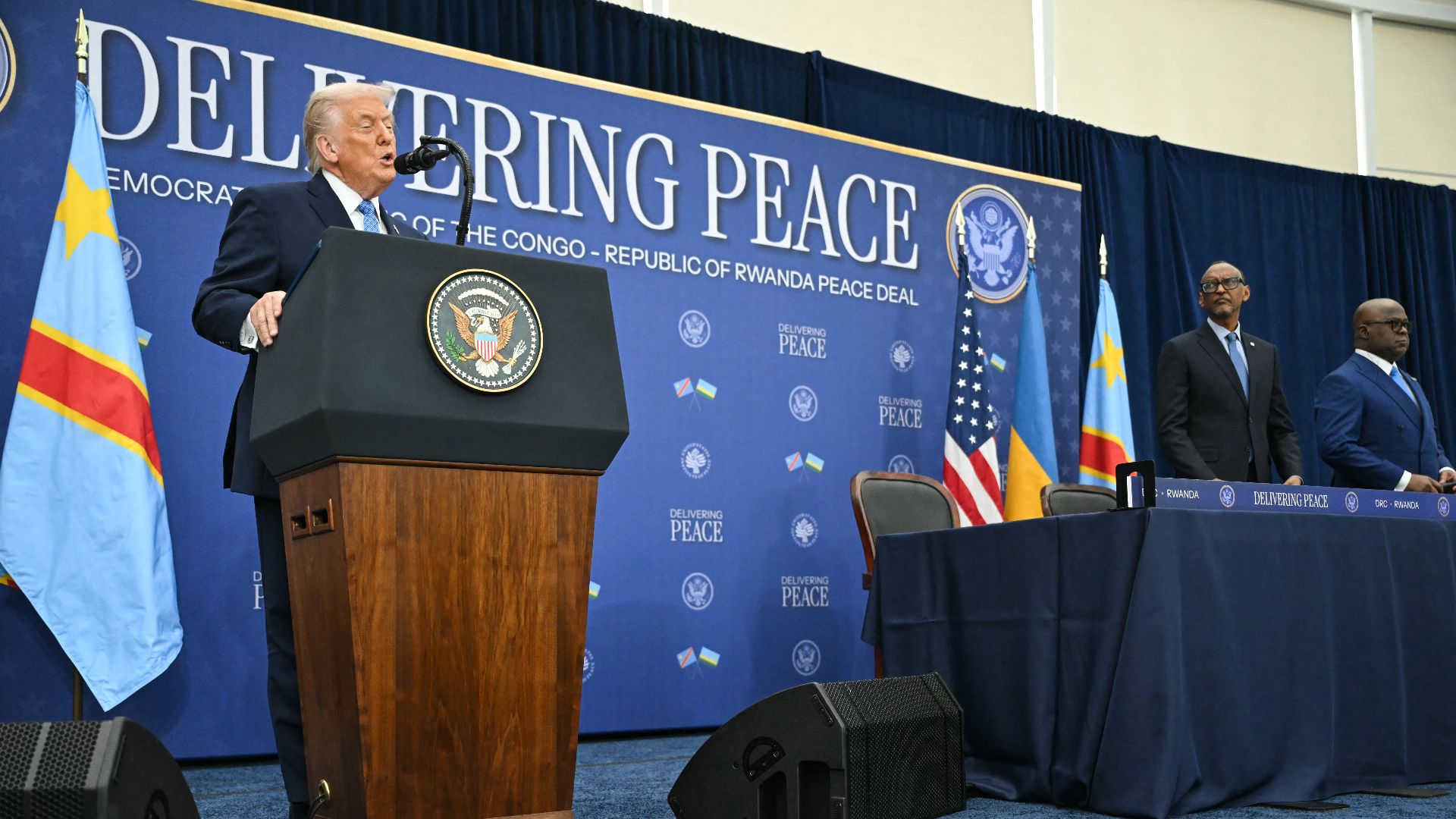
The announcement, issued on the eve of a US-brokered peace and economic agreement between Rwanda and the Democratic Republic of Congo to be signed in the building, signalled that the Trump administration now considers the congressionally created institute to be the Donald J. Trump Institute of Peace, a move that immediately drew criticism from former staff, diplomats and lawmakers who warned it was politicizing an institution designed to be independent.

Workers installed Trump’s name in large metal letters on the front of the Institute of Peace building on Constitution Avenue, a change photographed and published by the State Department when it announced the new branding. The modern glass-and-stone headquarters, normally marked only by the institute’s dove-and-olive-branch seal, now displays “Donald J. Trump Institute of Peace” above the original sign. The rebranding matches the narrative Trump has repeated throughout his second term, calling himself a president who would end “endless wars” and celebrating diplomatic deals as proof of that promise. In recent months he has also highlighted the State Department’s praise describing him as «the greatest dealmaker in our nation’s history», a line repeated in the official announcement. But reporting from outlets such as Reuters and CNN notes that many of the agreements Trump cites—often presented as breakthroughs—are in fact temporary ceasefires or limited frameworks in conflicts where tensions continue, making the contrast between his rhetoric and the situation on the ground a point of debate among analysts.

Getty Images

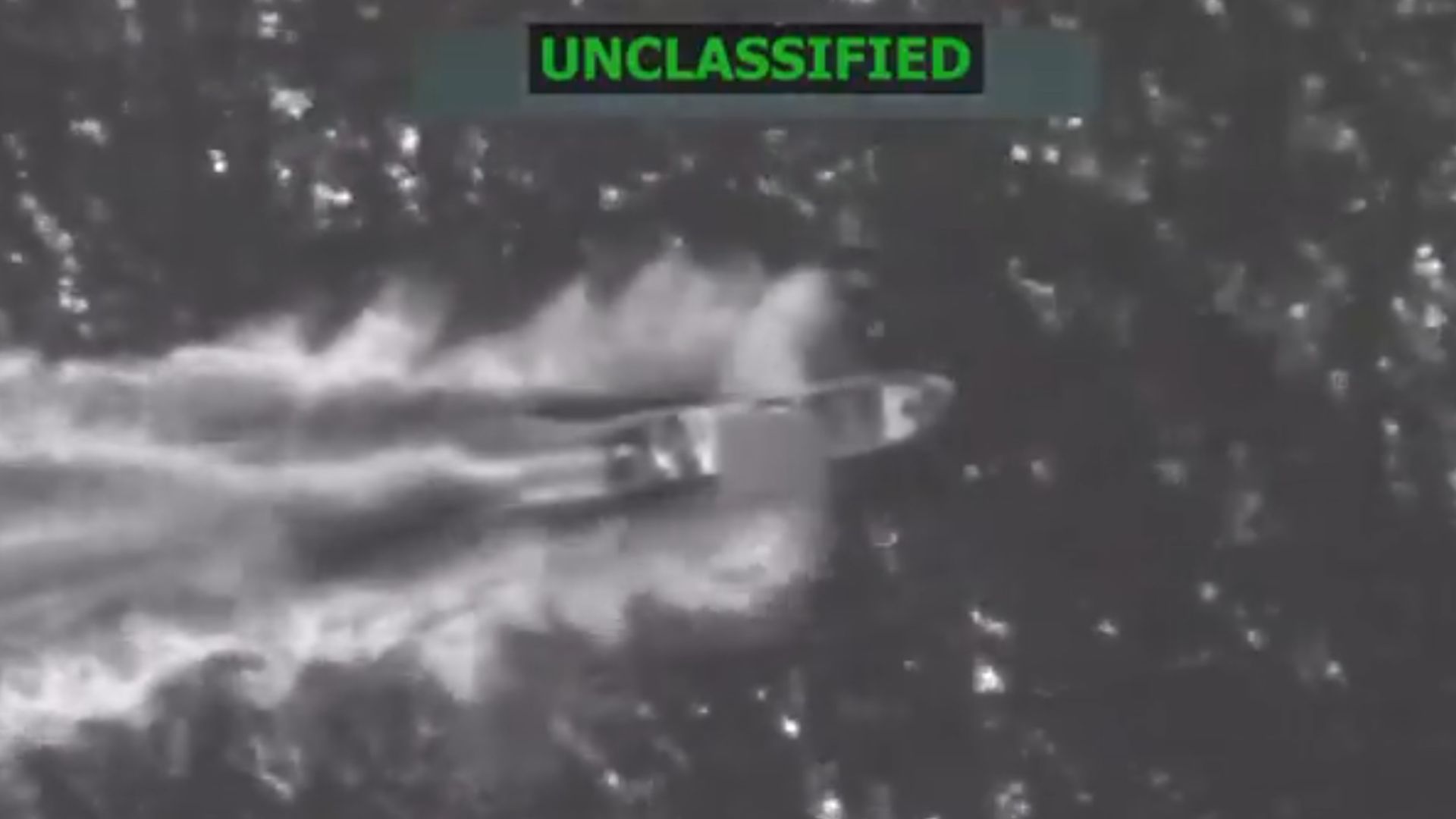
Criticism of Trump’s self-portrait as a peace-focused leader has sharpened as his Caribbean campaign against alleged Venezuelan drug boats has expanded and he now talks openly about sending troops. Since early September, the US military has carried out at least 14 to 21 strikes on small vessels in the Caribbean and eastern Pacific, killing between 60 and 80 people, many of them on boats that left Venezuela, in what the administration describes as a fight against «narcoterrorists» tied to Nicolás Maduro. Trump has told reporters that a land assault on Venezuela would begin «very soon», while a notification to Congress described a «non-international armed conflict» with a Venezuelan cartel, language that effectively treats the campaign as a war.

A bipartisan group of senators has responded with a war-powers resolution, with Adam Schiff warning: «We are being dragged into a war with Venezuela without legal basis or congressional authorization», and analysts quoted in outlets such as Time, War on the Rocks and FactCheck.org say the pattern of undeclared strikes against an ill-defined enemy, justified as self-defense and launched without a clear mandate, echoes the early phases of the War on Terror, when operations in Afghanistan and then Iraq grew from limited missions into open-ended conflicts. That contrast is especially stark because Trump campaigned on promises to end what he called «endless wars» and told supporters:

«I’m not going to start a war, I’m going to stop the wars», a message his allies still use to defend the decision to rename the US Institute of Peace in his honor.

Getty Images

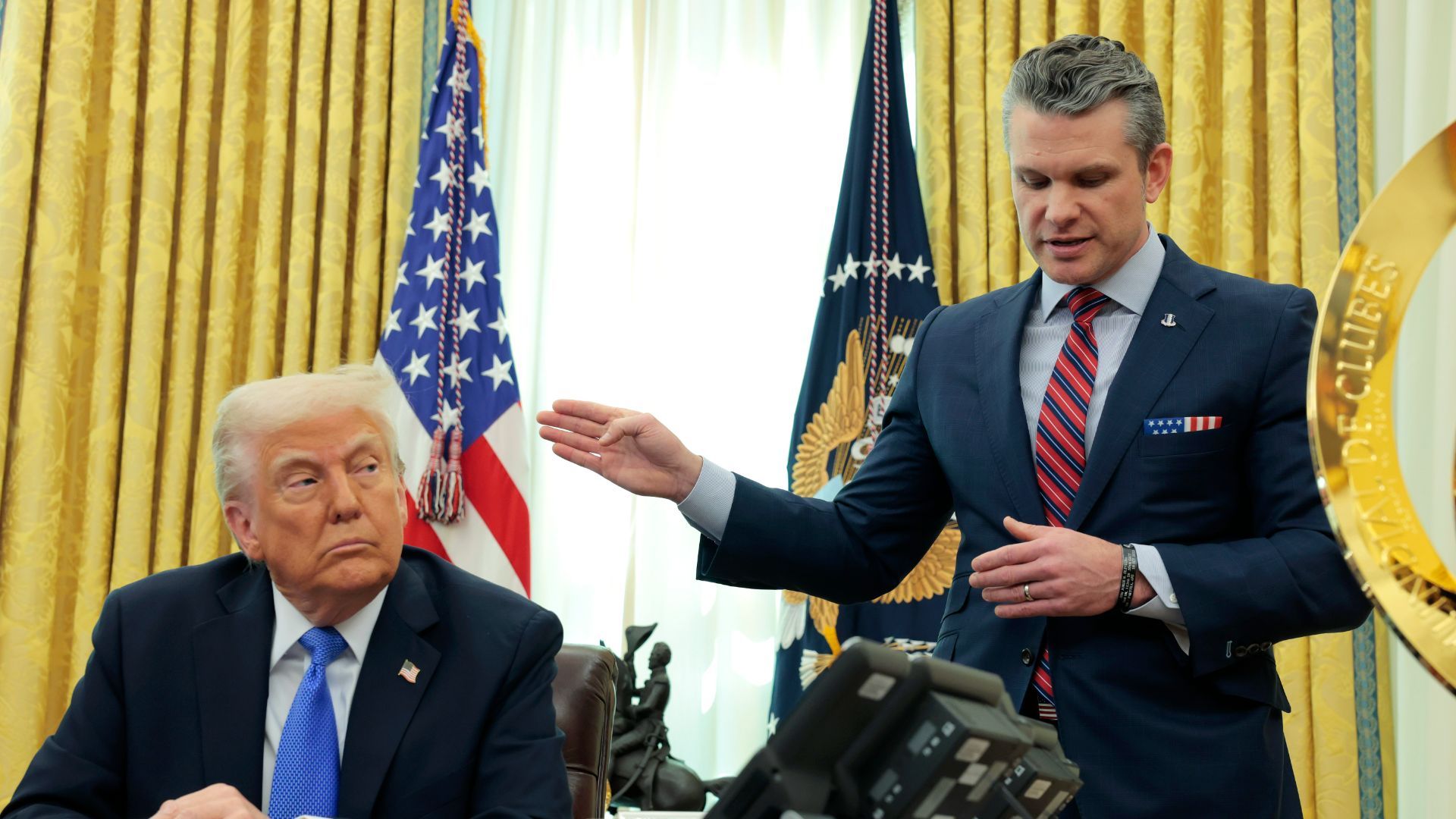
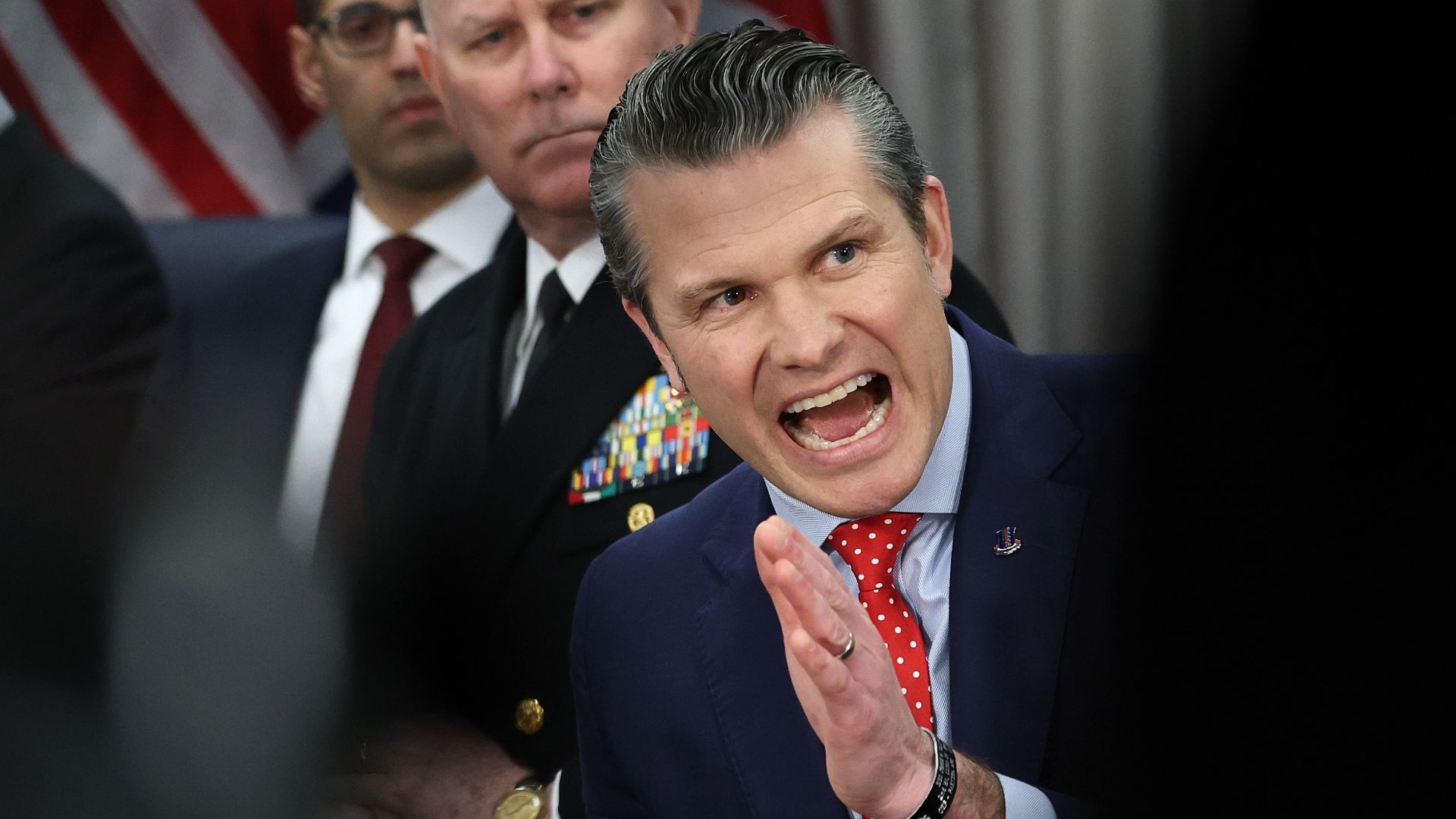
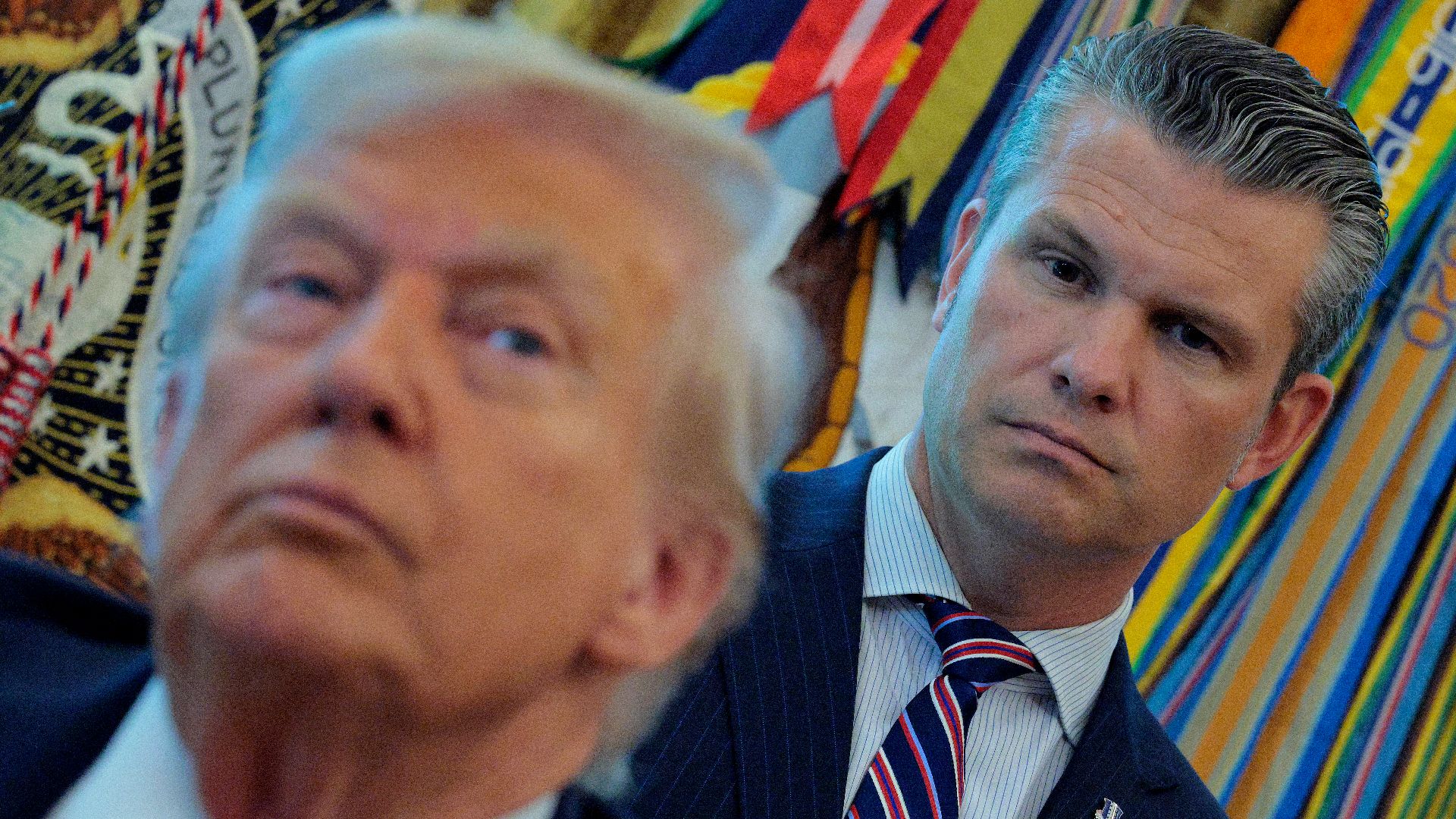
The fiercest backlash has focused on whether part of this campaign may already cross the line into a war crime. Investigations by the Washington Post, Reuters and other outlets describe the first strike on a suspected Venezuelan drug boat on 2 September, in which 11 people were killed after a US missile destroyed the vessel off Trinidad. According to multiple sources cited by the Post, Defense Secretary Pete Hegseth gave an oral order in advance that «the order was to kill everybody», and when two men were seen clinging to the wreckage, a second missile was fired to kill the survivors, an account Hegseth and the Pentagon dispute. Legal experts quoted by FactCheck.org, Reuters and the Guardian argue that, because drug traffickers are not combatants in a recognized armed conflict and shipwrecked survivors are protected under the laws of war, deliberately attacking those men could amount to murder or, if an order to show no quarter is proven, a war crime. For critics, seeing Trump’s name going up on the façade of what is now called the Donald J. Trump Institute of Peace at the exact moment Congress is fighting to rein in a potential war with Venezuela, and investigators are probing whether his first Caribbean strike broke the laws of war, turns the rebranding into a symbol of the gap between the image of a president who stops wars and the reality of a presidency that may be starting a new one.

Catégories
Uncategorized

Israel Says It Will Begin Allowing Palestinians to Leave Gaza «in the Coming Days»

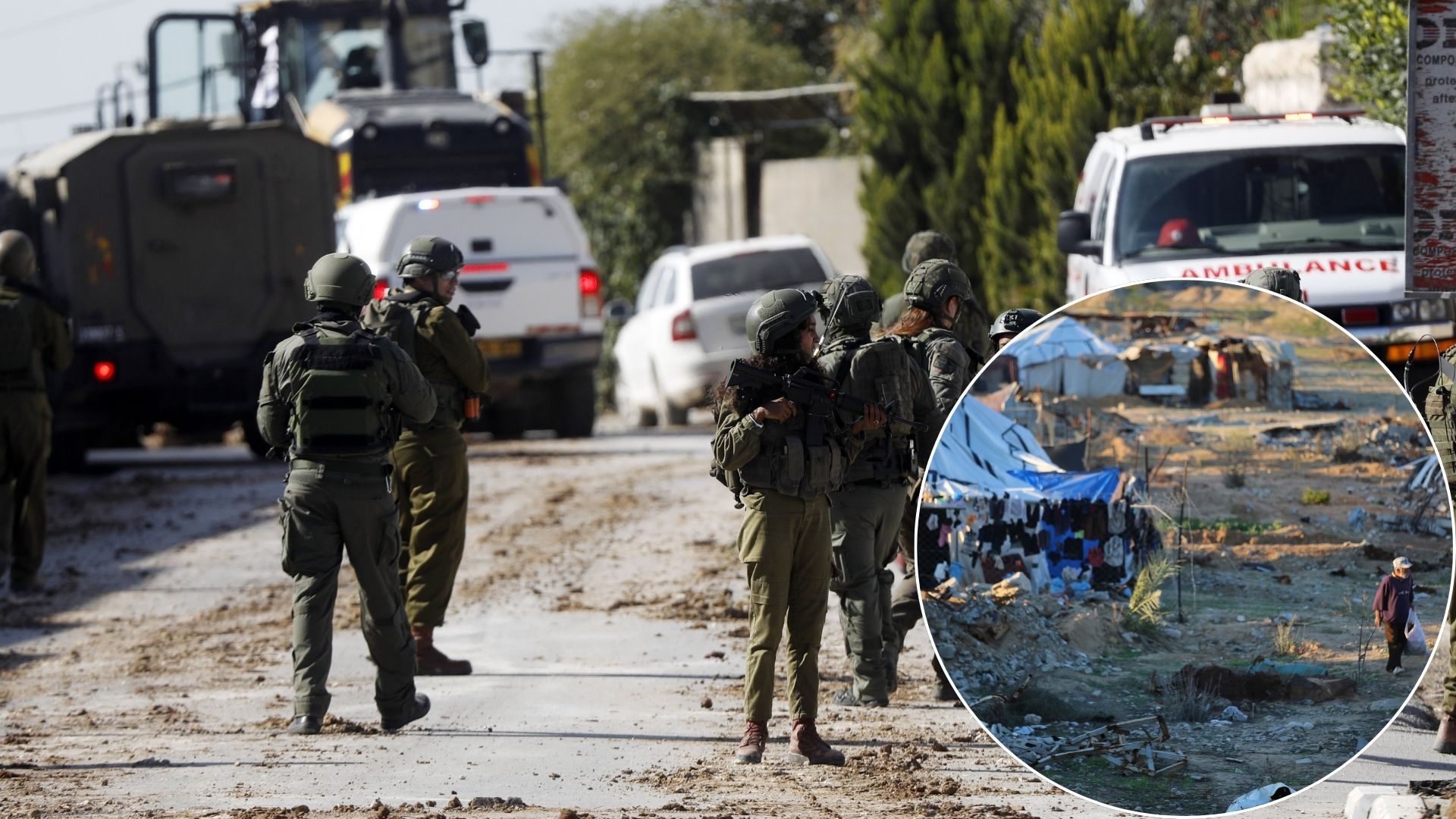
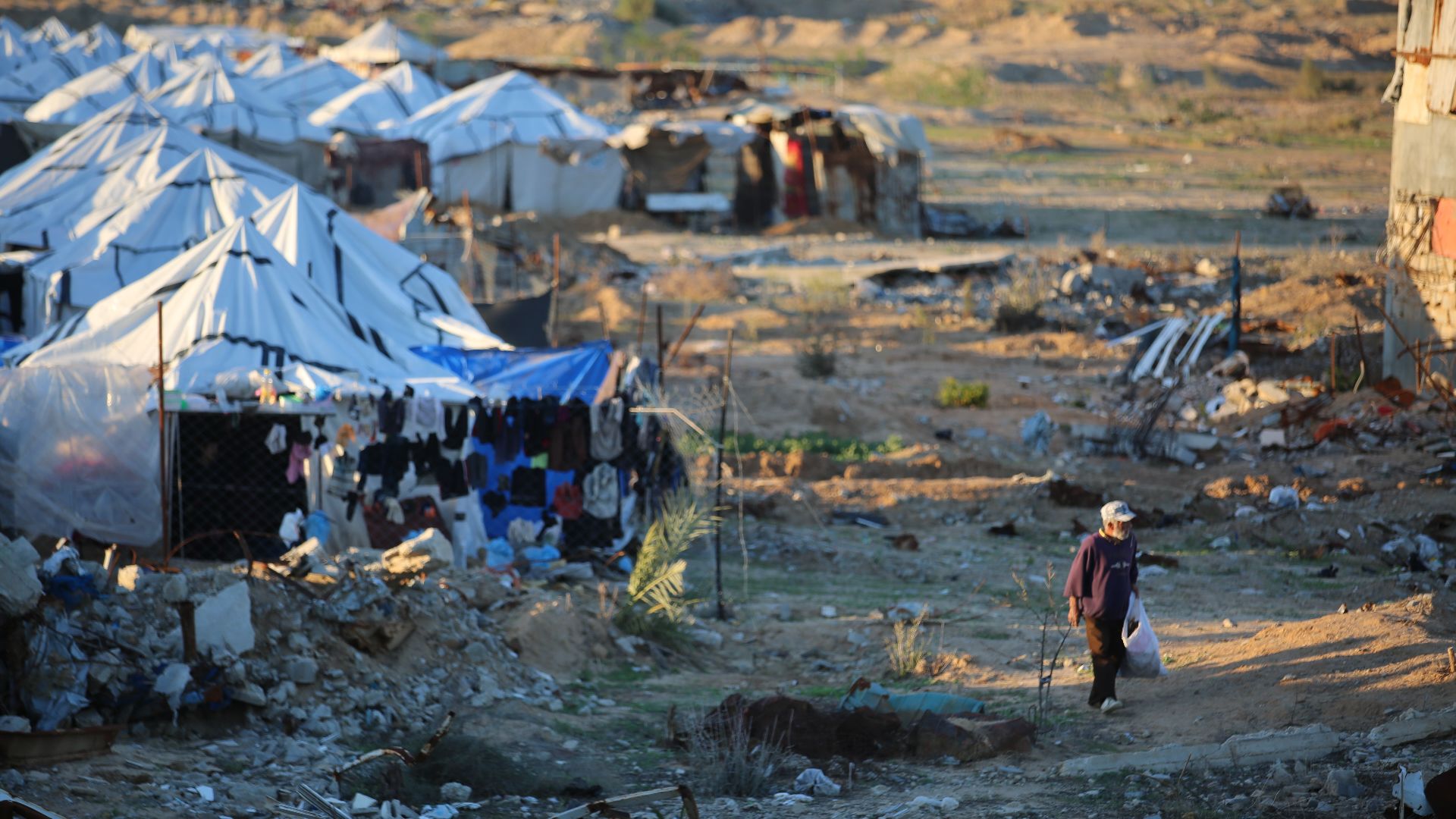
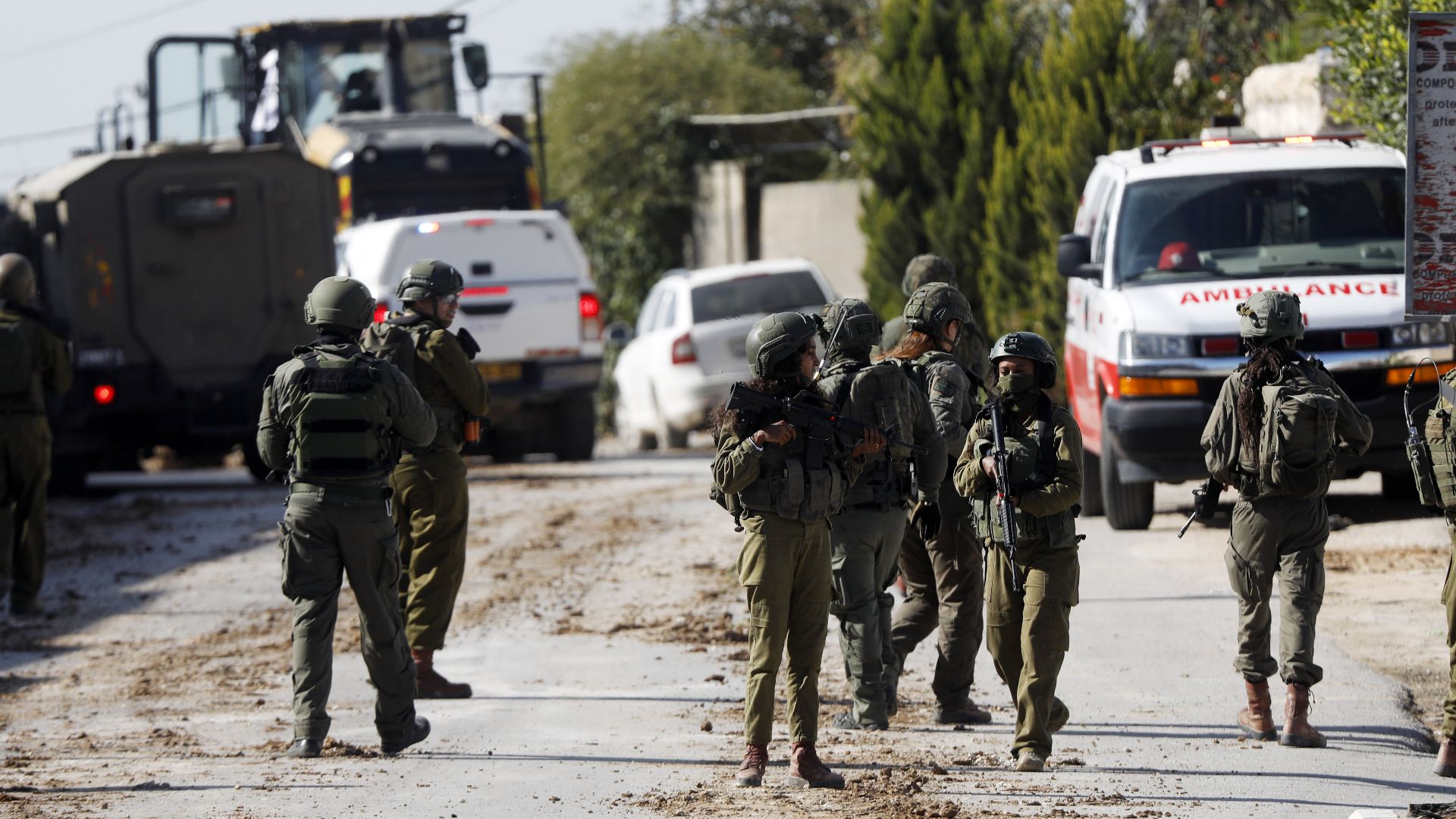
Israel says it will begin allowing Palestinians to leave Gaza «in the coming days,» but the move falls far short of a full reopening of the Rafah border crossing. According to Israeli officials, only a narrow group of people — primarily the wounded, urgent medical cases, and others cleared on restricted humanitarian lists — will be permitted to exit. The announcement has fueled confusion among residents hoping for broader relief, yet both Israel and Egypt have made clear that normal cross-border movement remains off the table for now. Instead of a return to pre-war operations, the opening will function more as a tightly controlled humanitarian corridor, leaving the vast majority of Gazans unable to leave despite the headline of a “reopening.”

Israeli officials have framed the move as part of the ceasefire arrangements around Gaza, saying that the Rafah crossing will be used to facilitate humanitarian cases in coordination with Egypt and international partners. Cairo, for its part, has signaled that it will cooperate on evacuations for the wounded and gravely ill but continues to reject any arrangement that would turn Sinai into a long-term destination for displaced Gazans. Humanitarian organizations and UN agencies point out that tens of thousands of people in Gaza are in need of urgent medical treatment or evacuation, far beyond the limited numbers likely to be approved under the current mechanism. For them, Israel’s promise to let some Palestinians leave Gaza «in the coming days» underscores how tightly controlled and exceptional these exits will remain, rather than marking a real restoration of freedom of movement.

Getty Images

Egypt’s response undercut Israel’s framing almost immediately. While COGAT publicly said Rafah would reopen “in the coming days” for Palestinians to exit Gaza into Egypt under joint oversight with Cairo and the European Union, the Egyptian government flatly denied that any such coordination was underway. In a statement issued on Wednesday, Egypt’s state information service said it was not currently working with Israel to reopen the crossing and reminded all parties that, under the October ceasefire terms, Rafah is supposed to operate in both directions, not just as a one-way outlet for people leaving Gaza. That public rejection exposed a sharp gap between Israeli announcements and Egyptian policy, and cast further doubt on how, when, and under whose terms the crossing might actually function again.

No long-term resolution

Over the past several months, the situation between Israel and Gaza has been defined by cycles of intense fighting, shifting ceasefires, and growing humanitarian collapse inside the enclave. After Israel’s expanded military operations earlier in the year, large areas of Gaza were left severely damaged, with the population facing shortages of food, water, medical supplies, and power. Ceasefire negotiations, backed at various moments by the United States, Egypt, Qatar, and later the Trump administration, produced temporary pauses but no long-term resolution, as disputes over hostages, border control, and post-war governance repeatedly stalled progress. Israeli forces maintained tight restrictions on movement in and out of Gaza, while humanitarian agencies warned that the enclave’s health system was nearing breakdown and that tens of thousands of civilians required urgent evacuation or medical care. Against this backdrop, the question of reopening key crossing points — especially Rafah — has become a central point of contention, reflecting both the fragile nature of the current ceasefire and the unresolved political struggle over Gaza’s future.

Getty Images
Catégories
Uncategorized

« Tötet alle »: Hegseth sieht sich wachsender Gegenreaktion gegenüber

Verteidigungsminister Pete Hegseth sieht sich mit Vorwürfen konfrontiert, er habe beim zweiten Angriff auf ein mutmaßliches Drogenboot des Kartells im vergangenen September den skandalösen Befehl gegeben, « alle zu töten ». Zum Zeitpunkt des zweiten Angriffs waren die Insassen des Bootes Berichten zufolge bereits gestrandet, und viele Experten halten diesen Folgeangriff für ein « Kriegsverbrechen ».

Getty Images

Die Rechtmäßigkeit der Angriffe auf Überlebende

Republikanische und demokratische Abgeordnete haben Untersuchungen zu den Vorwürfen eingeleitet, dass die US-Streitkräfte auf Befehl von Verteidigungsminister Pete Hegseth Überlebende eines ersten Angriffs auf ein mutmaßliches Drogenschmugglerboot ins Visier genommen haben.

Getty Images

Die Untersuchung konzentriert sich auf einen Folgeangriff, der sich gegen Personen richtete, die bereits den ersten Angriff auf das Schiff überlebt hatten, das im Verdacht stand, in einen mit Kartellen verbundenen Handel verwickelt zu sein.

Das Weiße Haus verteidigte am Montag die Entscheidung eines US-Admirals, im September mehrere Angriffe auf das mutmaßliche venezolanische Drogenschmuggelschiff durchzuführen, und erklärte, er habe die Genehmigung von Verteidigungsminister Pete Hegseth.

CaptureXSecKrieg

Ein mögliches Kriegsverbrechen

Kritiker stellen jedoch die Rechtmäßigkeit der Angriffe auf die Überlebenden in Frage. Viele bezeichnen die Operation als potenzielles Kriegsverbrechen.

Getty Images

Viele Experten halten den zweiten Schlag für ein Kriegsverbrechen, weil er angeblich auf gestrandete Überlebende abzielte, die bereits außer Gefecht waren. Dies würde gegen das humanitäre Völkerrecht verstoßen, da die Grundsätze der Unterscheidung und der Verhältnismäßigkeit verletzt würden, der besondere Schutz, der Schiffbrüchigen und anderen Personen, die sich nicht im Kampf befinden, gemäß den Genfer Konventionen gewährt wird, ignoriert würde und möglicherweise die Verpflichtung, diejenigen, die keine militärische Bedrohung mehr darstellen, zu verschonen und, wenn möglich, zu retten, nicht eingehalten würde.

Getty Images

Auf die Frage von Reportern, ob er einen solchen Folgeschlag genehmigt oder unterstützt habe, antwortete Trump:

« Wir werden es uns ansehen, aber nein, ich hätte das nicht gewollt, einen zweiten Schlag. Der erste Schlag war sehr tödlich. Es war in Ordnung. »

Getty Images

Der republikanische Abgeordnete Don Bacon, Mitglied des Ausschusses für Streitkräfte des Repräsentantenhauses, sagte, die Anschuldigungen müssten untersucht werden:

« Wir sollten der Wahrheit auf den Grund gehen. Ich glaube nicht, dass er so dumm wäre, diese Entscheidung zu treffen und zu sagen: Tötet alle, tötet die Überlebenden, denn das wäre ein klarer Verstoß gegen das Kriegsrecht. Ich bin also sehr misstrauisch, dass er so etwas getan haben könnte, weil es gegen den gesunden Menschenverstand verstößt. »

14 Streiks

Ausgehend von den derzeit verfügbaren Zählungen in den Medien hat die Trump-Administration mit Stand vom 2. Dezember 2025 öffentlich bestätigt oder berichtet, dass sie seit Anfang September etwa 14 US-Militärschläge gegen mutmaßliche Drogenschmugglerboote in der Karibik und im Pazifik durchgeführt hat, was bedeutet, dass mindestens so viele Schiffe getroffen worden sind.

Getty Images

Die Schätzungen der Todesopfer reichen von mindestens 61 Personen bei 14 Angriffen laut FactCheck.org bis zu mehr als 70-80 mutmaßlichen Drogenhändlern, die bei « mehr als einem Dutzend » Angriffen getötet wurden, wie NPR und ABC News berichten.

Der Kongress fordert nun Zugang zu allen Audio- und Videoaufzeichnungen des umstrittenen zweiten Bootsangriffs, da die Trump-Regierung versucht, die Schuld von Pete Hegseth abzulenken.

Catégories
Uncategorized

« Matar a todo el mundo »: Hegseth se enfrenta a una creciente reacción

El Secretario de Defensa, Pete Hegseth, se enfrenta a acusaciones según las cuales dio la escandalosa orden de « matar a todo el mundo » durante el segundo ataque a una embarcación de un presunto cártel de la droga el pasado mes de septiembre. Al parecer, en el momento del segundo ataque, los ocupantes de la embarcación ya estaban varados, y muchos expertos afirman que este ataque de seguimiento se considera un « crimen de guerra ».

Getty Images

La legalidad de atacar a los supervivientes

Legisladores republicanos y demócratas han iniciado investigaciones sobre las acusaciones de que las fuerzas estadounidenses, siguiendo una orden del Secretario de Defensa Pete Hegseth, atacaron a los supervivientes de un ataque inicial contra una supuesta embarcación de contrabando de drogas.

Getty Images

El escrutinio se centra en un ataque de seguimiento llevado a cabo contra individuos que ya habían sobrevivido al primer ataque contra la embarcación, sospechosa de estar implicada en el tráfico vinculado a un cártel.

La Casa Blanca defendió el lunes la decisión de un almirante estadounidense de llevar a cabo múltiples ataques contra el supuesto barco venezolano de contrabando de drogas en septiembre, afirmando que contaba con la autorización del secretario de Defensa, Pete Hegseth.

CapturaXSecGuerra

Un posible crimen de guerra

Sin embargo, los críticos cuestionan la legalidad de atacar a los supervivientes, y muchos califican la operación de posible crimen de guerra.

Getty Images

Muchos expertos consideran que el segundo ataque es un crimen de guerra porque supuestamente se dirigió contra supervivientes varados que ya estaban fuera de combate, lo que violaría el derecho internacional humanitario al vulnerar los principios de distinción y proporcionalidad, ignorar la protección especial concedida a los náufragos y otras personas fuera de combate en virtud de los Convenios de Ginebra, y potencialmente no respetar la obligación de preservar y, cuando sea posible, rescatar a quienes ya no supongan una amenaza militar.

Getty Images

Cuando los periodistas le preguntaron si había autorizado o apoyado ese ataque de seguimiento, Trump respondió:

« Lo estudiaremos, pero no, no habría querido eso, un segundo ataque. El primer ataque fue muy letal. Estuvo bien »

Getty Images

El representante republicano Don Bacon, miembro del Comité de Servicios Armados de la Cámara de Representantes, dijo que las acusaciones justificaban un escrutinio, declarando:

« Debemos llegar a la verdad. No creo que fuera tan insensato como para tomar la decisión de matar a todos, matar a los supervivientes, porque eso es una clara violación de la ley de la guerra. Así que sospecho mucho que hubiera hecho algo así porque iría en contra del sentido común »

14 ataques

Según los recuentos disponibles actualmente en los medios de comunicación, hasta el 2 de diciembre de 2025 la administración Trump ha reconocido públicamente o se ha informado de que ha llevado a cabo aproximadamente 14 ataques militares estadounidenses contra presuntos barcos de contrabando de drogas en el Caribe y el Pacífico desde principios de septiembre, lo que significa que al menos esa cantidad de buques han sido golpeados.

Getty Images

Las muertes estimadas oscilan entre un mínimo de 61 personas en 14 ataques, según FactCheck.org, y más de 70-80 presuntos traficantes muertos en « más de una docena » de ataques, según NPR y una cronología de ABC News.

El Congreso exige ahora acceso a cualquier grabación de audio o vídeo del controvertido segundo ataque en barco, mientras la administración Trump se mueve para desviar la culpa de Pete Hegseth.

Catégories
Uncategorized

«Kill everybody»: Hegseth faces growing backlash

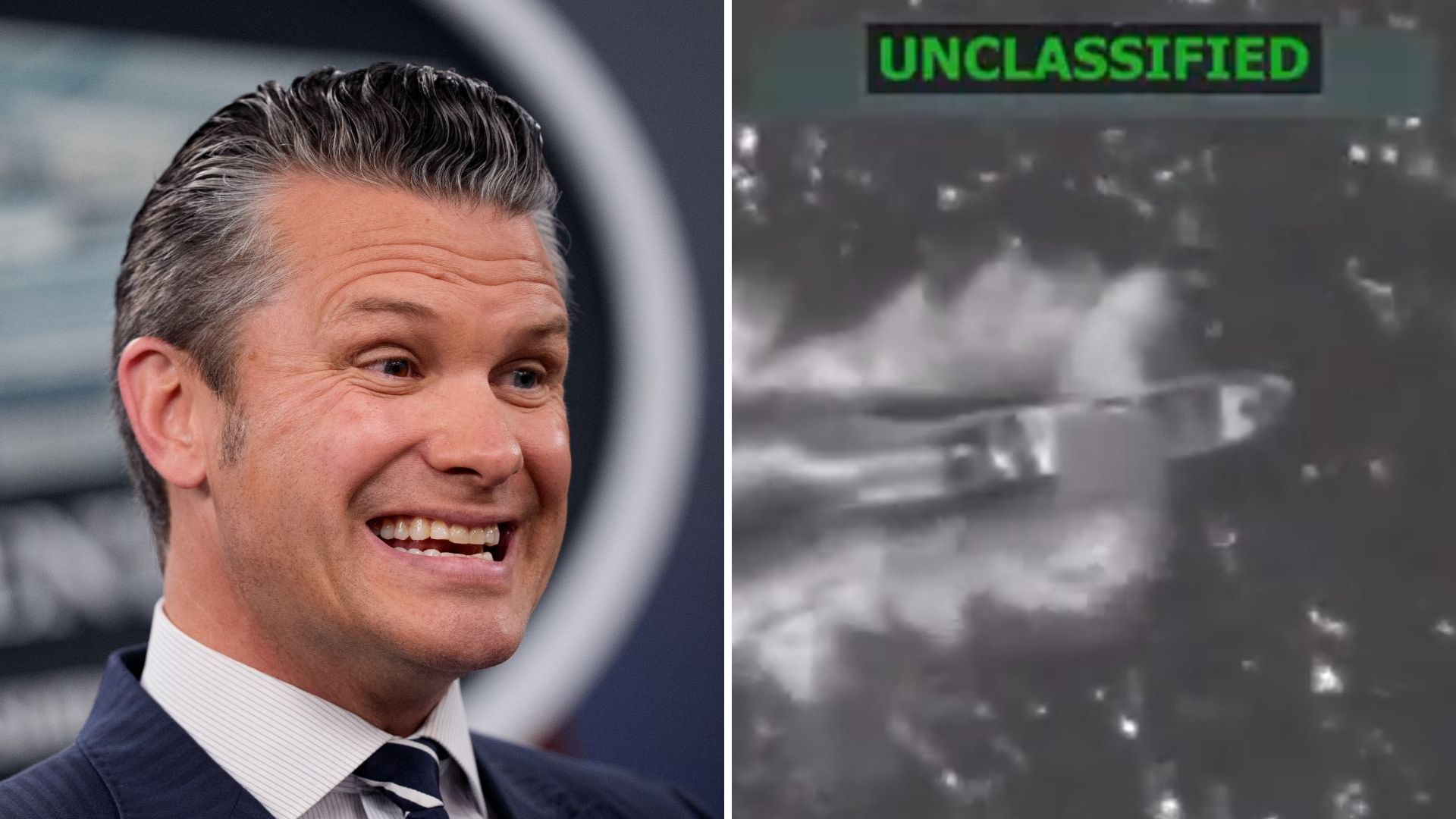
Defense Secretary Pete Hegseth is facing allegations over claims that he issued a scandalous order to «kill everybody» during the second strike of an attack on a suspected cartel drug boat last September. At the time of the second strike, the occupants of the boat were reportedly already stranded, and many experts say that this follow-up strike is considered a «war crime».

Getty Images

The legality of striking survivors

Republican and Democratic lawmakers have launched inquiries into allegations that U.S. forces, acting on an order from Defense Secretary Pete Hegseth, targeted survivors of an initial strike on an alleged drug-smuggling boat.

Getty Images

The scrutiny centers on a follow-up strike carried out against individuals who had already survived the first attack on the vessel, which was suspected of involvement in cartel-linked trafficking.

The White House on Monday defended a U.S. admiral’s decision to conduct multiple strikes on the alleged Venezuelan drug-smuggling vessel in September, stating that he had authorization from Defence Secretary Pete Hegseth.

«We’ll look into it, but no I wouldn’t have wanted that, a second strike. The first strike was very lethal. It was fine.»

CaptureXSecWar

A potential war crime

However, critics are questioning the legality of striking survivors, with many describing the operation as a potential war crime.

Getty Images

The second strike is considered by many experts to be a war crime because it allegedly targeted stranded survivors who were already out of combat, which would violate international humanitarian law by breaching the principles of distinction and proportionality, ignoring the special protection granted to shipwrecked persons and other individuals hors de combat under the Geneva Conventions, and potentially failing to respect the obligation to spare and, where possible, rescue those who no longer pose a military threat.

Getty Images

When asked by reporters whether he had authorized or supported such a follow-up strike, Trump responded:

«We’ll look into it, but no I wouldn’t have wanted that, a second strike. The first strike was very lethal. It was fine.»

Getty Images

Republican Rep. Don Bacon, a member of the House Armed Services Committee, said the allegations warranted scrutiny, declaring:

«We should get to the truth. I don’t think he would be foolish enough to make this decision to say, kill everybody, kill the survivors because that’s a clear violation of the law of war. So, I’m very suspicious that he would’ve done something like that because it would go against common sense.»

14 strikes

Based on currently available media counts, as of December 2, 2025 the Trump administration has publicly acknowledged or been reported as carrying out roughly 14 U.S. military strikes on alleged drug-smuggling boats in the Caribbean and Pacific since early September, meaning at least that many vessels have been hit.

Getty Images

Estimated deaths range from a minimum of 61 people in 14 strikes according to FactCheck.org to more than 70–80 alleged traffickers killed in «more than a dozen» strikes according to NPR and an ABC News timeline.

Congress is now demanding access to any audio or video recordings of the controversial second boat strike, as the Trump administration moves to deflect blame away from Pete Hegseth.

Catégories
Uncategorized

US pauses visas to Afghanistan after National Guard shooting

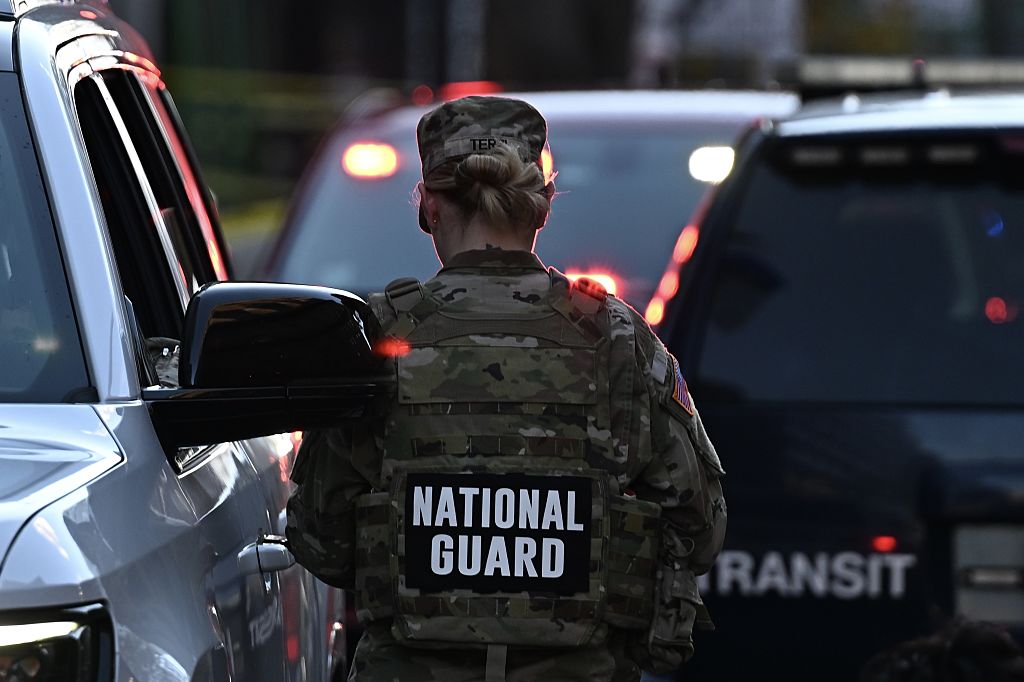
The United States’ Department of State has paused all visas for individuals travelling with Afghan passports after the attack on two National Guard members in Washington, D.C., on Wednesday that killed Specialist Sarah Beckstrom and severely injured Guardsman Andrew Wolfe.

An Afghan National, Rahmanullah Lakanwal, was arrested in connection with the shooting.

IMMEDIATELY paused visa

« The Department of State has IMMEDIATELY paused visa issuance for individuals travelling on Afghan passports, » the agency wrote in an announcement on Twitter.

The statement added that « The Department is taking all necessary steps to protect U.S. national security and public safety. »

Secretary of State Marco Rubio replied to the post on social media, claiming:

“The United States has no higher priority than protecting our nation and our people.”

Lakanwal came to the U.S. in 2021 and was granted asylum in April 2025 under the Trump administration. Donald Trump has blamed the Biden administration for Lakanwal’s presence in the U.S., but it was his administration that granted Lakanwal asylum. 

When FBI director Kash Patel was asked about the vetting process, he refused to answer.

Prior to his arrival in the US, Lakanwal worked with the CIA “as a member of a partner force in Kandahar,” John Ratcliffe, CIA Director, said in a statement.

In a statement on Friday, US Citizenship and Immigration Services (USCIS) director Joseph Edlow said his agency had paused all asylum decisions in the interest of the “safety of the American people”.

“USCIS has halted all asylum decisions until we can ensure that every alien is vetted and screened to the maximum degree possible.”

Edlow also called for “a full-scale, rigorous re-examination of every green card for every alien from every country of concern.”

There are currently 19 countries labelled as « high-risk » by the USCIS, including Afghanistan, Burma, Chad, the Republic of the Congo, Equatorial Guinea, Eritrea, Haiti, Iran, Libya, Somalia, Sudan, Yemen, Burundi, Cuba, Laos, Sierra Leone, Togo, Turkmenistan and Venezuela.

A poor vetting process

The arrest and subsequent visa restrictions have sparked questions about why Lakanwal received a visa at all, and critics on both sides of the political spectrum are calling for an investigation into the vetting process used by the United States under Donald Trump.

Additionally, it was revealed that prior to his arrival in the US, Lakanwal worked with the CIA “as a member of a partner force in Kandahar,” according to CIA Director John Ratcliffe.

“He went cuckoo. I mean, he went nuts. It happens too often with these people. You see them. But look, this is how they come in, they’re standing on top of each other,”

-Donald Trump

Lakanwal now faces charges of assault with intent to kill while armed and possession of a firearm during a crime of violence.

Trump has now promised to send 500 more National Guard troops to Washington, D.C., though it’s unclear where the additional troops would come from.

Rocking the administration

US President Donald Trump speaks while signing the bill package to reopen the federal government in the Oval Office of the White House in Washington, DC, on November 12, 2025. Congress on Wednesday ended the longest government shutdown in US history, 43 days that paralyzed Washington and left hundreds of thousands of workers unpaid while Republicans and Democrats played a high-stakes blame game. The Republican-led House of Representatives voted largely along party lines to approve a Senate-passed package that will reopen federal departments and agencies, as many Democrats fume over what they see as a capitulation by party leaders. (Photo by Brendan SMIALOWSKI / AFP) (Photo by BRENDAN SMIALOWSKI/AFP via Getty Images)

The shooting of Wolfe and Beckstrom has rocked the Trump administration over the last week. Just days ago, on November 27, Donald Trump snapped at a reporter who questioned Lakanwal’s vetting process, calling her “a stupid person.”

“Are you stupid? Are you a stupid person? They came in on a plane along with thousands of other people that shouldn’t be here, and you’re just asking questions because you’re a stupid person.”

Lakanwal came to the US as part of the Biden-era program “Operation Allies Welcome,” which came after the US extracted its troops from Afghanistan. Lakanwal was not granted asylum until 2025, after Donald Trump was elected.  

AfghanEvac comments

Nonprofit group AfghanEvac denounced the visa pausing, calling the administration’s decision a « violation of federal law. »

AfghanEvac President Shawn VanDiver released a statement on November 28 calling the decision unlawful.

It appears Secretary Rubio is attempting to shut down the Afghan Special Immigrant Visa program in direct violation of federal law and standing court orders. He is seemingly acting at the direction of President Trump and Stephen Miller, and there is no doubt this is the outcome they have been driving toward for months

It’s unclear how the US government will enact these new directives, or how quickly it will happen. Donald Trump said on Thursday, “You can’t get them out once they come in. »

At least 400,000 people have been deported from the U.S. since Donald Trump took office.

Catégories
Uncategorized

Trump calls another reporter a “stupid person”

The president of the United States has added another classy remark to his resume of reporter communications, less than a week after calling a woman “piggy”.

Donald Trump lashed out at a reporter on Thursday after being asked about the vetting of the suspect in the shooting of two National Guardsmen in Washington, D.C.

Trump pressed by reporter

During the press conference at Mar-a-Lago on Thursday, Donald Trump was asked about the shooting of two members of the National Guard on Wednesday in D.C. The shooter, who was a suspected Afghan National, had reportedly been vetted by the state.

“U.S. officials say that the suspect worked very closely with the VIA in Afghanistan for years, that he was vetted, and the vetting came up clean.”

Trump claimed the asylum process used by the U.S. forces on asylum seekers coming from Afghanistan via plane was ineffective and had failed to vet the shooter properly.

“He went cuckoo. I mean, he went nuts. It happens too often with these people. You see them. But look, this is how they come in, they’re standing on top of each other,”

Trump continued to say that “There was no vetting or anything. They came in unvetted, and we have a lot of others in this country, and we’re going to get them out.”

The reporter tried pressing Trump, correcting him, “Actually, your DOJ IG [Department of Justice Inspector General] just reported this year that there was thorough vetting by DHS and by the FBI of these Afghans who were brought into the U.S.,”

Trump cut off the reporter angrily.

“Because they let them in. Are you stupid? Are you a stupid person? They came in on a plane along with thousands of other people that shouldn’t be here, and you’re just asking questions because you’re a stupid person.”

He then claimed that it was impossible to remove the people who came in as part of the immigration policies of former U.S. President Joe Biden.

At least 400,000 people have been deported from the U.S. since Donald Trump took office.

Washington, D.C. shooting

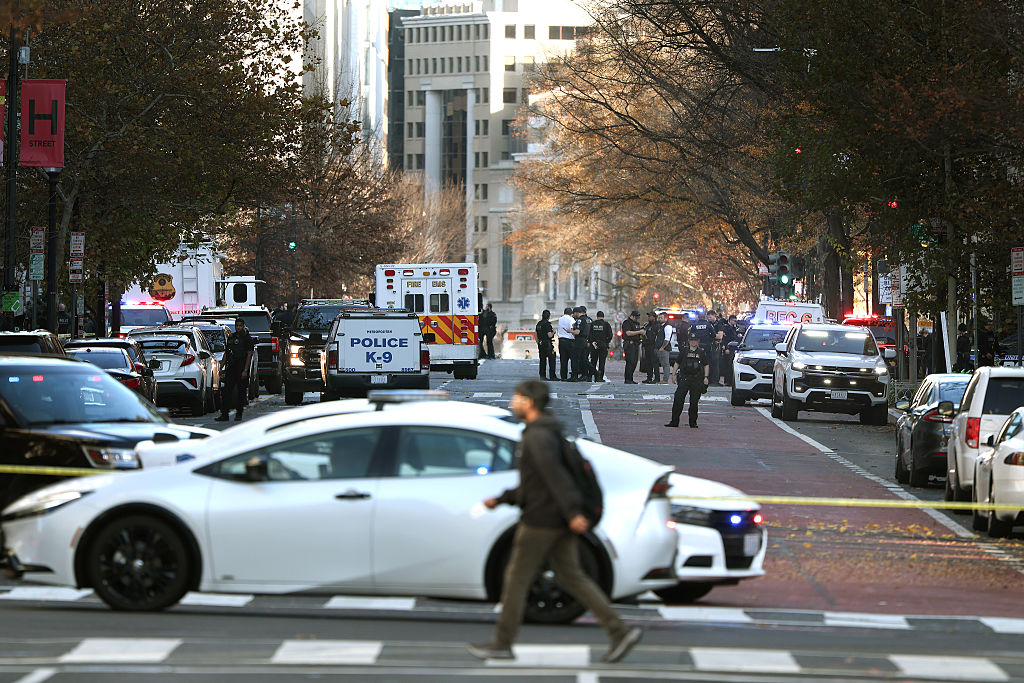
WASHINGTON, DC – NOVEMBER 26: Members of the U.S. Secret Service and other law enforcement agencies respond to a shooting near the White House on November 26, 2025 in Washington, DC. At least two uniformed military personnel, appearing to be National Guardsmen, have been shot blocks from the White House. (Photo by Anna Moneymaker/Getty Images)

Just after 2 PM on Wednesday, November 26, two members of the U.S. National Guard were shot near Farragut Square in downtown Washington, DC.

The soldiers, both hailing from West Virginia were on a high-visibility patrol near the corner of 17th and I street, an area that services lunchtime needs for White House staff.

Washington Metropolitan Police Assistant Chief Jeff Carroll said the shooter « came around the corner » and « immediately started firing ». He claimed the soldiers were ‘ambushed’.

Washington Mayor Muriel Bowser called the shooting a targeted attack.

The victims were 20-year-old Sarah Beckstrom and 24-year-old Andrew Wolfe.

Specialist Beckstrom died from her injuries on Thursday; Wolfe remains in critical condition.

Who was the shooter?

The suspected gunman has been identified by law enforcement as 29-year-old Rahmanullah Lakanwal. He will be charged with three counts of assault with the intent to kill while armed and criminal possession of a weapon.

Lakanwal is believed to come from Afghanistan. He came to the U.S. in 2021 and was granted asylum in April 2025 under the Trump administration.

When FBI director Kash Patel was asked about the vetting process, he refused to answer, instead referencing a post on X from Kristi Noem.

Donald Trump has blamed the Biden administration for Lakanwal’s presence in the U.S., but it was his administration that granted Lakanwal asylum.  

Prior to his arrival in the US, Lakanwal worked with the CIA “as a member of a partner force in Kandahar,” John Ratcliffe, CIA Director, said in a statement.

Lakanwal currently faces charges of assault with intent to kill while armed and possession of a firearm during a crime of violence.

Soon after the shooting, Trump said he would send 500 more National Guard troops to Washington, D.C., though it’s unclear where the additional troops would come from.

Catégories
Uncategorized

Trump putting off Canada tariff hike among slough of controversies

After threatening Canada more than a month ago with another tariff hike, it seems Trump has lost his taste for the trade war, or maybe he’s forgotten.

It’s like nobody wants to remind the teacher that the homework is due.

Tariff threat in October

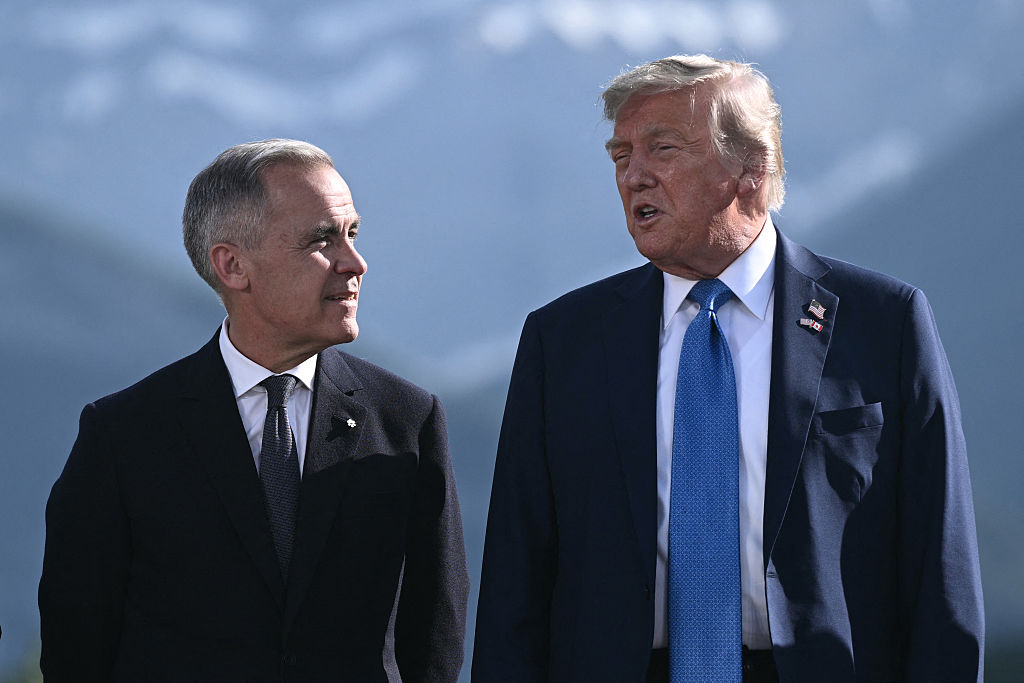
US President Donald Trump speaks to the press as he meets Canadian Prime Minister Mark Carney during the Group of Seven (G7) Summit at the Pomeroy Kananaskis Mountain Lodge in Kananaskis, Alberta, Canada on June 16, 2025. (Photo by Brendan SMIALOWSKI / AFP) (Photo by BRENDAN SMIALOWSKI/AFP via Getty Images)

Donald Trump announced on Truth Social that he would be raising the tariffs on Canadian goods by 1 percent after the Ford administration ran an ad during Game One of the World Series.

“Canada was caught, red-handed, putting up a fraudulent advertisement on Ronald Reagan’s Speech on Tariffs.“

The ad in question featured clips from a Reagan speech where he was heard saying, “ When someone says, let’s impose tariffs on foreign imports, it looks like they’re doing the patriotic thing by protecting American products and jobs… But over the long run, such trade barriers hurt every American worker and consumer. High tariffs inevitably lead to retaliation by foreign countries and the triggering of fierce trade wars.”

Trump almost immediately had a temper tantrum, posting “TARIFFS ARE VERY IMPORTANT TO THE NATIONAL SECURITY, AND ECONOMY, OF THE U.S.A. Based on their egregious behavior, ALL TRADE NEGOTIATIONS WITH CANADA ARE HEREBY TERMINATED.”

Trump claimed he told the government of Ontario to pull the ad, but they didn’t listen.

“Their Advertisement was to be taken down, IMMEDIATELY, but they let it run last night during the World Series, knowing that it was a FRAUD,”

Yes, it’s a sad look for a world leader to throw a temper tantrum over a fairly tame attack ad (has he ever watched the ones his administration puts out?), but this is the reality in America.

A forgotten threat

It appears as though Trump has forgotten about the threat entirely, and it doesn’t seem like anyone is in a rush to remind him. American reporters haven’t prodded him (as a Canadian, I thank you), and according to reports by Politico, no official paperwork has been created regarding the 10% hike.

Maybe all is forgiven after Carney apologized to Trump at the Asia-Pacific Economic Cooperation summit in South Korea.

 “I have a very good relationship [with Carney]. I like him a lot, but what they did was wrong. He was very nice. He apologized for what they did with the commercial.”

Maybe Carney can tap into whatever charm newly elected NYC mayor, Zohran Mamdani, hypnotized Trump with over the weekend.

On his side, Doug Ford was unapologetic for the ad, “They’re talking about it in the U.S., and they weren’t talking about it before I put the ad on. I’m glad that Ronald Reagan was a free trader,” Ford said.

According to experts, the 10% hike could seriously jeopardize Canada’s steel-reliant auto manufacturing industry even further than the existing tariffs already have.

One U.S. official suggested the Trump administration had opted to hold off on additional duties—and instead choose to dangle the threat — as the two sides gear up for future talks.