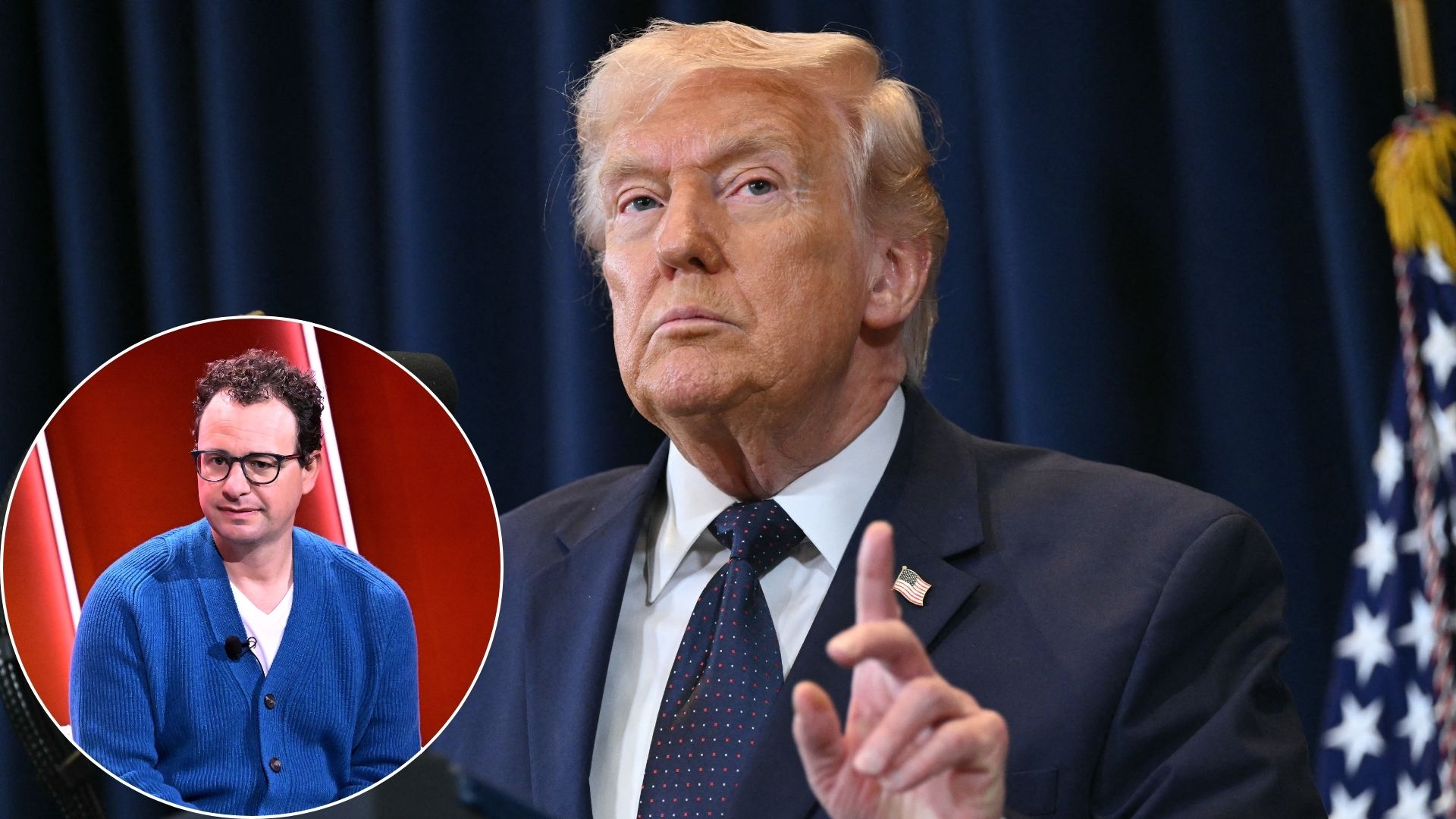
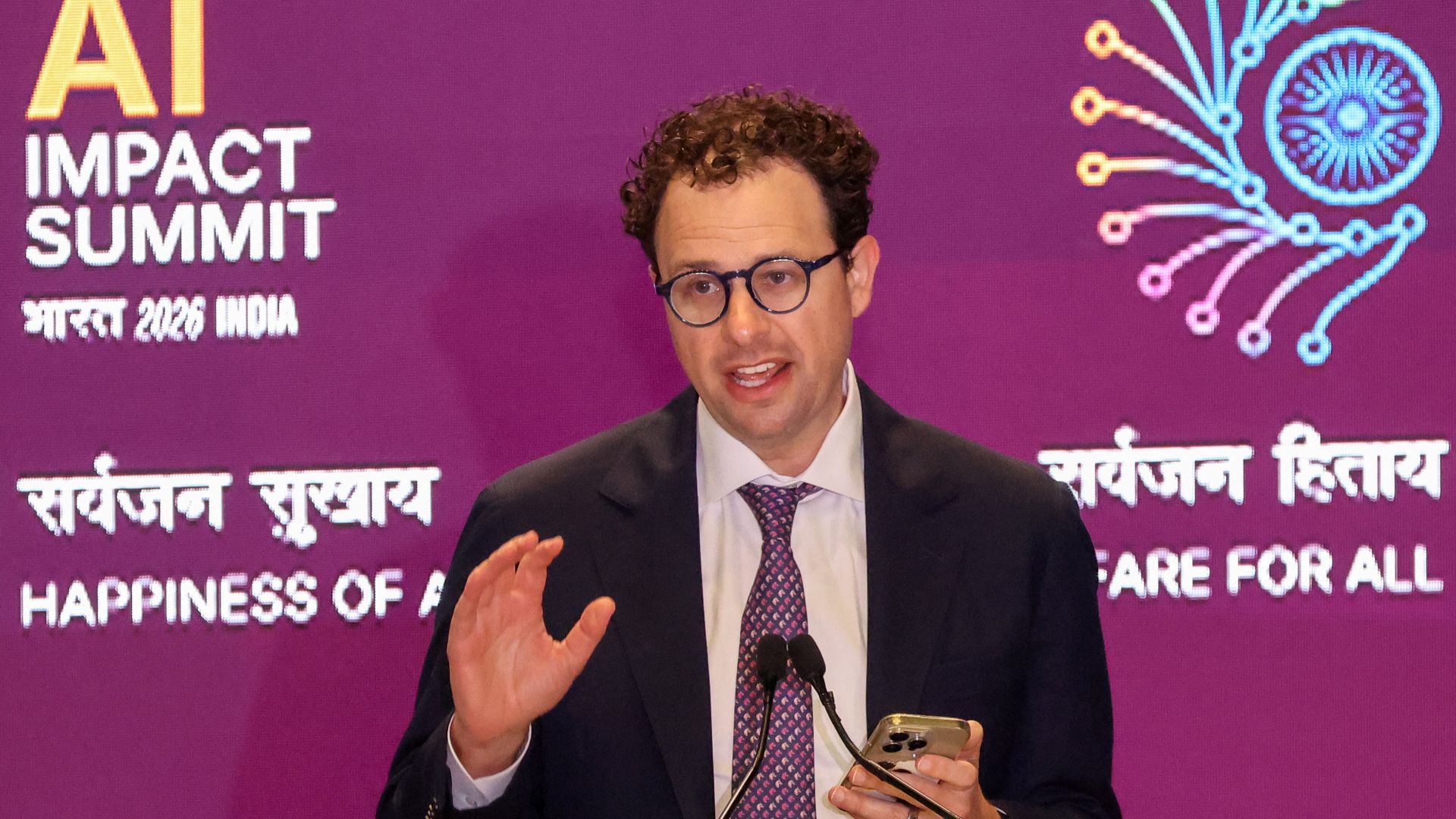
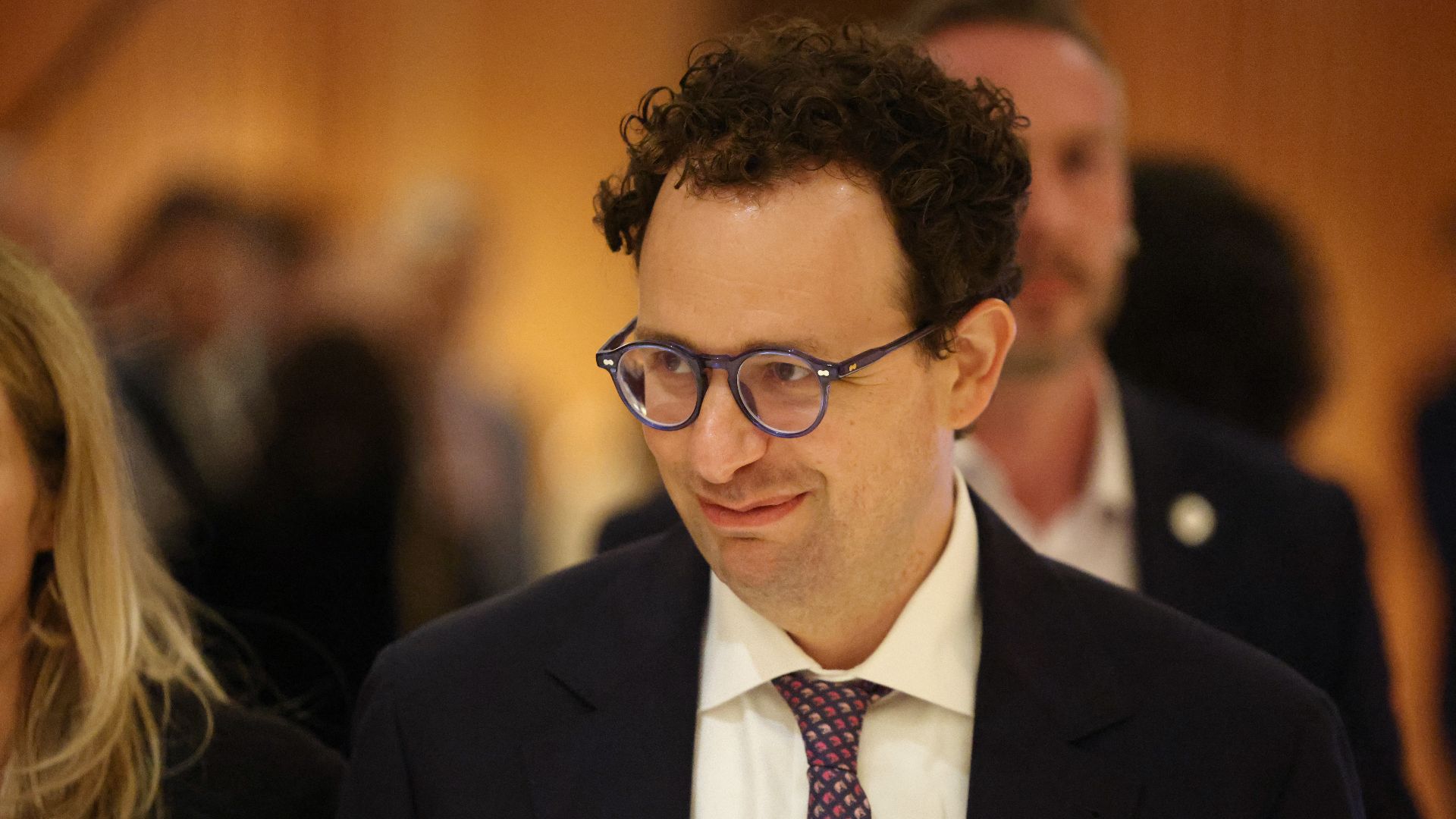
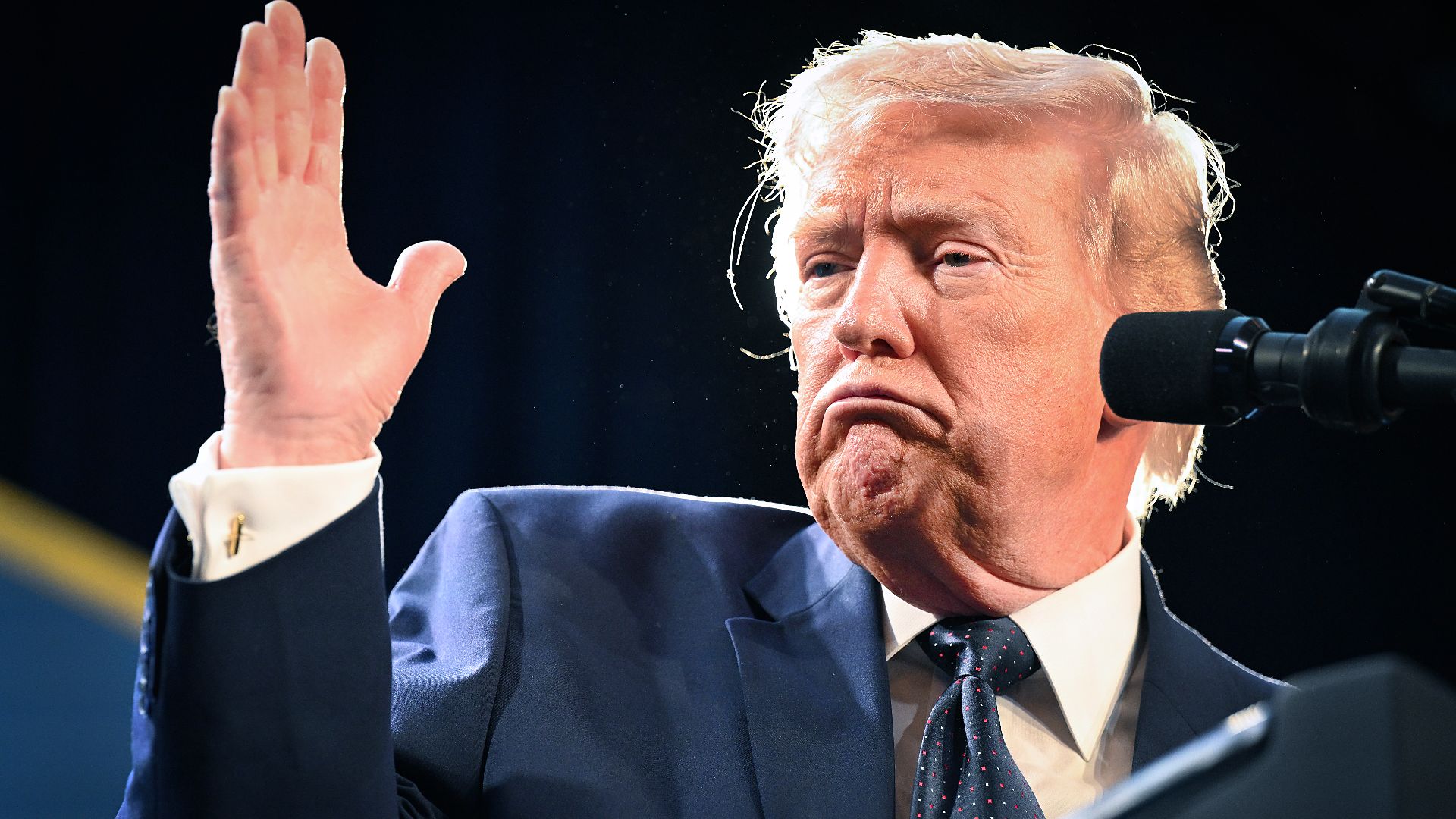
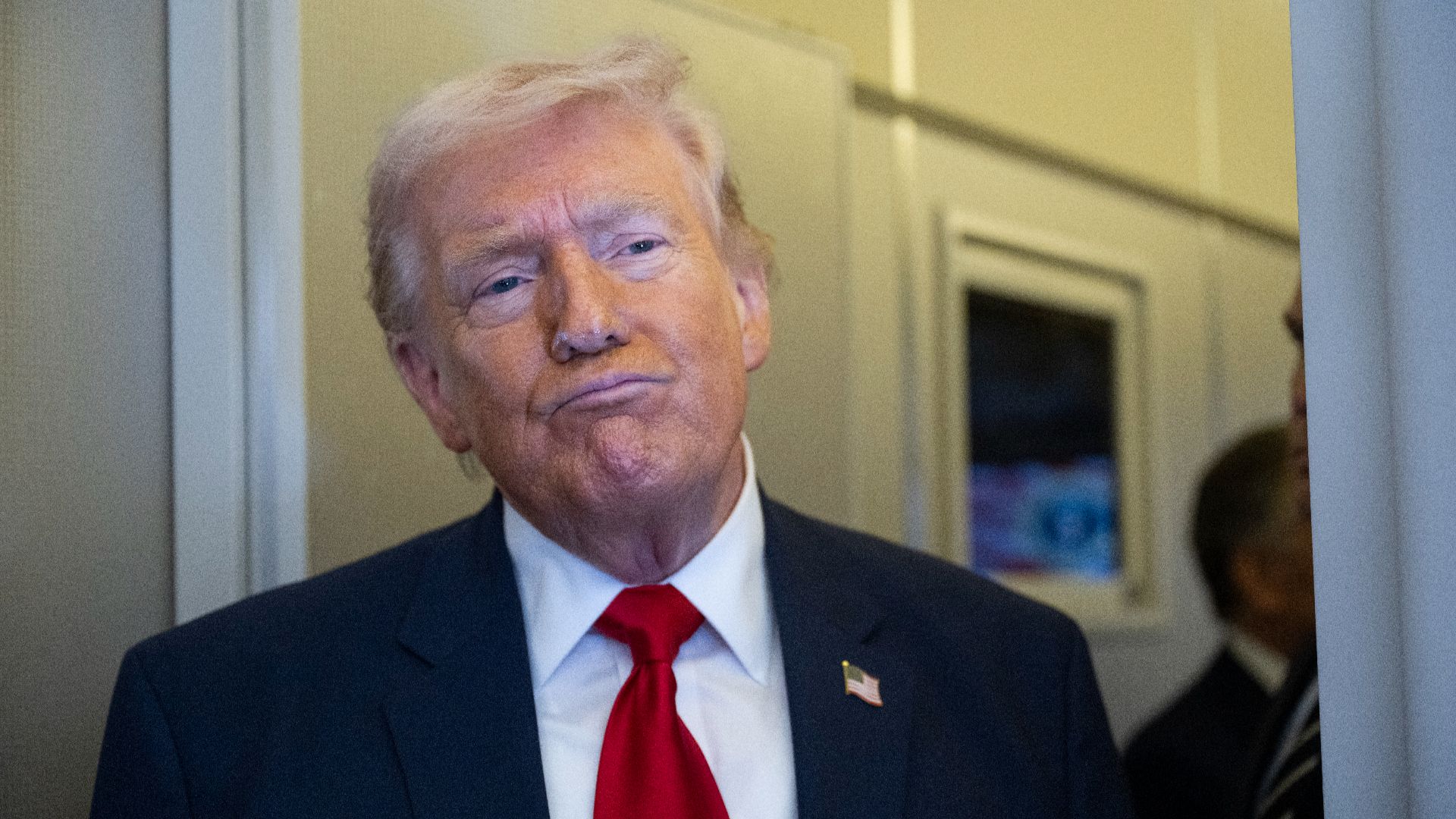
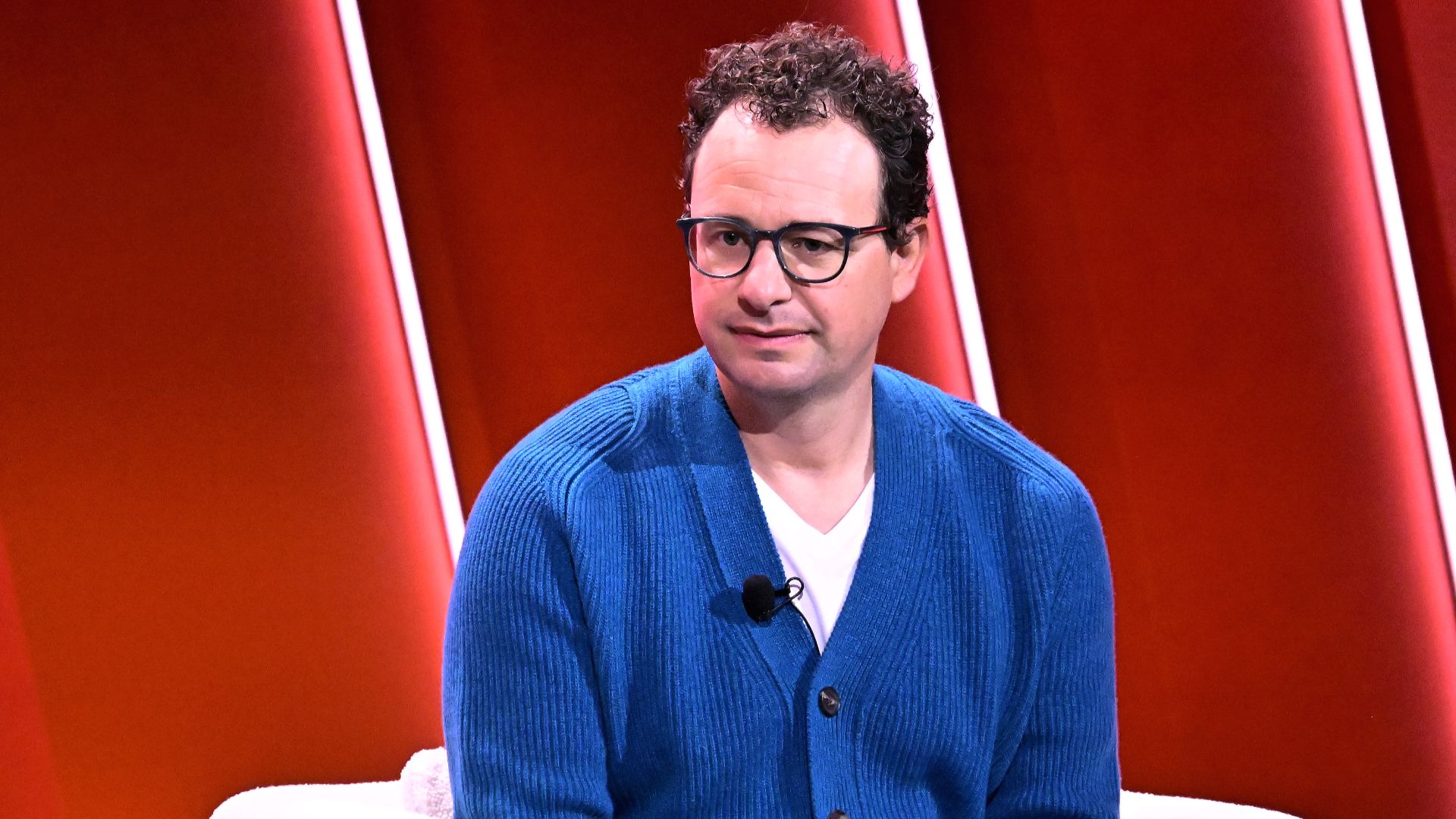
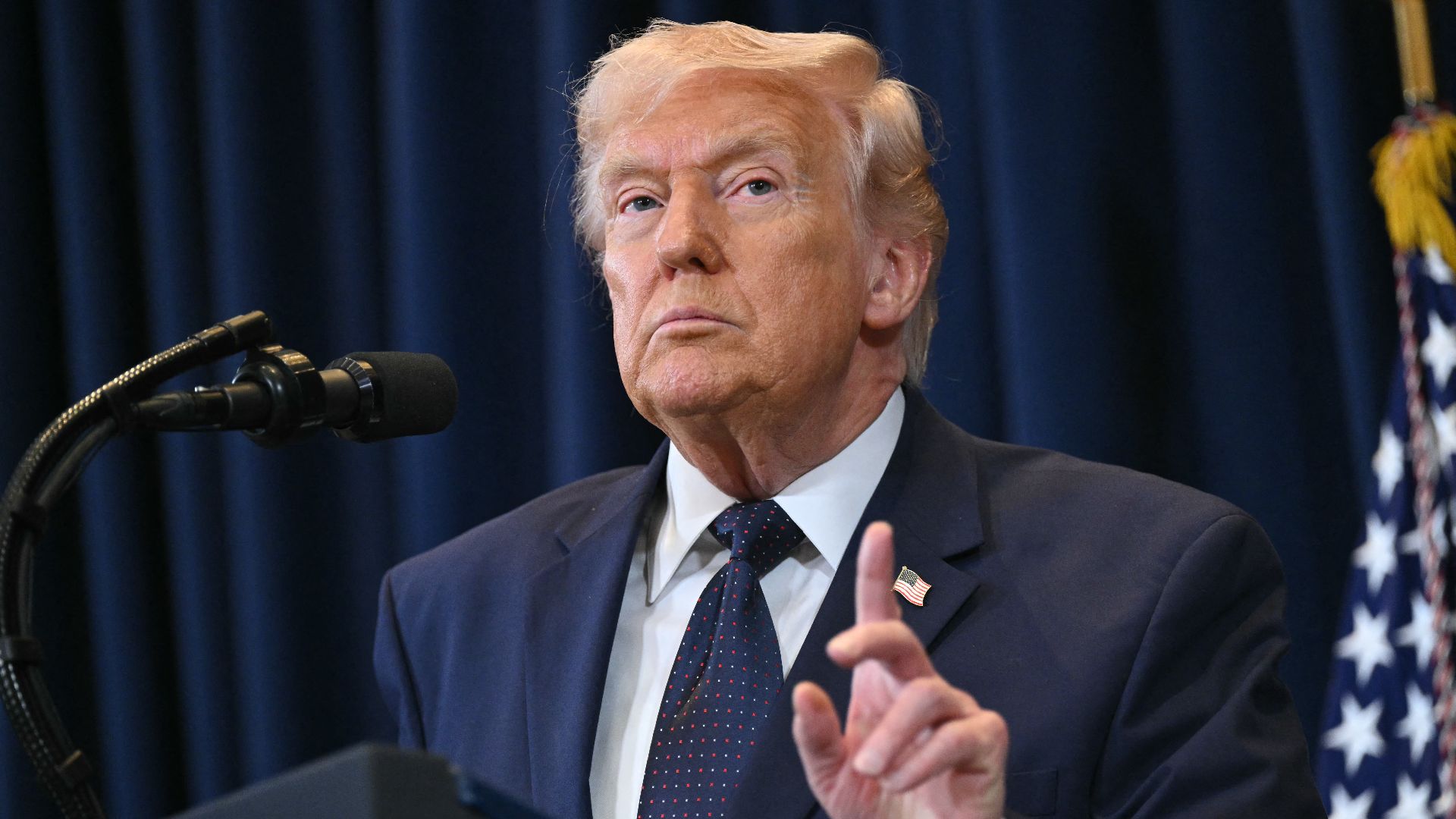
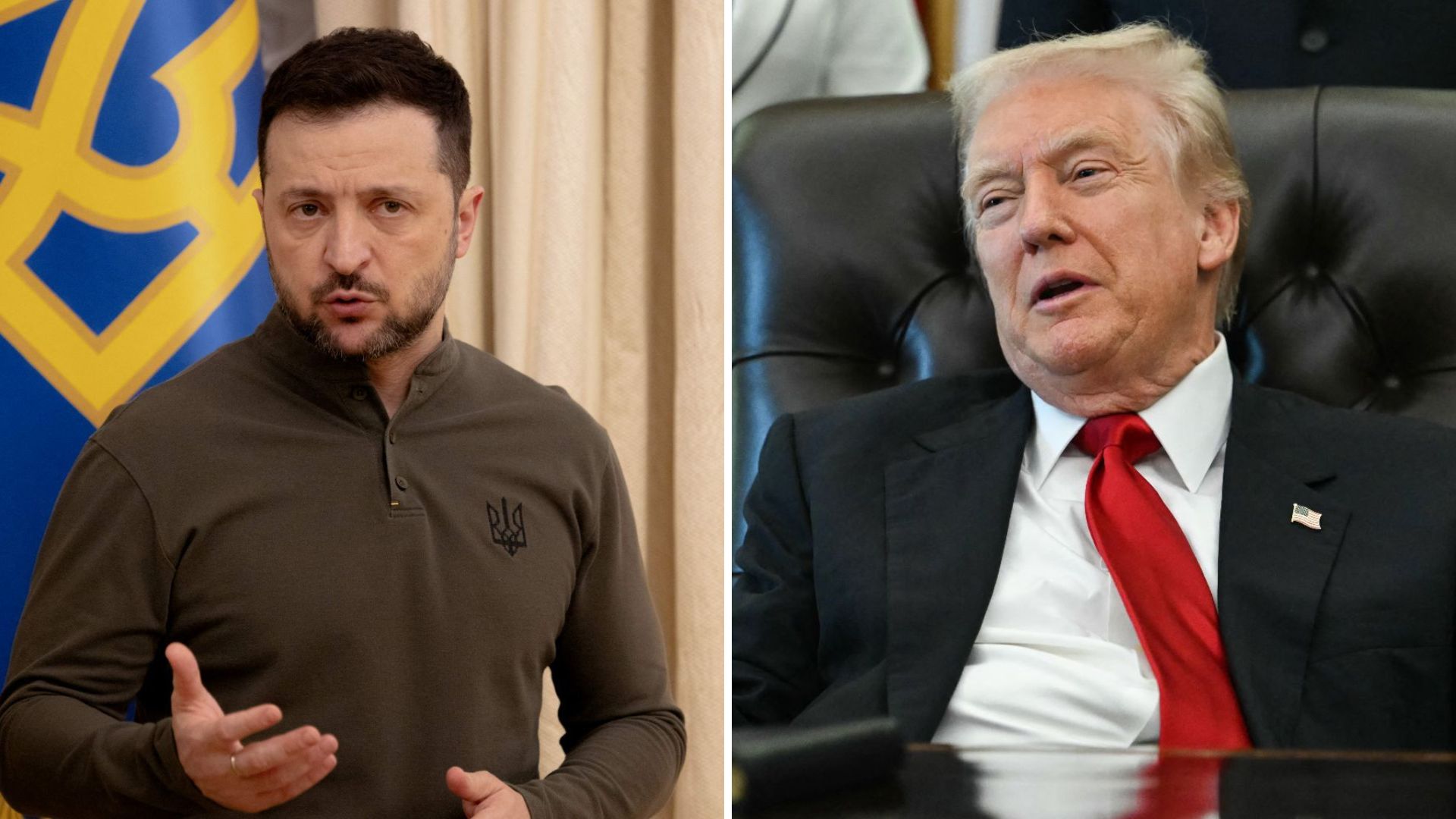
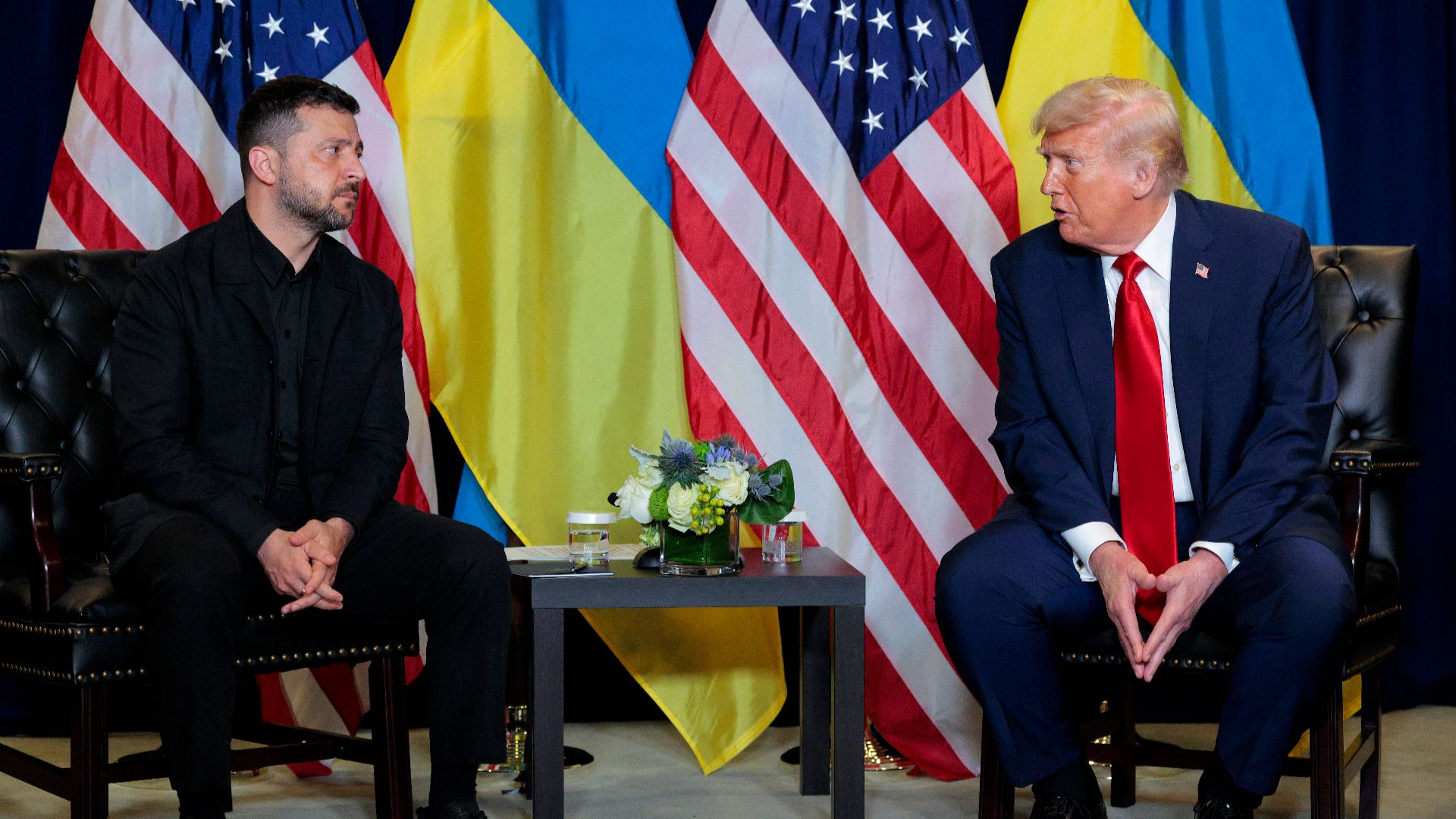
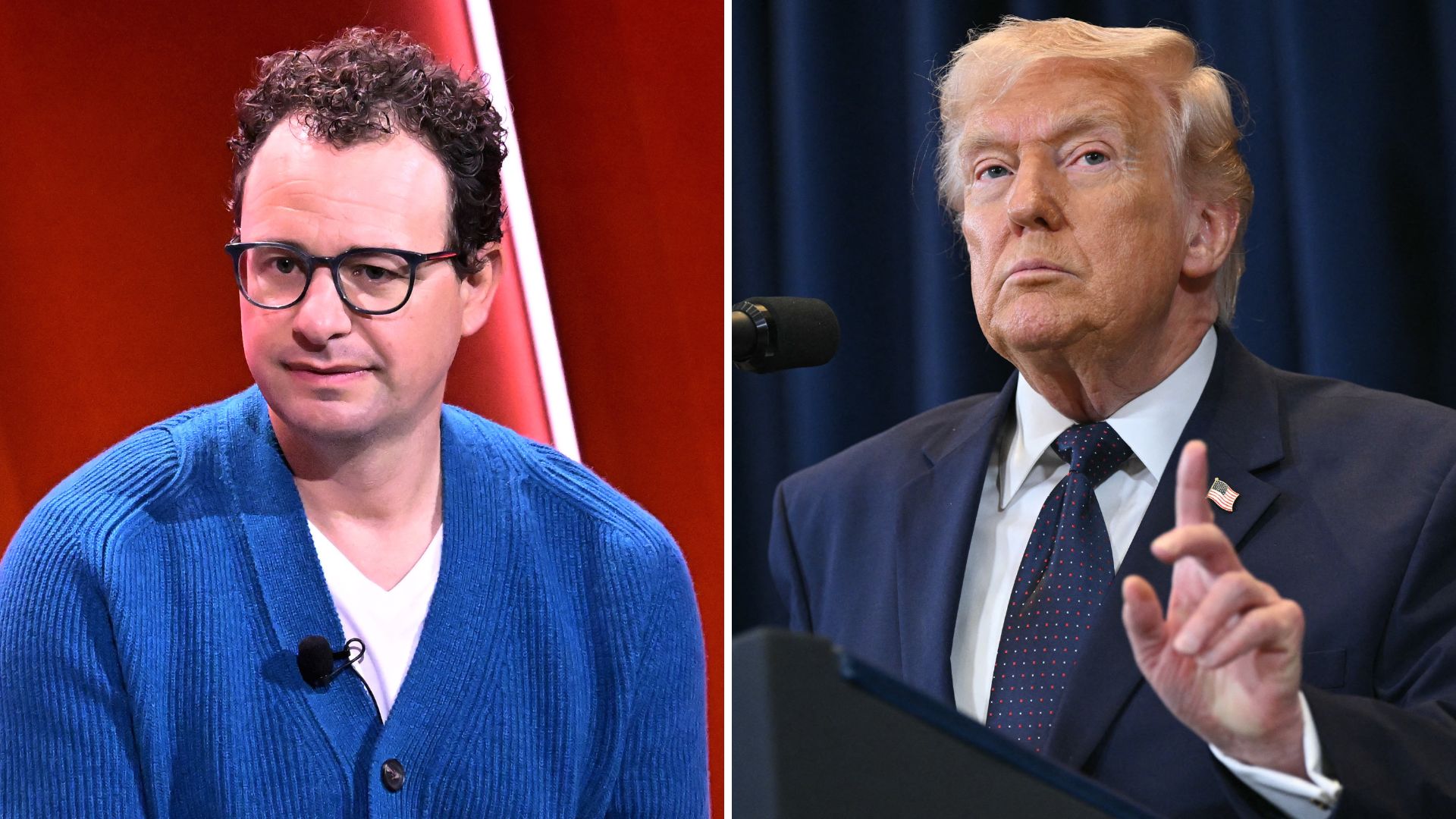
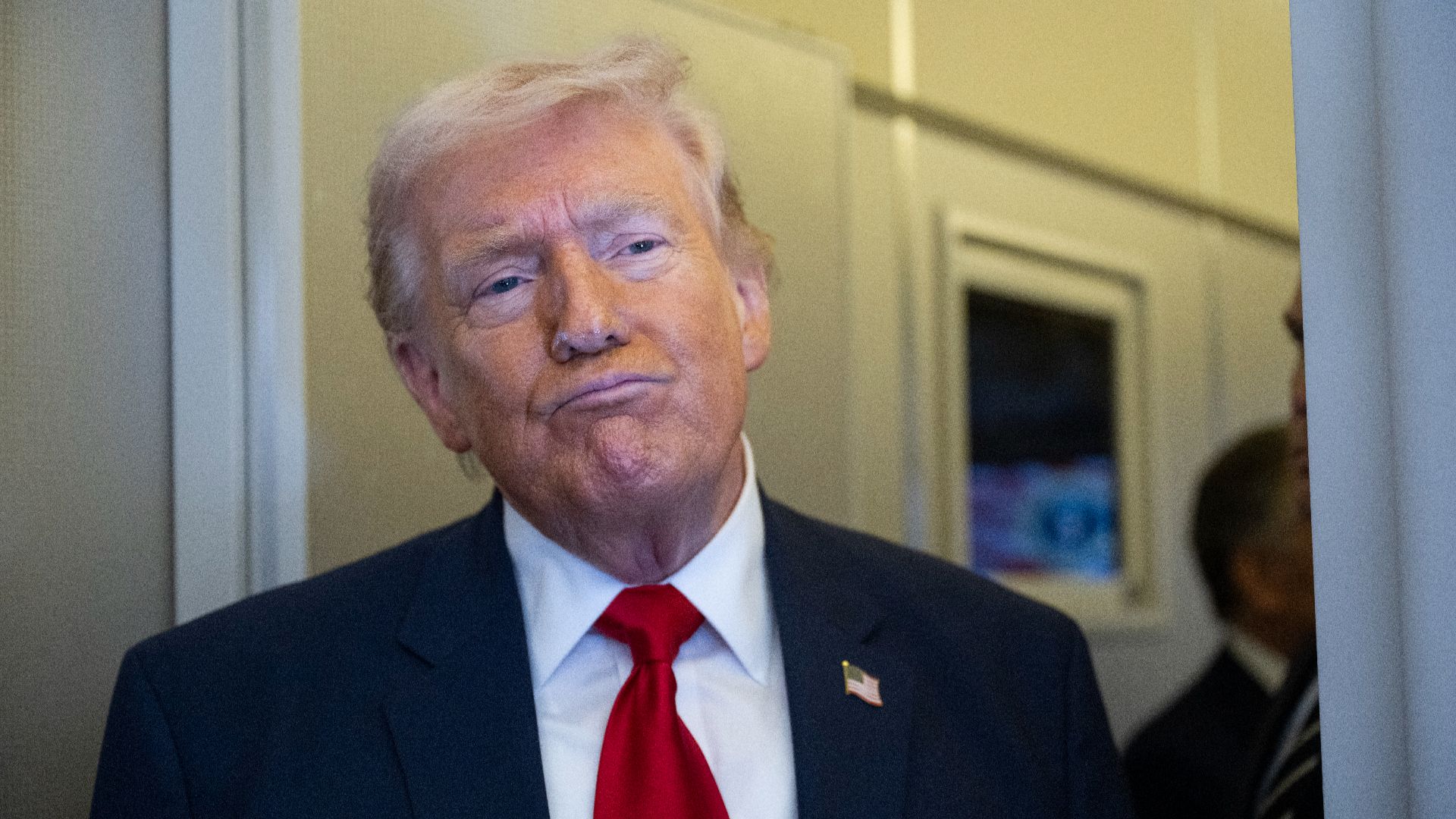
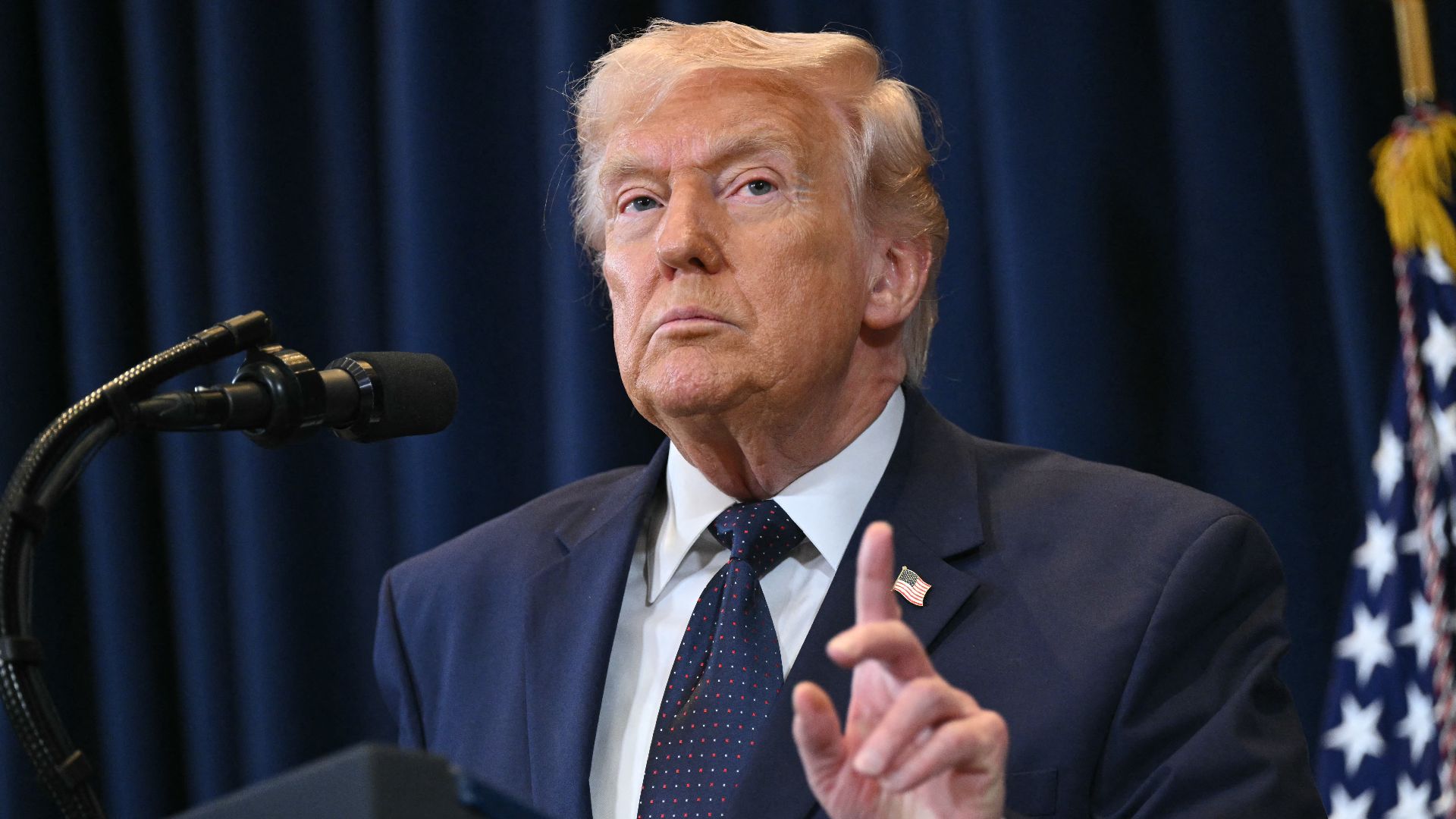
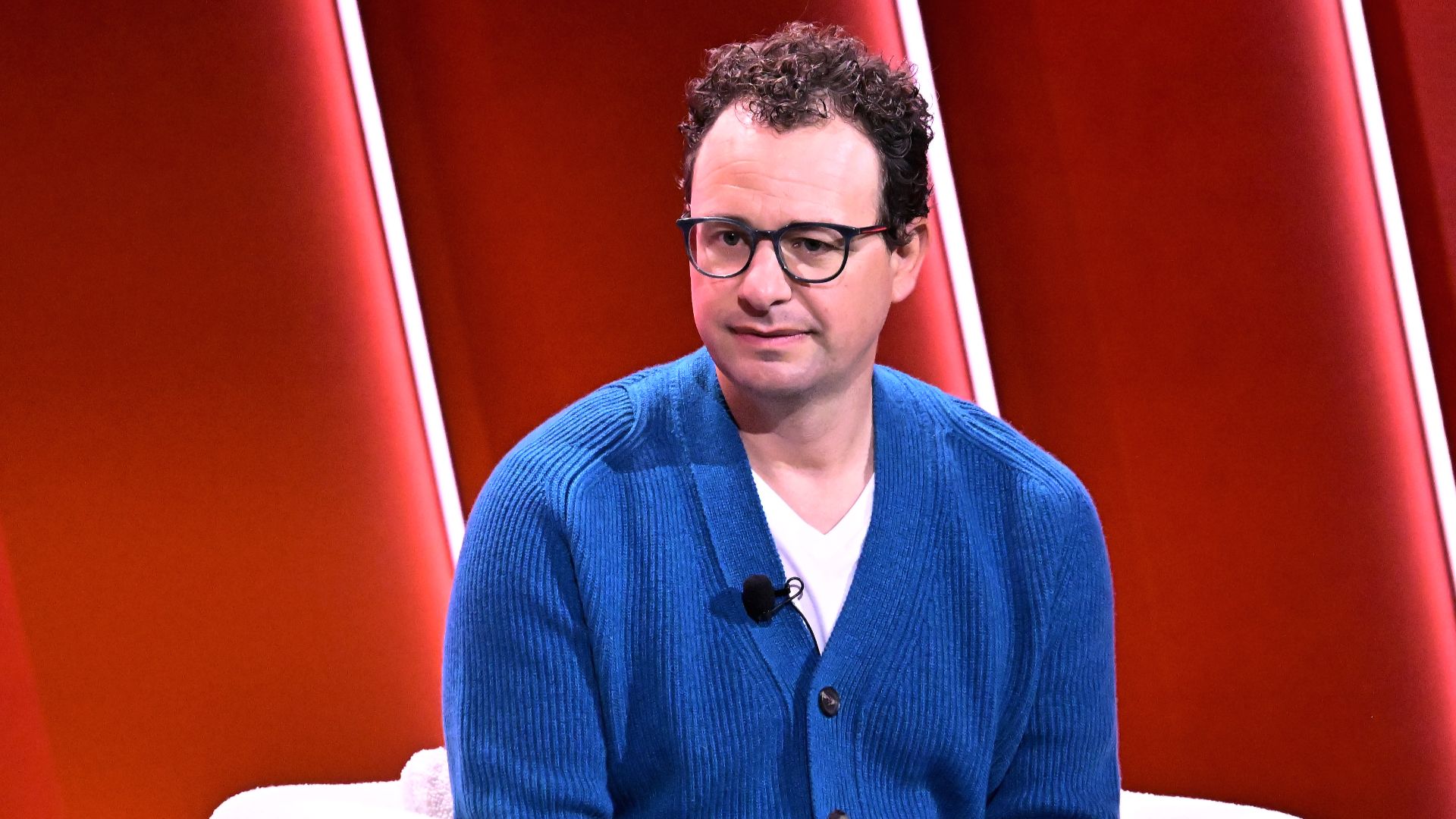
A political and technological dispute between Donald Trump and one of the world’s leading artificial intelligence companies moved into the spotlight after a private memo from Anthropic CEO Dario Amodei leaked publicly. The internal message to employees contained unusually direct criticism of the president and suggested the administration’s hostility toward the company had political motivations. In the memo, Amodei wrote that Anthropic had not offered the kind of «dictator-style praise to Trump» he believed other technology leaders had given. The leak surfaced as tensions were already building between the company and U.S. defense officials over restrictions Anthropic placed on the military use of its AI systems, transforming an internal message into a national political confrontation.
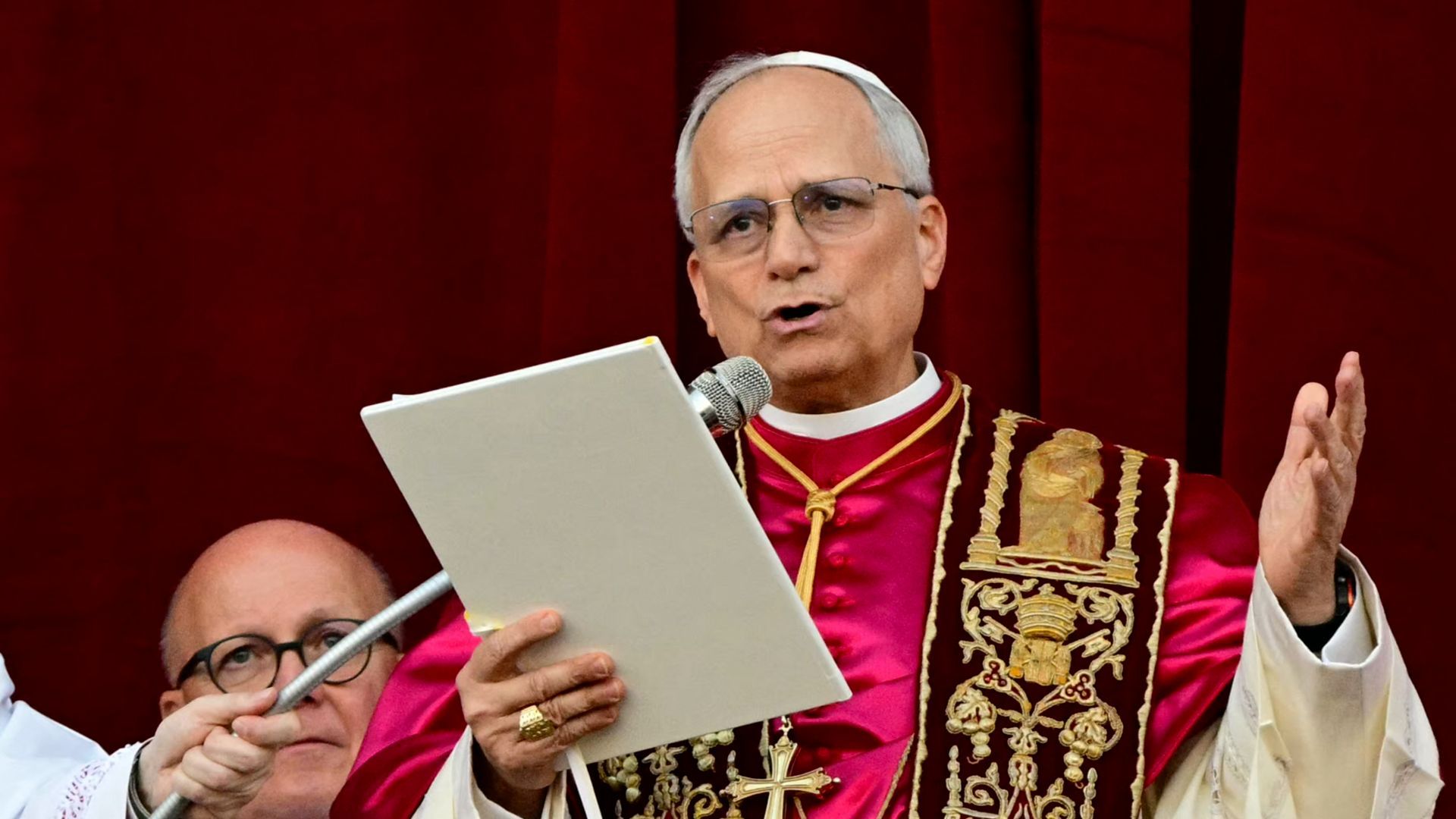
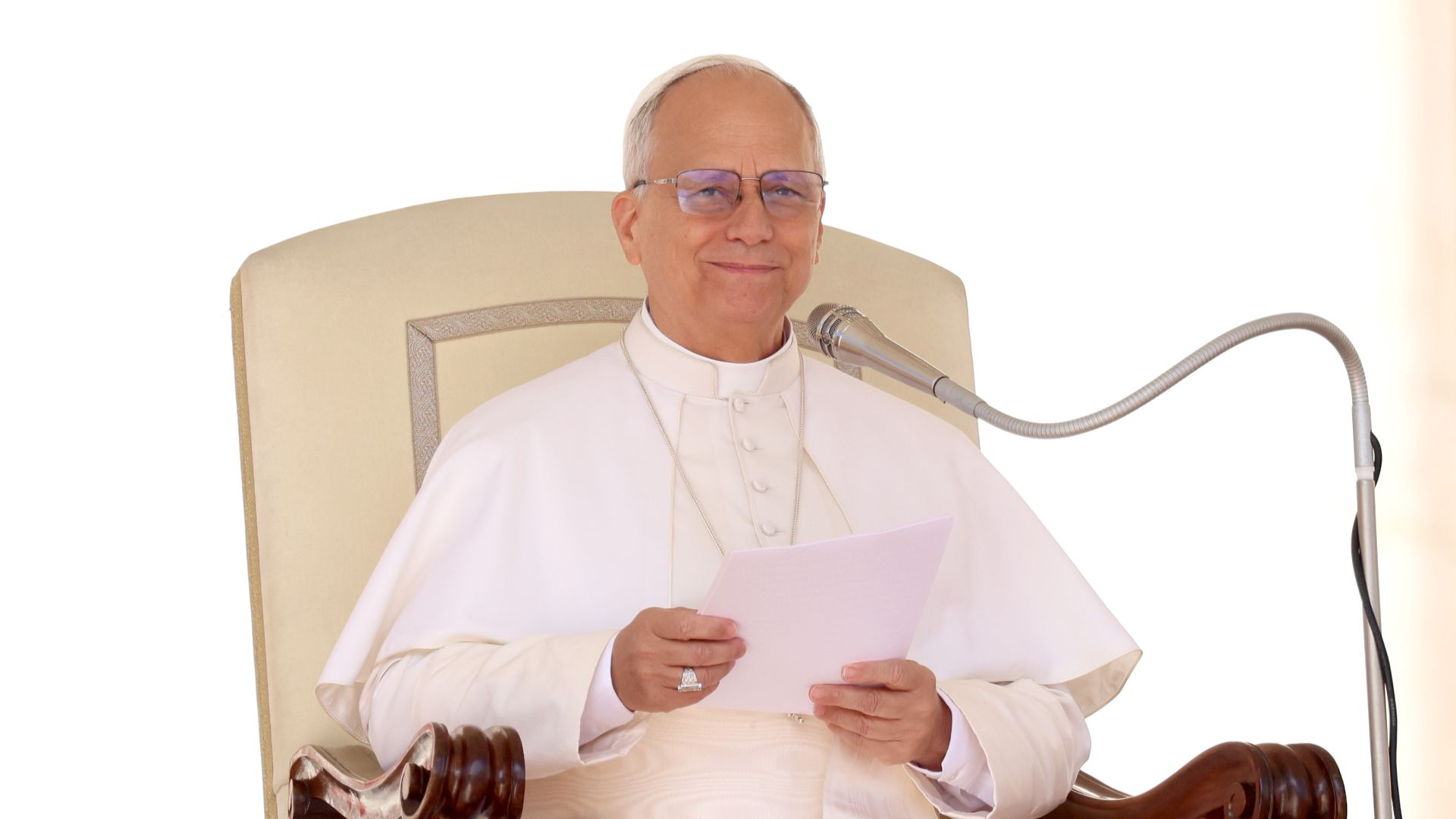
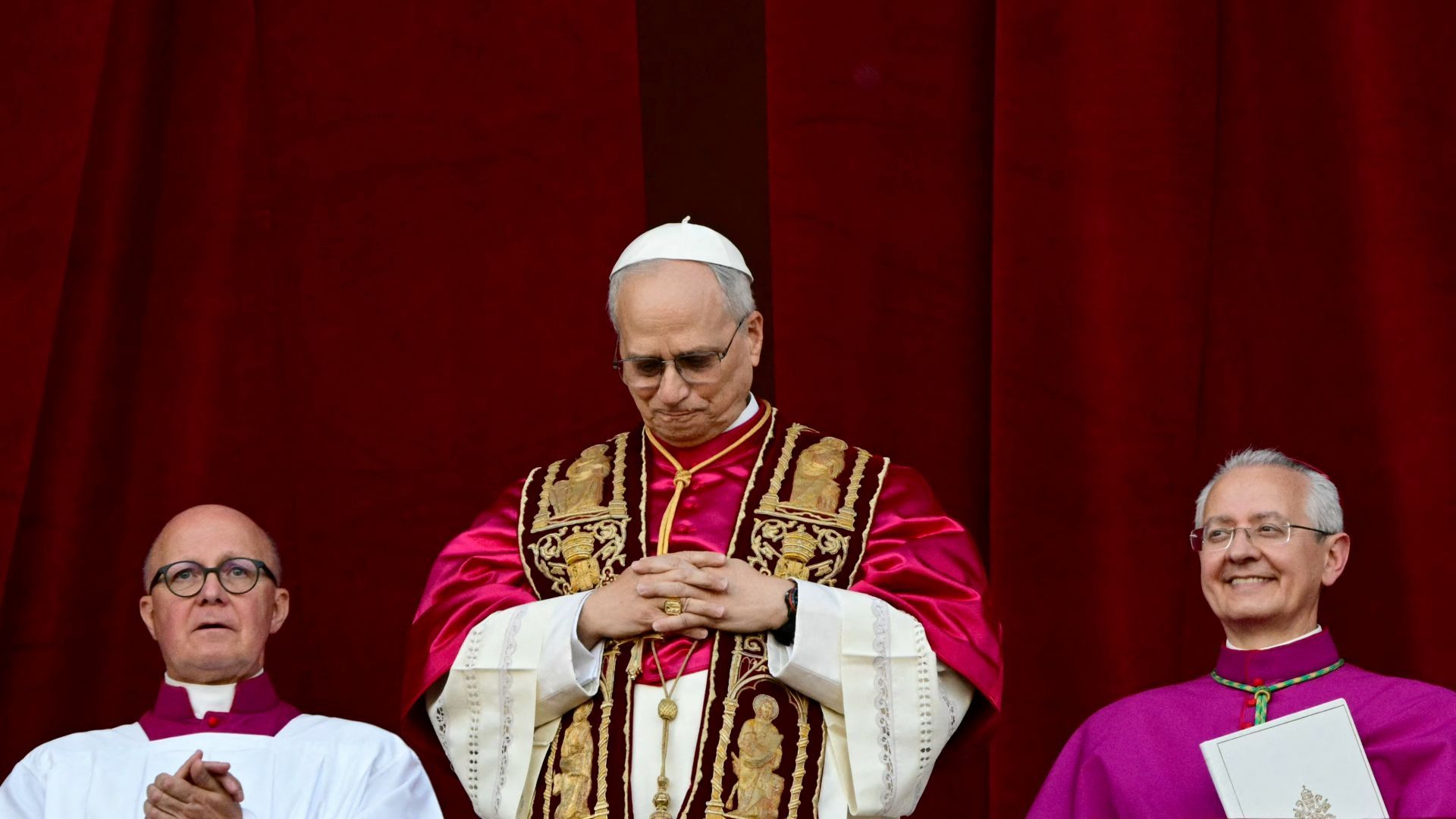
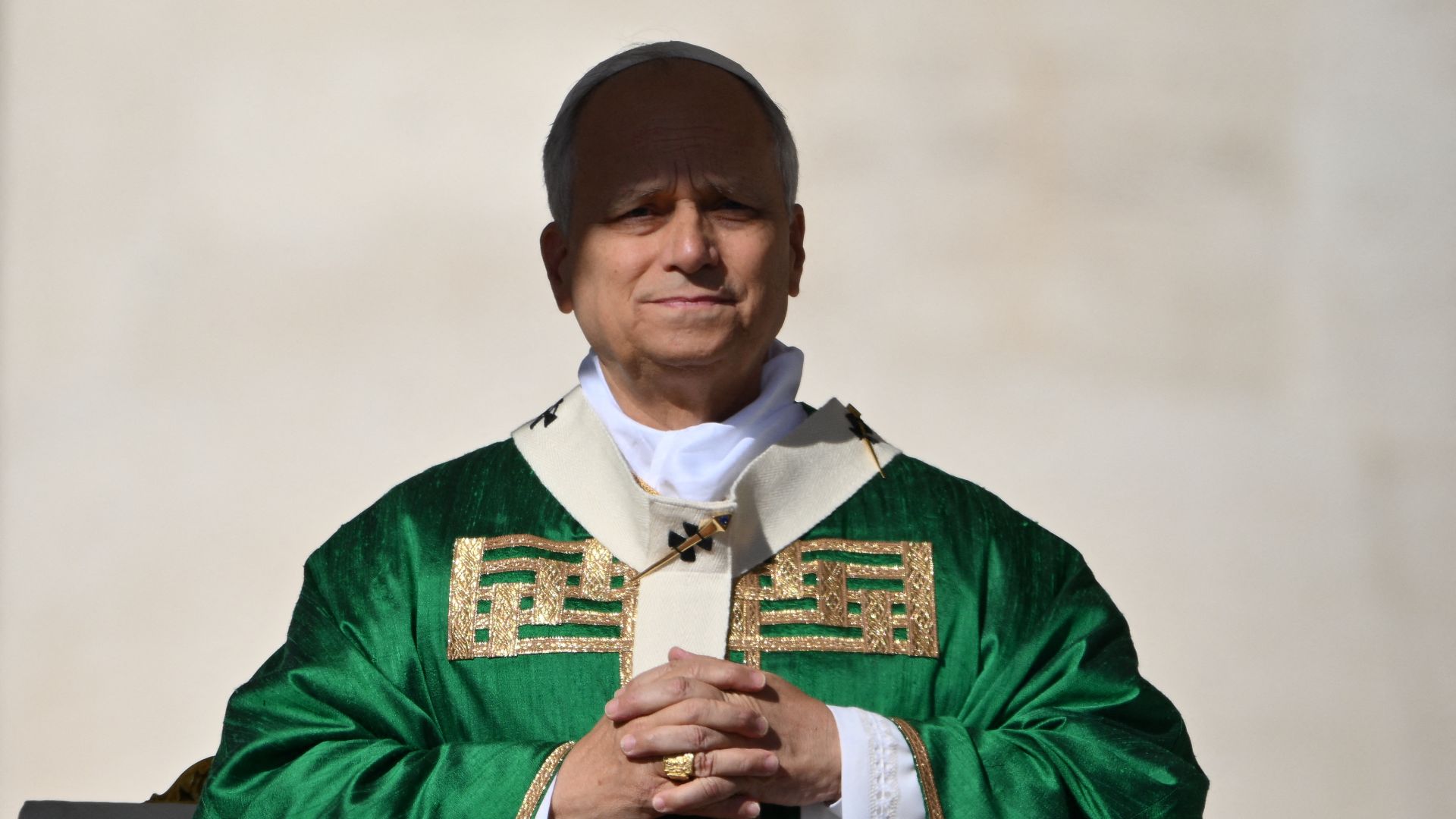
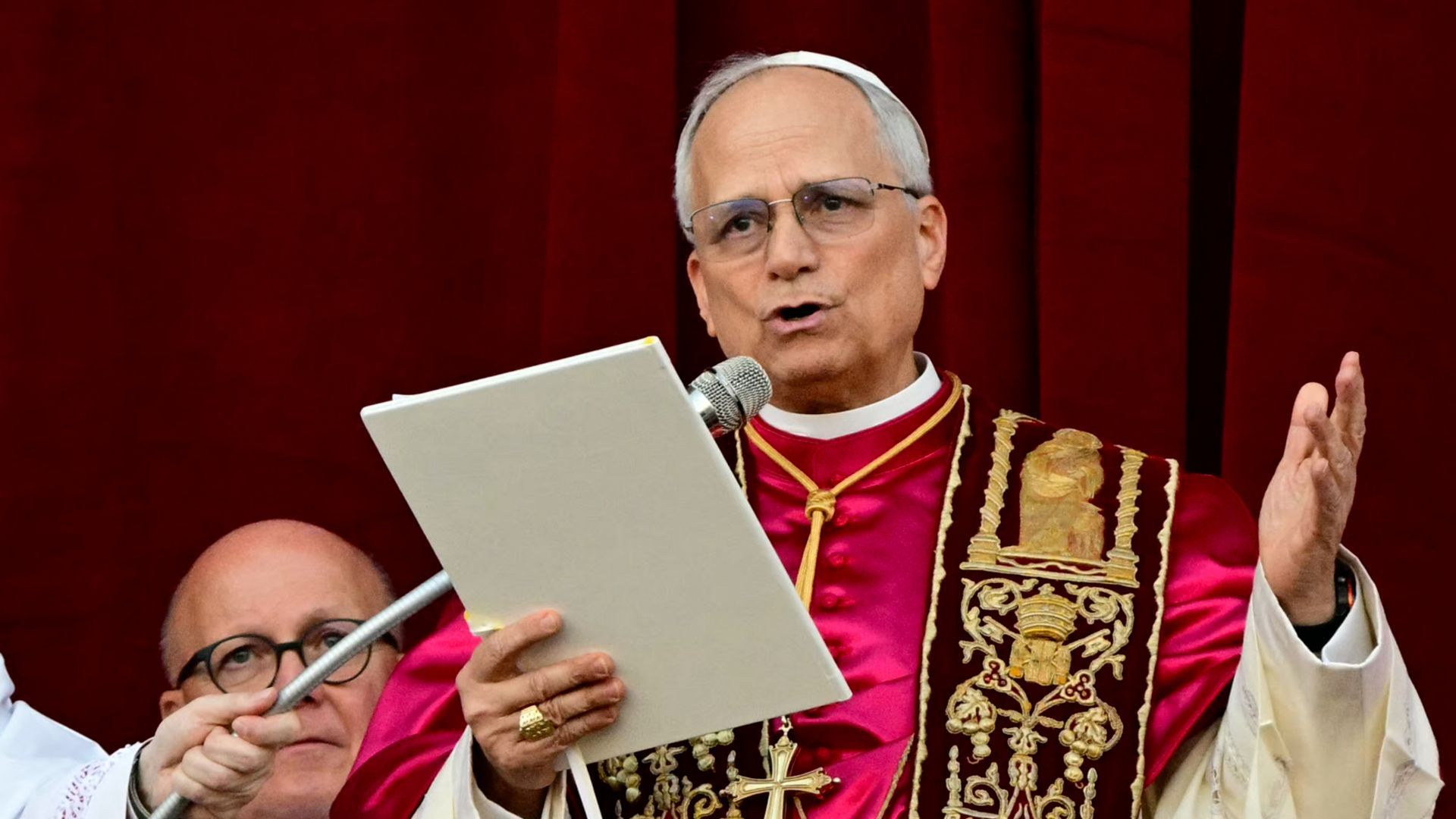
Pope Leo XIV has accepted the resignation of Bishop Emanuel Hana Shaleta, the leader of the Chaldean Catholic community in San Diego, after the bishop was arrested by local authorities and accused of stealing roughly $250,000 from his congregation. The Vatican confirmed the decision in its daily bulletin on March 10, announcing that the pope had accepted the resignation submitted by the bishop. Shaleta had led the Chaldean Catholic Eparchy of St. Peter the Apostle in San Diego since 2017. The Vatican’s announcement came days after the bishop’s arrest and court appearance in California, where the criminal case against him is now moving forward in the state judicial system.
Getty Images
The accusations against Shaleta are tied to an investigation into missing church funds that authorities say were taken from his congregation. Prosecutors allege that about $250,000 disappeared from church finances in 2024, prompting an inquiry after a church employee noticed irregularities in the accounts. The suspected financial misconduct was later reported to authorities, launching a criminal investigation that focused on the handling of funds connected to the parish. According to reports from local media cited by prosecutors, the missing money had been identified internally before the case was formally referred to law enforcement officials for further examination.
«I have never in my priestly life or episcopal life abused any penny of the church money.»
-San Diego Bishop, Emanuel Hana Shaleta
San Diego Deputy District Attorney Joel Madero said the alleged crimes occurred during 2024 and came to light after a staff member at the church raised concerns about missing funds. The report from the employee triggered a closer review of the church’s financial records, which investigators say revealed the alleged embezzlement. Authorities later built a case accusing the bishop of misusing church money, leading prosecutors to file multiple criminal charges against him. The investigation quickly escalated as law enforcement examined financial transactions and documentation related to the church accounts involved in the case.
Getty Images
The situation intensified on March 5 when Shaleta was arrested at San Diego International Airport while attempting to leave the United States. According to a statement from the San Diego County Sheriff’s Office, the bishop was detained at the airport during what authorities believed was an attempt to travel abroad. During a court hearing held on March 9, Shaleta pleaded not guilty to the accusations against him. Prosecutors charged him with 16 counts related to embezzlement and money laundering tied to the alleged disappearance of church funds.
«On the contrary, I have done my best to preserve and manage the donations of the church properly.»
-San Diego Bishop, Emanuel Hana Shaleta
Shaleta has denied the accusations and previously addressed the allegations publicly before members of his congregation. Speaking to his congregation during a Mass on Feb. 23, Shaleta denied the allegations, saying: «I have never in my priestly life or episcopal life abused any penny of the church money. On the contrary I have done my best to preserve and manage the donations of the church properly.» His lawyer also told the court that the bishop was not attempting to flee the country when he was arrested, saying he was instead planning a previously scheduled trip to Germany.
Getty Images
The case has drawn attention within the Chaldean Catholic community in Southern California, one of the largest communities of its kind in the United States. Chaldean Catholics are part of the Eastern Catholic tradition and recognize the authority of the pope while worshipping according to an eastern Christian liturgical rite. Vatican statistics indicate that roughly 71,000 Chaldean Catholics live in the San Diego region. With Pope Leo accepting Shaleta’s resignation, the leadership of the local church now enters a period of uncertainty while the legal case continues to unfold in California courts.
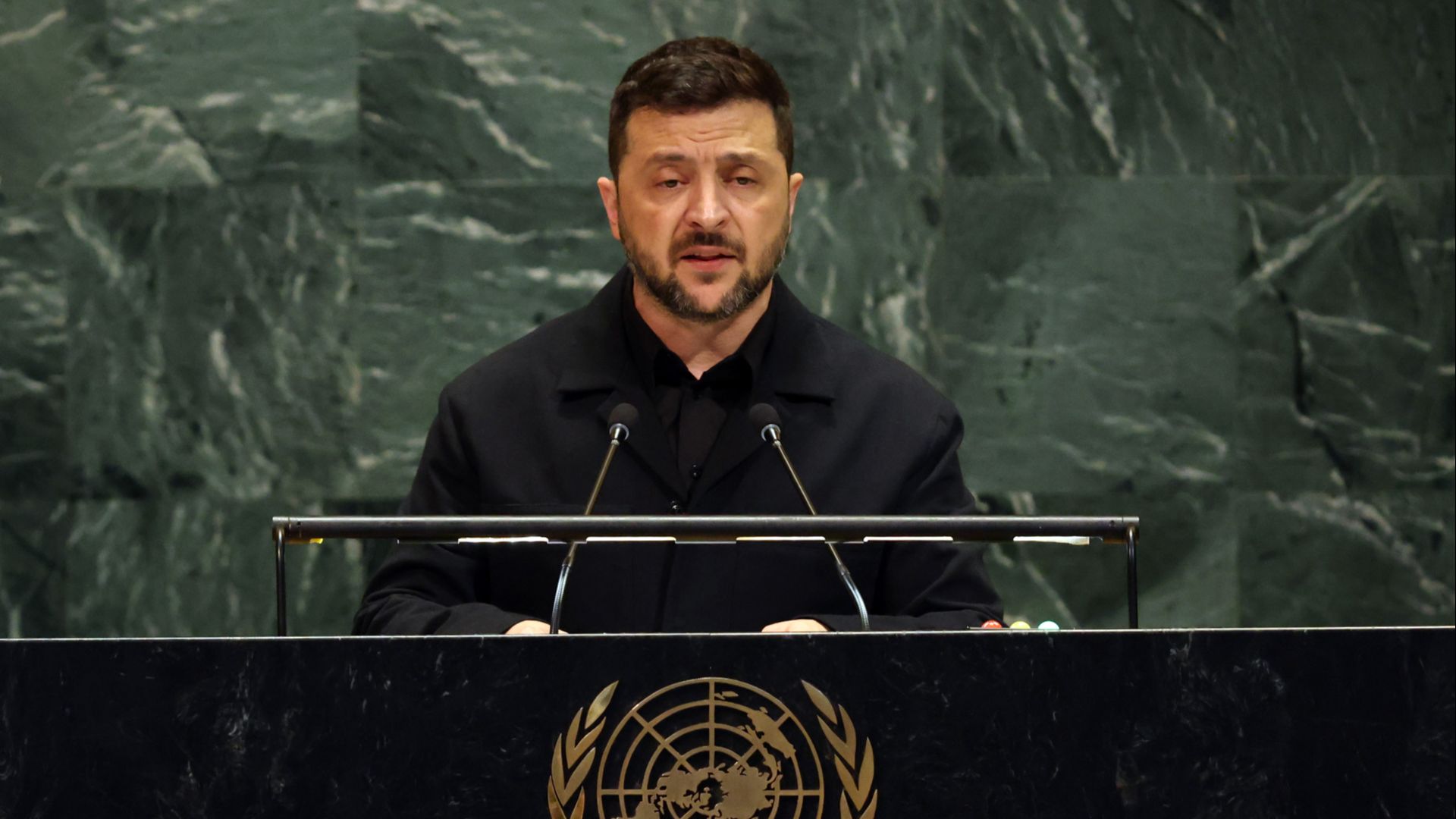
The United States is now urgently turning to Ukraine’s battlefield-tested anti-drone technology as Iranian drone attacks expand across the Middle East, marking a sharp shift in defense cooperation between Washington and Kyiv. Ukrainian officials confirmed that American forces requested assistance as Iranian-made Shahed drones targeted U.S. positions and regional allies.
President Volodymyr Zelensky said Ukraine would help provide expertise and technology developed during its war with Russia, explaining that Kyiv has gained extensive experience countering the same Iranian-designed drones now threatening American forces. Zelensky said partners were reaching out for assistance, stating that «there have been requests from the American side» for help defending against Iranian drone attacks.
Getty Images
The technology at the center of the cooperation is part of a broader system Ukraine developed after facing thousands of Iranian-designed Shahed drones launched by Russian forces during the war. Ukrainian engineers created a network of countermeasures that includes interceptor drones, electronic warfare tools and mobile air-defense teams capable of detecting and destroying incoming drones before they reach their targets. Some systems rely on inexpensive interceptor drones designed specifically to hunt and destroy larger unmanned aircraft. One example is the Ukrainian “Sting” interceptor drone, a loitering munition built to chase down Shahed drones and destroy them in flight. The system was designed as a low-cost alternative to expensive missile defenses and can reach speeds exceeding 300 kilometers per hour.
Getty Images
Ukraine’s approach to drone defense has attracted global attention largely because of its cost and effectiveness. Iranian Shahed drones can overwhelm traditional air defenses by attacking in large numbers, forcing defenders to use expensive interceptor missiles that cost millions of dollars each. Ukrainian engineers instead focused on cheaper solutions, producing interceptor drones that can cost only a few thousand dollars while still destroying incoming targets. The experience has been shaped by years of combat: Ukraine has faced tens of thousands of Shahed drone attacks since 2022, forcing its military to refine a layered defense combining electronic warfare, ground-based weapons and autonomous interceptors designed to destroy drones before they reach populated areas.
«Ukraine will support the United States with protection against Iranian Shahed drones.»
-Ukraine President, Volodymyr Zelensky
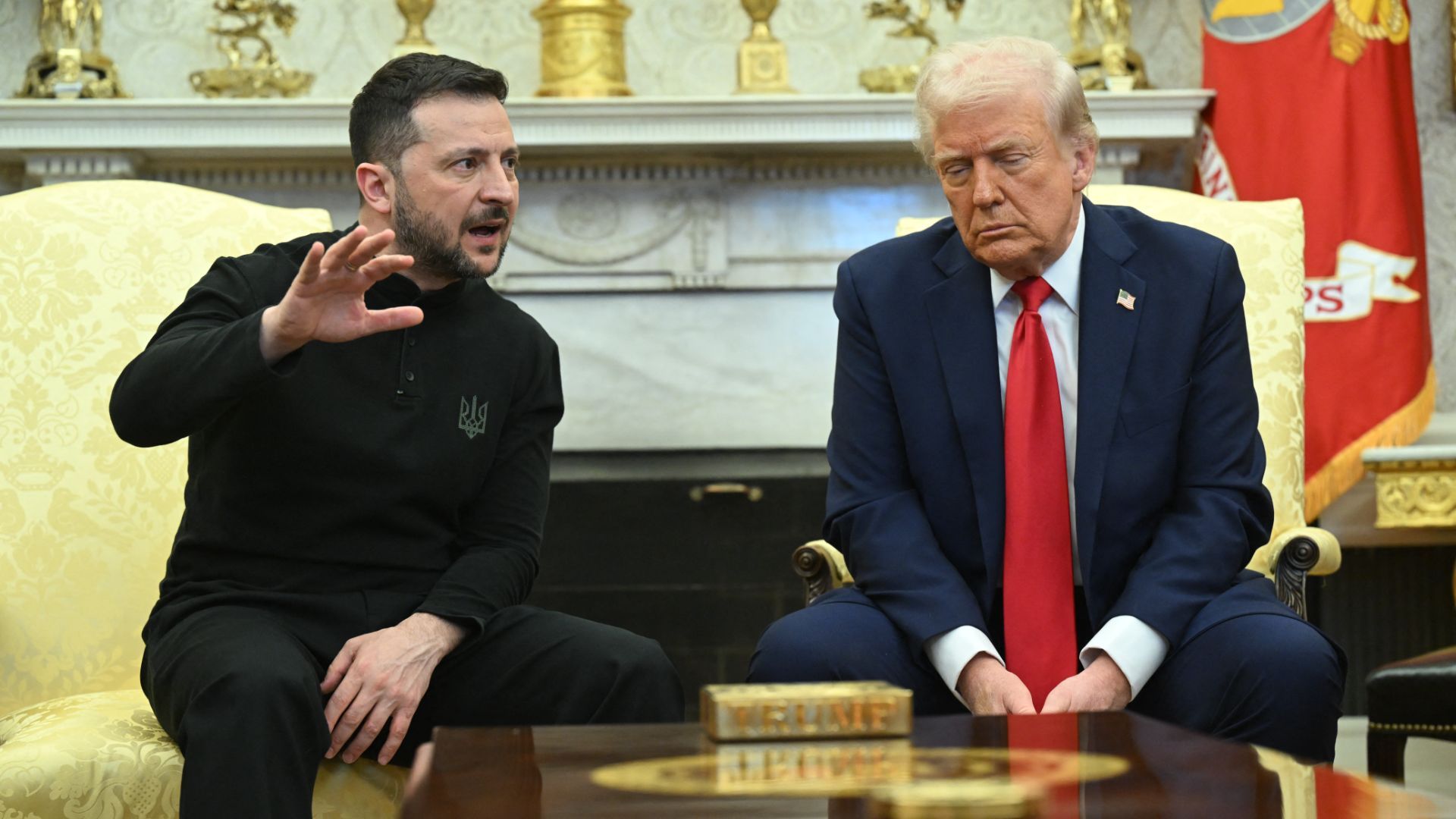
Despite the technology’s success, Ukrainian officials say the United States declined an earlier proposal to cooperate on the system months before the current crisis. According to reporting on the discussions, Ukrainian representatives presented the idea during a meeting between Zelensky and Donald Trump in August 2025, offering access to Ukraine’s combat-tested drone interception technology. Trump reportedly showed initial interest and instructed officials to examine the proposal, but the plan never moved forward. American officials later described the decision not to pursue the offer as a missed opportunity, especially after Iranian drone attacks intensified in the Middle East following the outbreak of the Iran war.
Getty Images
As the conflict escalated, Washington reversed course and sought Ukraine’s expertise directly. Ukrainian officials confirmed that Kyiv began sending specialists and interceptor technology to assist American forces in the region. Zelensky said Ukraine was prepared to share its experience defending against Iranian drones and help partners facing the same threat.
«Ukraine will support the United States with protection against Iranian Shahed drones», Zelensky said when announcing the cooperation. The Ukrainian leader added that Kyiv had already received requests from multiple countries interested in the technology and training developed during the war with Russia, highlighting how Ukraine’s battlefield innovations are now influencing global defense strategy.
Getty Images
The sudden interest in Ukrainian drone defenses illustrates how the war with Russia has transformed the country into a laboratory for modern warfare. Military planners across the United States and Europe are studying the tactics Ukraine developed after years of confronting large-scale drone attacks. Analysts say the shift toward low-cost interceptor drones could reshape air defense strategies, particularly as Iran and its allies increasingly rely on swarms of inexpensive unmanned aircraft. What began as a survival strategy on the Ukrainian battlefield is now becoming a model for countering drone warfare worldwide, as the United States moves to adopt the very technology it declined only months earlier.
A confrontation between Donald Trump and Anthropic CEO Dario Amodei moved into the spotlight after an internal memo written by the AI executive leaked publicly, revealing unusually direct criticism of the president and his administration. The message, shared internally with employees at the San Francisco-based artificial intelligence company, described what Amodei believed were the political motivations behind the administration’s hostility toward Anthropic.
In the memo, he wrote that «The real reasons the Trump administration does not like us is that we haven’t donated to Trump» and that the company had also refused to offer what he described as «dictator-style praise to Trump». The internal comments quickly circulated across technology and political media, placing the company and the White House at the center of a growing dispute over AI policy and military use of advanced models.
Getty Images
The memo leak revealed tensions that had been building between Anthropic and federal officials over how its AI systems could be used by the U.S. government, particularly within defense agencies.
Anthropic, which develops the Claude family of AI models, has publicly maintained restrictions on certain uses of its technology, including applications related to mass surveillance and fully autonomous weapons. According to reporting surrounding the dispute, the Department of Defense had pushed for fewer limitations on how the models could be deployed in military contexts. Anthropic’s refusal to loosen those guardrails contributed to a breakdown in cooperation that placed the company at odds with officials responsible for national security programs and technology procurement across multiple agencies.
«WE will decide the fate of our Country — NOT some out-of-control, Radical Left AI company».
-President, Donald Trump
Before the internal memo became public, Trump had already signaled a sharp break with the company through a lengthy post on Truth Social that condemned Anthropic and announced a federal phase-out of its technology. In the message, Trump wrote: «THE UNITED STATES OF AMERICA WILL NEVER ALLOW A RADICAL LEFT, WOKE COMPANY TO DICTATE HOW OUR GREAT MILITARY FIGHTS AND WINS WARS!» He accused the company of attempting to «STRONG-ARM the Department of War» and argued that its actions were «putting AMERICAN LIVES at risk, our Troops in danger, and our National Security in JEOPARDY».
The president then directed federal agencies to «IMMEDIATELY CEASE all use of Anthropic’s technology» while establishing «a Six Month phase out period» for departments already relying on the company’s tools.
Getty Images
The Truth Social statement framed the dispute as a question of authority over military decision-making and the role private technology firms should play in shaping national defense policy. Trump wrote that «That decision belongs to YOUR COMMANDER-IN-CHIEF, and the tremendous leaders I appoint to run our Military». He also warned the company to cooperate during the federal phase-out process, writing that Anthropic «better get their act together, and be helpful during this phase out period, or I will use the Full Power of the Presidency to make them comply, with major civil and criminal consequences to follow».
The message ended with a broader political warning, declaring that «WE will decide the fate of our Country — NOT some out-of-control, Radical Left AI company».
Getty Images
After the memo leaked, Amodei acknowledged the controversy surrounding his internal comments and sought to distance himself from the tone of the message. In public remarks reported in the days that followed, the Anthropic CEO said the internal note «does not reflect my careful or considered views» and apologized for the way it had been written.
The statement attempted to calm the situation without abandoning the company’s broader stance on AI safety. Anthropic continued to argue that it supports cooperation with national security agencies but maintains restrictions on certain uses of advanced AI systems that it believes could create significant risks if deployed without limits.
«The real reasons the Trump administration does not like us is that we haven’t donated to Trump.»
-Dario Amodei, internal memo to Anthropic staff
The conflict has now moved beyond public statements and into the courts. On March 9, Anthropic filed a lawsuit challenging the government’s decision to designate the company a national security «supply chain risk» and to remove its technology from federal agencies. The legal filing argues that the actions taken by the administration were unlawful and punitive toward a private company that refused to change its technology policies.
The lawsuit seeks to overturn the designation and block further government retaliation tied to defense contracting and federal procurement, turning the dispute between Trump and one of the world’s leading AI companies into a legal battle over the boundaries between political power, national security and the rapidly expanding influence of artificial intelligence.
You can tell a lot about someone by the car they choose to drive—or, in some cases, collect. For pop music’s biggest names, it’s never just transportation. These rides reflect stage personas, hometown ties, commercial appeal, and bold choices made off the red carpet. And they all vary. One artist prefers a vintage, cool aesthetic, another is all about techy touches, and a few just want something that roars. No matter the engine or price tag, there’s always a reason behind the wheel. What you’ll be seeing here will be like flipping through a personal diary—on rims. Rims that your favorite stars roll in with.
Do you feel like the internet is throwing glittery bargains your way just to see if you’ll bite? Well, it’s happening everywhere. Scammers are experts at dressing up traps to look like steals, and they thrive on tricks that grab your curiosity.
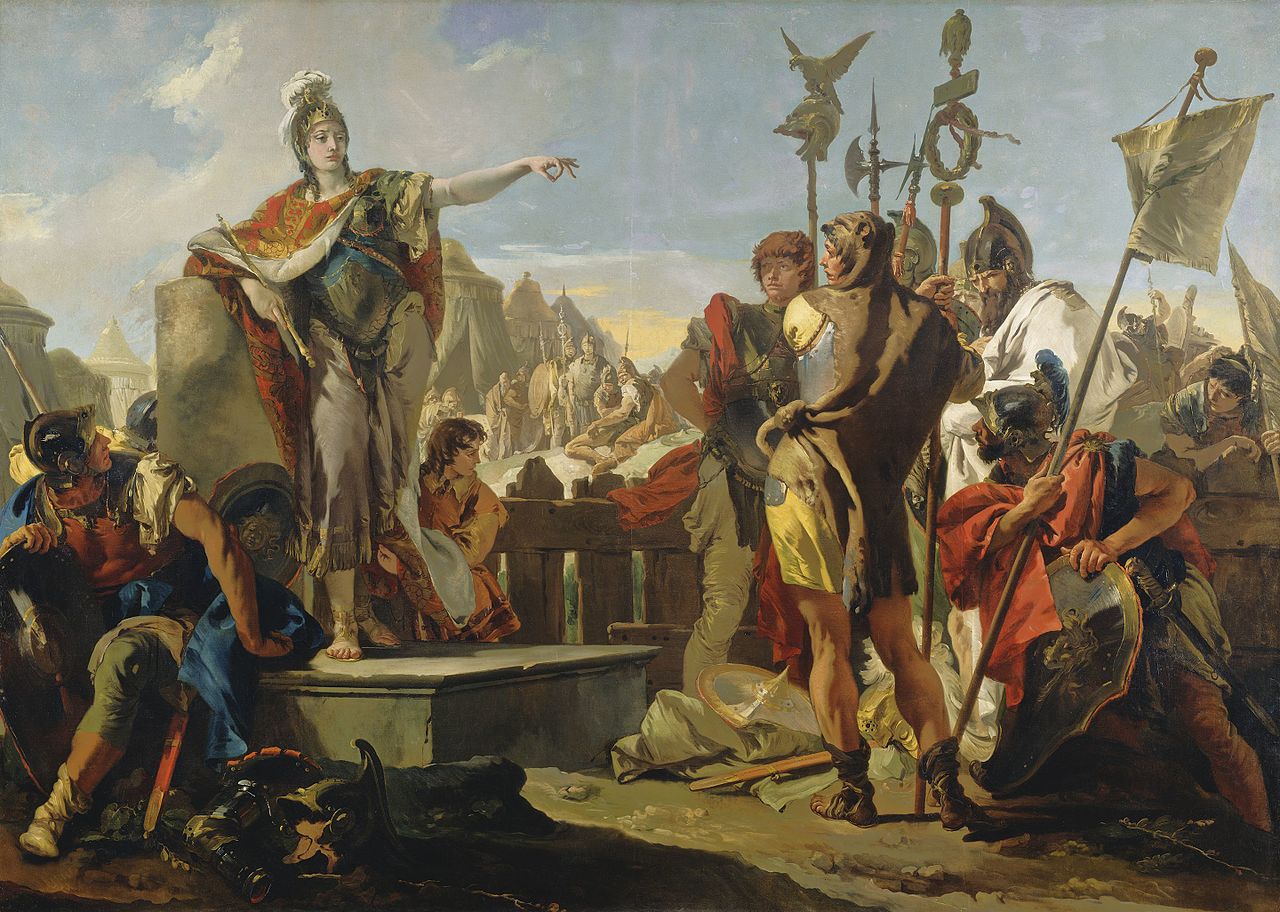
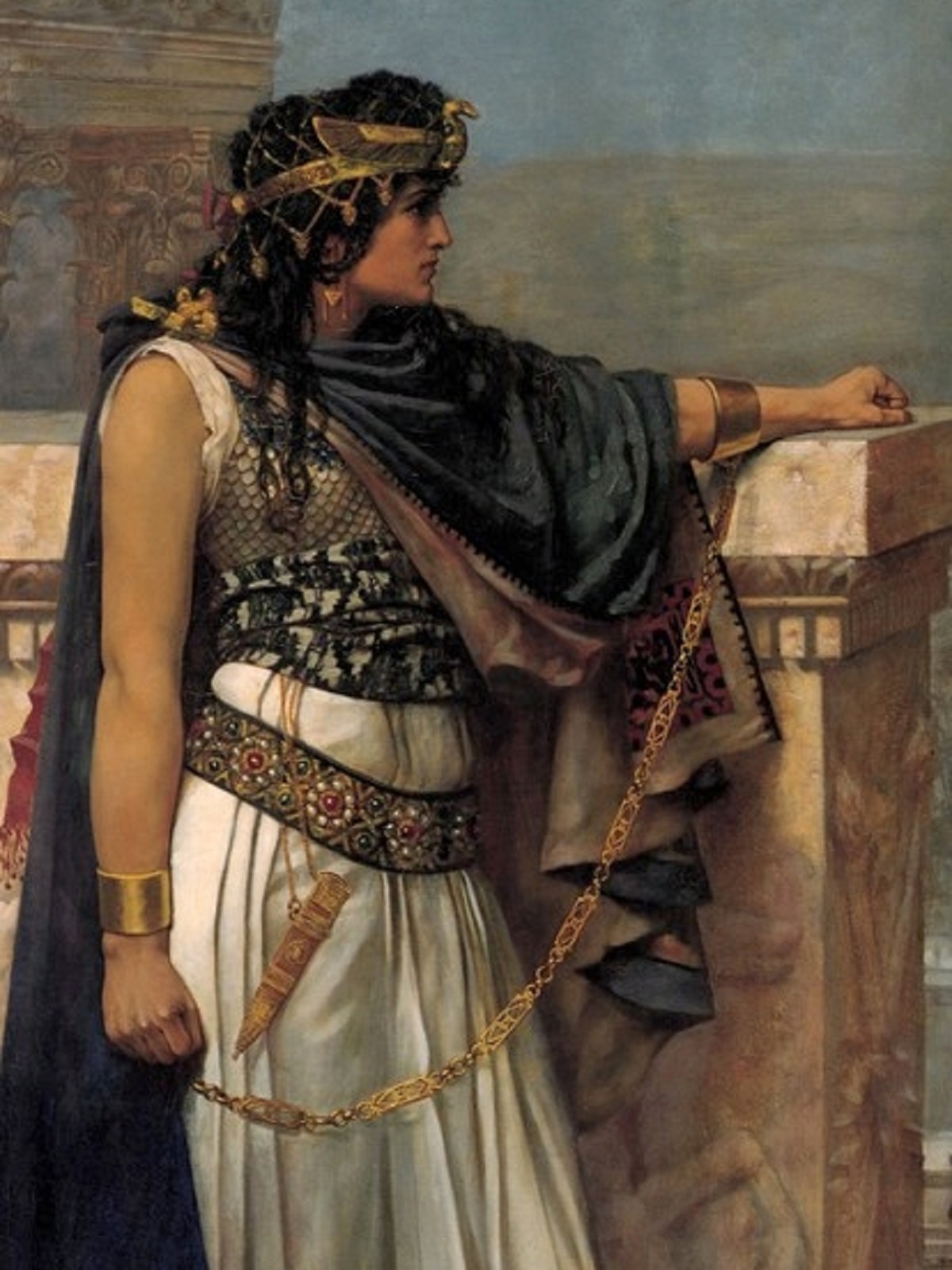
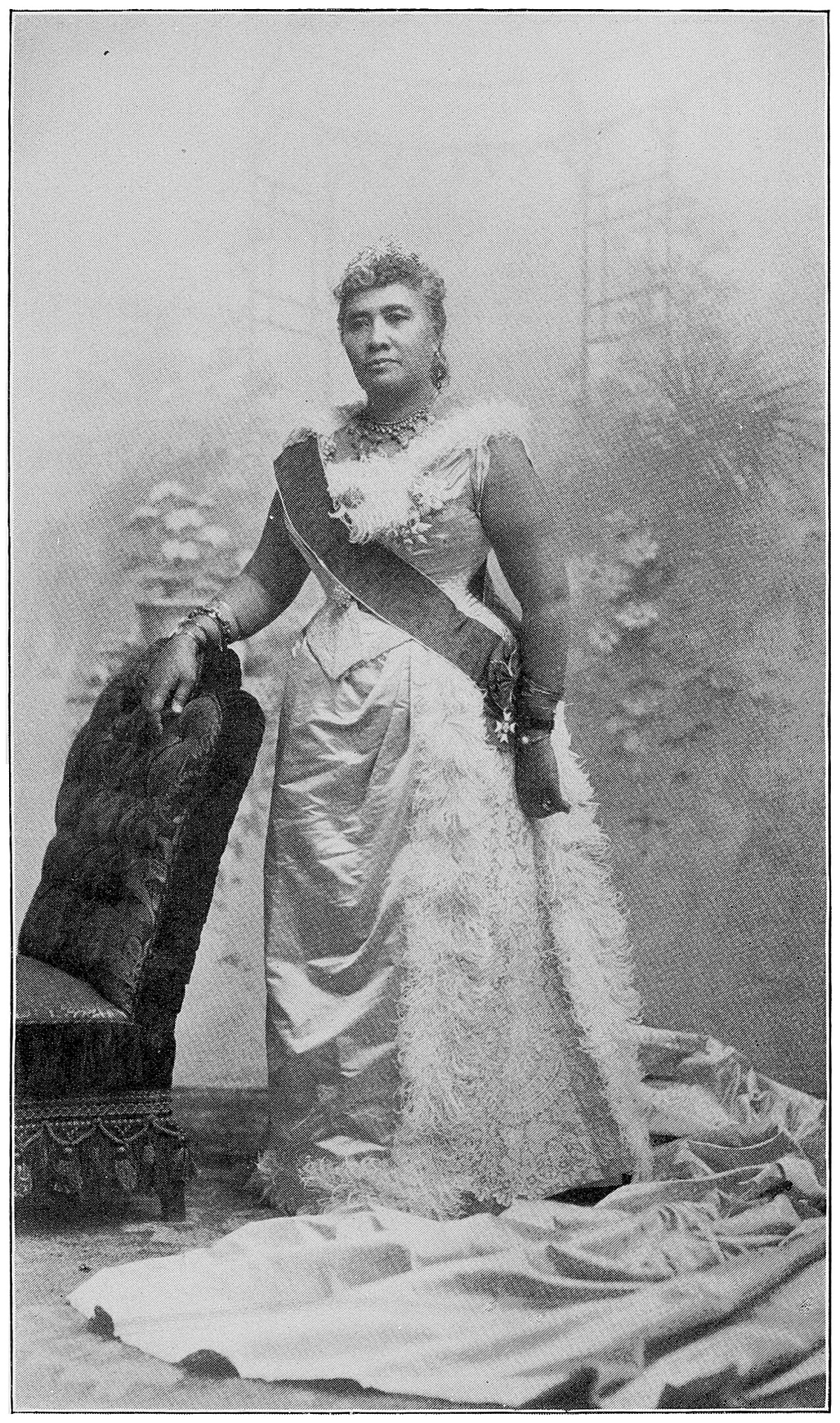
“Formidable” is the first word that comes to mind when reflecting on these extraordinary female rulers. Most of them rose to power in eras and societies that insisted, loudly and consistently, that women were inherently inferior to men. Yet they challenged those beliefs at every turn, reshaping kingdoms, commanding armies, negotiating alliances, and leaving legacies that still echo today. Their authority was not always peaceful, nor was it ever easily granted; they seized it, defended it, and proved their critics wrong again and again.
A Brent crude oil price chart is displayed on a smartphone screen in this photo illustration, as global oil markets react to escalating conflict involving Iran that pushes crude prices sharply higher on fears of supply disruptions in the Middle East in Brussels, Belgium, on March 9, 2026. (Photo by Jonathan Raa/NurPhoto via Getty Images)
Less than a week after experts gave hope to traders, their ‘worst case scenario’ has finally happened. On March 9, markets opened to oil prices surging to more than $100 a barrel for the first time in nearly four years. The price for a barrel of Brent crude, the international standard, was at $107.97 after trading resumed on the Chicago Mercantile Exchange, up 16.5% from its March 6 closing price of $92.69. West Texas Intermediate, produced in the United States, was selling for about $106.22 a barrel. That’s 16.9% higher than its closing price on March 6 of $90.90.
Look, you never know exactly the time frame of this, but, in the worst case, this is a week’s thing, this is not a months thing
-US Energy Secretary Chris Wright.
Iran war impacting prices
Donald Trump and Israel’s war on Iran has been the largest contributing factor to the price of oil. The Strait of Hormuz, a narrow strait off the coast of Iran, is now constantly at risk with Iran and Israel bombing vessels in the region. Nearly a fifth of all the world’s oil is transported through the Strait. Iran’s selection of its new leader, Mojtaba Khamenei, has also sunk oil prices. Khamenei, the son of slain leader Ali Khamenei, is expected to continue in his father’s footsteps of tyrannical, Islamic reign. His father killed tens of thousands of Iranian civilians across his nearly 40-year reign.
During the first week of March, the price of U.S. crude oil jumped by 36%, and Brent crude rose 28% last week. Oil prices have surged as the war, now more than two weeks old, has sucked in countries and places that are critical to the production and movement of oil and gas from the Persian Gulf. Iran has been attacking American military and diplomatic installations across the Gulf Coast, and the bombings have created a precarious situation through the Strait of Hormuz and in multiple energy hubs. Countries like Kuwait and Qatar have long enjoyed a peaceful existence in the Middle East and are now being threatened daily.
Attacks on oil infrastructure
Alongside military and diplomatic targets, Iran has been striking oil refineries across the Gulf Coast as well. On March 4, Iran targeted an Aramco Oil refinery in Ras Tanura, Saudi Arabia. Officials reported the drones had successfully reached the facility but had not caused any damage. A day later, on March 5, Iran attacked a Bapco oil refinery in Bahrain, sparking a fire at the facility. Bahrain’s defence forces intercepted two additional cruise missiles. Both attacks had immediate impacts on international oil prices.
On March 7 and 8, Iran targeted more oil targets across the Gulf Coast. Iran repeatedly bombed the Shaybah oil field in the Rub’ al Khali desert in Saudi Arabia, one of the country’s richest deposits. Iranian missiles targeted a refinery on the field, and Saudi Arabian defences reported intercepting more than ten drones in less than two hours. Aramco’s Berri oil field was also targeted on the 7th, with an unspecified number of drones being intercepted. On March 8, more drones attempted attacks on the Shaybah oil field, and in Kuwait, drones targeted fuel tanks at Kuwait International Airport.
With Iran striking fuel and oil-related targets, oil is getting more precarious, not less, and experts are warning the global economy will not be able to survive more than a couple of weeks with oil trading at more than $100 a barrel.
War on Iran
On February 28, 2026, the US government and Israel undertook a joint operation in Iran, with the US subsequently declaring it was at war with the country. The attacks triggered retaliatory strikes from Iran, targeting US and Israeli military bases across the Middle East. According to Donald Trump, there is no timeline for this war, and the US will continue its operations in the country until it sees a significant regime change, as well as an end to Iran’s supposed nuclear program.
US and Israeli strikes killed Iran’s Supreme Leader, Ali Khamenei, on Day One of the war, completing Trump’s supposed goal. Khamenei has been using deadly violence against civilian protesters in Tehran, and his killing has been the only positive piece of Donald Trump’s illegal intervention. Donald Trump changed his reasoning for attacking Iran after Khamenei’s death, instead claiming he attacked Iran because he had certain information that Iran was going to attack Israel and the United States. Israel calls the strategy ‘forward defence’.
Now Lebanon and the rest of the Gulf countries have been sucked into the conflict. Iran has struck US infrastructure in nine different nations, and the Lebanese-based, Iranian-funded group Hezbollah has announced it’s ready for open war with Israel. With experts expecting Mojtaba Khamenei to continue in his father’s footsteps as a hardline, tyrannical leader, Donald Trump’s war on Iran is far from over.
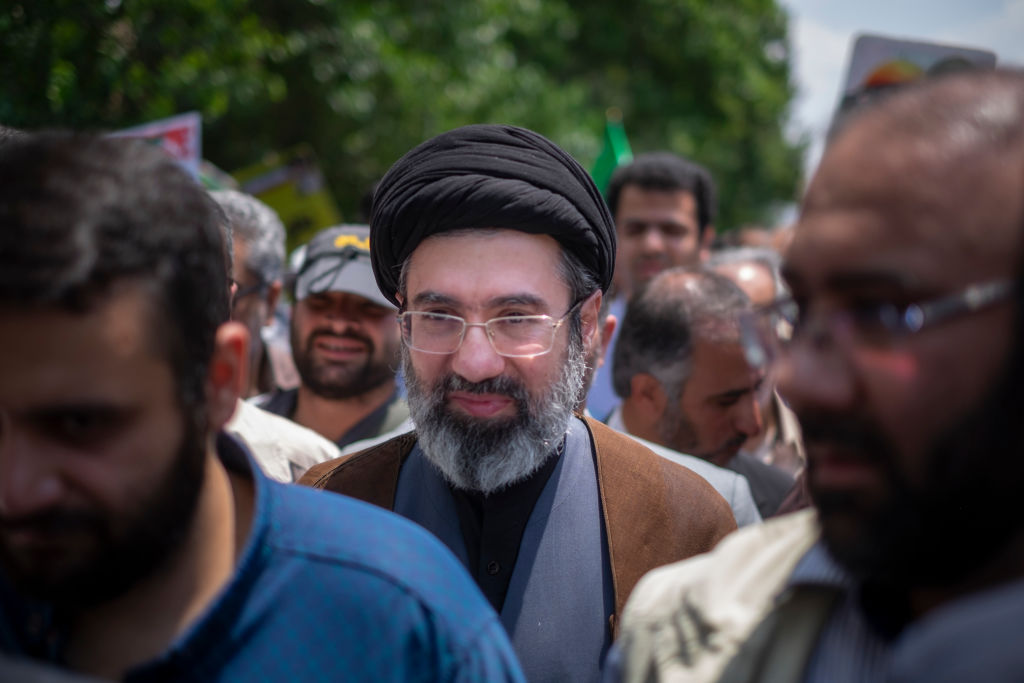
May 31, 2019 file photo shows, Son of Irans Supreme Leader Ayatollah Ali Khamenei, Mojtaba Khamenei, attends a demonstration to mark Jerusalem day in Tehran. (Photo by Morteza Nikoubazl/NurPhoto via Getty Images)
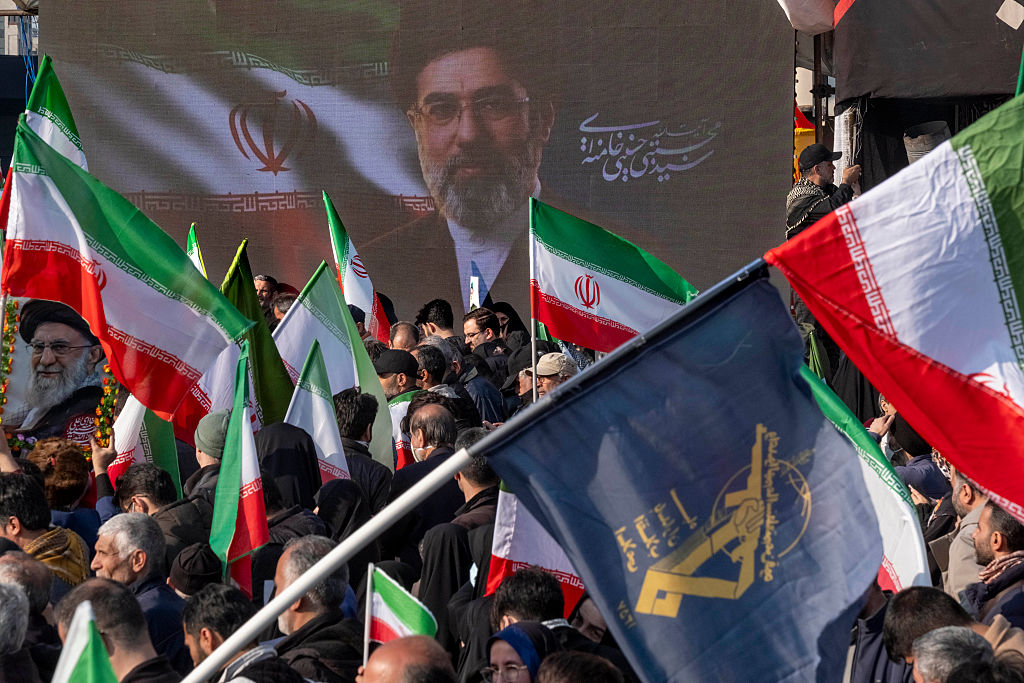
Iran has chosen a successor to the slain Ayatollah Ali Khamenei: his son, Mojtaba Khamenei. Iranian state media reported the selection on March 9.
Mojtaba Khamenei has not yet held an official government office and has never given a public speech or televised interview. Only a handful of photographs exist publicly of Mojtaba Khamenei. That being said, a WikiLeaks release from the late 2000’s claims Mojtaba has long been an influential figure in Iranian Parliament, calling him a forceful figure in the cabinet.
(Photo by Morteza Nikoubazl/NurPhoto via Getty Images)
“The Ministry of Foreign Affairs and all diplomats of the Islamic Republic of Iran, declare their allegiance to the third Supreme Leader of the Islamic Revolution, renew their covenant with the Supreme Leader and the great nation of Iran.”
Problems with the selection
There are a handful of potential problems with the selection of Mojtaba Khamenei from a variety of parties. For Trump, it’s unclear whether the selection completes his directives. Trump reportedly told FOX News that he’s unhappy with the new selection, and Trump explicitly said We don’t want another Khamenei’. Whether he meant that literally or not is ambiguous, but Iran has quite literally selected another Khamenei to lead the country. For most Iranians, the selection represents more of the same behaviour from the far-right government. What makes the selection interesting is that Iranian Principlists may also take issue with it. The Islamic Republic’s ideology, when it was founded in 1979, promised selections based on religious meritocracy. Iranian Supreme Leaders are supposed to be elder, Islamic religious leaders. Instead, Iran has selected its next leader based on a system of hereditary succession.
Who is Mojtaba Khamenei?
Born on September 8, 1969, in the city of Mashhad, Mojtaba is the second-eldest of Ali Khamenei’s six children. Mojtaba was educated in Tehran and joined the military after secondary school at 17. Mojtaba served multiple stints in the Iranian military during the Iran-Iraq War. The war lasted from 1980 to 1988. The United States and its Western allies supported Iraq during the war, which began with an Iraqi invasion of Iran. Mojtaba attended seminary school at age 30, but he remains only a mid-level cleric in the church, something that will also work against him in the eyes of Principlists.
Media outlets and Iranian officials began referring to Mojtaba as ‘Ayatollah’ after the announcement. Ayatollah is a senior position in the clergy, but Mojtaba has not earned it. This exception was also made for his father, Ali Khamenei, when he rose to power in 1989.
Previous attempts in politics
While Mojtaba has largely kept a low profile, this is not the first time his name has been entrenched in Iranian politics. During Iran’s 2005 presidential election, Mojtaba Khamenei’s name came into circulation after the victory of Mahmoud Ahmadinejad, a populist hardliner. Mojtaba was accused of interfering in the election of reformist candidate Mehdi Karroubi. Mojtaba was accused of interfering in the vote using his influence in the Islamic Revolutionary Guard Corps (IRGC) and the Basij militia. According to Karroubi’s letter to Mojtaba, he organized money to be circulated to religious groups in order to help Ahmadinejad win.
Four years later, Mojtaba faced the same accusation. Ahmadinejad was re-elected in 2009, and the election triggered mass protests across the country, known as the Green Movement. Some protesters chanted slogans opposing the idea that Mojtaba could succeed his father as Iran’s supreme leader. Then-deputy interior minister Mostafa Tajzadeh was imprisoned for seven years following the riots. Tajzadeh claimed his imprisonment was at the wish of Mojtaba Khamenei.
War on Iran
On February 28, 2026, the US government and Israel undertook a joint operation in Iran, with the US subsequently declaring it was at war with the country. The attacks triggered retaliatory strikes from Iran, targeting US and Israeli military bases across the Middle East. According to Donald Trump, there is no timeline for this war, and the US will continue its operations in the country until it sees a significant regime change, as well as an end to Iran’s supposed nuclear program.
US and Israeli strikes killed Iran’s Supreme Leader, Ali Khamenei, on Day One of the war, completing Trump’s supposed goal. Khamenei has been using deadly violence against civilian protesters in Tehran, and his killing has been the only positive piece of Donald Trump’s illegal intervention. Donald Trump changed his reasoning for attacking Iran after Khamenei’s death, instead claiming he attacked Iran because he had certain information that Iran was going to attack Israel and the United States. Israel calls the strategy ‘forward defence’.
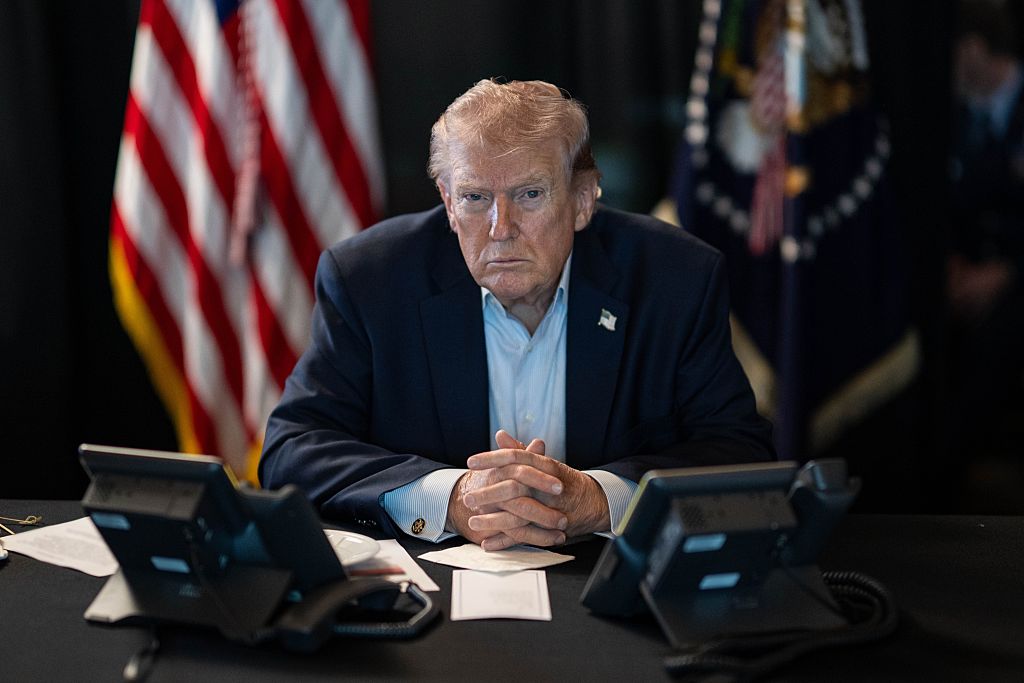
(Photo by The White House via X Account/Anadolu via Getty Images)
Now Lebanon and the rest of the Gulf countries have been sucked into the conflict. Iran has struck US infrastructure in nine different nations, and the Lebanese-based, Iranian-funded group Hezbollah has announced it’s ready for open war with Israel. With experts expecting Mojtaba Khamenei to continue in his father’s footsteps as a hardline, tyrannical leader, Donald Trump’s war on Iran is far from over.
In fact, he even described the nomination as a «big mistake»…
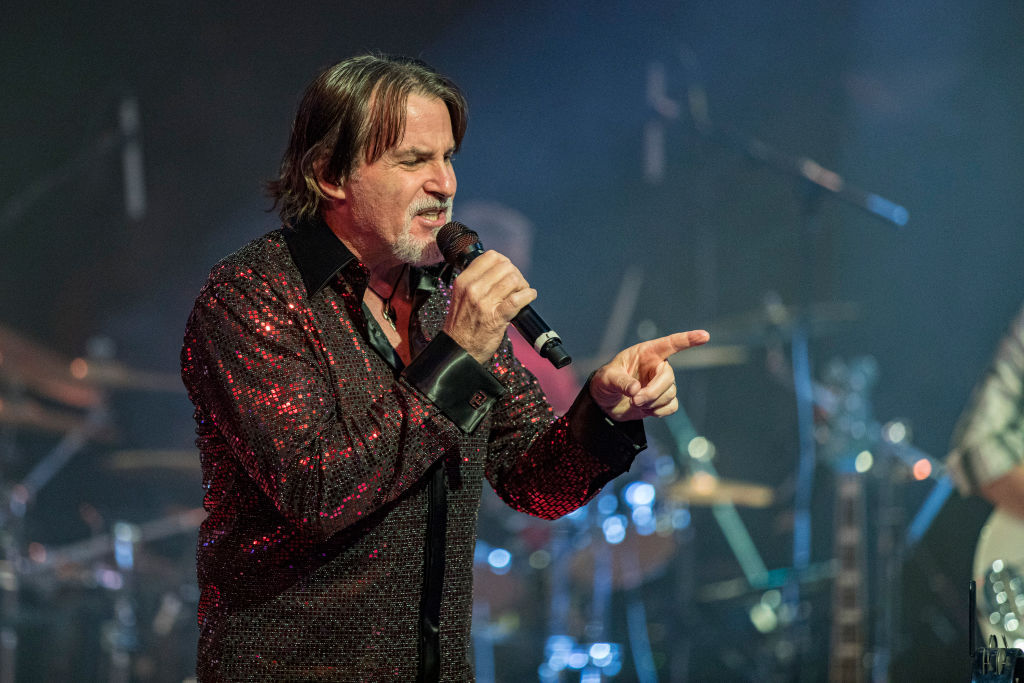
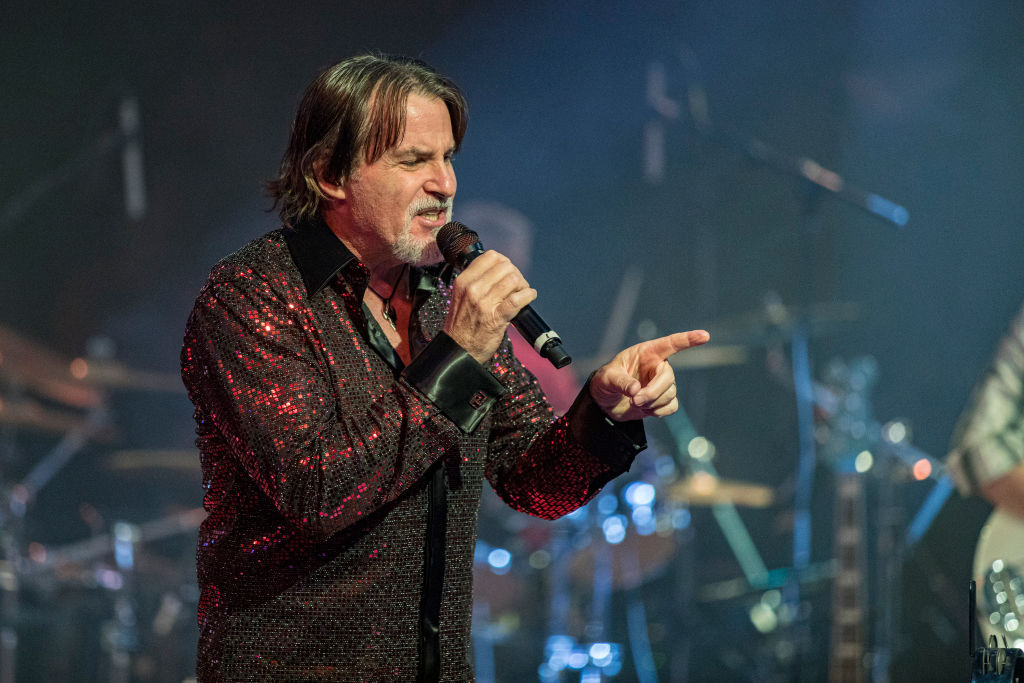
PHOENIX, ARIZONA - DECEMBER 09: Tommy DeCarlo performs on stage at Alice Cooper's 21st Annual Christmas Pudding at Celebrity Theatre on December 09, 2023 in Phoenix, Arizona. (Photo by Daniel Knighton/Getty Images)
The year 2026 was marked by the passing of many personalities who left a lasting mark on our society. Artists, creators, public figures, thinkers, and athletes—each and every one contributed in their own way to shaping our era and our collective imagination. This In Memoriam project pays tribute to those who left us during the year. Through these memories, we take a moment to remember their influence, celebrate their contributions, and honor lives that will continue to resonate long after their passing.
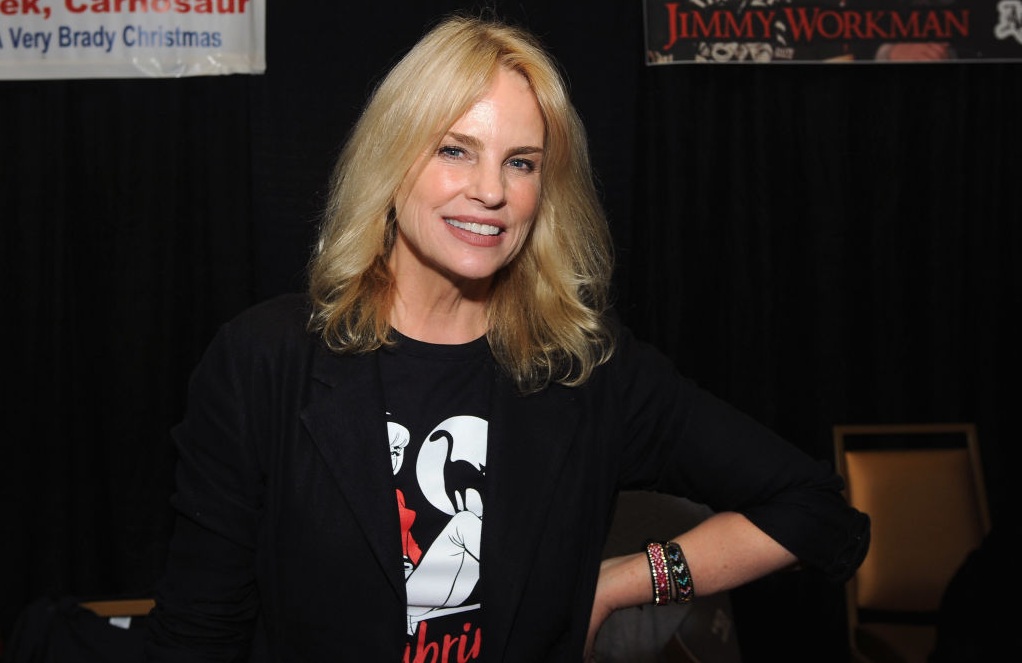
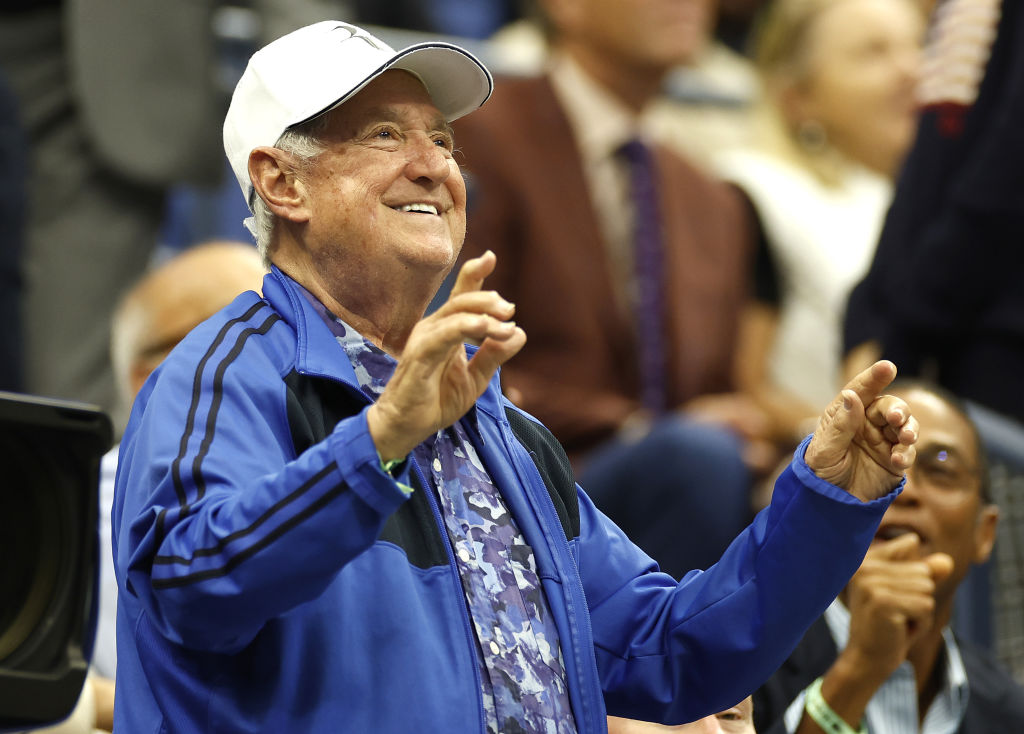
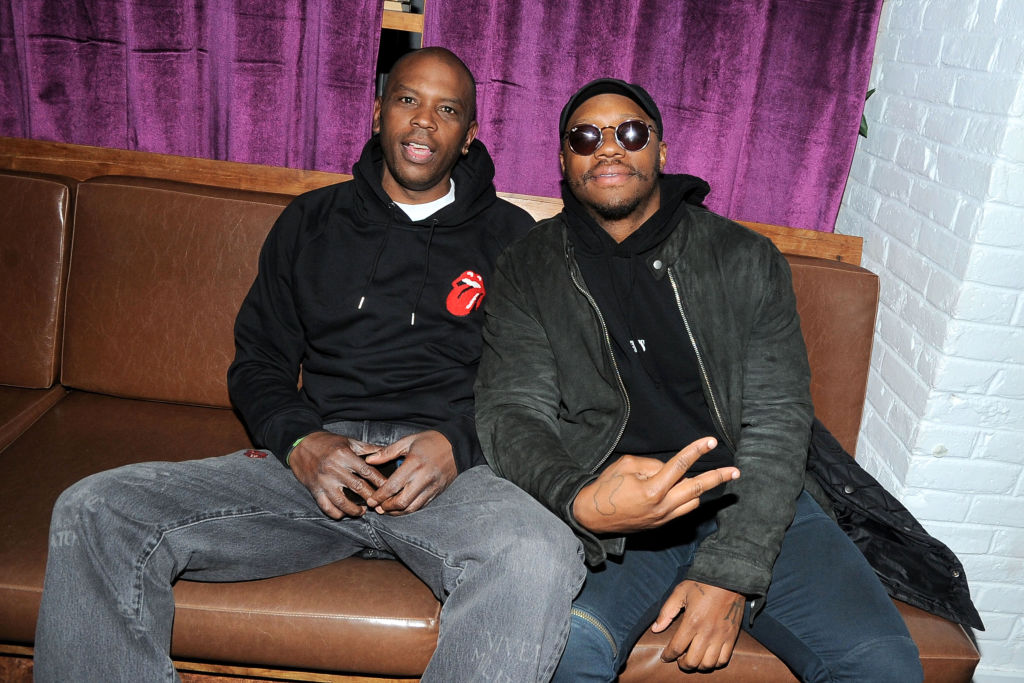
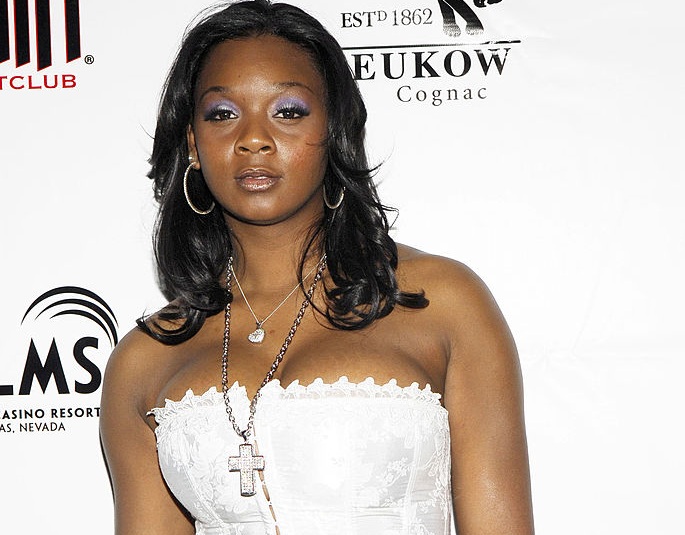
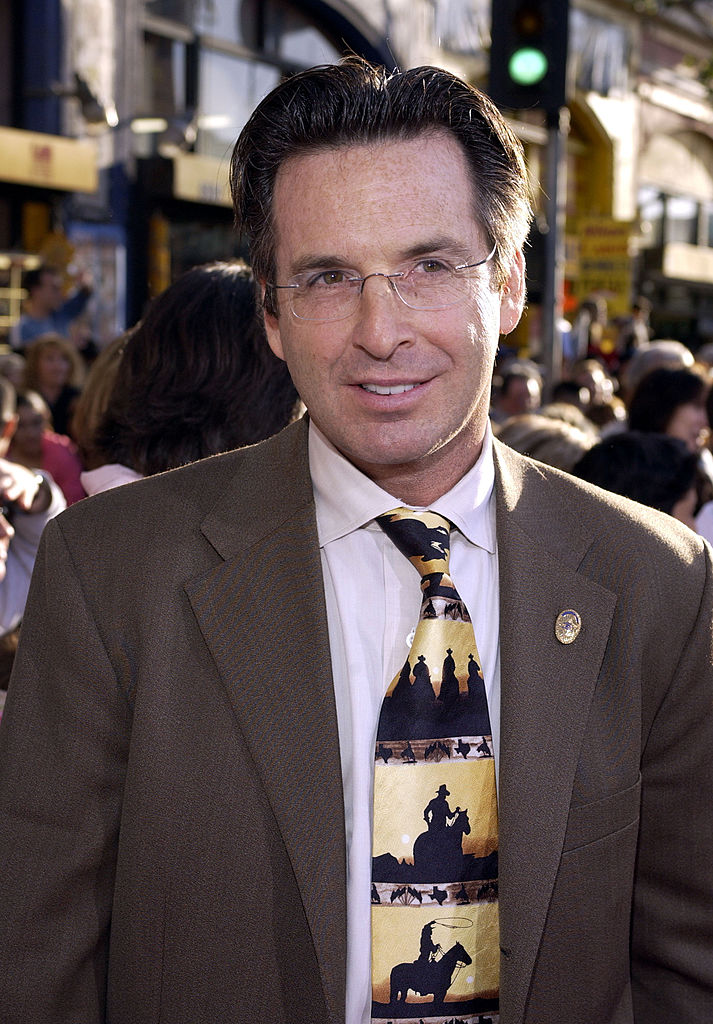
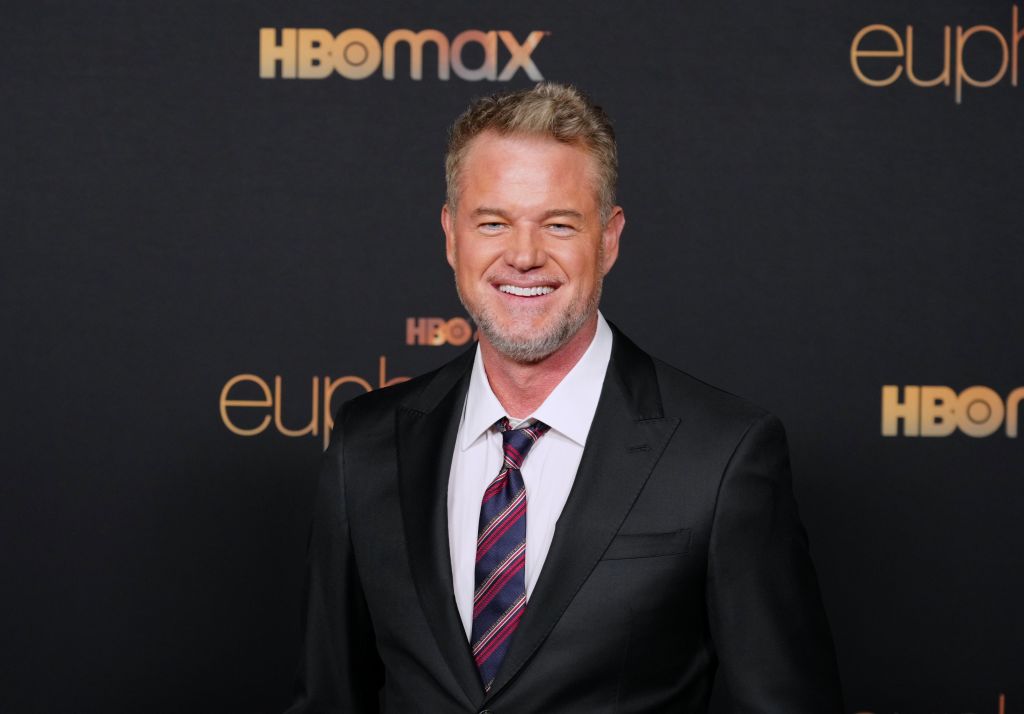
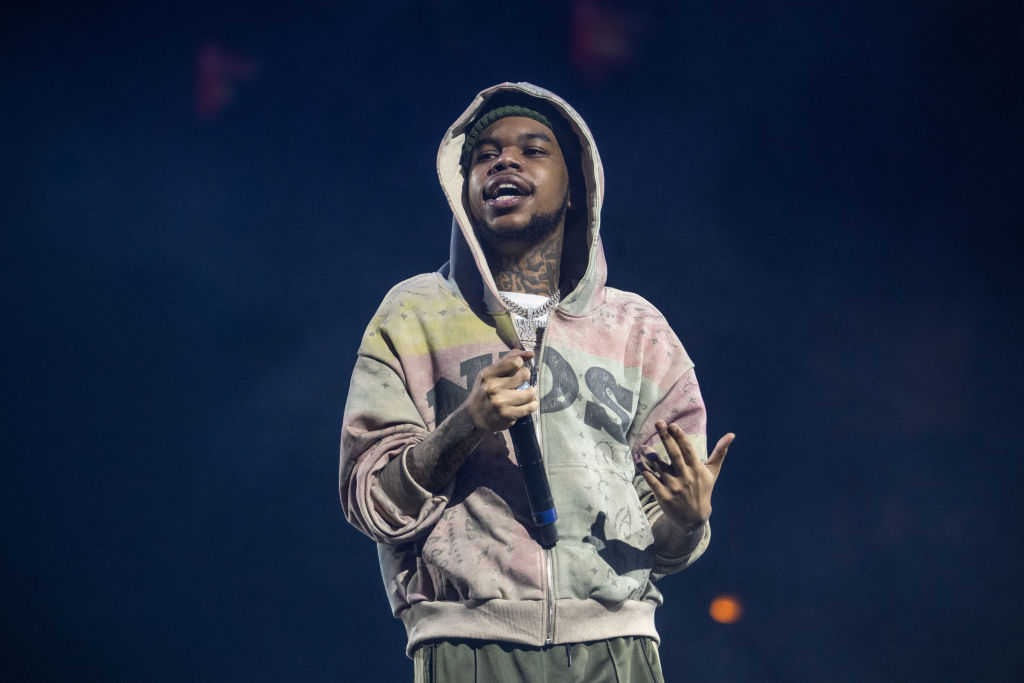
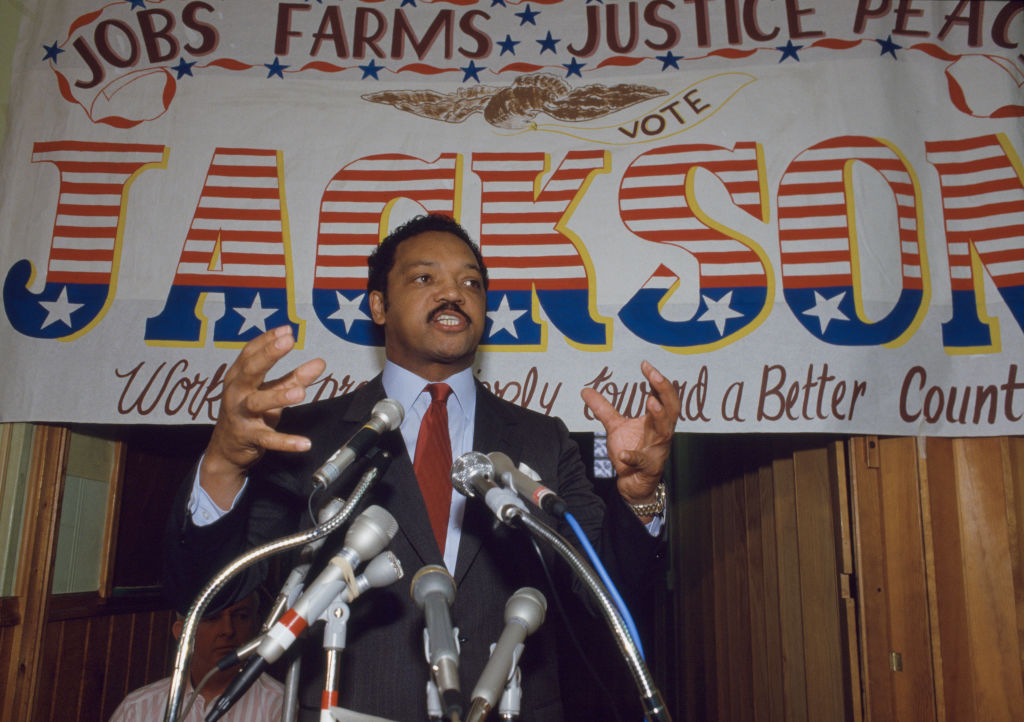
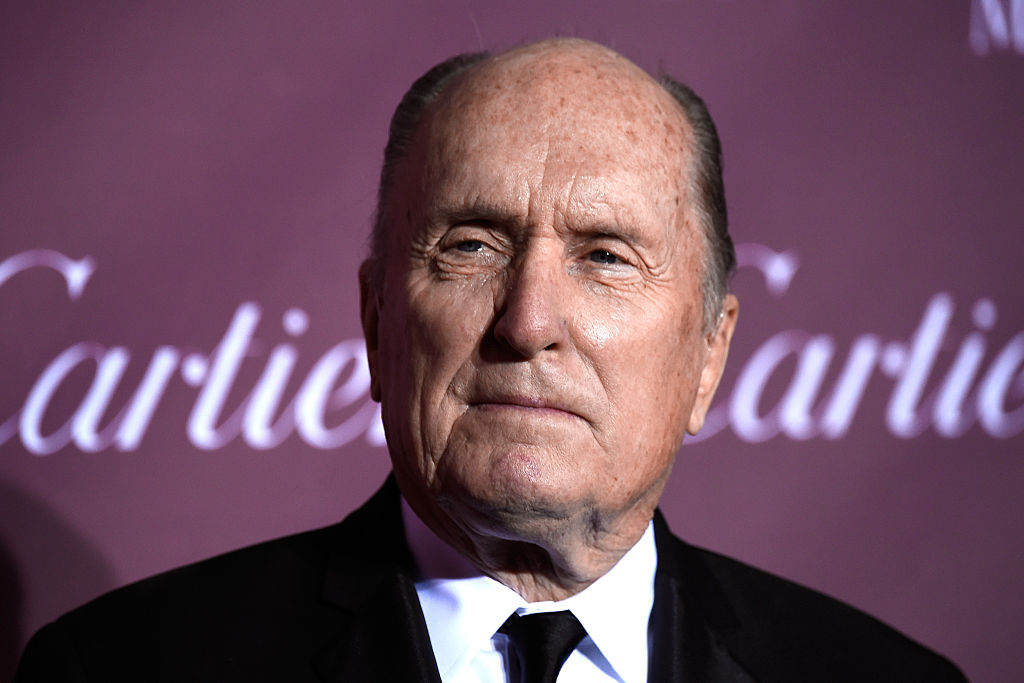
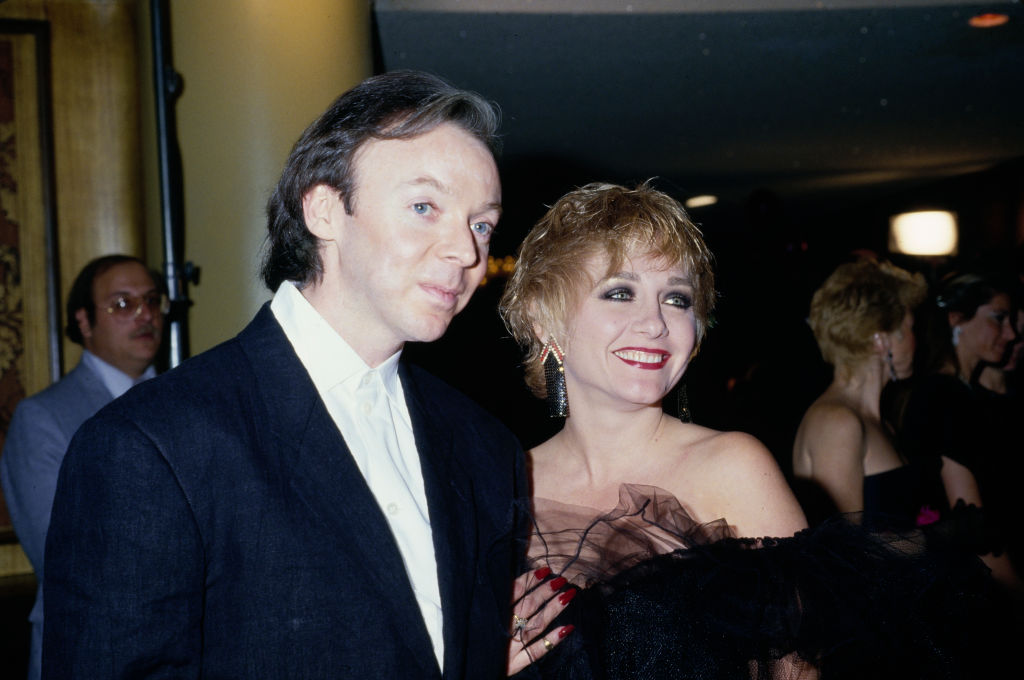
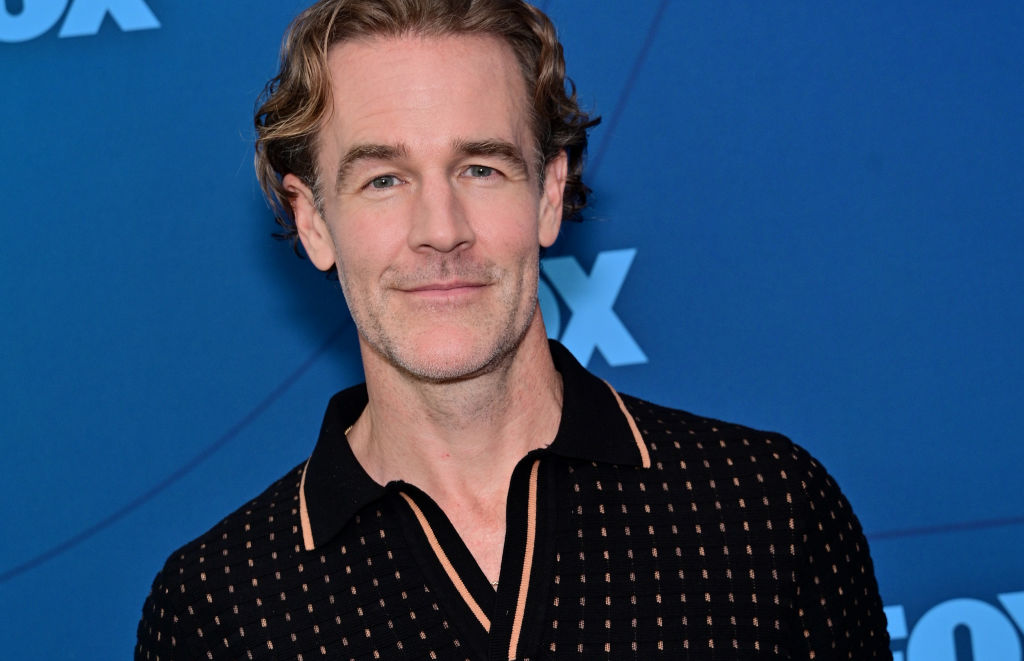
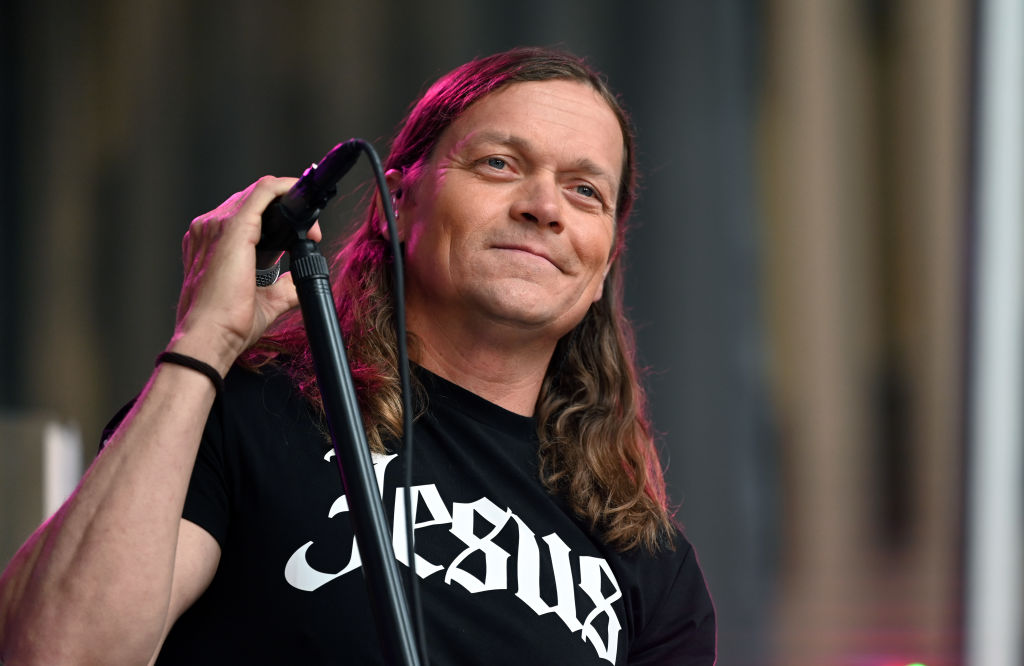
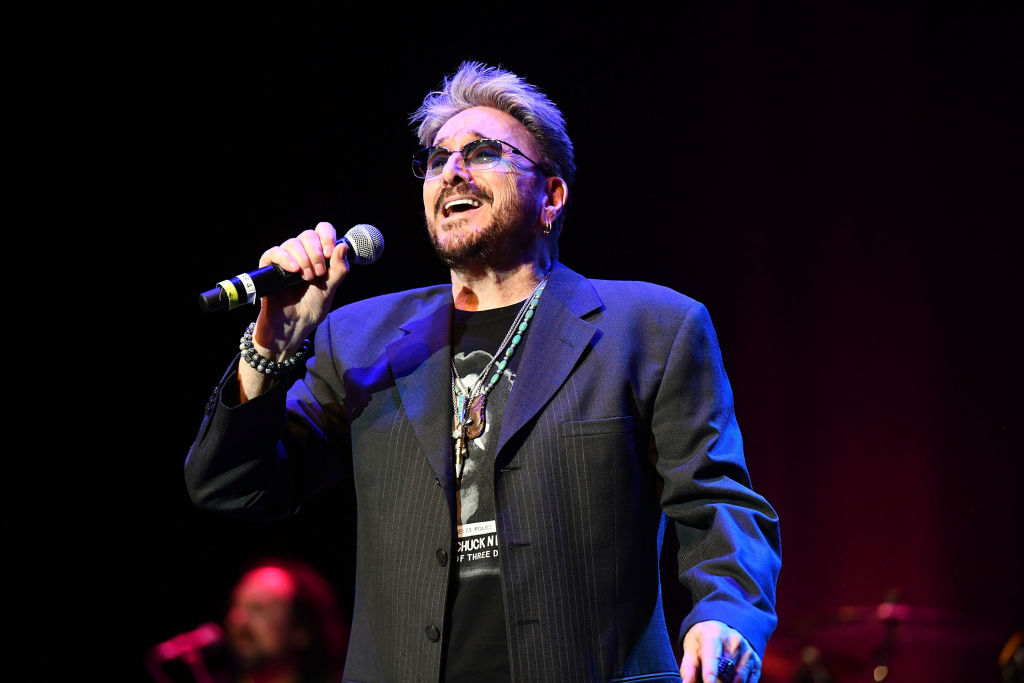
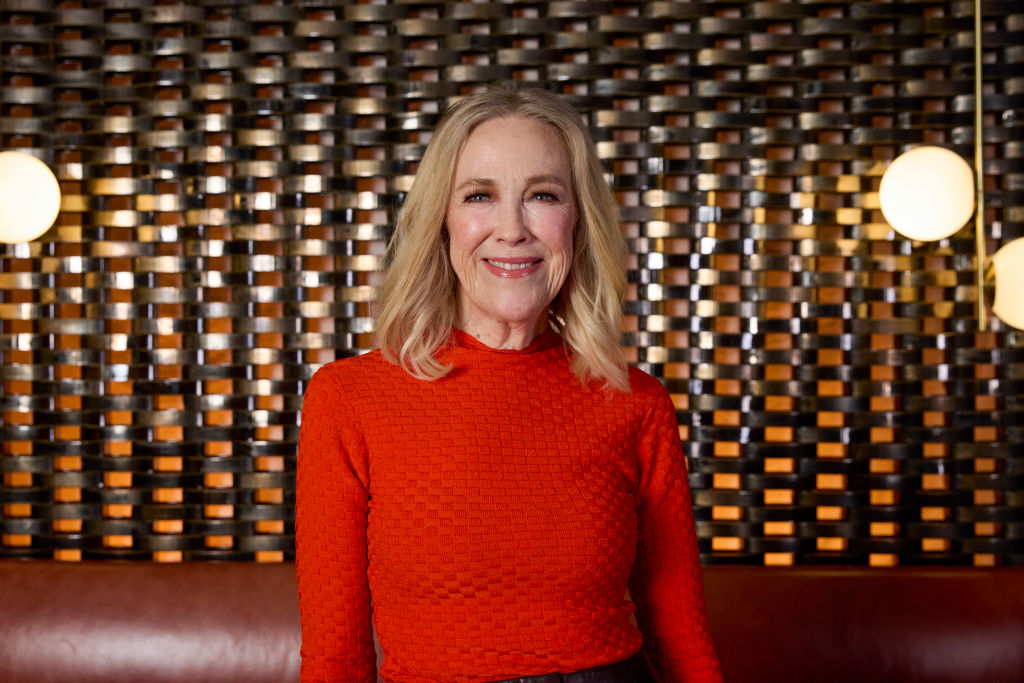
PHOENIX, ARIZONA – DECEMBER 09: Tommy DeCarlo performs on stage at Alice Cooper’s 21st Annual Christmas Pudding at Celebrity Theatre on December 09, 2023 in Phoenix, Arizona. (Photo by Daniel Knighton/Getty Images)ATLANTIC CITY, NJ – MARCH 30: Jennifer Runyon attends the 2019 New Jersey Horror Con And Film Festival at Showboat Atlantic City on March 30, 2019 in Atlantic City, New Jersey. (Photo by Bobby Bank/Getty Images)NEW YORK, NEW YORK – SEPTEMBER 07: Neil Sedaka waves to the crowd during the Men’s Singles Quarterfinal match between Andrey Rublev and Frances Tiafoe of the United States on Day Ten of the 2022 US Open at USTA Billie Jean King National Tennis Center on September 07, 2022 in the Flushing neighborhood of the Queens borough of New York City. (Photo by Sarah Stier/Getty Images)NEW YORK, NY – NOVEMBER 9: Oliver « Power » Grant and Marcus Callender attend The RZA Presents The 36 Chambers 30th Anniversary Celebration After Party at Mr. Purple on November 9, 2023 in New York. (Photo by Paul Bruinooge/Patrick McMullan via Getty Images)LAS VEGAS – FEBRUARY 18: Detroit Shock team member Kara Braxton attends the 2007 NBA All-Star Game « Diddy » After Party at the Rain Nightclub in the Palms Hotel and Casino on February 18, 2007 in Las Vegas, Nevada. (Photo by Ray Tamarra/Getty Images)Robert Carradine (Photo by L. Cohen/WireImage) *** Local Caption ***GLENDALE, AZ – OCTOBER 09: Rondale Moore #4 of the Arizona Cardinals runs out during introductions against the Philadelphia Eagles at State Farm Stadium on October 9, 2022 in Glendale, Arizona. (Photo by Cooper Neill/Getty Images)LOS ANGELES, CALIFORNIA – JANUARY 05: Eric Dane attends HBO’s « Euphoria » Season 2 Photo Call at Goya Studios on January 05, 2022 in Los Angeles, California. (Photo by Jeff Kravitz/FilmMagic for HBO)ATLANTA, GEORGIA – DECEMBER 5: Rapper Lil Poppa performs during Rod Wave – Last Lap Tour at State Farm Arena on December 5, 2024 in Atlanta, Georgia. (Photo by Prince Williams/WireImage)Le révérend Jesse Jackson en campagne électorale à Winterset dans l’Iowa, le 3 février 1988.(Photo by jean-Louis Atlan/Sygma via Getty Images)PALM SPRINGS, CA – JANUARY 03: Actor Robert Duvall attends the 26th Annual Palm Springs International Film Festival Awards Gala at Parker Palm Springs on January 3, 2015 in Palm Springs, California. (Photo by Frazer Harrison/Getty Images)American actor Bud Cort, wearing a black suit with a white shirt, and American actress Patti D’Arbanville, who wears a black off-shoulder outfit, attend the 2nd Annual American Cinematheque Award Salute, held at the Hollywood Palladium in the Hollywood neighbourhood of Los Angeles, California, 21st February 1987. The ceremony honoured American actress and singer Bette Midler. (Photo by Vinnie Zuffante/Getty Images)LOS ANGELES, CALIFORNIA – NOVEMBER 18: James Van Der Beek attends 2024 FOX Winter Press Day at Fox Studio Lot on November 18, 2024 in Los Angeles, California. (Photo by Andrew Toth/Getty Images)NEW YORK, NEW YORK – MAY 26: Singer Brad Arnold of 3 Doors Down performs at 2023 FOX & Friends’ Summer Concert Series on May 26, 2023 in New York City. (Photo by Slaven Vlasic/Getty Images)BEVERLY HILLS, CA – JULY 14: Musician Chuck Negron, former singer of the classic rock band Three Dog Night, performs onstage during the Happy Together tour at Saban Theatre on July 14, 2018 in Beverly Hills, California. (Photo by Scott Dudelson/Getty Images)Catherine O’Hara of « The Wild Robot » at the Deadline Studio held at the Bisha Hotel during the Toronto International Film Festival 2024 on September 9, 2024 in Toronto, Canada. (Photo by KC Armstrong/Deadline via Getty Images)