Catégories
Uncategorized

Violence has exploded since the start of the Trump era

Political polarization in the United States has reached an extremely dangerous level, affecting Democrats and Republicans alike. Since Donald Trump entered politics in 2017, a surge in threats and attacks has been evident.

The assassination of Charlie Kirk is apparently the latest in a string of terrifying acts of political violence in the U.S. “A society that resorts to violence to solve its problems starts to surrender its claim on being a society,” @dgraham.bsky.social writes.

The Atlantic (@theatlantic.com) 2025-09-11T06:45:02Z

Yet while Trump points the finger of blame at the « radical left », citing the assassination of Charlie Kirk and the failed attempt on his life, he is silent about attacks on Democratic elected officials, including the foiled kidnap attempt on Michigan Governor Gretchen Whitmer and the deaths of Melissa Hortman, a Democratic elected official from Minnesota, and her husband.
Getty Images

Even more, we can’t ignore the gap between pre- and post-Trump: from 2016 to 2025, figures from the U.S. Capitol Police (USCP) reveal a dramatic increase in threats and incidents targeting U.S. elected officials.

In 2016, there were around 902 open cases. By 2017, the year Donald Trump became president, this figure jumped to 3,939, more than four times as many. The trend then accelerates: 5,206 in 2018, 6,955 in 2019, then a peak of 8,613 in 2020 in the midst of the presidential campaign.

An absolute record

The absolute record is reached in 2021 with 9,625 cases… never seen before! After a slight drop to 7,501 in 2022, the volume rises again in 2023 (8,008) and climbs again in 2024 to 9,474, almost to the record level of 2021. Full figures for 2025 have yet to be released, but Congressional security officials confirm that the pace remains high.

In less than ten years, the number of recorded threats has increased tenfold, a sign of political polarization that is now turning into physical danger not only for elected officials, but also for polarizing public figures like Charlie Kirk, media personalities building their notoriety on controversial comments and whose rise has accelerated with Trump’s arrival in politics.
Getty Images

Between 2017 and September 2025, many American politicians and public figures were the target of threats, attacks or violent plots.

Steve Scalise, Barack Obama and Hillary Clinton

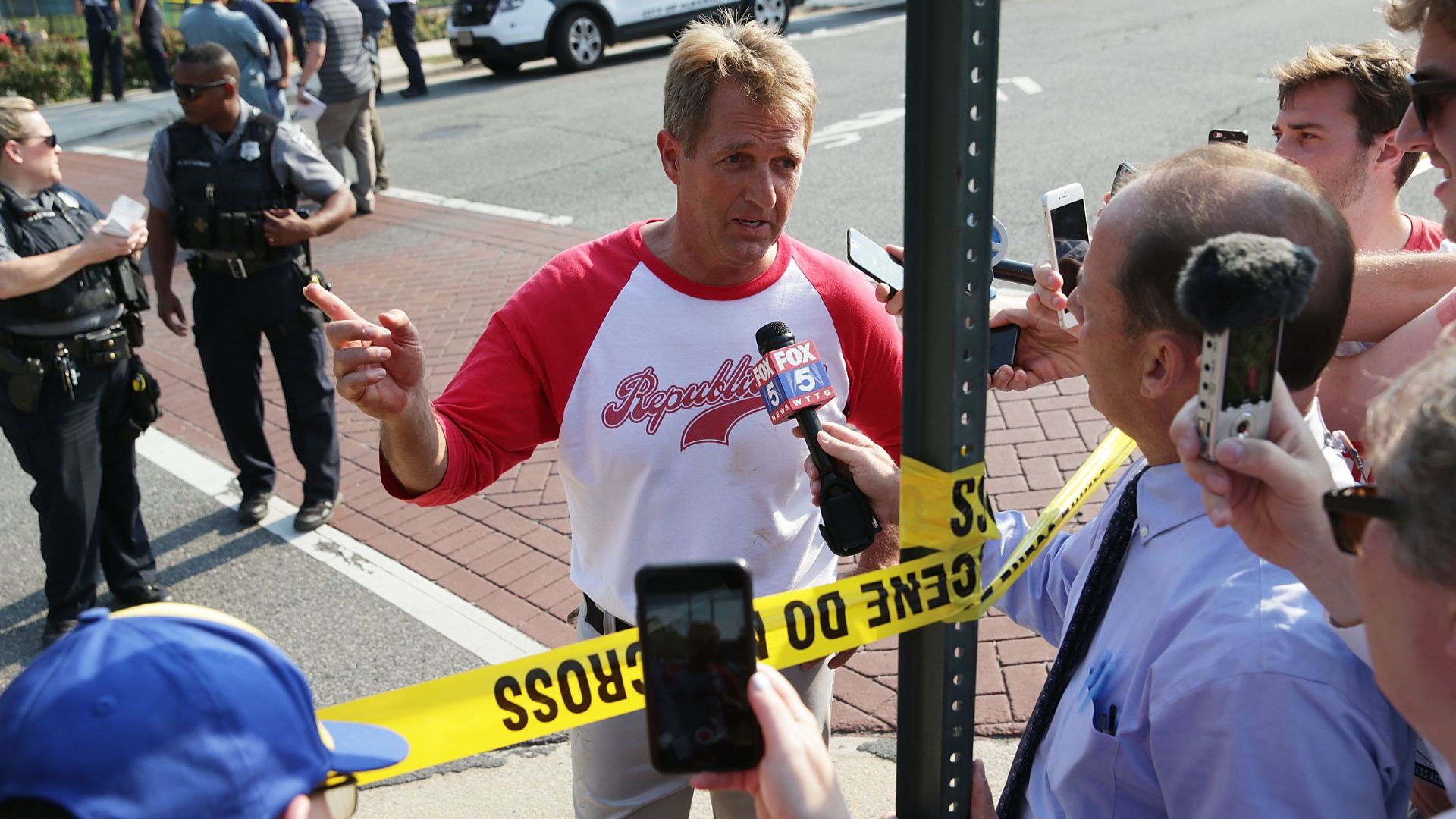
By 2017, the attacks were multiplying: first with bomb threats targeting Jewish community centers, orchestrated by Michael Ron David Kadar and Juan M. Thompson, then with the shooting of Republican members of Congress at a baseball practice, where Republican Steve Scalise was seriously wounded by James Hodgkinson, a staunch opponent of Trump from the radical left.
Getty Images

The following year, the escalation continued with package bombs sent by Trump supporter Cesar Sayoc to Democratic figures such as Barack Obama, Hillary Clinton and Joe Biden, as well as to CNN, and the attempt to intimidate Senator Susan Collins with a powdery letter.

A worrying tipping point

In 2019, the Christopher Paul Hasson case illustrates a worrying shift: a Coast Guard officer fascinated by Anders Breivik, he was planning a mass attack against Democratic elected officials such as Nancy Pelosi, Chuck Schumer and Alexandria Ocasio-Cortez, as well as journalists from CNN and MSNBC, all motivated by white supremacism.

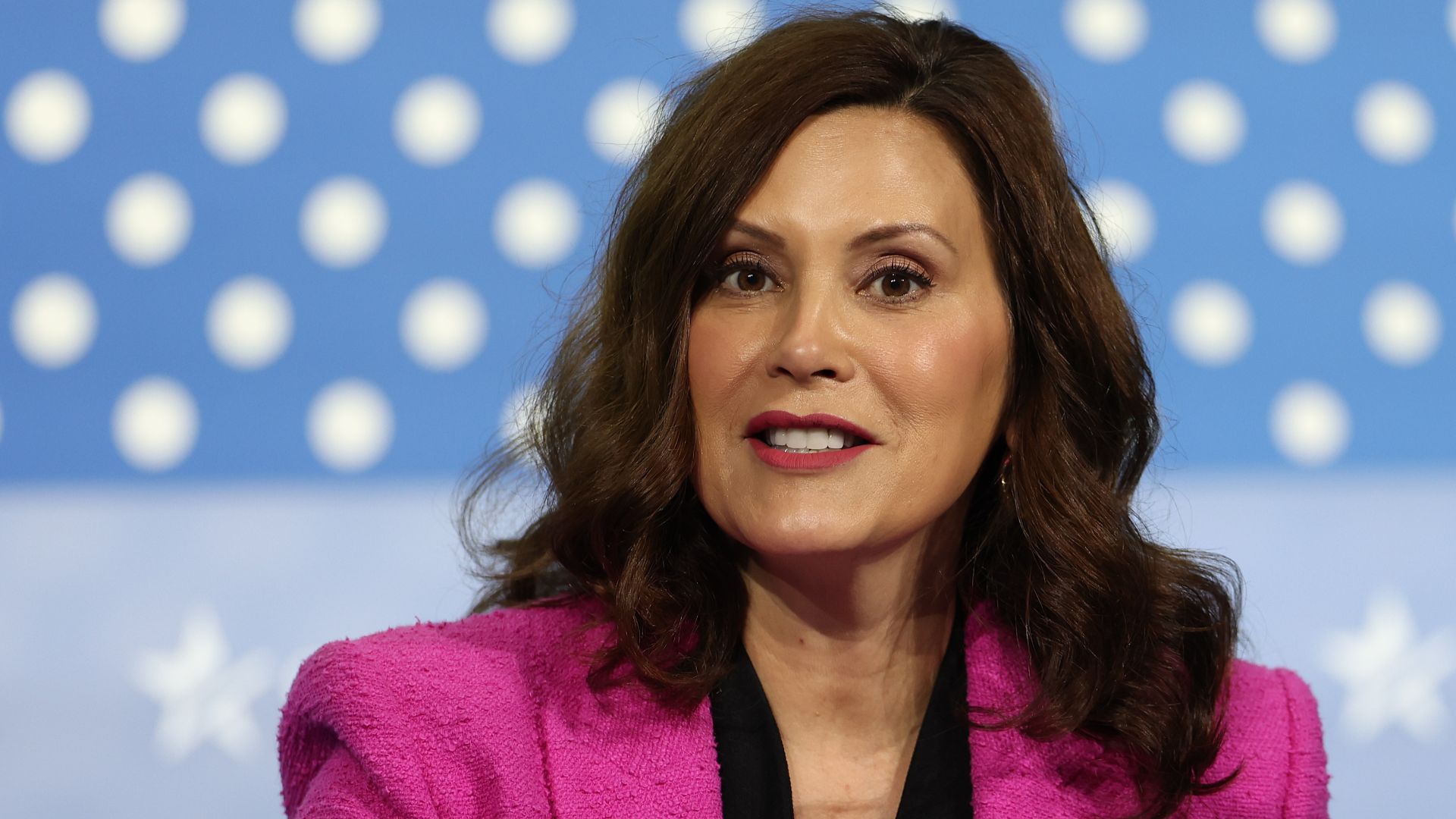
Gretchen Whitmer, Mike Pence and Paul Pelosi and Nancy Pelosi

The following years confirm the seriousness of the phenomenon: in 2020, a far-right group plots the kidnapping of Michigan’s Democratic governor, Gretchen Whitmer, out of hostility to Covid-related health measures.
Getty Images

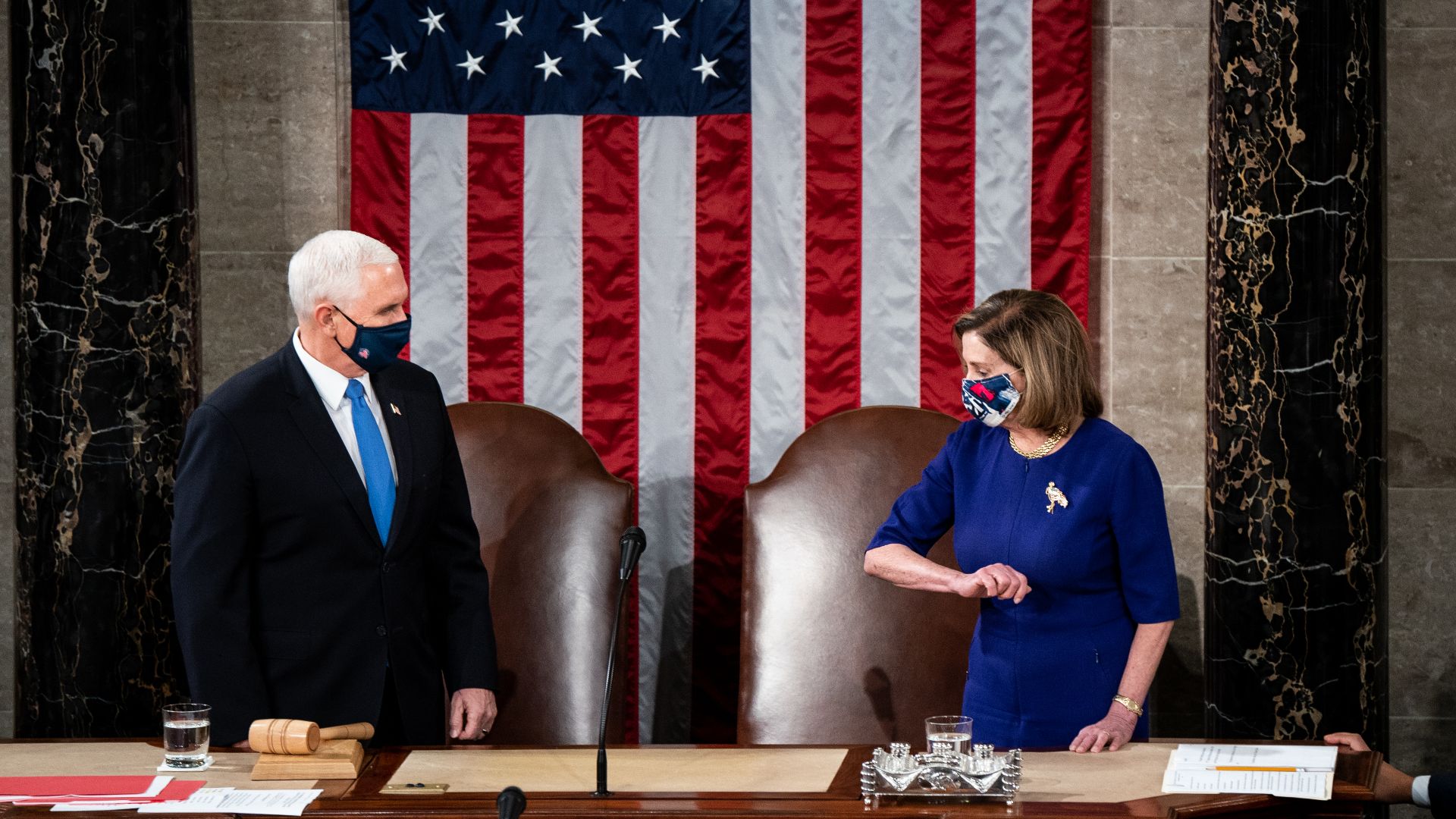
During the Capitol Hill insurrection on January 6, 2021, several U.S. elected officials were directly threatened by Donald Trump supporters trying to prevent the certification of Joe Biden’s victory. In particular, the rioters chanted slogans calling for « hanging Mike Pence », then Republican vice president, accused of betraying Trump by validating the election result. Nancy Pelosi, then Democratic Speaker of the House of Representatives, was also among the priority targets, with intruders seeking out her office by shouting her name.
Getty Images

In 2022, physical assaults multiplied, with the attempted cutter attack on Republican Lee Zeldin, armed threats aimed at Democrat Pramila Jayapal and the hammer attack on Nancy Pelosi’s husband Paul Pelosi, motivated by far-right conspiracy theories.

Nikki Haley, Marjorie Taylor Greene, Jack Smith and Donald Trump

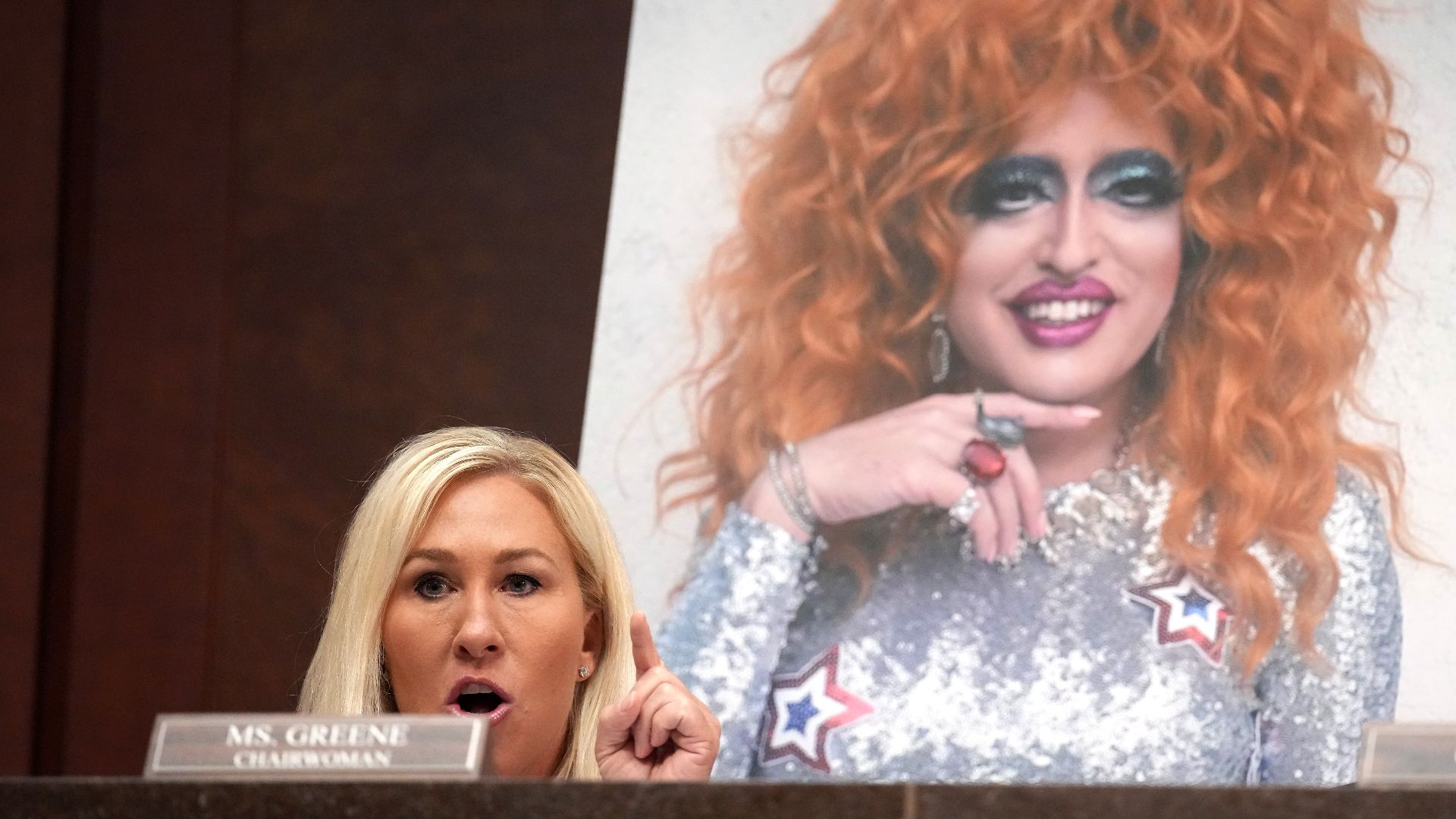
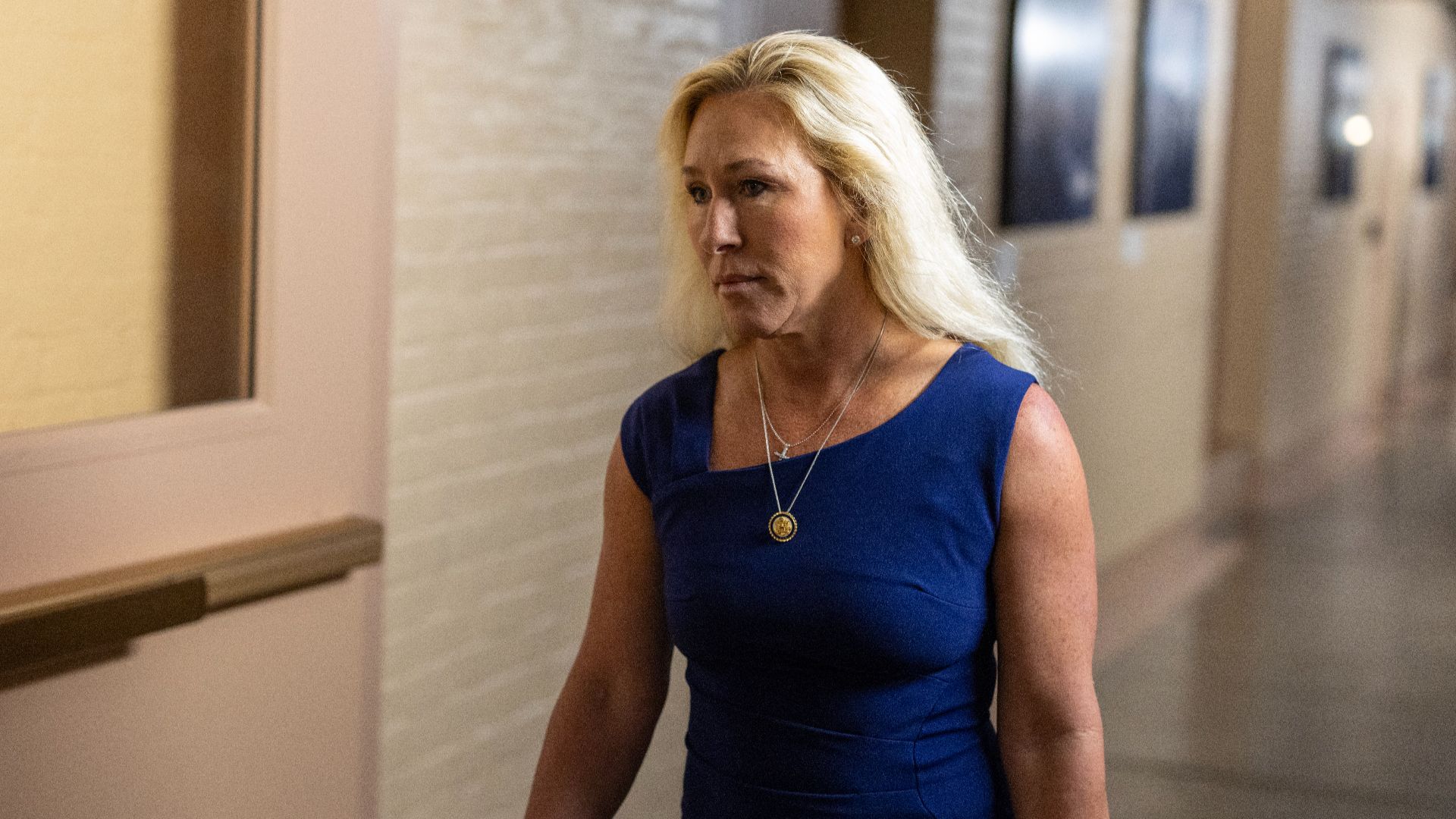
The years 2023 and 2024 saw both a wave of swattings, affecting elected officials and judges of all stripes (Nikki Haley, Marjorie Taylor Greene, Shenna Bellows, Jack Smith, Tanya Chutkan, Arthur Engoron, Rick Scott, Michelle Wu, etc.), and serious threats against Joe Biden.

It was also in 2024 that two assassination attempts were made against Donald Trump: the first in Butler, Pennsylvania, where a bystander was killed and Trump wounded, and the second near his golf club in Florida, attributed to Ryan Wesley Routh, still on trial.

Josh Shapiro, Melissa Hortman and Charlie Kirk

In 2025, the attacks continued with the arson on Governor Josh Shapiro’s official residence in Pennsylvania, committed by Cody Allen Balmer, mixing personal hatred, anti-Semitic motives and reference to the Israel-Gaza conflict.

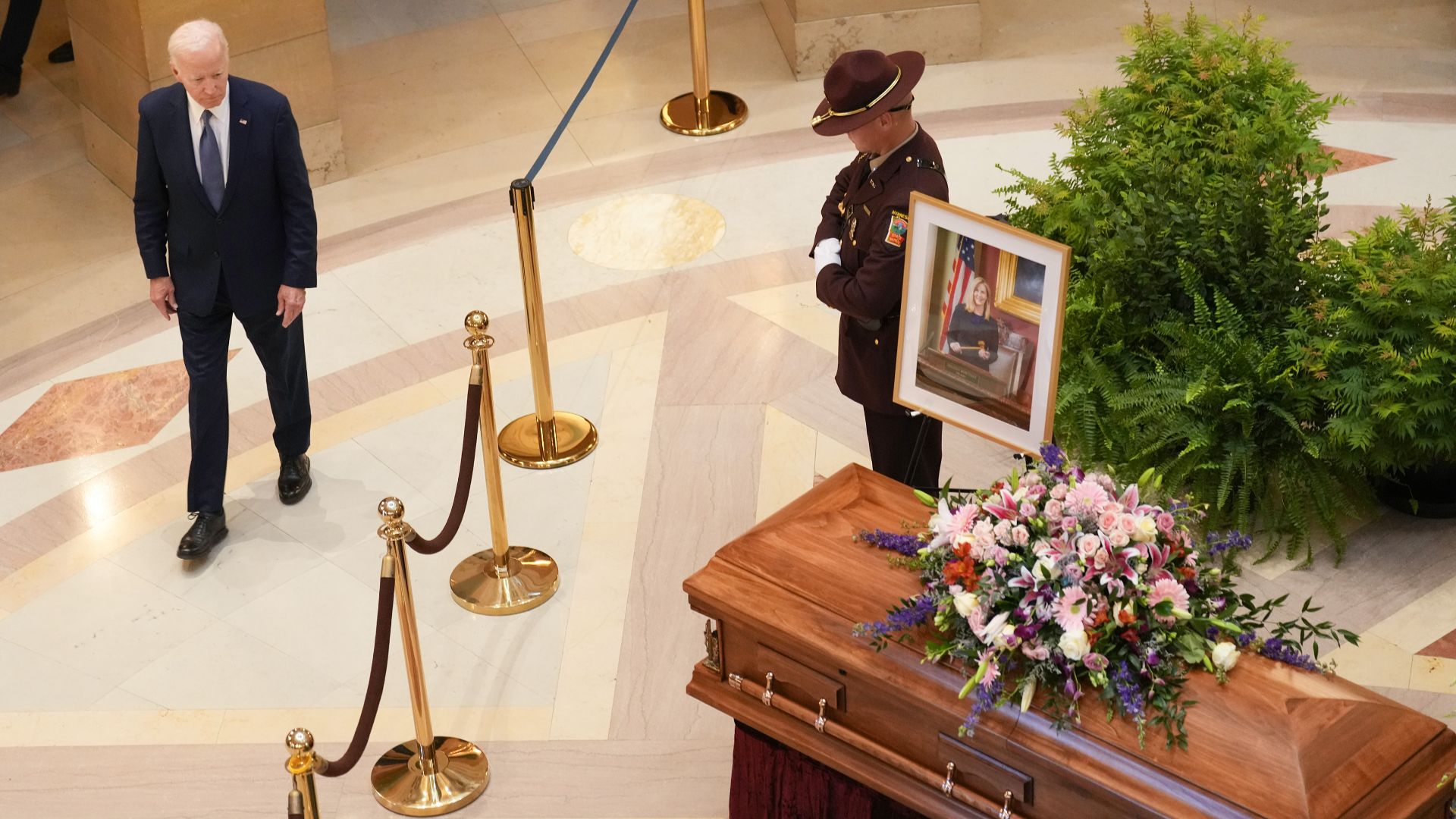
A few weeks later, Minnesota was hit by the assassination of Melissa Hortman, a Democrat, and her husband, while Senator John Hoffman and his wife were seriously wounded by an assailant posing as a police officer.
Getty Images

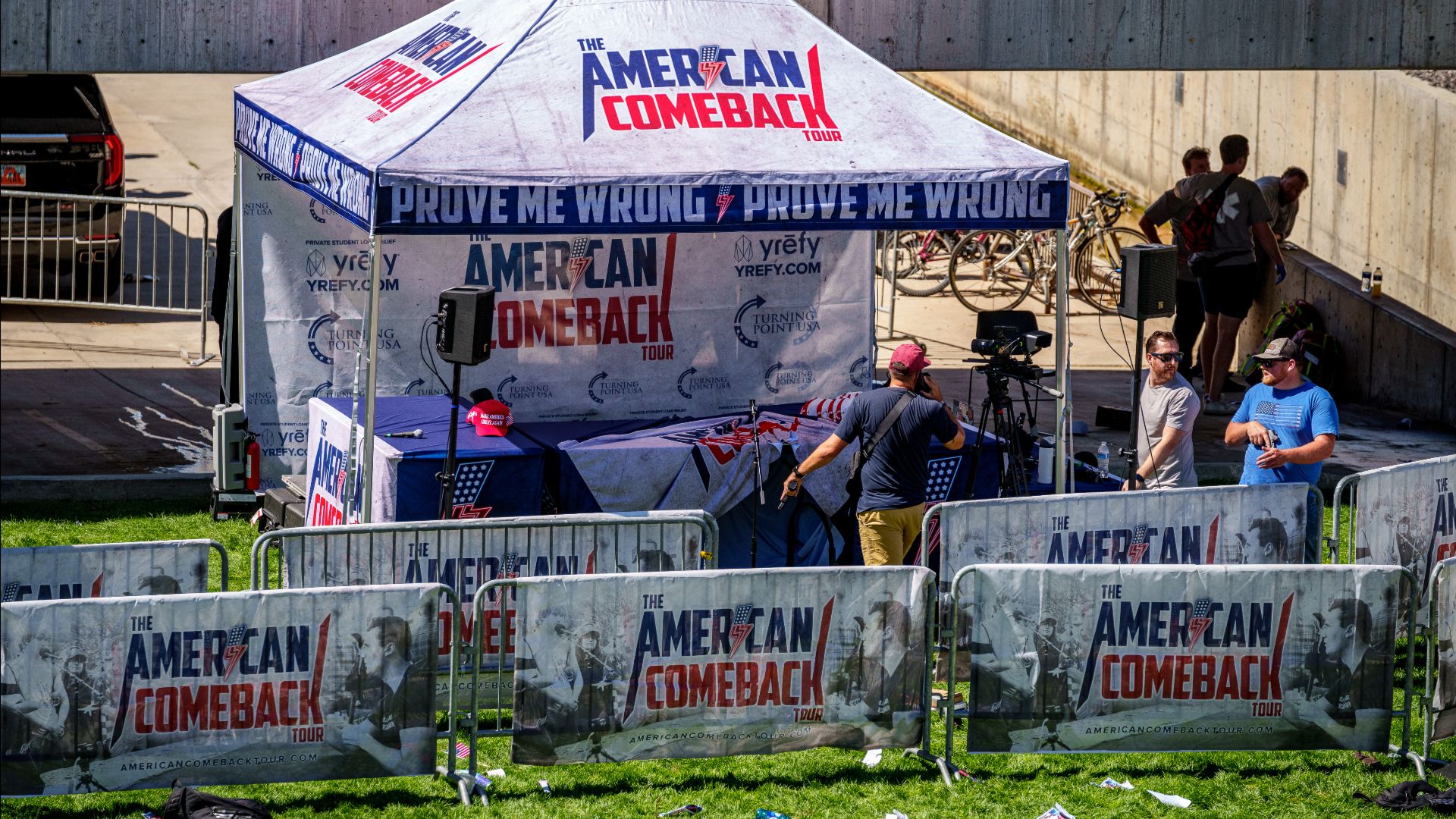
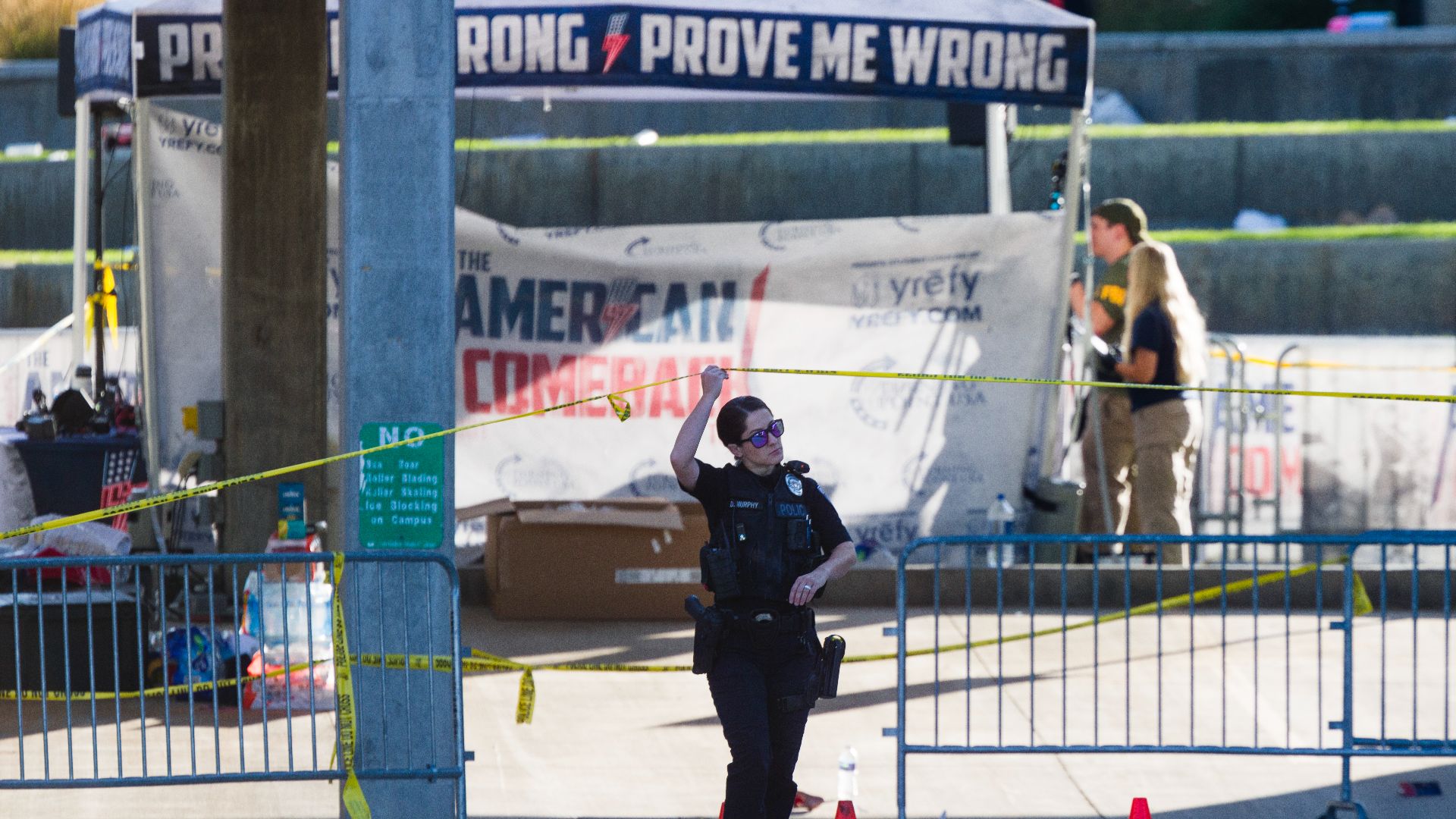
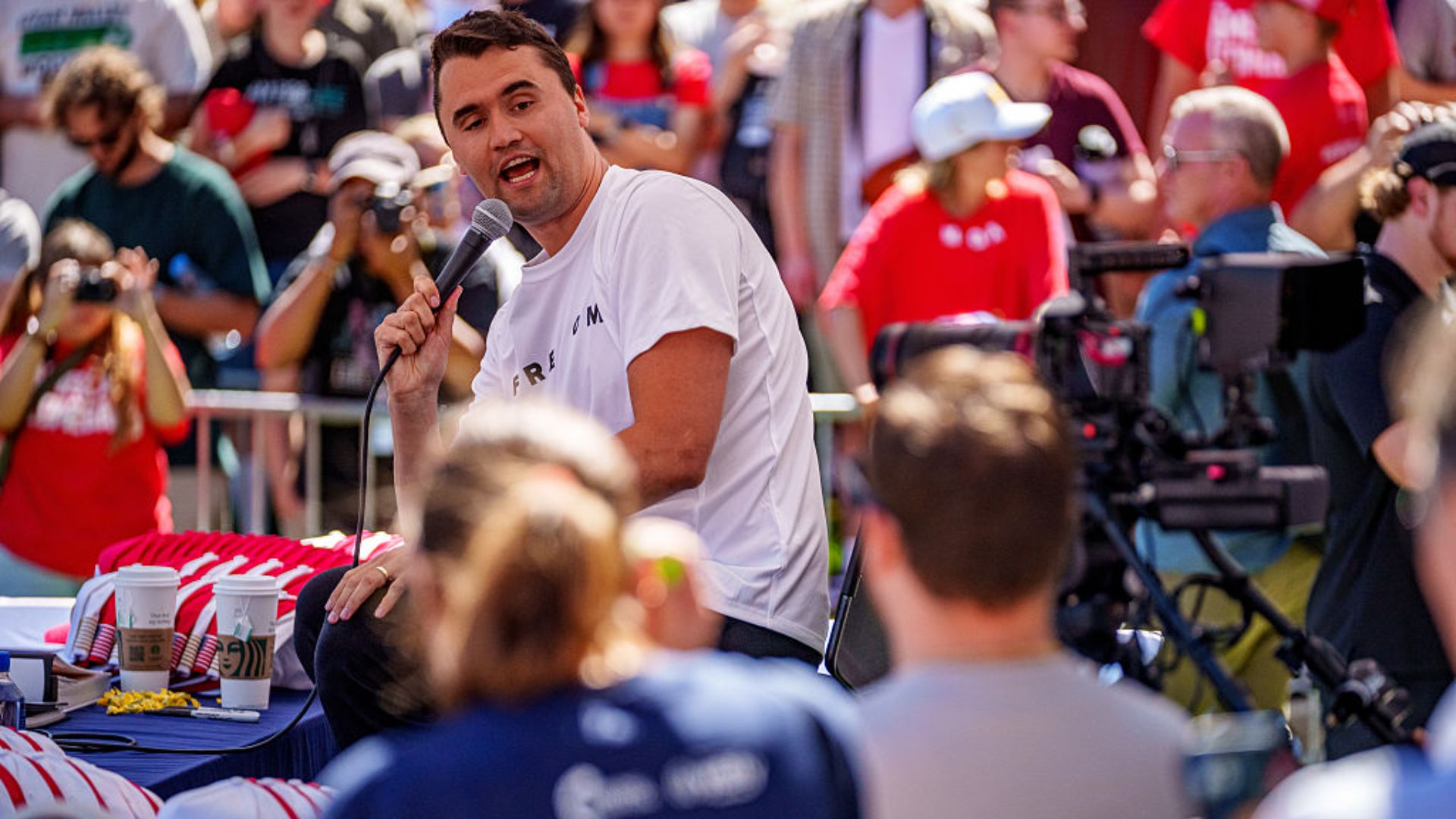
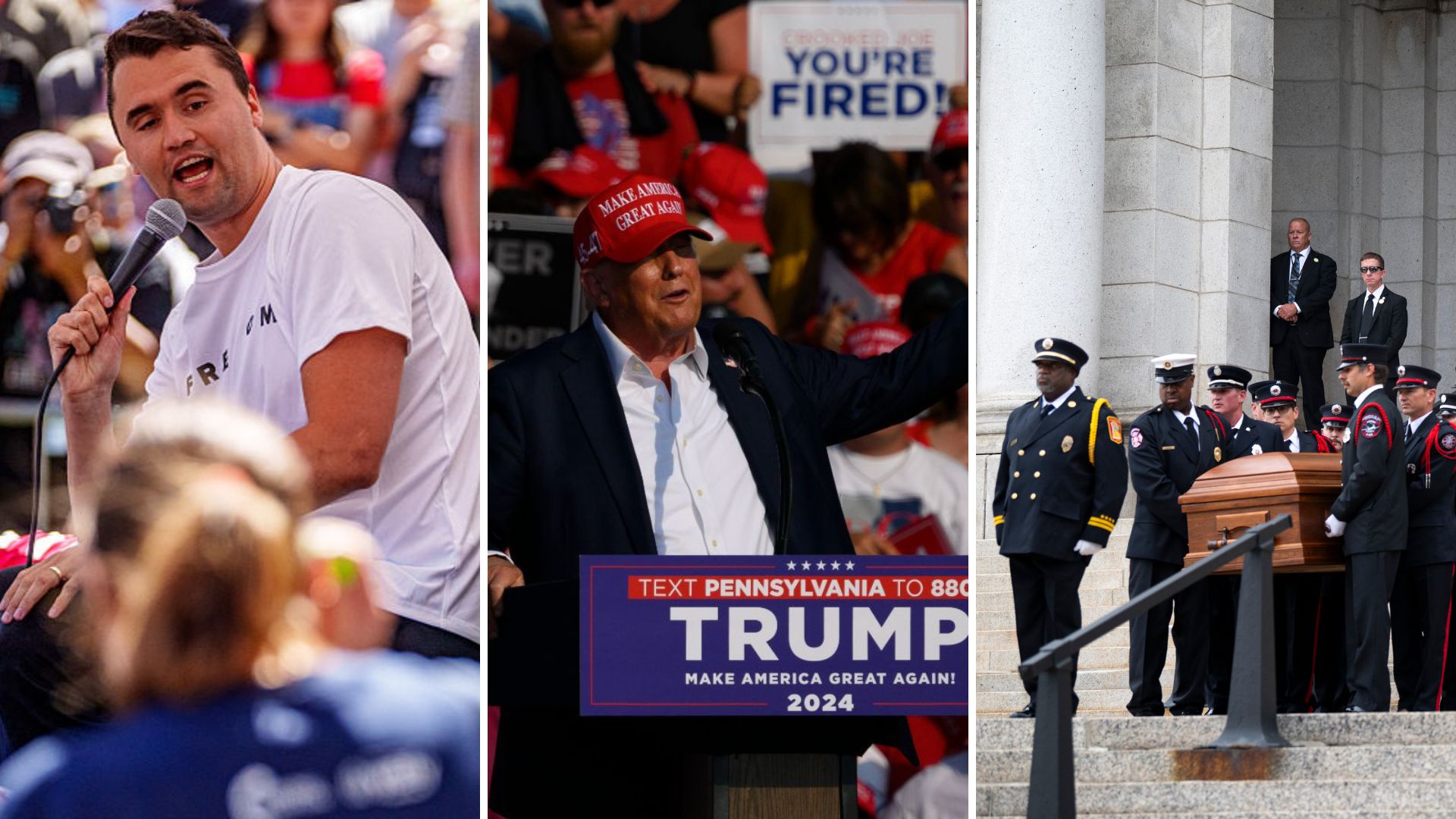
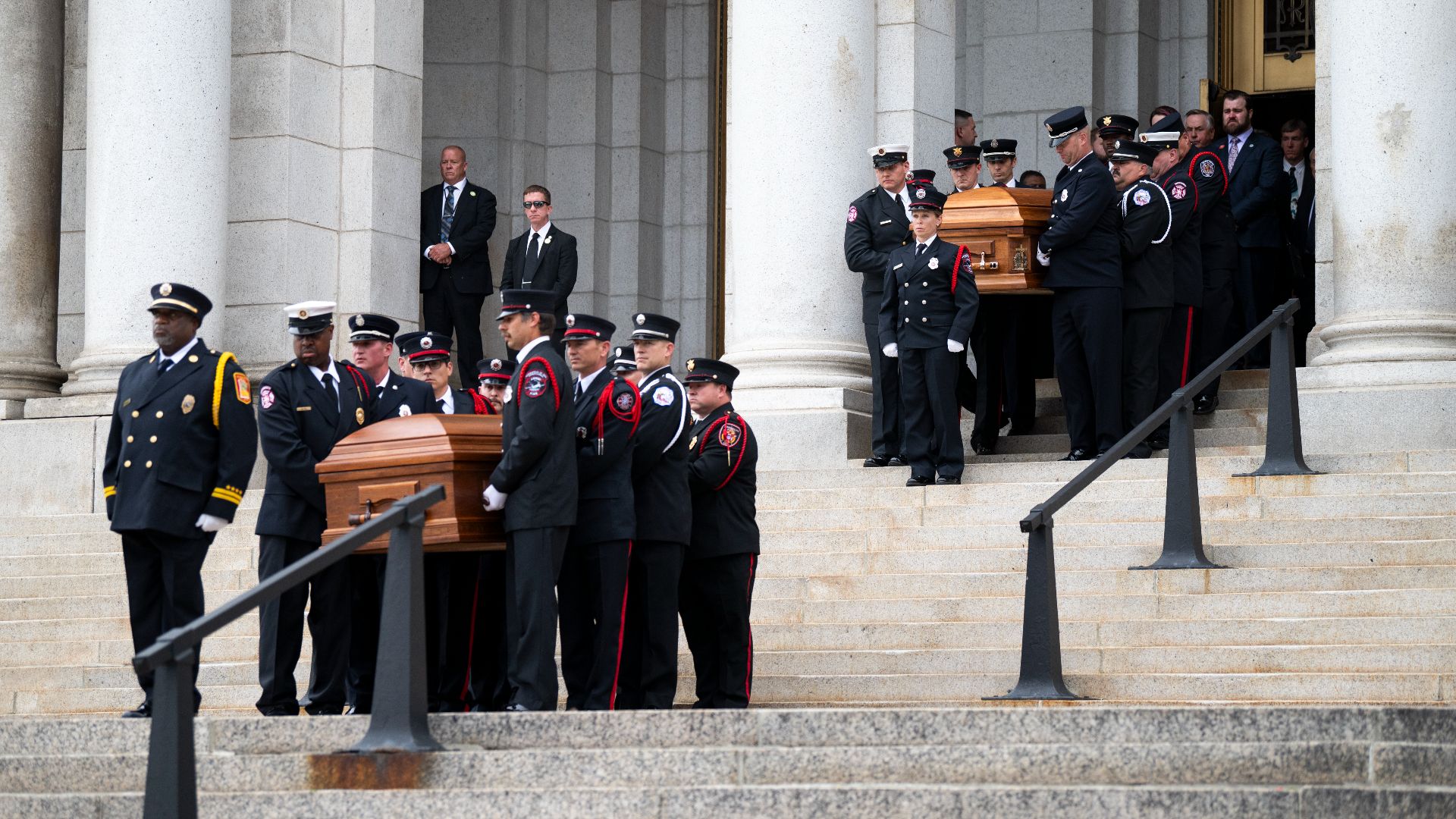
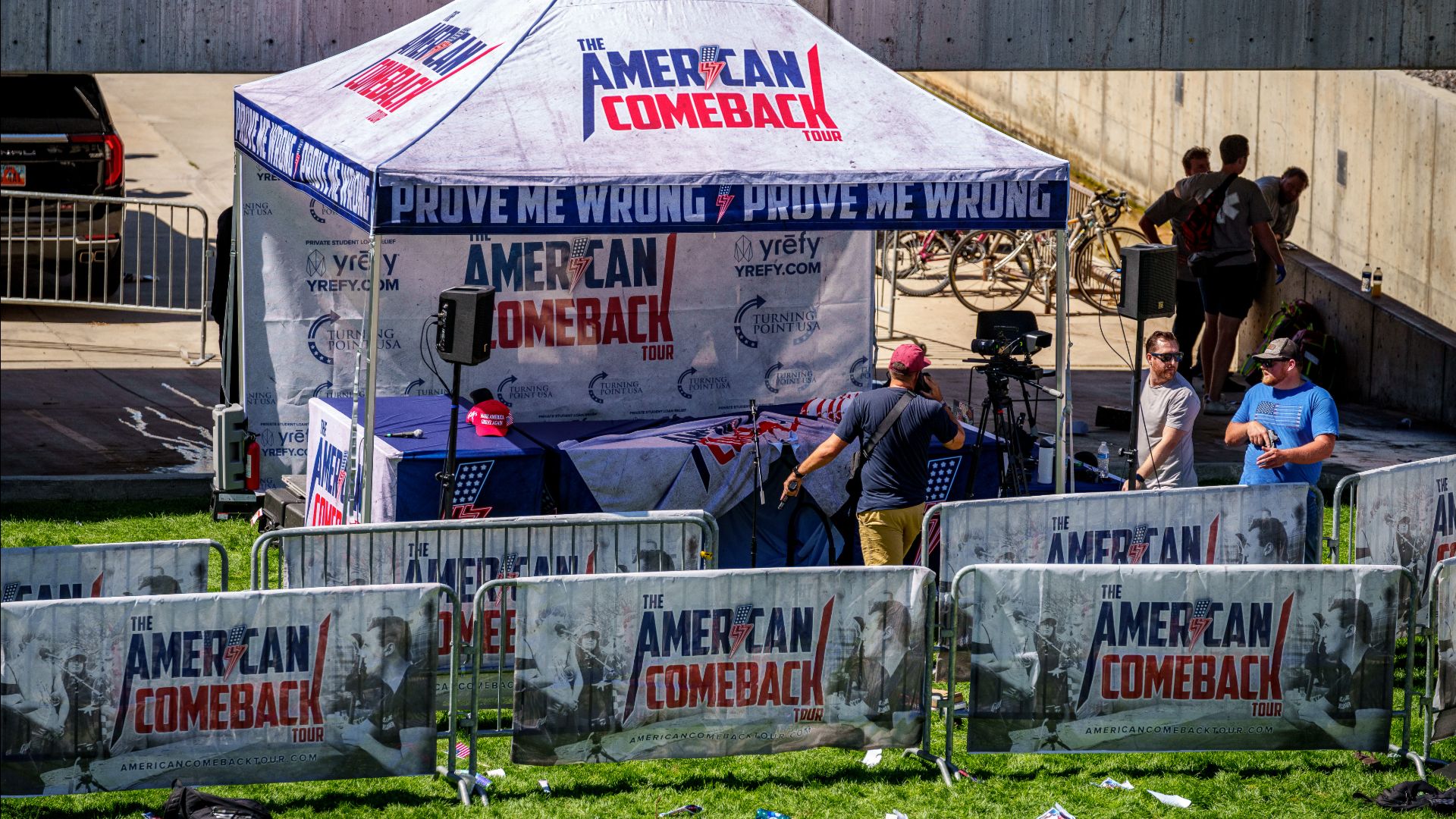
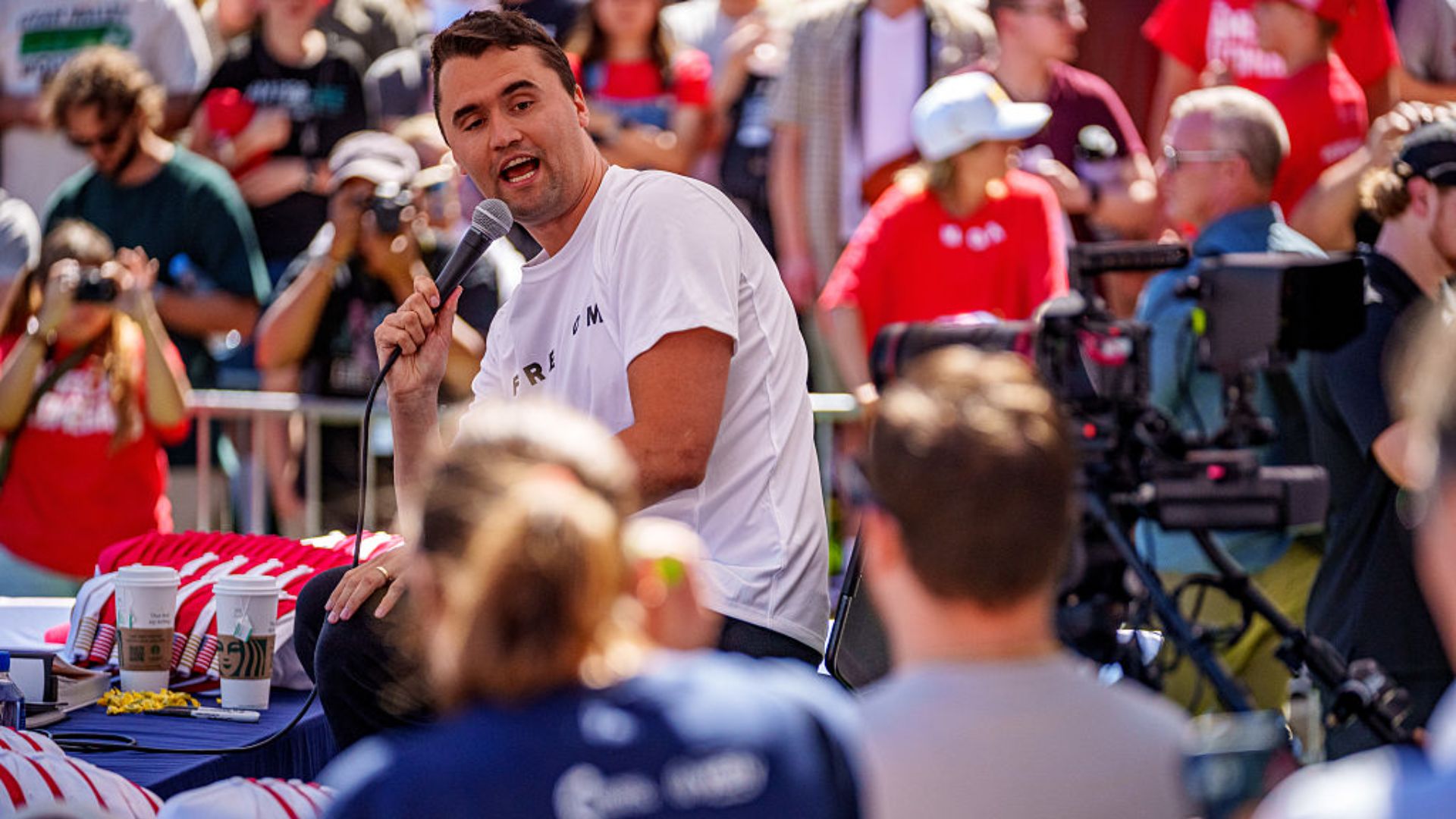
Then, in September 2025, conservative activist Charlie Kirk is gunned down at an event at Utah Valley University, a tragedy still under investigation.

A heavy trend

We can see that political threats and violence in the United States are no longer isolated events, but a heavy trend that has been rising steadily since 2017. They affect Republicans and Democrats alike, fueled by extreme polarization, conspiracy rhetoric and the use of hate as a political weapon.
Getty Images

Donald Trump’s reaction to Charlie Kirk’s death perfectly illustrates the dilemma: rather than calling for appeasement, he directly points the finger of blame at the radical left, reinforcing the idea of an existential clash between camps.

This selective reading on the part of the President, who neglects the attacks coming from the right, risks further fueling the cycle of violence and further weakening American democracy.
Catégories
Uncategorized

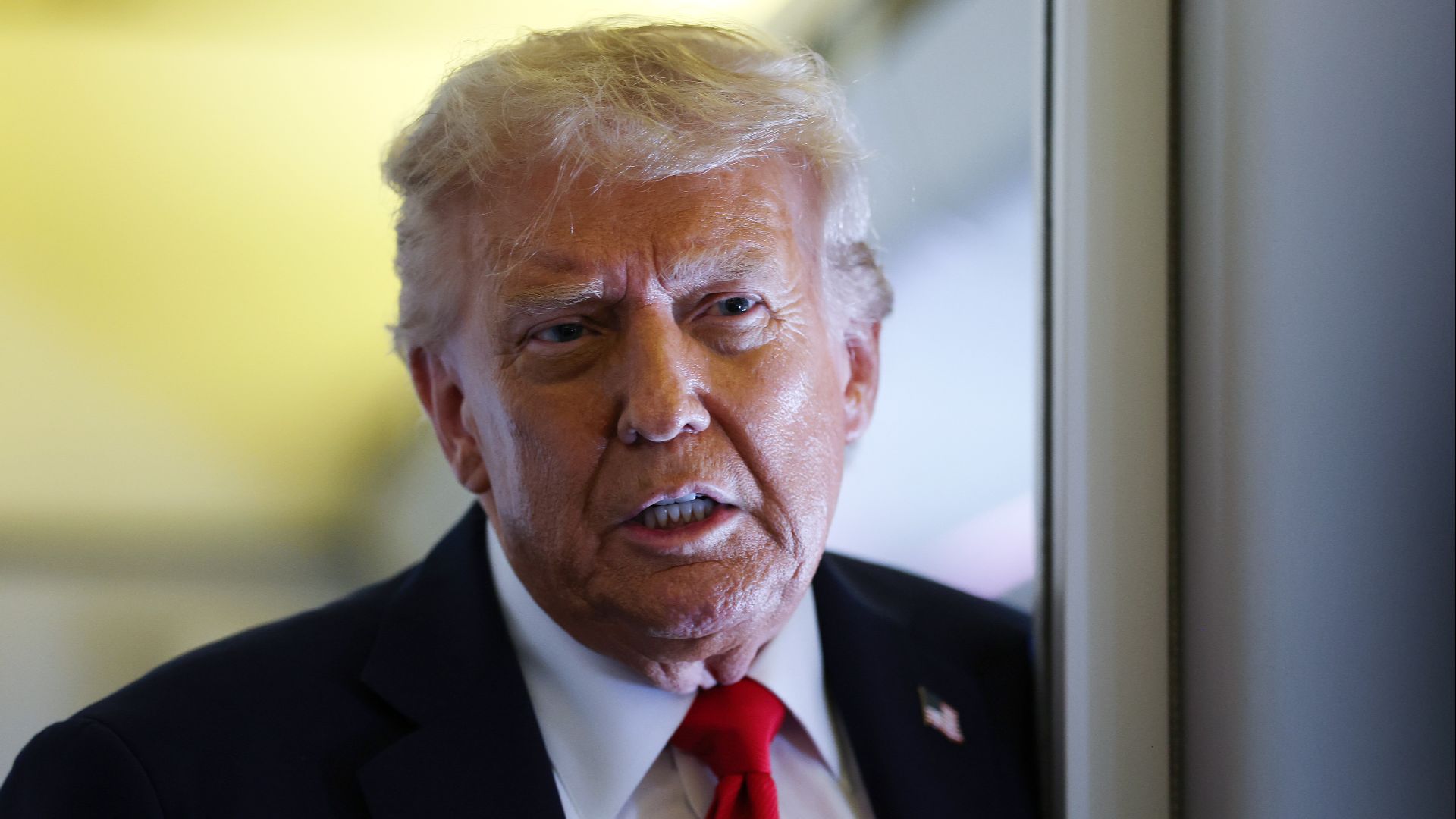
Trump: « Smart people don’t like me »

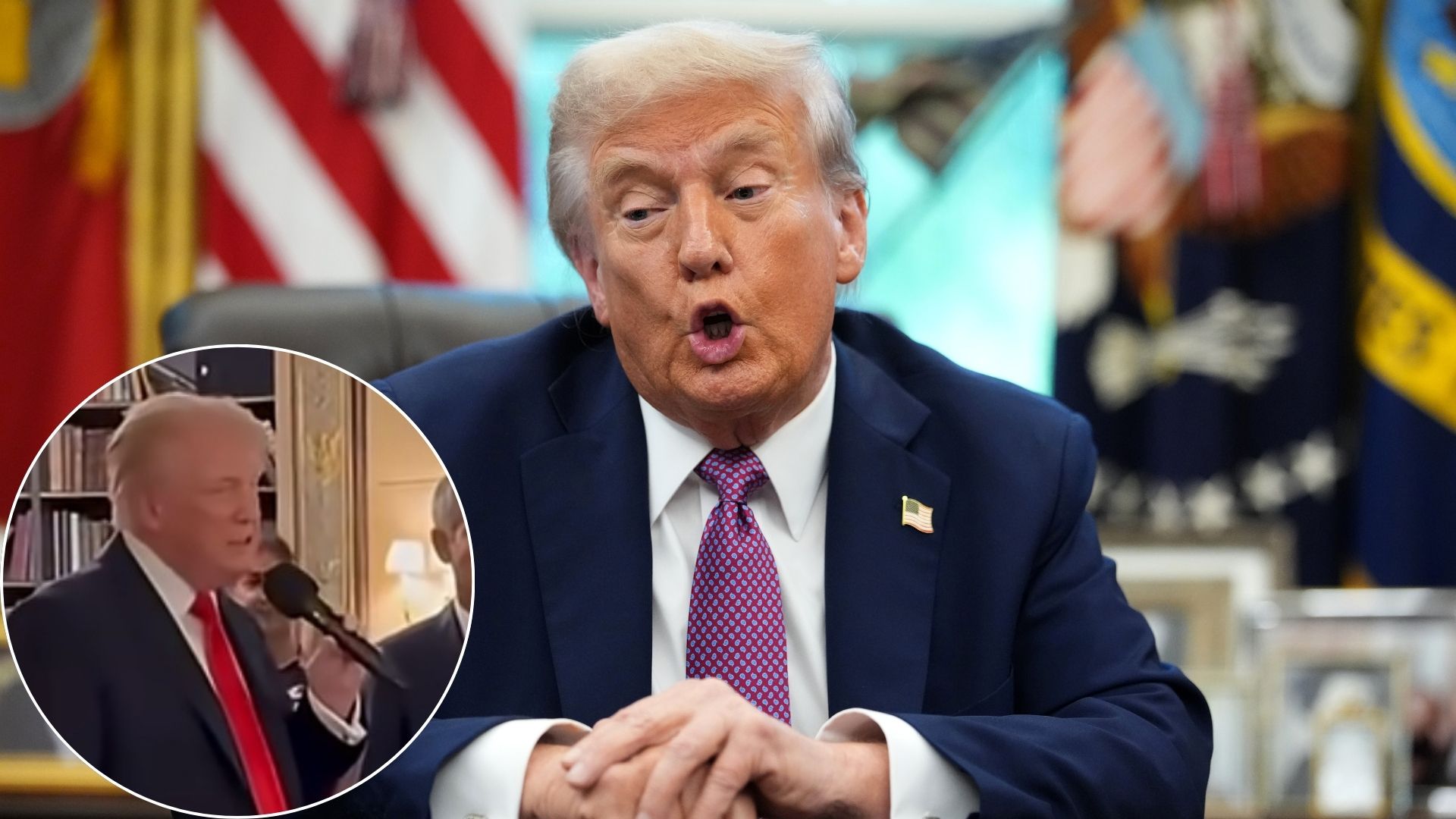
At a private event filmed at Bedminster Golf Club, Donald Trump said smart people don’t like him.

The president took a swipe at his critics but seemingly revealed his thoughts on his supporters in the process.trib.al/mQ769pC

The Daily Beast (@thedailybeast.bsky.social) 2025-09-15T15:30:07.082419Z

A mocking statement, but one that some believe reveals his perception of his supporters.

A viral video at Bedminster Golf Club

In a video widely relayed on social networks, we see Donald Trump, microphone in hand, addressing a small group of people gathered around him.

The scene was filmed on September 13, at his Bedminster Golf Club in New Jersey, according to several sources.

Getty Images

While Trump was addressing the assassination of Charlie Kirk, which occurred a few days earlier, as well as the suspect, it was nevertheless these words that caught the eye.

A revealing statement?

This statement, obviously made in a mocking tone, triggered laughter in the room.

Getty Images

Yet some observers saw it as a revealing remark, likely to reflect what Trump really thinks of his own supporters, especially as he has in the past expressed ambivalent views on the education or intelligence of his electorate, most notably in 2016, when he declared:

« I like the poorly educated . »

Getty Images

Trump’s latest comments are part of a long list of controversial outbursts, often calculated to provoke, confuse or polarize opinion.

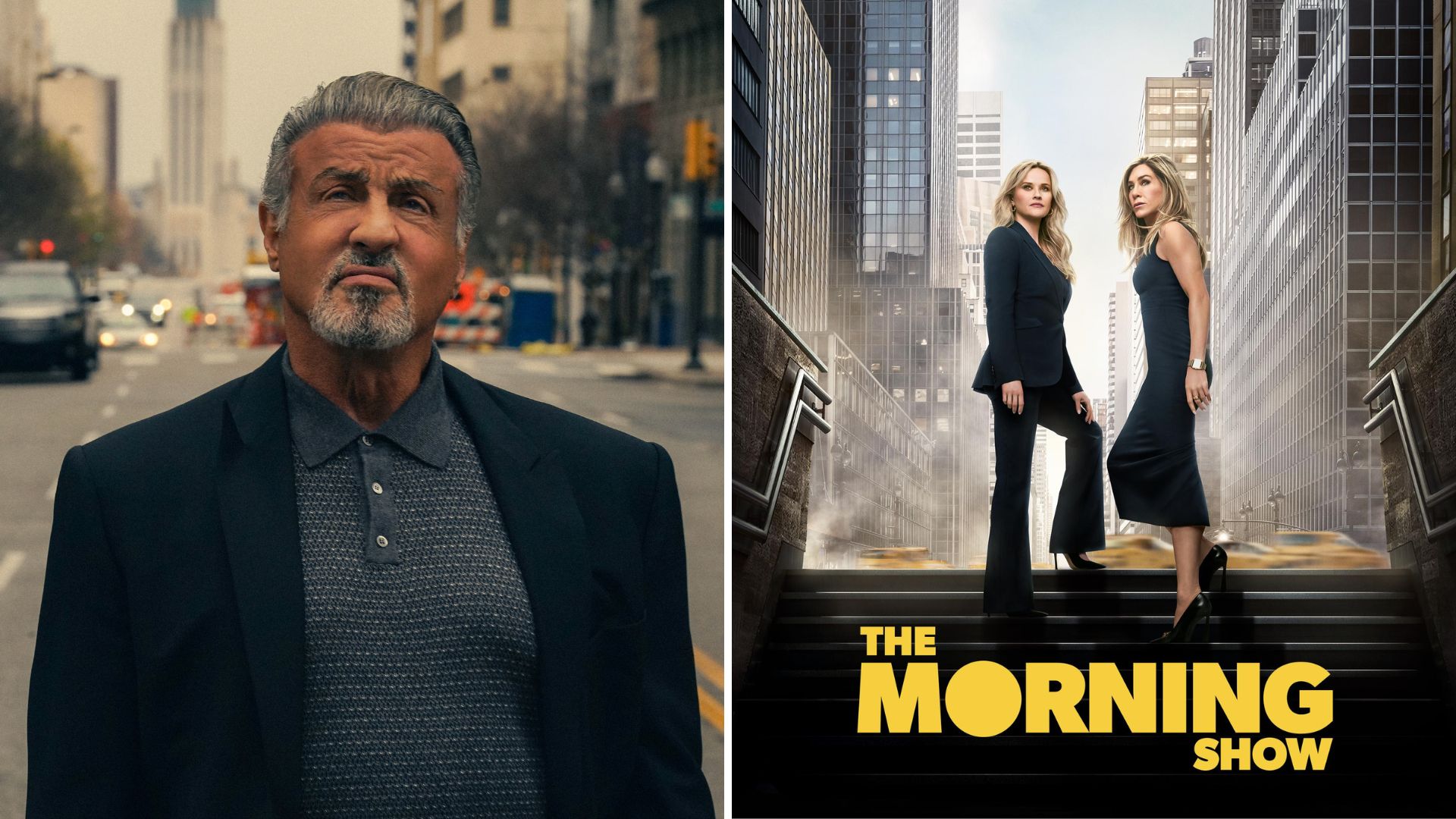
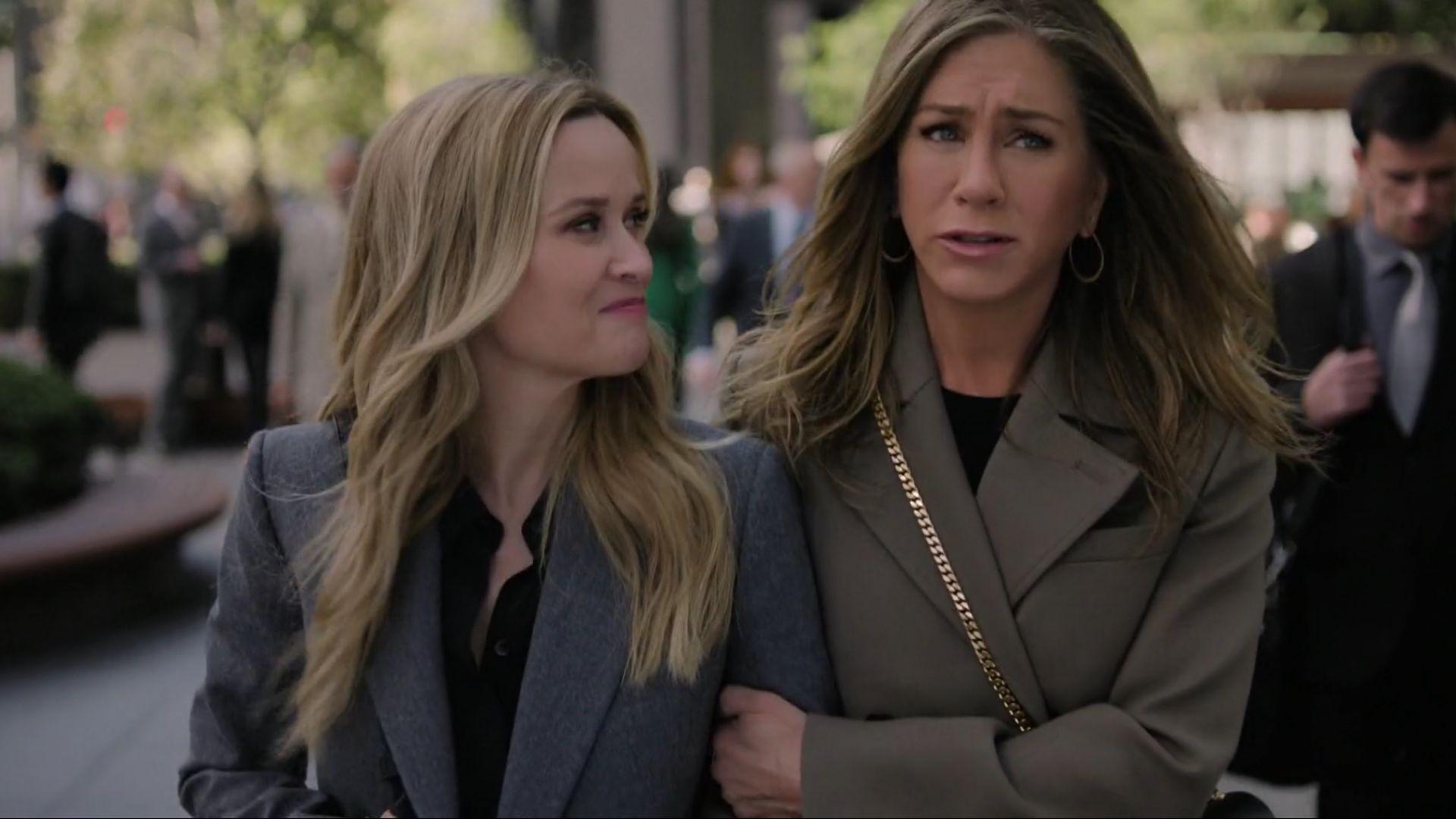
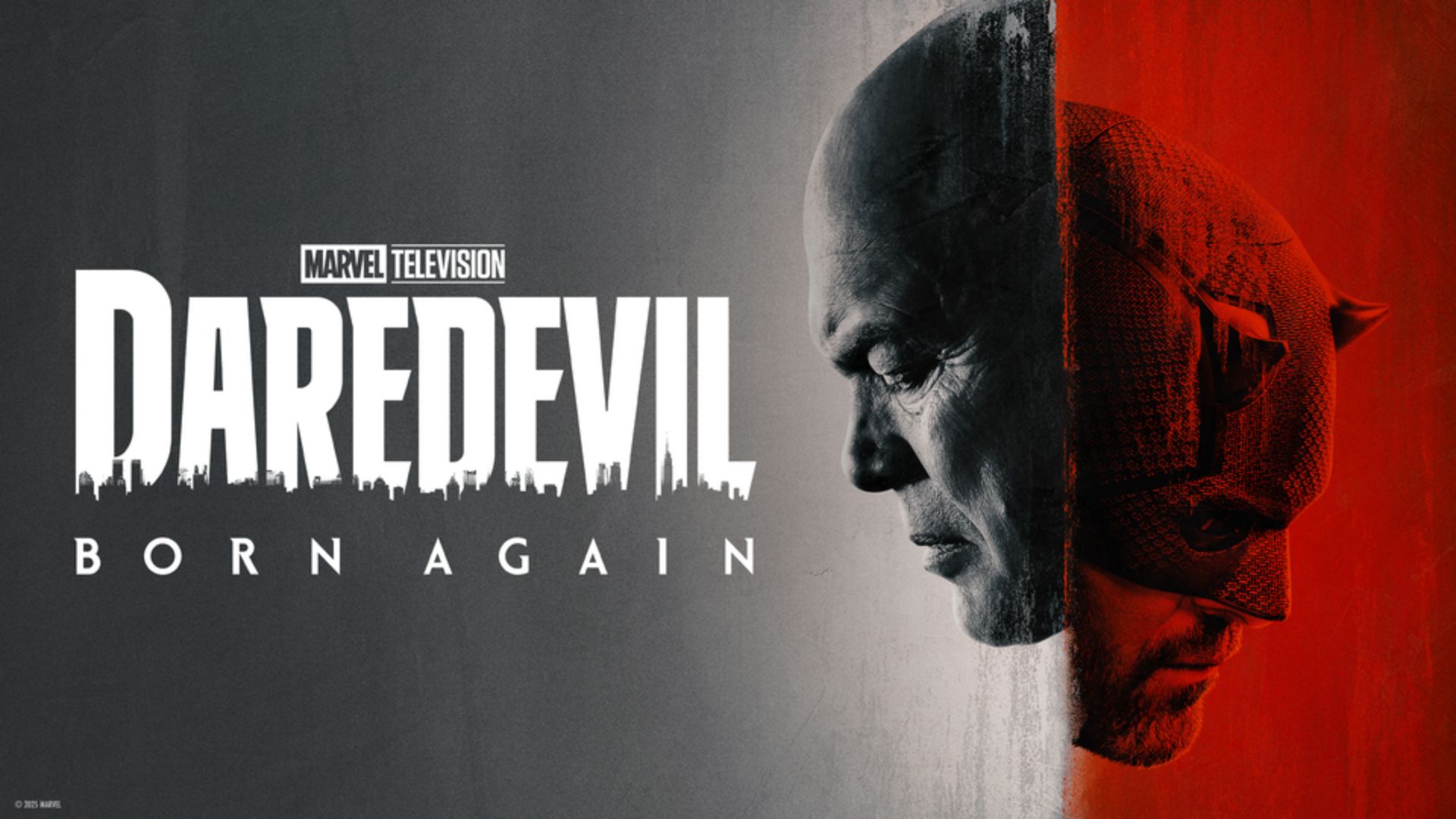
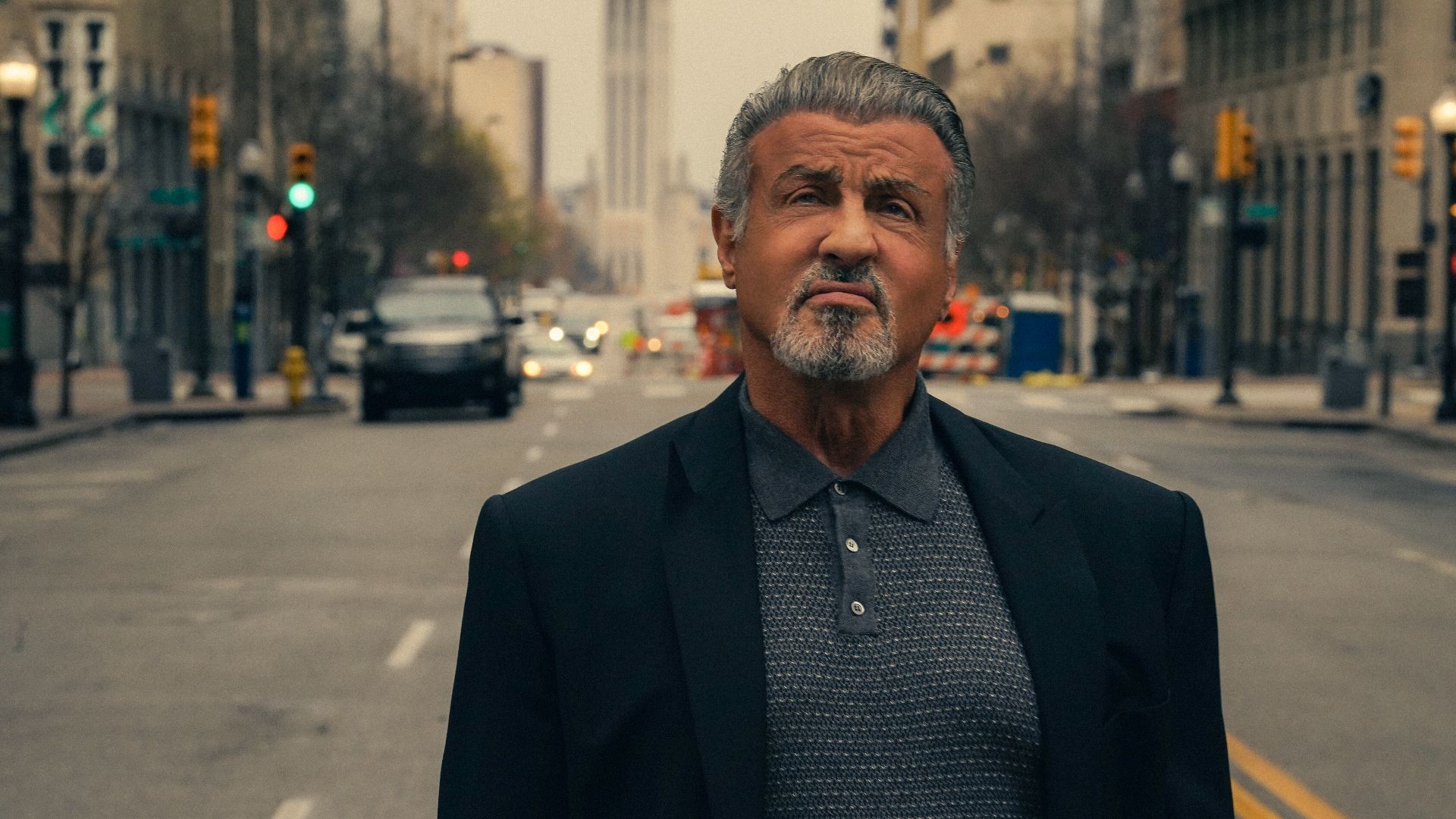
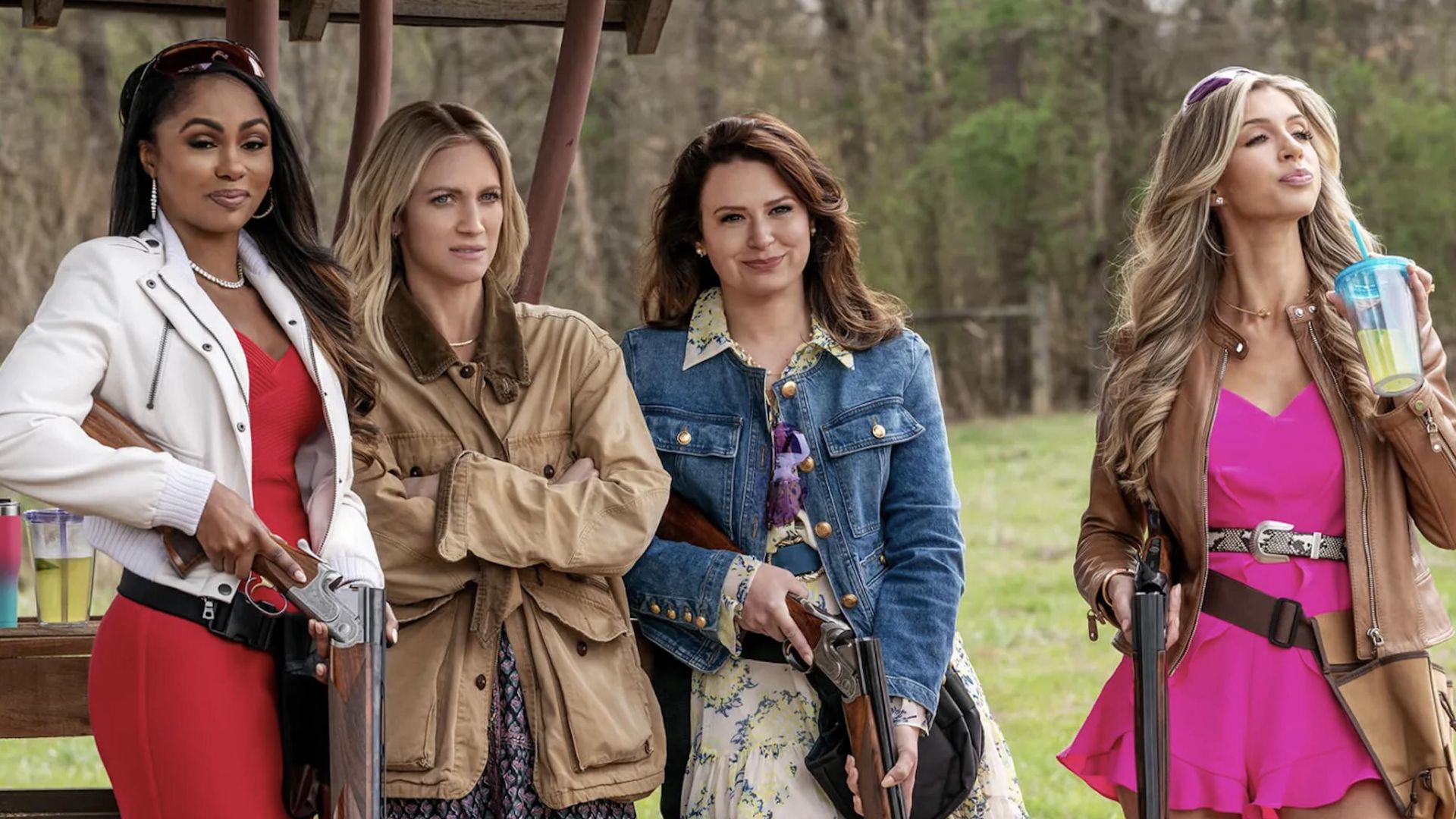
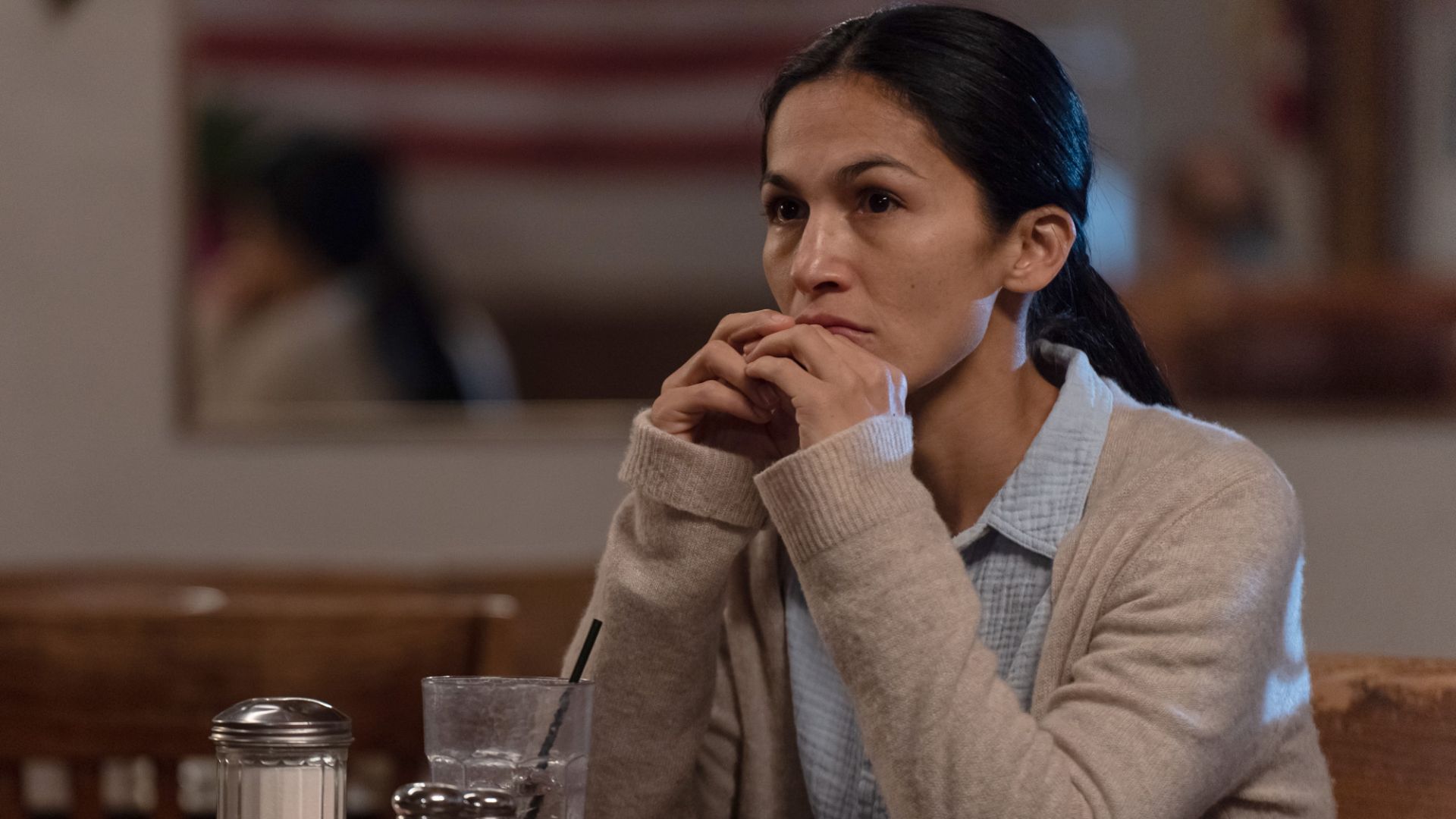
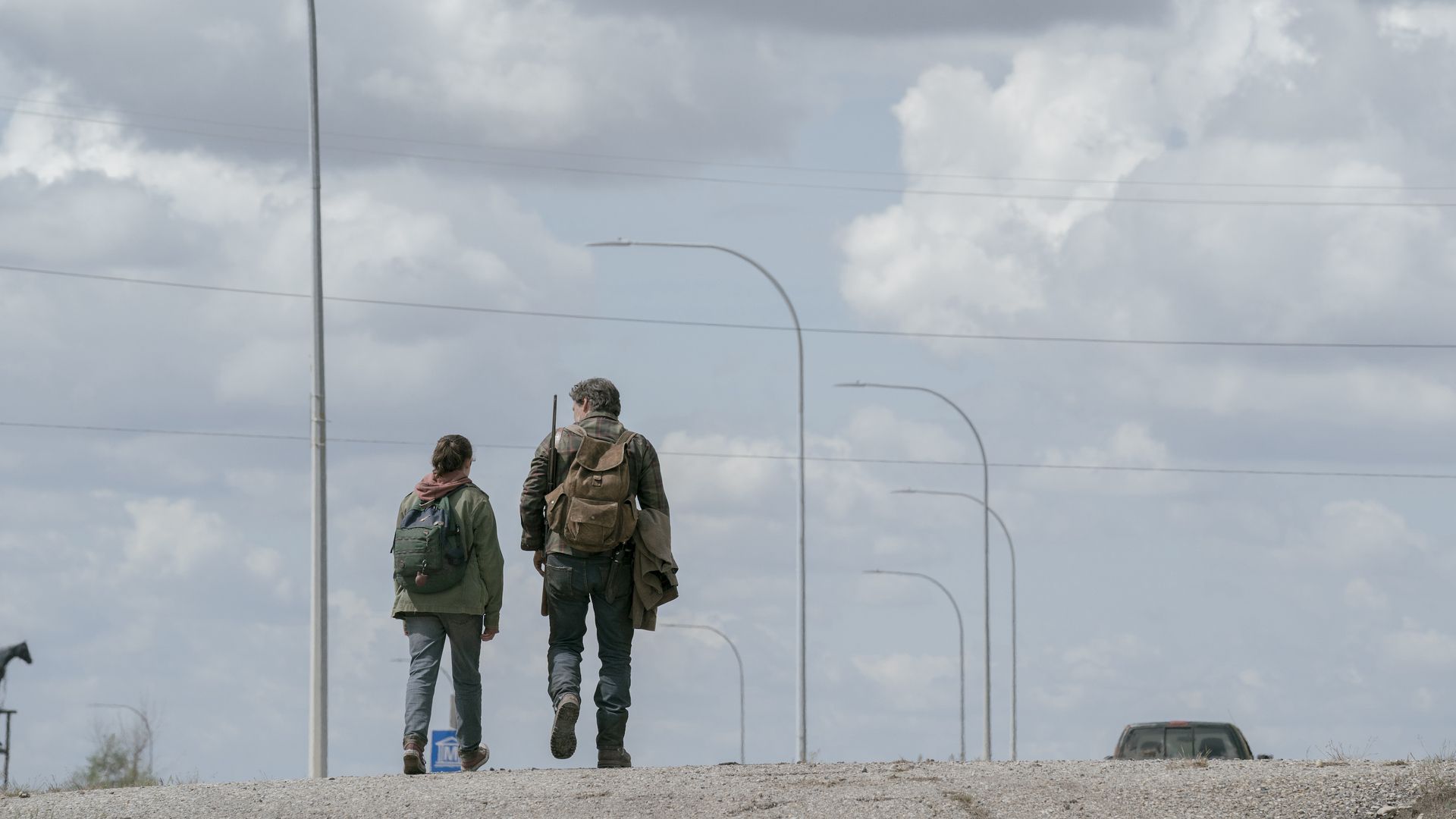
Cancelled or renewed? The Morning Show, Tulsa King, DareDevil and more!

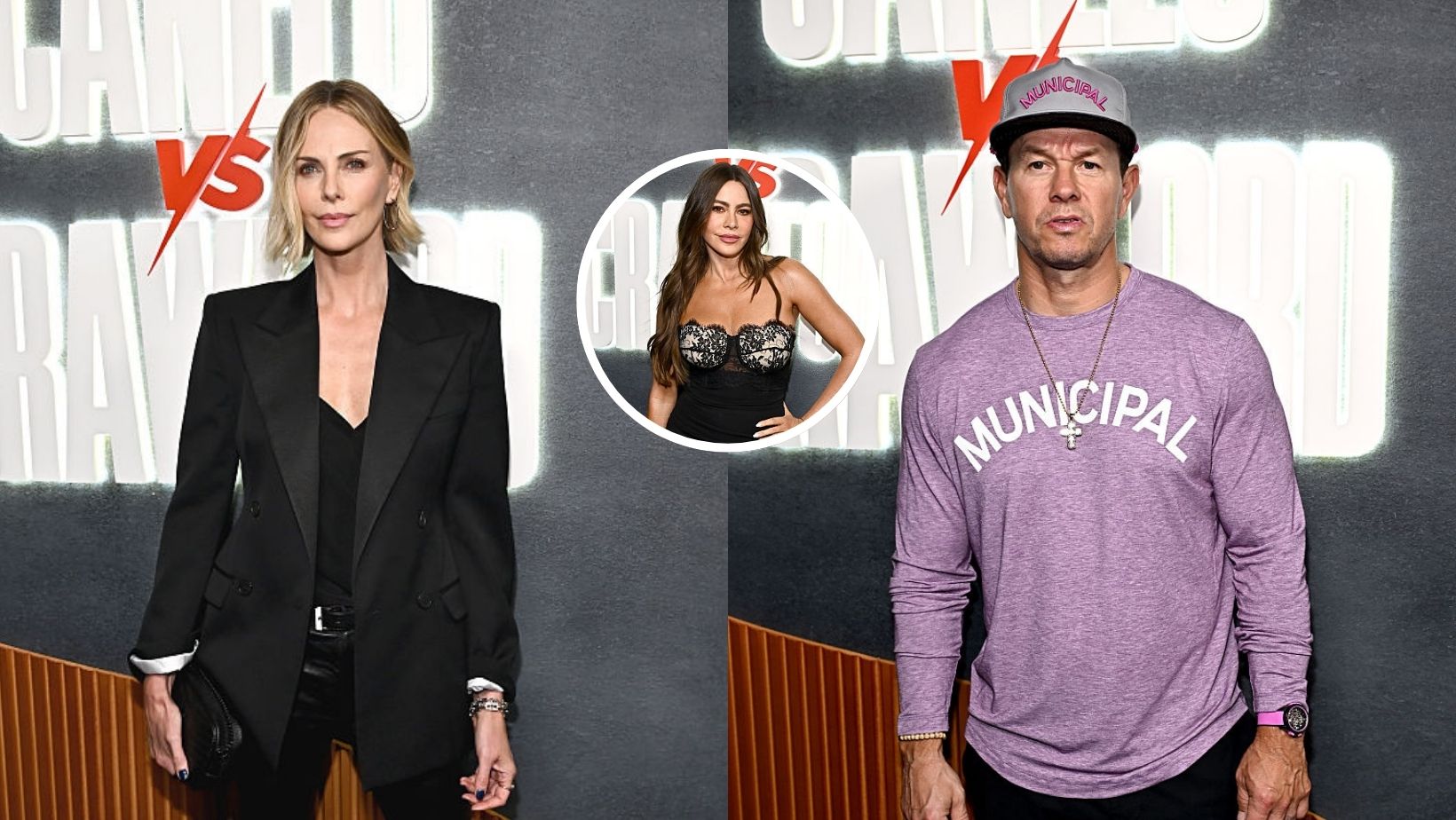
A ton of stars in Vegas for the Alvarez fight

Is it too late for the United States?

Catégories
Uncategorized

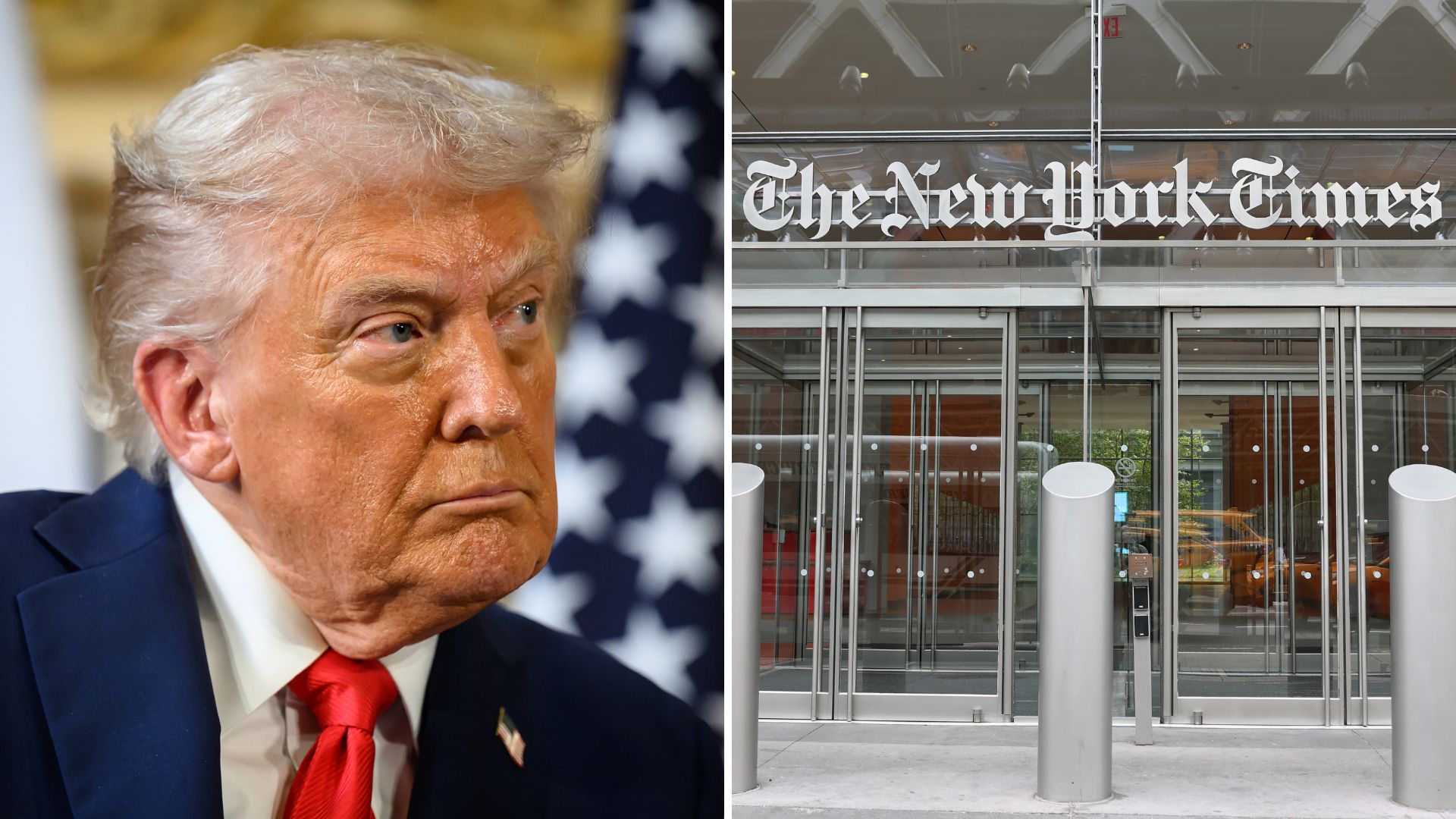
Trump’s $15B lawsuit against the NYT dismissed by judge

A Florida federal judge on Friday dismissed Donald Trump’s $15 billion lawsuit against The New York Times, calling it poorly worded and inappropriate to the procedural framework.

Judge rejects Trump's lawsuit against The New York Times, calling it "decidedly improper and impermissible." His team signaled plans to refile. https://cnn.it/4nI3o0J

CNN (@cnn.com) 2025-09-19T17:10:53.923937012Z

U.S. District Judge Steven Merryday, sitting in Tampa, found Trump’s complaint excessive, overly long and filled with rhetorical language with no direct connection to the defamation allegations.

He pointed out that the complaint, which spanned 85 pages for just two counts, lacked clarity, precision and sobriety. The judge sharply criticized the approach, saying that a complaint should not be used as a platform for personal forwards or content that is more akin to public discourse than a legal complaint.

Getty Images

Despite this rejection, the judge gave Trump’s team 28 days to file an amended version of the complaint, provided it was limited to 40 pages and met the applicable procedural standards.

A federal complaint in Florida

The U.S. president has filed a federal complaint in Florida against the prestigious daily, accusing it of a decades-long pattern designed to damage his reputation and business.

The newspaper denounces the action as baseless.

On September 16, Donald Trump took the next step in his battle with the American press.

Getty Images

For decades

The president filed a $15 billion lawsuit against The New York Times, several of its journalists and publisher Penguin Random House. The case was filed in federal court in the Middle District of Florida, the state where Trump now resides.

In his complaint, Trump claims that the Times has been waging a coordinated campaign for decades to smear his public image and weaken his political influence.

Getty Images

His reputation

Trump accuses the newspaper and publisher of damaging his reputation in several sensitive areas: his personal finances, the management of his real estate empire, his alleged wealth, but also his role as a national political figure.

The newspaper’s articles, combined with a book published in 2024 entitled « Lucky Loser: How Donald Trump Squandered His Father’s Fortune and Created the Illusion of Success », are presented by his lawyers as a succession of distorted, exaggerated or invented accounts.

Stifling independent journalism

The president claims that these posts have caused him concrete economic harm, including contributing to the fall in the share price of his publicly traded company, Trump Media and Technology Group.

Getty Images

The court document also emphasizes the political impact of these articles, particularly during the 2024 presidential campaign. According to Trump, the New York Times would have used its media influence to weaken his candidacy by multiplying negative analyses and critical editorials. A stance that, in his view, was less independent journalism than partisan engagement.

An attempt at intimidation

Faced with these accusations, the management of The New York Times was quick to react. It categorically rejected the complaint, calling it an attempt to intimidate the press and a political maneuver designed to divert attention. Penguin Random House has also defended the legitimacy of the book in question, emphasizing the rigor of the editorial work.

Getty Images

Meredith Kopit Levien, CEO of The New York Times, spoke out on what she sees as the real reason behind the lawsuit, commenting on the situation:

« The lawsuit has no merit. It lacks any legitimate legal claims. I believe its purpose is to stifle independent journalism, to deter the kind of fact-based reporting that the Times and other institutions are known for. »

Despite the rejection, the judge gave Trump’s team 28 days to file an amended version of the complaint, provided it is limited to 40 pages and meets applicable procedural standards.

Trump to bring $15 billion defamation and libel lawsuit against The New York Times. https://cnn.it/3K5BXPZ

CNN (@cnn.com) 2025-09-16T05:01:11.817948334Z

Catégories
Uncategorized

Another fiasco for Zuckerberg and Meta

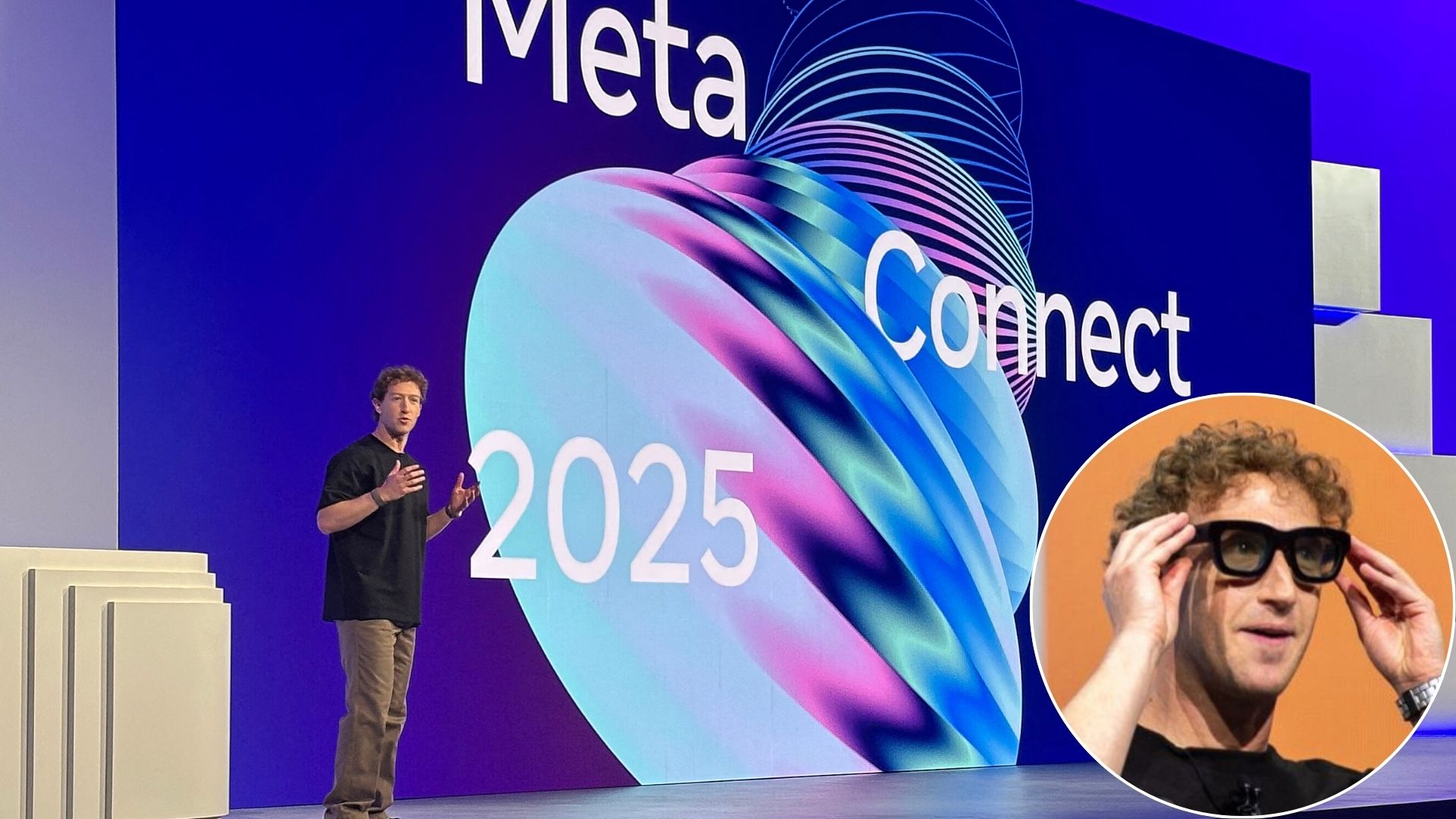
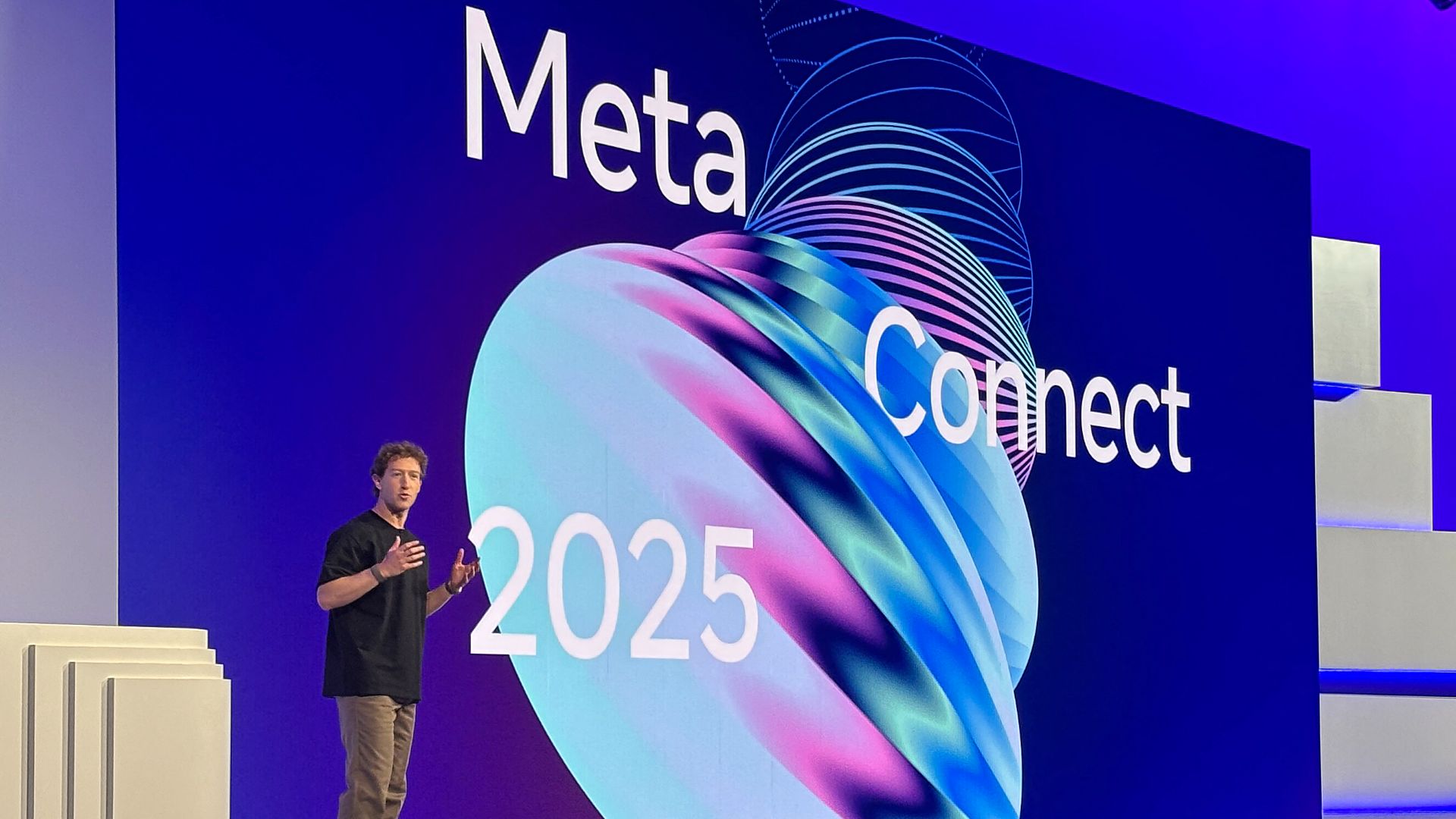
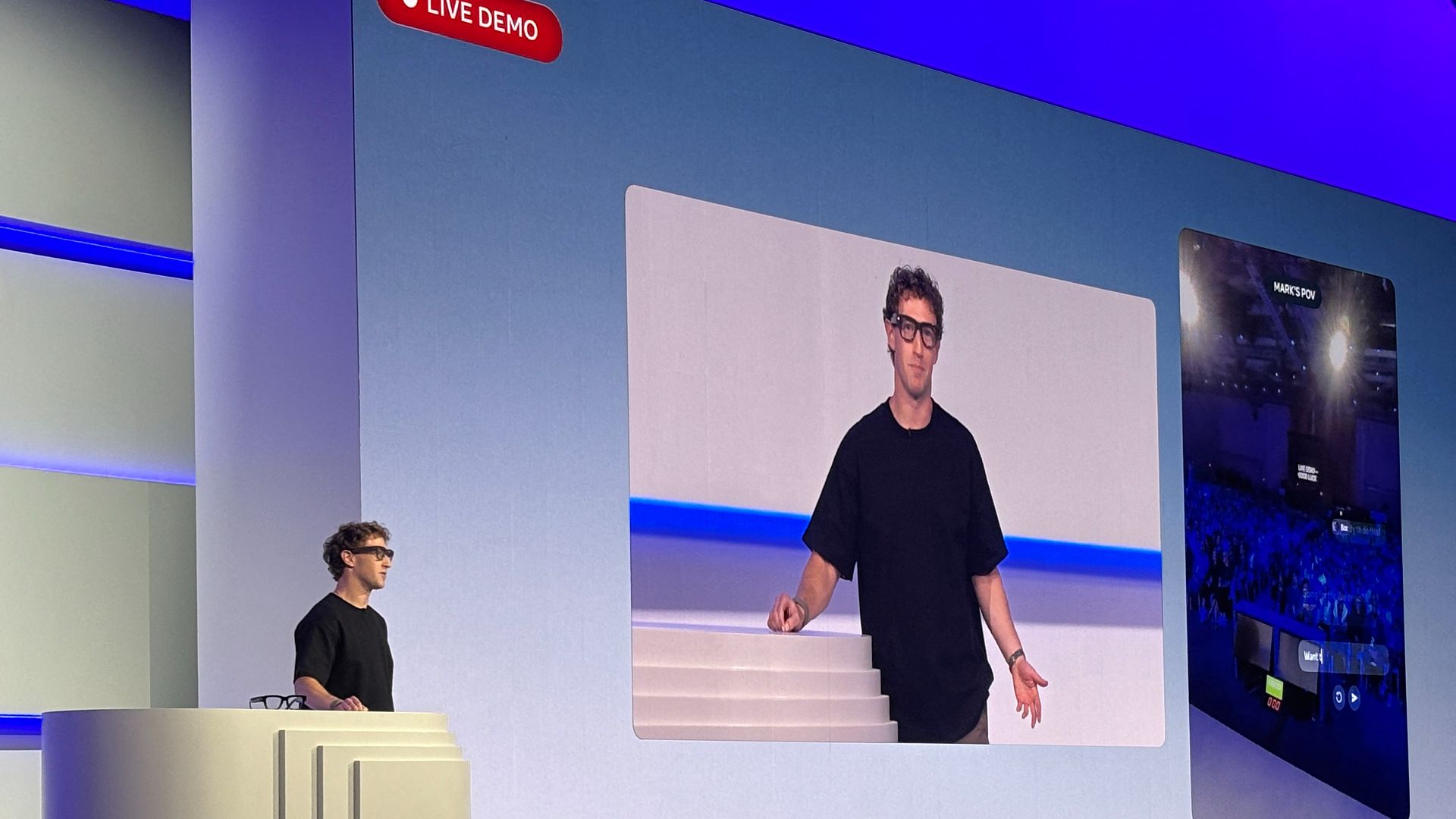
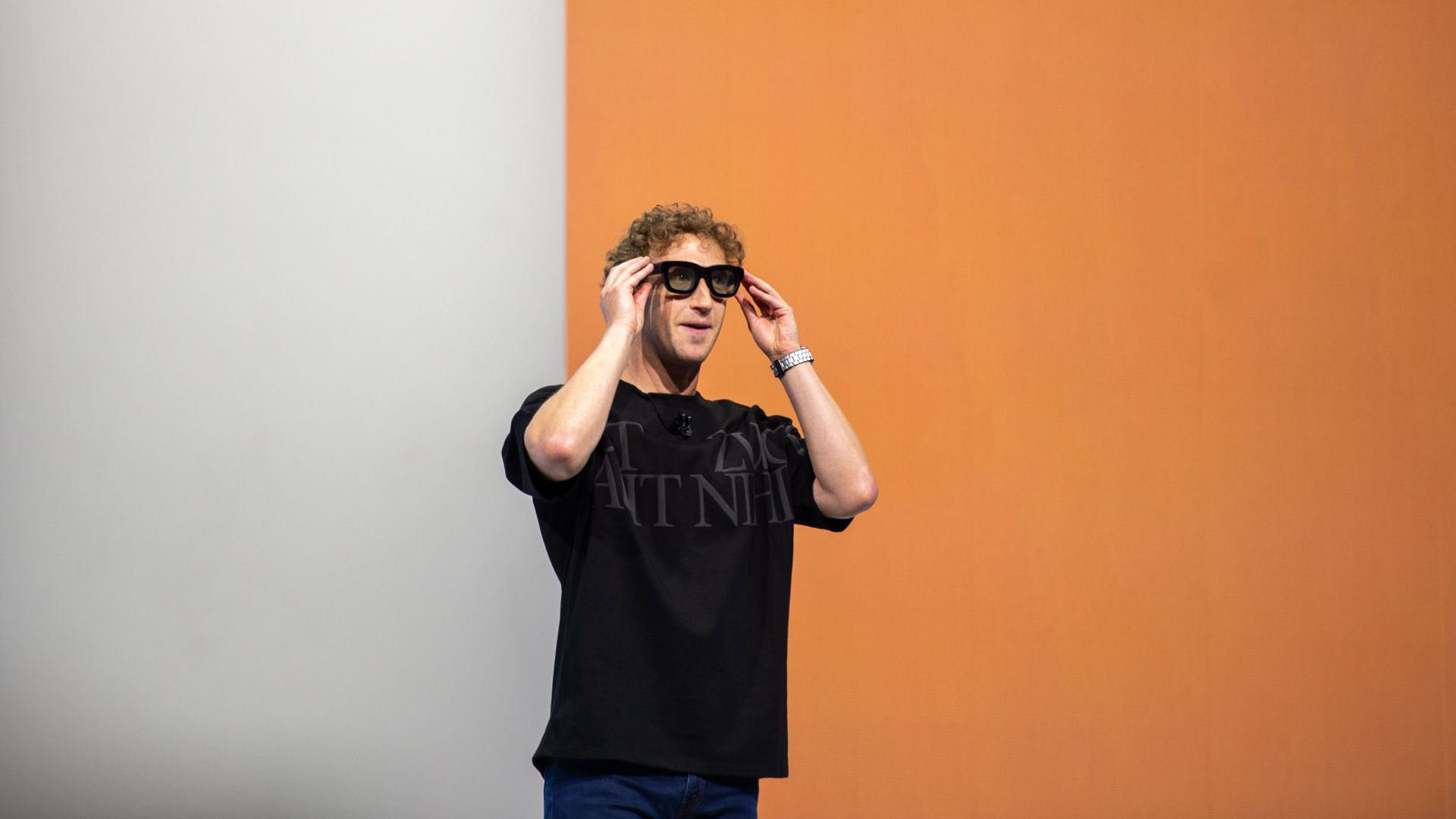
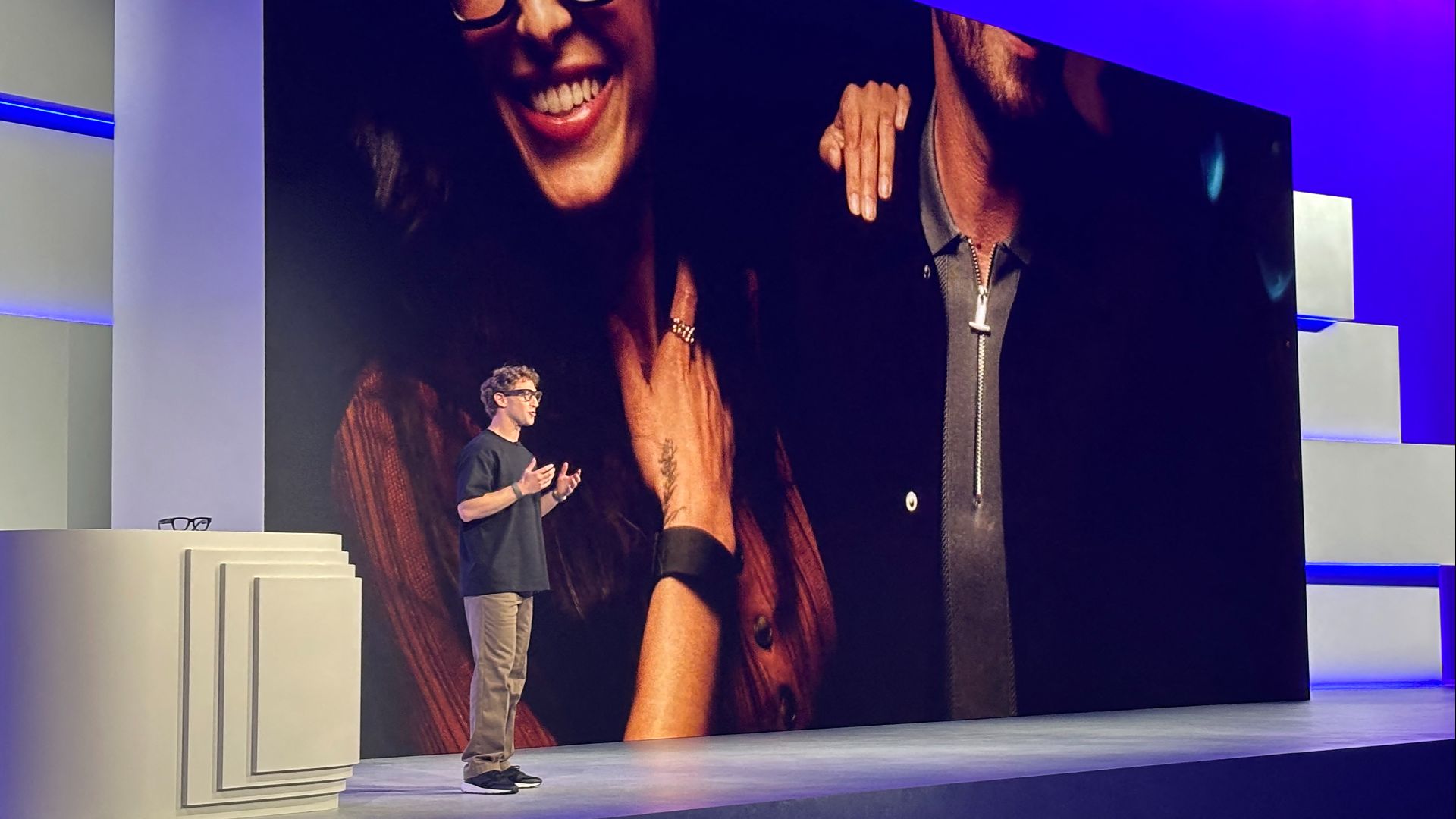
A presentation on the capabilities of its new « smart » glasses quickly turned into a nightmare for Meta CEO Mark Zuckerberg at the Meta Connect conference on September 17.

Meta spent billions on AI-powered smart glasses so that its CEO could be humiliated onstage not once, but twice, by the tech's dismal failures.

The Daily Beast (@thedailybeast.bsky.social) 2025-09-18T13:47:03.925871Z

Meta’s CEO had an embarrassing moment at the annual Meta Connect conference.

Getty Images

While presenting the new « smart » glasses assisted by artificial intelligence, the demonstration turned into a nightmare.

An embarrassing moment

The device, which was supposed to guide a guest chef through the preparation of a « Korean-inspired » sauce, multiplied errors, giving incoherent instructions. The chef had to repeat his questions several times, without success.

Zuckerberg then tried to show a video call via the glasses and a neural bracelet, but the connection failed, forcing him to make awkward gestures on stage.

Getty Images

To explain these setbacks, Meta cited a poor Wi-Fi connection. Zuckerberg tried to lighten the mood with a joke, while CTO Andrew Bosworth promised to check the source of the problems.

This incident, widely mocked on social networks, underlines Meta’s persistent challenges in its AI race and highlights the fragility of technologies that are still far from infallible.

A significant cognitive disadvantage?

Mark Zuckerberg recently stated, according to CNN, that people who don’t wear smart glasses incorporating artificial intelligence could, in the near future, find themselves at a « significant cognitive disadvantage »:

« I think in the future, if you don’t have glasses that have AI, or some way to interact with AI, I think you’re kind of similarly probably be at a pretty significant cognitive disadvantage compared to other people. »

Getty Images

In his view, these devices will become the ideal bridge between the physical and digital worlds, capable of seeing, hearing and reasoning alongside their user.

The demonstration, with its many technical missteps, offers a striking contrast between the promise of an « indispensable » future and the still-fragile reality of the technology, which puts Meta in an uncomfortable position.

Getty Images

Zuckerberg has been working on his connected glasses since late 2017, with a first model launching in 2021 and a stated ambition for over 7 years to make them the must-have AI device.

But if Zuckerberg wanted to prove that « smart » glasses will soon be indispensable… for now, they’ve mostly proved that they can embarrass him.

Meta CEO Mark Zuckerberg has told analysts that people without smart glasses may one day be at a "significant cognitive disadvantage" compared to those who do use the tech: https://cnn.it/47L2Y5a

CNN (@cnn.com) 2025-09-15T12:00:32.858914716Z
Catégories
Uncategorized

Trump roasted in UK on Epstein

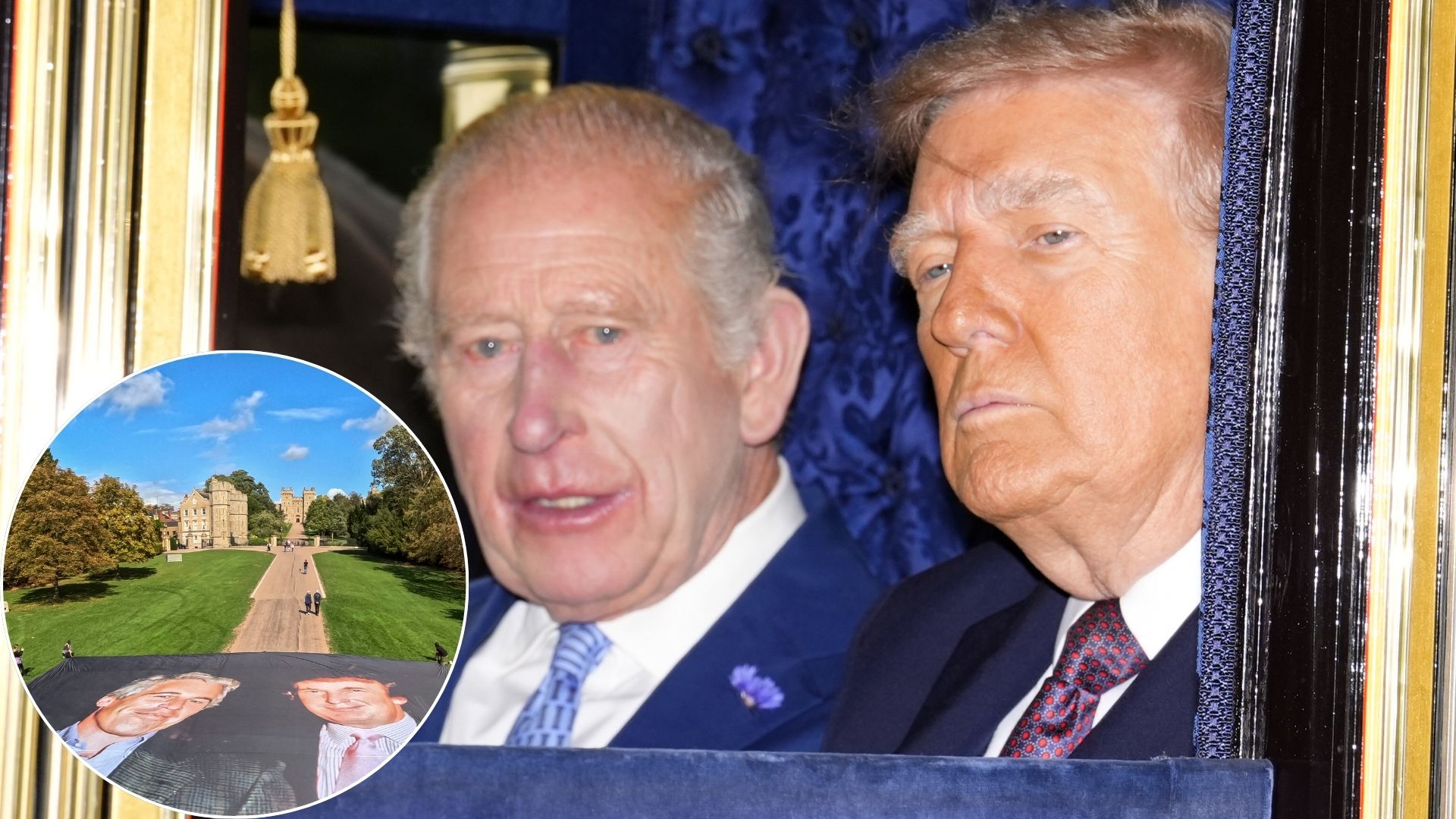
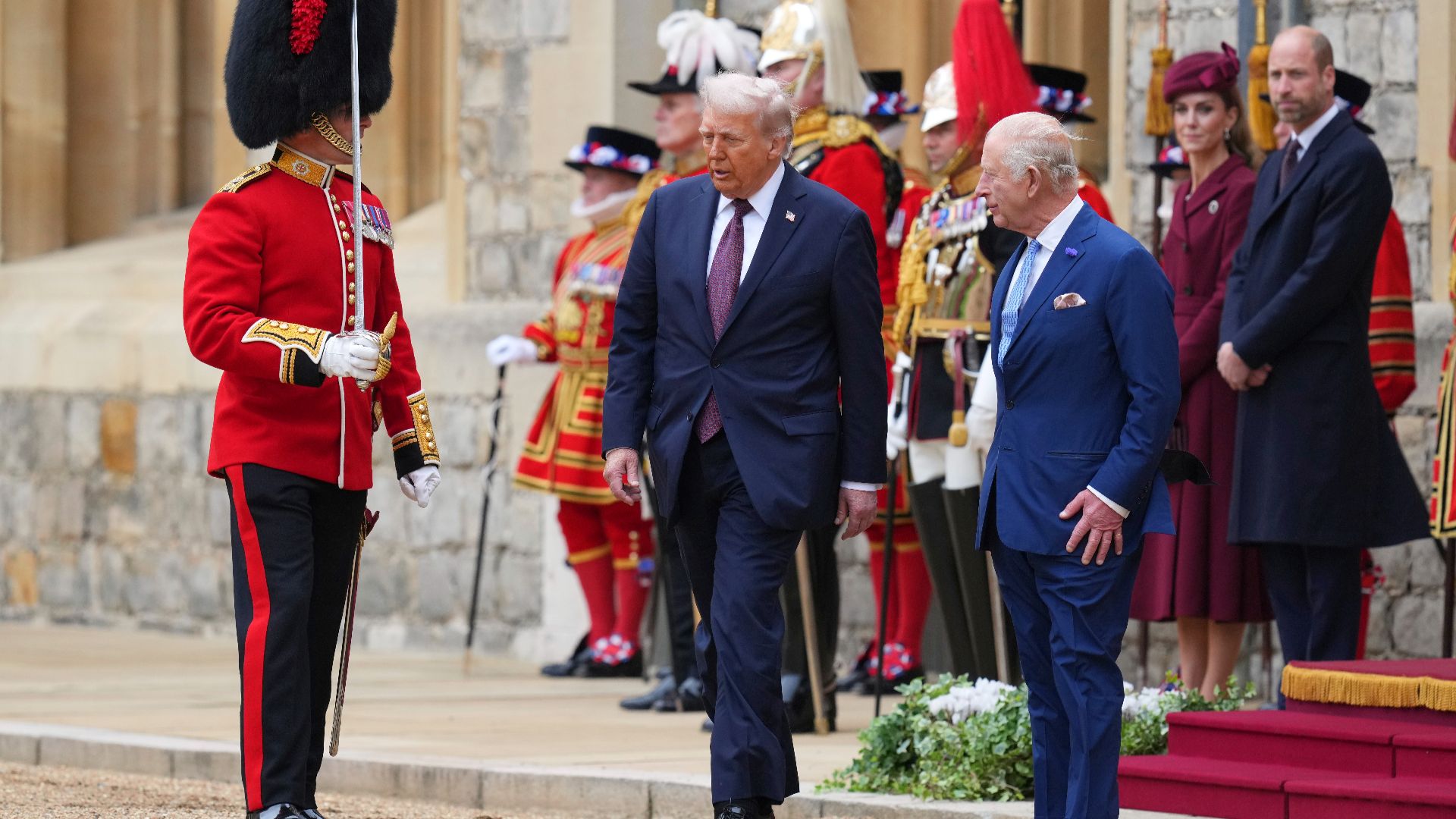
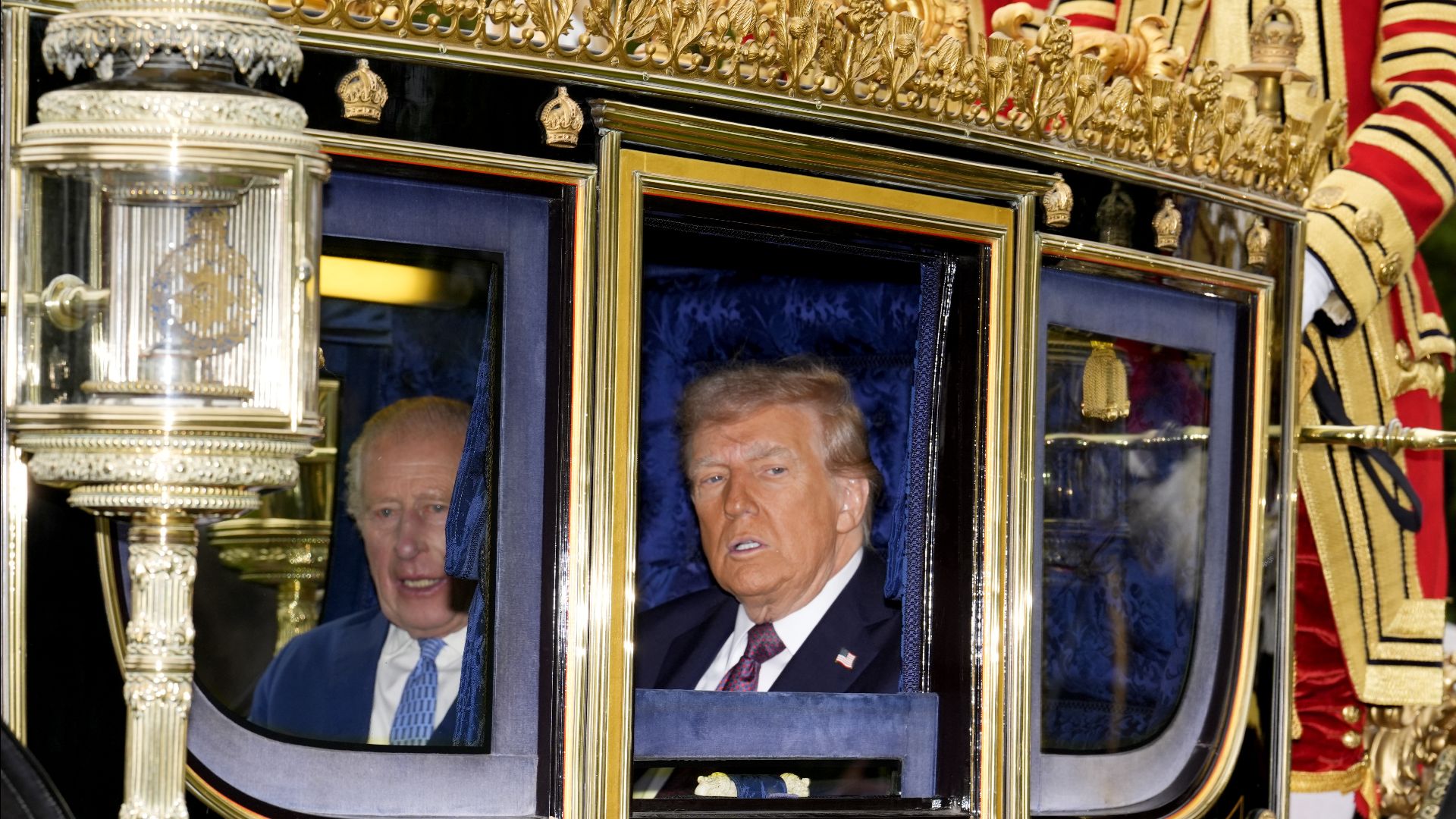
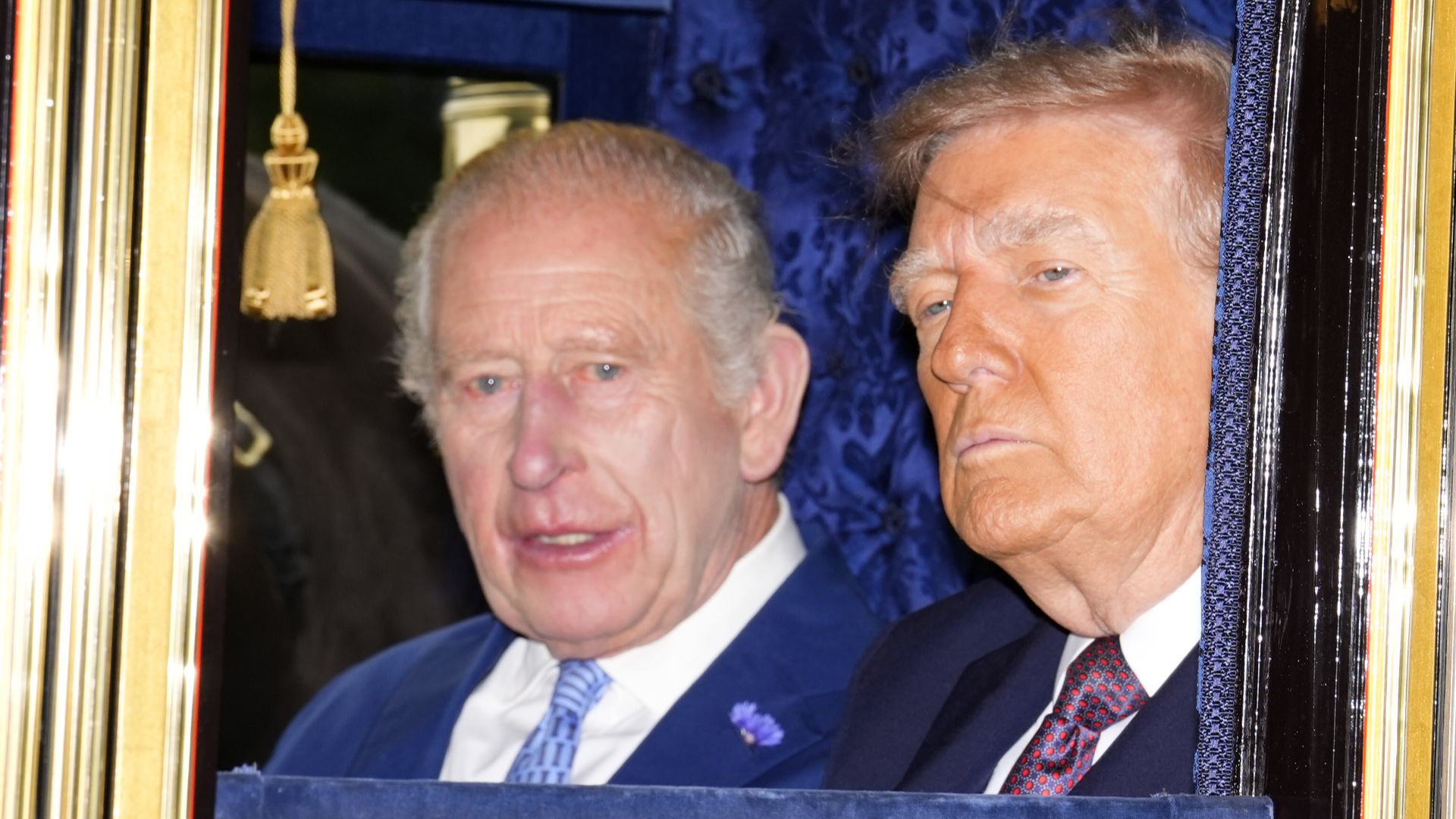
Donald Trump was in the UK for an exceptional second visit by a head of state, welcomed with full honors by King Charles and Camilla, alongside his wife, Melania.

Protesters in Britain projected images of President Trump and Jeffrey Epstein onto Windsor Castle on Tuesday night before the president arrived for a state visit. More protests are planned for Wednesday. Follow live updates on Trump's state visit: nyti.ms/3VTtyBH

The New York Times (@nytimes.com) 2025-09-17T11:46:30.377079Z

Since arriving in the UK yesterday, Donald Trump has received a royal welcome orchestrated by Charles III and Camilla.

Trump welcomed in style by Charles III

In Windsor, a solemn ceremony honored him: national anthem, official salute, inspection of the guard and military escort.

Getty Images

The King shared a carriage with Trump, while Camilla accompanied Melania. After an official luncheon, an exhibition on American-British ties was presented. Finally, Trump laid a wreath on Elizabeth II’s grave in St. George’s Chapel, sealing a welcome imbued with prestige and diplomatic symbolism.

Getty Images

But the specter of scandal linked to his past relationship with Jeffrey Epstein caught up with him all the way to Windsor Castle, as compromising photos of him with Epstein resurfaced everywhere.

« Welcome to the UK, Donald. »

Trump is no exception: everywhere in the town of Windsor, from souvenir stores to the grounds near the castle, right down to the images projected directly onto its walls, he is being targeted.

Getty Images

The British collective « Everyone Hates Elon » set about mocking his second official visit to royalty.

Getty Images

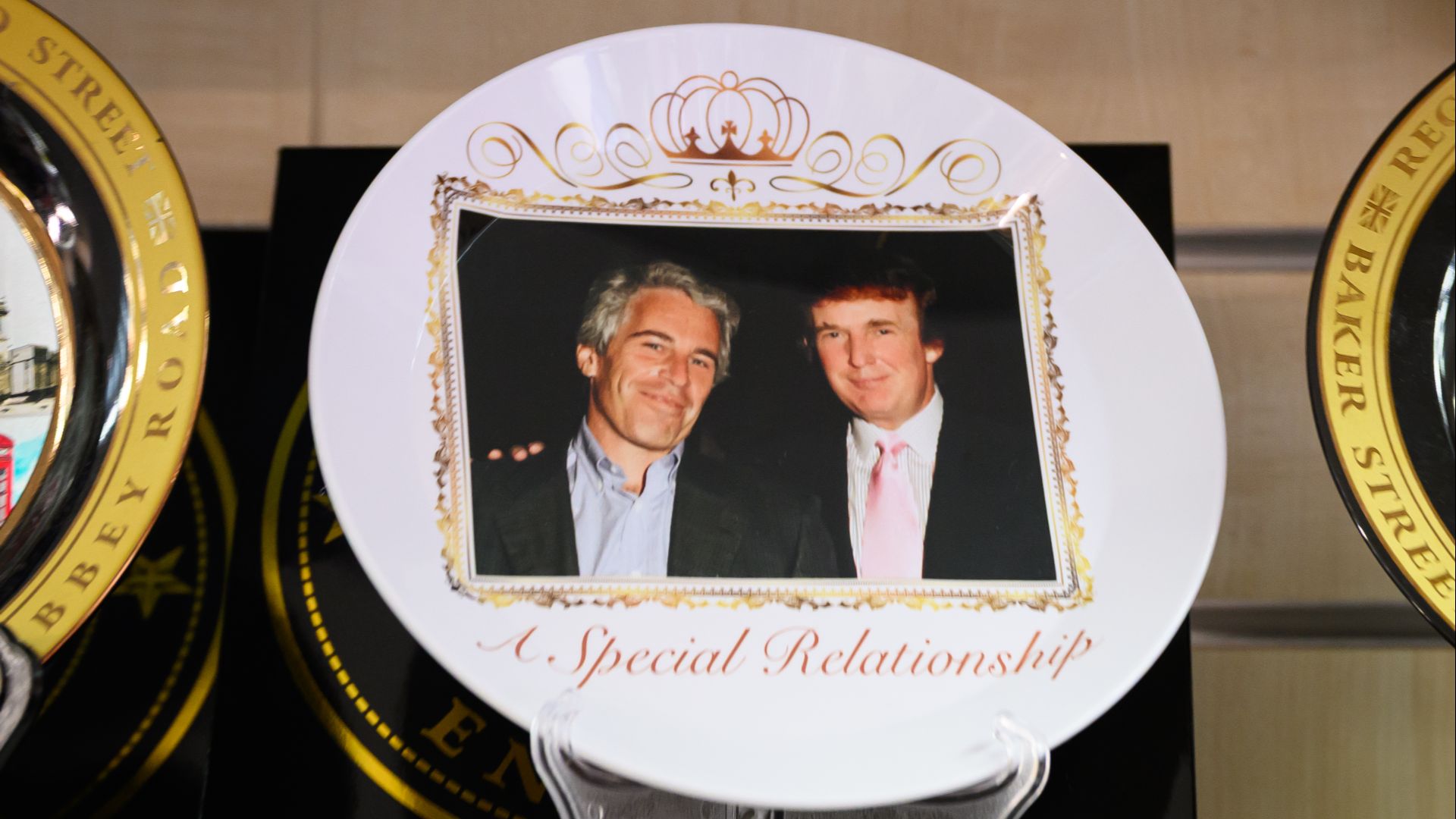
A special relationship

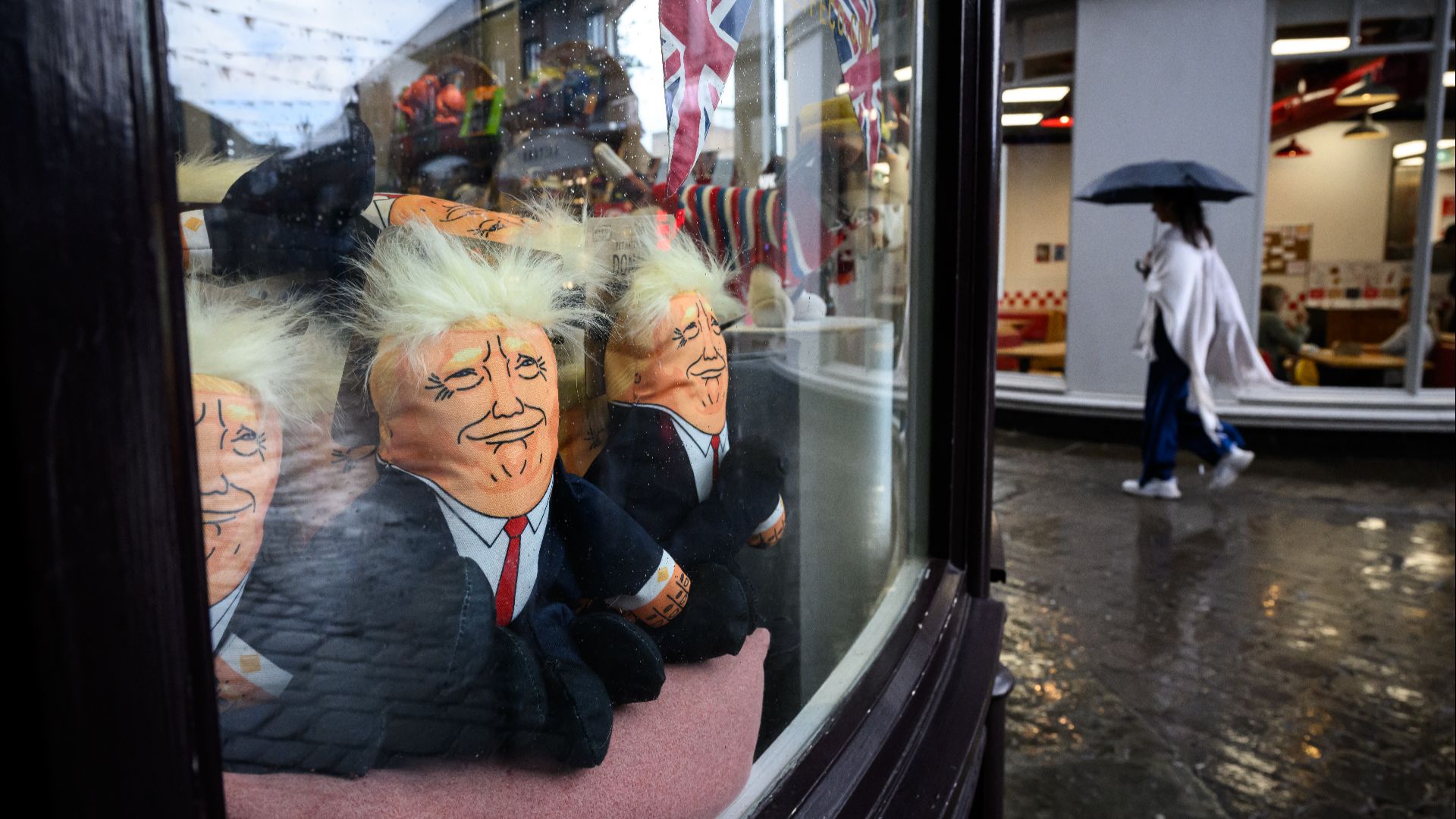
The group’s actions included decorative plates depicting Trump alongside Epstein, accompanied by the inscription « a special relationship », as well as a dog toy featuring the American president sold in a local store.

Getty Images

A truck equipped with a giant screen showing a photo of Trump next to Epstein, taken at Mar-a-Lago in 1997, also drove through the streets of Windsor with the message « Welcome to the UK, Donald. »

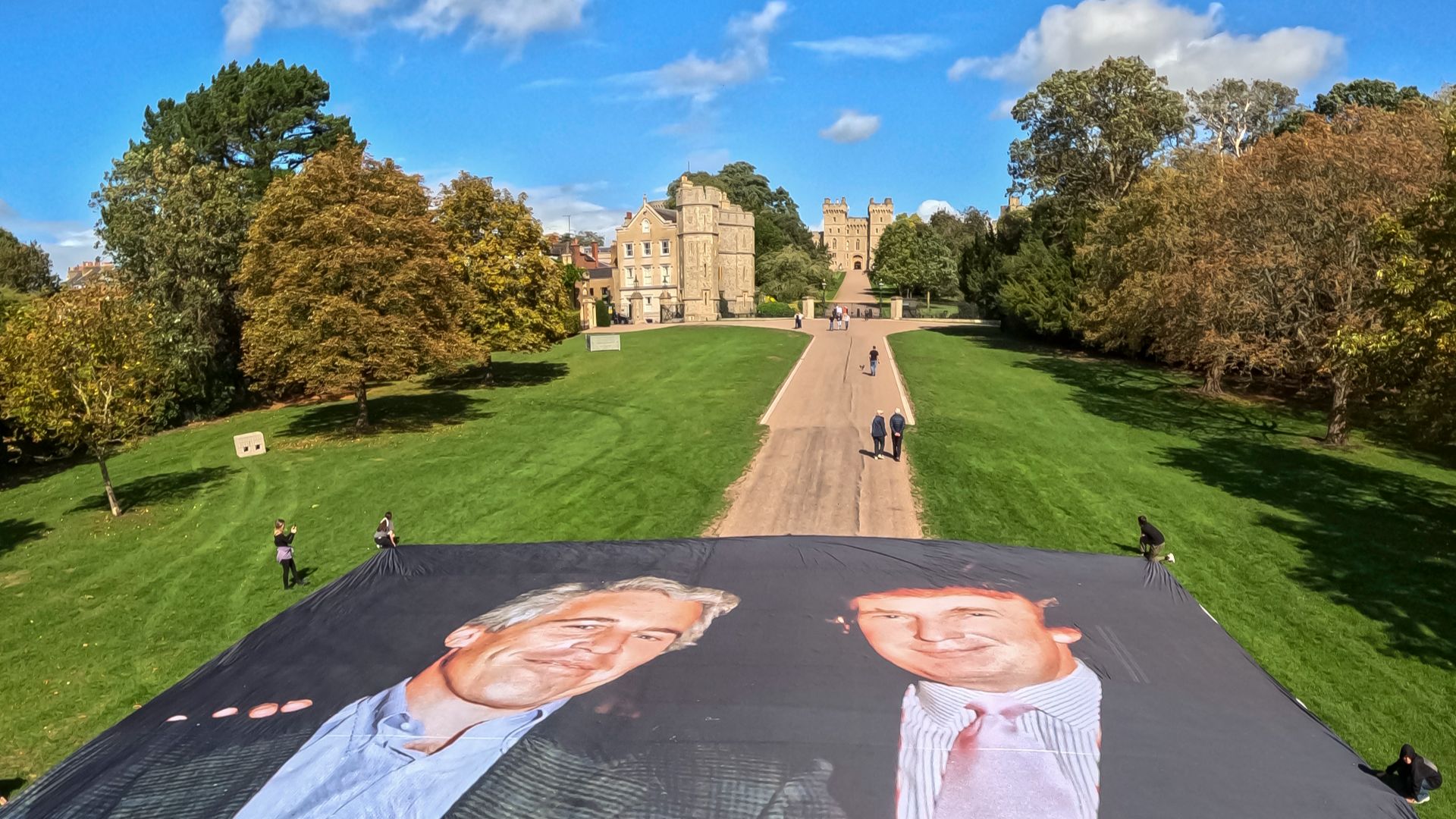
A huge poster showing Trump and Epstein was also deployed on a field near Windsor Castle, while a giant projection of their photo illuminated the castle’s very walls.

Getty Images

U.S. influence

A spokesman for the « Everyone Hates Elon » collective actually commented on their actions, reported by The Daily Beast.

He declared that they were fed up with the influence of the US on the UK, whether it’s billionaires like Elon Musk or Donald Trump.

Authorities arrested four people after Trump’s embarrassing image was projected onto Windsor Castle.

His first visit to Windsor in 2018

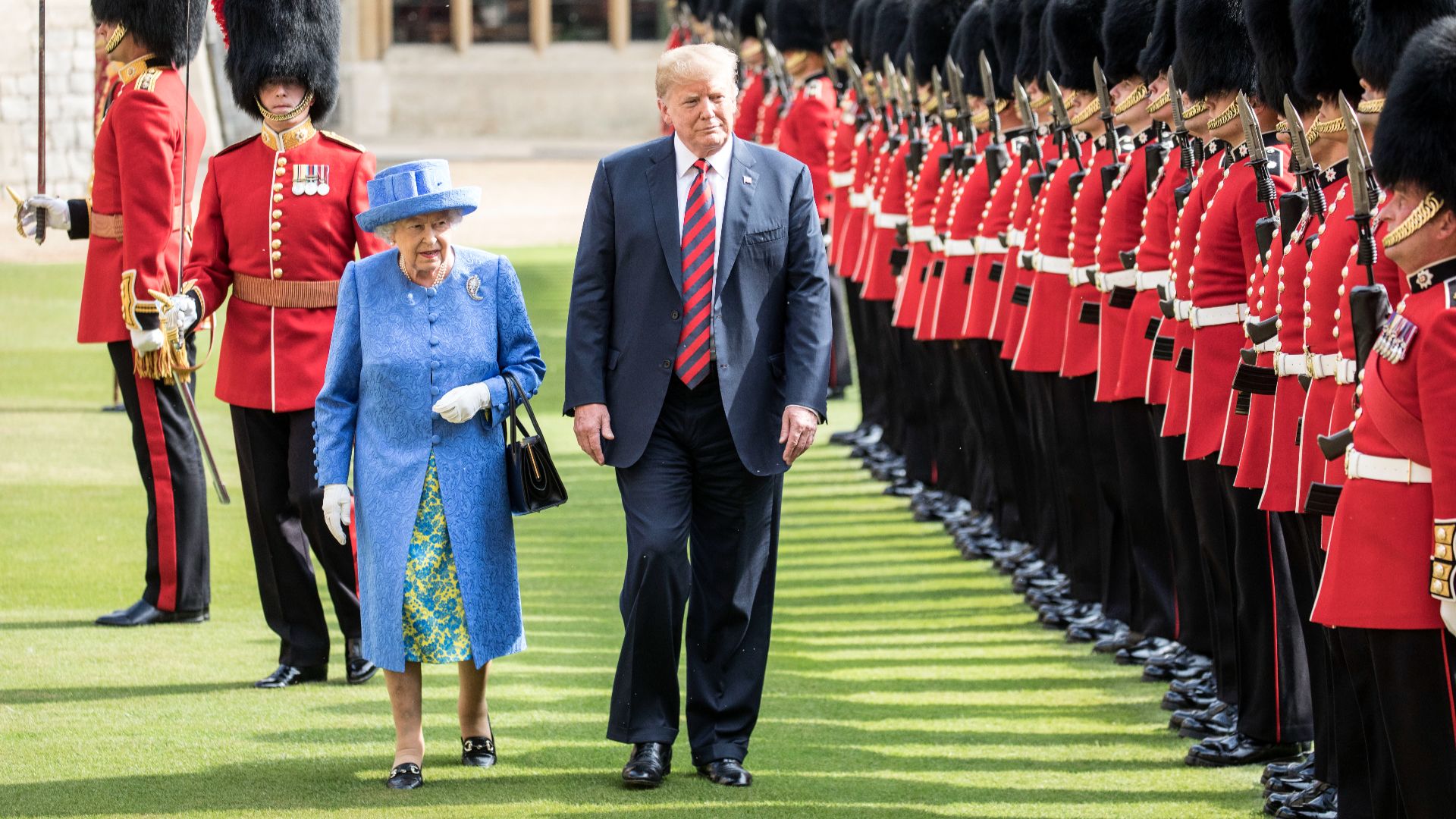
On his first visit to Windsor in 2018, Donald Trump was received by Queen Elizabeth II in a high-profile official meeting.

Getty Images

After a military ceremony and the national anthem, he inspected the guard of honor alongside the sovereign. But the visit sparked widespread criticism in the UK, with massive protests in London, satirical balloons caricaturing him as « baby Trump » and controversy over his attitude towards the Queen, which was deemed disrespectful, particularly when he walked in front of her. This episode marked a controversial stage in U.S.-British relations.

Trump’s state visit to Britain was crashed by pictures of the president with friend Jeffrey Epstein.

The Daily Beast (@thedailybeast.bsky.social) 2025-09-17T13:31:06.870666Z

Catégories
Uncategorized

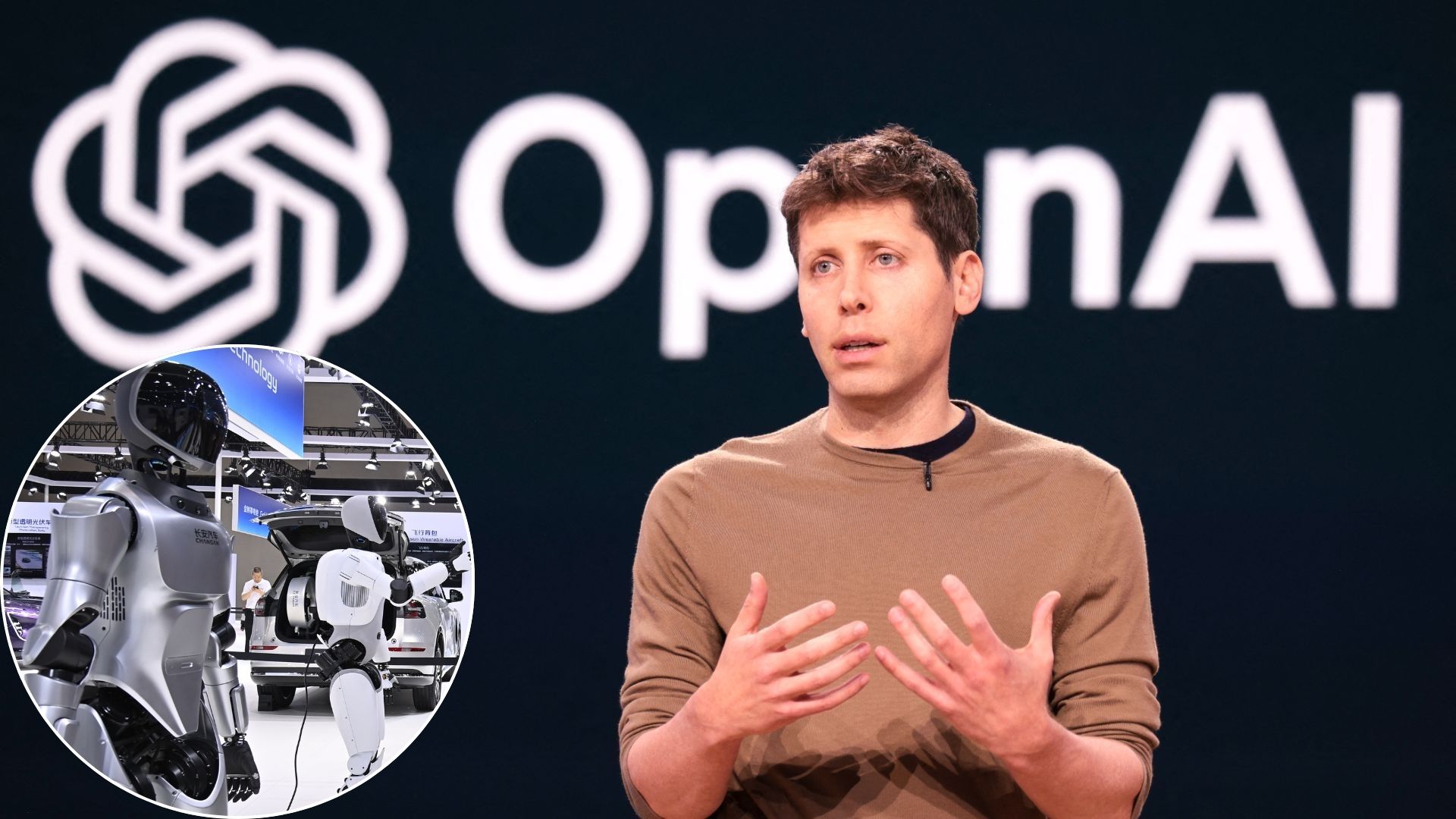
OpenAI is all in on AI humanoid robots

According to Wired, OpenAI has taken the intelligent robot race to the next level by actively recruiting robotics experts.

The company behind ChatGPT is putting together a team capable of developing algorithms to control robots and appears to be hiring roboticists who work specifically on humanoids. www.wired.com/story/openai…

WIRED (@wired.com) 2025-09-15T10:03:10.154Z

New goals

This suggests that the company is now turning its attention to designing complete, autonomous robots.

Getty Images

Open AI is no longer limited to software development, as had been assumed for several months.

According to Wired, robotics expert Chengshu Li, who has collaborated with Stanford, DeepMind, NVIDIA and Google Brain Robotics, joined the OpenAI team in June 2025 after conducting research into evaluating the capabilities of humanoid robots in performing various domestic tasks.

Getty Images

Specific profiles

In January 2025, job offers revealed that OpenAI was planning to develop robotic hardware by recruiting experts in sensors, actuators and platforms, showing that the company no longer intended to limit itself to software.

Getty Images

OpenAI’s recent vacancies target profiles with skills in mechanical engineering, manufacturing and prototyping, as well as in the design of robotic systems integrating motion and touch sensors, with possible experience in large-scale production.

Catégories
Uncategorized

« Quiet! »: Trump lashed out (again) at reporter

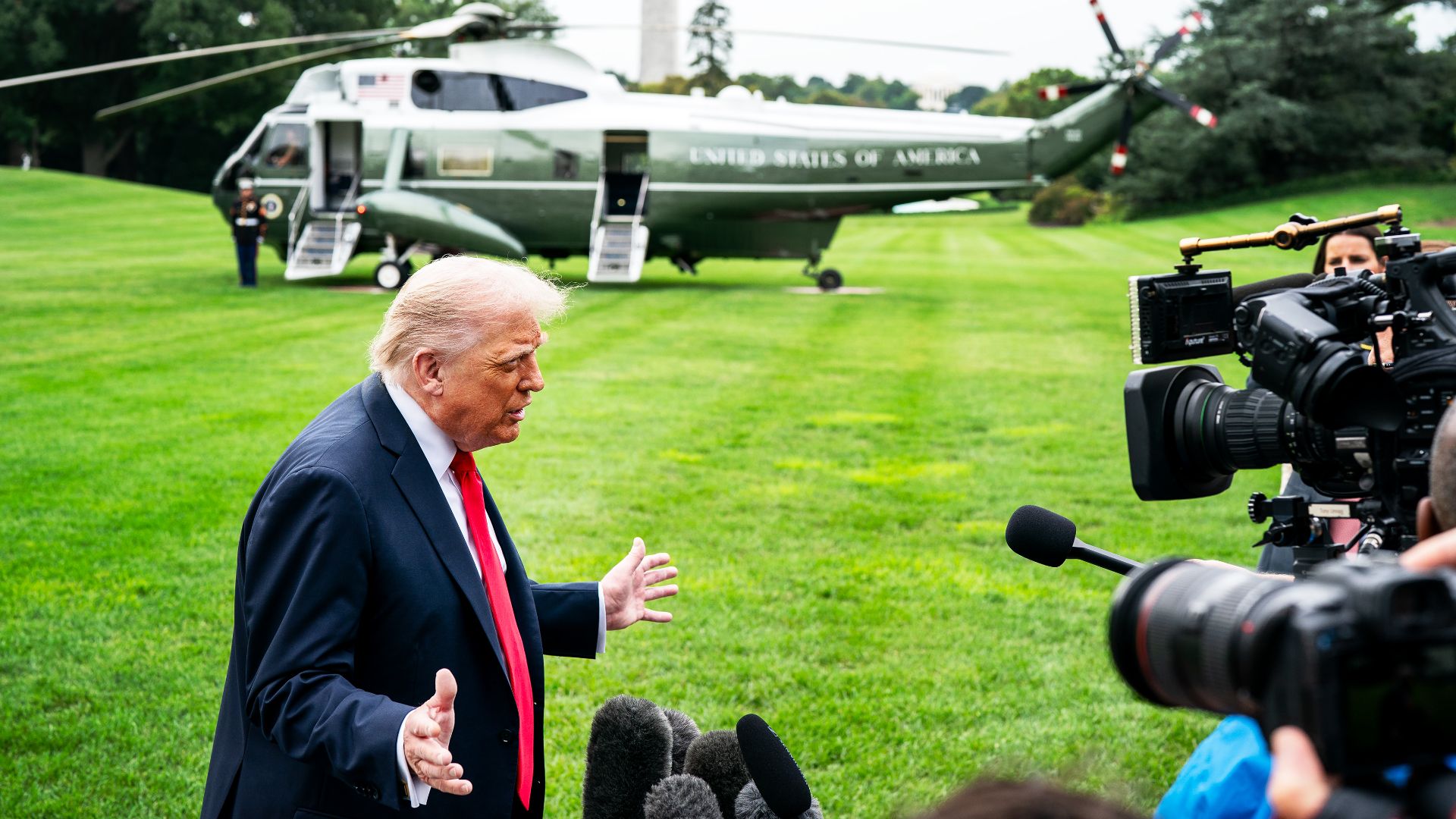
As Donald Trump left the White House for a state visit to the UK, a tense interaction with ABC journalist John Lyons drew attention, once again marking his conflicted relationship with the media.

Trump lashed out at a reporter who asked him whether it was “appropriate” that the president is enriching himself while in office.

The Daily Beast (@thedailybeast.bsky.social) 2025-09-16T15:07:06.604397Z

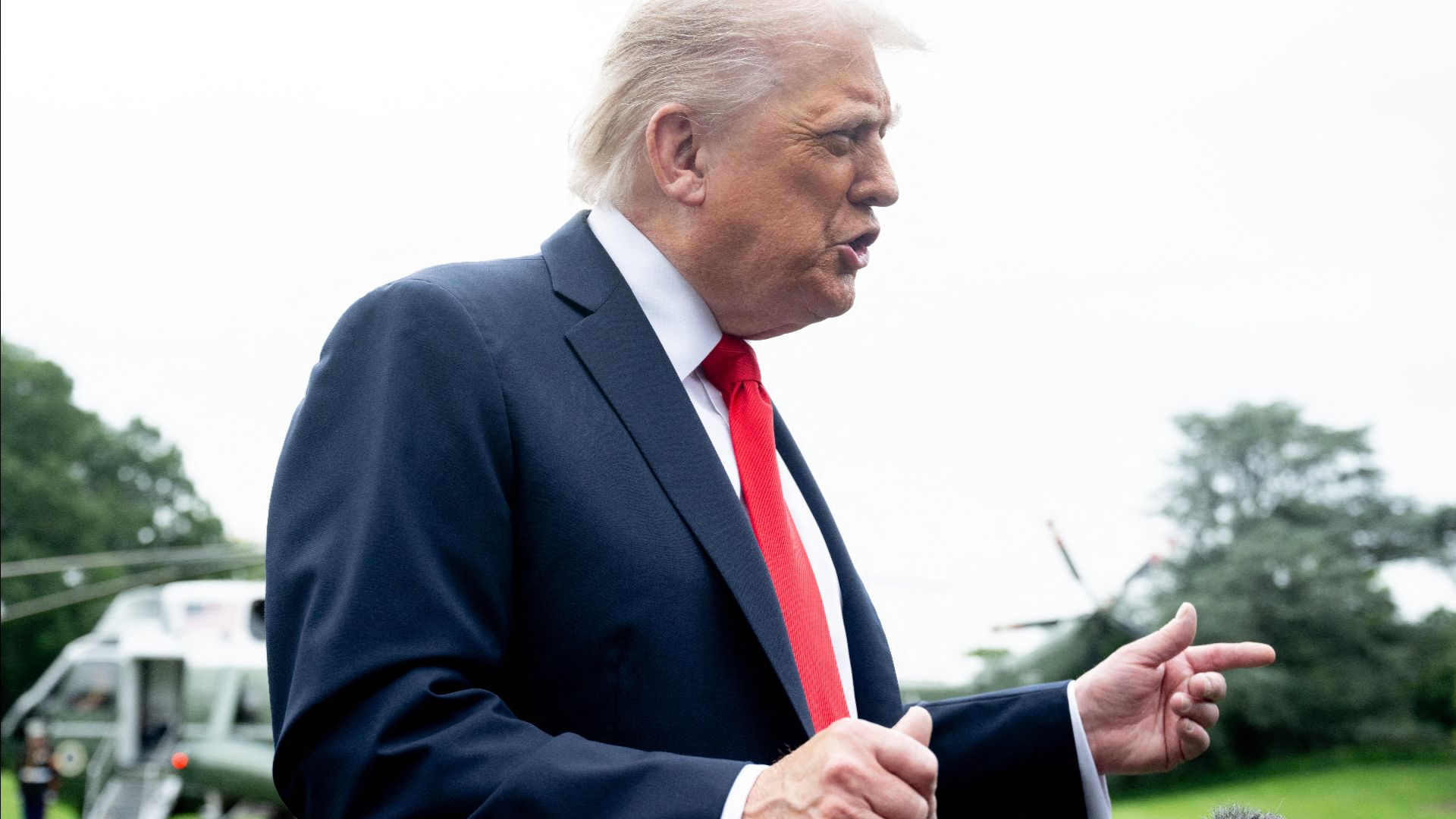
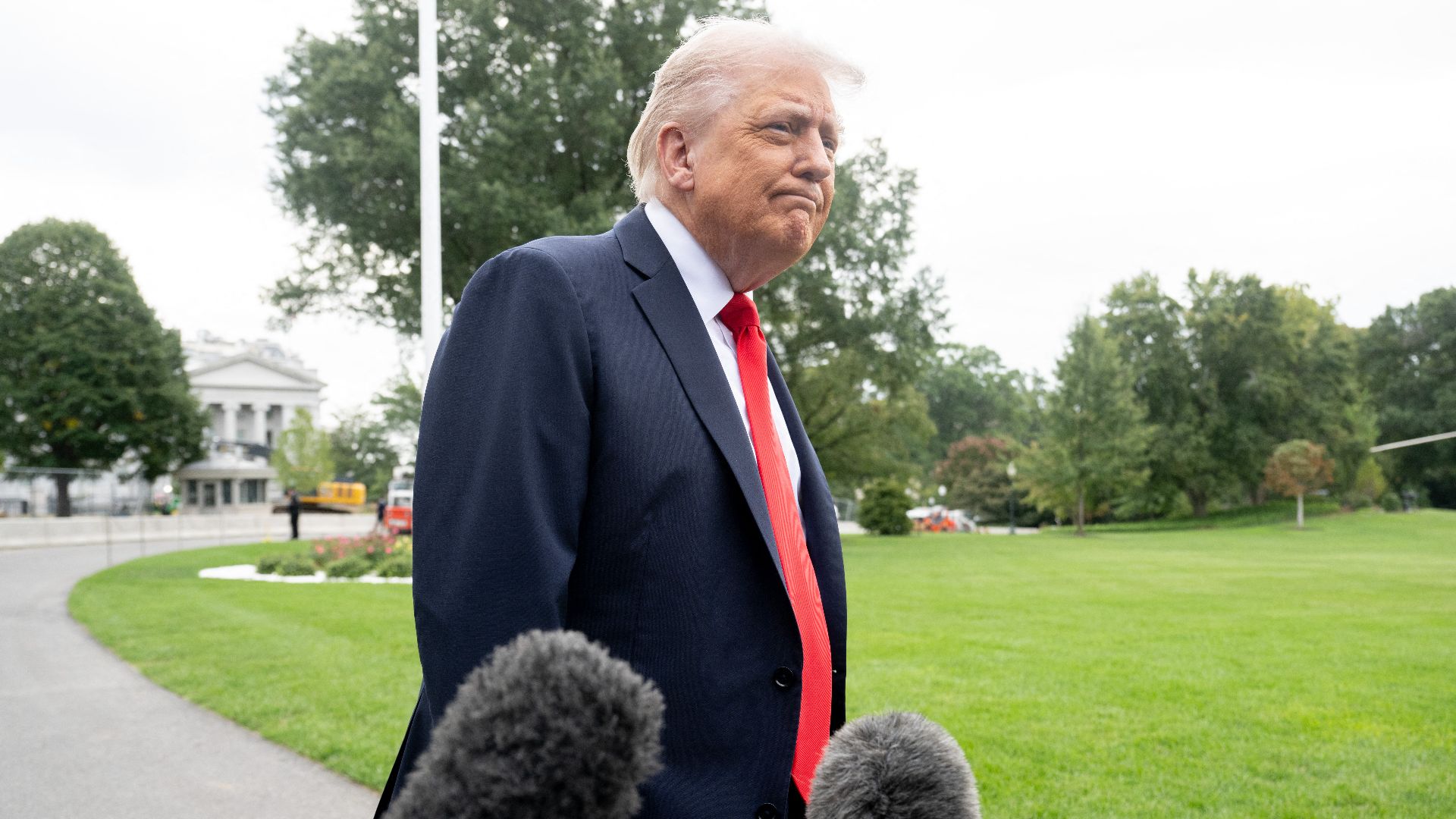
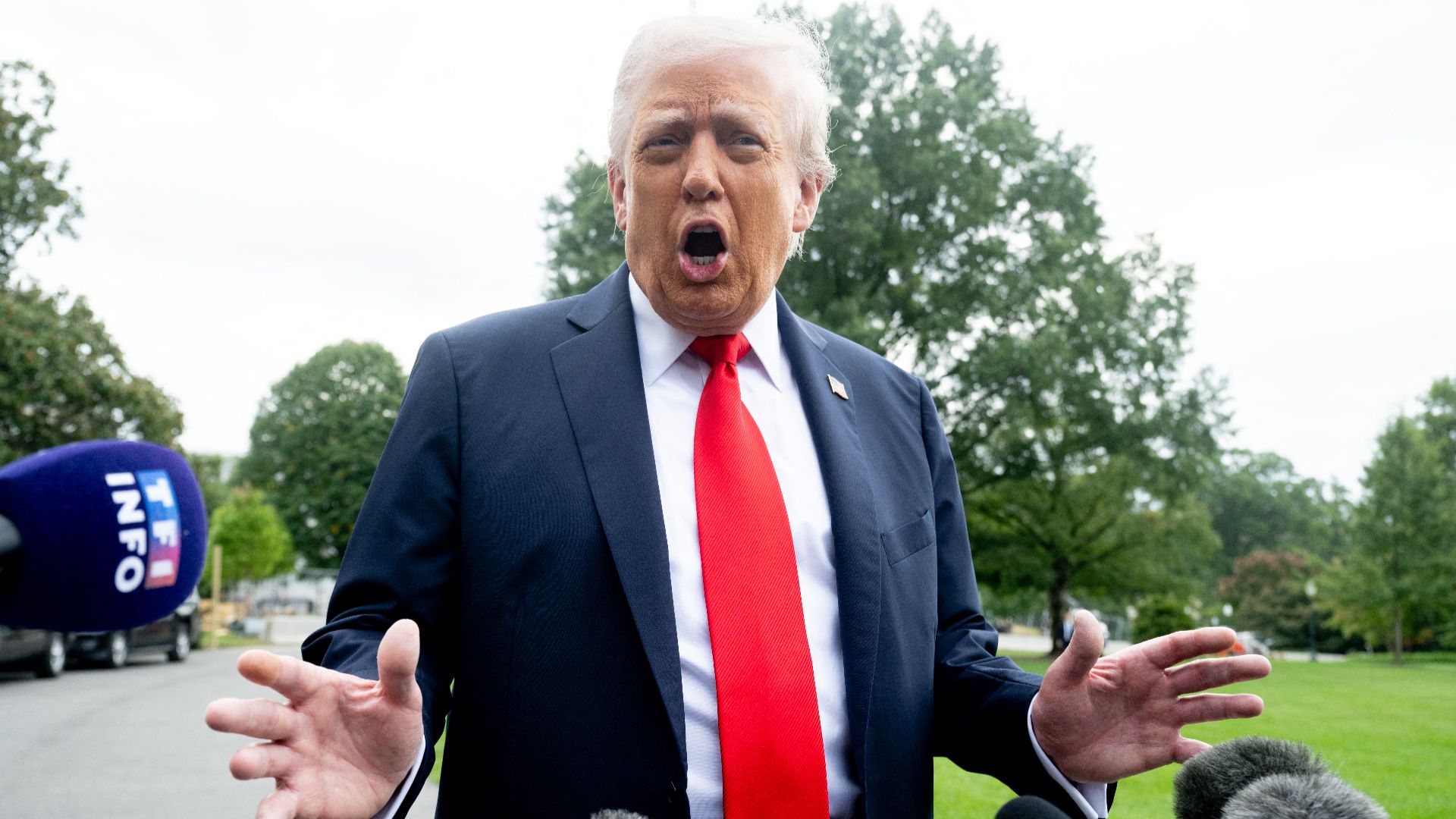
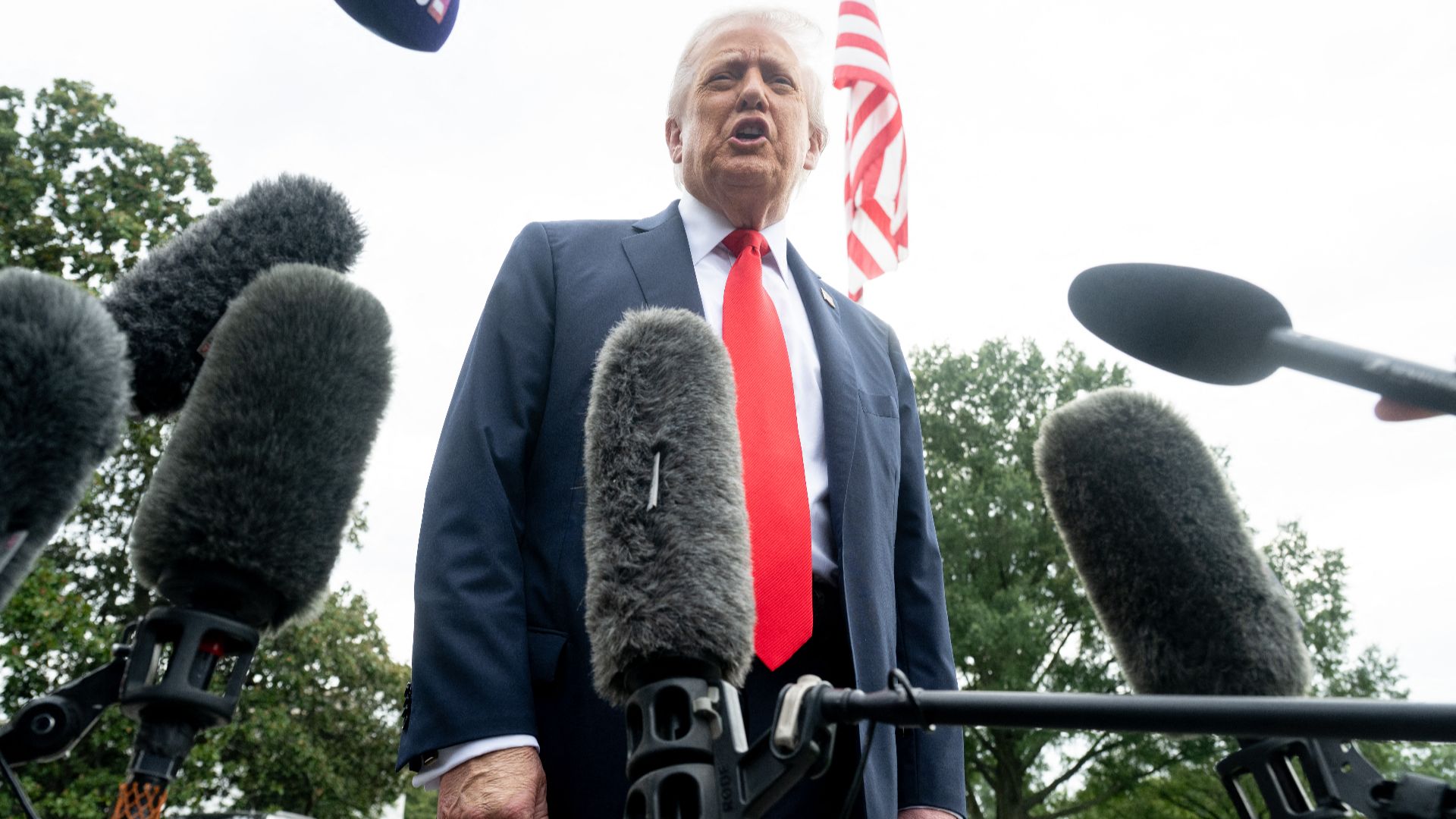
Shortly before boarding Marine One for his official trip to the UK, Donald Trump was challenged by reporters in the White House driveway.

« Quiet! »

-Donald Trump

Since his return to the presidency

Among them was John Lyons, Americas bureau chief for the Australian Broadcasting Corporation (ABC), who was preparing a report for the Four Corners program. Lyons asked Trump a question about how his wealth has changed since he returned to the presidency in January 2025.

Getty Images

Trump’s response was swift and incisive. His tone escalated when he accused the journalist of damaging relations between the United States and Australia. Trump said the question was unwelcome and warned that it could have diplomatic repercussions, particularly in the context of the upcoming visit between him and Australian Prime Minister Anthony Albanese.

Getty Images

Then, in a curt gesture, he shouted « Quiet! » at the journalist, ordering him to… well, be quiet, before continuing to his helicopter for departure.

The role of a journalist

John Lyons, ABC’s Americas bureau chief, defended his approach after the tense exchange.

He explained the role as a journalist is to hold the powerful to account, and that it’s perfectly acceptable to ask legitimate questions, politely, of the President of the United States.

Getty Images

Freedom of expression

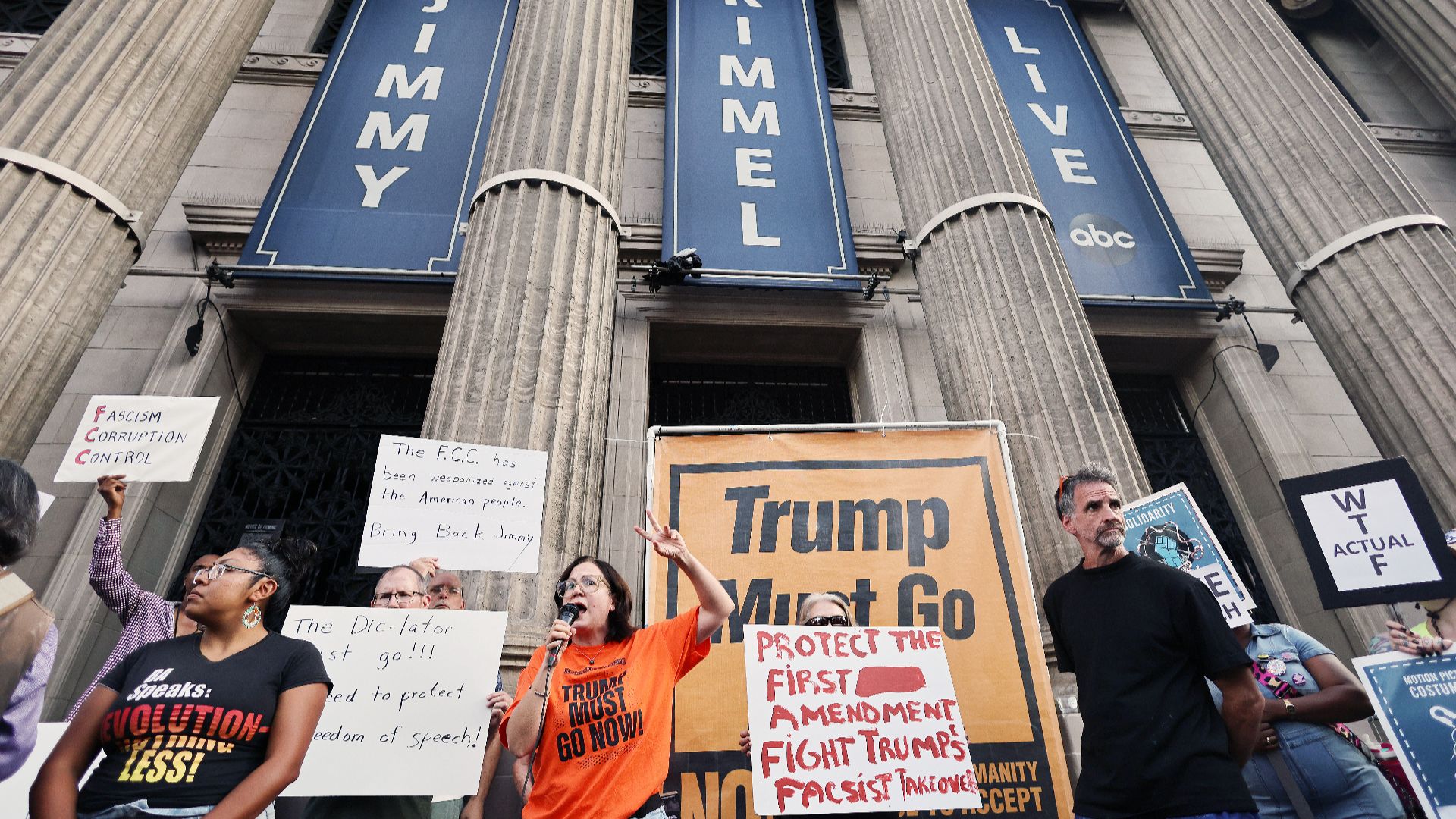
Let’s not forget that Donald Trump is in hot water as ABC’s suspension of Jimmy Kimmel provokes outrage. The talk show was taken off the air after the host criticized the Trump administration’s handling of the murder of right-wing activist Charlie Kirk. The decision was immediately interpreted as an attack on free speech, fueled by the president’s public attacks and pressure from FCC Chairman Brendan Carr.

Getty Images

Across the media landscape, reaction was immediate. Stephen Colbert, Jon Stewart and Seth Meyers denounced what they saw as direct censorship, pointing out that sanctioning a host for government criticism sets a dangerous precedent. Several elected Democrats, but also some Republicans, have expressed their concerns, believing that the state should not weigh in on the programming of TV channels.

Getty Images

Beyond the Kimmel case, the affair rekindles the debate on the fragile relationship between executive power and the media in the United States. Combined with Trump’s injunctions for journalists to remain « silent », it is seen by many as an attempt to silence dissenting voices, a move they argue endangers the constitutional principle of press freedom.

In @nytopinion.nytimes.comThe silencing of Jimmy Kimmel, following an explicit threat by Brendan Carr, the head of ABC’s regulator, the F.C.C., “is the mask of ‘free speech’ coming off for good,” Michael Hirschorn writes.

The New York Times (@nytimes.com) 2025-09-19T17:30:04.577824Z