Disney+ has a lot in store for July, with a mix of highly anticipated franchises, event series, and original shows. From the return of the mutants in X-Men ’97 to The Simpsons special episodes, reality TV competitions, and more intimate dramas, the platform is banking on a diverse lineup that appeals to both fans of lighthearted entertainment and those who prefer more dramatic or historical stories. Several exclusive productions are also set to make their mark on the schedule, confirming a commitment to diversifying the genres and worlds on offer.
This photo taken on June 30, 2026 shows the U.S. Supreme Court in Washington, D.C., the United States. The U.S. Supreme Court on Tuesday rejected U.S. President Donald Trump's executive order denying birthright citizenship to children of undocumented immigrants or temporary residents, upholding birthright citizenship. (Photo by Li Rui/Xinhua via Getty Images)
A prominent conservative media figure is facing widespread backlash after calling for the sterilization of foreign visitors and a ban on pregnant women entering the United States following the Supreme Court’s decision to strike down President Donald Trump’s executive order aimed at ending birthright citizenship. Sean Davis, chief executive of the conservative outlet The Federalist, published a series of proposals on social media hours after the court’s 6-3 decision, arguing the ruling left conservatives with few remaining options. His comments quickly spread online, drawing criticism from political commentators, journalists and legal observers across the political spectrum.
Trump’s ban overturned
The controversy followed one of the biggest legal defeats of Trump’s second term. On June 30, the Supreme Court ruled 6-3 that Trump’s executive order attempting to deny automatic citizenship (birthright citizenship) to children born in the United States to many non-citizen parents violated the 14th Amendment. The decision preserved the constitutional guarantee of birthright citizenship that has existed for more than a century. Trump responded by urging Congress to pass legislation addressing the issue, but Davis argued lawmakers should pursue far more aggressive measures than those proposed by the president following the ruling.
The CEO of the Federalist is calling for forced sterilization of foreigners and dissolution of the union because the conservative-majority Court made one ruling he can’t live with.
-Isaac Saul, journalist
Davis lists seven courses of action
Davis outlined what he described as seven possible responses to the ruling. The list is wild to say the least, beginning with allowing individual states to stop issuing birth certificates to children born to non-citizens. He proposed expanding the Supreme Court, accusing Chief Justice John Roberts and Justice Amy Coney Barrett of rewriting the Constitution through judicial decisions. His third proposal called for denying entry to all pregnant foreign nationals. The fourth went further, suggesting all female foreign visitors should be barred from entering the country. His fifth proposal was that the US should require the sterilization of all foreign visitors before entry.
3) Deny entry to all pregnant foreigners, 4) Deny entry to all female foreigners. 5) Require sterilization of all foreign visitors prior to entry.
-Sean Davis
While his fourth and fifth proposals were certainly the most unhinged, Davis also claimed he wanted to dissolve the union of the United States entirely. Davis suggested the « dissolution of the Union, » arguing that a country unable to control who becomes a citizen no longer functions as a nation. His final recommendation called for a constitutional amendment to address birthright citizenship directly. Davis concluded by arguing that conservatives were left with increasingly dramatic options because, in his view, unelected judges had assumed legislative powers. The social media thread was published within hours of the Supreme Court’s ruling and quickly became one of the most widely discussed political reactions to the decision.
The world reacts
The public reaction was swift and opinionated. Obviously, the list is not only unhinged but hateful, cruel, and overwhelmingly authoritarian. Critics described the proposals as extreme, particularly the suggestion that foreign visitors undergo mandatory sterilization before entering the United States. Former attorney and New York Times columnist David French said the entire list was « absolute BONKERS, » and rejected the idea that birthright citizenship was a national crisis. French noted that automatic citizenship has existed for generations while the United States grew into what he described as one of the world’s most prosperous democracies, questioning why longstanding constitutional practice had suddenly become grounds for dismantling the country’s legal framework. Moreover, the idea of sterilizing foreign nationals is nearly incomprehensible.
It is absolutely bizarre that these people believe that the continued application of a rule that has existed for generation after generation — as we’ve grown to the most powerful and prosperous free nation in world history — is somehow the root of our national demise and so clearly wrong that we need to end the union,
-David French, New York Times
Davis feeds off controversy
Sean Davis is no stranger to controversy; in fact, you could argue that he seeks it out. As head of The Federalist, he has become one of the most recognizable conservative media executives in the United States and frequently uses social media to criticize federal courts, the Democratic Party, and mainstream news organizations. During a testimony before the Senate Committee on Commerce, Science, and Transportation last year, Davis acknowledged that many of his online posts are intentionally « opinionated and provocative. » Supporters have defended his confrontational style as political commentary, while critics argue his rhetoric regularly crosses into inflammatory territory designed to generate attention rather than encourage serious policy debate.

Davis’s latest controversy arrives as birthright citizenship becomes a central issue in the US’s immigration debate. While the Supreme Court’s ruling has preserved the constitutional interpretation that anyone born on American soil is entitled to citizenship, Trump has indicated he intends to continue pursuing changes through Congress and future legal challenges. While Trump carries a certain amount of power to change legislation, Davis does not. His hateful proposals have no legal standing and have not been endorsed by the White House or Republican congressional leaders. Still, Davis’s proposals and the public’s reaction to them ensure that, for now, birthright citizenship will remain above the fold.
Netflix is gearing up for a particularly busy July with a selection of new releases that blend intimate dramas, psychological thrillers, hard-hitting documentaries, and the return of popular series. From moving true stories to offbeat comedies and ambitious literary adaptations, the platform is banking on a diverse lineup that promises to appeal to both suspense enthusiasts and fans of powerful human stories. Several highly anticipated original productions are also set to enrich the catalog, once again confirming Netflix’s commitment to diversifying its genres and audiences.
Miley Cyrus is celebrating a very special tribute: a Barbie has now been created in her likeness, highlighting both her cultural influence and her remarkable artistic journey.
On her Instagram account, the singer expressed her gratitude for this unique collaboration, noting just how special a place Barbie has always held in her life. “Barbie represents a personal dream for me. It’s something I’ll never get tired of, because she evolves with me. When I was little, I used to braid her hair and change her outfits. As an adult, I cherish my collection, which I never take out of its box. Holding my Barbie in my hands is a true moment of fulfillment. Now you have a little piece of me, and every time you hold her, I hope she reminds you that I’m encouraging you to pursue your own dreams as well,” she wrote. She also noted that her Barbie, dressed in a custom outfit inspired by the Golden Burning Sun era, is available now.
This miniature version of Miley Cyrus stands out for her bold and glamorous style. The doll features long brown hair with straight blonde bangs, as well as sunglasses that accentuate her star-like appearance. She holds a microphone in her hand, a nod to her musical career.
As for her outfit, the Barbie is dressed entirely in black leather: a structured jacket, a matching camisole, fitted pants, and black high heels complete this powerful and assertive look, true to Miley Cyrus’s often provocative and unapologetic aesthetic.
Recently, Miley Cyrus was honored with a breathtaking tribute. Find out what it’s all about by continuing to read.
Recently, Miley Cyrus experienced a milestone in her career. Twenty years after being thrust into the spotlight thanks to the cult series Hannah Montana, Miley Cyrus has reached another significant milestone in her career. The singer and actress officially received her star on the prestigious Hollywood Walk of Fame in Los Angeles, an honor reserved for personalities who have left a lasting mark on the entertainment industry.
This recognition highlights an impressive journey that began in her teens, when she played Miley Stewart, a young girl leading a double life as a pop star. Since then, the artist has succeeded in establishing herself far beyond that iconic role, developing a bold, ever-evolving musical career marked by numerous international hits.
Over the years, Miley Cyrus has reinvented herself through various musical and visual styles, transitioning from teen pop to a more assertive and personal artistic identity. Her star on the Walk of Fame thus symbolizes not only her remarkable debut but also her longevity and influence in the entertainment industry.
Ryan Seacrest is turning a major page in his life by selling his spectacular estate in St. Helena, in the heart of California’s renowned Napa Valley. The host and producer sold this exceptional property for $18.5 million. Built in 2004 by renowned architect Howard Backen, the Tuscan-style residence spans more than 40 acres of lush grounds and offers a perfect balance between rustic elegance and modern comfort.
Featuring five bedrooms, an impressive climate-controlled wine cellar, a guest house, and outdoor amenities worthy of a resort, this home embodies the California lifestyle in all its splendor, set amid exceptional vineyard landscapes.
Singer Dua Lipa recently inaugurated a new literary space within the famous century-old Livraria Lello bookstore, located in Porto, Portugal. Named Manifesto Library, this permanent space features a selection of about 100 books that have been banned, censored, or heavily contested around the world.
This project builds on her cultural initiative Service95, launched in 2023—a book club through which the artist regularly shared her literary recommendations and engaged with authors from diverse backgrounds. With this new installation, Dua Lipa takes her commitment to promoting reading and freedom of expression a step further by giving it a physical and lasting form.
In an Instagram Story, the singer emphasized the significance of this moment, describing it as a true personal and cultural achievement. She stated: “Last night, we had the honor of inaugurating the Manifesto Library, the first physical and permanent incarnation of the Service95 Book Club. The library now houses 100 books that have been banned, censored, or publicly contested, alongside works that continue to spark debate and challenge the world around us.”
Through this project, Dua Lipa aims to shine a light on works that are sometimes sidelined but continue to play an important role in social, political, and cultural discourse. The initiative thus seeks to encourage readers to discover books that have left their mark on history through their critical impact or their ability to challenge certain established ideas.
This is a committed and inspiring project that restores prominence to often-forgotten works, while inviting the public to reflect on and debate freedom of expression and the power of words.
Dua Lipa recently made her relationship official. To learn more about this, keep reading.
Instagram Story @dualipa
A Wedding for the Singer
In recent weeks, Dua Lipa was spotted by photographers during a particularly memorable appearance, dressed in an elegant outfit alongside her boyfriend, actor Callum Turner. The couple seemed surrounded by a festive atmosphere, with confetti in the air and guests gathered around a staircase, applauding them warmly. These images quickly fueled rumors of a possible wedding, sparking widespread speculation about a potential secret ceremony.
Shortly afterward, the singer confirmed the big news by sharing a series of stunning official photos, thus revealing the happy event. The photos offered the first glimpse of her wedding dress. The details—both refined and spectacular—charmed her fans. The gown stood out in particular for its hem, delicately adorned with silver feathers, adding a touch of lightness and originality to the ensemble.
The dress’s subtly crafted open back was accented with silver details that lent it a modern and sophisticated elegance. The ensemble created a silhouette that was both glamorous and timeless, perfectly in keeping with the singer’s style.
This announcement quickly sparked reactions from fans and the media, confirming the union of Dua Lipa and Callum Turner in a moment filled with emotion and romance.
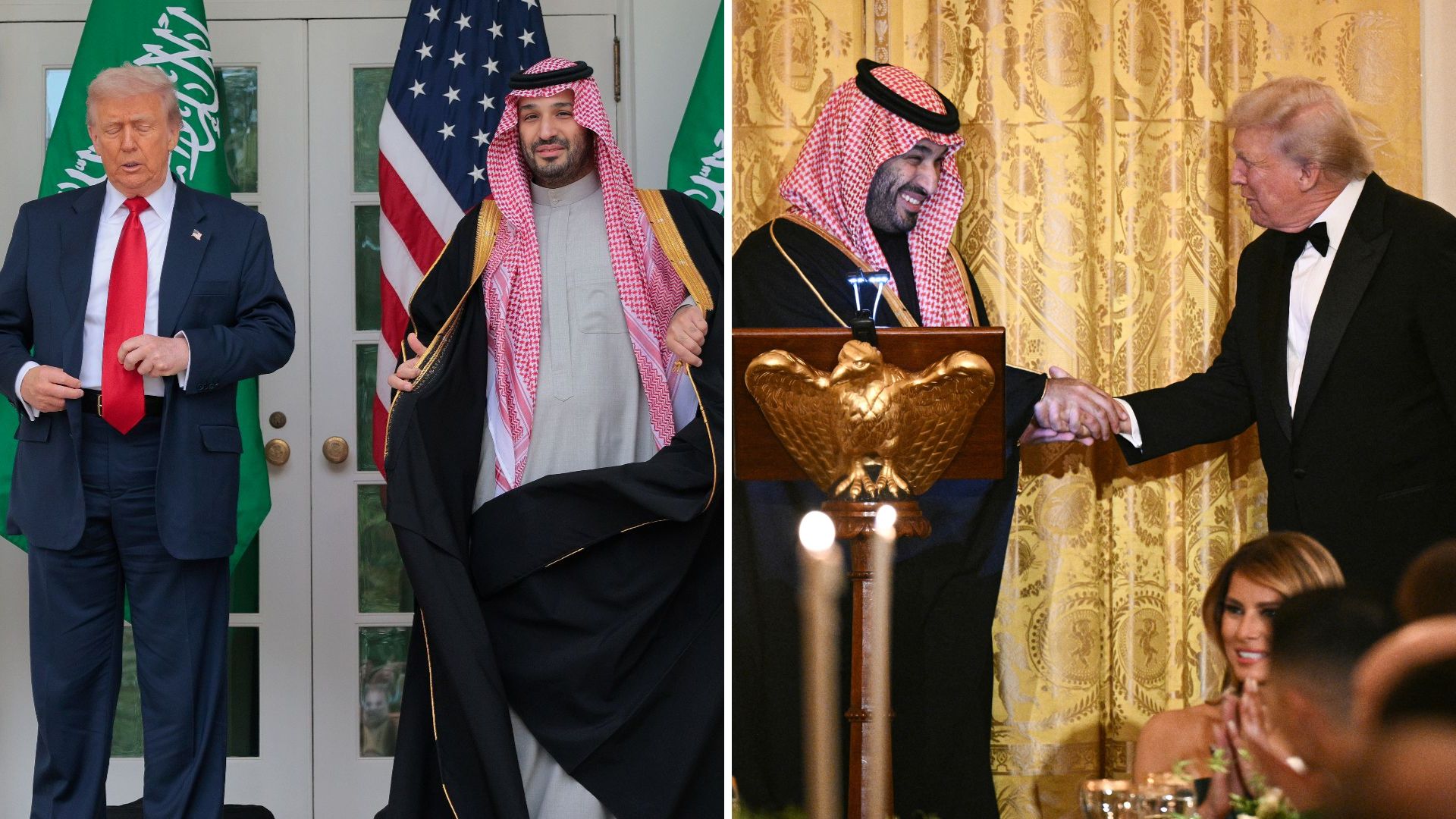
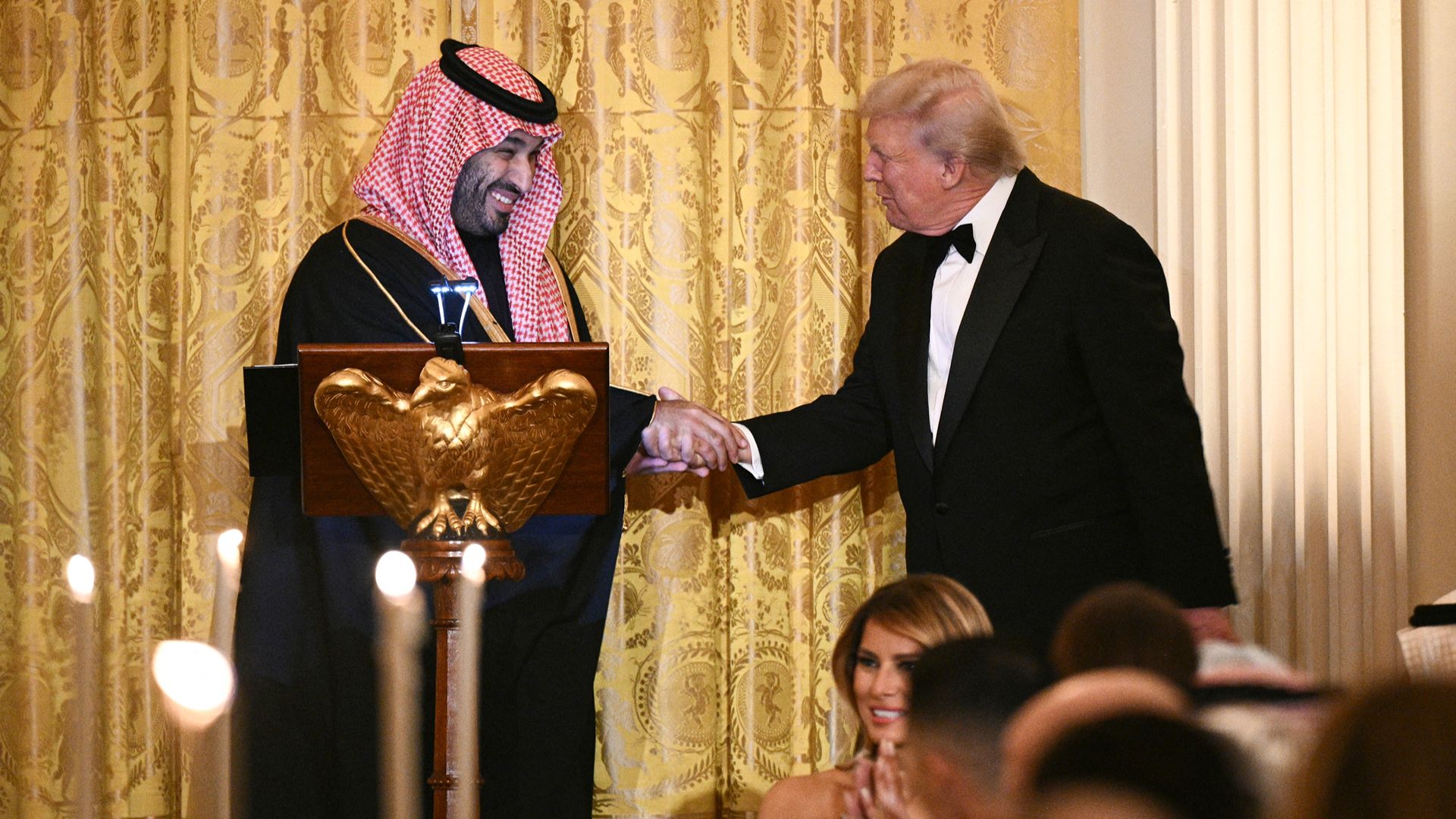
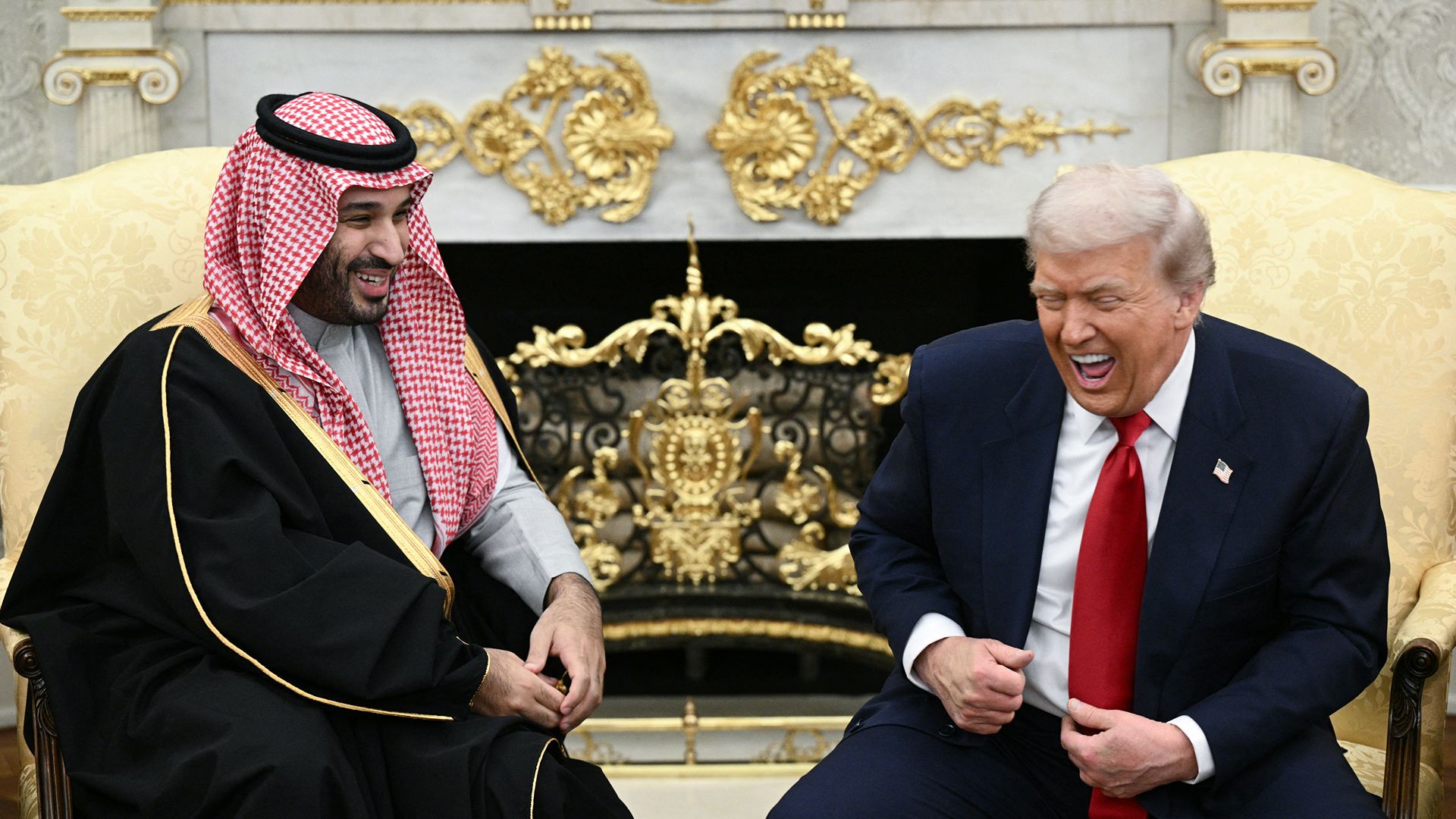
Donald Trump’s personal wealth has increased by billions of dollars since returning to the White House for a second term, fueled by strong gains across several sectors of his business empire. While a significant portion of the increase has come from the rapid expansion of his family’s digital asset ventures, the president’s growing fortune also reflects appreciation in his real estate portfolio, private business holdings and other investments. The surge comes as Trump’s administration pursues policies designed to strengthen financial markets, encourage investment and accelerate emerging industries, placing renewed attention on the unprecedented intersection between presidential policymaking and a vast private business empire that continues to expand while he serves in office.
Recent financial estimates indicate Trump’s net worth has climbed by approximately $2.2 billion since returning to the White House, making him one of the biggest financial beneficiaries of the remarkable rally in digital assets and broader capital markets. Although real estate remains a cornerstone of his business empire through properties including office towers, hotels, golf resorts and licensing agreements around the world, analysts say the largest driver of his recent wealth gains has been the rapid appreciation of ventures connected to blockchain technology and digital finance. Combined with stronger valuations across other Trump-owned assets, the increase has significantly expanded the president’s overall fortune during the opening months of his second administration, drawing renewed scrutiny from ethics experts and political opponents over the relationship between public office and private wealth.
Getty Images
Trump has repeatedly dismissed suggestions that his personal financial gains influence his decisions as president, arguing that his investments are managed independently while emphasizing that millions of Americans have also benefited from rising markets. Defending the increase in his fortune, Trump said, «You know why I’m profiting, because the stock market’s going up, everybody’s profiting.» He also rejected claims that he actively oversees his financial interests while in office, explaining, «I don’t get involved in my personal [finances]. We have funds that run my money… I’ve made a lot of money before I became president. And they invest my money, and I don’t talk to them. I never, I don’t even speak to them… They’re big institutions and they run it.»
«You know why I’m profiting, because the stock market’s going up, everybody’s profiting.»
-U.S. President, Donald Trump
Much of the attention surrounding Trump’s expanding fortune has centered on his family’s digital asset businesses, which have grown rapidly alongside the broader cryptocurrency market. World Liberty Financial has attracted billions of dollars in investments since its launch, while additional ventures tied to digital tokens, blockchain projects and decentralized finance have further increased the value of Trump’s business holdings. At the same time, his traditional assets—including commercial real estate, golf clubs, hospitality properties and licensing agreements—have also benefited from stronger market conditions, reinforcing the diversification of the president’s portfolio. Together, those gains have helped drive the estimated $2.2 billion increase in Trump’s overall wealth since returning to office.
Getty Images
The president’s growing fortune comes as his administration continues advancing policies aimed at positioning the United States as the global leader in digital assets and financial innovation. Since returning to office, Trump has repeatedly promoted a more favorable regulatory environment for cryptocurrencies, artificial intelligence and other emerging technologies while encouraging investment in industries he argues will define the next generation of American economic growth. Supporters contend those policies are strengthening US competitiveness and attracting capital, while critics argue the president’s continued financial interests create unprecedented ethical questions because many of the industries benefiting from regulatory changes are also connected to businesses associated with the Trump family.
«I don’t get involved in my personal [finances]. We have funds that run my money… I’ve made a lot of money before I became president. And they invest my money, and I don’t talk to them. I never, I don’t even speak to them… They’re big institutions and they run it.»
-U.S. President, Donald Trump
Although financial disclosure requirements and ethics laws continue to govern presidential assets, Trump’s expanding wealth is expected to remain under intense political scrutiny as his second term progresses. Supporters point to the performance of financial markets and the appreciation of long-held business assets as evidence that his fortune reflects broader economic trends rather than direct presidential action. Critics, however, continue to call for greater transparency regarding the relationship between public policy and private financial interests. As digital assets, artificial intelligence and real estate increasingly shape the modern economy, Trump’s business empire is likely to remain at the center of a broader national debate over wealth, political power and the evolving boundaries between government and private enterprise.
The company behind ChatGPT is reportedly considering an unprecedented partnership with the US government that could reshape the relationship between Silicon Valley and Washington. According to reports from CNN and the Financial Times, OpenAI has discussed a proposal that would see the Trump administration receive a 5% equity stake in the artificial intelligence company as part of a broader framework allowing the American public to benefit from the rapid expansion of AI. Based on OpenAI’s March valuation of approximately $852 billion, such a stake would be worth roughly $42.6 billion, making it one of the largest government-linked equity positions ever contemplated in the private technology sector. While discussions remain in their early stages and no formal agreement has been announced, the proposal reflects how artificial intelligence has evolved beyond a commercial technology into an issue increasingly tied to national security, economic competitiveness and long-term US industrial policy.
The reported discussions come as President Donald Trump continues making American leadership in artificial intelligence a central objective of his administration. Rather than approaching AI solely as an emerging technology requiring regulation, the White House has increasingly described frontier AI as a strategic asset comparable to previous technological revolutions that reshaped global power. Administration officials have focused on expanding domestic semiconductor production, accelerating construction of large-scale data centers, strengthening the electrical grid needed to support next-generation computing and maintaining export restrictions designed to preserve America’s lead over geopolitical rivals, particularly China. At the same time, federal agencies have expanded cooperation with leading AI developers as Washington seeks to ensure that the United States remains at the forefront of the rapidly intensifying global race for advanced artificial intelligence.
«Artificial intelligence will reshape the material conditions of human life on a scale that no technology has accomplished since the harnessing of electricity, and perhaps beyond even that.»
-OpenAI Chief Executive Officer Sam Altman
OpenAI Chief Executive Officer Sam Altman has publicly argued that the benefits created by artificial intelligence should extend beyond private investors and technology companies. In recent public comments, Altman described AI as a transformational force unlike anything seen in generations, writing, «Artificial intelligence will reshape the material conditions of human life on a scale that no technology has accomplished since the harnessing of electricity, and perhaps beyond even that.» He also emphasized the strategic importance of continued American leadership, stating, «Evidence of AI’s economic value, importance to national security and acceleration of scientific discovery is becoming clear.» Looking ahead, Altman projected that the pace of innovation will continue accelerating, adding, «In another year or two, we expect to have built systems with astonishing power, capable of delivering tremendous value to the world.»
Getty Images
The proposal reportedly being discussed would represent a significant departure from the traditional relationship between government and private technology companies. According to reports, OpenAI executives have explored the possibility of allocating a 5% equity stake to a government-backed investment vehicle modeled after the Alaska Permanent Fund, which distributes returns generated from the state’s natural resources for the benefit of residents. Sam Altman has previously advocated for what OpenAI describes as a « public wealth fund, » arguing that artificial intelligence should generate broad economic benefits rather than concentrating wealth among a relatively small number of investors. Such a framework, if ultimately adopted, could allow future AI-driven profits to support public initiatives while reinforcing the government’s role as a long-term stakeholder in one of America’s fastest-growing industries.
Getty Images
The discussions also reflect the rapidly changing geopolitical landscape surrounding artificial intelligence. Competition between the United States and China has transformed AI development into one of the defining strategic priorities of the decade, with both governments investing heavily in computing infrastructure, semiconductor manufacturing and advanced research. Washington has increasingly linked AI leadership to national security, scientific innovation and future economic growth, while expanding partnerships with leading developers including OpenAI and other frontier AI laboratories. At the same time, officials continue working to address one of the industry’s greatest challenges: the enormous energy demands required to train and operate increasingly powerful AI systems. Federal initiatives supporting new nuclear technologies, advanced geothermal projects, grid modernization and expanded data-center capacity have become central pillars of America’s long-term AI strategy.
«Evidence of AI’s economic value, importance to national security and acceleration of scientific discovery is becoming clear.»
-OpenAI Chief Executive Officer Sam Altman
Although no formal agreement has been announced and any proposal involving government ownership would likely face significant political, legal and congressional scrutiny, the reported discussions illustrate how dramatically the AI landscape has evolved in just a few years. What began as a race among private technology companies has increasingly become a national strategic effort involving government, industry and critical infrastructure. Whether or not a 5% public stake ultimately materializes, the conversations themselves underscore the growing belief in Washington that artificial intelligence will shape America’s economic strength, military capabilities and global influence for decades to come. If implemented, the proposal could establish an unprecedented model for public participation in the financial gains generated by frontier AI while reinforcing the United States’ ambition to remain the world’s leading AI superpower.
Collin Gosselin will publish his memoir on October 13.
The book will look back on his childhood as part of the famous Gosselin family and his experience with reality TV.
Tensions between mother and son have persisted for several years, as their accounts of events differ.
The Gosselin family has long captivated the public through the popular reality TV show Jon & Kate Plus 8, which followed the daily lives of Jon and Kate Gosselin and their eight children. Aired for several years on TLC, the show thrust the family into the spotlight, but the conflicts that followed the parents’ divorce often made headlines.
Over the years, Collin Gosselin has gradually drifted apart from his mother. In particular, he has claimed to have had a difficult childhood and to have been placed in a specialized facility against his will—allegations that Kate Gosselin has always denied.
Now 22 years old, Collin says he wants to tell his own side of the story in a book titled In the Shadow of Eight: Surviving the Reality of My Childhood, which will be released on October 13.
As the release of his memoir approaches, Collin shared a post on his Instagram Story citing reports that his mother is concerned about the book’s content.
However, he edited the image by blurring Kate Gosselin’s face before adding a quote in English: “What’s done in darkness will always come to light.”
To accompany the post, he also chose the instrumental track “Day One,” composed by Hans Zimmer for the film Interstellar.
A Highly Anticipated Story
According to the book’s description, Collin will look back on the behind-the-scenes aspects of his childhood in front of the cameras, as well as the events that shaped his relationship with his family. He promises a personal account of the realities he says he experienced during and after his time on television.
The book has been anticipated for several months and is already generating a great deal of curiosity, particularly due to the allegations Collin has made over the past few years.
A Family Still Divided
For a long time, members of the Gosselin family have publicly displayed very strained relationships. While some of the children have remained close to their mother, Collin and his father, Jon Gosselin, have often told a very different version of their family’s story.
The publication of Collin’s memoirs could thus reignite a family saga that has regularly made headlines since the end of Jon & Kate Plus 8.
More than two million military casualties have now been recorded since Russia launched its full-scale invasion of Ukraine in February 2022, according to a new study by the Center for Strategic and International Studies (CSIS), underscoring the staggering human cost of Europe’s largest war since World War II. The Washington-based think tank estimates that Russian forces have suffered approximately 1.4 million battlefield casualties, including between 400,000 and 450,000 killed, while Ukraine has sustained between 525,000 and 625,000 casualties, including an estimated 125,000 to 150,000 fatalities. Although Moscow continues to occupy roughly one-fifth of Ukrainian territory, the report concludes that Russia’s military position has steadily deteriorated during the first half of 2026 as its offensive momentum fades, losses continue to mount, and Ukraine increasingly succeeds in striking military and industrial targets deep inside Russian territory. The findings paint a picture of a conflict that is becoming more costly for both sides while making a decisive battlefield victory increasingly unlikely.
The CSIS assessment argues that Russia’s battlefield strategy has reached a point of diminishing returns after more than four years of attritional warfare. According to the report, Russian monthly casualty rates now exceed the country’s estimated monthly recruitment rate, raising growing concerns about Moscow’s ability to sustain prolonged offensive operations. At the same time, the casualty ratio has shifted dramatically in Ukraine’s favor during the first half of 2026, with Russian forces reportedly suffering nearly eight casualties for every Ukrainian casualty inflicted. Despite continuing assaults across eastern Ukraine, Russian advances around strategically important cities including Kostiantynivka, Pokrovsk and Sloviansk have slowed to between 50 and 90 meters per day, among the slowest rates of advance documented in modern warfare. CSIS concludes that corruption, ineffective battlefield tactics, repeated frontal assaults against fortified defensive positions and increasingly sophisticated Ukrainian defenses have significantly reduced Russia’s ability to translate manpower into meaningful territorial gains.


«Russia’s head is completely refusing to end the war. And although through all possible official and unofficial channels… we have conveyed that the war can and must be ended, and that we in Ukraine are ready for meetings and meaningful negotiations, he sees only further aggression.»
-Ukrainian President, Volodymyr Zelensky
One of the report’s most significant conclusions is that Russia has begun experiencing net territorial losses for the first time since August 2024. During April and May 2026, Ukrainian counteroffensives reportedly recaptured approximately 400 square kilometers of territory, reversing months of incremental Russian gains and demonstrating Kyiv’s ability to exploit weaknesses along parts of the front. While these territorial changes remain relatively modest compared with the overall size of the battlefield, analysts argue they represent an important strategic shift because they indicate that Russian forces are increasingly struggling not only to seize new ground but also to defend positions already captured. According to CSIS, the war has increasingly favored the defender, making large-scale breakthroughs by either military far less likely than earlier in the conflict and reinforcing expectations that any eventual resolution will depend more on political negotiations than on decisive battlefield victories.
Getty Images
The report also highlights Ukraine’s rapidly evolving use of advanced military technology as one of the primary reasons behind Russia’s deteriorating position. Ukrainian forces have dramatically expanded the deployment of AI-enabled drones, autonomous targeting systems and long-range strike capabilities capable of reaching hundreds and even thousands of kilometers behind the front lines. Those attacks have repeatedly targeted Russian ammunition depots, military headquarters, logistics hubs, energy infrastructure, airfields and defense manufacturing facilities, forcing Moscow to divert valuable air-defense assets away from the battlefield. Ukrainian long-range drone operations have also reached Moscow, St. Petersburg and strategic bomber bases deep inside Russia, exposing vulnerabilities in Russia’s air-defense network while disrupting supply chains supporting frontline operations. CSIS concludes that these increasingly sophisticated strikes have complicated Russian logistics and imposed growing economic and military costs beyond the battlefield itself.


«Russia must be placed in a situation where, apart from peace, it has no other option.»
-Ukrainian President, Volodymyr Zelensky
The report’s findings come as Russia continues launching large-scale missile and drone attacks across Ukraine despite repeated international calls for negotiations. Reacting to one of the latest massive aerial bombardments, Ukrainian President Volodymyr Zelensky told CNBC that the Kremlin continues to reject diplomatic efforts despite the mounting casualties suffered by both countries. «Russia’s head is completely refusing to end the war. And although through all possible official and unofficial channels… we have conveyed that the war can and must be ended, and that we in Ukraine are ready for meetings and meaningful negotiations, he sees only further aggression.» Zelensky argued that continued military and economic pressure remains essential to forcing Moscow toward diplomacy, adding, «Russia must be placed in a situation where, apart from peace, it has no other option.» His remarks reflect Kyiv’s longstanding position that negotiations can only succeed if Russia faces increasing military and economic costs for continuing the war.

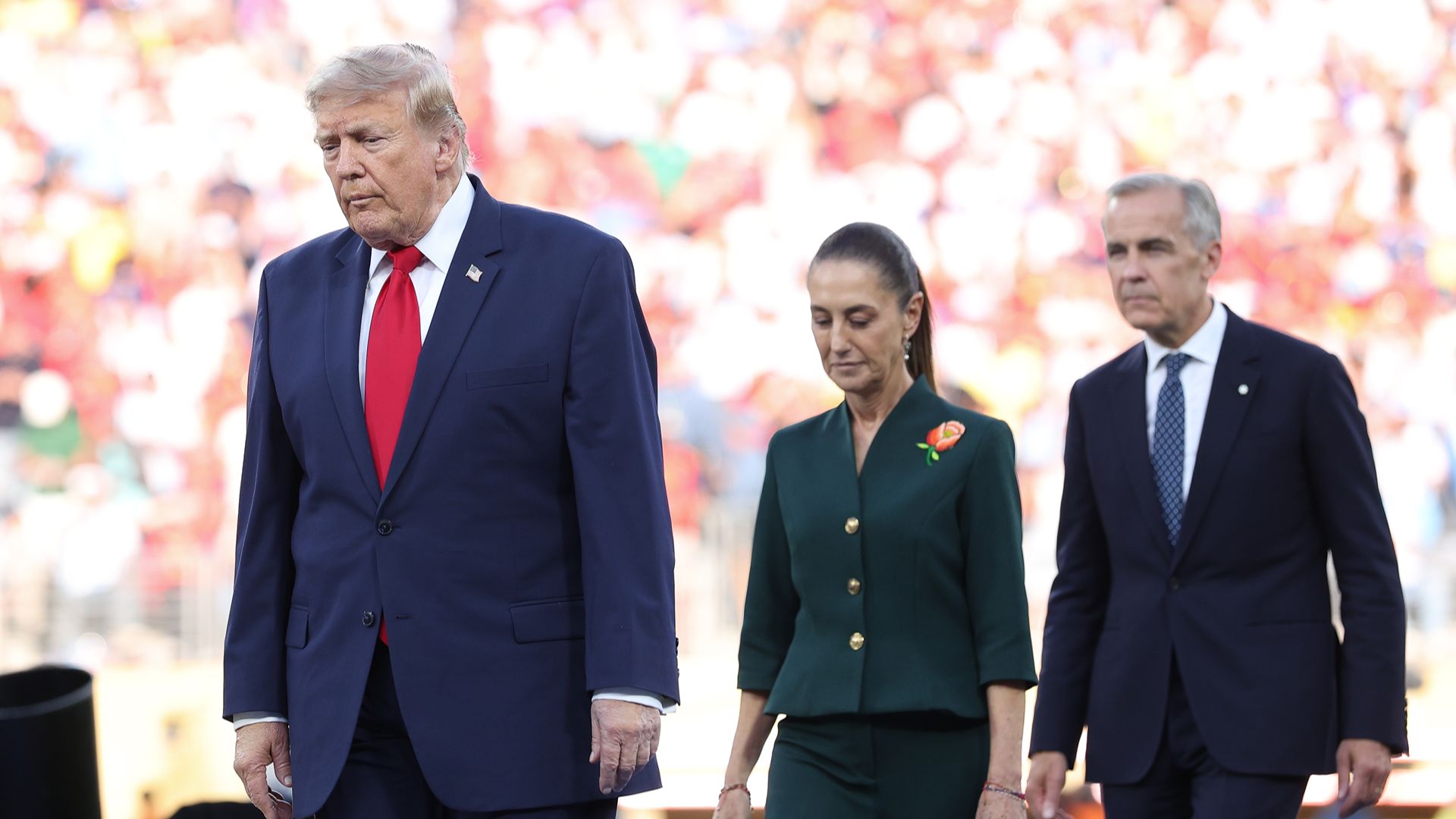
Getty Images
While Russia still possesses significant manpower, industrial capacity and the ability to conduct long-range strikes, the CSIS report suggests that the broader trajectory of the conflict has become considerably less favorable for Moscow than at any point since the invasion began. Analysts caution that neither side currently appears capable of achieving a decisive military victory in the near future, even as fighting remains intense across multiple sectors of the front. Instead, the combination of mounting casualties, slowing territorial changes, technological innovation and increasing economic pressure is gradually transforming the conflict into a prolonged war of endurance. According to the report, these dynamics substantially increase the likelihood that the war will ultimately conclude through a negotiated ceasefire or broader peace agreement rather than through outright military conquest, even if such negotiations remain politically and diplomatically difficult in the months ahead.