Four Fatally Shot, Six Wounded After Cuba Opens Fire on Speedboat, Accuses U.S. of «infiltration for terrorist purposes»

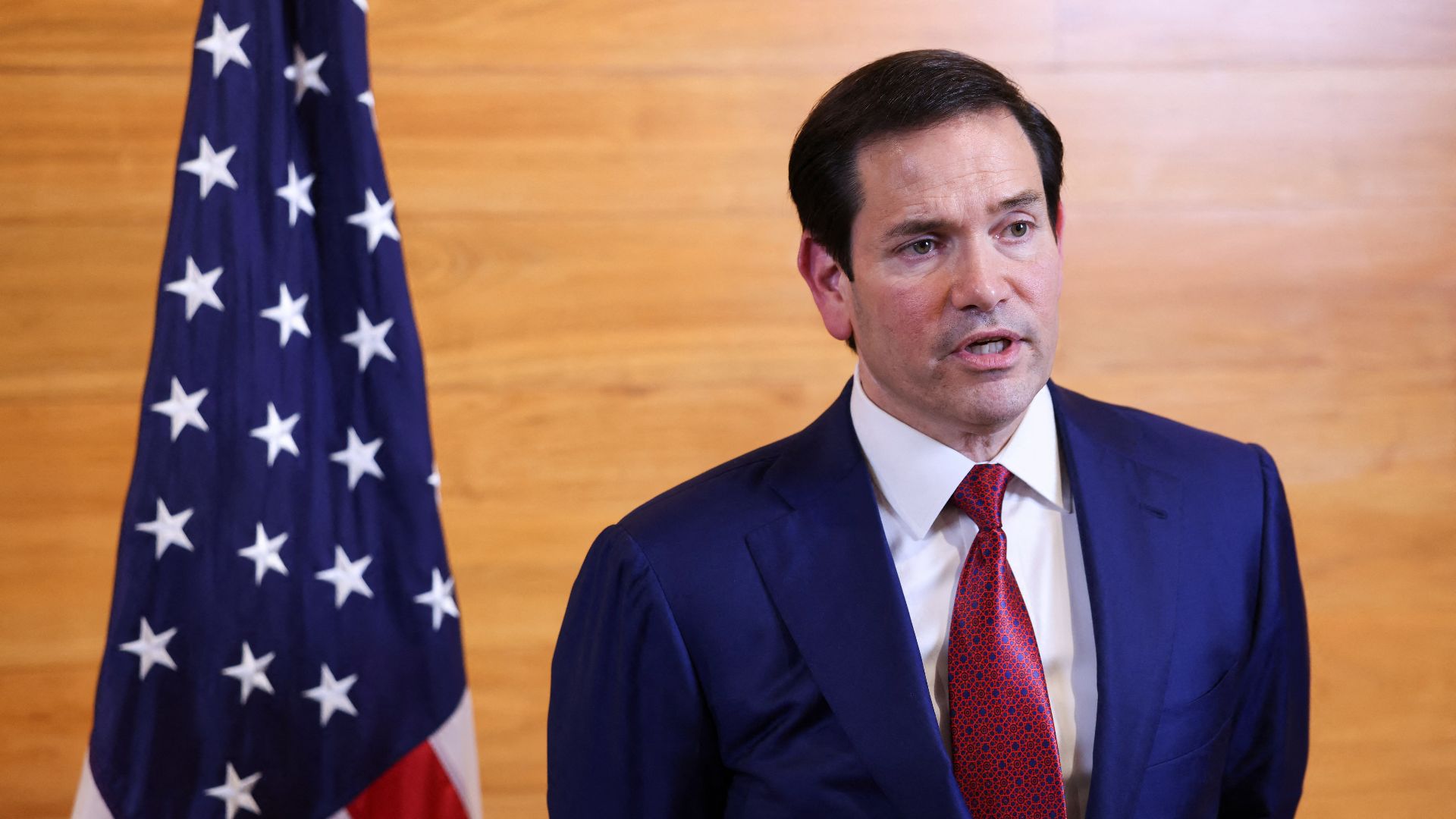
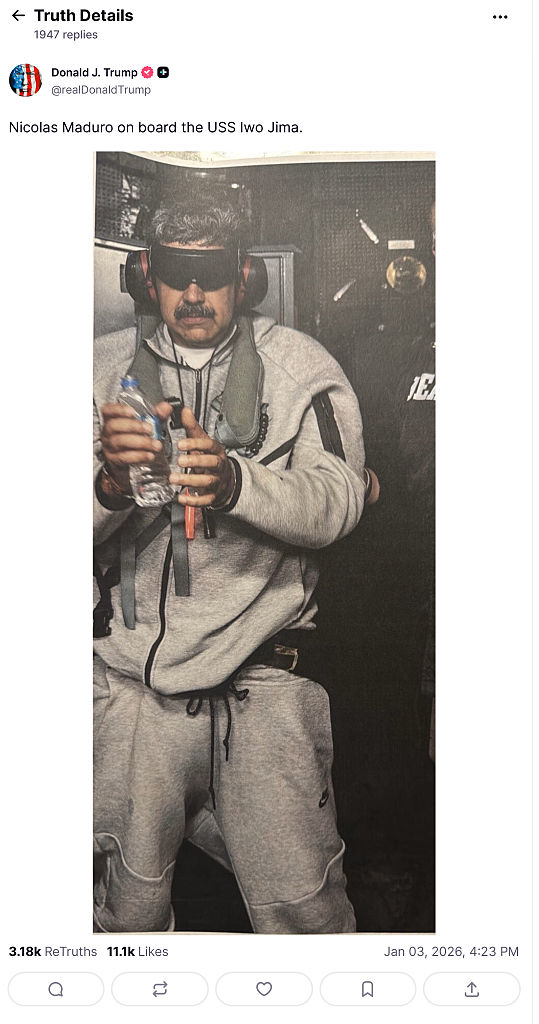
Cuban authorities say border forces opened fire on a Florida-registered speedboat after coming under attack, leaving four people fatally shot and six wounded. Havana claims those aboard were armed «Cuban residents of the United States» who «intended to carry out an infiltration for terrorist purposes,» an allegation U.S. officials have not accepted at face value. The clash comes amid heightened regional strain following the U.S. military operation in Venezuela and ongoing sanctions enforcement, raising fears that the incident could become a broader diplomatic flashpoint.

Netflix Backs Out Of Warner Bros. Deal

Netflix has officially stepped back from its pursuit of Warner Bros. Discovery, declining to match a higher all-cash offer submitted by Paramount and bringing one of the most closely watched bidding battles in the media industry to a pivotal moment. The streaming giant said it would not engage in a prolonged bidding war, signaling a disciplined financial approach despite the strategic appeal of Warner Bros.’ film studio, HBO and cable assets including CNN. Paramount’s improved proposal now awaits final evaluation from Warner Bros. Discovery’s board, as regulators, investors and political observers weigh the broader implications of a deal that could reshape the American media landscape.

15 Street Foods That Rule the World

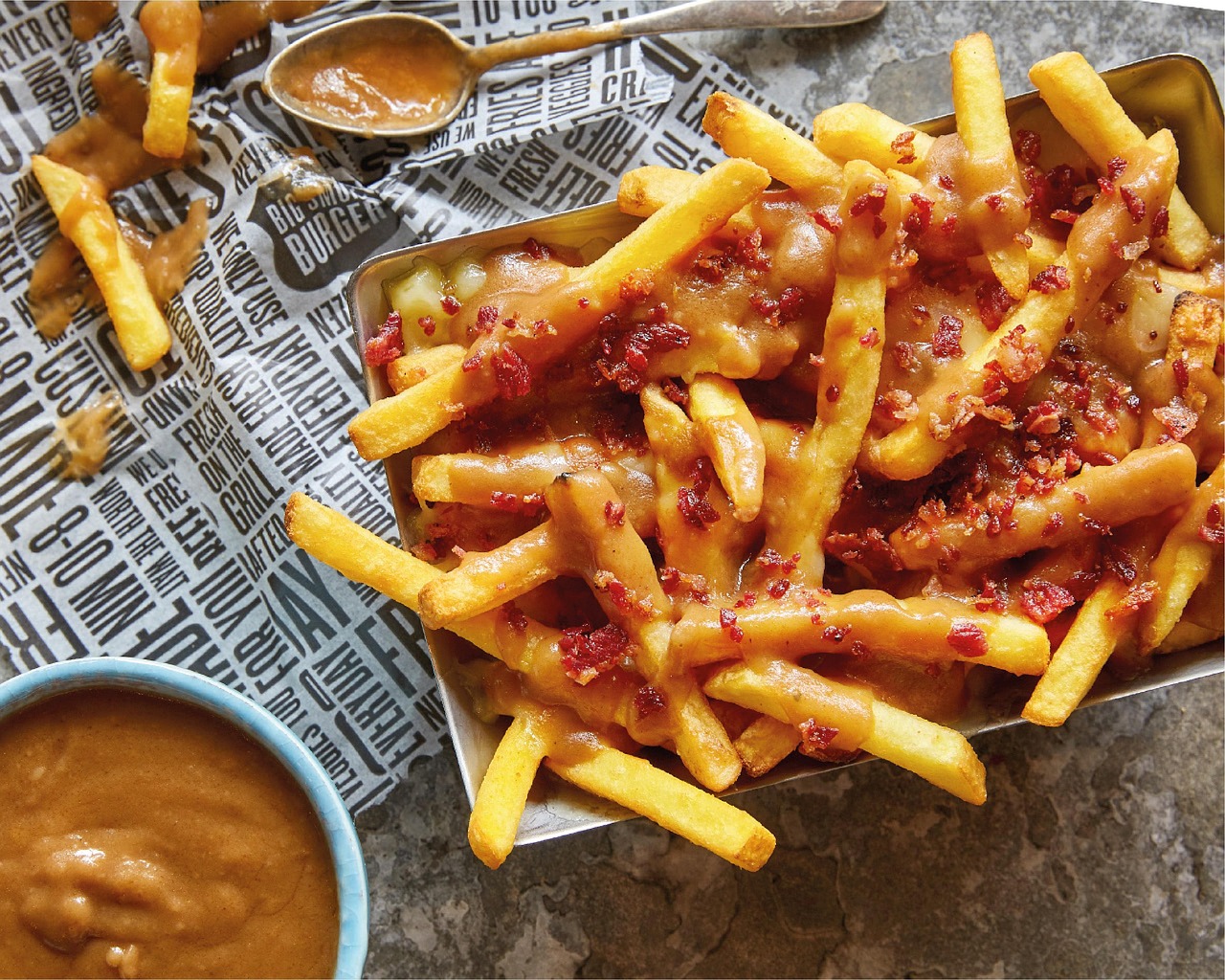
Street foods can be found almost anywhere in the world. Some are unique to certain regions and cultures, while others are more universal. Either way, you’re sure to find at least one vendor or food truck serving food that you’ll enjoy, whether you’re taking a walk through your hometown or you’re on vacation in another country.Some street foods will be harder to find than others, but here are some that you might want to try the next time you’re on vacation.

The Smartphones That Ruled The 2010s

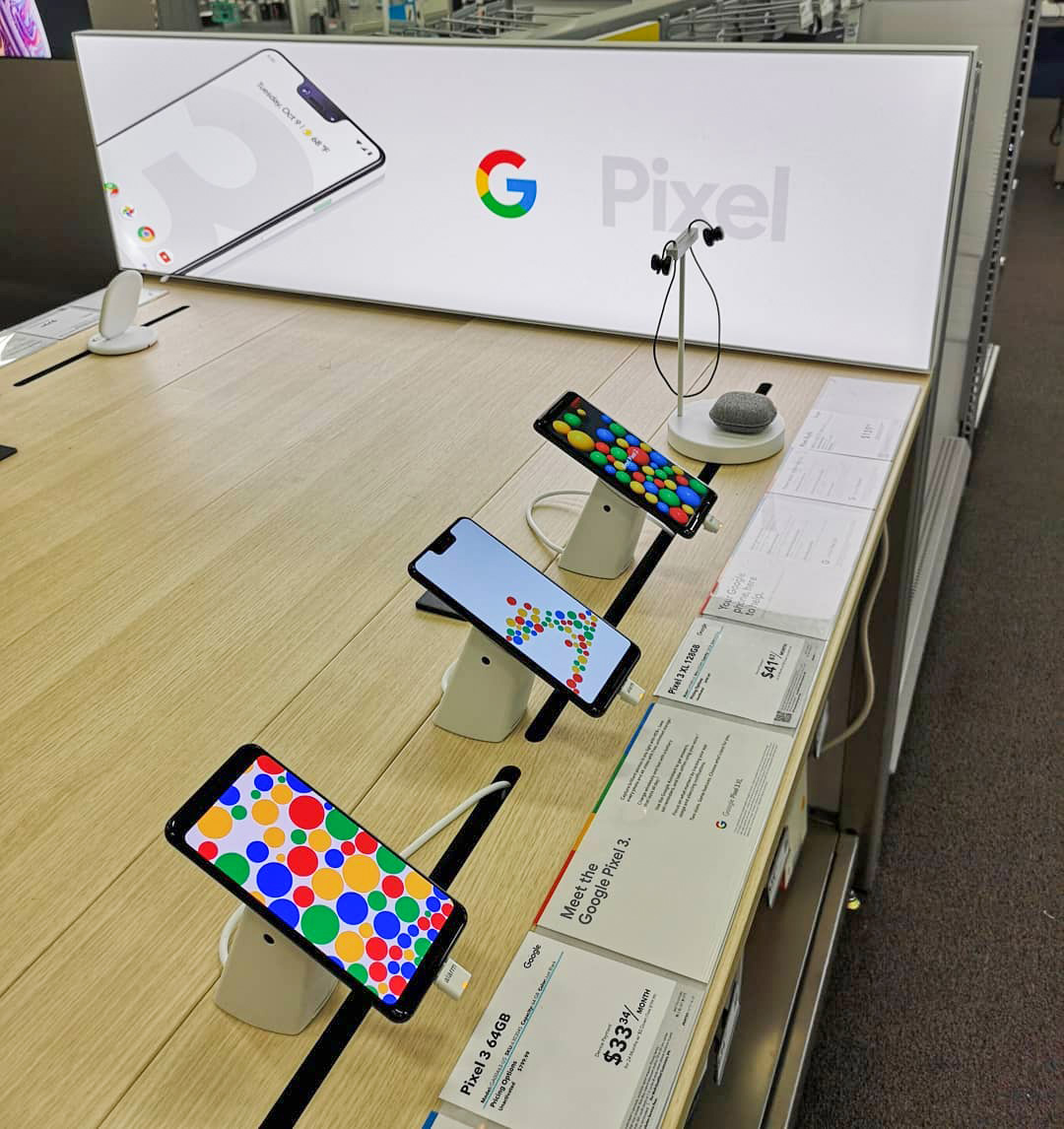
Remember the early 2010s when using Instagram filters was a personality trait, and your biggest tech flex was a phone that didn’t lag while opening the camera? Yes, that magical time kicked off a full-blown smartphone revolution. What started as a way to call your mom quickly morphed into a do-it-all sidekick who knew your schedule better than you did.

The last decade was about transformations. Phones stopped being accessories and started becoming extensions of us. They turned average humans into photographers, DJs, TikTok stars, emoji poets, and serial group chat participants.

Of course, not every phone earned icon status. Some came in hot, fizzled fast, and are now buried in drawers next to expired chargers. But a chosen few? They stood out. So, let’s take a look at 15 smartphones that ruled the last decade and gave us a very valid reason to panic every time we hit 1% battery.

The 7 Best Cars for New Drivers – and the 7 Worst

Driving is both a thrilling adventure and a necessary skill for modern living. Safety is paramount when first getting behind the wheel, so choosing a car that’s easy for newcomers to handle is vital. Learning to drive can be overwhelming, so the last thing you want is to worry about additional factors like tricky repairs or manual transmission usage at the beginning.If you are learning how to drive for the first time, then take it slow and steady with this list of the seven best cars for newcomers. We’ve also included seven models to avoid until you have more experience on the road.

Catégories
Uncategorized

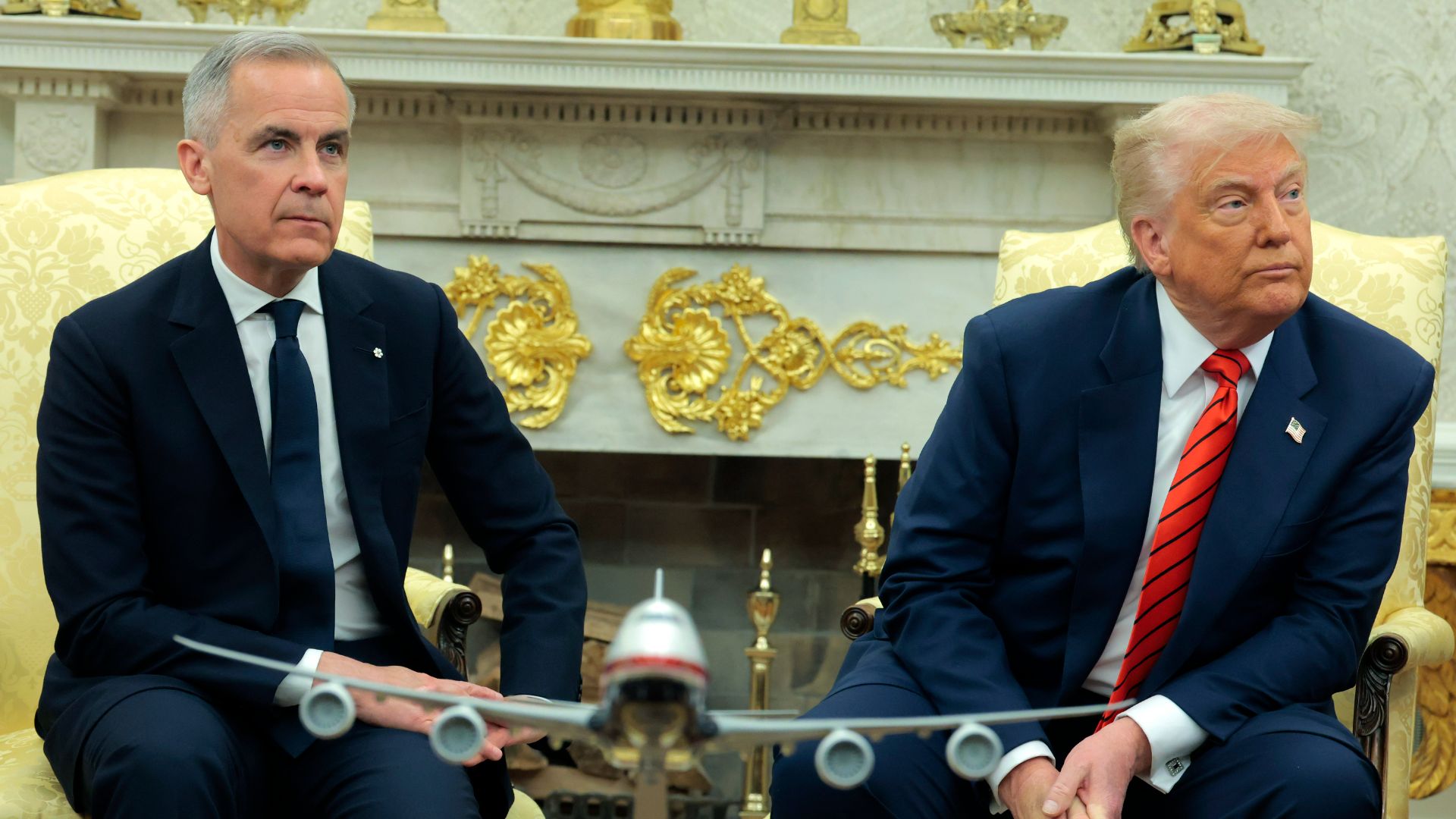
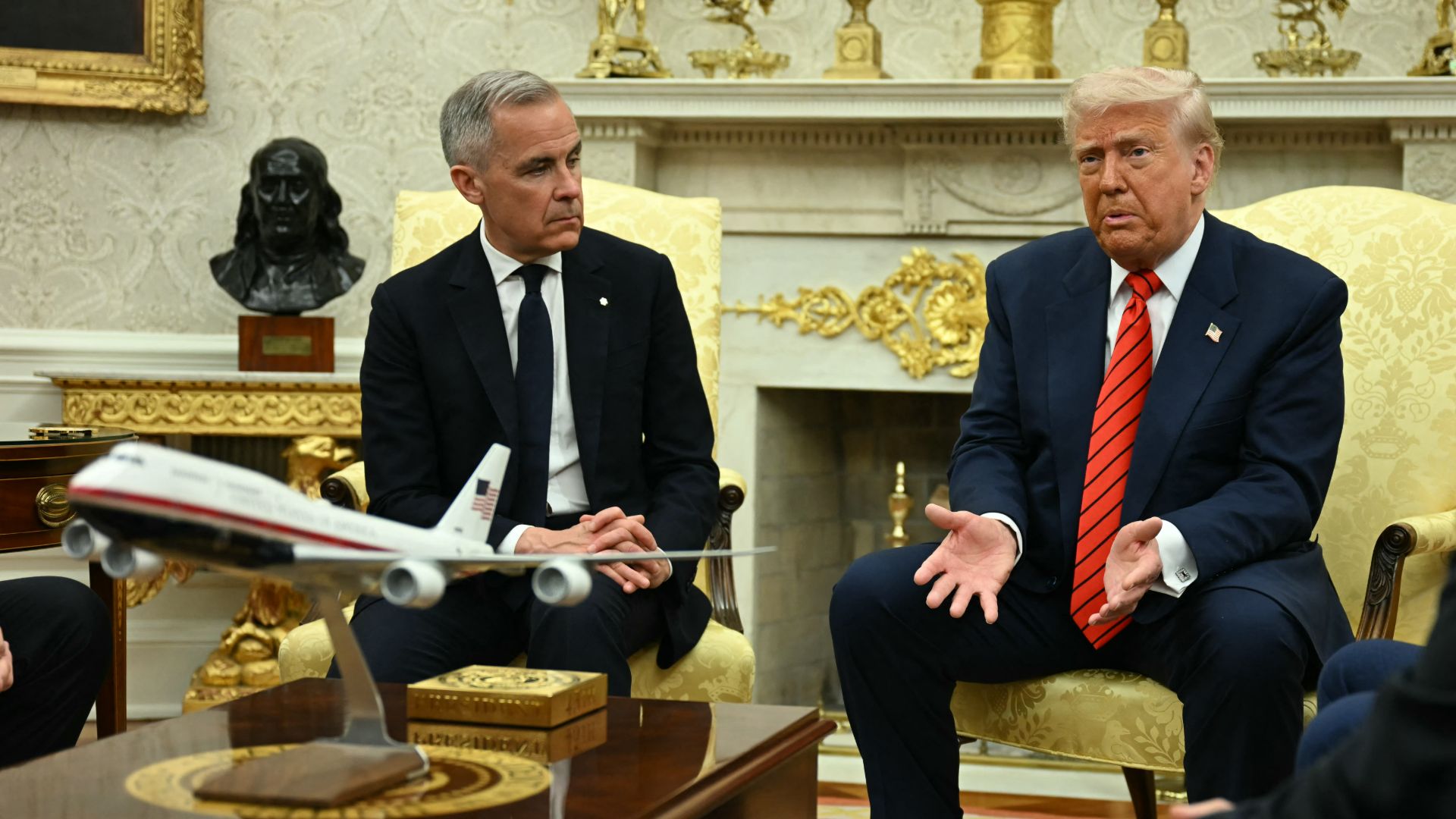
Threat of closure of the Gordie-Howe Bridge by the Trump administration: legal, economic, and political issues

Quick background: President Donald Trump recently stated on Truth Social that he may block the opening of the Gordie Howe International Bridge, which will connect Detroit, Michigan, and Windsor, Ontario. This highly publicized announcement is part of a broader episode of trade and diplomatic tensions between the United States and Canada.

Trump threatens to block the new bridge

Before going into detail, it is worth remembering that the Gordie Howe Bridge is the result of a complex partnership: a bilateral investment valued at several billion dollars, developed over more than a decade, with production and employment commitments on both sides of the border. The 2012 framework agreement sets out specific rules on financing, construction, operation, and the use of North American steel and iron.

What exactly is the US administration complaining about? In his publication, Trump accuses Canada of « unfair » trade practices, claims that the bridge would have been built with « virtually no American content, » and demands compensation before allowing it to open. He also links this issue to broader disputes: tariffs on dairy products, the removal of American alcohol from store shelves in Ontario, and a possible trade agreement between Canada and China.

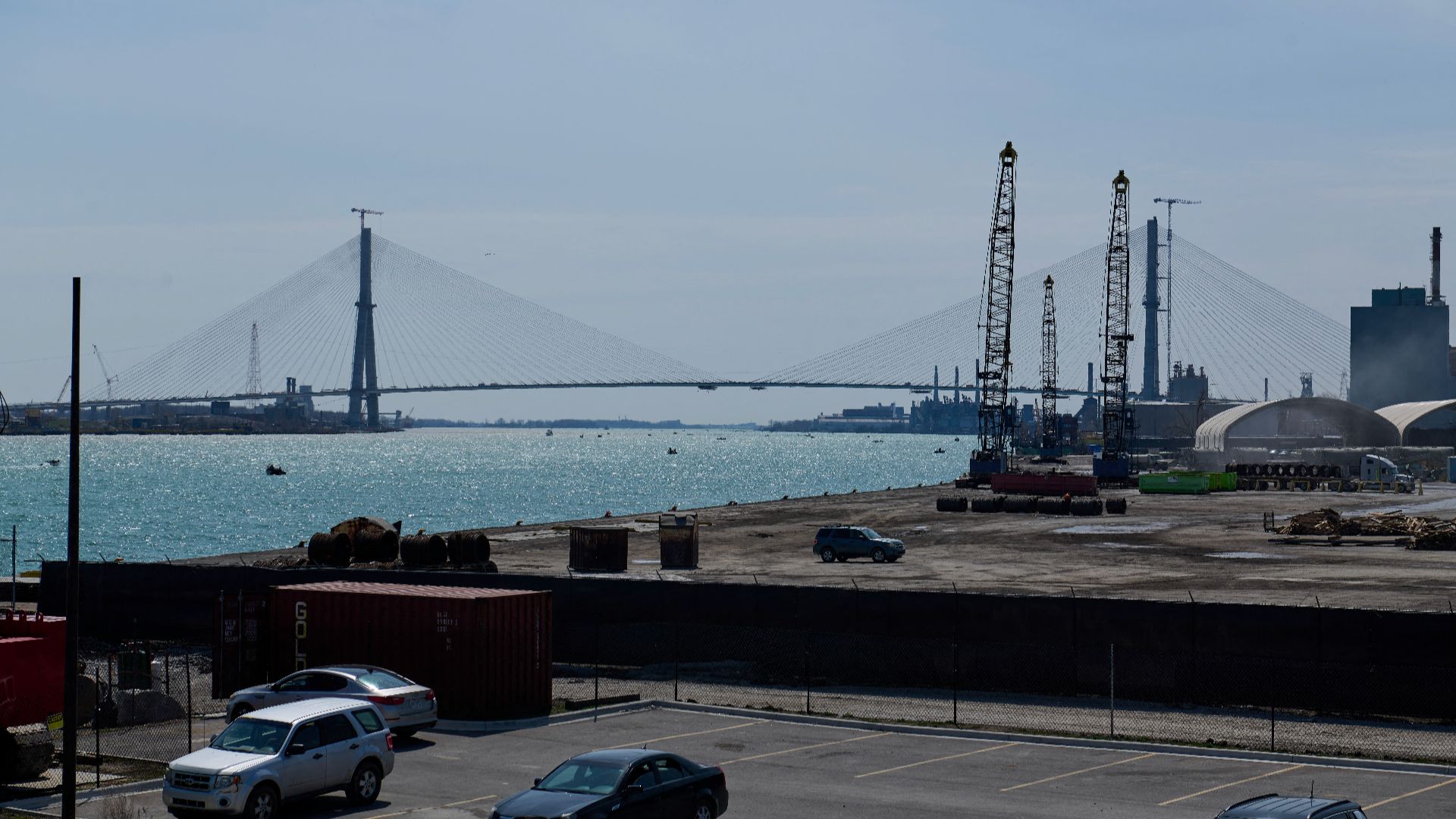
The Gordie Howe International Bridge

What real leverage does the US have?

  • Administratively, the US executive has limited room for maneuver to « prevent » the opening of infrastructure located on Canadian soil, especially if the bilateral agreement has set out specific terms and conditions.
  • Tariff sanctions or trade barriers (customs duties) remain a political option, but they come at a significant economic and diplomatic cost and may trigger retaliation.
  • Targeted legal or regulatory action is possible if violations of U.S. laws (e.g., Buy American) can be proven, but the project agreement specifically required North American content for steel and iron.

Accusations of economic injustice

What is Canada’s position? Ottawa and officials have denied allegations of a lack of US content and pointed out that US workers and materials were involved in the construction. The Canadian government also reiterated that the project, largely funded by Canada, is intended to improve the flow of cross-border trade and benefit both economies.

Plausible scenarios and consequences:

  • Escalation scenario: If Washington imposes tariffs or formally blocks operations related to the bridge, the immediate effect would be increased trade tensions, logistical disruptions for businesses on both sides, and a risk of investor confidence loss.
  • Diplomatic scenario: the two governments end up negotiating compensation or arbitration mechanisms—a less costly solution, but one that requires concessions.
  • Legal scenario: the outcome will depend on the contractual clauses and the competent jurisdictions. Given the complexity of the project, a prolonged dispute cannot be ruled out.

Bridge construction

Concrete impacts for local stakeholders: Manufacturing and logistics companies that depend on cross-border trade could face additional costs, delays, and increased uncertainty. Unions and construction workers could see their gains politicized. Finally, the agricultural and food sectors—milk, canola, lobster—are already included in the grievances raised and could face tariff retaliation.

Broader trade disputes

What can affected businesses and citizens do? Stay informed, diversify supply chains, strengthen trade compliance tools, and engage with chambers of commerce and elected officials to emphasize the importance of stable cross-border cooperation.

Potential agreement with China

In conclusion: the threat to block the opening of the Gordie Howe Bridge is a powerful but uncertain political lever. It highlights how major cross-border infrastructure projects are becoming variables in broader trade and diplomatic strategies. For now, legal agreements and economic ties present significant barriers to sudden cancellation; the most likely path remains negotiation and political maneuvering rather than direct physical closure. Stay tuned for further official announcements, as the outcome will have real local and sectoral repercussions for both countries.

Symbolic and political

Catégories
Uncategorized

US strikes in the Pacific: assessment, context, and challenges for the region

Summary: On February 9, 2026, a new US strike targeted a ship in the Pacific Ocean, raising questions about its human toll, legality, and geopolitical consequences. This article provides a concise and accessible overview of the known facts, their context, and the short- and medium-term implications for Latin America and US diplomacy. The US Southern Command issued a statement describing the operation as a « kinetic strike » targeting a vessel believed to be operated by an organization linked to drug trafficking. According to these statements, two people were killed and one survivor was rescued by the US Coast Guard. Images released by the US forces show the destruction of a small open-air vessel in black and white.

Naval strike in the Pacific Ocean

Recent context: these strikes come after a series of maritime operations launched in September 2025, targeting vessels that Washington considers to be involved in « maritime drug trafficking. » They are also part of a broader political context—displayed nationalism, operations against Venezuela, and measures to control its resources—which makes every military action particularly sensitive from a diplomatic standpoint.

Since the launch of the operations, several incidents have been reported: strikes hitting vessels, some of which were presented by Caracas as fishing boats, uneven drug seizures, and civilian or foreign casualties among those killed. These factors fuel the concerns of neighboring countries and the international community regarding compliance with maritime law and the ability to verify targets.

Images of the strike released by Southern Command

What the US authorities are saying: Southern Command described the operation as a success and referred to the individuals targeted as « narco-terrorists. » The argument put forward is the fight against transnational networks that use the sea to transport drugs. The authorities emphasize the principle of preserving regional security and the need to prevent the transport of large illicit shipments.

History of maritime strikes

Criticism and questions: several points remain controversial:

  • The characterization of targets: how can it be independently established that a ship actually belongs to a cartel and poses an imminent threat?
  • The human toll: reports mention victims identified as citizens of neighboring countries with no proven links to criminal groups.
  • The legal framework: these interventions raise questions about their legality under international law, the law of the sea, and the principles governing the use of force outside a recognized theater of war.

Diplomatic echoes and regional reactions

On the domestic political front in the US, these operations are also a divisive issue. An AP-NORC poll published in January indicated that more than half of American adults believed that the executive branch had gone « too far » in these interventions, reflecting a decline in its image and public debate over the foreign policy strategy adopted.

What are the consequences for the region? The proliferation of unilateral actions may:

  • exacerbate diplomatic tensions between Washington and certain Latin American governments;
  • fuel a sense of instability among coastal populations and local sailors;
  • compromise regional cooperation essential to the fight against trafficking, if the countries concerned feel that their rights are being violated.

Public opinion reactions

Outlook and recommendations: To reduce the risk of escalation and increase effectiveness, several avenues appear promising:

  • Promote transparency: disseminate investigation findings to regional partners and independent observers.
  • Multilateralize the response: create or strengthen regional maritime surveillance mechanisms with a clear mandate and the participation of coastal states;
  • Combine security measures and socio-economic actions: tackle the root causes of trafficking by supporting coastal development and the resilience of vulnerable communities.

In conclusion, the February 9 strike illustrates the complexity of a strategy combining military action, diplomatic pressure, and domestic issues. The challenge for the future will be to balance operational effectiveness with respect for the legal framework and regional partners, so that the fight against trafficking does not become an additional source of instability.

Overview of maritime operations

Sources and transparency: This article summarizes official statements from Southern Command, field reports, and publicly available investigative findings. It is important to remain vigilant as the situation evolves: this information may be supplemented by independent investigations as they become public.

Catégories
Uncategorized

Practical guide: 7 effective eco-friendly actions, 7 pitfalls to avoid, and how to act on a daily basis

Taking action for the environment may seem daunting, but there are simple, accessible, and truly effective steps we can take to reduce our ecological footprint. Conversely, some popular solutions that we are encouraged to believe in are not always as virtuous as they seem. This practical guide aims to clarify these differences, offer concrete advice, and help you structure your priorities on a daily basis.

Why distinguish between good actions and false good ideas? Because every choice has a cost in terms of resources and energy. Even an action presented as environmentally friendly can, if poorly thought out, generate more impact than it avoids. The goal is therefore to adopt a reflective attitude: favor solutions that truly reduce raw material consumption, waste production, and greenhouse gas emissions, while avoiding those that create an illusion of progress. Easy and effective actions

  • Use a reusable water bottle: this quickly eliminates the systematic purchase of plastic bottles and the waste they generate. A stainless steel or glass water bottle, used daily and maintained, has a marginal footprint compared to the daily use of disposable bottles.
  • Choose reusable bags: bags made of fabric or sustainable fibers avoid the proliferation of single-use bags. The key is to use them enough to offset their manufacturing.
  • Buy in bulk: buying in bulk reduces packaging, allows you to buy the right amount, and often promotes less processed products.
  • Compost: turning bio-waste into a resource reduces the volume of household waste and enriches the soil. There are solutions suitable for all types of housing (worm composters, community composters, etc.).
  • Consume local and seasonal products: this reduces the transport and processing required to preserve products, while supporting the local economy.
  • Repair rather than replace: extending the life of objects breaks the logic of disposability and reduces the demand for new raw materials.
  • Choose sustainable transportation: walking, cycling, public transportation, and trains are often much better choices than always using a car or plane.

eco-friendly water bottle compost

Common pitfalls to be aware of

  • Bioplastics: attractive on paper, but their degradation is often optimized for industrial facilities. In nature or in landfills, they can persist for a long time.
  • « Eco-friendly » wipes: these rely on specific degradation conditions. Replacing them with washable cloths is generally more sustainable.
  • Biodegradable trash bags: useful in certain contexts, but ineffective if the local waste management system does not allow for their industrial composting.
  • The indiscriminate use of LEDs: their lower unit consumption can be offset by an increase in the number of light points and unnecessary uses.
  • Excessive purchases of « eco-friendly » clothing: a sustainable garment that is rarely worn is less virtuous than a conventional garment that is worn frequently. Moderation and second-hand clothing remain powerful levers.

How to prioritize your actions? Start with high-impact, easy-to-implement measures: reduce single-use purchases, limit meat consumption if possible, cut down on non-essential motorized travel, and compost. Then adapt your choices to your situation (housing, budget, access to local channels). Don’t strive for perfection: every sustainable improvement counts. Practical tips for staying the course: Make gradual changes: replace one product at a time and turn these replacements into new habits.

  • Be informed: read labels, ask producers for details, and prioritize transparency.
  • Share and pool resources: tools, clothing, or group purchases can reduce individual impact.
  • Repair and recycle: favor local repair and recycling channels.

In summary, eco-responsibility is based on consistency and duration: favor actions that truly reduce resource consumption and be wary of solutions that create an illusion of progress. With a few simple and sustainable habits, everyone can contribute to a more environmentally friendly transition.

Catégories
Uncategorized

How to choose and arrange small decorative items to enhance the style of a room

Small objects have great power. They can transform an ordinary room into a welcoming and stylish space without requiring major work or a large budget. The trick is to select pieces that complement each other (colors, textures, materials) and arrange them in a way that creates points of interest. In this article, we explore the principles for choosing these accessories, layout ideas, and concrete examples for a living room, bedroom, or entryway. Defining the intention and focal point

Before buying, ask yourself what you want to emphasize: do you want to warm up a reading corner, structure an entryway console, or liven up a coffee table? A graphic cushion or accent lamp can create a comfortable focal point, while a mirror or large plant opens up and brightens the space. Your intention will guide your choice of objects and prevent cluttered accumulation. Mix materials and shapes to avoid monotony: a wooden tray with an amber glass candle and a small handmade ceramic piece creates a rich visual contrast. Be sure to repeat at least one color or material in several elements to ensure consistency. For example, an ochre color present in a cushion and in a plant pot subtly ties the composition together.

The size of objects should be proportional to that of the furniture or surface. A very large vase on a small table can throw off the balance of the room; conversely, several small pieces grouped together can function as a single visual unit. Vary the heights to create rhythm: a book laid flat, a taller candle, a small sculptural object lower down.

Small objects that add style to a room

4. Functionality and beauty

Choose objects that are both attractive and useful: a pretty and practical wicker basket for storing blankets, a tray that organizes and protects the table, beautiful books to display. Objects that are used every day are more likely to be appreciated and cared for.

5. The importance of light

Light reveals textures and colors. A well-placed accent lamp highlights a sculptural vase or small sculpture and creates interesting shadows. A mirror placed opposite a light source multiplies the effect. Think of lighting as a decorative element in its own right.

Scented candle in a designer container

6. Textures and materials

Natural materials—wood, brass, ceramic, rattan—bring warmth and authenticity. Contrasting textures (smooth/rough, matte/shiny) add energy to the overall look and prevent it from appearing flat. Handcrafted ceramics, for example, capture light differently depending on the time of day and give the decor soul.

7. Organization and temporary compositions

Create « tableaux » on your furniture: a large book laid flat, a candle, a small vase, and a personal item form a neat scene. Use trays to group items together and make them easier to move around. Don’t be afraid to change your composition regularly: quick changes are less expensive and keep things interesting.

Sculptural vase

8. Maintenance and durability

Choose items that are easy to maintain and durable. Washable cushion covers, natural wax candles, plants suited to your level of availability: these are all criteria that will prolong your enjoyment. Whenever possible, choose local or handcrafted items, which often have a longer lifespan and a smaller ecological footprint.

9. Decorating ideas for each room

  • Living room: a well-arranged tray on the coffee table, two graphic cushions, a side lamp near an armchair, and a tall plant in the corner.
  • Bedroom: a designer bedside lamp, a small sculptural vase on the dresser, and a glass bell jar to showcase a souvenir.
  • Entrance hall: a decorative mirror above a console table, a basket for throws, and a small sculpture for the finishing touch.

Stylized potted plant

In short, the power of small objects comes from their ability to add personality, texture, and warmth without much effort. By defining an intention, playing with contrasts, respecting proportions, and prioritizing quality and functionality, you can transform any room into a cohesive, stylish, and welcoming space. Start with one or two changes and observe the impact: often, it’s the details that make all the difference.


Catégories
Uncategorized

Complete guide to choosing a modern fireplace: models, uses, and pitfalls to avoid

Introduction

Choosing a fireplace today is no longer just a matter of selecting a hearth: it means thinking about its use, aesthetics, safety, and integration into a home that is sometimes compact. In this article, we review the most relevant contemporary models, explain how to evaluate their efficiency, and list common mistakes to avoid. My goal is to give you concrete guidelines for a successful project, whether it’s a renovation or a new installation.

Elegant wall-mounted fireplace

1. Understand the uses: aesthetics vs. heating

The first question to ask yourself is functional: are you mainly looking for a decorative element or a source of heat? Electric fireplaces and some bioethanol fireplaces are excellent for creating ambiance but often do not offer significant heat output. Conversely, a modern wood-burning insert or pellet stove will provide tangible heat and real autonomy, but will require more work and maintenance.

Some criteria to compare: power in kW, efficiency, advertised heated area, and compatibility with existing ventilation. If you live in a cold region, don’t just focus on aesthetics; check the actual thermal performance.
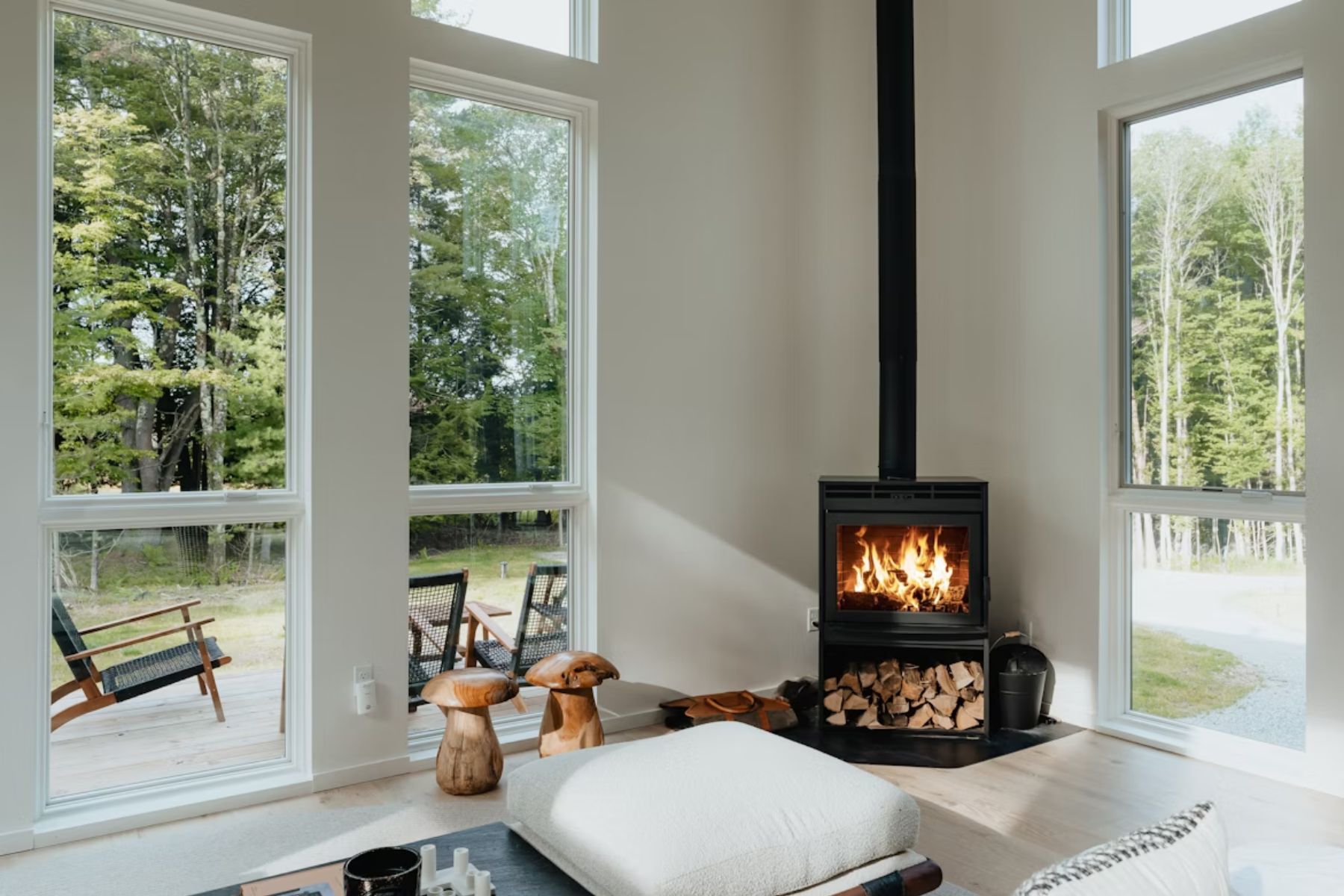
Minimalist linear fireplace

2. Models to consider depending on the space

  • Wall-mounted: ideal for small spaces, they free up floor space and create a focal point. Check the strength of the wall and the power supply. (See image above.)
  • Linear: perfect for visually enlarging a wall, but be careful about the proportions in relation to the room.
  • Double-sided: an elegant solution for defining space without partitioning; useful in open-plan layouts.
  • Freestanding: a thermal sculpture in the center of a living room, they require space around them but make a strong statement.
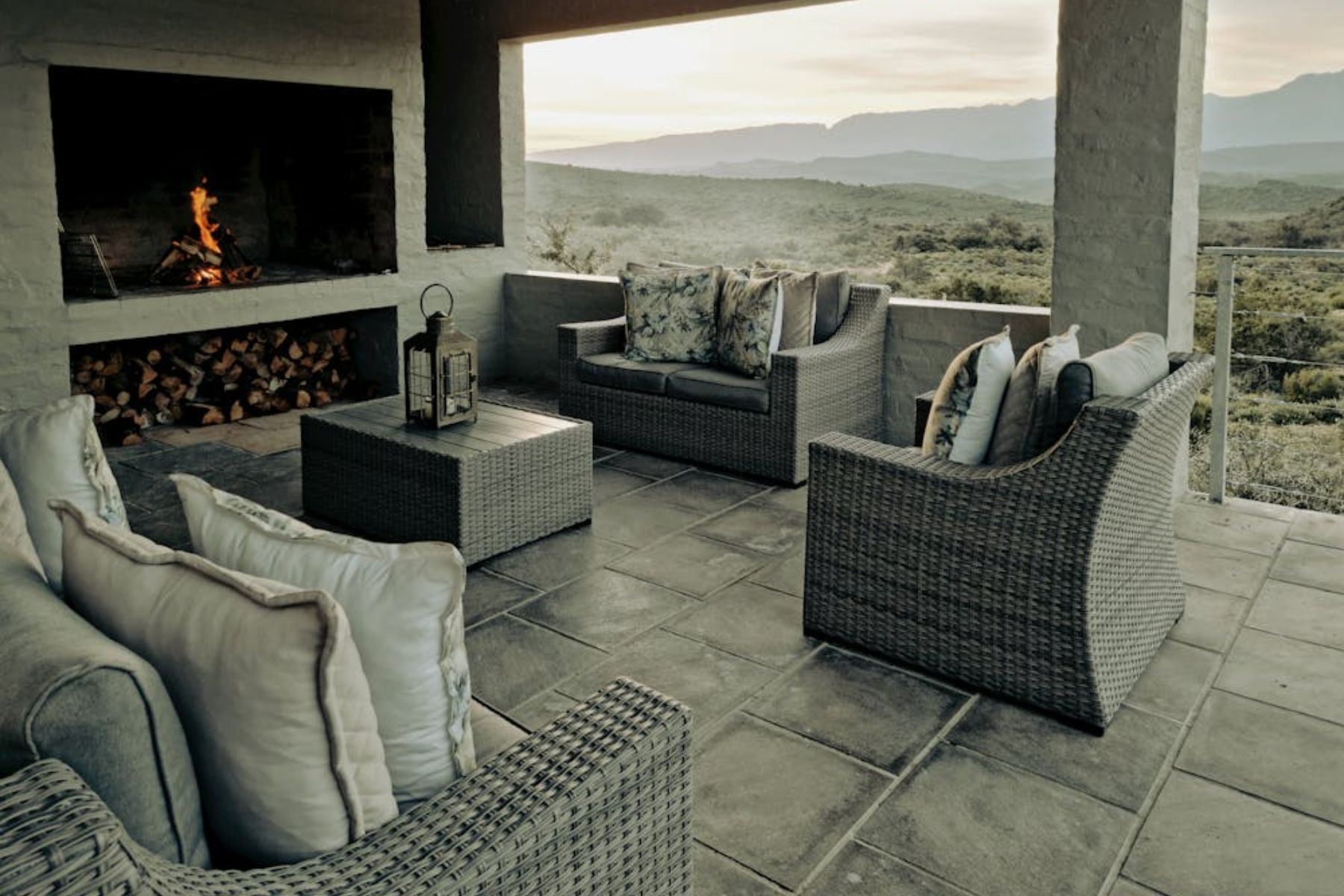
  • Indoor/outdoor: excellent for extending outdoor living, especially with large bay windows; requires weather-resistant materials.

Double-sided fireplace

3. Home automation and automation: a plus with precautions

Smart home integration makes life easier—scheduling, voice control, climate scenarios. However, don’t rely solely on a mobile app: choose a system that also offers physical controls and backup modes. Compatibility and safety (CO sensors, failure detection) must remain a priority.

Connected built-in fireplace

4. Common pitfalls to avoid

Common mistakes include purely decorative fireplaces in cold climates, models without adequate ventilation, designs that rely solely on mobile apps, and units that are difficult to maintain (glass that gets dirty quickly). These choices often lead to frustration, additional expenses, and compromises on safety.

For example, a unit that provides little heating will force you to use central heating; a design without ventilation can cause humidity and air quality problems. Always request technical data (efficiency, ventilation requirements) and reliable after-sales support.

Indoor-outdoor fireplace

5. Installation, safety, and maintenance

Have the installation carried out by a qualified professional: connections, safety distances, smoke extraction, and choice of materials are all factors that affect durability. Plan for regular maintenance—chimney sweeping for wood-burning fireplaces, checking electronic systems for connected models, cleaning the glass to maintain good visibility of the flame. Install smoke detectors and, if relevant, carbon monoxide sensors. Conclusion A modern fireplace can transform a home—provided you clearly define your priorities: ambiance, warmth, ease of maintenance, or high-tech integration. Take the time to compare performance, plan for ventilation, and request backup controls if you opt for home automation. With the right combination of design and practicality, you’ll end up with a beautiful, safe, and enjoyable fireplace.


Sculptural freestanding fireplace