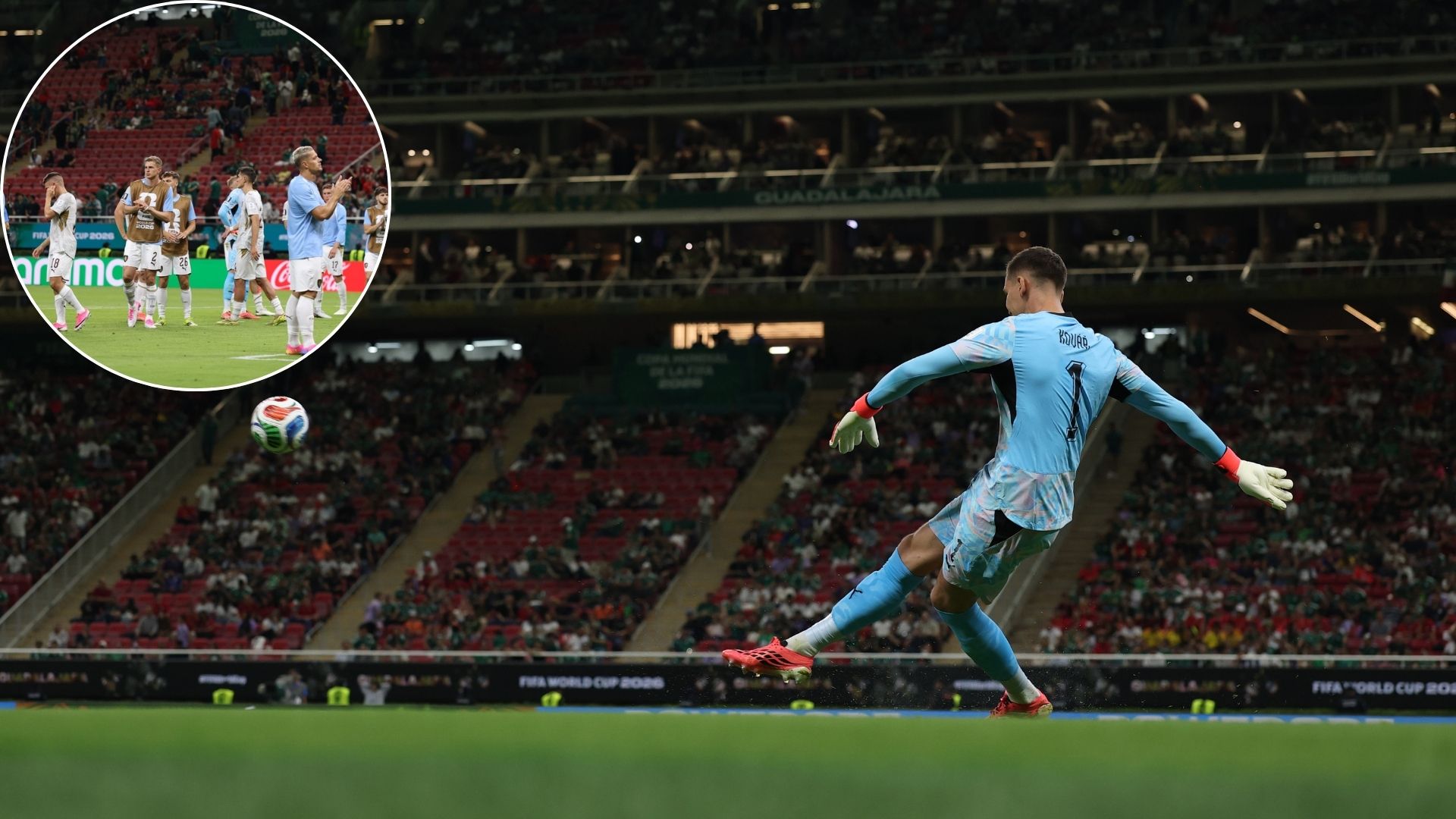
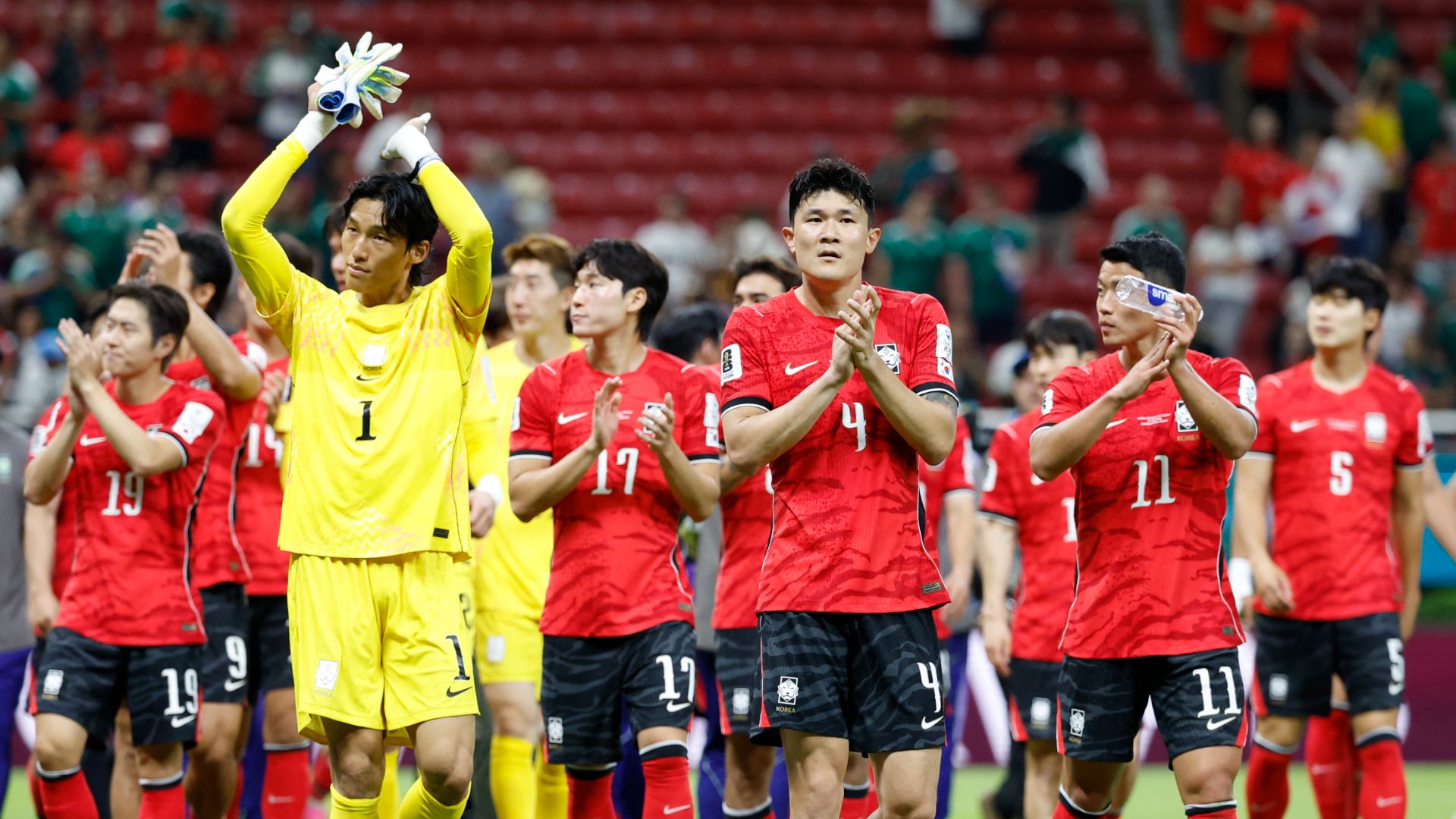
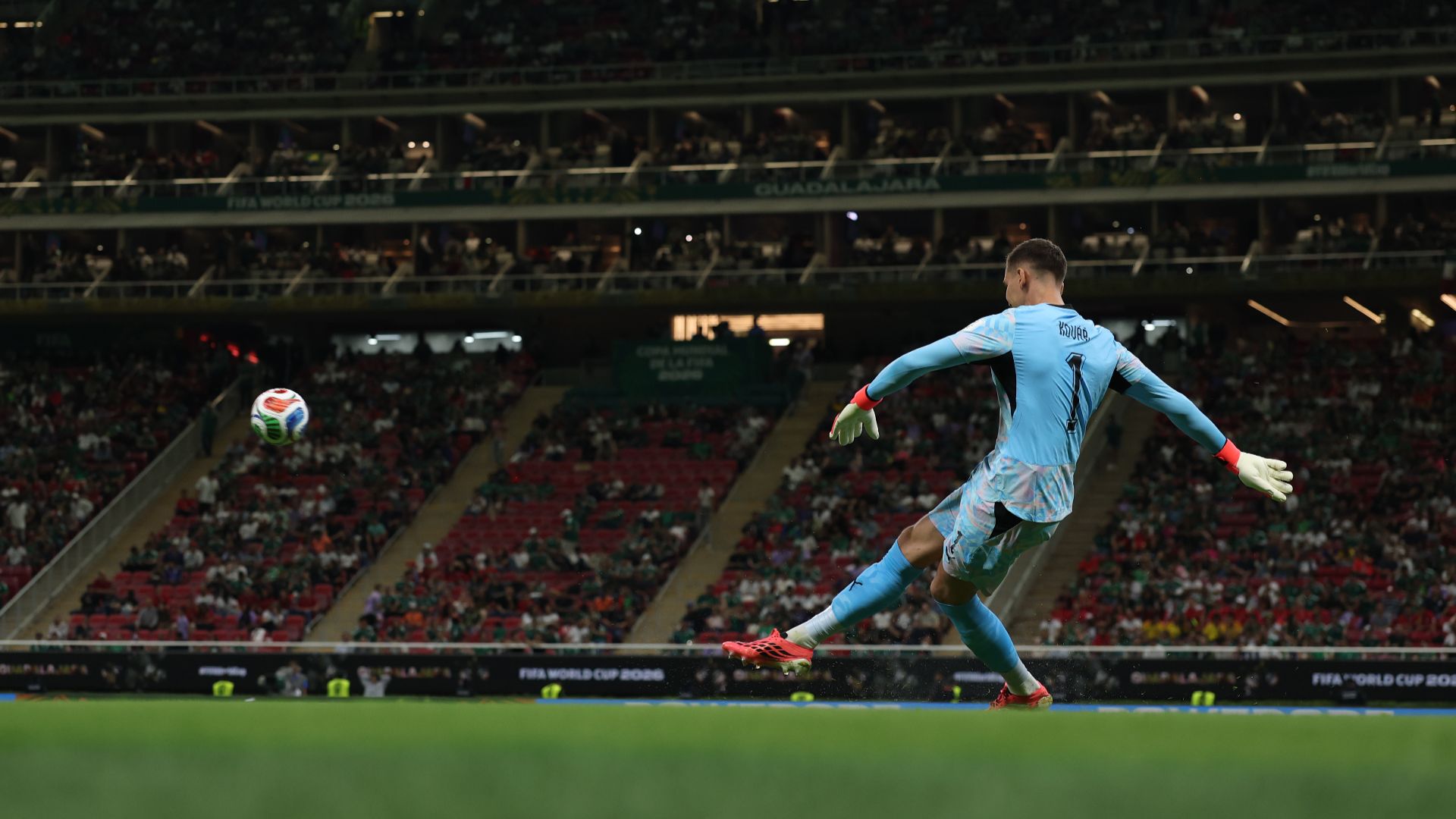
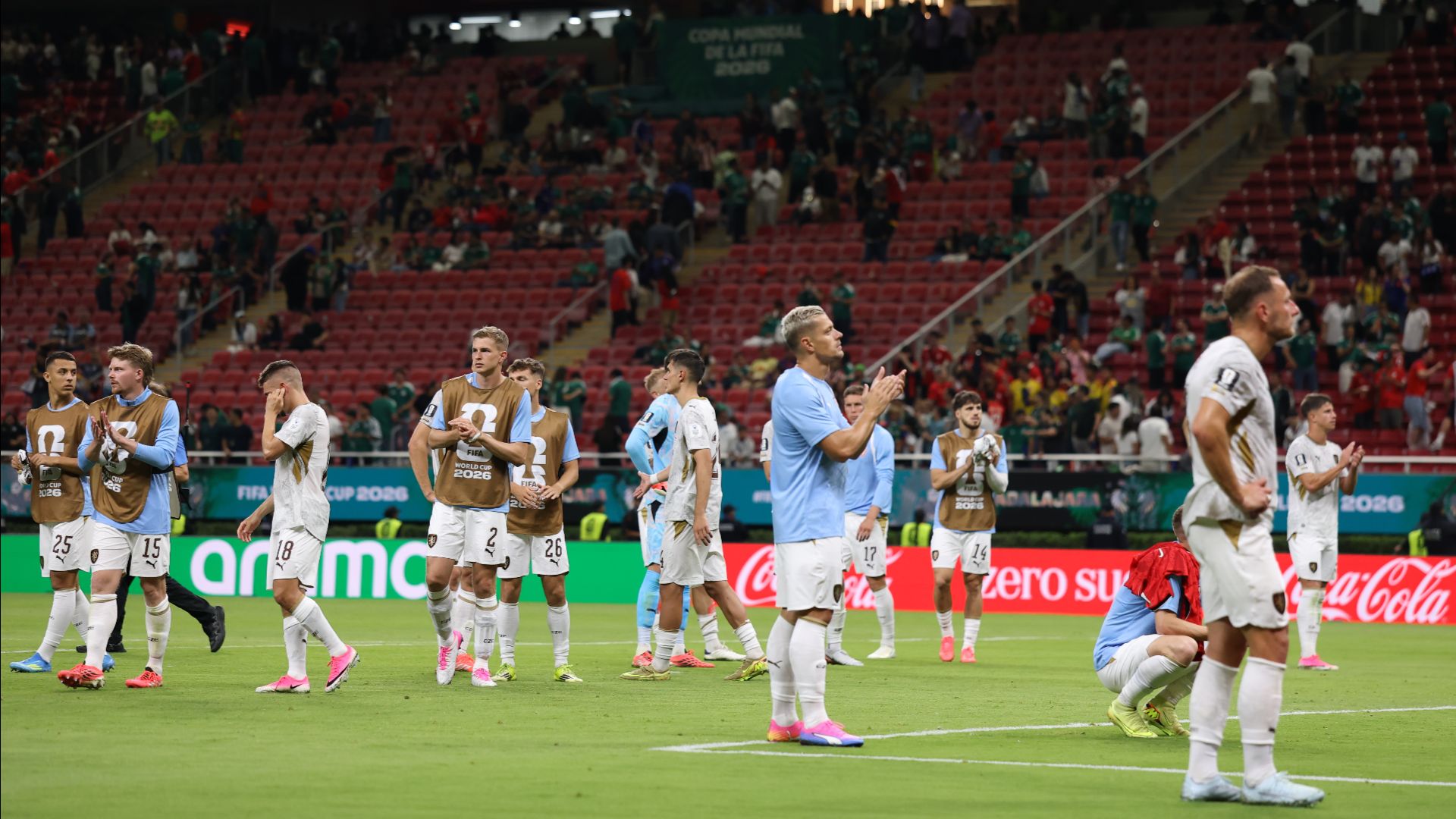
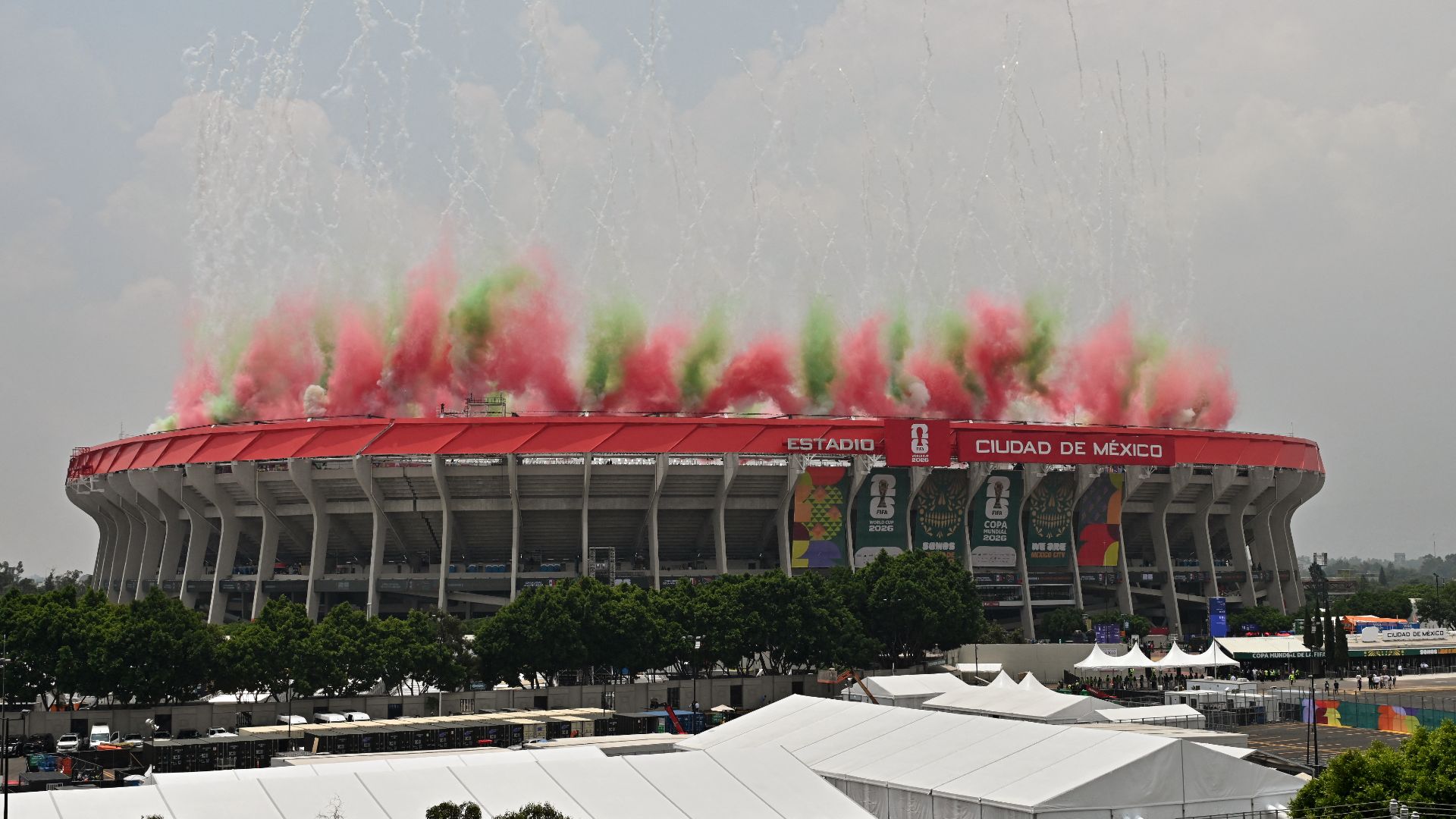
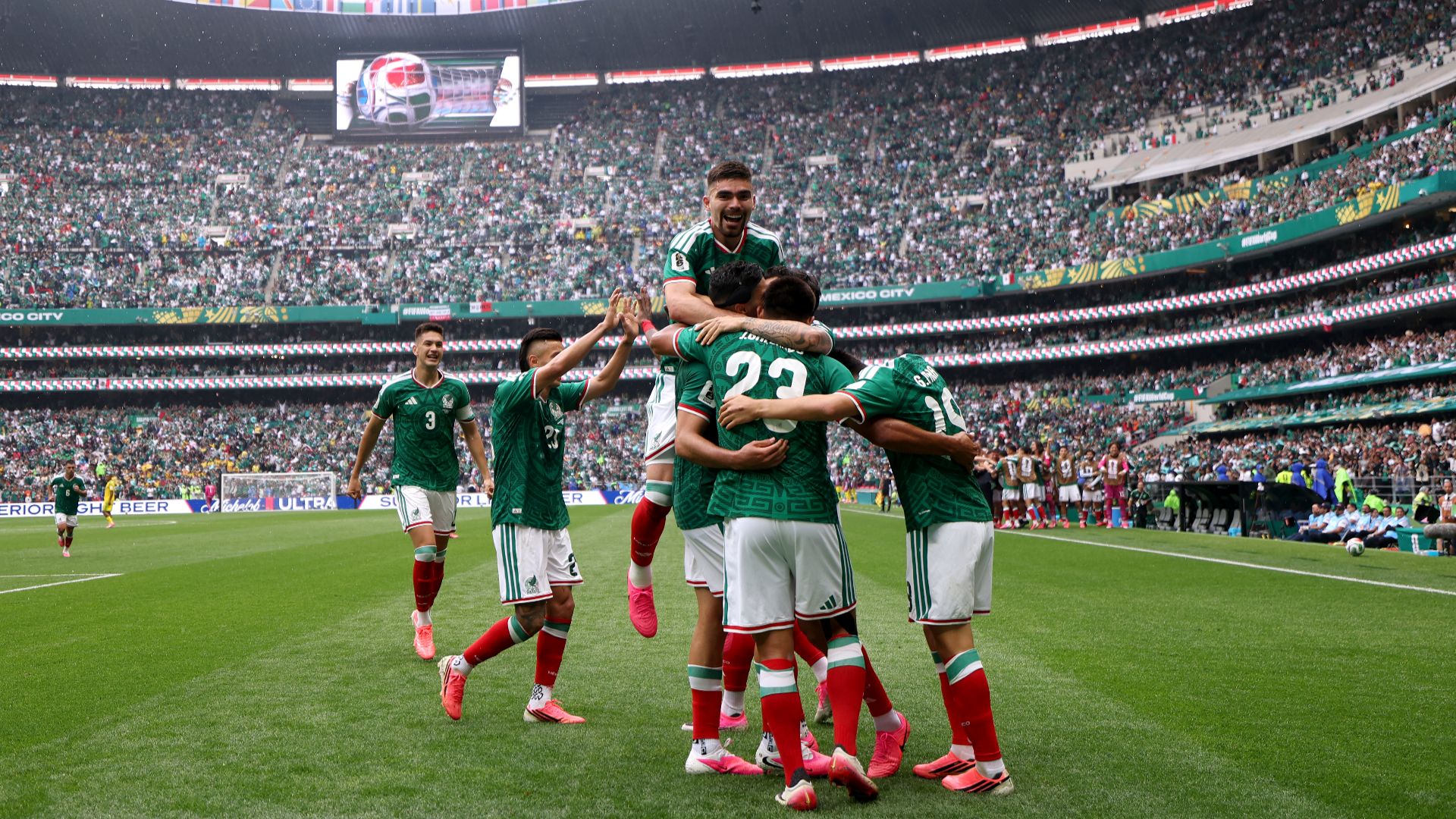
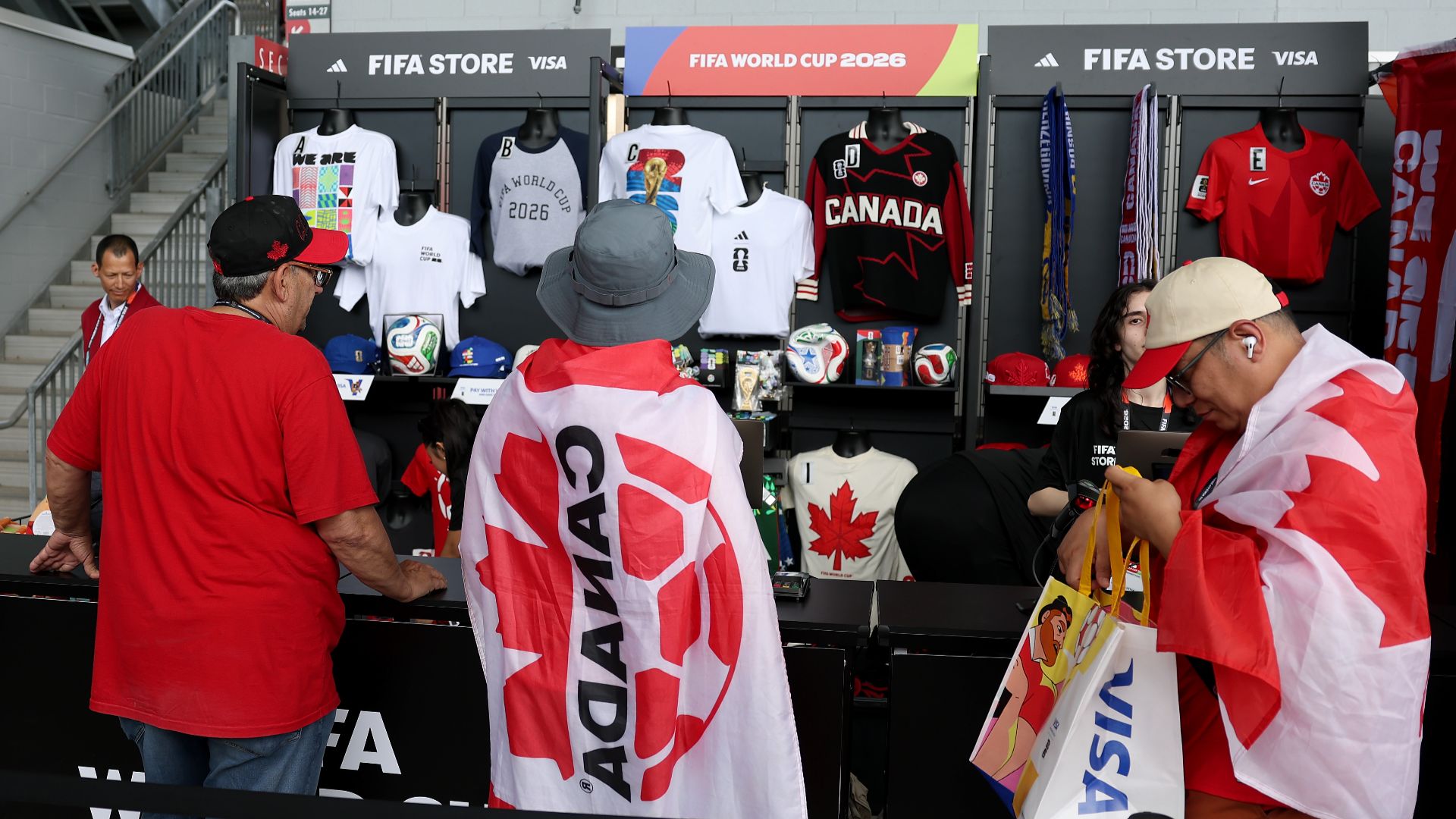
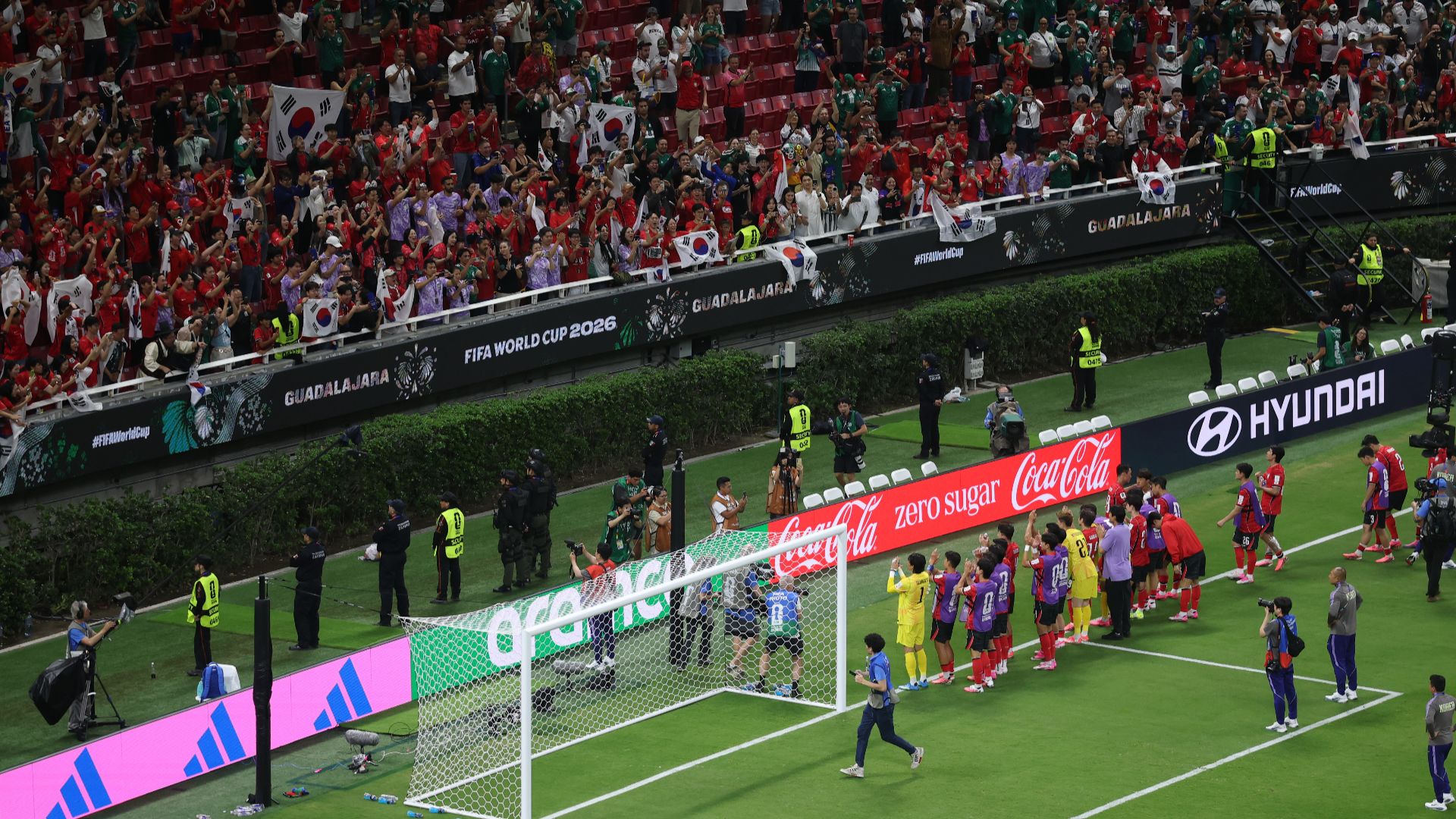
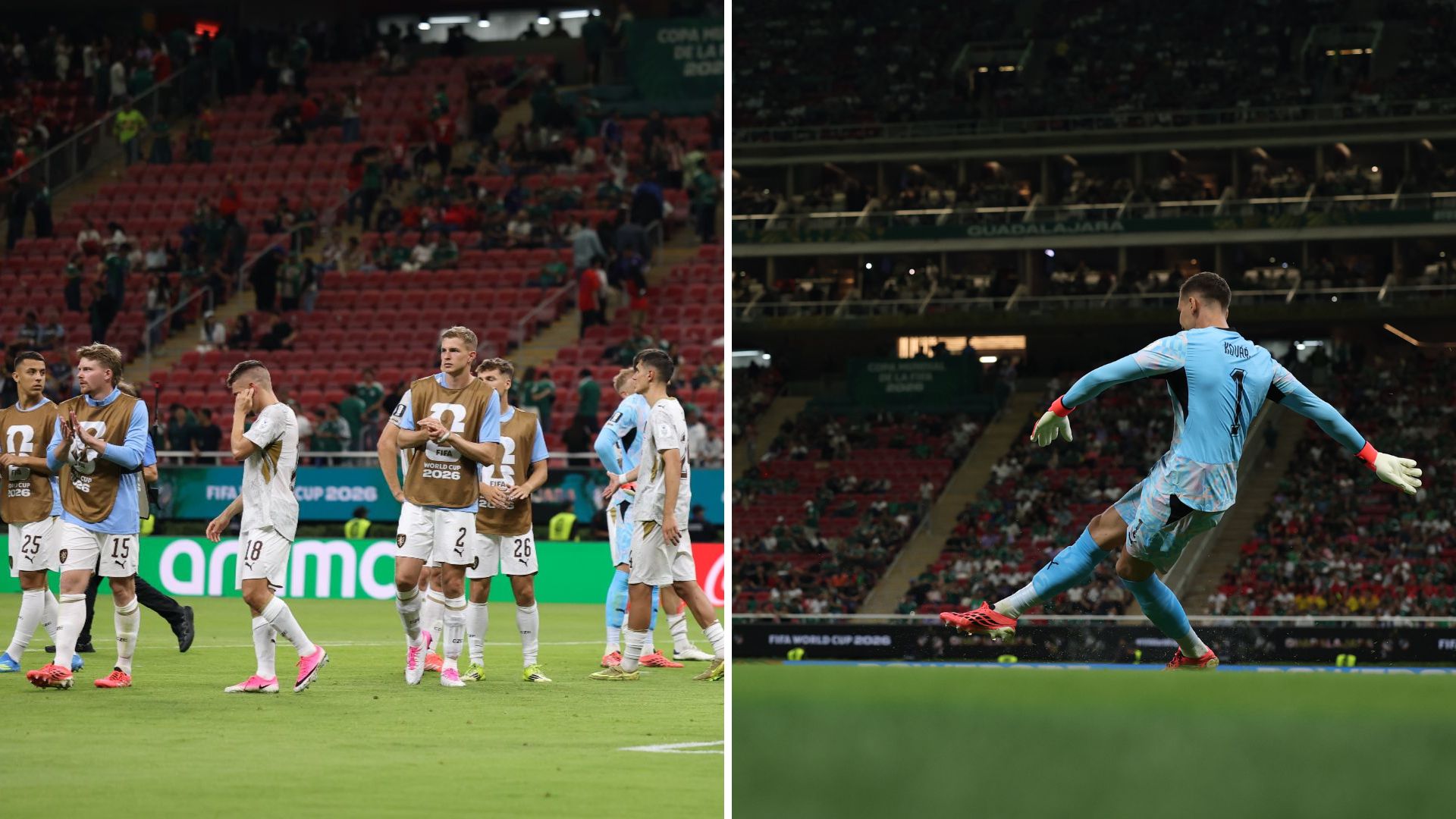
The 2026 FIFA World Cup opened with a packed stadium, a festive atmosphere and more than 80,000 supporters celebrating Mexico’s victory over South Africa in Mexico City. Yet only hours later, the tournament found itself facing its first major controversy as television broadcasts from the second match in Guadalajara showed thousands of empty premium seats despite FIFA announcing a near-capacity crowd. The images quickly fueled criticism of the organization’s ticket-pricing strategy and raised broader concerns about demand for expensive group-stage matches featuring foreign teams. With dozens of similar fixtures scheduled across Mexico, Canada and the United States, organizers are now facing questions about whether high prices could undermine attendance throughout the tournament.
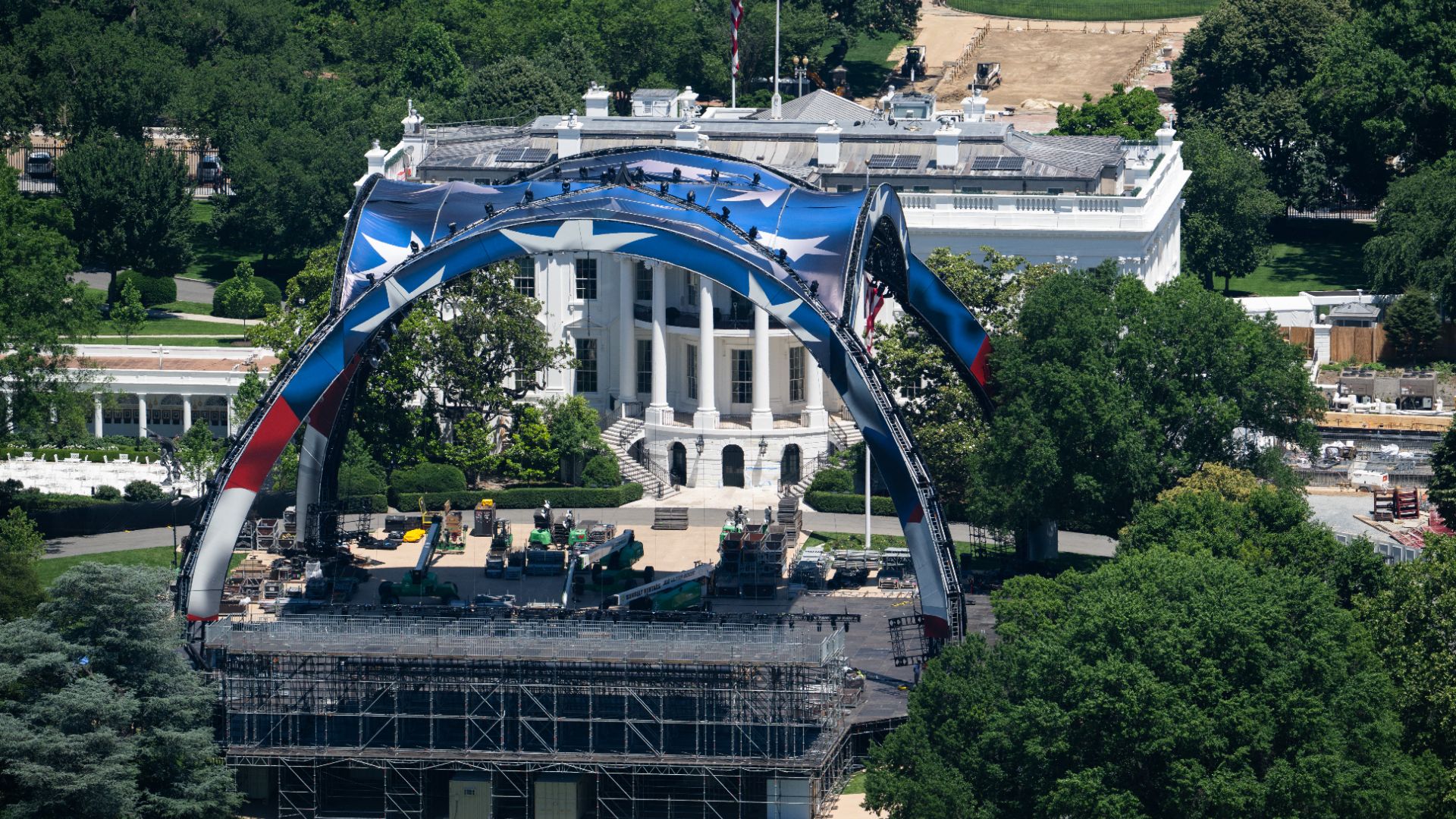
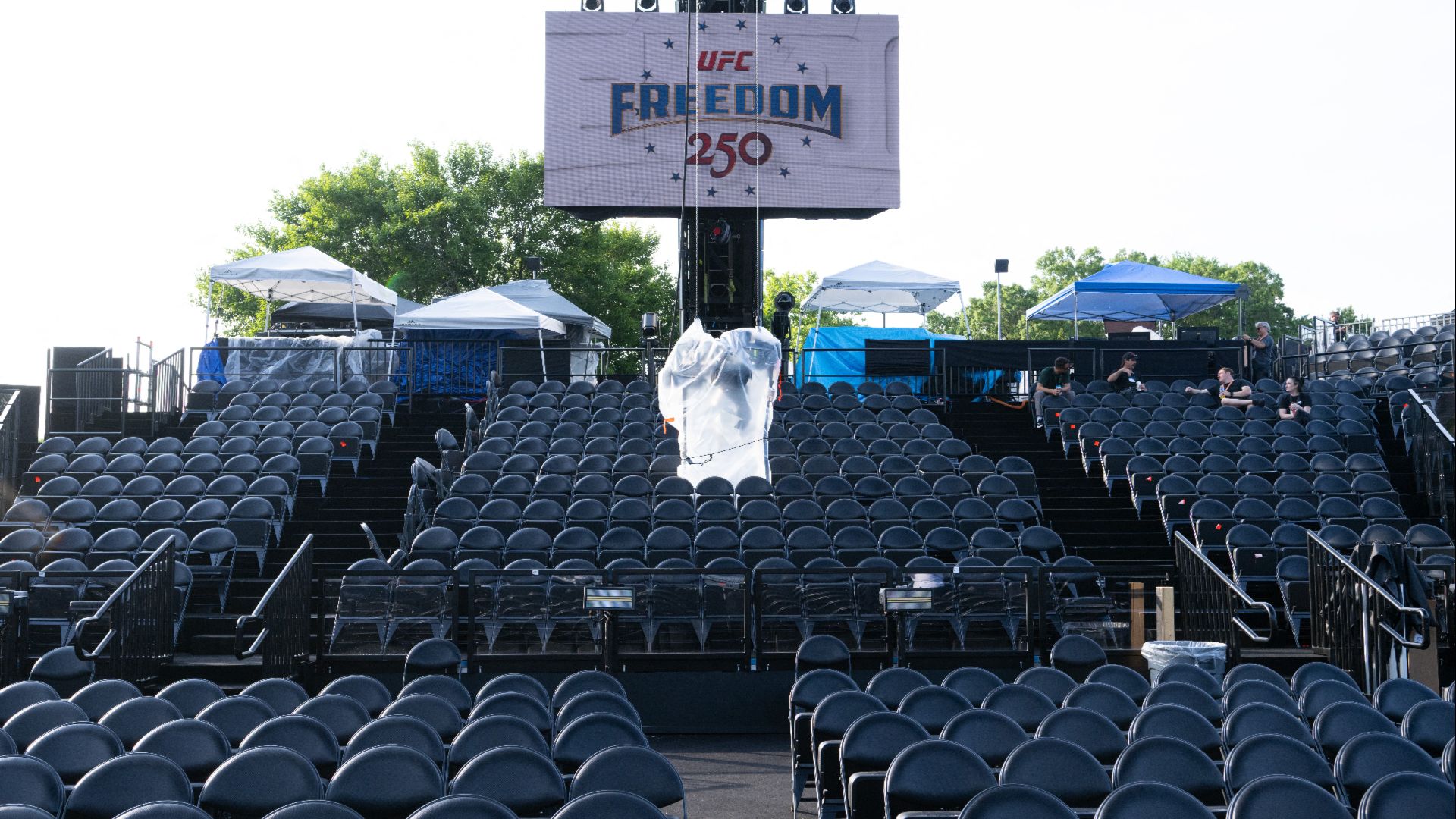
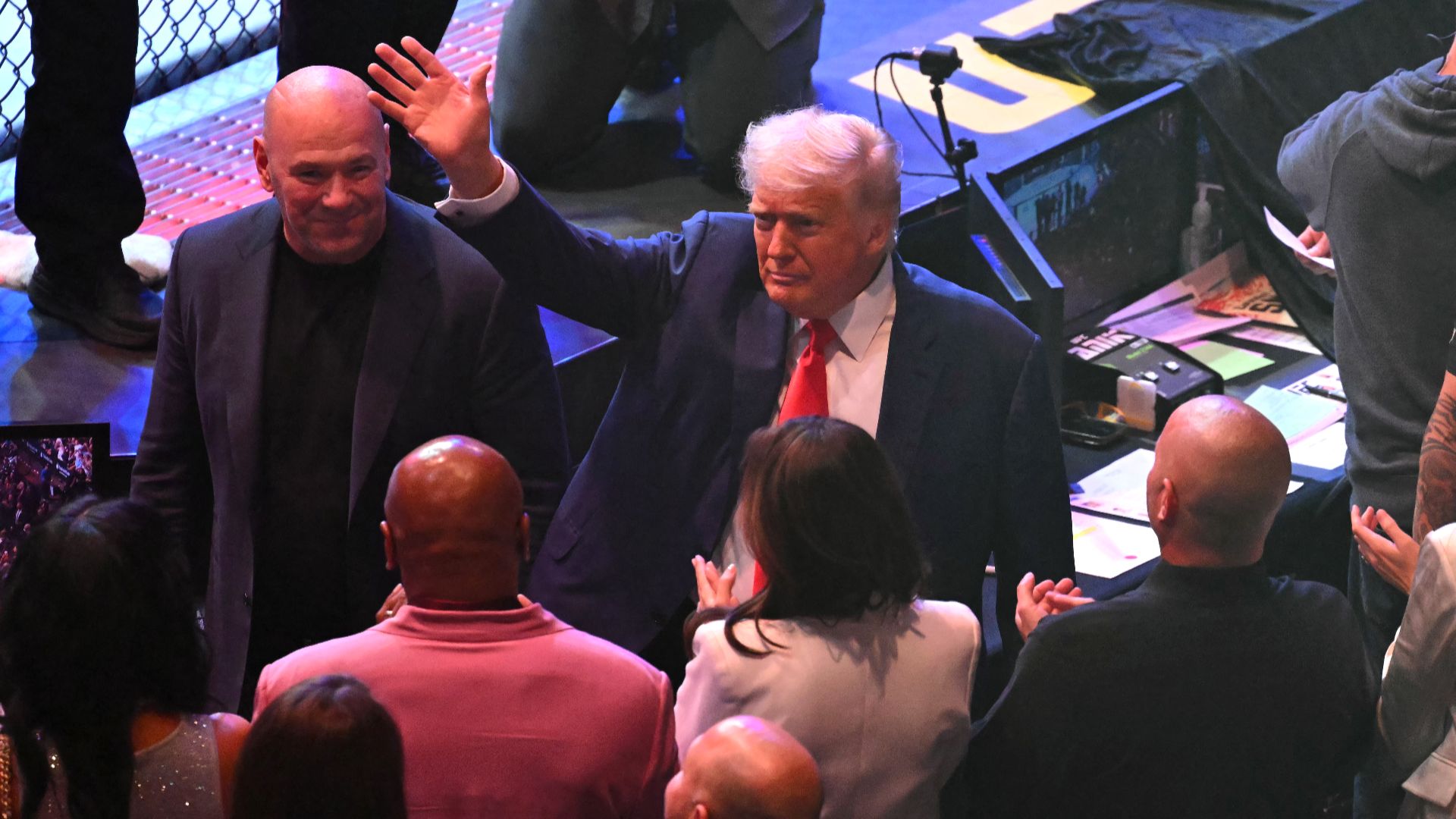
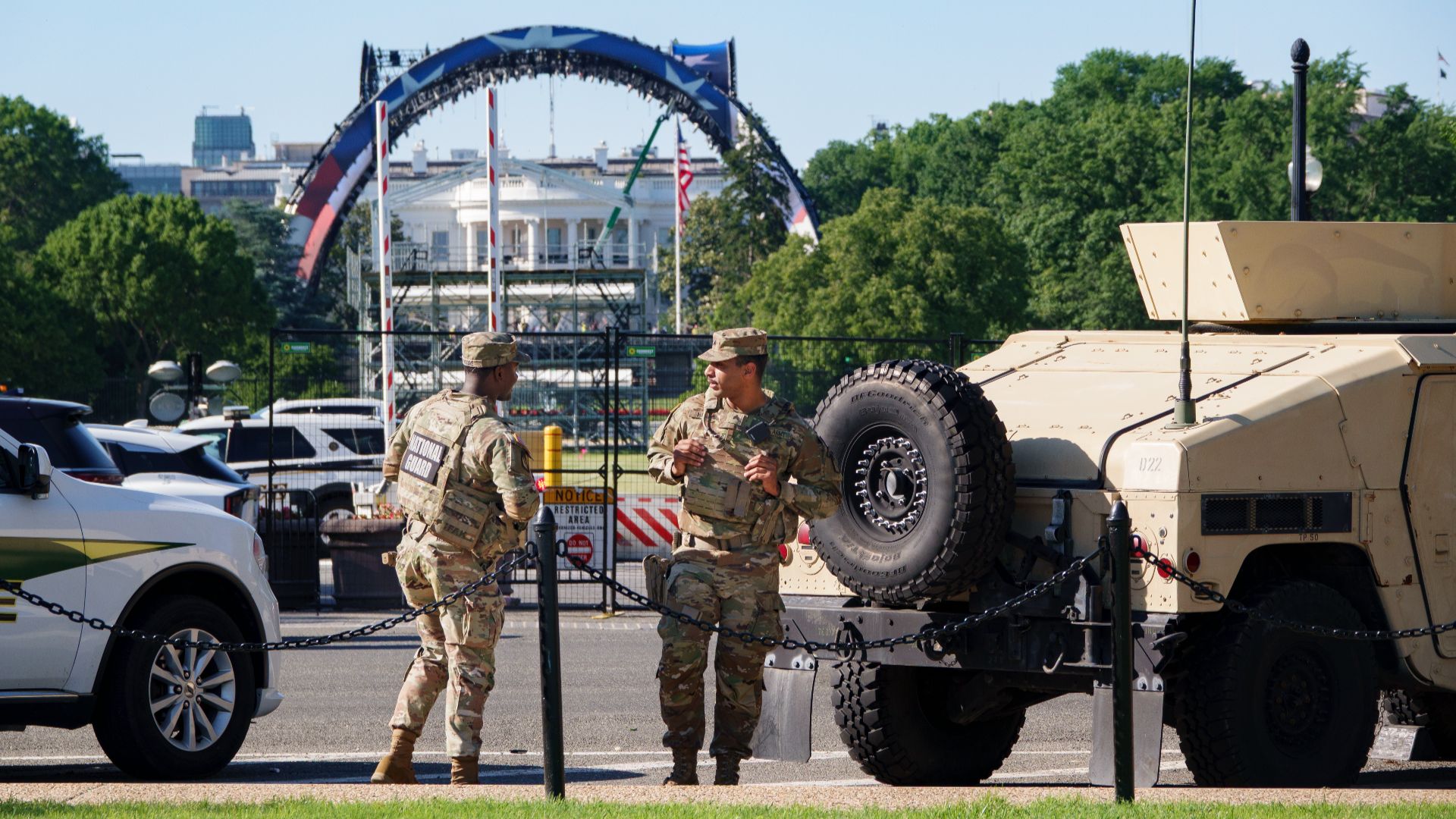
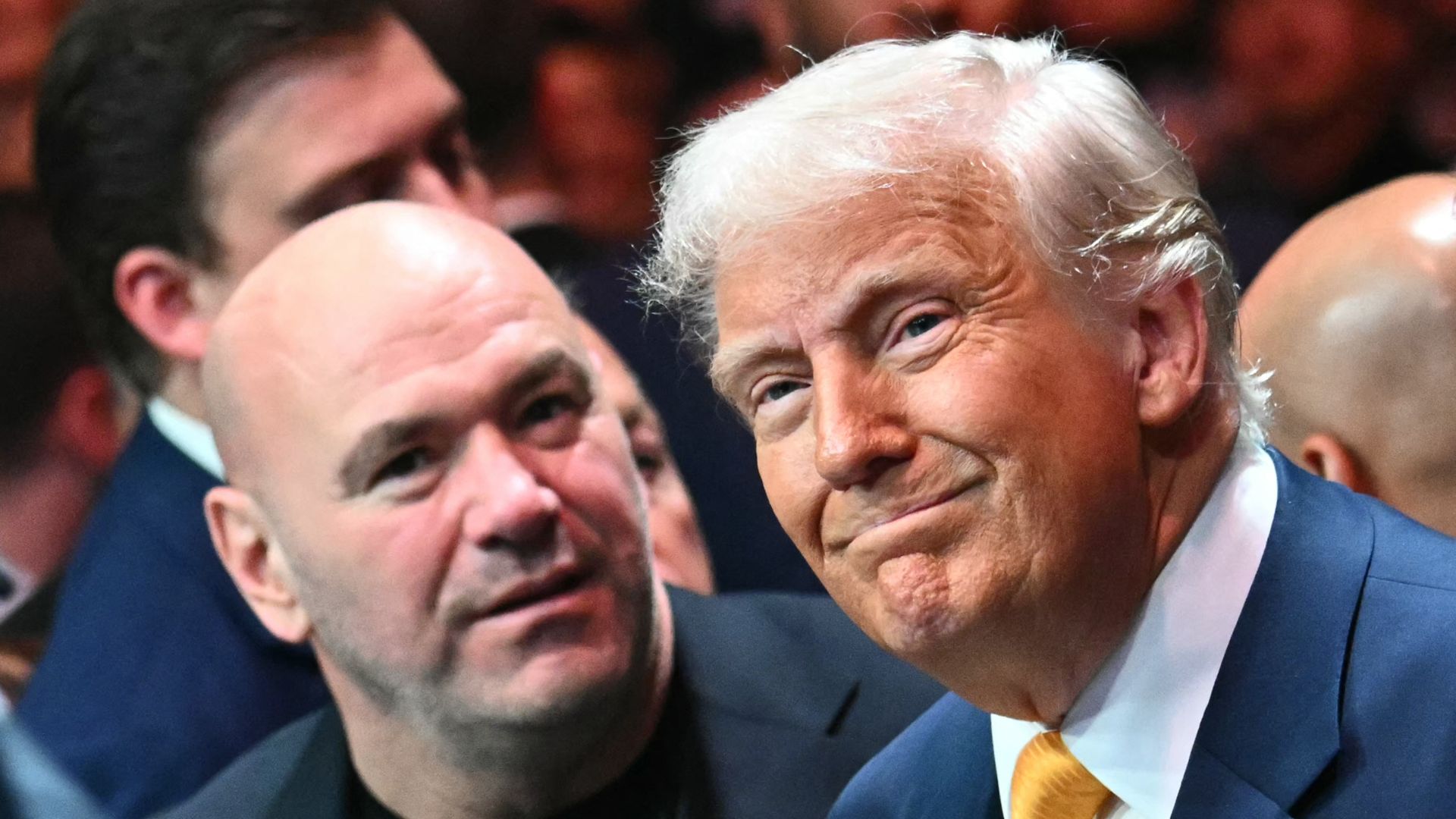
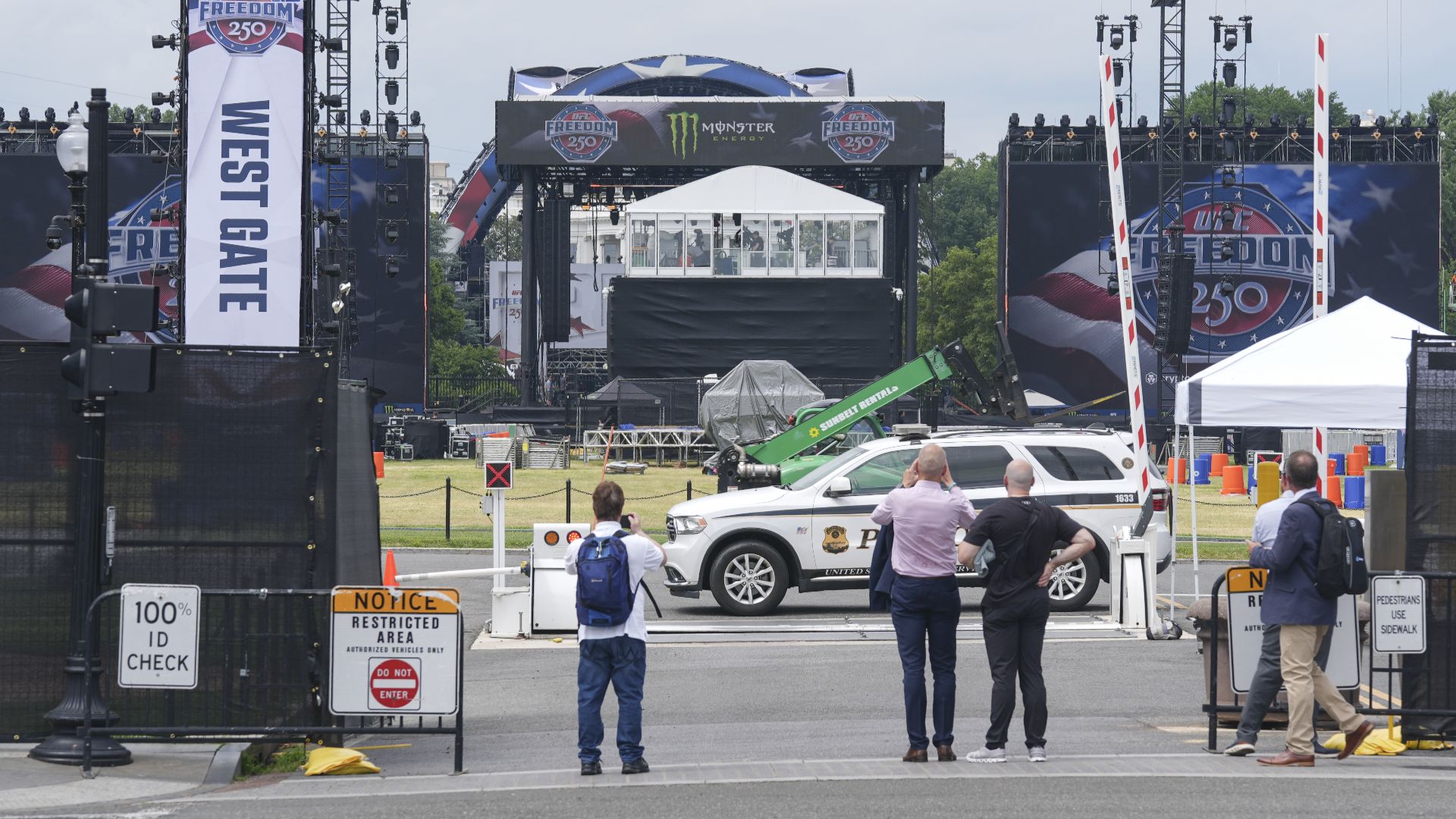
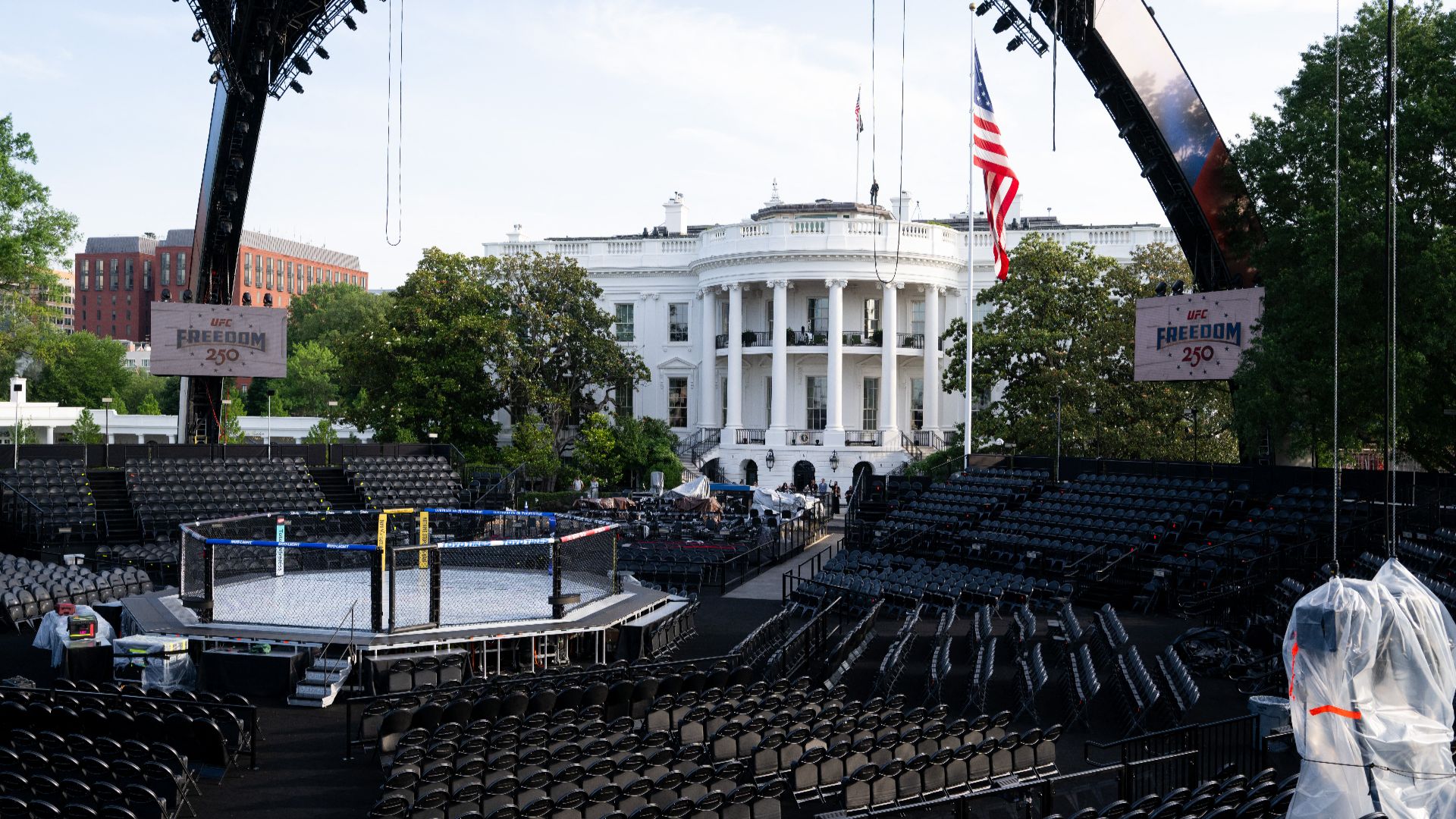
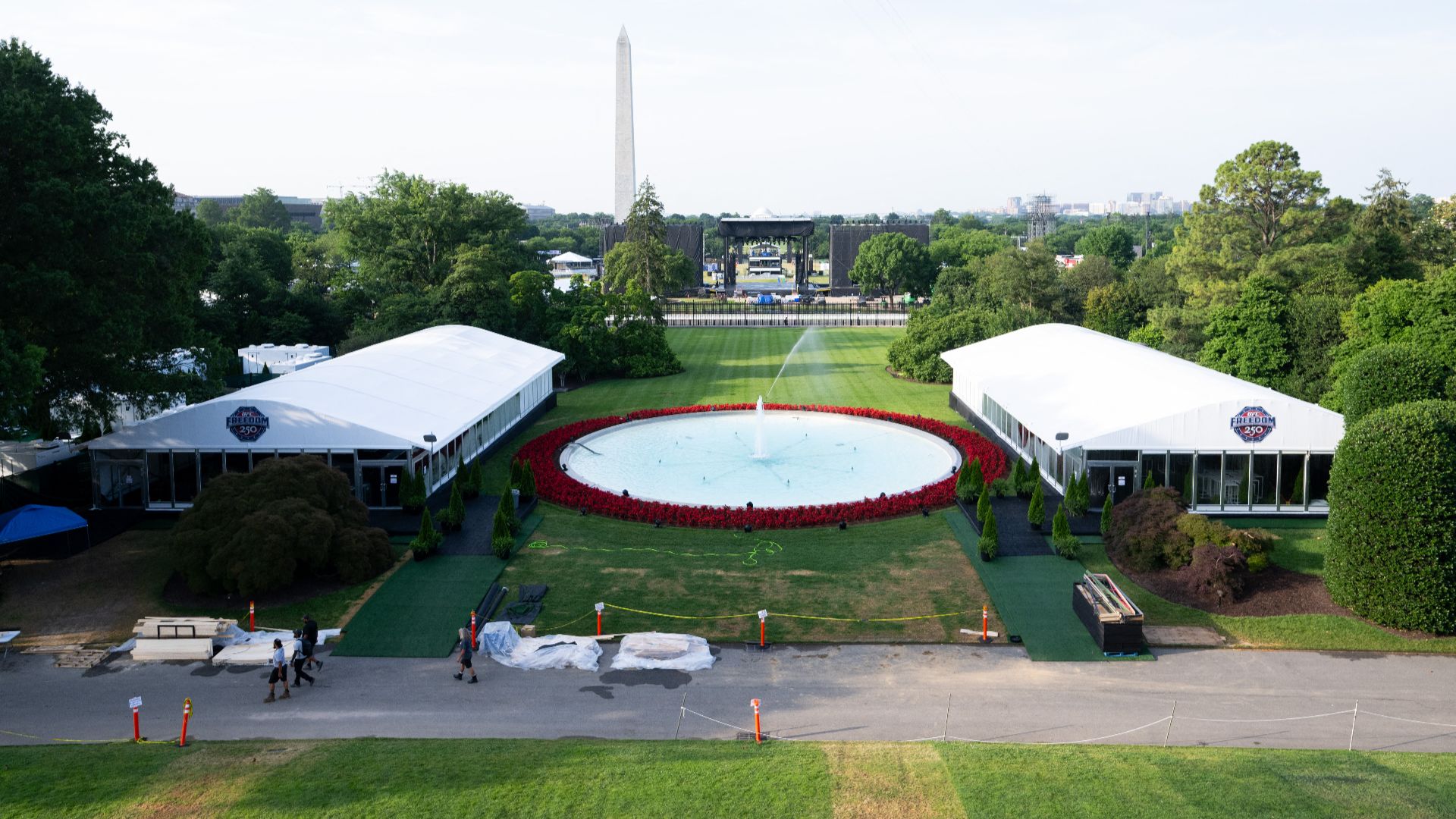
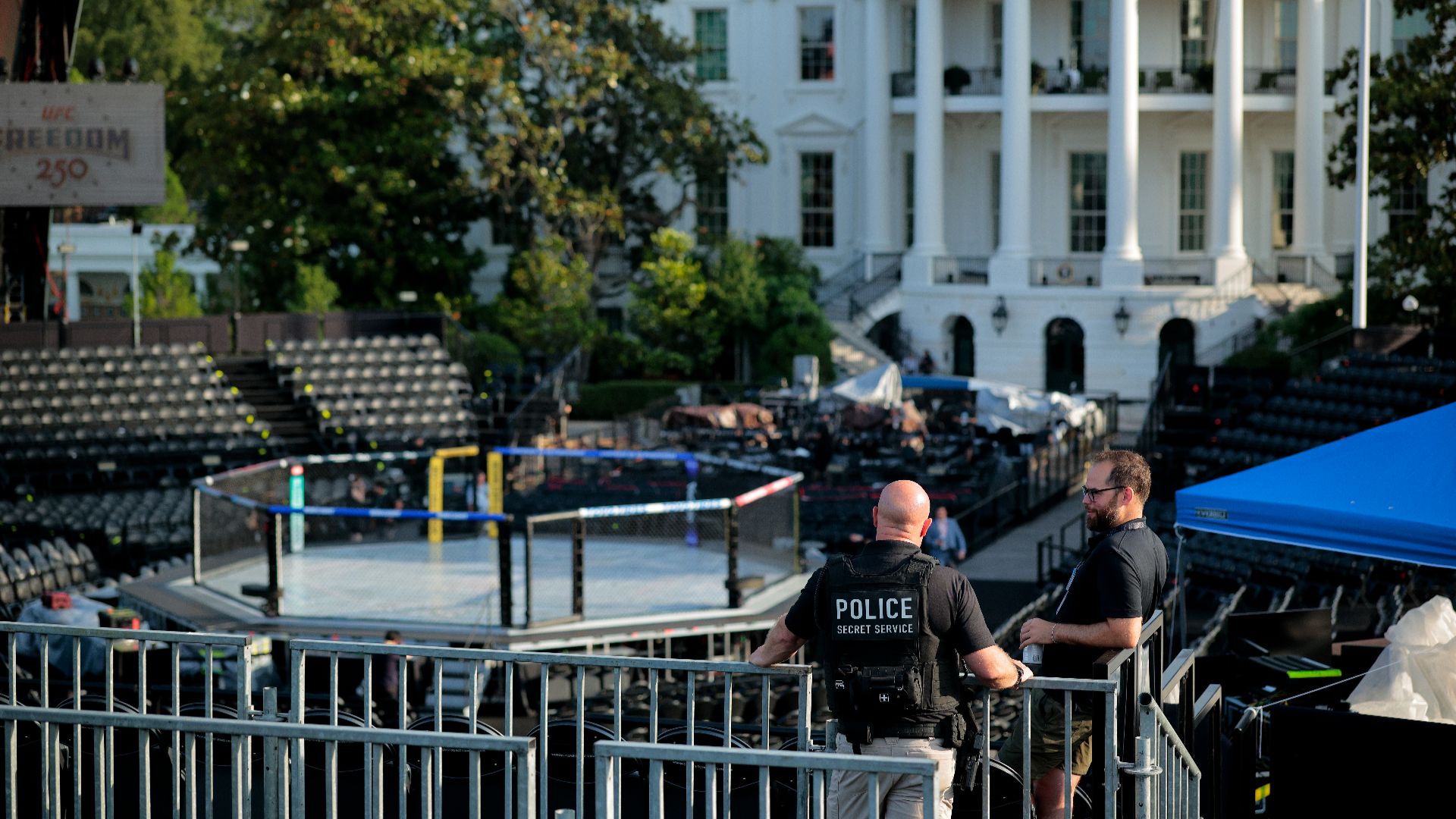
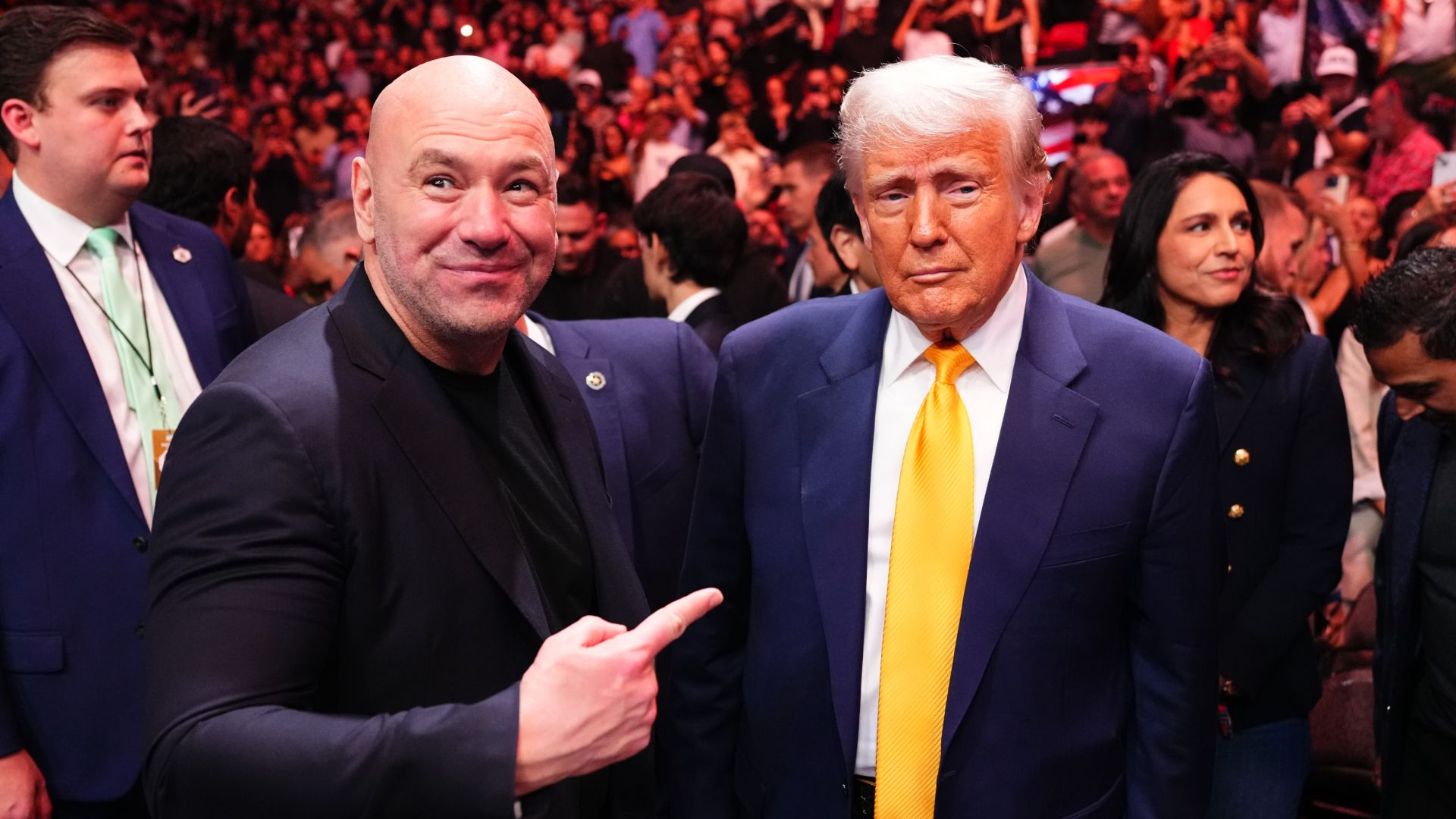
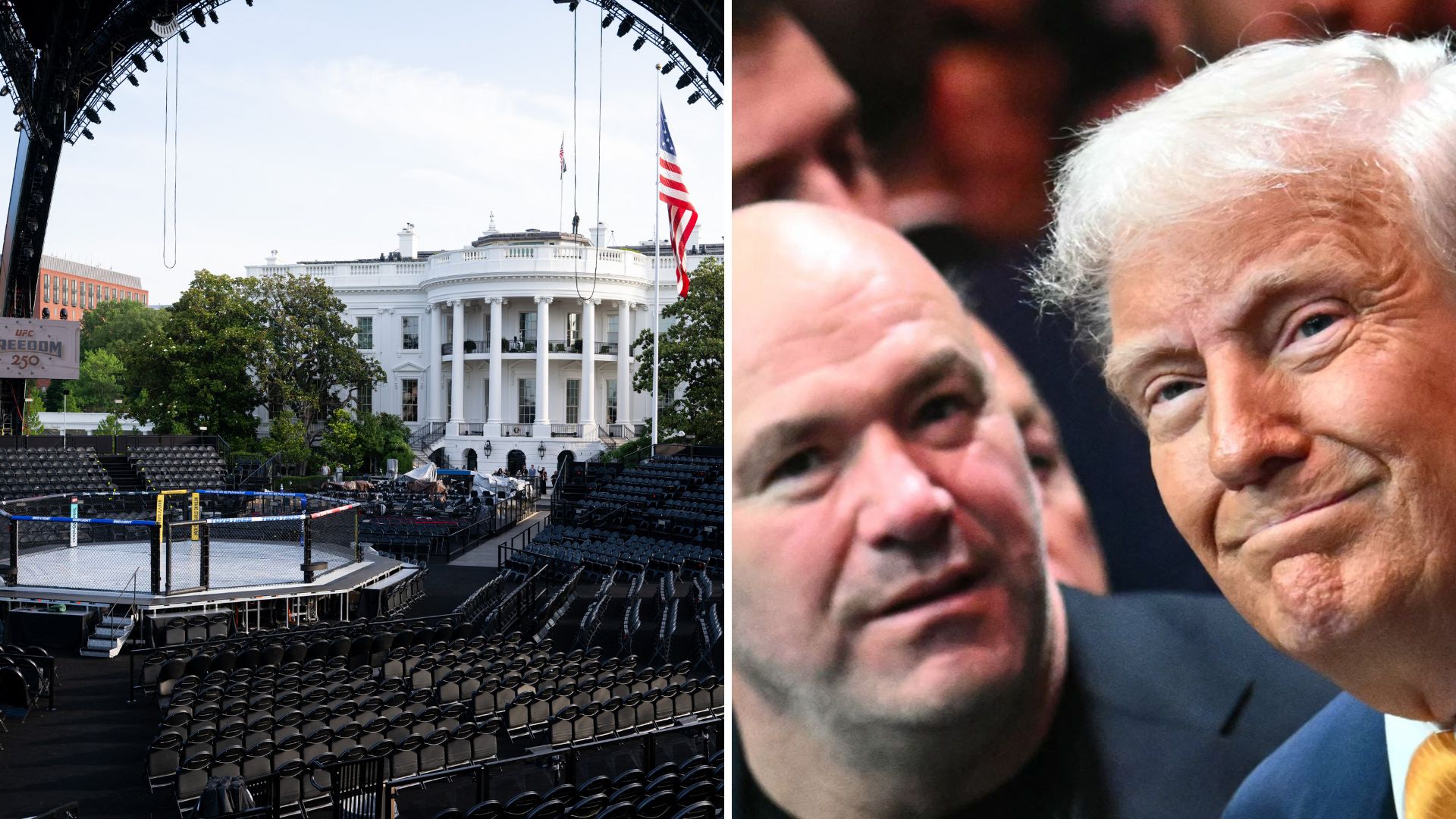
La célébration « UFC Freedom 250 » prévue par Donald Trump à la Maison-Blanche devrait coûter plus de 60 millions de dollars, selon des documents judiciaires déposés par l’administration en réponse à une action en justice fédérale visant à faire annuler l’événement. Prévu le 14 juin dans le cadre des célébrations du 250e anniversaire des États-Unis et coïncidant avec l’anniversaire de Trump, cet événement transformerait la pelouse sud historique en un stade sportif temporaire accueillant des combats de l’UFC de niveau championnat. Cette production sans précédent devrait devenir l’événement en direct le plus coûteux de l’histoire de l’UFC, tandis que des contestations judiciaires continuent de soulever des questions concernant les autorisations, les études environnementales et l’utilisation de biens fédéraux à quelques jours seulement du début du week-end de combats.
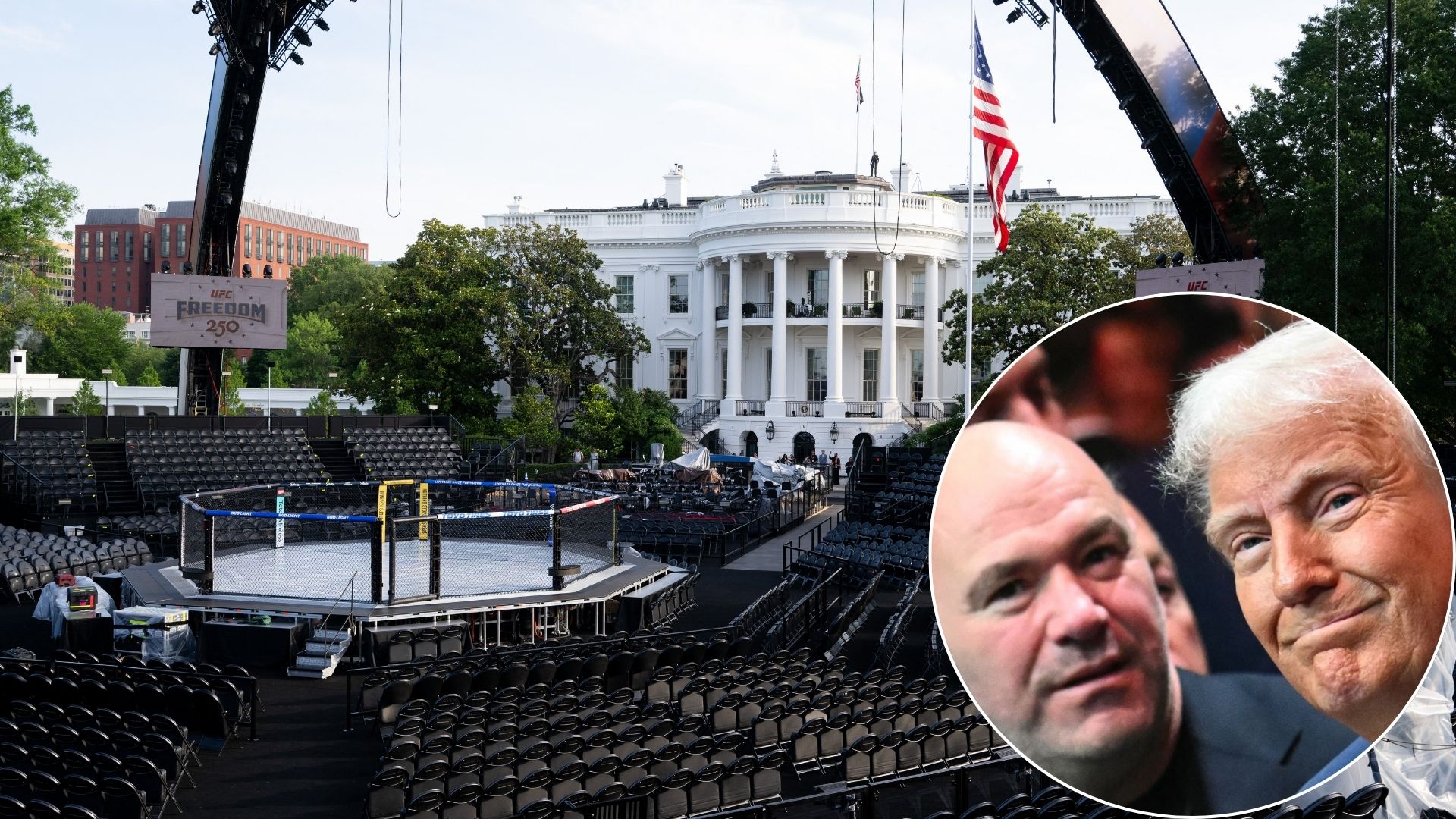
Donald Trump’s planned UFC Freedom 250 celebration at the White House is projected to cost more than $60 million, according to court filings submitted by the administration in response to a federal lawsuit seeking to block the event. Scheduled for June 14 as part of America’s 250th anniversary celebrations and coinciding with Trump’s birthday, the event would transform the historic South Lawn into a temporary sports stadium featuring championship-level UFC fights. The unprecedented production is expected to become the most expensive live event in UFC history, while legal challenges continue to raise questions about permits, environmental reviews and the use of federal property just days before fight weekend begins.
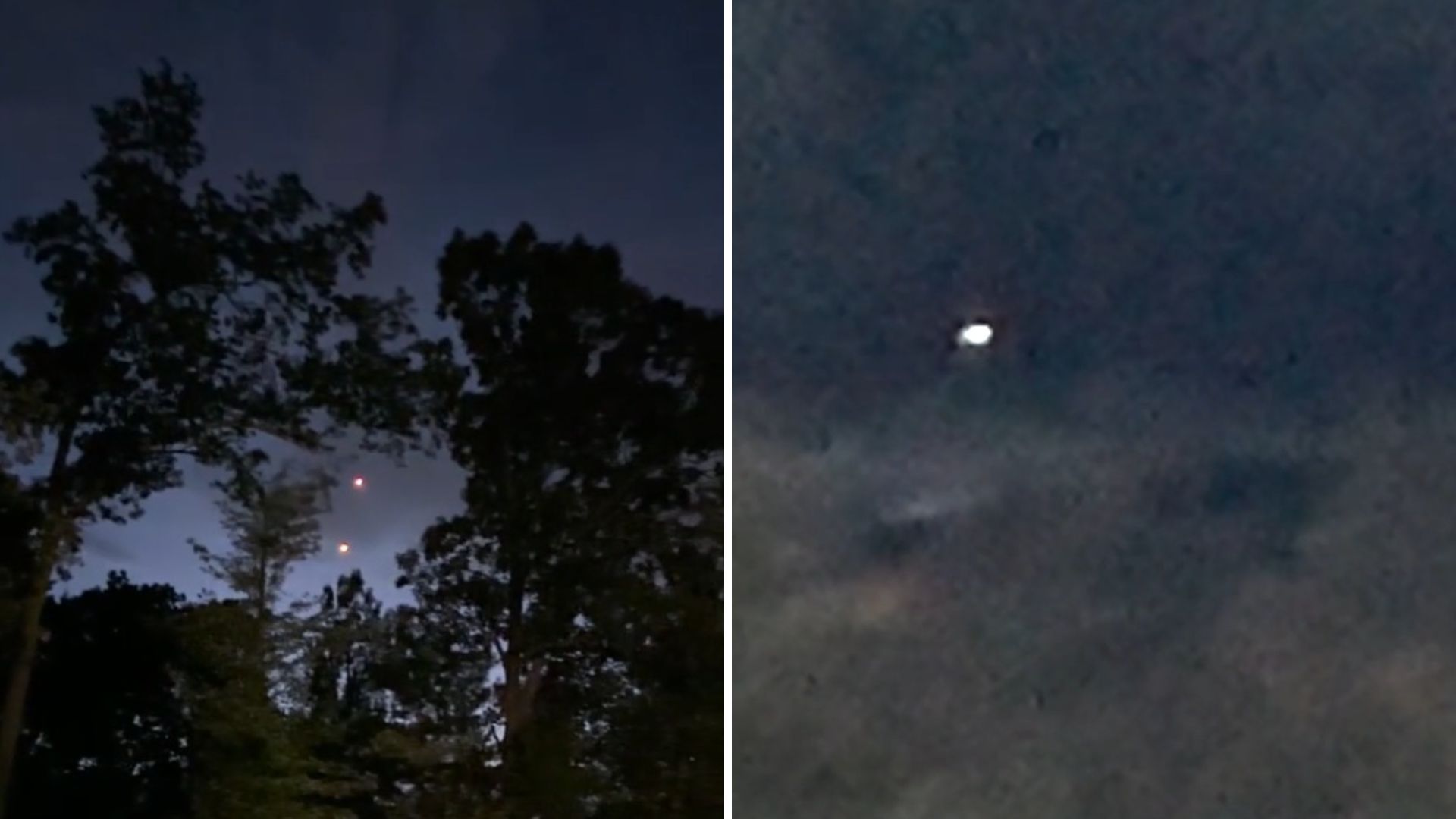
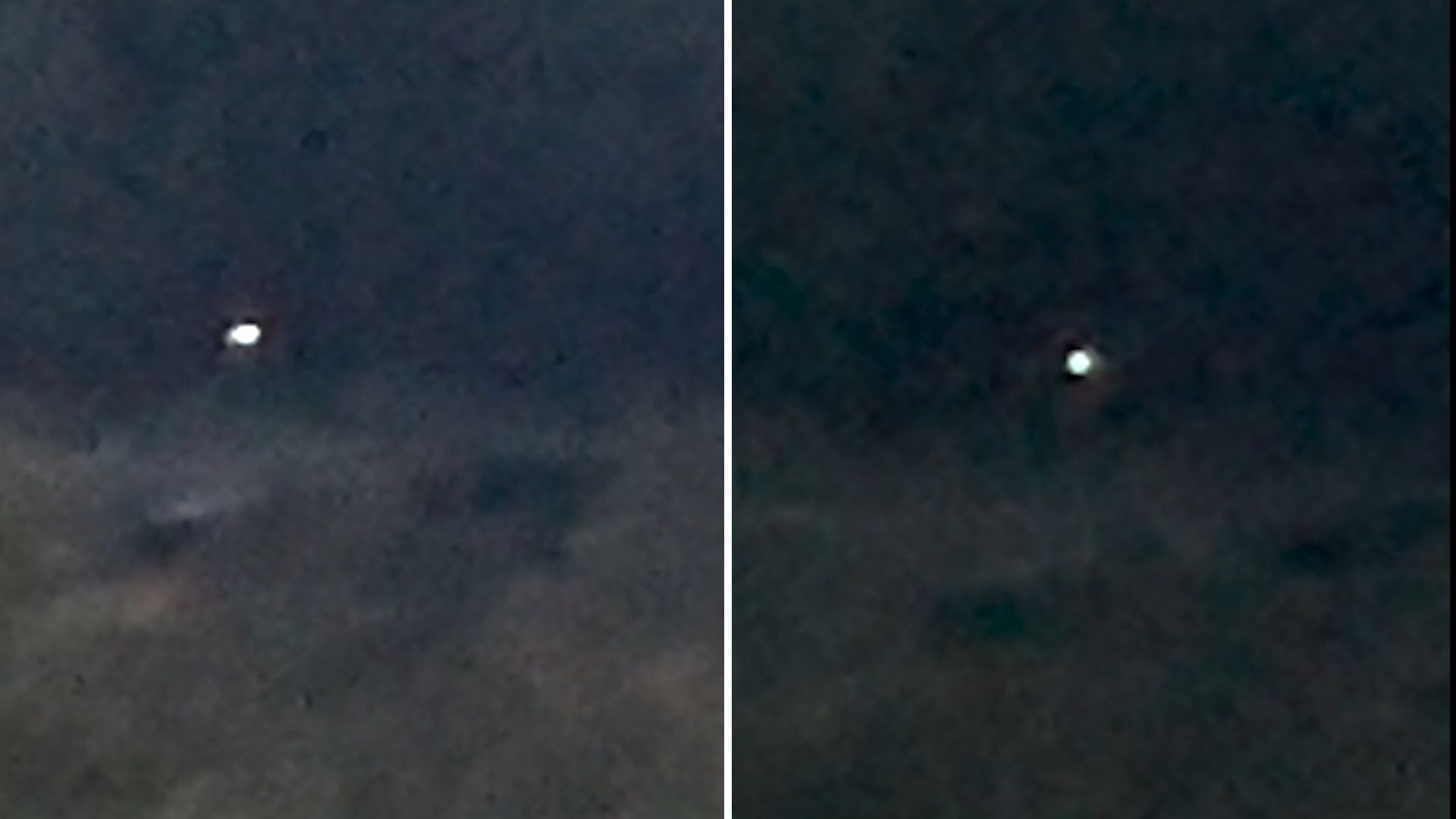
The U.S. government has released a third batch of declassified Unidentified Anomalous Phenomena records as part of a government-wide effort to «expeditiously find, review, identify, declassify and publicly release unresolved UAP-related records and historical documents in the federal government’s possession.» The latest disclosure, published through the Presidential Unsealing and Reporting System for UAP Encounters (PURSUE), includes dozens of documents, witness statements, historical files and videos dating from multiple decades. Among the materials drawing the most attention are two newly released videos showing mysterious glowing orbs in the northeastern United States, incidents that remain unresolved despite analysis by federal investigators.
One of the most discussed files is labeled «Orbs Over the Pond» and centers on a video recorded in October 2024. According to the government’s description, an eyewitness observed a luminous object hovering above a pond at an estimated distance of roughly 2,700 feet in the northeastern United States. The object was described as a «plasma-like sphere» that appeared to change shape and brightness while remaining largely stationary for approximately 45 minutes. Investigators noted that the primary light source occasionally appeared to separate into smaller luminous points. The witness also reported seeing another luminous object hovering just above the water that did not appear consistent with a simple reflection. No sound was reported during the sighting.
CaptureWarGovUFO
Federal records state that the footage was captured by a private citizen using an iPhone and later provided to authorities for analysis. The government says the video was authenticated and that, aside from cropping intended to protect the witness’s identity, no edits or enhancements were made. The accompanying document notes that the description was derived from statements provided to the Federal Bureau of Investigation and that the FBI considers the reporting witness «highly credible.» Investigators also noted that the event appears connected to several other reports originating from the same general area of the northeastern United States, suggesting a recurring pattern of unusual sightings that authorities continue to examine.
A «brilliant red sphere»
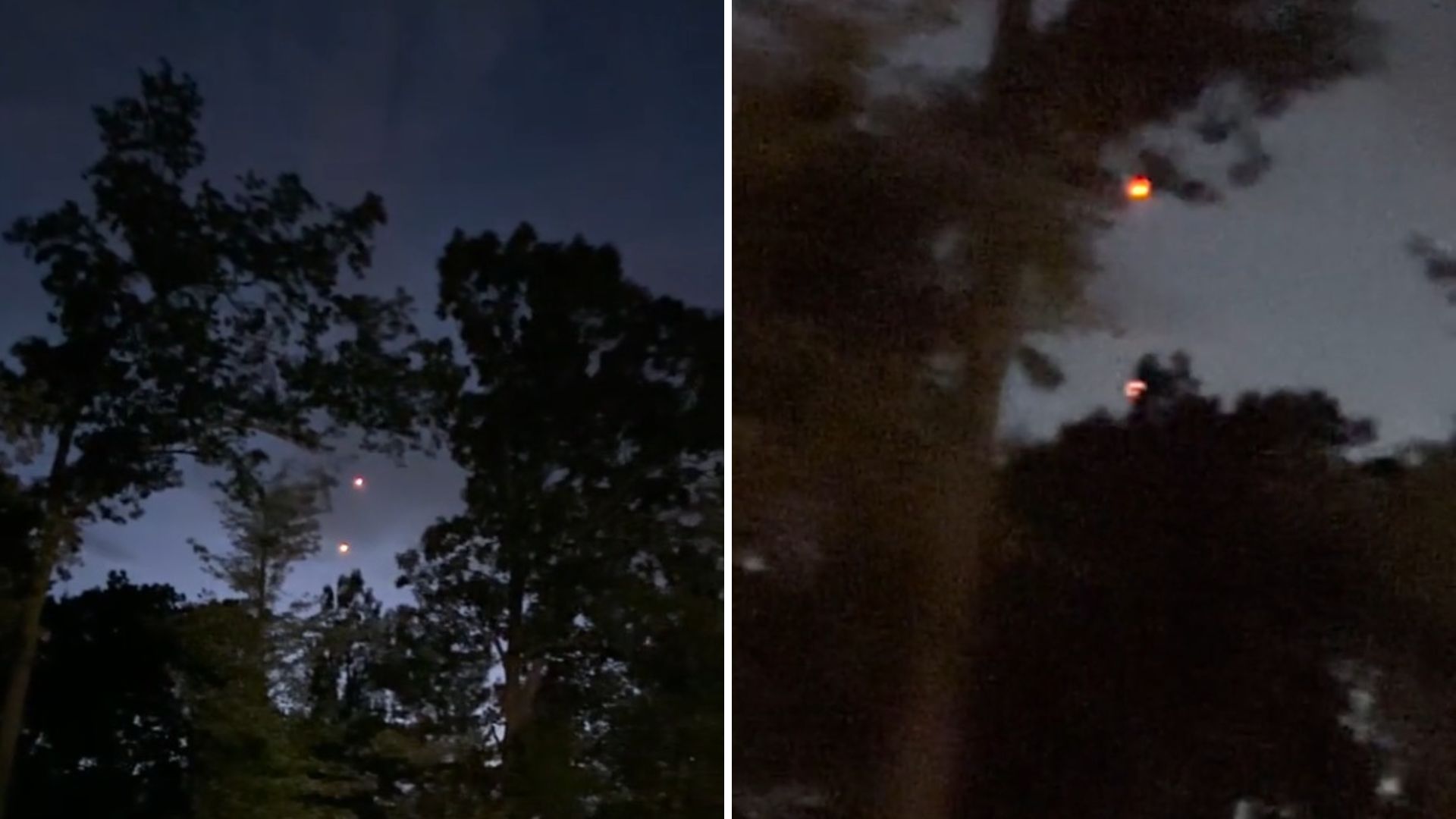
A second video released in the latest disclosure package is titled «Northeastern Orb Sighting» and documents an incident reported in July 2025. According to the witness statement, the individual had just returned home from work when an intense bright light appeared in the backyard. The witness described the object as hovering approximately 25 feet above the ground near a tree line. After retrieving a phone to record the event, the witness was joined by a spouse, who described the object as a «brilliant red sphere» roughly one meter in diameter. The center of the object reportedly appeared like a white plasma «sun» about the size of a basketball.
CaptureWarGovUFO
The government’s summary states that the orb slowly rose and moved across the sky before a second identical object appeared nearby. Both witnesses reported that the objects moved silently and smoothly, remaining together as if flying in formation. According to the report, the two glowing spheres eventually appeared to merge before disappearing from view beyond a nearby tree line. The video was recorded using an iPhone 14 Pro Max and was subsequently provided to federal investigators. As with the earlier pond incident, the FBI classified both witnesses as credible and noted that the event occurred within 25 miles of several other documented orb sightings in the same sparsely populated region.
Unable to make a definitive determination
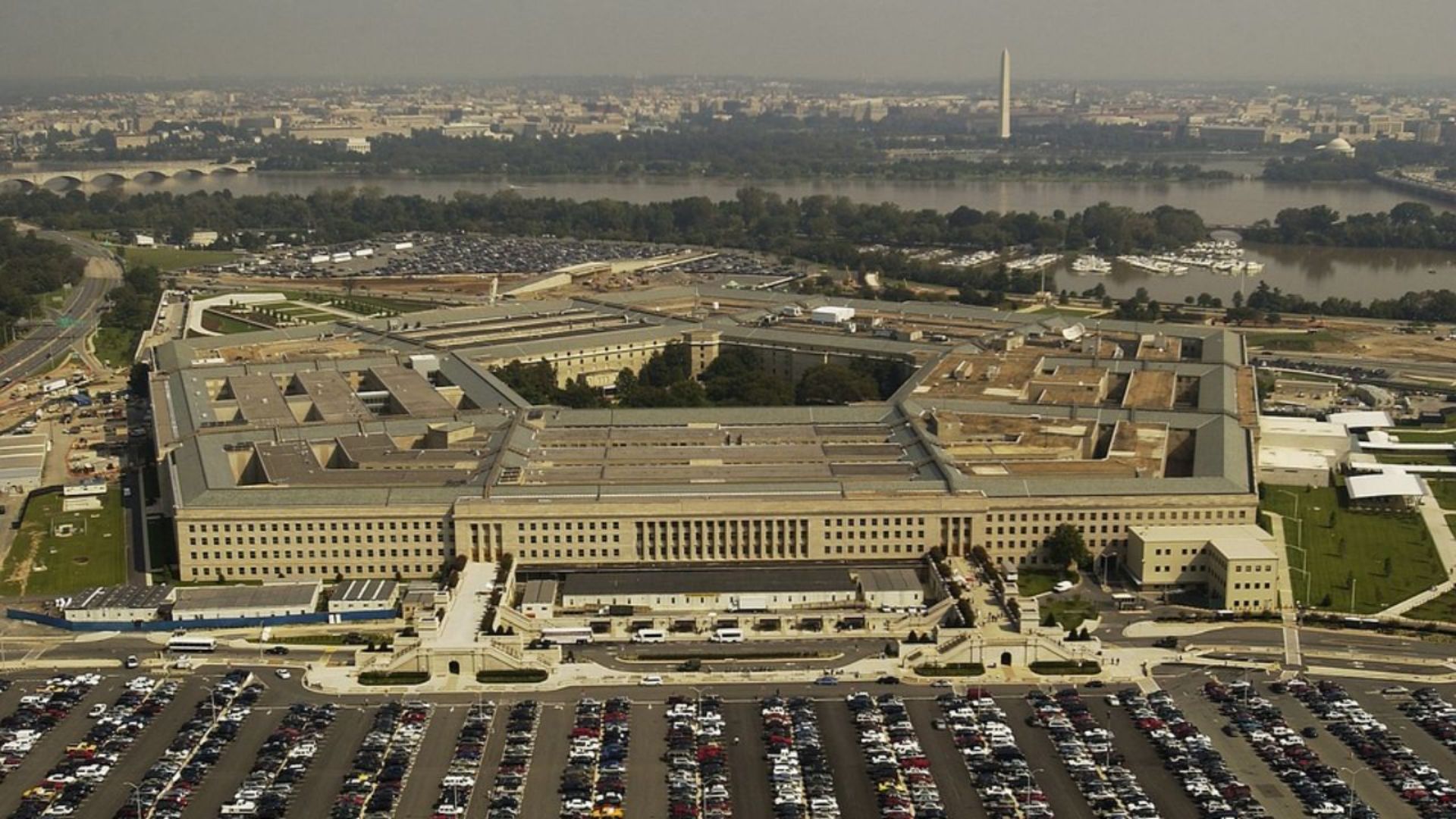
Beyond the orb videos, the latest release includes numerous historical documents and reports dating back decades. Files in the new tranche reference incidents from 1949, 2008, 2022 and other years, illustrating the long history of U.S. government involvement in investigating unexplained aerial phenomena. Officials stress that the release does not constitute evidence of extraterrestrial life and that many cases remain unresolved. The Pentagon has repeatedly stated that it is «unable to make a definitive determination on the nature of the observed phenomena.» Still, the newly released orb videos have quickly become some of the most widely discussed materials in the latest disclosure effort, fueling renewed public interest in one of the government’s most closely watched transparency initiatives.
Ed Sheeran is no longer content with just topping the global charts: he now intends to make his mark in the world of musical equipment.
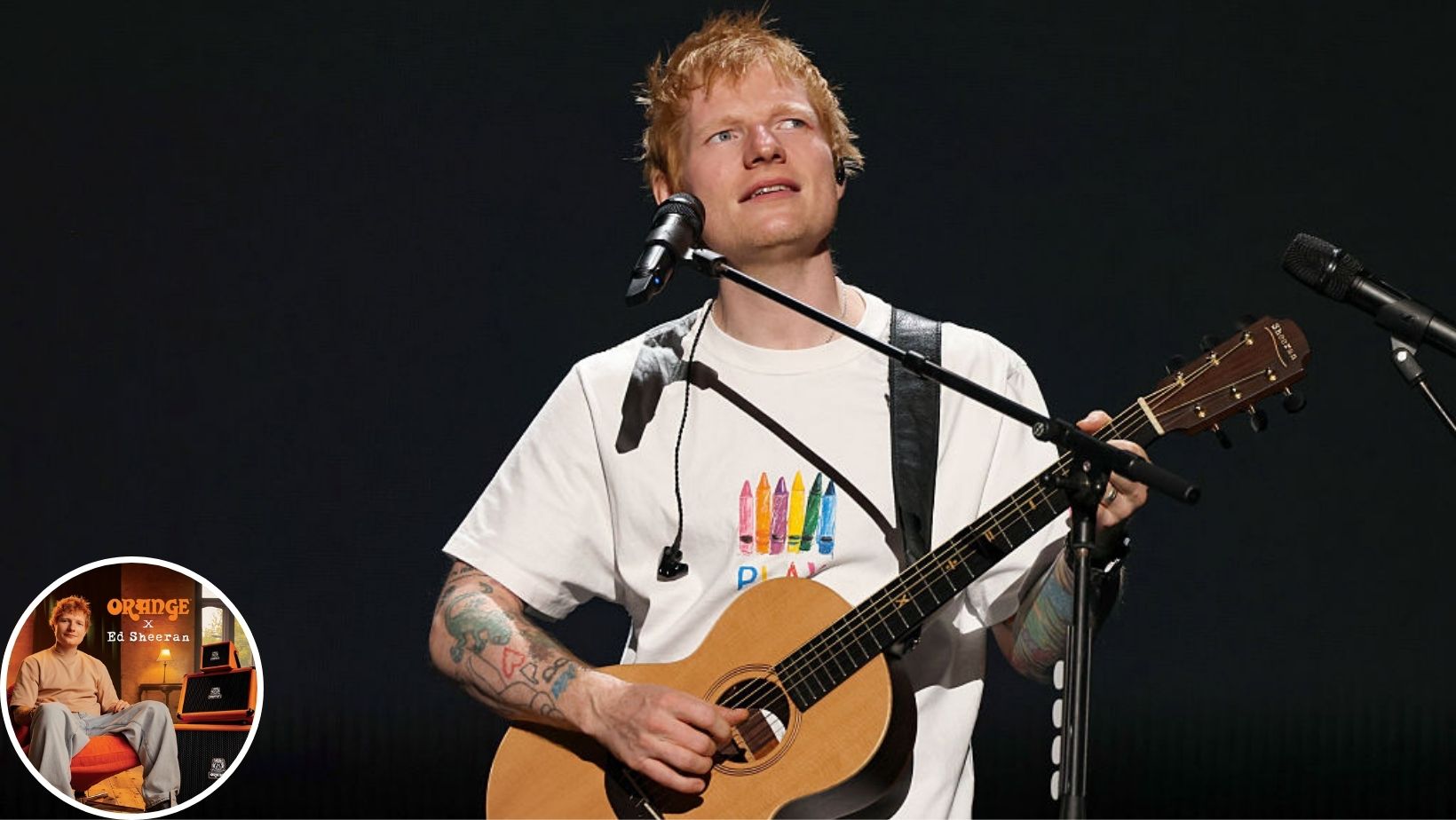
After launching his own line of gear for independent artists and street musicians, the British singer is continuing his push with a high-profile new collaboration with Orange Amplification. Together, they’re unveiling a compact amplifier specially designed for outdoor performances—a clear nod to Sheeran’s early days on the streets of the UK.
Before filling the world’s largest stadiums, the writer of “Shape of You” built a reputation through his solo performances, armed with his guitar and his famous loop pedal. This experience deeply influenced his vision of the ideal gear for street performers: portable, self-contained, powerful, and easy to use. It is precisely this philosophy that seems to have guided the development of this new Orange amp.
Orange Capture
A launch like in the old days
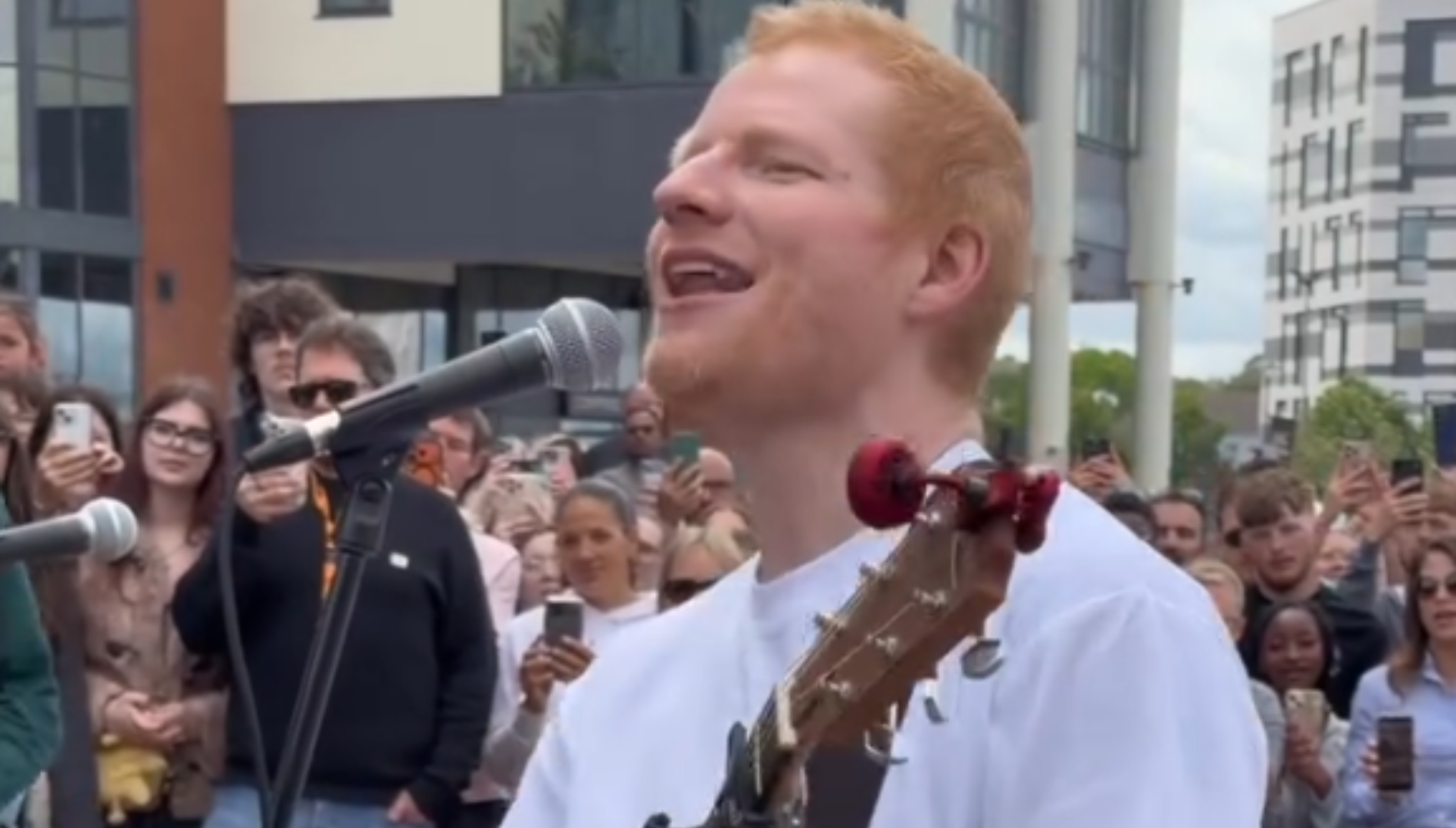
To mark the launch of this new amp, Ed Sheeran chose an approach perfectly in line with his career path. Rather than opting for a traditional presentation or a press-only promotional event, the British singer returned to where it all began: the street.
Armed with his acoustic guitar and his trusty loop pedal, Sheeran performed several of his biggest hits, including “Photograph” and “Shape of You,” in front of a rapidly growing crowd. While the fans in attendance were treated to a special moment with one of the biggest stars on the planet, gear enthusiasts also got their money’s worth from this unexpected appearance.
This live demonstration was no accident. By choosing to showcase his new gear during a street performance, Sheeran highlighted the importance of busking in his career and underscored the amp’s primary purpose: to provide street musicians with a reliable, portable tool powerful enough to be heard in any setting.
TikTok clip
A clever way to prove that this product isn’t just associated with his name, but that it meets a real need he himself experienced before becoming a global superstar.
A sense of well-being
For Ed Sheeran, playing music every day is much more than just a job. Despite his status as a superstar capable of filling the world’s largest stadiums, the British artist continues to view music-making as a personal necessity.
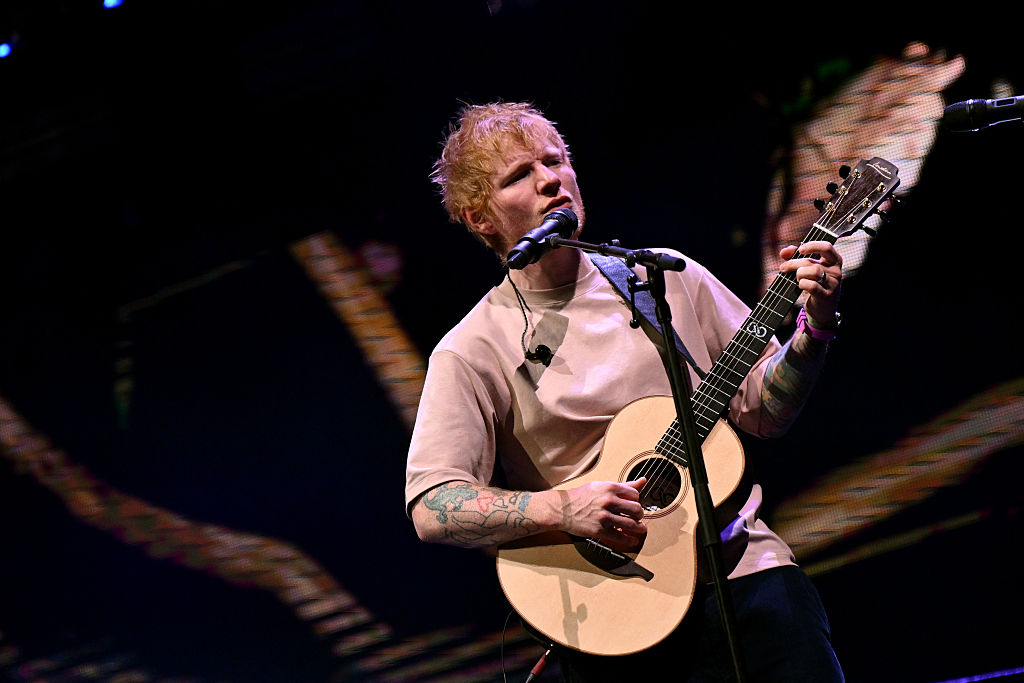
In a recent interview with Orange, he compared playing every day to physical exercise: an essential activity for his balance and well-being. Just as some people go to the gym to clear their minds or relieve stress, Sheeran turns to his guitar. A form of therapy, in a way, that allows him to stay connected to his creativity while keeping his feet on the ground.
Getty Images
This philosophy also explains his attachment to street performances. Long before he became famous, Sheeran spent years performing on the streets of the UK, developing his style and comfort in front of an audience.
Even today, he considers these impromptu performances a unique way to connect with people. Unlike large tours where the audience already knows his repertoire, street performances allow him to reach a wider—and sometimes unexpected—audience.
According to him, it’s an excellent way to invite passersby to discover his musical world in an authentic and unpretentious way.
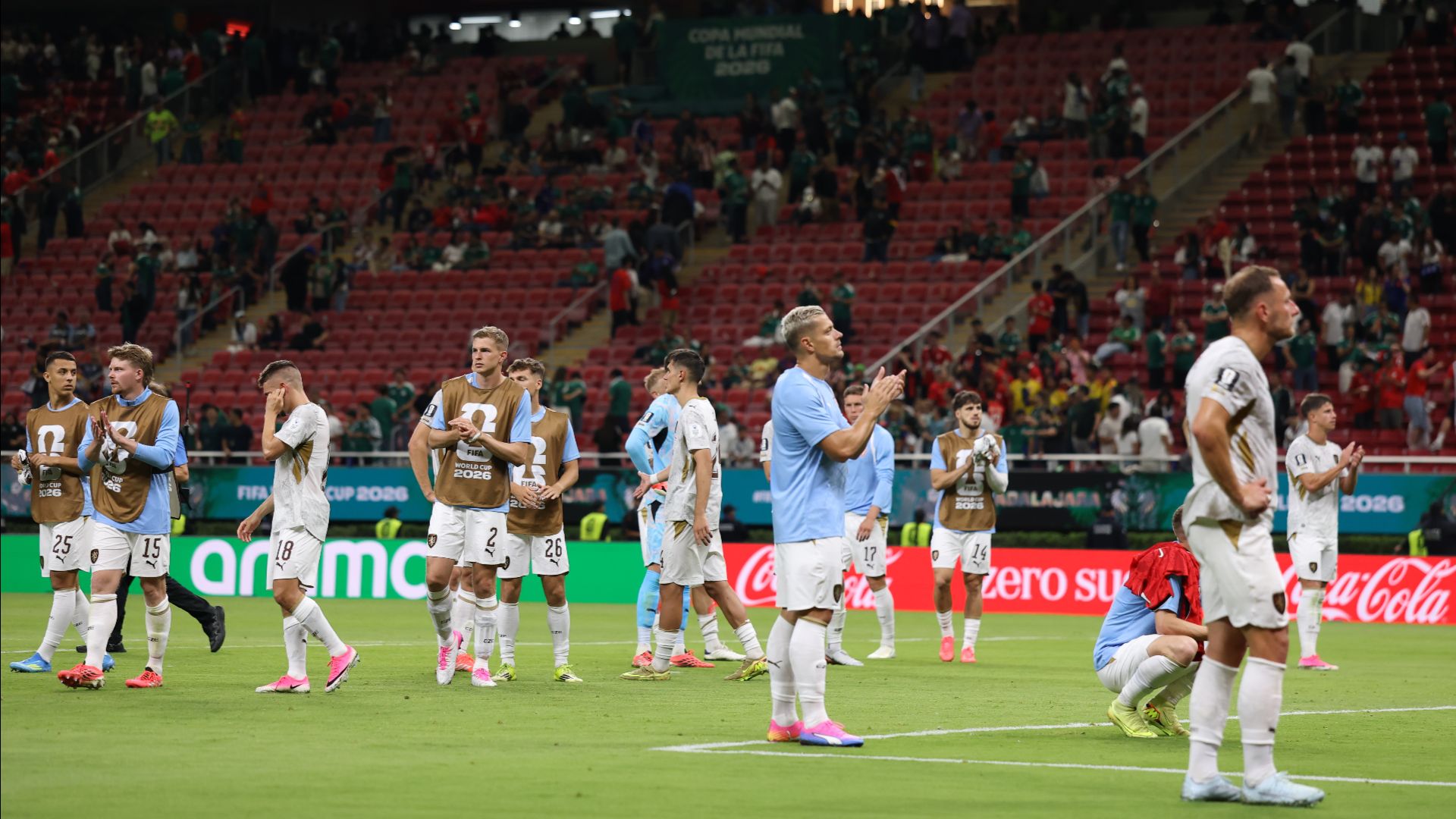
La première polémique concernant la fréquentation de la Coupe du monde a éclaté presque immédiatement après la soirée d’ouverture qui a fait salle comble à Mexico, où le Mexique a battu l’Afrique du Sud 2-0 devant plus de 80 000 supporters au stade de Mexico. Quelques heures plus tard seulement, le deuxième match du tournoi à Guadalajara a donné une image très différente, avec des milliers de places à prix élevé visiblement vides lors d’un match de phase de groupes qui n’impliquait pas le pays hôte. La FIFA a annoncé une affluence officielle de 44 985 spectateurs dans un stade d’une capacité de 45 664 places, mais les images télévisées et les reporters présents dans l’enceinte ont montré de larges espaces vides dans certaines des sections les plus visibles des tribunes, en particulier dans les zones centrales premium et les sièges VIP.
Ce contraste est rapidement devenu l’un des premiers sujets de discussion majeurs du tournoi. Le match d’ouverture du Mexique a offert l’ambiance que la FIFA souhaitait pour cette première Coupe du monde à 48 équipes, avec un stade plein, une fête nationale et une forte demande locale. La cérémonie d’ouverture a également été marquée par une prestation de la star mondiale de la musique Shakira avant la victoire du Mexique contre l’Afrique du Sud. Le deuxième match a toutefois mis en évidence une réalité plus complexe pour les rencontres opposant des équipes étrangères dans les villes hôtes, où les supporters locaux peuvent avoir peu d’attachement émotionnel pour l’une ou l’autre des équipes. La question n’était pas simplement de savoir si les billets avaient été distribués ou comptés. Il s’agissait de savoir si les supporters lambda étaient prêts à débourser des centaines, voire des milliers de dollars pour assister aux premiers matchs de la phase de groupes opposant des équipes ne figurant pas parmi les plus grandes attractions du tournoi.
Getty Images
Les sièges vides à Guadalajara ont relancé le débat sur la stratégie de tarification dynamique de la FIFA, qui a fait grimper le prix de nombreux billets premium bien au-delà de ce que les supporters locaux jugent abordable. Les places dans les zones centrales et les espaces d’accueil variaient apparemment entre environ 400 et plus de 5 000 dollars, selon l’emplacement et le type de forfait. Pour un match de phase de groupes opposant deux pays ne figurant pas parmi les plus populaires au niveau mondial, ces prix ont suscité des critiques de la part des supporters, qui ont estimé que la FIFA avait mal évalué le marché. Le président de la FIFA, Gianni Infantino, a défendu cette stratégie tarifaire, affirmant que les organisateurs « devaient appliquer les tarifs du marché ». Le fait que de nombreux sièges vides se trouvaient dans des zones premium très visibles a rendu la controverse encore plus difficile à ignorer, en particulier lors d’un match diffusé dans le monde entier.
« Nous avons six ou sept millions de billets en vente et, en 15 jours, nous avons reçu 150 millions de demandes de billets. »
– Gianni Infantino, président de la FIFA
Le chiffre officiel de la FIFA concernant la fréquentation a également soulevé des questions sur la manière dont les affluences des tournois sont rapportées. Des analystes ont noté que la fréquentation annoncée reflète souvent les billets vendus, distribués ou attribués aux sponsors et partenaires commerciaux, plutôt que le nombre de personnes physiquement présentes dans le stade. Cette distinction est devenue centrale dans la controverse de Guadalajara, où le chiffre officiel suggérait une salle presque pleine alors que les images montraient des zones vides importantes. Cette situation a renforcé les craintes que les allocations réservées aux entreprises, les places VIP à prix élevé et l’incertitude du marché de la revente ne donnent lieu à des scènes similaires lors d’autres matchs de la phase de groupes n’impliquant pas le Mexique, le Canada ou les États-Unis.
Getty Images
Ces inquiétudes s’étendent désormais au-delà du Mexique. Le Canada doit affronter la Bosnie-Herzégovine à Toronto, tandis que les États-Unis jouent contre le Paraguay à Los Angeles, et les organisateurs surveillent de près si les matchs impliquant les pays hôtes peuvent éviter de donner la même impression. La question plus large concerne les nombreux matchs neutres du tournoi de 104 rencontres, où les spectateurs locaux pourraient être amenés à payer des prix élevés pour des équipes ayant une base de supporters plus restreinte en Amérique du Nord. Avant le début du tournoi, l’Associated Press a rapporté que seuls 29 des 104 matchs étaient officiellement complets, alimentant les craintes que le modèle tarifaire de la FIFA ne laisse apparaître des sièges vides tout au long des premières phases.
« Nous avons dû appliquer les tarifs du marché. »
– Gianni Infantino, président de la FIFA
Cette levée de boucliers a accru la pression sur la FIFA alors que l’examen juridique et politique des prix des billets s’intensifie. Les procureurs généraux de New York, du New Jersey et de Californie ont examiné des plaintes concernant l’accessibilité financière et la transparence, tandis que les supporters ont critiqué un système de tarification algorithmique qui augmente les prix en fonction de la demande. Le président de la FIFA, Gianni Infantino, a défendu la stratégie de l’organisation, arguant que l’intérêt global pour le tournoi reste sans précédent. « Nous avons six ou sept millions de billets en vente et, en 15 jours, nous avons reçu 150 millions de demandes de billets », a-t-il déclaré, qualifiant le niveau de la demande de « complètement fou ». Cependant, les scènes observées à Guadalajara ont mis en évidence un décalage croissant entre la demande de billets sur le papier et la fréquentation dans les stades. Après l’ambiance électrique qui a entouré la victoire du Mexique lors du match d’ouverture, les milliers de sièges premium vides lors du deuxième match du tournoi ont soulevé de nouvelles inquiétudes quant à l’attrait des matchs coûteux de la phase de groupes mettant en scène des équipes étrangères.
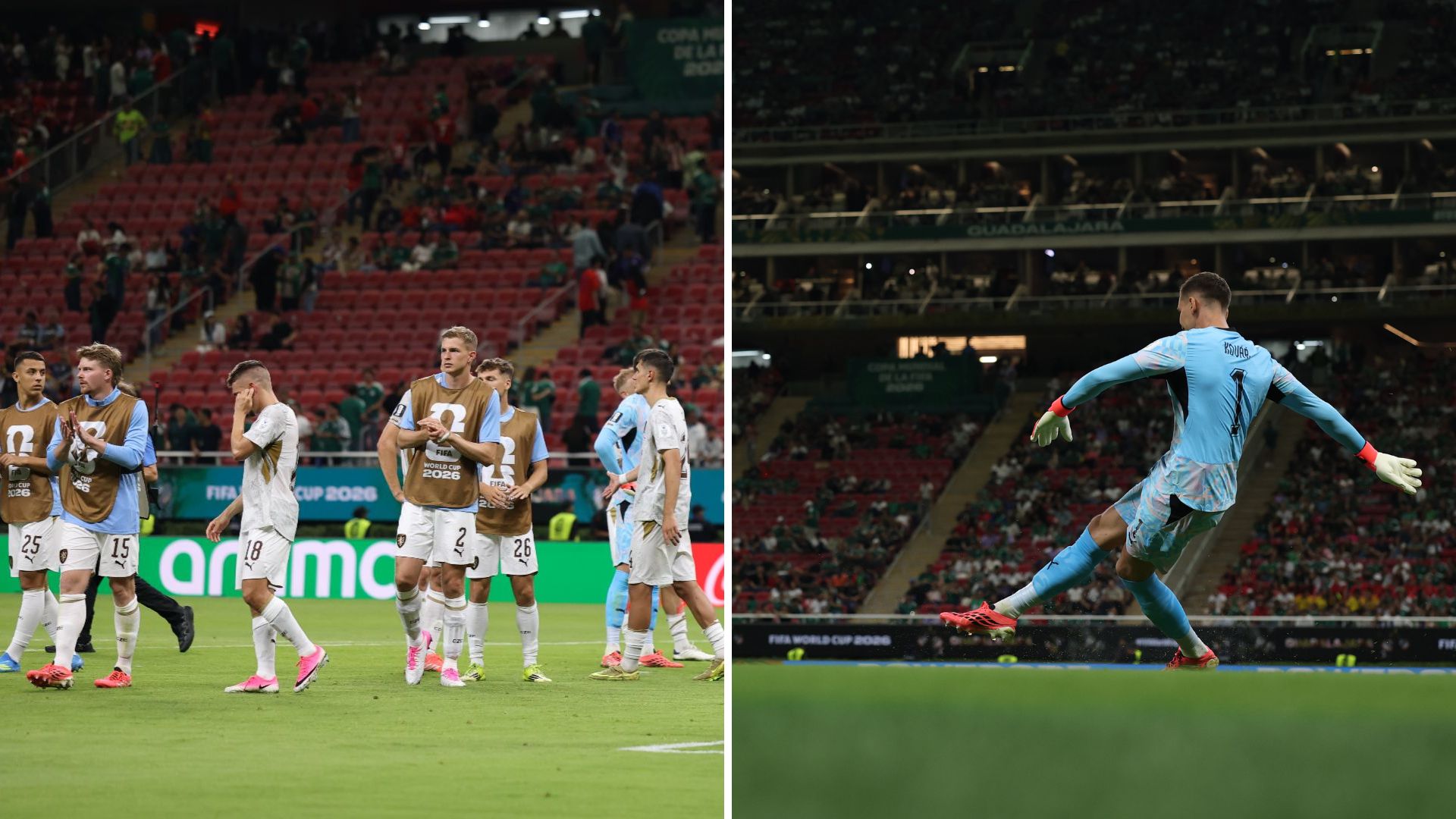
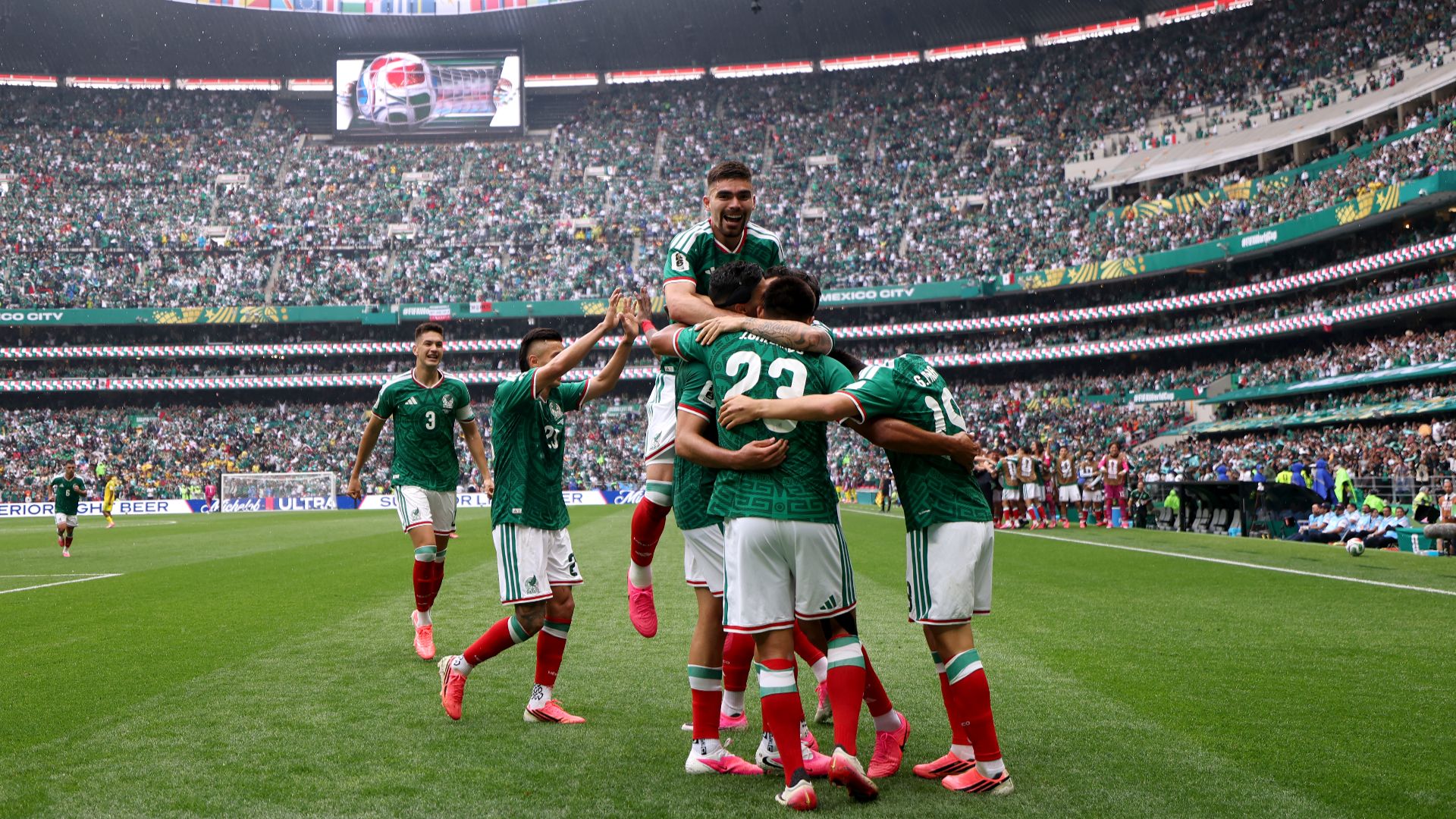
The World Cup’s first attendance controversy arrived almost immediately after its packed opening night in Mexico City, where Mexico beat South Africa 2-0 in front of more than 80,000 supporters at the Mexico City Stadium. Only hours later, the tournament’s second match in Guadalajara created a sharply different image, with thousands of high-priced seats visibly empty during a group-stage game that did not involve a host nation. FIFA announced an official attendance of 44,985 in a stadium listed at 45,664 capacity, but television images and reporters inside the venue showed large gaps in some of the most visible sections of the stands, particularly in central premium areas and VIP seating.
The contrast quickly became one of the first major talking points of the tournament. Mexico’s opening match delivered the atmosphere FIFA wanted from the first 48-team World Cup, with a full stadium, national celebration and strong local demand. The opening ceremony also featured a performance by global music star Shakira before Mexico’s victory over South Africa. The second match, however, exposed a more complicated reality for games featuring foreign teams in host cities where local fans may have little emotional connection to either side. The issue was not simply whether tickets had been distributed or counted. It was whether ordinary supporters were willing to pay hundreds or thousands of dollars to attend early group-stage matches between teams outside the tournament’s biggest draws.
Getty Images
The empty seats in Guadalajara renewed scrutiny of FIFA’s dynamic pricing strategy, which has pushed many premium tickets well beyond what local fans consider affordable. Seats in central and hospitality areas reportedly ranged from about $400 to more than $5,000, depending on location and package type. For a group-stage game involving two countries outside the top tier of global popularity, those prices drew criticism from supporters who argued that FIFA had misread the market. FIFA president Gianni Infantino defended the pricing strategy, arguing that organizers «We had to apply market rates.» The fact that many of the empty seats were located in highly visible premium sections made the controversy even harder to ignore, especially during a match broadcast around the world.
«We have six, seven million tickets on sale and in 15 days we received 150 million ticket requests.»
– FIFA president, Gianni Infantino
FIFA’s official attendance figure also raised questions about how tournament crowds are reported. Analysts noted that announced attendance often reflects tickets sold, distributed or allocated to sponsors and commercial partners, rather than the number of people physically inside the stadium. That distinction became central to the Guadalajara controversy, where the official number suggested a nearly full venue while the visual evidence showed significant empty areas. The situation has increased concern that corporate allocations, high-priced hospitality seats and resale-market uncertainty could produce similar scenes during other group-stage matches that do not feature Mexico, Canada or the United States.
Getty Images
The concern now extends beyond Mexico. Canada is scheduled to face Bosnia-Herzegovina in Toronto, while the United States plays Paraguay in Los Angeles, and organizers are watching closely to see whether games involving host nations can avoid the same optics. The larger question surrounds the many neutral matches across the 104-game tournament, where local spectators may be asked to pay premium prices for teams with smaller fan bases in North America. Before the tournament began, the Associated Press reported that only 29 of the 104 matches were officially sold out, fueling fears that FIFA’s pricing model could leave empty seats visible throughout the early stages.
«We had to apply market rates.»
– FIFA president, Gianni Infantino
The backlash has added pressure to FIFA as legal and political scrutiny grows around ticket prices. Attorneys general in New York, New Jersey and California have examined complaints over affordability and transparency, while fans have criticized an algorithmic pricing system that raises prices based on demand. FIFA president Gianni Infantino has defended the organization’s strategy, arguing that overall interest in the tournament remains unprecedented. «We have six, seven million tickets on sale and in 15 days we received 150 million ticket requests,» he said, describing the level of demand as «absolutely crazy.» However, the scenes in Guadalajara highlighted a growing disconnect between ticket demand on paper and attendance inside stadiums. After the electric atmosphere surrounding Mexico’s opening victory, thousands of empty premium seats during the tournament’s second match raised fresh concerns about the appeal of expensive group-stage games featuring foreign teams.
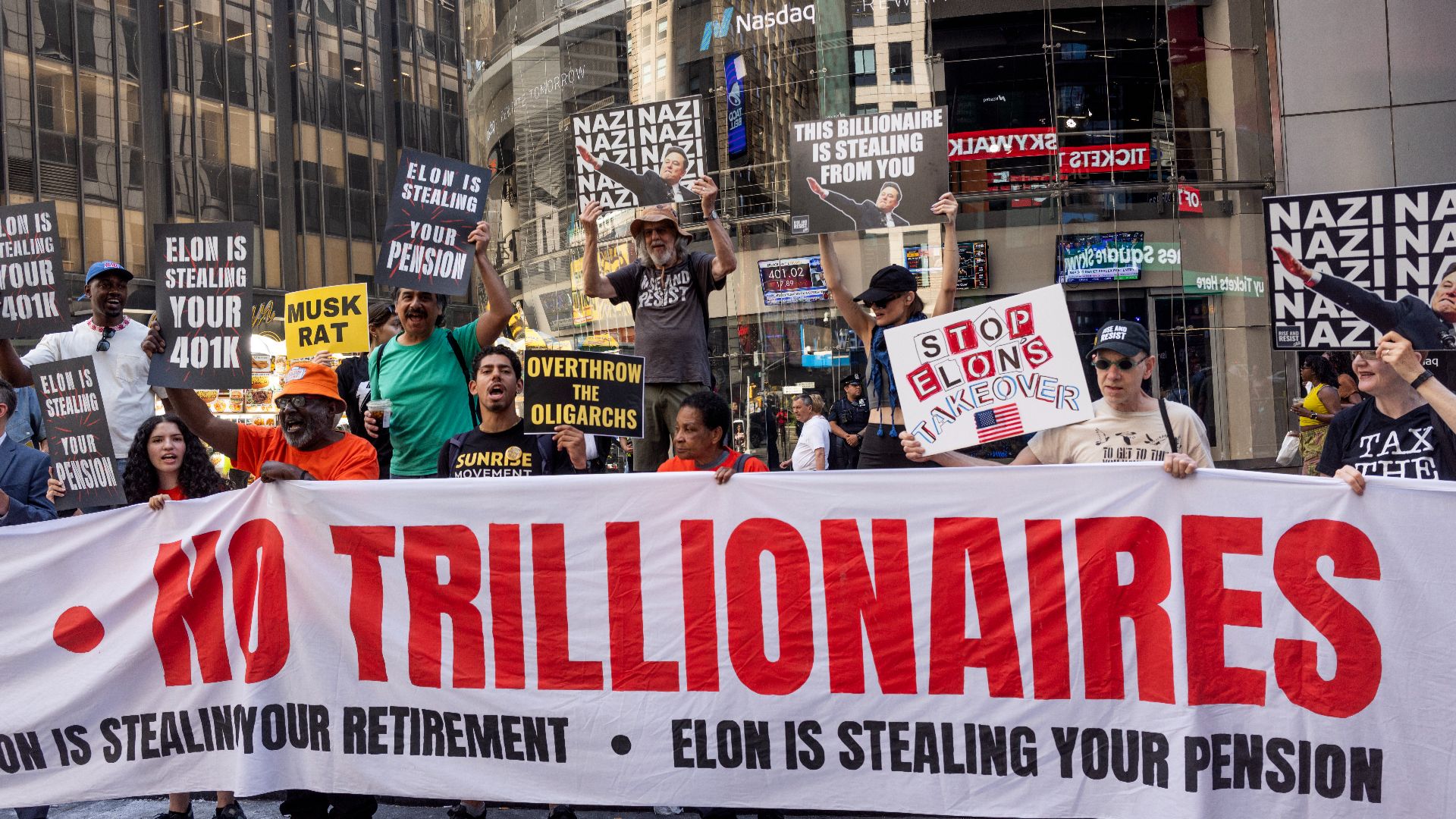
Le 12 juin, le milliardaire Elon Musk s’est rapproché plus que jamais du statut de premier « trillionnaire » au monde, alors que SpaceX faisait officiellement son entrée en bourse dans le cadre de ce qui a été qualifié de plus grande introduction en bourse de l’histoire. L’entreprise aérospatiale a vendu 555,6 millions d’actions à 135 dollars chacune, levant ainsi environ 75 milliards de dollars et atteignant une valorisation d’environ 1 770 milliards de dollars. Cotée sous le symbole SPCX au Nasdaq, cette introduction en bourse a ouvert SpaceX aux investisseurs publics pour la première fois depuis la création de l’entreprise en 2002. Cette cotation historique a instantanément fait de SpaceX l’une des sociétés cotées en bourse les plus valorisées au monde et a considérablement accru la fortune personnelle d’Elon Musk. Cette étape importante intervient presque exactement un an après la rupture publique spectaculaire entre Elon Musk et le président Donald Trump, une querelle qui est devenue l’un des événements marquants de son engagement politique.
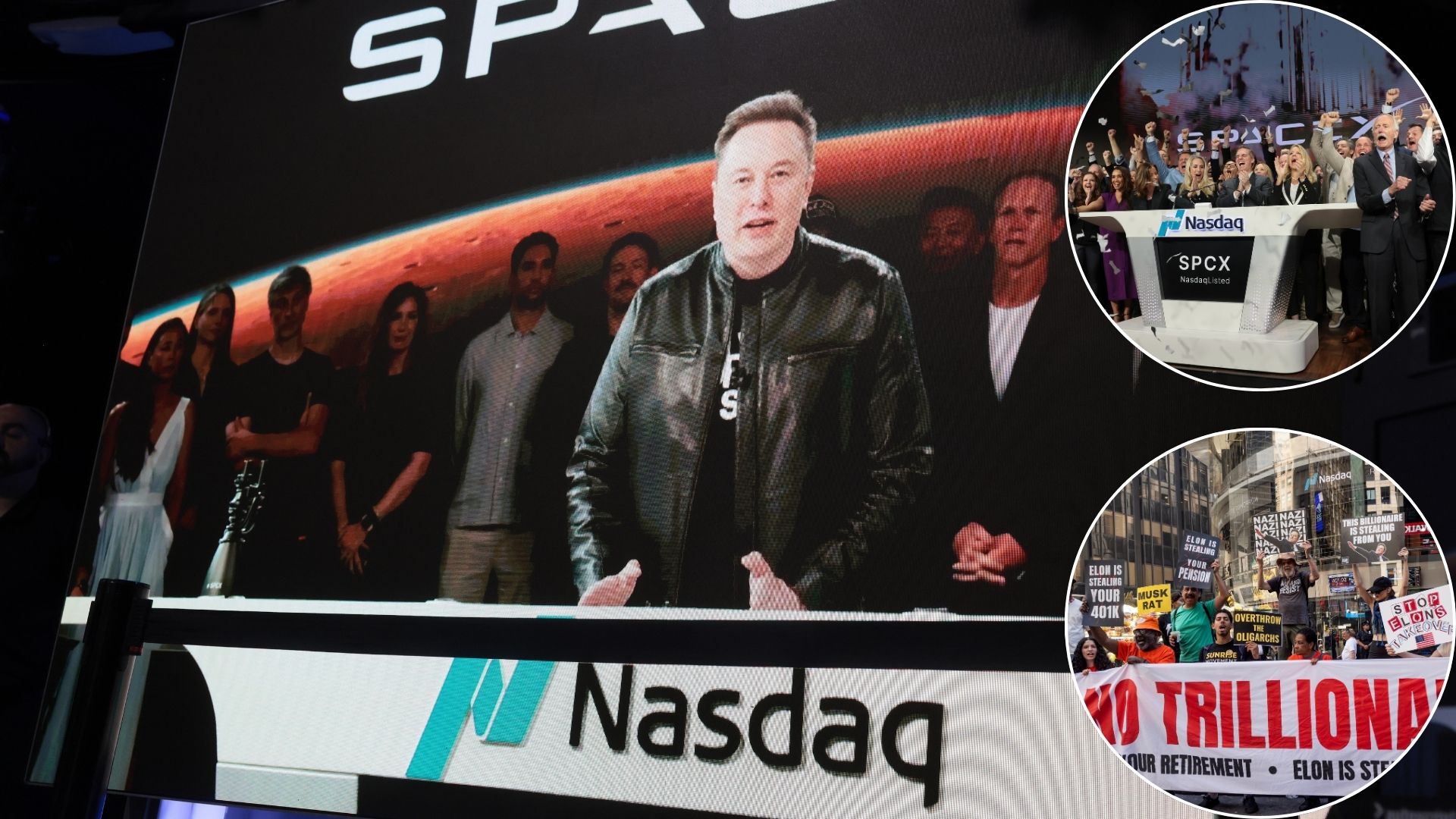
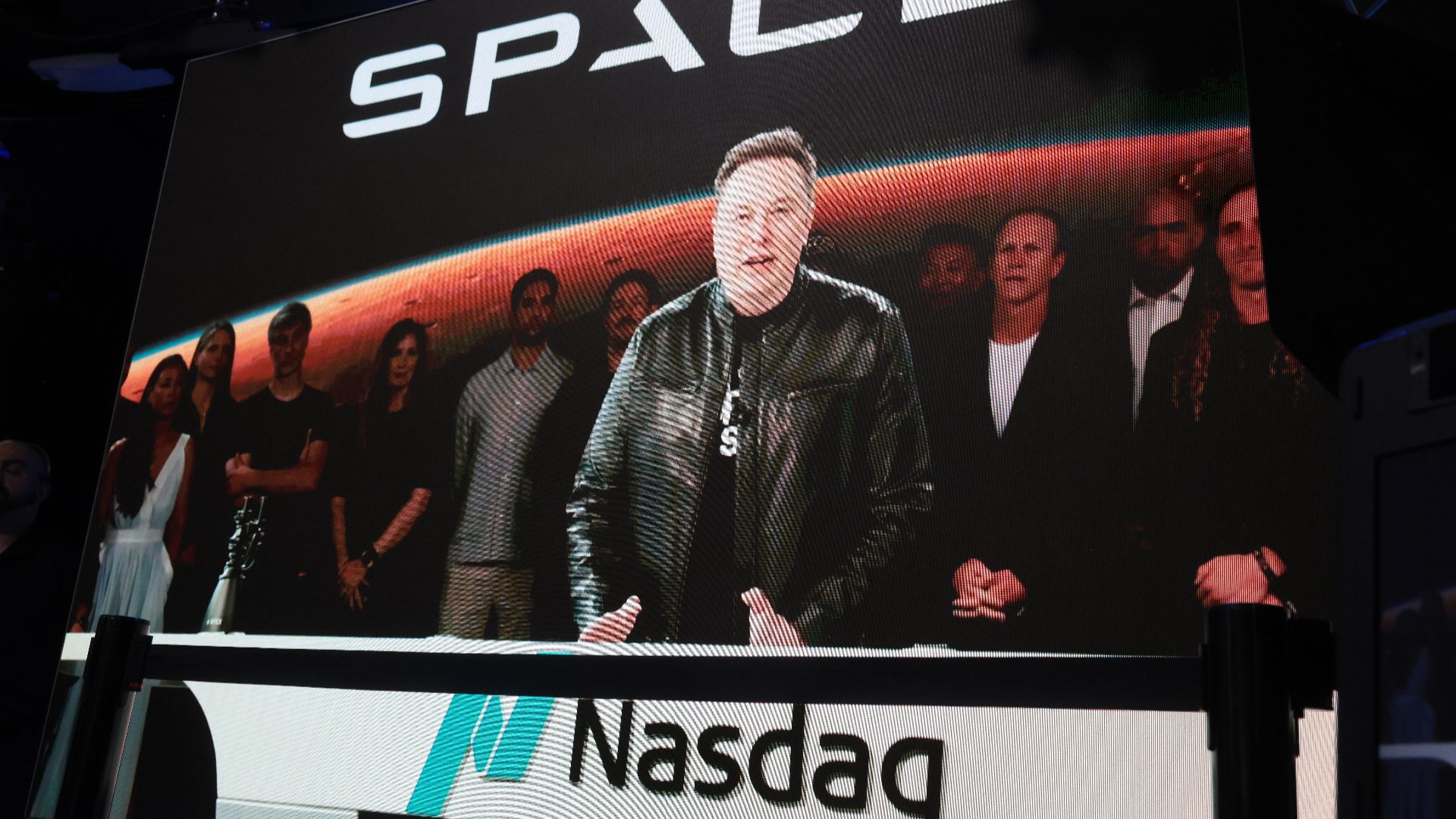
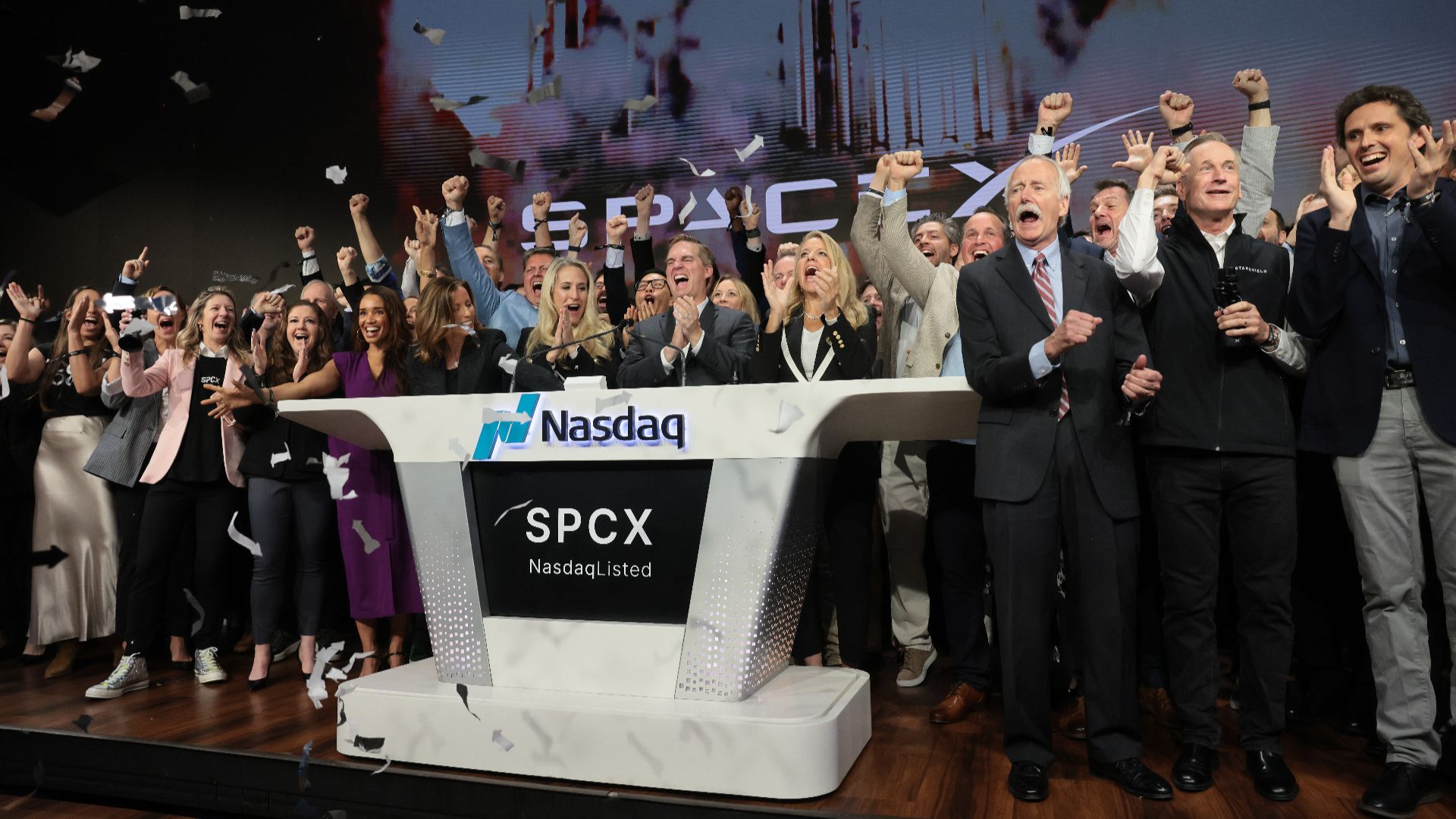
L’entrée en bourse de la société a été célébrée par une cérémonie minutieusement orchestrée reliant New York et le Texas. Alors que les dirigeants de SpaceX se réunissaient au siège du Nasdaq à Manhattan pour la cloche d’ouverture, Musk s’est adressé à ses employés à distance depuis le siège de SpaceX au Texas. Grâce à une connexion vidéo en direct, il a virtuellement donné le coup d’envoi de la journée de cotation tandis que des confettis envahissaient la salle des marchés du Nasdaq et que « Rocket Man » d’Elton John résonnait dans toute la salle. Cette cérémonie à deux endroits soulignait l’importance du moment, non seulement pour SpaceX, mais aussi pour les secteurs plus larges de la technologie et de la finance. « SpaceX, c’est faire sortir la fiction de la science-fiction », a déclaré Musk lors de l’événement. D’autres dirigeants de l’entreprise ont ensuite participé à la cérémonie de la cloche d’ouverture du Nasdaq, marquant le début des cotations de ce qui est immédiatement devenu l’une des actions les plus suivies à Wall Street.
« SpaceX, c’est faire sortir la fiction de la science-fiction. »
-Elon Musk
L’introduction en bourse a valorisé SpaceX à environ 1 750 milliards de dollars, ce qui en fait la plus grande offre publique jamais réalisée et place instantanément l’entreprise parmi les géants mondiaux. Ce lancement réussi reflète la confiance des investisseurs dans une entreprise qui est devenue dominante dans de multiples secteurs, notamment les lancements de fusées commerciales, les communications par satellite et les opérations spatiales gouvernementales. SpaceX lance actuellement la majorité des missions orbitales américaines et exploite Starlink, la plus grande constellation de satellites Internet au monde. L’entreprise joue également un rôle majeur dans les ambitions lunaires de la NASA et reste au cœur des plans à long terme pour les missions habitées vers Mars. Pour les investisseurs, cette cotation a offert la première occasion de participer directement à une entreprise qui a passé plus de deux décennies à remodeler l’industrie spatiale mondiale tout en restant privée.
Getty Images
L’ascension de Musk vers le statut de « trillionnaire » intervient malgré une année marquée par des turbulences politiques et des critiques croissantes. Après avoir dépensé des centaines de millions de dollars pour soutenir la campagne électorale de Donald Trump, Musk a rejoint l’administration et est devenu le visage public du Département de l’efficacité gouvernementale, communément appelé DOGE. Ses efforts pour réduire les dépenses fédérales et la taille du gouvernement ont suscité une controverse généralisée, d’autant plus que des milliers d’emplois fédéraux ont été supprimés et que les agences ont dû faire face à une restructuration importante. Les détracteurs ont accusé Musk d’opérer dans un contexte de conflits d’intérêts majeurs, car SpaceX, Tesla et ses autres entreprises reçoivent des milliards de dollars de contrats fédéraux tout en restant soumises à la surveillance du gouvernement. Son rôle politique de plus en plus visible l’a transformé d’un entrepreneur technologique en l’une des figures les plus controversées de la vie publique américaine.
Getty Images
L’alliance entre Musk et Trump a finalement volé en éclats de manière spectaculaire. Musk a officiellement quitté l’administration à la fin du mois de mai 2025 après avoir critiqué publiquement la loi phare de Trump sur les dépenses, la qualifiant de « projet de loi de dépenses massif » qui « sape le travail accompli par l’équipe du DOGE ». Quelques jours plus tard seulement, le désaccord s’est transformé en une querelle publique. Sur X, Musk a publié ce qui allait devenir l’un des messages les plus controversés de sa carrière, écrivant : « Il est temps de lâcher la vraie bombe : @realDonaldTrump figure dans les dossiers Epstein. C’est la véritable raison pour laquelle ils n’ont pas été rendus publics. Passez une bonne journée, DJT ! » Bien que Musk ait par la suite supprimé le message et adouci certaines de ses critiques, celui-ci a fêté son premier anniversaire cette semaine, soulignant à quel point la relation entre les deux hommes s’est détériorée rapidement après des mois de coopération.
« Il est temps de lâcher la vraie bombe : @realDonaldTrump figure dans les dossiers Epstein. C’est la véritable raison pour laquelle ils n’ont pas été rendus publics. Bonne journée, DJT ! »
-Elon Musk, sur X
Depuis qu’il a quitté le gouvernement il y a un peu plus d’un an, Musk a largement recentré son attention sur son empire commercial, en particulier SpaceX et ses efforts pour stabiliser Tesla après un ralentissement des ventes et des réactions politiques négatives persistantes. Néanmoins, la controverse continue de le suivre. Des manifestations visant Tesla et Musk ont émergé bien avant l’introduction en bourse de SpaceX, alimentées par l’opposition aux licenciements liés au DOGE, les inquiétudes concernant son influence sur les politiques publiques et les critiques à l’égard de plusieurs déclarations politiques de droite qui ont suscité des réactions négatives tant en Amérique du Nord qu’en Europe. Tout en se montrant plus discret qu’à l’époque où il était à Washington, Musk est resté très actif sur X, où il continue de s’exprimer sur la politique, les mesures gouvernementales et les débats culturels. Alors que SpaceX fait son entrée au Nasdaq, ce lancement historique marque non seulement une étape financière majeure, mais aussi l’aboutissement d’une année mouvementée qui a redéfini l’image publique et l’influence de Musk.
Billionaire Elon Musk moved closer than ever to becoming the world’s first trillionaire on June 12 as SpaceX officially entered the stock market in what has been described as the largest initial public offering in history. The aerospace company sold 555.6 million shares at $135 each, raising approximately $75 billion and giving the company a valuation of roughly $1.77 trillion. Trading under the ticker symbol SPCX on the Nasdaq, the debut opened SpaceX to public investors for the first time since the company was founded in 2002. The historic listing instantly transformed SpaceX into one of the most valuable publicly traded companies in the world and significantly increased Musk’s personal fortune. The milestone arrives almost exactly one year after Musk’s dramatic public split with President Donald Trump, a feud that became one of the defining stories of his political involvement.
The company’s stock market debut was celebrated with a highly choreographed ceremony linking New York and Texas. While senior SpaceX executives gathered at Nasdaq headquarters in Manhattan for the opening bell, Musk addressed employees remotely from SpaceX’s headquarters in Texas. Through a live video connection, he virtually initiated the trading day while confetti filled the Nasdaq trading floor and Elton John’s «Rocket Man» played throughout the venue. The dual-location ceremony highlighted the importance of the moment not only for SpaceX but for the broader technology and financial sectors. «SpaceX is about taking the fiction out of science fiction,» Musk said during the event. Other company leaders then participated in Nasdaq’s opening bell ceremony, marking the beginning of trading for what immediately became one of the most closely watched stocks on Wall Street.
«SpaceX is about taking the fiction out of science fiction.»
-Elon Musk
The IPO valued SpaceX at approximately $1.75 trillion, making it the largest public offering ever completed and instantly placing the company among the world’s corporate giants. The successful debut reflected investor confidence in a business that has become dominant across multiple sectors, including commercial rocket launches, satellite communications and government space operations. SpaceX currently launches the majority of U.S. orbital missions and operates Starlink, the world’s largest satellite internet constellation. The company also plays a major role in NASA’s lunar ambitions and remains central to long-term plans for human missions to Mars. For investors, the listing provided the first opportunity to directly participate in a company that has spent more than two decades reshaping the global space industry while remaining privately held.
Getty Images
Musk’s ascent toward trillionaire status comes despite a year marked by political turmoil and growing criticism. After spending hundreds of millions of dollars supporting Donald Trump’s election effort, Musk joined the administration and became the public face of the Department of Government Efficiency, commonly known as DOGE. His efforts to reduce federal spending and shrink the size of government generated widespread controversy, particularly as thousands of federal jobs were eliminated and agencies faced significant restructuring. Critics accused Musk of operating under major conflicts of interest because SpaceX, Tesla and his other companies receive billions of dollars in federal contracts while remaining subject to government oversight. His increasingly visible political role transformed him from a technology entrepreneur into one of the most divisive figures in American public life.
Getty Images
The alliance between Musk and Trump ultimately collapsed in spectacular fashion. Musk formally left the administration at the end of May 2025 after publicly criticizing Trump’s signature spending legislation, describing it as a «massive spending bill» that «undermines the work that the Doge team is doing.» Only days later, the disagreement escalated into a public feud. On X, Musk published what would become one of the most controversial messages of his career, writing: «Time to drop the really big bomb: @realDonaldTrump is in the Epstein files. That is the real reason they have not been made public. Have a nice day, DJT!» Although Musk later deleted the post and softened some of his criticism, the message reached its first anniversary this week, underscoring how rapidly the relationship between the two men unraveled after months of cooperation.
«Time to drop the really big bomb: @realDonaldTrump is in the Epstein files. That is the real reason they have not been made public. Have a nice day, DJT!»
-Elon Musk, on X
Since leaving government just over a year ago, Musk has largely shifted his attention back toward his business empire, particularly SpaceX and efforts to stabilize Tesla after slowing sales and sustained political backlash. Nevertheless, controversy has continued to follow him. Demonstrations targeting Tesla and Musk emerged long before the SpaceX IPO, fueled by opposition to DOGE-related layoffs, concerns about his influence over public policy and criticism of several right-wing political statements that sparked backlash in both North America and Europe. While maintaining a lower profile than during his time in Washington, Musk has remained highly active on X, where he continues to weigh in on politics, government policy and cultural debates. As SpaceX begins trading on Nasdaq, the company’s historic debut marks not only a financial milestone but also the culmination of a turbulent year that reshaped Musk’s public image and influence.
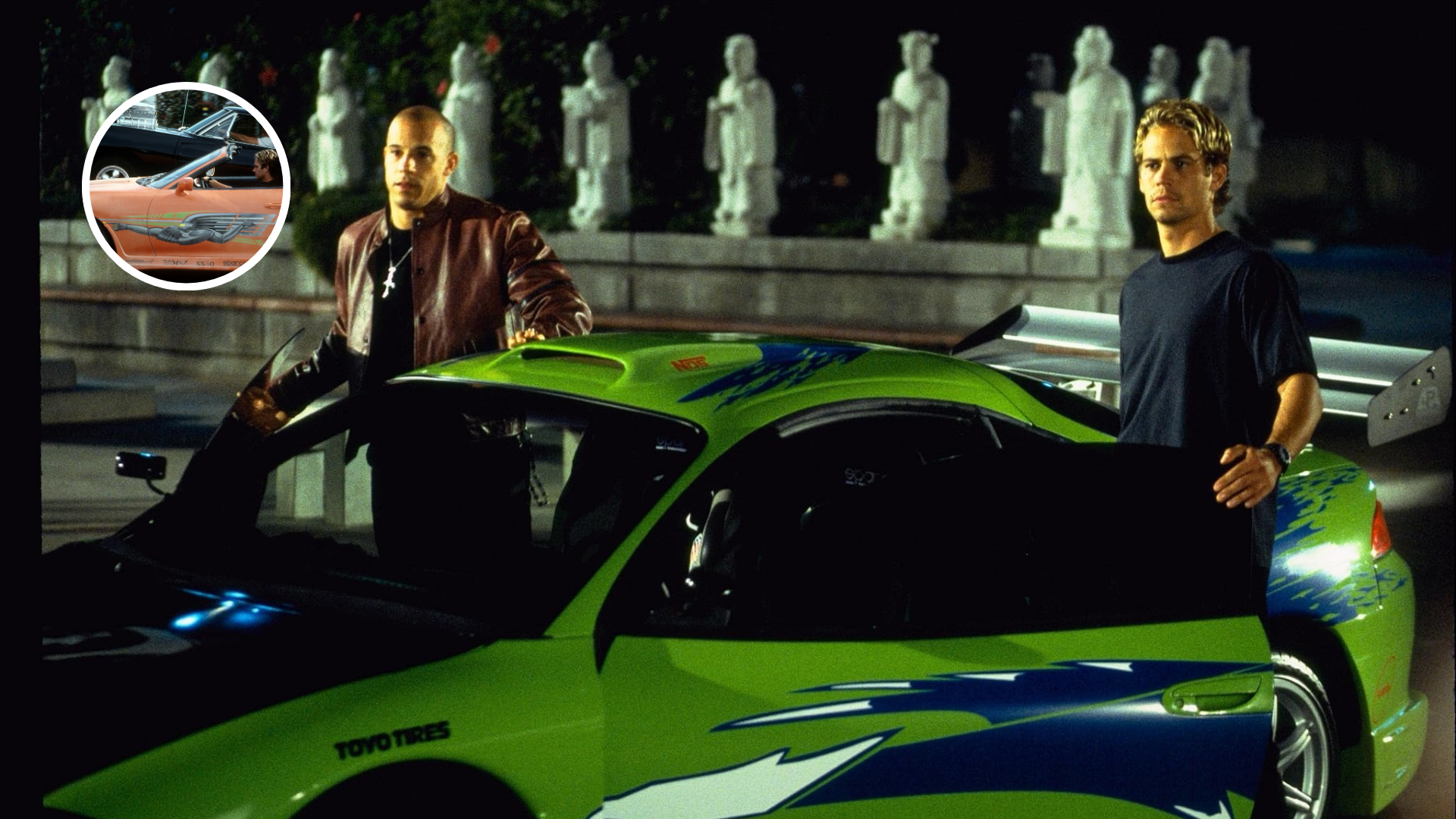
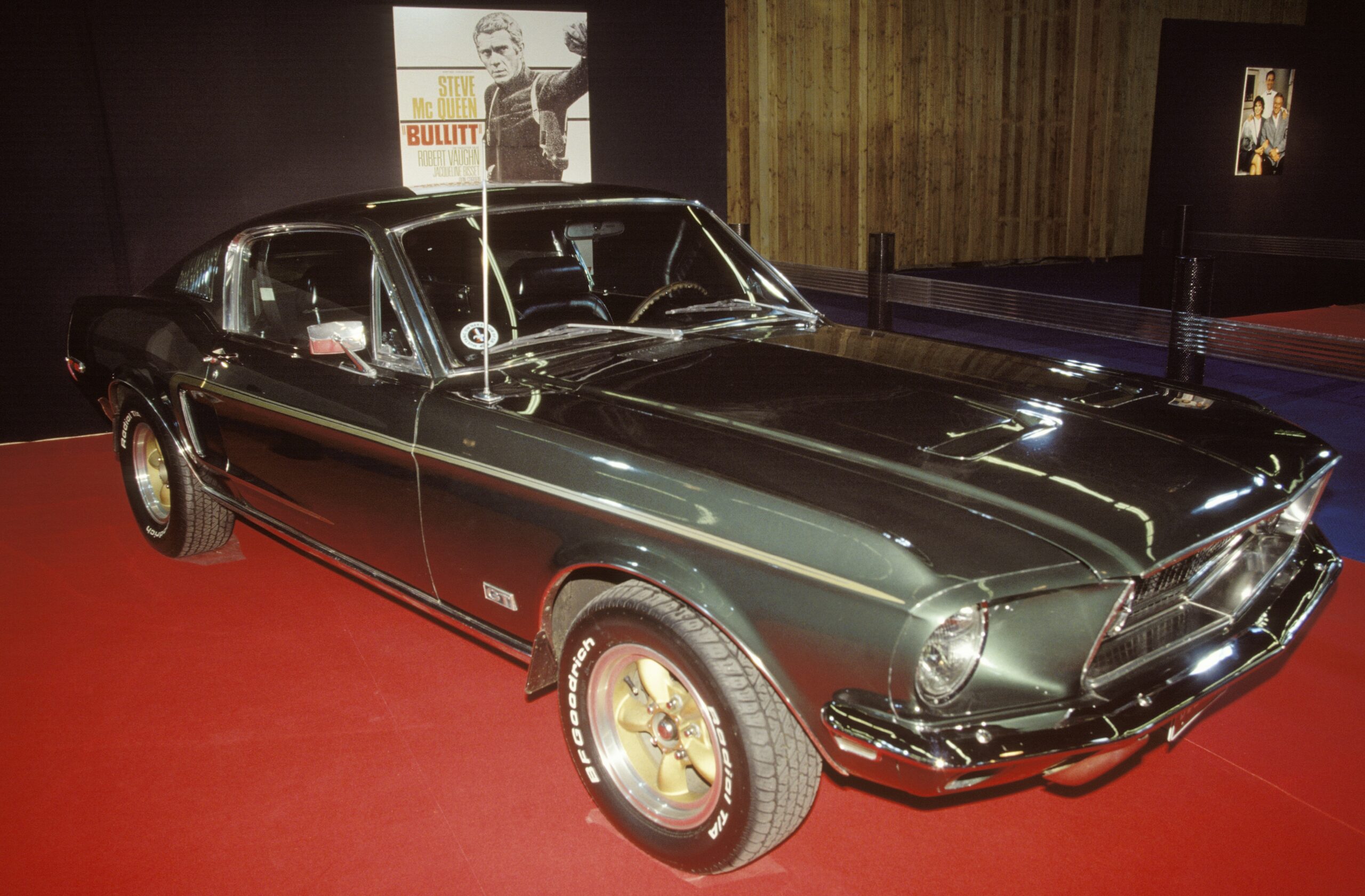
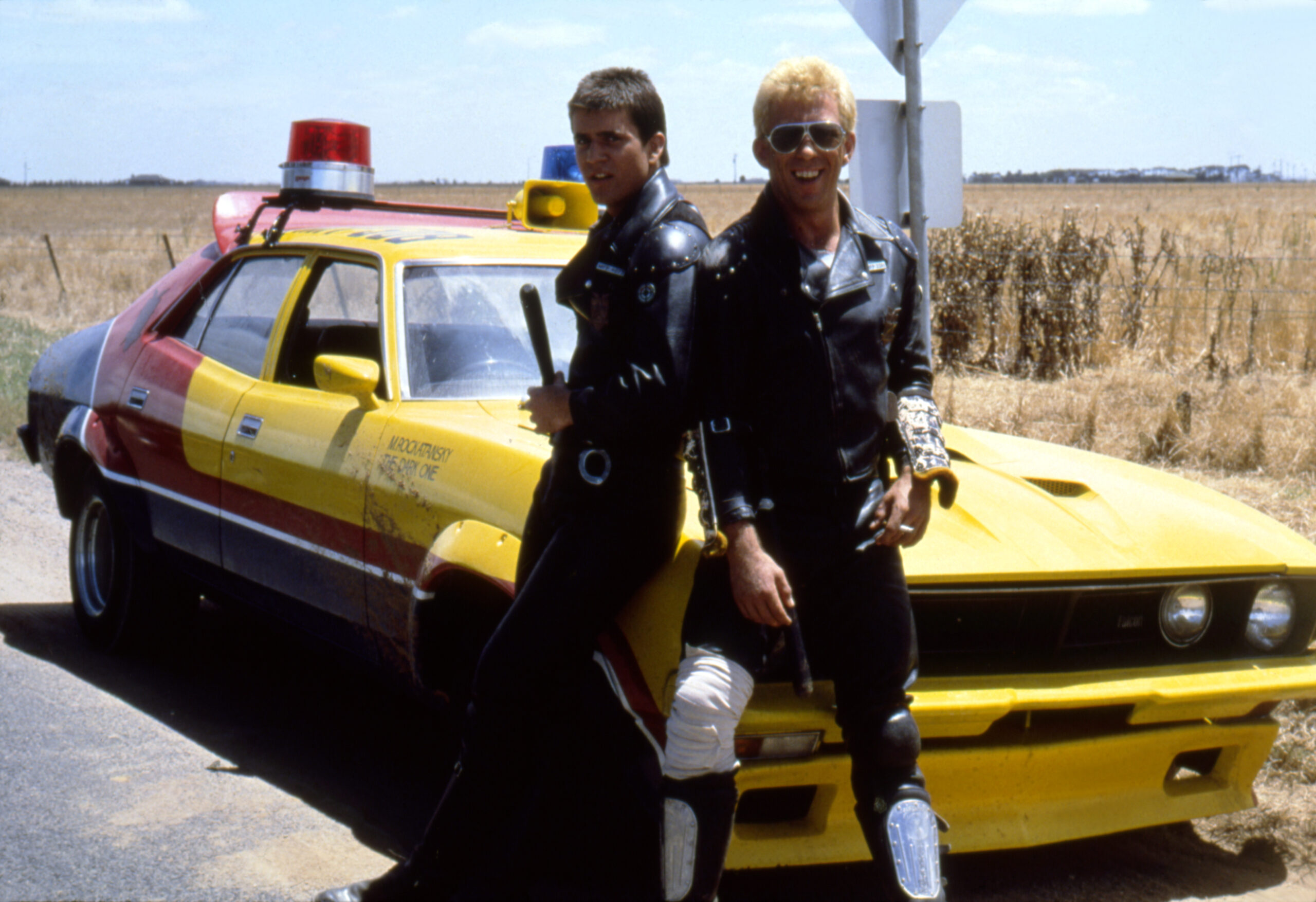
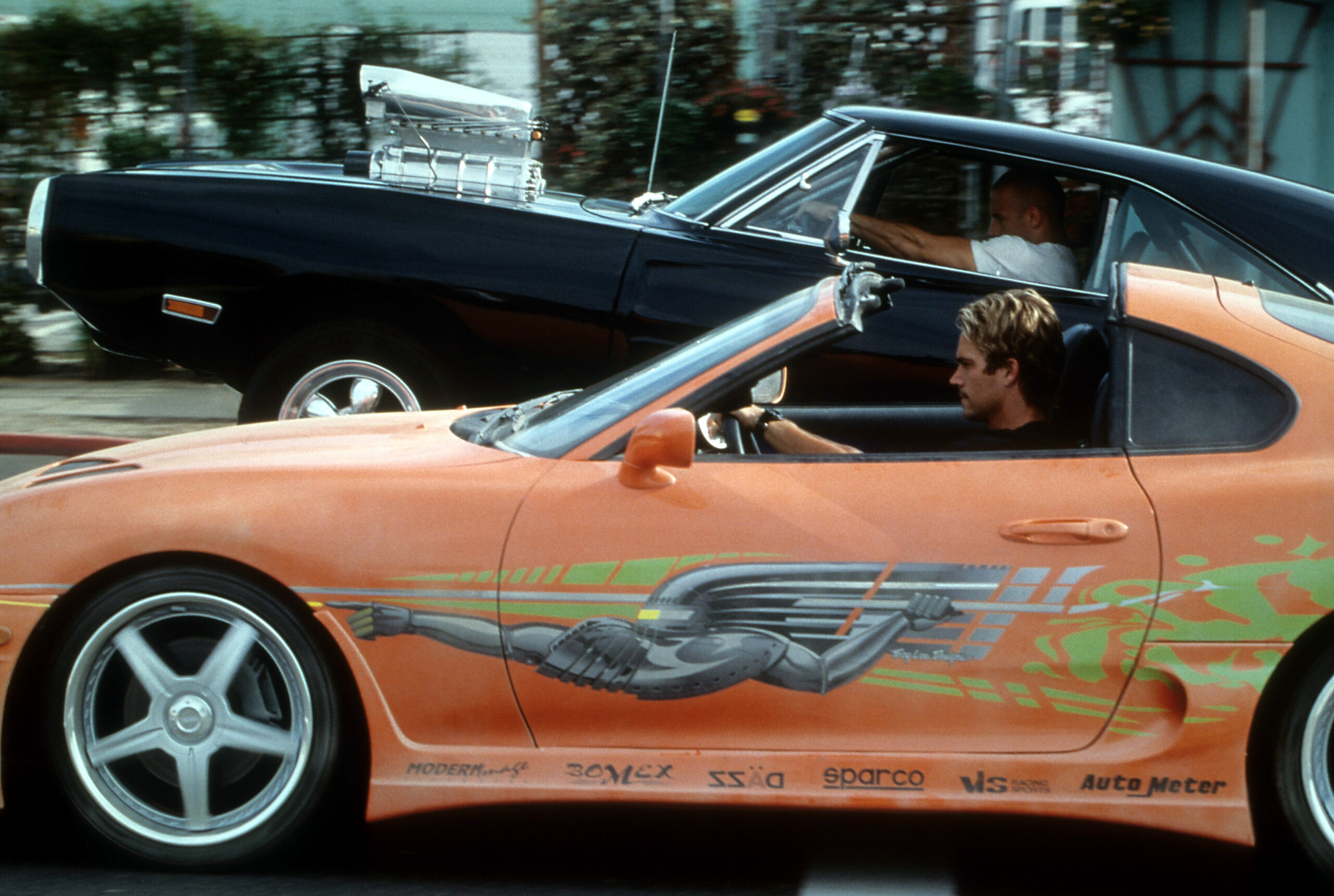
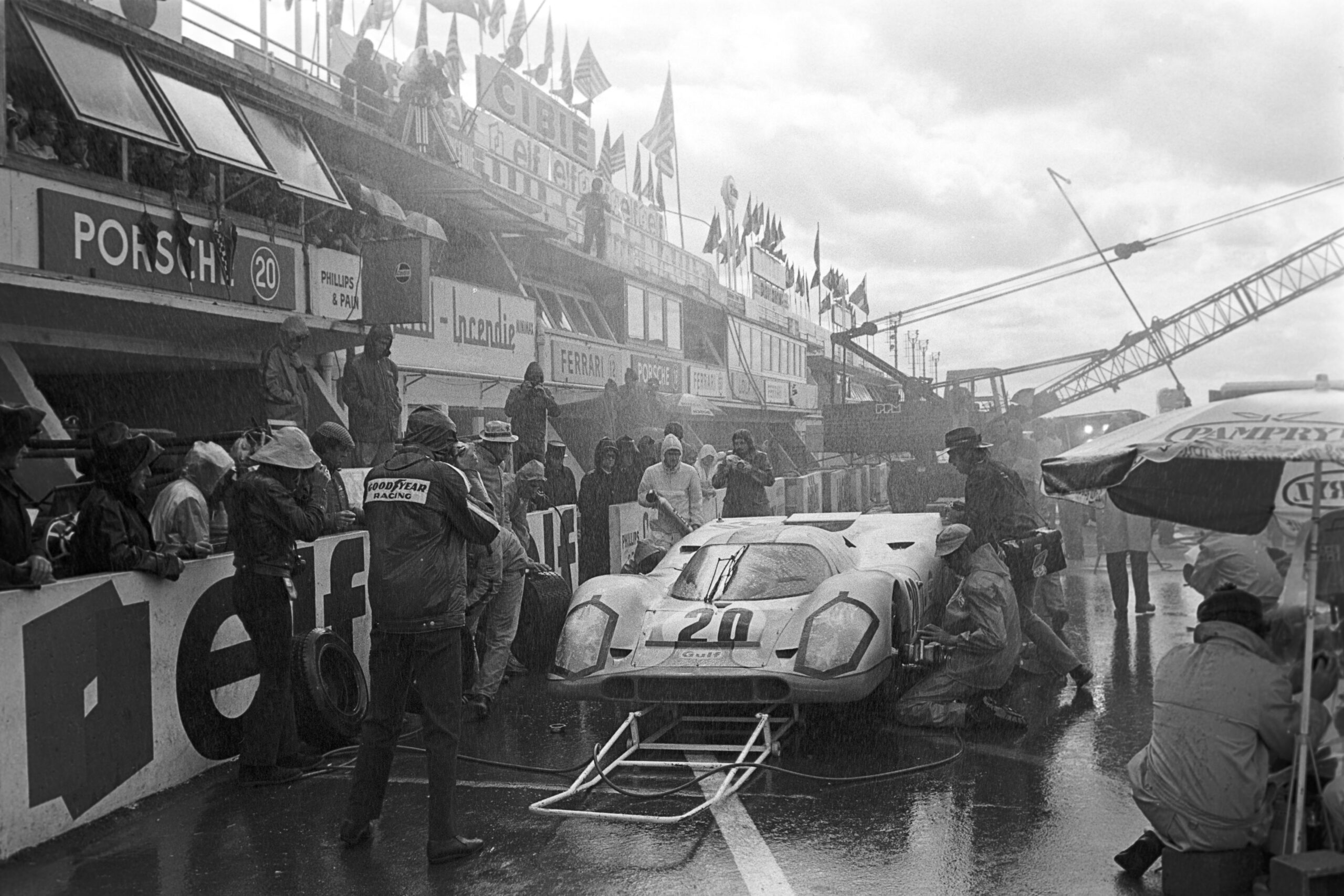
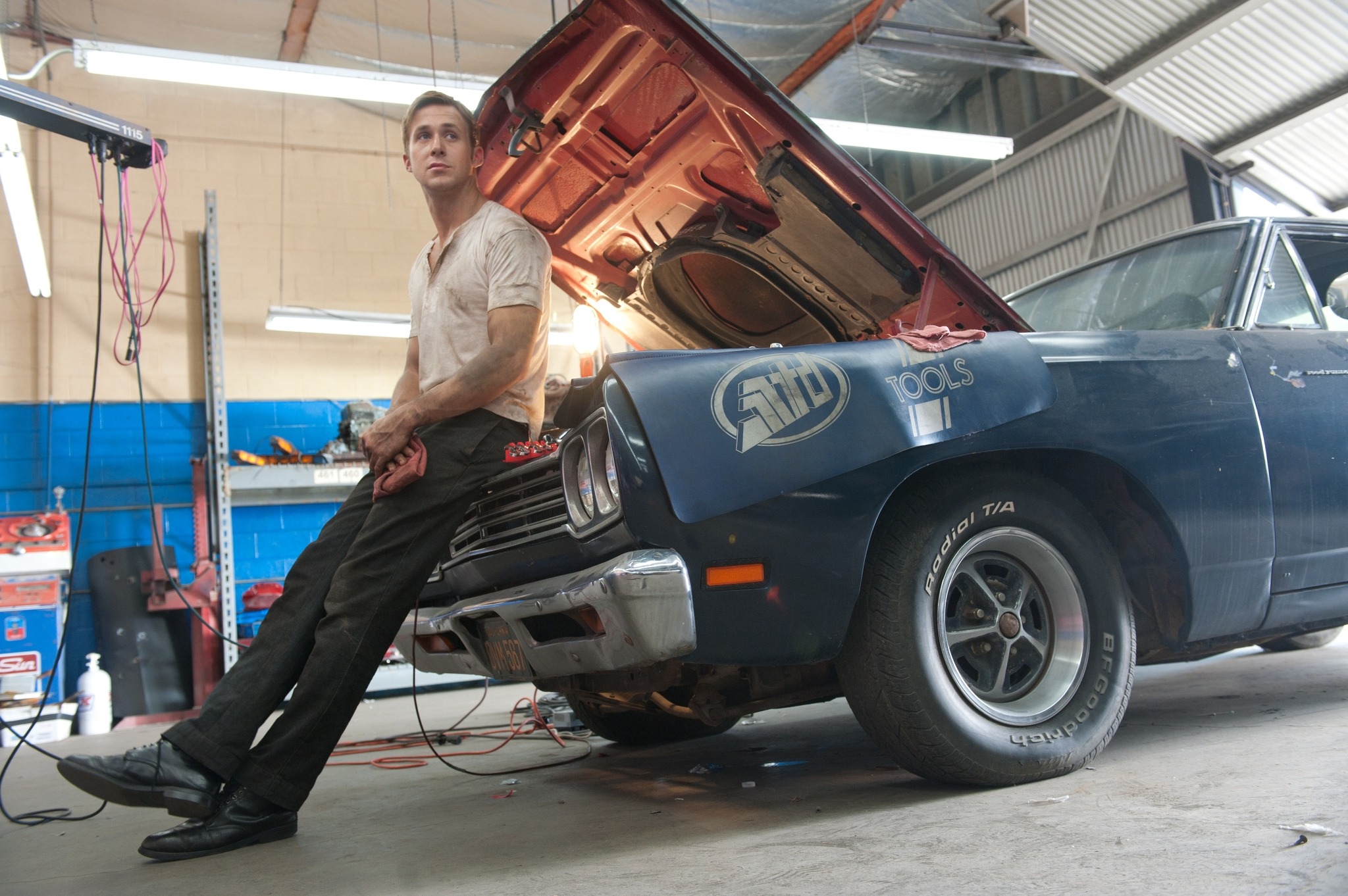
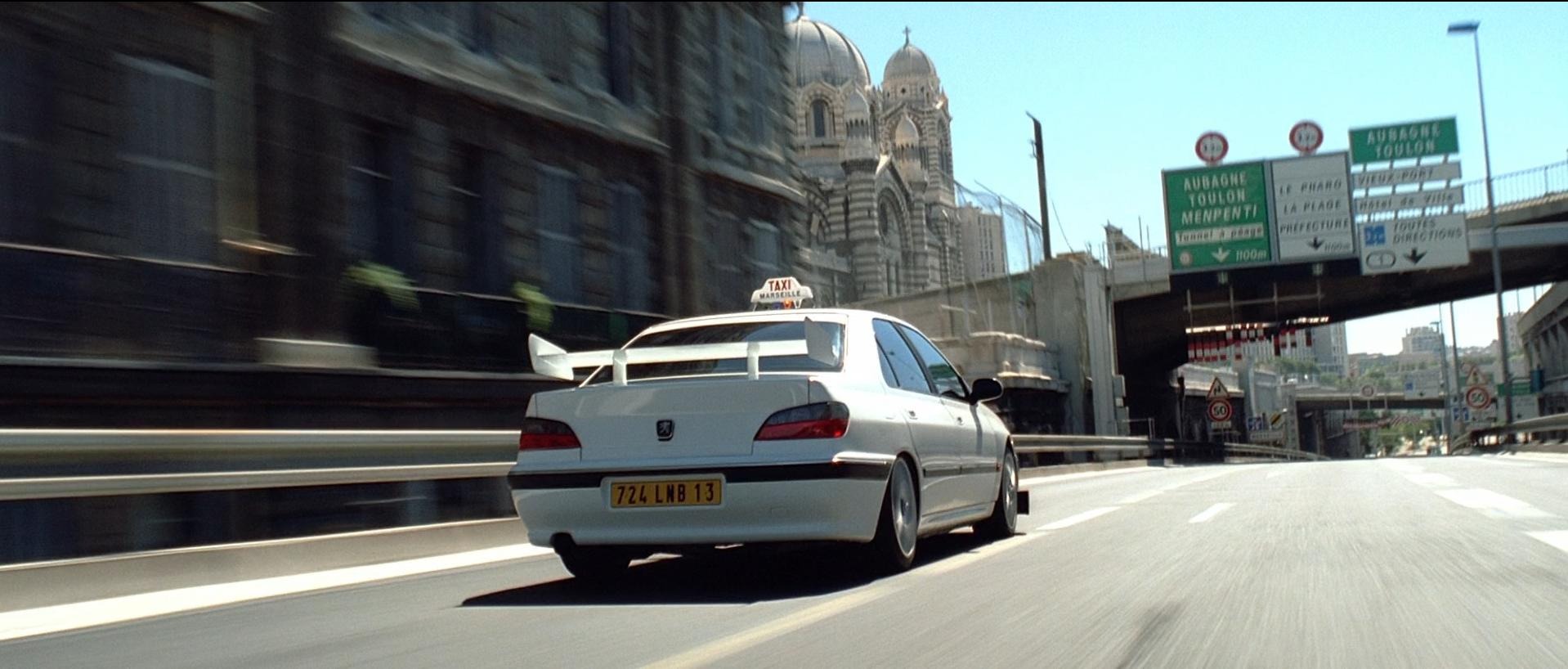
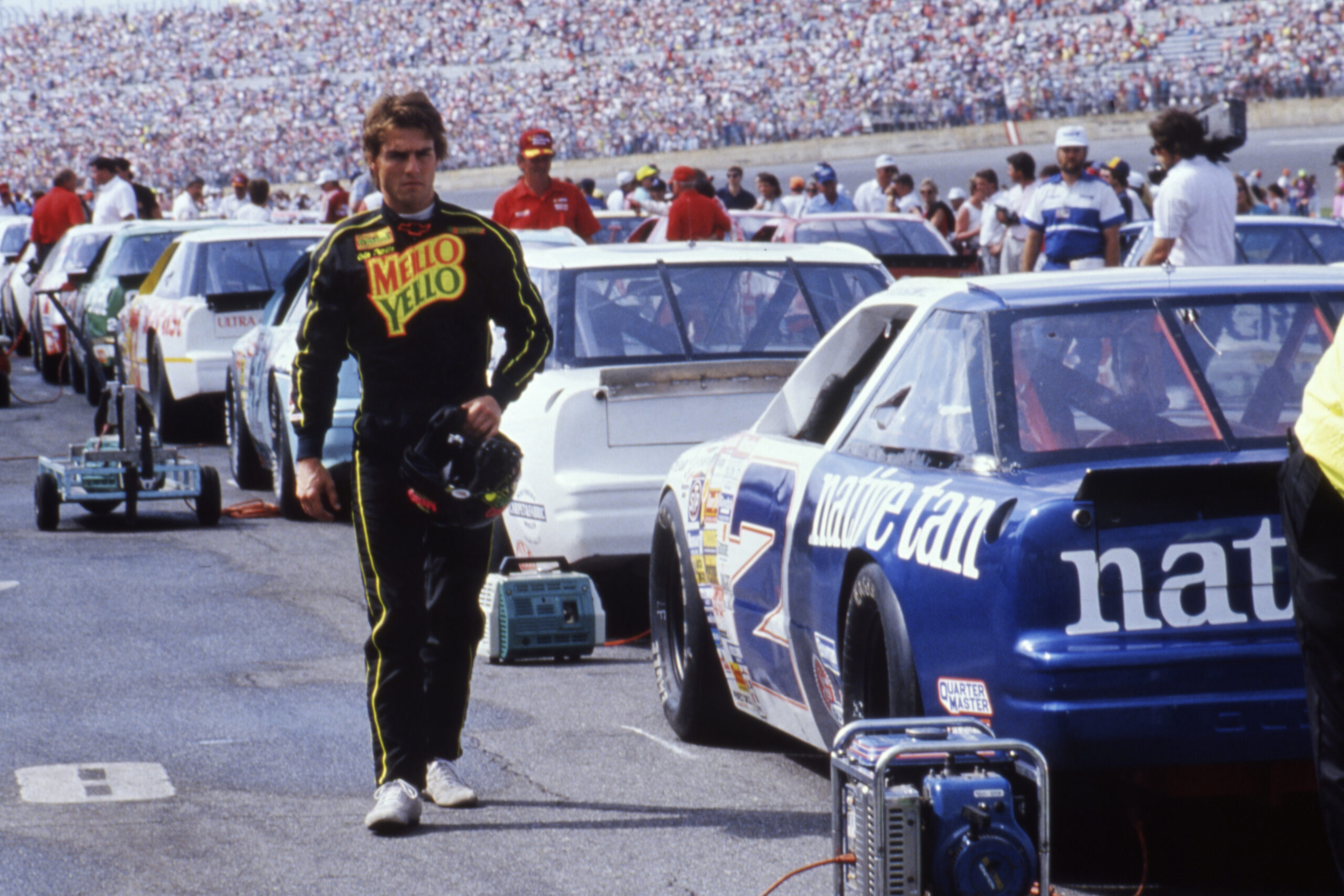
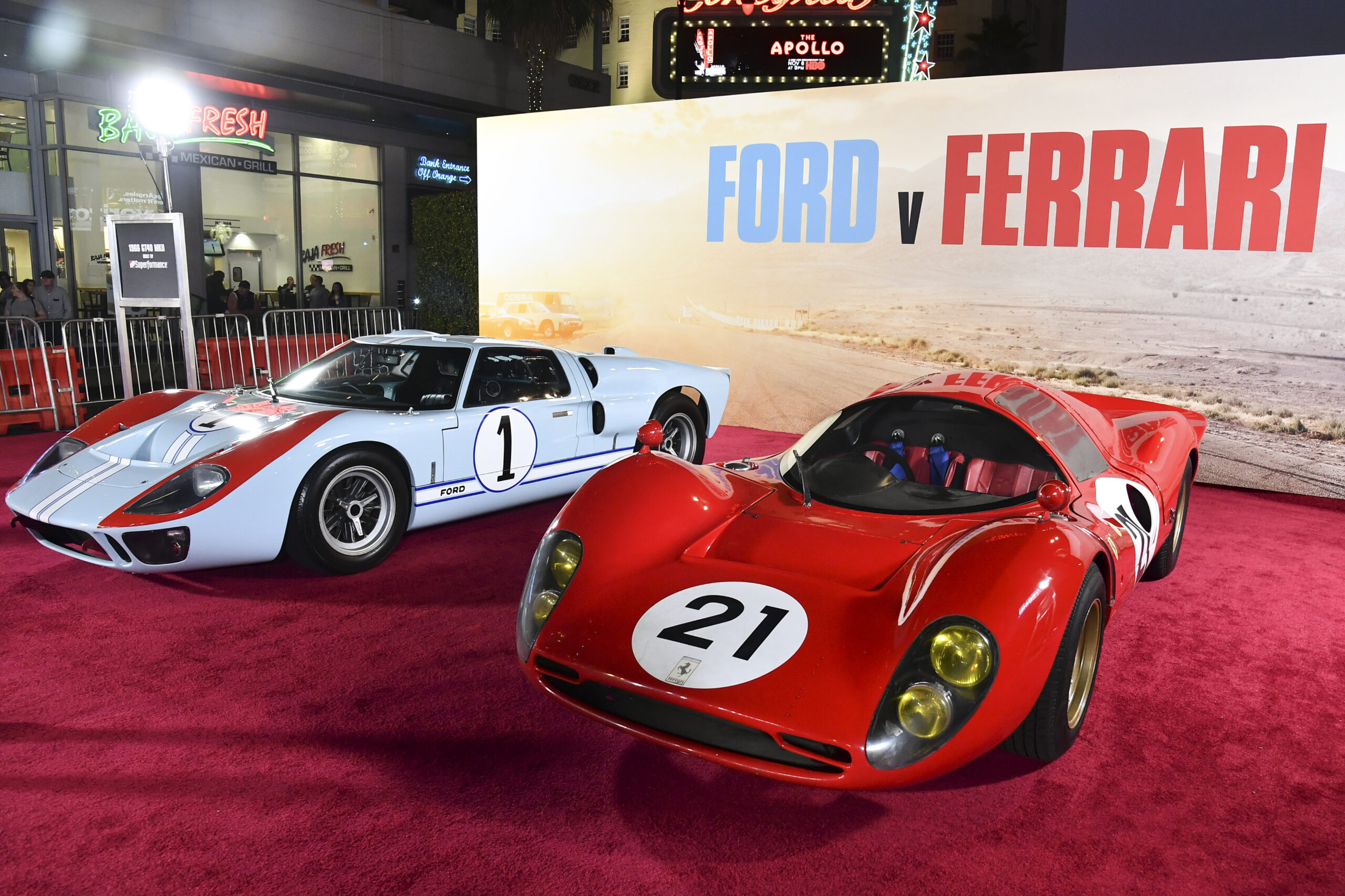
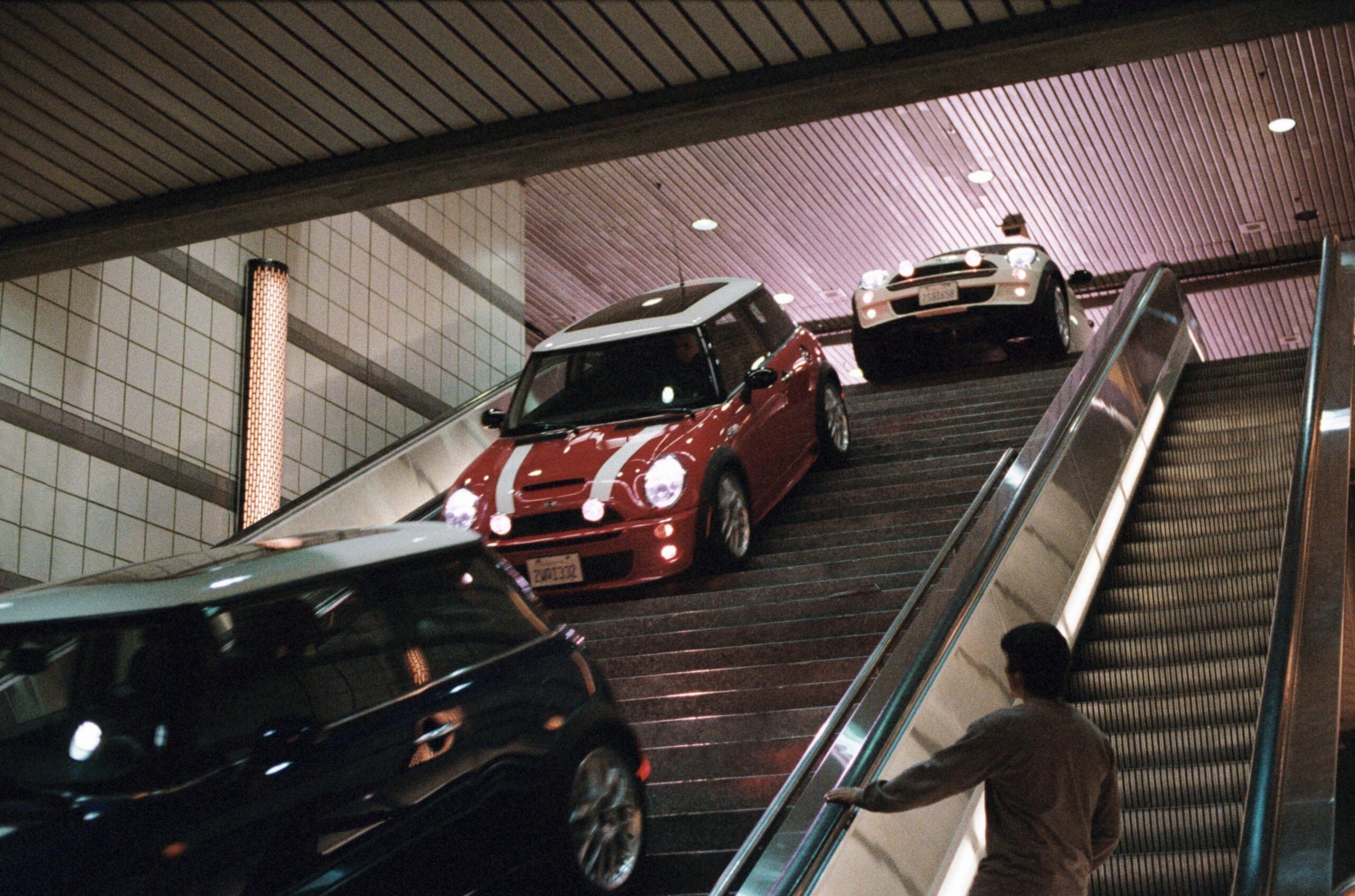
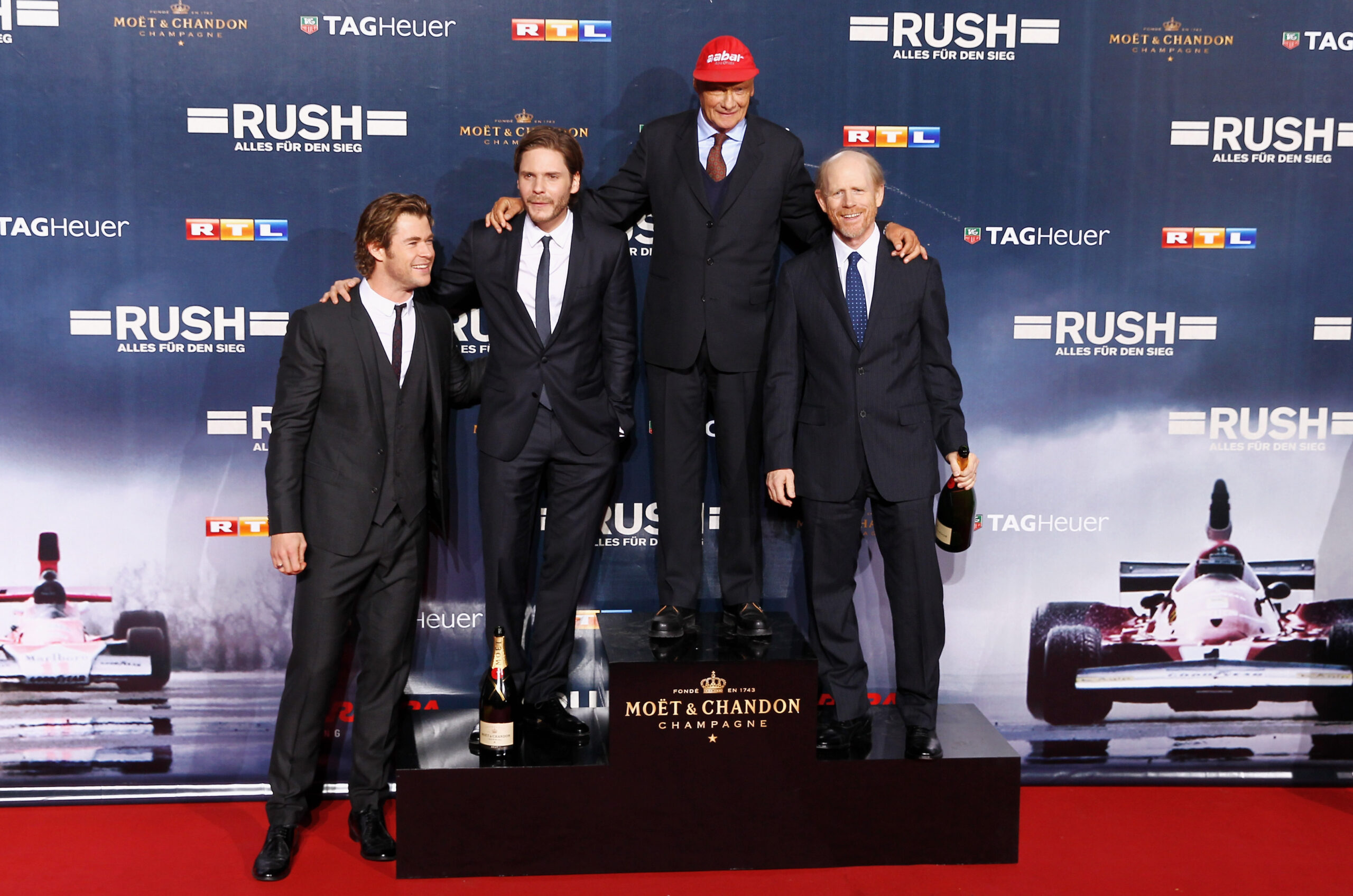
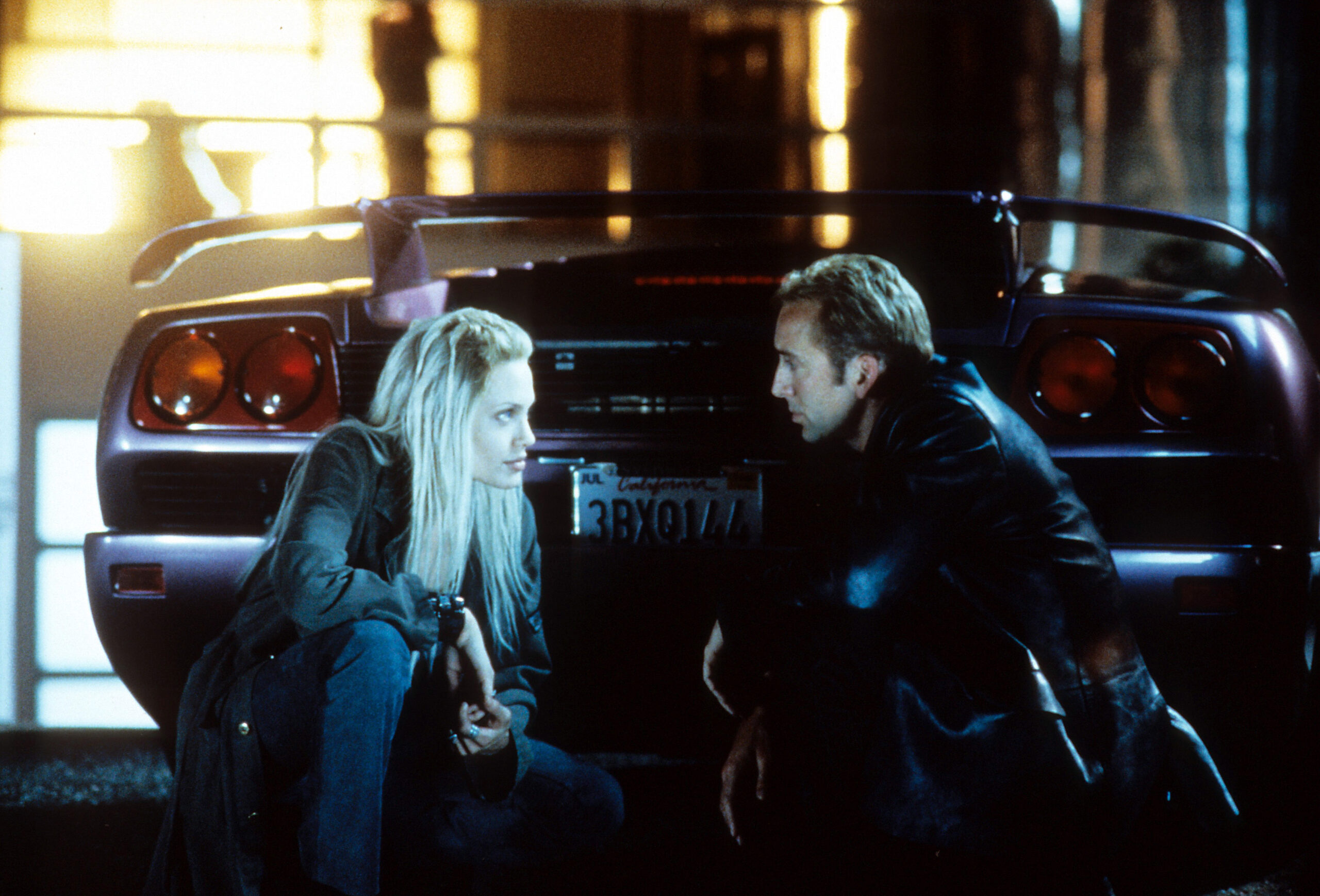
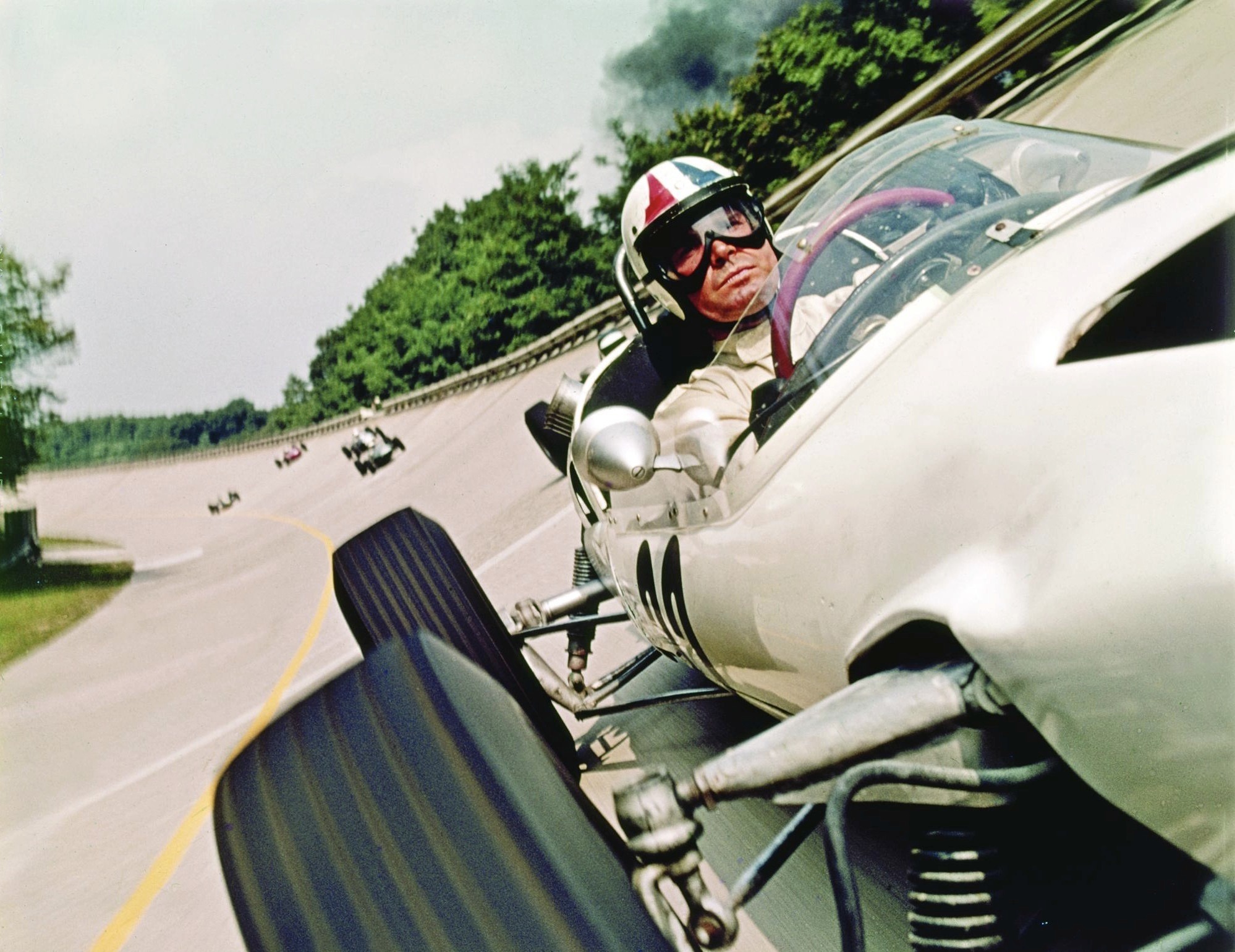
Masterpieces of automotive cinema hold a unique place in the history of film, celebrating speed, a passion for cars, and human adventure. Classics like Bullitt, Le Mans, and Grand Prix revolutionized chase and race scenes with their realism. Other notable films, such as Mad Max, Rush, and Ford v Ferrari, highlight the courage, rivalry, and innovation behind every steering wheel.