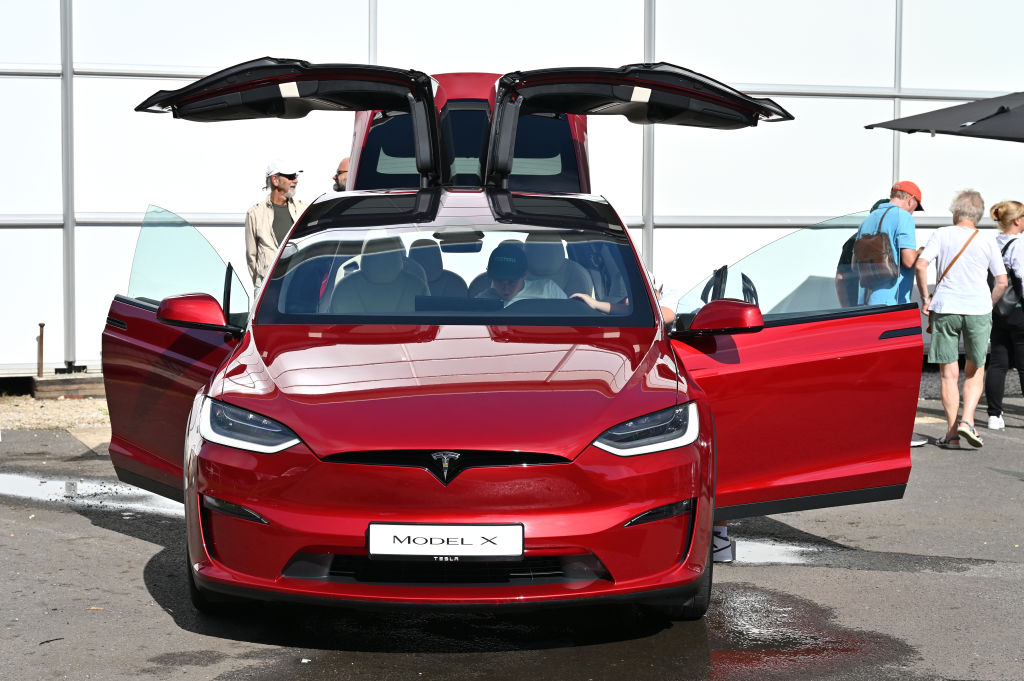
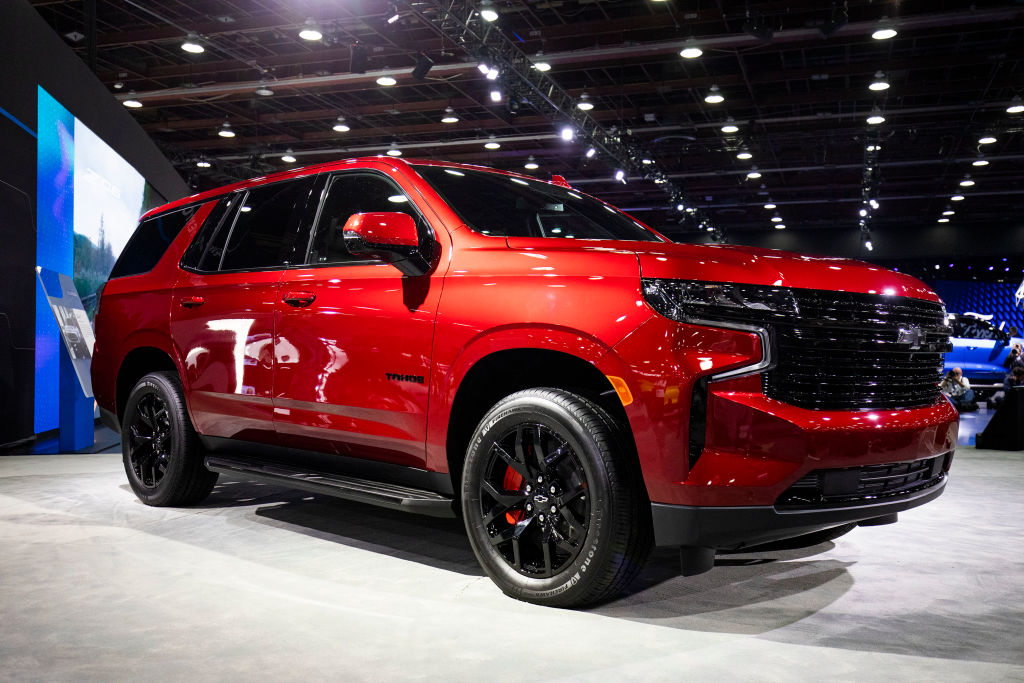
Hitting the road, discovering new scenery, and traveling with complete freedom are among the essential joys of a successful road trip. However, choosing the right vehicle plays a key role in turning the experience into a memorable adventure. Comfort, space, performance, fuel efficiency, and the ability to adapt to different types of roads become important factors when traveling long distances.
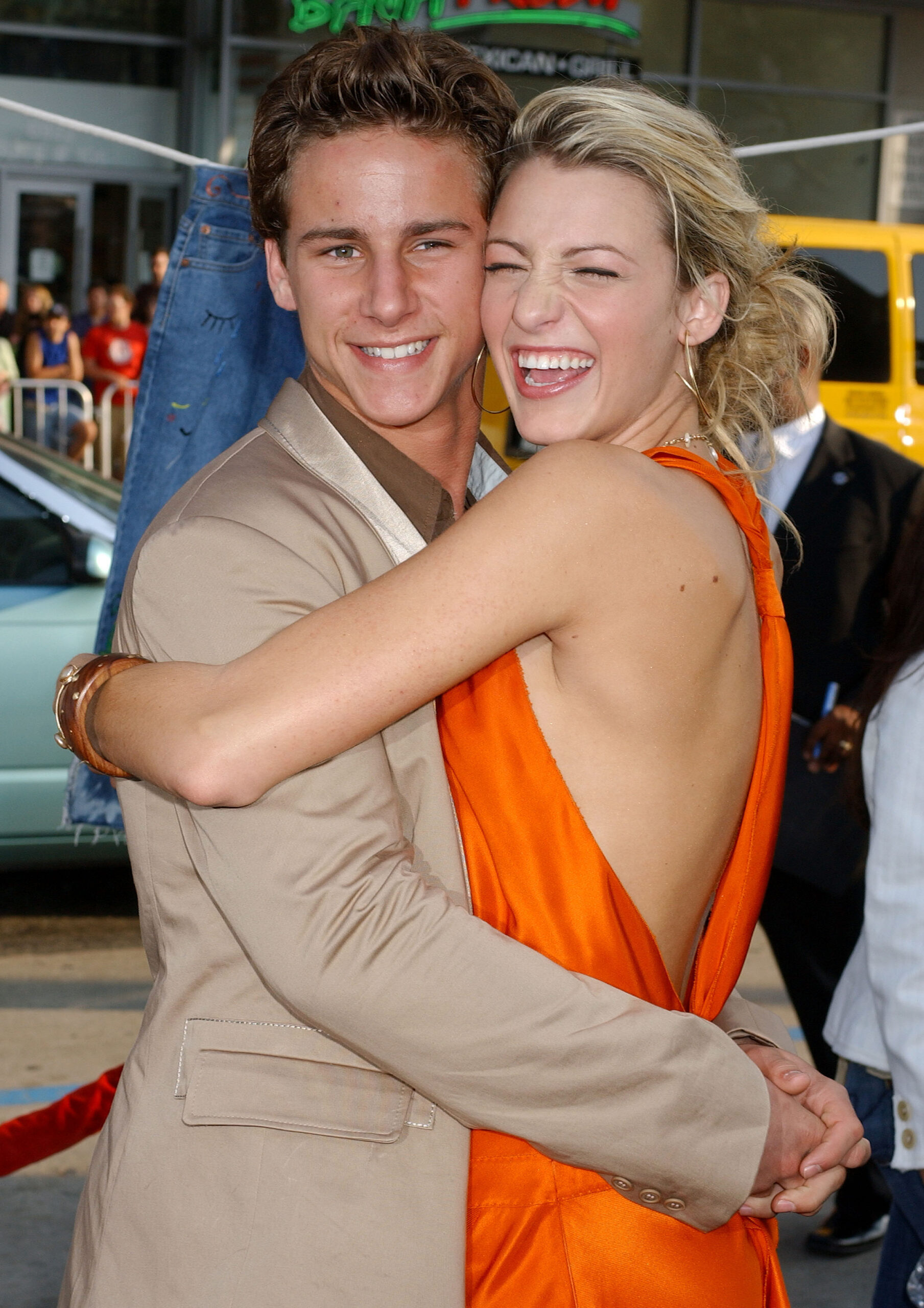
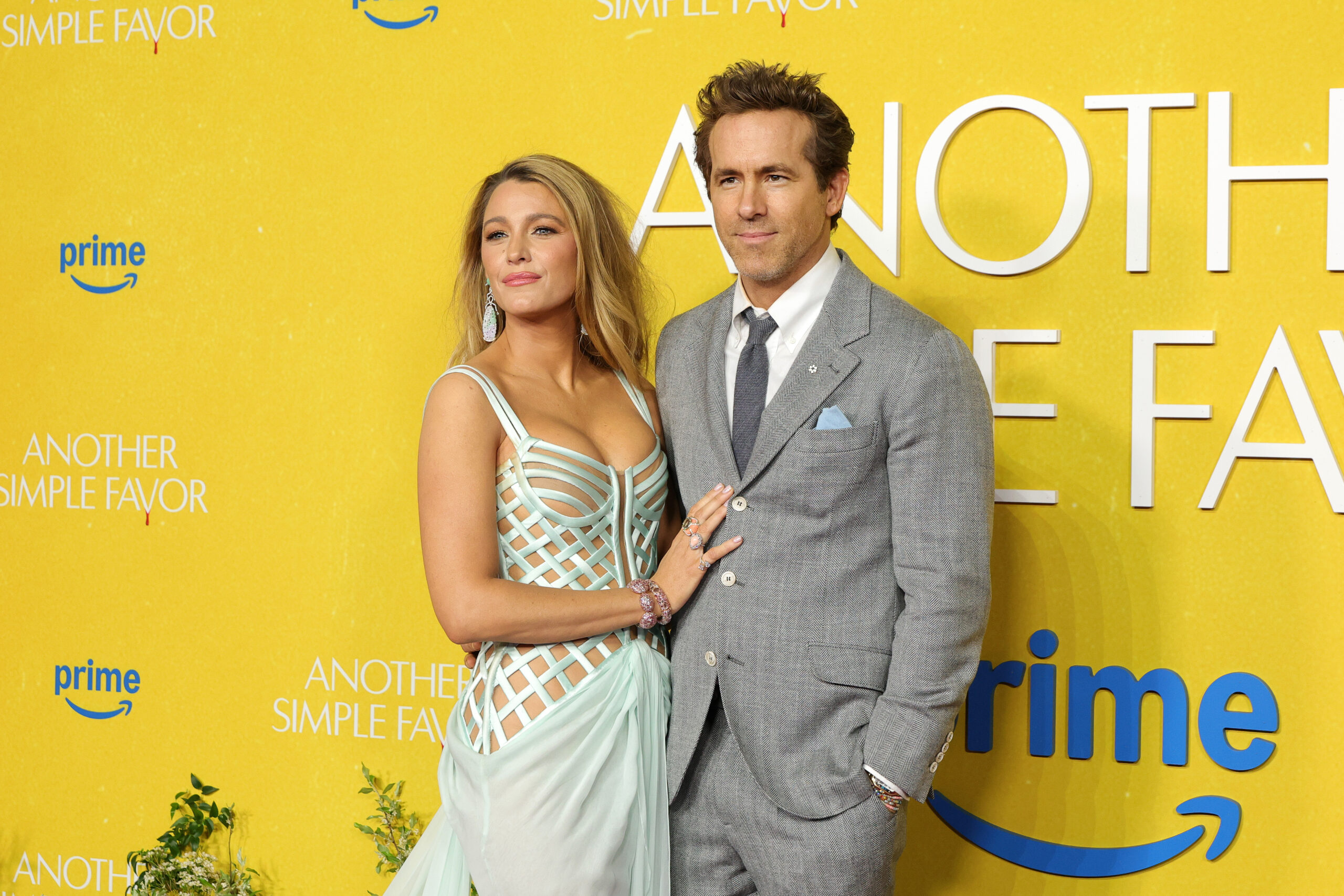
Blake Lively is an American actress who has gained recognition through several popular roles over the years. She particularly made an impression on viewers in the series Gossip Girl, where she played Serena van der Woodsen, a character who has become an icon of popular culture. She has also starred in The Sisterhood of the Traveling Pants as well as in the film It Ends with Us, known in Quebec as Jamais Plus.
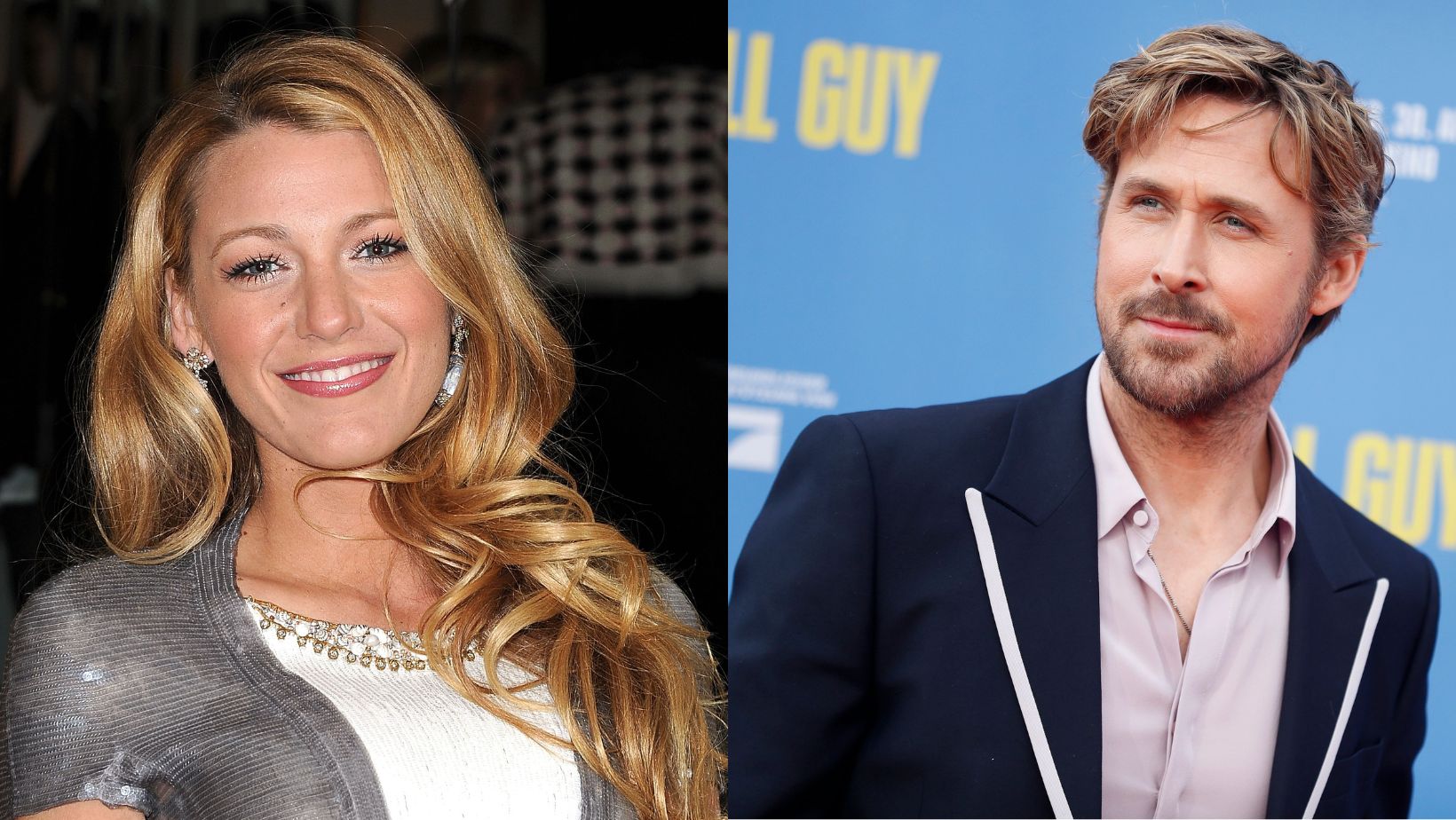
On a personal note, Blake Lively has been in a relationship with Ryan Reynolds for several years. The two stars married in 2012 and are now one of Hollywood’s most famous couples. Together, they have four children and often showcase their closeness at public events and on social media. Before this long-term relationship, the actress also had other romantic relationships that sparked the interest of the media and fans. From her early days in the industry to the present, her love life continues to generate as much buzz as her acting career.
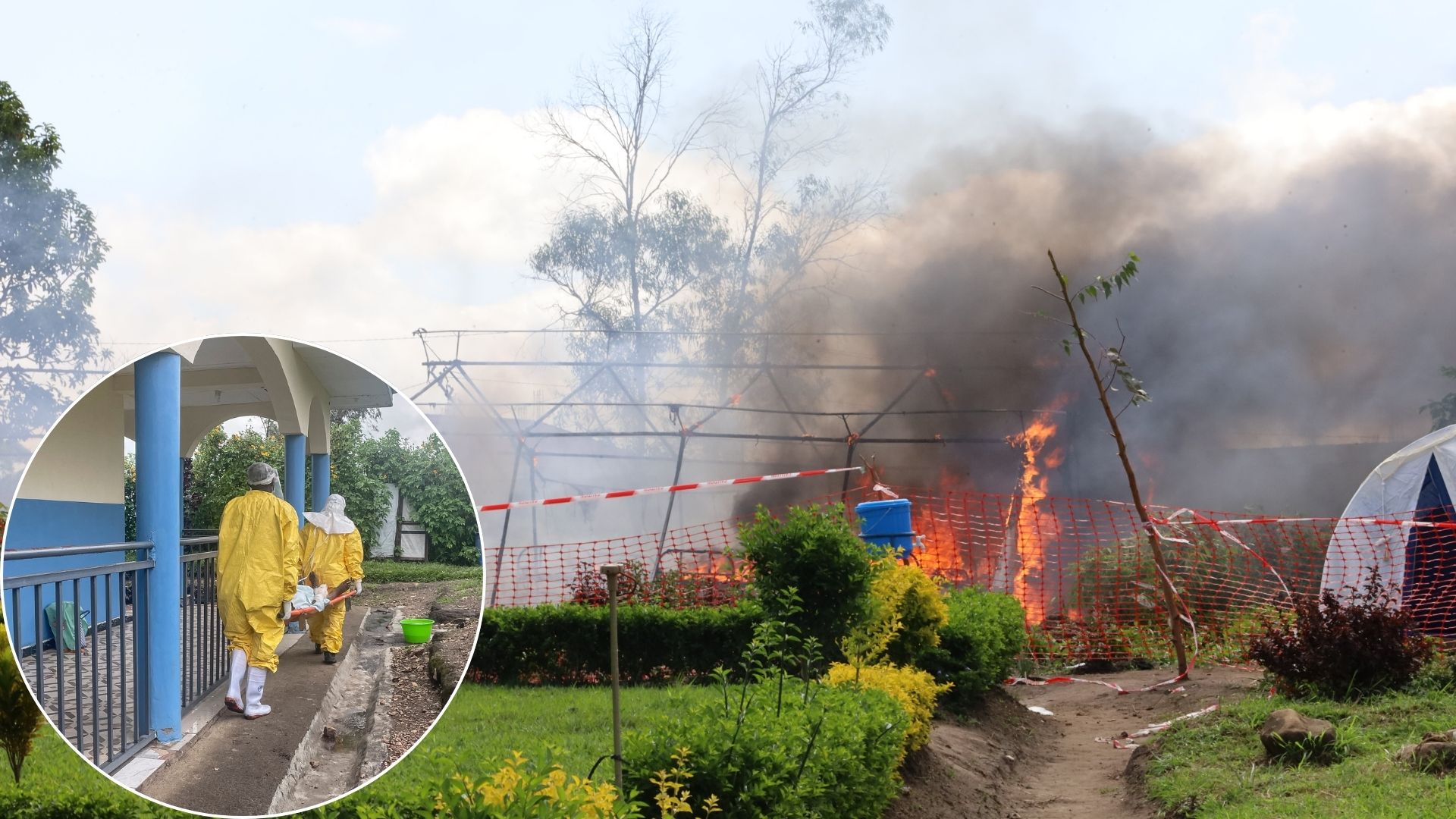
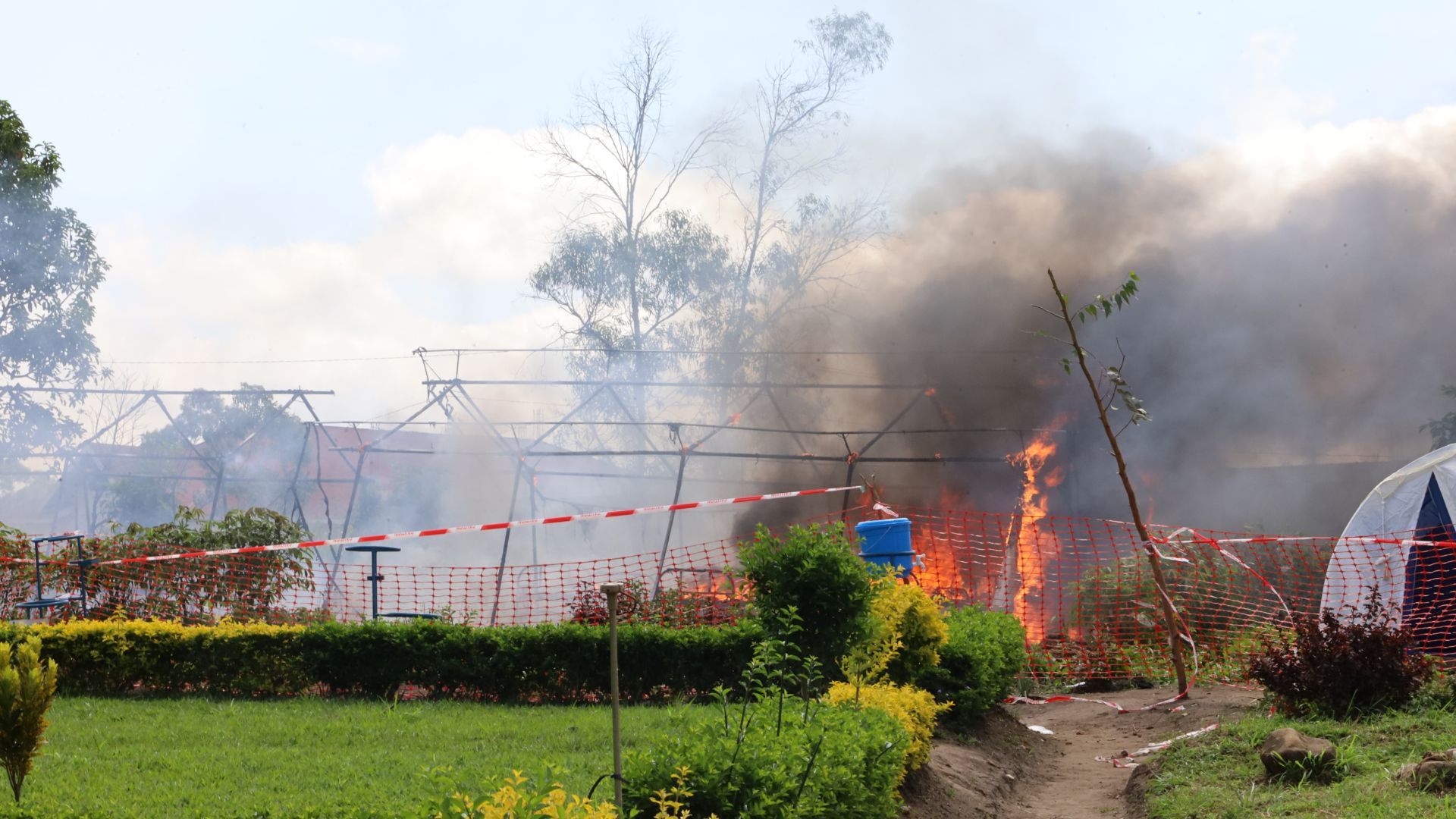
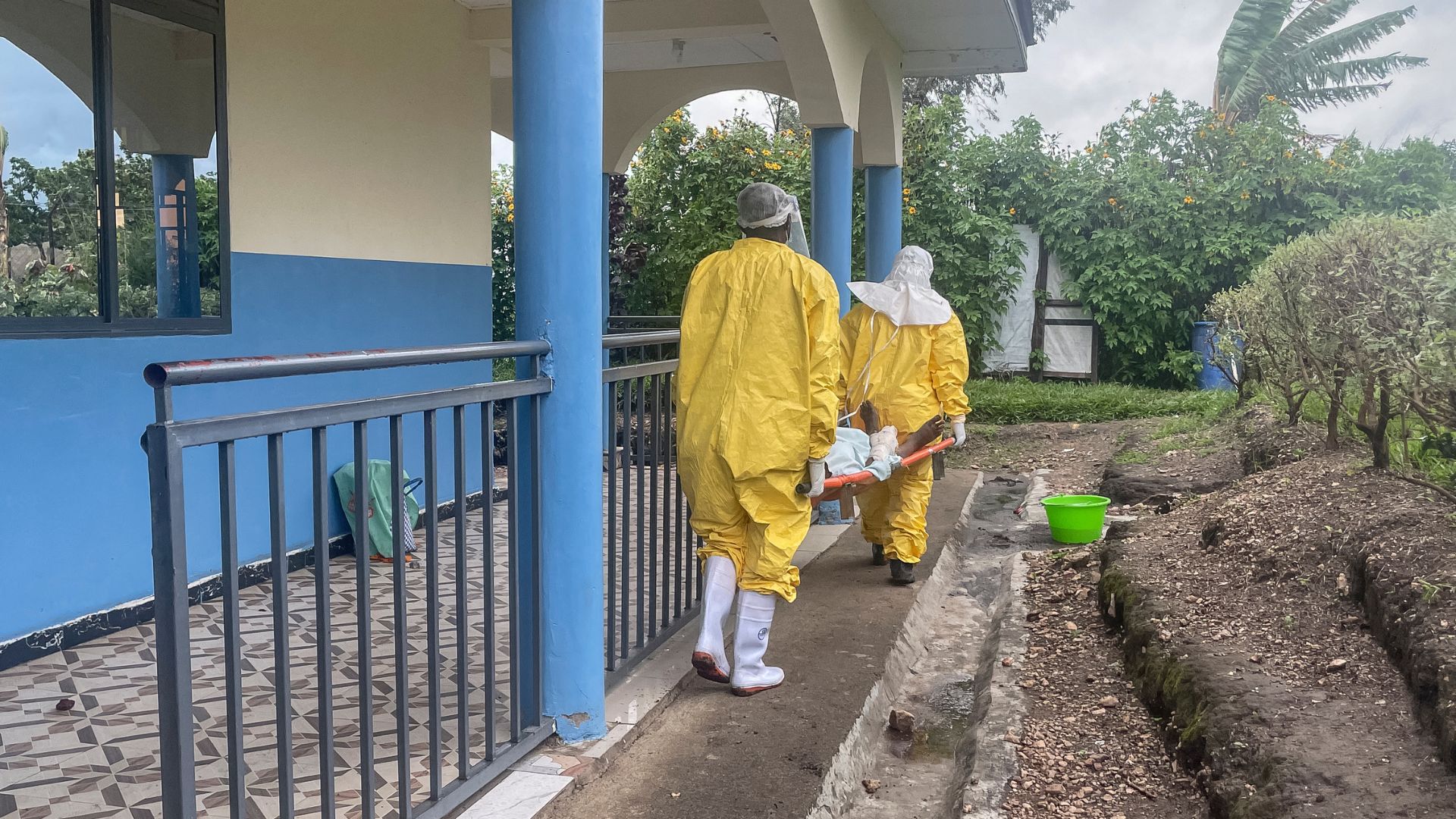
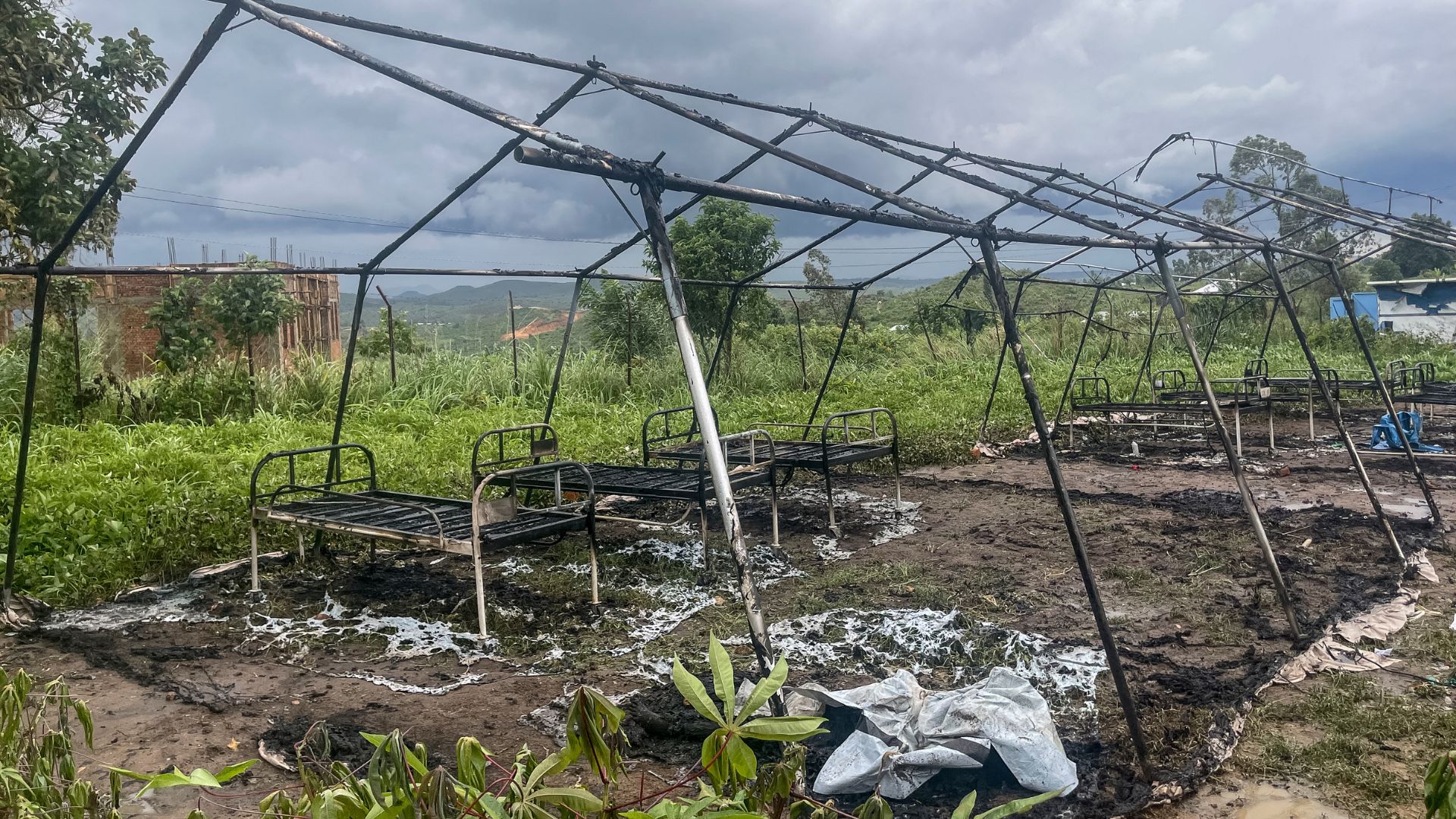
Tensions Explode at the epicentre of the Ebola outbreak in the eastern Democratic Republic of Congo as an furious crowd set fire to Ebola installations at Rwampara General Hospital. Violence Erupts at Ebola Epicenter as Hospital Goes Up in Flames after chaos reportedly erupted when a family «started throwing projectiles» after being refused permission to take away the remains of a relative who had died from Ebola. Health authorities reportedly insisted that because the body remained highly contagious, officials would carry out a controlled burial under strict sanitary protocols. The deceased young man was reportedly a footballer who had played for several local teams, prompting a large crowd of supporters and relatives to gather outside the hospital demanding the release of the body before the situation spiraled into violence and destruction.
Witnesses described scenes of panic as protesters attacked hospital infrastructure and set fire to tents used to isolate Ebola patients. «They started throwing projectiles at the hospital. They even set fire to tents that were being used as isolation wards,» Luc Malembe, a local politician who witnessed the violence, told the BBC. Videos circulating online appeared to show flames engulfing temporary medical structures while frightened health workers and residents fled the area. Local authorities later confirmed that several medical installations suffered extensive damage during the unrest, complicating emergency response efforts in one of the regions hardest hit by the outbreak. The destruction of isolation wards also raised fears among health officials that contaminated materials could have been exposed or displaced during the attack, potentially increasing transmission risks in surrounding communities already struggling with limited healthcare infrastructure.
Getty Images
The violence erupted at a moment when international health authorities are scrambling to contain what has rapidly become one of the most serious Ebola outbreaks in years. The World Health Organization officially declared the outbreak in the Democratic Republic of Congo and neighboring Uganda a public health emergency of international concern on May 17. The epidemic is centered largely in Ituri Province and is being driven by the rare Bundibugyo strain of the Ebola virus, a variant for which there is currently no licensed vaccine or approved specific treatment. According to figures released by health authorities on May 22, more than 836 suspected cases and at least 186 deaths have already been reported across affected regions. Officials also confirmed that confirmed infections have now reached major travel hubs including Kinshasa and Kampala, intensifying fears of broader regional spread.
«They started throwing projectiles at the hospital. They even set fire to tents that were being used as isolation wards.»
– Luc Malembe, a local politician
International agencies including the World Health Organization, the Africa Centres for Disease Control and Prevention and the U.S. Centers for Disease Control and Prevention have all intensified surveillance, contact tracing and emergency coordination efforts in response to the escalating outbreak. WHO Director-General Tedros Adhanom Ghebreyesus warned earlier this month that the outbreak remains «a serious public health threat requiring urgent regional and international coordination.» Health teams on the ground have reportedly faced enormous challenges trying to track chains of transmission in areas already destabilized by armed conflict, mass displacement and distrust toward government institutions. Medical workers operating in eastern Congo have also repeatedly warned that misinformation and fear surrounding Ebola continue to complicate efforts to isolate patients, trace contacts and conduct safe burials according to international health protocols.
Getty Images
Public anger surrounding Ebola containment measures has repeatedly triggered tensions during previous outbreaks in Congo, particularly when authorities intervene in funeral practices. Under Ebola protocols, victims’ remains must often be buried by specialized response teams wearing protective equipment because the virus can remain highly infectious after death. For many families, however, these restrictions conflict with deeply rooted religious and cultural burial traditions. In the latest incident at Rwampara General Hospital, local residents reportedly believed authorities were denying the family the right to properly mourn and bury the young footballer according to local customs. Similar frustrations have fueled attacks on treatment centers and aid workers during previous Ebola epidemics in eastern Congo, where mistrust toward health authorities has often spread alongside the virus itself.
International concern
The latest violence has intensified concerns that insecurity and public unrest could significantly undermine efforts to contain the outbreak before it spreads further across central and eastern Africa. Aid organizations have warned that attacks targeting hospitals or isolation units not only threaten medical personnel but can also disrupt critical disease surveillance systems used to identify infected patients and track potential exposure chains. Congolese officials have since appealed for calm while security forces were reportedly deployed around affected medical facilities to prevent additional attacks. Meanwhile, health workers continue trying to reassure frightened communities as the number of suspected infections grows daily. With no vaccine currently available for the Bundibugyo strain and international concern mounting rapidly, authorities now face the difficult challenge of containing both a deadly epidemic and the growing anger erupting around it.
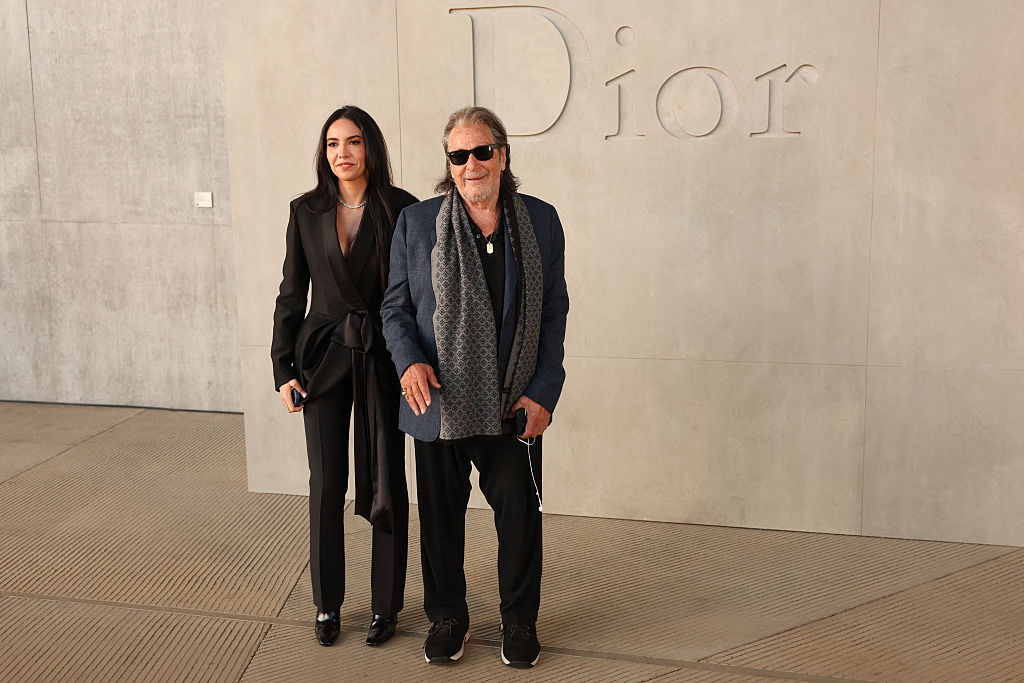
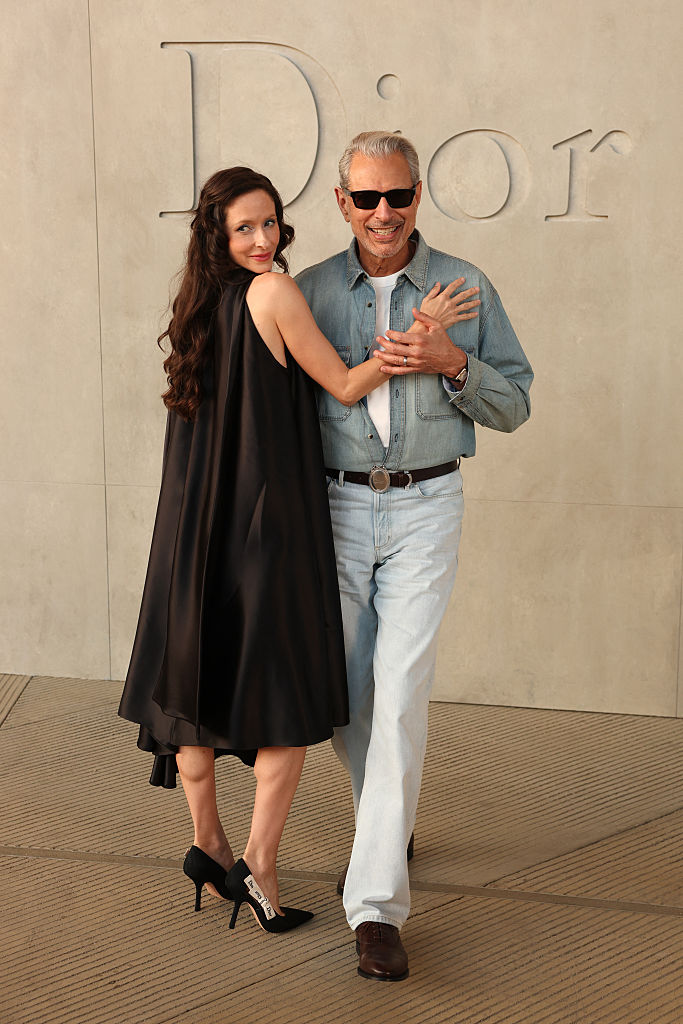
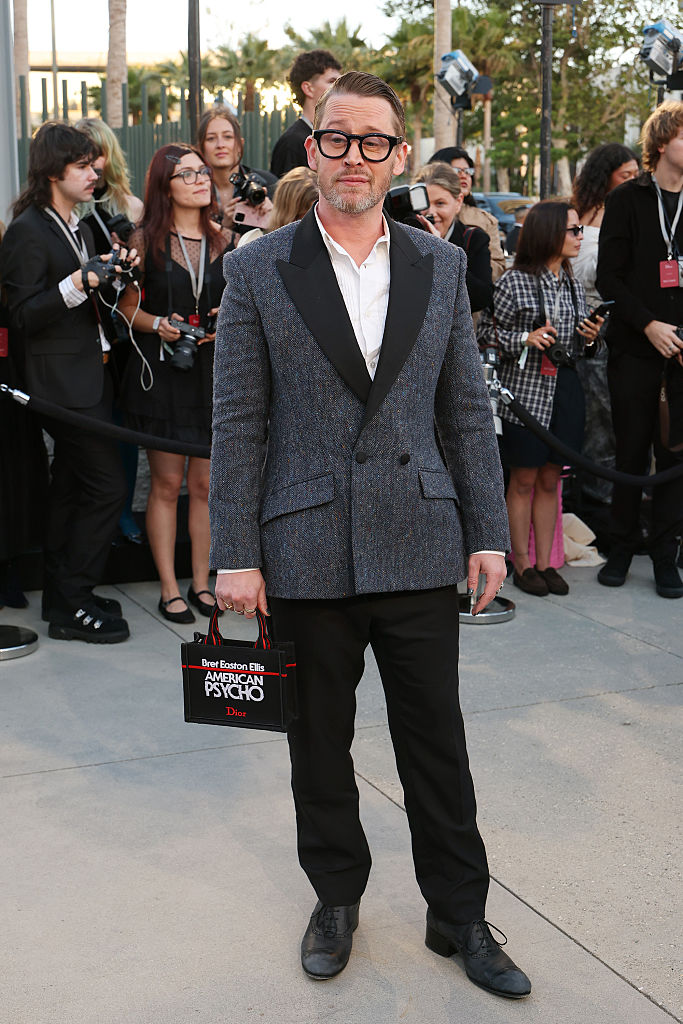
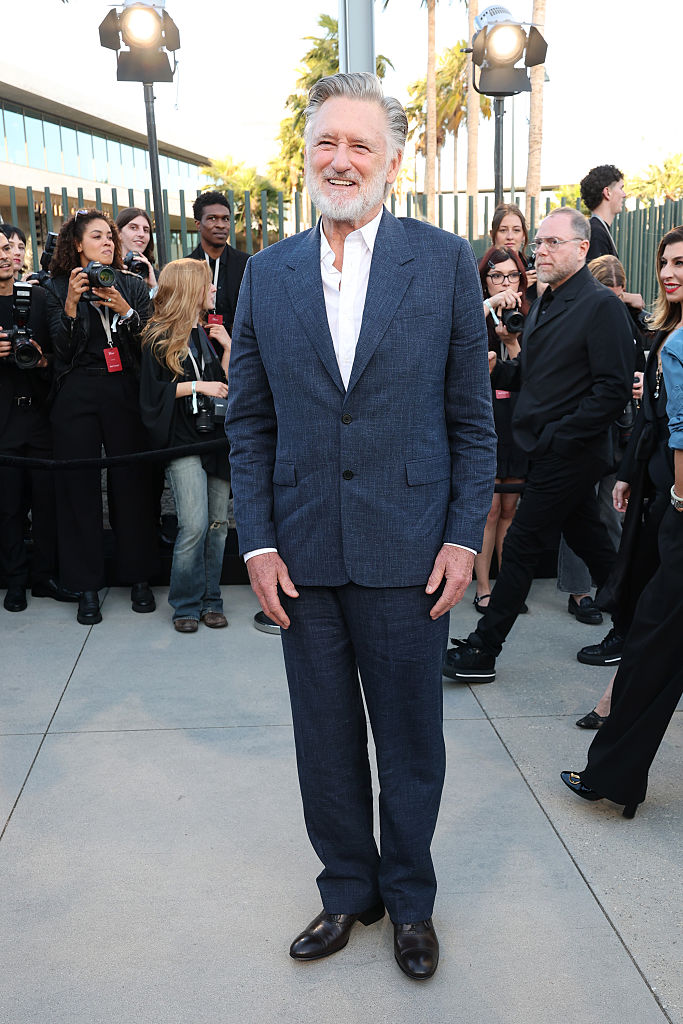
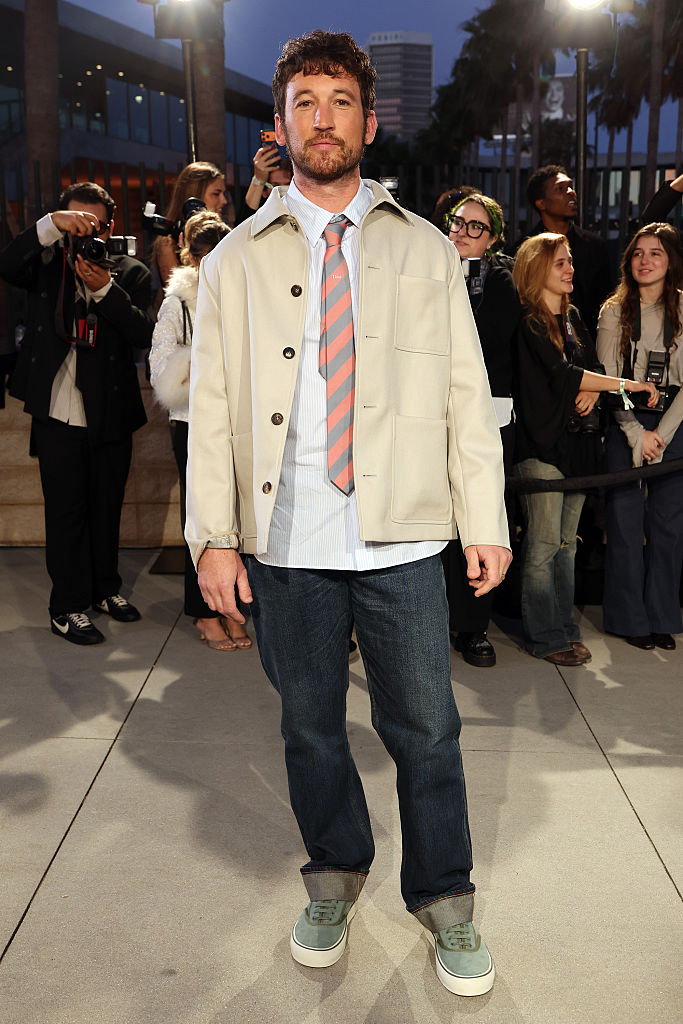
Blending Hollywood glamour with Parisian elegance, the Dior Cruise 2027 fashion show brought together many of today’s biggest celebrities. From Miley Cyrus to Al Pacino, and Jeff Goldblum, the French fashion house turned the event into a true spectacle of fashion and culture. True to Dior’s refined aesthetic, this new collection blends sophisticated silhouettes, cinematic inspirations, and bold details.
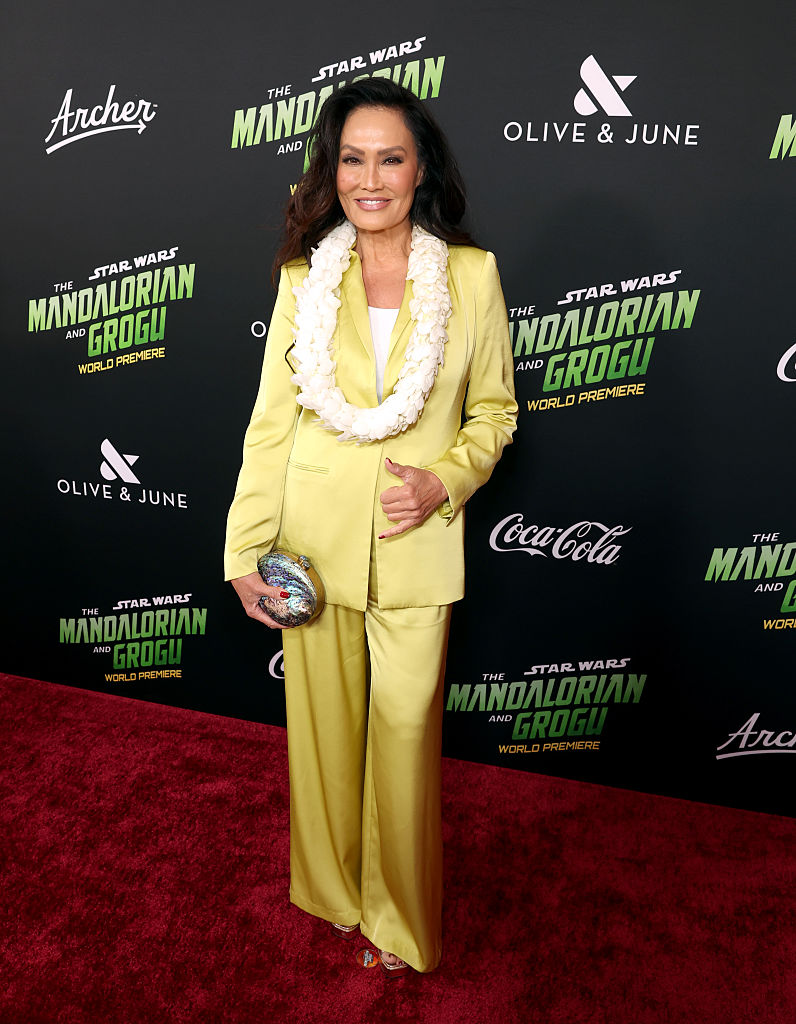
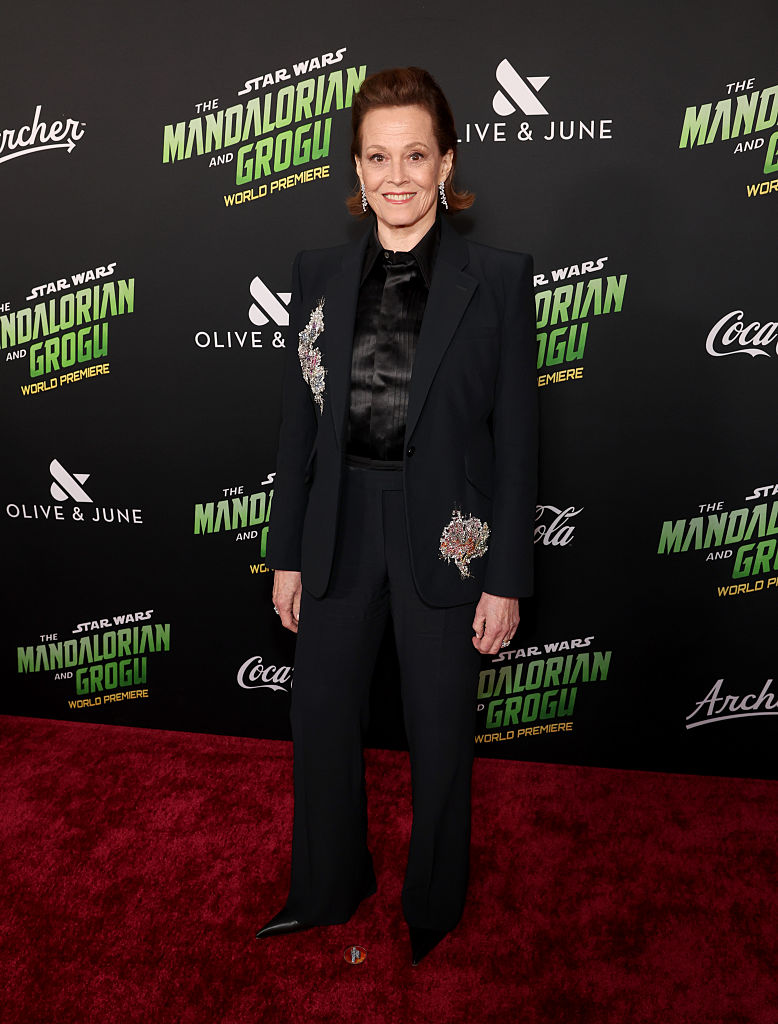
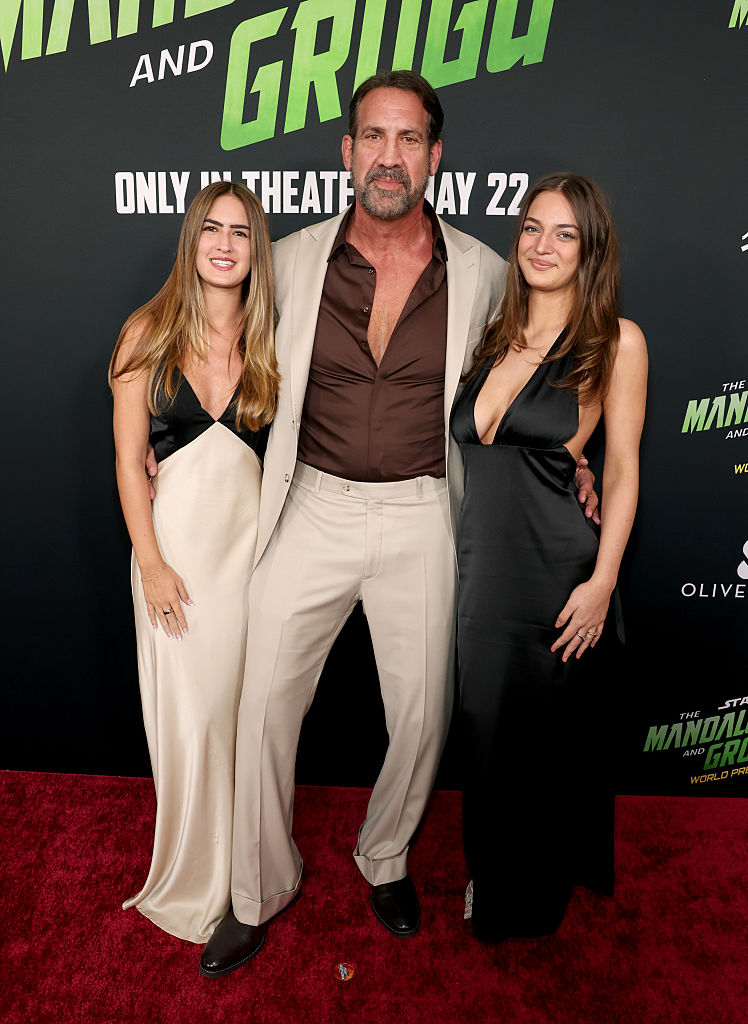
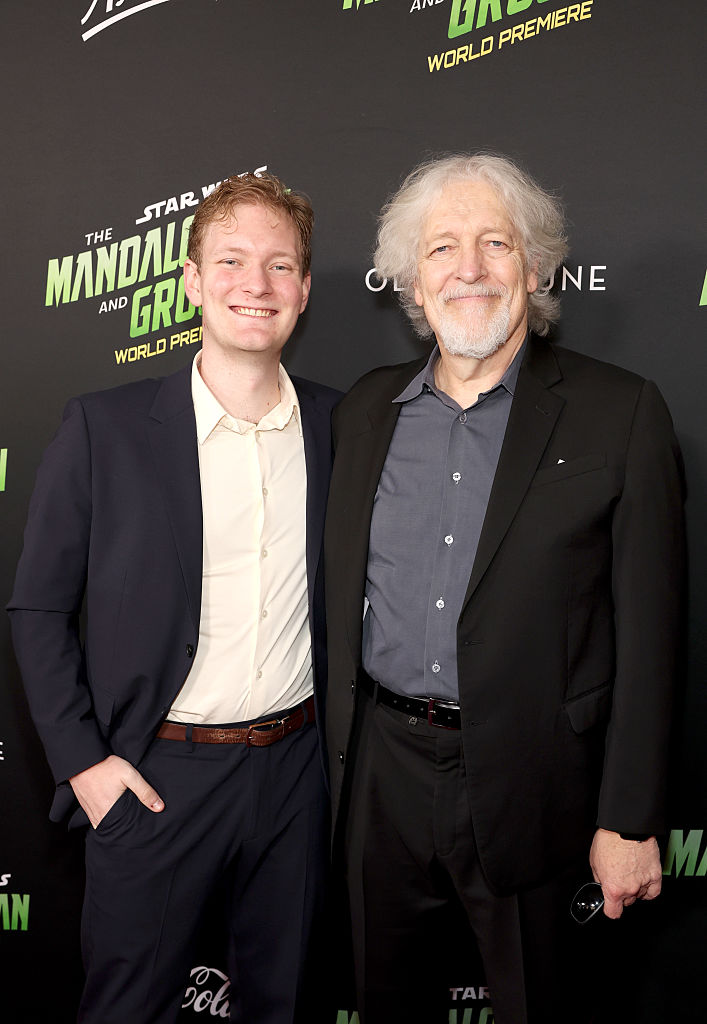
Pedro Pascal and Christopher Lloyd provided one of the most memorable moments of the premiere of The Mandalorian and Grogu thanks to their striking appearance on the red carpet. Pedro Pascal, looking elegant and smiling, captivated fans with his natural charisma and his indispensable status within the Star Wars universe. At his side, Christopher Lloyd, a true legend of American cinema, received a warm ovation from the audience.
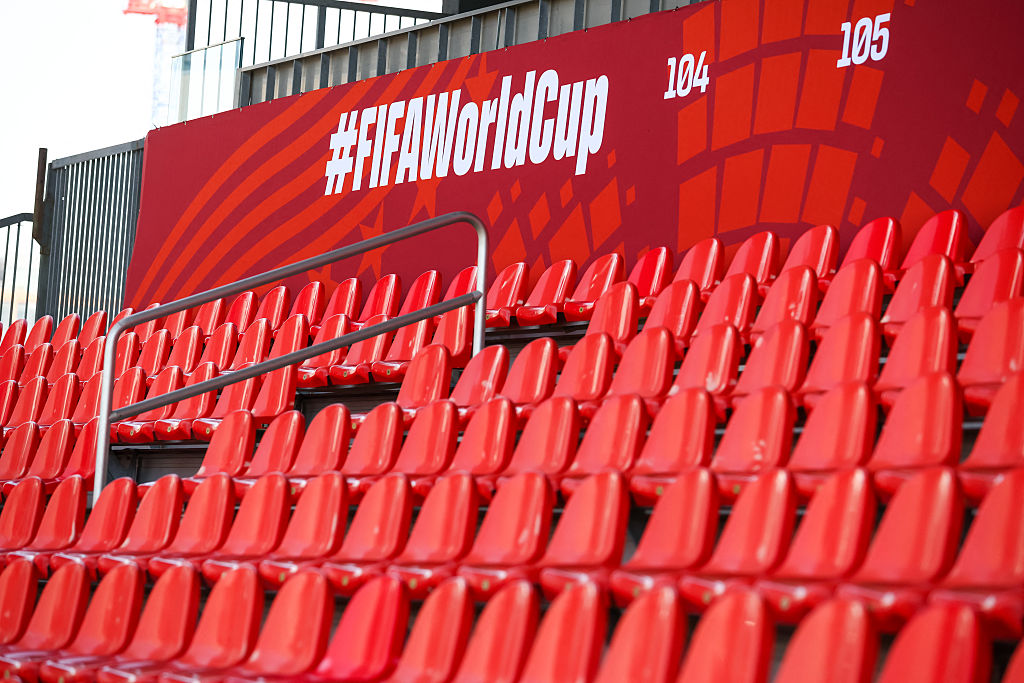
Seats at Toronto Stadium (temporarily renamed from BMO Field for the 2026 FIFA World Cup) are prepared for the 2026 FIFA World Cup, in Toronto, Canada, on May 19, 2026. (Photo by Cole BURSTON / AFP via Getty Images)
Canada’s role in hosting the 2026 FIFA World Cup will reportedly cost taxpayers more than $1 billion, according to a new report released by the Parliamentary Budget Officer on May 20. The report estimates that all levels of government combined will spend approximately $1.066 billion to host 13 matches in Toronto and Vancouver during the tournament next summer. Of that total, the federal government alone is expected to contribute roughly $473 million. The report calculates that each match hosted in Canada will cost taxpayers approximately $82 million, a figure the budget watchdog says is generally consistent with spending levels seen during previous FIFA World Cups hosted internationally. At $82 million per game, this tournament is actually the least costly since the 2006 tournament in Germany.
The majority of the federal funding is expected to go toward security operations, infrastructure upgrades and operational support for host cities. Earlier this year, the federal government announced an additional $145 million specifically for enhanced security measures surrounding the tournament. According to the Parliamentary Budget Officer, those funds will largely be transferred to British Columbia and the City of Toronto in order to support police operations, emergency response planning, and crowd control. An additional $79 million is expected to go directly toward RCMP operations during the tournament. The remaining funding includes infrastructure support, planning grants and administrative costs related to hosting the global sporting event.
The cities of Toronto and Vancouver will be responsible for a substantial portion of the total costs. According to the report, Toronto’s total hosting expenses are expected to reach approximately $380 million, while Vancouver’s projected costs have climbed to nearly $578 million. Those figures include stadium upgrades, transportation planning, public safety preparations and operational spending tied directly to FIFA requirements. Vancouver’s costs have risen dramatically compared to early projections made several years ago. In 2024, provincial officials warned that inflation, increased operational requirements and additional security obligations had already doubled projected spending associated with hosting World Cup matches at BC Place Stadium.
Waning support amid uncertain cost totals
The rising costs have reignited criticism from taxpayer advocacy groups and some opposition politicians who argue the tournament represents poor value for Canadians during a period of economic uncertainty and rising living costs. Critics have questioned whether public money should be spent on an international sporting event while housing affordability, healthcare access, and infrastructure concerns continue to affect Canadians nationwide. Online discussion surrounding the report has reflected growing frustration over the scale of government spending. Some commenters argued that FIFA benefits disproportionately from tournament revenues while host cities and taxpayers remain responsible for security, logistics and infrastructure expenses that often exceed original projections.
The report also revealed uncertainty surrounding whether additional costs could still emerge before the tournament begins next summer. The Parliamentary Budget Officer noted that municipal and provincial spending plans may continue evolving as preparations accelerate closer to kickoff. The report specifically warned that security costs remain difficult to fully predict given the scale of the event and growing global concerns regarding public safety at international gatherings. Similar sporting events in recent years have experienced major cost overruns tied to policing, transportation management and emergency preparedness. Federal officials maintain that current spending estimates are sufficient, though some analysts believe the final price tag could ultimately exceed current projections.
Despite growing controversy surrounding the costs, preparations for the tournament continue moving forward rapidly in both host cities. Stadium renovations, transit upgrades and operational planning are already underway as Canada prepares to welcome hundreds of thousands of international visitors next summer. Prime Minister Mark Carney has largely defended the investment, framing the World Cup as both an economic opportunity and a chance to showcase Canada on the global stage. Whether Canadians ultimately view the tournament as a worthwhile investment or an expensive political gamble will likely depend on whether projected economic benefits materialize once the games officially begin in June 2026.
Largest tournament in FIFA history
The 2026 FIFA World Cup will be the largest tournament in the competition’s history, expanding from 32 to 48 teams and increasing the total number of matches to 104 games across Canada, the United States and Mexico. Canada will host 13 matches in total, including seven games in Vancouver and six in Toronto. FIFA expects the expanded tournament to generate record-breaking revenues approaching $13 billion globally through broadcasting rights, sponsorships, ticket sales and hospitality packages. Critics have pointed out that while FIFA receives the majority of tournament-related revenues, host governments remain responsible for much of the logistical and security spending associated with the event.
Filming for the final season of Emily in Paris begins in Greece.
Netflix confirms that Season 6 will be the last.
Darren Star thanks the fans and promises a memorable final chapter.
Lily Collins announces the end on Instagram with a heartfelt message.
As filming begins today in Greece for the popular series Emily in Paris, Netflix has announced that the show is now coming to an end. Indeed, in a statement shared on Thursday, May 21, 2026, creator Darren Star confirmed that the sixth season will indeed be the last.
“As we begin the final season, I am infinitely grateful to Netflix, Paramount, and, above all, to the fans who have joined us on this incredible adventure (…) We can’t wait to share this final chapter with you. Thank you for letting us be a part of your lives, for inspiring your travel dreams and your love for Paris. Emily in Paris will forever remain in our hearts,” confirms Darren Star.
So it is in Monaco and Greece that fans of the series will follow Emily Cooper’s final adventures. The series was renewed in January following the success of Season 5.
Season 5 followed Emily’s life in Italy, where everything finally seemed to be going her way, until a career move backfired, leading to heartbreak and professional setbacks, according to the official synopsis.
Emily in Paris premiered on Netflix in October 2020.
Instagram @lilyjcollins
Lily Collins Speaks Out
The series’ star, Lily Collins, also spoke out about the show’s impending end. On her Instagram page, she shared a video featuring footage from filming over the past few years and sent a message to her fans.
“Hi, it’s Lily. I just wanted to share something with you. After six unforgettable years playing Emily Cooper, I’m announcing that this sixth season will be the last. Season 6 will give you everything you love about the show and will be the final chapter in Emily’s extraordinary adventure. The entire team is pouring their hearts into making this farewell season an unforgettable experience, which we are currently filming. I can’t wait to share all the magic that lies ahead with you and to celebrate this final season in the most elegant way possible. We are infinitely grateful to you and we love you all. See you soon,” explains Lily Collins.
Fans quickly reacted to the news, expressing their affection for the series and the actress, while also revealing a sense of nostalgia at the idea that this milestone marks the end of the journey.
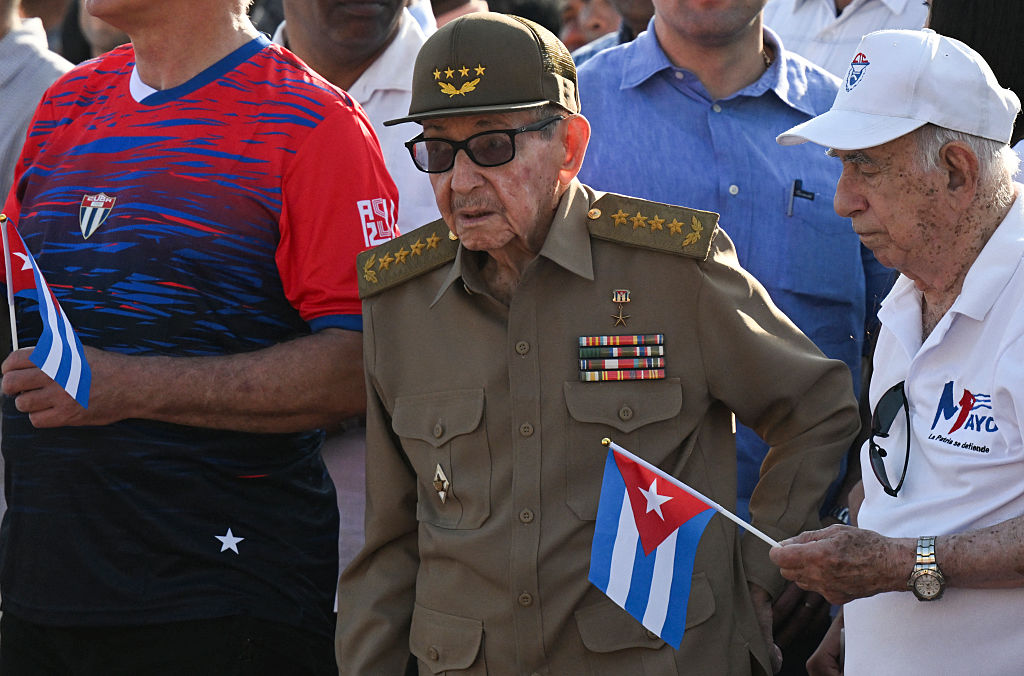
Cuba's former President Raul Castro (C) and former Vice-President Jose Ramon Machado Ventura (R) attend a May Day rally marking International Workers' Day in Havana on May 1, 2026. (Photo by YAMIL LAGE / AFP via Getty Images)
On May 20, a federal grand jury in Florida indicted former Cuban president Raúl Castro and several former Cuban military officials for their alleged role in the 1996 shootdown of two civilian aircraft operated by the Miami-based exile group Brothers to the Rescue. The incident killed four people, including three American citizens, and remains one of the deadliest confrontations between Cuba and the United States since the Cold War. The shocking indictment of Castro has sent shockwaves through both Havana and Washington, dramatically escalating tensions between the two countries during one of the most unstable periods Cuba has faced in decades.
The indictment was announced by Acting Attorney General Todd Blanche in Miami, who described the case as a long-overdue attempt to hold senior Cuban officials accountable for the deaths. Prosecutors charged Castro with conspiracy to kill U.S. nationals, destruction of aircraft and multiple counts of murder connected to the February 24, 1996 attack. According to American officials, Cuban MiG fighter jets intercepted and destroyed the planes while they were flying in international airspace over the Florida Straits. Cuban authorities have disputed that version of events for nearly three decades, insisting the aircraft repeatedly violated Cuban airspace despite multiple warnings from the government.
The move marks one of the most aggressive legal actions ever taken by Washington against a senior figure from Cuba’s government. Castro, who served as Cuba’s defence minister during the 1996 incident before later succeeding his brother Fidel Castro as president, remains one of the most influential figures within the Cuban Communist Party despite formally stepping away from power years ago. Legal experts immediately questioned whether the indictment would ever lead to an actual trial; however, given Castro’s age and the near impossibility of extraditing him from Cuba. Castro is currently 94 years old and remains on the island under the protection of the Cuban government.
Cuban officials reacted strongly to the indictment, accusing the United States of exploiting historical grievances in order to justify its regime change efforts against the island’s communist leadership. Cuban Foreign Minister Bruno Rodríguez Parrilla described the charges as politically motivated and accused Washington of attempting to destabilize the country during an already severe humanitarian crisis. President Miguel Díaz-Canel has repeatedly argued that the United States is waging what he calls an “economic war” designed to collapse Cuba’s government through sanctions, fuel restrictions and diplomatic isolation. Cuban state media characterized the indictment as “legal aggression” against the country’s sovereignty.
The United States is trying to destabilize Cuba through economic pressure and intimidation
-Statement from Cuban Foreign Ministry
Brothers to the Rescue shootdown
The Brothers to the Rescue shootdown remains one of the most emotionally charged events within the Cuban-American exile community. The organization originally conducted humanitarian missions aimed at locating Cuban migrants stranded at sea during the migration crises of the 1990s. Over time, however, Cuban authorities accused the group of conducting increasingly provocative flights near the island while distributing anti-government leaflets over Havana. On February 24, 1996, Cuban fighter jets shot down two aircraft belonging to the organization, killing pilots Carlos Costa, Mario de la Peña, Pablo Morales and Armando Alejandre Jr. The attack triggered international outrage and led to the passage of the Helms-Burton Act, dramatically tightening the American embargo against Cuba.
In Miami, many Cuban-American activists celebrated the indictment as a historic moment that could finally bring accountability for the attack. Several exile groups gathered outside the federal courthouse following the announcement, with some describing the charges as the beginning of the end for Cuba’s revolutionary leadership. Others argued the indictment was largely symbolic and unlikely to produce meaningful legal consequences. Analysts interviewed by major American outlets suggested the charges were more politically significant than judicially practical, particularly because the Trump administration has increasingly framed Cuba as both a geopolitical and ideological threat located only 90 miles from the American coastline.
Continuing US pressure
Whether the indictment changes anything inside Cuba remains uncertain. There is little chance the Cuban government would ever cooperate with extradition efforts, and legal analysts believe Castro is unlikely to ever appear in an American courtroom. However, the political symbolism surrounding the charges may prove significant regardless of legal outcomes. For the Trump administration, the indictment is another major escalation in Washington’s effort to weaken Cuba’s communist government through economic and political pressure. Washington has already imposed sanctions on countries selling oil to Cuba, creating one of the most dangerous energy crises in the country’s history. On May 14, Cuban officials admitted that the country has effectively run out of both its diesel and fuel oil reserves, leaving Cuba’s national electrical grid on the brink of collapse. Residents in Havana and several provincial cities have experienced outages lasting more than 20 hours per day. The crisis has caused significant disruption to transportation, healthcare and food distribution systems. Cuban officials have blamed the crisis on American sanctions and reduced foreign oil shipments, specifically from Venezuela and Mexico.
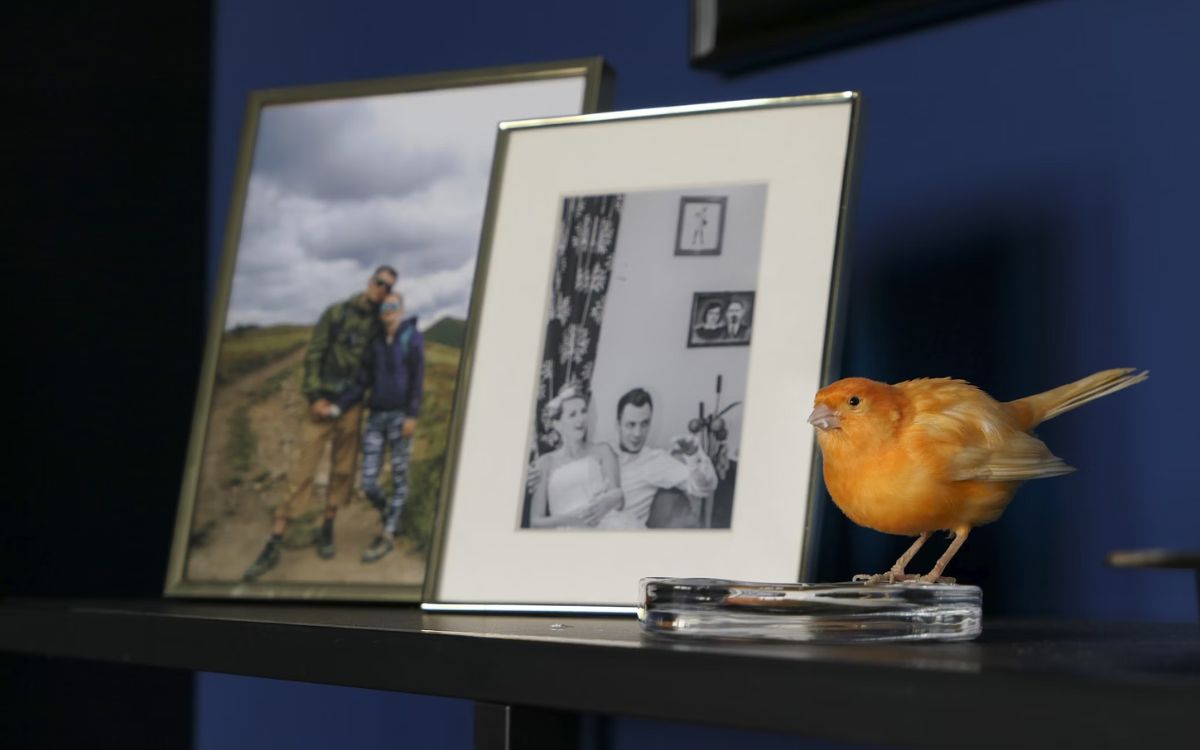
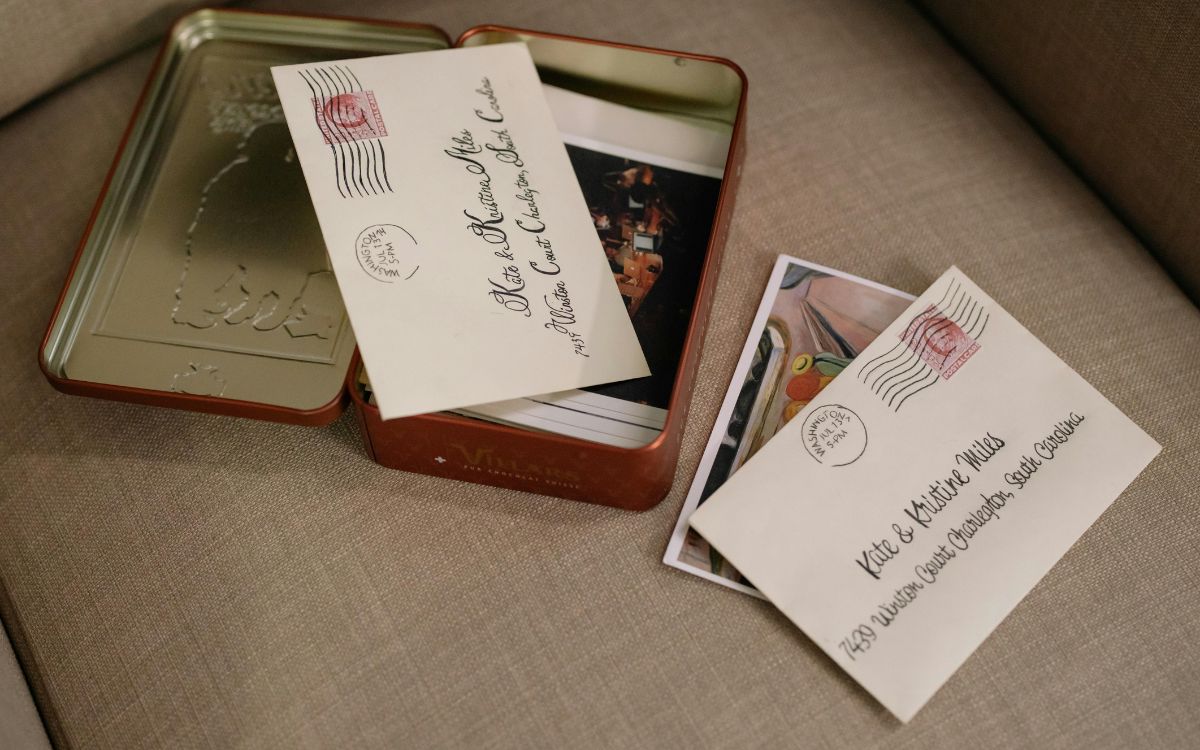
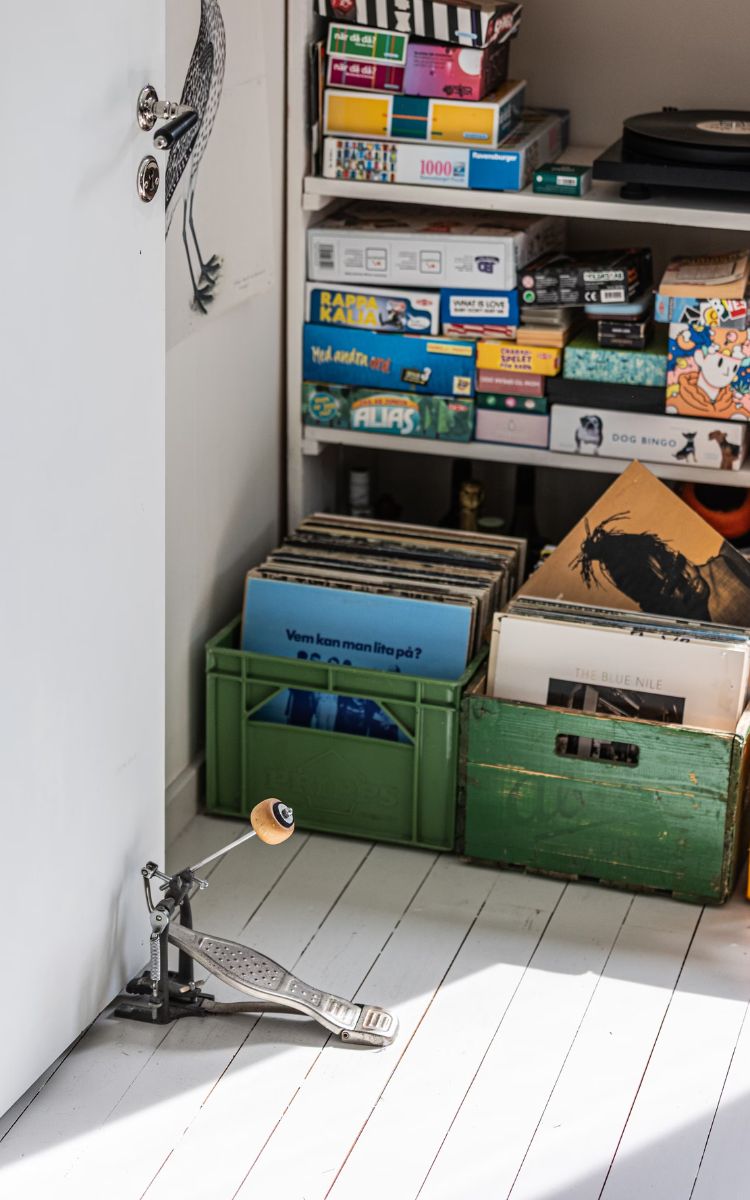
Every object folded into a corner or placed with care tells a story. It carries memories and feelings, shaping the atmosphere of a home long after moments have passed. These objects help us remember who we’ve loved, what we’ve lost, and where we’ve been. Often boxed into a corner, some of those items become reference points that show the values and struggles that helped shape a family. Ultimately, it’s because of those simple, everyday items that rooms become reflections of identity, with manifold chapters that defy the passage of time. Let’s revisit 14 such objects that capture what words often can’t and what they might be saying about your home.
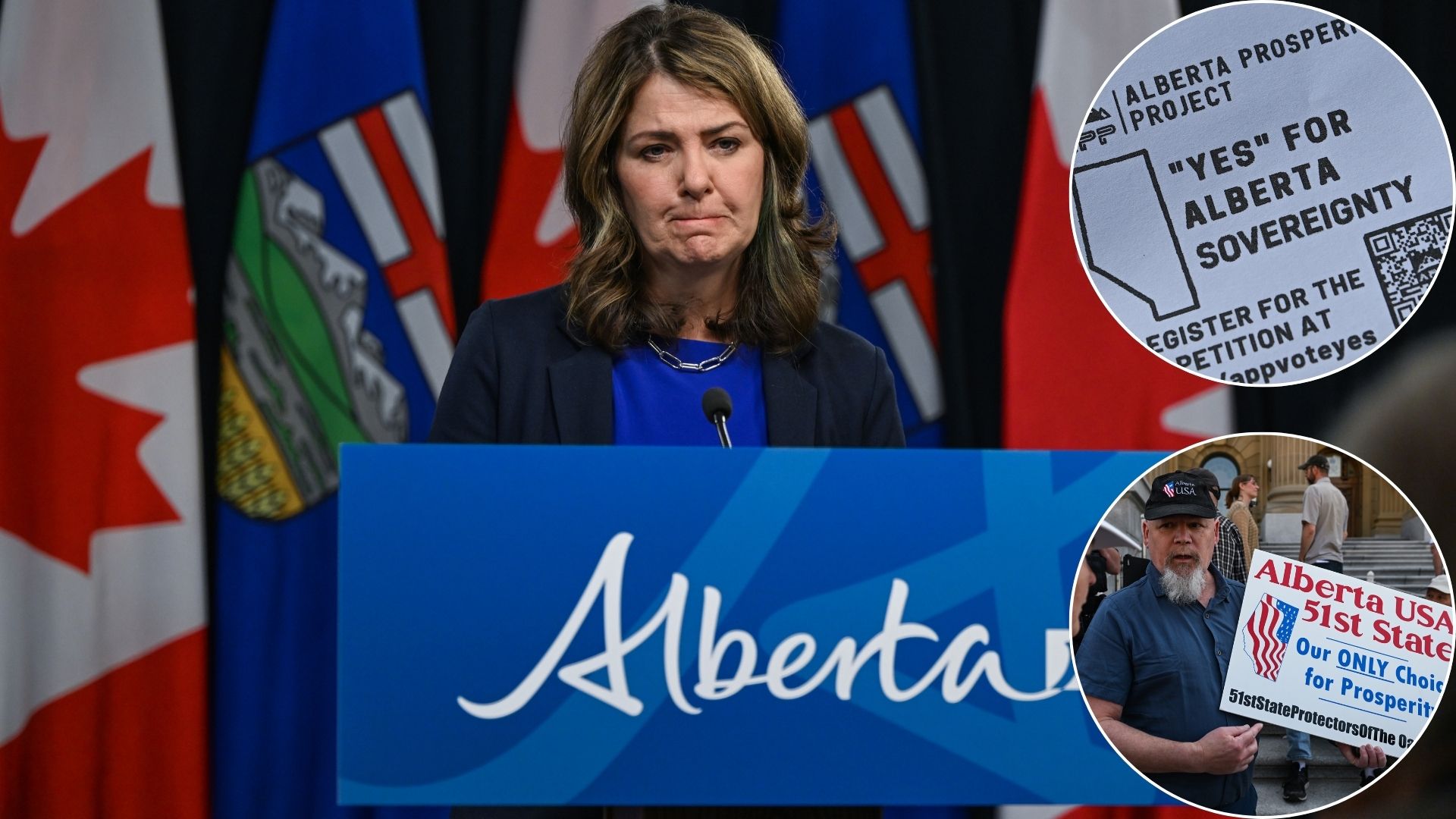
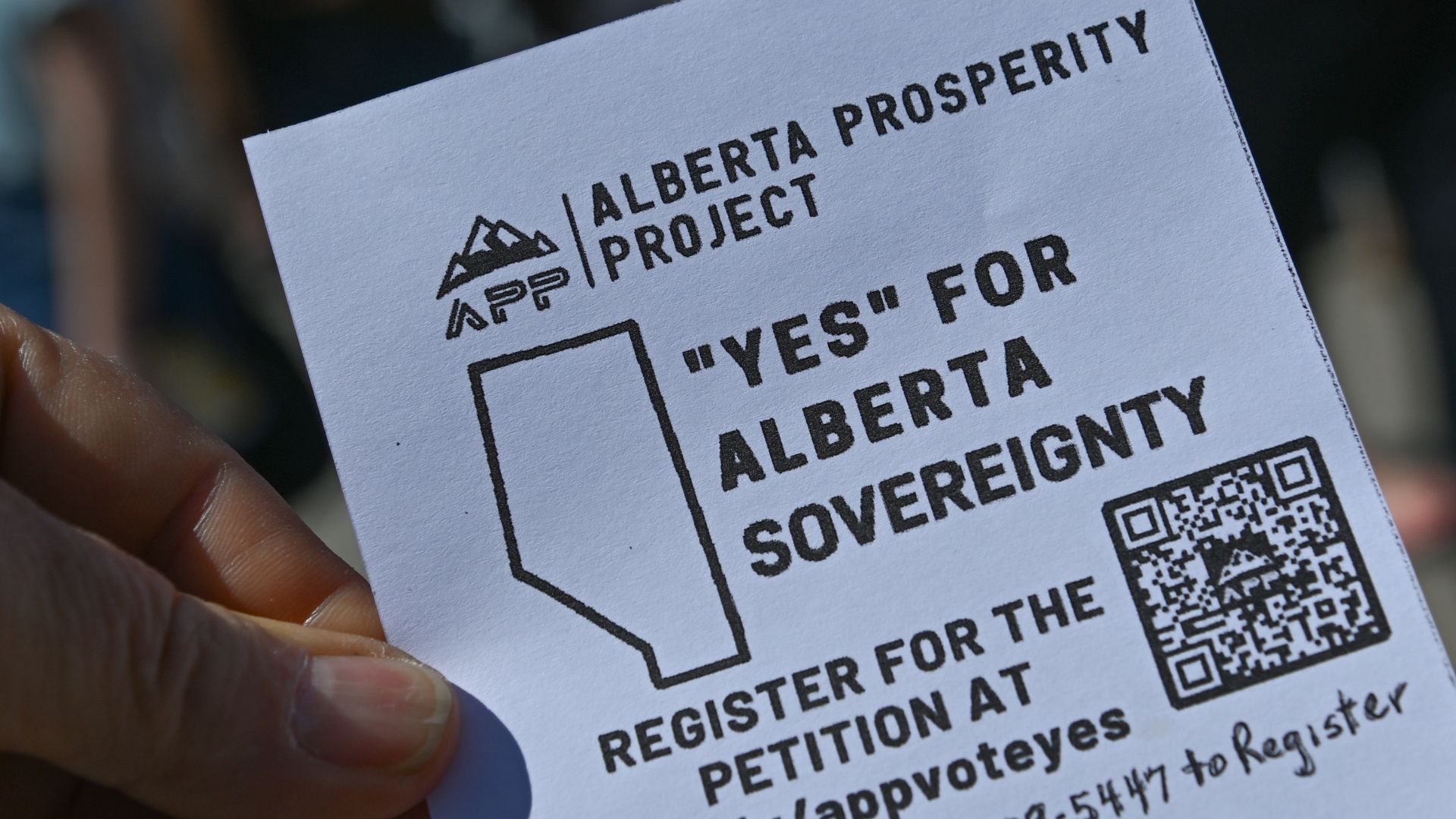
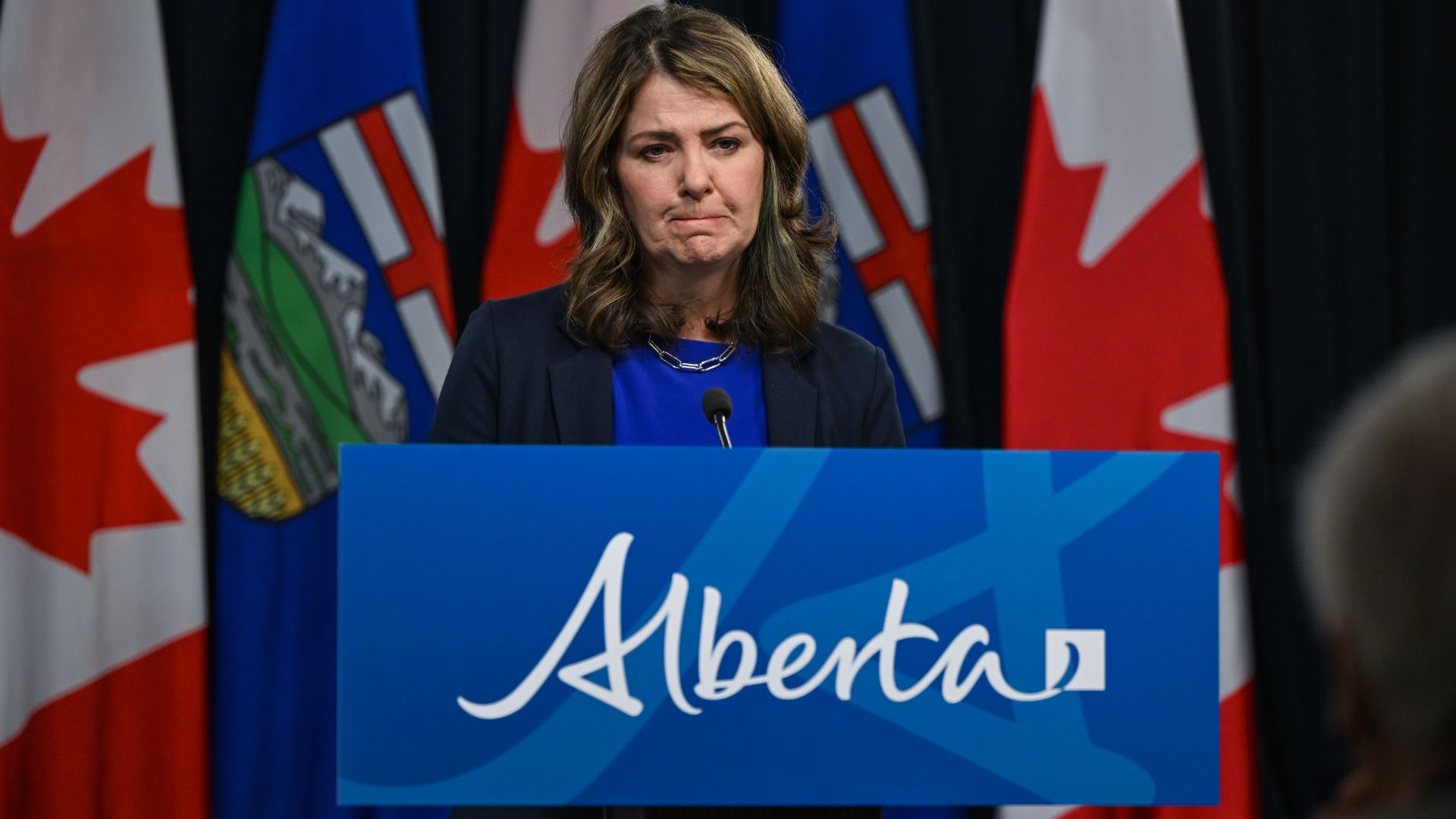
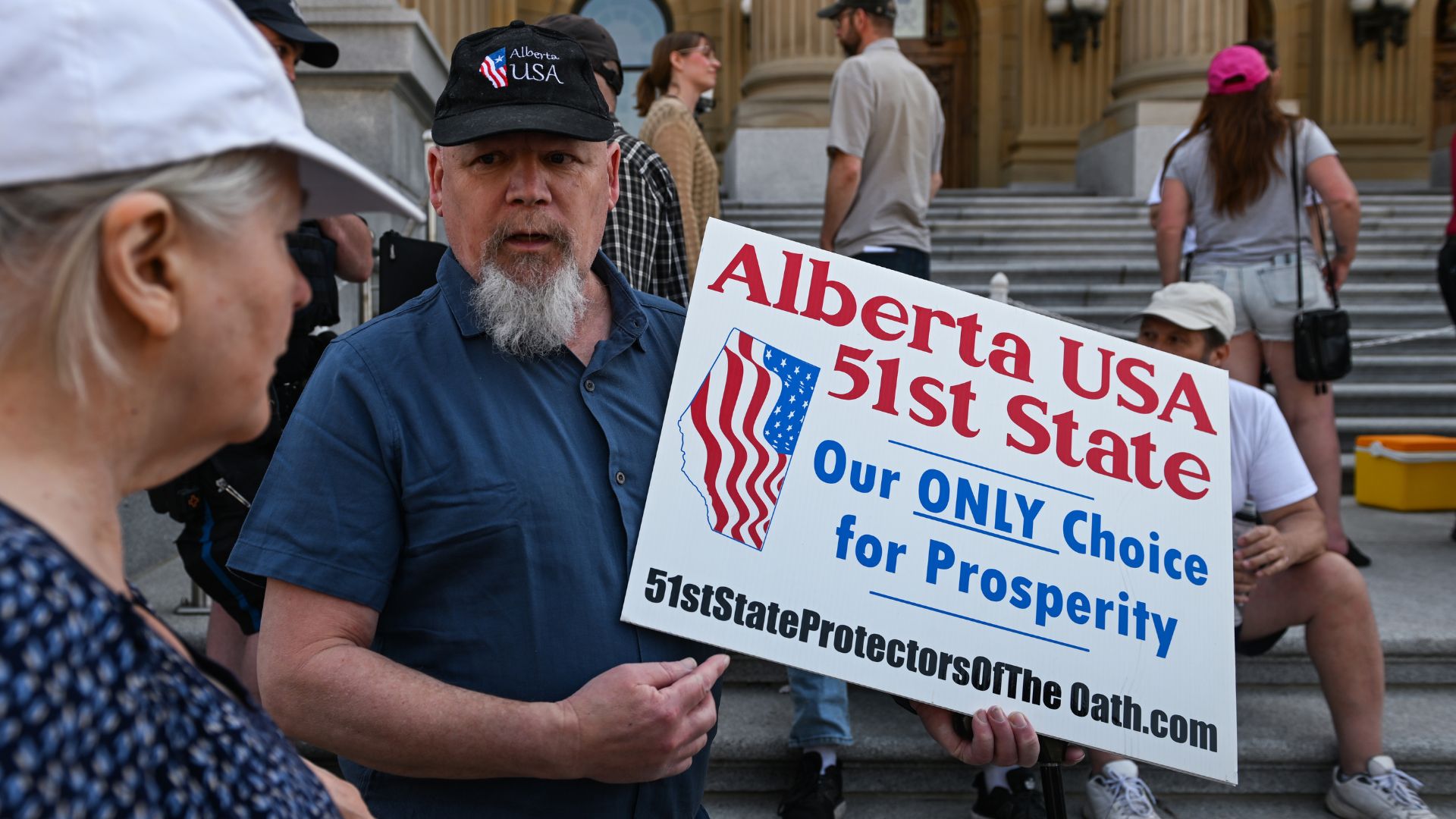
One of the largest political privacy scandals in modern Canadian history is now under multiple investigations after a voter database linked to the Alberta separatist-linked Centurion Project allegedly exposed personal information tied to Alberta Elections’ official provincial list of electors. Court filings and Elections Alberta investigators say the searchable database appeared to contain names, addresses, electoral divisions and polling station information associated with roughly 2.9 million registered Alberta voters. The platform was reportedly demonstrated publicly through online videos and presentations before a judge ordered the system removed in April. The RCMP, Alberta’s privacy commissioner and Elections Alberta are now investigating how the information was obtained, distributed and potentially accessed by thousands of users across the province while legal pressure continues mounting around the growing scandal.
Court documents first detailed by CBC News revealed investigators used hidden “salt names” embedded inside official voter lists to trace the exposed data back to a copy legally provided to the Republican Party of Alberta. Investigators reportedly found 86 fictional identities inside the Centurion database matching those embedded records. Elections Alberta also concluded that names entered into the Centurion system matched internal provincial voter files exactly. «The public will suffer significant and irreparable harm unless immediate action is taken to secure the personal information contained in the List of Electors,» Elections Alberta wrote in its court application seeking a permanent injunction. The agency is now attempting to force the destruction of all copies of the data while also identifying everyone who may have received or accessed the information before the database was shut down.
Getty Images
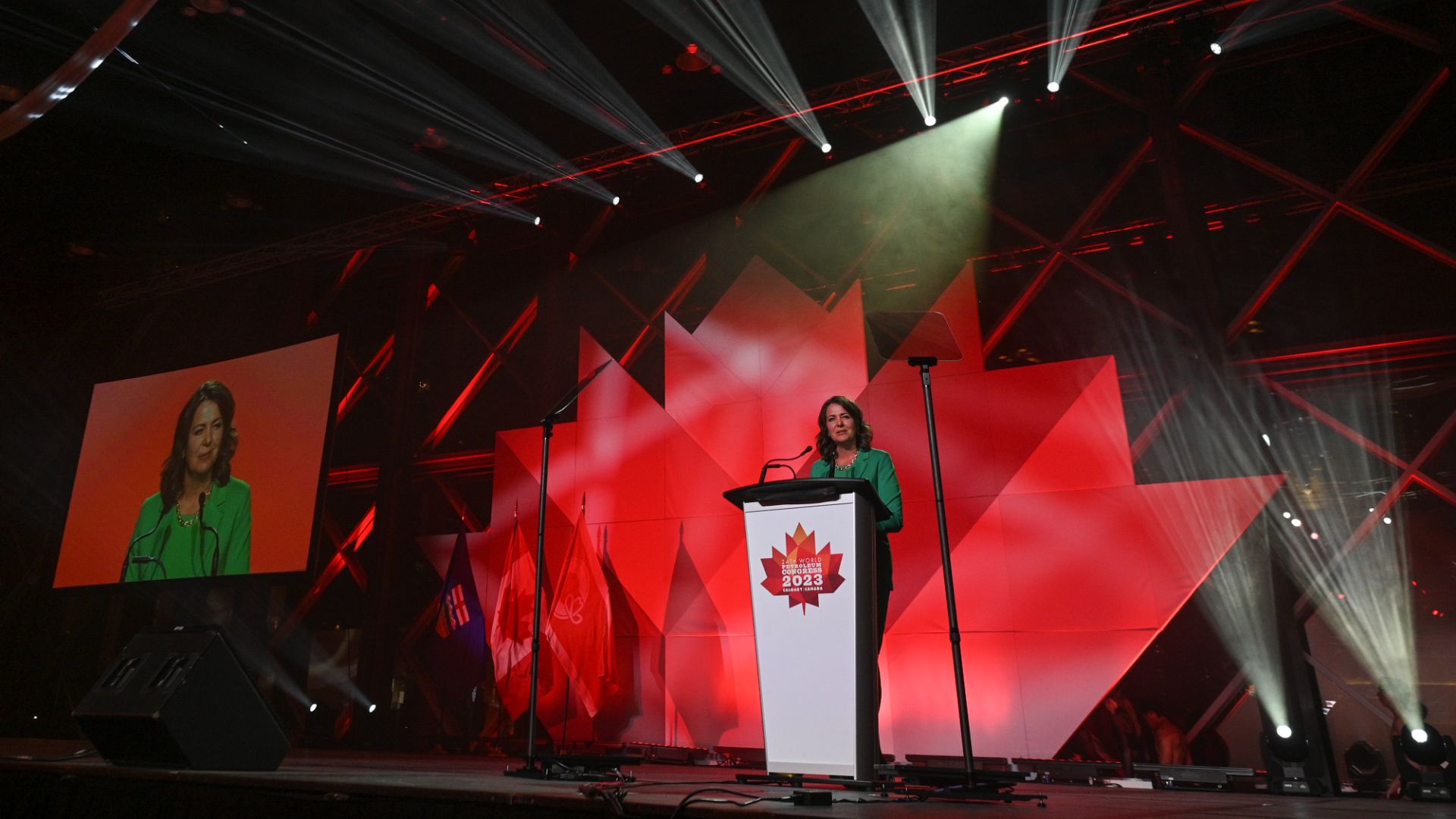
The Centurion Project is closely tied to Alberta’s separatist political movement and is led by David Parker, founder of Take Back Alberta, the influential activist organization credited with helping Danielle Smith become leader of the United Conservative Party. According to court filings, Parker was personally served by investigators during a Centurion event in Edmonton on April 29, only hours before a judge ordered the online platform removed. Parker has denied wrongdoing and previously compared the database to «a phone book,» arguing the system was designed to help volunteers identify and contact potential supporters of Alberta independence. Critics, however, argue the platform evolved into a powerful political surveillance tool capable of mapping millions of Alberta voters through information originating from the province’s protected electoral records.
Getty Images
The controversy intensified further after reporting from CBC, PressProgress, National Observer and The Guardian linked the Centurion infrastructure to U.S.-based conservative political technology networks associated with MAGA-aligned activists. Public reporting identified the platform as heavily inspired by or adapted from 10xVotes, a Michigan-based voter engagement system connected to Voteatron LLC. David Parker himself described the platform during podcast appearances as «the 10x slash the Centurion Project app» and said he had spent nearly two years working with the American group behind the technology. Several figures connected to the Michigan network have documented ties to conservative political circles linked to Donald Trump, Project 2025 supporters and right-wing activist organizations operating in the United States. However, no public evidence has emerged showing direct involvement from Trump himself or the U.S. government in the Alberta database operation.
«The public will suffer significant and irreparable harm unless immediate action is taken to secure the personal information contained in the List of Electors.»
-Elections Alberta
The fallout from the breach has already triggered fears about personal safety among Albertans whose information may have been exposed online. Former Alberta premier Jason Kenney told CBC News he immediately worried about threats from extremist activists after learning his home information had allegedly been displayed during a Centurion demonstration. «I immediately thought, this can’t be good for me, because some of the more over-caffeinated people in the separatist movement are the kinds of people who’ve been making fairly frequent threats against me while I was premier and since,» Kenney said. Edmonton city councillor Aaron Paquette also warned that victims of domestic violence could face serious risks if their addresses became accessible through the platform. «Make them pay for intentionally compromising your privacy,» Paquette wrote while encouraging Albertans to consider legal action. Privacy lawyer David Fraser separately described the incident as among «the most significant privacy incidents» in recent Canadian history.
Getty Images
The growing scandal has placed renewed scrutiny on Alberta’s separatist movement and the increasing overlap between Canadian populist activism and U.S.-connected conservative political networks. Elections Alberta has already issued hundreds of cease-and-desist letters tied to the database while investigators continue trying to determine how broadly the information spread before the court injunction took effect. The RCMP and Alberta privacy commissioner investigations remain ongoing, and legal experts have warned the case could eventually lead to major class-action lawsuits involving millions of voters. Meanwhile, questions continue surrounding whether any Alberta voter data may have been processed or stored through American-based infrastructure connected to the 10xVotes network. Neither the Centurion Project nor the U.S.-linked developers associated with the technology have publicly answered those questions as political pressure surrounding the breach continues intensifying across Canada.