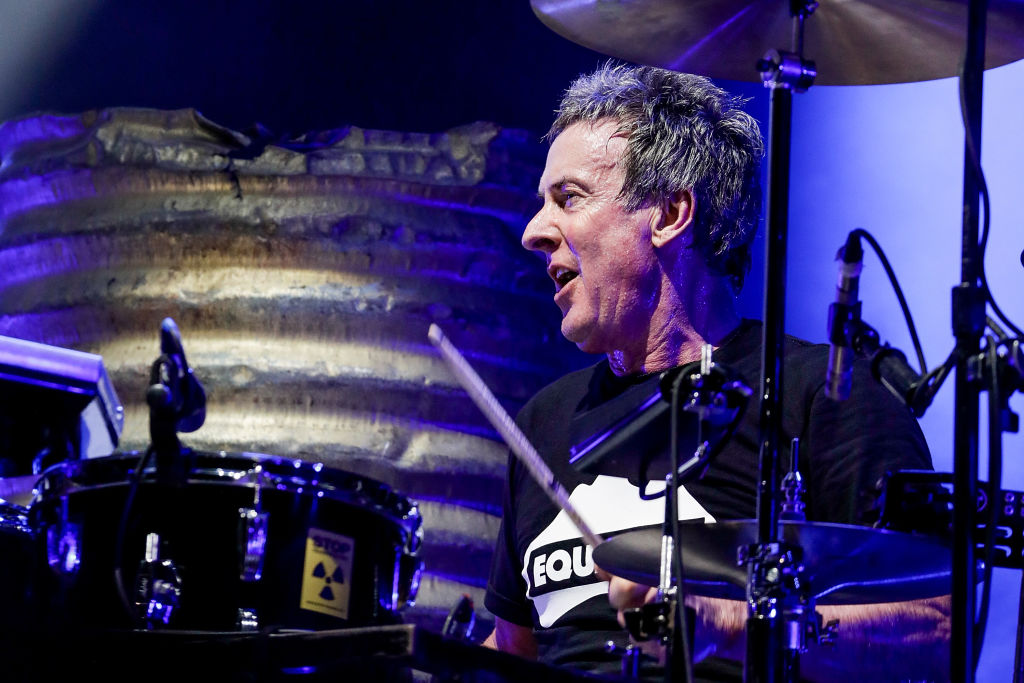
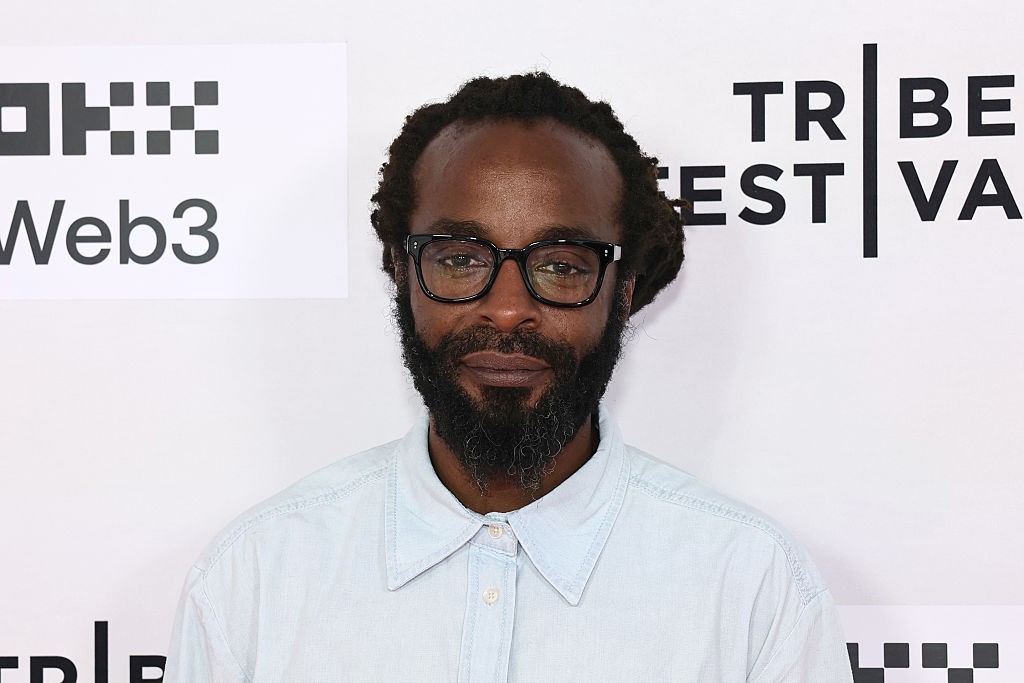
Rapper Lil Poppa dead at 25

The year 2026 was marked by the passing of many personalities who left a lasting mark on our society. Artists, creators, public figures, thinkers, and athletes—each and every one contributed in their own way to shaping our era and our collective imagination. This In Memoriam project pays tribute to those who left us during the year. Through these memories, we take a moment to remember their influence, celebrate their contributions, and honor lives that will continue to resonate long after their passing.

Catégories
Uncategorized

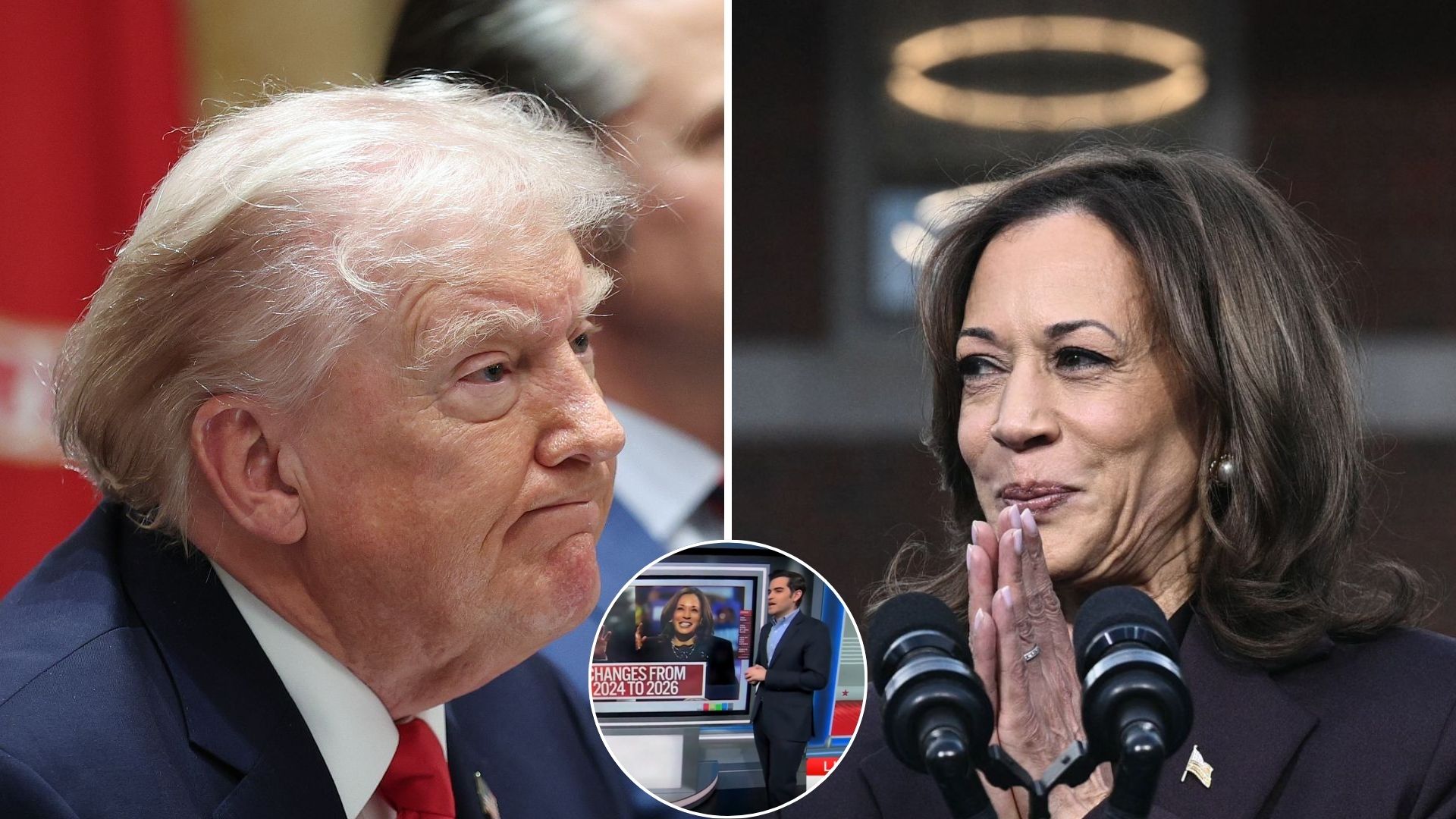
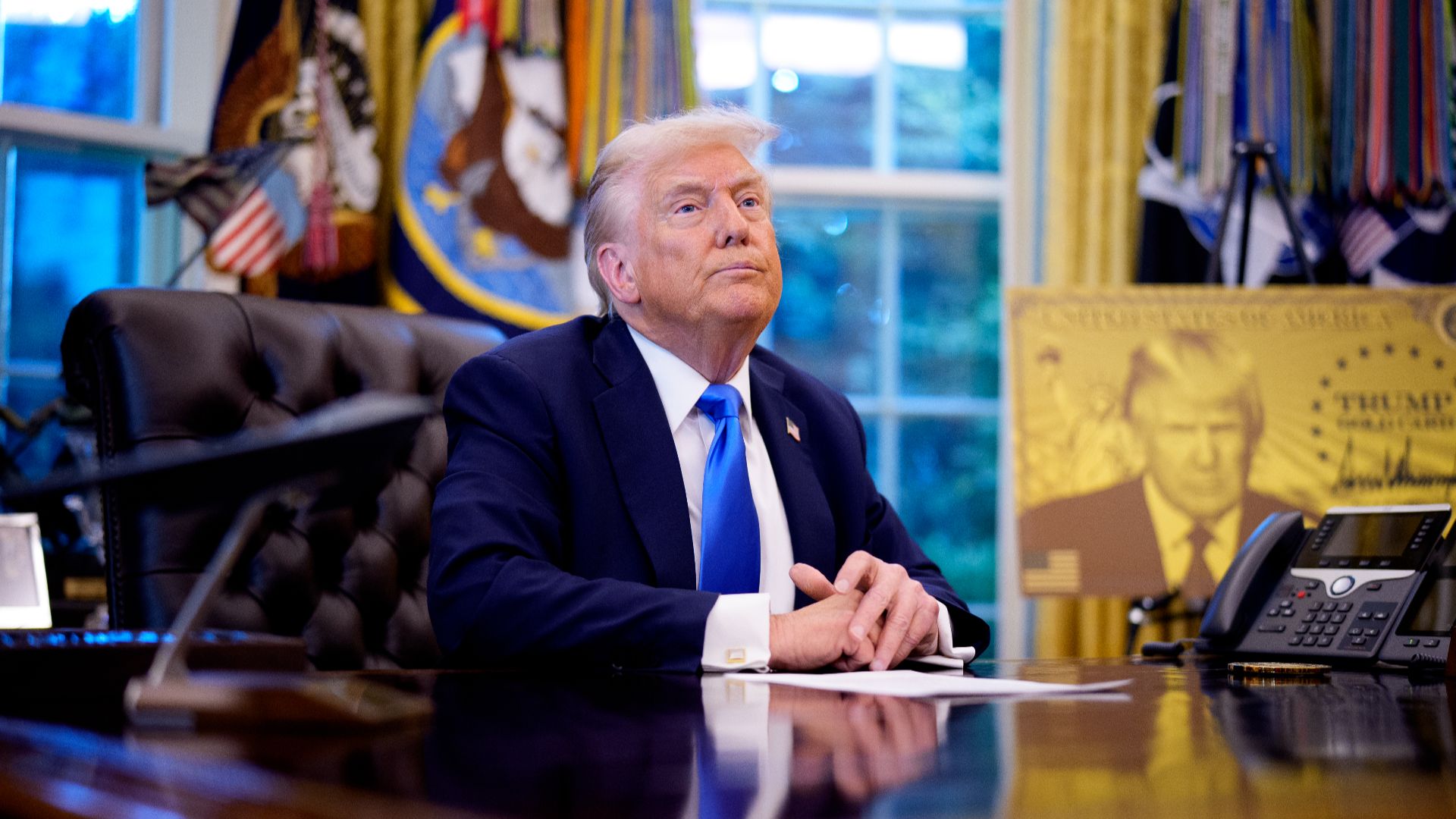
Kamala Harris would win election in a landslide in rematch, says CNN poll expert as Trump hits record low approval

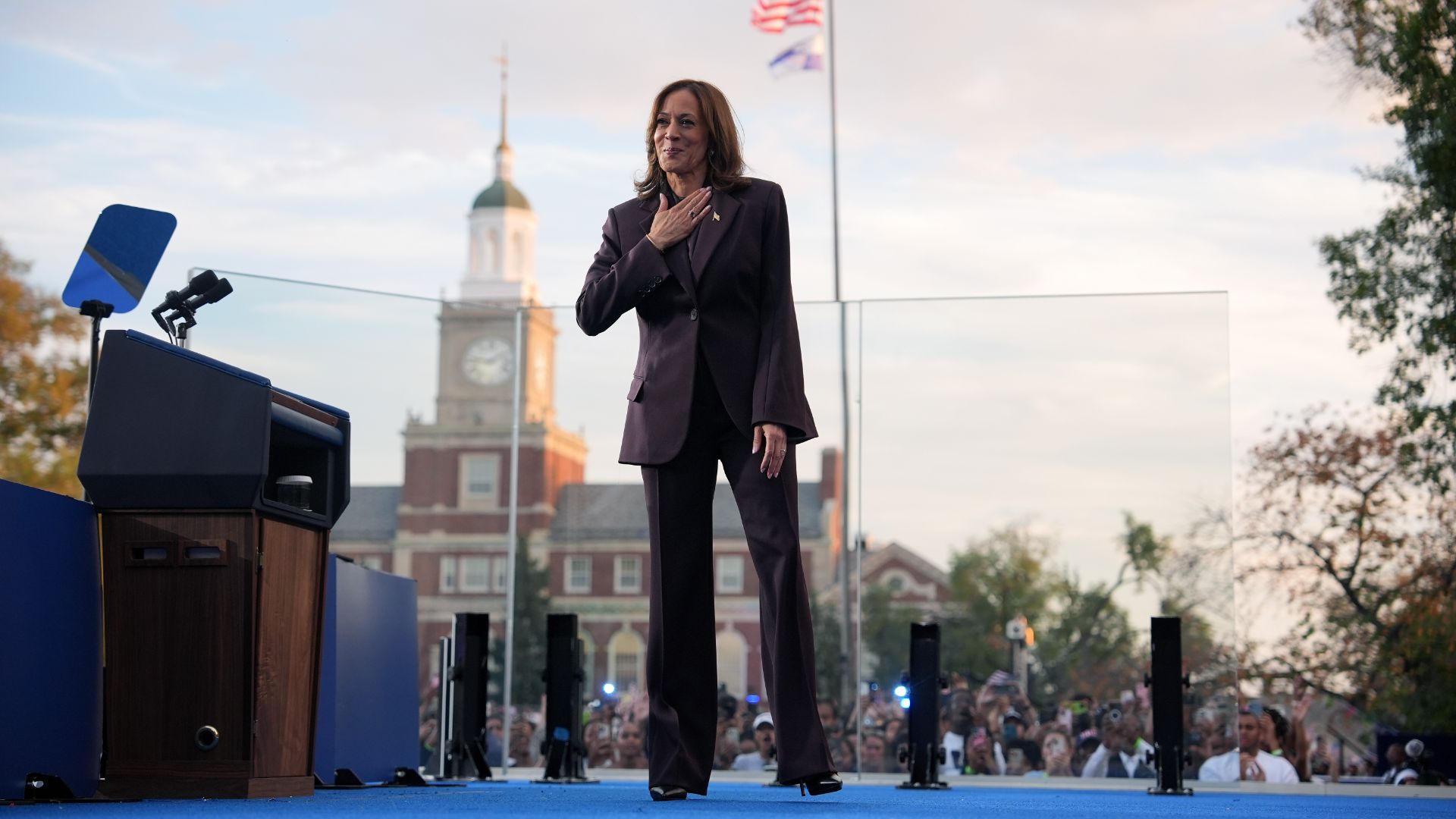
CNN’s chief data correspondent Harry Enten says the numbers now look dramatically different from the 2024 result if voters were asked to choose again between Kamala Harris and Donald Trump. Speaking on CNN News Central, Enten pointed to new national polling and told viewers: «Look at where we are now, according to an NBC News SurveyMonkey poll: She wins it by—get this—eight points.» He emphasized how striking that margin would be compared with the last election, adding: «A massive shift from what we saw in November of 2024 when Donald Trump won by a point.» The analysis immediately fueled debate about whether public opinion has turned sharply against Trump.

Getty Images

Enten stressed that the poll was not based on a skewed or Democratic-leaning sample but instead was adjusted to reflect the actual 2024 electorate. He underlined that detail on air, saying: «And I will note that this sample was weighted to the 2024 result in which Donald Trump won by a point, but yet, Kamala Harris in this weighted sample,» before concluding, «She wins by eight amongst the sample that voted for Trump by one.» For Enten, that suggests movement among key voters who supported Trump previously but may now be reconsidering their choice amid shifting political conditions.

«A massive shift from what we saw in November of 2024 when Donald Trump won by a point.»

-CNN’s chief data correspondent, Harry Enten

The polling shift comes as Trump faces some of the weakest approval numbers of his political career. During the same discussion, Enten described Trump’s net approval rating as «-22», a figure he said is significantly worse than this point in Trump’s first term and weaker than comparable numbers for recent presidents. Such ratings can have direct consequences in midterm elections, where voters often use congressional races to express dissatisfaction with the White House. With independents typically decisive in battleground districts, a deeply negative approval environment could complicate Republican efforts to maintain or expand their hold in Congress.

Getty Images

Recent special elections have added to Democratic optimism. In Texas, Democrat Christian Menefee won a U.S. House special election in a heavily Democratic Houston-area district and framed the result as a rebuke to the president, saying the district «topples corrupt presidencies.» In another closely watched Texas race, Democrat Taylor Rehmet flipped a state Senate seat in a district Trump had comfortably carried in 2024. These victories follow a pattern of Democratic over-performance in several off-cycle contests, a trend party strategists argue signals energy among their voters ahead of the midterms.

«She wins by eight amongst the sample that voted for Trump by one.»

-CNN’s chief data correspondent, Harry Enten

Even so, national surveys suggest Democrats remain cautious. Polling has shown that many Democratic voters continue to express frustration with their own party despite recent wins, highlighting internal tensions over strategy and messaging. Party leaders are trying to channel anti-Trump sentiment into sustained turnout, particularly among suburban voters and young people who proved decisive in recent cycles. The contrast between improving Democratic performance in special elections and broader dissatisfaction within the electorate underscores the unpredictable mood heading into a high-stakes midterm year.

Getty Images

Trump, for his part, is already preparing aggressively for the coming electoral battles. He has touted a massive political war chest and continues to endorse candidates aligned with his agenda, seeking to shape Republican primaries and strengthen loyalty within the party. His public appearances increasingly carry a campaign tone, focusing on rallying supporters and attacking Democratic leadership. As midterms approach, the emerging dynamic is clear: CNN’s data analysis suggests a potential landslide in a hypothetical rematch, while Trump’s falling approval ratings and Democrats’ recent victories create a volatile political landscape.

Getty Images
Catégories
Uncategorized

Pope Leo XIV Declines Trump’s Invitation

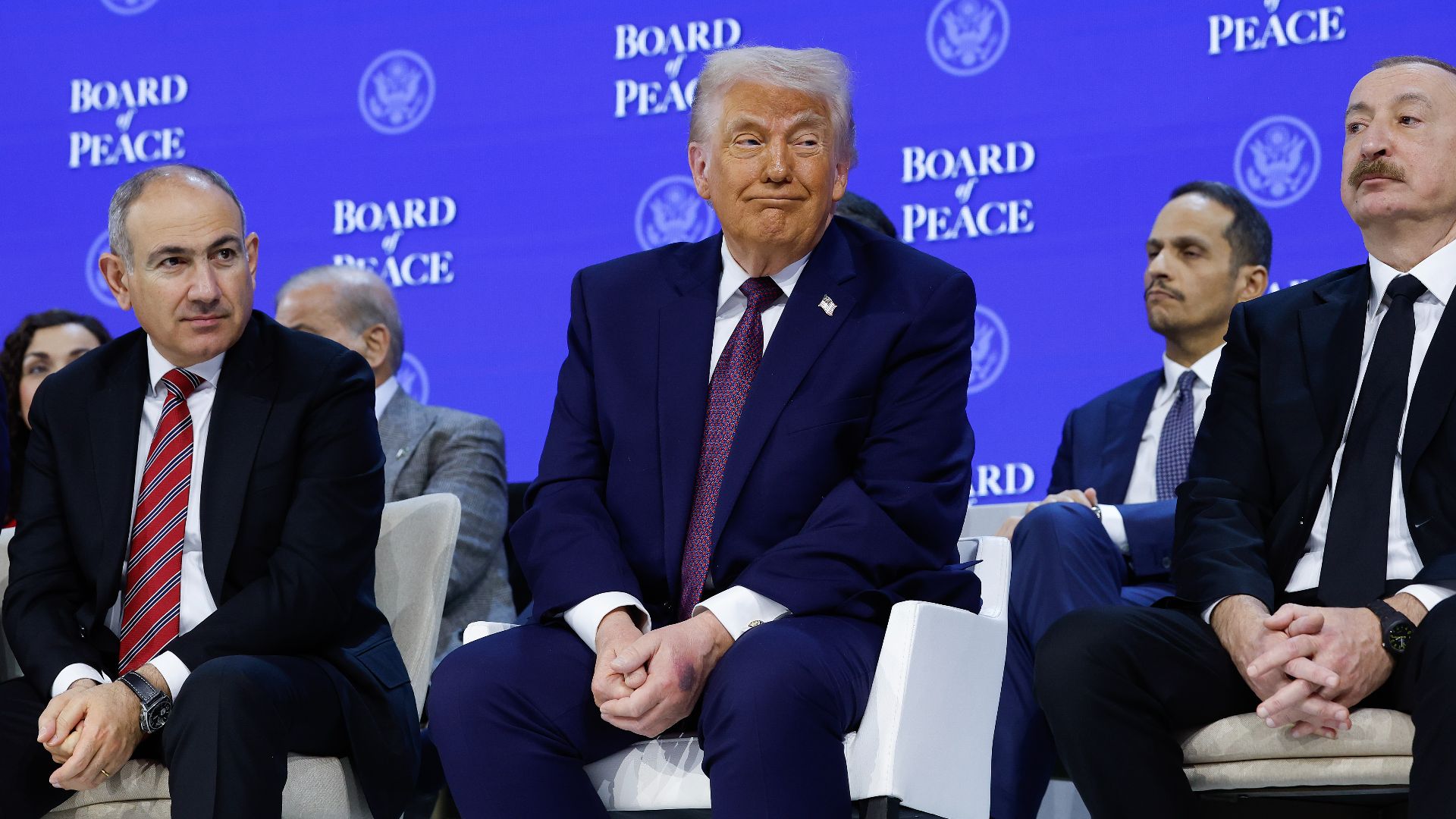
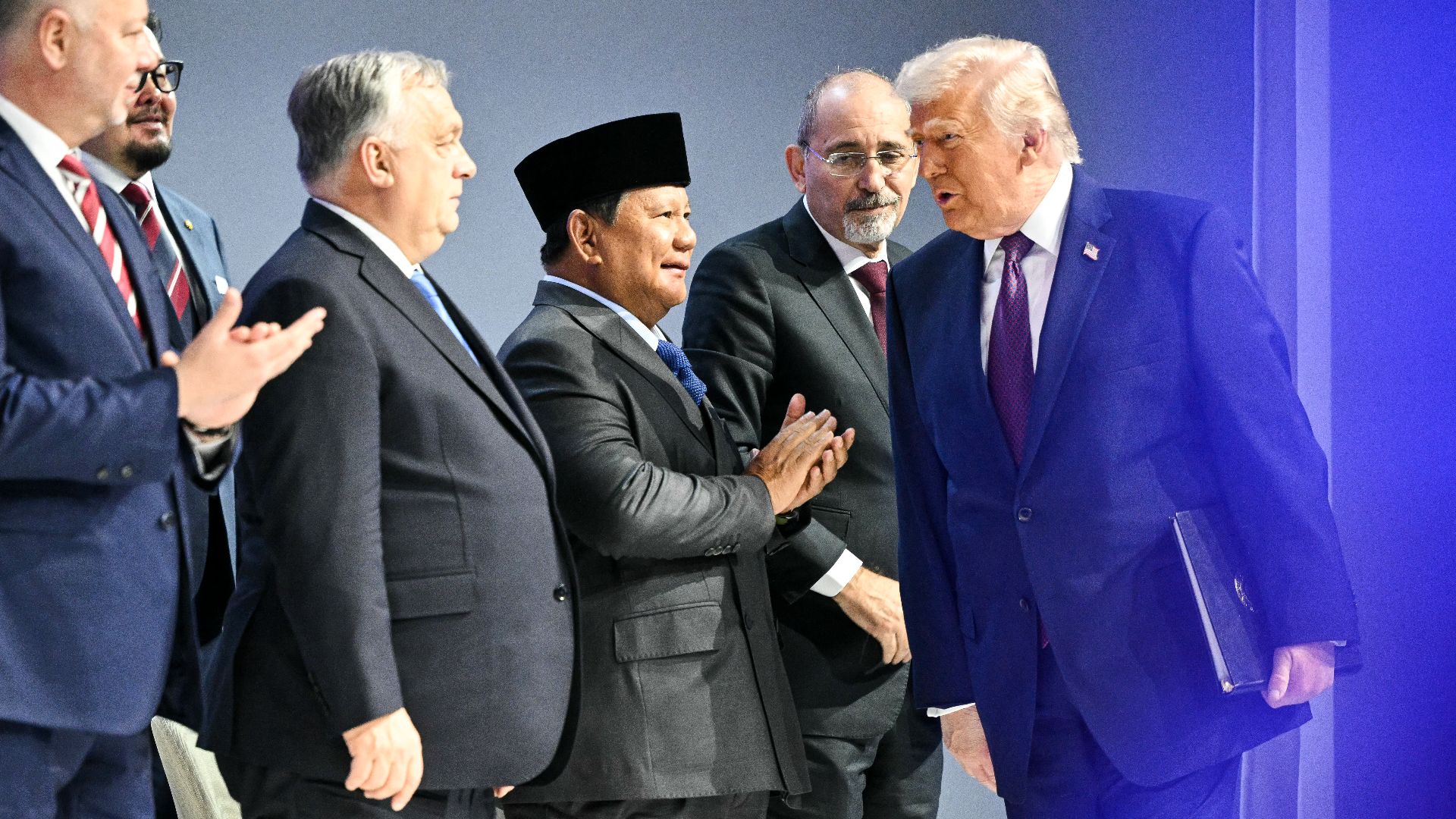
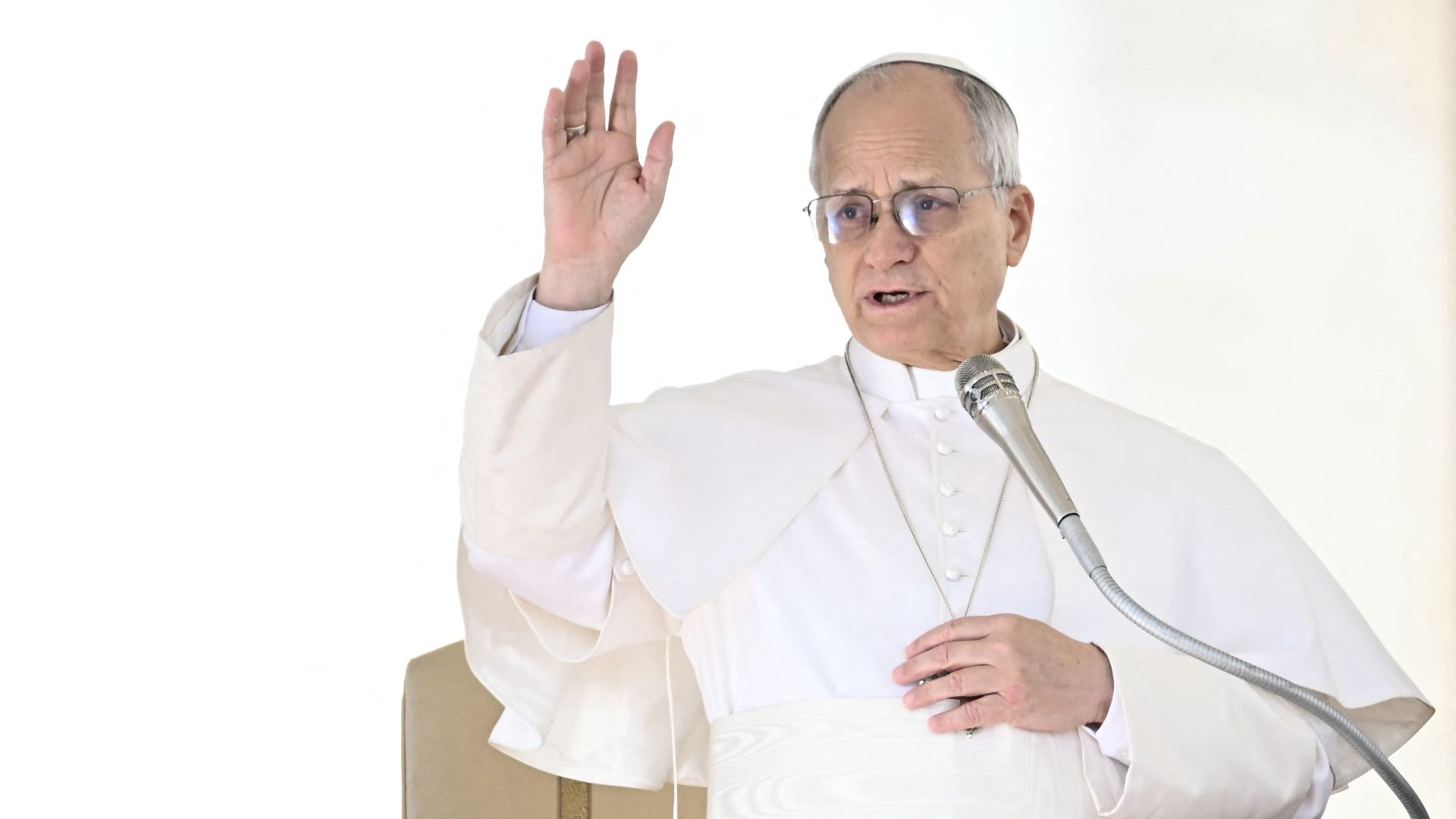
Pope Leo XIV has refused Donald Trump’s invitation to join the «Board of Peace», a new U.S.-backed group presented as a way to manage the future of Gaza after the war and support reconstruction. The Vatican’s decision was confirmed by Cardinal Pietro Parolin, the Holy See’s Secretary of State, who said the Pope would not take part because the project does not fit the Vatican’s diplomatic role. Parolin stated that the Holy See «will not participate in the Board of Peace because of its particular nature, which is evidently not that of other States.»

The refusal comes just before the first official meeting of the group in Washington.

Getty Images

Parolin also suggested the Vatican remains unsure about how the board would work and what its real goals are. «There are points that leave us somewhat perplexed. There are some critical points that would need to find explanations,» he said. He added: «The important thing is that an attempt is being made to provide a response. However, for us there are certain critical issues that should be resolved.» The cardinal made clear that the Vatican believes international crises should be handled through existing global institutions, especially the United Nations. «One concern is that at the international level it should above all be the UN that manages these crisis situations. This is one of the points on which we have insisted,» he said.

«There are points that leave us somewhat perplexed. There are some critical points that would need to find explanations.»

-Cardinal, Pietro Parolin

Trump has described the «Board of Peace» as a major international project. He has said it will first focus on Gaza, then expand to other global conflicts. U.S. reporting said Trump called it the «Most Prestigious Board ever assembled at any time, any place.»

A senior U.S. official also insisted the plan is not only about the Middle East, saying:

«The Board of Peace is not going to be limited to Gaza. It’s a Board of Peace around the world.»

Trump reportedly explained that the idea would begin with Gaza before moving on to other crises, saying: «It’s going to, in my opinion, start with Gaza and then do conflicts as they arise.»

Getty Images

The Vatican’s refusal also comes as the United Nations tries to keep its own role central in Gaza diplomacy. The UN Security Council reportedly adjusted its schedule because Trump’s meeting was planned for the same day. Some diplomats fear Trump’s new board could weaken the UN’s influence or create a parallel process. Palestinian ambassador Riyad Mansour made his position clear, telling reporters:

«We expect from the international community to stop Israel and end their illegal effort against annexation, whether in Washington or in New York.» The overlap between the UN and Trump’s project has increased concerns about competing approaches.

Getty Images

Even without the Vatican, the Trump administration says many countries have agreed to participate. According to the Associated Press, «more than 20 countries» have accepted invitations. U.S. ambassador Mike Waltz said key Middle East partners are involved and claimed Egypt and Qatar have accepted. Speaking to radio host Hugh Hewitt, he said:

«All of those countries are on the Board of Peace, singing the same tune as the United States.» Other reports have also mentioned countries such as Hungary, Vietnam, El Salvador and Israel as participants, although several major allies have not confirmed whether they will fully join.

«The Board of Peace is not going to be limited to Gaza. It’s a Board of Peace around the world.»

-President, Donald Trump

The first meeting of the «Board of Peace» is scheduled for Feb. 19 in Washington. Trump has claimed participating countries have promised more than $5 billion to support rebuilding and humanitarian aid in Gaza, though the details have not been fully made public. Reports also say Italy and the European Union may attend as observers rather than full members.

The White House has defended the project as a long-term plan aimed at stability. A senior U.S. official said: «The Pope and Vatican are welcome to join the many other nations who are committed to the Board of Peace and its guiding principles promoting stability and securing enduring peace.»

Getty Images
Catégories
Uncategorized

Marjorie Taylor Greene to MAGA: «You’ve been brainwashed»

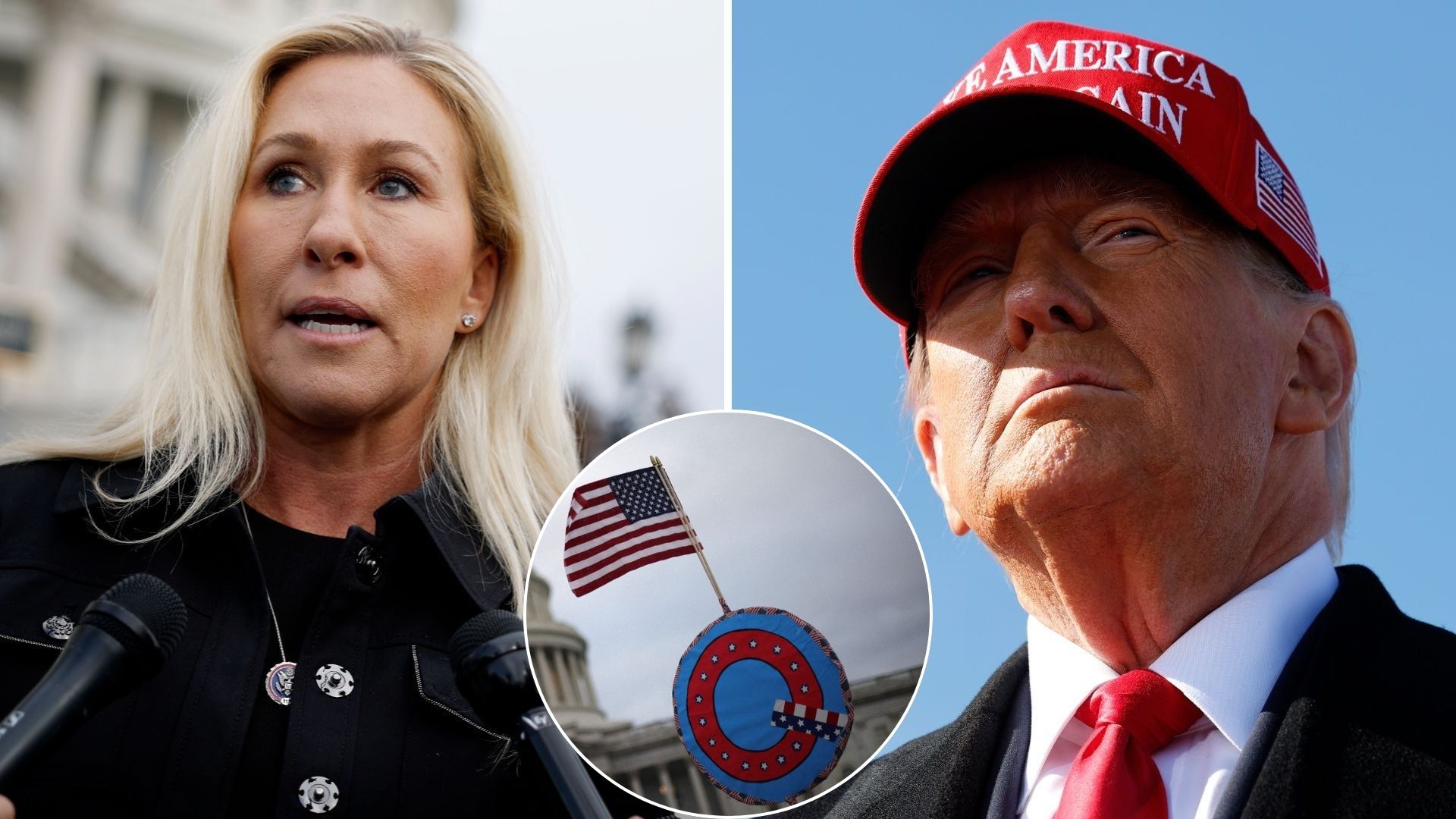
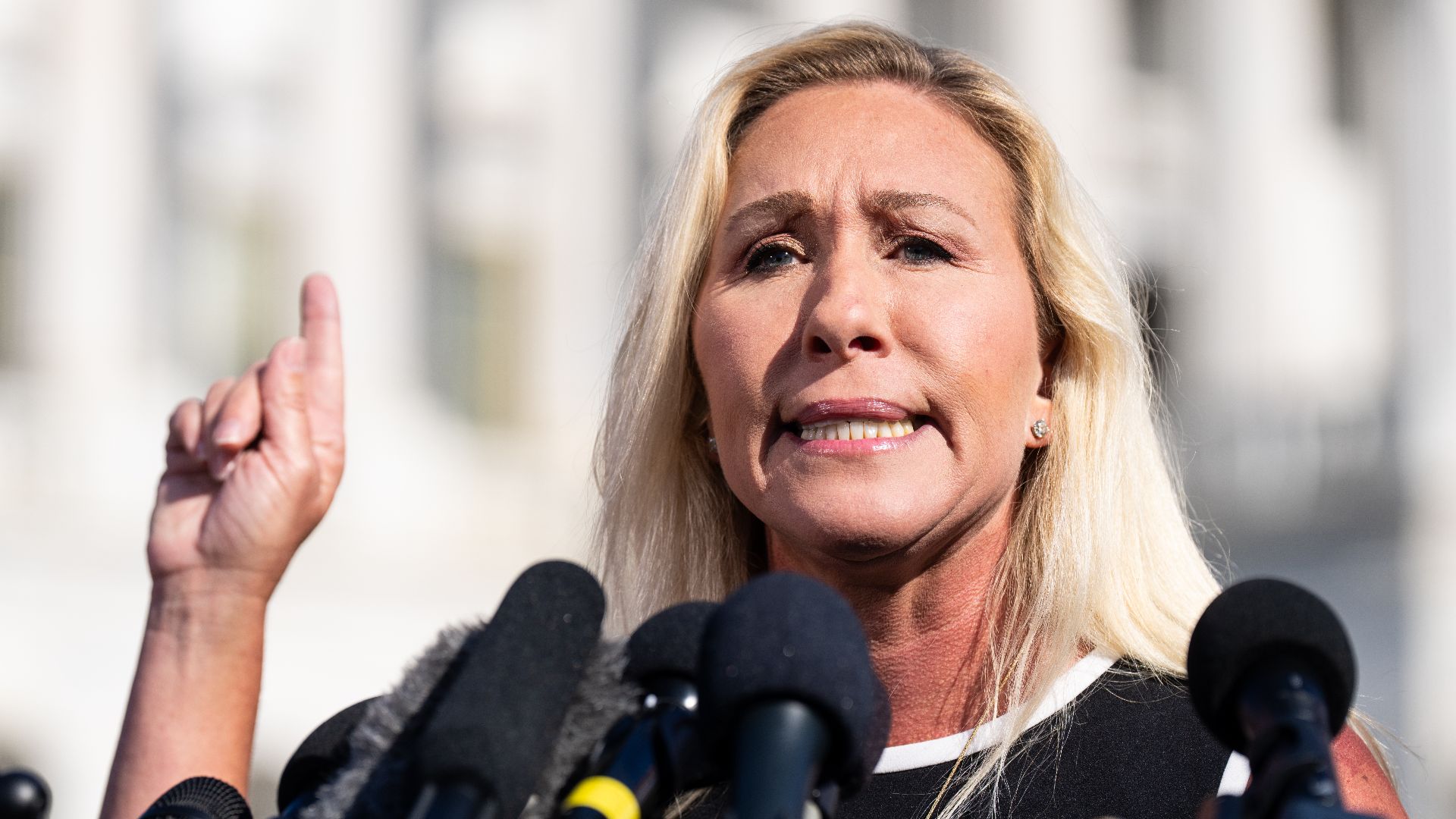
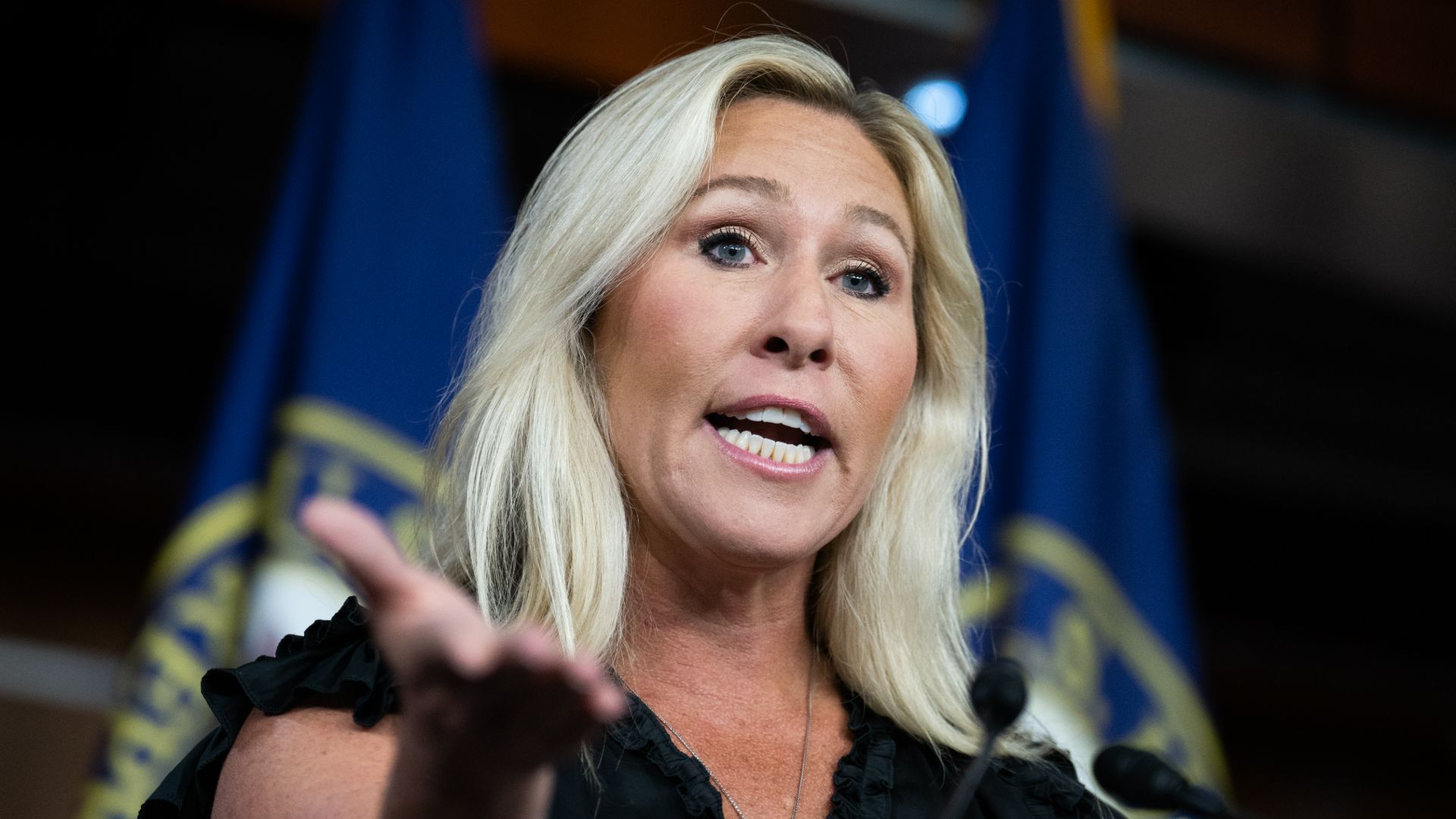
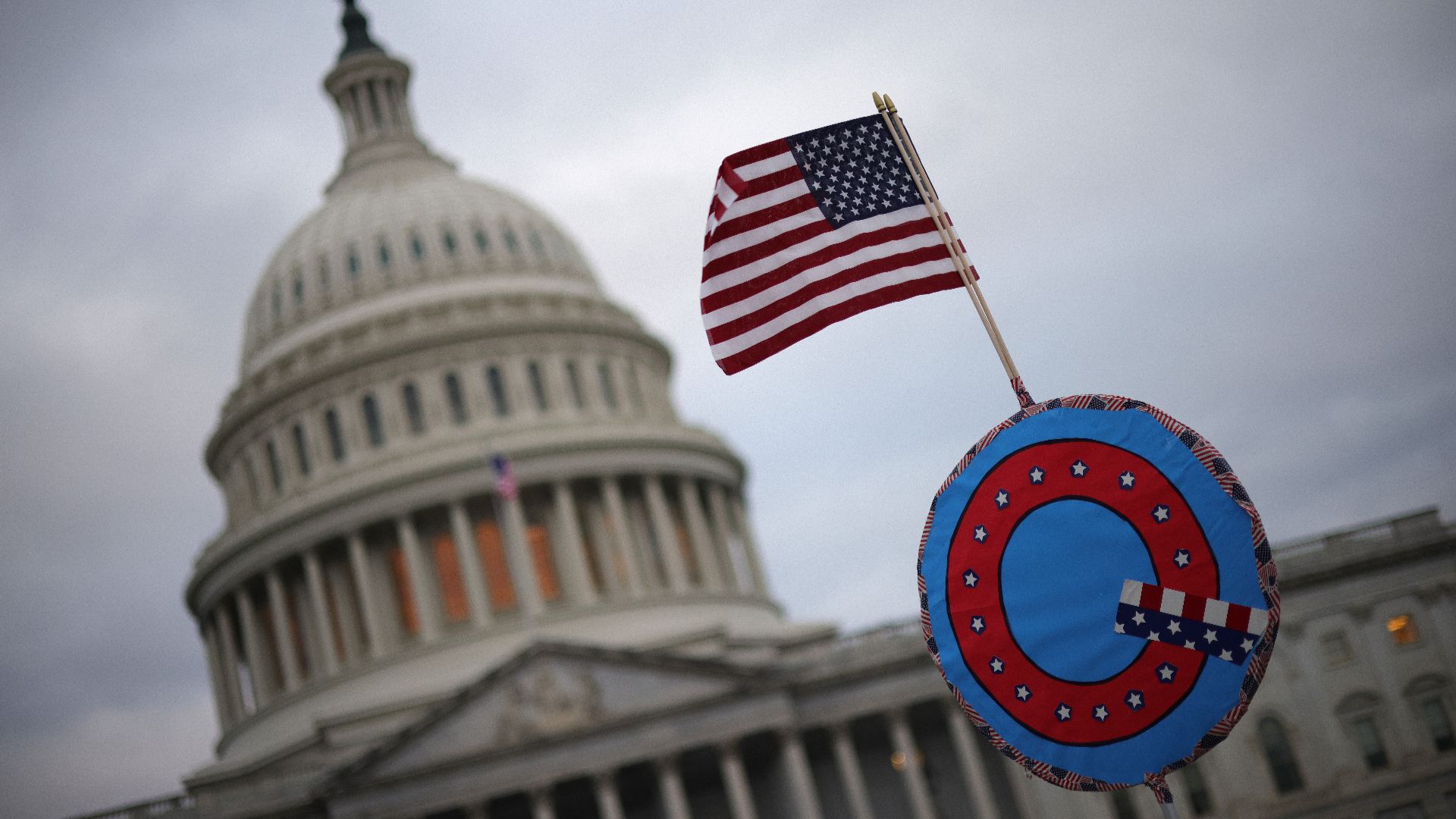
Marjorie Taylor Greene has deepened her break with Donald Trump, delivering a stark warning to the MAGA base she once championed, urging supporters to «Wake up» and asserting that they have been “brainwashed” — in part by the president himself, whom she accuses of mocking them with “Q nods.” Once one of Trump’s most devoted allies in Congress, Greene’s rhetoric toward the president has shifted dramatically, moving from loyalist ardour to outright criticism as internal tensions within the Republican movement intensify. Her latest comments, made in response to a social media thread about Trump’s relationship with his base, underscore a growing rift that many political observers see as emblematic of broader fractures within MAGA ahead of November’s midterms.

Getty Images

The exchange that sparked Greene’s blunt admonition came on X, where a user identifying as ThePatrioticBlonde — Breck Worsham, a former Trump campaign aide who worked on multiple Trump campaign efforts — had posted criticism of Donald Trump’s perceived disconnect with his supporters. In replying to her post, Greene wrote:

«Correct. And then they intentionally post Q nods and laugh about how MAGA eats it up. Wake up. You’ve been brainwashed.» Worsham’s original message argued that Trump hears his base but does not care, particularly in relation to concerns about the Epstein files and the anger among longtime supporters. Greene’s choice to publicly attach herself to that critique underscores a significant ideological shift from her earlier role as one of Trump’s most loyal congressional allies to a vocal critic of what she sees as messaging strategies that have misled and betrayed core MAGA supporters.

«I have nothing to hide. I’ve been exonerated. I have nothing to do with Jeffrey Epstein. They went in hoping that they’d find it and found just the opposite. I’ve been totally exonerated.»

-President, Donald Trump

At the heart of Greene’s feud with Trump is the controversy over the release of documents related to Jeffrey Epstein, the imprisoned financier whose case has continued to roil American politics. Greene was an outspoken advocate for the so-called Epstein Files Transparency Act, a bipartisan push aimed at forcing the Department of Justice to disclose millions of pages of internal documents. She and other lawmakers, including Republican Thomas Massie and Democrat Ro Khanna, signed a discharge petition to bring the measure to a vote after House leadership refused to act. Greene’s criticism of Trump’s alleged resistance to the release — and his labeling of the whole controversy as a “Democrat hoax” — was one of the most public points of contention between them.

Getty Images

The fallout has been intensely personal and political. Greene resigned from Congress in early 2026 partly in response to escalating tensions with the Republican establishment, and Trump publicly withdrew his support for her future campaigns, branding her a “traitor” to the party. Trump allies attacked her on social media and in speeches, and she claimed that aggressive rhetoric from Trump and his supporters put her safety at risk, citing threats she and her family allegedly received. Trump has defended his record and the administration’s handling of the Epstein files, insisting that the recently released materials exonerate him and that he has “nothing to hide.” Despite those claims, critics argue that the administration’s initial attempts to block full disclosure exacerbated distrust among segments of the conservative base.

«And then they intentionally post Q nods and laugh about how MAGA eats it up. Wake up. You’ve been brainwashed.»

-Marjorie Taylor Greene

Greene’s criticisms extend beyond the Epstein issue to broader claims about Trump’s relationship with his base. She has suggested that Trump’s focus on certain strategic interests and messaging choices has alienated die-hard supporters, accusing him of mocking them and pandering to groups outside the core MAGA constituency. Her “Q nods” remark alludes to symbolic acknowledgements of QAnon-related sentiment among some supporters, even as Trump distances himself from the fringe movement. Responding to the controversy surrounding the Epstein files, Trump has forcefully denied any wrongdoing and insisted he has been cleared, telling reporters: «I have nothing to hide. I’ve been exonerated. I have nothing to do with Jeffrey Epstein. They went in hoping that they’d find it and found just the opposite. I’ve been totally exonerated.»

Greene’s remarks came at a moment of heightened sensitivity within the coalition, as the MAGA brand faces scrutiny not just from opponents but from figures who once stood firmly within its ranks.

Getty Images

The schism between Greene and Trump highlights the challenges facing the Republican Party ahead of the midterm elections, where unity among different conservative factions is considered crucial for electoral success. Analysts note that Greene’s warnings about alienating voters — particularly women and independents, who polls indicate have shown tentative disapproval of the party’s direction — could resonate beyond her own supporters. Trump’s insistence that the Epstein files clear his name contrasts sharply with Greene’s narrative of secrecy and betrayal, illustrating how personal and ideological divides can reshape political alliances. As the MAGA movement confronts these internal disputes, the long-term implications for Republican cohesion remain uncertain.

Getty Images
Catégories
Uncategorized

Complete guide to home automation: how to choose useful gadgets and avoid pitfalls

Home automation is no longer a futuristic luxury: it has become a daily presence in many homes. But choosing the right devices is not so simple. Between marketing promises and real-world uses, the key is to differentiate between devices that fit naturally into your life and those that add unnecessary complexity. This guide will help you see things more clearly, using concrete examples, real benefits, and a few practical precautions.

1. Prioritize real usefulness

Before buying, ask yourself two questions: does this gadget solve a real problem? And does it do so better than a non-connected solution? The Nest Learning thermostat is a good example of this criterion: by learning your habits, it reduces manual adjustments and can lower your energy bill in the long term. Conversely, a screen built into a refrigerator may seem appealing, but if you rarely use its multimedia features, the extra cost is not justified.

Nest thermostat

2. Prioritize interoperability

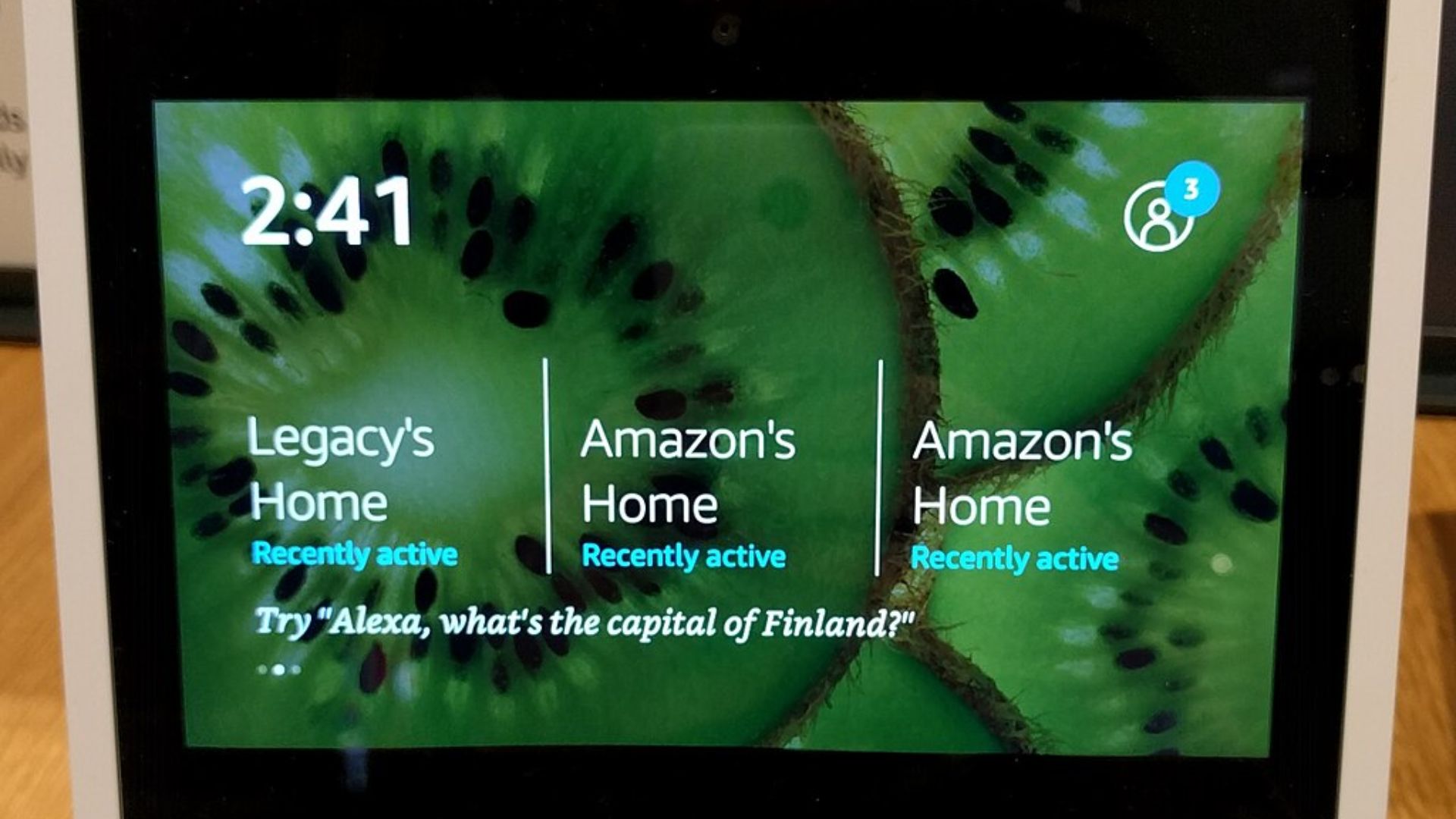
A device that works on its own but refuses to cooperate with your other equipment quickly becomes a source of friction. Modern hubs (such as the Echo Hub, which supports Matter and Thread) reduce fragmentation by allowing multiple brands to communicate with each other. If you’re just starting out, begin with a hub or platform that you plan to keep, and check the compatibility of future purchases.

Amazon Echo Hub

3. Convenience vs. complexity: striking the right balance

High-end robot vacuums, such as the iRobot Roomba Combo j9+, strike a good balance: true automation, reduced maintenance, and tangible time savings. On the other hand, some « overly smart » devices (such as certain connected ovens or microwaves) turn a simple action into a series of steps: opening an app, logging in, updating… which can sometimes take longer than the traditional method.

iRobot Roomba

4. Examine the business model

Be wary of devices that require a subscription to function properly. The Tovala Smart Oven, which relies heavily on the sale of compatible dishes, loses much of its appeal if you cancel your subscription. Before buying, calculate the total cost over 1 to 3 years: the device + any subscriptions + accessories. Sometimes, a good traditional device costs less and remains more flexible.

Tovala oven

5. Privacy and security

Cameras, voice assistants, and hubs collect data. Choose transparent manufacturers and check the local versus cloud storage options. The Arlo Pro 5S offers robust options, but cloud storage requires a subscription; some families may prefer a local storage solution for privacy reasons.

6. Installation and maintenance

Some products require professional installation (e.g., certain digital showers) or regular updates that may interrupt functionality. If you are not prepared to manage these aspects, opt for tested and stable plug-and-play solutions.

7. Practical buying tips

  • Start small: a thermostat, a smart light bulb, or an outdoor camera, depending on your priorities.
  • Look at the ecosystem: investing in a platform (Alexa, Google, HomeKit) makes future upgrades easier.
  • Read user reviews on longevity and the quality of software updates.

In short, home automation is great when it simplifies everyday tasks. Choose devices that truly automate tedious tasks, check for interoperability, and be wary of subscription-based business models or gadgets that complicate rather than help. With a little method, your connected home can become a true ally, discreet and efficient.

Home automation

Catégories
Uncategorized

CBS Censors Stephen Colbert, Scraps Interview With Democrat

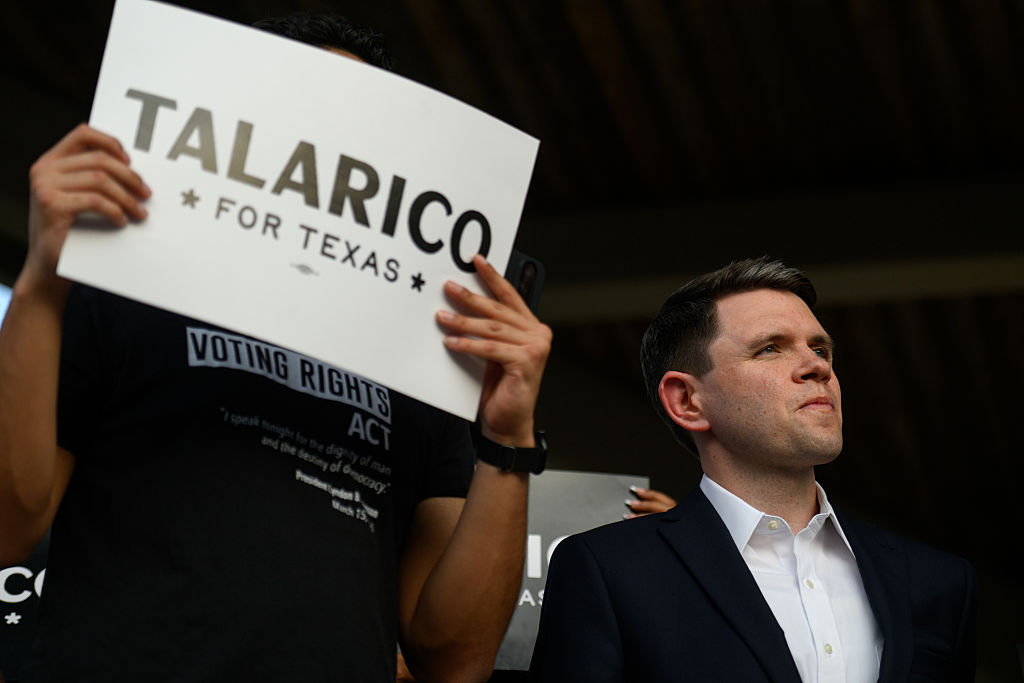
On Monday, February 16, Stephen Colbert made a (not-so) shocking announcement at the beginning of his show. After introducing the band and announcing his guest for the evening, he stopped for a moment and announced that a certain guest would not be appearing, even though he was supposed to. According to Colbert, he was barred from airing his interview with Texas State Representative James Talarico. Talarico, a Democratic Representative, has been steadily growing in favour in Texas, and is beginning to garner enough attention to threaten the incumbents. The FCC used its ‘equal time’ rule, created to prevent broadcast channels from promoting partisan ideologies through the promotion of politicians. Colbert claimed that Paramount’s lawyers contacted his team directly, forbidding Colbert from airing the interview.

Who is James Talarico

James Talarico is one of the most notable up-and-coming Democratic politicians. An ordained minister and former schoolteacher from Texas, he merged progressive and populist ideas to create a kind of politics palatable for Texans without promoting hateful ideologies. Talarico is focusing on the class war, not the culture war, and his message is resonating in Texas, a state with 20% of its children living in poverty. First elected to the Texas House in 2018, Talarico not only survived, but managed to thrive in the Republican controlled state. Talarico has served four terms already, and in every election, his popularity has risen. Talarico won more than 76% of the vote in the 2022 Texas House of Representatives 50th district election, the most decisive Democratic win in the district’s history.

Why censor Talarico

In multiple clips posted to the Late Show YouTube and Facebook accounts the following day, February 17, Talarico didn’t mince words while theorizing why the FCC canned the interview. According to Talarico, Donald Trump is scared that Texas will flip to the Democrats, and he’s willing to do anything to prevent it, including First Amendment violations. This isn’t even the first time the FCC has censored an interview with Talarico. Earlier in February, an interview Talarico did on the show ‘The View’ caused the FCC to open a probe into the show, strong-arming the producers to stop airing Democrats.

The equal time rule

The equal time rule was created to prevent broadcast channels from promoting partisan ideologies through the promotion of politicians. The rule forces broadcasters to showcase every campaigning politician in a district, not just their preferred candidate. While the rule has been in place for decades, initially, news interviews and talk-show interviews were not included in the restrictions. Since both forms of broadcast tend focus on current affairs and specific stories, the FCC used to allow them freedom outside the rules. Since Donald Trump took office in 2025, that’s changed. In January of 2026, the FCC published a letter claiming it would now be holding talk shows to the same standard as the rest of broadcast and radio.

The FCC claimed these changes were made because certain talk shows were promoting ‘partisan ideas’. Ah, yes, the censorship of speech crime, welcome to Tuesday in the United States. FCC Chairman Brendan Carr has previously directly targeted Colbert and Jimmy Kimmel, claiming that if they want to continue doing their programming, they should move to podcast or cable. While the irony of a broadcast Chairman encouraging audiences to stop watching broadcast is ironic enough, Carr added to the irony by also stating that talk radio would not be a target of the FCC’s new equal time rules. Talk radio, a traditionally strong tool for conservative politics, will remain unscathed, while shows that disagree with the Trump administration will face government pressure.  

Gross double standard

In the interview clips with Colbert posted to Facebook, Talarico outlined the gross double standard at play. Donald Trump and right-wing media have led the charge against ‘cancel culture’, promoting their twisted version of free speech and hailing the First Amendment like a god. MAGA got its wish; Donald Trump can spout racist, xenophobic, homophobic, and any other kind of hate speech from Air Force One.

He can usher out reporters without explanation. He can indiscriminately steal Americans off the street and send them to third-world countries they’ve never been to, and he can do all of it while actively censoring anyone who speaks against him.

Donald Trump is playing a game the world has seen before. You could read it in the book ‘1984’, you may have studied it in high school.

It’s what James Talarico is claiming to fight.

It’s also what Donald Trump wants to censor.

Catégories
Uncategorized

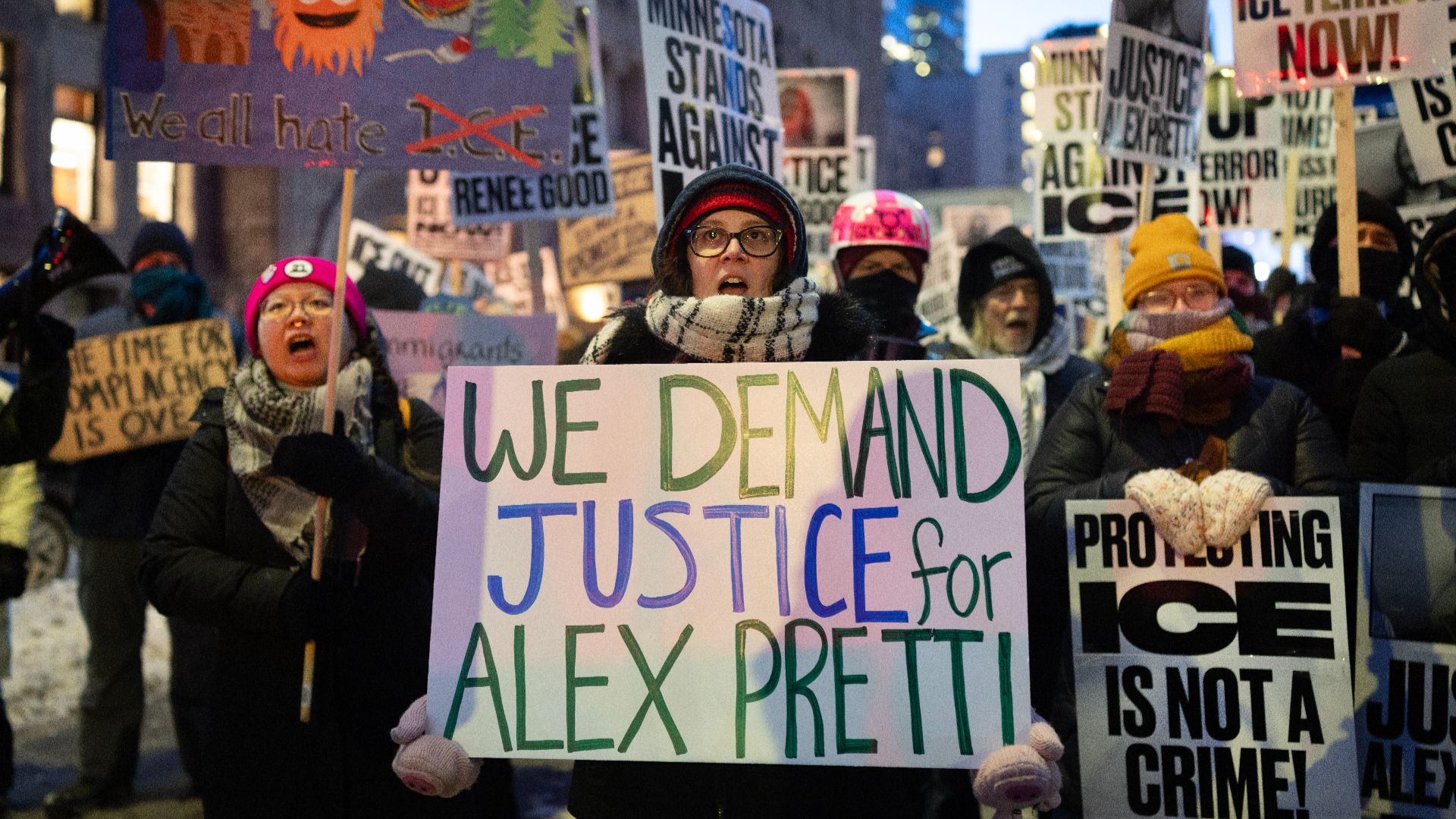
Minnesota: Large-scale ICE operation comes to an end—local consequences and national implications

After ten weeks of a highly publicized operation, the federal administration announced a significant withdrawal of Immigration and Customs Enforcement (ICE) agents deployed in the Minneapolis–Saint Paul area. This turning point marks the end of a visible and controversial phase of immigration policy enforcement, but raises many questions about the consequences for local communities, trust between authorities and citizens, and political repercussions at the national level.

Agents ICE Minnesota

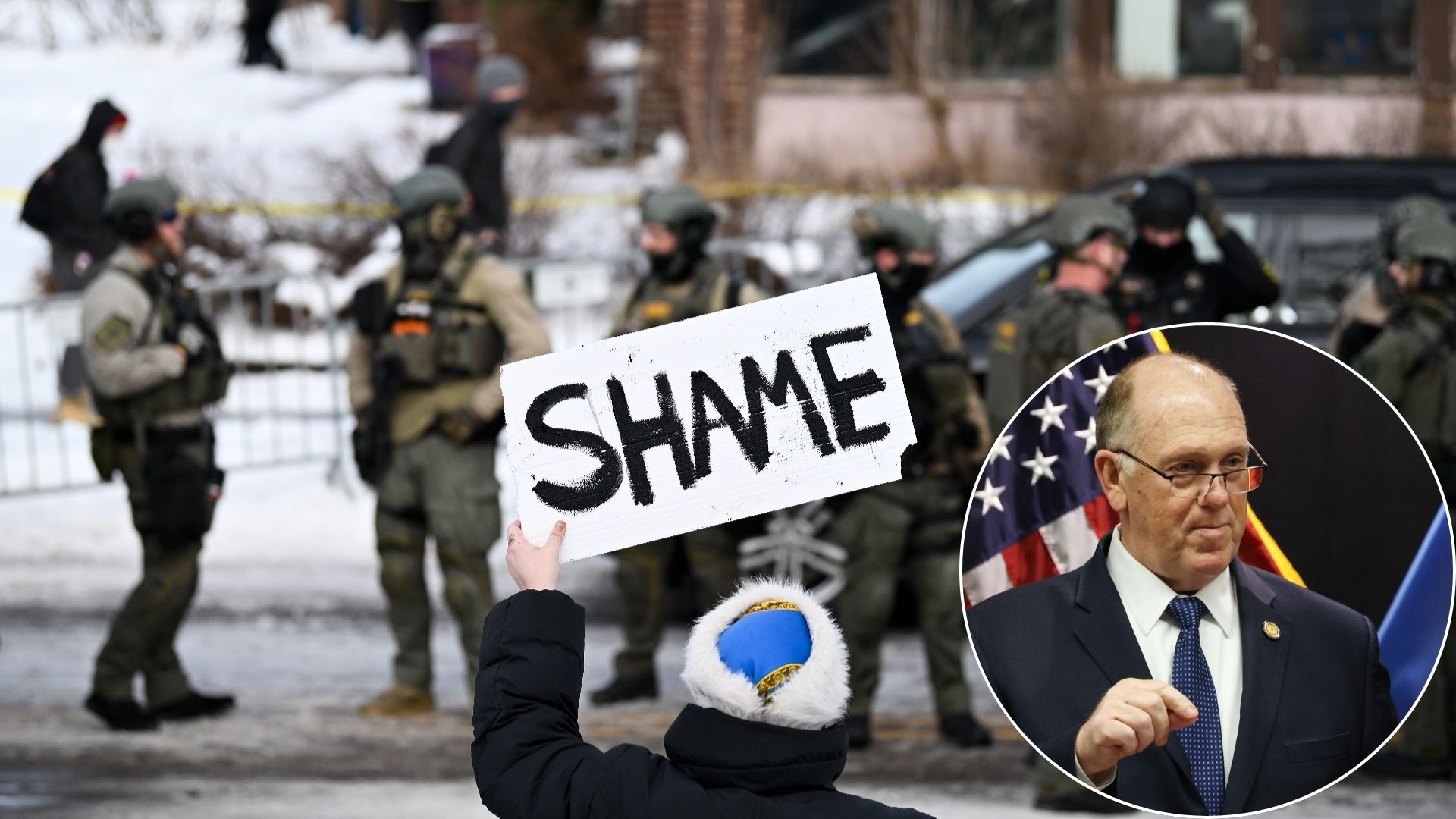
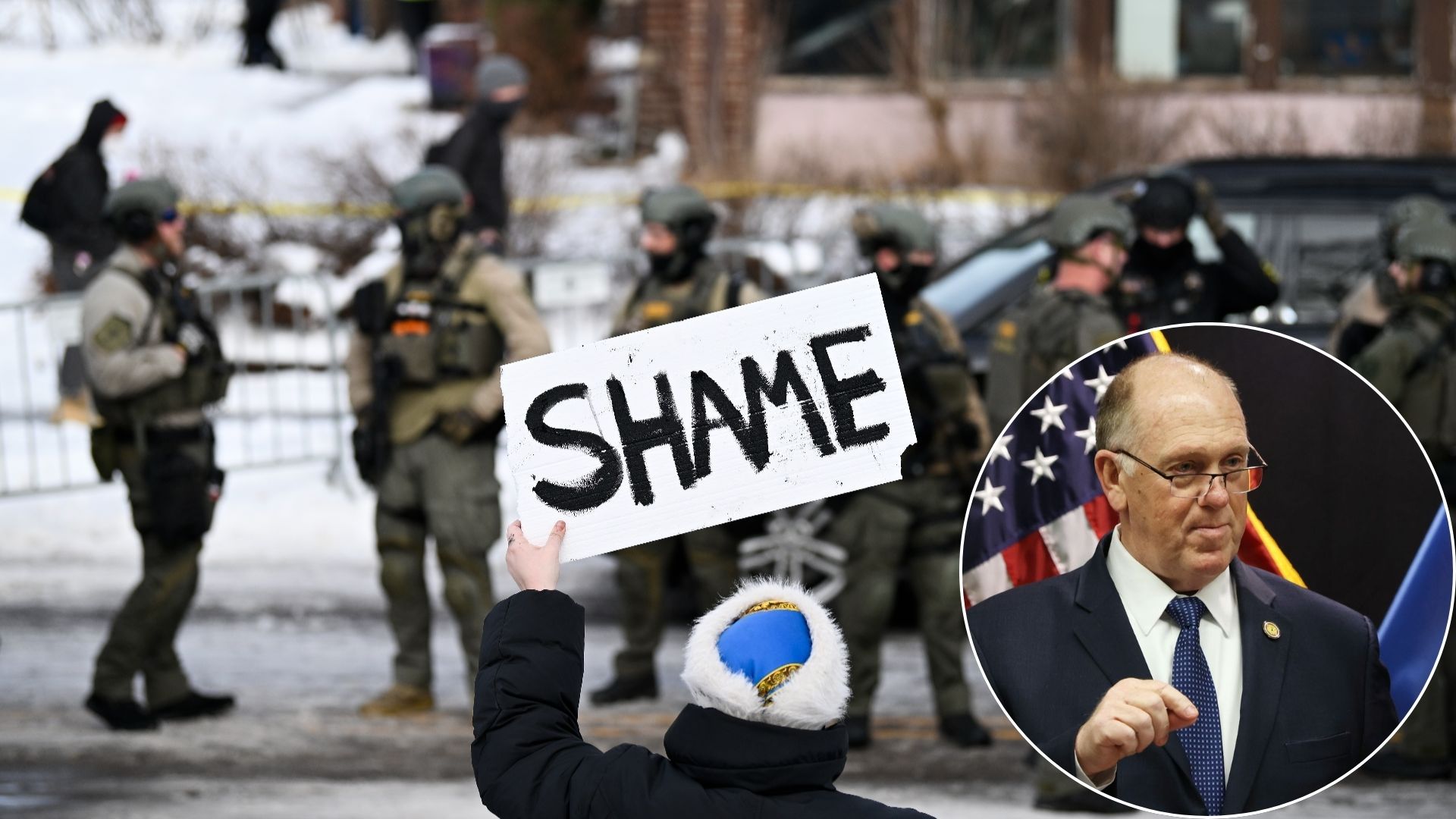
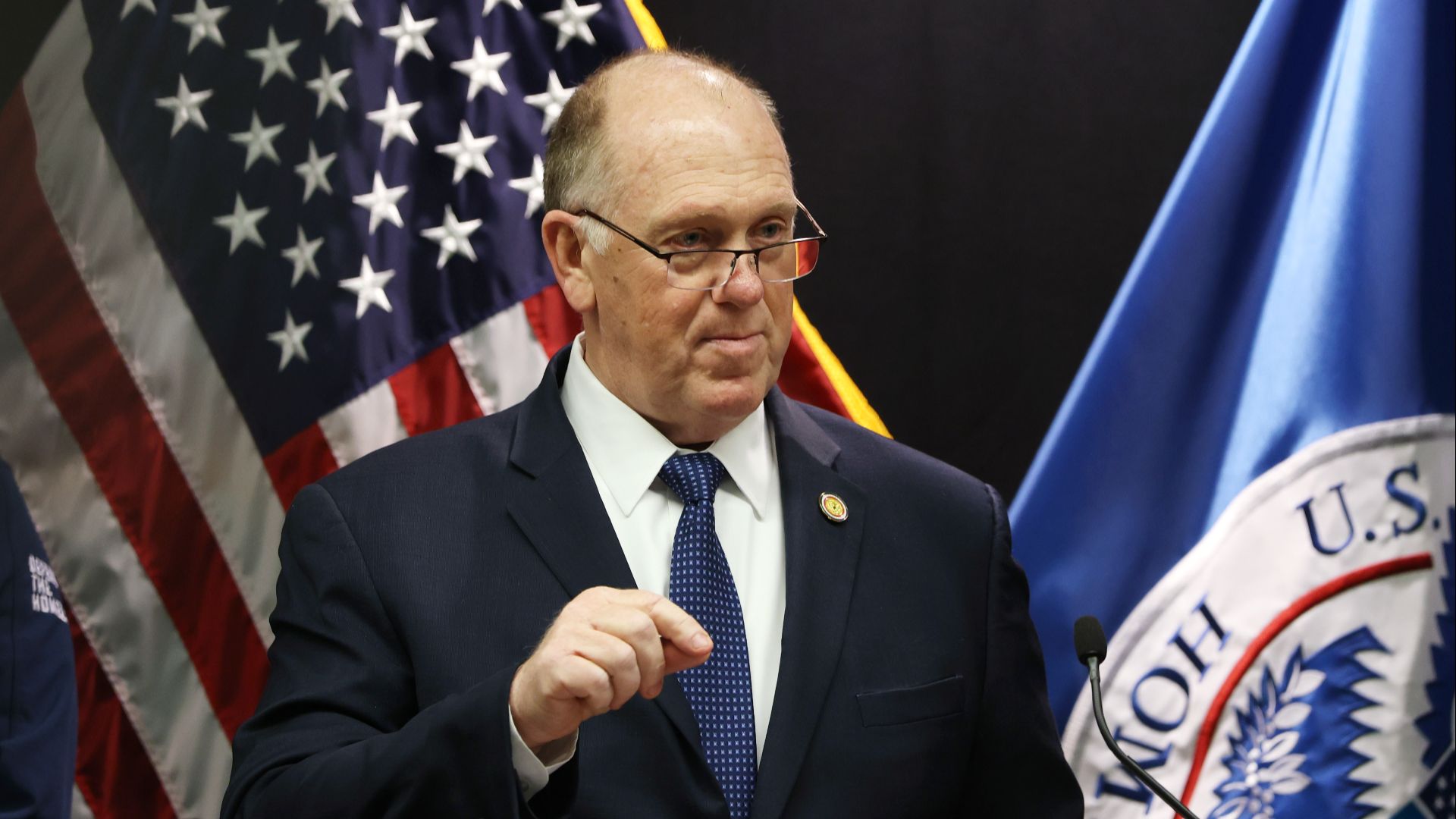
What happened: The operation, dubbed « Metro Surge » by authorities, resulted in more than 4,000 arrests, according to the administration. Sent to oversee the effort, Tom Homan announced a « significant pullback » after weeks of protests, resignations within the local federal prosecutor’s office, and public scrutiny of the methods used. The deployment had been presented as a response to alleged fraud and other criminal activity, particularly in certain Somali immigrant communities.

Tom Homan annonce le retrait

Why the protest grew: The campaign quickly generated strong opposition. Videos, civil rights complaints, and accusations of racial profiling amplified the anger of the population and local actors. Above all, two separate shootings involving federal agents that resulted in the deaths of U.S. citizens shifted the political and media balance of the operation, prompting a re-examination of the tactics used.

Opération Metro Surge

Federal officials argued that the operation had produced « results » and enabled unprecedented cooperation with local forces. Local leaders, however, denounced what they called an « occupation » and warned of lasting damage: fear in neighborhoods, impacts on schools and businesses, and increased distrust of law enforcement.

What the withdrawal changes: The mass departure of agents puts the emphasis back on a more targeted and coordinated strategy, according to authorities—increased use of local detention centers, enhanced cooperation with prisons, and a less ostentatious street presence. Homan presented this move as a strategic readjustment, while insisting on continued efforts to enforce immigration laws.

Retrait des agents ICE

Consequences for communities:

  • Loss of trust: Affected families and witnesses have expressed lasting fear that may reduce cooperation with local police and public services.
  • Social and economic impact: Stigmatization and absence can undermine businesses, jobs, and access to education for children of concerned families.
  • Legal risks: Legal challenges and civil rights complaints may result in lengthy and costly proceedings for federal authorities.

Political issues: The decision to reduce the federal presence comes on the eve of important budgetary and political debates. At the national level, the operation fuels the debate on the legitimacy of large-scale federal deployments and the need for better oversight of urban interventions. At the local level, elected officials and leaders are now demanding guarantees on the transparency of investigations and the protection of civil rights.

Tactiques agressives ICE

What to watch:

  • Investigations into the shootings and subsequent legal proceedings—these will determine, in part, who is responsible and what recourse is available to the families.
  • How local and federal authorities will coordinate operations going forward—a test of institutional trust and respect for rights.
  • The evolution of the public and legislative debate on the resources allocated to immigration agencies and their democratic controls.

Ultimately, the announced withdrawal in Minnesota brings to a close a highly visible period of immigration policy enforcement, but it does not erase the scars left on communities or the questions raised at the national level. The challenge for the authorities will be to balance law enforcement, public safety, and respect for civil rights, while rebuilding broken trust. The coming months will be crucial in determining whether this withdrawal will lead to a more measured and concerted approach or whether it simply heralds a tactical reorganization without any real new guarantees for the populations affected.

Catégories
Uncategorized

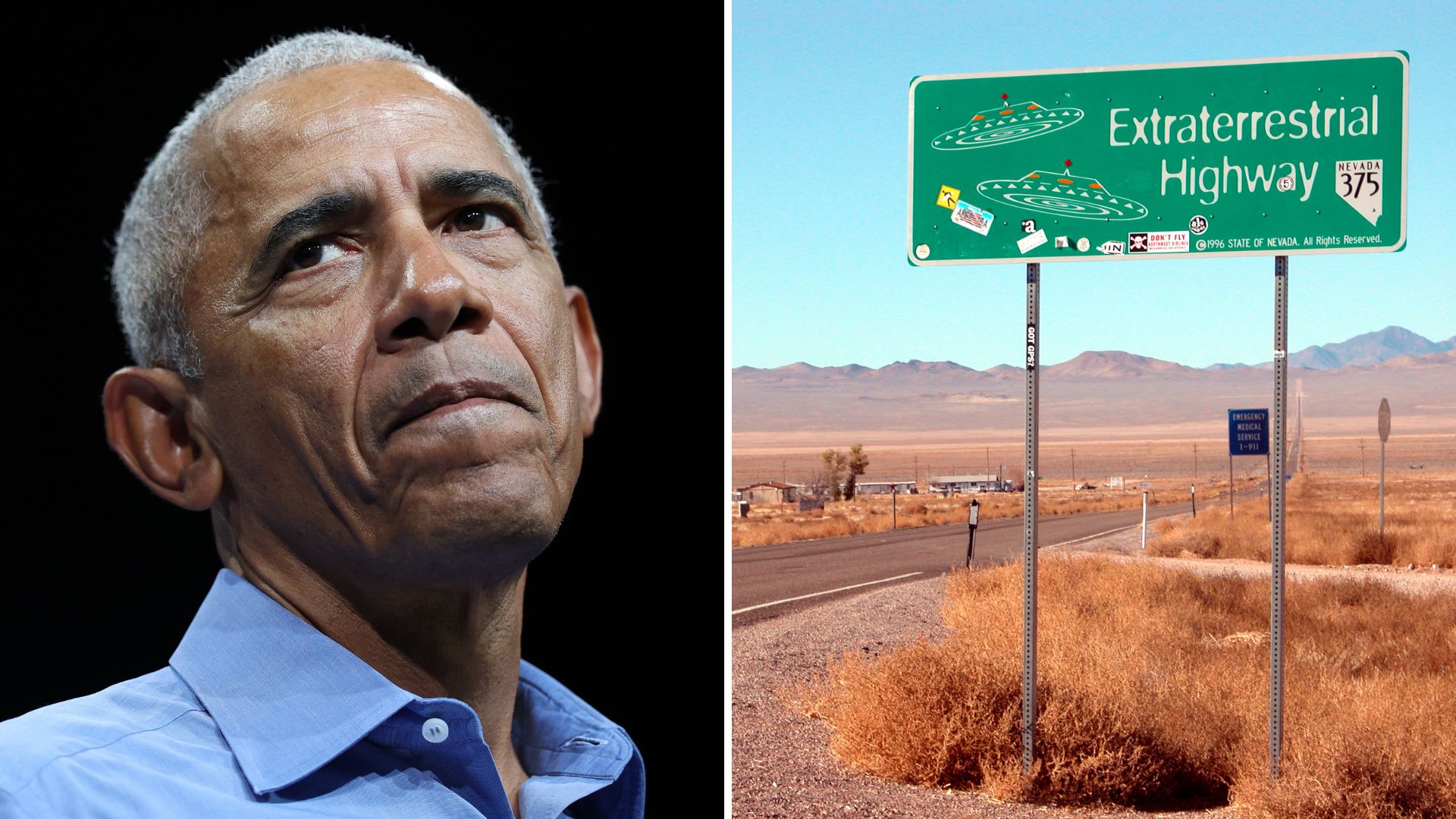
Obama Clarifies Aliens «Are Real» Remark After Going Viral

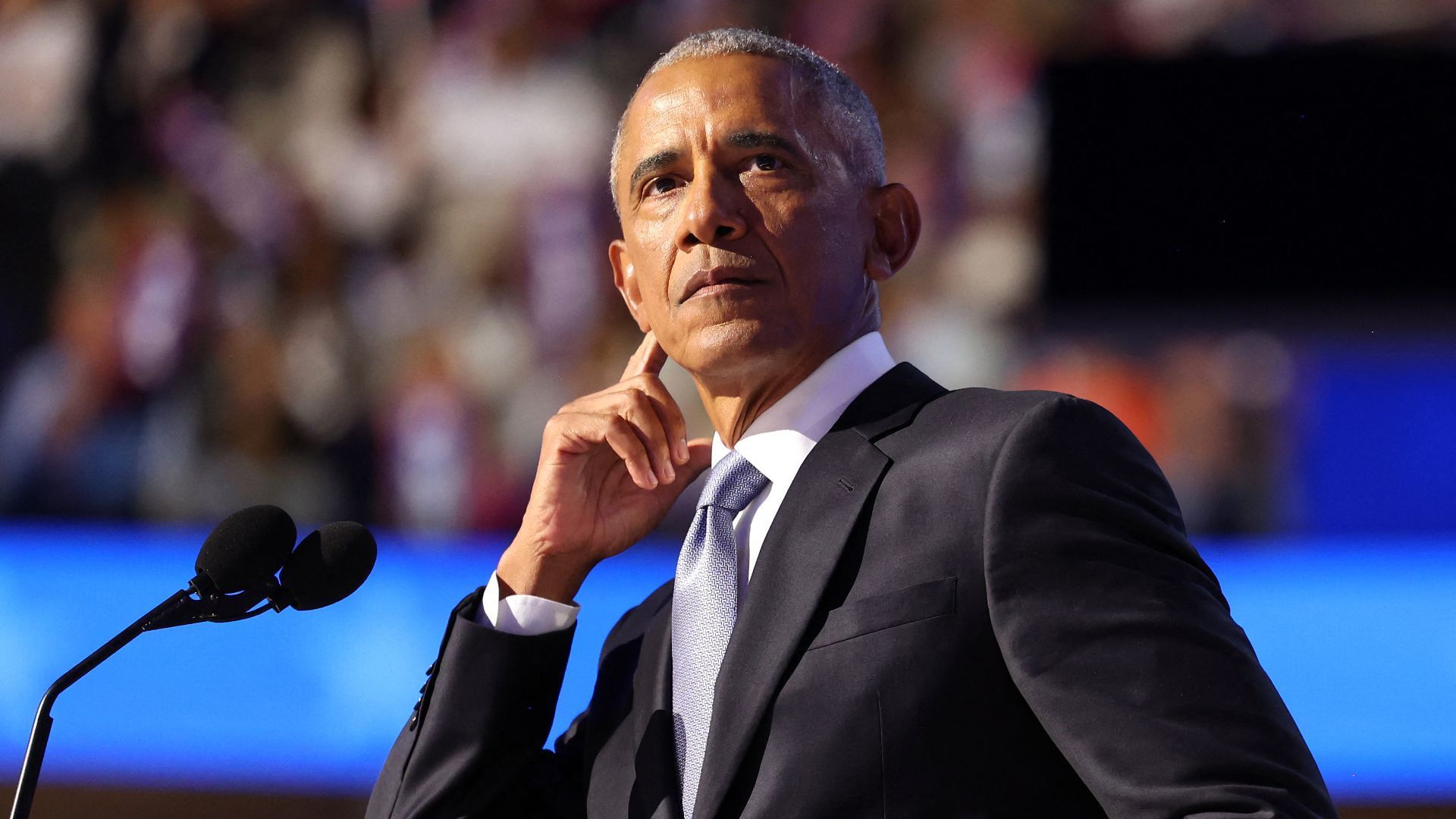
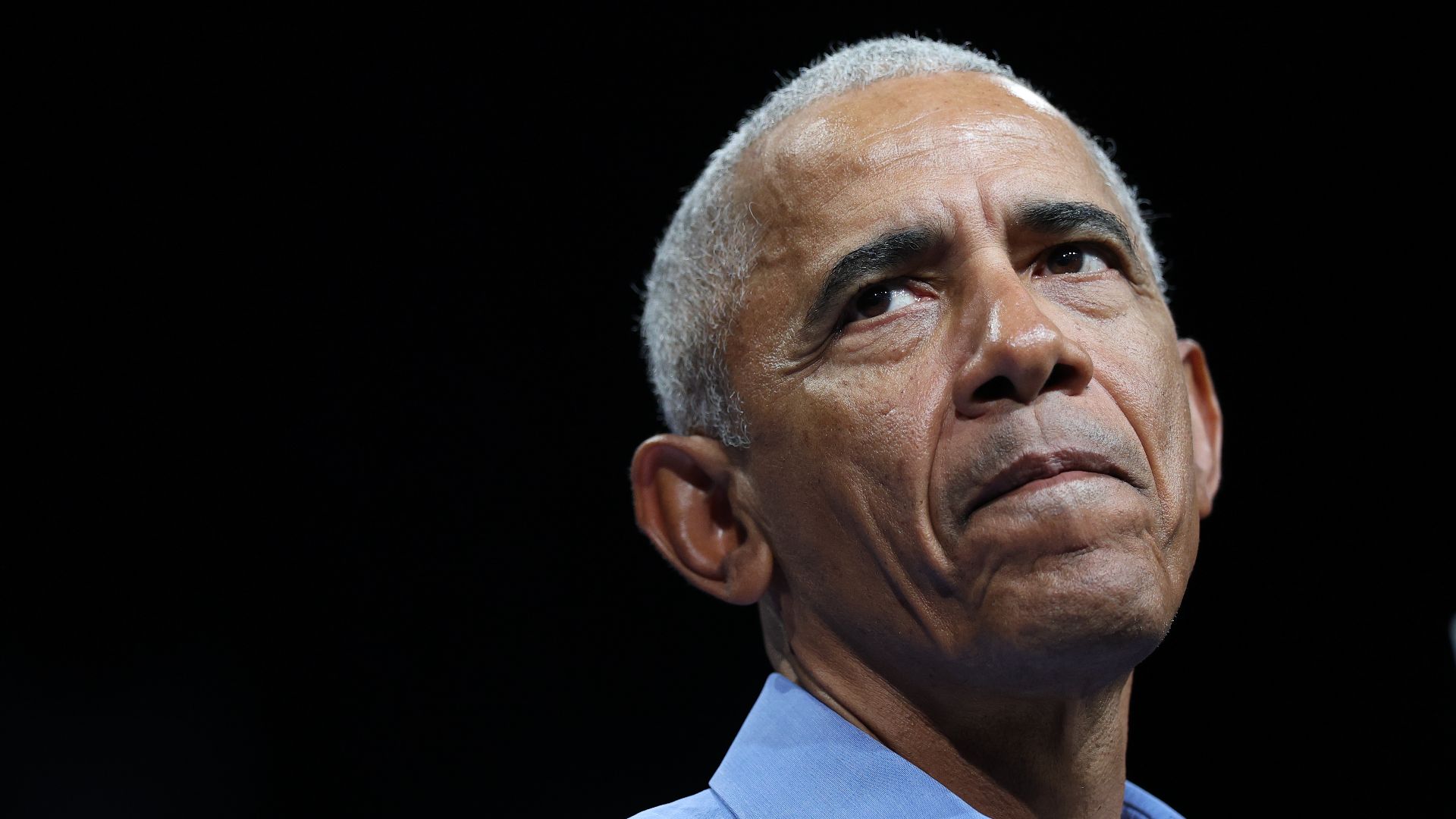
Former President Barack Obama moved quickly to clarify remarks about extraterrestrials after a lighthearted exchange on a podcast spiraled into viral speculation online. During an appearance on the No Lie podcast with Brian Tyler Cohen, Obama was asked directly whether aliens are real.

He responded with a grin: «They’re real, but I haven’t seen them.»

The quip, delivered in a playful tone, was rapidly clipped and shared across social media platforms, where it circulated without full context. Within hours, headlines and trending posts suggested Obama had confirmed the existence of alien life, prompting widespread online debate and renewed fascination with UFO lore.

Getty Images

The moment gained traction precisely because of Obama’s status as a former president with access to classified intelligence. Social media users amplified the short clip, often omitting the broader exchange that followed. In the same conversation, Obama dismissed conspiracy theories surrounding secret government facilities and hidden extraterrestrial evidence.

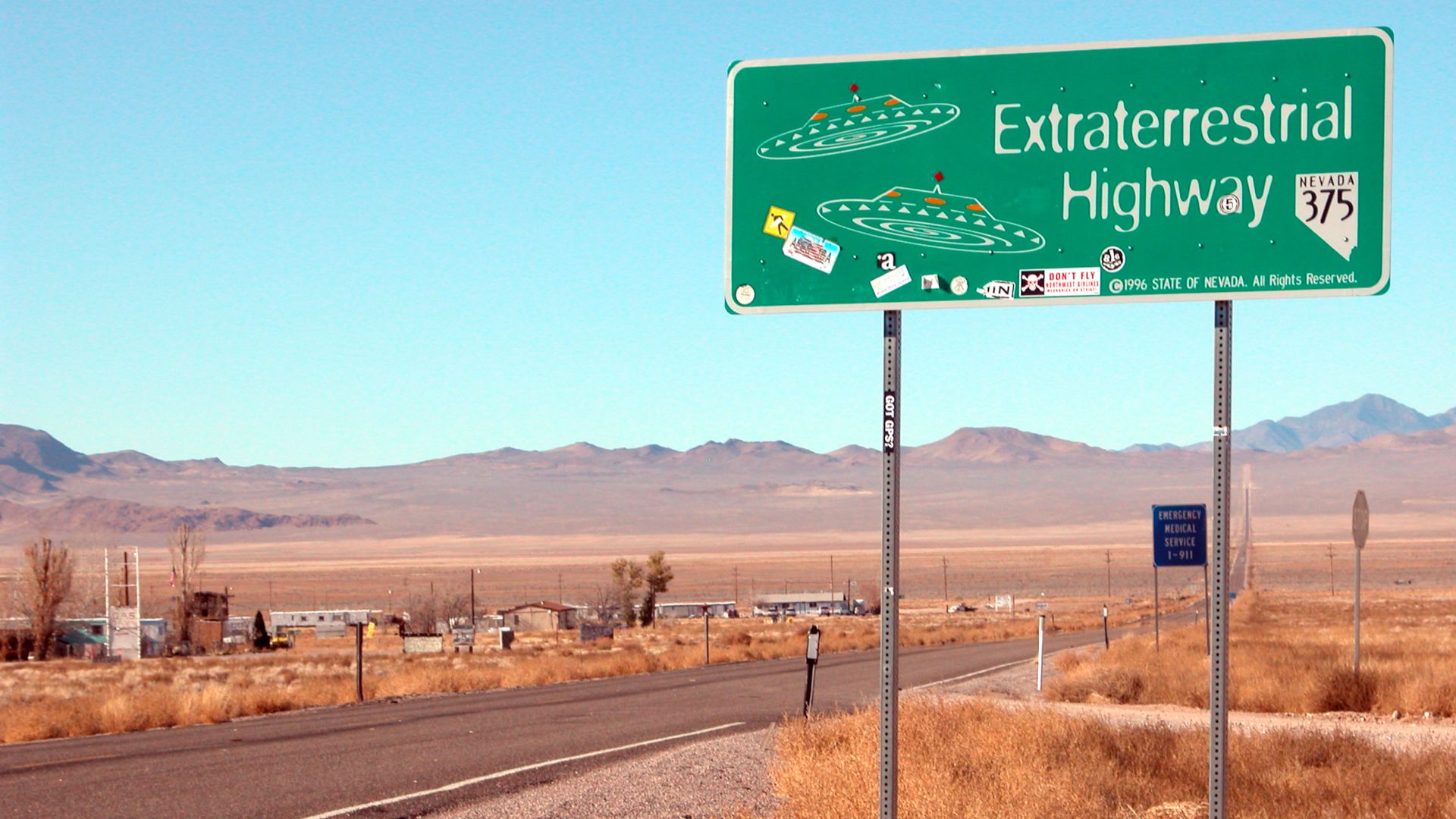
«They’re not being kept in Area 51. There’s no underground facility unless there’s this enormous conspiracy and they hid it from the president of the United States,» he said, undercutting interpretations that he was revealing new information. Nonetheless, the brevity of the viral clip fueled speculation, memes, and commentary across political and pop-culture circles.

«They’re real, but I haven’t seen them.»

-Former President, Barack Obama

As the online buzz intensified, Obama addressed the uproar directly in a follow-up clarification shared on social media. He emphasized that his comment reflected a scientific probability rather than insider knowledge of alien contact. He noted that the universe is vast and that many scientists consider it statistically plausible that life could exist elsewhere, but he stressed that during his time in office he saw no evidence confirming extraterrestrial visitation. The clarification sought to reframe the viral remark as a philosophical observation about cosmic possibility rather than a disclosure about classified findings.

Getty Images

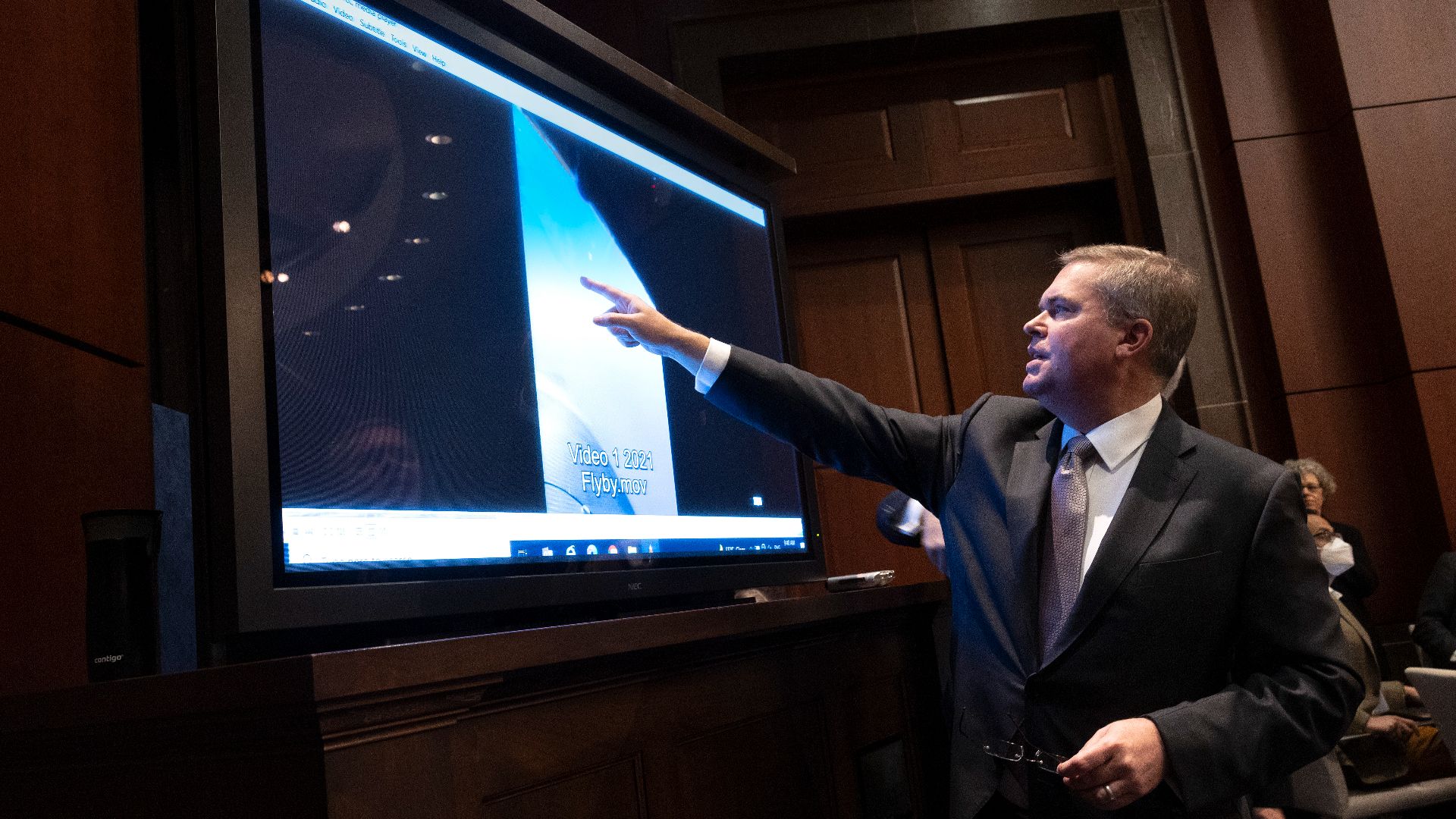
The episode unfolded against a backdrop of sustained public interest in unidentified aerial phenomena, or UAPs, which have been the subject of congressional hearings and declassified Pentagon reports in recent years. Government disclosures acknowledging unexplained sightings have heightened public curiosity, making any statement from a former commander in chief particularly resonant. Obama has previously spoken about UAPs in measured terms, noting that there are objects observed by military personnel that cannot be readily explained, but stopping short of suggesting alien origin. In this instance, the viral reaction illustrated how quickly nuanced comments can be reframed in the digital age.

Getty Images

Political commentators noted that the incident reflects the broader media environment in which soundbites travel faster than full interviews. Clips divorced from context often take on a life of their own, particularly when they involve topics that blur science, mystery, and government secrecy. Obama’s clarification did not dampen the viral momentum immediately, but it redirected the conversation toward the nature of probability and the limits of presidential knowledge. By reiterating that he had seen no evidence of alien life interacting with Earth, he effectively walked back interpretations that suggested a revelation.

«They’re not being kept in Area 51. There’s no underground facility unless there’s this enormous conspiracy and they hid it from the president of the United States.»

-Former President Barack Obama

Ultimately, the episode became less about extraterrestrials and more about the mechanics of modern virality. A single line — «They’re real, but I haven’t seen them» — traveled globally within hours, detached from its humorous delivery and subsequent explanation. Obama’s swift clarification underscored how public figures must navigate an environment where even offhand remarks can ignite worldwide speculation. While no new evidence of alien life emerged from the exchange, the viral cycle surrounding his comment demonstrated once again how quickly curiosity, conspiracy, and celebrity can collide in the digital era.

Getty Images
Catégories
Uncategorized

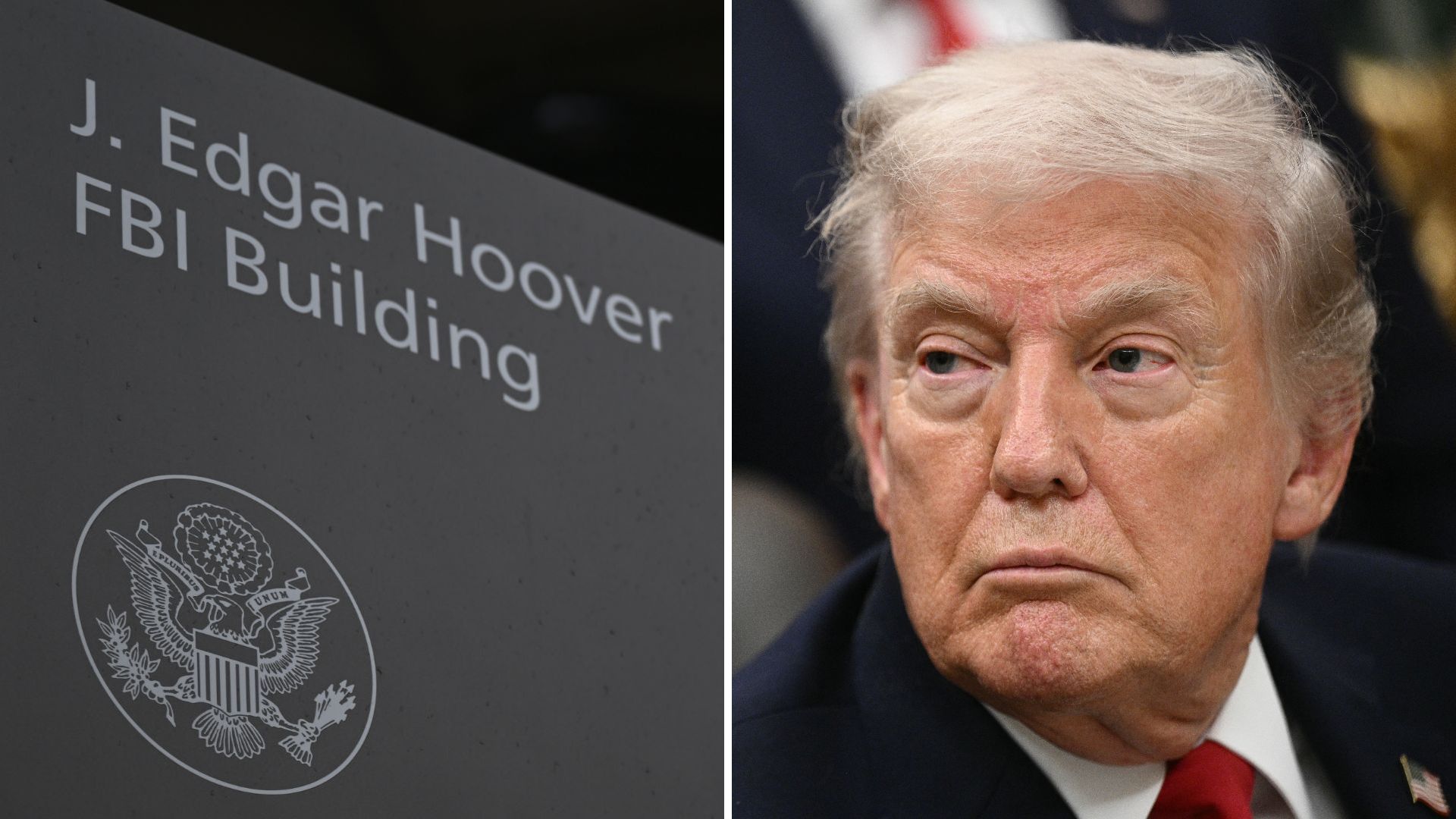
‘Unusual’ FBI Meeting With Election Officials Raises Questions as Trump Seeks to ‘Nationalize the Voting’

Election officials from across the United States have been invited to an unexpected and “unusual” briefing hosted by the Federal Bureau of Investigation and other federal agencies ahead of the 2026 midterm elections, raising questions about federal engagement in election administration. The invitation, confirmed by state officials who received it, is scheduled for February 25 and includes participation from the FBI, the Department of Justice, the Department of Homeland Security, the U.S. Postal Inspection Service and the Election Assistance Commission. The invitation was signed by Kellie M. Hardiman, identifying herself as an “FBI Election Executive,” a role unfamiliar to many officials. The official who shared the invitation anonymously told reporters it was “unusual and unexpected,” adding that several states wondered about the purpose of the meeting and the authority of the newly titled FBI official.

Getty Images

The meeting comes amid mounting tensions between state election administrators and federal officials over the structure and security of elections. State officials, who are constitutionally responsible for setting and administering the rules of elections, have increasingly pushed back against federal actions they view as overreach. One unnamed election official said, «No one has heard of this person — and we’re all wondering what an ‘FBI Election Executive’ is,» underscoring uncertainty among administrators about federal intentions. The invitation itself stated the briefing would cover “preparations for the cycle, as well as updates and resources we can provide to you and your staff,” a description that has done little to quell speculation about the meeting’s goals.

«He wants to make sure he can steal the midterm elections if his party loses, and no better way to do that than to get election administration out of the hands of pesky officials who insist on doing a fair count.»

-Former U.S. attorney, Joyce Vance

The context for this unusual invitation is a broader political backdrop in which President Donald Trump and some Republican allies have repeatedly expressed support for altering how elections are run.

In a recent interview on a conservative podcast, Trump said, «The Republicans should say: ‘We want to take over. We should take over the voting in at least — many, 15 places,’» and added:

«The Republicans ought to nationalize the voting.» Those remarks have alarmed election experts who view state control over elections as a constitutional guarantee. The U.S. Constitution gives states the primary role in administering elections, though Congress can set some regulations, and critics say any push to federalize elections threatens long-standing decentralization designed to safeguard electoral integrity.
Getty Images

Federal law enforcement’s outreach to state officials has precedent, but the role outlined in the invitation appears novel and has generated commentary from legal and electoral experts.

According to Raw Story, Joyce Vance, a former U.S. attorney who served during the Obama administration and has written extensively on election-related legal issues, raised concerns about the “FBI Election Executive” title in a post published on her Substack. Vance suggested the new designation could signal an effort to expand federal influence over election administration ahead of a politically charged midterm cycle. In her commentary, she wrote:

«With Trump, his complaints about others are always projection: He wants to make sure he can steal the midterm elections if his party loses, and no better way to do that than to get election administration out of the hands of pesky officials who insist on doing a fair count.» Her remarks reflected broader unease among critics about the timing and purpose of the federal outreach.

Getty Images

The unusual invitation also follows a tense exchange at a recent gathering of the National Association of Secretaries of State (NASS), where federal and state officials debated election roles.

That meeting underscored deep divisions, with state election directors emphasizing their constitutional authority and federal representatives underscoring their interest in securing election systems against fraud and cyber threats. These divisions have been further inflamed by recent actions such as the Department of Justice’s lawsuit seeking voter roll data from dozens of states, and an FBI raid on a county elections office in Fulton County, Georgia, related to the 2020 election. Together, these developments have heightened sensitivities among election officials about the boundaries of federal involvement.

«The Republicans should say: ‘We want to take over. We should take over the voting in at least — many, 15 places.’»

-President, Donald Trump

As the 2026 midterms approach, the invitation to the federal briefing has become a flashpoint in broader national debates about election integrity, institutional authority and political influence. State officials plan to attend the February 25 meeting, but many said they approach it with caution, seeking clarity on agenda and intent. With President Trump reiterating the need for Republican success in November and urging a federalized approach to voting, the meeting has taken on added significance beyond routine preparations. Whether the discussion will assuage concerns or deepen mistrust among state election administrators remains to be seen, but the event has already sparked a national debate about federal and state roles in American elections.

Getty Images
Catégories
Uncategorized

Alexei Navalny Died From Poison Dart Frog Toxin, According To 5 Countries

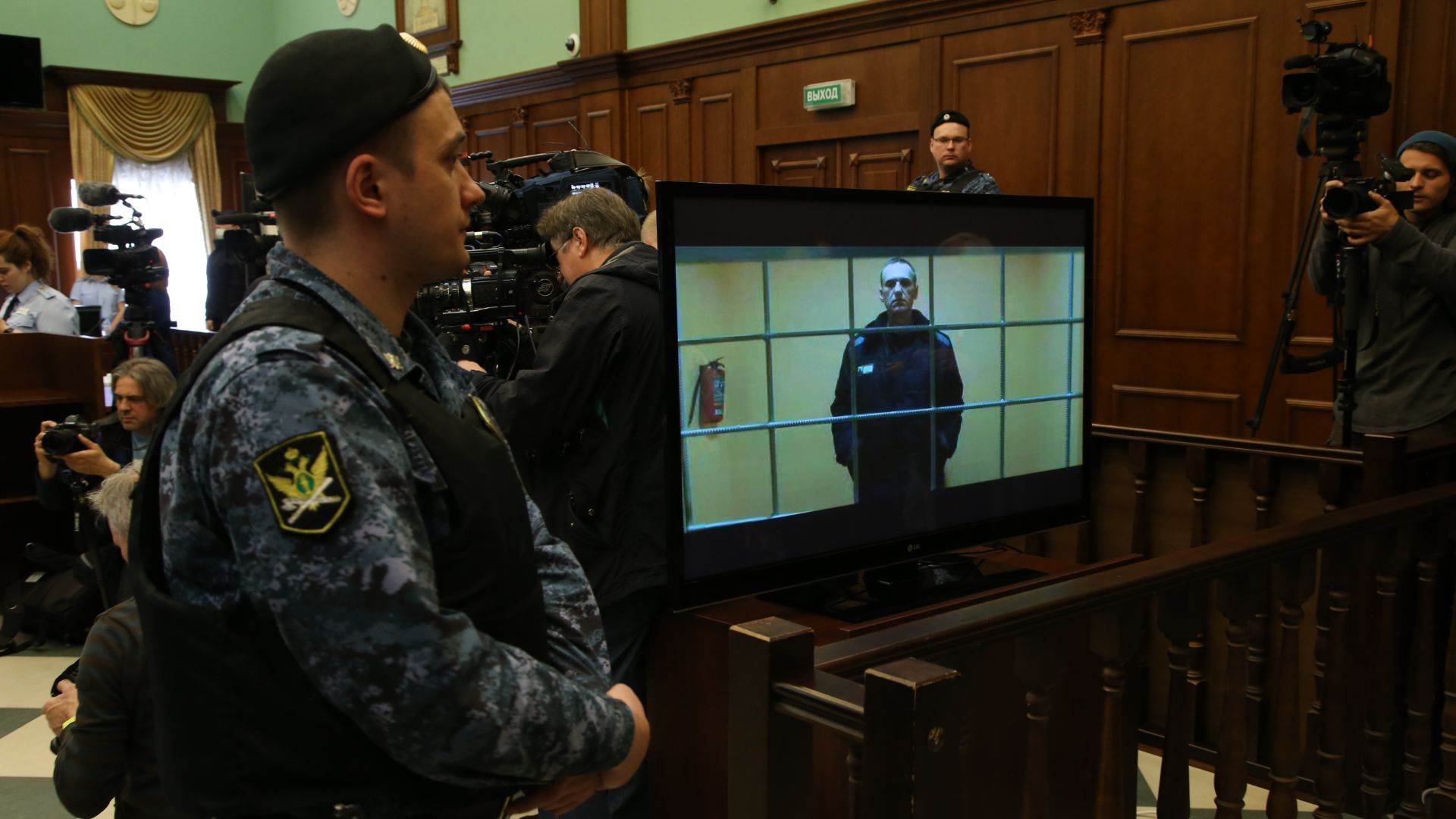
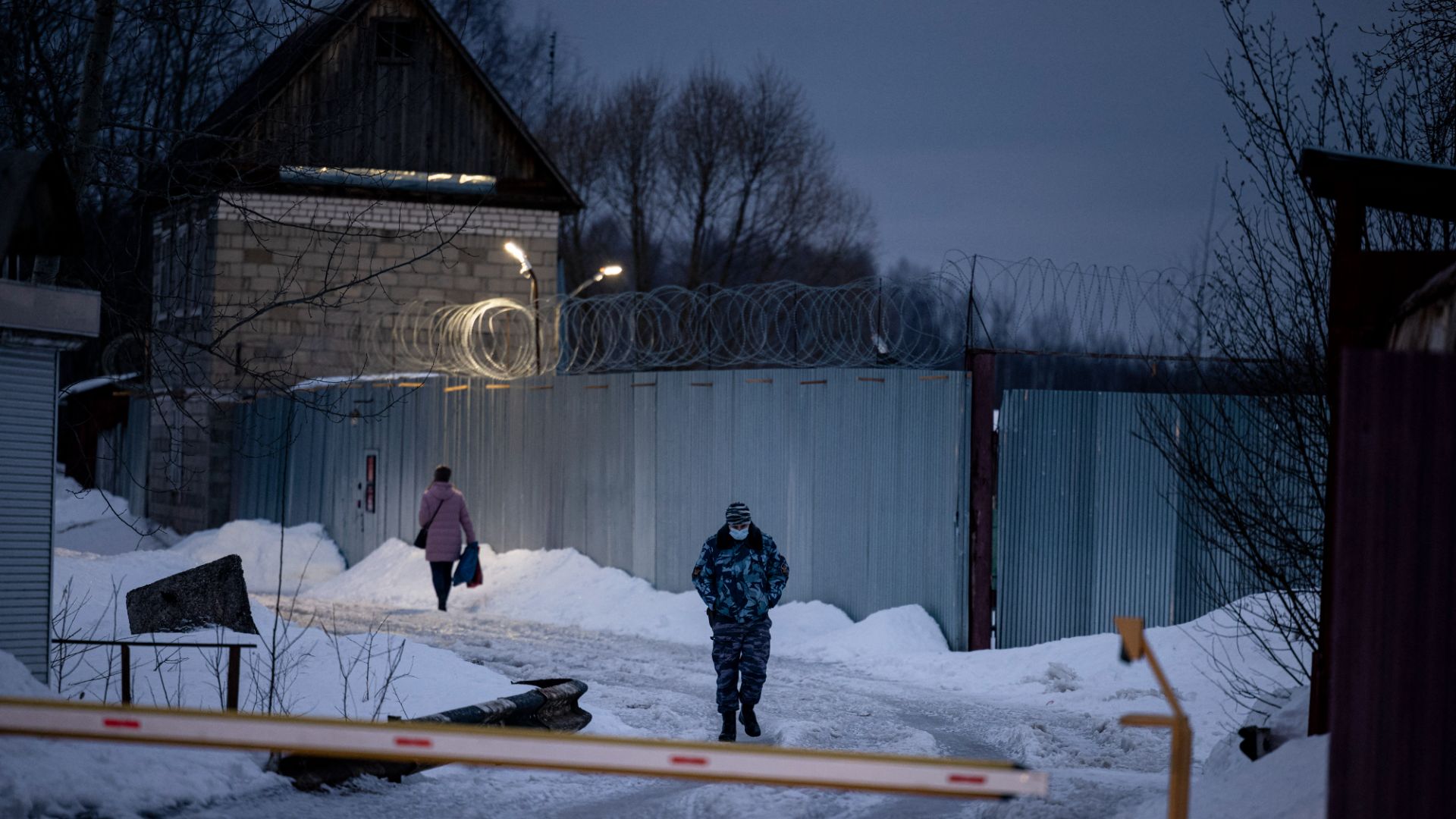
The United Kingdom, France, Germany, Sweden and the Netherlands have issued a joint statement declaring they are confident Russian opposition leader Alexei Navalny was killed by poisoning with a lethal toxin derived from poison dart frogs. The announcement, published on 14 February 2026, represents the strongest coordinated accusation to date by European governments over Navalny’s death in a Russian prison colony in February 2024. The five countries said their conclusion was based on laboratory analyses of samples taken from Navalny, which they said confirmed the presence of epibatidine, a powerful toxin most commonly associated with poison dart frogs in South America. Russia previously claimed Navalny died of natural causes, but European officials said the evidence now points to deliberate poisoning.

Getty Images

In the joint statement, the five governments said the findings were based on toxicology results that left little doubt about what was detected. «This is the conclusion of our Governments based on analyses of samples from Alexei Navalny. These analyses have conclusively confirmed the presence of epibatidine,» the statement said. It described epibatidine as «a toxin found in poison dart frogs in South America» and stressed: «It is not found naturally in Russia.» The governments argued that the official Russian narrative no longer holds up under the scientific evidence. «Russia claimed that Navalny died of natural causes. But given the toxicity of epibatidine and reported symptoms, poisoning was highly likely the cause of his death,» they said, framing the case as a deliberate act committed under state custody.

«He was killed, he was very young — less than 50. He spent his last years in torturous conditions … Putin killed him.»

-Yulia Navalnaya

The statement directly connected the circumstances of Navalny’s imprisonment to the plausibility of the poisoning, pointing to opportunity as well as motive. «Navalny died while held in prison, meaning Russia had the means, motive and opportunity to administer this poison to him,» the five governments said. The document also accused Moscow of continued violations of international law, adding: «Russia’s repeated disregard for international law and the Chemical Weapons Convention is clear.» By naming both the Chemical Weapons Convention and the Biological and Toxin Weapons Convention, European officials signaled they view the alleged poisoning as not only a political killing but also a breach of international arms control agreements. The statement said the findings “underline the need to hold Russia accountable” for repeated violations.

Getty Images

European governments also framed Navalny’s death as part of a longer pattern involving the use of prohibited agents linked to Russia. The statement recalled the international response to Navalny’s poisoning in 2020, when Western governments concluded he had been targeted with Novichok, a nerve agent. «In August 2020 the UK, Sweden, France, Germany, The Netherlands and partners condemned Russia’s use of novichok to poison Alexei Navalny,» the statement said. It also cited the Salisbury poisoning in 2018, adding: «This followed Russia’s use of novichok in Salisbury in 2018, which led to the tragic death of a British woman, Dawn Sturgess.» The governments argued that in both cases, the evidence pointed to Moscow. «In both cases, only the Russian state had the combined means, motive and disregard for international law to carry out the attacks,» the statement said.

«Russia claimed that Navalny died of natural causes. But given the toxicity of epibatidine and reported symptoms, poisoning was highly likely the cause of his death.»

-Joint Statement by the UK, Sweden, France, Germany and The Netherlands

The five countries said they have already escalated the matter through international institutions and warned that the issue could lead to further action. «Our Permanent Representatives to the Organisation for the Prohibition of Chemical Weapons have written today to the Director General to inform him of this Russian breach of the Chemical Weapons Convention,» the statement said. They also raised concerns about whether Russia complied fully with prior disarmament commitments.

«We are further concerned that Russia did not destroy all of its chemical weapons,» they added. The joint statement ended with a clear warning of potential consequences, saying: «We and our partners will make use of all policy levers at our disposal to continue to hold Russia to account.» It was signed off as «Agreed by the Foreign Ministers of France, Germany, The Netherlands, Sweden and the UK.»

Getty Images

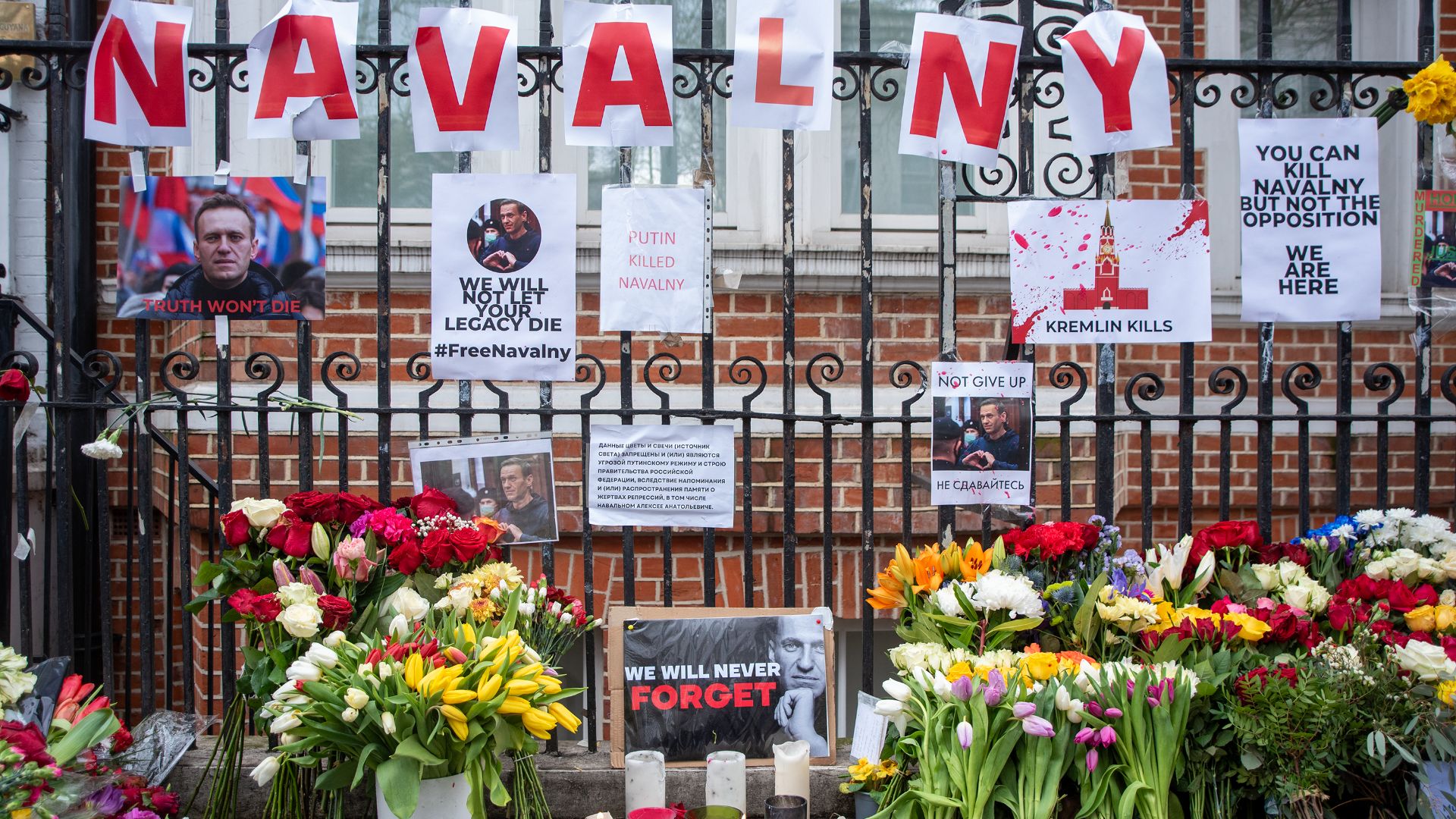
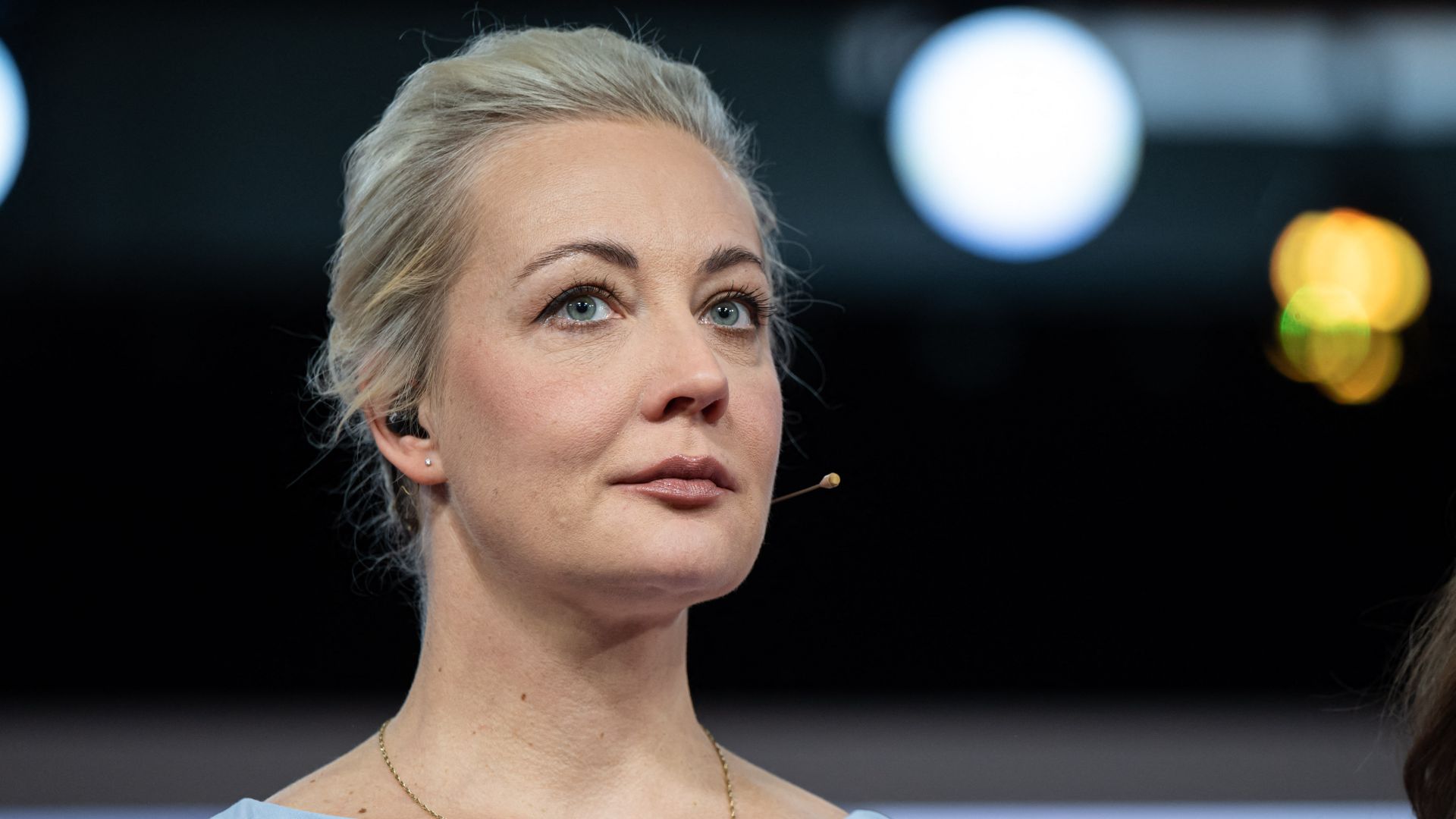
The announcement has renewed international attention on Navalny’s death and intensified diplomatic pressure on Moscow, while also bringing a measure of validation to his family. Yulia Navalnaya publicly welcomed the findings, saying the conclusions provided long-sought certainty about how her husband died. «He was killed, he was very young — less than 50. He spent his last years in torturous conditions … Putin killed him,» she said after the European statement was released. She added that she had previously been told it would be “impossible” to determine definitively how he died, and expressed gratitude to the governments involved for establishing what she described as clarity. «That we know now that my husband was killed,» she said, predicting that «one day there will be justice for Vladimir Putin.»

Getty Images