Catégories
Uncategorized

El Paso Airspace Mysteriously Closed for «special security reasons» in Unprecedented Move Since 9/11

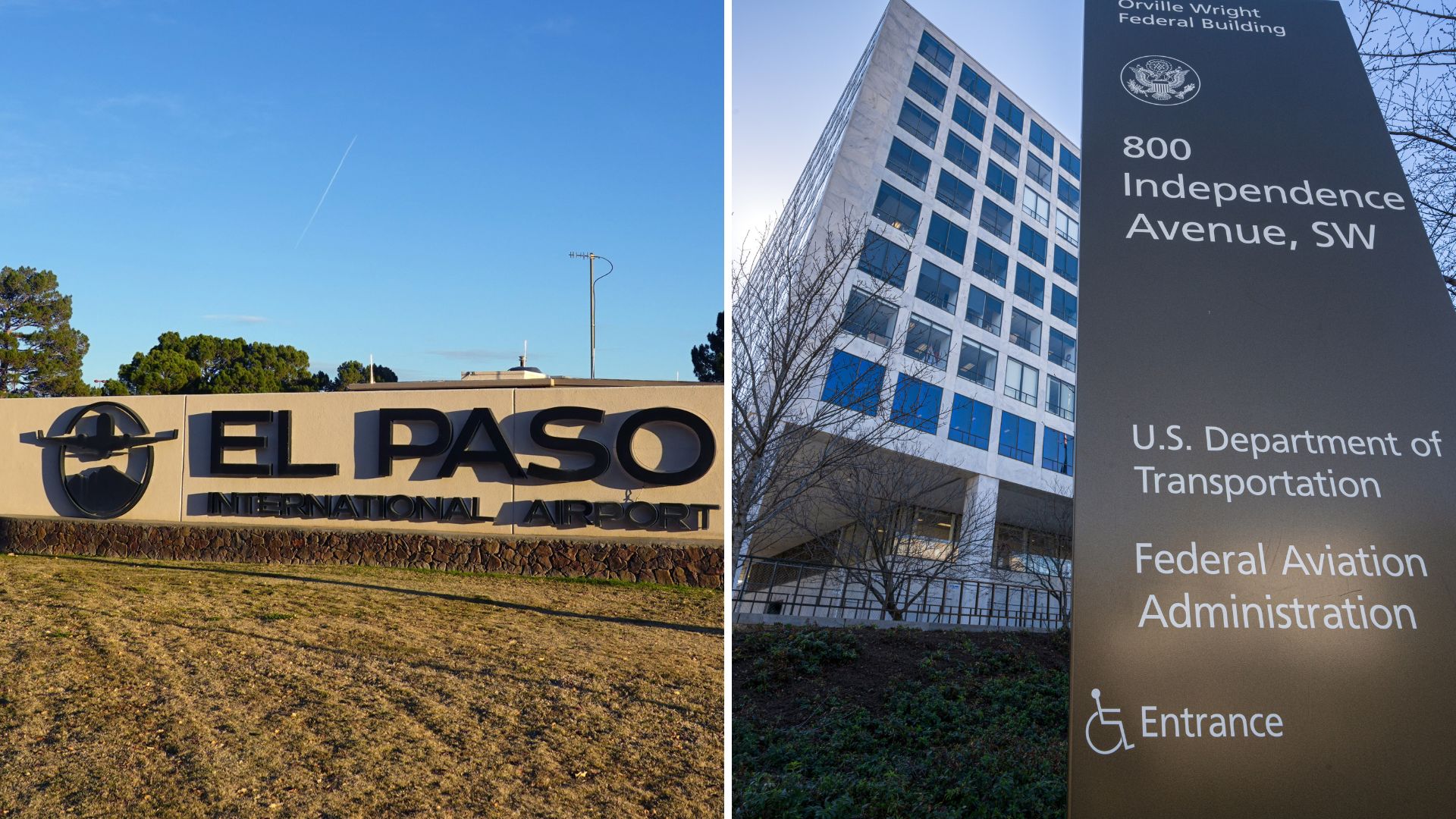
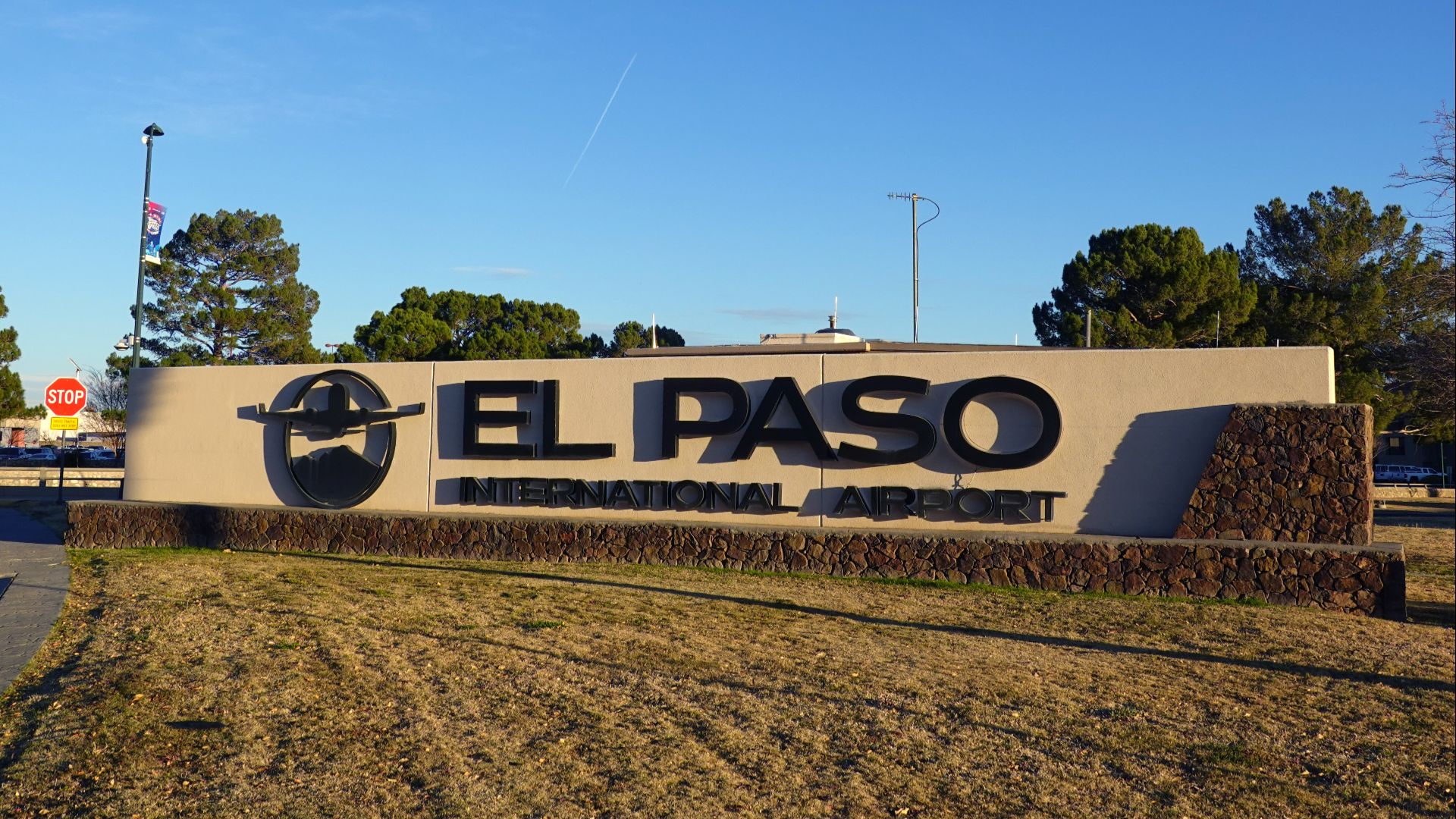
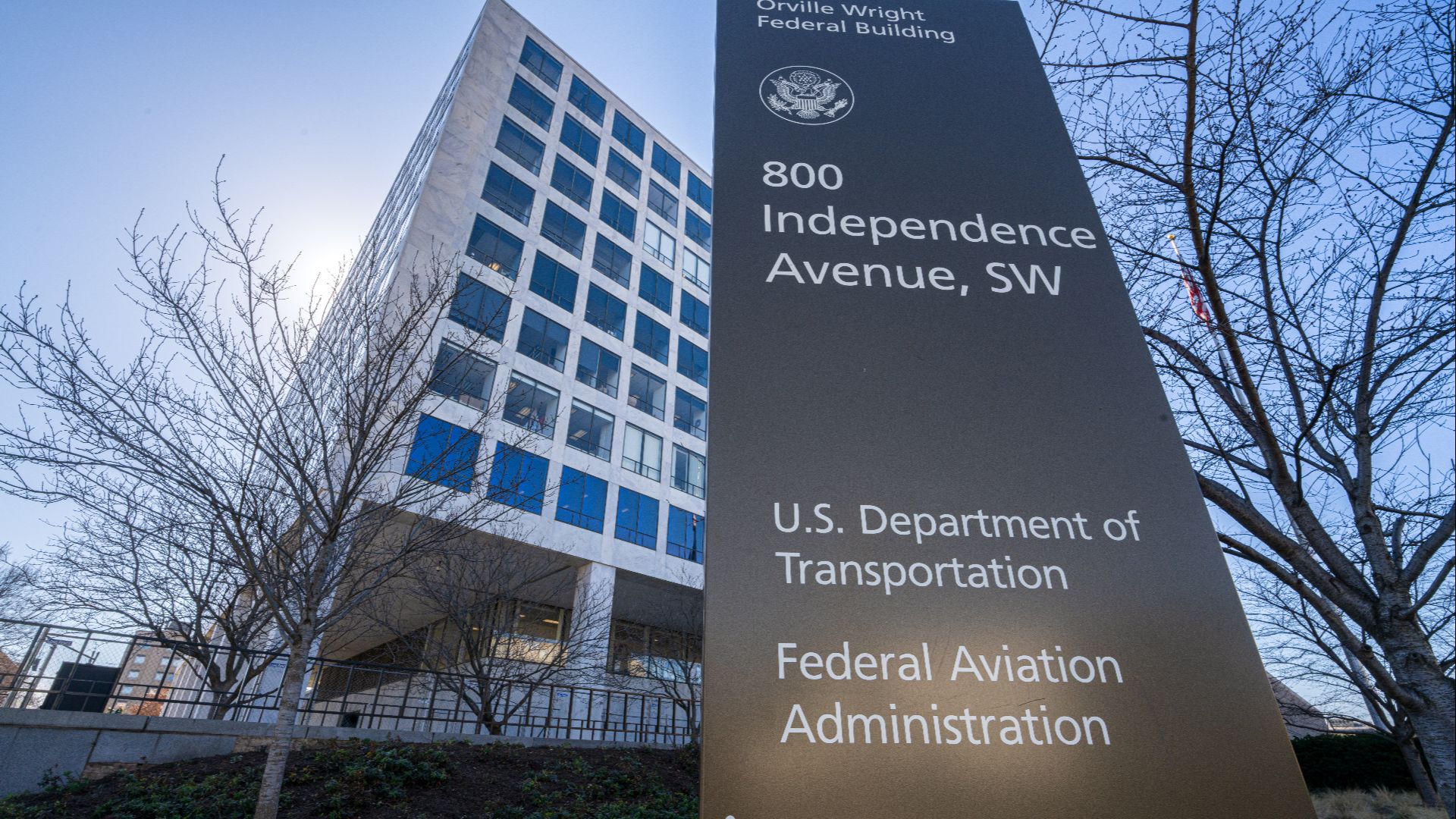
The Federal Aviation Administration abruptly shut down airspace over El Paso, Texas, late Tuesday, grounding flights to and from El Paso International Airport under a temporary flight restriction that was initially set to last 10 days. The FAA notice covered flights up to 18,000 feet around the city and extended into parts of southern New Mexico, effectively stopping commercial and general aviation operations. The agency described the restriction as being enacted for «special security reasons» but did not provide any additional details explaining what prompted the sudden order. The closure immediately disrupted passengers and airlines, which began issuing waivers and warning customers of potential delays and cancellations.
Getty Images

The planned 10-day shutdown was described as unusually sweeping, with the FAA classifying the affected zone as «(National) Defense Airspace». According to CNN, the restriction included warnings that aircraft violating the order could be intercepted, detained and questioned by law enforcement. The FAA also warned that enforcement actions could include suspension of flight certifications and criminal charges, and said the U.S. government may use deadly force if an aircraft posed an imminent security threat:

«Pilots who do not adhere to the following proc may be intercepted, detained and interviewed by law enforcement/security personnel. The United States government may use deadly force against the airborne aircraft, if it is determined that the aircraft poses an imminent security threat.»

The measures suggested an exceptional level of urgency, even though no public explanation was offered. The restriction was issued on short notice, leaving airport staff and travelers scrambling for answers.
Getty Images

Audio captured by LiveATC.net documented the moment pilots were informed of the grounding, reflecting the surprise within aviation operations. An air-traffic controller was heard telling flight crews, «Just pass it on to everybody else, at 06:30 for the next 10 days, we’re all at a ground stop.» A pilot responded, «OK, ground stop 06:30 for how long?» The controller replied, «Ten days.» The pilot then asked, chuckling, «So the airport is totally closed?» The controller answered, «Apparently, we just got informed about 30 minutes to an hour ago.» The exchange highlighted the lack of advance warning and the unusual scale of the closure.

«From what my office and I have been able to gather overnight and early this morning, there is no immediate threat to the community or surrounding areas.»

Democratic Representative, Veronica Escobar

El Paso International Airport, which sits next to the U.S. military’s Biggs Army Airfield on Fort Bliss and across the border from Ciudad Juárez, Mexico, confirmed the suspension of flights and said operations would be grounded until February 20. CBC reported the airport had posted on Instagram that flights were grounded from just before midnight on February 11 for a 10-day period. The airport serves as a major gateway for West Texas, southern New Mexico, and northern Mexico, and it handled nearly 3.5 million passengers in the first 11 months of 2025. The sudden shutdown created immediate disruption in a region heavily reliant on air traffic and cross-border commerce.
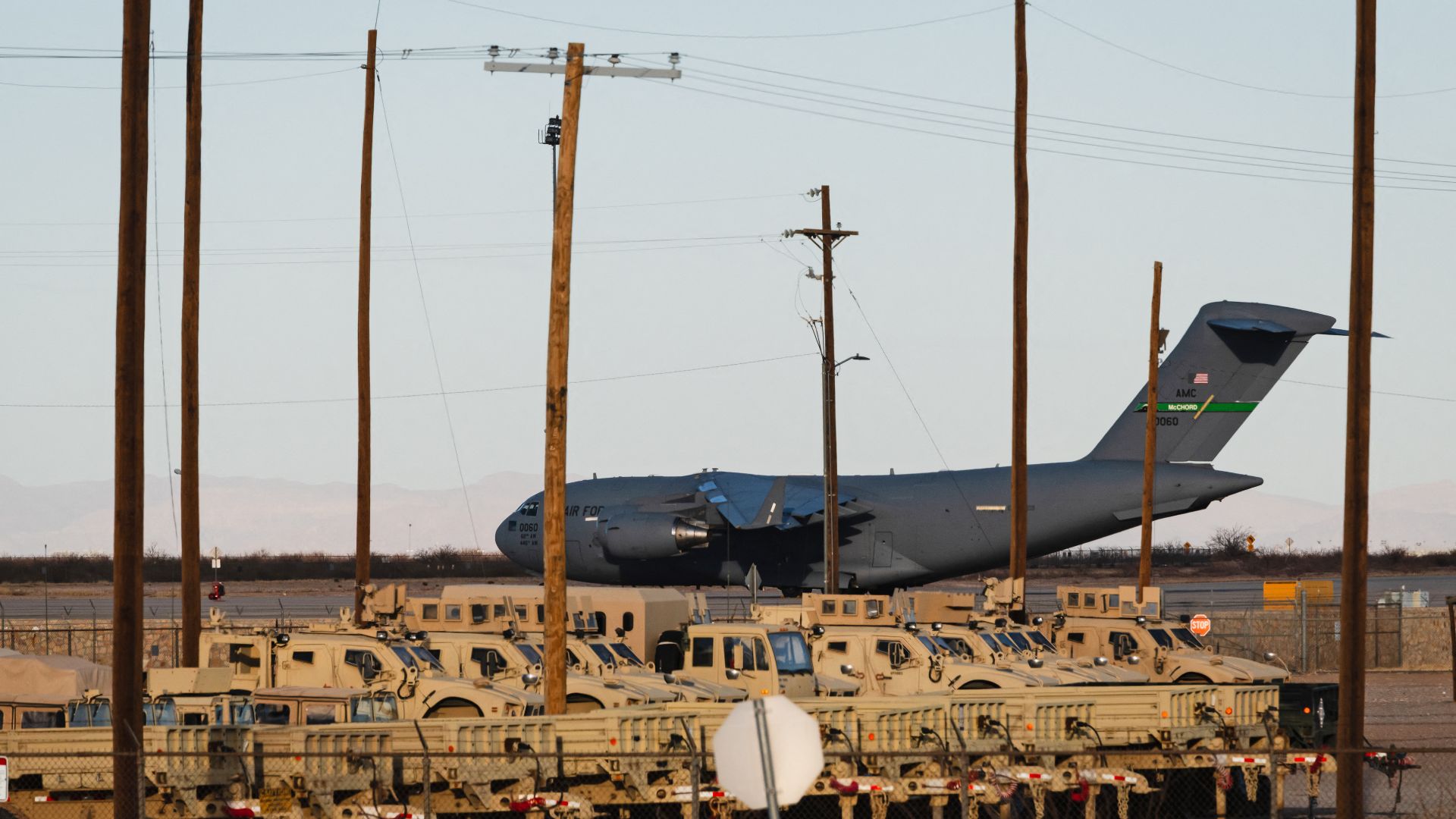
Getty Images

The closure also triggered concern from elected officials. Democratic Representative Veronica Escobar, whose congressional district includes El Paso, said she had received no advance notice from federal authorities and urged the FAA to lift the restriction. She posted on X, «From what my office and I have been able to gather overnight and early this morning, there is no immediate threat to the community or surrounding areas.» Escobar also noted that «There was no advance notice provided to my office, the City of El Paso, or anyone involved in airport operations.» Her comments underscored how unexpectedly the decision was imposed and how little information was shared publicly during the shutdown.

«Pilots who do not adhere to the following proc may be intercepted, detained and interviewed by law enforcement/security personnel. The United States government may use deadly force against the airborne aircraft, if it is determined that the aircraft poses an imminent security threat.»

-The Federal Aviation Administration

Despite being announced as a 10-day measure, the FAA reversed course within hours. By Wednesday morning, the agency lifted the temporary restriction and announced, «there is no threat to commercial aviation. All flights will resume as normal.» CNN reported the FAA provided no additional explanation beyond that statement. The quick reopening left unanswered questions about why the airspace was closed in the first place and why such sweeping restrictions were deemed necessary. Both CNN and CBC noted that the closure was exceptionally rare for a single U.S. city and evoked comparisons to the nationwide grounding of flights following the September 11 attacks.
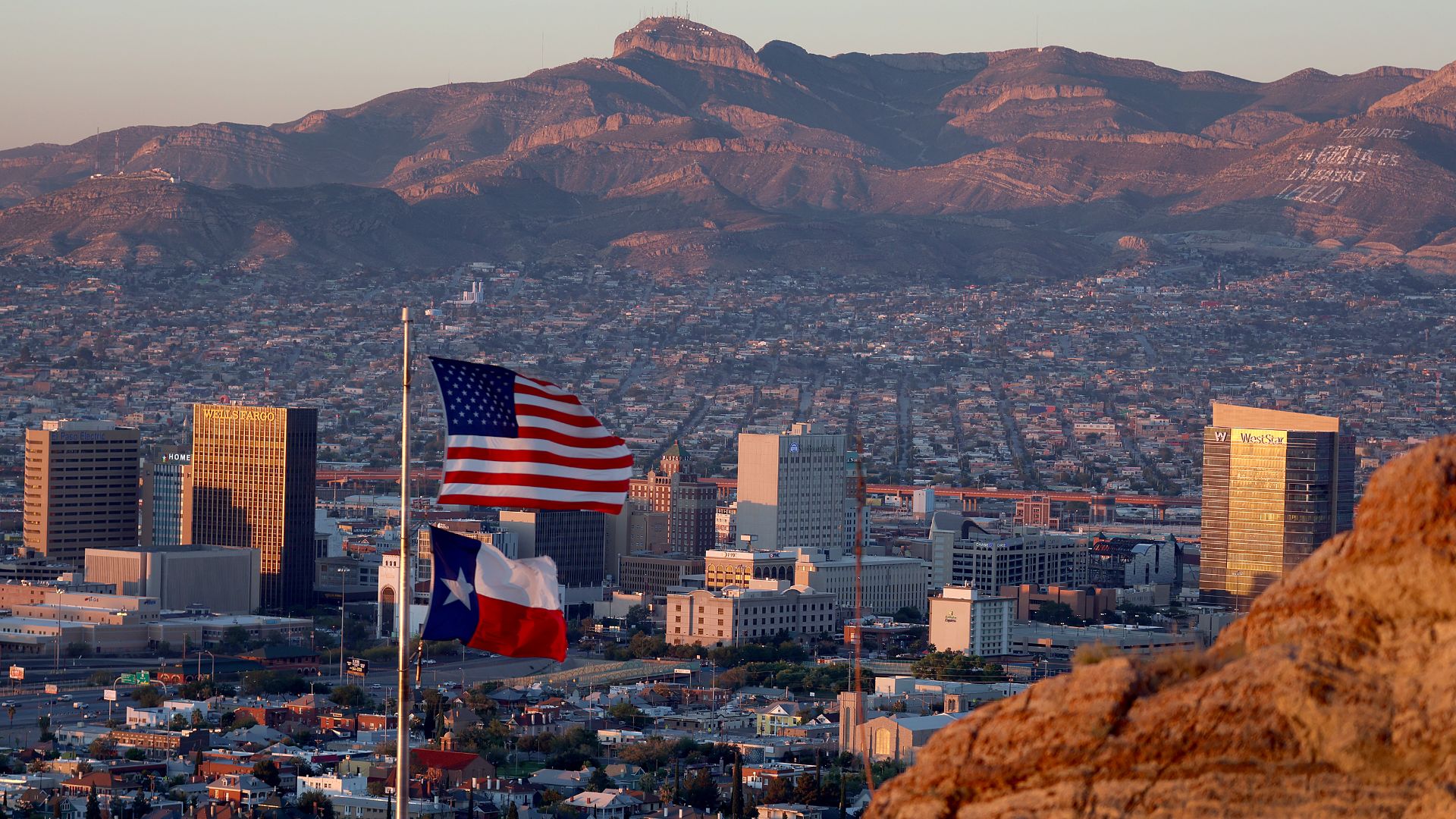

Getty Images

The 7 Best Destinations for Food Lovers and the 8 Most Disappointing

The 7 Best Destinations for Food Lovers and the 8 Most Disappointing

Catégories
Uncategorized

Toronto police corruption scandal: waiting for real consequences

Peel Regional Police have arrested 7 active-duty Toronto Police officers in the greatest corruption scandal to hit the organization since the Parker Commission. The Toronto Police, an organization continually marred with controversy concerning violence and an improper culture, has now been caught in yet another controversy – a violent corruption ring. On February 5, 2026, Peel Regional Police announced it had charged seven active-duty officers and one retired officer with a litany of charges, spanning from basic corruption, all the way to attempted murder.

What we know

A major operation titled ‘Project South’ was completed late on February 4, leading to the arrest of seven active-duty TPS officers and one retiree from the TPS. Alongside the officers, a slew of civilians were arrested in connection with what York Regional Police call a wide-ranging criminal network spanning the Greater Toronto Area. With TPS at the centre of the scandal, the project was undertaken by Peel Regional Police. The investigation found that multiple TPS officers were allegedly deeply tied to an organized crime syndicate in the GTA, and specifically connected to Brian DaCosta, a major figure spanning across multiple organized crime groups.
Project South began in June 2025 after Peel Regional Police were tipped off that multiple TPS officers were accessing and relaying private information to members of organized crime. The information was later used to commit acts of violence against civilians. Peel Regional Police officers managed to thwart the attempted murder, and Project South was assigned a task force. Project South uncovered that multiple officers leaked private information to organized crime groups, and have now charged seven officers with a litany of crimes, including bribery, obstruction of justice, drug trafficking, theft of property, and breach of trust. 19 civilians were charged along with the eight people connected to TPS.
In essence, Project South began as a murder investigation and ended up uncovering the largest TPS corruption scandal of the 21st century.

Who were the officers involved

The seven active-duty officers charged in Project South: five constables and two sergeants. The retired officer who was arrested is the father of Const. John Madeley. Const. Timothy Barnhardt was listed as the ‘genesis’ of the corruption probe. According to Peel Regional Police, Barnhardt headed the release of confidential information to criminals, facilitating targeted shootings. Barnhardt was also accused of taking bribes to support illegal cannabis dispensaries and being involved in cocaine trafficking. Of the seven active officers charged, Barnhardt has the longest list of alleged offences. He was denied bail on February 6 and will reappear in court on March 19.

One of the most interesting stories within Project South is the father-son duo of Const. John Madeley (Jr.) and his father, retired Const. John Madeley (Sr.). Both Madeley’s were arrested in the sting, with John JR being charged and accused of unlawfully accessing and distributing confidential information, and his father being brought up on illegal gaming and betting charges tied to organized crime. He’s accused of unlawfully accessing and distributing confidential information, as well as ten other charges, including breach of trust by a public officer and possession of a prohibited weapon. He has been released from custody on bail.

Sgt. Carl Grellette was charged with taking bribes to support illegal cannabis dispensaries, conspiracy to obstruct justice and breach of trust by a public officer. Sgt. Saurabjit Bedi was also rung up on the same bribery charges, but was also charged with trafficking cocaine. Const. Derek McCormick has been accused of stealing property that was taken by police, instead of logging it. The alleged thefts include government-issued identification, bank cards and passports, all of which were distributed to organized crime for illegal use. McCormick faces six charges in total. Const. Elias Mouawad, the youngest member of the group, has also been charged with releasing confidential information to support illicit activities. Mouawad has the shortest list out of the eight TPS members charged, with only two charges: breach of trust by a public officer and unauthorized use of a computer. Mouawad is also the only TPS member charged in connection with Project South whose salary was less than $ 100,000 CAD.

Of course, the question remains: why would six officers earning more than $150,000 a year sacrifice their careers and the public’s safety to make a quick buck? While the TPS has a long history of officers siding with crime syndicates over Torontonians, this is the most dramatic example in the last 25 years.

History of corruption

Toronto Police Services’ history with corruption and organized crime started in the 1950’s, with an investigation informally known as ‘The Parker Commission’. In 1955, after multiple journalists insisted that the Toronto Police vice squad had been accepting bribes in exchange for protecting illegal gambling, prostitution, and other organized vice operations being run by organized crime syndicates. In 1957, after two years of investigations, the Ontario Government found that Systemic corruption existed in the Toronto Police vice squad. At least four officers were dismissed, and the investigation resulted in a shifting of the organization as a whole, with Toronto Police Department being replaced by Metropolitan Toronto Police (now Toronto Police Service).

In 2020, an investigation found Const. Ronald Joseph had stolen multiple police radios and provided them to tow truck companies connected to organized crime. The radios were used to learn of accidents, and ‘snake’ potential jobs from competitors. Joseph was charged and released from TPS, but the charges were eventually dropped. Police found that organized crime syndicates were using tow operators and associated businesses to carry out fraudulent billing and staged crashes. Multiple TPS officers were suspended without pay, but later reinstated, sparking a larger conversation about TPS’s process of internal accountability.

What we need to see next

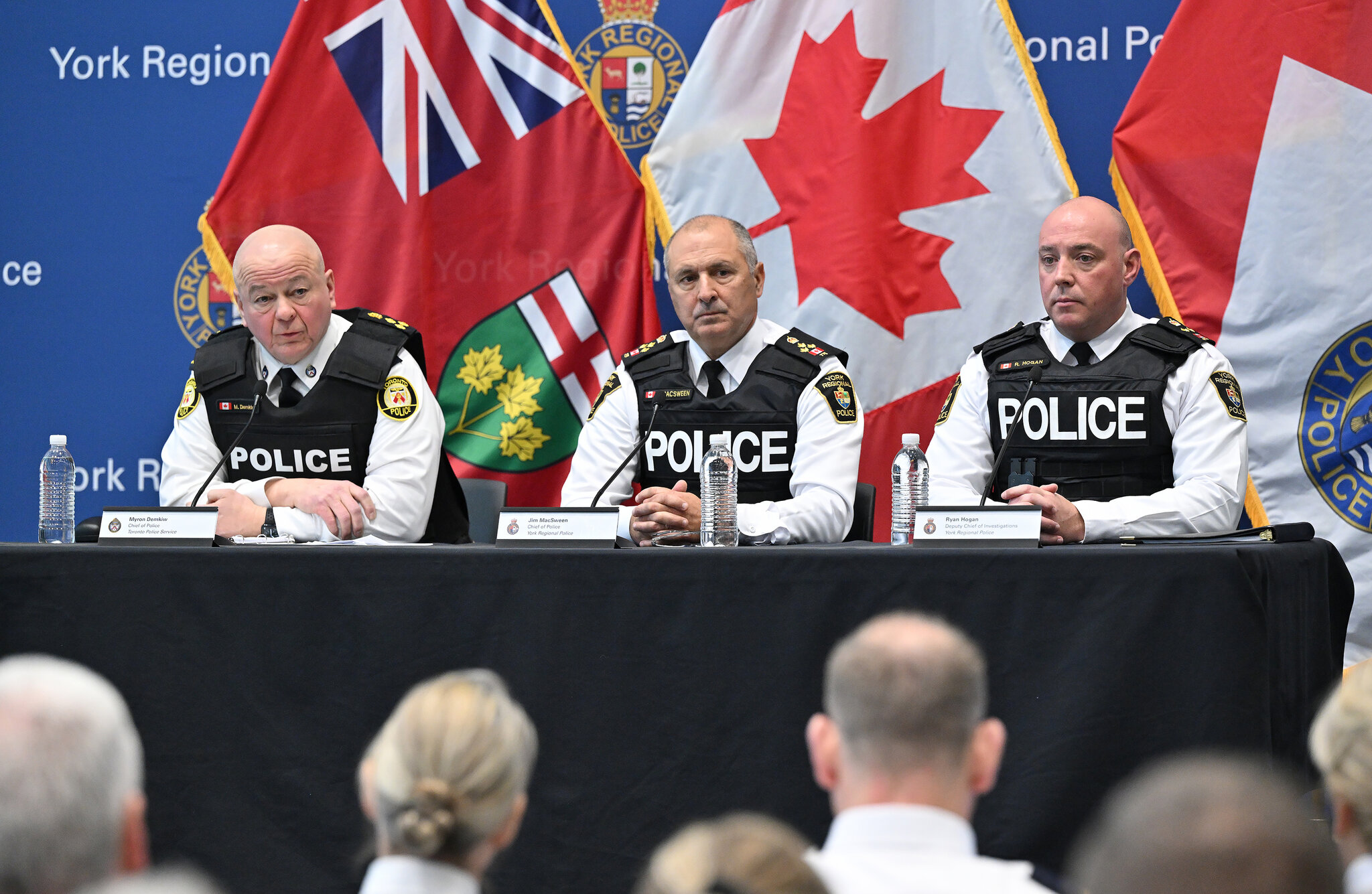
It’s all well and good that the Peel Regional Police have stepped in and conducted an operation exposing TPS’s corruption, but charges are only the first step. The officers accountable must be held to the same standard, if not a higher one than civilians. These officers failed in their duty to protect Torontonians by allegedly aiding and abetting violent gangsters and should face the consequences that TPS has failed to dole out in the past. TPS Chief Myron Demkiw claimed on February 6 that he has not been asked to resign and has no plans to do so in the future. While it’s entirely possible that Demkiw didn’t know about the corruption, somebody did. Toronto Police Service has an 80-year history with organized crime, and with none of the officers arrested occupying leadership roles, the book should remain open on Project South.

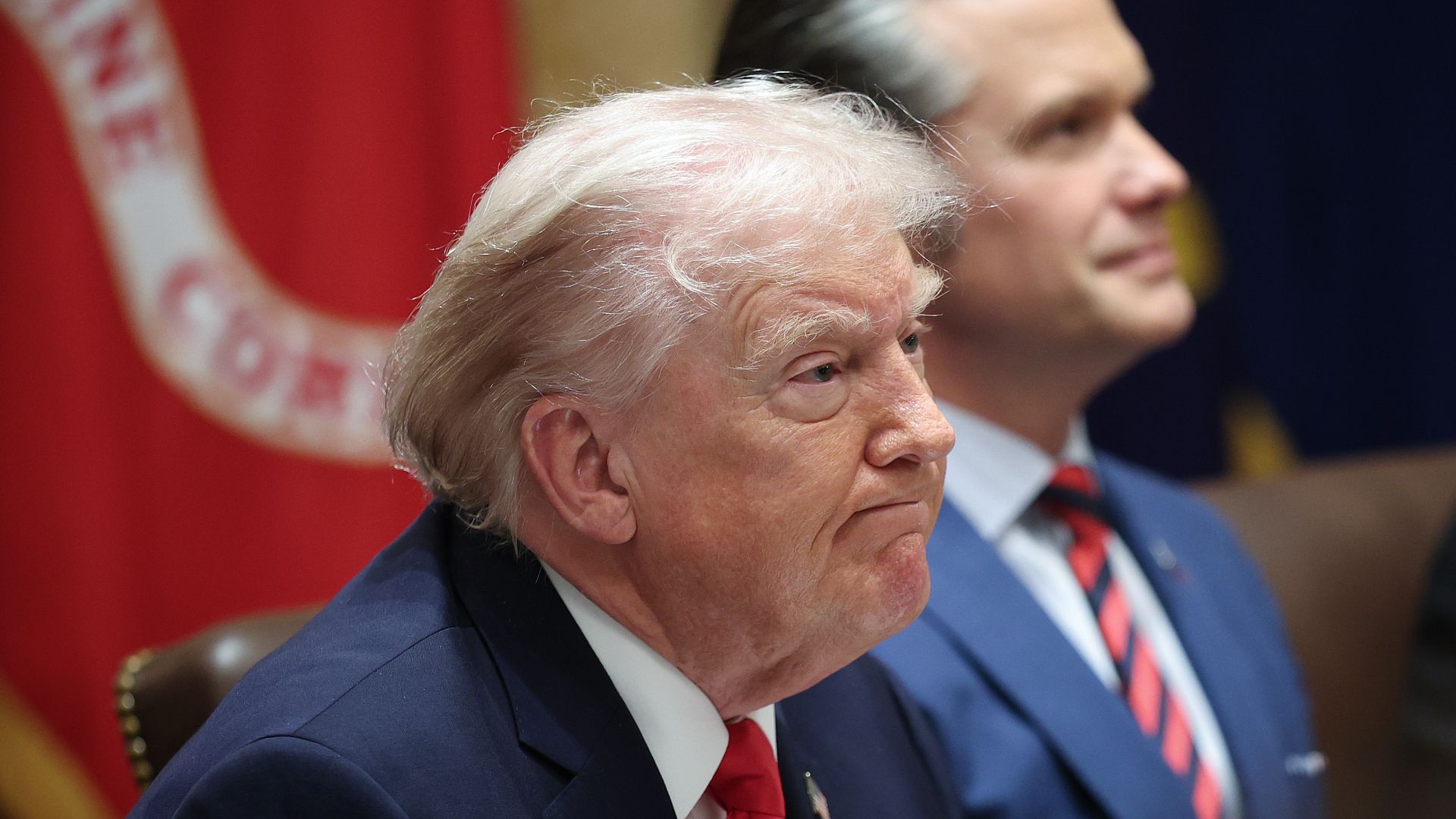
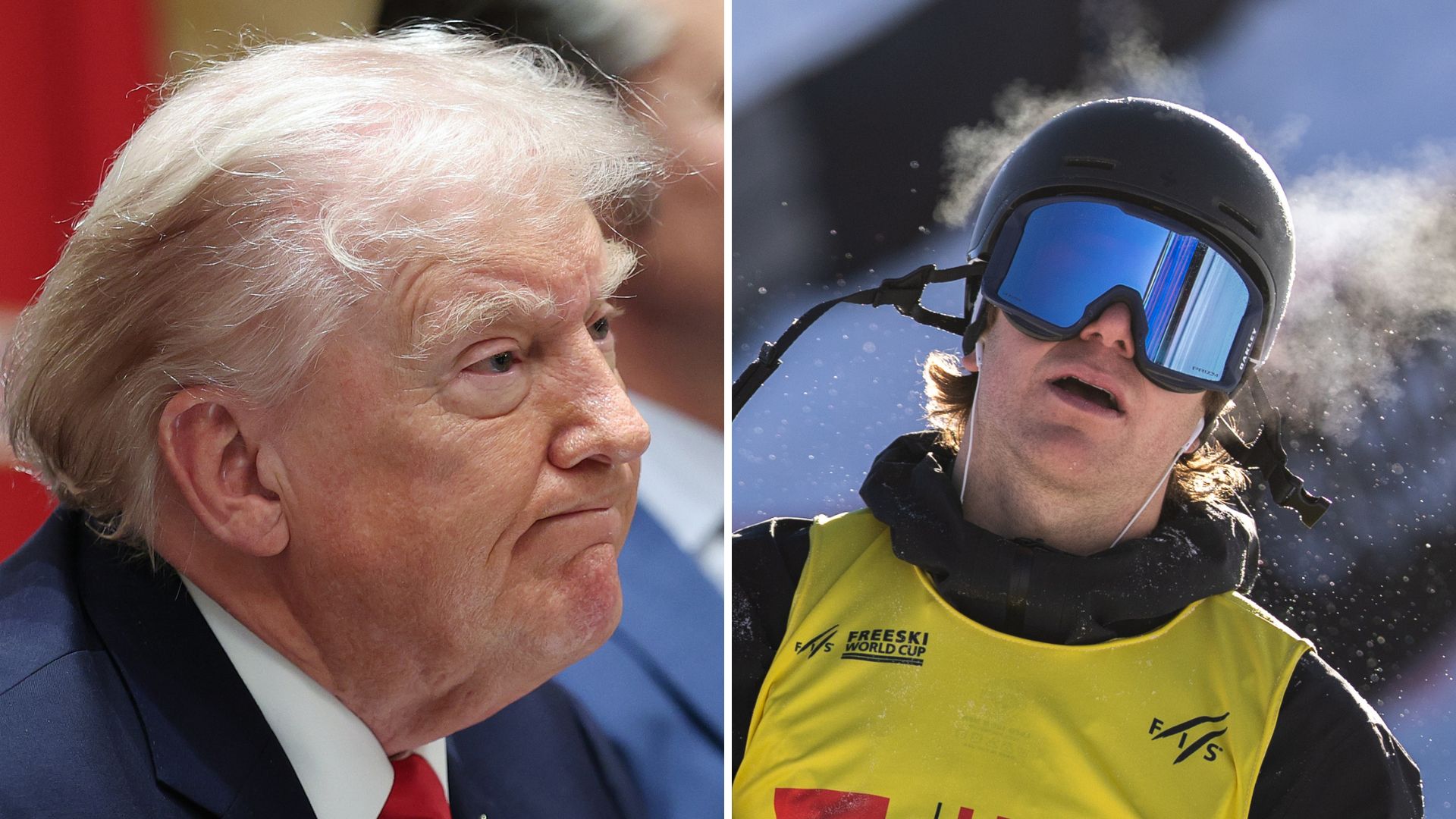
«Real loser»: Trump Slams U.S. athlete

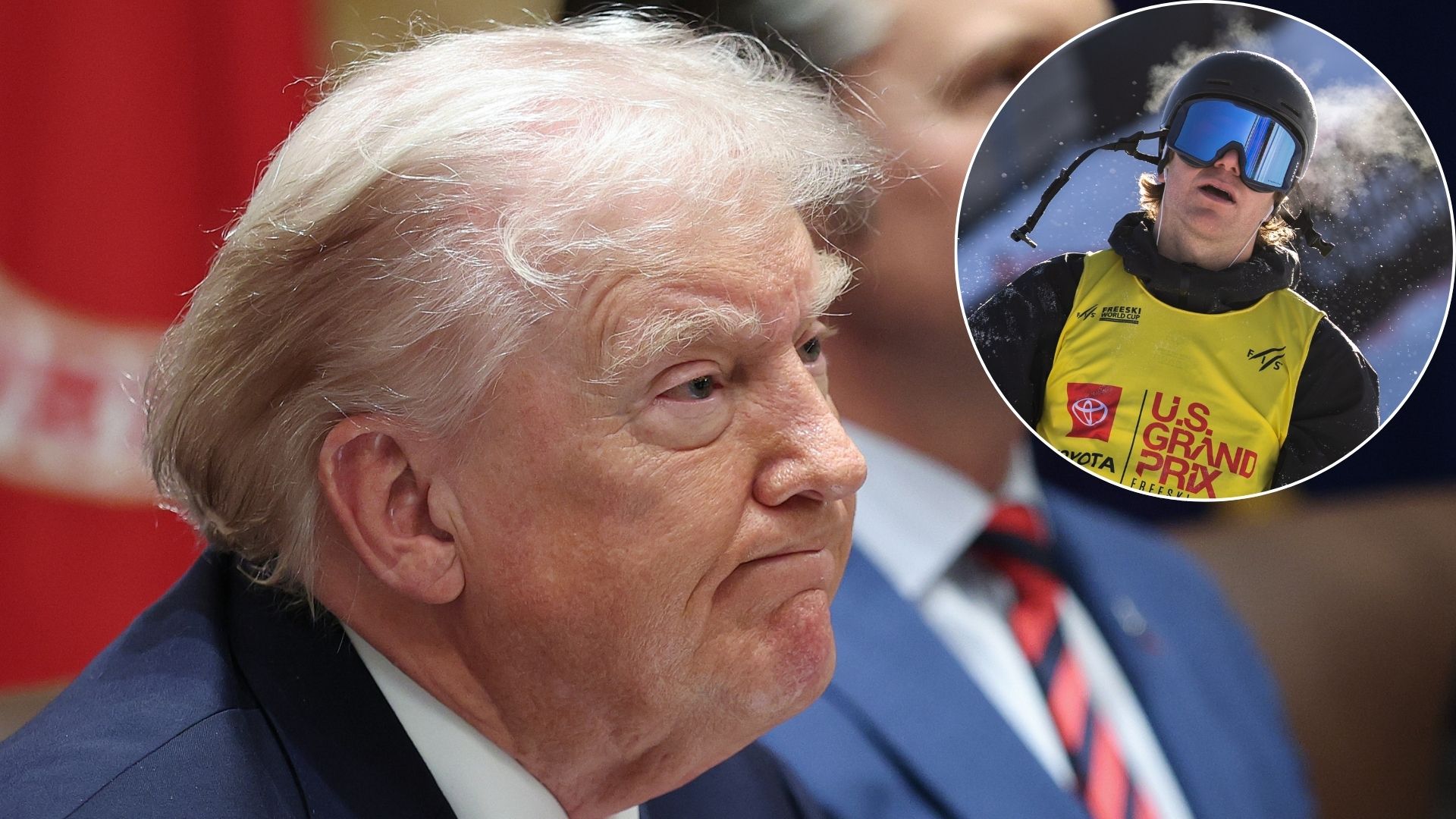
Donald Trump launched a new attack on Team USA skier Hunter Hess after the athlete admitted feeling “mixed emotions representing the US right now” at the Winter Olympics. In a Truth Social post, Trump called Hess a «real Loser» and questioned why he joined the team if he did not fully identify with the country’s current direction. The clash unfolded as American athletes face growing pressure to address politics while competing on the world stage during Trump’s controversial second term. The controversy has also highlighted escalating online abuse, with figure skater Amber Glenn saying she received death threats after speaking about LGBTQ+ concerns.

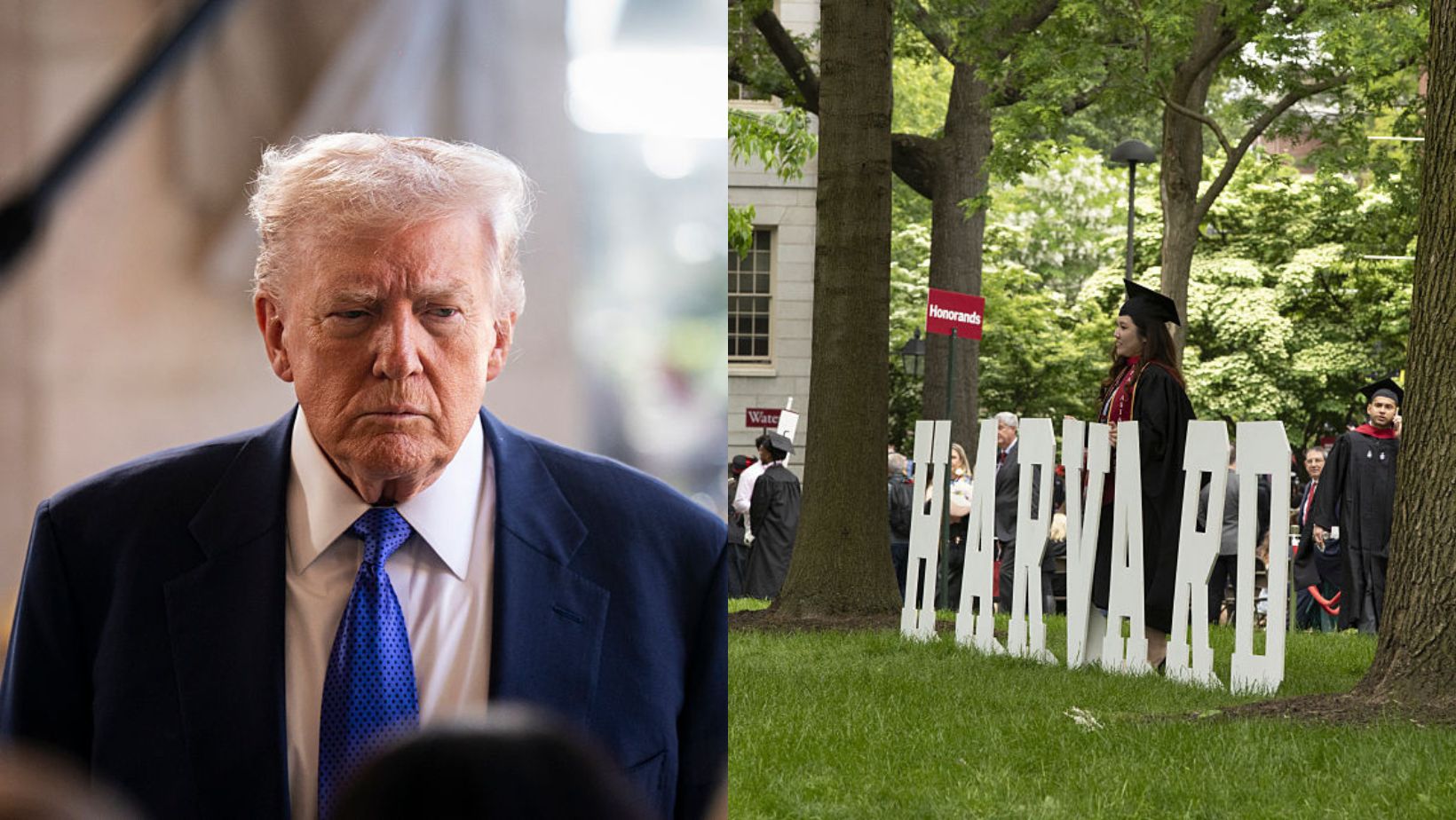
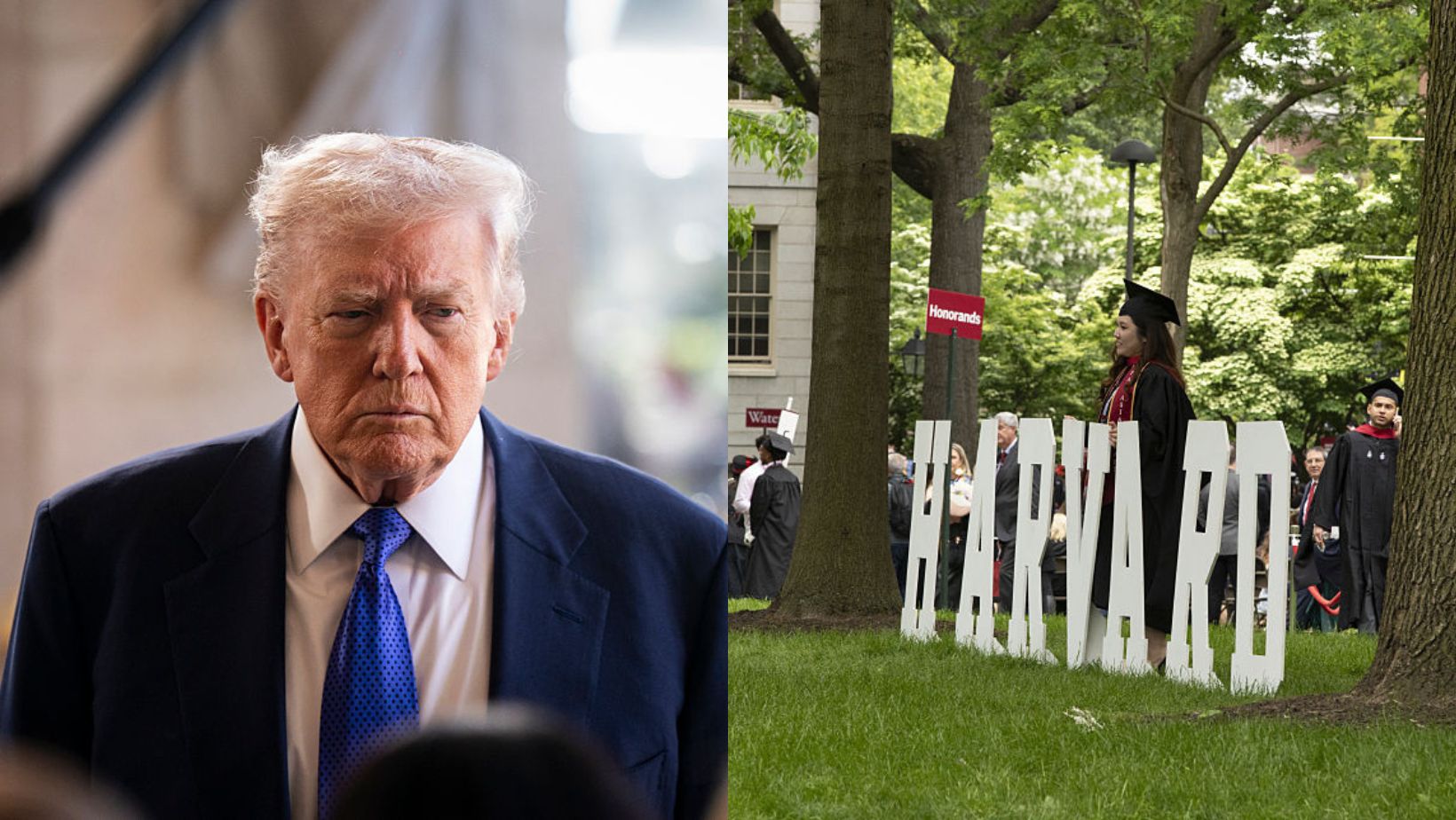
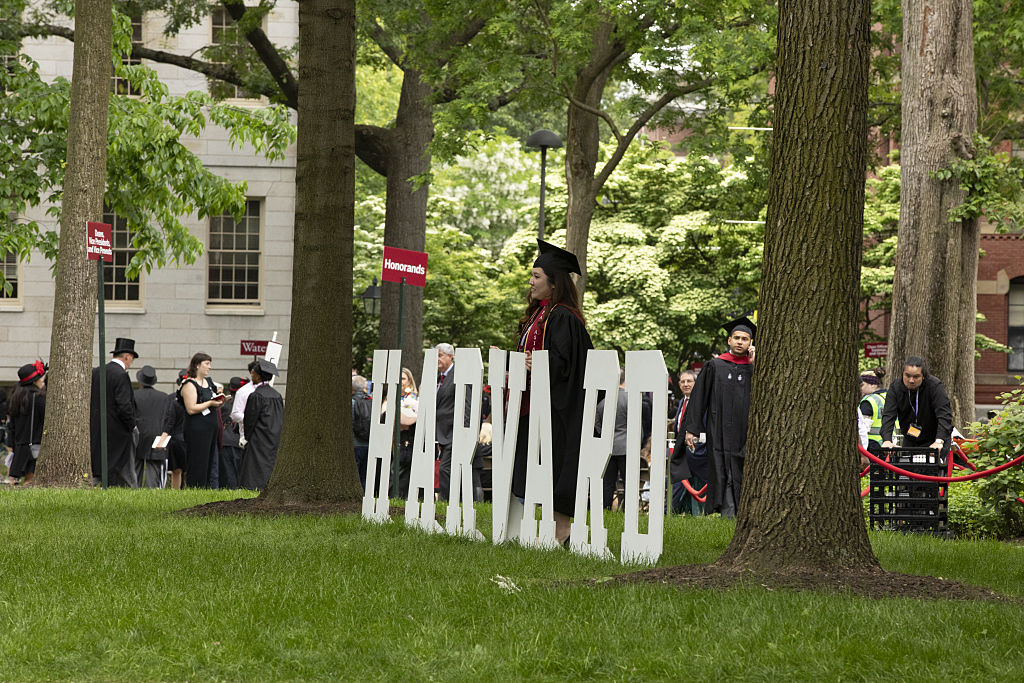
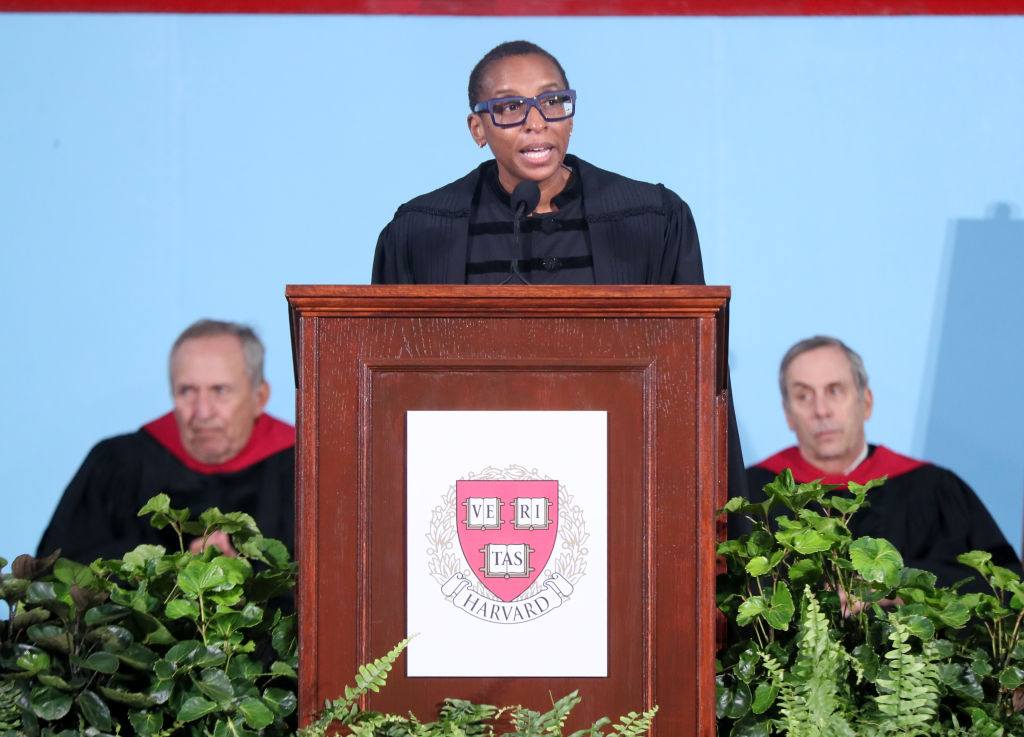
Trump wants to squeeze a billion dollars out of Harvard

Donald Trump has announced that he is suing Harvard for $1 billion in damages. The US president accuses the prestigious university of « wokism » and anti-Semitism.

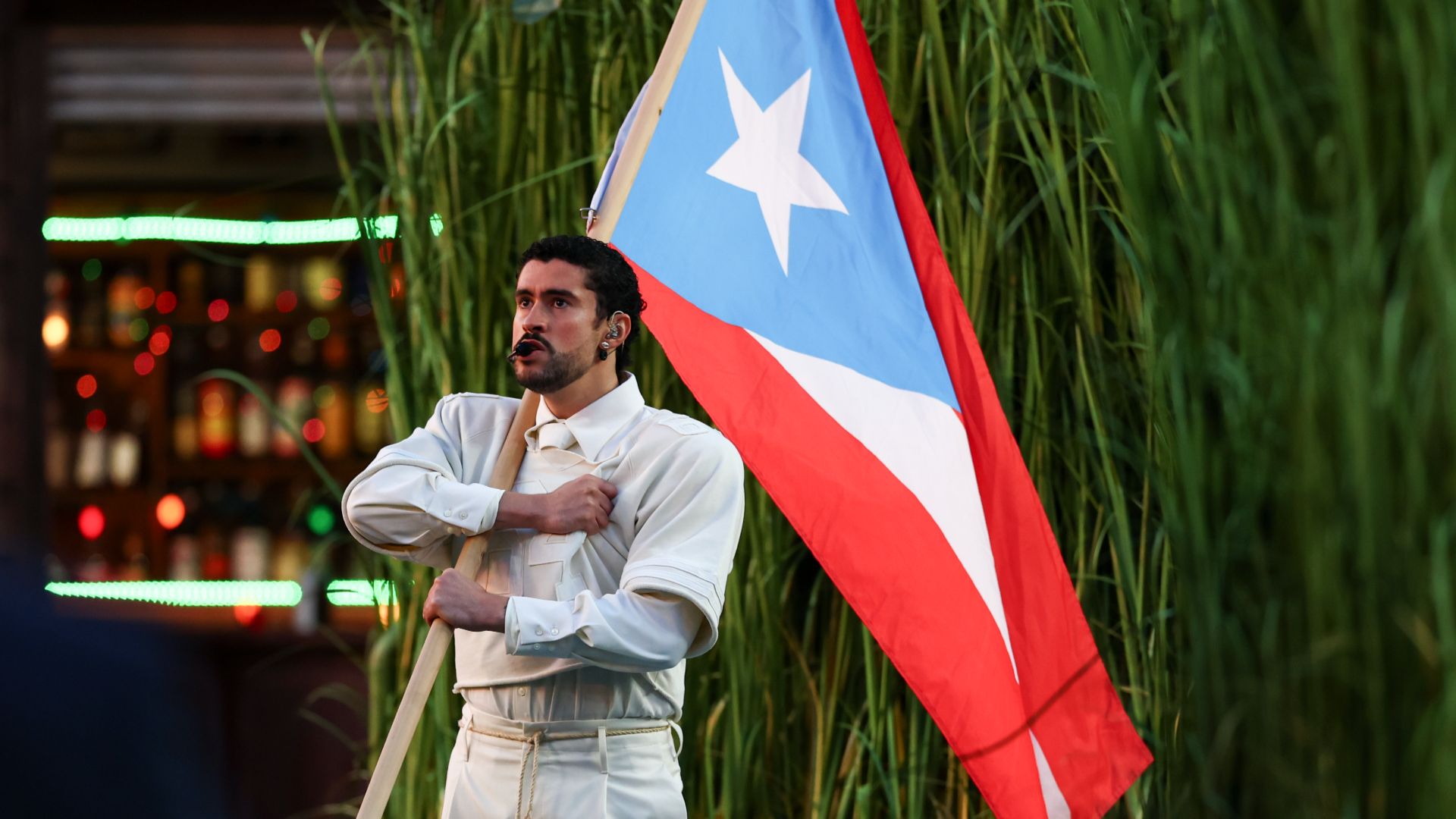
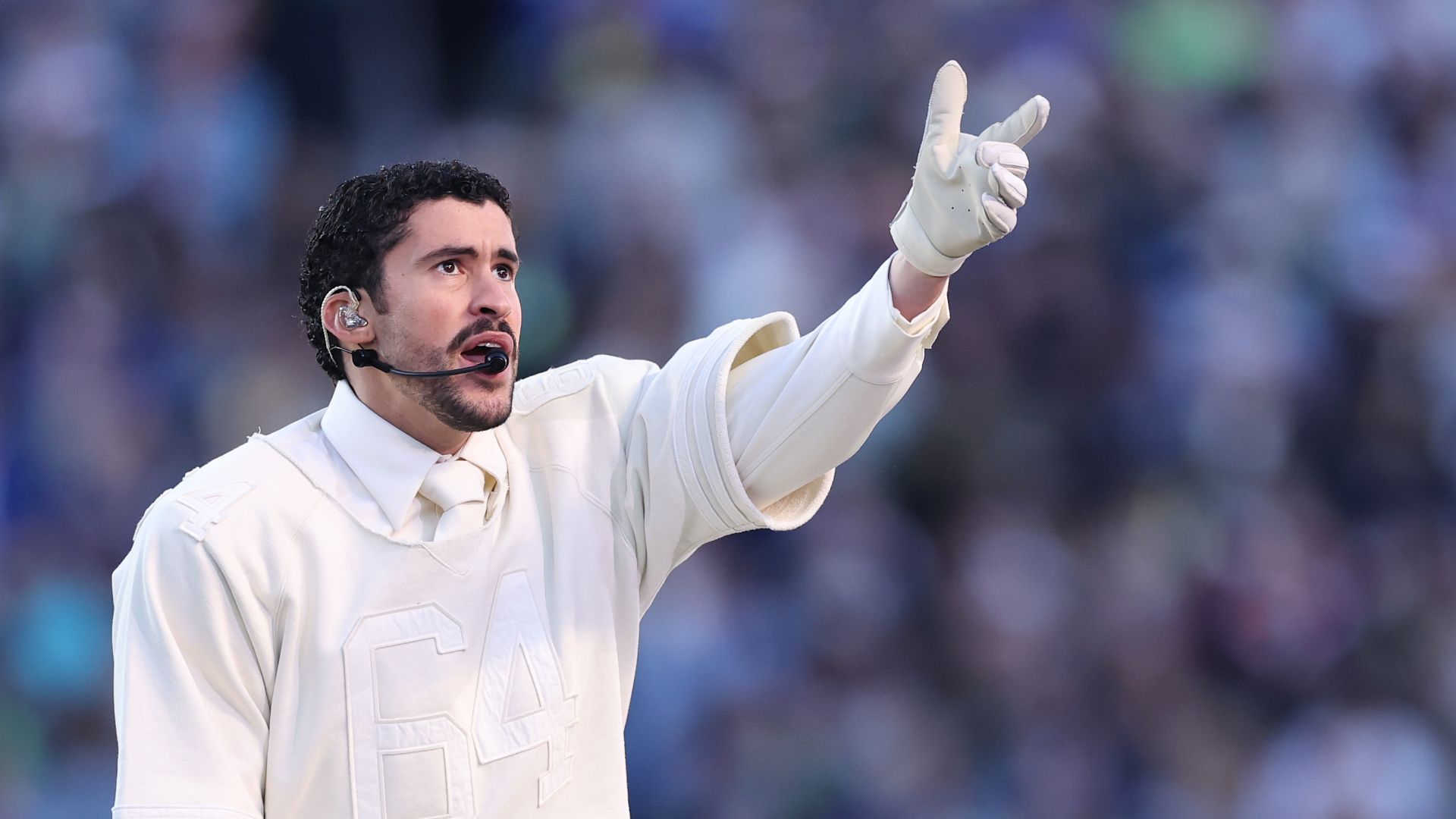
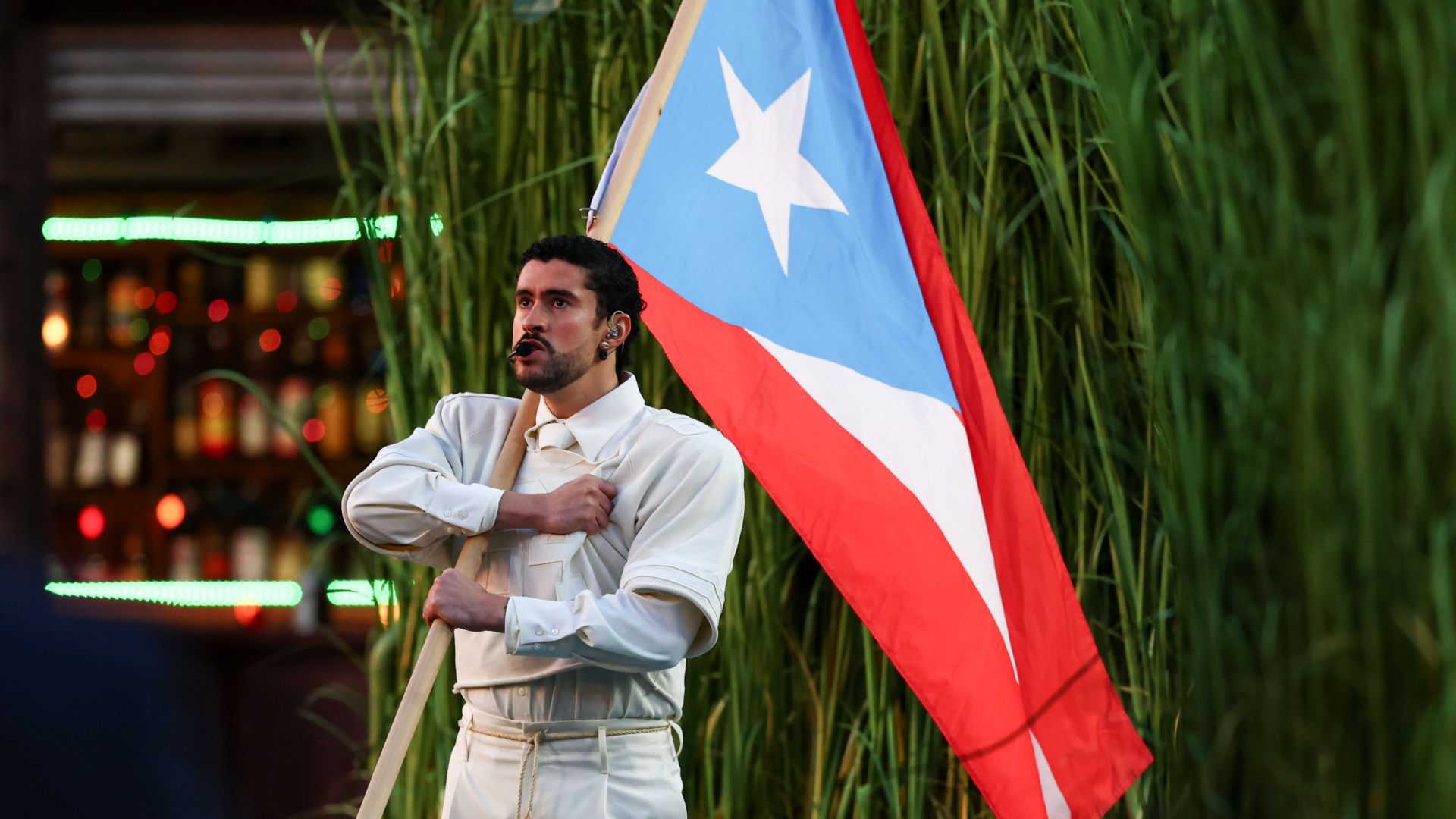
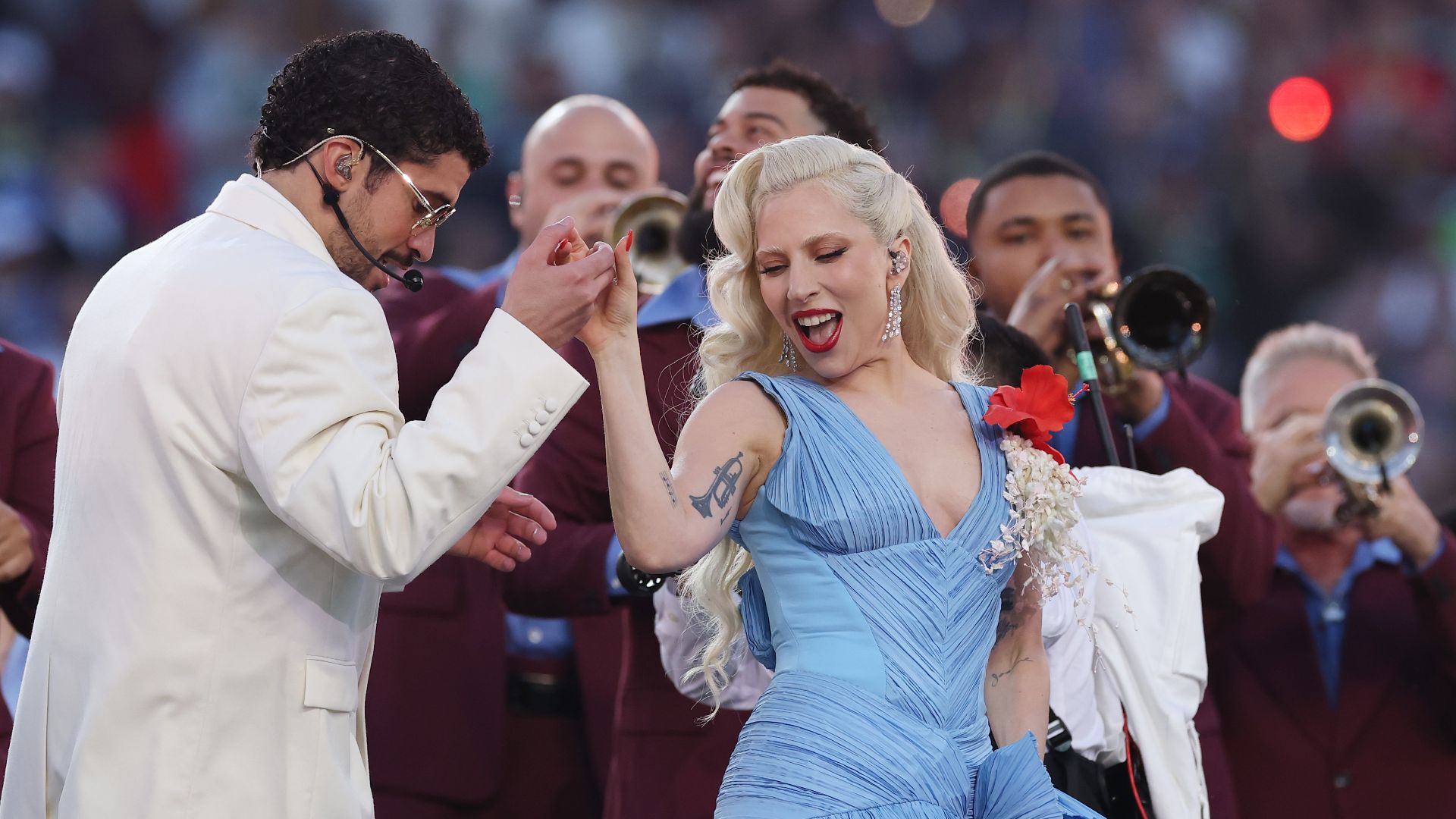
Bad Bunny Shattered Super Bowl Halftime Viewership Record

Catégories
Uncategorized

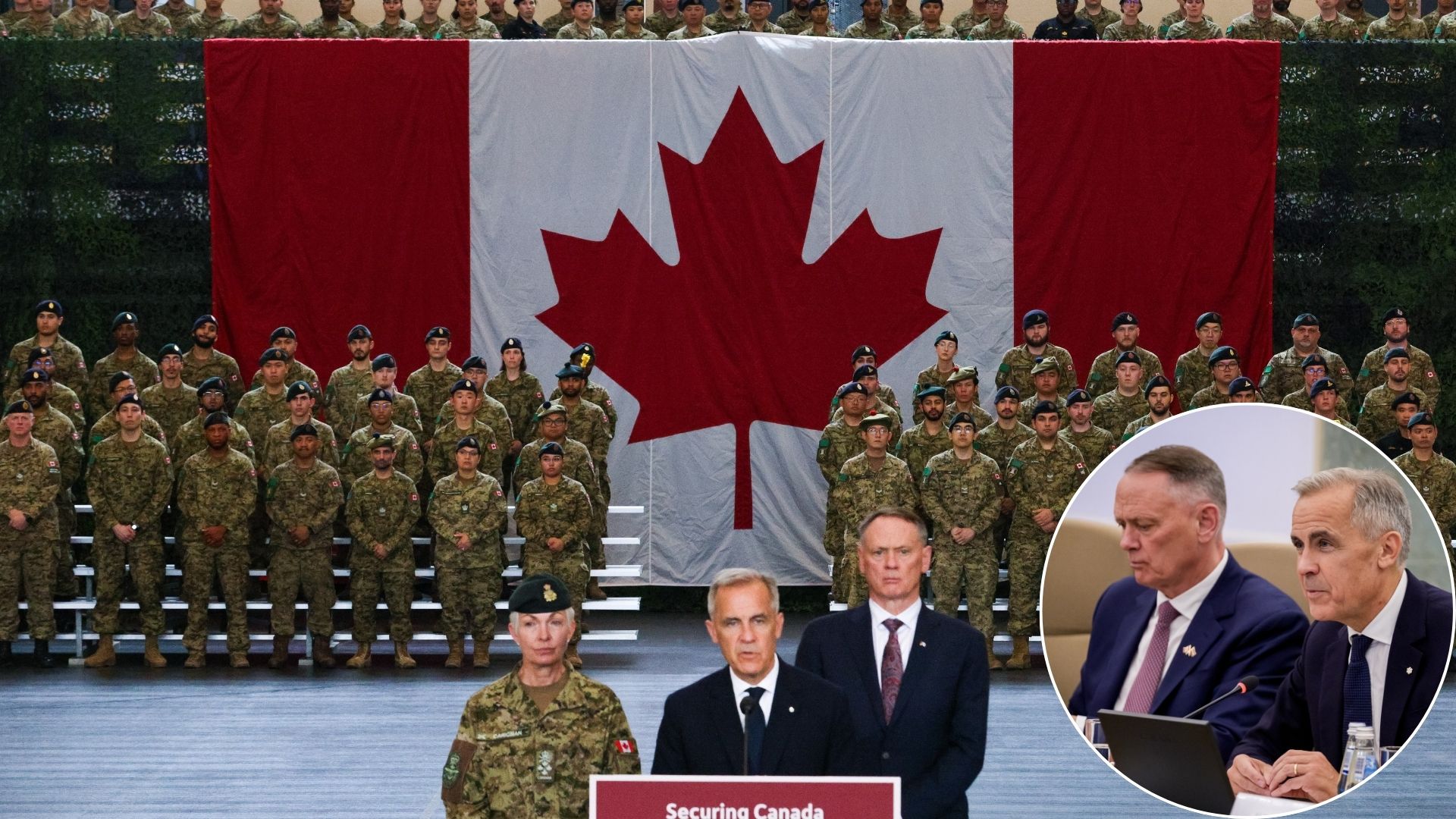
Canada and nuclear weapons: understanding the renewed debate and alternative paths

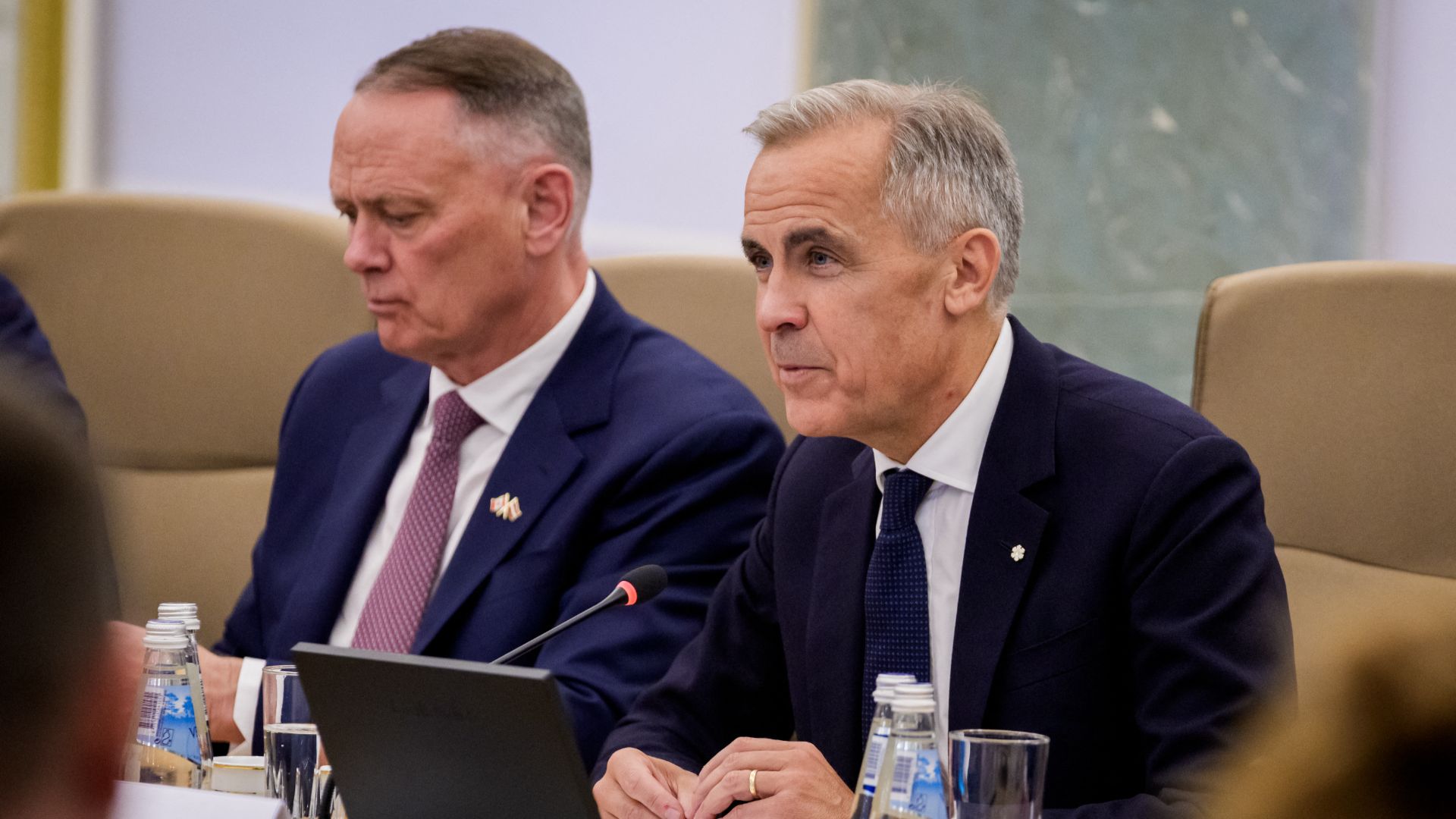
The comment by a former military leader reviving the idea that Canada should not completely rule out the nuclear option has sparked lively public and political debate. First and foremost, it is useful to put this debate into context: we are living in a period of geopolitical uncertainty, with increased tensions between major powers, doubts within alliances, and rapidly evolving security doctrines. That said, moving from strategic thinking to the acquisition of nuclear weapons has profound diplomatic, economic, and moral implications.

Débat sur les armes nucléaires au Canada

Why is this idea resurfacing? Several factors explain it: the increase in perceived threats (notably the nuclear rhetoric of certain states), concerns about the reliability of security guarantees offered by allies, and the desire of some leaders to consider all options to ensure sovereignty and national defense. The former general suggested that total strategic independence could, in the very long term, be difficult to achieve without some form of enhanced deterrence.

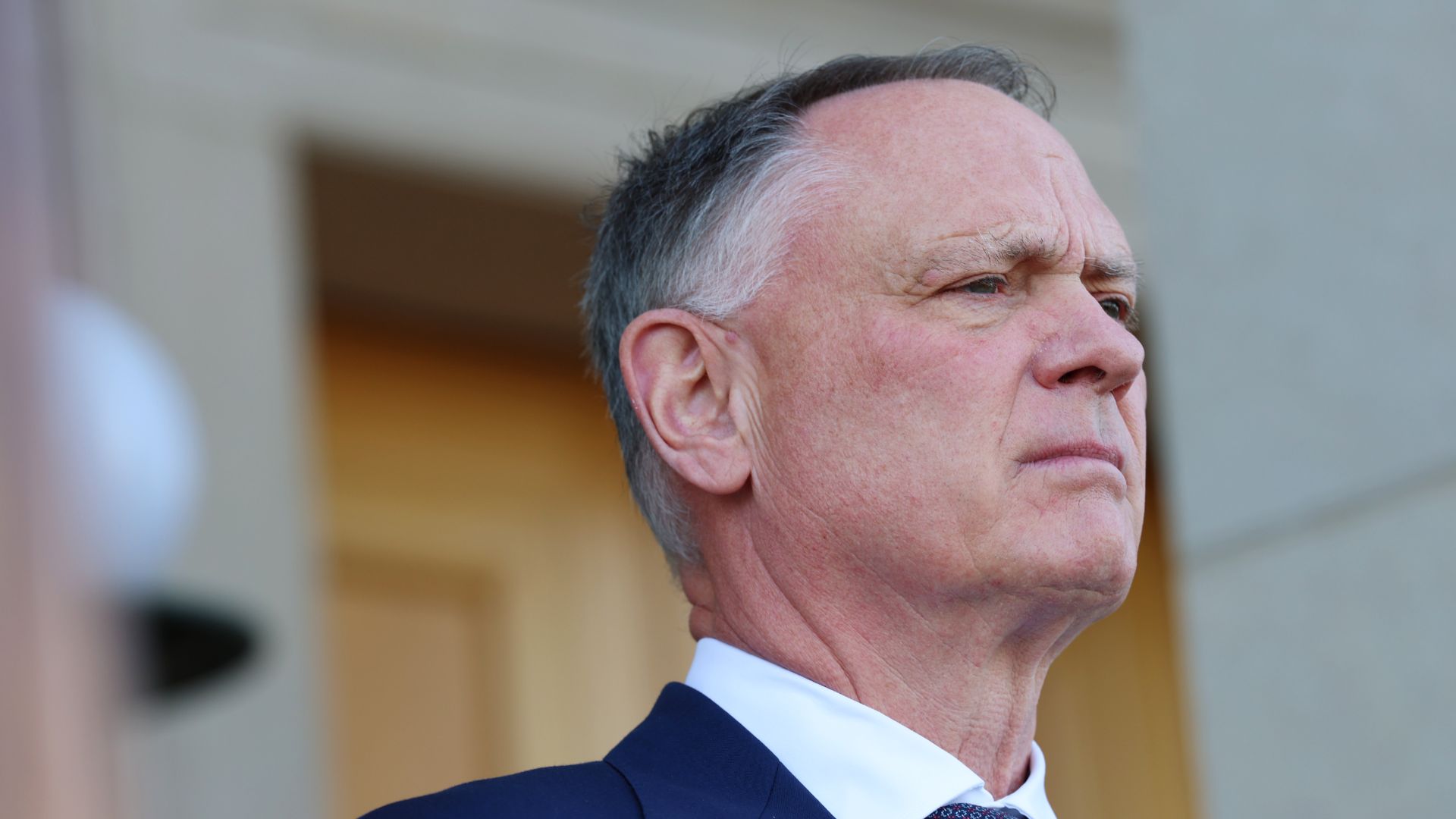
Général à la retraite

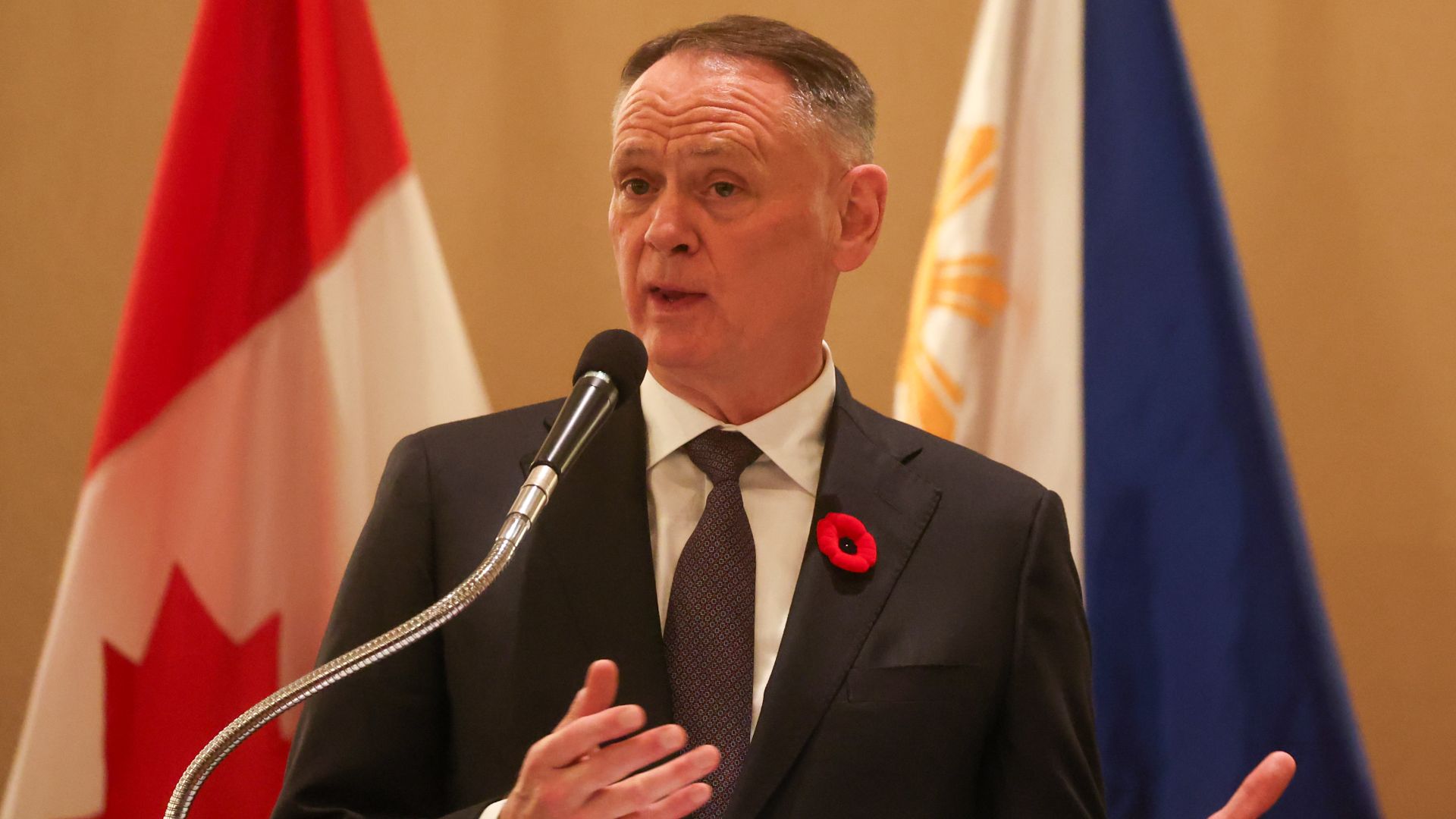
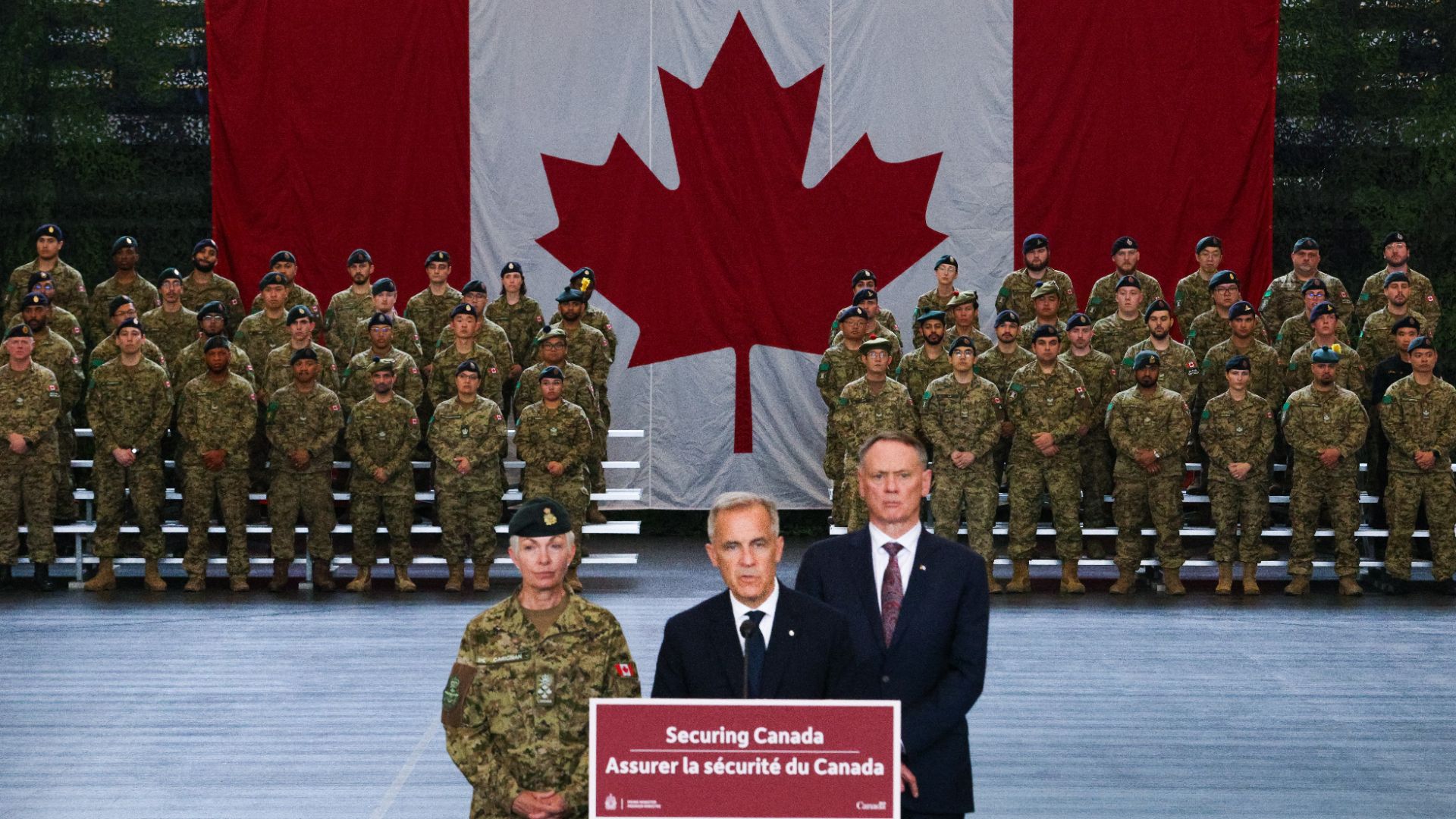
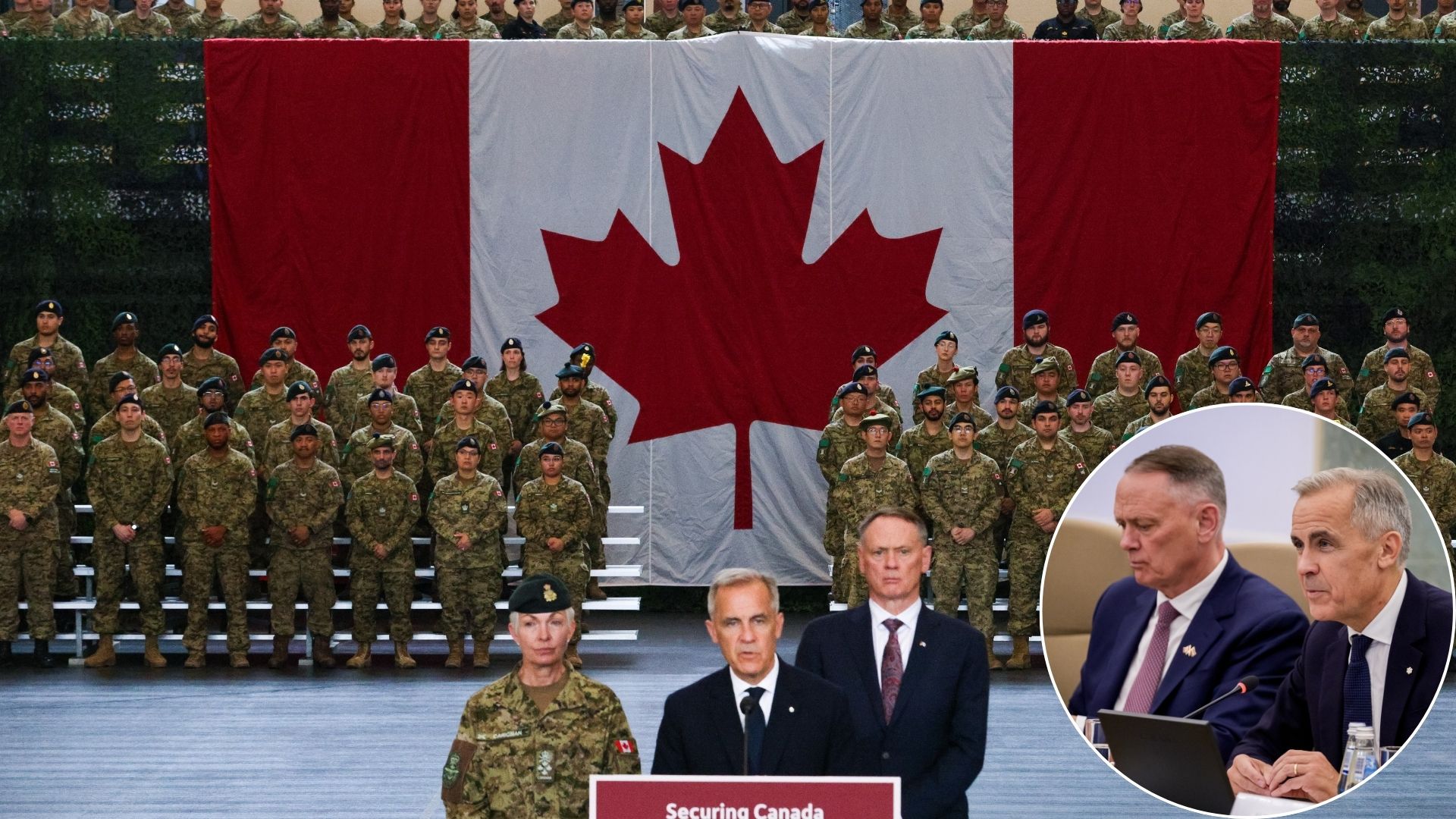
However, the government immediately dismissed the idea, reiterating Canada’s commitment to the Nuclear Non-Proliferation Treaty (NPT) and the importance of focusing resources on strengthening conventional capabilities. The Minister of Defense emphasized that the country has no plans to acquire nuclear weapons and prefers to invest in modernizing the armed forces, protecting the Arctic, and territorial sovereignty.

Ministre de la Défense annonce les priorités

The arguments for and against

Proponents of open reflection put forward concrete points: nuclear deterrence is seen by some as the ultimate guarantee of security, and continued dependence on the nuclear umbrellas of allies can be perceived as a vulnerability. This is countered by a series of powerful arguments:

  • The international legal framework: Canada has been a signatory to the NPT since 1970—a central instrument that prohibits non-nuclear-weapon states from seeking or acquiring nuclear weapons.
  • Cost and logistics: developing, deploying, and securing nuclear weapons requires massive investments and considerable technical and industrial capabilities.
  • Diplomatic consequences: such a decision would isolate Ottawa, weaken its alliances, and compromise its traditional role in promoting disarmament and non-proliferation.
  • Risks of proliferation and escalation: the possession of nuclear weapons by more states increases the risks of error, dissemination, and accidents.

Souveraineté et autonomie militaire

Security experts have pointed out that the issue is not only technical, but also strategic: what objectives would be sought? Does deterrence really protect against contemporary threats, or would investments in cyber defense, conventional capabilities, and civil resilience offer better value for money?

Experts en politique nucléaire avertissent

Alternative approaches and recommendations

Leaving aside the nuclear option, several pragmatic priorities emerge for strengthening Canada’s security:

  • Strengthen conventional capabilities: modernize forces, acquire equipment suited to Arctic missions and interoperability with allies.
  • Consolidate alliances: work within NATO and with partners such as the United States to clarify guarantees and improve strategic coordination.
  • Invest in diplomacy and arms control: promote multilateral initiatives to limit risks and revive arms control agreements.
  • Strengthen national resilience: cybersecurity, critical infrastructure protection, and civil crisis preparedness.

Traité de non-prolifération nucléaire

In summary, the debate reignited by a former general is healthy in that it forces us to reflect on vulnerabilities and priorities. But the nuclear path carries major costs and risks that, for now, seem disproportionate to the expected benefits for Canada. The government favors a strategy based on non-proliferation, strengthening conventional capabilities, and international cooperation—an approach consistent with the country’s strategic identity.

If you are following this issue, expect further public debate and expert analysis. The question raised by the former general may resurface whenever international tensions peak, but any decision to make a major change in posture would require in-depth democratic debate, rigorous technical assessments, and international acceptance, which currently seems highly unlikely.

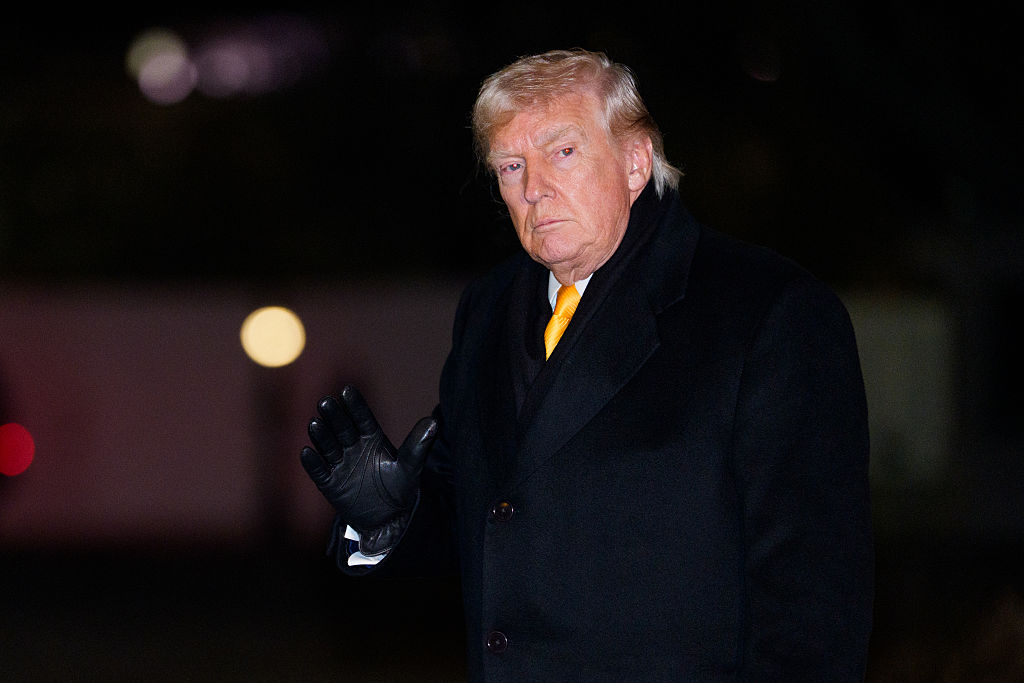
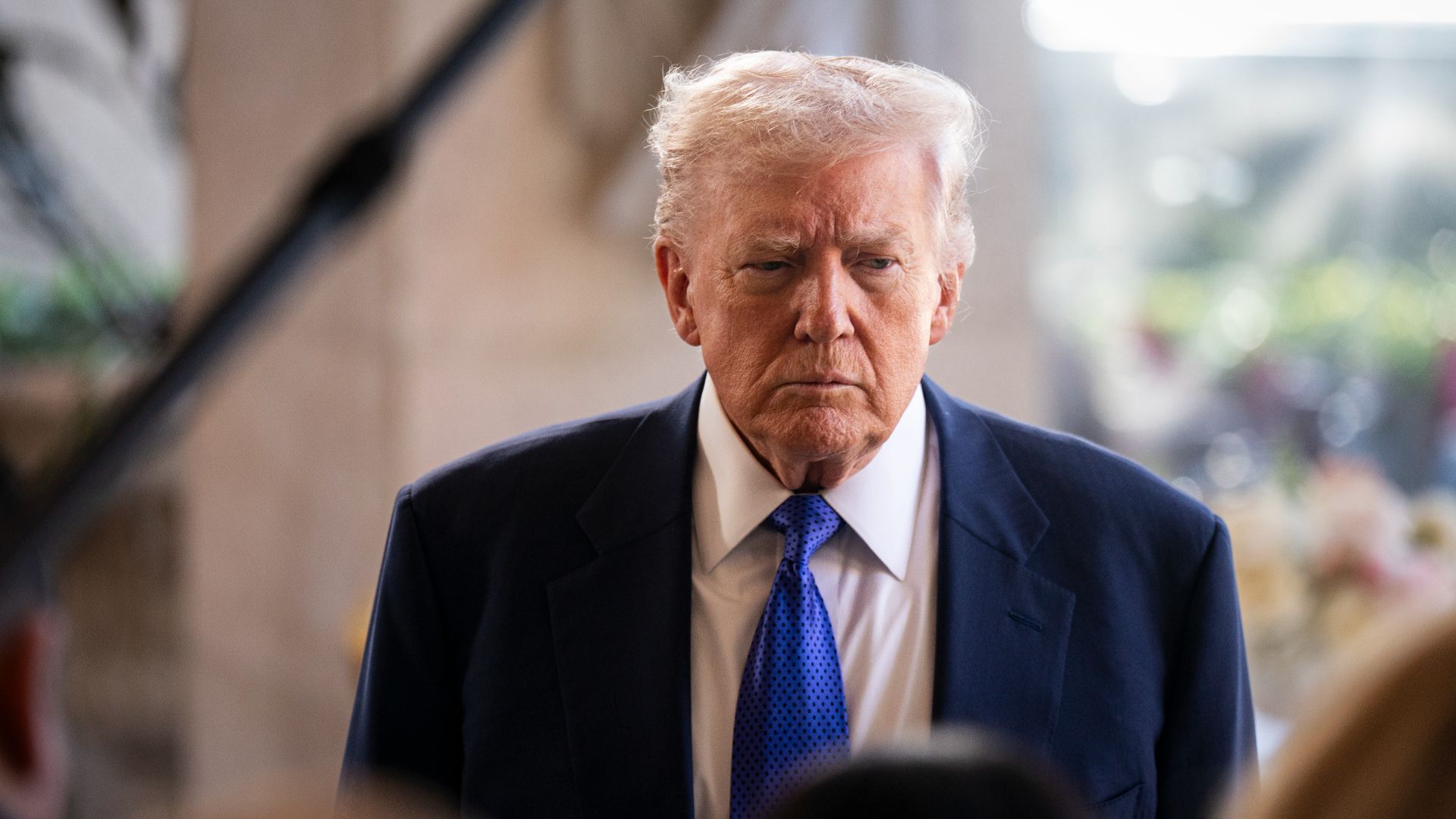
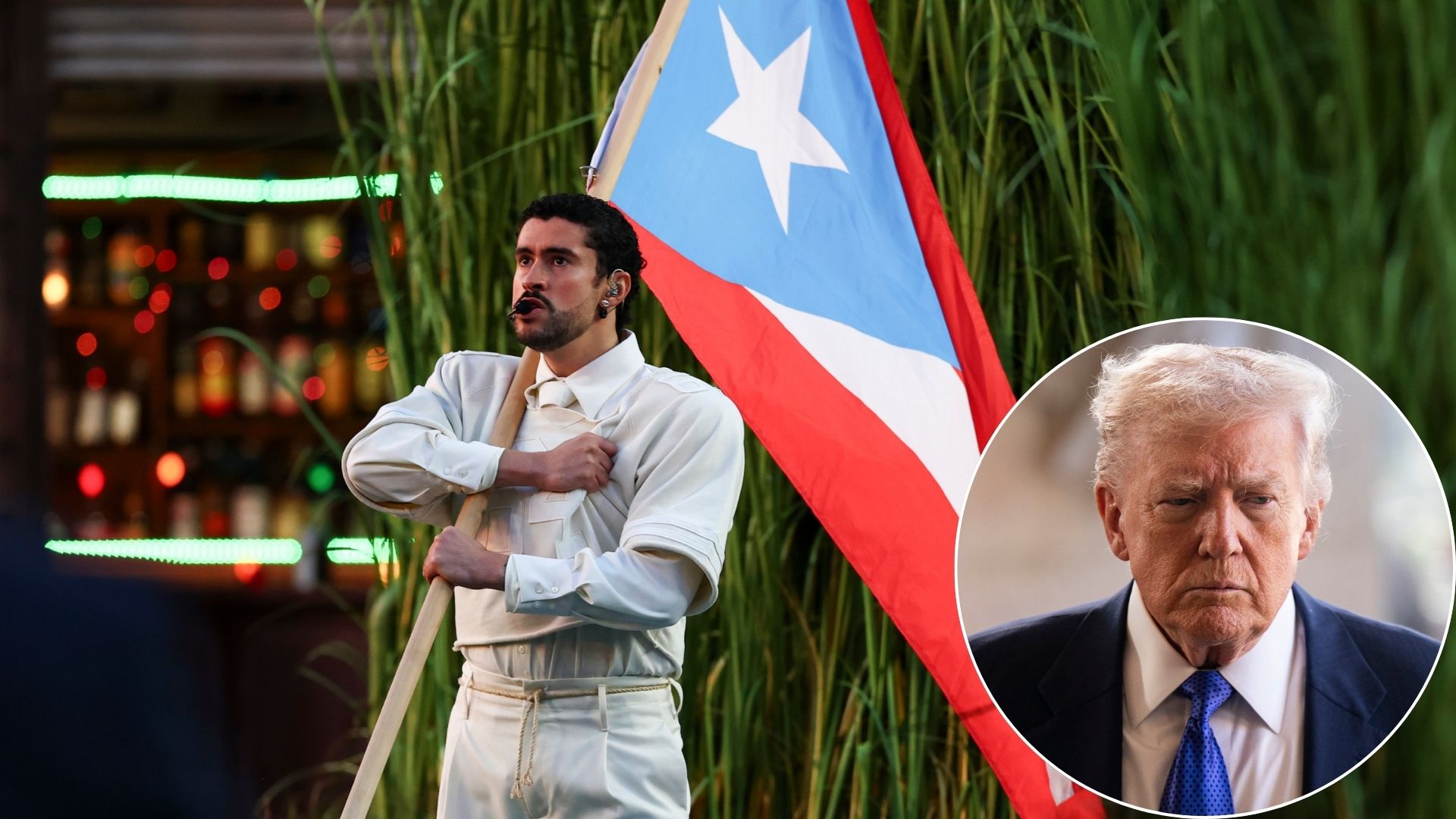
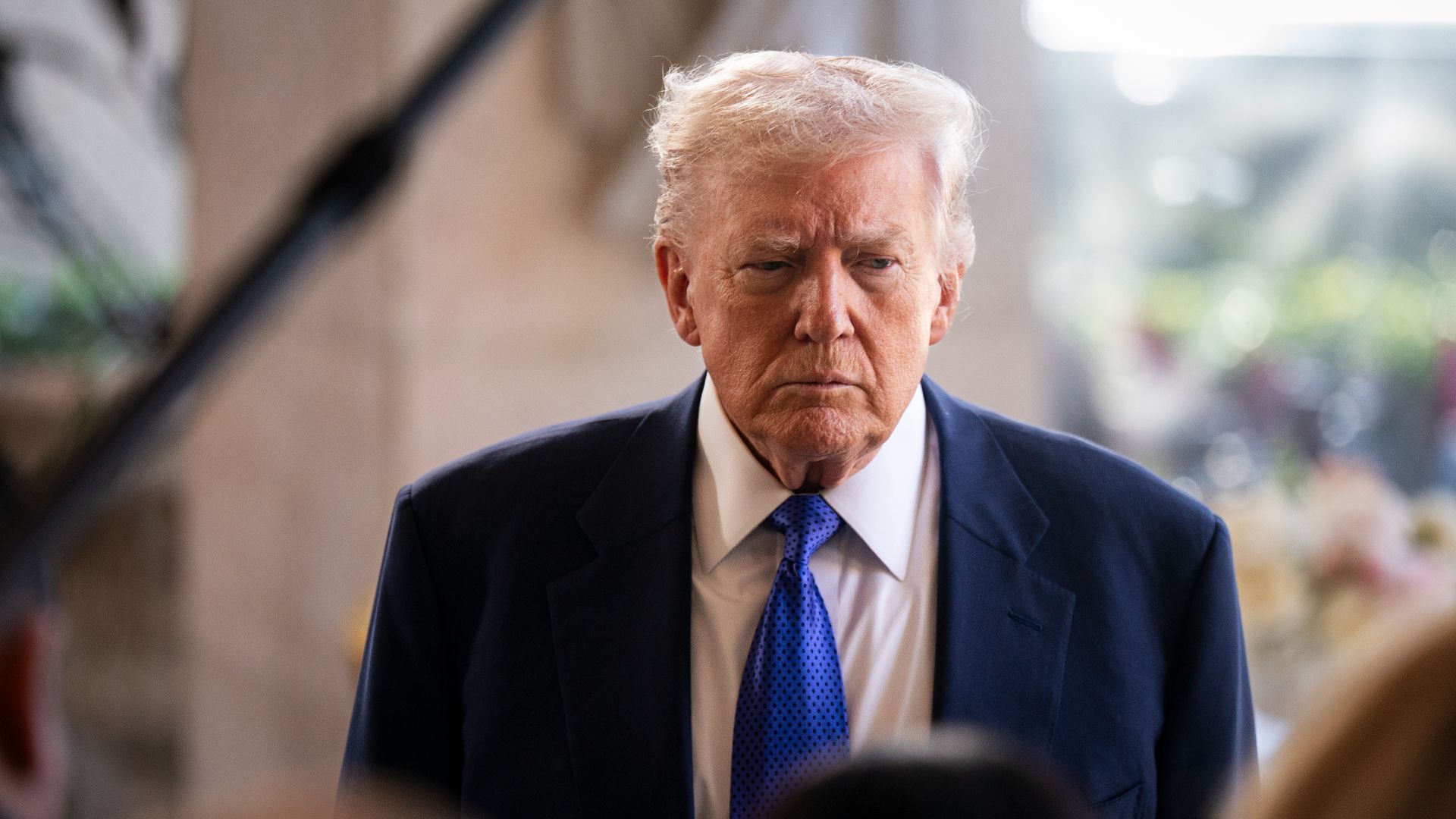
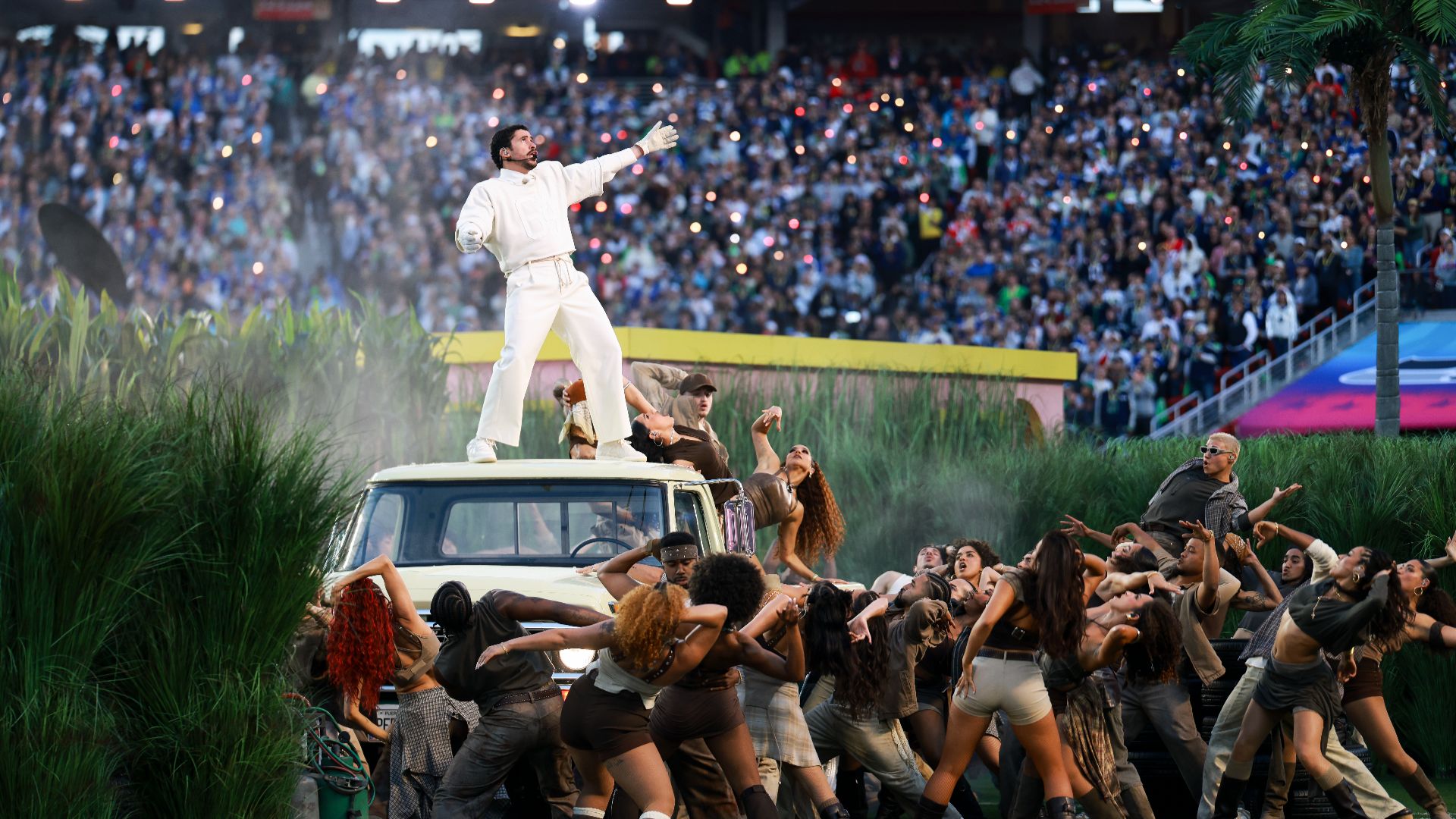
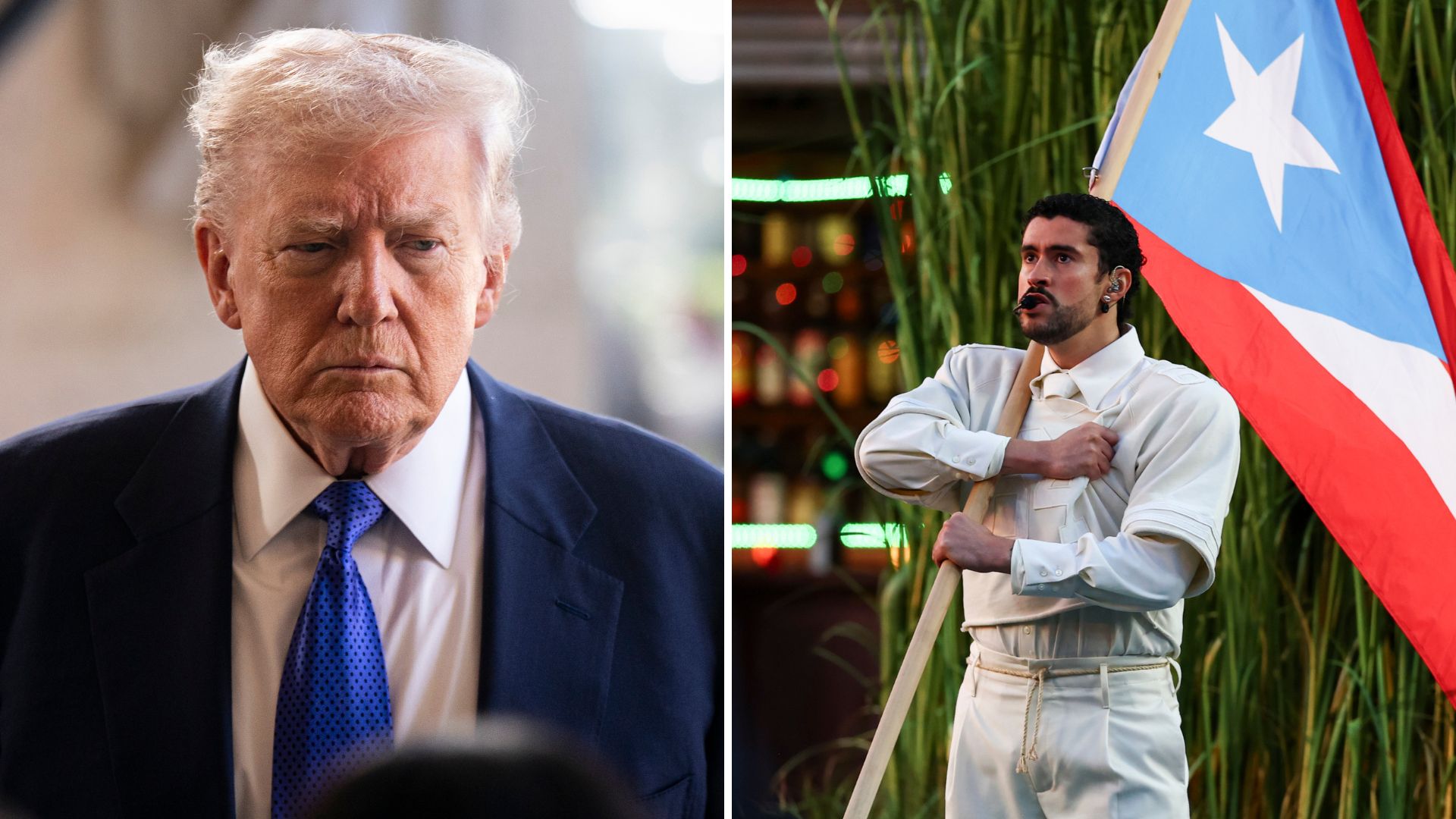
Trump: «A slap in the face» to the country

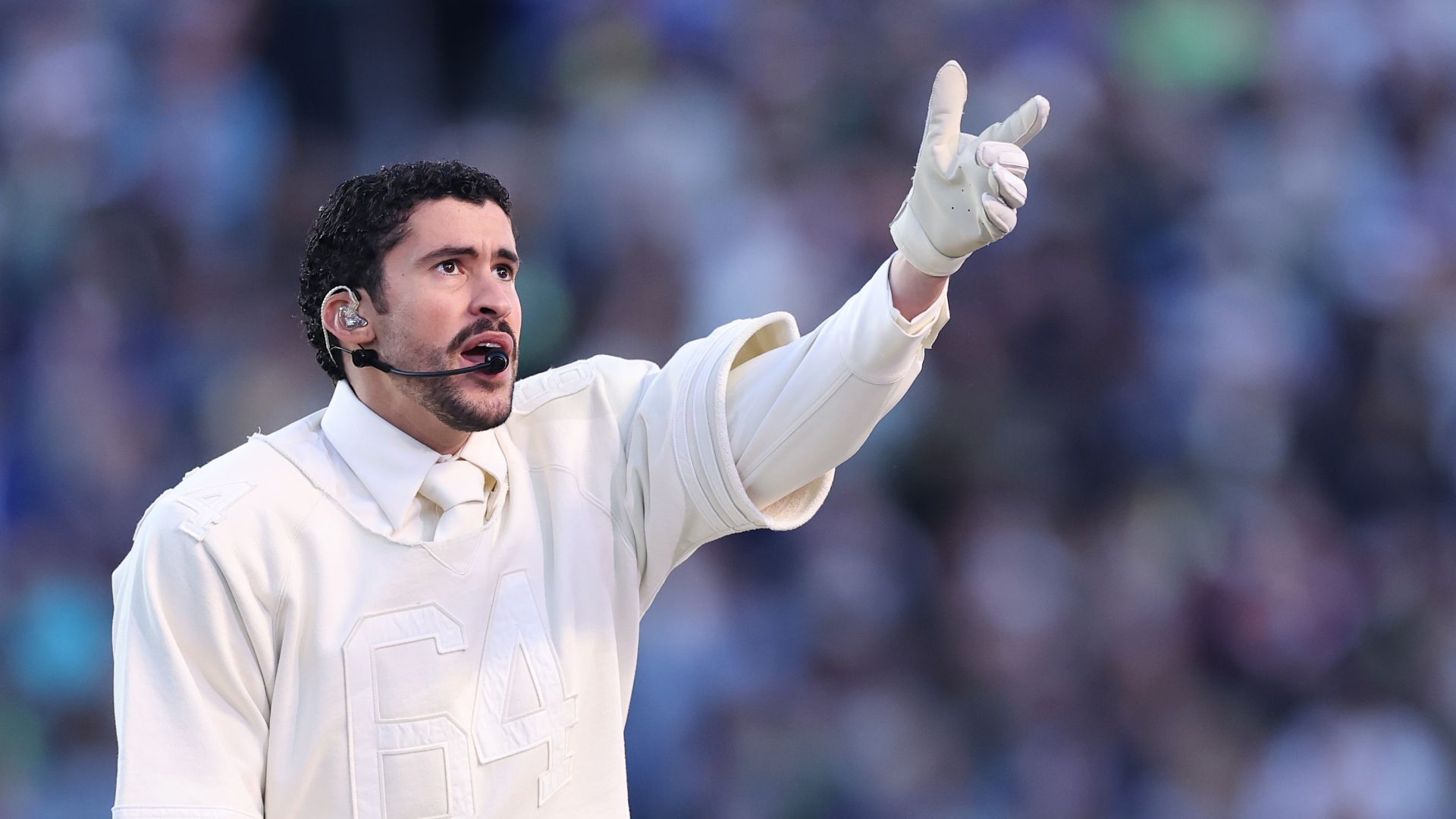
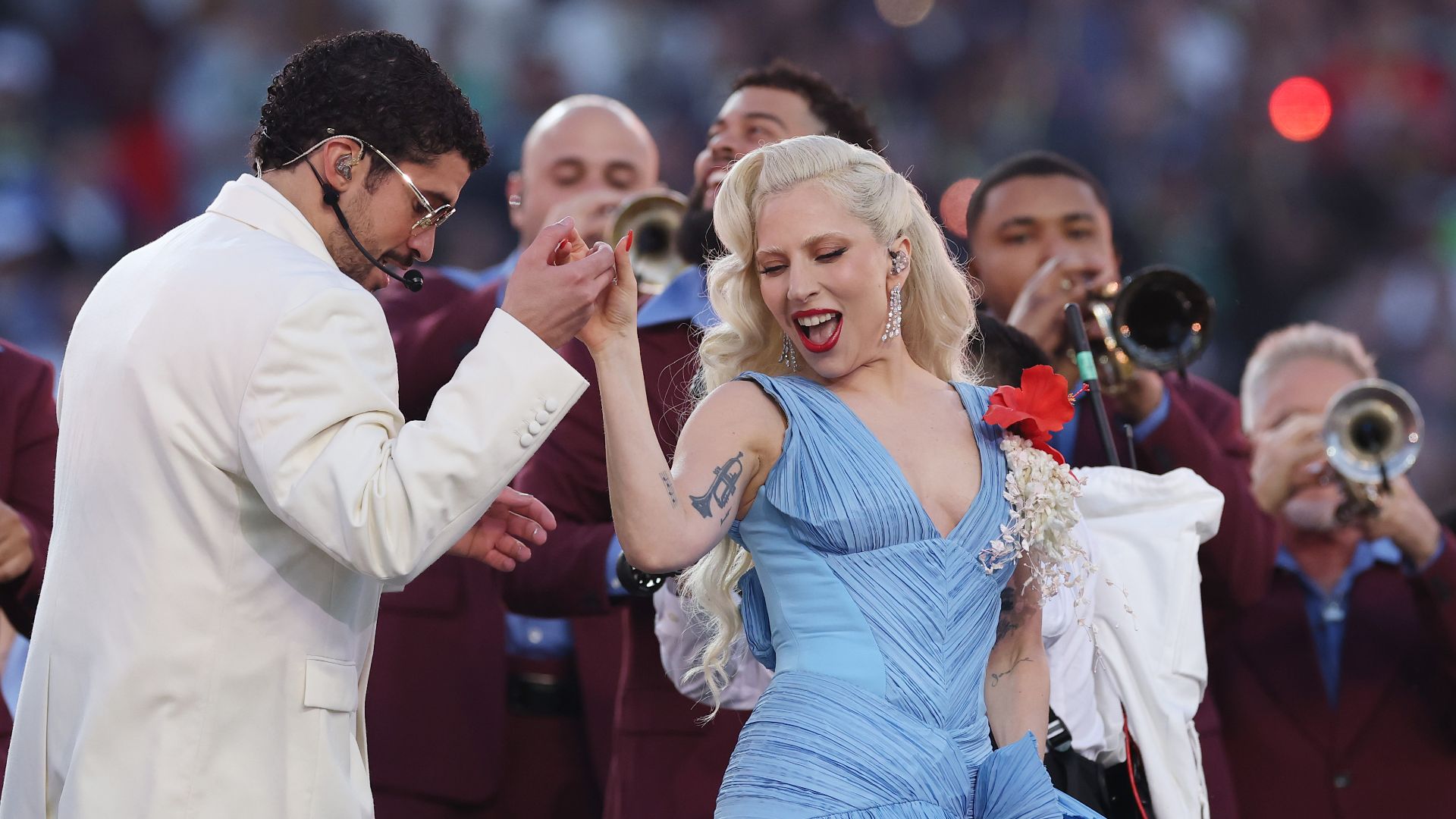
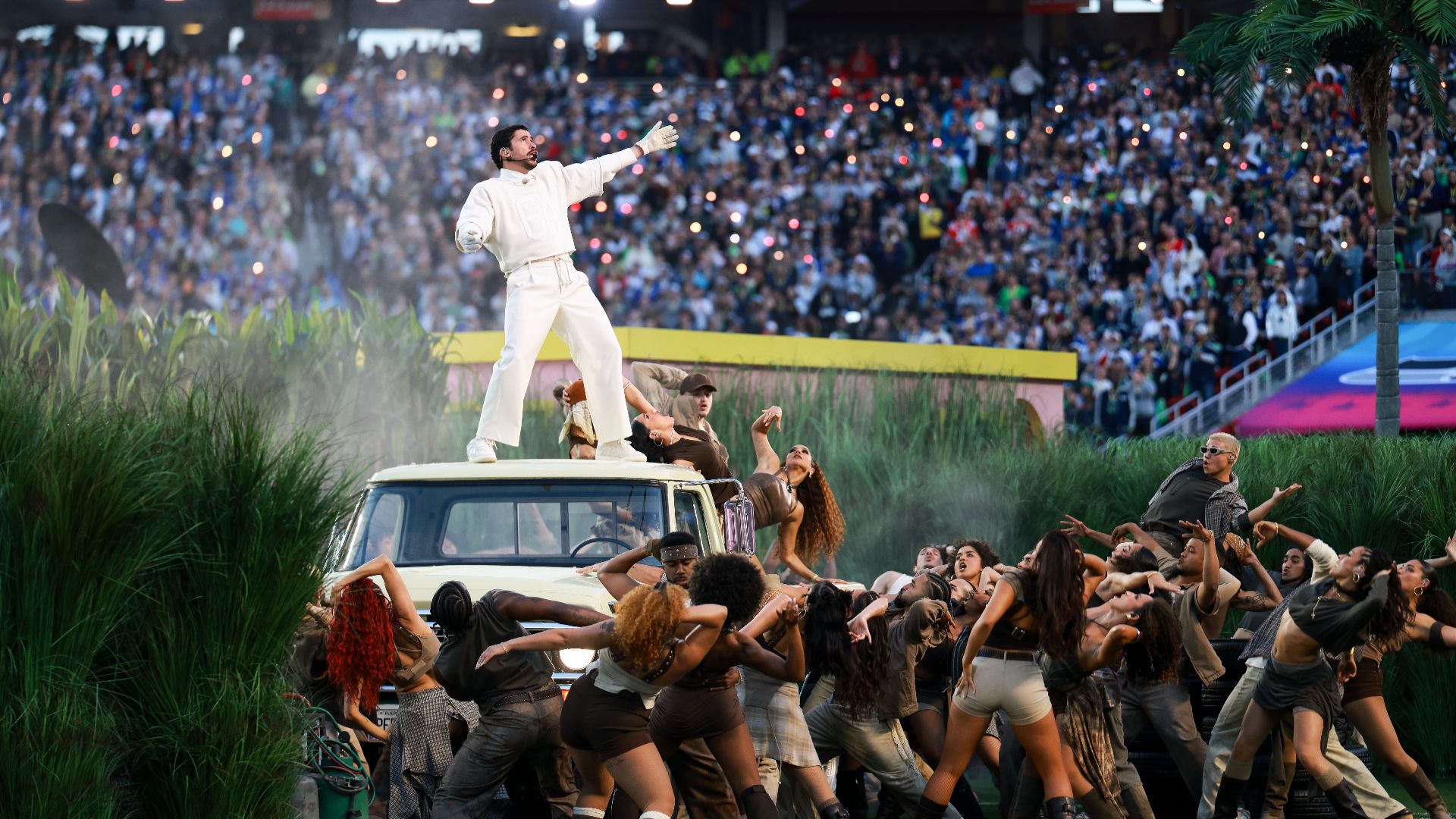
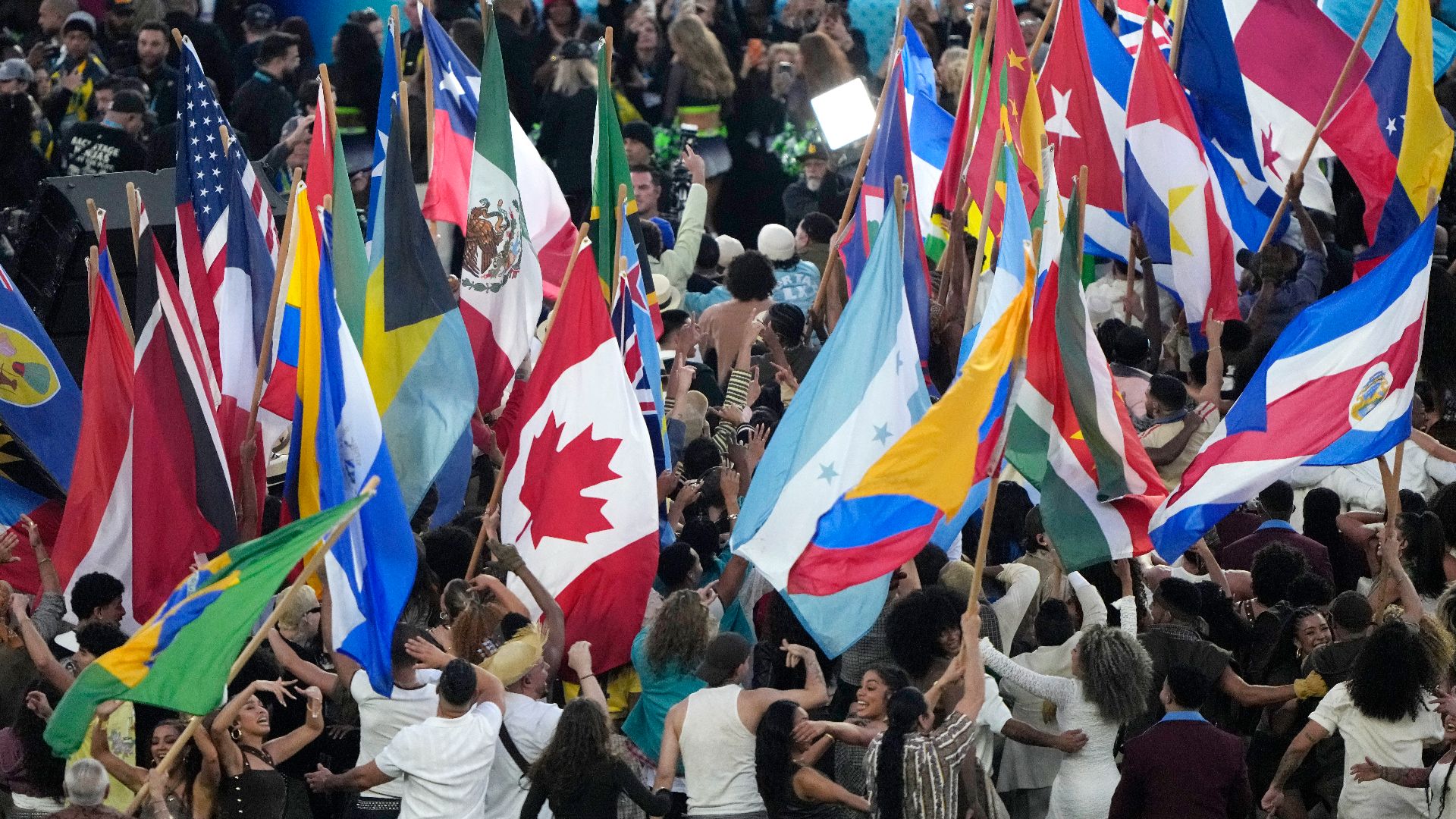
Donald Trump attacked Bad Bunny’s Super Bowl LX halftime show in a furious Truth Social post, calling the performance «absolutely terrible,» «one of the worst, EVER,» and «an affront to the Greatness of America.» He also described the show as «a slap in the face» to the country, criticizing the Spanish-language lyrics and the choreography. Bad Bunny’s performance, staged in Santa Clara, California, delivered a message of unity across the Americas, featuring the phrase «Together we are America» and the jumbotron message «The only thing more powerful than hate is love.» Despite the backlash, the show became the most-watched halftime performance in history.

Catégories
Uncategorized

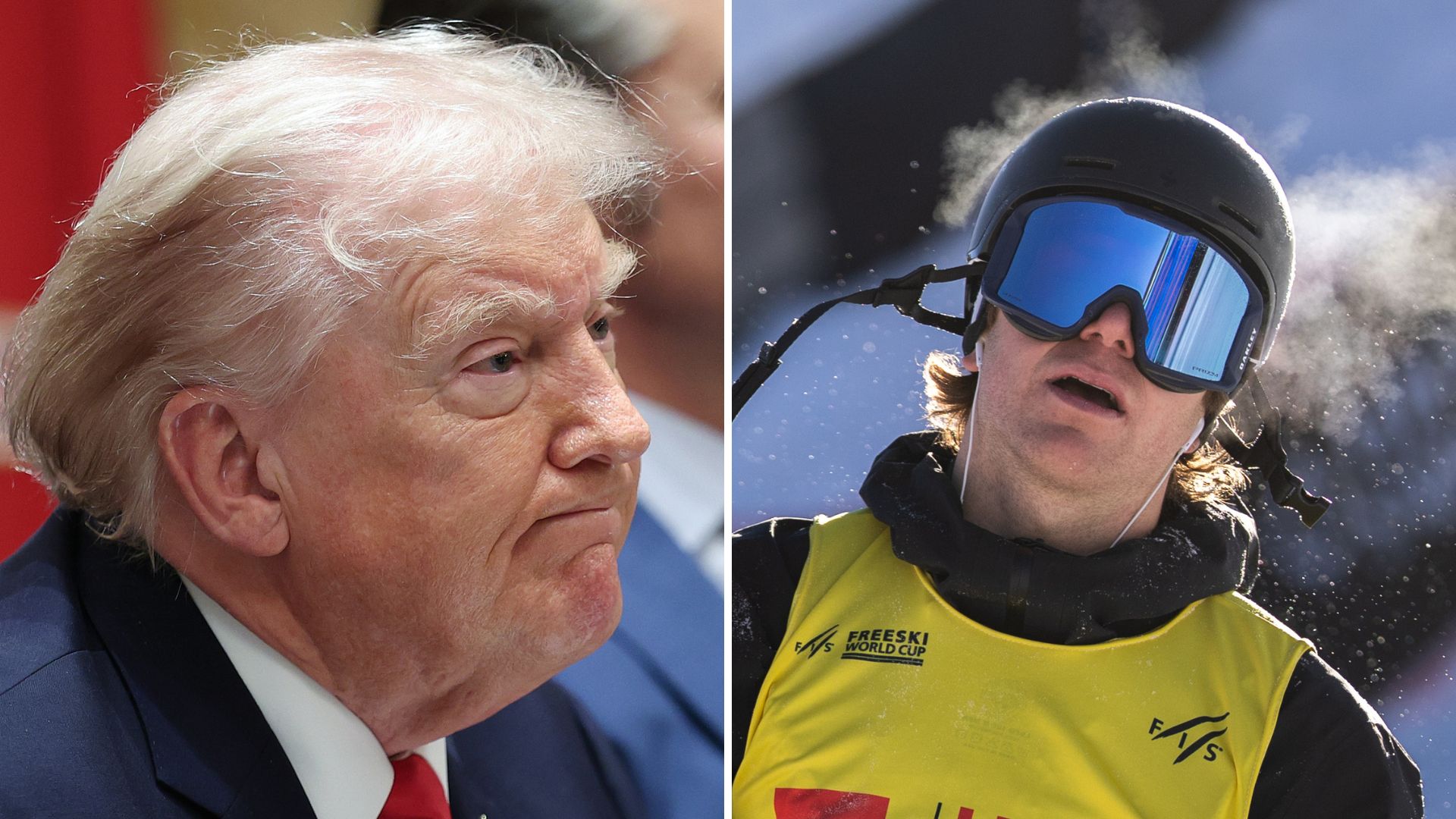
Trump Slams Own U.S. athlete, brands him a «real loser»

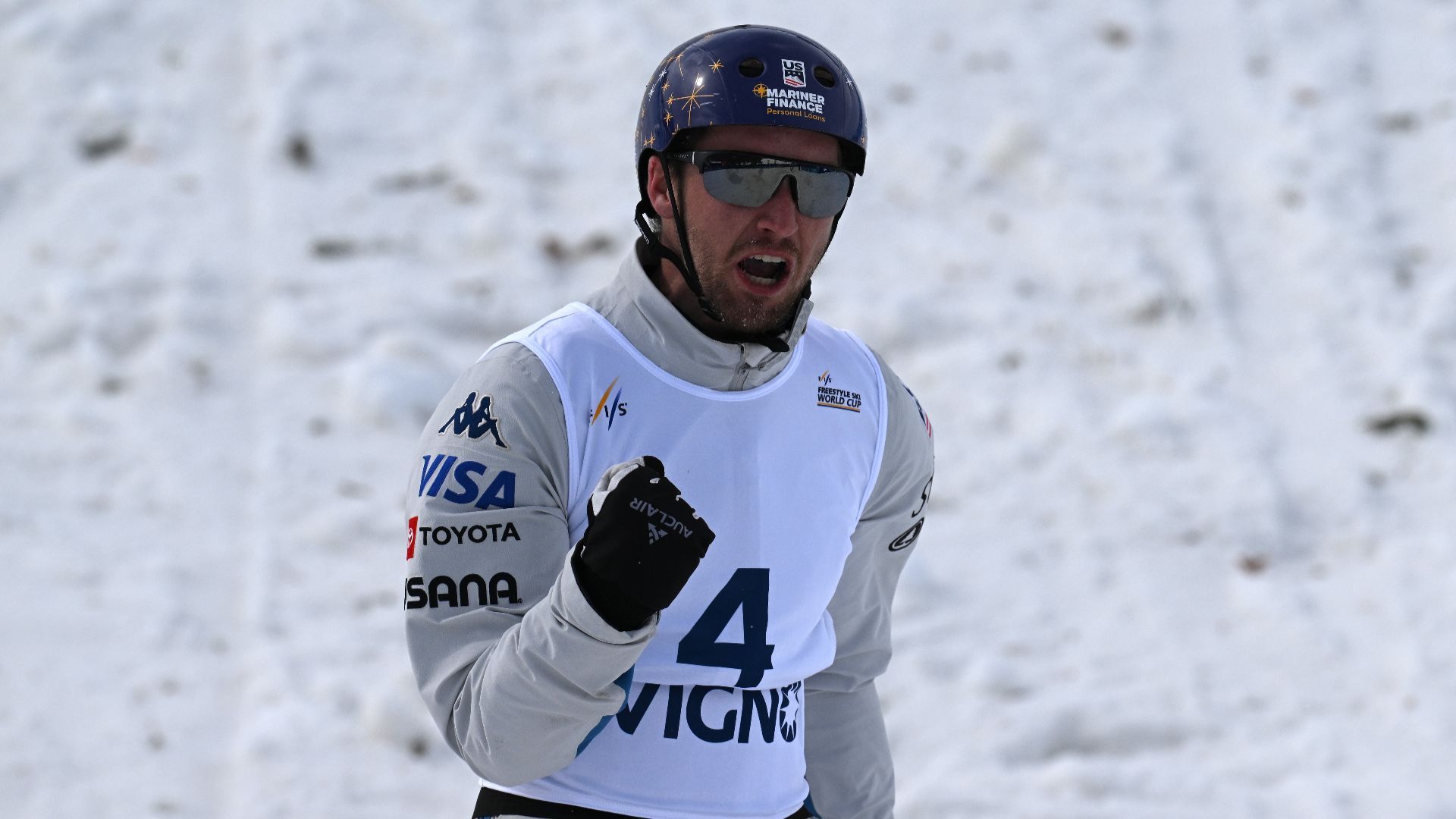
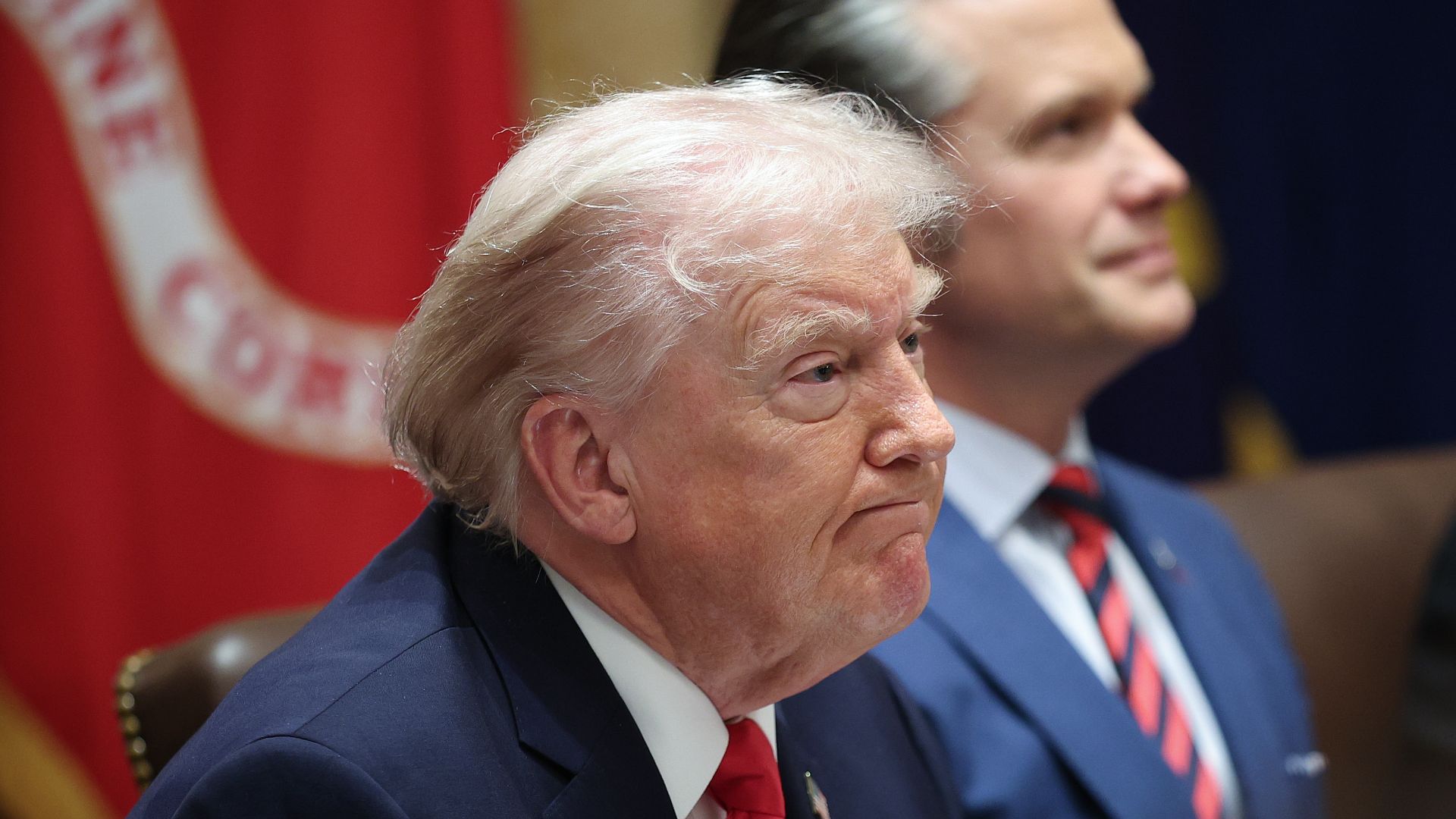
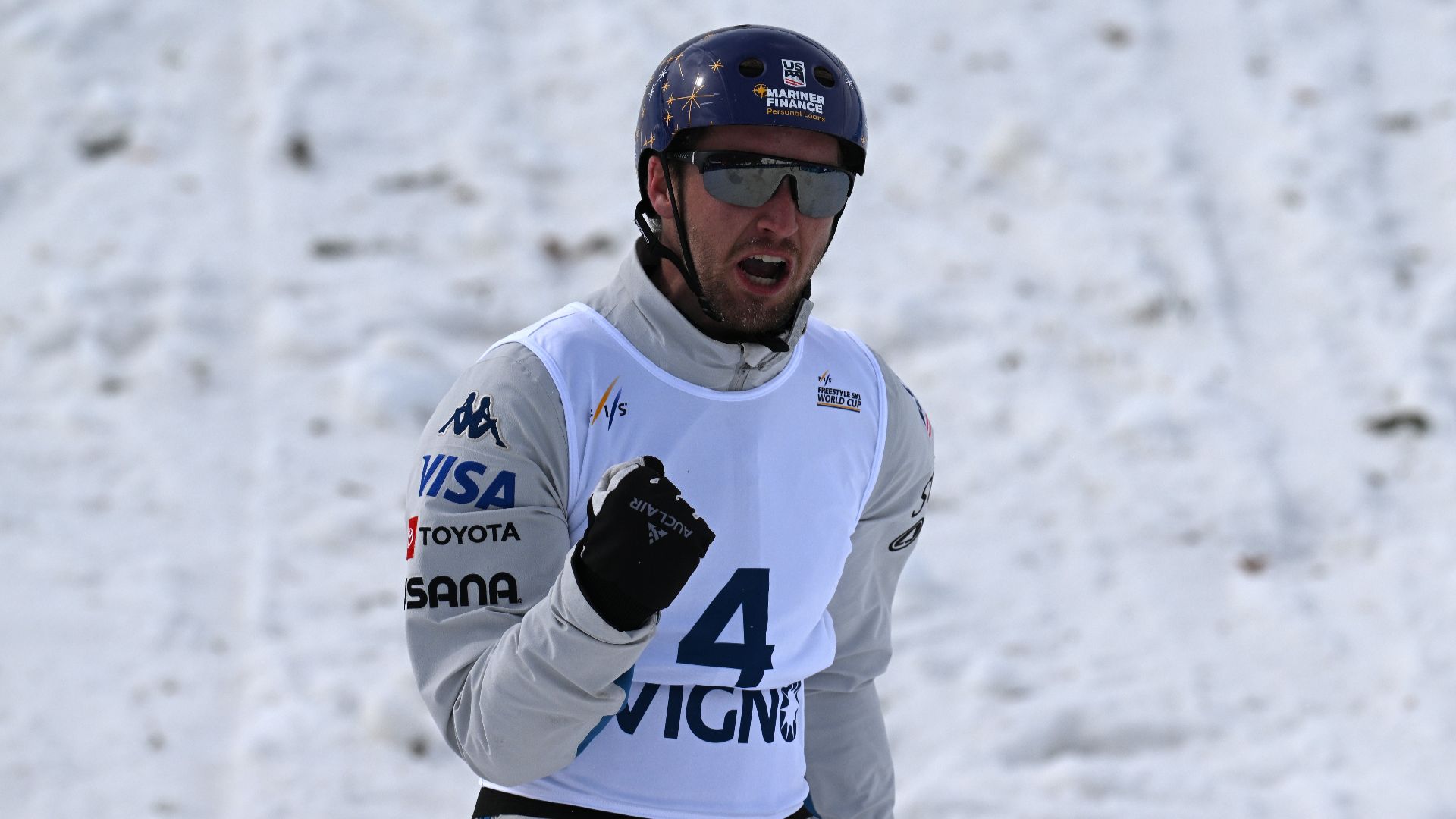
Donald Trump sparked fresh controversy on Sunday after calling US Olympic skier Hunter Hess a «real Loser» in a Truth Social post, attacking the athlete for expressing doubts about representing the country during the Winter Olympic Games. The president’s comments landed as the United States remains politically divided during Trump’s second term, with public tensions rising over immigration enforcement and protest movements. Hess had told reporters he felt “mixed emotions representing the US right now,” framing his Olympic participation as personal rather than political. Trump’s post quickly amplified the debate over patriotism and free speech, turning a routine press availability into a national political flashpoint.

Getty Images

Trump wrote: «U.S. Olympic Skier, Hunter Hess, a real Loser, says he doesn’t represent his Country in the current Winter Olympics. If that’s the case, he shouldn’t have tried out for the Team, and it’s too bad he’s on it. Very hard to root for someone like this. MAKE AMERICA GREAT AGAIN!» The message was posted after Hess spoke openly about the current climate in the United States. The skier, who is from Bend, Oregon, said last week that «just because I’m wearing the flag doesn’t mean I represent everything that’s going on in the US.» His remarks were part of broader media questioning of American athletes about politics, but appeared to strike a nerve with Trump.

«U.S. Olympic Skier, Hunter Hess, a real Loser, says he doesn’t represent his Country in the current Winter Olympics. If that’s the case, he shouldn’t have tried out for the Team, and it’s too bad he’s on it. Very hard to root for someone like this. MAKE AMERICA GREAT AGAIN!»

-President, Donald Trump

Hess explained that his focus remained on the people close to him rather than the administration. «It’s a little hard; there’s obviously a lot going on that I’m not the biggest fan of and I think a lot of people aren’t,» he said. «I think for me, it’s more I’m representing my friends and family back home, the people that represented it before me, all the things that I believe that are good about the US.» After Trump’s criticism went viral, Hess appeared to respond in an Instagram post, emphasizing both pride and dissent. «There is so much that is great about America, but there are always things that could be better,» he wrote.

Getty Images

In the same post, Hess defended his right to speak out while confirming his commitment to Team USA. «One of the many things that makes this country so amazing is that we have the right and the freedom to point that out,» he wrote. «The best part of the Olympics is that it brings people together, and when so many of us are divided we need that more than ever.» He added: «I cannot wait to represent Team USA next week when I compete.» His comments came as multiple US freestyle skiers faced similar questions about representing the country under Trump’s leadership and amid rising political polarization.

«I couldn’t believe the outlandish backlash I’ve received for just supporting people.»

-Team USA Figure skater, Amber Glenn

Other American athletes echoed the same unease. Skier Chris Lillis told reporters: «I feel heartbroken about what’s happening in the United States.» Referring to immigration enforcement and public protests, he added: «I think that as a country, we need to focus on respecting everybody’s rights and making sure that we’re treating our citizens as well as anybody, with love and respect.» Another skier, Quinn Dehlinger, said: «The political divide in the United States is very prevalent, and competition and sports is always a way to bring people together.» The US Olympic and Paralympic Committee said its focus was on Hess’ protection and support.

Getty Images

The issue of political backlash has extended beyond Hess to other Team USA athletes. Figure skater Amber Glenn said she received death threats and an unprecedented wave of online abuse after speaking about it being a “tough time” for the LGBTQ+ community under Donald Trump. Glenn, who helped the United States secure team gold in Milan, said the reaction stunned her. «I couldn’t believe the outlandish backlash I’ve received for just supporting people,» she said, adding that she stepped away from social media because of the volume of harmful messages. The US Olympic and Paralympic Committee said it has seen an increase in abusive behavior toward athletes and stressed that it remains focused on protecting competitors and supporting them throughout the Games.

Getty Images