Catégories
Uncategorized

Donald Trump’s son-in-law involved in Paramount’s hostile bid for Warner Bros. Discovery

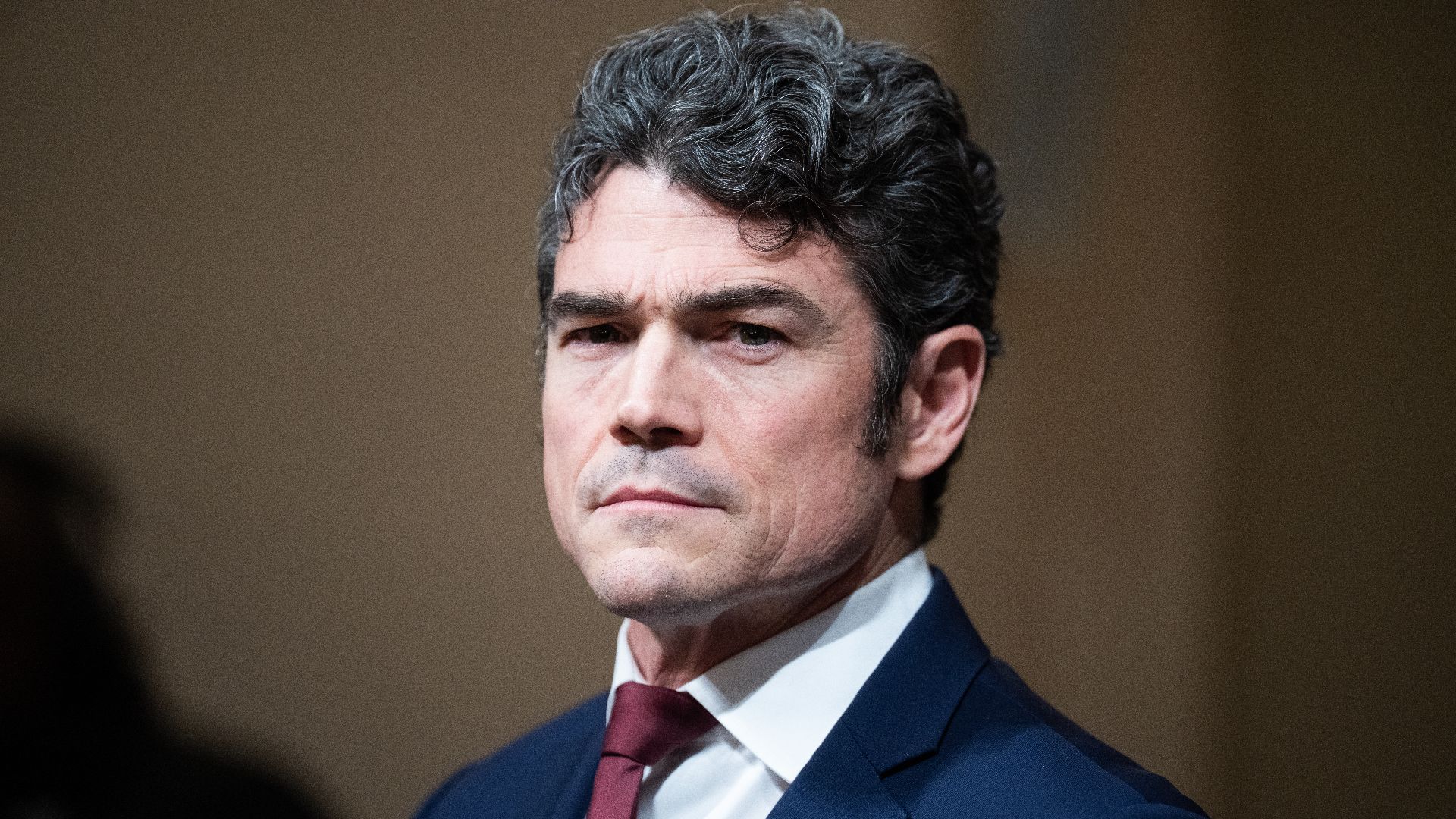
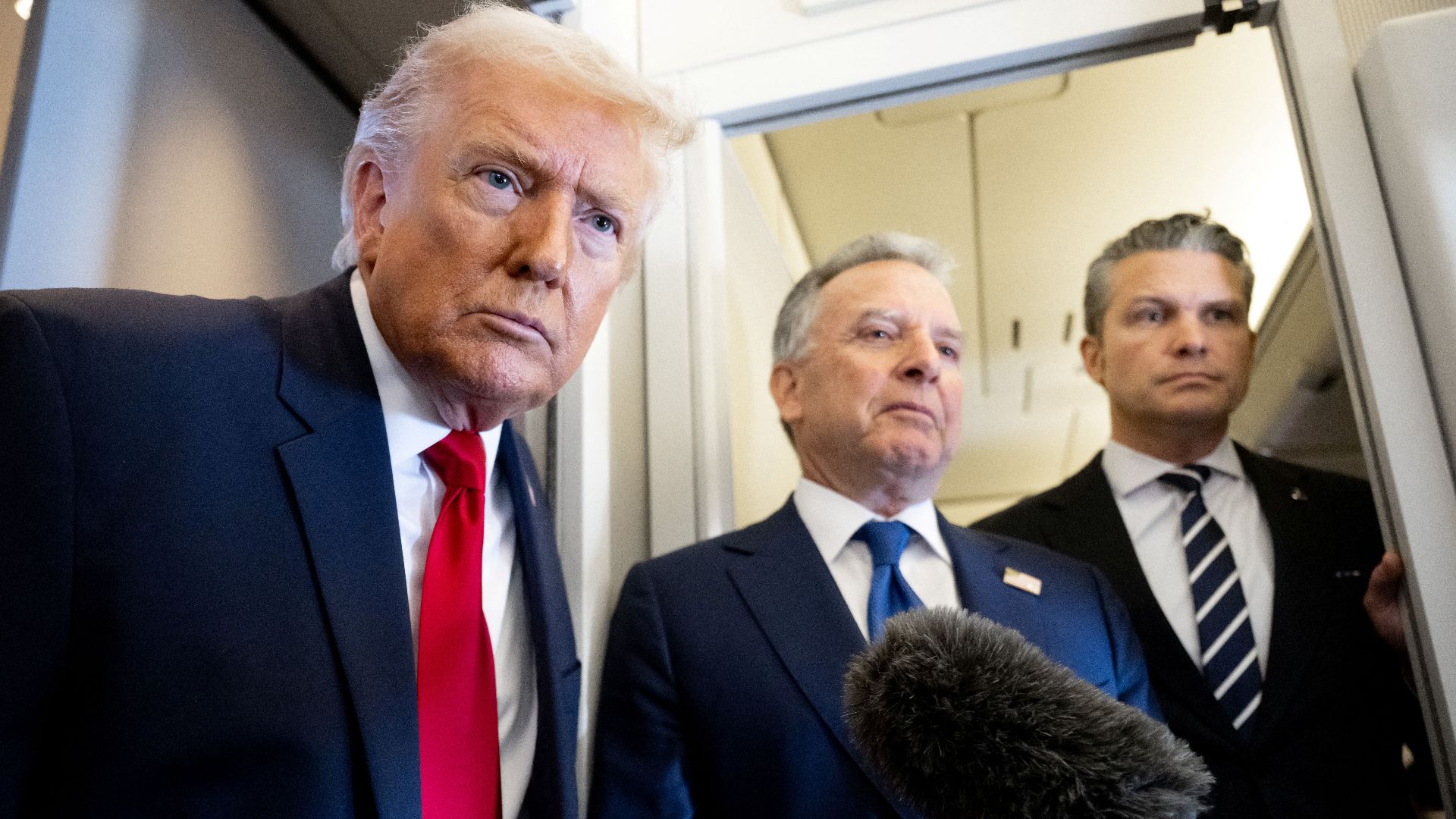
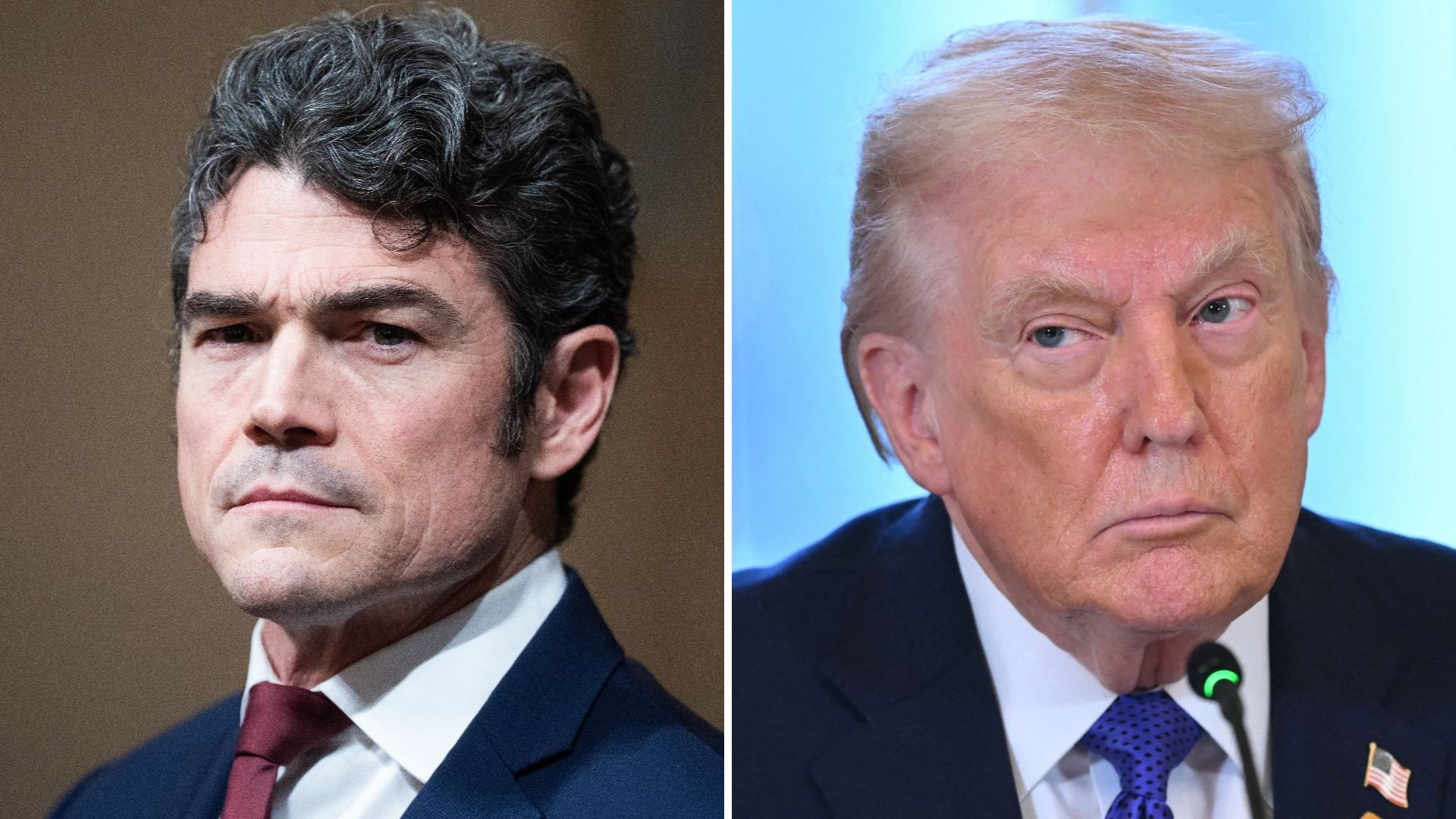
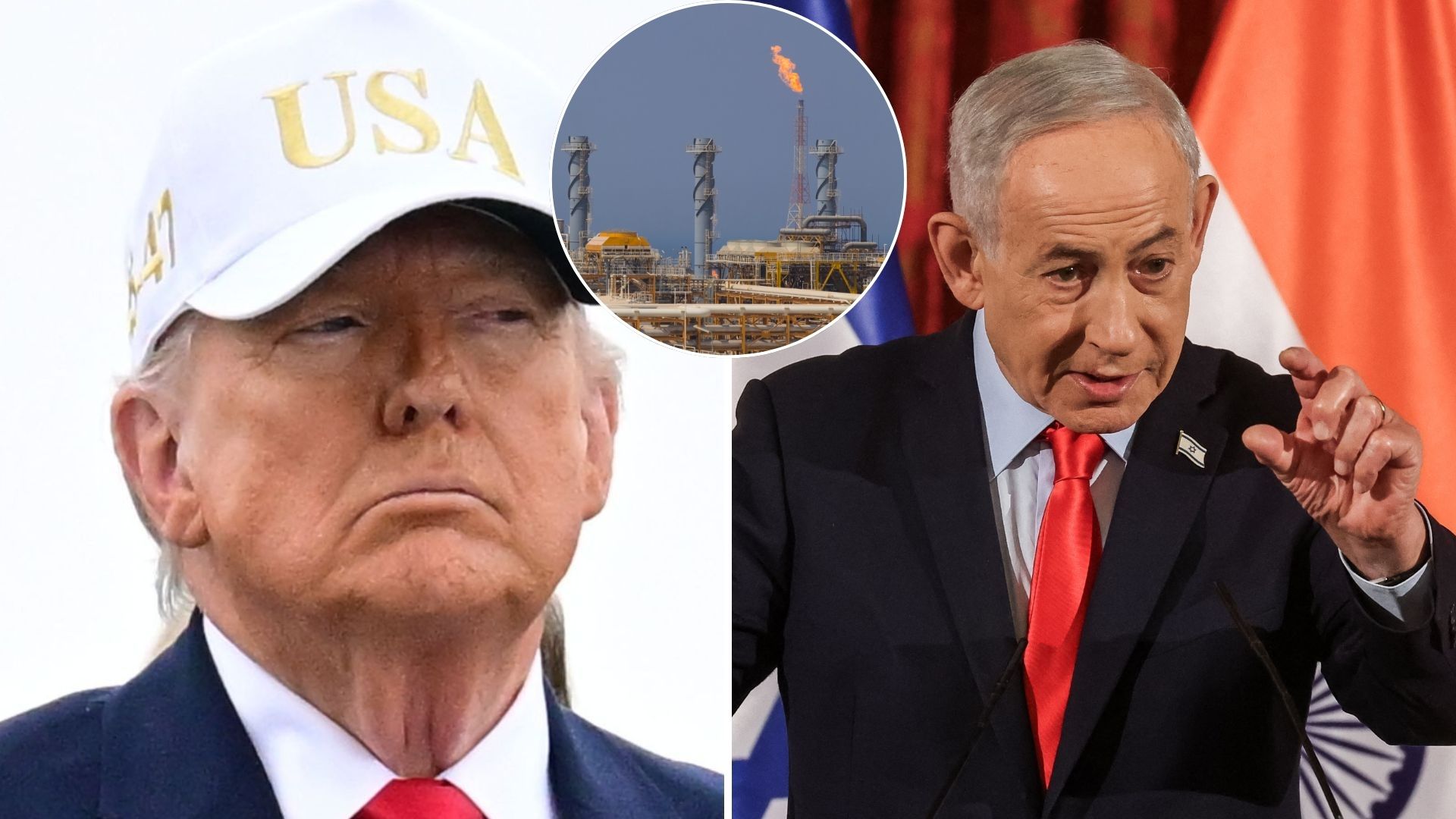
A few hours after Paramount unveiled its hostile bid to take over Warner Bros. Discovery — itself coming just days after Netflix’s surprise announcement that it intended to buy Warner Bros. and HBO — a new twist emerged: Jared Kushner, the son-in-law of Donald Trump, is involved in Paramount’s effort to seize control of Warner Bros., HBO and also CNN, a network frequently criticized by Trump. According to the New York Times, Kushner’s private equity firm, Affinity Partners, is among the investors supporting Paramount’s offer, adding an unexpected political dimension to an already high-stakes corporate battle.

Getty Images

Paramount returned to the table with its hostile bid only after its first offer for Warner Bros. Discovery had been rejected as too low, and it was able to raise its price thanks to a wave of external financing. In regulatory filings, the company said that Larry Ellison, the father of chief executive David Ellison, together with the private equity firm RedBird Capital Partners, had committed to backstop the 40 billion dollars in cash needed for the new offer. Paramount also lined up a group of additional investors to offload part of that commitment, including Jared Kushner’s private equity firm Affinity Partners, as well as sovereign wealth funds from Saudi Arabia, Qatar and Abu Dhabi, whose money would help fund the takeover of Warner Bros. Discovery and its crown jewels, from HBO to CNN.

Getty Images

On 5 December, Netflix announced a 72 billion dollar deal to buy Warner Bros. Discovery’s film and TV studios and its HBO Max streaming service, a takeover that would fold some of Hollywood’s most valuable assets into the Netflix empire. Trump quickly cast doubt on the transaction, warning that the merger «could be a problem» because of Netflix’s market share, saying he would be «involved» in the review and signalling that his administration viewed the deal with «heavy skepticism» on antitrust grounds. A few days later, Paramount escalated the fight: after an initial bid of around 60 billion dollars, at just under 24 dollars per share, had been rejected by Warner Bros. Discovery as too low, the company returned with a hostile all-cash offer worth 108.4 billion dollars, or 30 dollars per share, for the entire group, including CNN and the traditional TV networks. That new proposal is roughly 48.4 billion dollars higher than Paramount’s first approach and about 36.4 billion more than Netflix’s 72 billion dollar bid.

Conservative-leaning moguls

People close to Trump are now circling not just legacy TV brands but also the biggest social platform of the moment. With Jared Kushner’s Affinity Partners helping to finance Paramount’s hostile bid for Warner Bros. Discovery, a Trump family vehicle could end up with a stake in Warner Bros., HBO and CNN, a network the president routinely attacks. At the same time, Trump has said he is lining up a «very wealthy» group of buyers to take over TikTok’s US operations, and has publicly name-checked conservative-leaning moguls such as Rupert and Lachlan Murdoch, Michael Dell and Larry Ellison among the potential investors. Taken together, these moves mean that some of the most coveted news and entertainment assets in the country — from cable channels to a dominant short-video app — are being targeted by financiers and tech billionaires who are either directly tied to the Trump family or closely aligned with the president politically.

Getty Images
Catégories
Uncategorized

Miami Flips Blue for the First Time in Nearly 30 Years, Rejecting Trump’s Chosen Candidate

Democrat Eileen Higgins, a former county commissioner, defeated Republican Emilio González in the Miami mayor’s race, flipping a city widely viewed as deep Trump country blue for the first time in 28 years, a shift that breaks with nearly three decades of Republican control at City Hall and highlights how local dynamics can diverge from national narratives about South Florida. Higgins won about 60% of the vote, a decisive margin that left little doubt about the result and handed a clear and public defeat to Trump-backed candidate Emilio González, whose campaign had leaned heavily on his Republican credentials and support among conservative voters. The scale of Higgins’s victory shows that a Democrat can still build a broad coalition in Miami, bringing together longtime residents, younger voters and independents who were ready to turn the page on the city’s recent political direction, and it firmly plants a blue marker in a place that, until now, had been regarded as safe territory for Republicans.

Getty Images

In the final weeks before Miami went to the polls, national Republicans closed ranks around Emilio González, turning a normally sleepy mayor’s race into a showcase for the right’s biggest stars and an explicit test of the movement’s strength in a city often described as deep Trump country. Trump, DeSantis and JD Vance all lined up behind the Republican, but it was Trump who put the most emphasis on the contest, using his megaphone on Truth Social to fire off a message that began with a blunt reminder to his followers: «Miami’s Mayor Race is Tuesday.» Trump immediately raised the stakes, insisting that this local contest carried national weight with the line: «It is a big and important race!!!». Then Trump tell his supporters exactly what he wanted from them: «Vote for Republican Gonzalez.» To seal the endorsement, he added a splash of his trademark hype — «He is FANTASTIC!» — before nudging his audience to turn that enthusiasm into action right away with: «You can also vote today.» And, as always, he closed by folding the Miami mayoral race into his broader political project, signing off with his familiar rallying cry: «MAKE AMERICA GREAT AGAIN!».

A new direction

Higgins gave her victory speech at the Miami Woman’s Club, celebrating what she called a turning point for a city that had been pulled for years into the gravitational field of national Republican politics, and when she told the room «Miami chose a new direction», the crowd erupted, hearing in that line not just a celebration of her win but also a pointed contrast with what many in Miami see as the Trump administration’s habitual disorder, improvisation and lack of basic competency. A little later in the speech, she sharpened that contrast even more with a line that summed up her pitch to voters from the start of the campaign: «You chose competence over chaos, results over excuses and a city government that finally works for you.». She wove those ideas through the rest of her remarks, framing the result as a declaration of independence from outside political pressures and a reassurance that the city’s priorities would be anchored once more in local needs rather than national theatrics, and her message landed not only with supporters in the room but also with strategists across Florida who immediately began reading the result as a sobering signal for upcoming contests, because this loss — delivered despite Trump, DeSantis and JD Vance throwing their full weight behind González — suggests that Trump’s brand is no longer a guaranteed turnout engine in every Latino-heavy, previously friendly corner of South Florida, and that the political map in the region may be more fluid than Republicans have assumed for the past decade.

Getty Images

In last November’s off-year elections, Democrats were already building the wave that would later hit Miami: in New York City, Zohran Mamdani took City Hall with just over 50% of the vote, beating Andrew Cuomo by a little under ten points while Republican Curtis Sliwa was left in single digits, a narrow but clear majority in a huge, polarized city. That same night, Abigail Spanberger flipped Virginia’s governorship, defeating Republican Winsome Earle-Sears by about 58% to 42% — a margin of more than fifteen points and the strongest Democratic showing in a Virginia governor’s race since the early 1960s. In New Jersey, Mikie Sherrill didn’t just hang on for Democrats, she blew past expectations in what was supposed to be a nail-biter, turning a race many analysts rated as a toss-up into roughly a fourteen-point win over Jack Ciattarelli, the biggest Democratic margin in the state in decades. Taken together with Mamdani’s under-ten-point but symbolically huge victory in New York and a series of Democratic overperformances in specials earlier in the year, those November results looked less like isolated blue pockets and more like the early shape of a trend, giving Democrats a sense of real momentum as the 2026 midterm elections draw closer.

Getty Images
Catégories
Uncategorized

Miami Flips Blue for the First Time in Nearly 30 Years, Rejecting Trump’s Chosen Candidate

Democrat Eileen Higgins, a former county commissioner, defeated Republican Emilio González in the Miami mayor’s race, flipping a city widely viewed as deep Trump country blue for the first time in 28 years, a shift that breaks with nearly three decades of Republican control at City Hall and highlights how local dynamics can diverge from national narratives about South Florida. Higgins won about 60% of the vote, a decisive margin that left little doubt about the result and handed a clear and public defeat to Trump-backed candidate Emilio González, whose campaign had leaned heavily on his Republican credentials and support among conservative voters. The scale of Higgins’s victory shows that a Democrat can still build a broad coalition in Miami, bringing together longtime residents, younger voters and independents who were ready to turn the page on the city’s recent political direction, and it firmly plants a blue marker in a place that, until now, had been regarded as safe territory for Republicans.

Getty Images

In the final weeks before Miami went to the polls, national Republicans closed ranks around Emilio González, turning a normally sleepy mayor’s race into a showcase for the right’s biggest stars and an explicit test of the movement’s strength in a city often described as deep Trump country. Trump, DeSantis and JD Vance all lined up behind the Republican, but it was Trump who put the most emphasis on the contest, using his megaphone on Truth Social to fire off a message that began with a blunt reminder to his followers: «Miami’s Mayor Race is Tuesday.» Trump immediately raised the stakes, insisting that this local contest carried national weight with the line: «It is a big and important race!!!». Then Trump tell his supporters exactly what he wanted from them: «Vote for Republican Gonzalez.» To seal the endorsement, he added a splash of his trademark hype — «He is FANTASTIC!» — before nudging his audience to turn that enthusiasm into action right away with: «You can also vote today.» And, as always, he closed by folding the Miami mayoral race into his broader political project, signing off with his familiar rallying cry: «MAKE AMERICA GREAT AGAIN!».

A new direction

Higgins gave her victory speech at the Miami Woman’s Club, celebrating what she called a turning point for a city that had been pulled for years into the gravitational field of national Republican politics, and when she told the room «Miami chose a new direction», the crowd erupted, hearing in that line not just a celebration of her win but also a pointed contrast with what many in Miami see as the Trump administration’s habitual disorder, improvisation and lack of basic competency. A little later in the speech, she sharpened that contrast even more with a line that summed up her pitch to voters from the start of the campaign: «You chose competence over chaos, results over excuses and a city government that finally works for you.». She wove those ideas through the rest of her remarks, framing the result as a declaration of independence from outside political pressures and a reassurance that the city’s priorities would be anchored once more in local needs rather than national theatrics, and her message landed not only with supporters in the room but also with strategists across Florida who immediately began reading the result as a sobering signal for upcoming contests, because this loss — delivered despite Trump, DeSantis and JD Vance throwing their full weight behind González — suggests that Trump’s brand is no longer a guaranteed turnout engine in every Latino-heavy, previously friendly corner of South Florida, and that the political map in the region may be more fluid than Republicans have assumed for the past decade.

Getty Images

In last November’s off-year elections, Democrats were already building the wave that would later hit Miami: in New York City, Zohran Mamdani took City Hall with just over 50% of the vote, beating Andrew Cuomo by a little under ten points while Republican Curtis Sliwa was left in single digits, a narrow but clear majority in a huge, polarized city. That same night, Abigail Spanberger flipped Virginia’s governorship, defeating Republican Winsome Earle-Sears by about 58% to 42% — a margin of more than fifteen points and the strongest Democratic showing in a Virginia governor’s race since the early 1960s. In New Jersey, Mikie Sherrill didn’t just hang on for Democrats, she blew past expectations in what was supposed to be a nail-biter, turning a race many analysts rated as a toss-up into roughly a fourteen-point win over Jack Ciattarelli, the biggest Democratic margin in the state in decades. Taken together with Mamdani’s under-ten-point but symbolically huge victory in New York and a series of Democratic overperformances in specials earlier in the year, those November results looked less like isolated blue pockets and more like the early shape of a trend, giving Democrats a sense of real momentum as the 2026 midterm elections draw closer.

Getty Images

18 times GOP members criticized Trump (and how they all backed down)

Trump admin spent almost 1M$ in FBI overtime on Epstein

Court Rejects Trump Bid Against Clinton and Upholds $1M Penalty

Trump slams Europe as «Weak» and «Decaying»

Catégories
Uncategorized

Four countries boycott Eurovision 70 over Israeli inclusion

Four countries have now pulled out of Eurovision in protest of Israel’s inclusion in the competition. Spain, the Netherlands, Ireland, and Slovenia have all announced that they will not attend Eurovision 2026 if Israel is allowed to compete. The pullouts came after the European Broadcasting Union (EBU) — the group of public broadcasters from 56 countries that runs the event — said there would not be a vote on whether to exclude Israel, despite calls from some countries to do so. So far, just the four public broadcasters mentioned have pulled out, but some expect other countries to follow suit.
Israeli President Isaac Herzog said on X that he was « pleased » Israel will again take part, and hoped « the competition will remain one that champions culture, music, friendship between nations, and cross-border cultural understanding. » Host nation Austria reportedly supports Israel’s participation, as does Germany.

War on Gaza taking centerfold

Israel’s violent war on Gaza has taken center stage over the last two years after pro-Palestinian protesters demonstrated against Israel outside the last two Eurovision contests in Basel, Switzerland, in May and Malmö, Sweden, in 2024. Russia was expelled from Eurovision in 2022 for its attack on Ukraine, sparking criticism of a double standard. Nearly every international human rights group has deemed Israel’s war on Gaza to be a genocide, but not Russia’s war on Ukraine.

Israel has committed genocide against Palestinians in the Gaza Strip, the UN Independent International Commission of Inquiry on the Occupied Palestinian Territory, including East Jerusalem, and Israel

United Nations

Public broadcasters comment

Public broadcasters from all four boycotting nations have made statements, with Spain’s broadcaster stating ““The situation in Gaza, despite the ceasefire and the approval of the peace process, and the use of the contest for political goals by Israel, make it increasingly difficult to keep Eurovision a neutral cultural event,” Irelands national broadcasting service, RTE stated that allowing Israel to compete « remains unconscionable given the appalling loss of lives in Gaza ». Dutch broadcaster Avrotros said that Israel’s participation in the competition « is no longer compatible with the responsibility we bear as a public broadcaster. » A final list of participating countries will be announced by Christmas.

Financial implications

The boycott risks damaging Eurovision’s reputation as a competition that acts outside of politics, but like the Olympics, countries are questioning whether inclusion in Eurovision should be a right or a privilege that can be lost. There is also the financial prospect – Eurovision is incredibly profitable for public broadcasters, at a time when public broadcasters are struggling across the globe. A boycott by some European countries will have implications for viewership for the boycotting countries at a time when many broadcasters are under financial pressure from government funding cuts and the advent of social media. Additionally, if Eurovision becomes politicized, the viewers could begin to boycott the competition, damaging profits for all broadcasters involved.

The Spain and Ireland boycott will be especially noticeable and should impact viewer ratings globally. Spain is one of the ‘Big Five’ – the five largest countries that contribute to the content, and Ireland shares the record for most Eurovision wins with seven. Eurovision 2026, the 70th instalment of the competition, is slated to run from May 12 to 16 in Vienna, Austria. It is unclear how many countries will be participating. Overshadowed by Israel’s controversial inclusion, Eurovision 2026 will also see the return of three countries – Bulgaria, Moldova and Romania after their brief absence due to financial or artistic reasons.

Catégories
Uncategorized

Trump threatens ‘severe tariffs’ on Canadian fertilizer in attempt to prop up American farmers

American farmers are struggling under Donald Trump, and the American president is now turning back to Canada as a means to a financial end. Trump claimed during a roundtable in Washington on Monday that Canadian fertilizer being exported south of the border could be hit with significant levies in the future as he attempts to aid American farmers who have been negatively impacted by months of trade uncertainty created by Trump. During the roundtable, Trump also announced a $12-billion aid package for farmers.

“This relief will provide much-needed certainty to farmers as they get this year’s harvest to market and look ahead to next year’s crops, and it’ll help them continue their efforts to lower food prices for American families,”

New tariffs on Canada

WASHINGTON, DC – SEPTEMBER 26: U.S. President Donald Trump speaks to members of the media as he departs the White House  September 26, 2025 in Washington, DC. Under pressure from Trump, the DOJ indicted former FBI Director James Comey on counts of making false statements and obstruction of a congressional proceeding related to the September 2020 Russia investigation. (Photo by Kevin Dietsch/Getty Images)

Trump was quoted on Monday, stating: “A lot of (fertilizer) does come in from Canada, and so we’ll end up putting very severe tariffs on that, if we have to, because that’s the way you want to bolster here.” Many US farms rely on potash fertilizer from Saskatchewan to add potassium to their soil. American purchases make up half of all fertilizer exports from Canada. When Trump imposed his 25% sweeping tariffs on all Canadian exports into the US, he was forced to lower the tariff on fertilizer to 10% after outcry from Republican farmers. The same farmers have publicly supported Trump’s tariffs despite their consequences.

According to Fertilizer Canada, “Imposing tariffs jeopardizes the deeply integrated, open trading relationship that is vital to North American agricultural producers,” and that the US “does not have sufficient reserves to meet domestic demand.” Russia is America’s second-largest source for potash fertilizer, but Canada accounts for 80% of America’s fertilizer imports. The last time Trump tried enforcing tariffs on fertilizer, the price of potash rose from US$303 per short ton to $348 between Jan. 3 and Feb. 28. The price hike impacted farmers across the U.S. who were preparing to plant in the spring.

Ontario Premier Doug Ford wants fertilizer companies to threaten to halt the sale of potash fertilizer to American companies, but Saskatchewan potash producer Nutrien has already announced plans to build a new export facility for global markets in the US, rather than in British Columbia.

Tariffs hurting Americans

Since Donald Trump began trade wars with all of Americas biggest trade partners, farmers have struggled to sell their crops, with China and other countries willing to pay less due to the hefty tariffs levied by Donald Trump, but the prospective aid will be ‘a drop in the bucket’ according to farmers effected by the tariffs, with soybean farmers being hit harder than most. “It’s just the stupidity of the whole situation that we’re in this mess. And why is China not upholding their end of the bargain? Why do we have to have this payment in the first place?” said John Bartman, a soybean farmer from Illinois.

Since Trump’s trade war with China began, American farmers have lost more than $12bn, with crop producers losing between $35 bn and $43bn on what they just harvested in 2025. Trump’s $12bn payout would put a maximum of $155,000 in the pocket of each individual farmer, which, according to farmers, is “roughly the same amount of money that China would have purchased in a normal year anyway”. China has purchased approximately 15% fewer soybeans from the US while increasing purchases from Argentina and Brazil. Argentina lowered its soybean tax against China in September to ensure the stability of soybean purchases.

Catégories
Uncategorized

Israel and Hamas to broker ‘second-phase’ of ceasefire

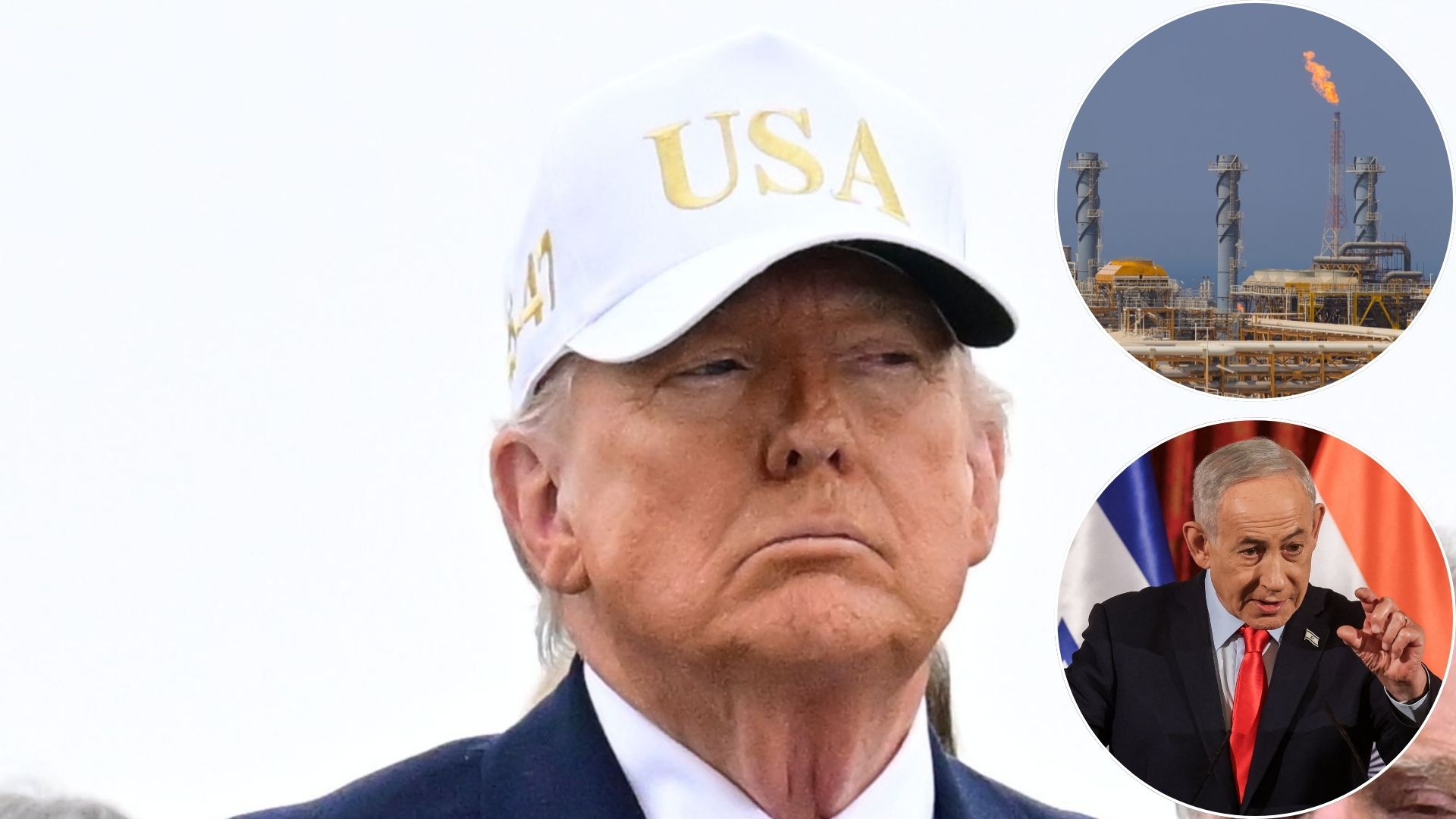
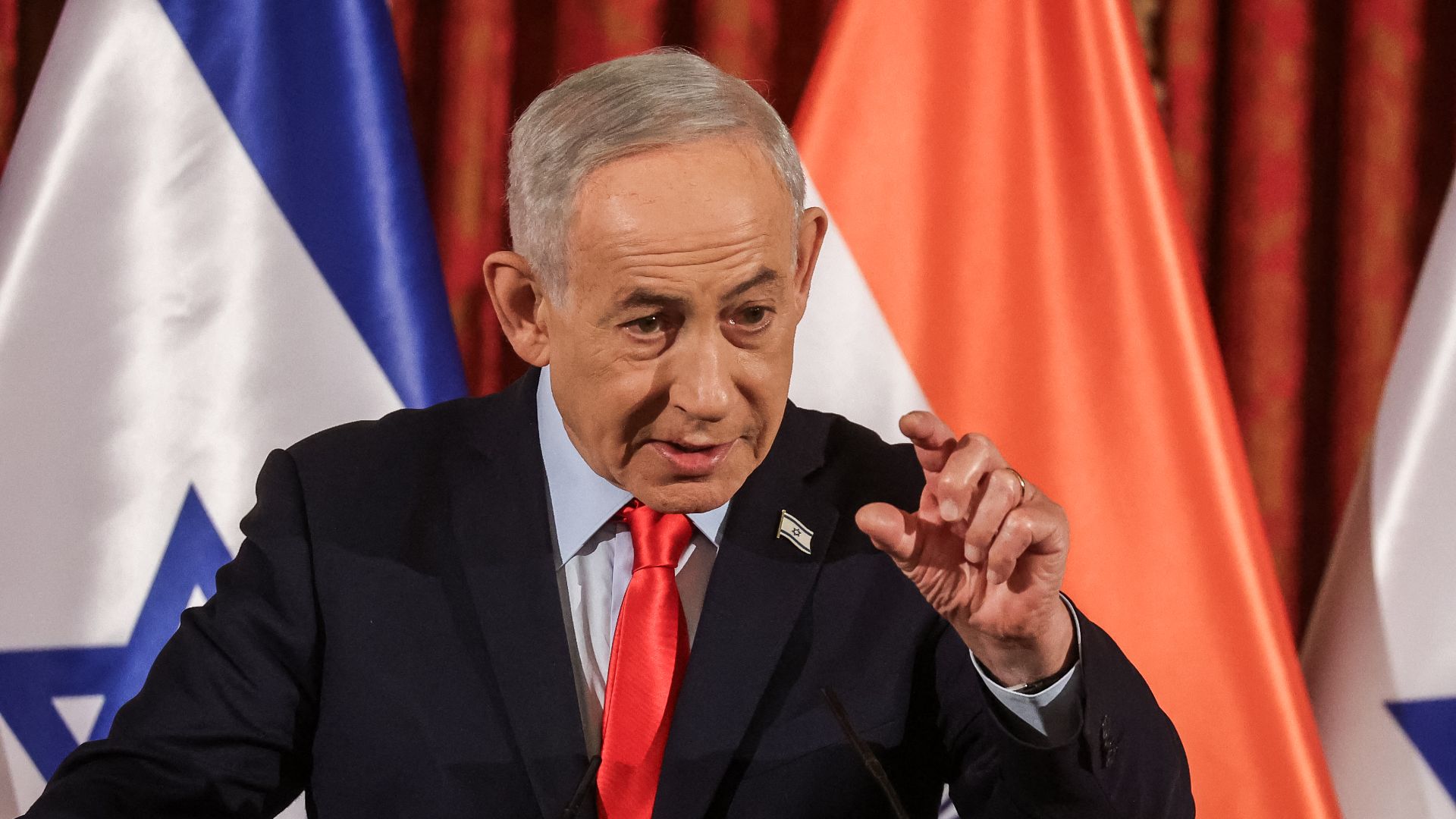
Israeli Prime Minister Benjamin Netanyahu said Sunday that Israel and Hamas are “very shortly expected to move into the second phase of the ceasefire,” contingent on Hamas releasing the remains of ‘the last’ hostage. Netanyahu spoke during a news conference with German Chancellor Friedrich Merz, claiming the second phase of the ceasefire, which addresses the disarmament of Hamas and the withdrawal of Israeli troops from Gaza, could begin as soon as the end of the month, but human rights experts remain skeptical of Israel’s dedication to a withdrawal of troops in Palestine.

A futile first phase

GAZA CITY, GAZA NOVEMBER 23: Palestinians who returned to the Al-Zerka area of the Al-Tuffah neighborhood after the ceasefire continue to live amid destroyed buildings and makeshift shelters on November 23, 2025. Lacking basic necessities such as adequate shelter, food, and clean water, families struggle to survive under extremely difficult conditions in the blockaded Gaza Strip. (Photo by Khames Alrefi/Anadolu via Getty Images)

While news of a potential withdrawal of Israel’s occupying forces from Palestine is a positive move for the civilians in Gaza and the West Bank, an important question remains: Has Israel observed the first phase? The answer is no. Since the ‘ceasefire’ was implemented on October 10, 2025, Israel has broken it more than 590 times, killing at least 360 Palestinians, and increasing the total death toll in Gaza to more than 70,000 – the vast majority of which are women and children. Under the first phase, signed by US President Donald Trump, Israel was supposed to halt its war on Gaza, a war that has been deemed a genocide by the UN, Amnesty International, and more than 70 independent countries across the globe.

“Israel has committed genocide against Palestinians in the Gaza Strip, the UN Independent International Commission of Inquiry on the Occupied Palestinian Territory, including East Jerusalem, and Israel”

-United Nations

In addition to the halting of violence, Israel was also required to begin allowing aid into Gaza, something the country has spent millions of dollars on blocking. According to the United Nations in November, “Israeli authorities have rejected more than 100 requests to bring relief materials into Gaza since the ceasefire began nearly a month ago.” It’s important to note that a significant portion of the blocked aid since October 10 has not been blocked by the Israeli government, but by Israeli citizens attempting to ensure the starvation of Palestinians in Gaza. While the Israeli government is not blocking aid as it was before the ceasefire was signed, it is still refusing to enforce rules protecting aid trucks going to Palestine.

“Israel’s war on Gaza has not ended… [Hamas] will be disarmed”

-Benjamin Netanyahu

Israel is still limiting the amount of aid allowed into Gaza, even if it has stopped explicitly blocking it. According to Dr Munir al-Bursh, the director general of Gaza’s Ministry of Health, “We are facing a situation in which 54 percent of essential medicines are unavailable, and 40 percent of the drugs for surgeries and emergency care – the very medications we rely on to treat the wounded – are missing,” and according to journalist in Gaza, Hind Khoudary, “at least 600 trucks should be entering the Gaza Strip every single day, but what is entering is very little.”

‘Israel has committed genocide.’

GAZA CITY, GAZA – SEPTEMBER 26: Smoke rises after Israeli airstrikes hit the Sabra neighborhood in southern Gaza City, leaving widespread destruction, on September 26, 2025. (Photo by Hamza Z. H. Qraiqea/Anadolu via Getty Images)

Israel’s ‘war’ on Gaza has been deemed a genocide by the United Nations, Amnesty International, Médecins du Monde, Doctors without Borders and more than 70 independent countries across the globe. According to South African apartheid experts, Israel has subjected the country of Palestine to a vicious apartheid system since the 1940s. South Africa filed a case with the International Court of Justice (ICJ) in 2023.

“We South Africans know what apartheid looks like — we have lived through it, suffered and died under it. We cannot remain silent and watch as apartheid is perpetrated against others.”

-UN representative of South Africa

Reports estimate 70 per cent of the 70,000 dead in Gaza were civilians, 60 per cent were women, children, or the elderly. There have been 200,000 people injured since October 7, 2021, and 60 percent of Palestinians have now lost at least one family member. Gaza has the most amputated children per capita in the world. More than 250 journalists and at least 250 health care workers have been killed by Israel in the last three years, making it the most deadly conflict for journalists in human history. The number of journalists killed in this conflict surpasses the death tolls in both World Wars, the Vietnam War, and the wars in Iraq and Afghanistan combined, according to the United Nations.