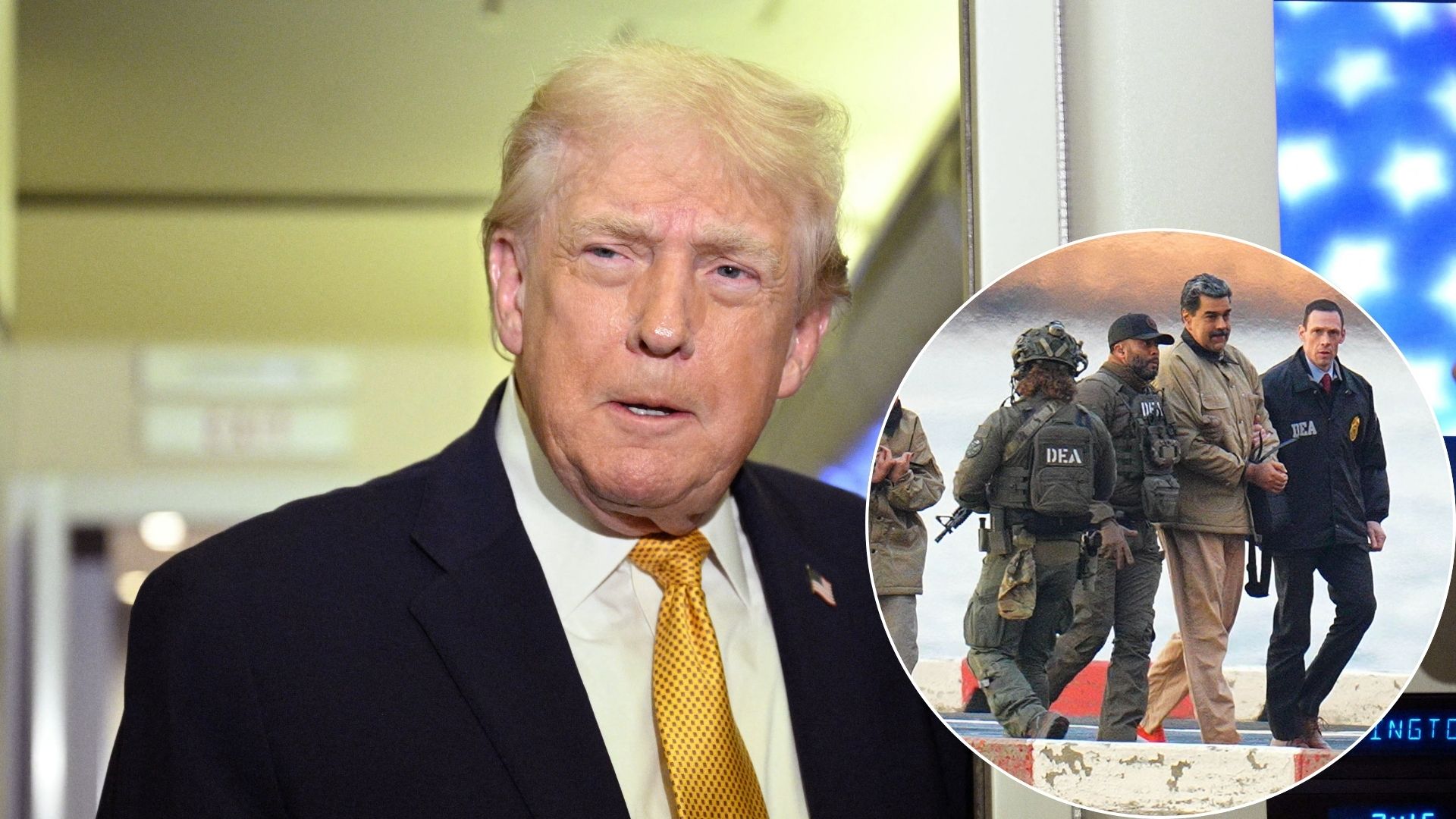
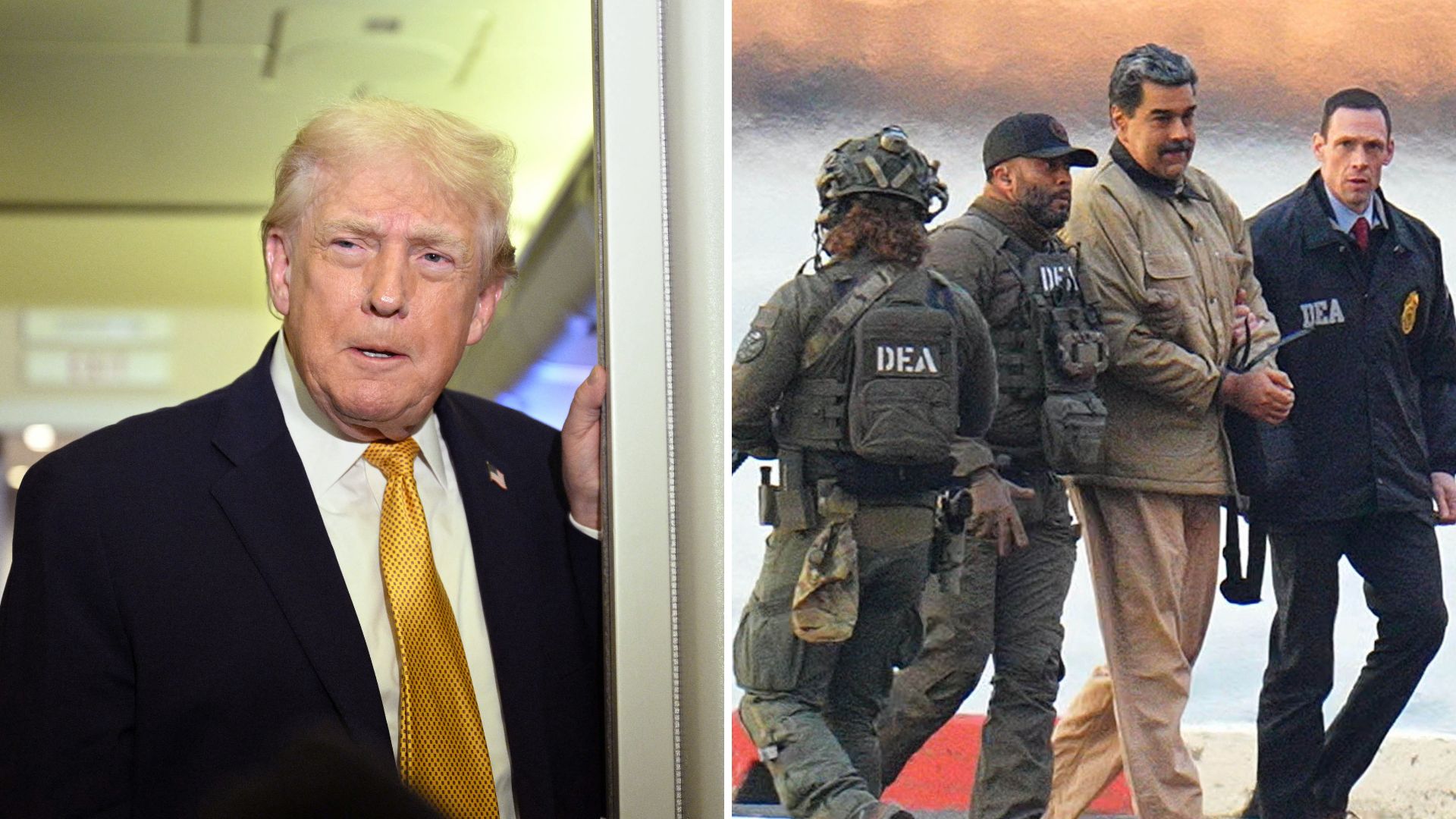
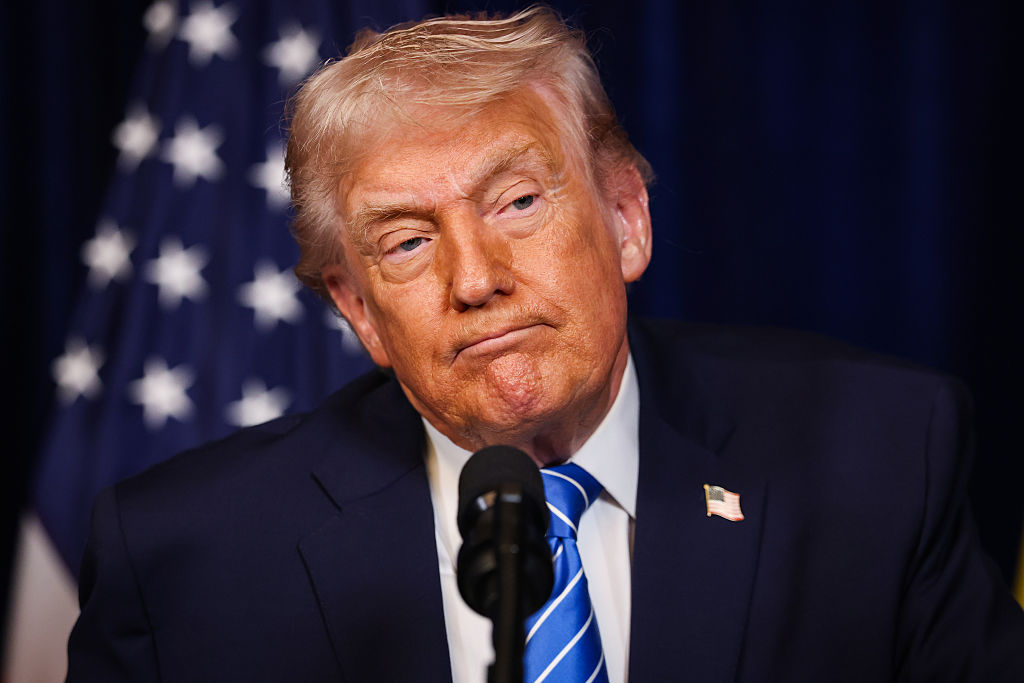
Trump’s remarks, delivered over the past two days, have set the tone for a wider escalation, as governments from Mexico to Greenland, as well as Cuba and Iran, have reacted with alarm, rejection or defiance to what they see as a renewed and unapologetic projection of U.S. influence across the region.
Significant figures have perished under mysterious conditions in the past years.
WASHINGTON, DC – OCTOBER 16: Cinderella, Maria Shirinkina, and The Prince, Vladimir Shklyarov, with the Mariinsky Ballet rehearse Act II of Cinderella in the Kennedy Center’s Opera HouseTuesday October 16, 2012 in Washington, DC. (Photo by Katherine Frey/The Washington Post via Getty Images)SOCHI, RUSSIA – MAY 17: (RUSSIA OUT) Russian President Vladimir Putin (L) talks to Rosneft’s President Igor Sechin (R) during Russian-Italian talks on May 17, 2017 in Sochi, Russia. Gentilioni is on a one-day visit to Black Sea resort of Sochi. (Photo by Mikhail Svetlov/Getty Images)MOSCOW, RUSSIA – APRIL 11: Russian politician Alexey Navalny in his office on April 11, 2017 in Moscow, Russia. (Photo by Oleg Nikishin/Epsilon/Getty Images)
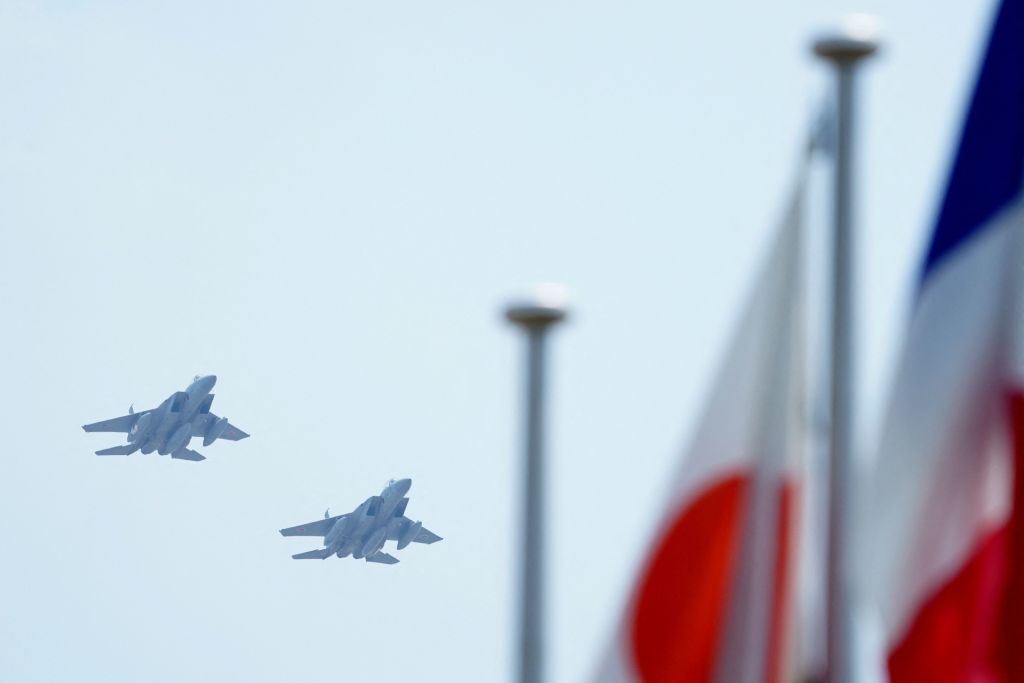
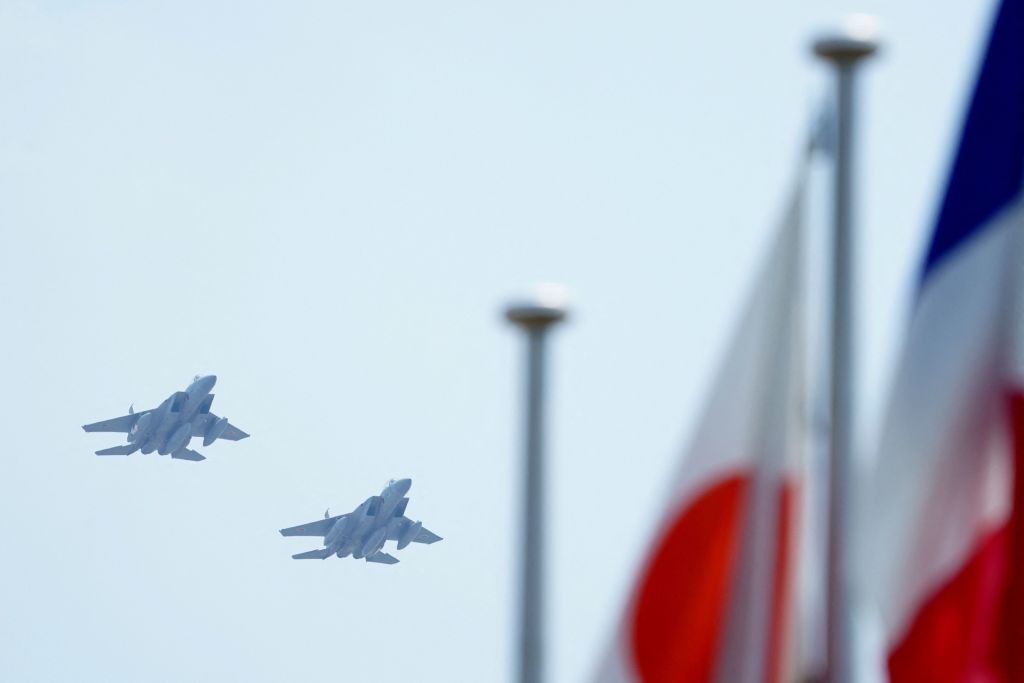
Deux avions de chasse F-15 de la Force aérienne d'autodéfense japonaise (JASDF) survolent le parc commémoratif de l'aviation de Tokorozawa, près de la base aérienne JASDF d'Iruma, dans la préfecture de Saitama, le 28 juillet 2023, dans le cadre de l'exercice conjoint Japon-France au Japon. (Photo de Kazuhiro NOGI / AFP) (Photo de KAZUHIRO NOGI/AFP via Getty Images)
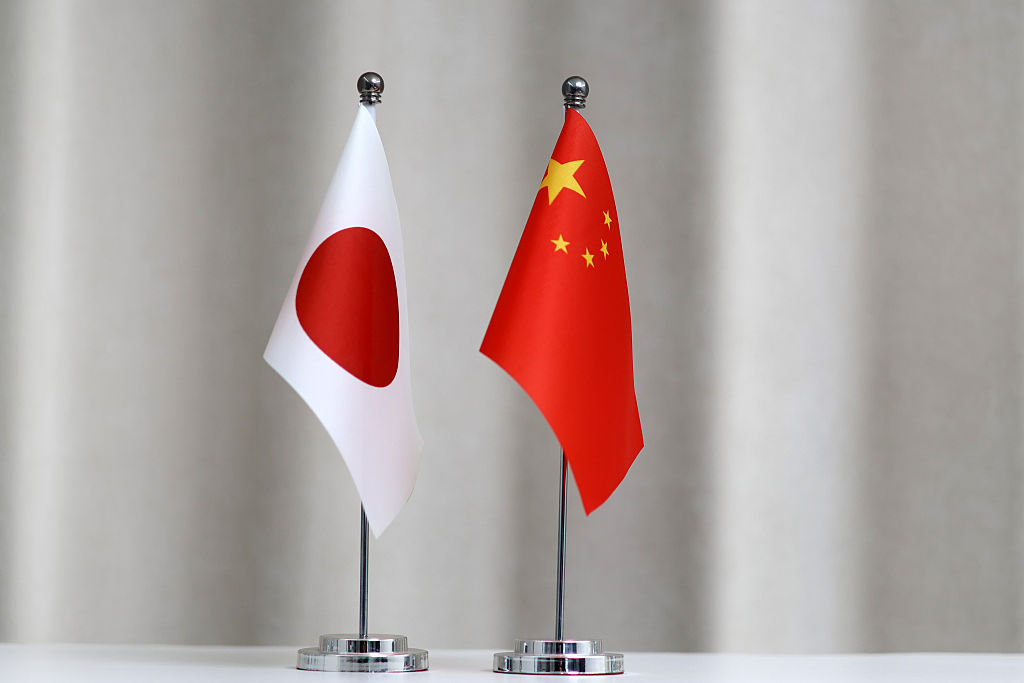
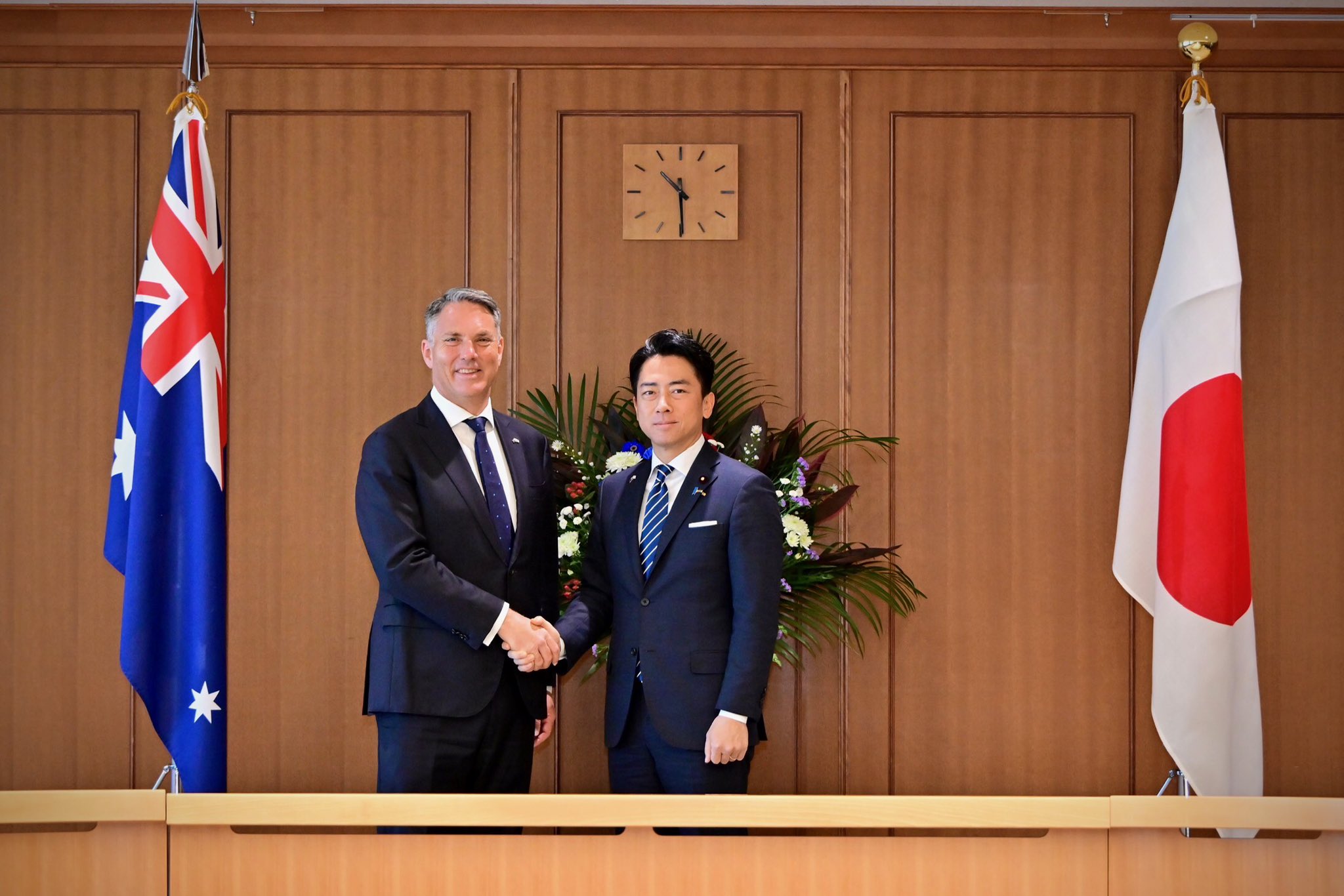
Selon le gouvernement japonais, la Chine a commis ce qui est considéré comme l’un des actes les plus menaçants de la part d’un avion militaire en effectuant un « verrouillage radar » sur deux avions de chasse japonais près des îles japonaises d’Okinawa. Le « verrouillage radar », qui oblige les avions de chasse à prendre immédiatement des mesures d’évitement en signalant une menace potentielle de missile, est considéré comme l’un des actes les plus menaçants qu’une armée puisse commettre à l’égard d’un aéronef. Le ministre japonais de la défense, Shinjirō Koizumi, a critiqué cette mesure.
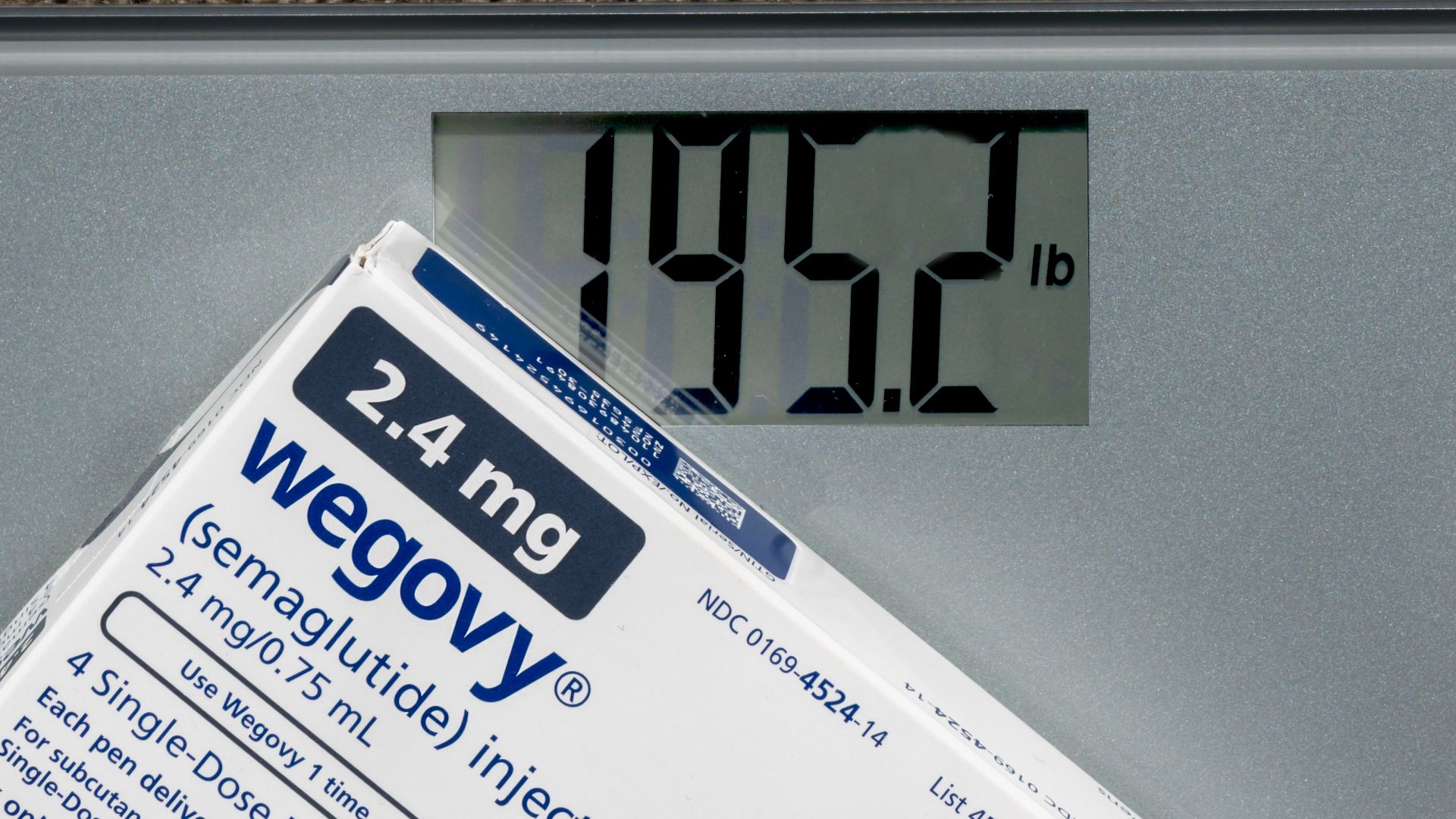
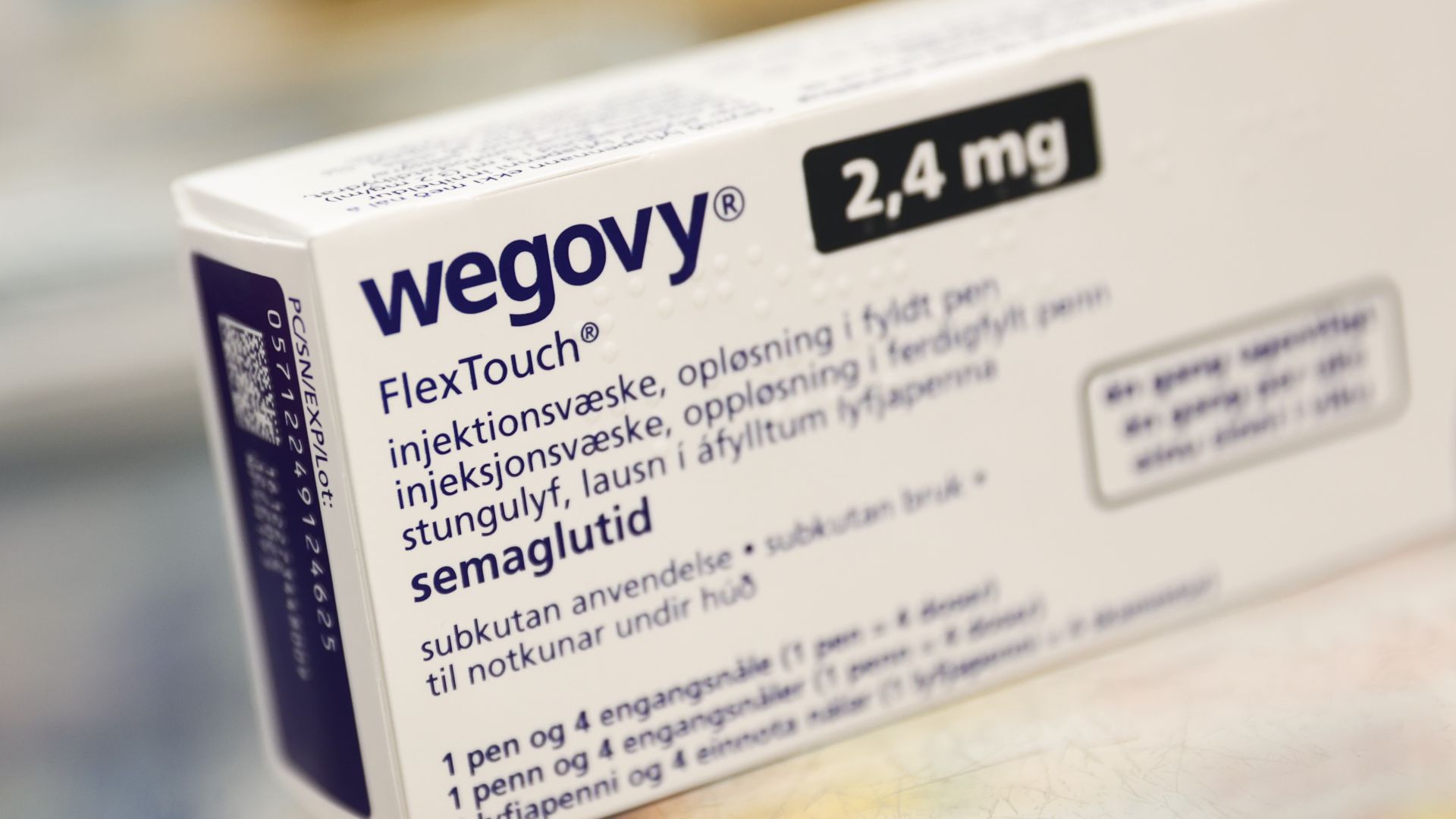
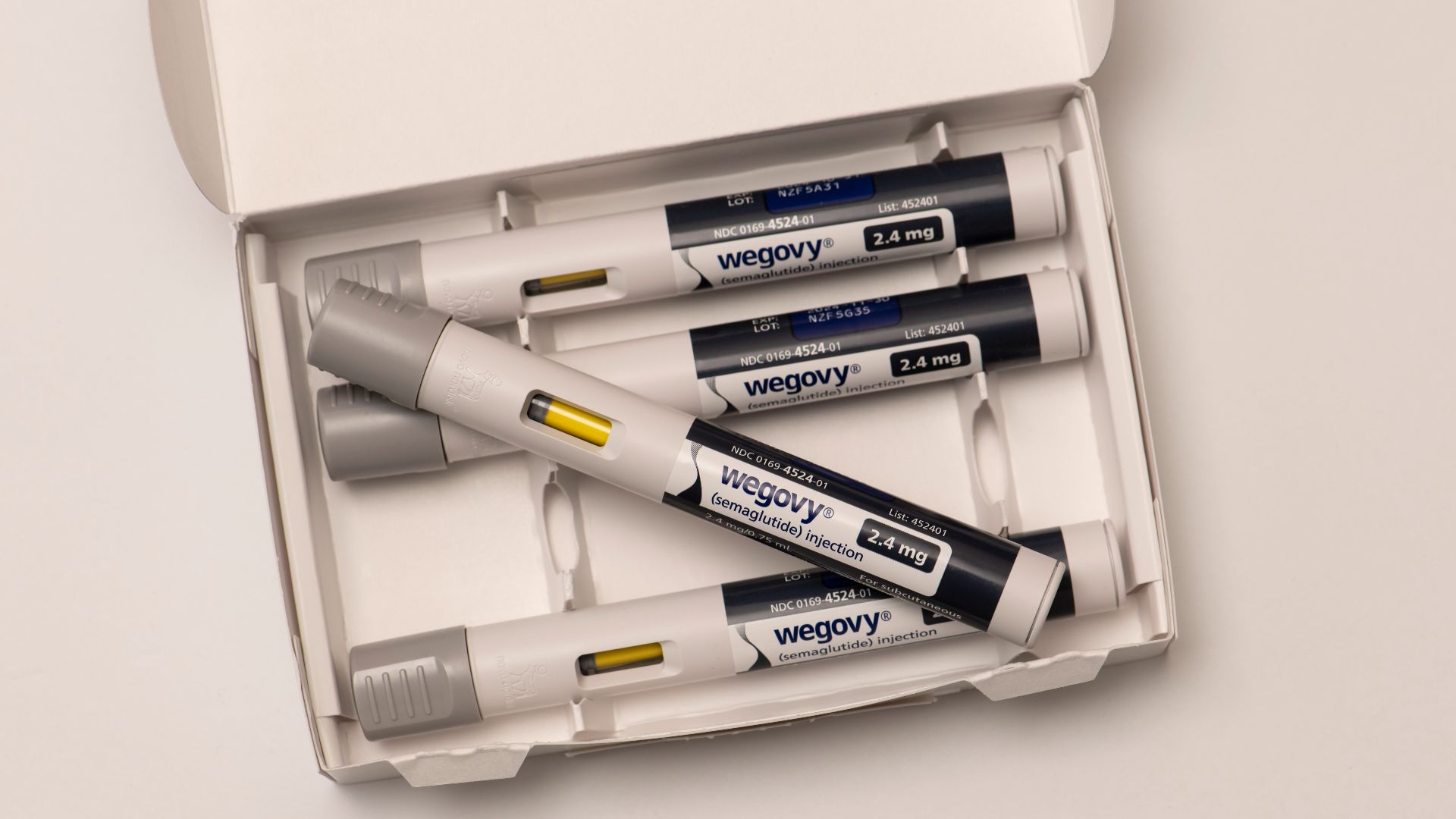
A major shift is under way in the U.S. weight-loss market as the first daily Wegovy pill officially hits pharmacies nationwide, offering an affordable and needle-free alternative to the popular injectable version of the drug.
Approved by the U.S. Food and Drug Administration in December and launching in January, the oral version contains the same active ingredient, semaglutide, and represents the first GLP-1 weight-loss medication designed to be taken as a daily tablet instead of a weekly injection.
Clinical trials have shown that the pill can deliver comparable weight-loss results to the injectable form when used alongside diet and exercise, giving millions of Americans a new option in their weight-management journey.
Getty Images
One of the biggest consumer advantages of the Wegovy pill is its price point, which starts at roughly $149 U.S. per month for self-pay patients — about half the typical cost of the injectable version and significantly less than many GLP-1 shots that often exceed $1,000 U.S. monthly without insurance.
Retail giants including CVS and Costco, along with telehealth providers such as Ro, LifeMD, and WeightWatchers, have begun offering the pills, while insurance plans and savings programs can bring costs down even further, with some insured patients paying as little as $25 U.S. per month.
This lower cost combined with easier access could broaden the market for obesity treatment, particularly for people who have been discouraged by the high prices of injections or who prefer a pill to a shot.
Once a day
For consumers, the availability of a daily pill version may not only reduce financial barriers but also simplify treatment routines. Unlike weekly injections that require careful handling and storage, the Wegovy pill can be taken once a day — though it typically must be taken on an empty stomach for best absorption — and does not require refrigeration. This could make long-term adherence easier for many patients, especially those with needle anxiety or complex schedules. The arrival of the Wegovy pill could mark a turning point in obesity treatment, pointing to a shift toward more affordable and consumer-friendly options in a market long dominated by injectable drugs.
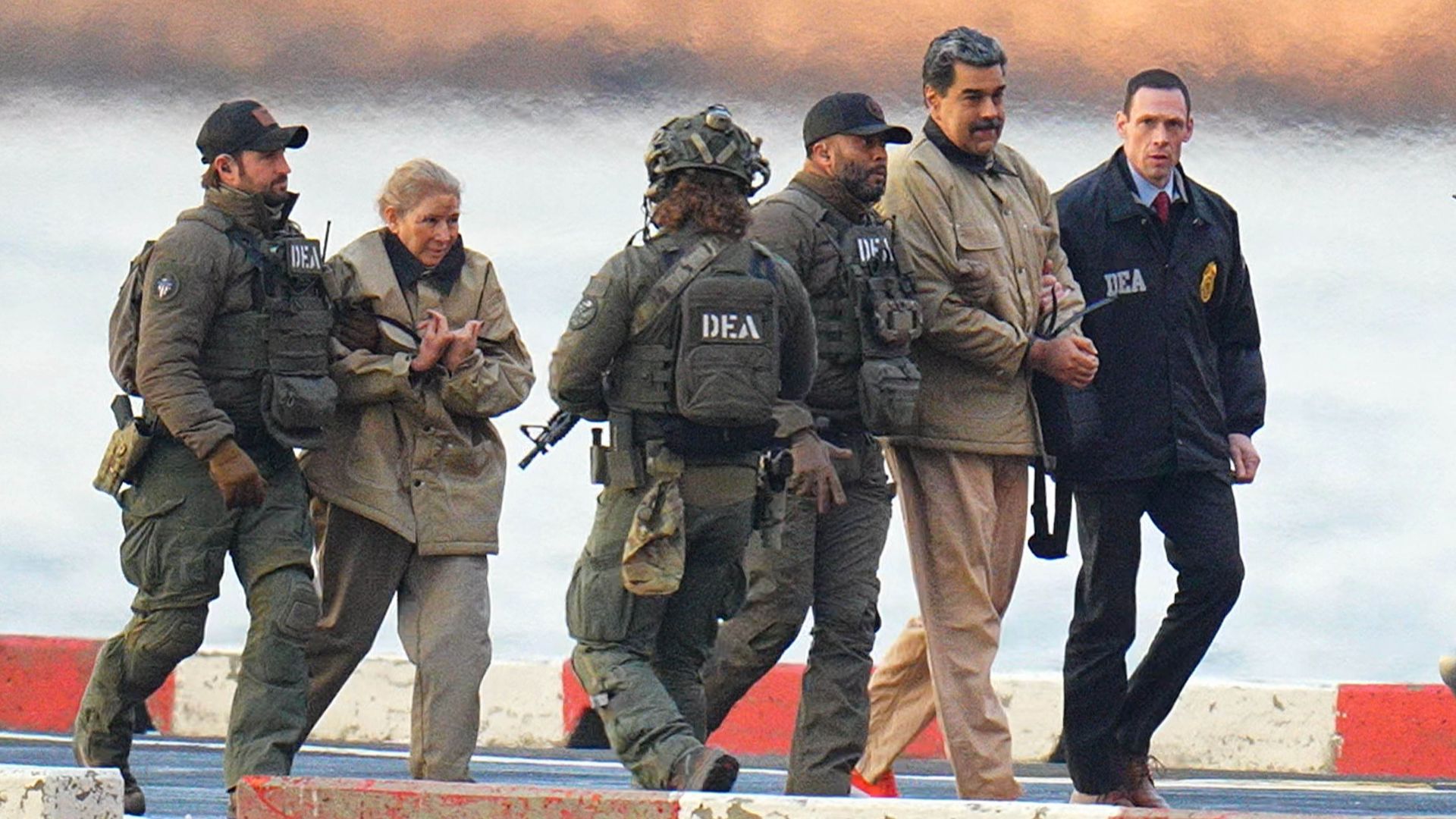
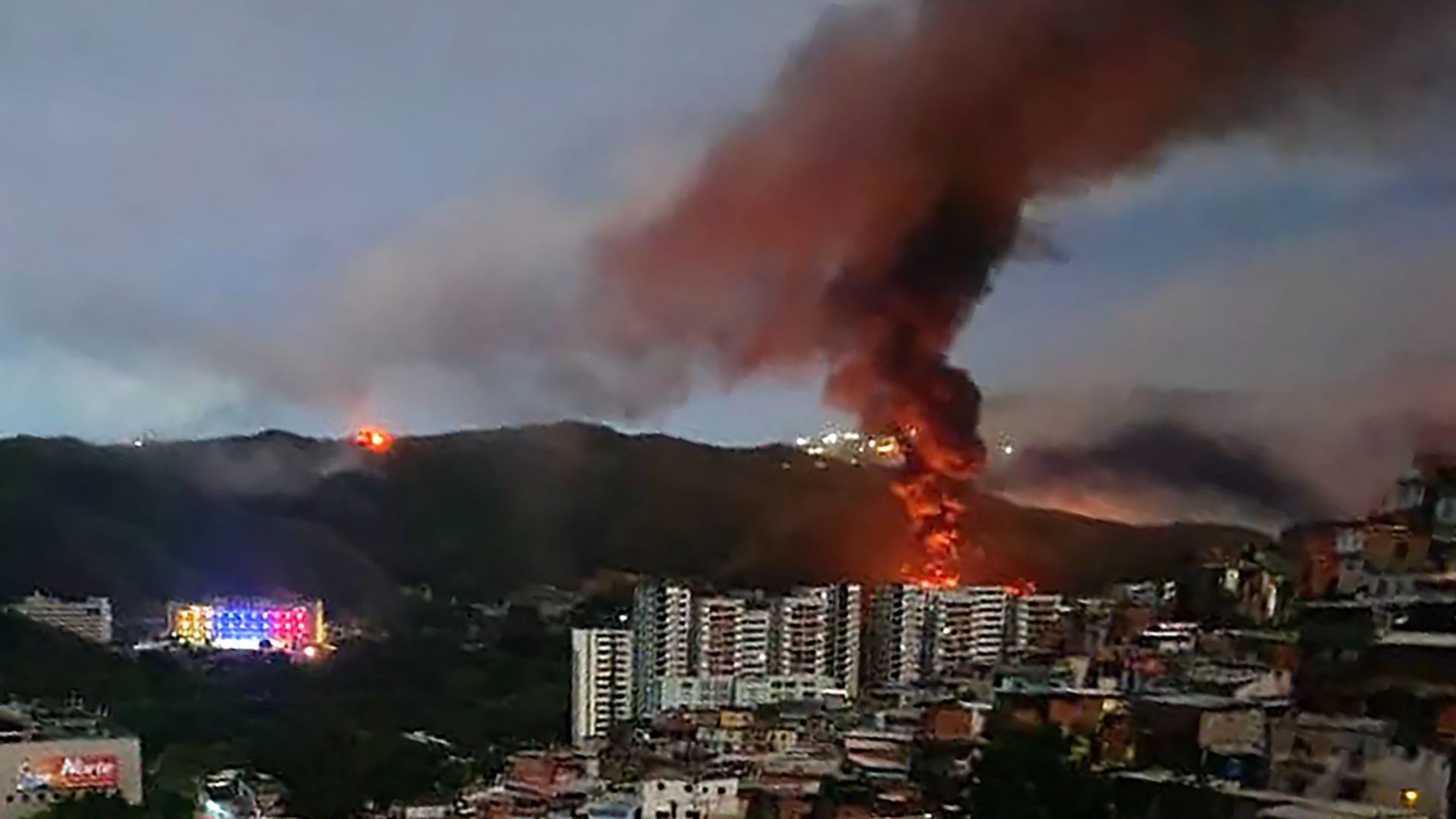
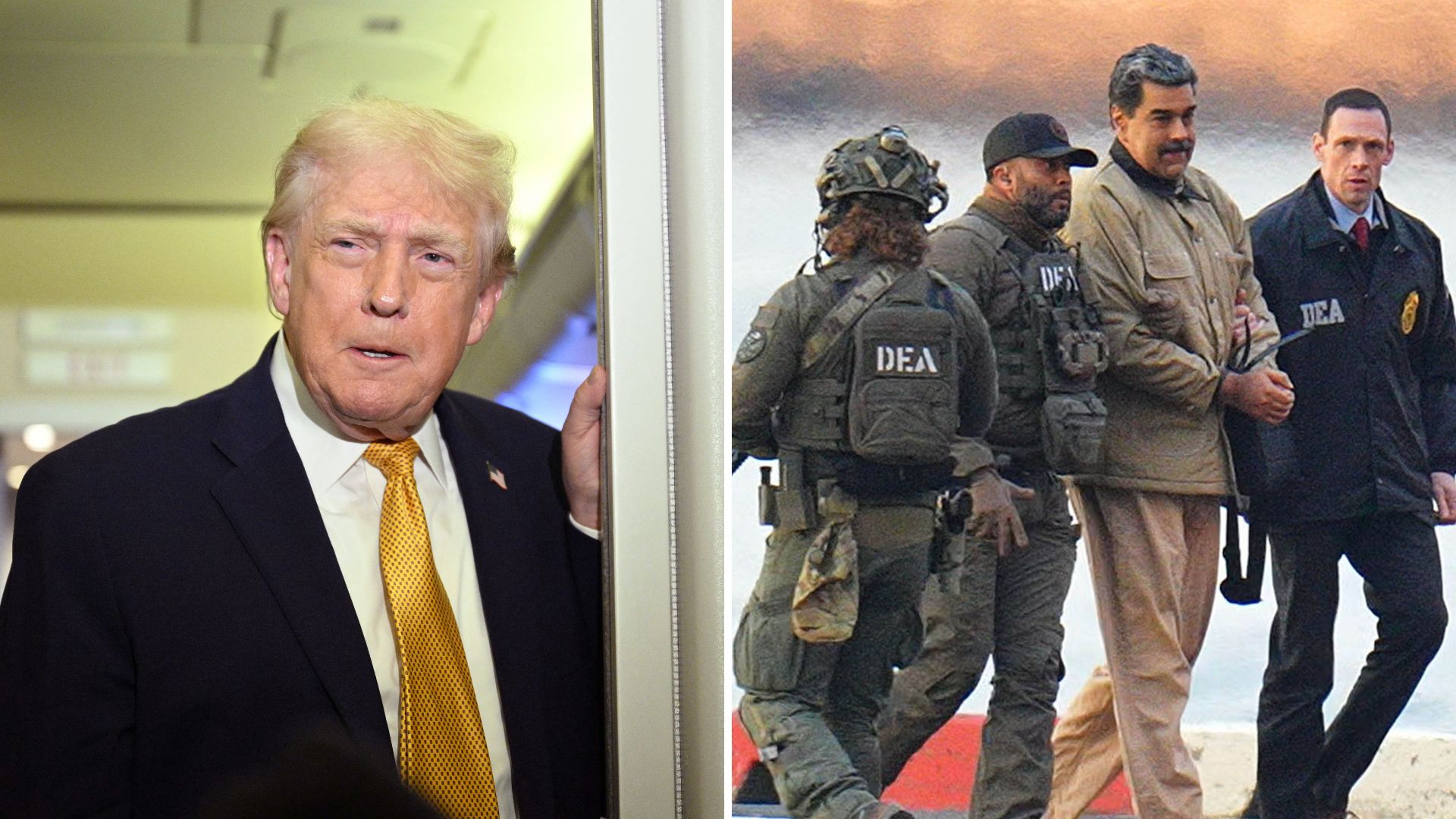
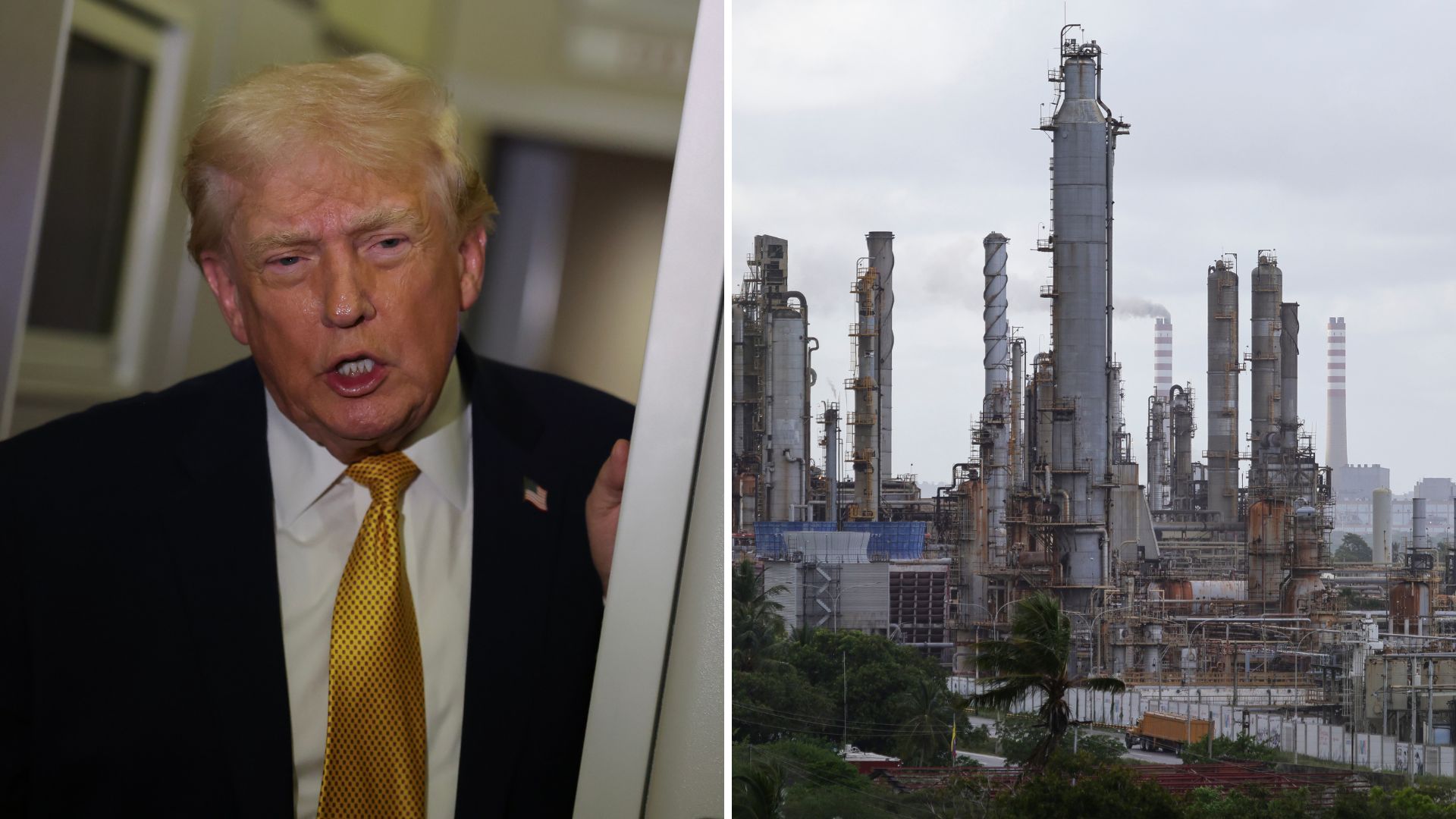
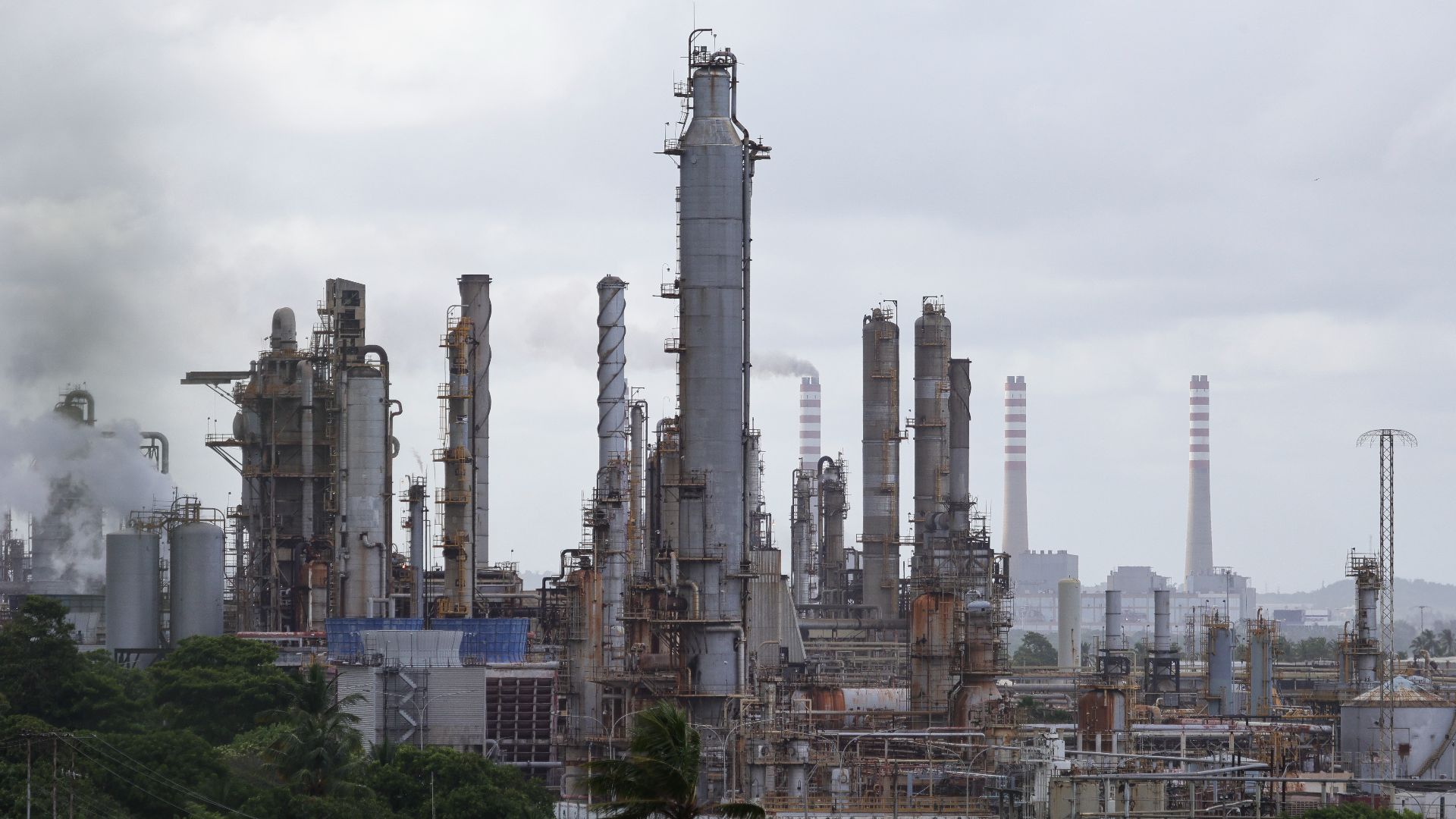
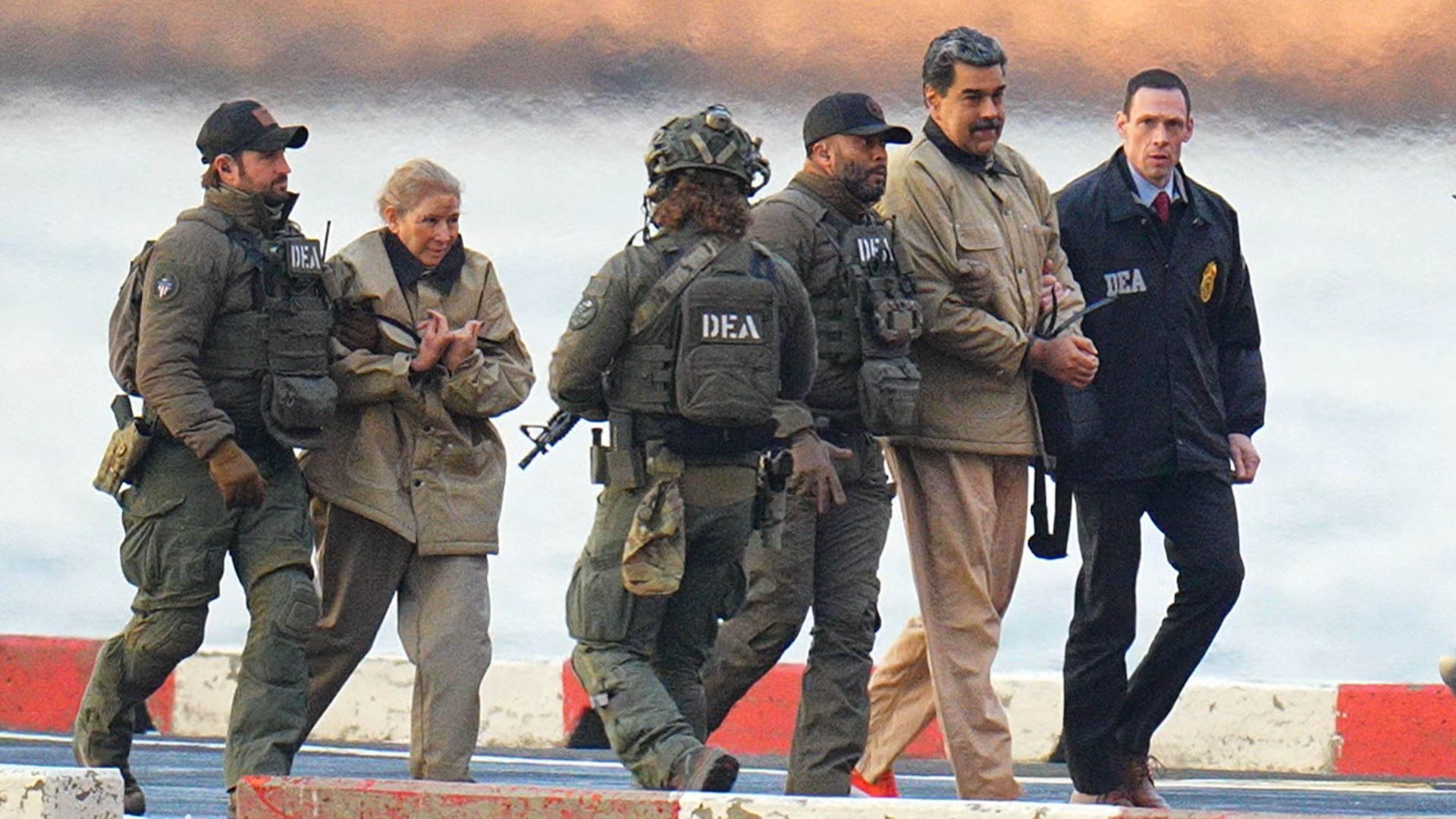
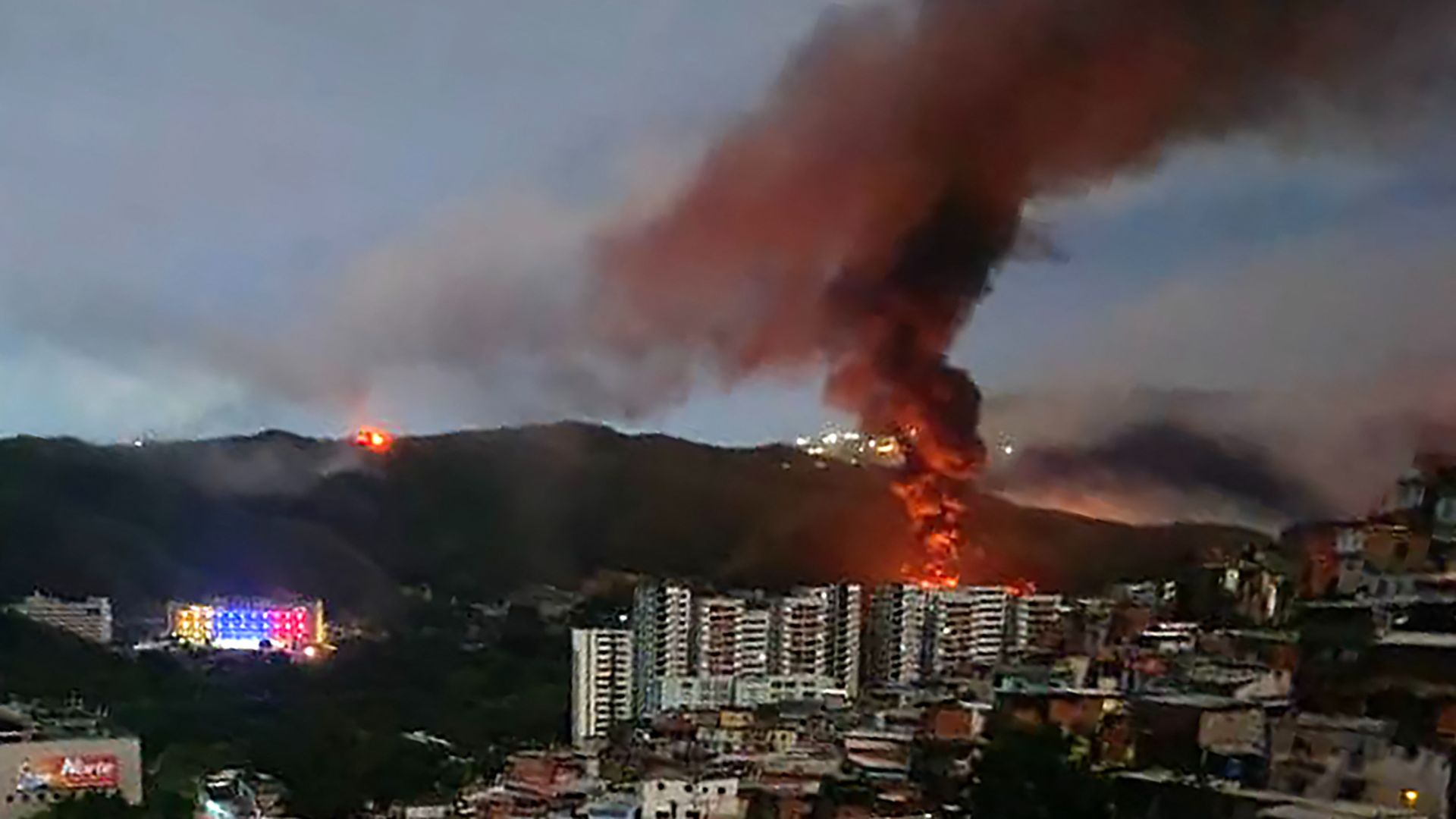
According to Politico, Donald Trump informed senior U.S. oil executives both before and after the military strike on Venezuela, urging them to prepare to pour significant investment into the country as Washington moved toward action against the Maduro government. The briefings took place as U.S. forces were preparing the operation that led to the capture of President Nicolás Maduro and his wife, a move that placed the world’s largest proven oil reserves at the center of renewed geopolitical attention. While the administration framed the outreach to energy companies as forward-looking economic planning, the consultations occurred without parallel briefings to Congress, which was effectively bypassed in advance of the operation. The disclosures have raised sharp questions in Washington about transparency, oversight, and whether economic interests were prioritized over constitutional consultation in the lead-up to the Venezuela strike.
Getty Images
Donald Trump publicly reinforced the economic rationale behind the Venezuela operation in a televised address following the strike, explicitly linking military action to future control and redevelopment of the country’s oil sector. In his remarks, Trump said «We’re going to have our very large United States oil companies, the biggest anywhere in the world, go in, spend billions of dollars, fix the badly broken infrastructure, the oil infrastructure and start making money for the country», framing U.S. energy corporations as central actors in Venezuela’s post-Maduro future. The statement came amid revelations that oil executives had already been briefed ahead of the operation, and it underscored how closely energy interests were woven into the administration’s strategy.
«They want to go in, and they’re going to do a great job for the people of Venezuela, and they’re going to represent us well»
-Donald Trump
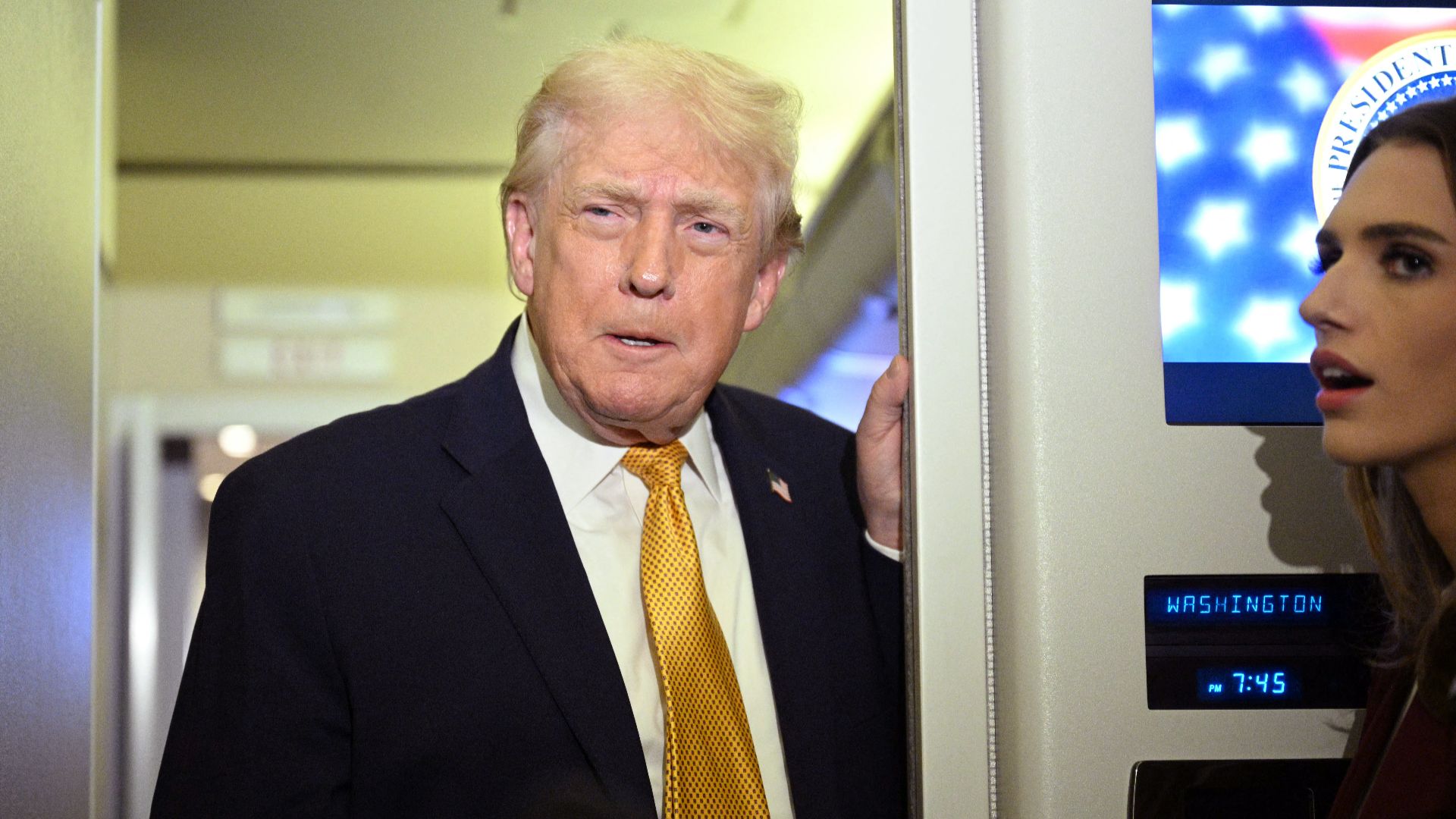
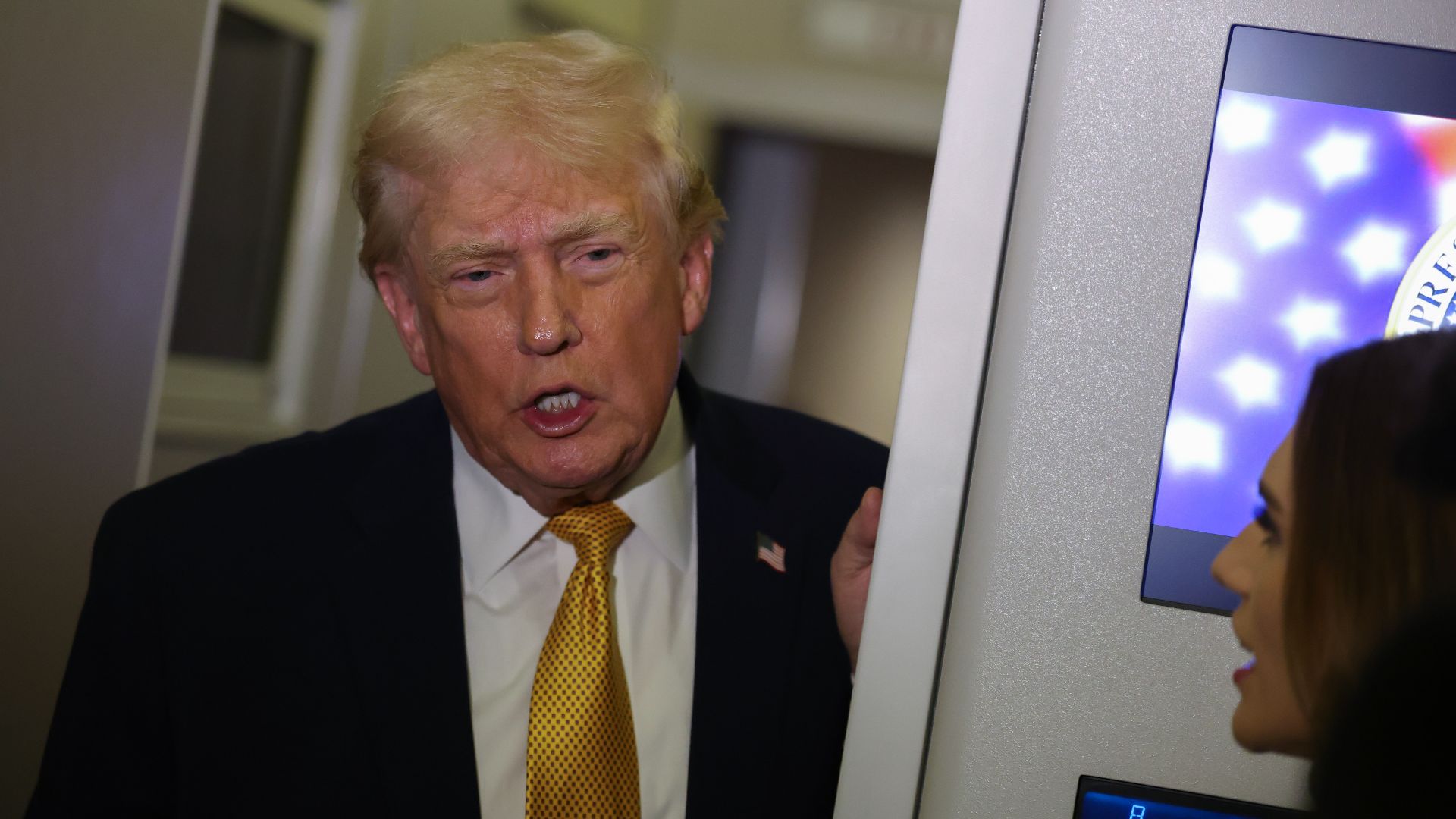
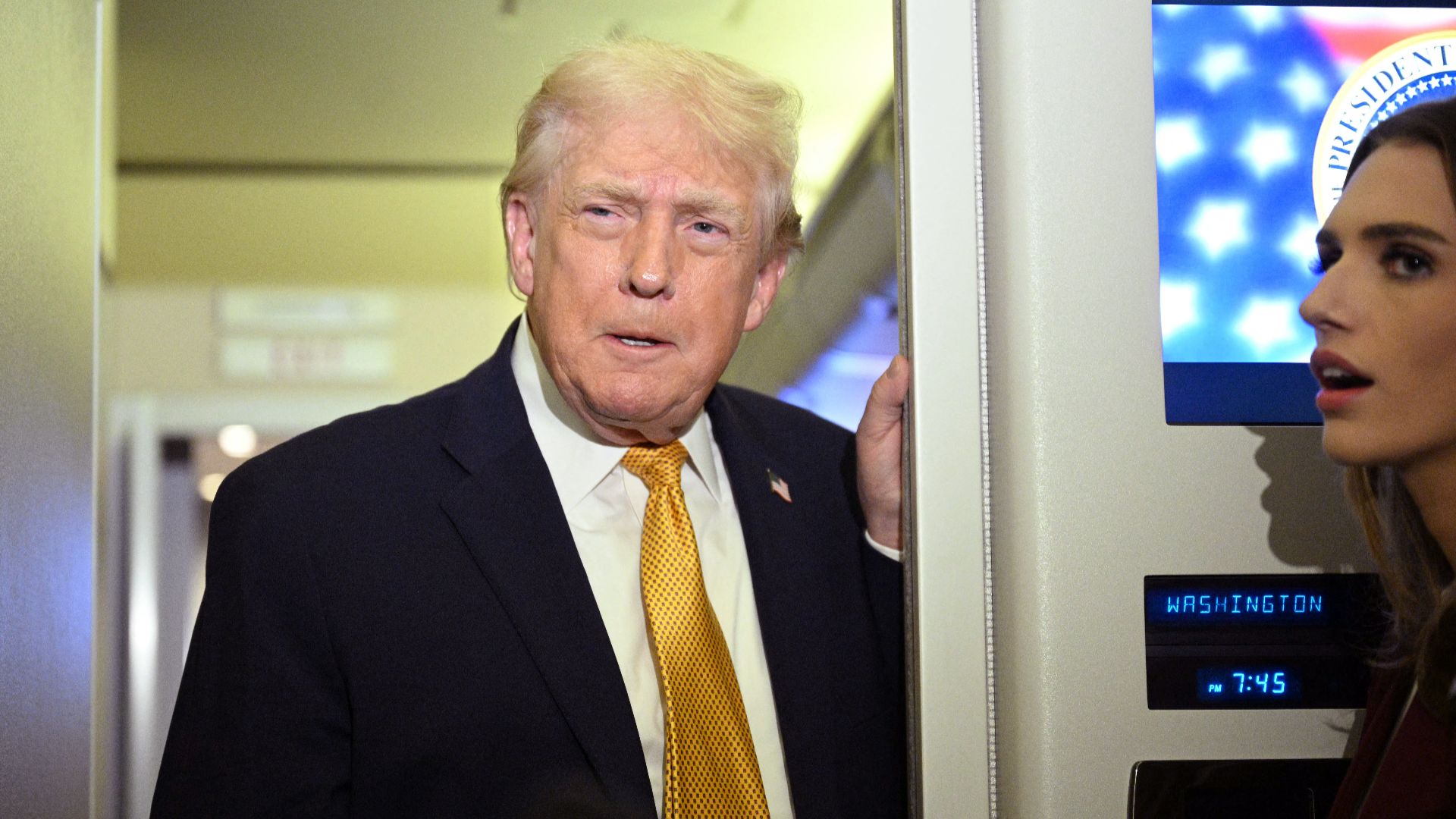
When explaining his approval of the operation to capture Nicolás Maduro, Donald Trump tied the decision directly to control of Venezuela’s oil industry, accusing the country in recent weeks of having stolen oil from the United States. Speaking aboard Air Force One, he framed the intervention as a corrective measure aimed at reclaiming economic leverage over one of the world’s largest energy reserves. Asked whether U.S. oil companies were aligned with his plan, Trump indicated they were fully supportive, saying «They want to go in, and they’re going to do a great job for the people of Venezuela, and they’re going to represent us well», reinforcing the view that the operation was conceived not only as a political or security move but as a gateway for American energy firms to take a central role in reshaping Venezuela’s oil sector.
Getty Images
According to Politico, the Trump administration’s effort to draw U.S. oil companies into Venezuela has generated hesitation rather than enthusiasm among industry leaders, despite repeated encouragement from the White House. People familiar with the discussions said executives were told that participation would be a condition for future reimbursement, a message summed up by one industry official as «You gotta go in if you want to play», reflecting what they described as a hard-line approach from the administration. That offer, the official said, has been on the table for about 10 days, but it has done little to ease concerns inside the industry. Executives remain deeply wary of the scale of the challenge, noting that Venezuela’s oil infrastructure has fallen into such disrepair that «The infrastructure currently there is so dilapidated» it is impossible to reliably assess what would be required to make production viable again. The uncertainty is compounded by the lack of clarity over who will govern Venezuela in the near future, leaving oil executives cautious about committing billions of dollars to a country whose political and operational landscape remains unresolved.
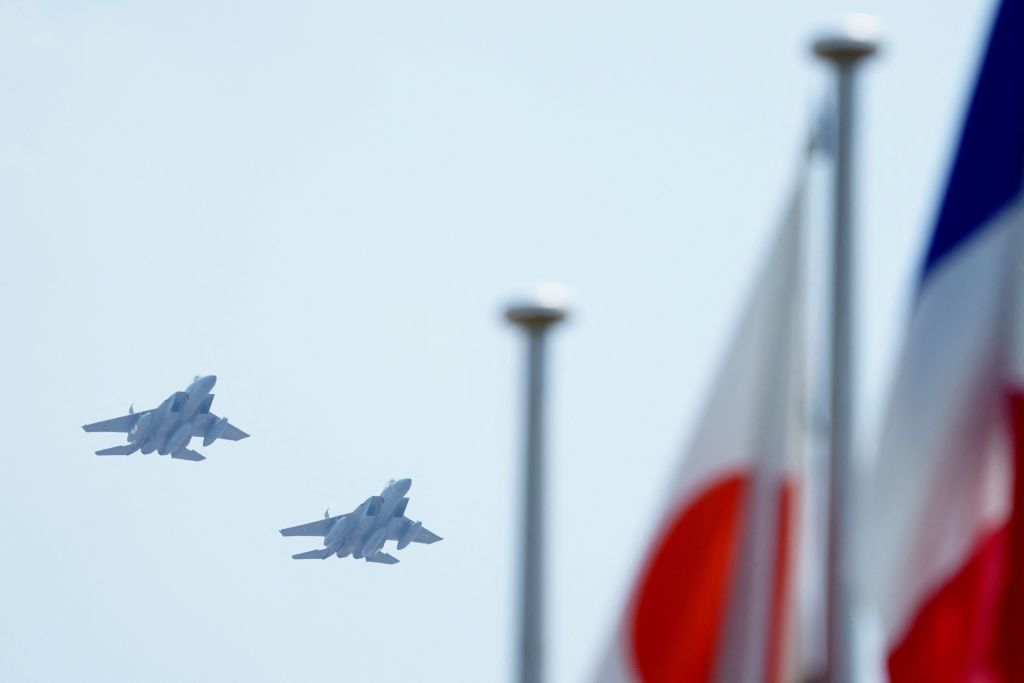
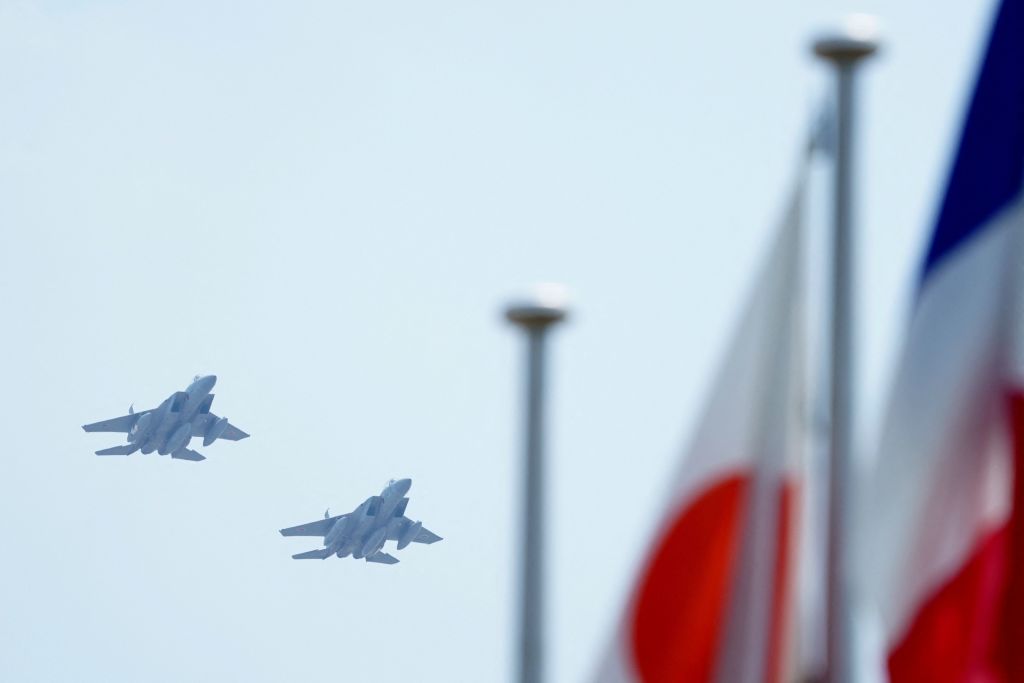
Two F-15 fighter aircraft from the Japan Air Self-Defense Force (JASDF) fly over the Tokorozawa Aviation Memorial Park, near the JASDF Iruma Air Base in Saitama prefecture on July 28, 2023 as part of the Japan-France joint exercise in Japan. (Photo by Kazuhiro NOGI / AFP) (Photo by KAZUHIRO NOGI/AFP via Getty Images)
According to the Japanese government, China has committed what is considered one of the most threatening acts by a military aircraft by directing a ‘radar lock’ on two Japanese fighter jets near Japan’s Okinawa islands. The ‘radar lock’ – which forces fighter jets to take immediate evasive action by signalling a potential missile threat – is considered to be one of the most threatening acts a military can make on an aircraft. Japan’s Defence Minister, Shinjirō Koizumi, has criticized the move.
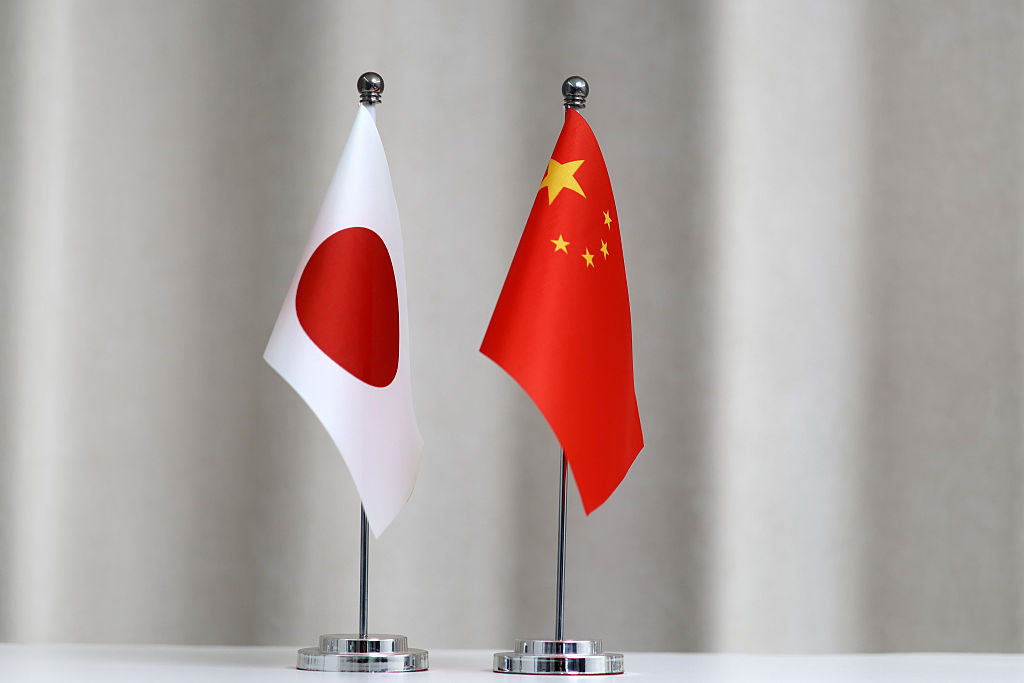
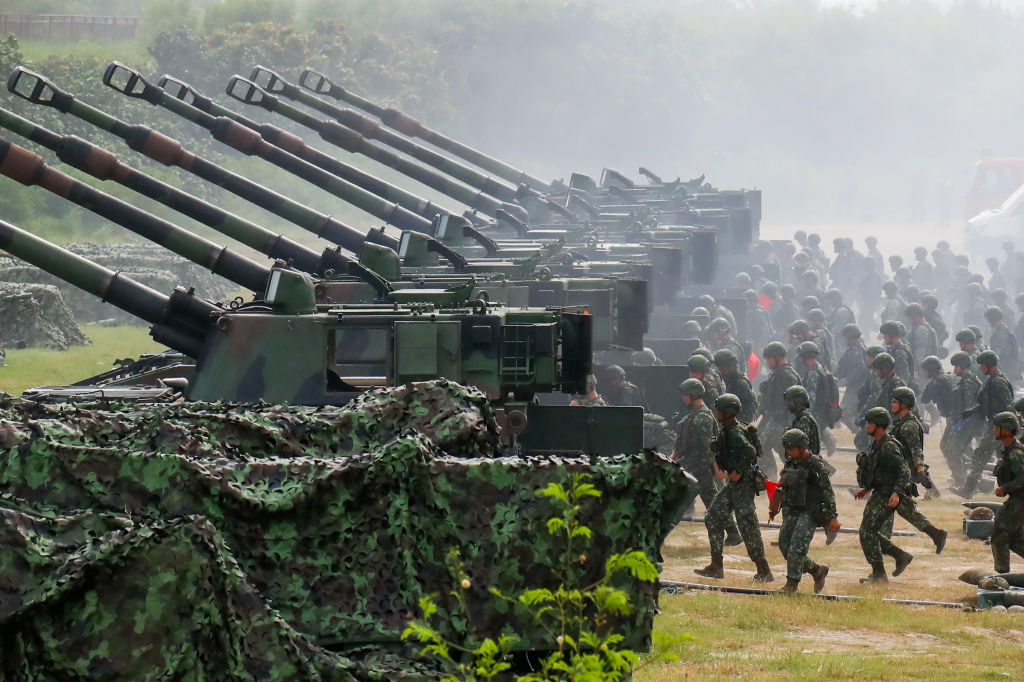
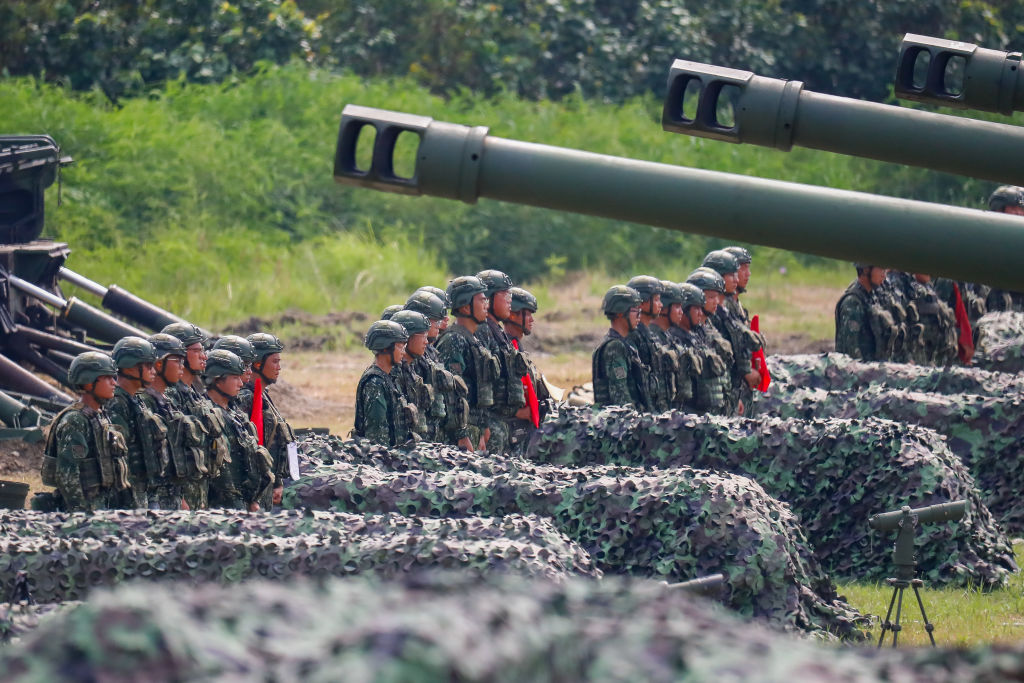
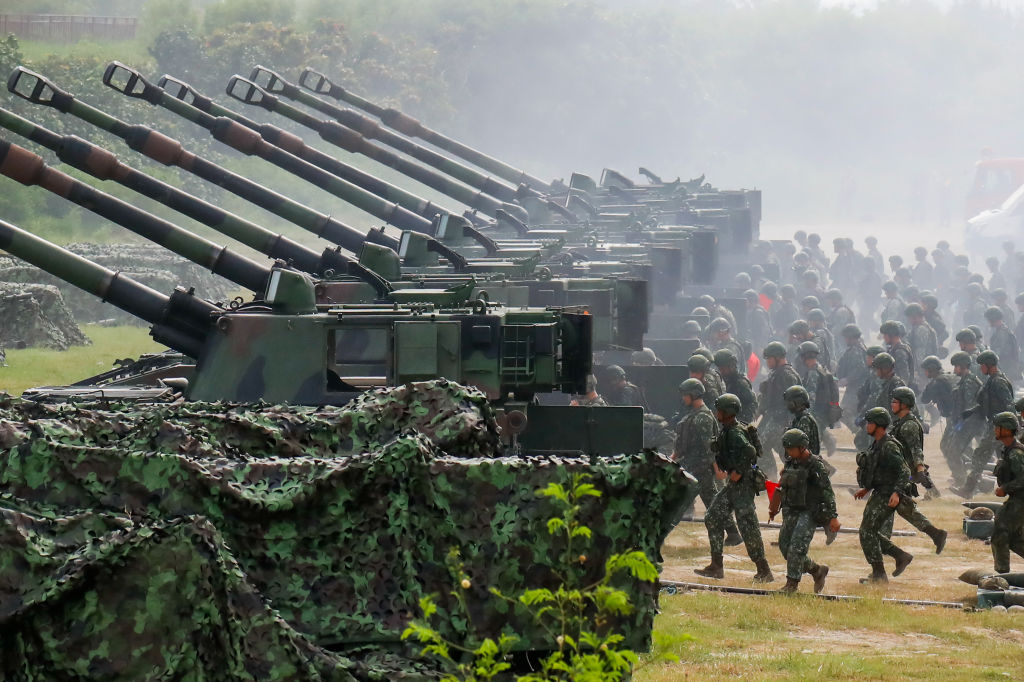
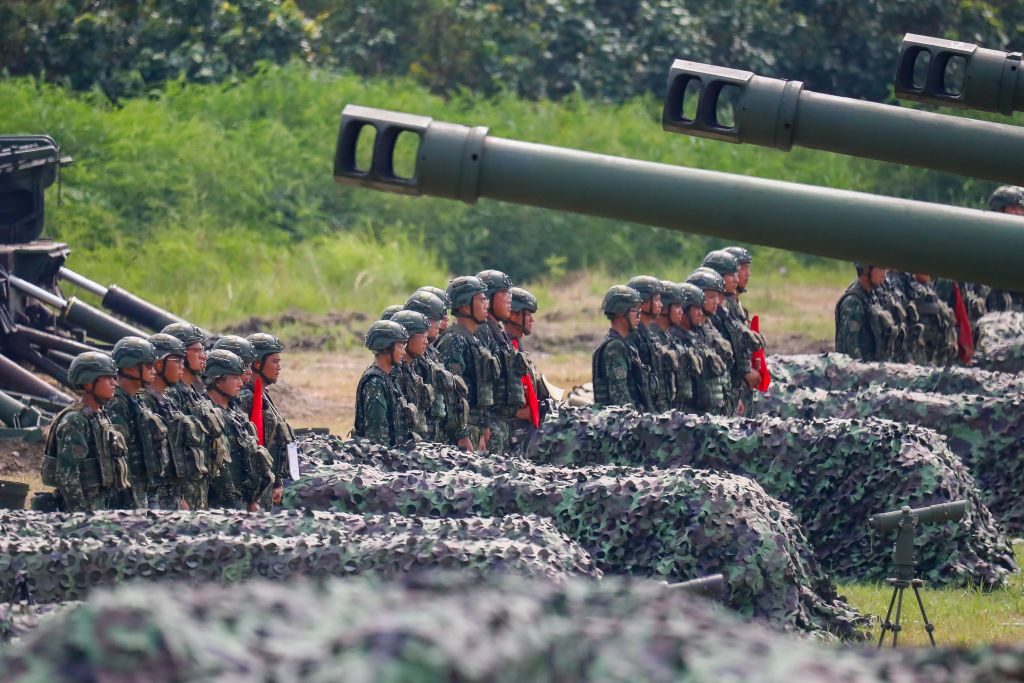
Two F-15 fighter aircraft from the Japan Air Self-Defense Force (JASDF) fly over the Tokorozawa Aviation Memorial Park, near the JASDF Iruma Air Base in Saitama prefecture on July 28, 2023 as part of the Japan-France joint exercise in Japan. (Photo by Kazuhiro NOGI / AFP) (Photo by KAZUHIRO NOGI/AFP via Getty Images)JINAN, CHINA – NOVEMBER 04: Chinese national flag and Japanese national flag on the table on November 4, 2025 in Jinan, Shandong Province of China. (Photo by VCG/VCG via Getty Images)TAICHUNG, TAIWAN – AUGUST 7: Taiwanese soldiers are deployed to a live-ammunition artillery training featuring M109 American self-propelled howitzers, at a coastal area in Taichung, Taiwan on August 7, 2024. The training aimed to maintain great preparedness and to ensure the weapons are functional is held amid heightening tensions between the United States and China over Taiwan. (Photo by Daniel Ceng/Anadolu via Getty Images)TAICHUNG, TAIWAN – AUGUST 8: Taiwanese soldiers stand guard in front of M110 American self-propelled howitzers after a live-ammunition artillery training conducted by the Taiwanese Army, at a coastal area in Taichung, Taiwan, 8 August 2024. The 2 day training aiming to ensure preparedness and functions of weapons, which started on 7 August, comes after Taiwanese President William Lai Ching-te announced that the authorities will increase its defence budgets, amid heightening tensions between the United States and China over the self-governing island. (Photo by Daniel Ceng/Anadolu via Getty Images)
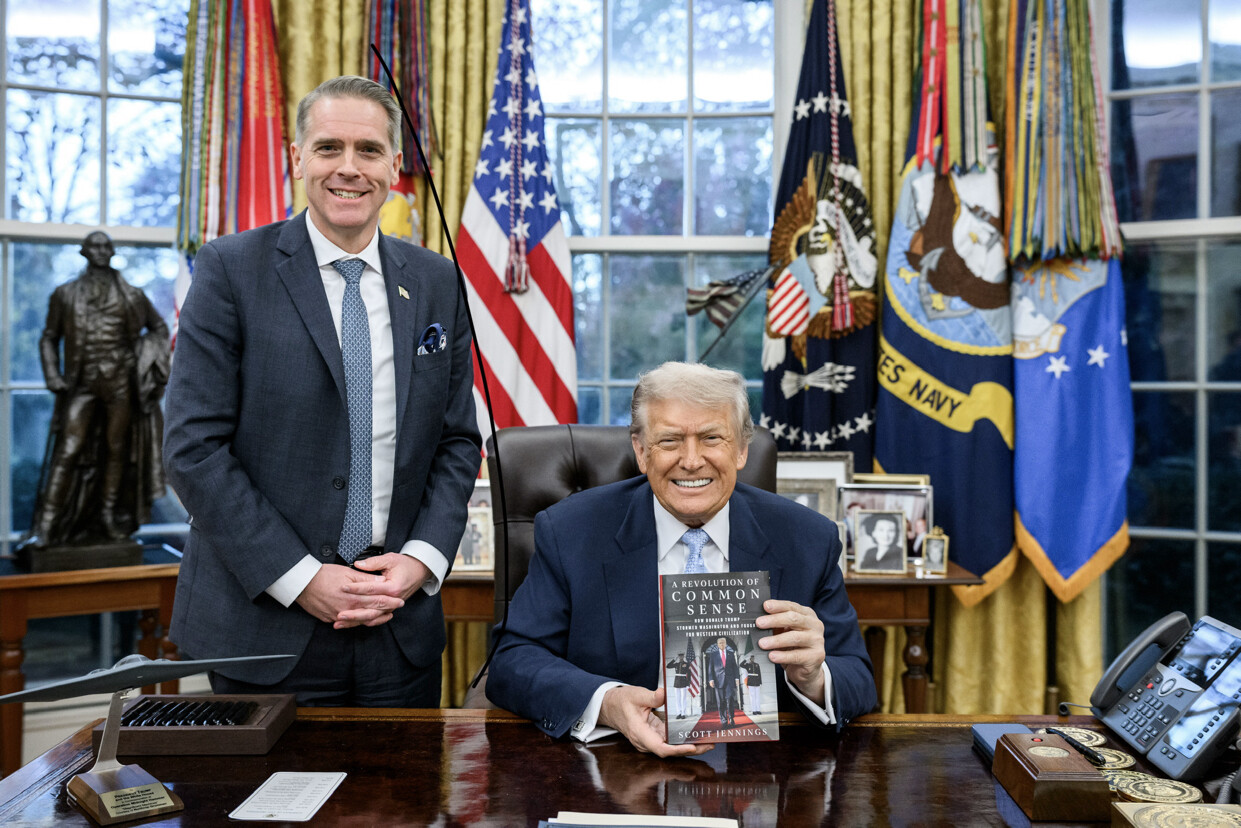
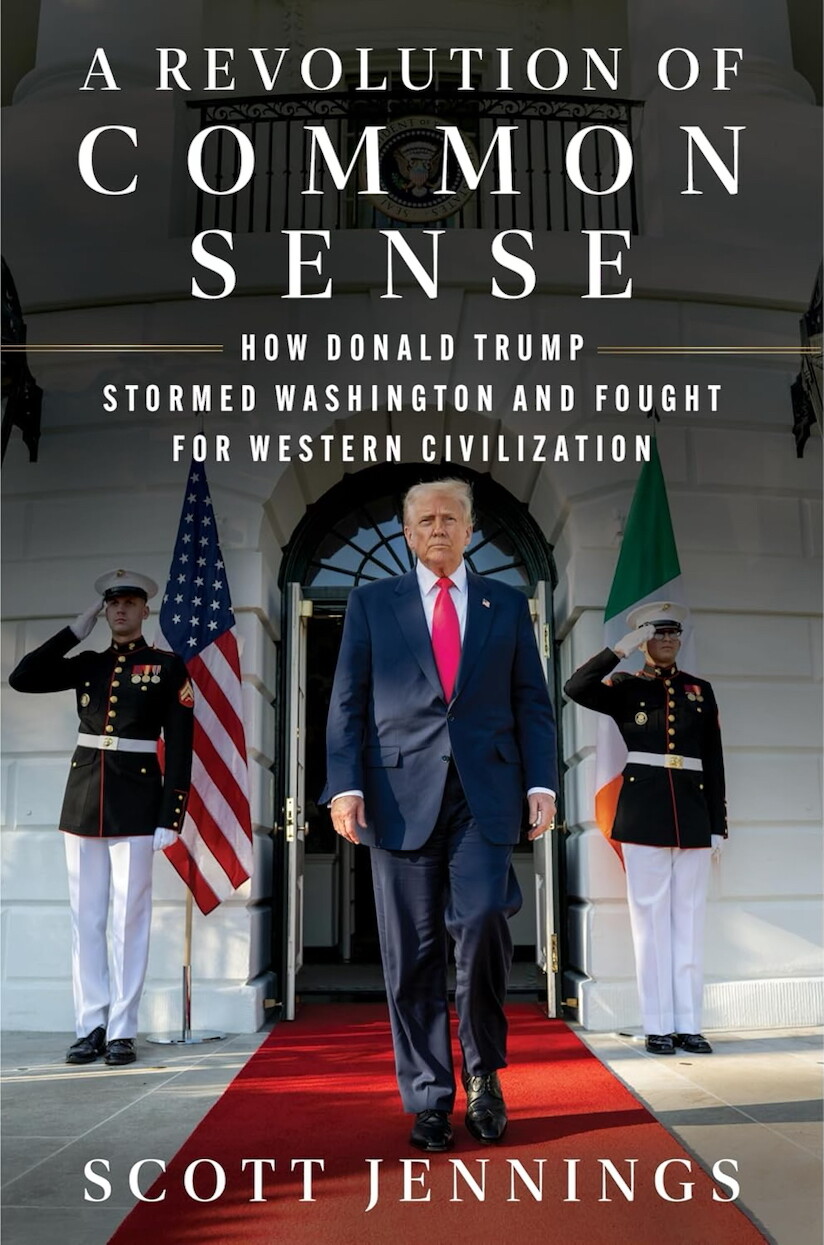
Donald Trump has proudly promoted a new book regarding his venture in American politics, entitled A Revolution of Common Sense: How Donald Trump Stormed Washington and Fought for Western Civilization, written by political pundit Scott Jennings. Whether common sense is a term you attribute to Donald Trump or not, the president seems certifiably chuffed by the attention. In the promotional statement made by Trump on Truth Social, the president claims that the author has ‘Wisdom, Courage, Common Sense,’ and that he has been a ‘formidable force’ on CNN.
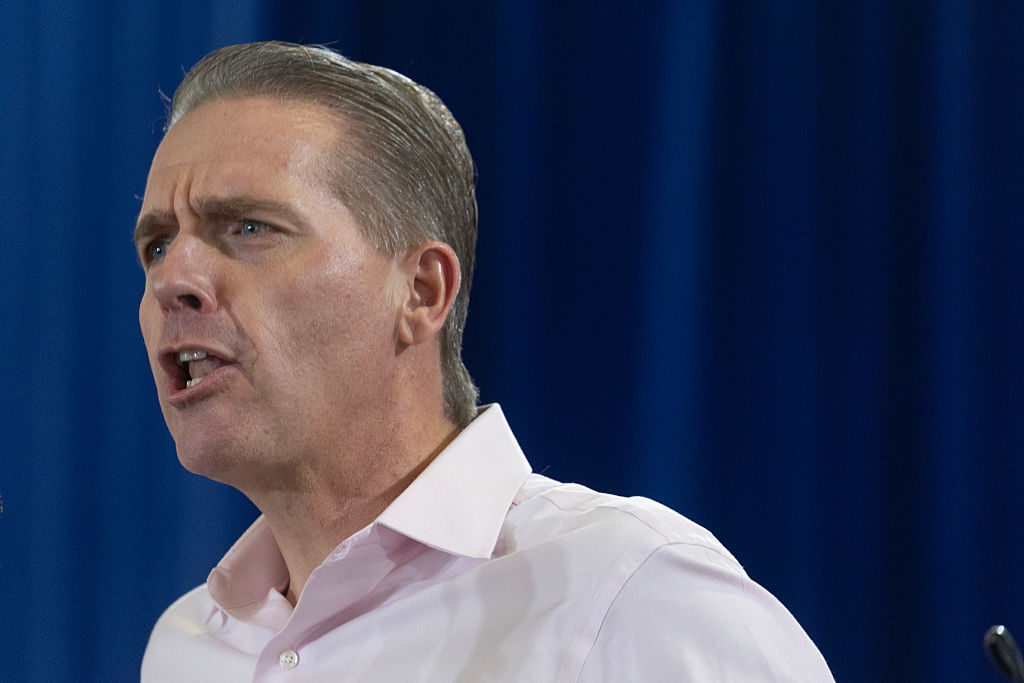
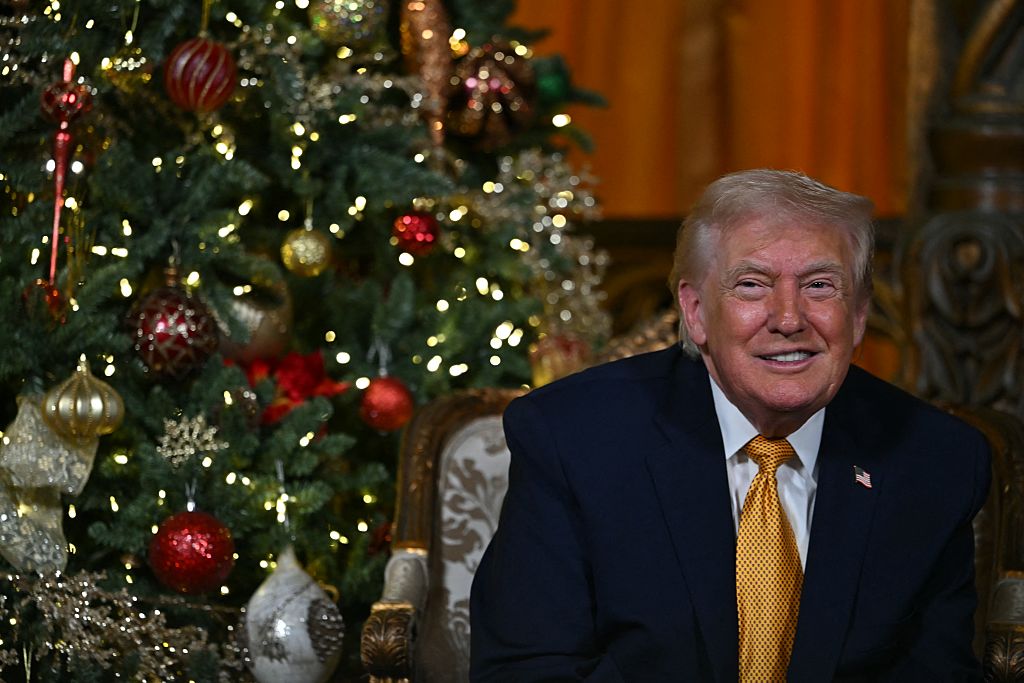
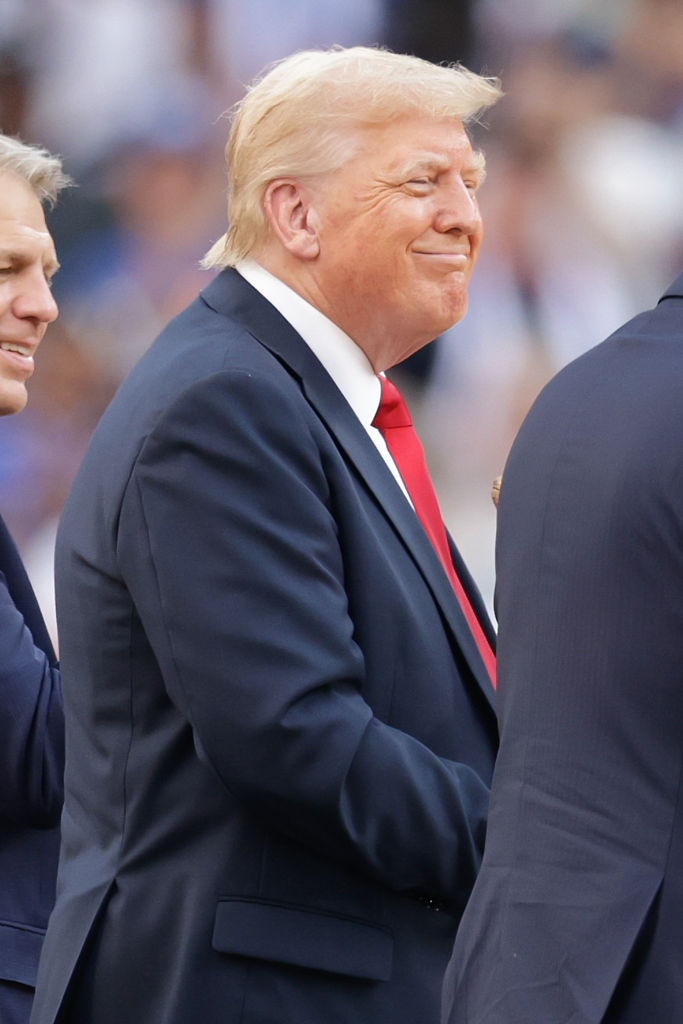
CEDAR RAPIDS, IOWA – AUGUST 23: Conservative commentator Scott Jennings speaks at the Ashley’s BBQ Bash fundraiser hosted by U.S. Rep. Ashley Hinson (R-IA) on August 23, 2025 in Cedar Rapids, Iowa. The event was the fifth annual, which she holds to support Iowa Republican causes and candidates. (Photo by Scott Olson/Getty Images)US President Donald Trump participates in NORAD Santa tracker phone calls, on Christmas Eve, from the Mar-a-lago club in Palm Beach, Florida, on December 24, 2025. (Photo by ANDREW CABALLERO-REYNOLDS / AFP via Getty Images)TOPSHOT – US President Donald Trump attends a plenary session of the North Atlantic Treaty Organization (NATO) Heads of State and Government summit in The Hague, on June 25, 2025. NATO leaders hold a two-day summit on June 24 and 25 in The Hague. (Photo by Remko de Waal / ANP / AFP) / Netherlands OUT (Photo by REMKO DE WAAL/ANP/AFP via Getty Images)NEW YORK, NEW YORK – MAY 29: Former U.S. President Donald Trump attends his criminal trial at Manhattan Criminal Court on May 29, 2024 in New York City. Judge Juan Merchan will give the jury their instructions before they begin deliberations today. The former president faces 34 felony counts of falsifying business records in the first of his criminal cases to go to trial. (Photo by Charly Triballeau-Pool/Getty Images)EAST RUTHERFORD, NJ – JULY 13: Donald Trump President of the United States on stage after the FIFA Club World Cup Final on July, 13, 2025 at MetLife Stadium in East Rutherford, New Jersey. (Photo by Rich Graessle/Icon Sportswire via Getty Images)
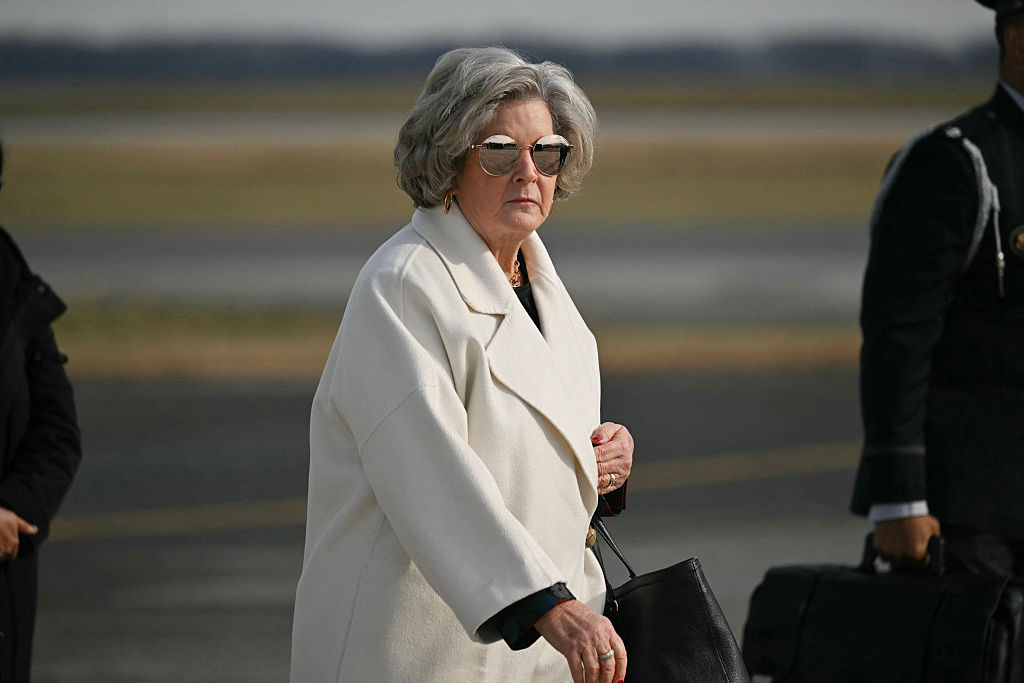
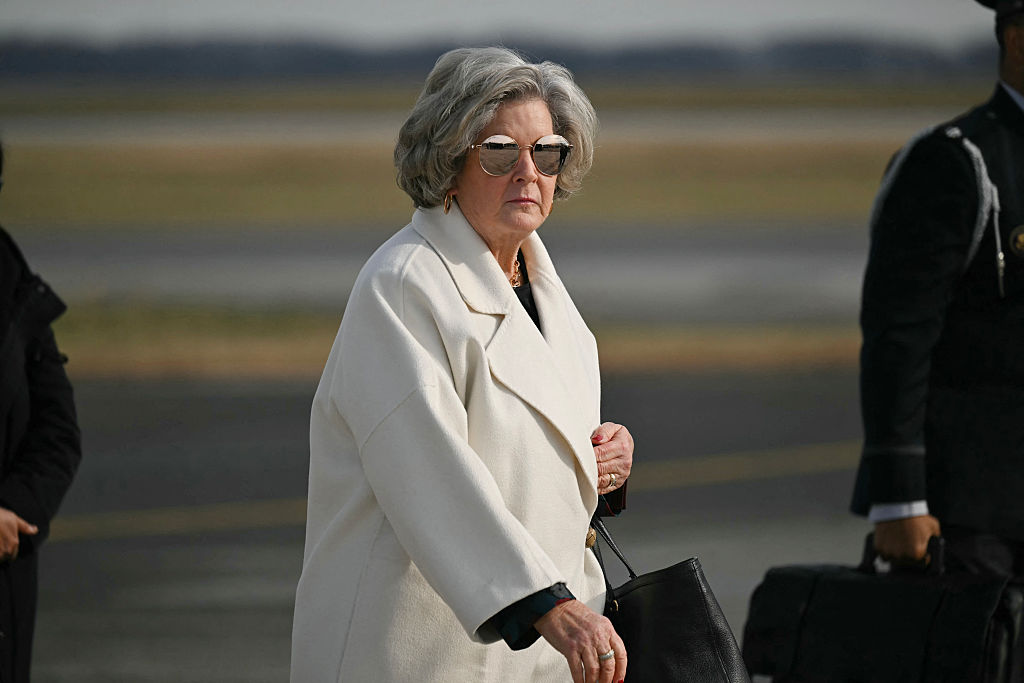
TOPSHOT - White House Chief of Staff Susie Wiles walks as she arrives at Dover Air Force Base in Delaware on December 17, 2025. US President Donald Trump is attending a ceremony for the return of two US servicemen killed in Syria at Dover Air Force Base in Delaware. (Photo by ANDREW CABALLERO-REYNOLDS / AFP via Getty Images)
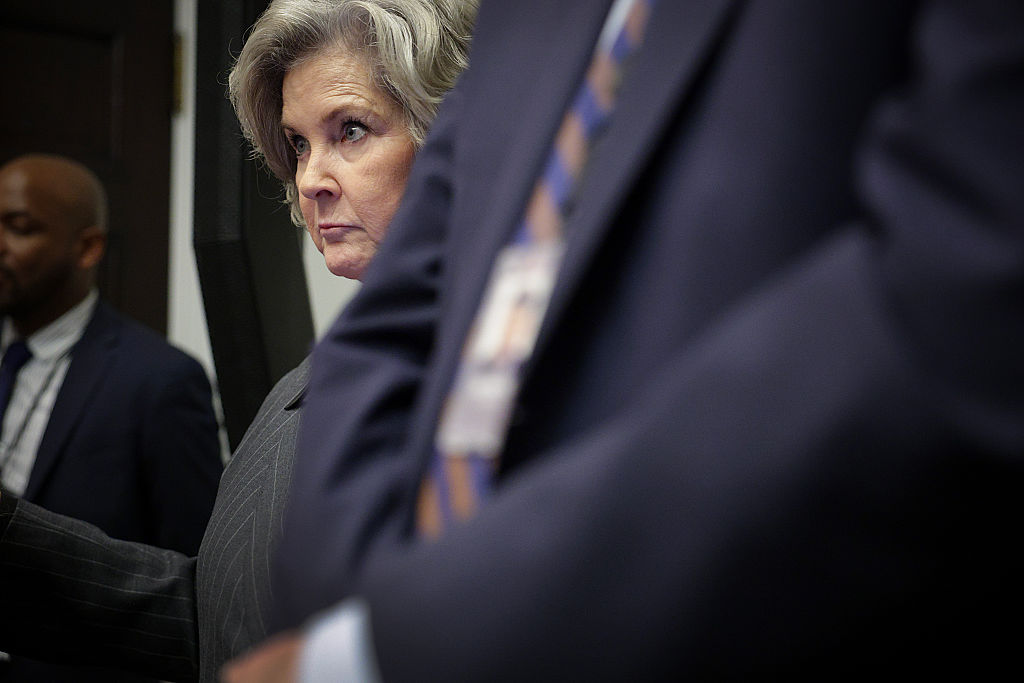
Vanity Fair published a two-piece exposé called: Susie Wiles, JD Vance, and the “Junkyard Dogs”: The White House Chief of Staff on Trump’s Second Term. The articles include dozens of quotes from Trump’s Chief of Staff Susie Wiles – the person who journalist Chris Whipple calls “the most powerful person in Trump’s White House other than the president himself”. Since the release of the article, Wiles has fought back against her own statements she is quoted as making in the article, claiming it is a “disingenuously framed hit piece”.
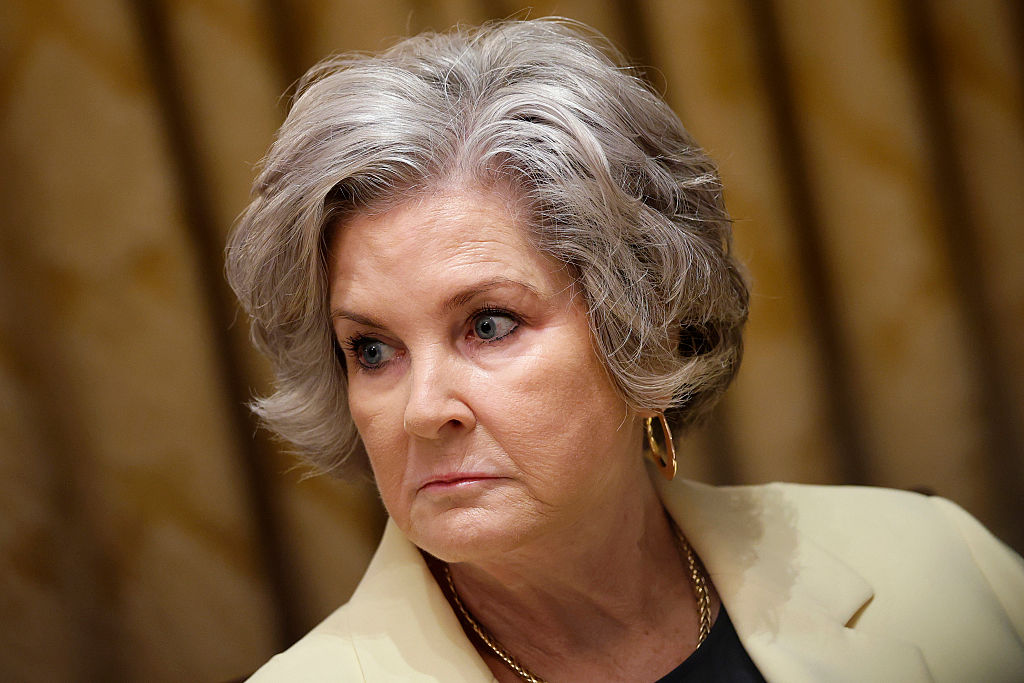
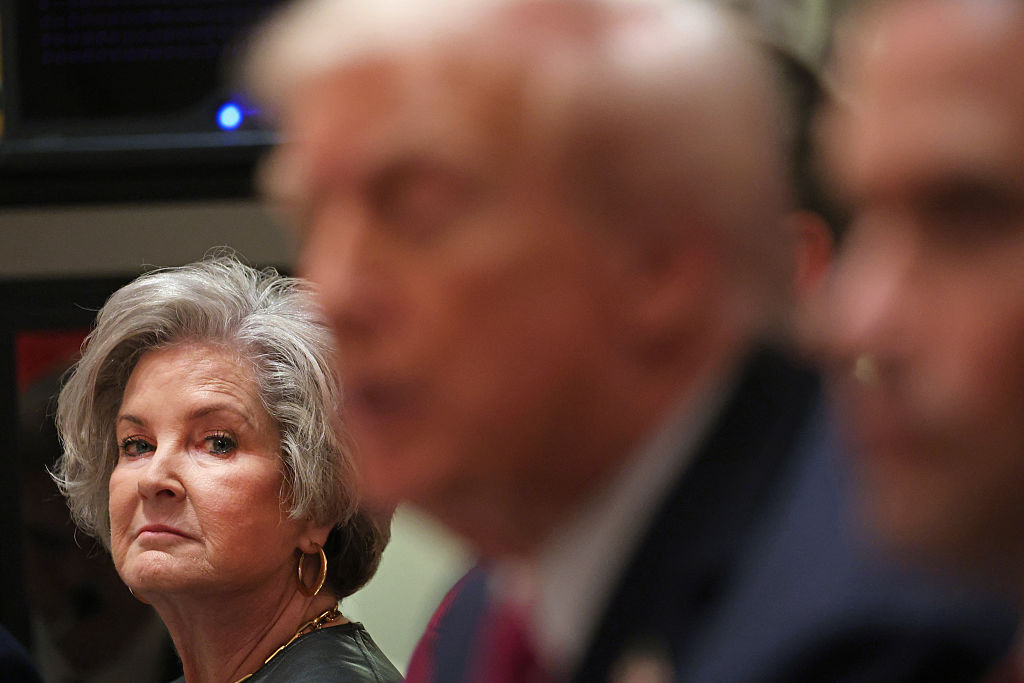
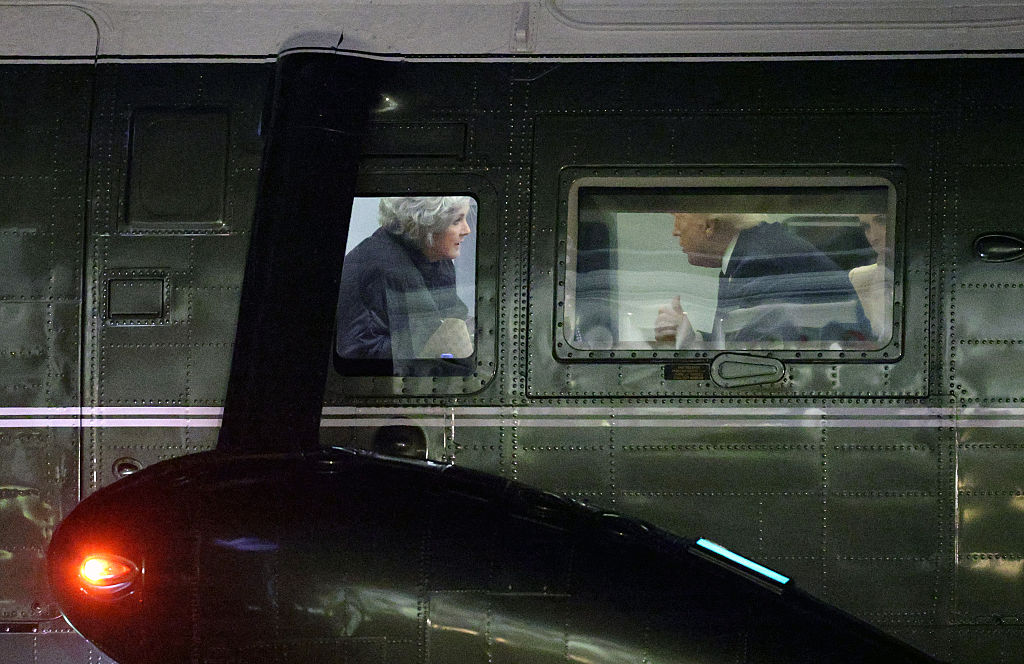
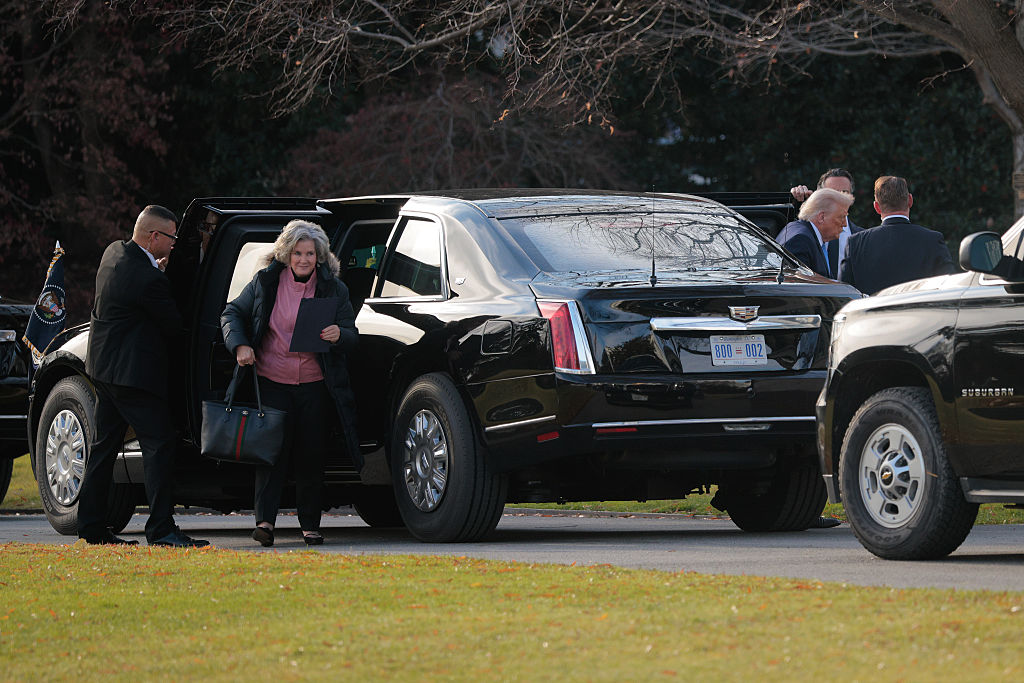
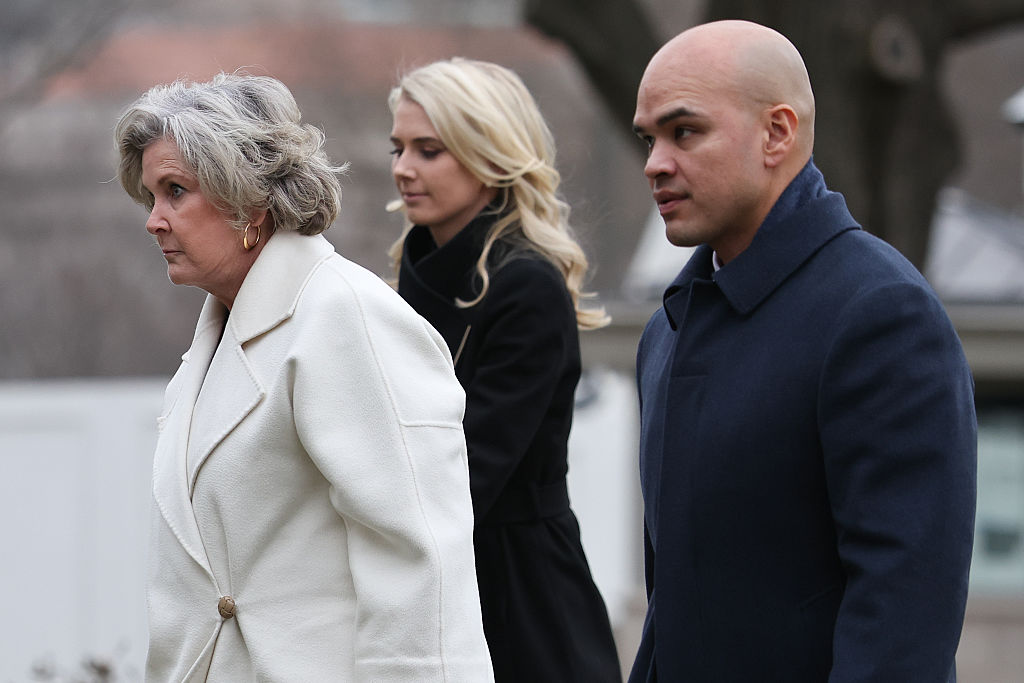
TOPSHOT – White House Chief of Staff Susie Wiles walks as she arrives at Dover Air Force Base in Delaware on December 17, 2025. US President Donald Trump is attending a ceremony for the return of two US servicemen killed in Syria at Dover Air Force Base in Delaware. (Photo by ANDREW CABALLERO-REYNOLDS / AFP via Getty Images)WASHINGTON, DC – OCTOBER 14: White House Chief of Staff Susie Wiles looks on during a meeting with U.S. President Donald Trump and President of Argentina Javier Milei in the Cabinet Room at the White House on October 14, 2025 in Washington, DC. Trump is hosting Milei for a working lunch days after the U.S. Treasury finalized a $20 billion currency swap framework with Argentina in an effort to help stabilize its economy. (Photo by Kevin Dietsch/Getty Images)White House Chief of Staff Susie Wiles (L) looks on as US President Donald Trump (C) meets with unseen Ukrainian President Volodymyr Zelensky in the Cabinet Room of the White House in Washington, DC, on October 17, 2025. (Photo by TOM BRENNER / AFP) (Photo by TOM BRENNER/AFP via Getty Images)WASHINGTON, DC – DECEMBER 19: U.S. President Donald Trump and White House Chief of Staff Susie Wiles talk in Marine One as Trump departs the White House on December 19, 2025 in Washington, DC. Trump is traveling to North Carolina, where he is scheduled to hold a rally to highlight his economic agenda. Later this evening Trump will travel to his Mar-a-Lago resort where he will stay for the holiday season. (Photo by Alex Wong/Getty Images)WASHINGTON, DC – DECEMBER 04: U.S. President Donald Trump and his Chief of Staff Susie Wiles step out of the presidential limousine after returning to the White House on December 04, 2025 in Washington, DC. As part of his campaign to portray himself as a peacemaker, Trump the presidents of Rwanda and the Democratic Republic of Congo to Washington to sign a peace and economic accord which aims to end decades of conflict between the governments, militias, rebel groups and other warring factions. The peace deal was initially signed in June of 2025 but Rwandan troops remain in the DRC and fighting continues. (Photo by Chip Somodevilla/Getty Images)WASHINGTON, DC – DECEMBER 17: White House Chief of Staff Susie Wiles (L) walks with Walt Nauta (R), Director of White House Oval Office Operations, as they return to the White House December 17, 2025 in Washington, DC. Earlier, U.S. President Donald Trump attended a dignified transfer ceremony at Dover Air Force Base for two members of the Iowa National Guard killed in Syria. (Photo by Win McNamee/Getty Images)WASHINGTON, DC – DECEMBER 19: White House Chief of Staff Susie Wiles attends an event with U.S. President Donald Trump in the Roosevelt Room of the White House December 19, 2025 in Washington, DC. Trump delivered remarks on lowering prescription drug prices during the event. (Photo by Alex Wong/Getty Images)
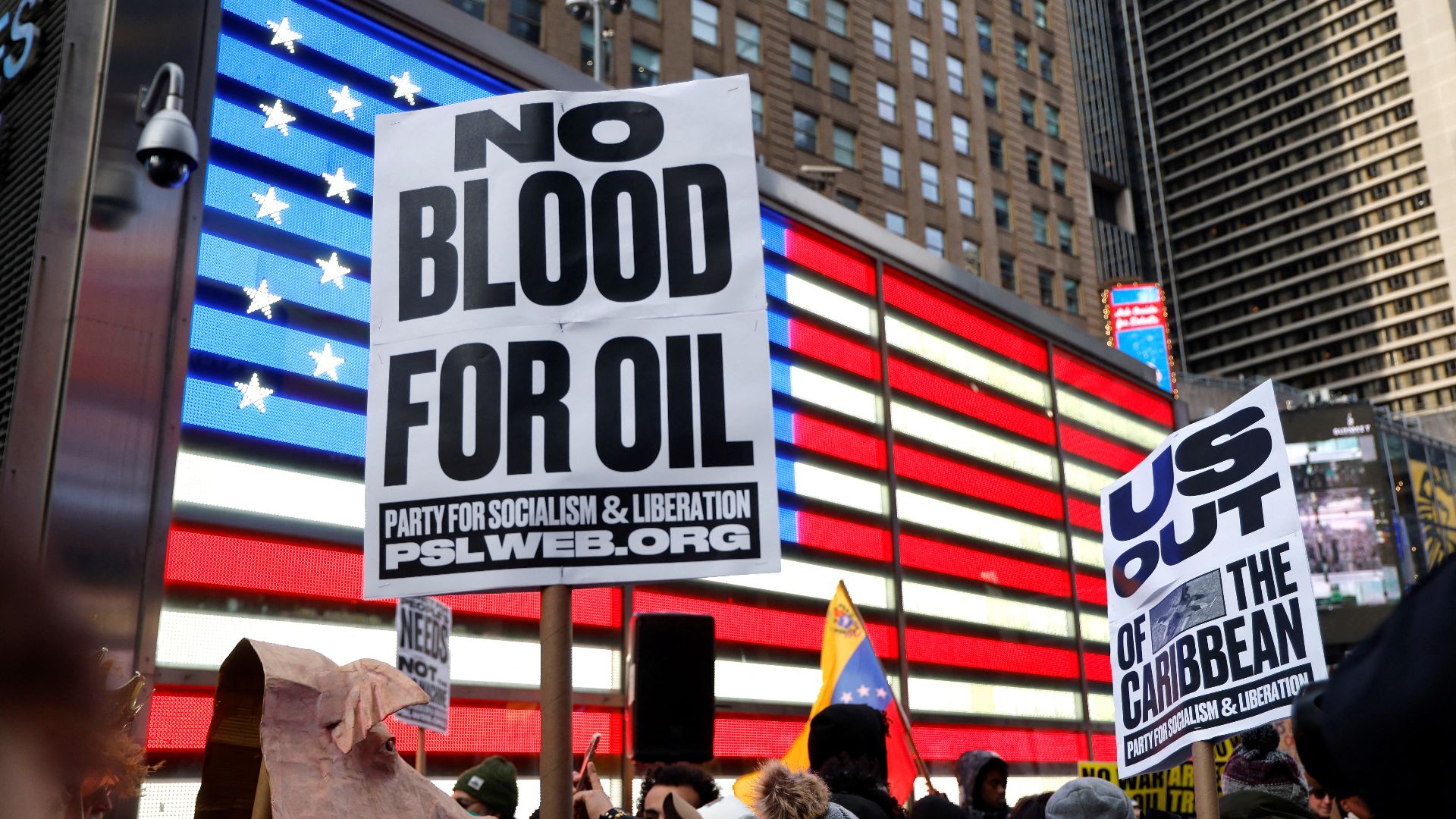
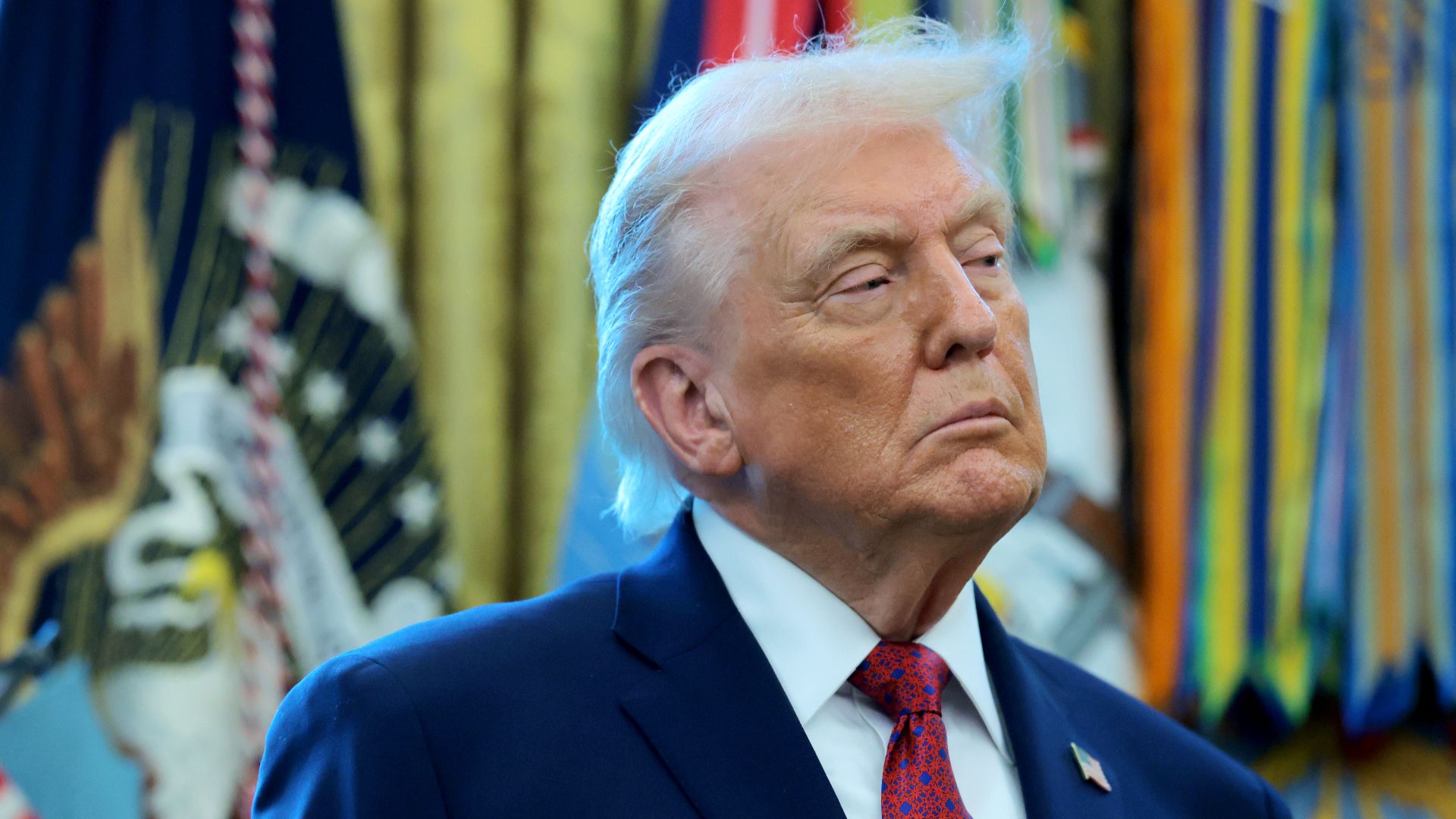
Donald Trump has sharply escalated his threats toward other countries in the Western Hemisphere and beyond, signaling an expansive foreign-policy posture that stretches from Mexico and Cuba to Greenland, and framing it as part of a broader effort to reassert U.S. influence. In remarks following the recent U.S. military operation that led to the capture of Venezuelan President Nicolás Maduro and his wife — an unprecedented development that has drawn widespread international attention — Trump and senior administration officials have pointed to strategic concerns and governance challenges as justification for stepped-up pressure on neighboring governments and territories. This includes renewed rhetoric about the strategic importance of Greenland, which has elicited strong rebukes from Greenlandic and Danish leaders, and pointed warnings toward Cuba and Colombia as potential subjects of continued U.S. focus. Analysts say these moves reflect a modern reinterpretation of long-standing U.S. hemispheric doctrines and illustrate Trump’s intent to project what he describes as American dominance across the region.
Getty Images
Speaking to reporters in the aftermath of the U.S. attack on Venezuela, Donald Trump framed the operation and his subsequent warnings to other governments as part of a broader regional strategy, according to CNN. Asked about Washington’s objectives, Trump said Sunday that «We are in the business of having countries around us that are viable and successful and where the oil is allowed to freely come out», signaling a direct link between political stability, energy access and U.S. intervention. He went further by explicitly asserting American power, declaring that «American dominance in the Western hemisphere will never be questioned again», a statement that crystallized the administration’s increasingly assertive posture following the capture of Nicolás Maduro. These remarks, delivered over the past two days, have set the tone for a wider escalation, as governments from Mexico to Greenland, as well as Cuba and Iran, have reacted with alarm, rejection or defiance to what they see as a renewed and unapologetic projection of U.S. influence across the region.
Getty Images
Greenland and Denmark have reacted with firm rejection and growing concern to Donald Trump’s renewed statements about acquiring or exerting greater control over the Arctic territory, remarks that gained fresh attention in the wake of the U.S. military operation in Venezuela. Danish Prime Minister Mette Frederiksen sharply rebuked Trump’s comments, saying that «it makes absolutely no sense to talk about the U.S. needing to take over Greenland» and insisting that the United States «has no right to annex any of the three countries in the Danish Kingdom», underscoring that Greenland is not for sale and that Washington should stop threatening a close ally. Greenland’s own prime minister, Jens-Frederik Nielsen, echoed this tone by calling Trump’s rhetoric «disrespectful» and urging respect for Greenland’s sovereignty and self-determination, while emphasizing that there is no immediate danger of any forced takeover. These statements reflect deep unease in both Nuuk and Copenhagen about the implications of Trump’s broader foreign-policy posture, particularly when framed alongside recent U.S. actions in Venezuela and comments linking strategic interests in distant territories.
Getty Images
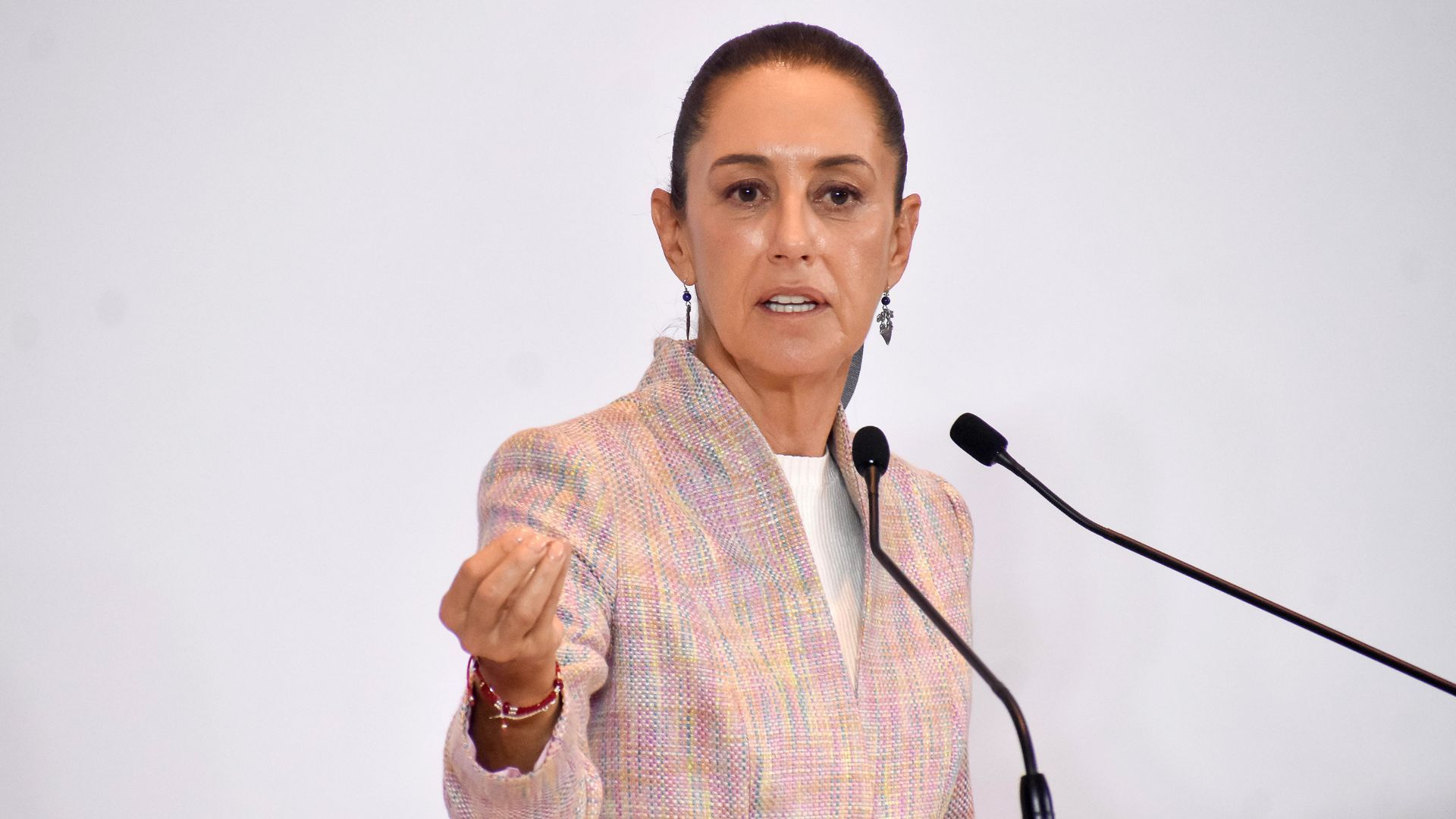
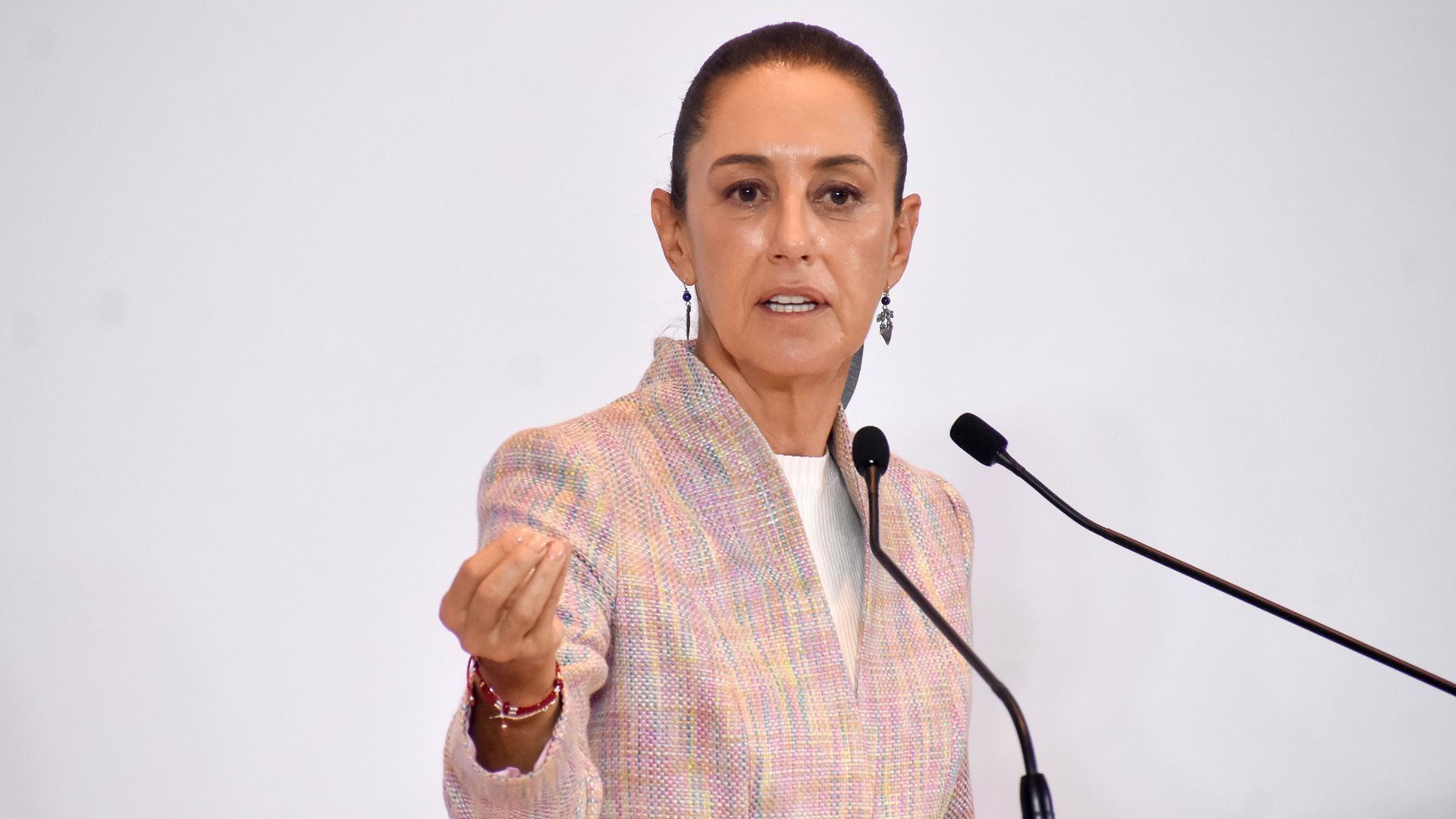
Mexico’s president, Claudia Sheinbaum, has strongly rejected the U.S. intervention in Venezuela and reaffirmed her country’s long-standing foreign policy of non-intervention and respect for sovereignty. Speaking at her daily press conference, she condemned the operation that led to the capture of Nicolás Maduro, stating that Mexico «categorically rejects intervention in the internal matters of other countries» and stressing that while cooperation on security issues is possible, military intervention is not. Sheinbaum also reiterated that Mexico is a sovereign nation where «the people rule», dismissing suggestions of U.S. military involvement on Mexican soil as unnecessary, even as Donald Trump has floated the idea of using force to confront drug cartels. Her remarks underline Mexico’s constitutional commitment to non-interference and place clear limits on Washington’s actions in the region.
Getty Images
Cuba has responded with fierce condemnation and profound alarm to the U.S. military operation in Venezuela that resulted in the capture of Nicolás Maduro and his wife, denouncing the intervention as «state terrorism» and a blatant violation of international law. According to the BBC, the Cuban government says 32 of its nationals were killed during the U.S. operation, describing the dead as members of its armed forces and intelligence agencies who were killed «in combat actions» and declaring two days of national mourning; the Cuban armed forces said these personnel «fell, after fierce resistance, in direct combat against the attackers or as a result of bombardments of installations». The Cuban leadership has underscored its long-standing alliance with Venezuela — noting that Cuba has for years supplied Maduro with his personal security detail and maintains personnel throughout the Venezuelan military — and the reported losses have deepened fears on the island about its own security and future. At the same time, U.S. officials have publicly criticized Havana’s support for Maduro and signaled continued pressure on the Cuban government, heightening anxieties that Cuba could now face increased strategic and diplomatic pressure from Washington in the wake of the Venezuelan episode.
LONDON, ENGLAND - DECEMBER 8: Ukrainian President Volodymyr Zelenskyy looks on during a meeting with British Prime Minister Keir Starmer, German Chancellor Friedrich Merz and French President Emmanuel Macron at 10 Downing Street on December 8, 2025 in London, England. President Macron of France, Chancellor Merz of Germany join President Zelenskyy of Ukraine for a summit on the progress of peace talks hosted by UK Prime Minister Keir Starmer. (Photo by Toby Melville - WPA/Getty Images)
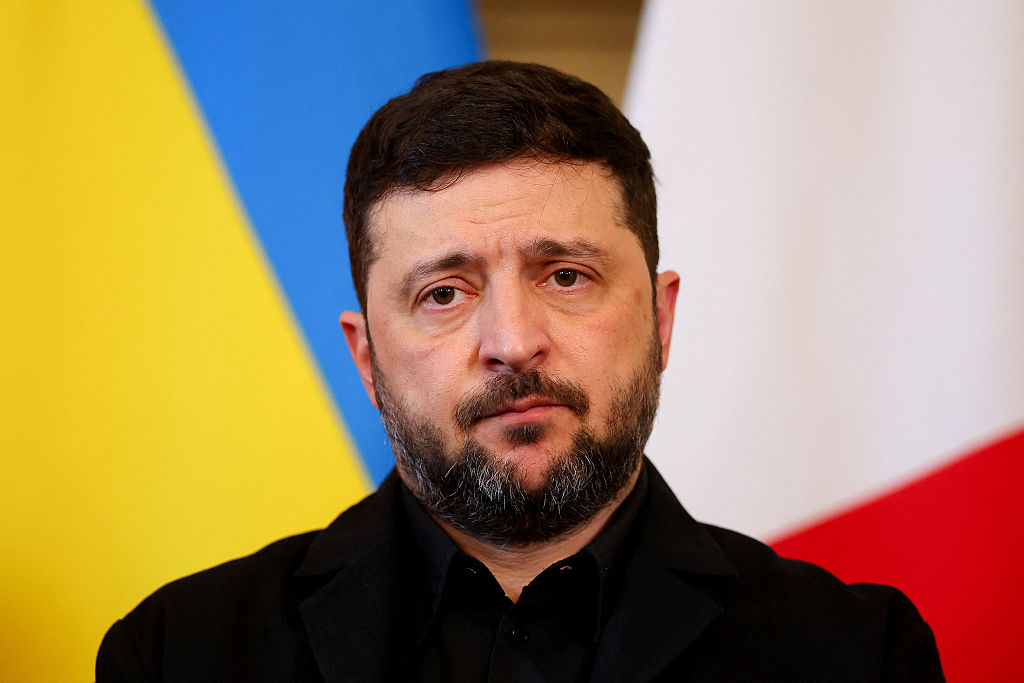
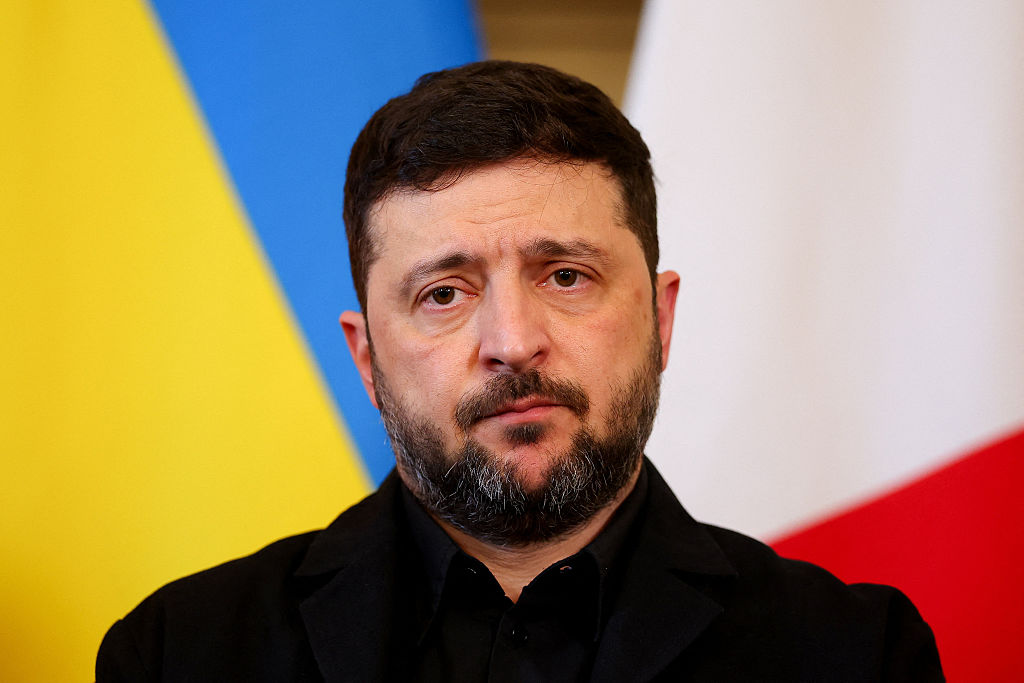
Ukrainian President Volodymyr Zelensky has reconfirmed that Ukraine is not willing to cede land to Russia after almost four years of war. In February 2022, Russia invaded Ukraine, starting the deadliest European war since World War II. Zelensky’s comments come as US President Donald Trump is pressuring Ukraine to concede territory to the invading Russia. On Tuesday, Donald Trump told the press that Russia has ‘the upper hand’ and that Ukraine needs to ‘play ball’ with the Kremlin, something that Ukraine is not willing to do.
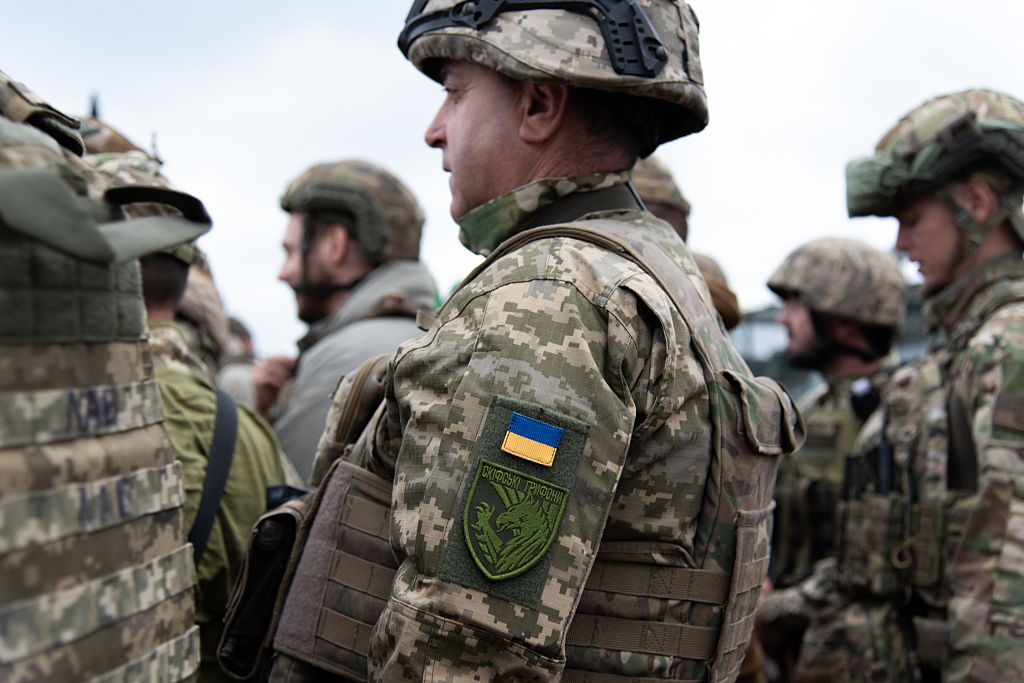
LONDON, ENGLAND – DECEMBER 8: Ukrainian President Volodymyr Zelenskyy looks on during a meeting with British Prime Minister Keir Starmer, German Chancellor Friedrich Merz and French President Emmanuel Macron at 10 Downing Street on December 8, 2025 in London, England. President Macron of France, Chancellor Merz of Germany join President Zelenskyy of Ukraine for a summit on the progress of peace talks hosted by UK Prime Minister Keir Starmer. (Photo by Toby Melville – WPA/Getty Images)LONDON, ENGLAND – DECEMBER 8: British Prime Minister Keir Starmer (2nd L) hosts a meeting with German Chancellor Friedrich Merz (L), Ukrainian President Volodymyr Zelenskiy (2nd R) and French President Emmanuel Macron at 10 Downing Street on December 8, 2025 in London, England. President Macron of France, Chancellor Merz of Germany join President Zelenskyy of Ukraine for a summit on the progress of peace talks hosted by UK Prime Minister Keir Starmer. (Photo by Toby Melville – WPA/Getty Images)WASHINGTON, DC – SEPTEMBER 26: U.S. President Donald Trump speaks to members of the media as he departs the White House September 26, 2025 in Washington, DC. Under pressure from Trump, the DOJ indicted former FBI Director James Comey on counts of making false statements and obstruction of a congressional proceeding related to the September 2020 Russia investigation. (Photo by Kevin Dietsch/Getty Images)PALM BEACH, FLORIDA – DECEMBER 28: U.S. President Donald Trump listens during a press conference with Ukrainian President Volodymyr Zelensky following their meeting at Trump’s Mar-a-Lago club on December 28, 2025 in Palm Beach, Florida. Trump invited Zelensky to his private club to work on the U.S.-proposed peace plan to end the war in Ukraine, as the conflict approaches four years since the sudden full-scale invasion by Russia on February 24, 2022. (Photo by Joe Raedle/Getty Images)ZAPORIZHZHIA OBLAST, UKRAINE – OCTOBER 10: A soldier of the 423rd Separate Battalion of Unmanned Systems “Scythian Griffins” stands among other soldiers with a visible insignia patch of his battalion on October 10, 2025 in Zaporizhzhia Oblast, Ukraine. “Scythian Griffins” is the name of the 423rd Separate Unmanned Systems Battalion, a unit of the Land Forces of Ukraine that operates various types of drones. (Photo by Elena Tita/Global Images Ukraine via Getty Images)