Catégories
Uncategorized

Israel wants to open Rafah (so that Palestinians can leave)

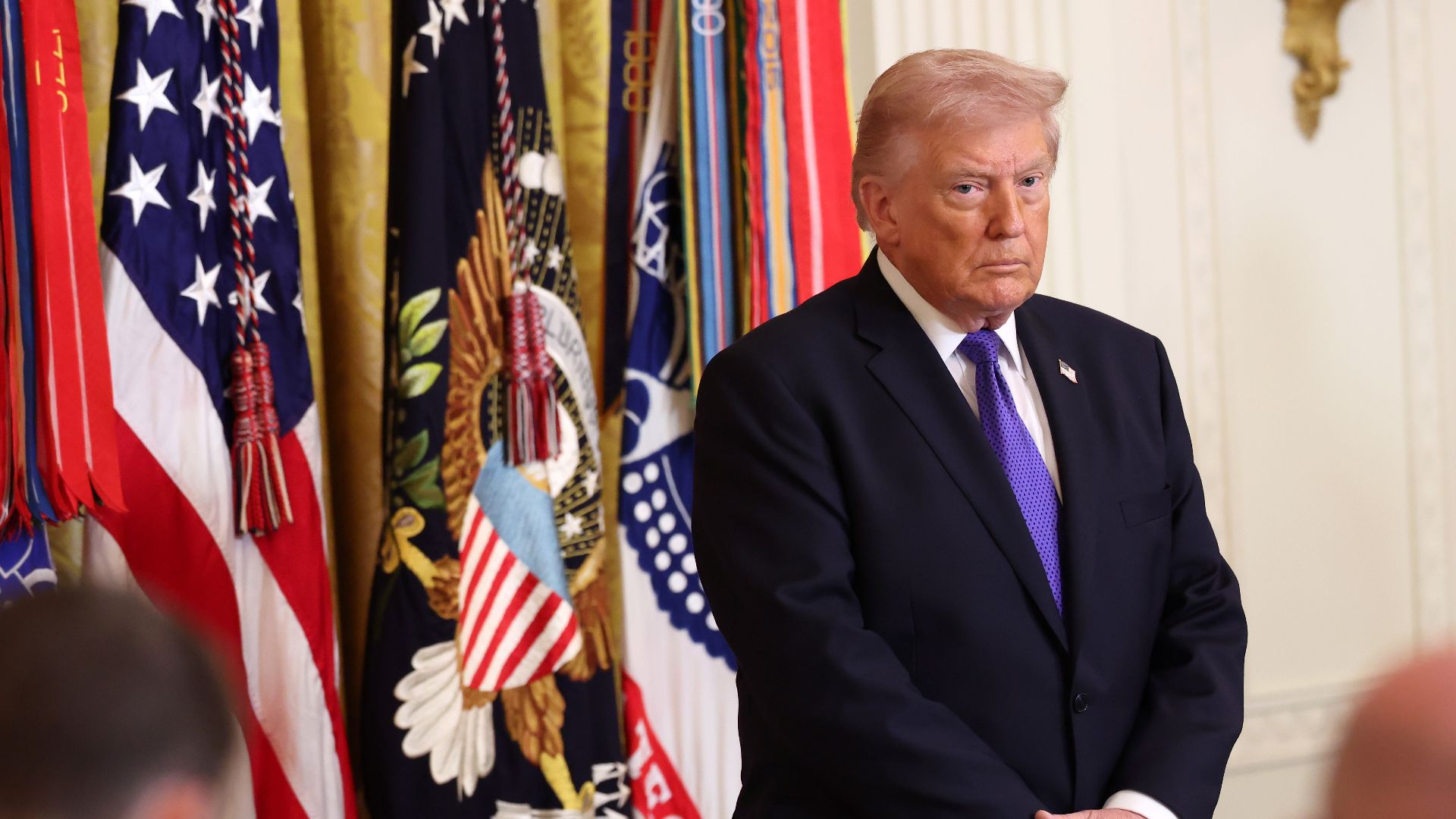
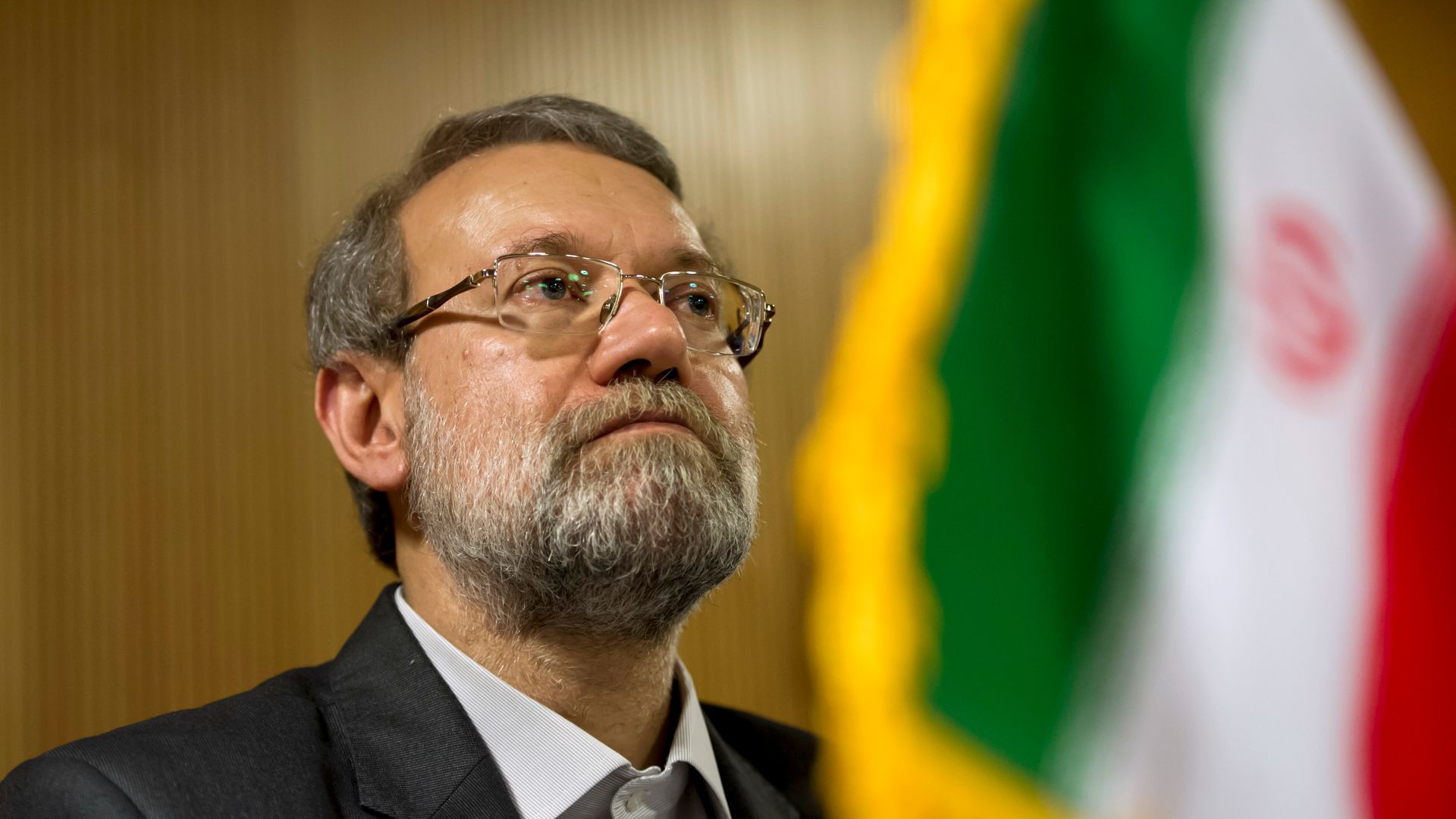
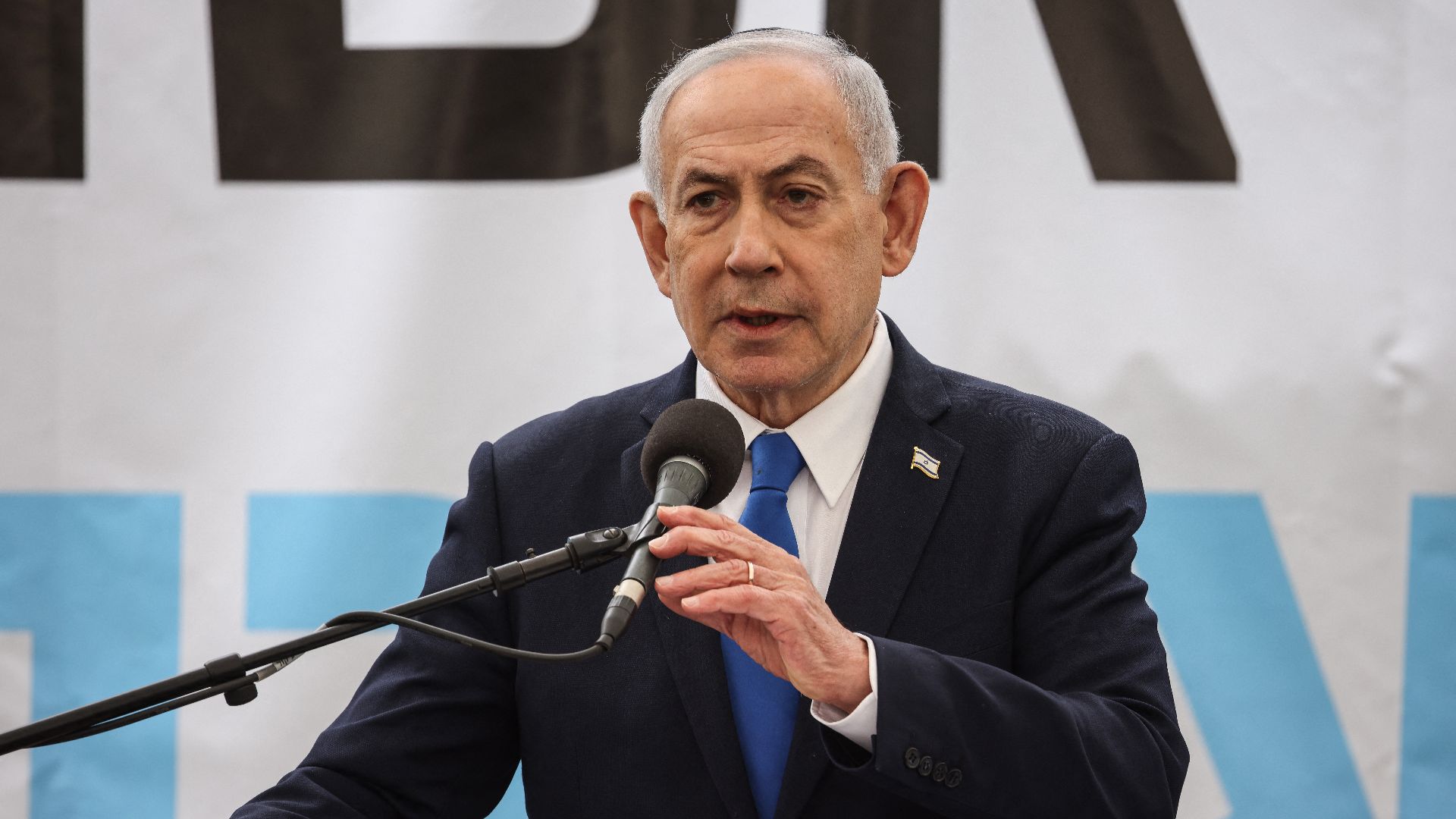
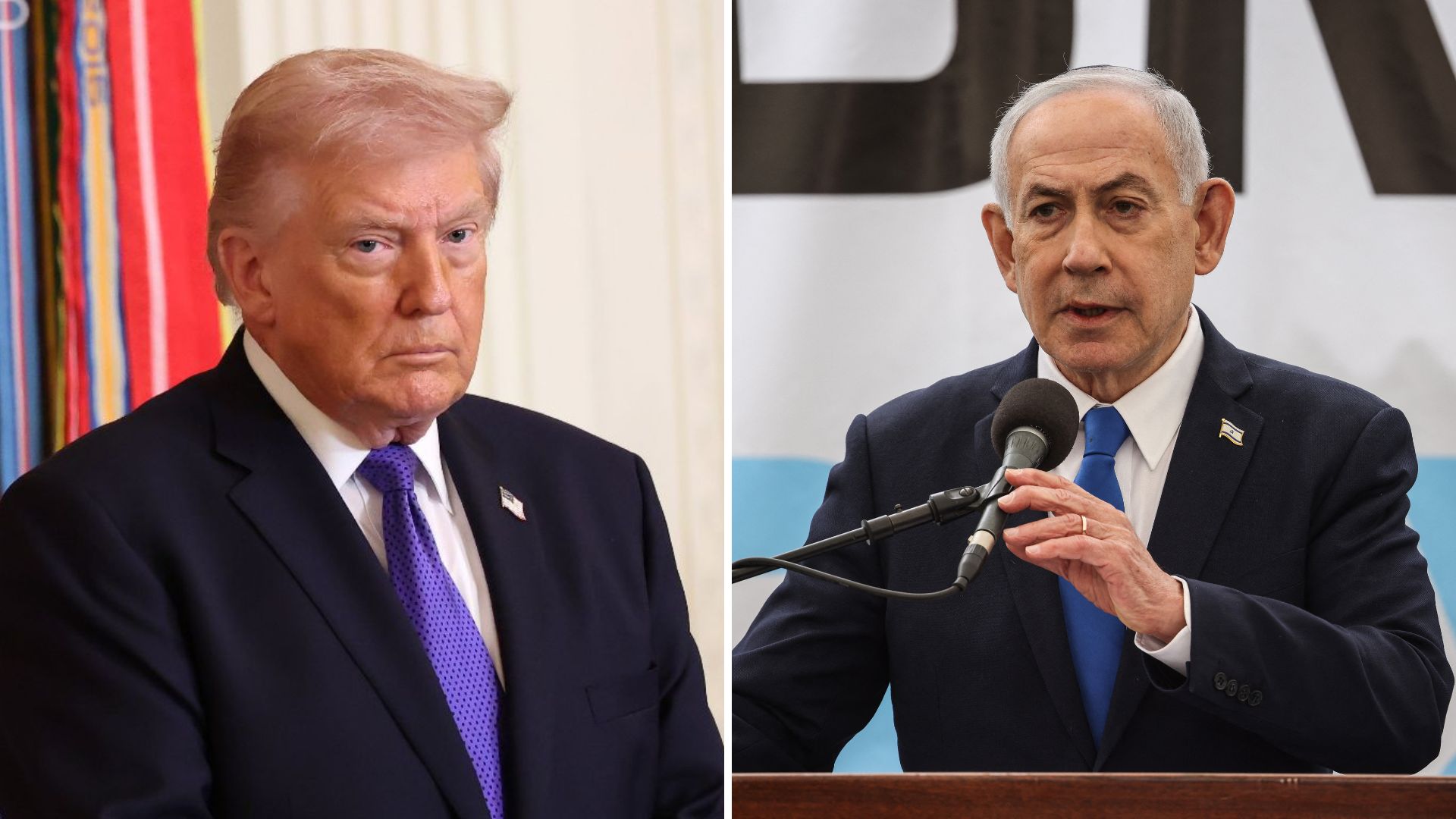
Israel says it will start allowing Palestinians to leave the Gaza Strip « in the next few days, » but this is far from a full reopening of the Rafah border crossing. According to Israeli officials, only a small group of people—mainly the wounded, urgent medical cases, and others on restricted humanitarian lists—will be allowed out. The announcement caused confusion among residents hoping for broader assistance, while Israel and Egypt made it clear that normal cross-border movements remained excluded for the time being. Instead of a return to pre-war operations, the opening will function more as a tightly controlled humanitarian corridor, leaving the vast majority of Gazans unable to leave despite the title of « reopening »

Israeli officials presented the measure as part of ceasefire agreements around Gaza, claiming that the Rafah crossing will be used to facilitate humanitarian cases in coordination with Egypt and international partners. Cairo, for its part, has indicated that it will cooperate in the evacuation of the wounded and seriously ill, but continues to reject any arrangement that would make Sinai a long-term destination for displaced Gazans. Humanitarian organizations and UN agencies point out that tens of thousands of people in Gaza are in need of urgent medical treatment or evacuation, far beyond the limited number who could be approved under the current mechanism. For them, Israel’s promise to let some Palestinians leave Gaza « in the next few days » underlines the extent to which such exits will remain tightly controlled and exceptional, rather than marking a real restoration of freedom of movement.

Getty ImagesEgypt’s

response undermined Israel’s argument almost immediately. While COGAT publicly stated that Rafah would reopen « in the next few days » to allow Palestinians to exit Gaza into Egypt under the joint supervision of Cairo and the European Union, the Egyptian government categorically denied that any such coordination was underway. In a statement issued on Wednesday, the Egyptian State Information Service said it was not currently working with Israel to reopen the crossing and reminded all parties that, under the terms of the October ceasefire, Rafah is supposed to operate in both directions, not just as a one-way exit point for people leaving Gaza. This public rejection highlighted a significant gap between Israeli announcements and Egyptian policy, and cast further doubt on how, when, and under what conditions the crossing could actually operate again.

No long-term solution

In recent months, the situation between Israel and Gaza has been defined by cycles of intense fighting, shifting ceasefires, and growing humanitarian collapse inside the enclave. Following Israel’s expanded military operations earlier this year, large areas of Gaza were severely damaged and the population faced shortages of food, water, medical supplies, and electricity. Ceasefire negotiations, supported at various times by the US, Egypt, Qatar, and later the Trump administration, produced temporary pauses but no long-term resolution, as disputes over hostages, border control, and post-war governance repeatedly blocked progress. Israeli forces maintained strict restrictions on movement in and out of Gaza, while humanitarian agencies warned that the enclave’s health system was close to collapse and that tens of thousands of civilians needed urgent evacuation or medical attention. In this context, the question of reopening the main crossings—particularly Rafah—has become a central bone of contention, reflecting both the fragile nature of the current ceasefire and the unresolved political struggle over Gaza’s future.

Getty Images
Catégories
Uncategorized

Canadian satire site fools TIME Magazine with ‘made up quote’

TIME Magazine was fooled by the Canadian version of ‘The Onion,’ ‘The Beaverton, ’ in a recent article entitled “What Trump doesn’t understand about alliances”.

Here’s how it happened.

The Beaverton article

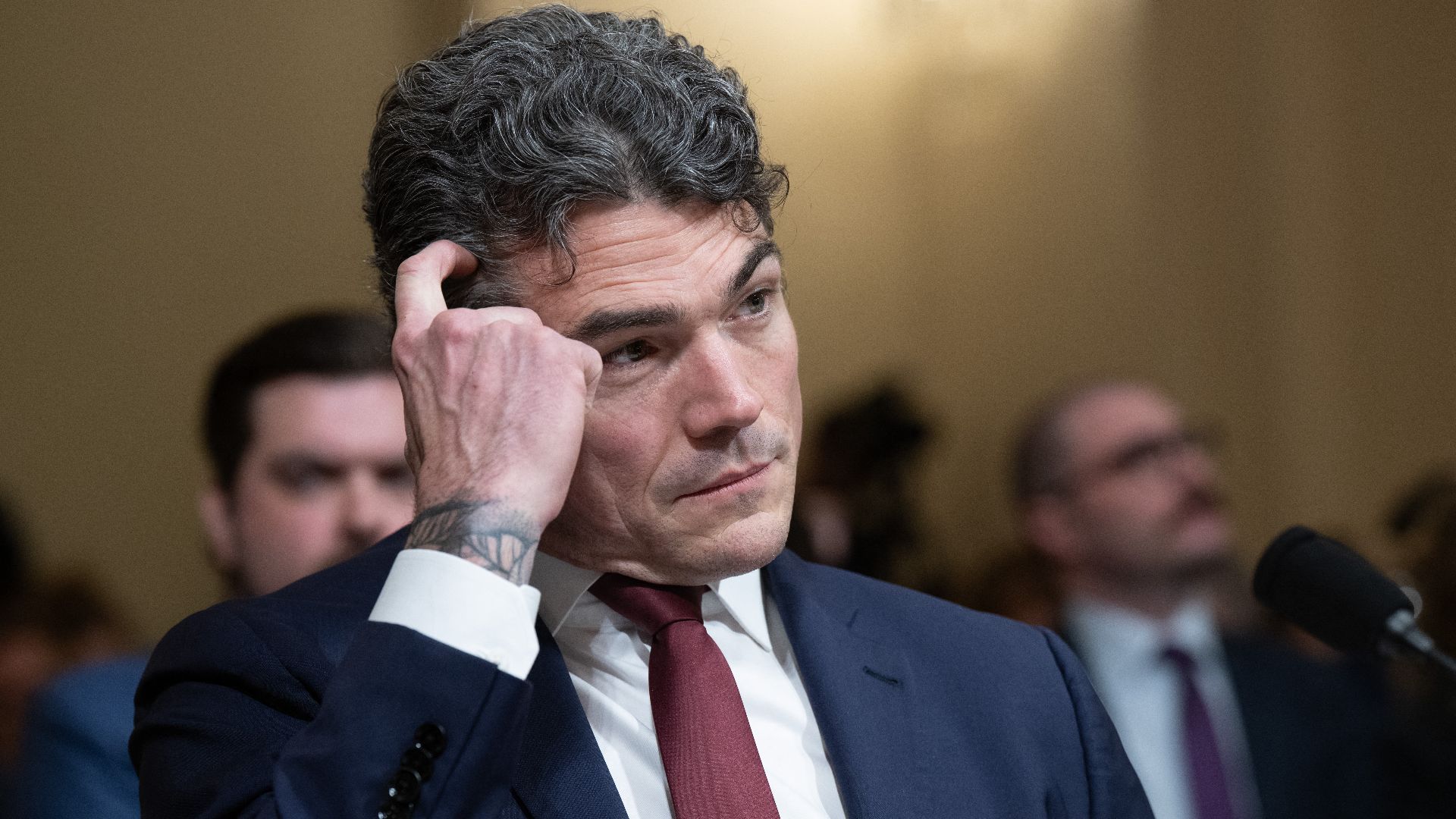
On September 19, 2025, The Beaverton, the biggest satirical publication in Canada, published the article “US Ambassador threatens to tariff, annex, and bomb Canada if anti-American sentiment doesn’t improve,” where they attribute a few funny quotes to U.S. Ambassador Pete Hoekstra.

The article came after Hoekstra gave a real-life interview where he said he was “disappointed” in the “anti-American sentiments” in Canada.

« I’m disappointed that I came to Canada, a Canada that it is very, very difficult to find Canadians who are passionate about the American-Canadian relationship. »

Pete Hoekstra, September 18 in Halifax

Beaverton journalist Ian Macintyre took the ball and ran. In his article, he wrote:

“I’m disappointed that I came to Canada. A Canada that it would be very easy to target with 500% steel tariffs, or one patriot missile aimed at Parliament Hill, I might add.”

And,

“We need to take the tone and tenor of the debate down, and by ‘we’ I mean ‘entirely Canada’ because you are all weak losers who would be better off as the 51st State.”

The article then described how Hoekstra proceeded to “[pour] out a bottle of Labatt Blue while spitting on a photo of Terry Fox”.

Hilarious, right? And very obviously satire. Clearly not.

Now we come to October 1, and TIME’s piece.

TIME of confusion

TIME’s piece: “What Trump Doesn’t Understand About Alliances,” attributed the quotes that were made up by The Beaverton to Hoekstra, and the kicker? Nobody noticed.

The Beaverton itself didn’t seem to notice until their Facebook post on November 27, commenting, “When your ambassador is SO deranged that TIME Magazine says, ‘Yeah, that quote sounds real. ‘”

How many people read that post in between October 1 and November 27, when The Beaverton finally clued in?

According to TIME magazine itself, the publication reached 120 million people globally in 2025 (as of November 20).

How could this happen?

The elephant in the room is obviously the question ‘how could this happen’. In an article that features gems like:

“When I was Trump’s ambassador to the Netherlands, which is also a complete s**t hole, I had a lot of success illegally fundraising for radical right political groups,” Hoekstra recalled while whipping Tim Horton’s doughnuts at the crowd.

And,

Hoekstra then ended his speech by urinating on a stack of vintage Anne Murray records.

It’s hard to imagine that anyone who read it, even if they don’t know The Beaverton specifically, could believe it was real.

But the article sat unedited for more than a month before someone finally realized.

When your ambassador is SO deranged that Time Magazine says, ‘Yeah, that quote sounds real. ‘

When Hoekstra’s office was asked about the comments, it confirmed they were false.

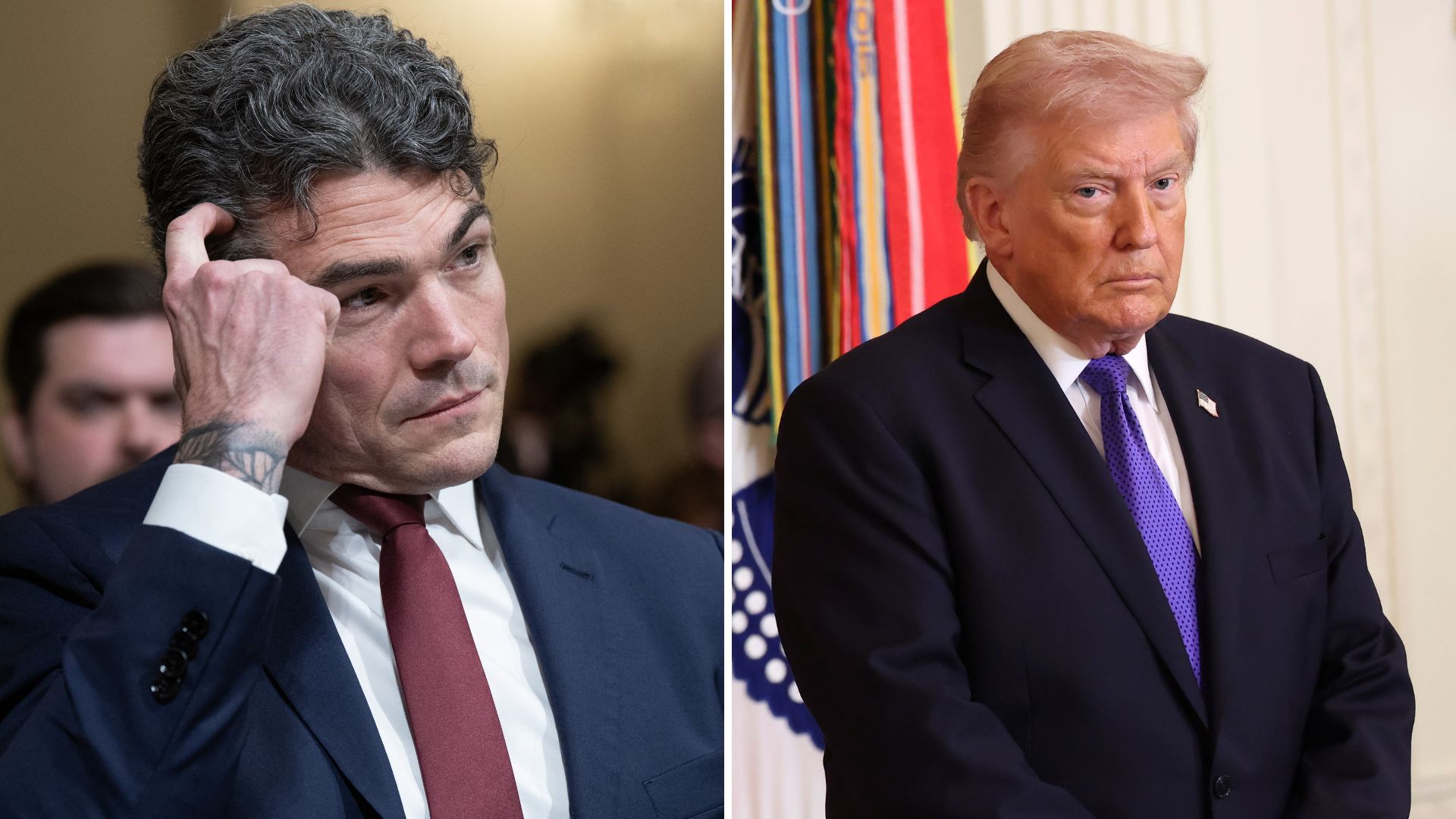
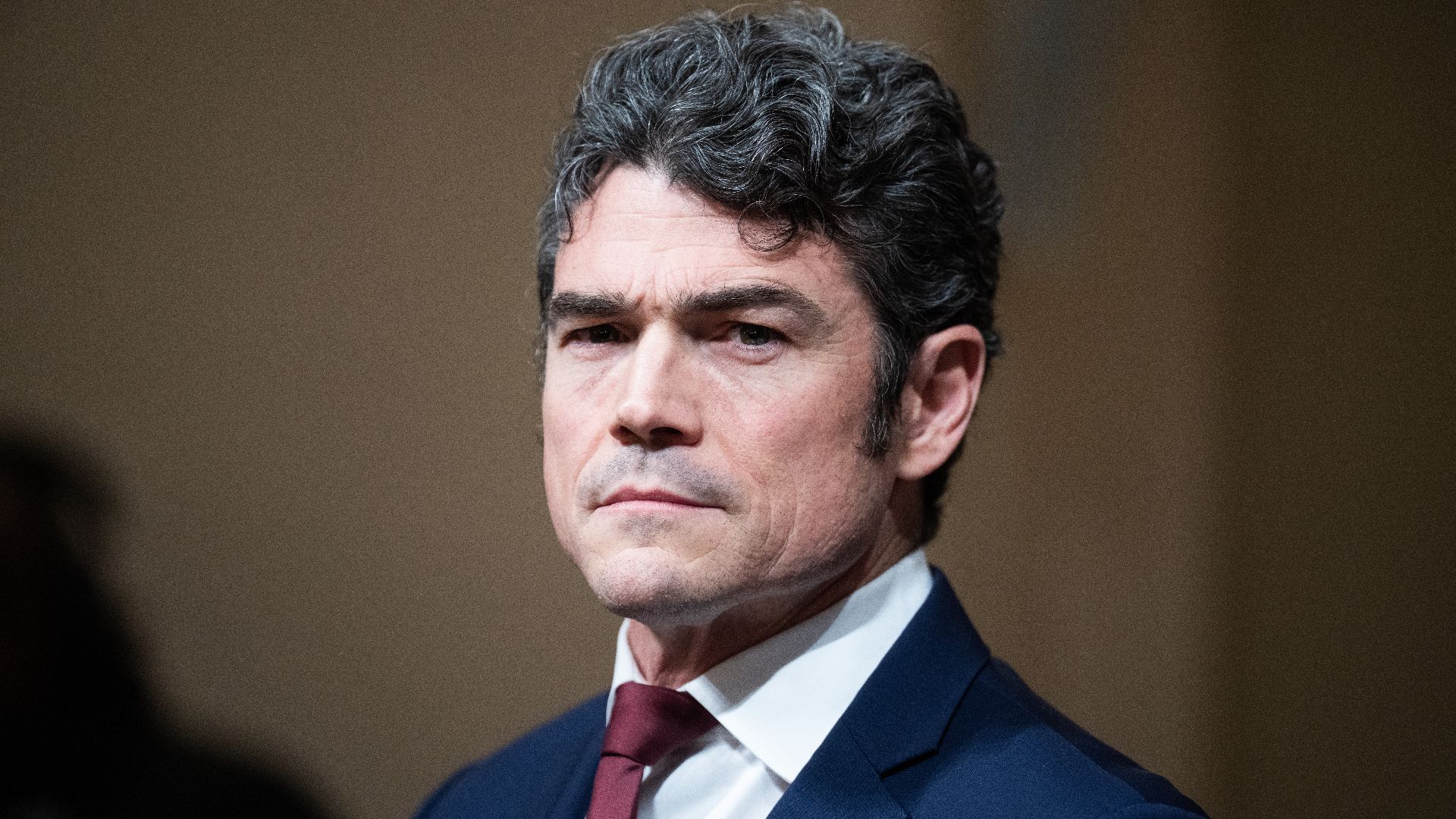
The statement attributed to Ambassador Hoekstra by Time Magazine is a fabrication.  The ambassador did not make this statement.

The Beavertons Ian MacIntyre also confirmed they were false.

That’s absolutely a made-up quote… I heightened a bunch of them to absurd levels,

Absurd is absolutely the correct word to describe the made-up quotes and this story.

The Beaverton is the most prominent satire publication in Canada, and has never claimed to be anything other than satire meant for entertainment. The publication regularly invents humorous false quotes.
We’re not trying to make fake news or hoodwink people, and it’s always baffling when anyone thinks we’re real, let alone a guy that was an important journalist,

-Ian MacIntyre

Certainly a baffling story from one of the biggest magazines on the planet.

Ce que cachent vraiment les garanties prolongées

Au moment de payer votre nouvel appareil électronique ou électroménager, le vendeur vous propose d’ajouter une garantie prolongée, avec son plus beau sourire confiant. Il vous explique que vous seriez couvert en cas de problème, à l’abri des mauvaises surprises. C’est un coût supplémentaire, mais la promesse de tranquillité est tentante.
Catégories
Uncategorized

Chernobyl Shield No Longer Containing Radiation After Drone Strike Blamed on Russia

The massive multilayered confinement structure built by European partners and completed in 2019 was engineered to seal in the radiation produced by the melted-down nuclear fuel at Chernobyl, restoring long-term safety after the collapse of the plant’s original sarcophagus. According to the International Atomic Energy Agency:

«The inspection mission confirmed that the [protective structure] had lost its primary safety functions, including the confinement capability,» a stark conclusion that underscores how severely the February drone strike has undermined the New Safe Confinement’s role in containing radiation at Chernobyl and in protecting the wider region.

In the early hours of February 14, a combat drone struck the New Safe Confinement arch over Chernobyl’s ruined Reactor 4, hitting the roof of the steel shelter some 80 metres above the ground and triggering an explosion and fire in the outer cladding of the structure. Ukrainian officials said the attacking UAV was a Shahed-type drone carrying a «high-explosive warhead» and blamed Russia for deliberately targeting the site, an accusation Moscow has denied. IAEA staff already stationed at Chernobyl reported hearing the blast and later confirmed that firefighters spent days tackling smouldering insulation and other flammable material trapped between the shield’s inner and outer shells, after a hole estimated at tens of square metres was ripped in the protective skin. Initial monitoring showed no spike in radiation levels outside the plant and inspectors stressed that the main load-bearing structures remained intact, but experts warned from the outset that the strike had compromised key systems and could force costly, complex repairs to restore full containment. Months later, the UN nuclear watchdog and outlets such as CNN and Reuters are now tying that February attack directly to the loss of the shield’s primary safety function, underlining how a single drone strike has evolved from an alarming incident into a major, long-term nuclear-safety problem at the site.

Getty Images

Since the start of Russia’s full-scale invasion of Ukraine in February 2022, the IAEA has repeatedly highlighted that its staff at Chernobyl and other Ukrainian nuclear sites face limited access, intermittent data feeds, and periods of high alert caused by nearby military activity, turning what should be routine safety monitoring into a constant exercise in risk management and improvisation. The February drone strike sharply intensified these constraints: equipment required for structural assessment, radiation mapping, and roof inspection became harder and more dangerous to deploy, while inspectors had to work under the threat of renewed attacks and with damaged infrastructure. This entrenched uncertainty creates a situation where international experts must rely on partial, sometimes delayed information, making it far more difficult both to reassure the public and neighbouring countries and to accurately forecast the evolving risks associated with the compromised shelter over Chernobyl’s destroyed reactor.

The worst nuclear disasters in history

Although radiation levels have not spiked, the psychological and geopolitical impact of the Chernobyl strike is significant, because it revives memories of one of the worst nuclear disasters in history and shows that even a site meant to be sealed and stabilized for the long term can become part of a modern battlefield. The idea that a nuclear disaster site can be struck by a drone — intentionally or accidentally — has triggered debate within NATO, the EU, and the UN about whether existing rules are sufficient and about the need for new norms or demilitarised protective zones around nuclear facilities and radioactive waste sites in conflict areas, so that they are kept off-limits regardless of how the front lines shift or who controls the territory. The February strike could therefore become a reference case in future international law discussions on wartime conduct, critical-infrastructure protection and state responsibility, shaping how the world defines unacceptable behaviour around nuclear sites and how it responds when those red lines are crossed.

Getty Images
Catégories
Uncategorized

Trump Lashes Out at CNN’s Kaitlin Collins, Calls Her «Stupid and Nasty» Over Ballroom Question

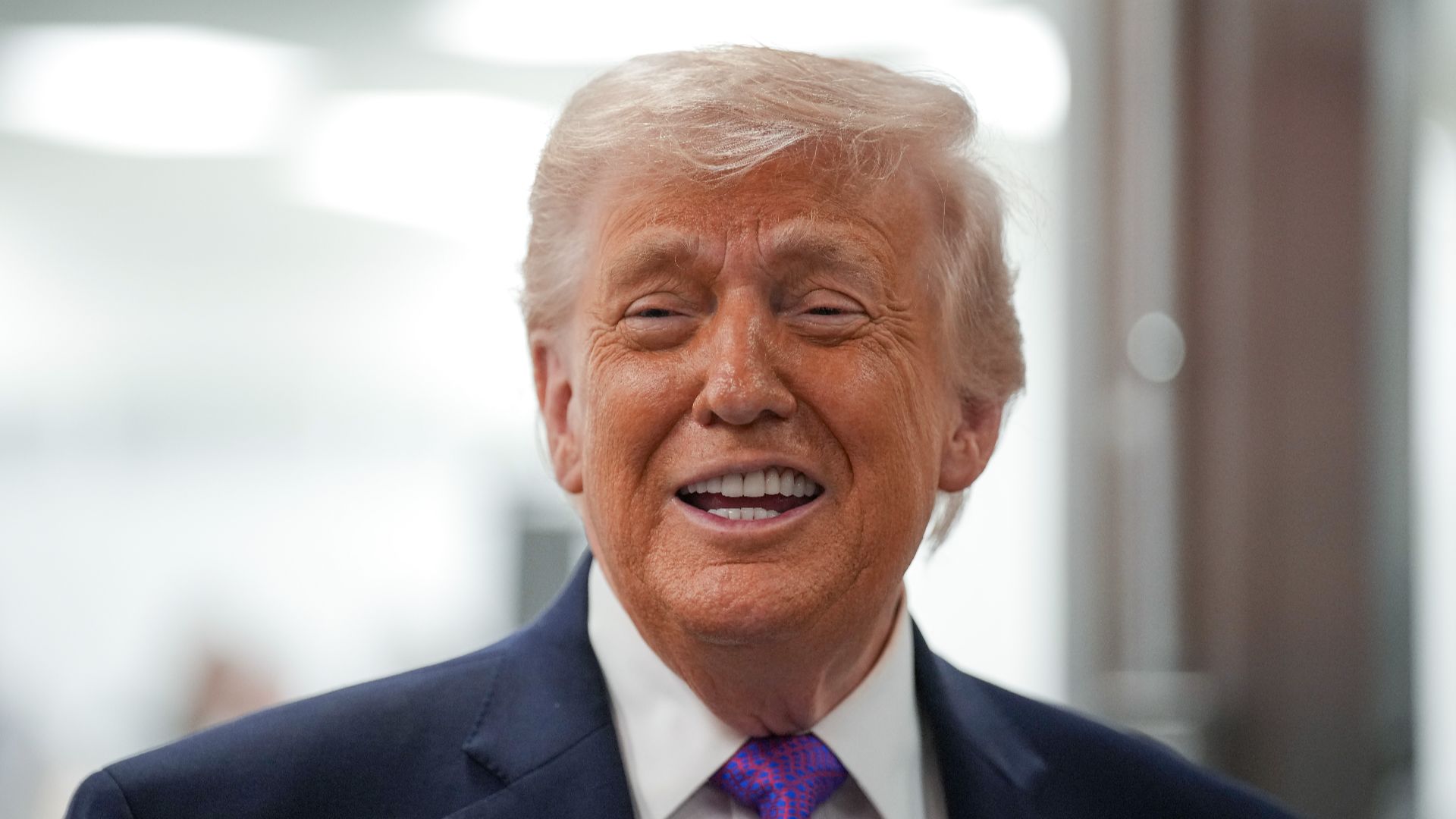
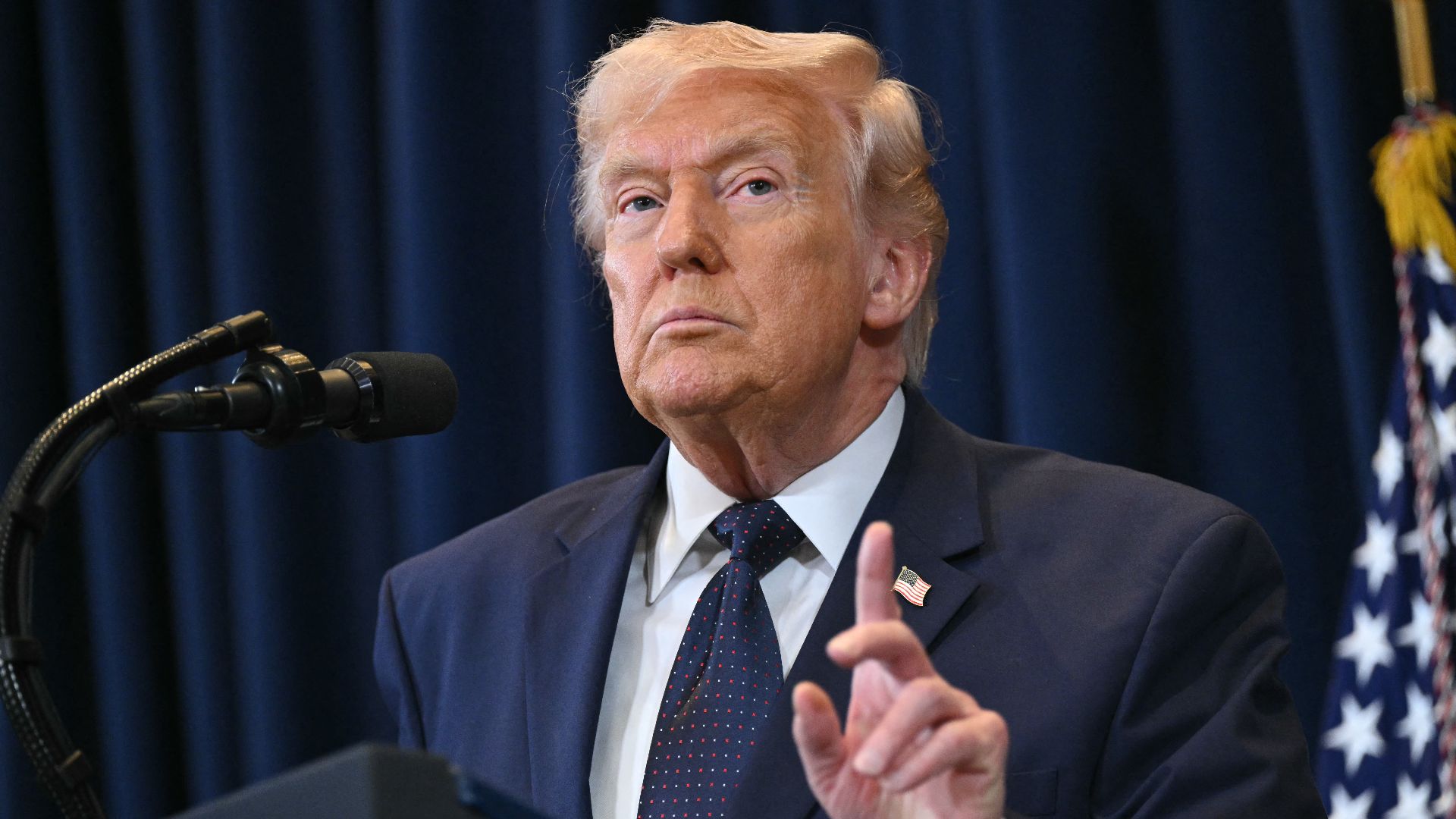
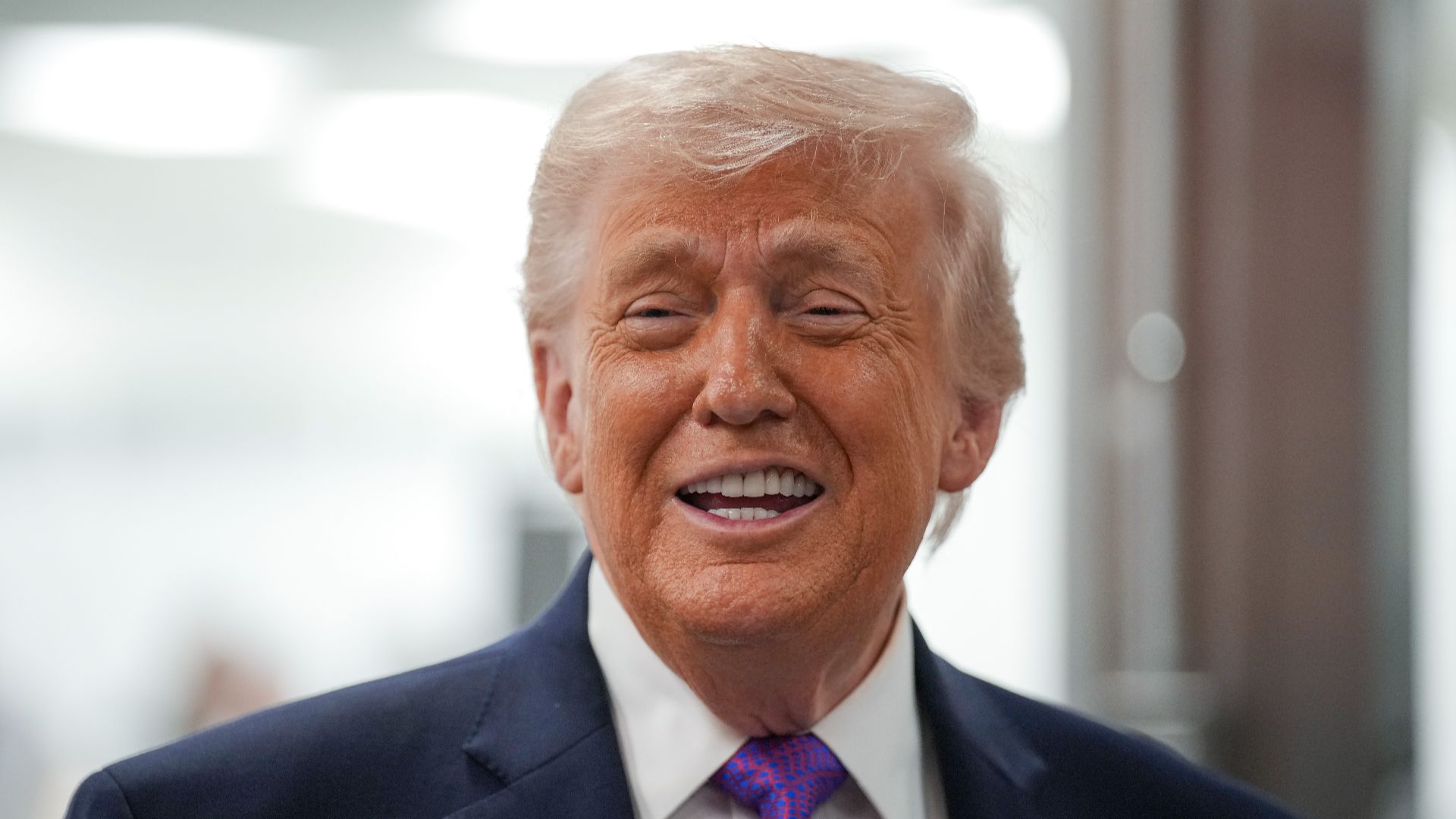
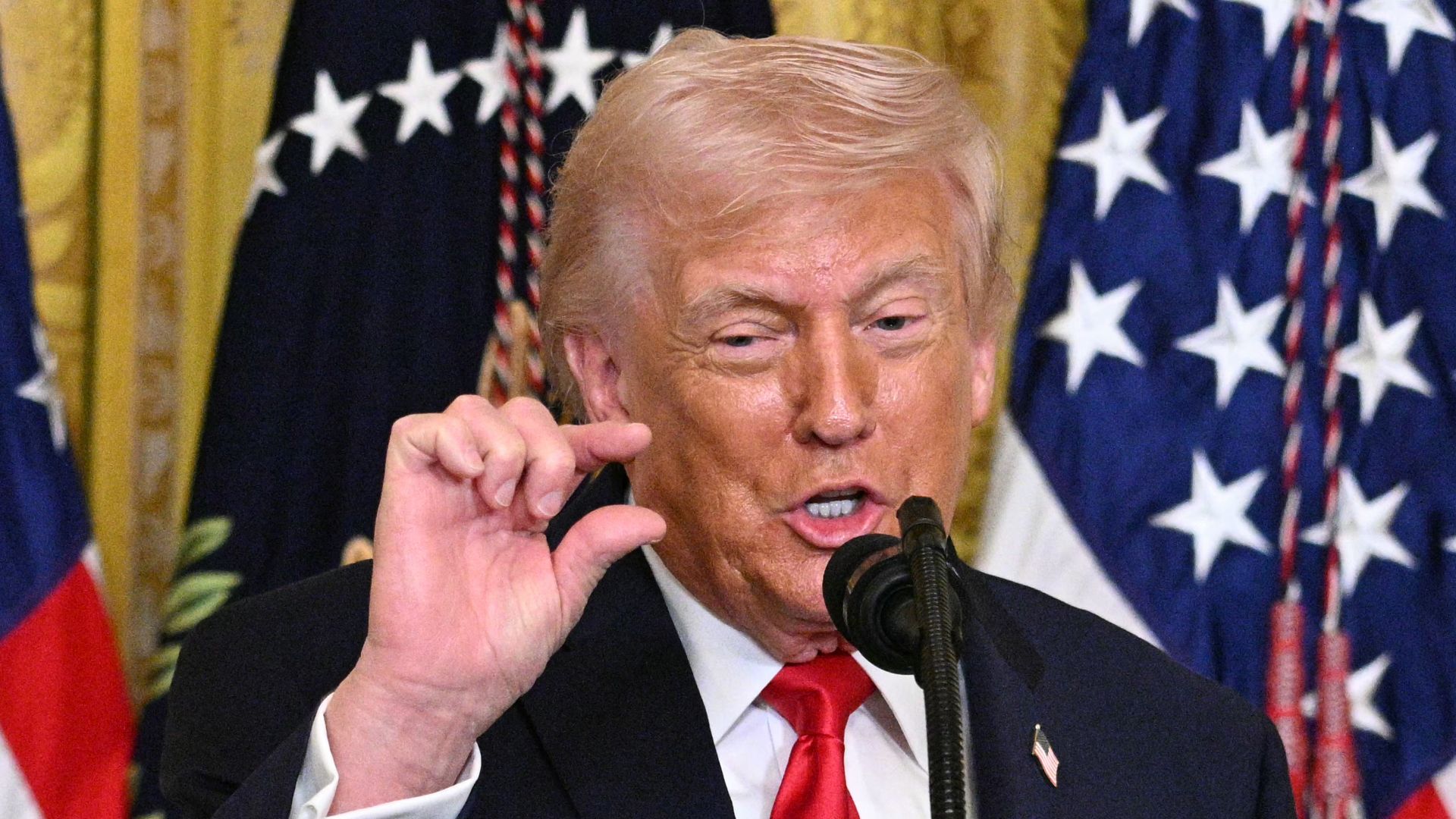
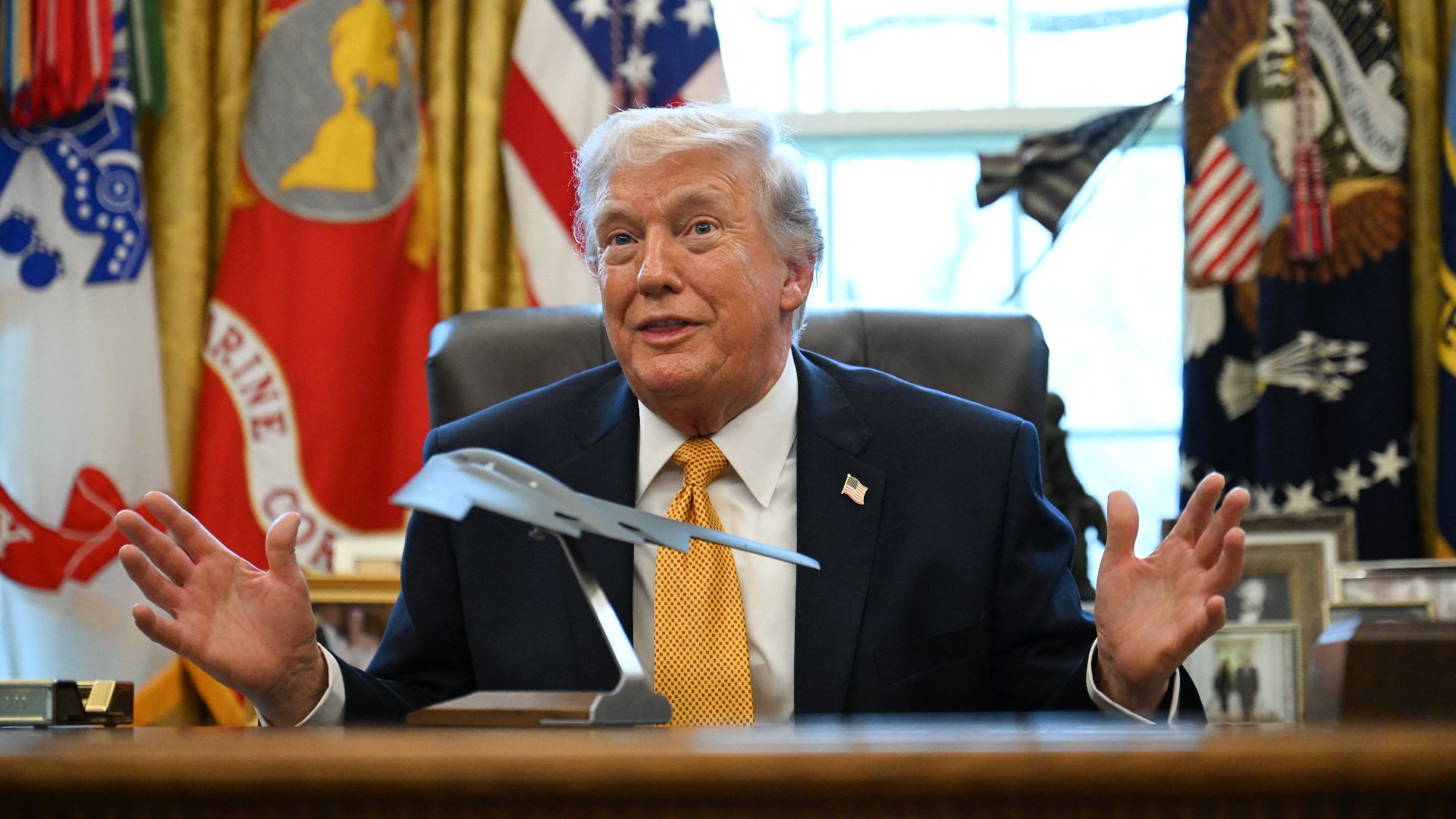
Trump Melts Down Over Ballroom Question, Denounces CNN’s Caitlin Collins as «Stupid and Nasty»: In a new outburst on Truth Social, Trump blasted CNN journalist Caitlin Collins after she asked him why the construction of his new ballroom was costing more than initially projected. He opened his post with the attack line: «Caitlin Collin’s of Fake News CNN, always Stupid and Nasty,» before recounting the exchange that triggered his anger. Trump insisted that Collins’ question was designed to embarrass him rather than inform the public, framing her inquiry as an example of what he routinely calls biased and antagonistic coverage. His reaction quickly shifted from the original topic of project costs to a familiar denunciation of the press, escalating a minor construction question into a full-scale political grievance.

Trump then defended the project by offering his own explanation for the higher cost, saying: «I said because it is going to be double the size, and the quality of finishes and interiors has been brought to the highest level. Also, the column SPAN has been substantially increased for purposes of viewing.» He went on to assure his supporters that the ballroom was «actually under budget and ahead of schedule, as my jobs always are,» describing it as «much bigger and more beautiful than originally planned.» Through this narrative, Trump positioned himself as a master builder whose projects exceed expectations, while portraying Collins’ question as both uninformed and malicious. The post framed the ballroom not just as a physical space but as another symbol in his ongoing battle with the media.

Getty Images

Trump also responded directly to public speculation about financing, insisting that the ballroom was not a burden on taxpayers. He wrote: «Interestingly, and seldom reported, there are no taxpayer dollars involved. It is being fully paid for by private donations.» That line allowed him to cast himself as transparent and unfairly maligned, suggesting that critics — including Collins — intentionally overlook facts that portray him positively. After asserting the legitimacy of the funding, he pivoted back to his media attacks, claiming that CNN operates dishonestly and that the leadership overseeing the network is «one of the worst in the business.»

The worst in the business

Trump capped his Truth Social tirade with a direct attack on the network itself and its ownership, shifting from personal insults toward Caitlin Collins to a broader assault on CNN’s legitimacy. He wrote: «FAKE NEWS CNN, and the guy who runs the whole corrupt operation that owns it, is one of the worst in the business. Their ratings are so low that they’re not even counted or relevant anymore.» By ending on that line, Trump turned a question about construction costs into a referendum on the media, using ratings as his preferred metric of worth and relevance while painting CNN as both corrupt and powerless. The closing flourish made clear that, in his framing, Collins is only a symptom of a bigger enemy: a news organization he wants his supporters to see as dishonest, collapsing and fundamentally hostile to him, reinforcing the idea that any scrutiny of his projects or finances is not journalism but partisan warfare.

Catégories
Uncategorized

Netflix-WBD mis en échec par une offre hostile de 108G$

La décision de Paramount de lancer une offre hostile de 108,4 milliards de dollars pour faire échouer le projet de rachat de Warner Bros et de HBO par Netflix a provoqué une onde de choc dans les sphères du divertissement et de la politique, non seulement en raison de l’ampleur de l’offre, mais aussi parce qu’elle s’est déroulée au moment précis où Trump a annoncé son intention de s’impliquer personnellement dans l’autorisation de la vente par son administration. La coïncidence de ces événements ajoute une couche d’incertitude à un scénario de méga-fusion déjà volatile, transformant ce qui devait être une bataille conventionnelle entre géants du streaming en une confrontation aux enjeux élevés, façonnée autant par la stratégie de l’entreprise que par l’intervention politique.

Paramount Skydance launched a $108.4 billion deal for Warner Bros Discovery, throwing a wrench into the $72 billion deal with Netflix in a last-ditch effort to create a media powerhouse that would challenge the dominance of the streaming giant reut.rs/4a40lwj

Reuters (@reuters.com) 2025-12-08T14:24:21.465Z

L’offre hostile de Paramount a été officiellement lancée le 8 décembre, quelques jours seulement après que Netflix ait conclu un accord de prise de participation pour les actifs de Warner Bros Discovery dans les domaines de la télévision, des studios de cinéma et de la diffusion en continu, recadrant instantanément la bataille pour le contrôle de l’entreprise. Paramount Skydance a mis 108,4 milliards de dollars sur la table pour l’ensemble de Warner Bros Discovery, une offre ancrée à 30 dollars par action et conçue pour porter le combat directement devant les actionnaires après des semaines de négociations privées. Contrairement à l’accord de Netflix, qui ne vise que certains actifs et mélange liquidités et actions, la proposition de Paramount couvre l’ensemble du groupe et est présentée comme une alternative plus propre et de plus grande valeur, destinée à créer une puissance médiatique capable de contester la domination de Netflix tout en offrant un paiement plus immédiat et plus substantiel aux investisseurs de Warner Bros Discovery.

Trump a réagi à l’accord initial entre Netflix et Warner Bros/HBO avec un mélange de scepticisme public et d’avertissement clair qu’il avait l’intention de peser personnellement sur son sort, signalant que le risque réglementaire serait loin d’être routinier. S’adressant aux journalistes sur le tapis rouge du Kennedy Center Honors à Washington, il a présenté le processus d’approbation comme ouvert et incertain:

«Cette phrase a immédiatement rappelé aux investisseurs que la Maison-Blanche elle-même pourrait intervenir. Il a ensuite évoqué la taille de Netflix dans le domaine du streaming, mettant en garde contre l’impact de la fusion sur la concurrence:

«Ils ont une très grosse part de marché», a déclaré Trump à propos de Netflix.

«Quand ils auront Warner Bros, cette part augmentera considérablement.»

Ces remarques ont cristallisé les craintes de Wall Street, qui redoute que l’opération ne se heurte à de fortes turbulences politiques et antitrust bien avant la date de clôture.

Une bataille d’acquisition aux enjeux considérables

Warner Bros Discovery avait déjà refusé Paramount avant que l’offre hostile ne soit rendue publique. En octobre, la société a rejeté une première approche de Paramount évaluée à environ 20 dollars par action, concluant que la proposition sous-évaluait l’entreprise et ne répondait pas à ses normes fiduciaires. À l’époque, WBD a souligné que son conseil d’administration agissait «avec le plus grand soin» dans l’évaluation des options stratégiques, mais il a clairement indiqué que l’offre de Paramount était insuffisante et ne correspondait pas à l’évaluation que la société estimait mériter. Ce premier refus a préparé le terrain pour l’offre beaucoup plus agressive de 108,4 milliards de dollars que Paramount a ensuite présentée directement aux actionnaires, transformant une négociation privée en une bataille de prise de contrôle aux enjeux considérables.

Catégories
Uncategorized

Paramount Launches $108B Hostile Bid to Derail Netflix’s Warner Bros–HBO Takeover

Paramount’s decision to launch a $108,4 billion hostile bid to derail Netflix’s planned takeover of Warner Bros and HBO has sent shockwaves through the entertainment and political spheres, not only because of the scale of the offer but also because it unfolded at the exact moment Trump announced he intends to personally involve himself in whether his administration will authorize the sale. The coincidence of these events adds a layer of uncertainty to an already volatile mega-merger scenario, transforming what was expected to be a conventional battle between streaming giants into a high-stakes confrontation shaped as much by corporate strategy as by political intervention.

Paramount Skydance launched a $108.4 billion deal for Warner Bros Discovery, throwing a wrench into the $72 billion deal with Netflix in a last-ditch effort to create a media powerhouse that would challenge the dominance of the streaming giant reut.rs/4a40lwj

Reuters (@reuters.com) 2025-12-08T14:24:21.465Z

Paramount’s hostile bid was formally launched on 8 December, just days after Netflix clinched a 72-billion-dollar equity deal for Warner Bros Discovery’s TV, film studio and streaming assets, instantly reframing the battle for control of the company. Paramount Skydance put 108.4 billion dollars on the table for the whole of Warner Bros Discovery, an offer anchored at 30 dollars per share and designed to take the fight directly to shareholders after weeks of private negotiations. Unlike Netflix’s agreement, which targets only selected assets and mixes cash with stock, Paramount’s proposal covers the entire group and is presented as a cleaner, higher-value alternative intended to create a media powerhouse capable of challenging Netflix’s dominance while offering a more immediate and more substantial payout to Warner Bros Discovery investors.

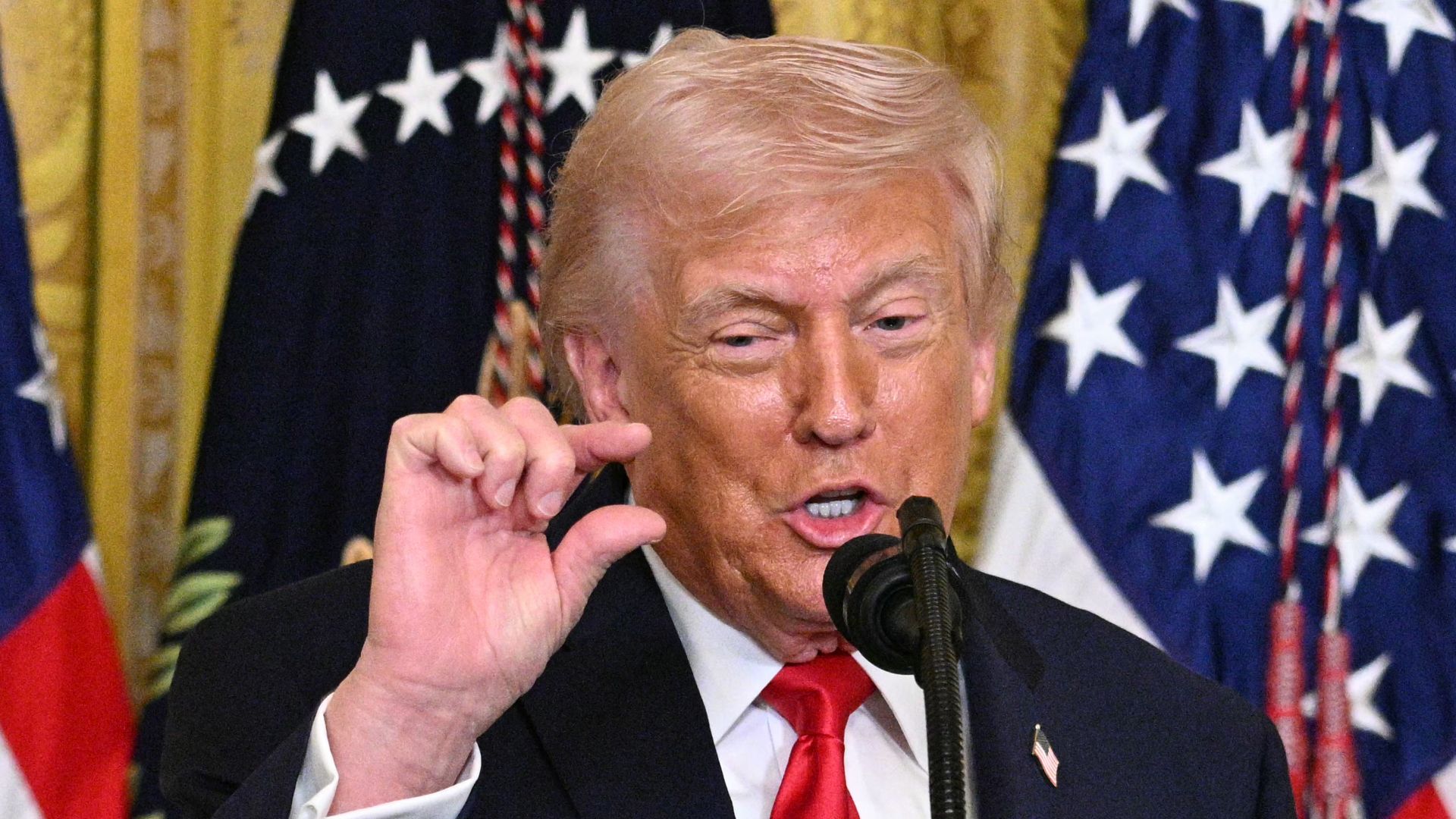
Trump reacted to the initial Netflix–Warner Bros/HBO deal with a mix of public skepticism and a clear warning that he intended to weigh in personally on its fate, signaling that regulatory risk would be anything but routine. Speaking to reporters on the red carpet at the Kennedy Center Honors in Washington, he framed the approval process as open and uncertain, saying: «Well, that’s got to go through a process, and we’ll see what happens,» a line that instantly reminded investors that the White House itself might intervene. He then turned to Netflix’s size in streaming, warning about the impact of the merger on competition: «They have a very big market share,» Trump said of Netflix. When they have Warner Bros., that share goes up a lot.» Those remarks crystallized fears on Wall Street that the deal could run into heavy political and antitrust turbulence long before any closing date.

A high-stakes takeover battle

Warner Bros Discovery had already turned away Paramount before the hostile bid erupted into public view. In October, the company rejected an earlier approach from Paramount valued at roughly 20 dollars per share, concluding that the proposal undervalued the business and did not meet its fiduciary standards. At the time, WBD emphasized that its board was acting «with the utmost care» in evaluating strategic options, but it made clear that Paramount’s overture was insufficient and failed to match the valuation the company believed it deserved. That initial rebuff set the stage for the far more aggressive 108,4-billion-dollar offer that Paramount later took directly to shareholders, transforming a private negotiation into a high-stakes takeover battle.

Paramount launches a hostile takeover bid for Warner Bros. Discovery days after it agreed to a deal with Netflix. https://cnn.it/4pqNRDZ

CNN (@cnn.com) 2025-12-08T14:38:18.954047759Z

Jenna Ortega and Jodie Foster shine at the Marrakech Film Festival

Cancelled or renewed? Chad Powers, Tehran and more!

The 7 Best SUVs And The 7 Worst On The Market Right Now

The SUV market continues to grow—and evolve—faster than ever. Between all the bold designs, it’s easy to feel overwhelmed. While SUV selections can be highly subjective, what really makes one a hot commodity? Is it the ride quality? Safety features? A usable third row? Answer: All the above (and more). Unfortunately, not every SUV lives up to the hype. Some skimp on essentials, others overpromise and underdeliver. And these days, buyers want more than a pretty face. Practicality, performance, safety, and innovative engineering are what separate the stars from the duds. So, we did the legwork for you. Scroll on to see which SUVs are worth your money—and which ones you might want to steer clear of, starting with the “yes” bunch.