Catégories
Uncategorized

How Scott Jennings Became Trump’s Favorite Pundit

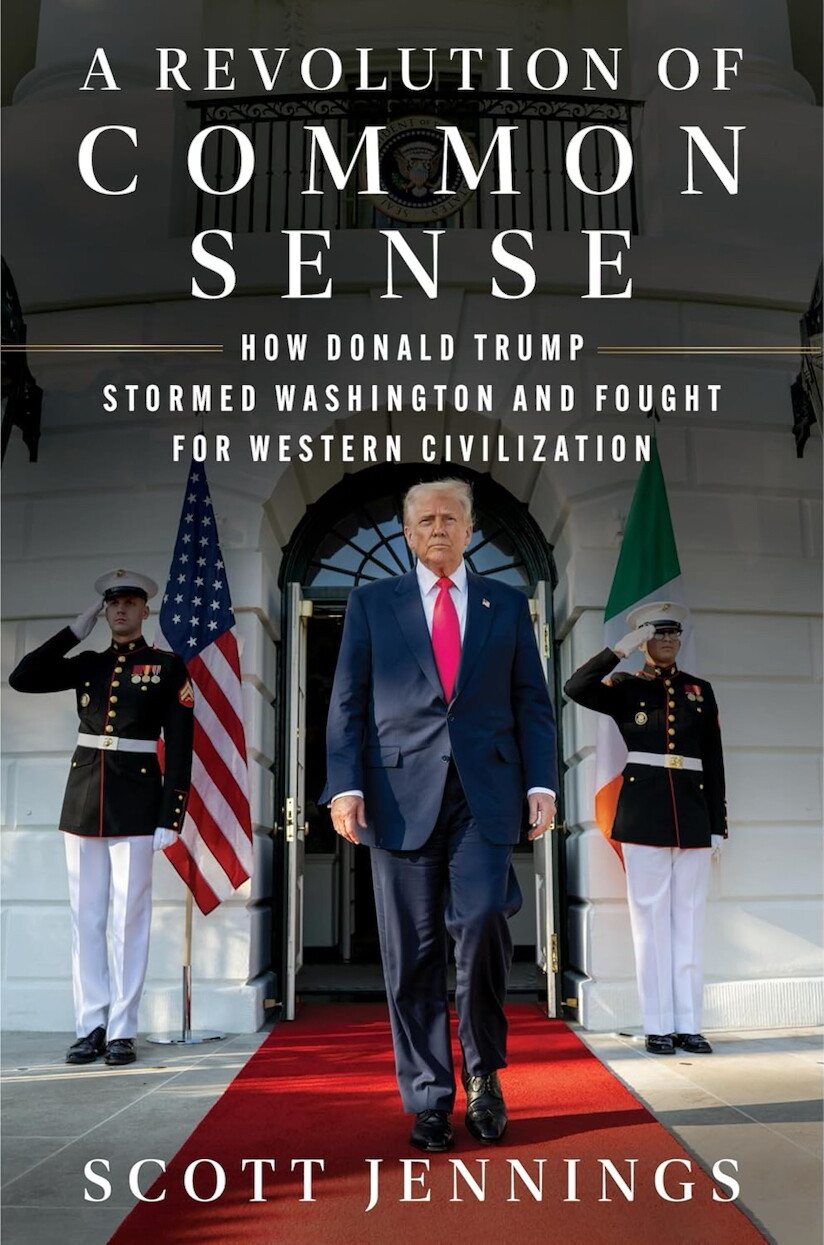
Donald Trump has proudly promoted a new book regarding his venture in American politics, entitled A Revolution of Common Sense: How Donald Trump Stormed Washington and Fought for Western Civilization, written by political pundit Scott Jennings. Whether common sense is a term you attribute to Donald Trump or not, the president seems certifiably chuffed by the attention. In the promotional statement made by Trump on Truth Social, the president claims that the author has ‘Wisdom, Courage, Common Sense,’ and that he has been a ‘formidable force’ on CNN.
In the opening pages of the book, Jennings mentions how he was hired at CNN a few months after they signed JD Vance. Vance was supposed to be the ‘never-Trump’ guy, Jennings to represent the ‘average republican’ who supported the president. He claims that in 2017, he also “expressed some misgivings” about things Trump had done and said over the years, but apparently “over time I had come to find a new respect for Trump.” Yes, after nearly ten years of scandal, apparently, Jennings respects Trump even more than he used to.

I was hired by CNN as a pundit in 2017, just a few months after they signed JD Vance. [Vance] was supposed to be the “Never Trump” Republican voice and I was to serve as an emblem of the average Republican voter that largely supported the president.

Jennings famously wrote about Trump in 2019, “Is Trump the perfect representation of disrespected rural Republicans? No, of course not. But we didn’t hire a barbarian to sing soprano in the choir; we hired him to beat back the savages.” One wonders which ‘savages’ Jennings could be referring to. Jennings claims that by February 2025, he felt more politically aligned with Donald Trump than ever.

The book opens with a recollection of Jennings’ first meeting with Trump, a meeting he doesn’t seem to see the irony in. According to Jennings, Trump spent the entire beginning of their conversation bragging about the Oval Office and outlining future design strategies, even though, according to Jennings, he had already “marvelled at his constant redecorating.” Of course, Jennings made sure not to accidentally slight Trump, stating a few lines later, “if anyone knows where to hang a chandelier, it’s this man”.

The book is an incredible retelling of the facts, all while attempting to hide the fact that Trump clearly struggled to have coherent conversations with Jennings. The book is filled with little reassurances for anyone wondering about the state of America, such as “watching Trump command his people was remarkable – I sure as hell know who is in charge: Donald J Trump.”, Some passages seem to read more like fan fiction than political commentary, but clearly they received Trump’s stamp of approval.

To say that I was impressed by Trump is an understatement. This was a man in control… He’s charming, he moves fast, he’s funny… and he’s far more in tune with the daily zeitgeist than [his enemies] could ever hope to be.

While the book reads like a clear piece of propaganda, it is chock-full of quotes from Trump, some of his senior staffers, and Scott Jennings. The book was released in November 2025, with Donald Trump and nearly every conservative-leaning podcast advertising it over the last month.
Catégories
Uncategorized

Trump’s Name Appears on Epstein Plane Flight Logs as Susie Wiles Says They Were «young, single playboys together»

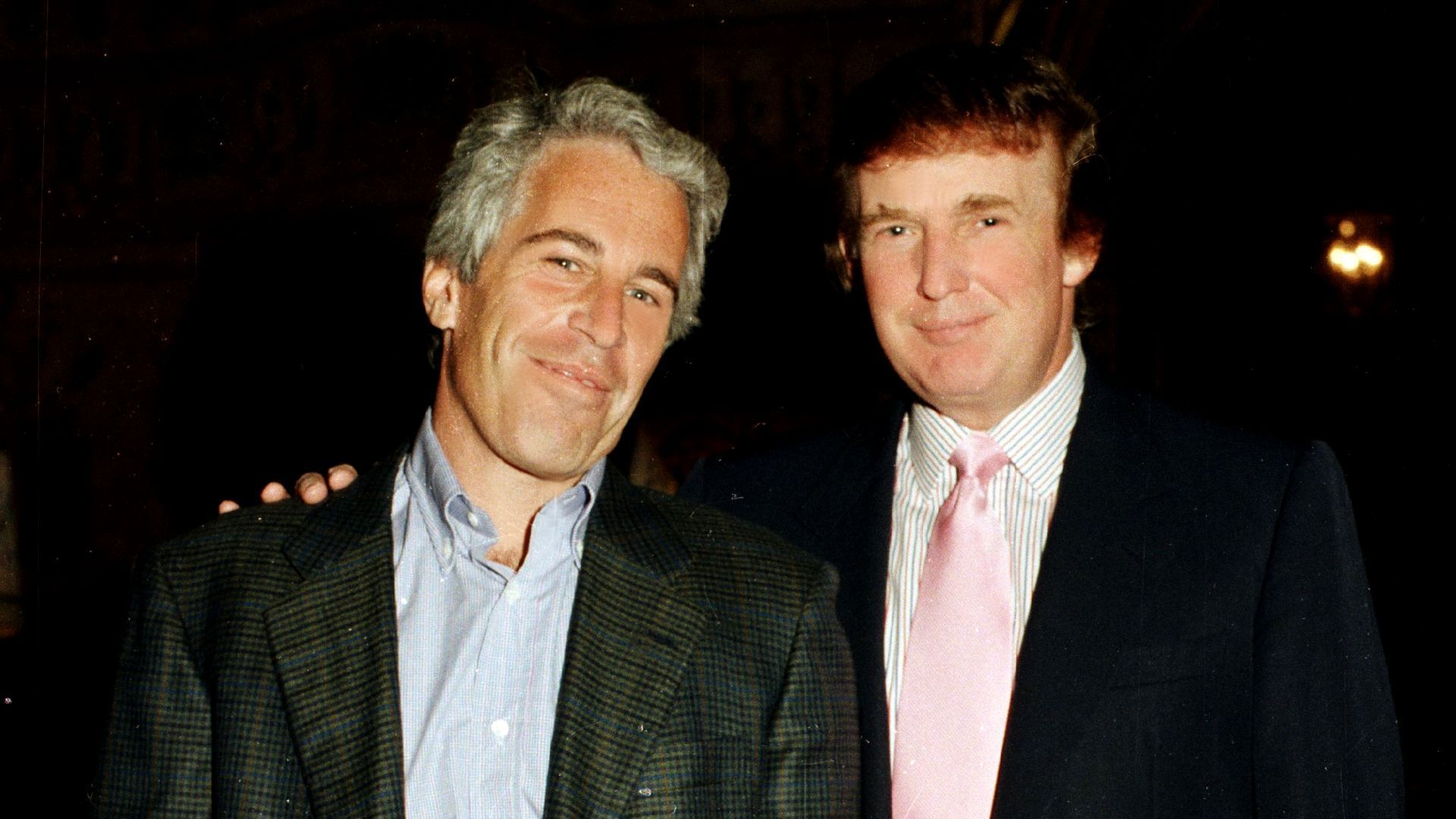
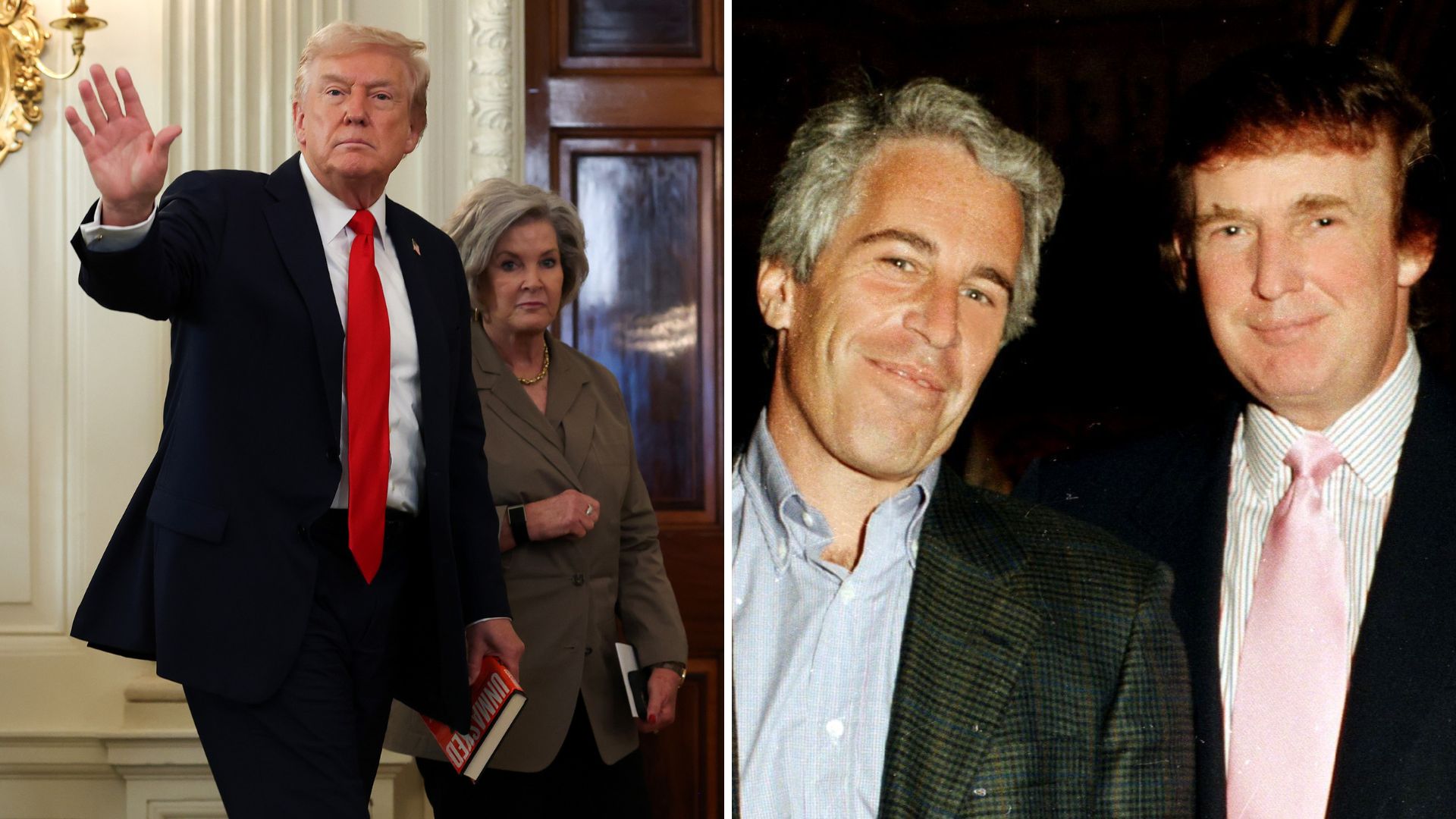
A recent Vanity Fair piece, drawn from a series of interviews with Trump chief of staff Susie Wiles, digs into what has become one of the Trump administration’s hottest and most potentially embarrassing dossiers: the Epstein files, as Trump works to distance himself from any perception that he was once a close friend of the disgraced financier. In the reporting, Wiles specifically acknowledges that Trump’s name appears in the flight logs tied to Epstein’s private jet, the plane long nicknamed the “Lolita Express,” a detail that has remained central to the controversy because it anchors the broader debate in a concrete document trail. Wiles frames that period as a time when the two men moved in the same social orbit, describing them as «young, single playboys together,» while the administration’s posture is presented as one of containment, aiming to reduce the political damage that can come from renewed focus on those records.

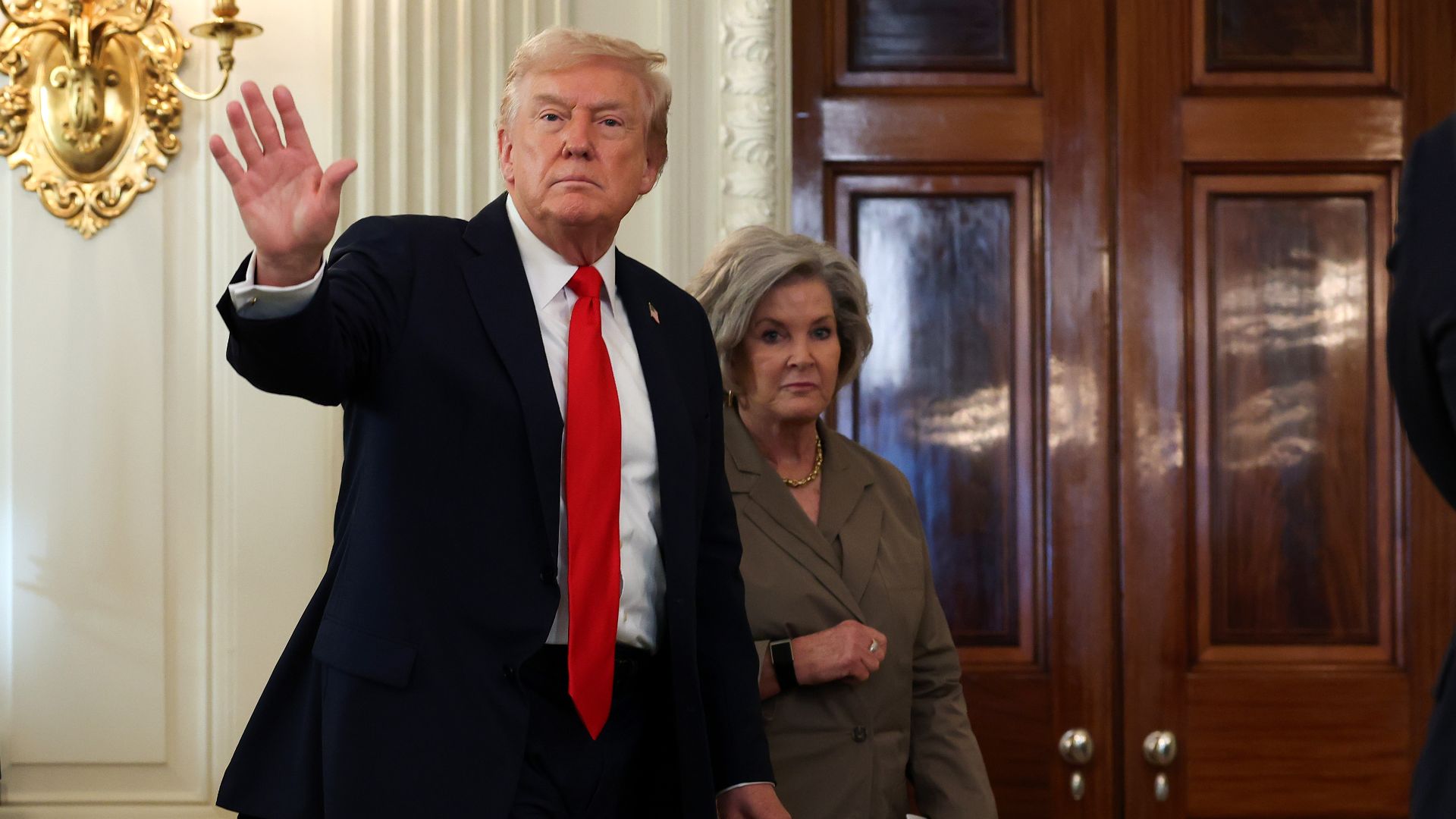
Getty Images

The revelations attributed to Susie Wiles in a Vanity Fair series of interviews landed amid lingering confusion from the opening stretch of Trump’s second term, when the administration sent mixed signals about the Epstein dossiers, alternately hinting at transparency and then tightening control, a whiplash that quickly turned into full-blown internal chaos as staff and allies tried to align on a single message. That disorder has only intensified as Trump has spent months fighting to prevent public disclosure of the records, turning the Epstein files into a rolling political crisis that repeatedly collides with legal, media, and communications pressure. In that context, Wiles’ remarks were described as a shock to many observers and, crucially, to many inside Trump’s own administration, because they appeared to cut through the usual hedging and speak directly to the central issue: Trump’s presence in the documentation. In the account, she confirms that Trump «is in the file», adding «we know he’s in the file», comments that sharpened the administration’s dilemma by reinforcing the very point Trump has been trying to neutralize while the broader handling of the Epstein material spiraled from early-term uncertainty into a dispute marked by infighting, contradictions, and escalating scrutiny.

A «hoax» perpetuated by Democrats

As Trump has described the Epstein files as a «hoax» perpetuated by Democrats, his claim has rattled parts of the Republican Party, which spent years campaigning on demands for disclosure and accountability, leaving lawmakers, activists, and conservative media figures scrambling to reconcile that messaging with a White House now resisting release. The dispute has also strained alliances on the right, with Marjorie Taylor Greene publicly denouncing the president and casting the administration’s stance as a betrayal of Epstein’s victims, a rupture that underscored how the issue has become both a loyalty test and a political trap for a party that elevated the story for so long. Against that backdrop, Vanity Fair’s reporting on Susie Wiles injected another jolt into the debate: while addressing Trump’s connection to the documents, she sought to draw a line between presence and culpability, saying he’s not in the files in a damaging sense and insisting «he’s not in the file doing anything awful», a formulation that attempts to contain the fallout even as the broader Republican argument over transparency, accountability, and who gets blamed continues to intensify.

Getty Images

In a post on X following Vanity Fair’s publication, Susie Wiles forcefully pushed back on the story’s framing, portraying it as an unfairly packaged attack aimed at her and the administration rather than a good-faith account of how the White House operates. She wrote that «The article published early this morning is a disingenuously framed hit piece on me and the finest President, White House staff, and Cabinet in history.» and argued that key context and favorable comments were omitted to create what she described as a deliberately distorted picture, saying «Significant context was disregarded and much of what I, and others, said about the team and the President was left out of the story.» Wiles then shifted to a performance defense of the administration, claiming «The truth is the Trump White House has already accomplished more in eleven months than any other President has accomplished in eight years» and crediting Trump’s leadership for those results, before ending with a defiant rallying message: «None of this will stop our relentless pursuit of Making America Great Again!»

Getty Images
Catégories
Uncategorized

Trump’s chief of staff goes wild in Vanity Fair article

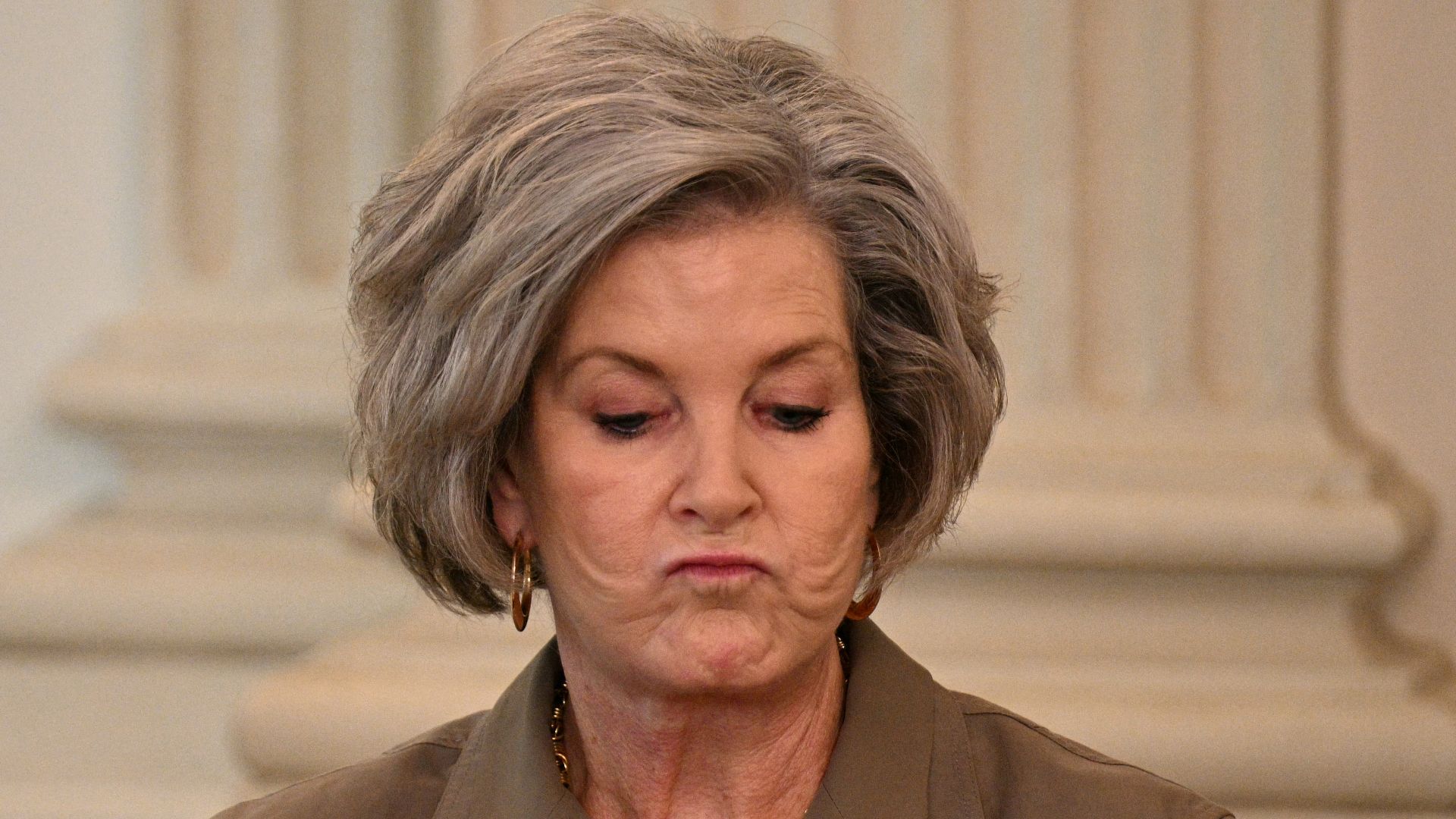
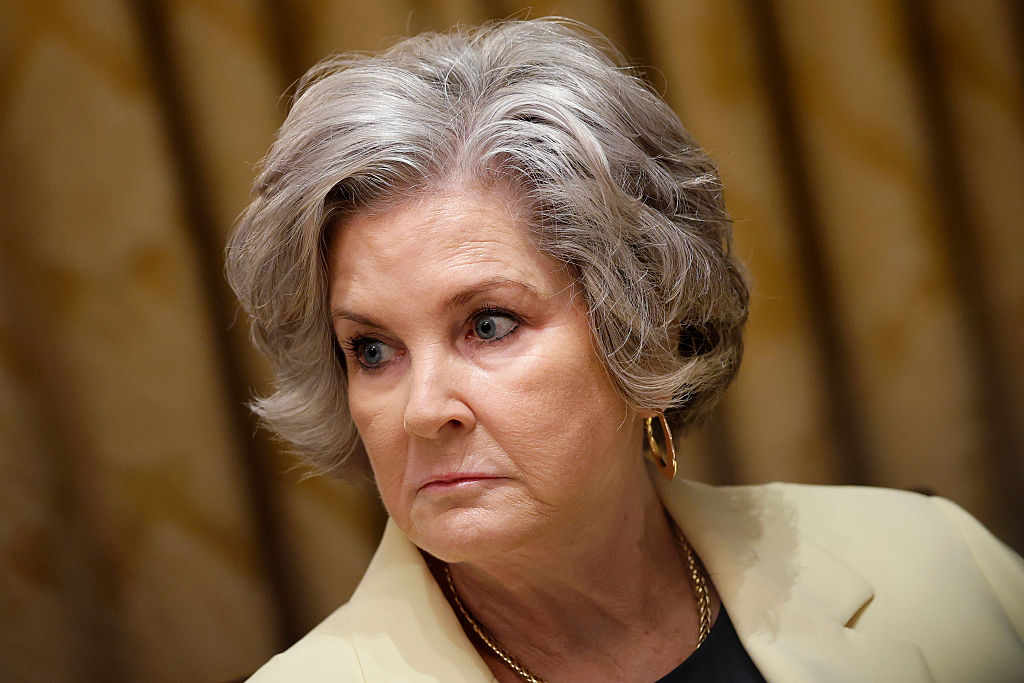
On Tuesday, Vanity Fair published a two-piece exposé called: Susie Wiles, JD Vance, and the “Junkyard Dogs”: The White House Chief of Staff on Trump’s Second Term. The book includes dozens of quotes from Trump’s Chief of Staff Susie Wiles – the person who journalist Chris Whipple calls “the most powerful person in Trump’s White House other than the president himself”. Since the release of the article, Wiles has fought back against her own statements she is quoted as making in the article, claiming it is a “disingenuously framed hit piece”.

Significant context was disregarded, and much of what I, and others, said about the team and the President was left out of the story. I assume, after reading it, that this was done to paint an overwhelmingly chaotic and negative narrative about the President and our team.

Susie Wiles, daughter of famed NFL player and sports commentator Pat Summerall, was hired as Trump’s campaign manager in 2016 and has been Trump’s Chief of Staff since his election in 2024. She is viewed as Trump’s closest advisor. She has been working in politics since the 1980s, when she worked in the Reagan administration. This is the first time she has directly served the President of the United States.

Comments from the Vanity Fair article

In the two-part article, author Chris Whipple releases dozens of quotes from Wiles criticizing Trump, including the fact that she believes Trump “has an alcoholic’s personality,” even though the President has reportedly been a teetotaler his entire life, even telling Fox News in 2016 that he had “never had a drink”. Wiles is also quoted as calling Vice-President JD Vance a “conspiracy theorist” and Russell Vought a “right-wing absolute zealot”.

In most White Houses, the chief of staff is first among a bunch of equals. [Wiles] may be first with no equals.

-Former Republican chief

Wiles is quoted talking about Trump’s tantrums during his first election, “I’ve not seen him throw anything, I’ve not seen him scream. I didn’t see that really horrible behavior that people talk about and that I actually experienced years ago.” The quote is referencing Trump’s apparent good behaviour during his second successful election. Her comment about Trump’s personality was not insinuating that he is an alcoholic but that his personality displays some of the markers as high-functioning alcoholics do (according to Wiles).

High-functioning alcoholics or alcoholics in general, their personalities are exaggerated when they drink. And so I’m a little bit of an expert in big personalities. [Trump] operates with a view that there’s nothing he can’t do. Nothing, zero, nothing.

Wiles outlined a moment during the 2016 election, where Trump reportedly berated her in front of a group of ‘cronies,’ stating, “It was a horrific hour-plus at midnight. He was ranting and raving. And I didn’t know whether to argue back or whether to be stoic. What I really wanted to do was cry.” According to Wiles, instead of crying, she chose to stand up to Trump and walk away from the attack. After that, “he called me every day.” Wiles steered Trump to victory against Hilary Clinton in 2016.

There are also comments from Wiles about the Epstein files. Wiles claims that Trump is in the files, but “he’s not in the file doing anything awful”. She described Trump and Epstein as a pair of “young, single playboys together,” but still maintains that Trump was not a part of Epstein’s crimes. While the comments made by Wiles are not explicitly critical of Trump, they certainly are not compared to the list of comments from GOP politicians criticizing Trump before his foray into politics.

Wiles refutes statements

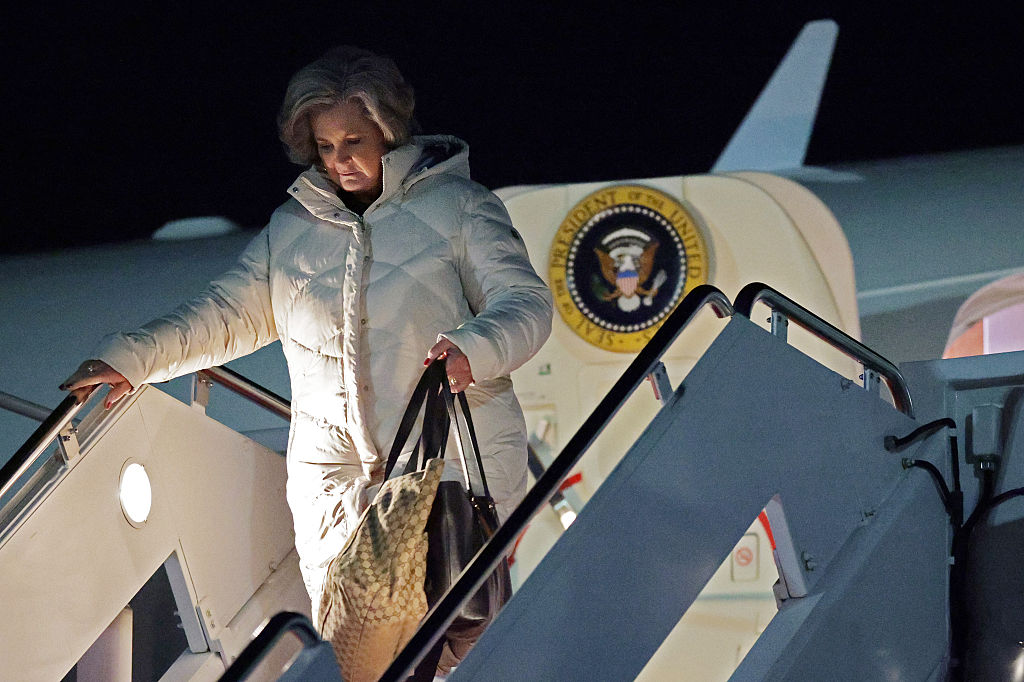
JOINT BASE ANDREWS, MARYLAND – DECEMBER 09: White House Chief of Staff Susie Wiles walks down the steps from Air Force One on December 9, 2025 at Joint Base Andrews, Maryland. President Trump delivered remarks on his administration’s economic agenda during an event at Mount Airy Casino Resort in Mount Pocono this evening. (Photo by Alex Wong/Getty Images)

According to Wiles in a statement on X, “The article published early this morning is a disingenuously framed hit piece on me and the finest President, White House staff, and Cabinet in history.” And “the Trump White House has already accomplished more in eleven months than any other President has accomplished in eight years”. The second of which is, of course, objectively false.

Catégories
Uncategorized

Trump Raises the Price Tag on His Ballroom Again — Now $400 Million

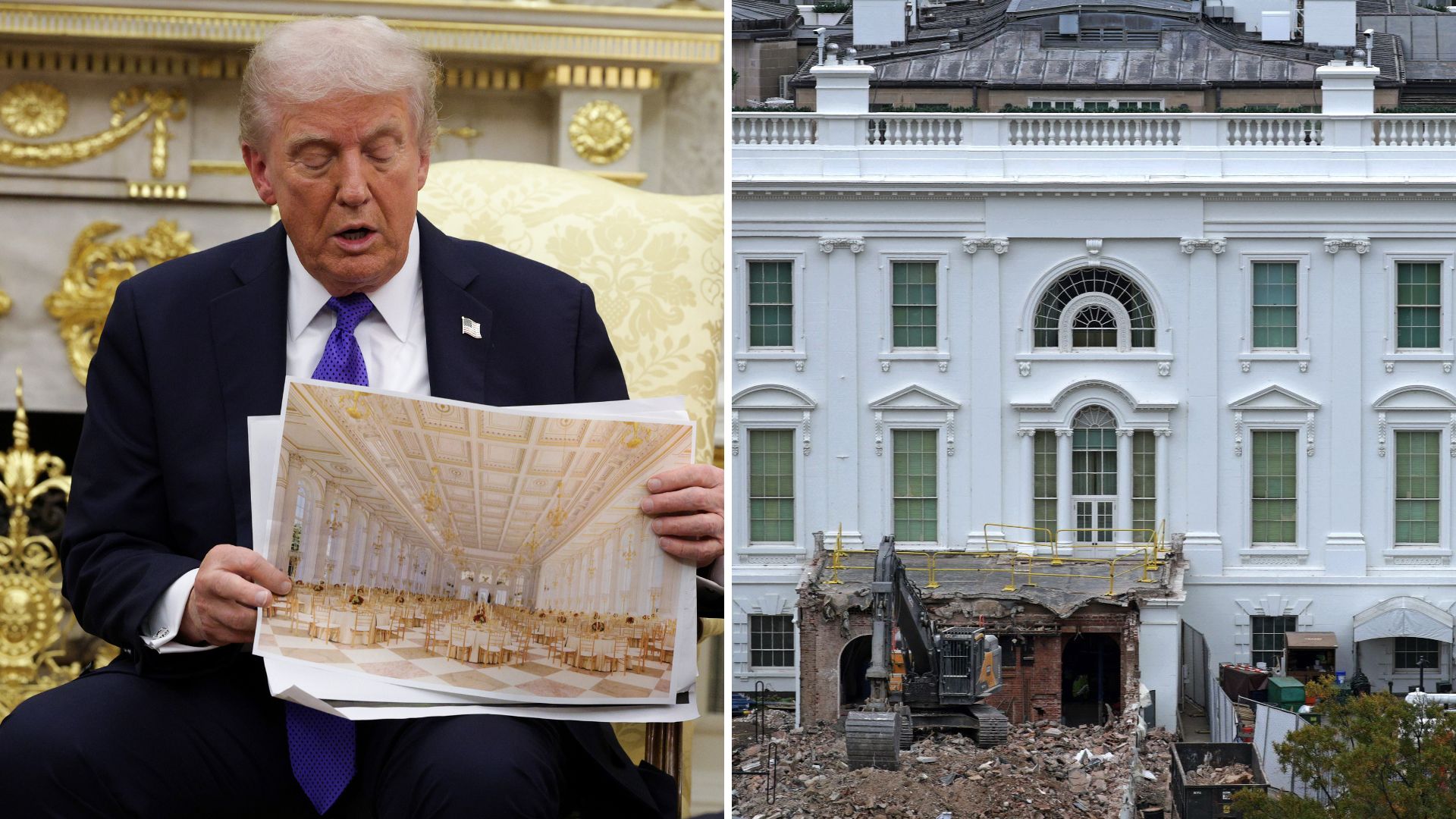
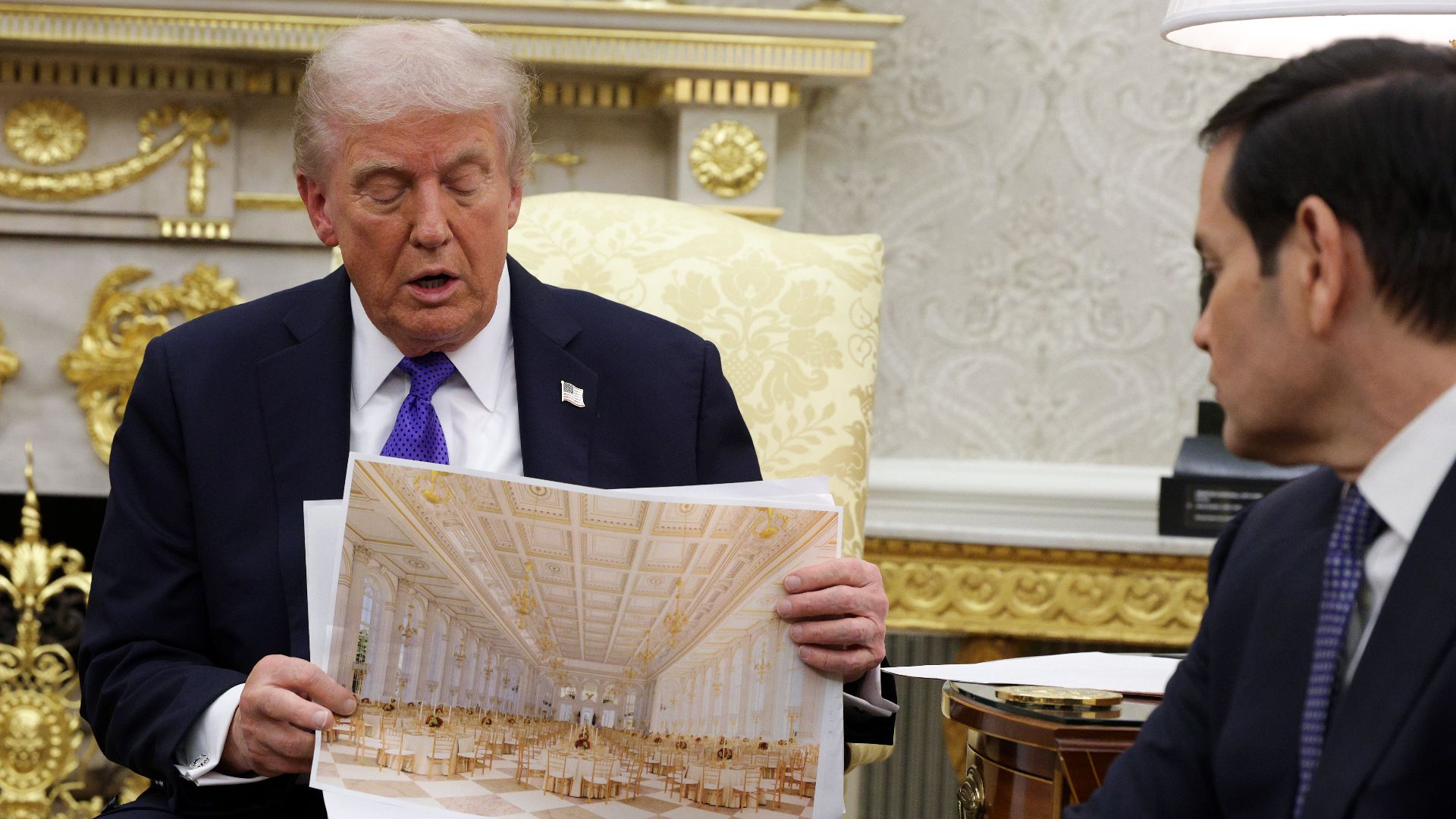
Trump has once again raised the projected construction cost of his highly controversial White House ballroom, now putting it at $400 million, after initially unveiling the project earlier this year with a $200 million price tag. The ballroom was first announced in April at that $200 million figure, which the White House presented at the time as a solid estimate tied to private funding and a fast construction timeline, but the number climbed quickly — first to $250 million, then to $300 million — before jumping again to the latest total. The steady increases have fueled criticism from opponents who see the project as extravagant and poorly explained, while supporters argue the ballooning cost reflects the scale, materials, and ambition involved rather than mismanagement. The new $400 million figure is likely to intensify scrutiny of a project that has already raised questions about priorities, symbolism, and how far a president’s personal vision should reshape the physical footprint of the White House.

Getty Images

The ballroom project has also been dogged by chaos and whiplash inside Washington, with confusion turning into open shock after the East Wing was reportedly demolished despite earlier assurances that it would not be touched by the work, a reversal that fueled accusations that the White House was rushing ahead without a clear, credible plan. The backlash has now moved into the courts, where The National Trust for Historic Preservation is seeking to halt the effort and force compliance with preservation rules and federal process, arguing that the administration bulldozed first and dealt with oversight later. In its lawsuit, the group argues that the project moved forward without the legally required reviews or approvals, alleging that Trump and federal agencies demolished the East Wing and began construction of the roughly 90,000-square-foot ballroom without completing mandatory preservation and regulatory processes.

No taxpayer money

Trump has defended the latest jump in the ballroom’s projected cost by framing it as a communications tactic rather than a reflection of runaway spending, insisting the project will be paid for entirely through private donations and not taxpayer money. Speaking about the controversy, he said the administration was offering what he described as a gift to the White House, stating «We’re donating a $400 million ballroom and we got sued not to build it,» before suggesting the figure itself was deliberately padded to avoid future criticism. Trump added that the final cost could end up lower, saying «I think I’ll do it for less. But it’s 400. I should do it for less. I will do it for less. But just in case, I say 400. Otherwise if I say $3 over, the press will say it cost more.» In his telling, the higher number is meant to preempt negative coverage rather than signal excess, a familiar argument he has used repeatedly when challenged on cost overruns.

Getty Images
Catégories
Uncategorized

Trump Raises the Price Tag on His Ballroom Again — Now $400 Million

Trump has once again raised the projected construction cost of his highly controversial White House ballroom, now putting it at $400 million, after initially unveiling the project earlier this year with a $200 million price tag. The ballroom was first announced in April at that $200 million figure, which the White House presented at the time as a solid estimate tied to private funding and a fast construction timeline, but the number climbed quickly — first to $250 million, then to $300 million — before jumping again to the latest total. The steady increases have fueled criticism from opponents who see the project as extravagant and poorly explained, while supporters argue the ballooning cost reflects the scale, materials, and ambition involved rather than mismanagement. The new $400 million figure is likely to intensify scrutiny of a project that has already raised questions about priorities, symbolism, and how far a president’s personal vision should reshape the physical footprint of the White House.

Getty Images

The ballroom project has also been dogged by chaos and whiplash inside Washington, with confusion turning into open shock after the East Wing was reportedly demolished despite earlier assurances that it would not be touched by the work, a reversal that fueled accusations that the White House was rushing ahead without a clear, credible plan. The backlash has now moved into the courts, where The National Trust for Historic Preservation is seeking to halt the effort and force compliance with preservation rules and federal process, arguing that the administration bulldozed first and dealt with oversight later. In its lawsuit, the group argues that the project moved forward without the legally required reviews or approvals, alleging that Trump and federal agencies demolished the East Wing and began construction of the roughly 90,000-square-foot ballroom without completing mandatory preservation and regulatory processes.

No taxpayer money

Trump has defended the latest jump in the ballroom’s projected cost by framing it as a communications tactic rather than a reflection of runaway spending, insisting the project will be paid for entirely through private donations and not taxpayer money. Speaking about the controversy, he said the administration was offering what he described as a gift to the White House, stating «We’re donating a $400 million ballroom and we got sued not to build it,» before suggesting the figure itself was deliberately padded to avoid future criticism. Trump added that the final cost could end up lower, saying «I think I’ll do it for less. But it’s 400. I should do it for less. I will do it for less. But just in case, I say 400. Otherwise if I say $3 over, the press will say it cost more.» In his telling, the higher number is meant to preempt negative coverage rather than signal excess, a familiar argument he has used repeatedly when challenged on cost overruns.

Getty Images
Catégories
Uncategorized

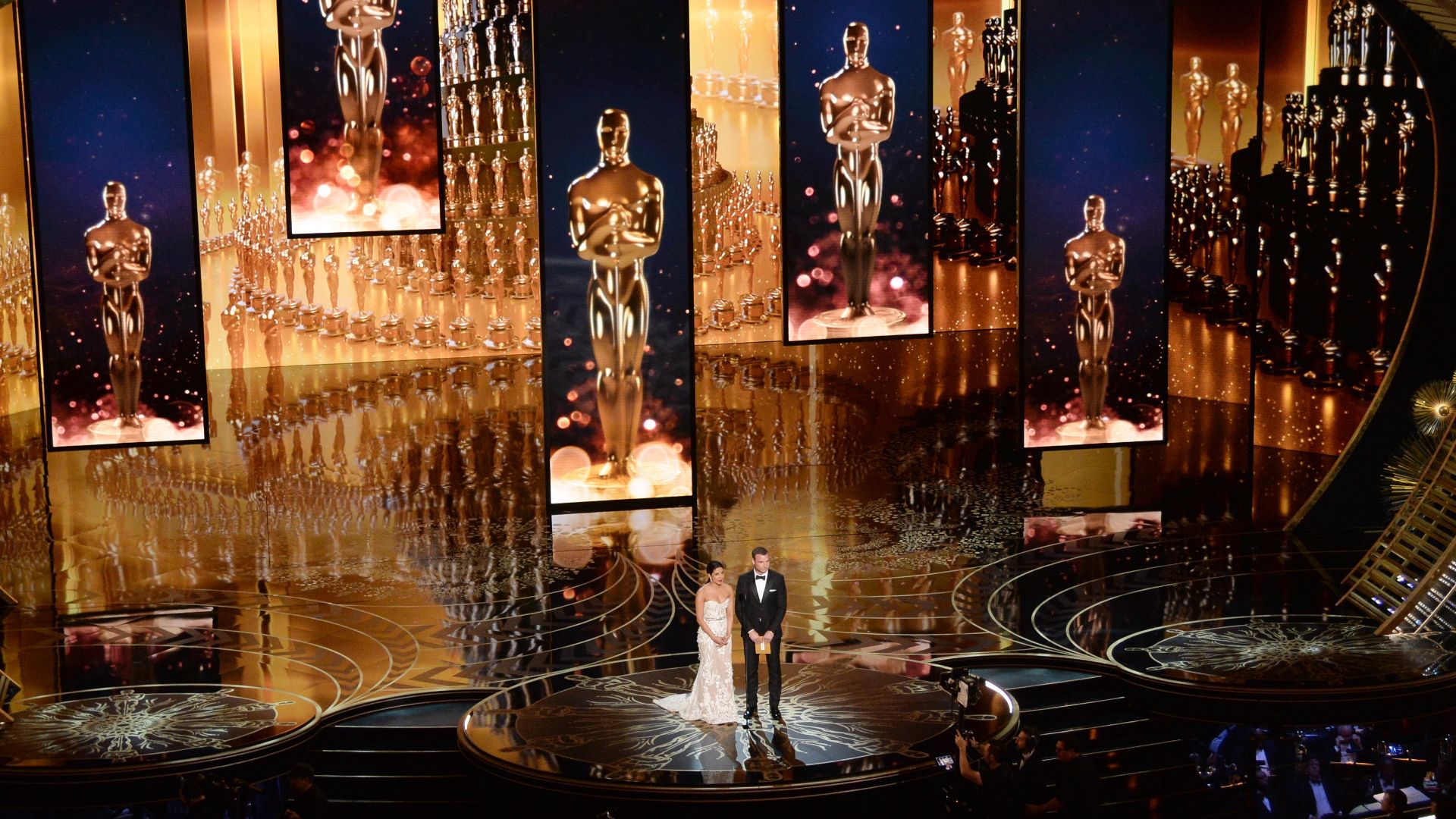
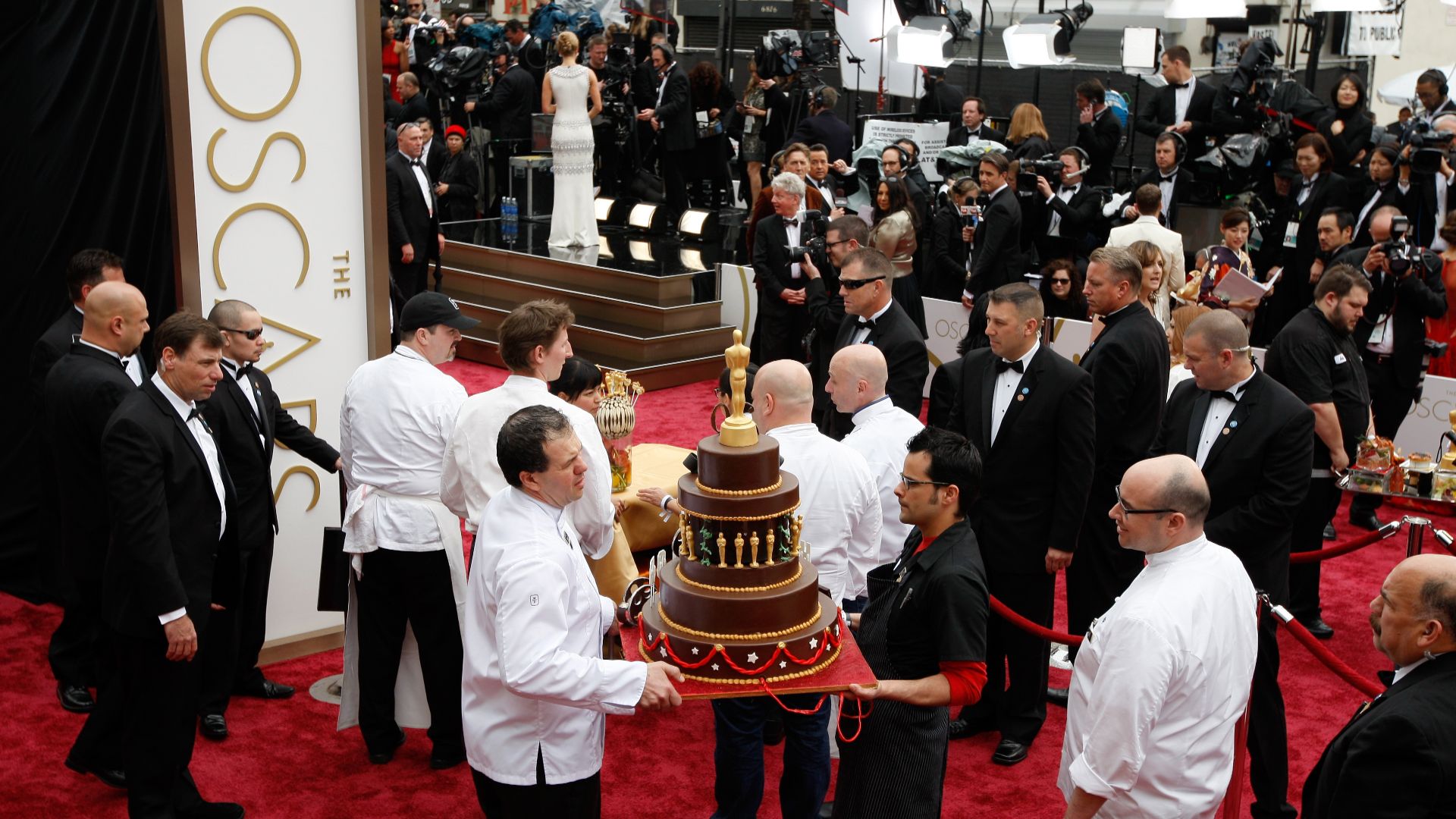
The Oscars Sign Exclusive Deal With YouTube

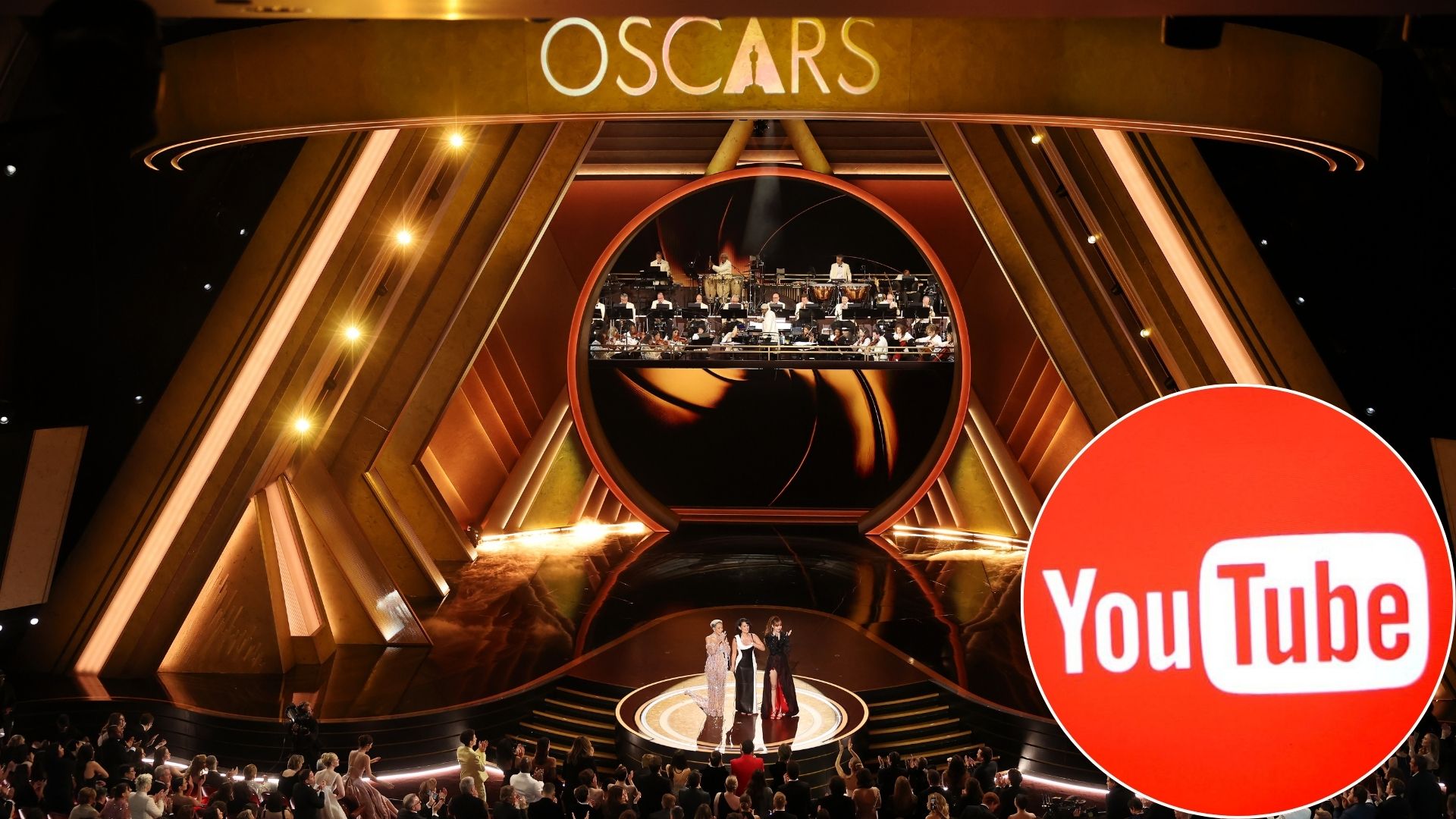
The Academy of Motion Picture Arts and Sciences has announced a major distribution shift for the Academy Awards, signing an exclusive five-year agreement that will move the Oscars to YouTube beginning in 2029, starting with the 101st ceremony, in a move that repositions Hollywood’s biggest night around global streaming rather than traditional broadcast television. The decision also marks the end of the ceremony’s long-running relationship with ABC for its primary U.S. home, after a run that dates back decades and is set to continue only through the 100th ceremony in 2028 before the switch takes effect.

Getty Images

In its statement accompanying the announcement, the Academy framed the YouTube deal as a reach and access play rather than a simple change of platform, presenting the move as a way to push Oscars content far beyond the limits of a single U.S. broadcaster and into a truly global, always-on digital audience. The organization said the partnership is designed to broaden who can watch and engage with its work, arguing that the shift will help the Academy meet viewers where they already are online and make its programming easier to discover, share, and revisit across markets and time zones. As the Academy put it: «This partnership will allow us to expand access to the work of the academy to the largest worldwide audience possible».

Betting on YouTube

For decades, the Oscars were one of the biggest nights on U.S. television, but their audience has steadily thinned as viewing habits shifted, with recent years showing only partial rebounds from a historic slump: Nielsen records cited by CBS News note the telecast had never fallen below 30 million viewers until 2018, a stark contrast to the late-1990s peak of roughly 55 million viewers. The pandemic-era low point was the 2021 ceremony, widely reported at about 10.4 million viewers, and even with an upswing since then, the modern totals remain far below the franchise’s former scale, with 2024 drawing about 19.5 million viewers and 2025 reported at around 19.7 million in the U.S. That long decline is a key reason the Academy is betting on YouTube: the platform’s global reach and younger-skewing ecosystem offer the chance to meet audiences who no longer reliably show up for a long broadcast appointment, especially as the Academy tries to turn the Oscars into a digital-first cultural moment that travels through clips, creators, and on-demand viewing rather than depending on one night of linear TV.

Getty Images

The YouTube–Oscars deal fits into a broader rupture with the television model as it existed for decades, signaling a deeper transformation of Hollywood itself as legacy studios and institutions confront an audience that has largely migrated online. Linear TV, once the unquestioned home of prestige live events, is steadily losing its grip as streaming platforms position themselves not just as distributors but as central power brokers shaping culture, sports, and awards. That shift has been underscored by Netflix’s own ambitions, including its publicly stated interest in expanding through major acquisitions and reports pointing to Warner Bros. Discovery and HBO as potential long-term targets, a scenario that would have been unthinkable during the peak era of broadcast dominance. Taken together, these moves reflect an industry in flux, where tech platforms and streamers are no longer adjuncts to Hollywood but rivals and, increasingly, its future custodians, forcing institutions like the Academy to adapt or risk fading relevance in a media ecosystem defined less by channels and schedules than by platforms, scale, and global reach.

Getty Images

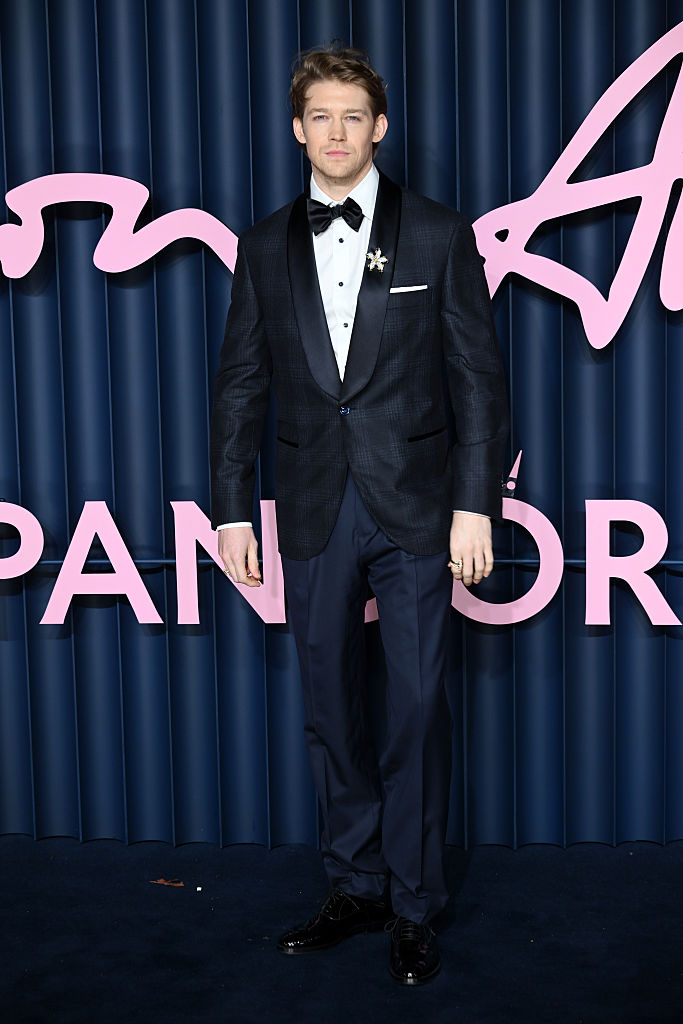
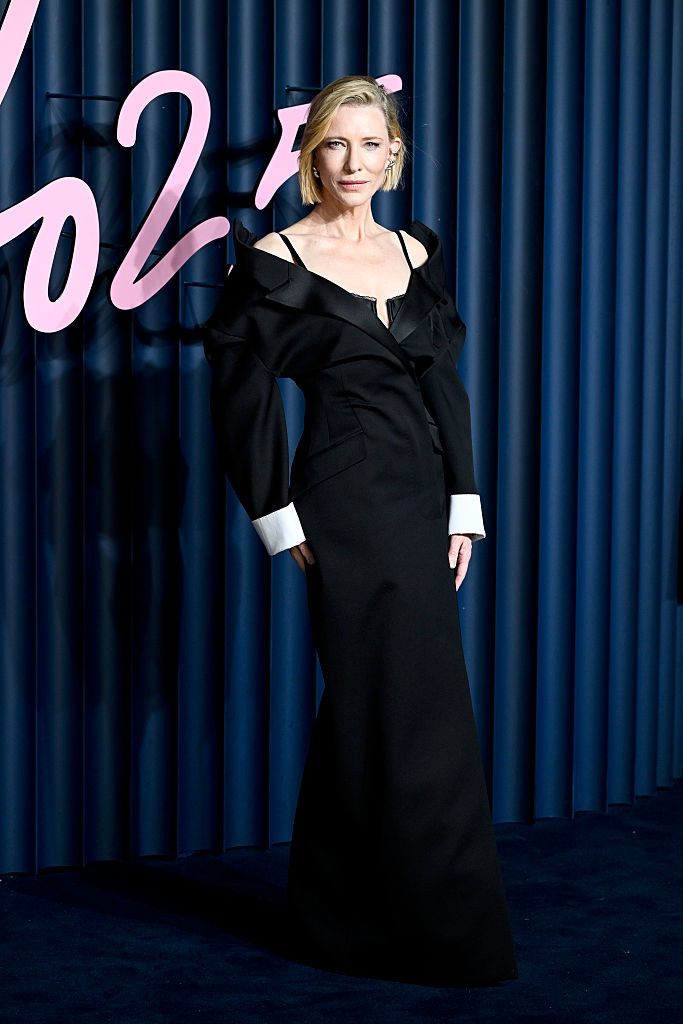
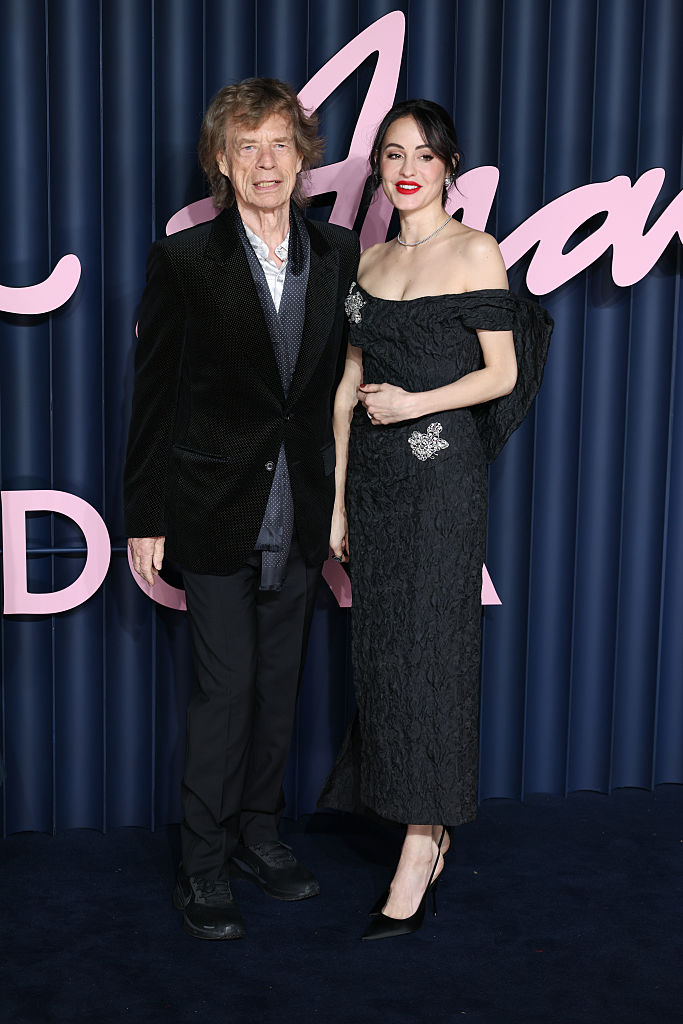
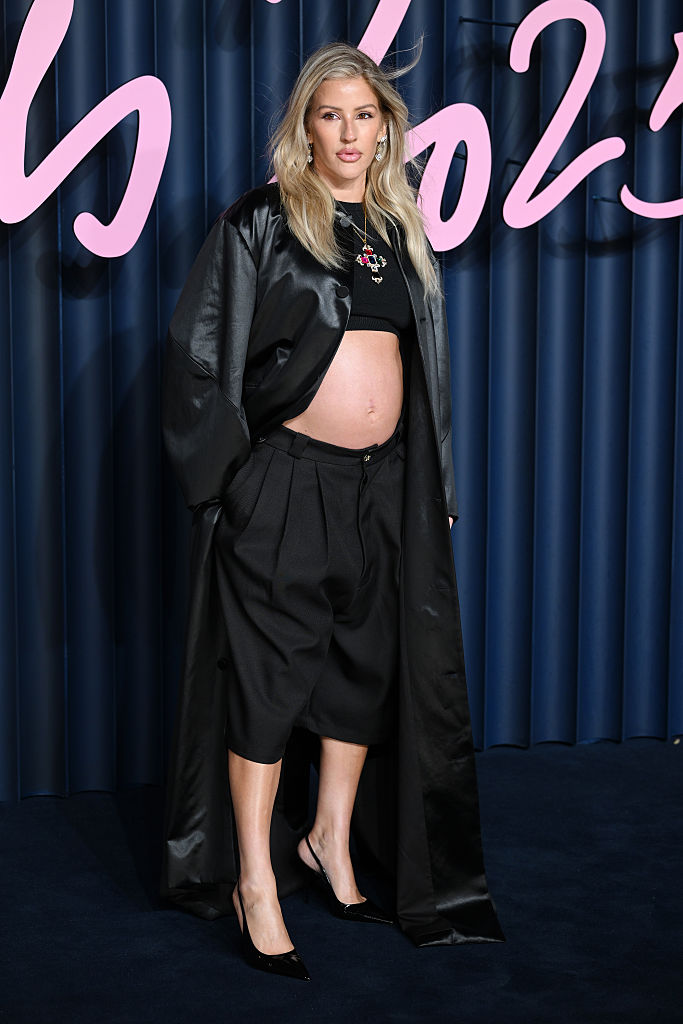
9 stars of the 2025 Fashion Awards

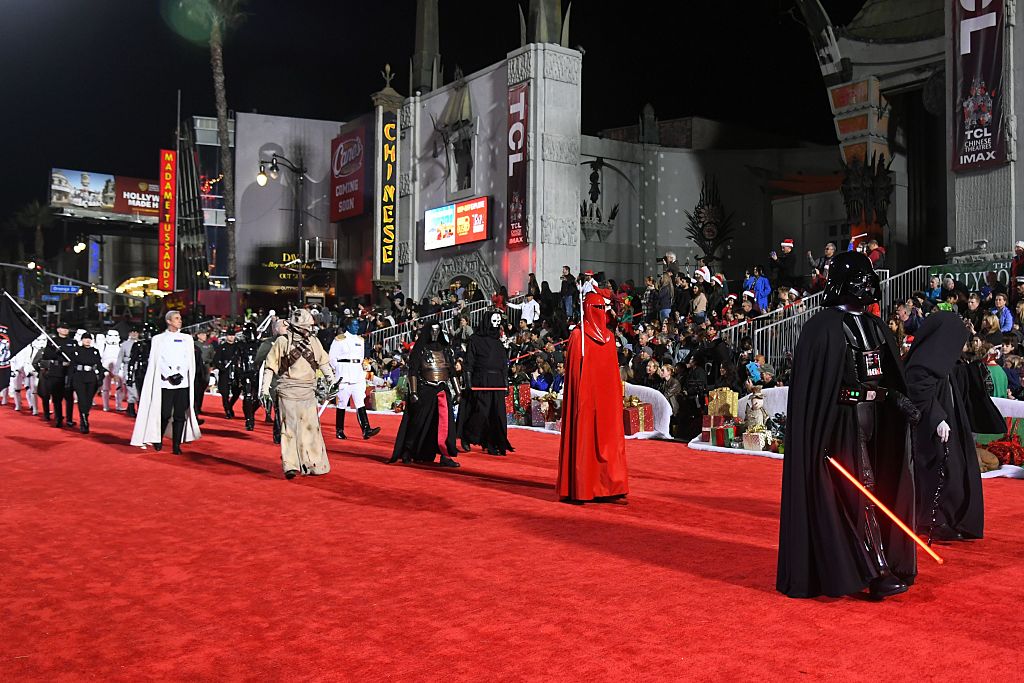
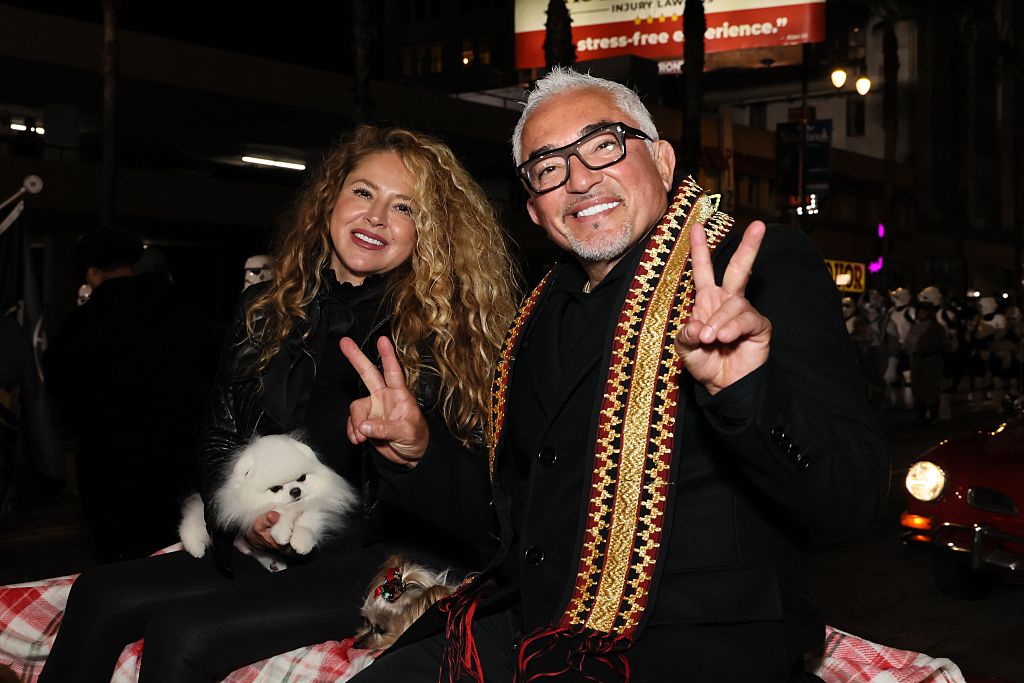
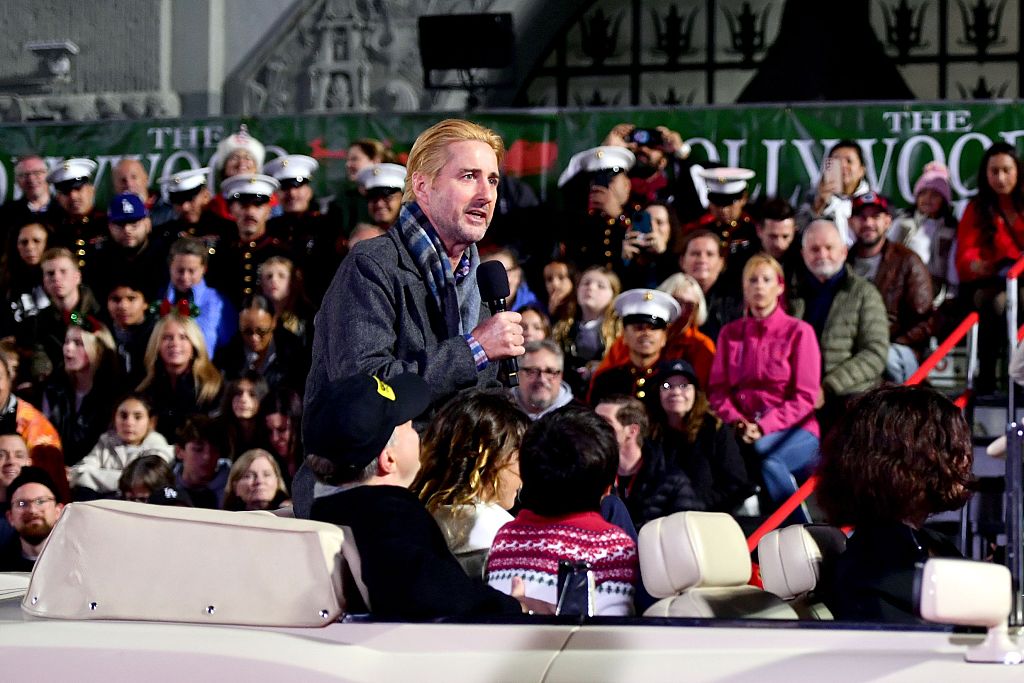
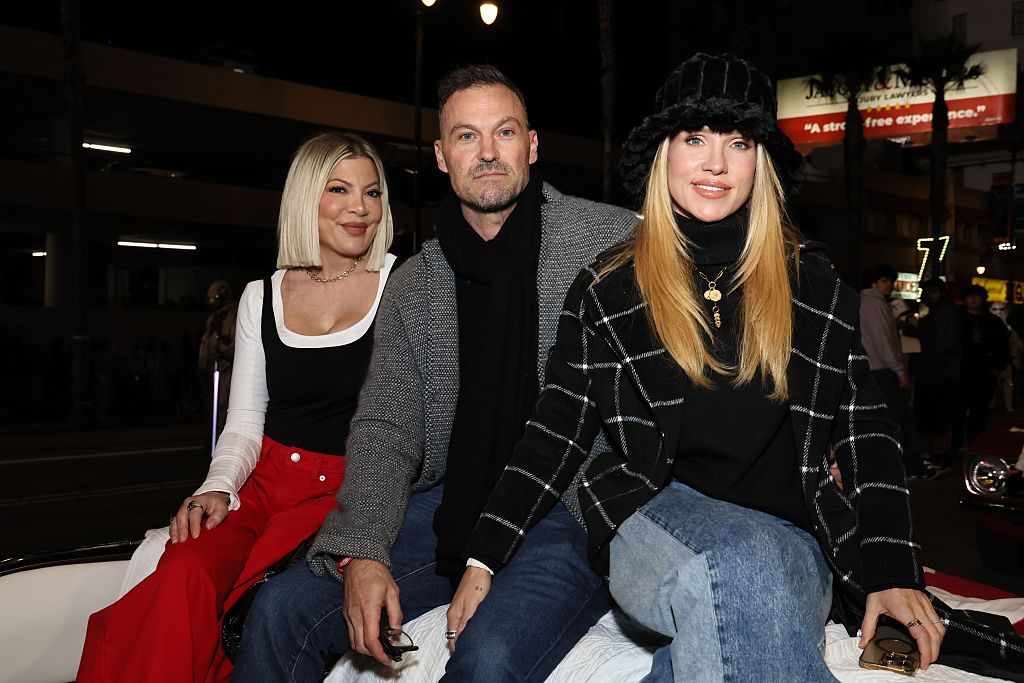
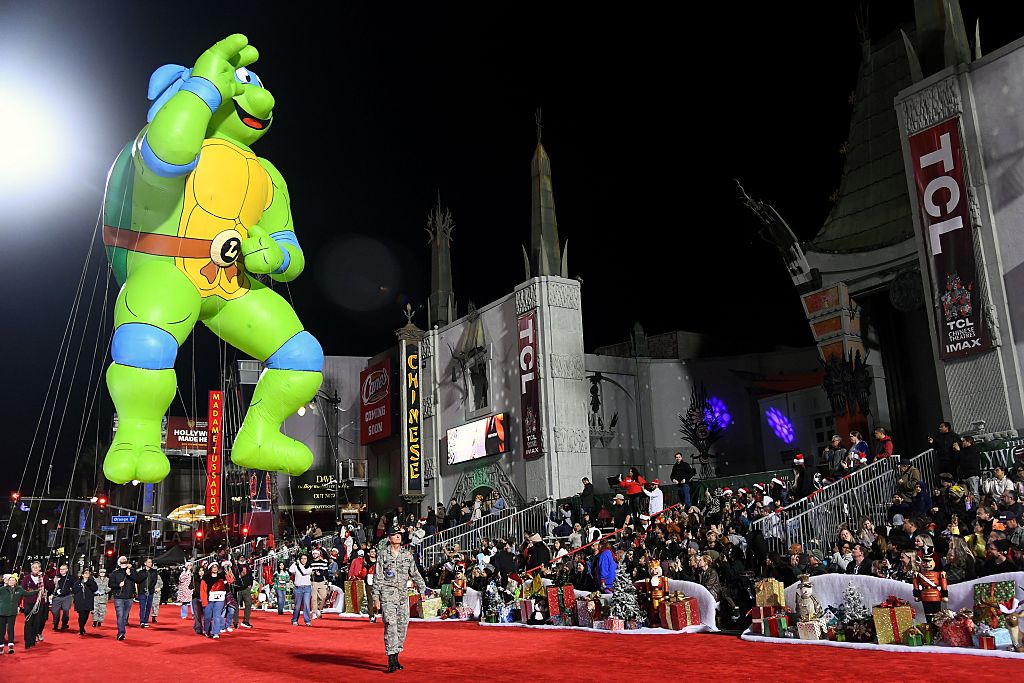
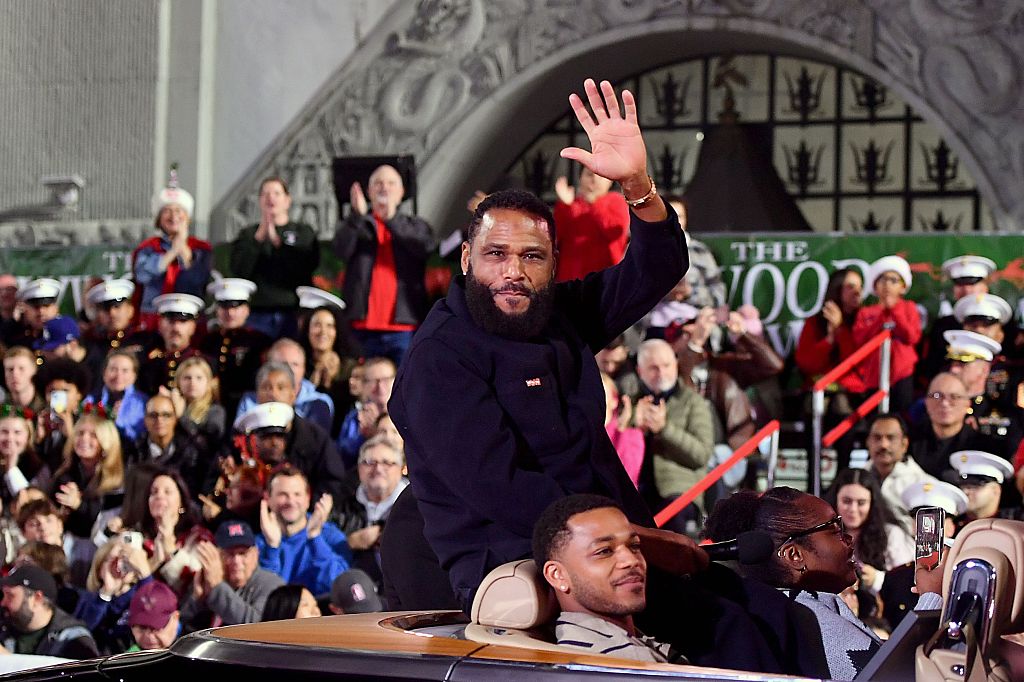
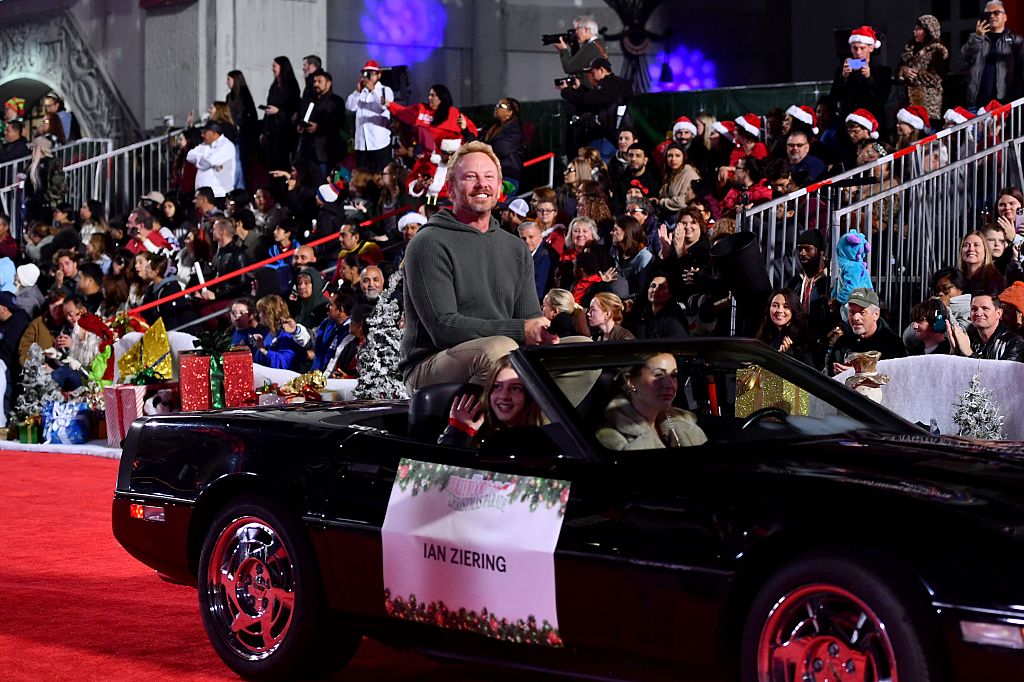
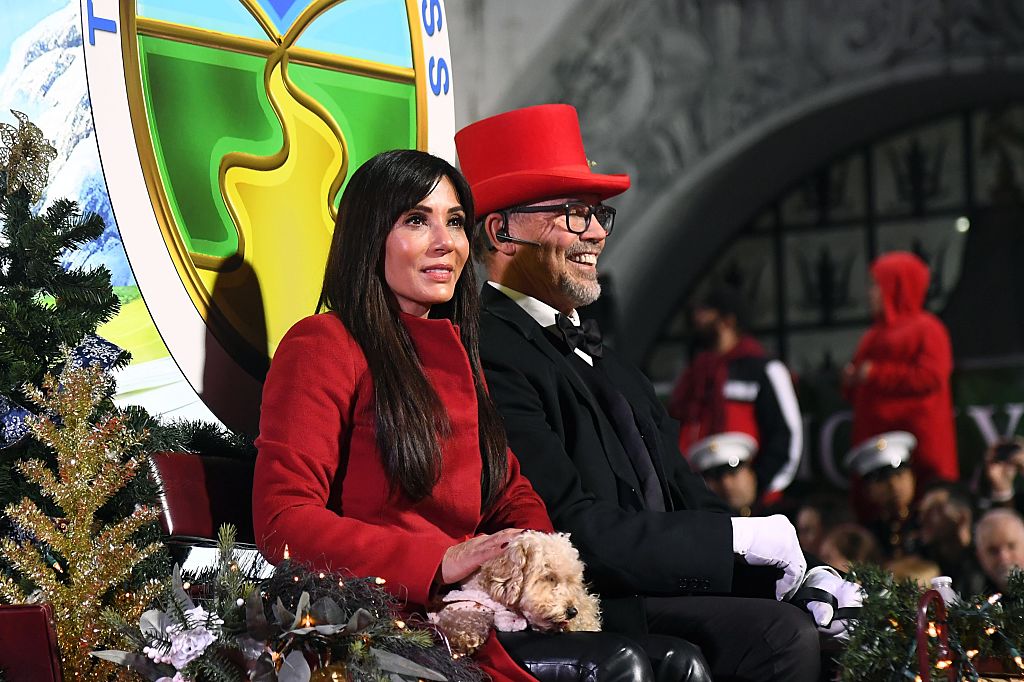
The 2025 Hollywood Christmas Parade in 15 photos

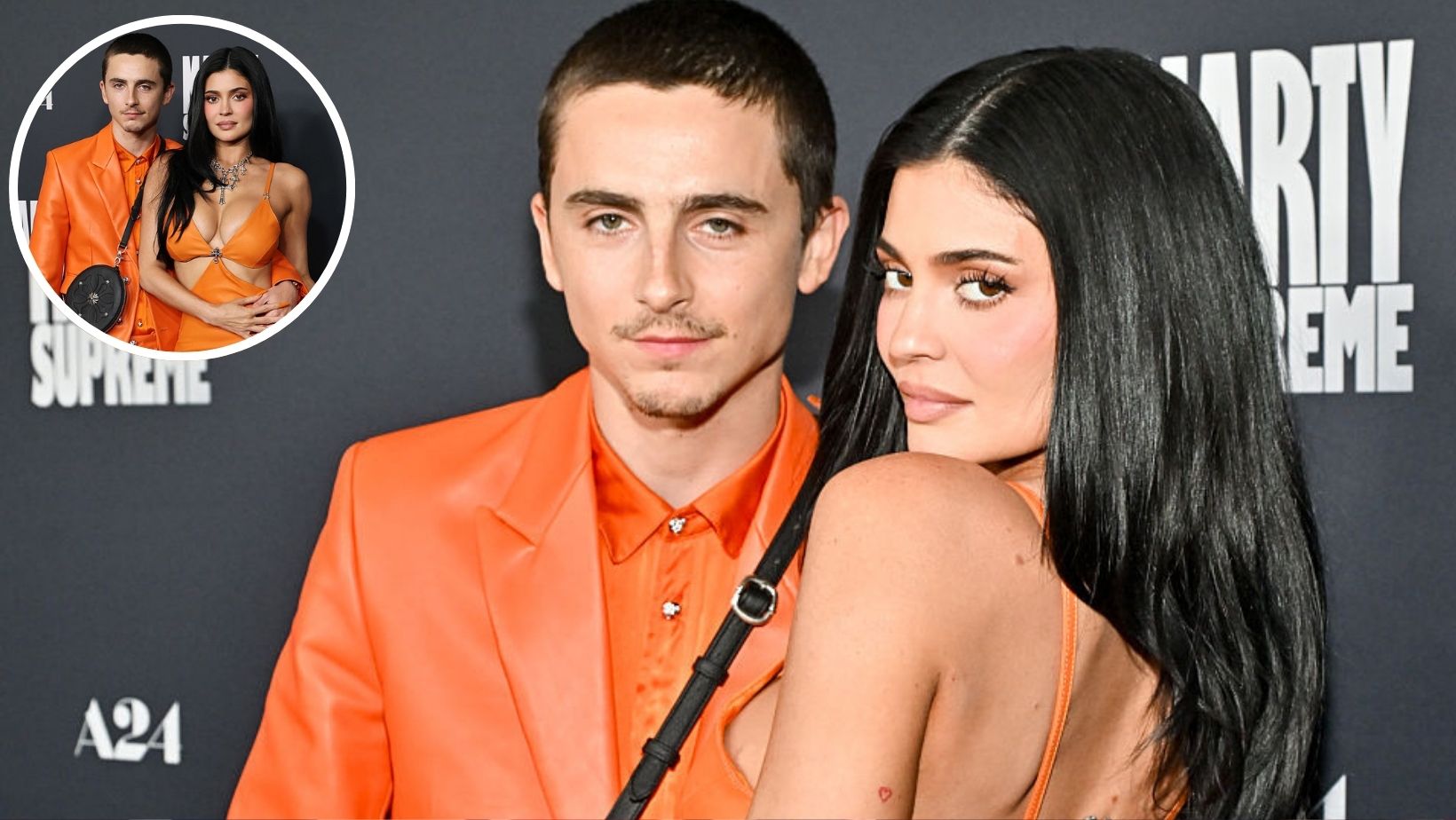
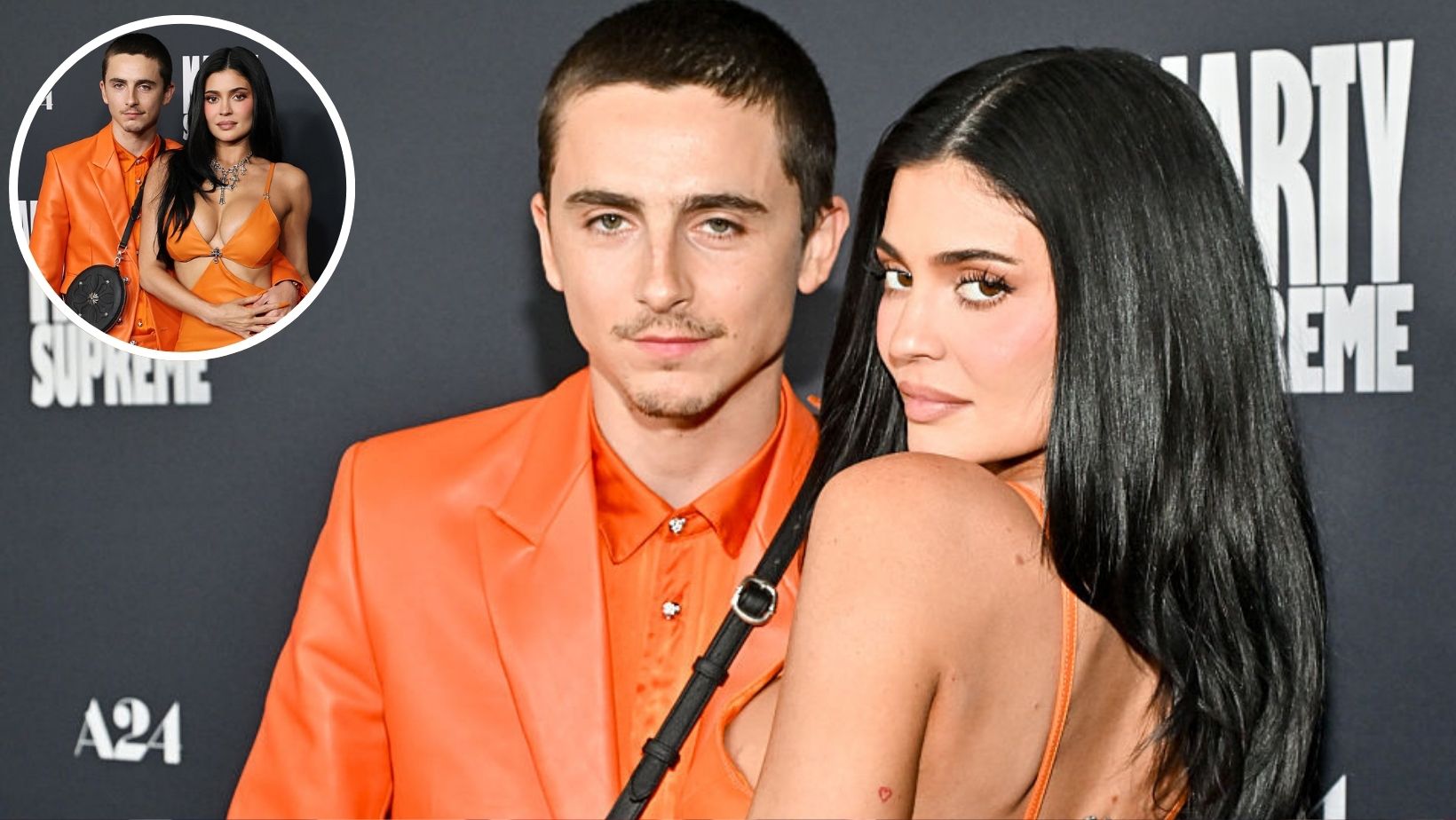
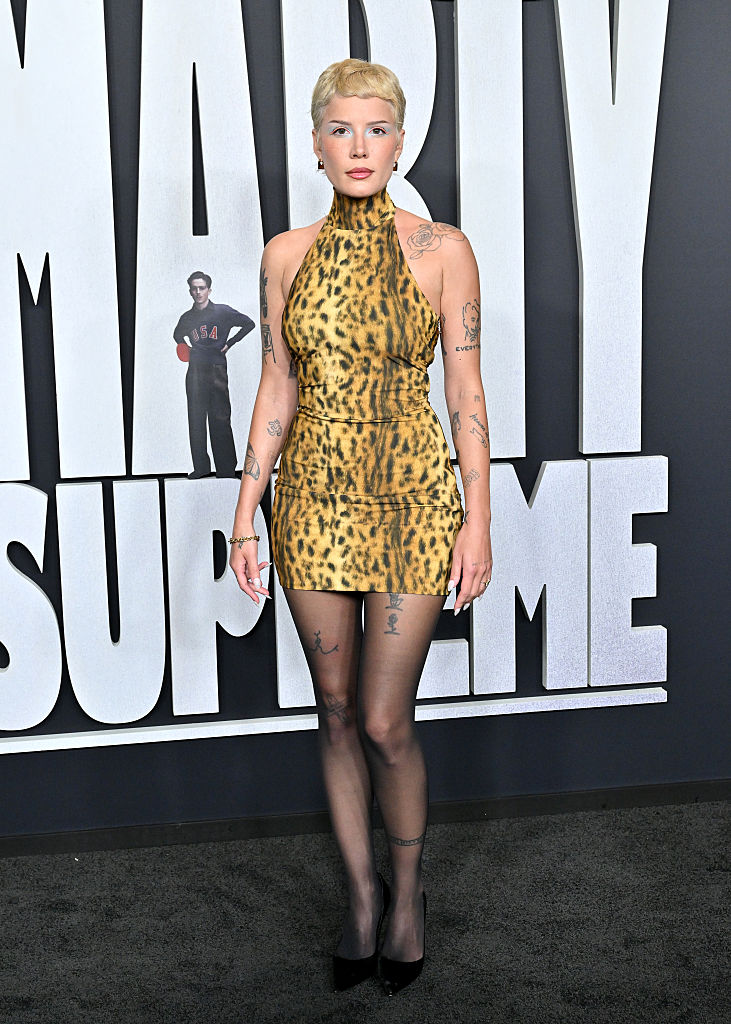
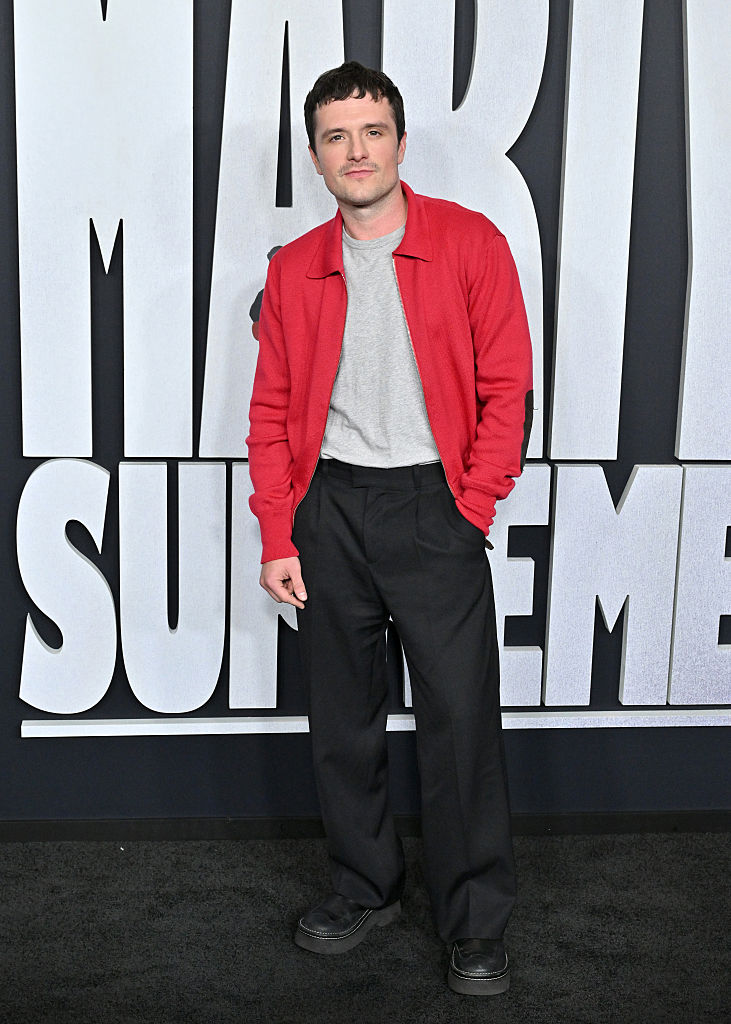
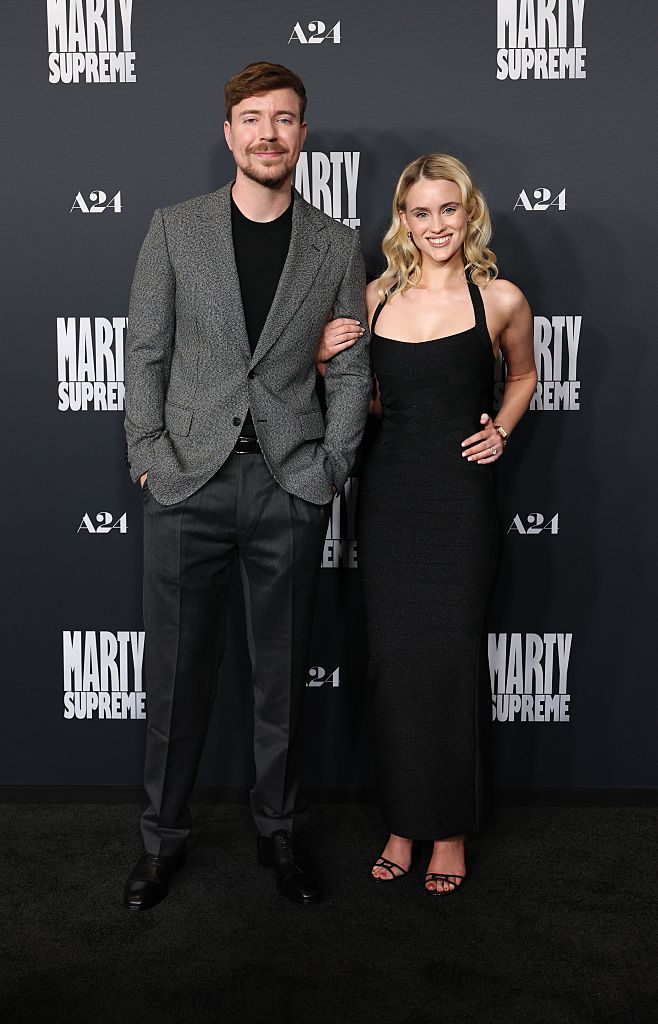
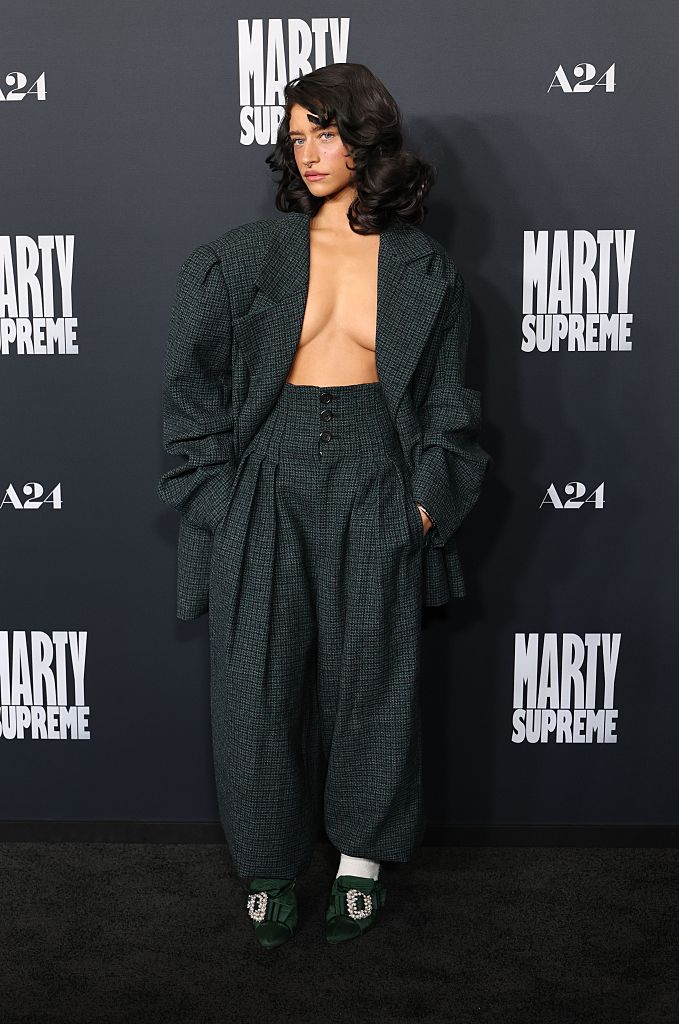
Timothée Chalamet and Kylie Jenner dazzle at the premiere of Marty Supreme

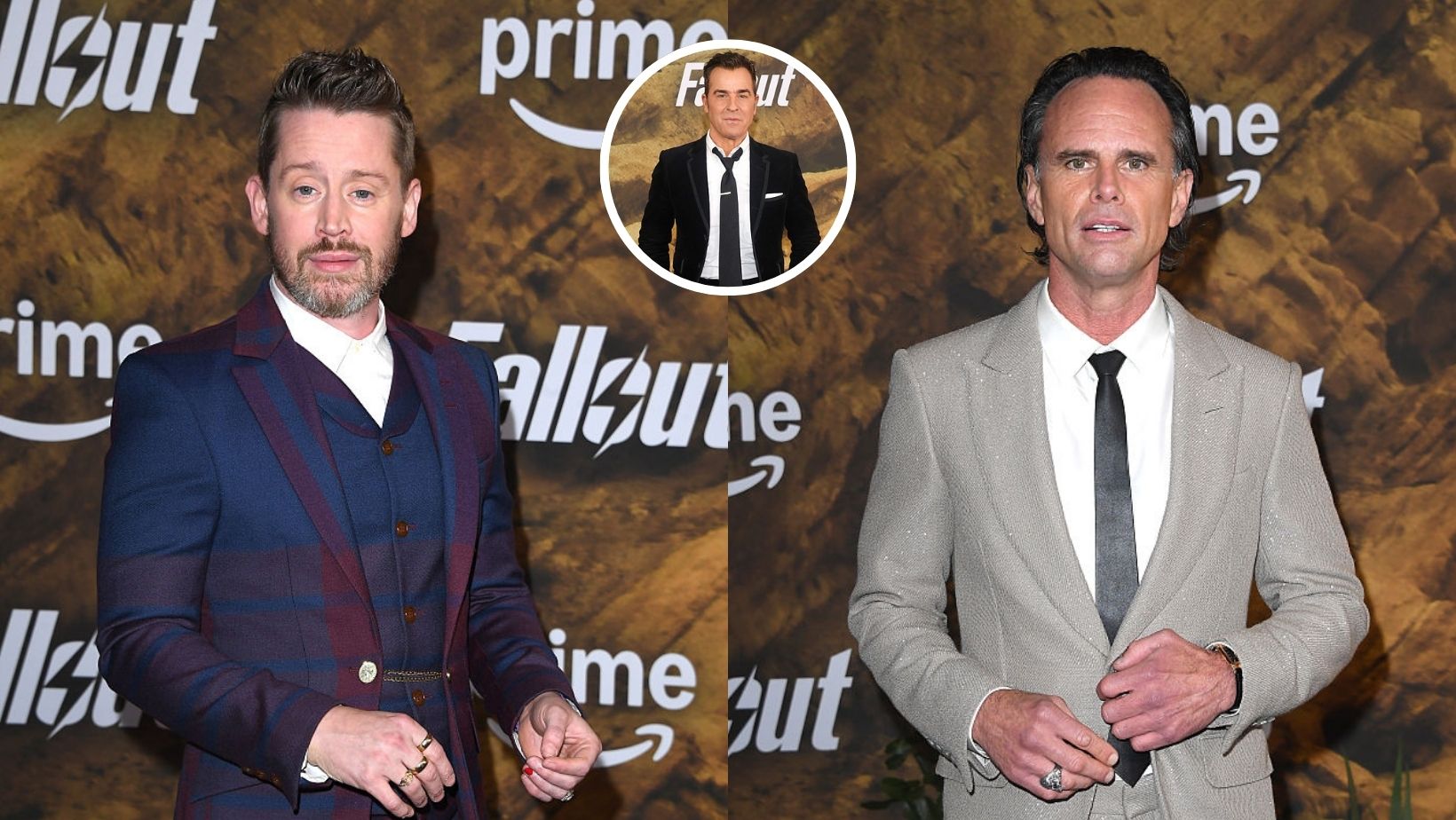
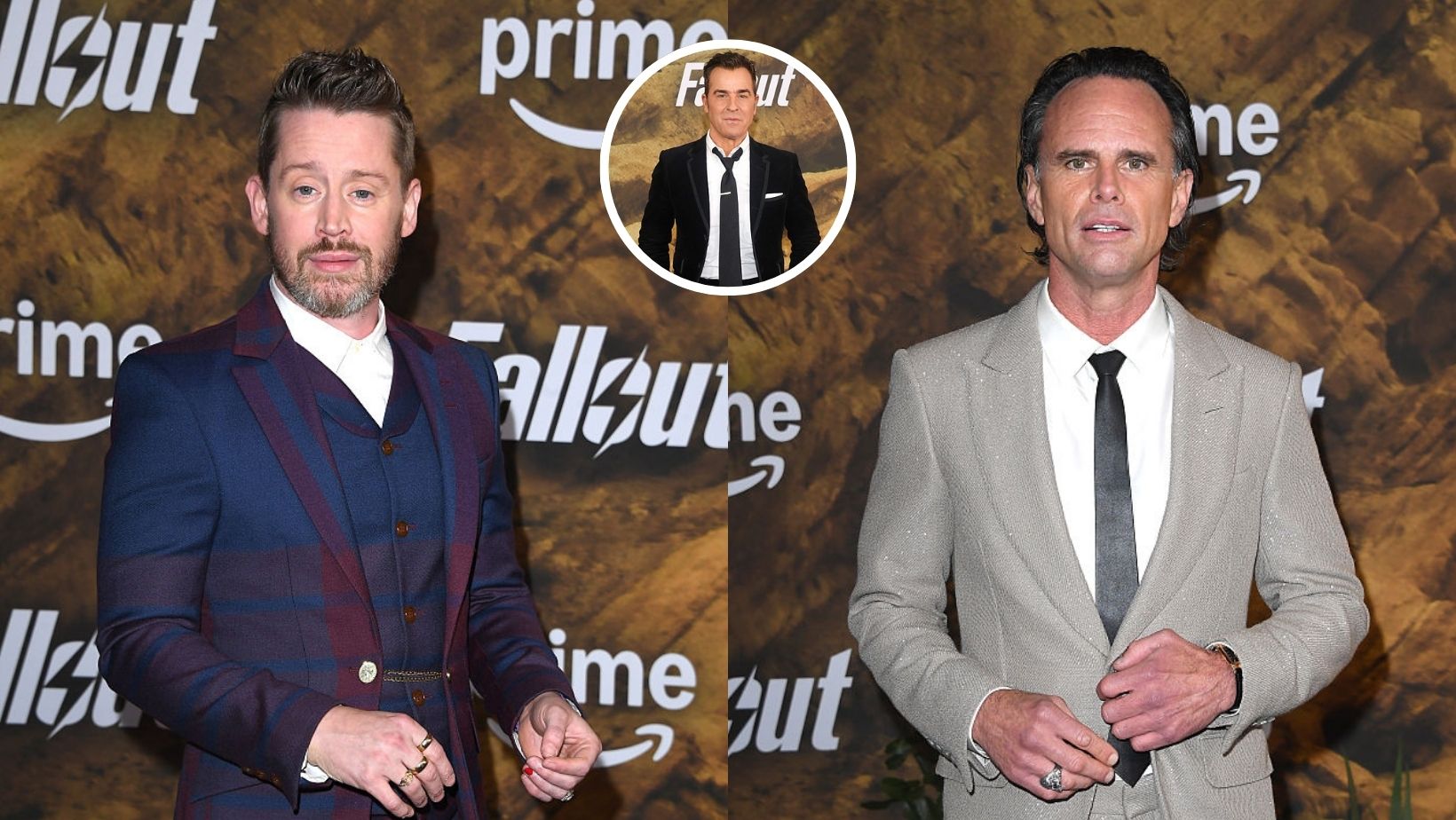
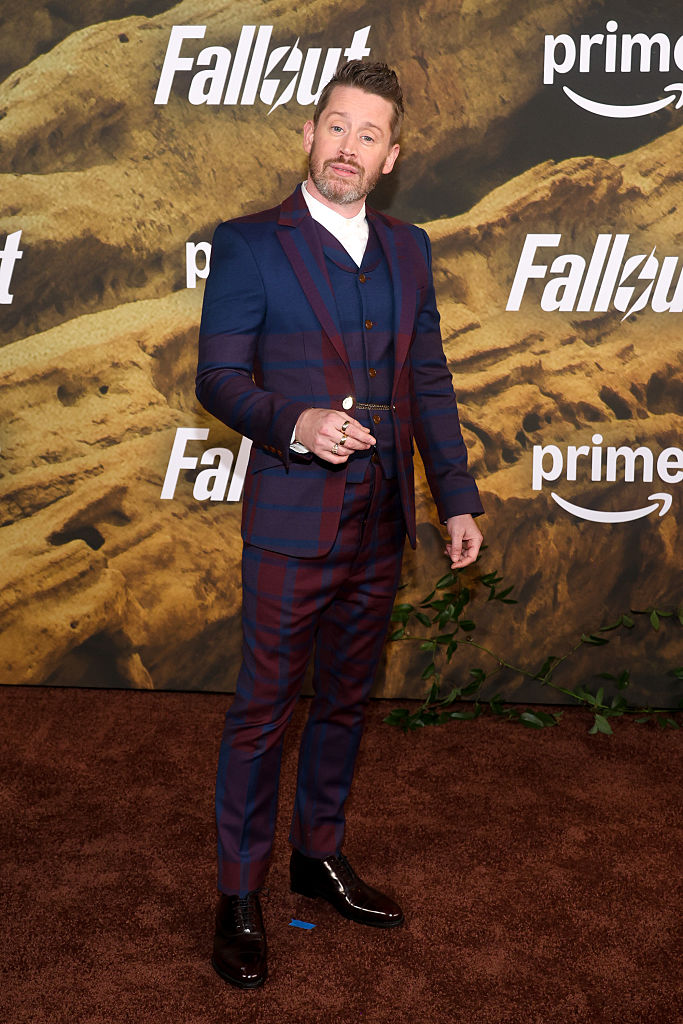
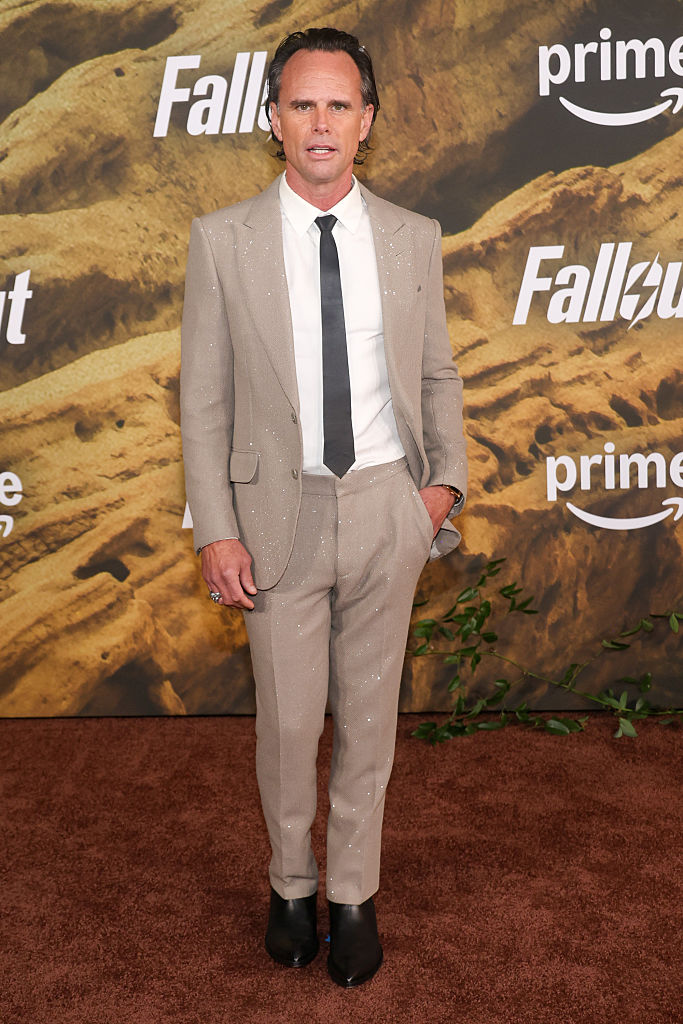
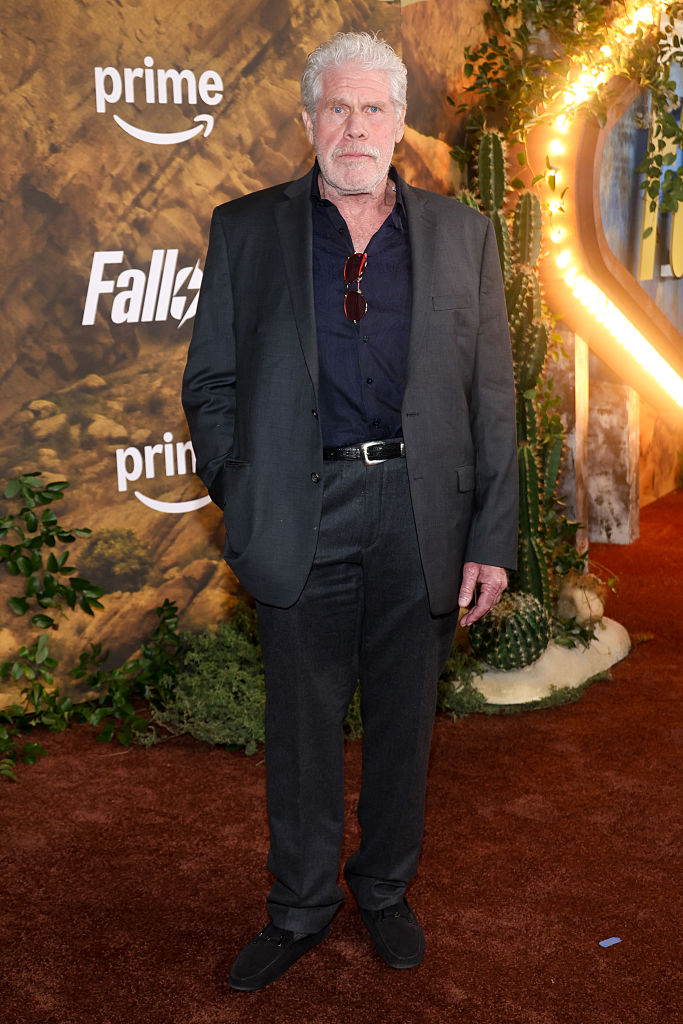
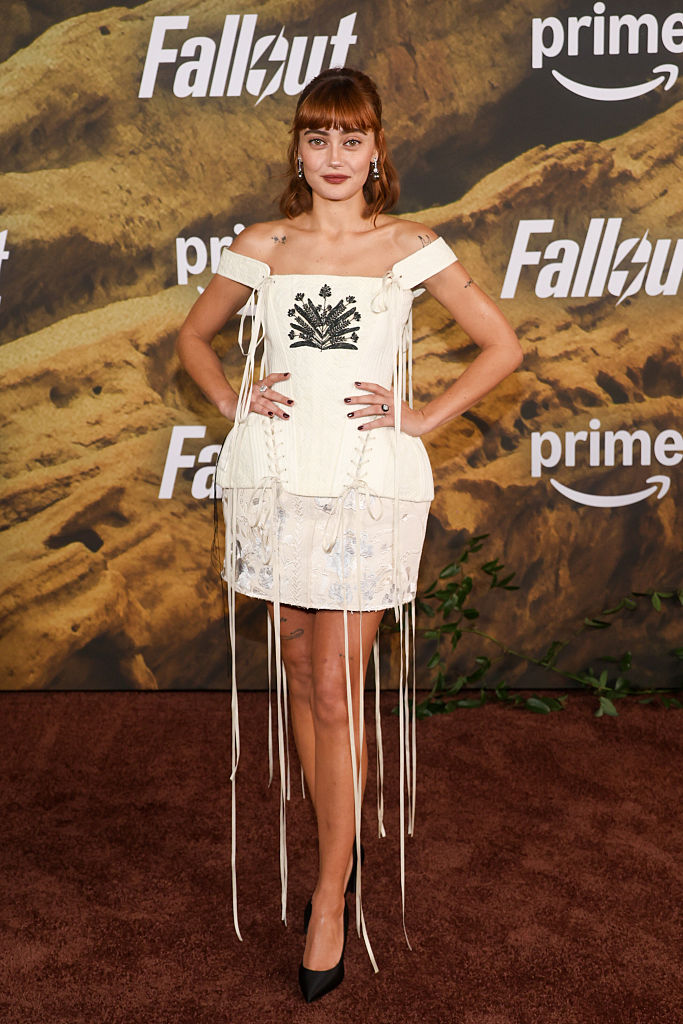
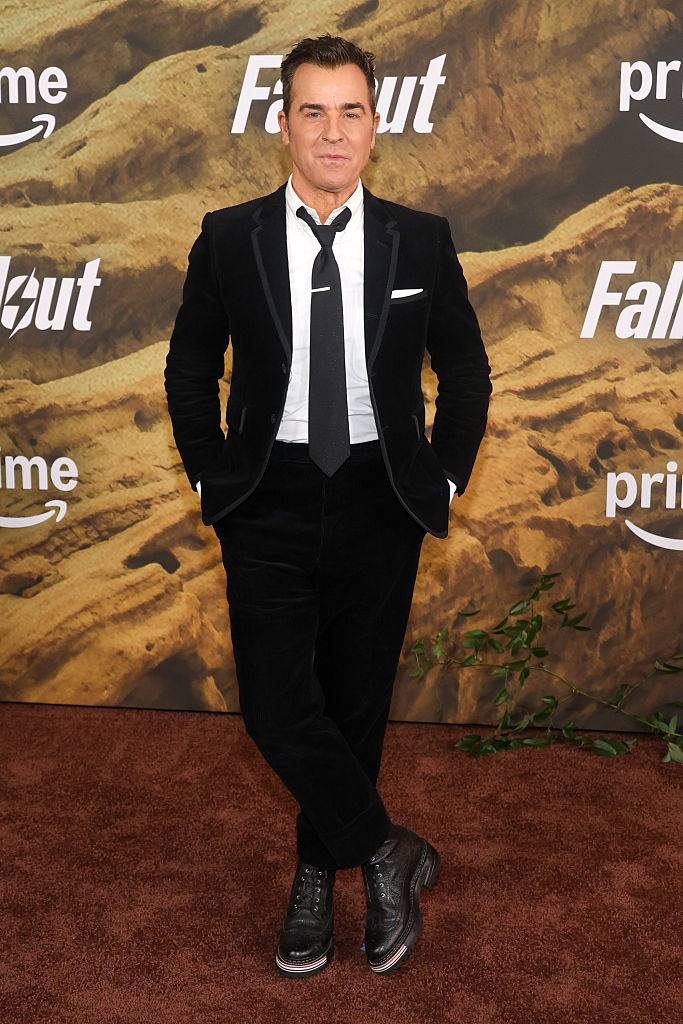
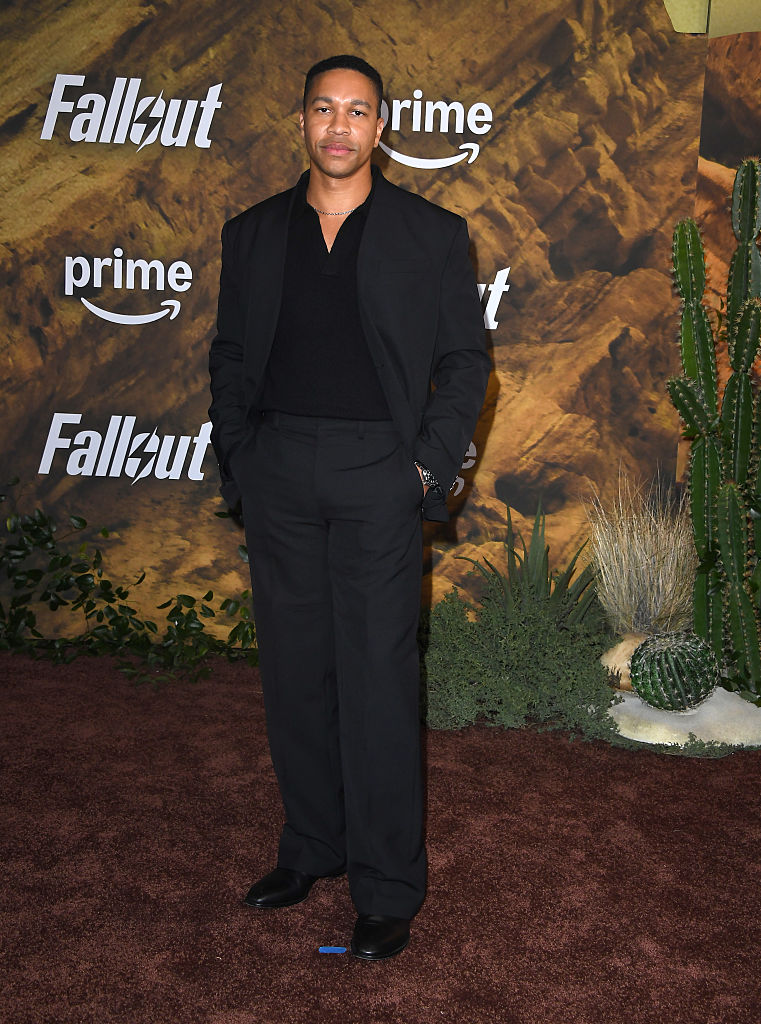
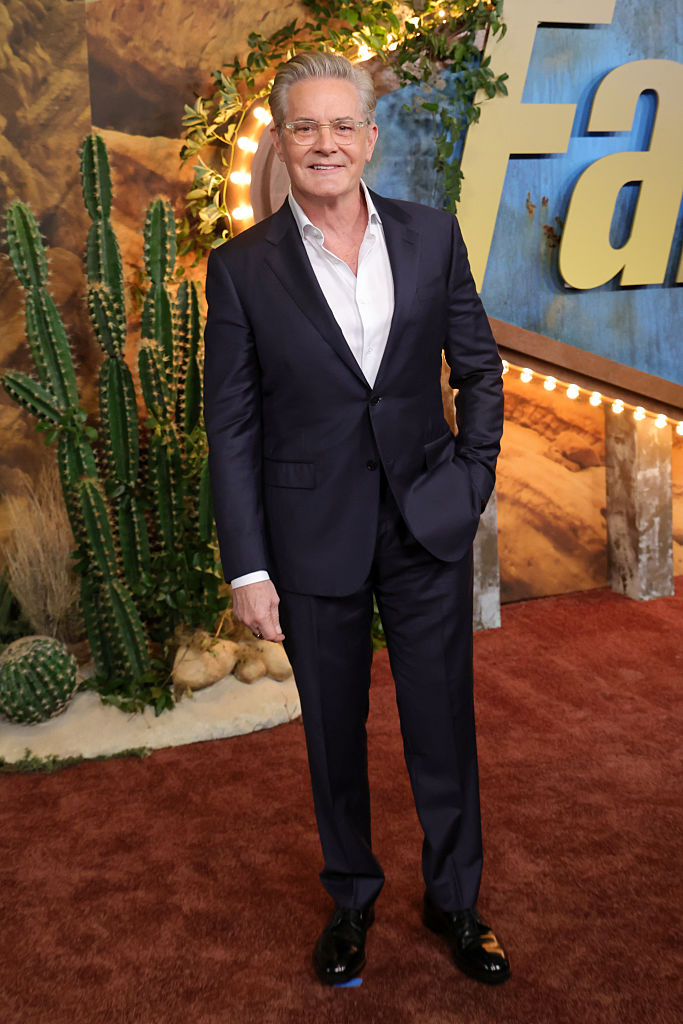
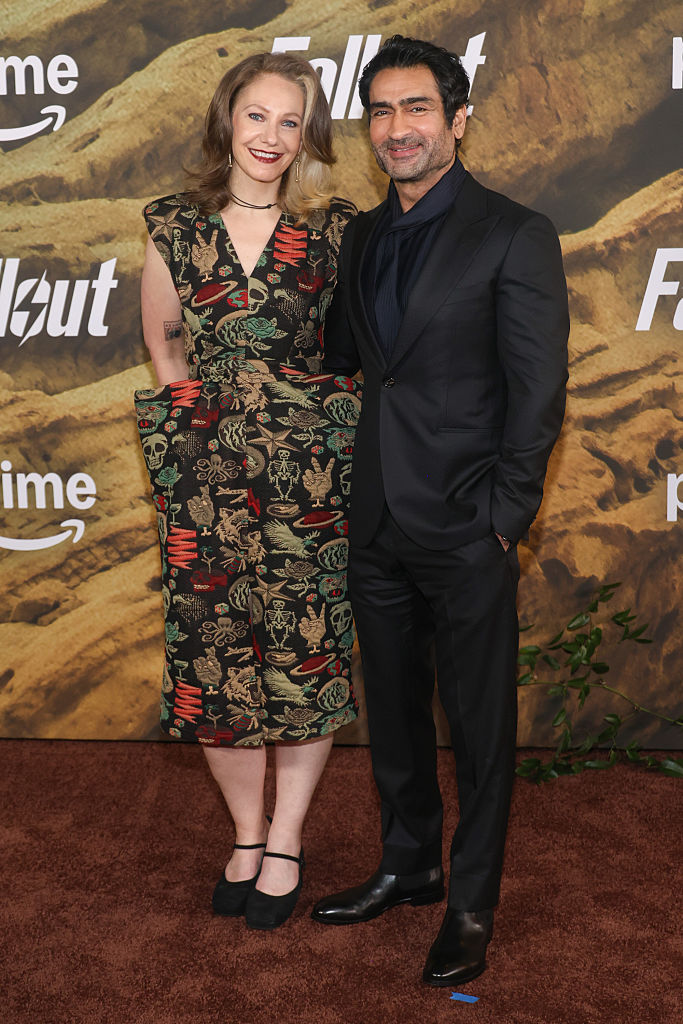
Macaulay Culkin, Walton Goggins, and Justin Theroux have a blast at the Fallout premiere