





















































 BIG Admin
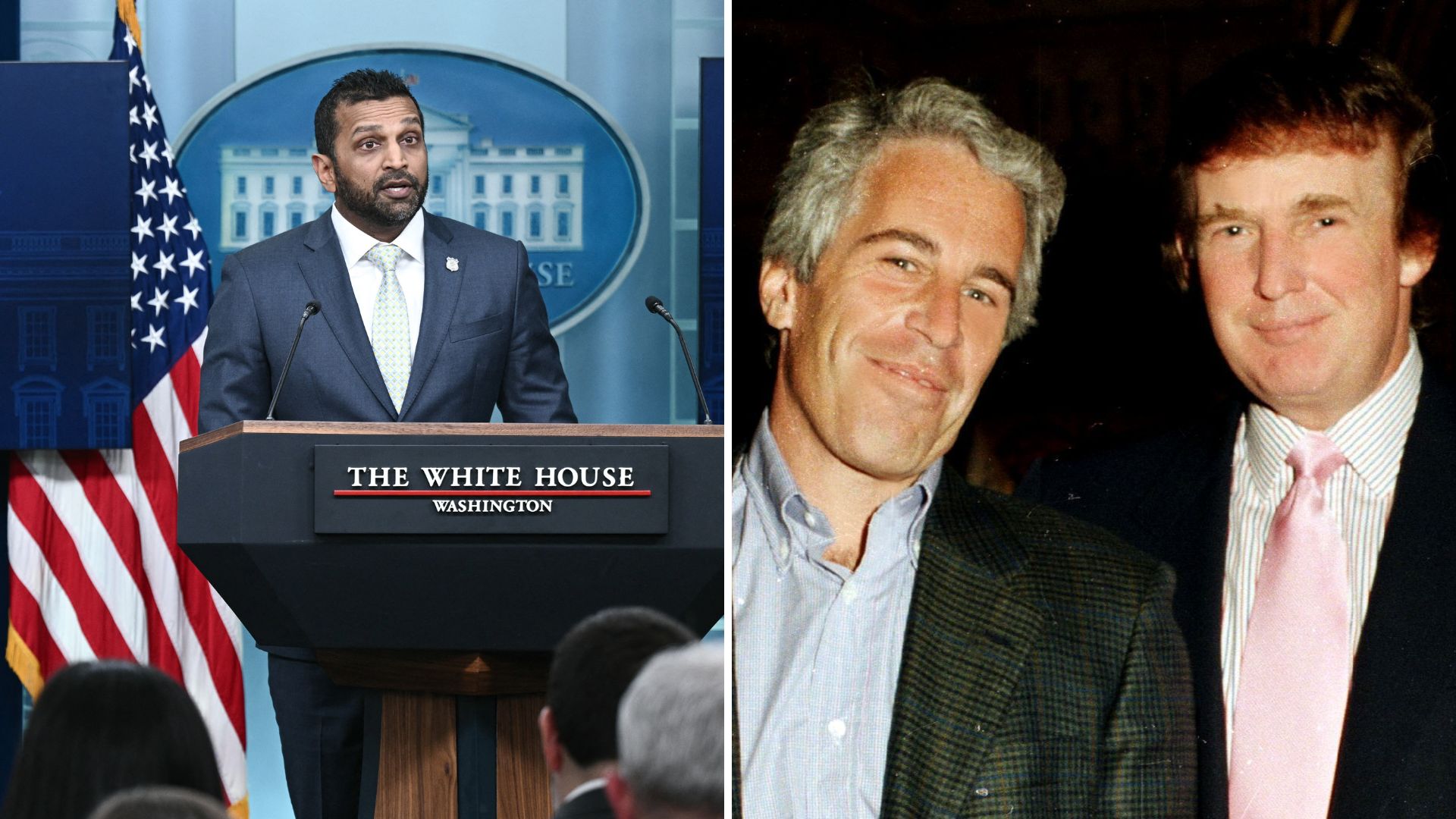
New information revealed by Bloomberg and reported by multiple media outlets offers telling details about how the president and his administration have handled the Epstein files since his return to power.
According to these reports, including coverage by Raw Story, we learn that the Trump administration spent 850,000 dollars in FBI overtime to pay agents to comb through Jeffrey Epstein’s records.
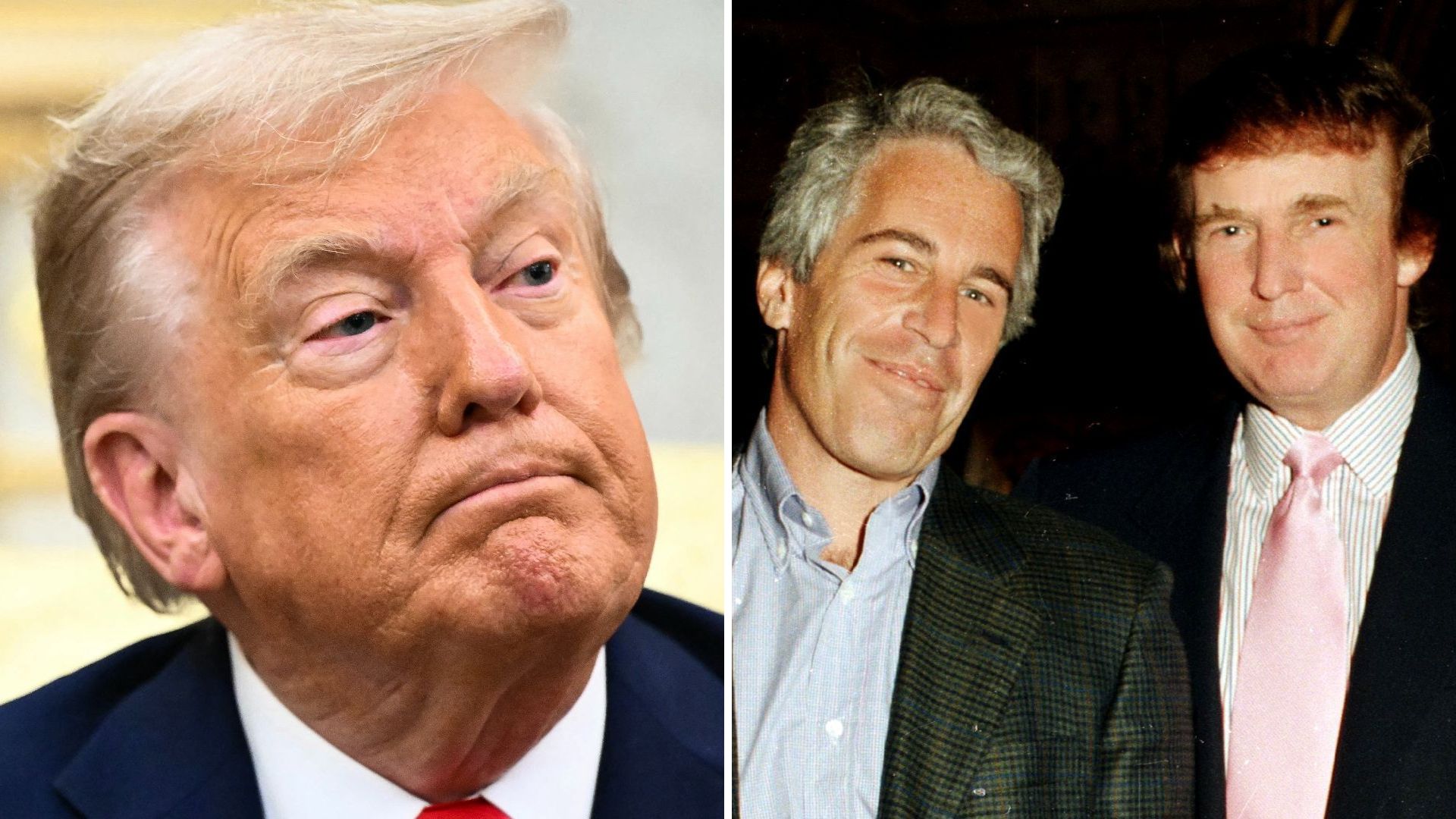
This decision raises new questions about the real reasons behind such an intensive review, especially after months in which Trump was dogged by the shadow of the Epstein files he largely refused to release, until an almost unanimous, bipartisan vote in the House and a unanimous vote in the Senate finally forced their disclosure.
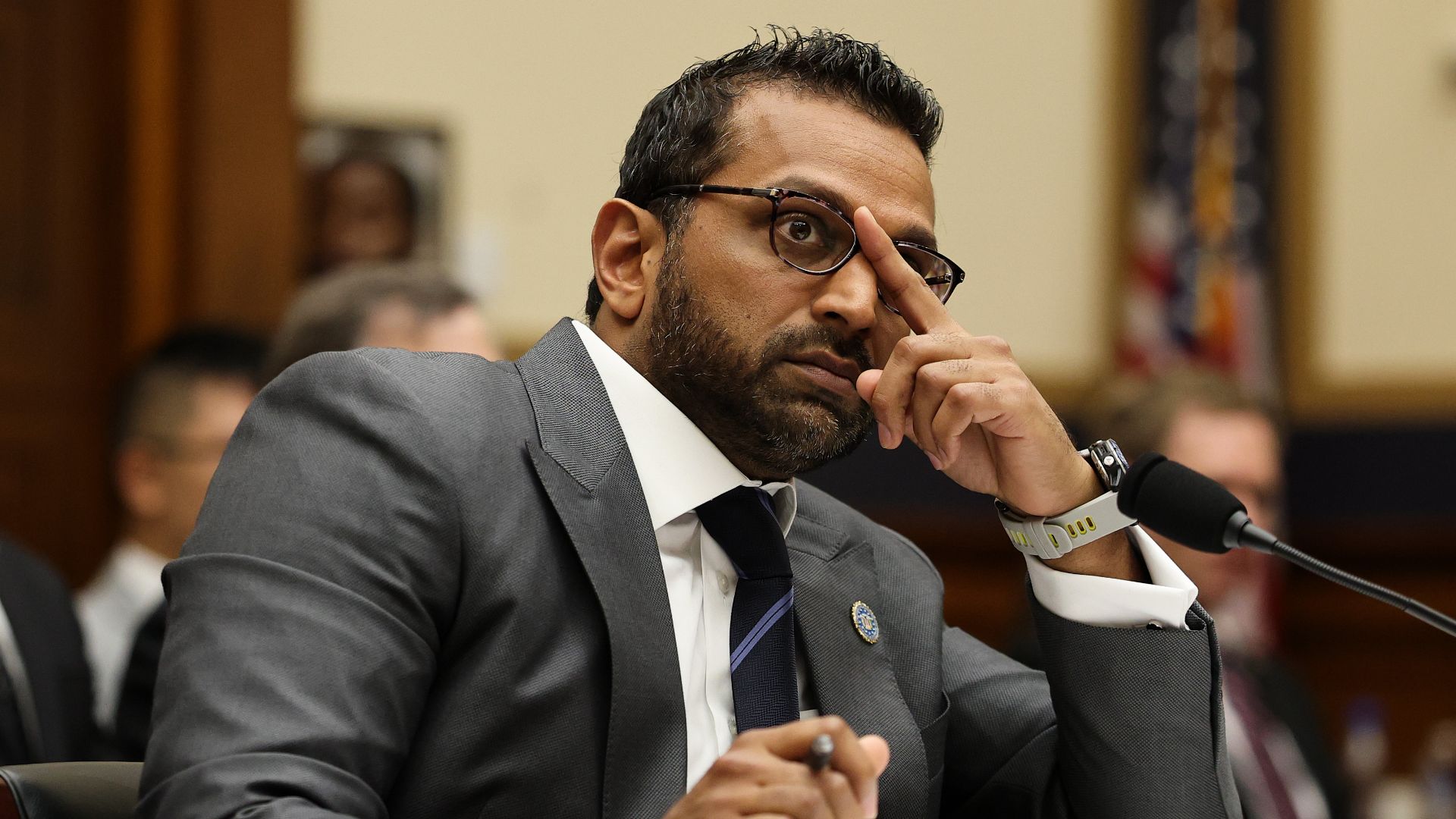
Investigative reporter Jason Leopold of Bloomberg News obtained a behind-the-scenes look at how the FBI handled the review and redaction of the Epstein files under the Trump administration. Following his Freedom of Information Act request to the bureau, Leopold received internal records that shed light on the internal discussions around what would be blacked out, how fast the review needed to move, and how closely the process was being overseen.
The documents Leopold obtained shed light on how roughly 1,000 FBI special agents were deployed in March, under FBI Director Kash Patel, to support the bureau’s FOIA team at the FBI’s Central Records Complex in Winchester, Virginia. Inside the bureau, this surge of agents was folded into a dedicated effort called the «Special Redaction Project», focused on reviewing and redacting the Epstein files ahead of their public release.
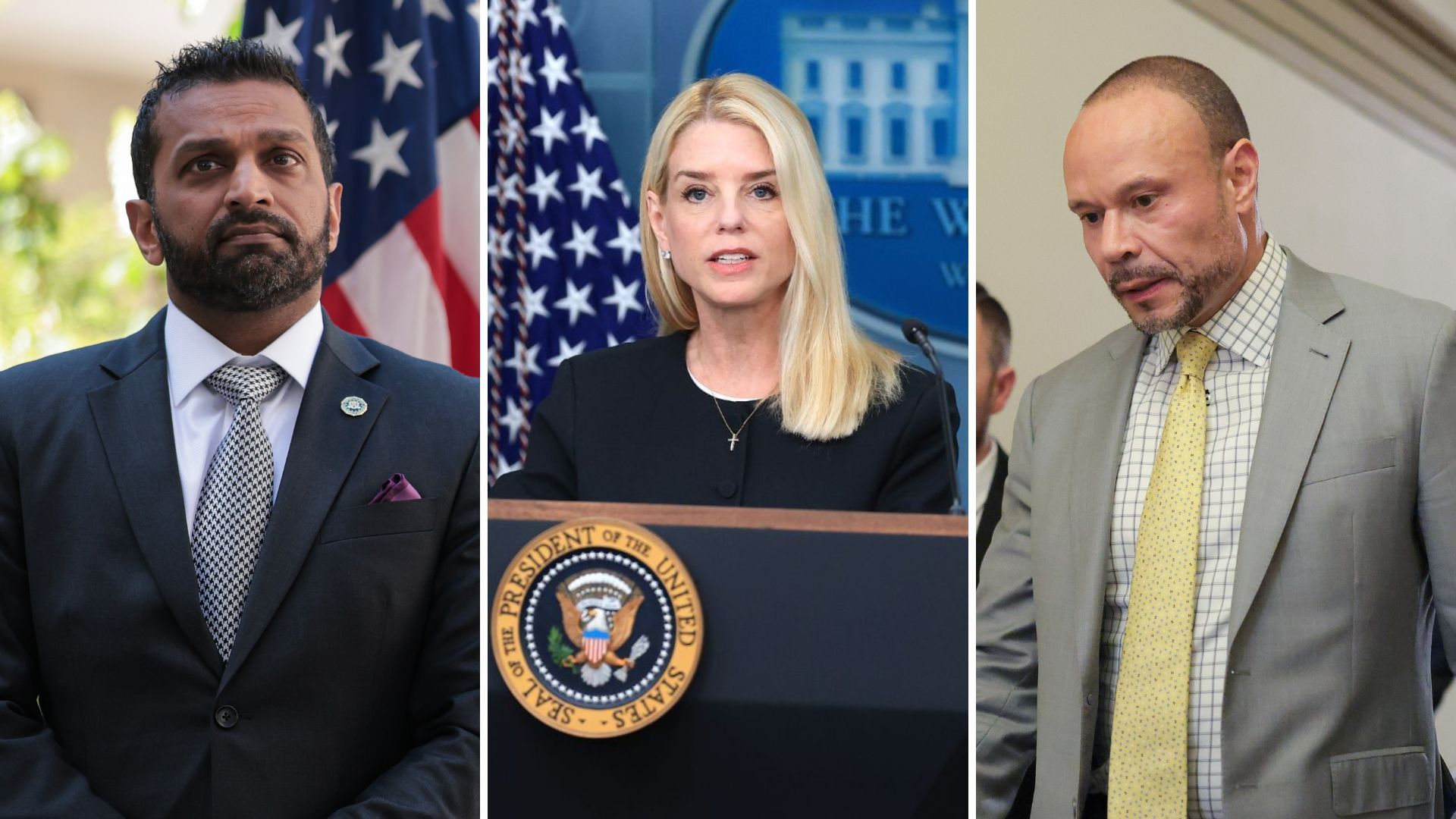
According to these documents, the agents were assigned to work side by side with the FOIA staff to review and redact the Epstein files, including the names of victims and other sensitive personal information, as part of the Special Redaction Project.
According to Bloomberg, FBI personnel assigned to the Special Redaction Project received specific training on redaction protocols, including instructional videos and PowerPoint presentations designed to guide them through the process.
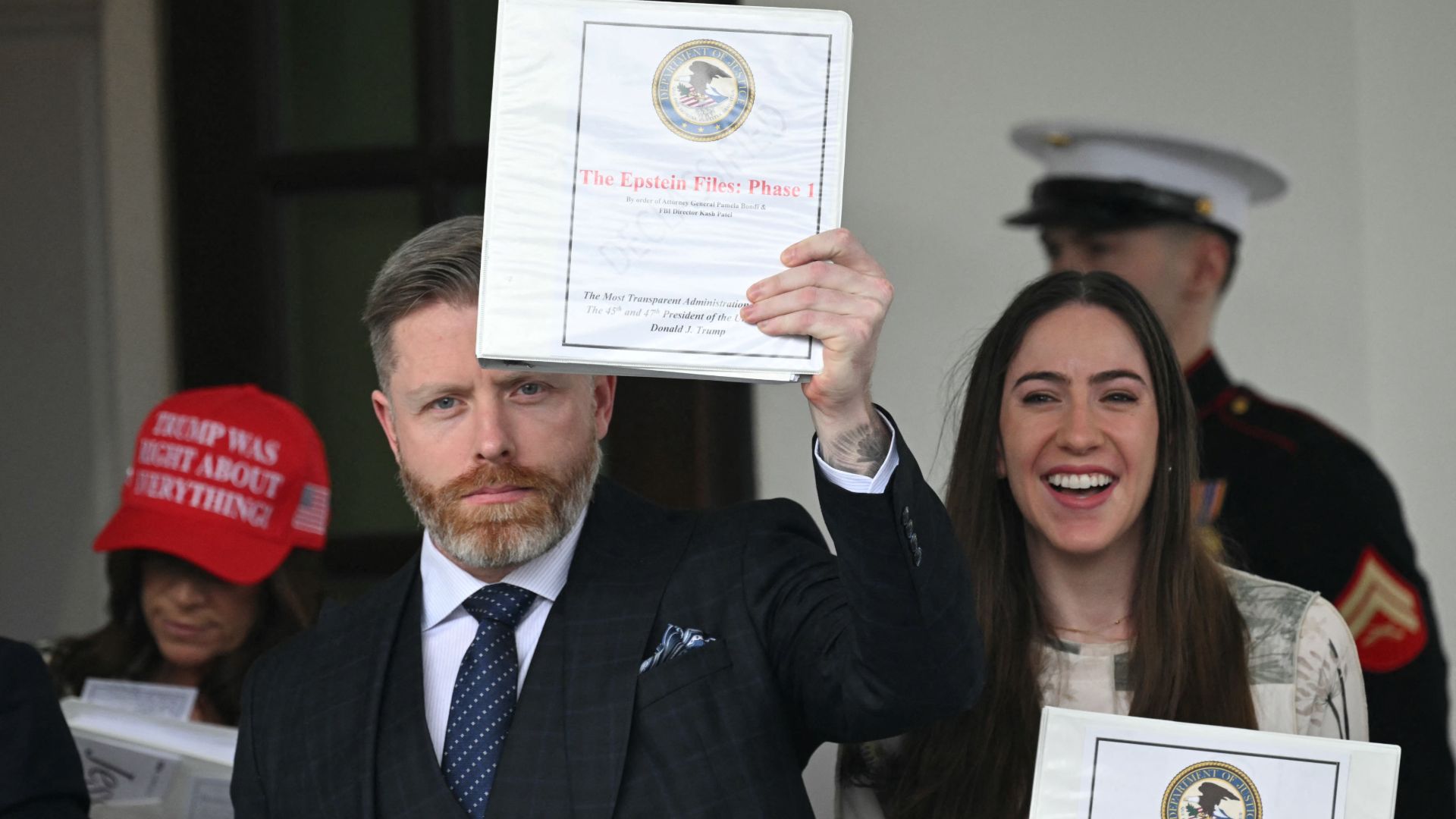
Among the information revealed by Jason Leopold, based on records he obtained through the Freedom of Information Act, are internal emails showing that agents reviewed a wide range of materials, including search warrant execution photos, street surveillance video and aerial footage from FBI search warrant execution.
In an email on March 10, FBI personnel from the Office of General Counsel and the bureau’s Information Management Division discussed pending FOIA requests for Epstein-related records, the digitizing and redacting of physical files and the bureau’s commitment to transparency in handling the Epstein documents.
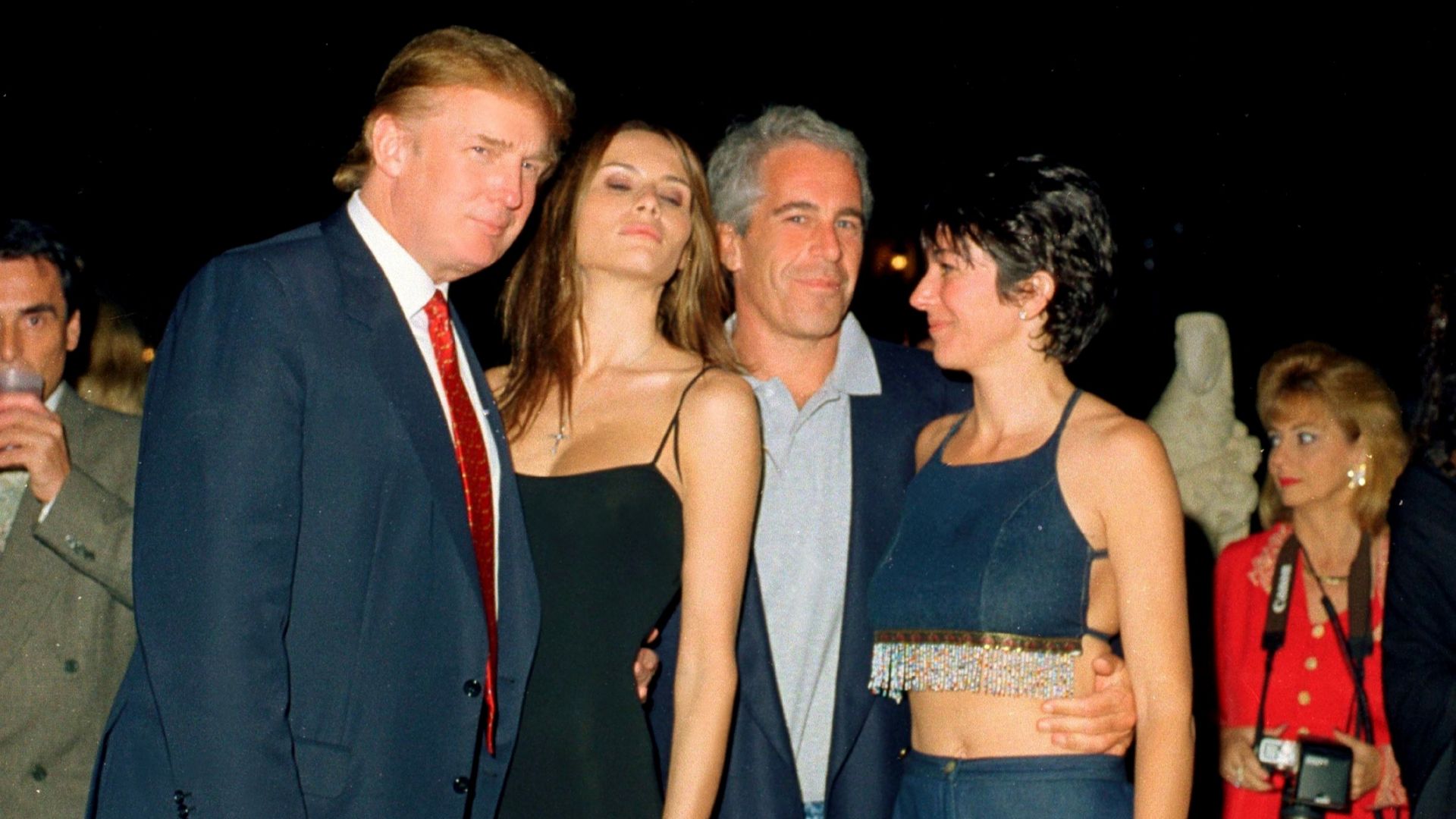
Leopold’s reporting also shows that the FBI paid personnel from various divisions, including counterintelligence and international operations, 851,344 dollars in overtime for working on the Epstein files between March 17 and March 22.
FBI personnel clocked in a total of 4,737 hours of overtime between January and July, and more than 70% of that overtime was logged during the month of March while personnel reviewed the Epstein files.
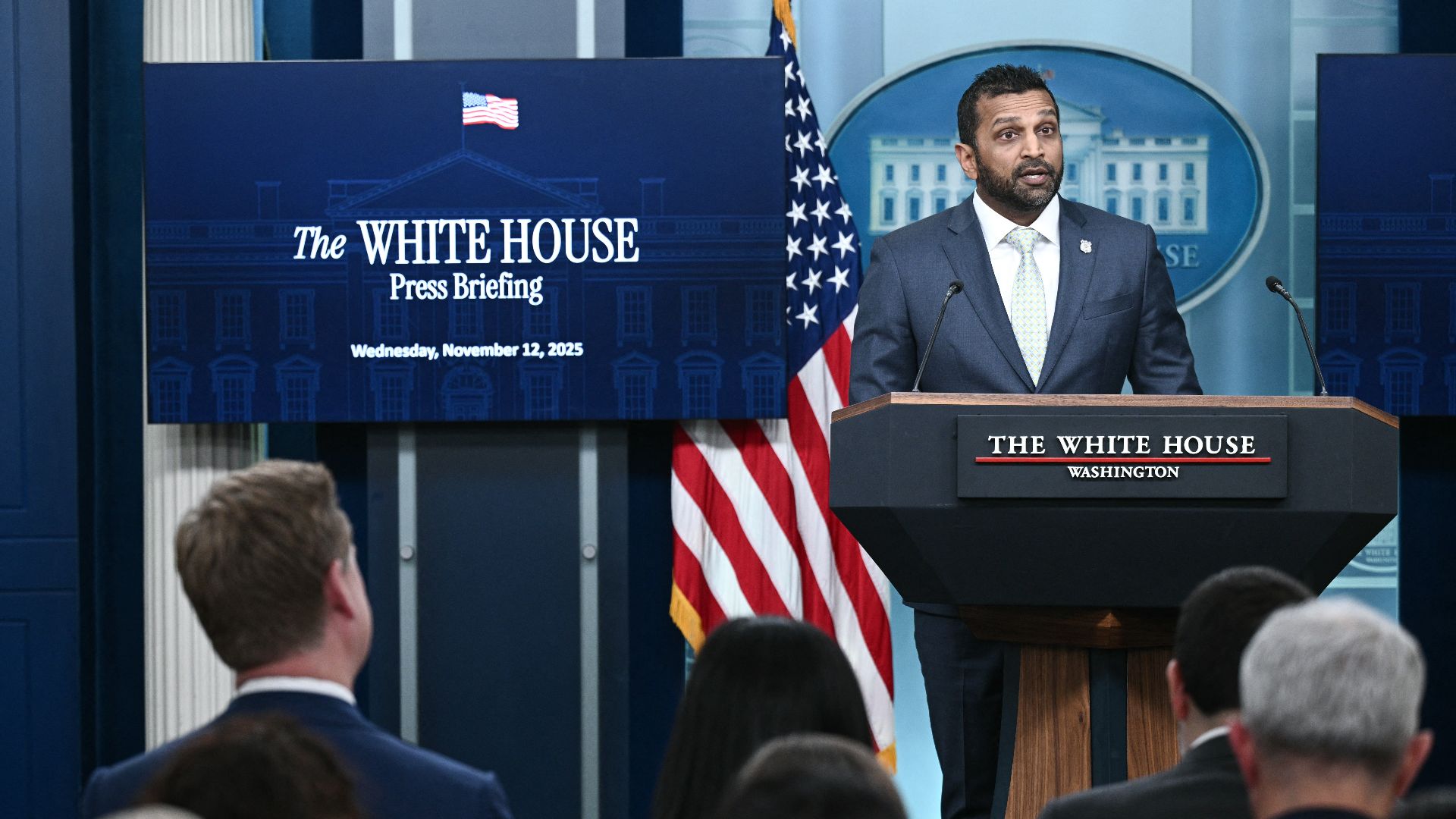
All of this has made the Special Redaction Project both logistically heavy and highly sensitive, given the intense political stakes over what would ultimately be revealed and what would remain blacked out – including, for Trump’s critics and supporters alike, the question of whether his name will appear in the Epstein files at all after the extensive review overseen by Kash Patel’s FBI.
X a récemment introduit une fonctionnalité qui révèle le pays ou la région où un compte est basé, et elle est rapidement devenue virale après que les utilisateurs ont repéré que de nombreux grands comptes de médias sociaux pro-Trump semblent opérer depuis l’extérieur des États-Unis.
X launched a feature over the weekend that displays users’ locations, renewing scrutiny of the provenance of many accounts, including those that post frequently about U.S. politics.
— The New York Times (@nytimes.com) 2025-11-24T13:40:04.438898Z
X présente la mise à jour comme un moyen d’aider les utilisateurs à juger ce qui est réel et ce qui ne l’est pas sur la plateforme. Comme l’a déclaré M. Bier:
« Il s’agit d’une première étape importante pour garantir l’intégrité de la place publique mondiale », ajoutant que la plateforme travaillait sur d’autres moyens permettant aux utilisateurs de vérifier l’authenticité du contenu sur la plateforme.
Selon plusieurs médias, dont le New York Times et The Guardian, de nombreux comptes MAGA de premier plan ne sont pas basés aux États-Unis, mais opèrent depuis des pays comme l’Europe de l’Est, le Nigeria, l’Asie du Sud, la Thaïlande et la Russie. Les utilisateurs de X accusent désormais la plateforme d’avoir permis des années d’ingérence continue dans la politique américaine par des adversaires étrangers.
La colère des utilisateurs de X s’est accrue lorsque la plateforme a soudainement retiré l’outil quelques heures seulement après sa mise en œuvre: les utilisateurs ont signalé que la fonction de localisation avait été retirée, et bien que certains aient supposé que c’était parce qu’elle exposait les origines étrangères des comptes d’extrême droite, la plateforme l’a depuis rétablie avec des ajustements, y compris des avertissements indiquant que les localisations peuvent être inexactes ou affectées par l’utilisation d’un VPN.
Le commentateur libéral Harry Sisson, qui a récemment été la cible d’une vidéo de Trump générée par l’IA et représentant le président en train de lui déverser des excréments depuis un avion « King Trump », a capturé l’ambiance sur X, en déclarant:
« C’est facilement l’un des meilleurs jours sur cette plateforme. Voir tous ces comptes MAGA démasqués comme des acteurs étrangers essayant de détruire les États-Unis donne raison aux démocrates, comme moi et beaucoup d’autres ici, qui ont mis en garde contre ce phénomène », une réaction qui fait écho aux inquiétudes croissantes concernant les réseaux d’influence étrangers soupçonnés depuis longtemps d’opérer dans le discours politique américain.
Parmi les comptes basés à l’étranger signalés par le nouvel outil X figurent des pages pro-Trump qui se présentent comme entièrement américaines mais semblent opérer depuis l’étranger, notamment « Trump Is My President », répertorié comme étant basé en Macédoine, et « ULTRAMAGA 🇺🇸 TRUMP🇺🇸2028 », qui revendique Washington, D.C., mais est présenté comme étant situé en Afrique.
🚨 BREAKING: The House Oversight Committee has ruled that all documents signed using Biden’s autopen are INVALID.
That means corrupt figures like Adam Schiff, Mark Milley, Liz Cheney, and Jack Smith are finally going to face justice.
This is exactly what I voted for… pic.twitter.com/BEc4w3TDHE
— MAGA NATION 🇺🇸 (@MAGANationX) October 30, 2025
D’autres exemples très médiatisés documentés par les médias incluent MAGA NATION, qui compte près de 400 000 adeptes et opère depuis l’Europe de l’Est, Dark Maga depuis la Thaïlande, MAGA Beacon depuis l’Asie du Sud et MAGA Scope depuis le Nigéria, soulignant ainsi qu’une grande partie de l’écosystème MAGA en ligne est gérée bien au-delà des frontières américaines. « IvankaNews », un compte de fans d’Ivanka Trump qui compte environ un million d’adeptes, est répertorié par la nouvelle fonctionnalité de X comme étant basé au Nigéria.
A new feature on Elon Musk’s X has given surprising new insight into the online “America First” movement.
— The Daily Beast (@thedailybeast.bsky.social) 2025-11-23T08:15:11.077694Z