Taylor Lautner and Tay Lautner are expecting a baby.
The actor shared the big news on his social media accounts.
The couple shared some sweet photos, including an ultrasound.
Their love story began in 2018 thanks to Taylor’s sister.
They got married in November 2022.
Taylor Lautner, whom many know for his role as Jacob in the Twilight saga, recently announced big news on his social media.
The actor shared several adorable photos showing the couple against a stunning backdrop, as well as an ultrasound image.
In these photos brimming with love, Taylor’s wife, Tay Lautner—known as Taylor Dome before the wedding—looks radiant in a stunning white dress. The photos gently capture the deep connection between the couple, as well as the obvious love they share. Between the tender glances, sincere smiles, and enchanting setting, each image seems to tell a precious moment of their story.
“What’s better than two Taylor Lautners,” reads the caption accompanying the photo, which announces the arrival of a third member to their family.
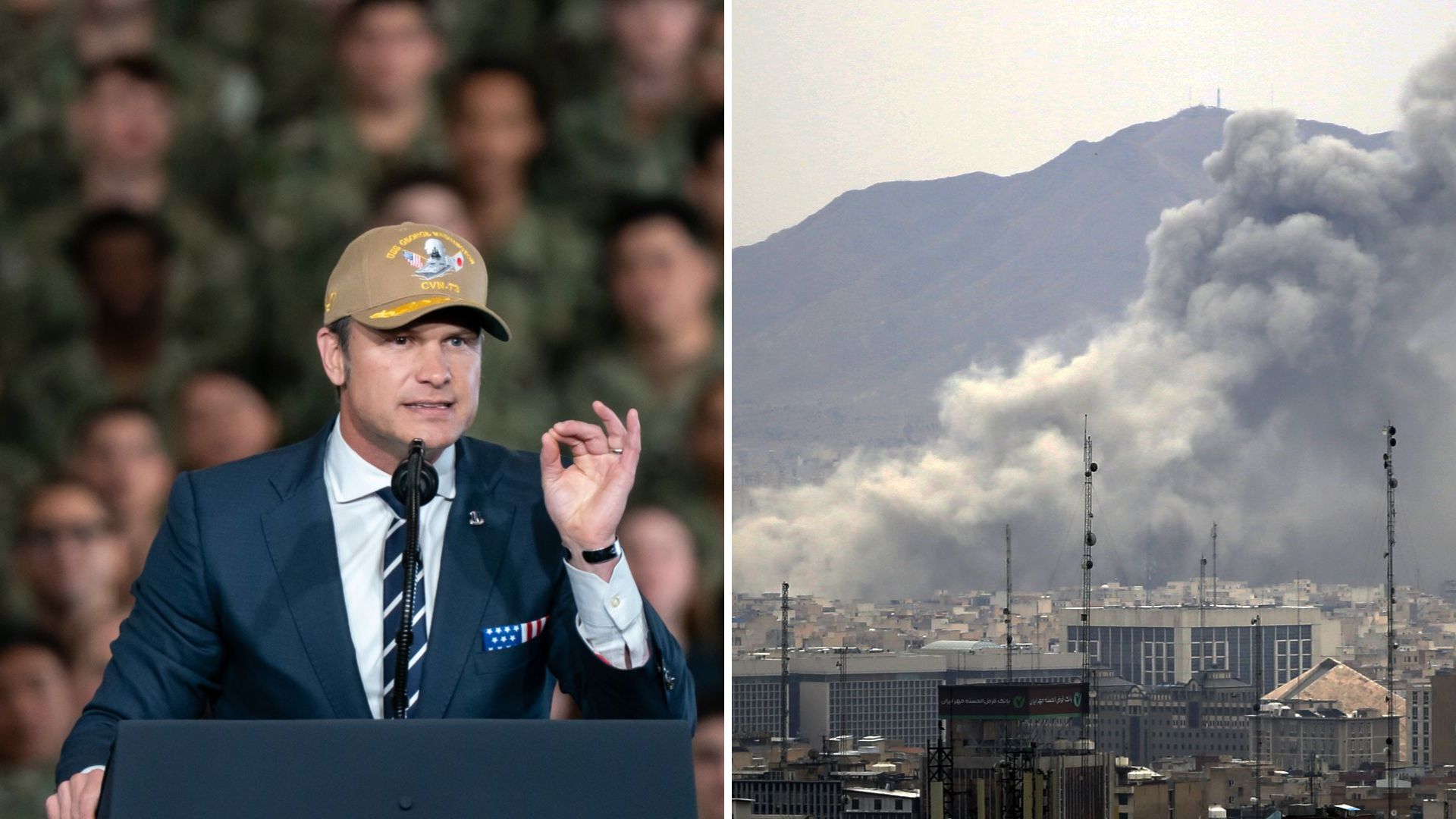
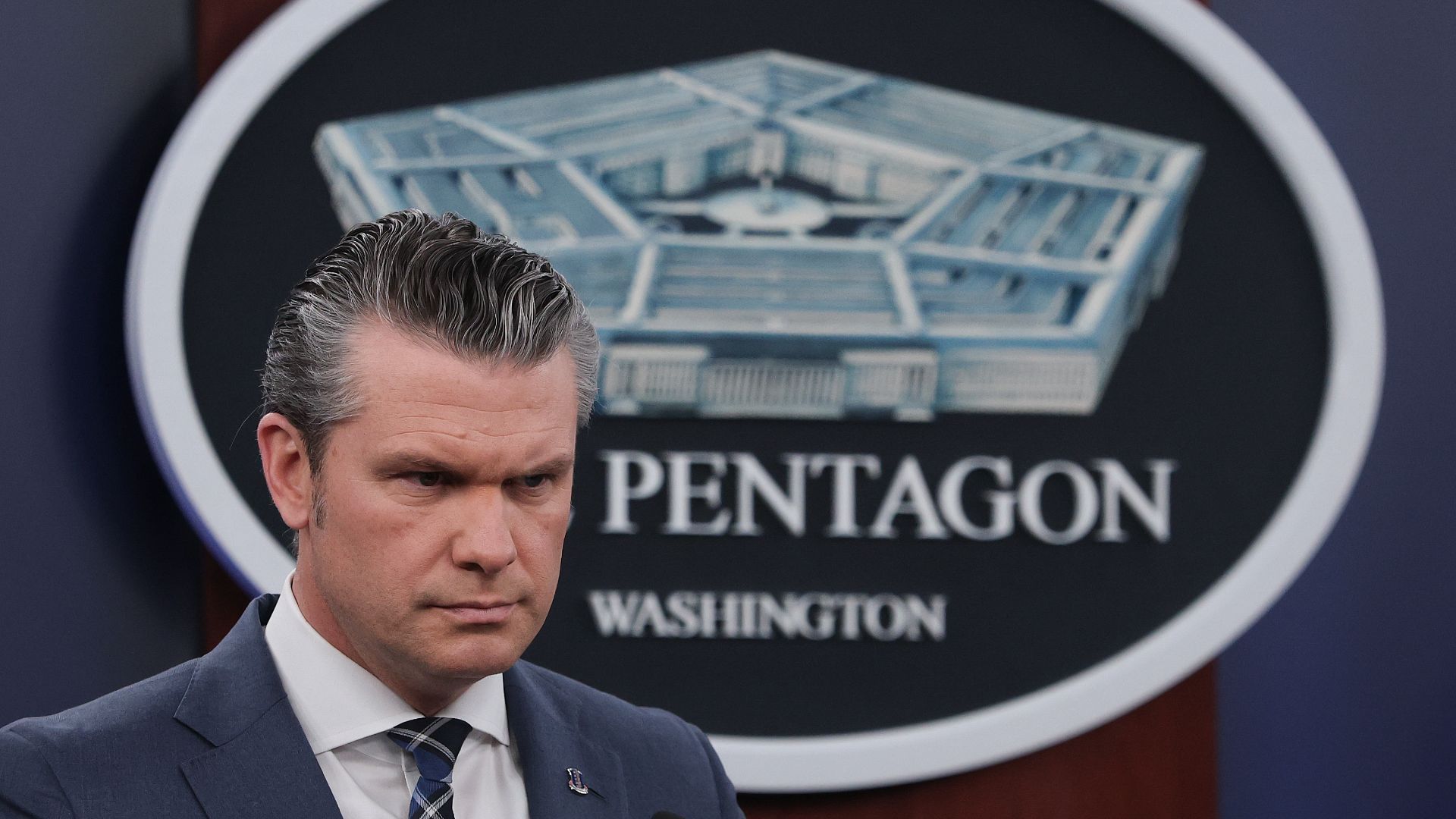
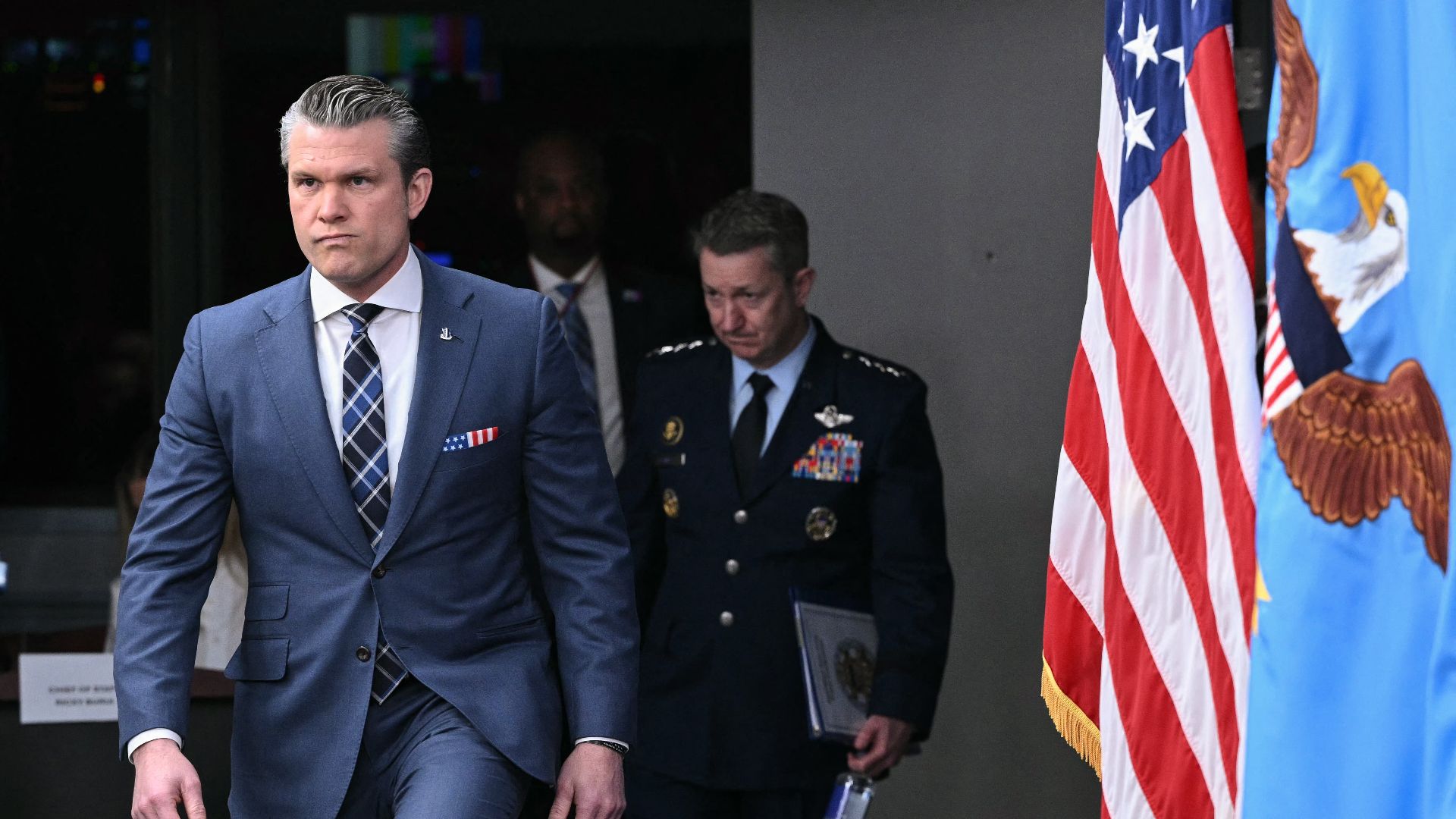
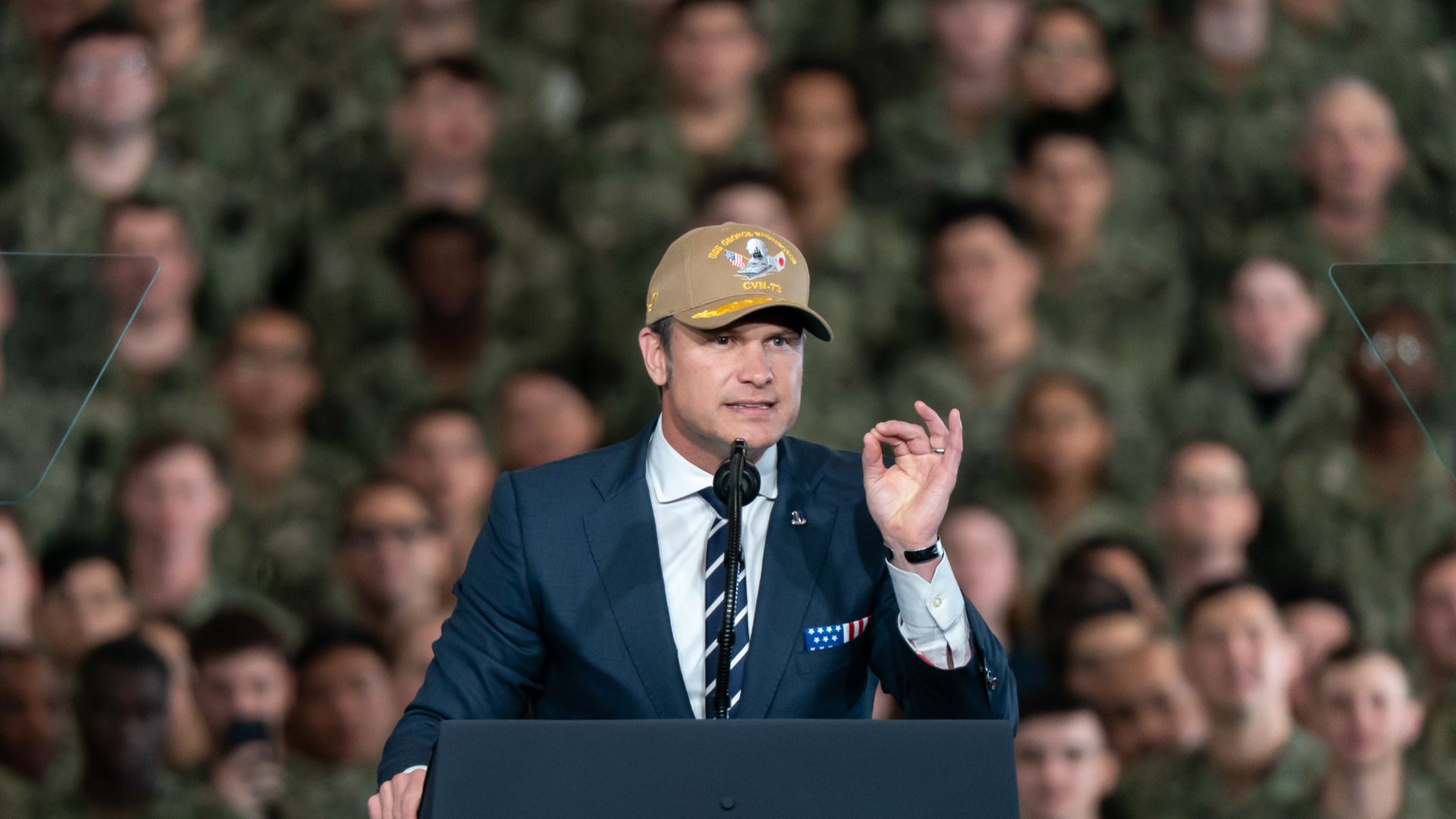
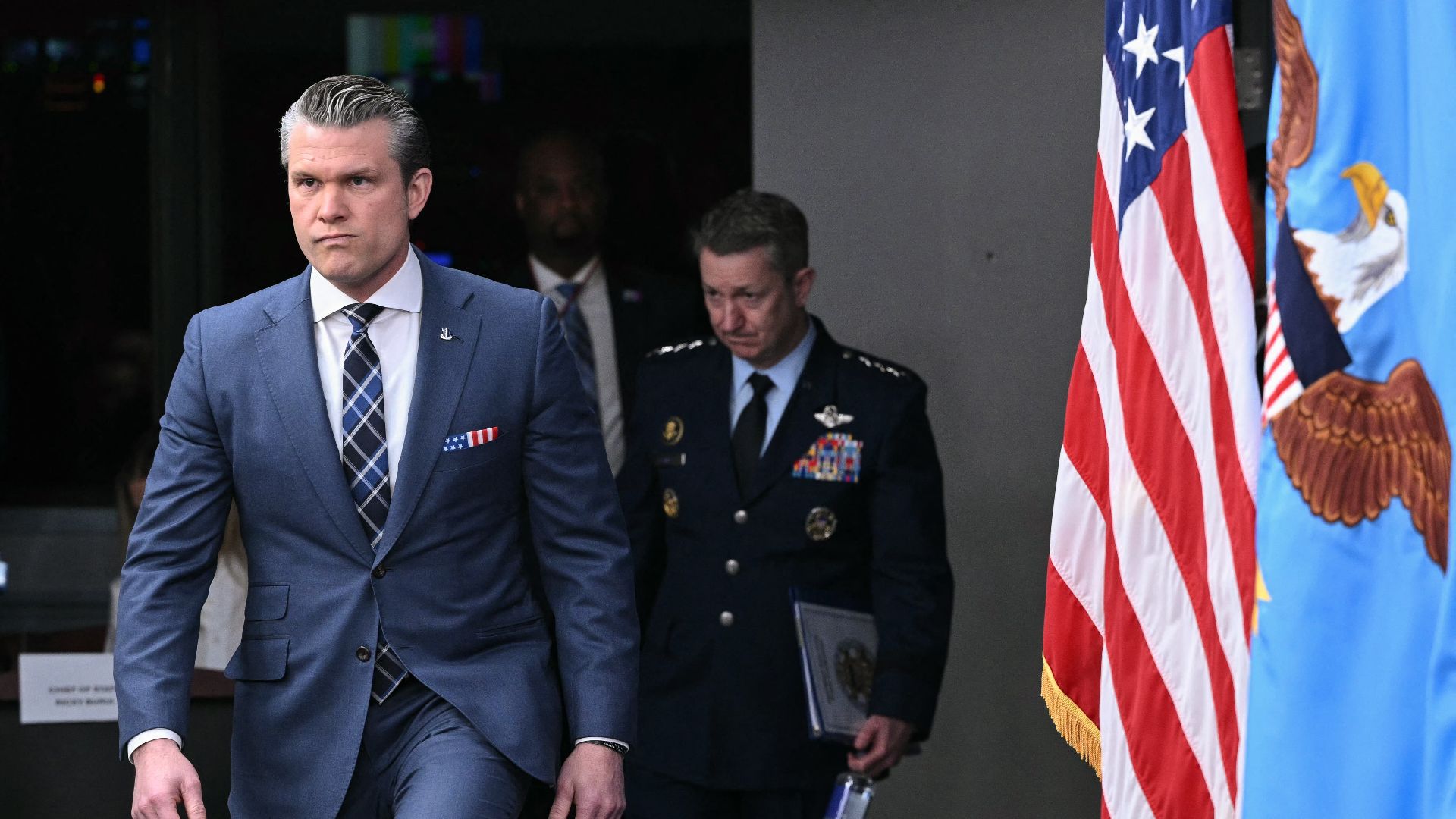
Pete Hegseth is burning through the U.S. Tomahawk arsenal at an alarming pace as the Iran war completes its first month, raising deep concern within parts of the Pentagon, according to multiple media reports and defense officials. Since the beginning of the conflict, more than 850 Tomahawk cruise missiles have been launched in sustained strikes targeting Iranian military infrastructure, radar systems and energy facilities. The scale and speed of these operations have marked a significant shift in U.S. military posture, reflecting a strategy built on rapid, high-volume precision strikes as Washington attempts to pressure Tehran without committing immediately to a full-scale ground invasion.
Getty Images
The sheer volume of missiles used carries a substantial financial cost, underscoring the intensity of the campaign. Each Tomahawk missile is estimated to cost more than $2 million, placing the total expenditure for the 850 missiles already fired at over $1.7 billion. This figure does not include additional operational costs such as deployment logistics, naval positioning, or intelligence support, suggesting that the broader financial burden is significantly higher. Defense analysts note that such a sustained burn rate could begin to strain U.S. stockpiles if the pace continues, particularly as the conflict shows no immediate signs of de-escalation.
Getty Images
Within the Pentagon, officials have expressed growing concern about the rapid depletion of precision-guided munitions, even as public messaging remains controlled. Some defense sources have indicated that internal discussions are now focused on balancing continued offensive operations with the need to preserve strategic reserves. The concern is not only about current readiness but also about the potential for simultaneous conflicts elsewhere, which could further stretch U.S. capabilities. Despite these concerns, the current strategy appears to remain in place, driven by the administration’s objective of maintaining maximum pressure on Iran’s military and economic infrastructure.
«We are executing a strategy of strength, and that requires resources to maintain momentum and protect American interests.»
-U.S. Secretary of Defense, Pete Hegseth
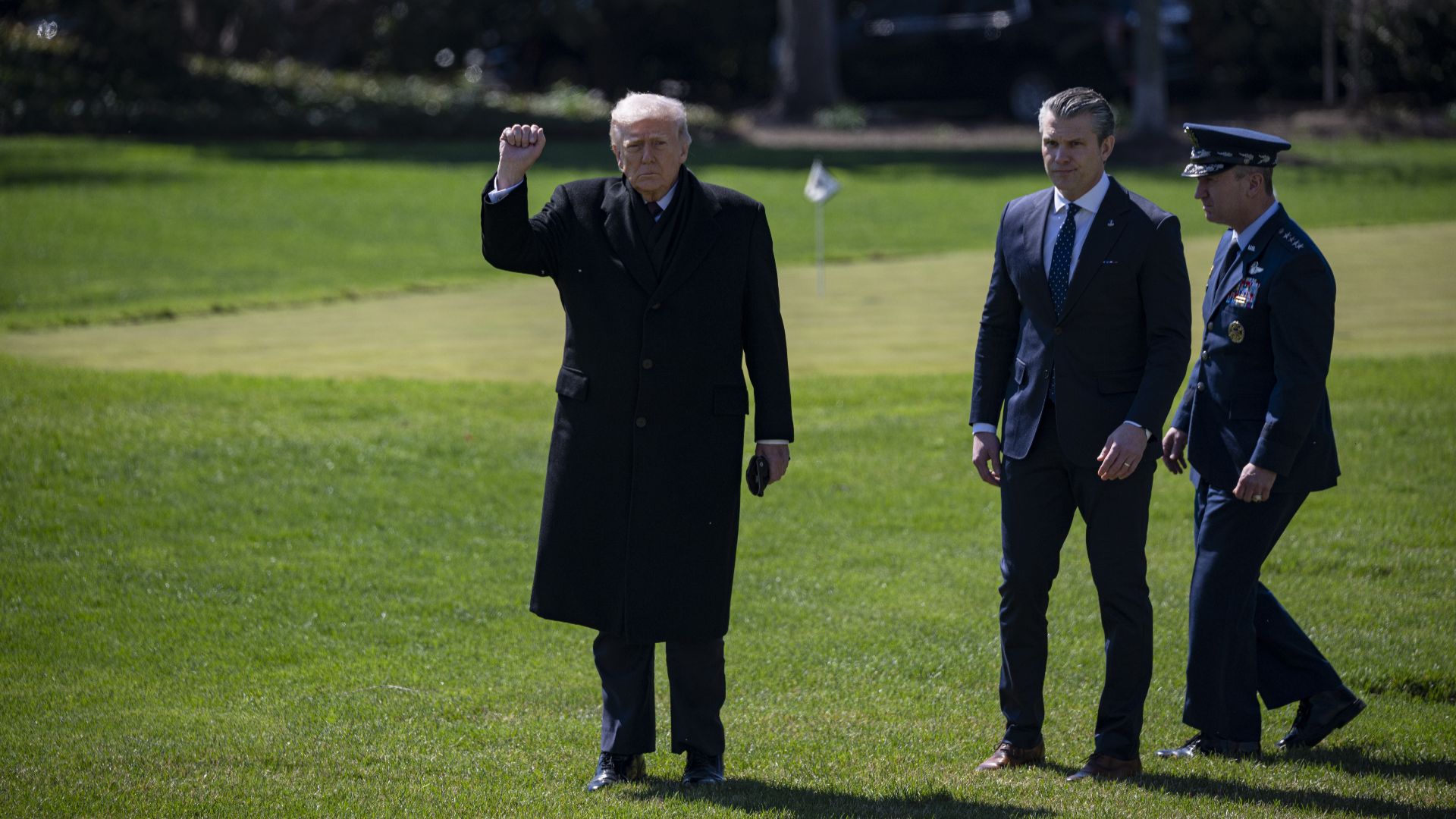
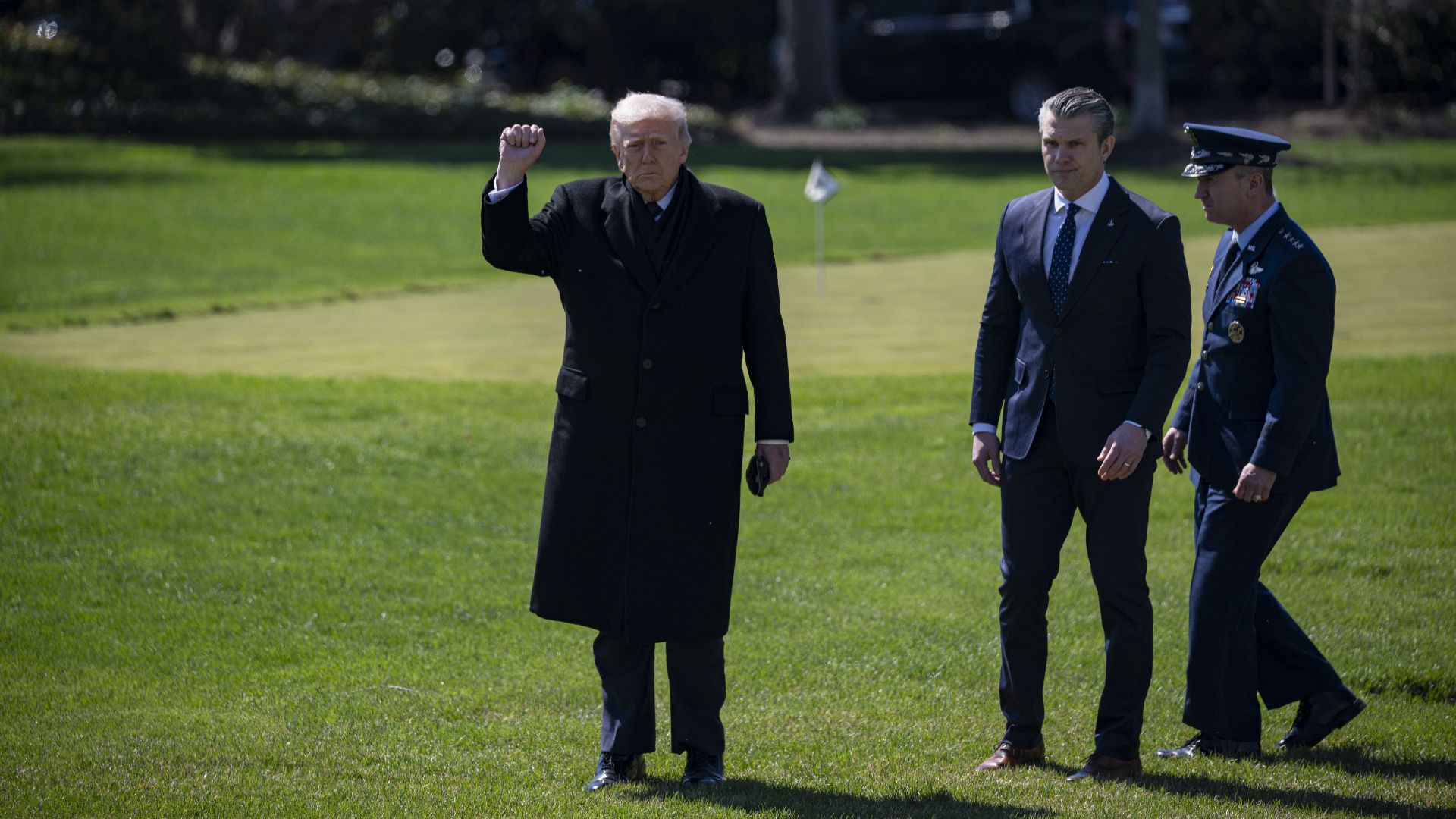
Donald Trump has repeatedly defended both the pace of the campaign and Hegseth’s leadership, framing the strikes as necessary to reassert U.S. dominance in the region. In recent remarks, Trump said: «Pete Hegseth is doing a tremendous job, maybe the best we’ve seen in a long time,» while also emphasizing the broader objective of the campaign. He added: «We are not going to let Iran control the Strait of Hormuz. It’s not going to happen.» The president has continued to link military operations with economic pressure, presenting the strikes as part of a coordinated effort to force Tehran into compliance with U.S. demands.
Getty Images
Hegseth himself has defended the scale of the operation, particularly as the Pentagon seeks a significant increase in funding to sustain the war effort. During a recent announcement tied to a request for an additional $200 billion in defense spending related to the Iran conflict, he stated: «We are executing a strategy of strength, and that requires resources to maintain momentum and protect American interests.» He also stressed the importance of readiness, saying: «This is about ensuring that our forces have everything they need to succeed, now and in the future.» His remarks signal a long-term commitment to the campaign despite mounting concerns over cost and sustainability.
«Pete Hegseth is doing a tremendous job, maybe the best we’ve seen in a long time.»
-U.S. President , Donald Trump
The situation is now entering a new and potentially more dangerous phase, as the sustained missile campaign is paired with broader military considerations. Trump is reportedly weighing the deployment of up to 10,000 ground troops to the Middle East, a move that would mark a major escalation in the conflict. Combined with the rapid depletion of missile stockpiles and the ongoing pressure on Iran’s infrastructure, the possibility of a deeper U.S. military involvement appears increasingly likely, raising fears among officials and analysts that the war could soon expand beyond its current scope.
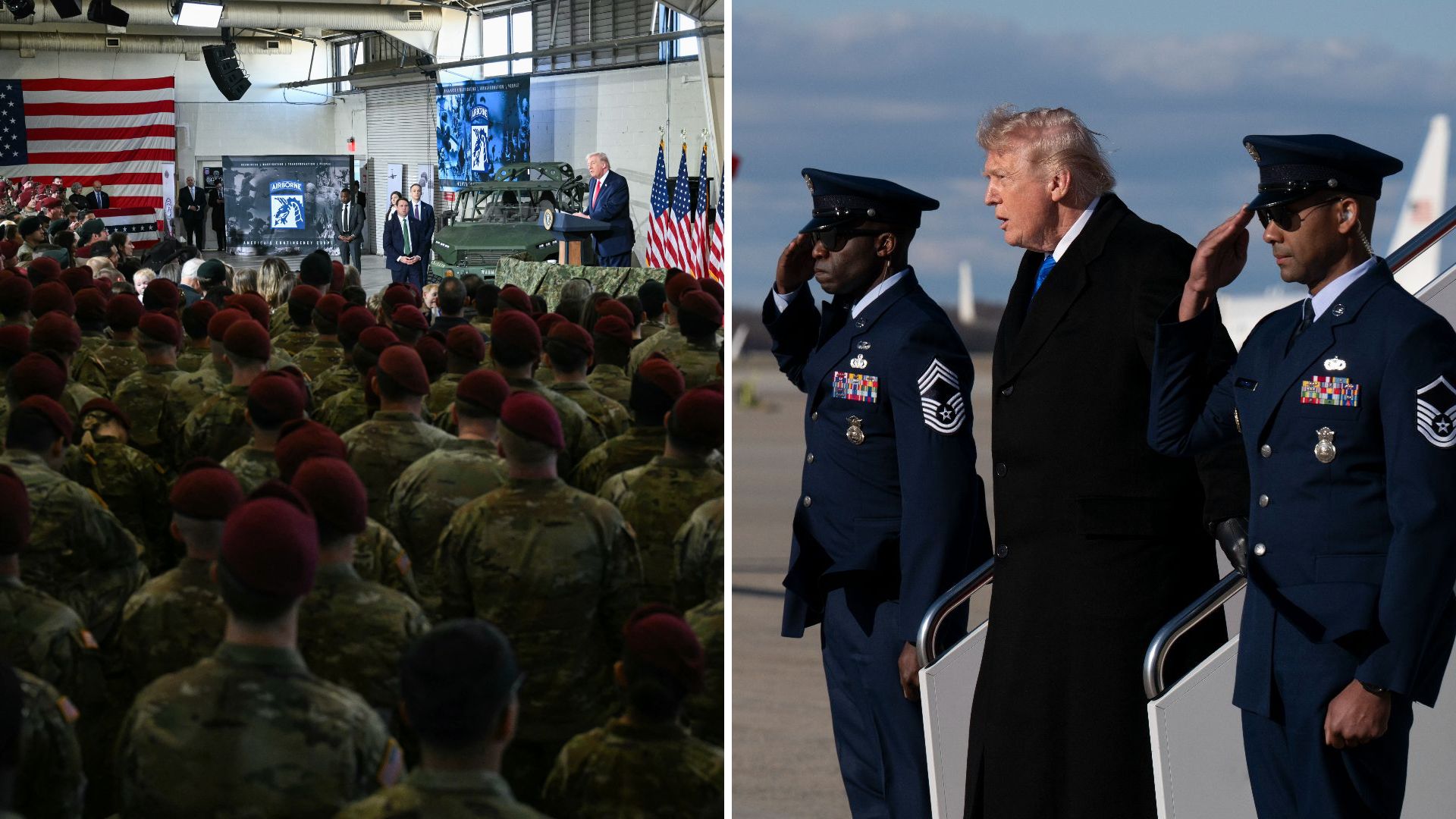
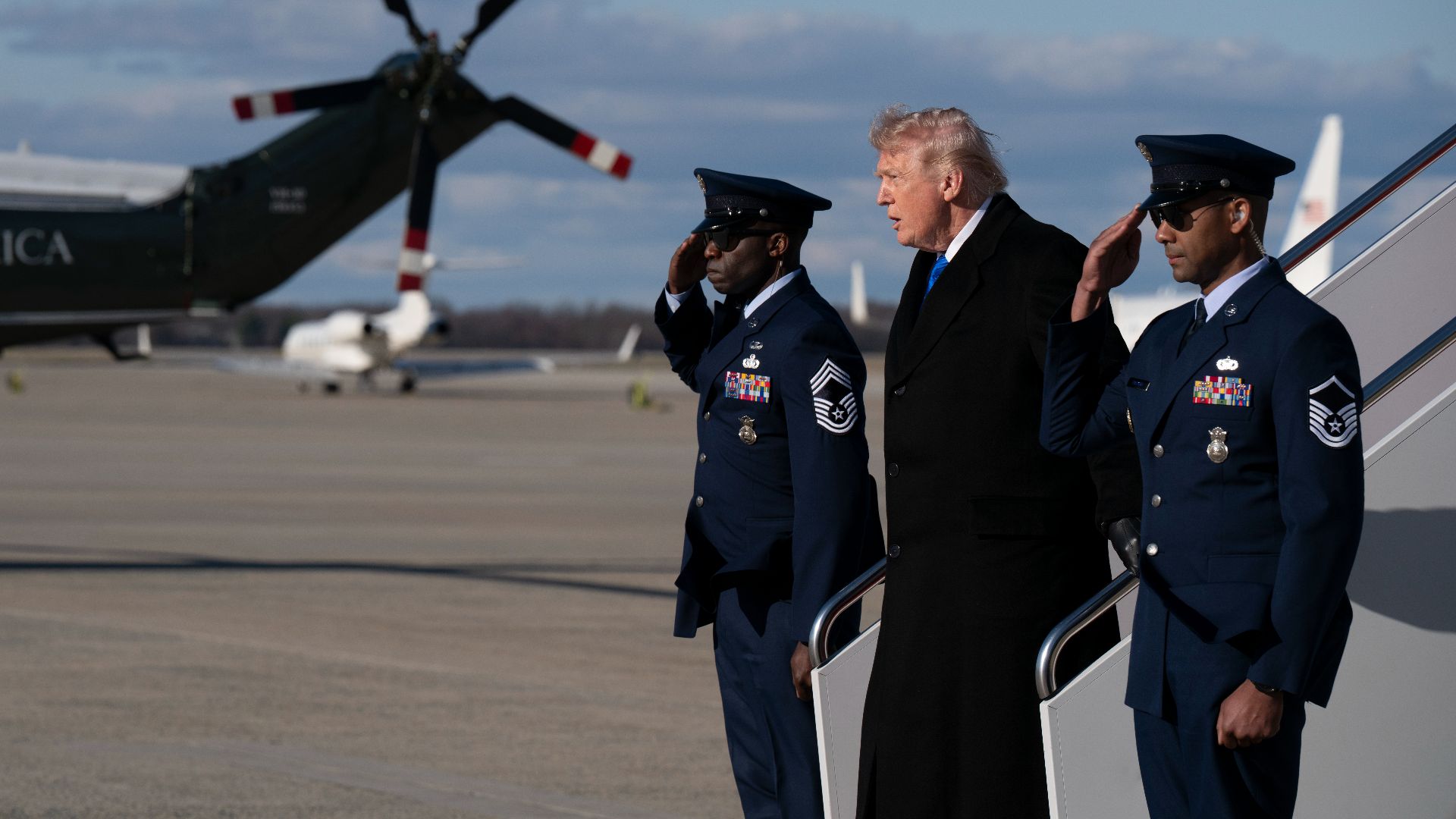
A few days after announcing the deployment of 1,000 U.S. paratroopers to the Middle East as tensions with Iran intensified, Donald Trump is now weighing a far larger military move. According to officials familiar with internal discussions, the president is considering sending up to 10,000 additional ground troops to the region, a significant escalation that would reshape the current U.S. posture. The development comes as Washington signals growing impatience with Tehran’s actions in the Strait of Hormuz, a critical global shipping route, and as military planners prepare for multiple contingencies.
Getty Images
The potential troop increase emerges in parallel with a direct ultimatum issued by Trump toward Iran. In recent public remarks and posts on Truth Social, the president indicated that Tehran has been given «10 days» to comply with U.S. demands, including reopening the Strait of Hormuz to international shipping. In one of his posts, Trump wrote: «As per Iranian Government request, please let this statement serve to represent that I am pausing the period of Energy Plant destruction by 10 Days to Monday, April 6». The warning included the threat of targeted strikes against Iran’s energy infrastructure if no action is taken within that timeframe, marking one of the most explicit deadlines set by the administration since the conflict began.
«President Trump always has all military options at his disposal.»
-A White House spokesperson
Inside the White House, officials have sought to frame the possible deployment as part of a broader strategy designed to maintain flexibility rather than signal an immediate escalation. A spokesperson emphasized that no final decision has been made while reinforcing the administration’s stance on preparedness, stating: «President Trump always has all military options at his disposal.» The comment reflects an effort to balance deterrence with ambiguity, allowing Washington to keep pressure on Tehran without committing publicly to a specific course of action ahead of the deadline.
Getty Images
At the Pentagon, messaging has remained cautious, with defense officials insisting that any confirmed troop movements will be communicated through formal channels. A Department of Defense representative reiterated this position, saying:
«All announcements regarding troop deployments will come from the Department of War,» highlighting ongoing coordination between civilian leadership and military command. The statement underscores that discussions remain fluid, even as defense planners reportedly assess logistics, force readiness, and regional basing options should the order be given.
Getty Images
The prospect of deploying 10,000 additional troops has already prompted mixed reactions among policymakers and analysts, reflecting broader divisions over the trajectory of the conflict. Supporters argue that a larger U.S. presence could deter Iranian actions and secure vital maritime routes, while critics warn that such a move risks drawing the United States deeper into a prolonged and unpredictable war. Iranian officials have also issued warnings, signaling that any expansion of U.S. forces would trigger what they describe as a proportional response, further raising the stakes in an already volatile environment.
«As per Iranian Government request, please let this statement serve to represent that I am pausing the period of Energy Plant destruction by 10 Days to Monday, April 6.»
-U.S. President, Donald Trump on Truth Social
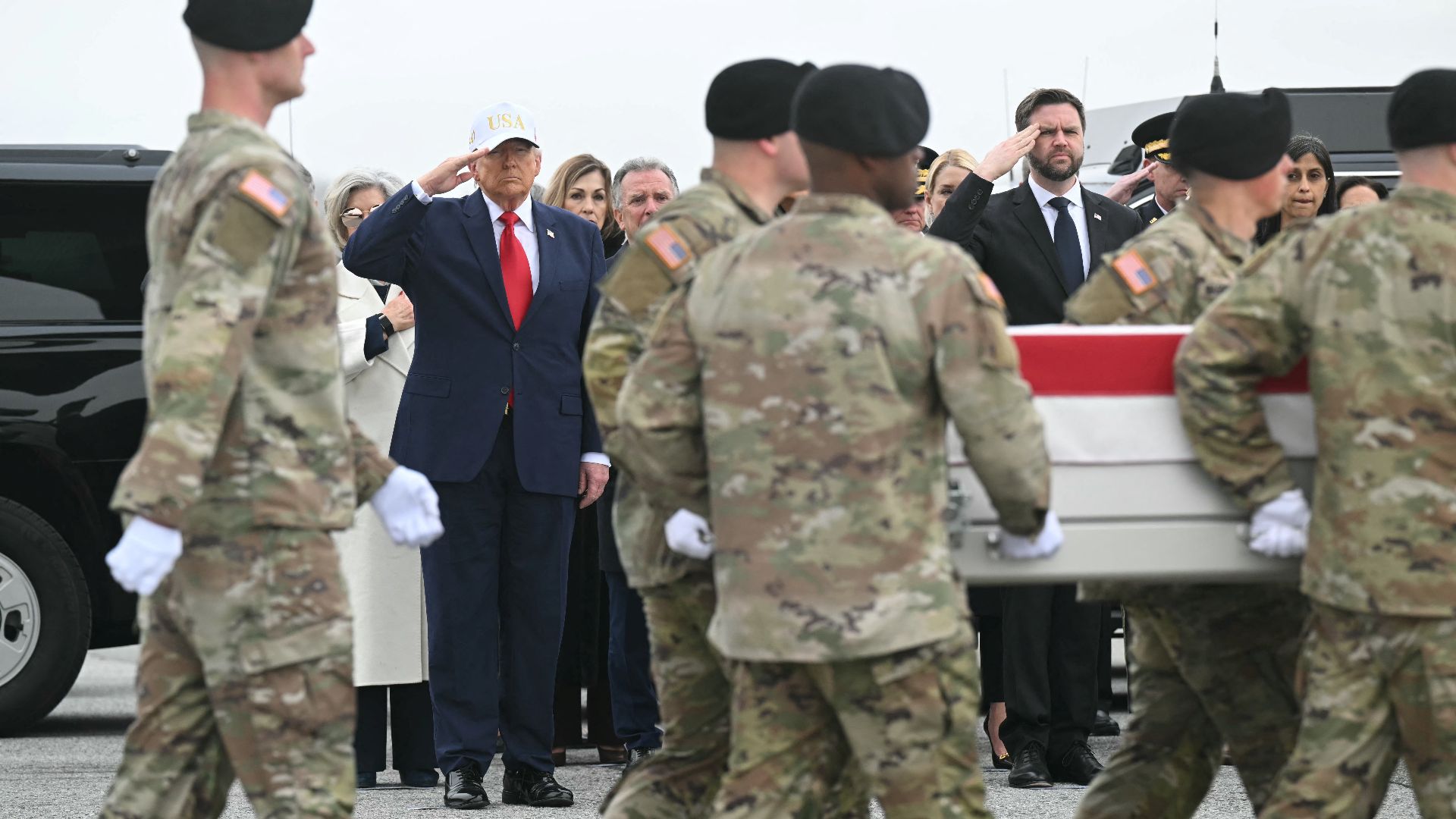
As the ten-day deadline approaches, uncertainty continues to define the situation, with both sides maintaining hardline positions and limited signs of de-escalation. The combination of military build-up, economic pressure, and explicit threats against critical infrastructure has raised concerns among international observers about the risk of rapid escalation. Whether the potential deployment of 10,000 troops remains a strategic signal or becomes an operational reality will likely depend on developments in the coming days, particularly Iran’s response to the ultimatum and the status of the Strait of Hormuz, as the human cost continues to rise, with at least 13 U.S. service members confirmed killed since the beginning of the war.
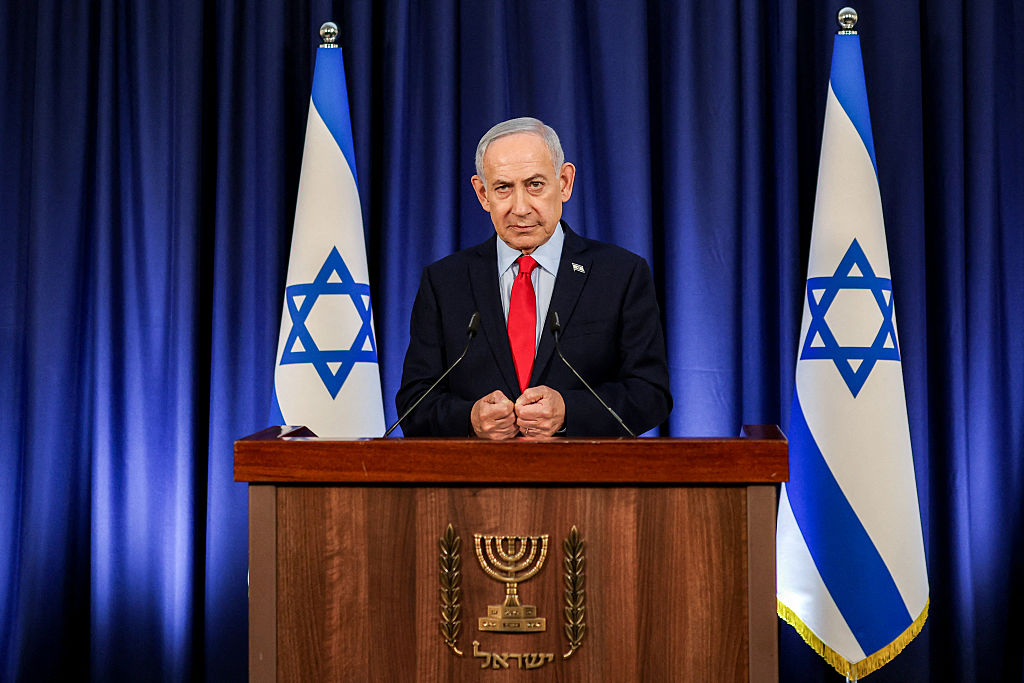
TOPSHOT - Israeli Prime Minister Benjamin Netanyahu speaks during a press conference in Jerusalem on March 19, 2026. Netanyahu said on March 19 that Israel and the US were "winning" the war against Iran, with the Islamic republic "decimated" and unable to enrich uranium or manufacture ballistic missiles. He insisted Israel had "acted alone" in striking Iran's massive South Pars gas field, while confirming that the US president had asked Israeli forces to "hold off" on such attacks moving forward. (Photo by Ronen Zvulun / POOL / AFP via Getty Images) /
On March 26, Israeli Defence Forces announced it had successfully completed an operation in Bandar Abbas, killing Iranian naval chief Alireza Tangsiri. According to Israel, Tangsiri was the man responsible for the near-total blockade of the Strait of Hormuz. According to Israel’s defence minister, Israel Katz, Alireza Tangsiri, head of the Islamic Revolutionary Guards Corps (IRGC) navy, was ‘directly responsible for the terrorist act of bombing and blocking the Strait of Hormuz’, and that he has now been ‘blown up’. Katz added in his statement that a number of other Iranian Navy command officials were also killed in the blast, but Iran has not confirmed the comments.
⚓️🔴ELIMINATED: The IRGC Navy Commander Alireza Tangsiri, in a precise IDF strike in Bandar Abbas. pic.twitter.com/ubrIhNbLL2
Blocking the Strait of Hormuz has been Iran’s primary strategy to inflict damage on the Western powers attacking it. Nearly a quarter of the world’s oil is transported through the Strait. Since Iran’s blockade began, oil prices have skyrocketed, with Brent crude trading at more than $100 a barrel, the panic line that experts placed earlier in March. The Strait of Hormuz is a narrow waterway with Iran on one side and Oman on the other. Iran began assembling its blockade on February 28, just hours after Donald Trump’s attack. Now, Iran has set up a suffocating blockade, and Americans have begun paying the price for Trump’s war at the pump. As of March 22, traffic through the strait had been cut by 95% compared to before the war. An X account attributed to Tangsiri and cited by Iranian media has posted frequently about the Hormuz blockade, writing that « no vessel associated with the aggressors against Iran has the right to pass through ».
Who was Alireza Tangsiri?
Alireza Tangsiri served in the Navy for more than 25 years before his death on March 26. After serving as Deputy Commander from 2010 onward, Tangsiri was promoted to Naval Commander in 2018. He was sanctioned by the US Treasury less than a year after his promotion, along with other IRGC commanders, after Iran shot down a US surveillance drone near the Strait. Israeli Prime Minister Benjamin Netanyahu described Tangsiri as an individual with ‘blood on his hands’ and said his assassination was another example of Israel-US cooperation.
« [This is] yet another example of the co-operation between us and our friend, the United States, toward the common goal of achieving the objectives of the war ».
-Benjamin Netanyahu
US Central Command released a statement after the IDF’s statement on X, complimenting Israel on the attack. USCC claimed that Tangsiri’s death « makes the region safer » and that Iran’s Islamic Revolutionary Guard Corps is on an « irreversible decline’ without its leaders. USCC also implored IRGC service members to abandon their posts and return home in order to avoid ‘further risk of unnecessary injury or death’. Israel also announced that the head of the IRGC Navy’s intelligence directorate, Behnam Rezaei, was also killed in the same strike that killed Tangsiri.
War on Iran
On February 28, 2026, the US government and Israel undertook a joint operation in Iran, with the US subsequently declaring it was at war with the country. The attacks triggered retaliatory strikes from Iran, targeting US and Israeli military bases across the Middle East. According to Donald Trump, there is no timeline for this war, and the US will continue its operations in the country until it sees a significant regime change, as well as an end to Iran’s supposed nuclear program.
US and Israeli strikes killed Iran’s Supreme Leader, Ali Khamenei, on Day One of the war, completing Trump’s supposed goal. Khamenei has been using deadly violence against civilian protesters in Tehran, and his killing has been the only positive piece of Donald Trump’s illegal intervention. Donald Trump changed his reasoning for attacking Iran after Khamenei’s death, instead claiming he attacked Iran because he had certain information that Iran was going to attack Israel and the United States. Israel calls the strategy ‘forward defence’.
Now Lebanon and the rest of the Gulf countries have been sucked into the conflict. Iran has struck US infrastructure in nine different nations, and the Lebanese-based, Iranian-funded group Hezbollah has announced it’s ready for open war with Israel. With experts expecting Mojtaba Khamenei to continue in his father’s footsteps as a hardline, tyrannical leader, Donald Trump’s war on Iran is far from over.
Cost of war
As of March 26th, preliminary figures show harrowing victim counts across the Middle East. In Iran, more than 1,900 people have been killed by US and Israeli strikes. US forces have struck more than 7,000 locations in Iran, and alongside the 1,937 killed, another 24,800 Iranians have been injured, and more than 3 million people have been displaced. A US strike targeting an all-girls elementary school killed 168 children. In Lebanon, more than 1,000 people have been killed by Israeli strikes, with another 3,100 injured and more than 1 million civilians displaced. Thirteen US servicemembers have been killed, and 19 people have been killed in Israel. Since February 28, 168 people have been killed by Iranian strikes across Gulf Countries.
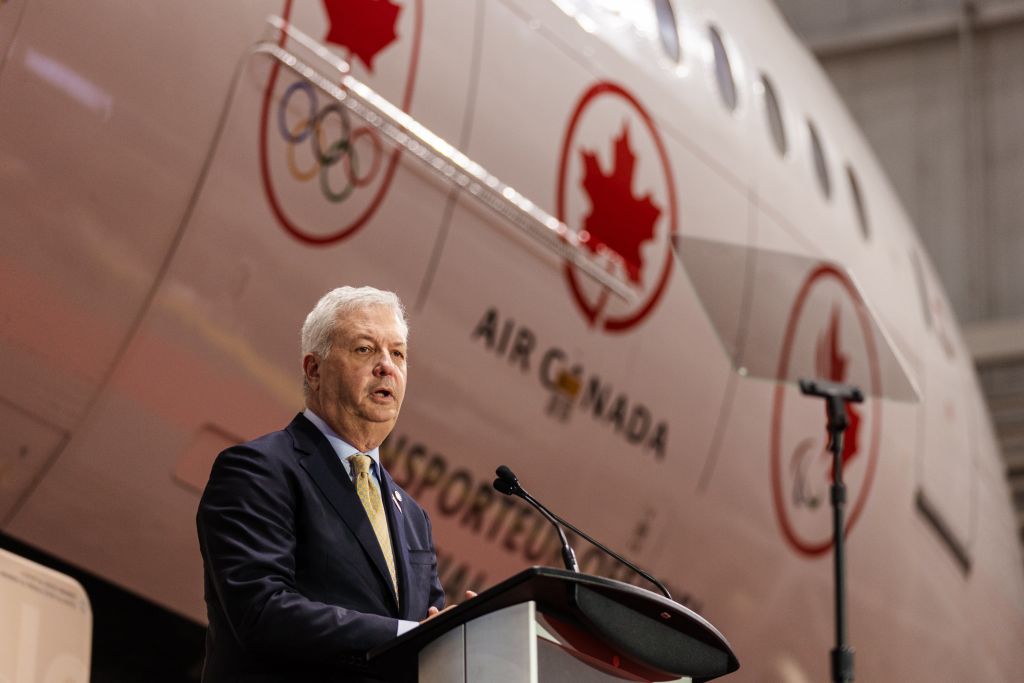
Toronto, ON - May 30: President and CEO of Air Canada Michael Rousseau. Team Air Canada athletes, Canadian Olympic and Paralympic leaders and Air Canada officials host a press conference in the lead up to the summer olympic games in Paris France PD Nick Lachance/Toronto Star Nick Lachance/Toronto Star (Nick Lachance/Toronto Star via Getty Images)
Quebec Premier Francois Legault has been joined by politicians across the aisle, calling for the resignation of Air Canada CEO Michael Rousseau. Rousseau has garnered criticism from Quebec and French-speaking Canada after his unilingual comments about the crash at Laguardia Airport. Rousseau released a four-minute video as a press release about the tragic incident, in which he only spoke English.
Air Canada is a bilingual company, and one of the pilots killed in the accident was French-speaking from Quebec.
After the video, Quebec Premier Francois Legault and a series of other politicians across Quebec and Canada called for his resignation, stating his unilingual speech was disrespectful to francophones, and the French pilot killed in the crash.
Air Canada President and CEO Michael Rousseau provides a video statement on the tragic accident involving Air Canada Express AC8646: pic.twitter.com/ZwFibpOkj2
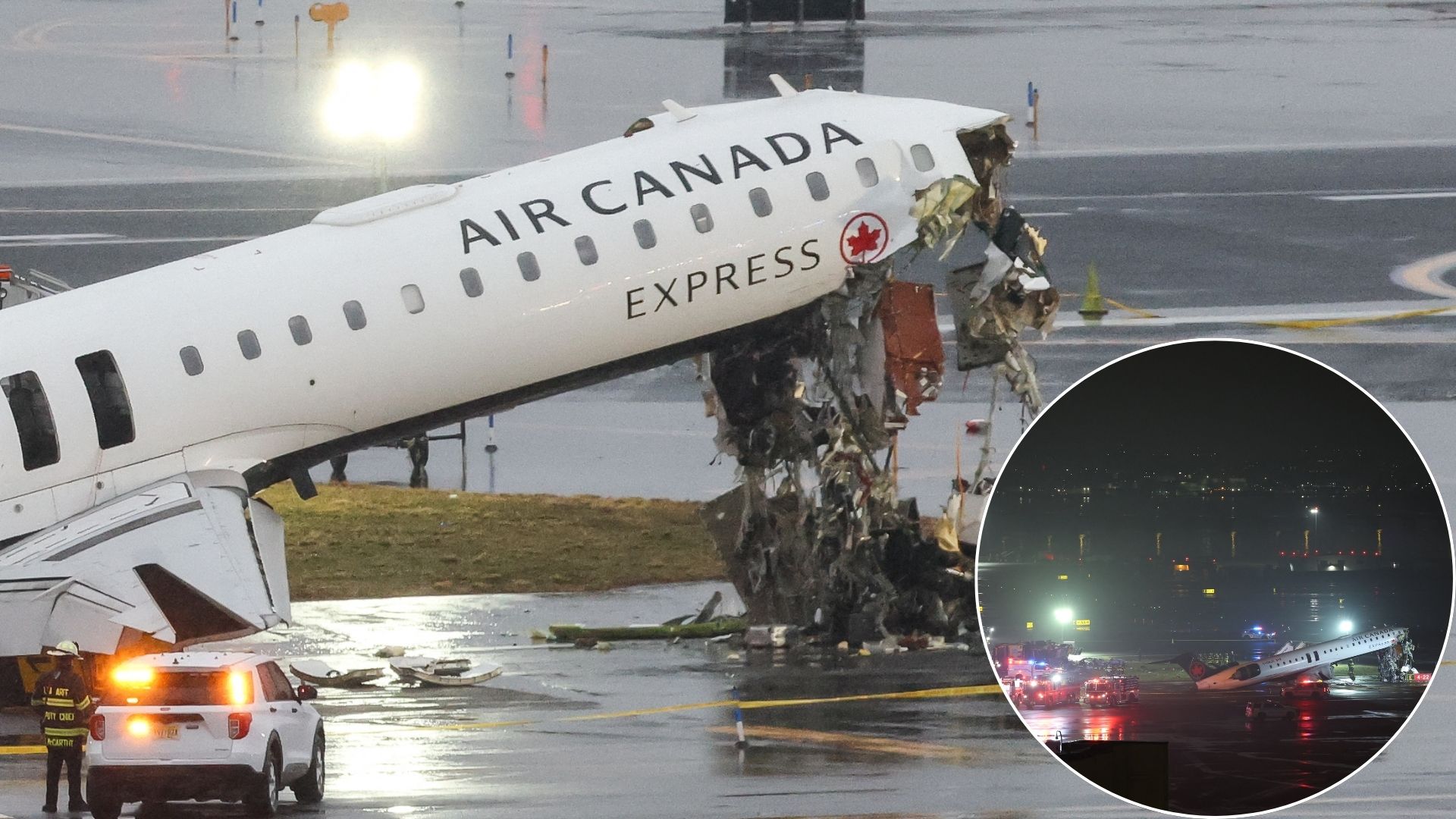
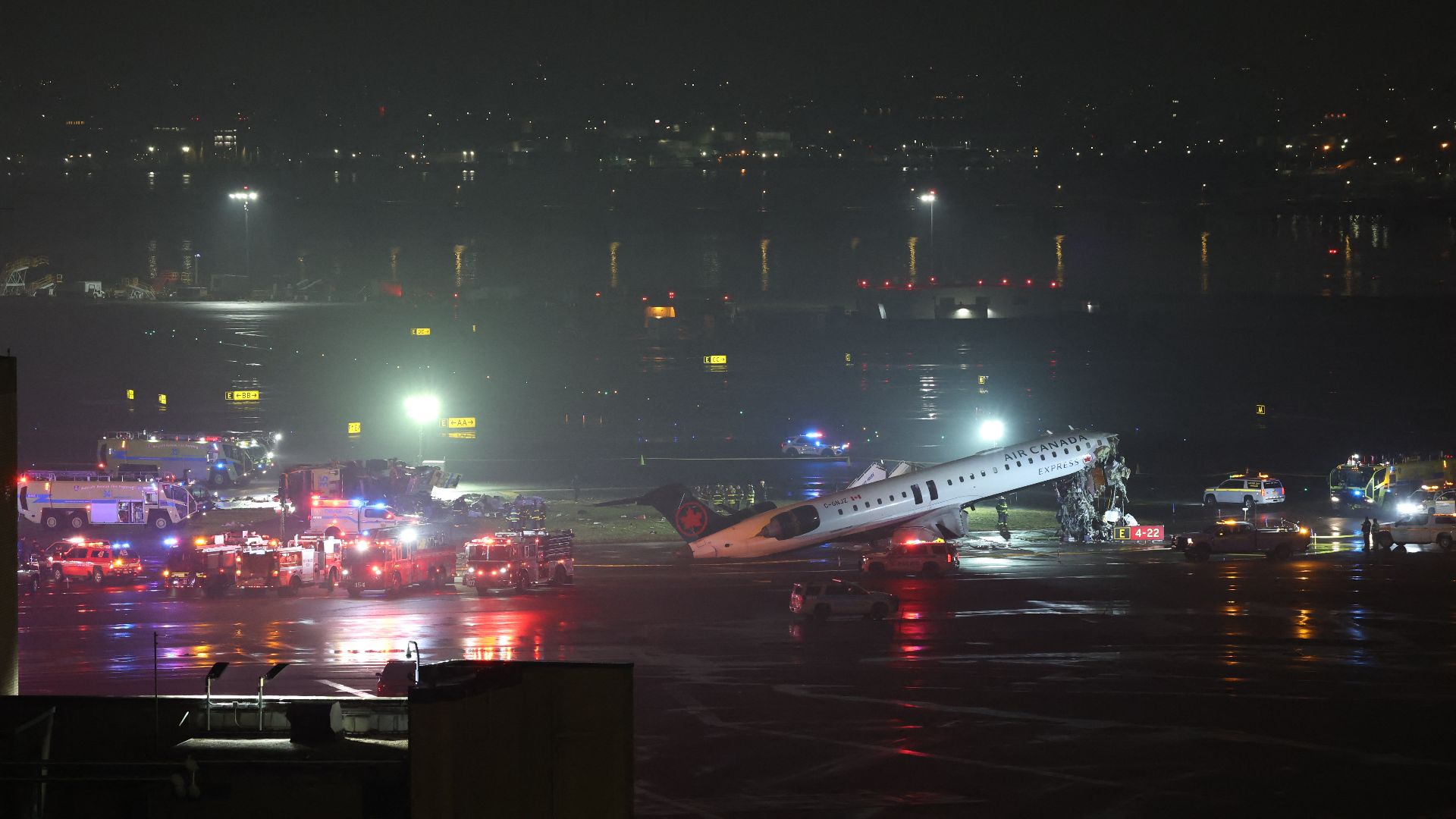
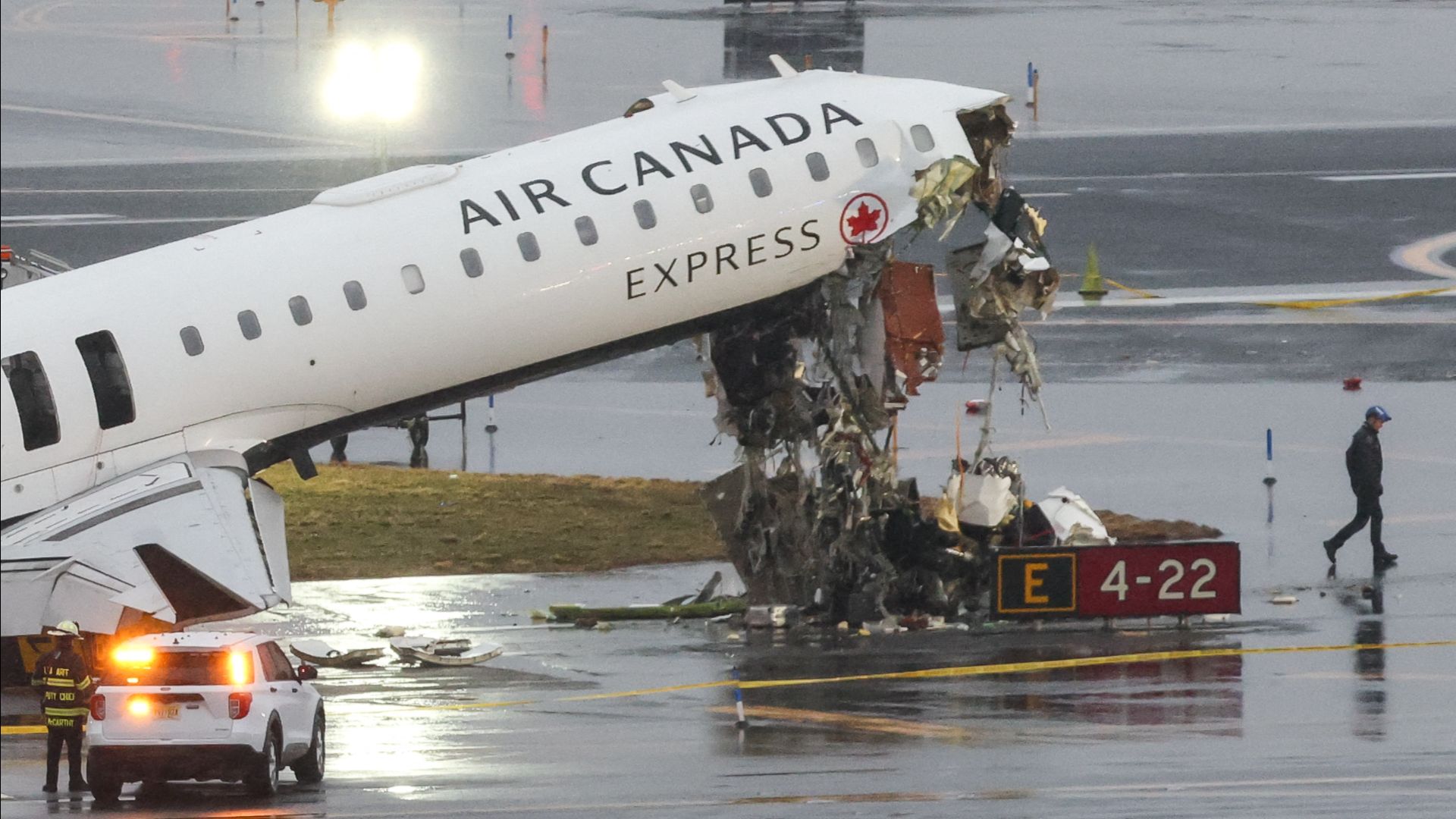
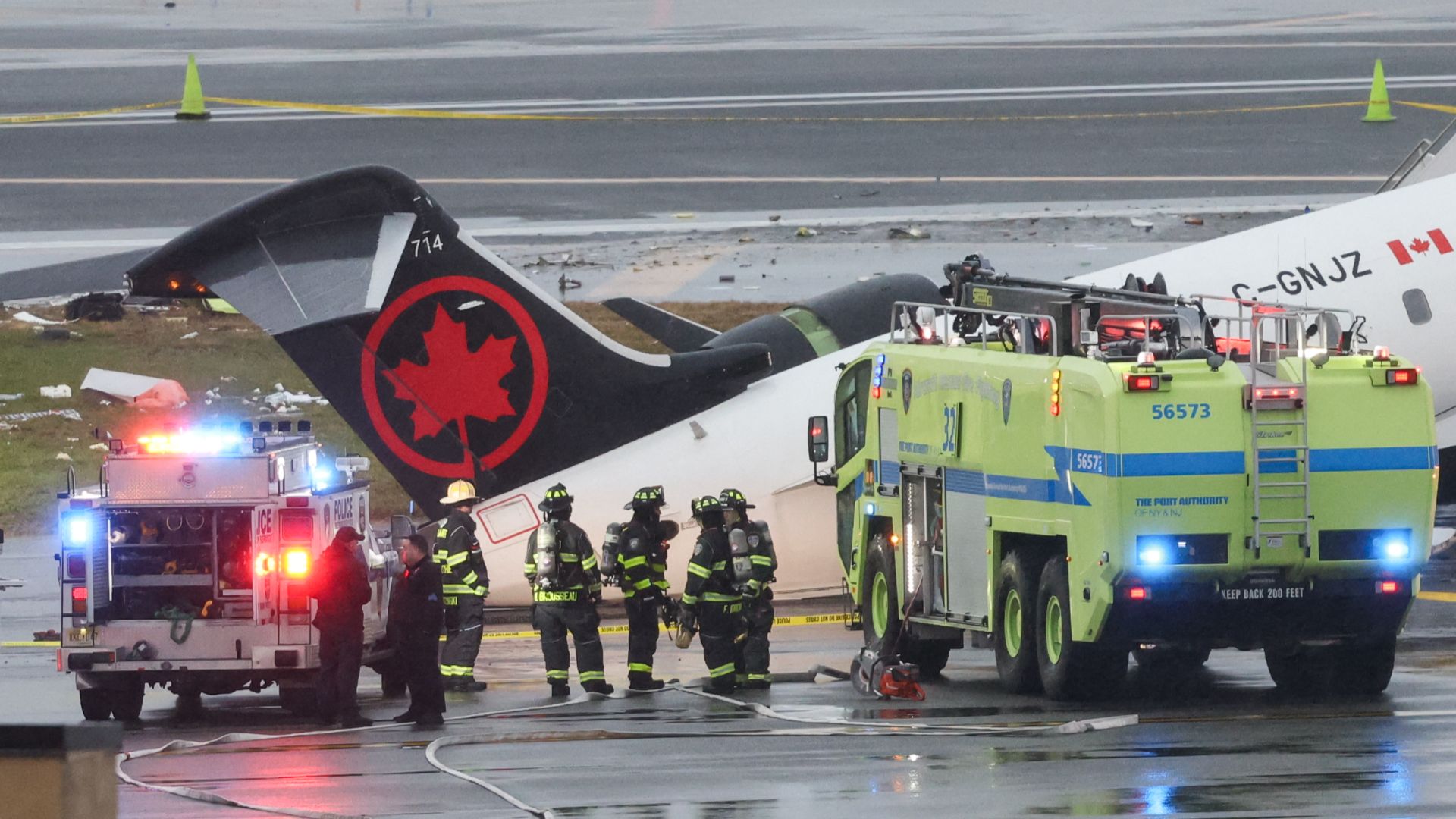
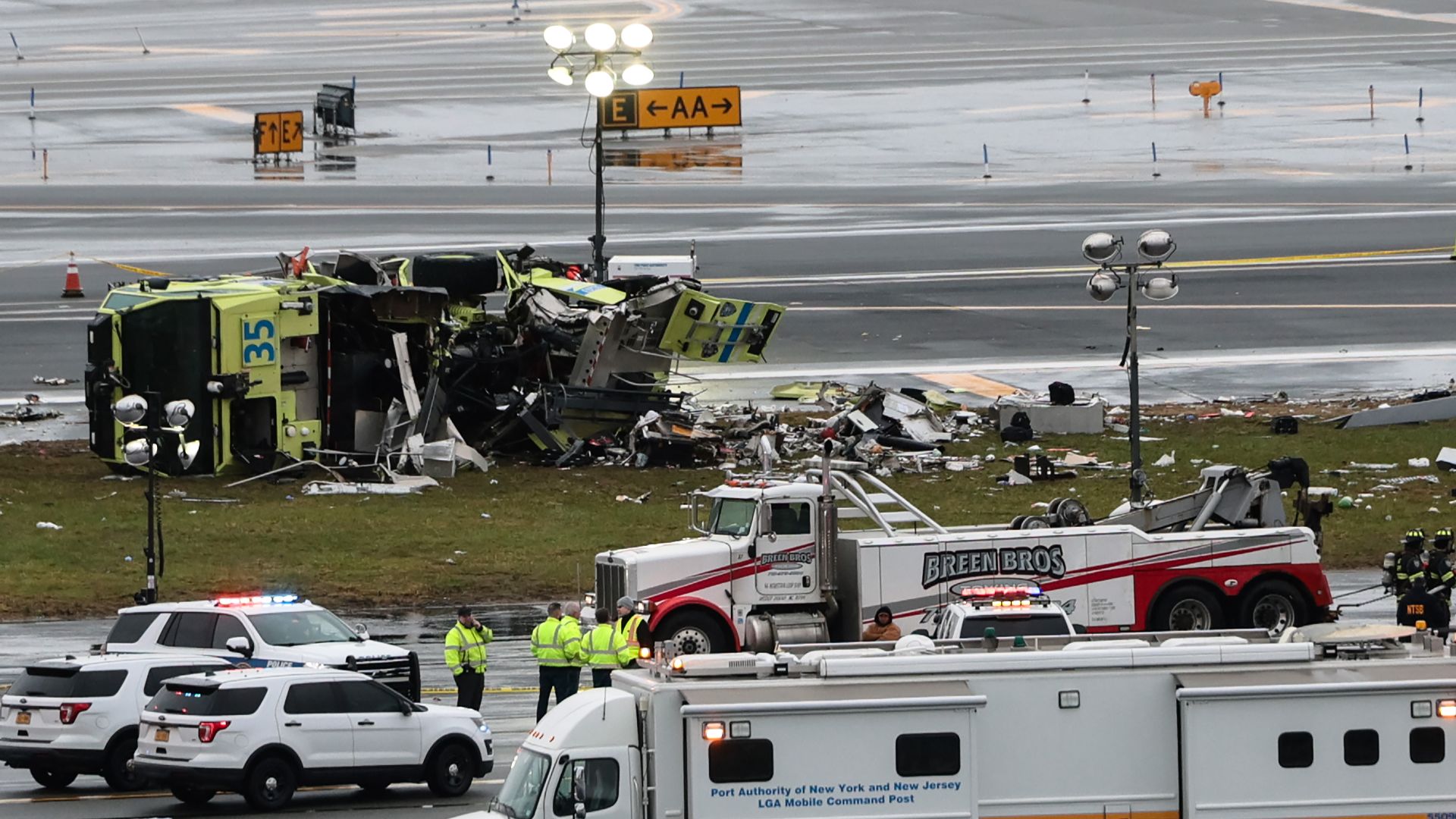
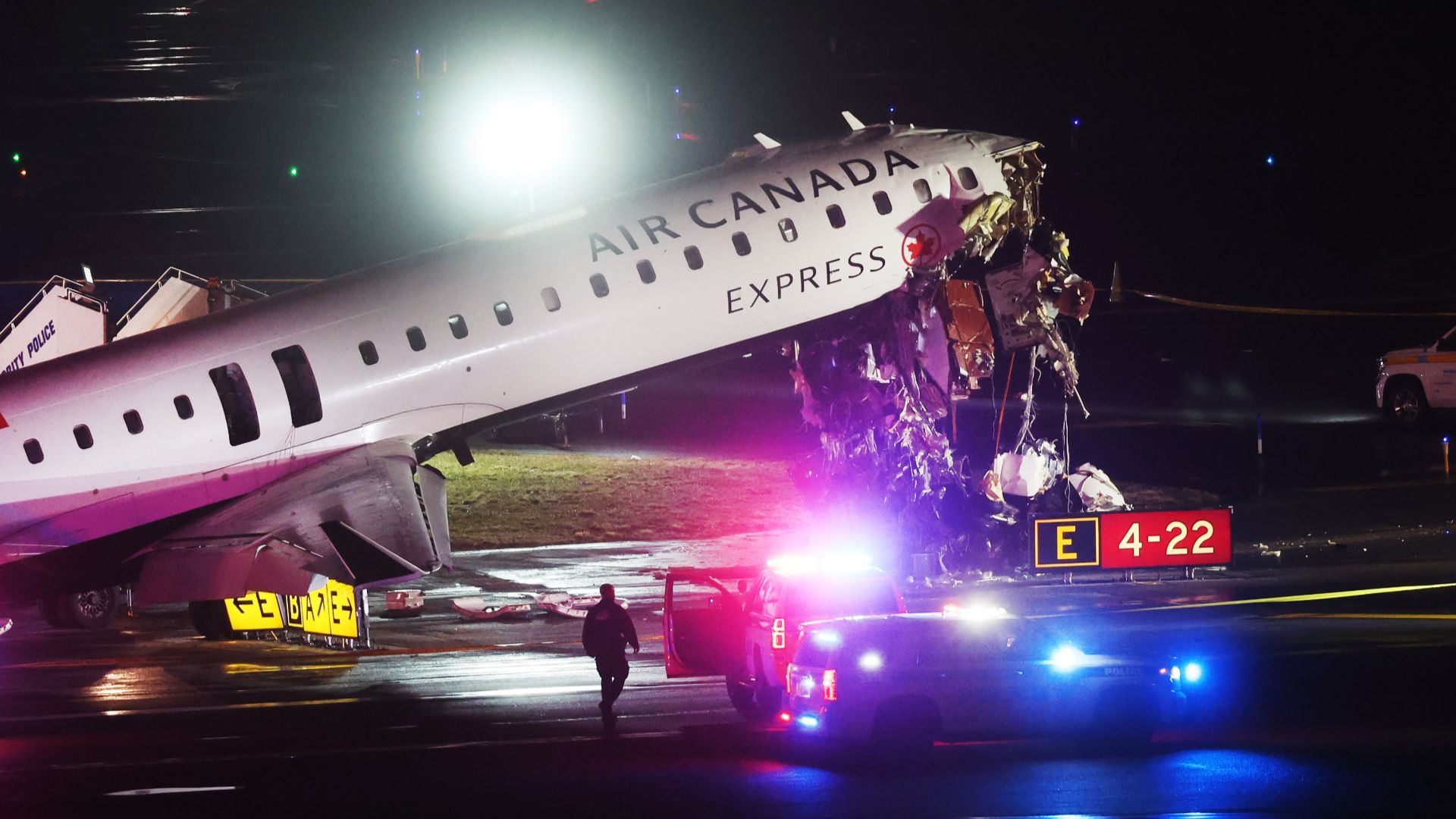
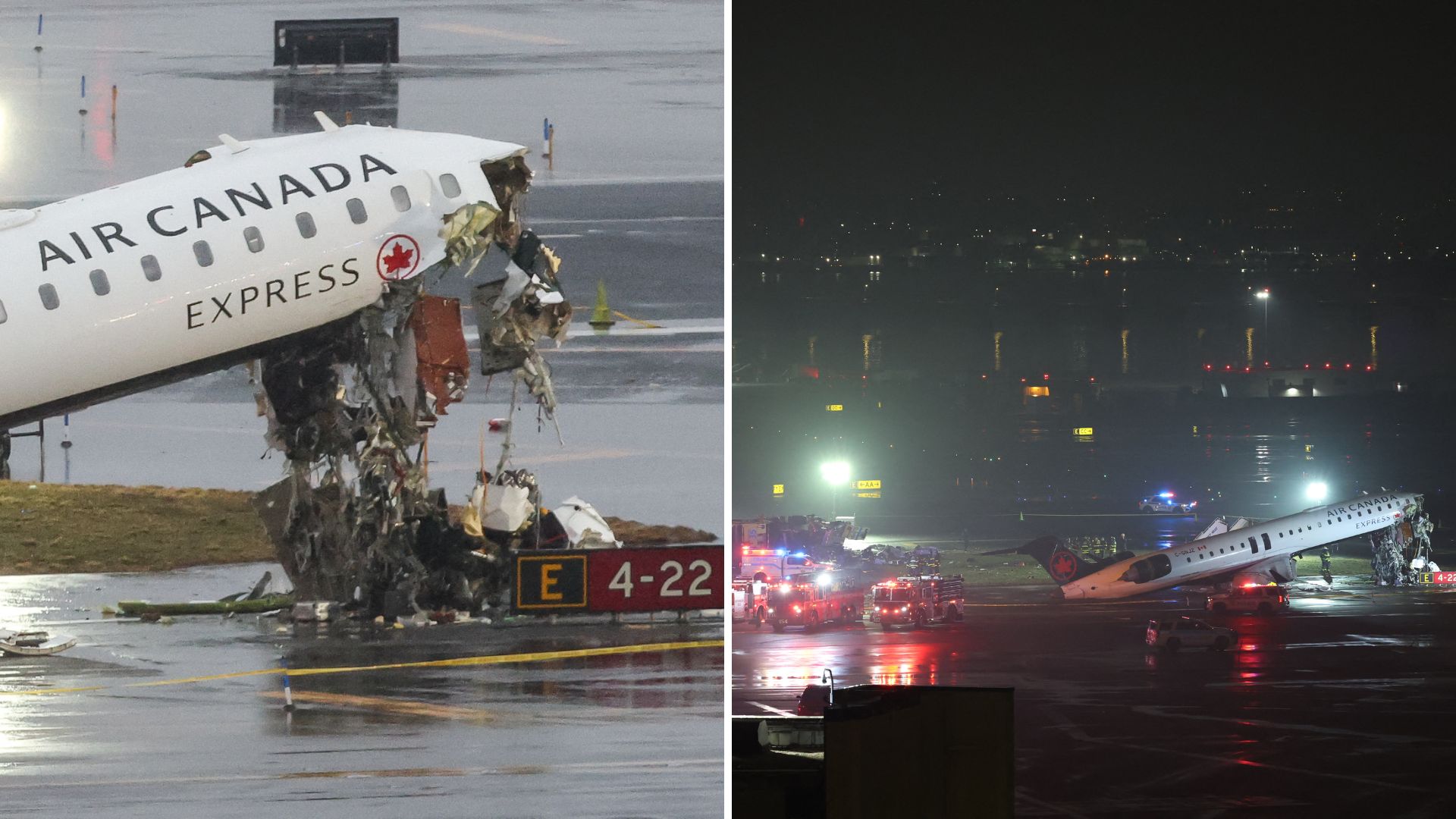
On March 22, an Air Canada plane coming from Montreal collided with a fire truck on the runway at LaGuardia Airport in New York. At the time of the accident, there was an emergency on another runway, and the air traffic controller mistakenly gave the emergency vehicle permission to cross the runway where Air Canada Express Flight 8646 had just landed. ATC attempted to rescind its permission, but the fire truck did not stop. Flight 8646, a CRJ-900 operated by Jazz Aviation, struck the firetruck, killing both pilots and sending more than 40 people to the hospital. The plane was carrying 76 souls from Montreal to New York, with four crew members and 72 passengers on board.
On March 24, the U.S. National Transportation Safety Board (NTSB) released a recording from the air traffic controller who gave the firetruck permission to cross Flight 8646’s runway. The controller can be heard giving permission, then nearly immediately rescinding it. The firetruck only had permission for three seconds before ATC said ‘stop’ 11 separate times before the crash. The recording ends with the air traffic controller saying ‘I messed up’.
There were two controllers in the tower that night, a local controller and the controller in charge. Airplanes do not have direct radio contact with emergency vehicles. ATC is the only link that pilots have to emergency vehicles on the ground.
Rousseau’s statement
Before Rousseau’s unilingual speech, Air Canada was not the source of any controversy. The flight was being operated by a Canadian company, Jazz Aviation, and if any fault is to be laid, it would have been with LaGuardia Airport’s ATC, not Air Canada. Now, the story has shifted away from a tragic loss of life to a CEO’s poor press release. During the four-minute video, Michael Rousseau explains the details of the crash and lists the phone number of a helpline created to help family members locate victims of the accident. Rousseau said only two French words in the video, ‘bonjour’ and ‘merci.’ After the video, the Commissioner of Official Languages confirmed it had received 795 complaints by 1 P.M. on March 25 regarding the language of the statement. With the plane hailing from Montreal, a large portion of the affected Canadians are French-speaking, meaning Rousseau’s message was directed at French Canada and done in English.
In a statement on March 26, Rousseau apologized for his English speech. He apologized that his English had diverted attention away from the victims of the accident, and towards his failings as a public figure.
Rousseau claimed that even after ‘years’ of lessons, he is still unable to express himself in French. According to the CEO, he will continue his ‘efforts to improve’.
“Despite many lessons over several years, unfortunately, I am still unable to express myself adequately in French. I sincerely apologize for this, but I am continuing my efforts to improve.”
-Michael Rousseau
In 2021, Rousseau bungled his first speech as Air Canada CEO. In a 26-minute speech at the Palais des congrès in Montreal, Rousseau only spoke French for about 20 seconds, and struggled to answer questions in French, asking French journalists to translate them. During the speech, Rousseau claimed that his busy work schedule has prevented him from learning French, and the fact that he has lived in Montreal for 14 years without managing to grasp the language is actually a compliment to the city’s diversity. Politicians and Canadians have appropriately pointed out that Air Canada is subject to the Official Languages Act and must therefore serve customers in English and French, depending on the customer’s preference. Air Canada was a crown corporation until it was fully privatized in 1989.
Politicians react
Quebec Premier Francois Legault called the statement disrespectful and cited Rousseau’s failure in 2021 as the reason. Rousseau claimed that he had begun taking privately tutored French lessons after the controversy in 2021, but clearly, the lessons have not been happening. Montreal’s Mayor Soraya Martinez Ferrada said Rousseau ‘failed at his task’ and had now lost the respect of francophones. Quebec Justice Minister Simon Jolin-Barrette called it unacceptable and cited Rousseau’s past transgressions as well. Rousseau has been summoned to Ottawa to explain why he spoke only in English in his video. He was also summoned in 2022. Rousseau will have to argue to the government of Canada that 14 years is not enough time to learn French in a province that asks immigrants to learn the language in six months.
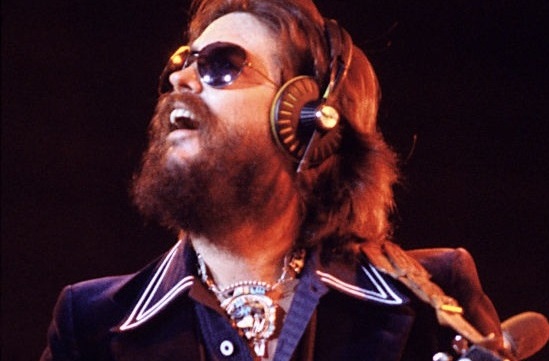
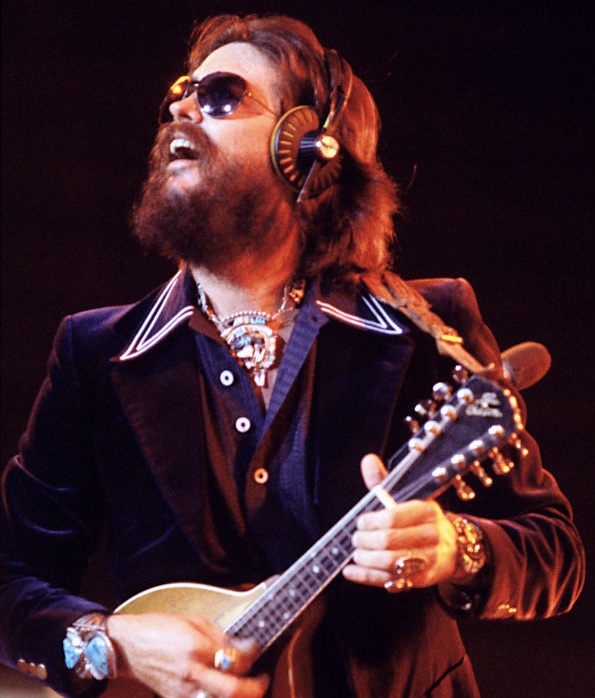
ATLANTA - OCTOBER 22: Dash Crofts performs at Georgia Tech's Alexander Coliseum on October 22, 1977 in Atlanta, Georgia. (Photo by Tom Hill/Getty Images)
The year 2026 was marked by the passing of many personalities who left a lasting mark on our society. Artists, creators, public figures, thinkers, and athletes—each and every one contributed in their own way to shaping our era and our collective imagination. This In Memoriam project pays tribute to those who left us during the year. Through these memories, we take a moment to remember their influence, celebrate their contributions, and honor lives that will continue to resonate long after their passing.
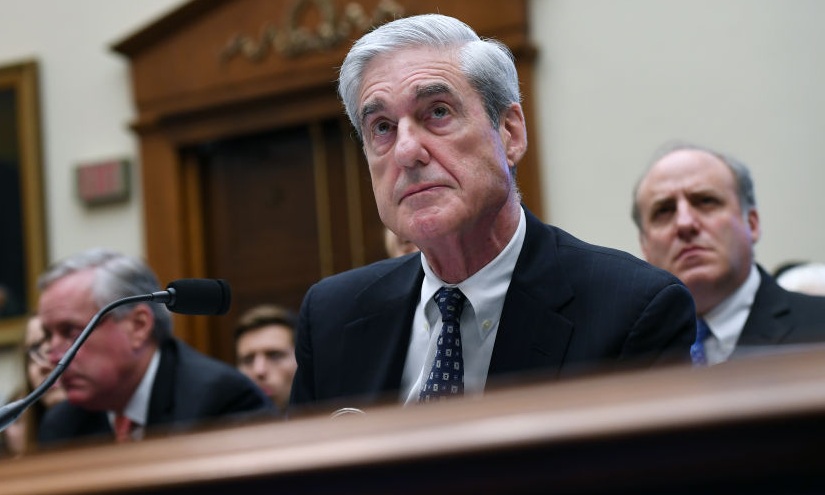
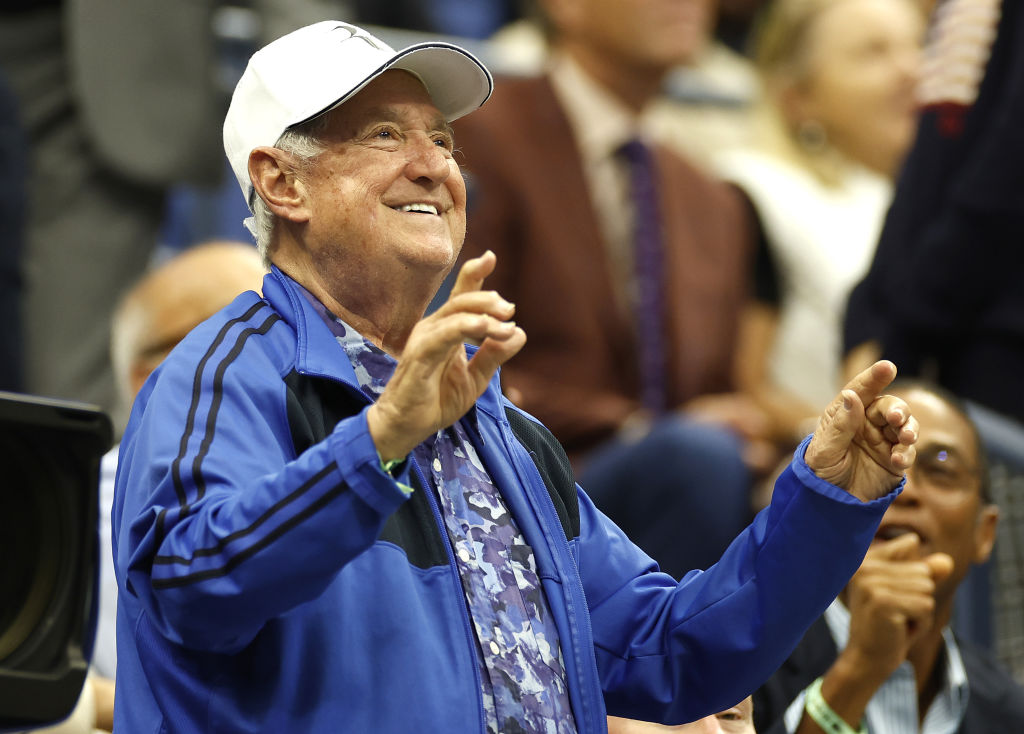
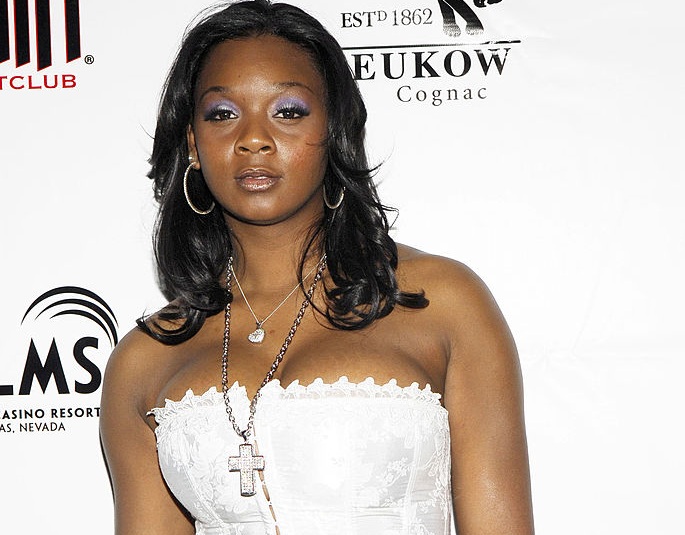
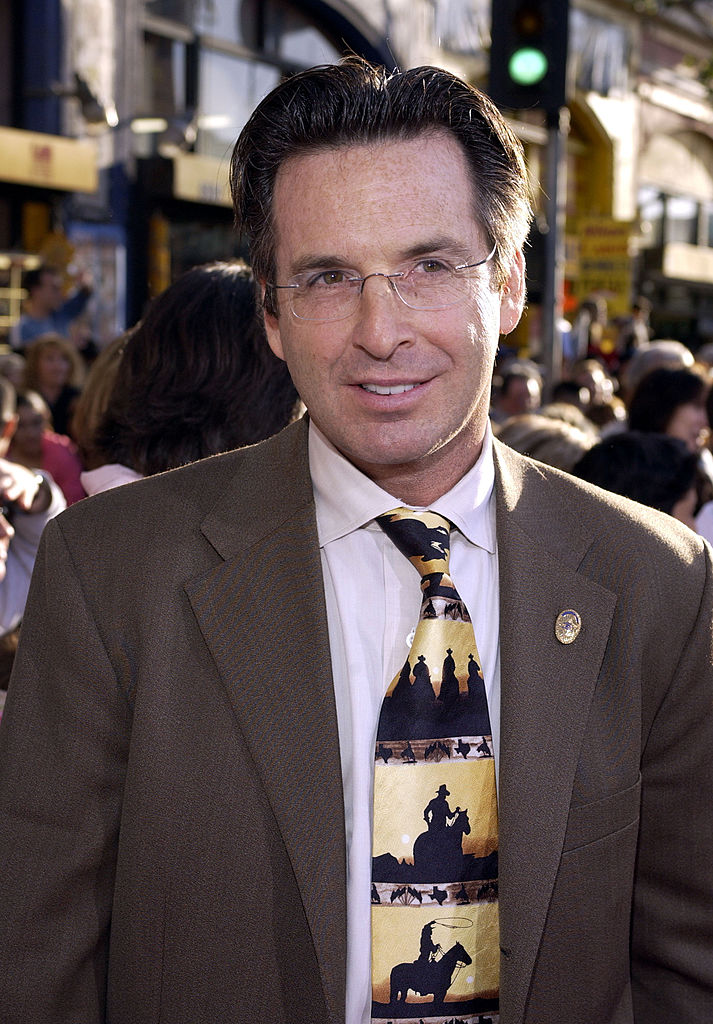
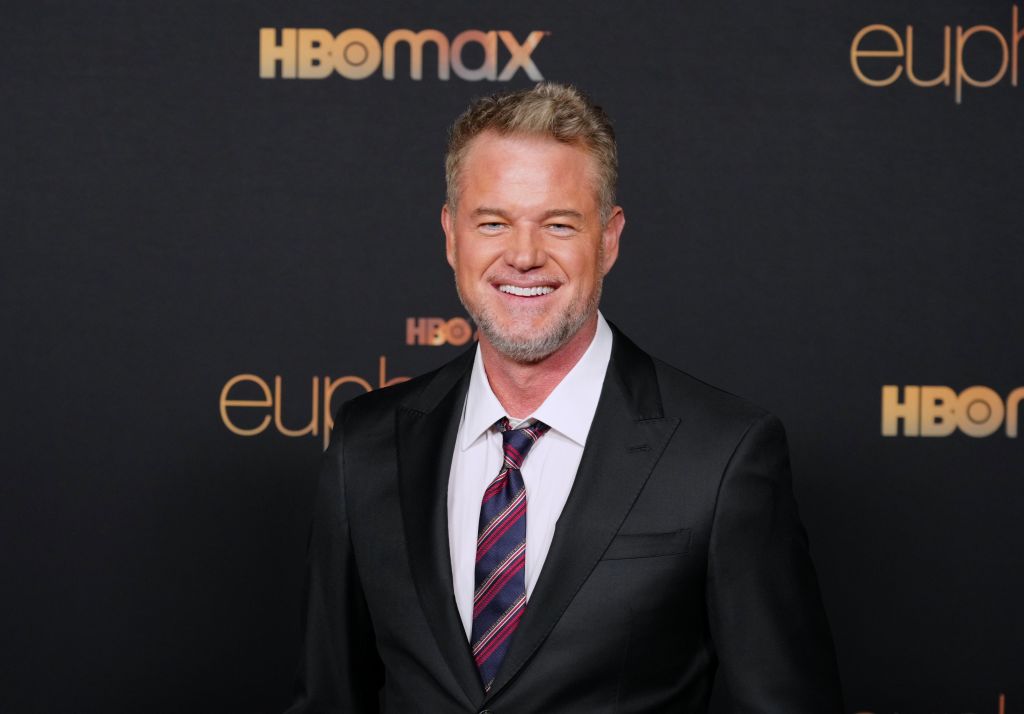
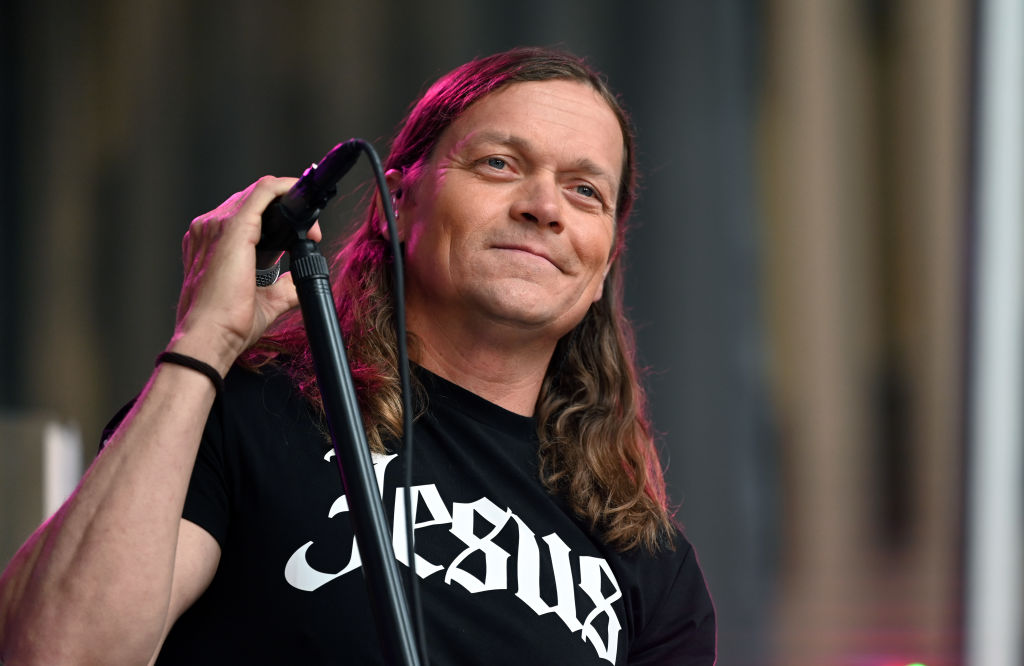
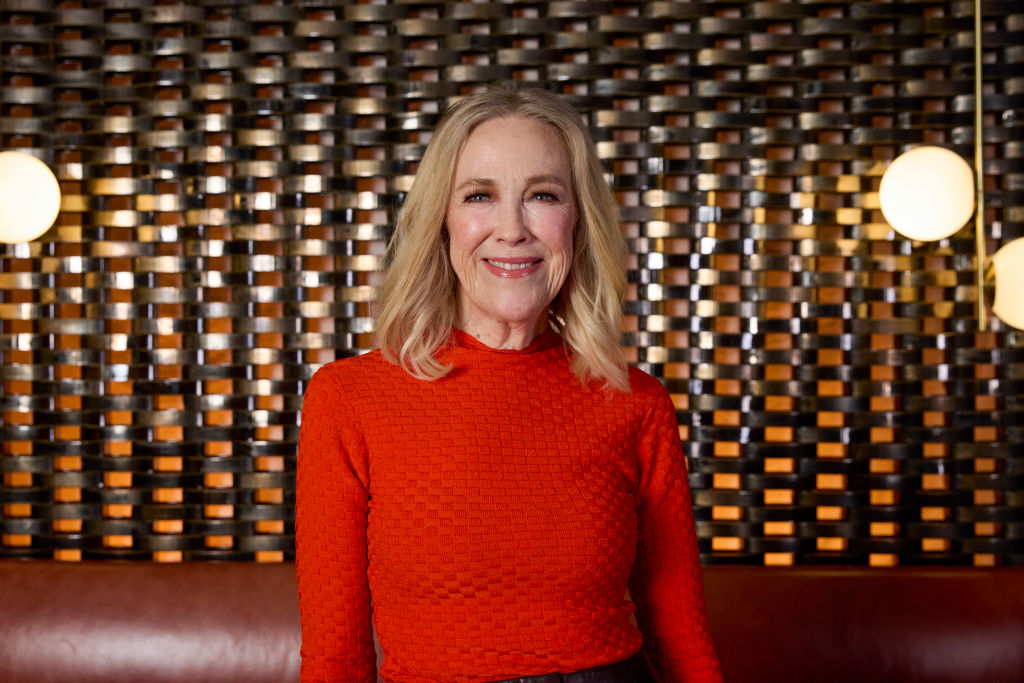
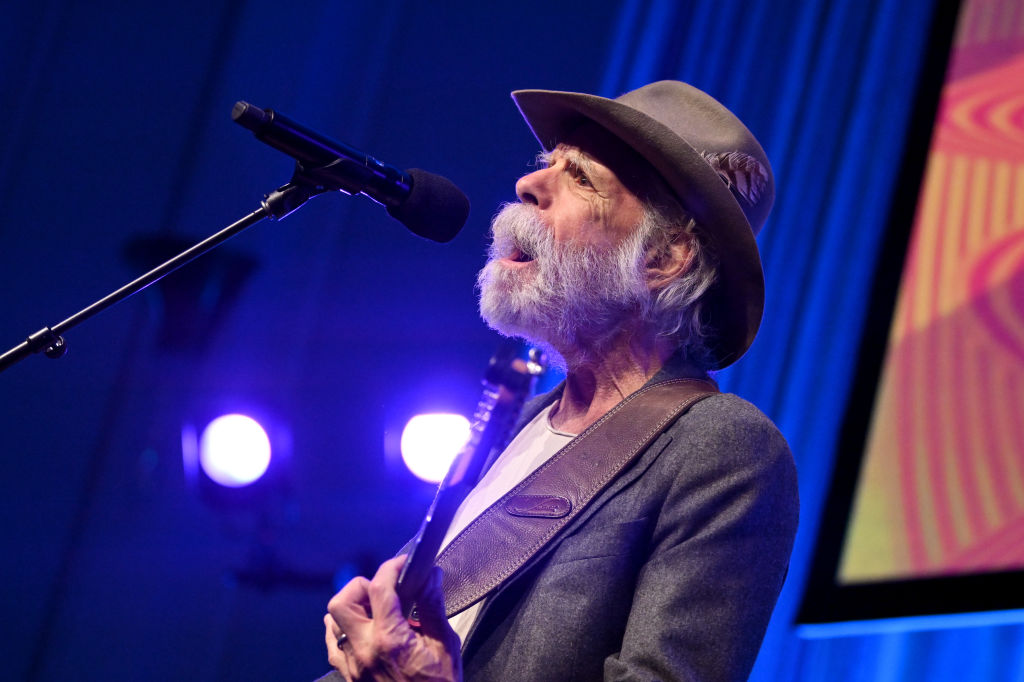
ATLANTA – OCTOBER 22: Dash Crofts performs at Georgia Tech’s Alexander Coliseum on October 22, 1977 in Atlanta, Georgia. (Photo by Tom Hill/Getty Images)Actress Valerie Perrine attends the ‘Superman: The Movie’ DVD Release Celebration on May 1, 2001 at Warner Bros. Museum in Burbank, California. (Photo by Ron Galella, Ltd./Ron Galella Collection via Getty Images)WASHINGTON, DC – JULY 24: Former special counsel, Robert Mueller is seen during a hearing at the Rayburn House Office Building on Wednesday July 24, 2019 in Washington, DC. The former FBI director publicly addressed questions for the first time about his investigation of President Trump and Russian interference in the 2016 presidential election. (Photo by Matt McClain/The Washington Post via Getty Images)HOLLYWOOD – MARCH 20: Actors Sarah Michelle Gellar, Seth Green, Michelle Trachtenberg and Nicolas Brendon from the show ‘Buffy the Vampire Slayer’ arrive at the Paley Center for Media’s 25th annual Paley Television Festival at the Arclight Cinema on March 20, 2008 in Hollywood, California. (Photo by Neilson Barnard/Getty Images)PHILADELPHIA, PA – JUNE 03: Martial artist/actor Chuck Norris make his Wizard World Comic Con debut during Wizard World Comic Con Philadelphia 2017 – Day 3 at Pennsylvania Convention Center on June 3, 2017 in Philadelphia, Pennsylvania. (Photo by Gilbert Carrasquillo/Getty Images)WESTWOOD, CA – MAY 15: Actor Matt Clark attends the premiere of Universal Pictures and MRC’s « A Million Ways to Die in the West » at the Regency Village Theatre on May 15, 2014 in Westwood, California. (Photo by David Livingston/Getty Images)PHOENIX, ARIZONA – DECEMBER 09: Tommy DeCarlo performs on stage at Alice Cooper’s 21st Annual Christmas Pudding at Celebrity Theatre on December 09, 2023 in Phoenix, Arizona. (Photo by Daniel Knighton/Getty Images)ATLANTIC CITY, NJ – MARCH 30: Jennifer Runyon attends the 2019 New Jersey Horror Con And Film Festival at Showboat Atlantic City on March 30, 2019 in Atlantic City, New Jersey. (Photo by Bobby Bank/Getty Images)NEW YORK, NEW YORK – SEPTEMBER 07: Neil Sedaka waves to the crowd during the Men’s Singles Quarterfinal match between Andrey Rublev and Frances Tiafoe of the United States on Day Ten of the 2022 US Open at USTA Billie Jean King National Tennis Center on September 07, 2022 in the Flushing neighborhood of the Queens borough of New York City. (Photo by Sarah Stier/Getty Images)NEW YORK, NY – NOVEMBER 9: Oliver « Power » Grant and Marcus Callender attend The RZA Presents The 36 Chambers 30th Anniversary Celebration After Party at Mr. Purple on November 9, 2023 in New York. (Photo by Paul Bruinooge/Patrick McMullan via Getty Images)LAS VEGAS – FEBRUARY 18: Detroit Shock team member Kara Braxton attends the 2007 NBA All-Star Game « Diddy » After Party at the Rain Nightclub in the Palms Hotel and Casino on February 18, 2007 in Las Vegas, Nevada. (Photo by Ray Tamarra/Getty Images)Robert Carradine (Photo by L. Cohen/WireImage) *** Local Caption ***GLENDALE, AZ – OCTOBER 09: Rondale Moore #4 of the Arizona Cardinals runs out during introductions against the Philadelphia Eagles at State Farm Stadium on October 9, 2022 in Glendale, Arizona. (Photo by Cooper Neill/Getty Images)LOS ANGELES, CALIFORNIA – JANUARY 05: Eric Dane attends HBO’s « Euphoria » Season 2 Photo Call at Goya Studios on January 05, 2022 in Los Angeles, California. (Photo by Jeff Kravitz/FilmMagic for HBO)ATLANTA, GEORGIA – DECEMBER 5: Rapper Lil Poppa performs during Rod Wave – Last Lap Tour at State Farm Arena on December 5, 2024 in Atlanta, Georgia. (Photo by Prince Williams/WireImage)Le révérend Jesse Jackson en campagne électorale à Winterset dans l’Iowa, le 3 février 1988.(Photo by jean-Louis Atlan/Sygma via Getty Images)PALM SPRINGS, CA – JANUARY 03: Actor Robert Duvall attends the 26th Annual Palm Springs International Film Festival Awards Gala at Parker Palm Springs on January 3, 2015 in Palm Springs, California. (Photo by Frazer Harrison/Getty Images)American actor Bud Cort, wearing a black suit with a white shirt, and American actress Patti D’Arbanville, who wears a black off-shoulder outfit, attend the 2nd Annual American Cinematheque Award Salute, held at the Hollywood Palladium in the Hollywood neighbourhood of Los Angeles, California, 21st February 1987. The ceremony honoured American actress and singer Bette Midler. (Photo by Vinnie Zuffante/Getty Images)LOS ANGELES, CALIFORNIA – NOVEMBER 18: James Van Der Beek attends 2024 FOX Winter Press Day at Fox Studio Lot on November 18, 2024 in Los Angeles, California. (Photo by Andrew Toth/Getty Images)NEW YORK, NEW YORK – MAY 26: Singer Brad Arnold of 3 Doors Down performs at 2023 FOX & Friends’ Summer Concert Series on May 26, 2023 in New York City. (Photo by Slaven Vlasic/Getty Images)BEVERLY HILLS, CA – JULY 14: Musician Chuck Negron, former singer of the classic rock band Three Dog Night, performs onstage during the Happy Together tour at Saban Theatre on July 14, 2018 in Beverly Hills, California. (Photo by Scott Dudelson/Getty Images)Catherine O’Hara of « The Wild Robot » at the Deadline Studio held at the Bisha Hotel during the Toronto International Film Festival 2024 on September 9, 2024 in Toronto, Canada. (Photo by KC Armstrong/Deadline via Getty Images)
Passengers who survived the catastrophic collision at LaGuardia Airport are now describing the final moments before impact, pointing to the actions of the flight crew as decisive in preventing an even greater tragedy. As investigations begin to clarify how the incident unfolded, attention has shifted to the two pilots who lost their lives while attempting to control the aircraft. Their response in the final seconds has led many on board to describe them as heroes, with testimonies highlighting quick decisions and last-minute maneuvers that may have reduced the severity of the crash and ultimately saved dozens of lives.
Drew Barrymore is putting a rare property in Westchester up for sale for $5 million, just two years after purchasing it. Spanning 670 square meters, this estate is the perfect weekend getaway, featuring a main house, a pool house, and a separate guest cottage.
Inside, the bright, open spaces foster a warm and welcoming atmosphere, enhanced by elegant fireplaces. A spectacular living area with a 30-foot ceiling, as well as a spacious master suite featuring a sitting area, balcony, and two bathrooms, complete the home’s luxurious offerings.
The wooded grounds offer privacy and tranquility, while the 12 acres, subdivided into five lots, represent a unique investment opportunity for the savvy buyer.
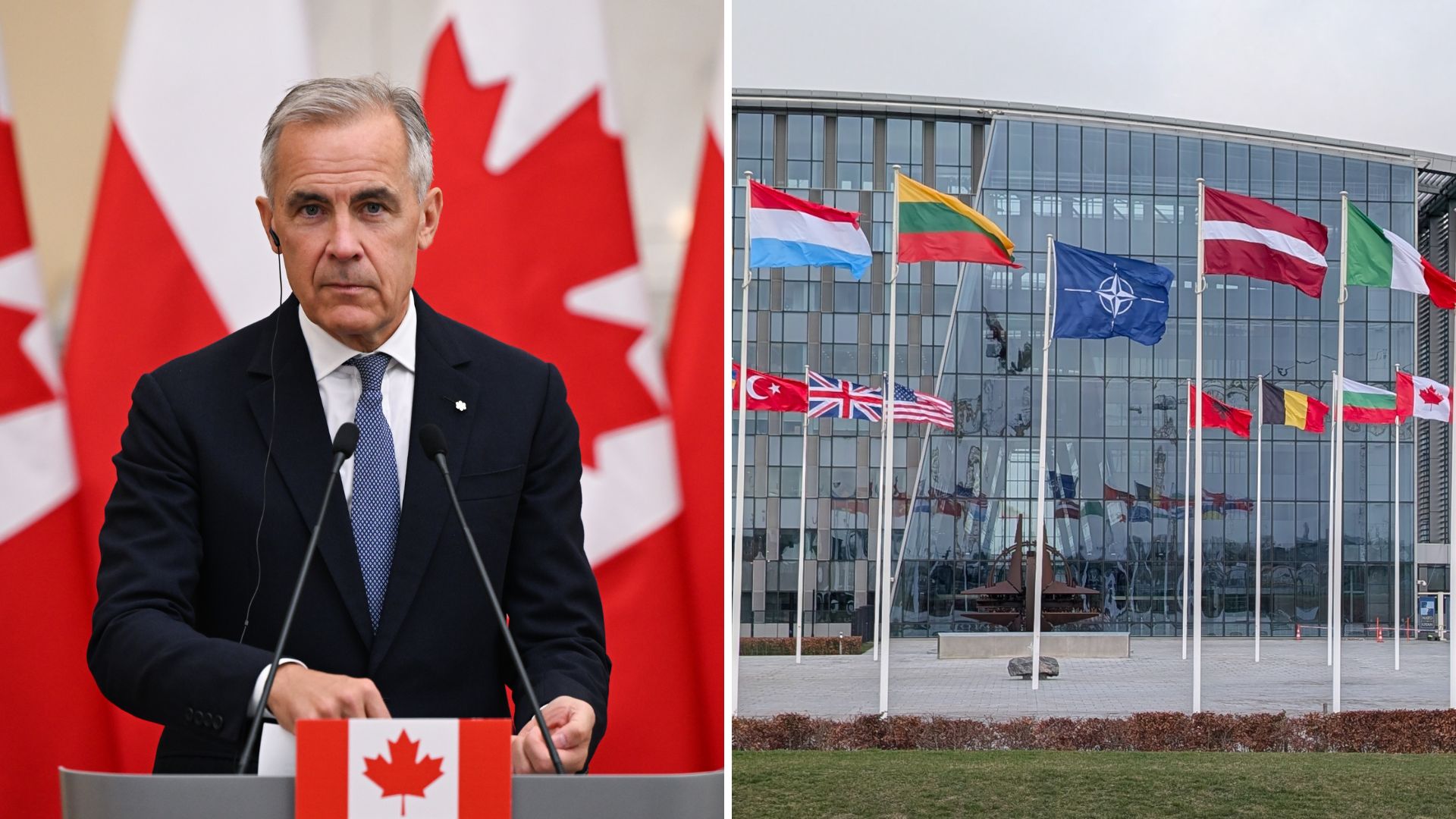
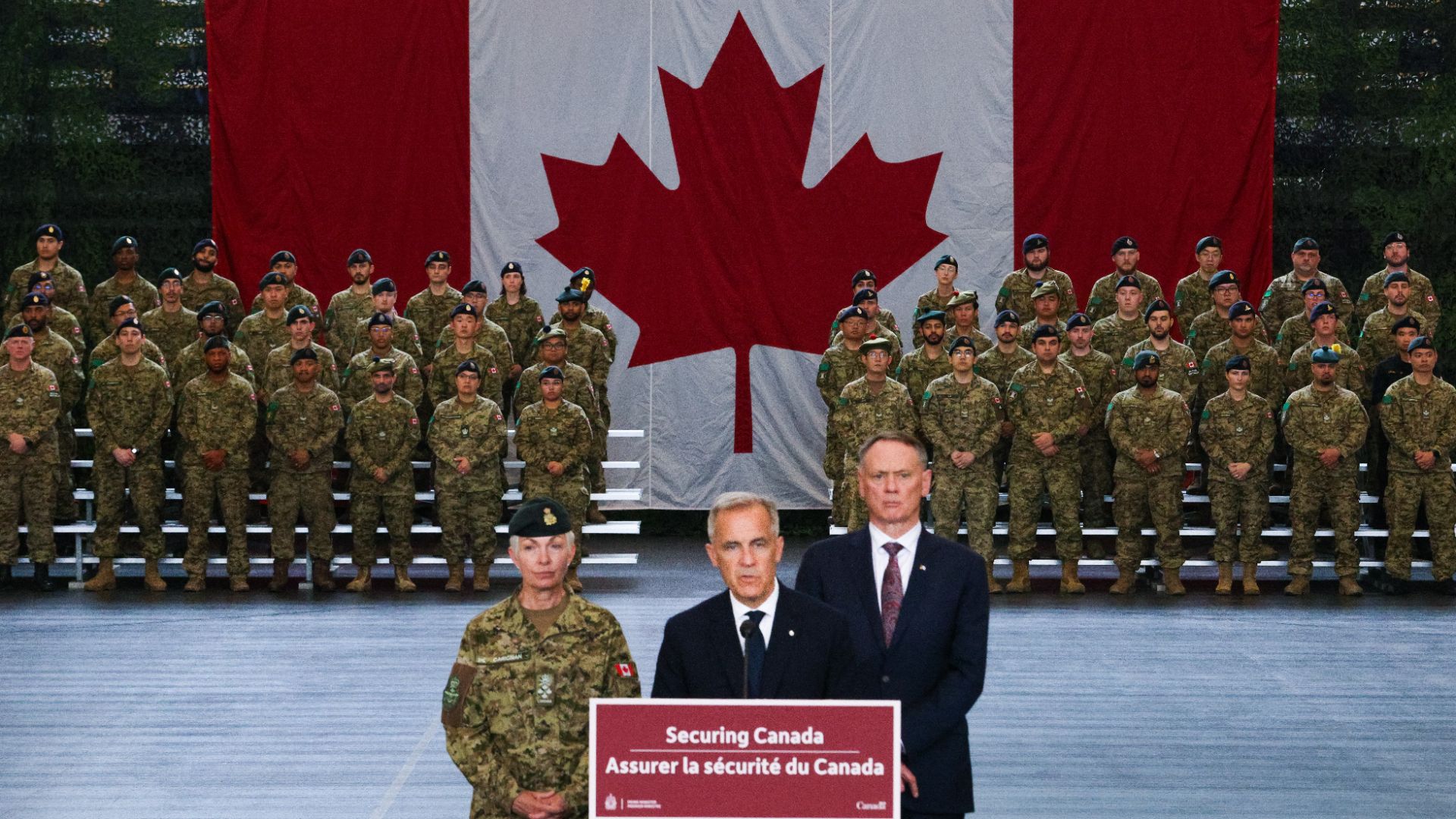
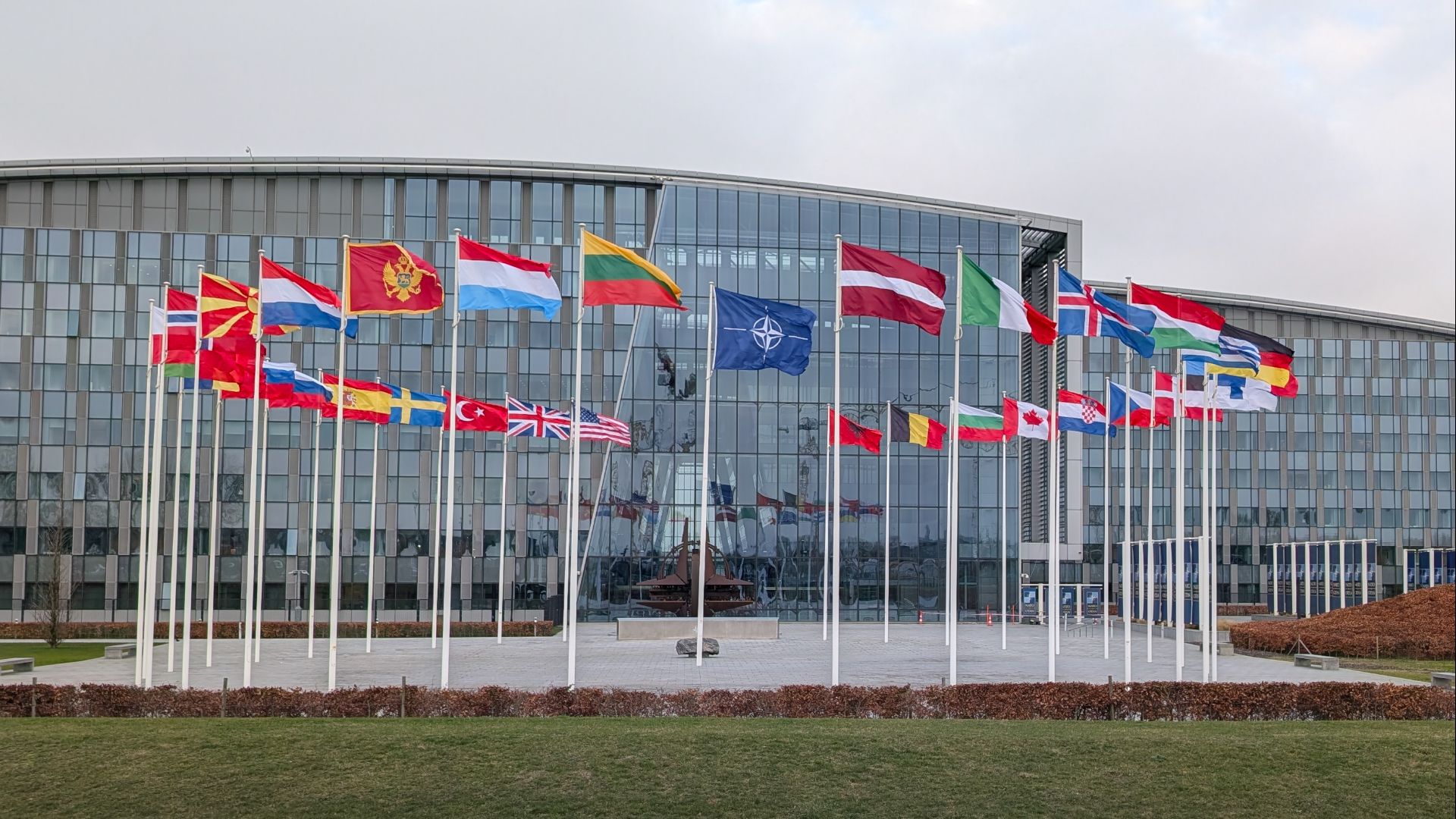
Canada has officially reached NATO’s benchmark of allocating 2% of its GDP to defense spending in 2025, according to the alliance’s latest annual report, marking a significant shift in the country’s military posture. The report also confirms that Canada surpassed another key NATO guideline by dedicating just over 20% of its defense budget to the acquisition of new equipment. The dual achievement reflects a notable change after years of falling short of alliance expectations, placing Canada among the members now meeting both financial and modernization targets outlined by NATO leadership.
Getty Images
The announcement follows the release of NATO’s 2025 annual report, which tracks defense spending and capability development across member states. While Canada’s progress stands out, the report indicates that not all NATO members have reached the 2% spending threshold. Several countries continue to fall below the target, despite increased pressure from allies to accelerate military investments in response to evolving global security challenges. However, a growing number of member states have moved closer to compliance, reflecting a broader trend toward increased defense spending across the alliance in recent years.
«You’ve set your priorities, you focus on them, you follow through.»
-Prime Minister of Canada, Mark Carney
Canada’s additional achievement of allocating more than 20% of its military budget to new equipment also aligns with NATO’s secondary benchmark, aimed at ensuring modernization of armed forces. This includes investments in advanced technologies, infrastructure, and procurement programs designed to enhance operational readiness. Defense analysts have noted that meeting both targets simultaneously is significant, as it demonstrates not only higher spending levels but also a strategic allocation of resources toward long-term capability development rather than operational maintenance alone.
Getty Images
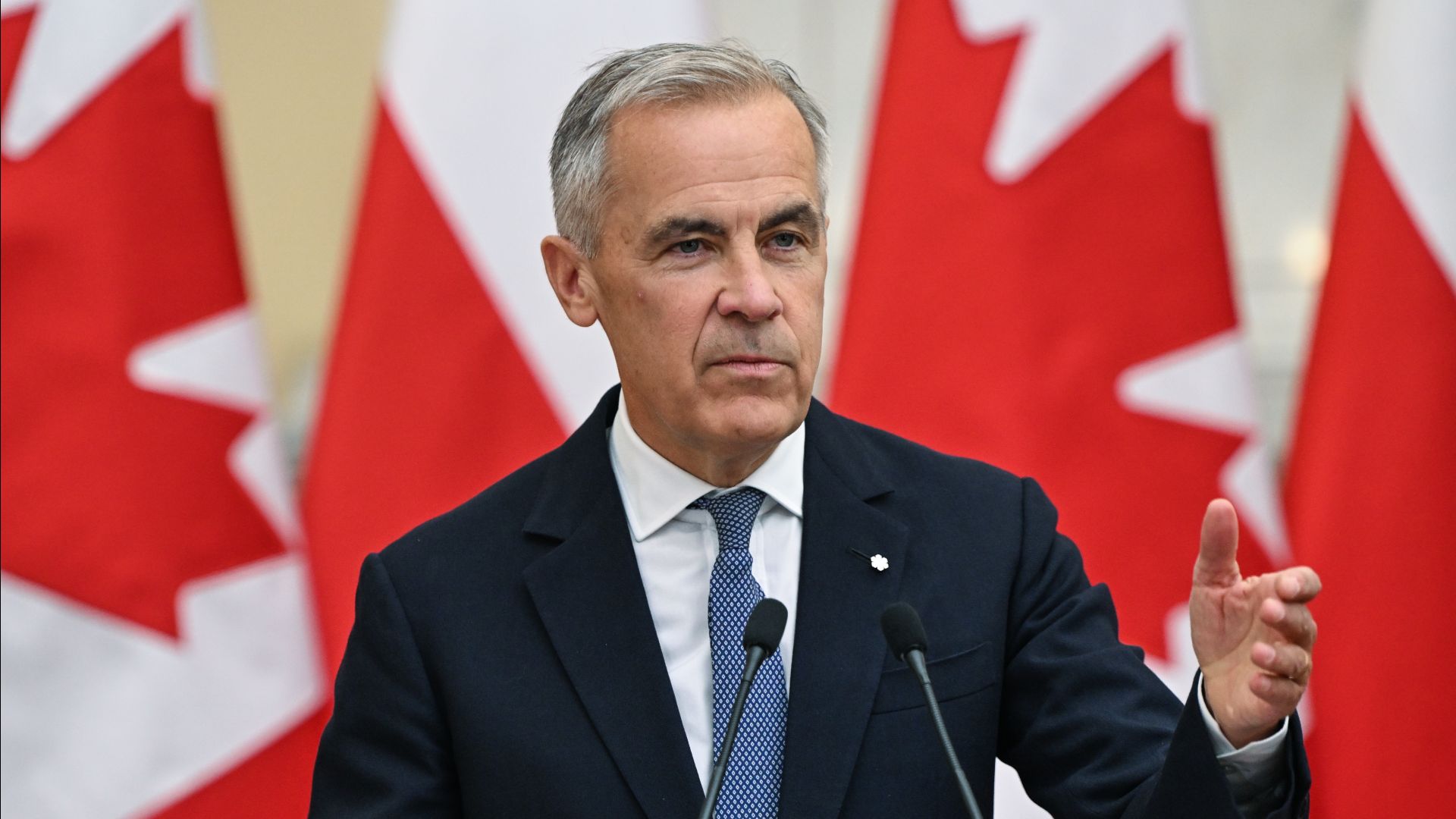
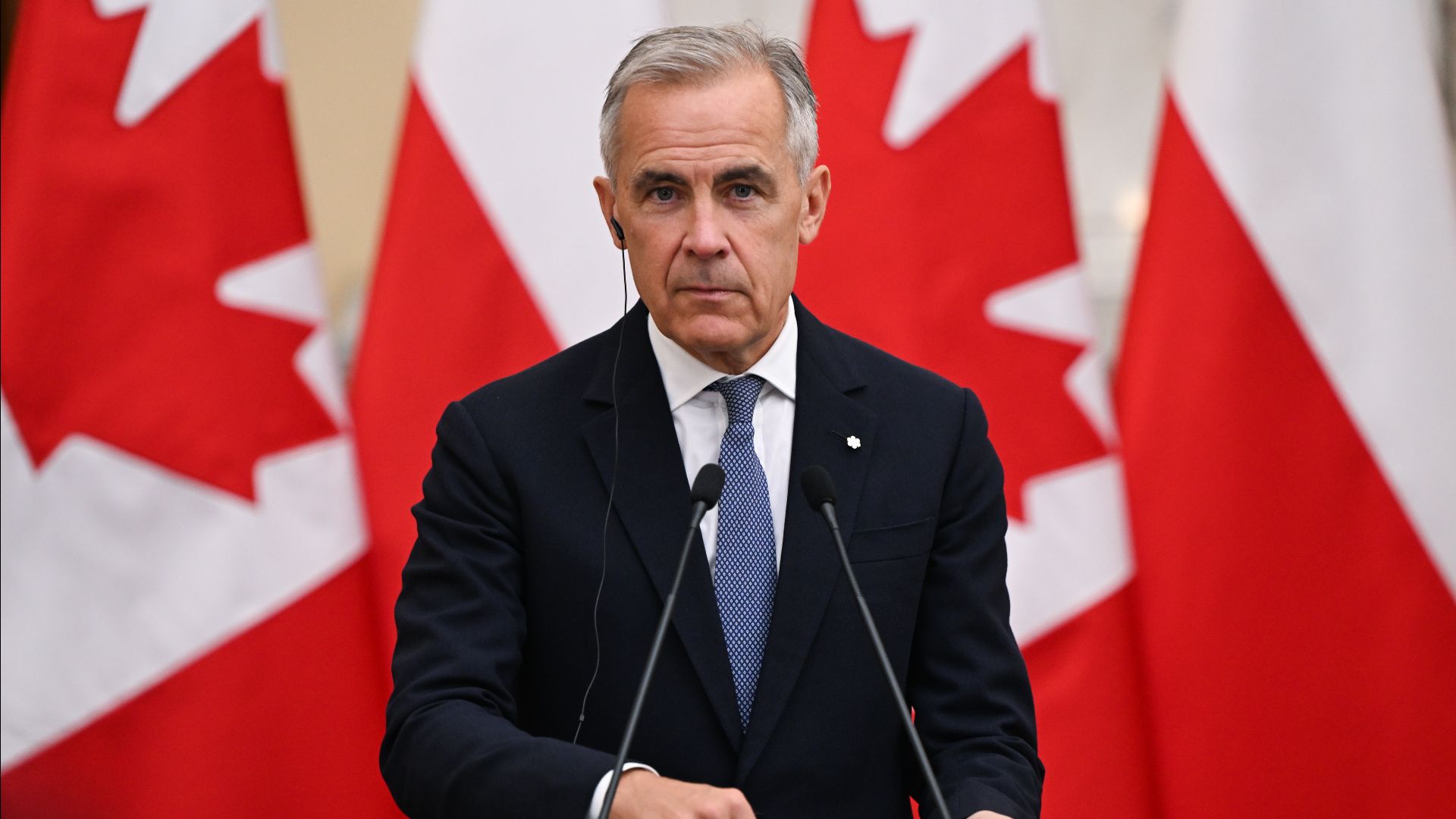
Prime Minister Mark Carney addressed the milestone during a visit to the Royal Canadian Navy base in Halifax, Nova Scotia, framing it as the result of a broader shift in national priorities. He stated «We ran for office recognizing the world had changed, recognizing the importance of securing Canada, defending Canada, fulfilling our commitments,» Mr. Carney said, before adding «You’ve set your priorities, you focus on them, you follow through.» His remarks reflect the government’s emphasis on adapting to a changing geopolitical environment, where defense and security have taken on increased importance in both domestic and international policy discussions.
Getty Images
During his electoral campaign, Carney repeatedly emphasized the need to strengthen Canada’s defense commitments within NATO, linking the issue to global instability and evolving security threats. He argued that Canada needed to play a more active role within the alliance, highlighting the importance of meeting agreed-upon benchmarks. While campaign speeches varied in tone, they consistently focused on aligning Canada’s defense posture with its international obligations, reinforcing the message that increased military investment was necessary to ensure both national security and credibility among allies.
«We ran for office recognizing the world had changed, recognizing the importance of securing Canada, defending Canada, fulfilling our commitments.»
-Prime Minister of Canada, Mark Carney
Despite Canada’s progress, the NATO report underscores that achieving alliance-wide targets remains uneven. While a majority of members have increased their defense spending, only a portion have fully met both the 2% GDP target and the 20% equipment investment benchmark. This uneven compliance continues to be a point of discussion within NATO, as leaders push for greater alignment among member states. Canada’s achievement in 2025 positions it among the countries that have met these goals, signaling a shift in its role within the alliance as it moves toward closer adherence to NATO’s strategic expectations.
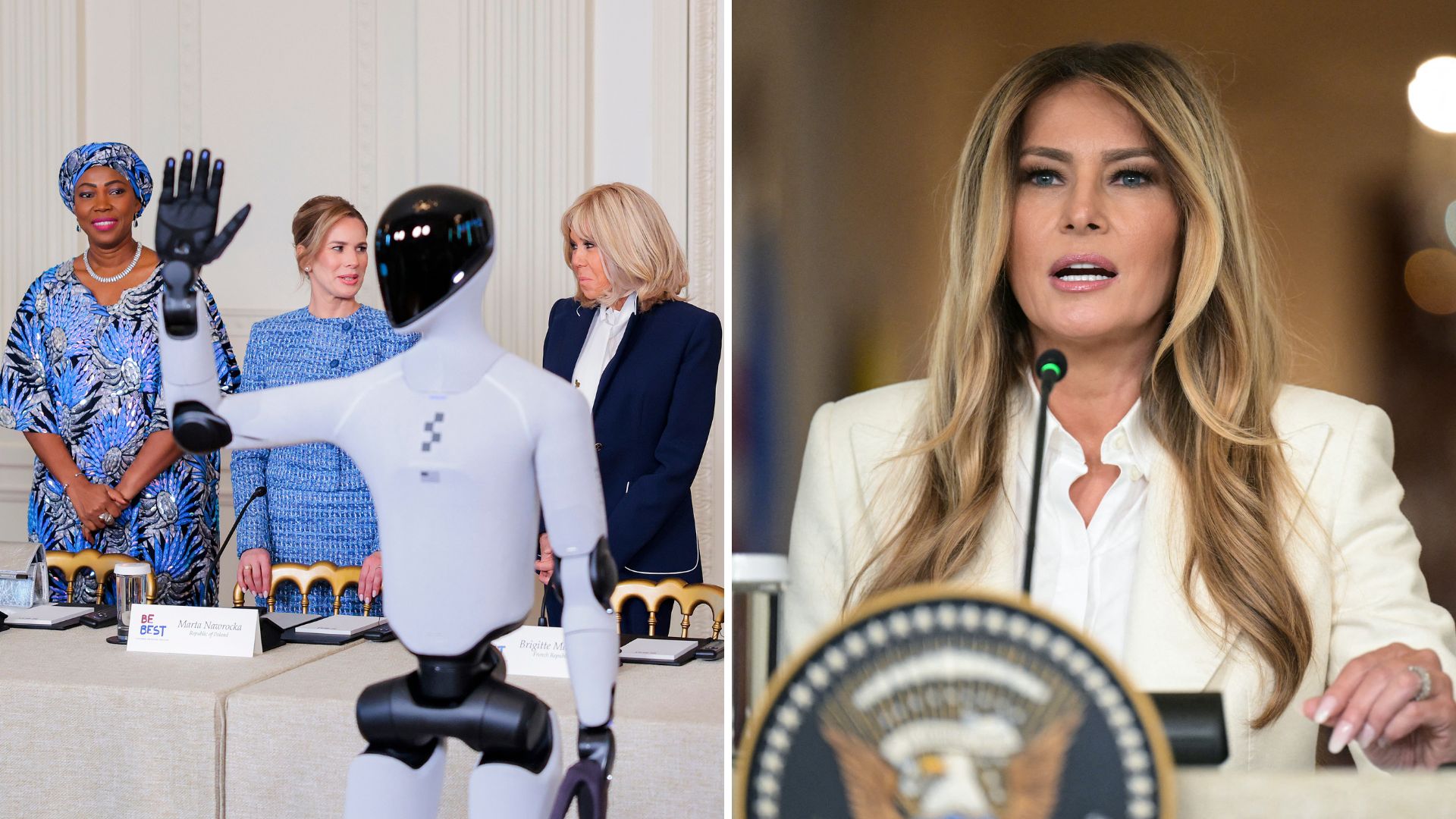
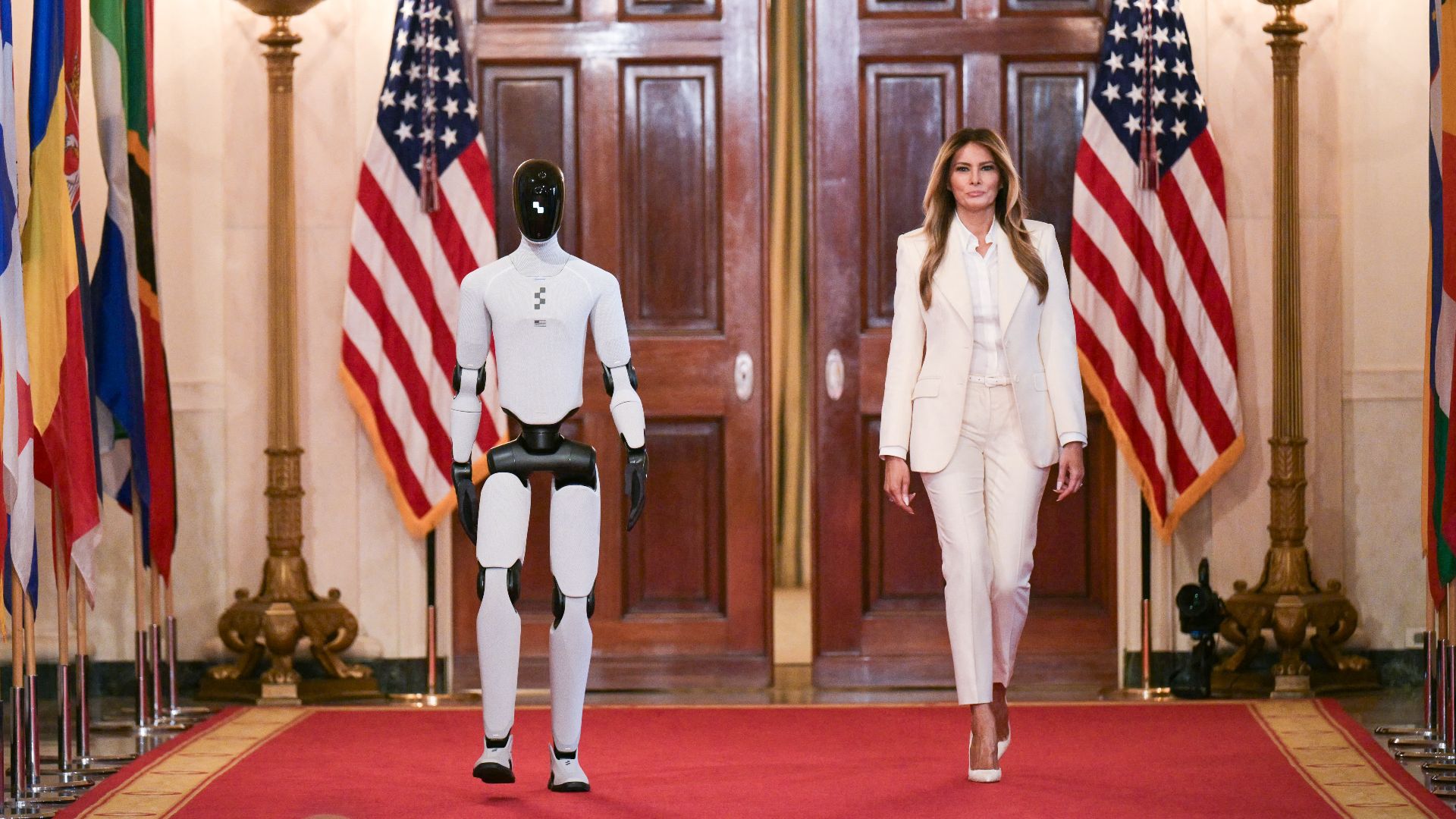
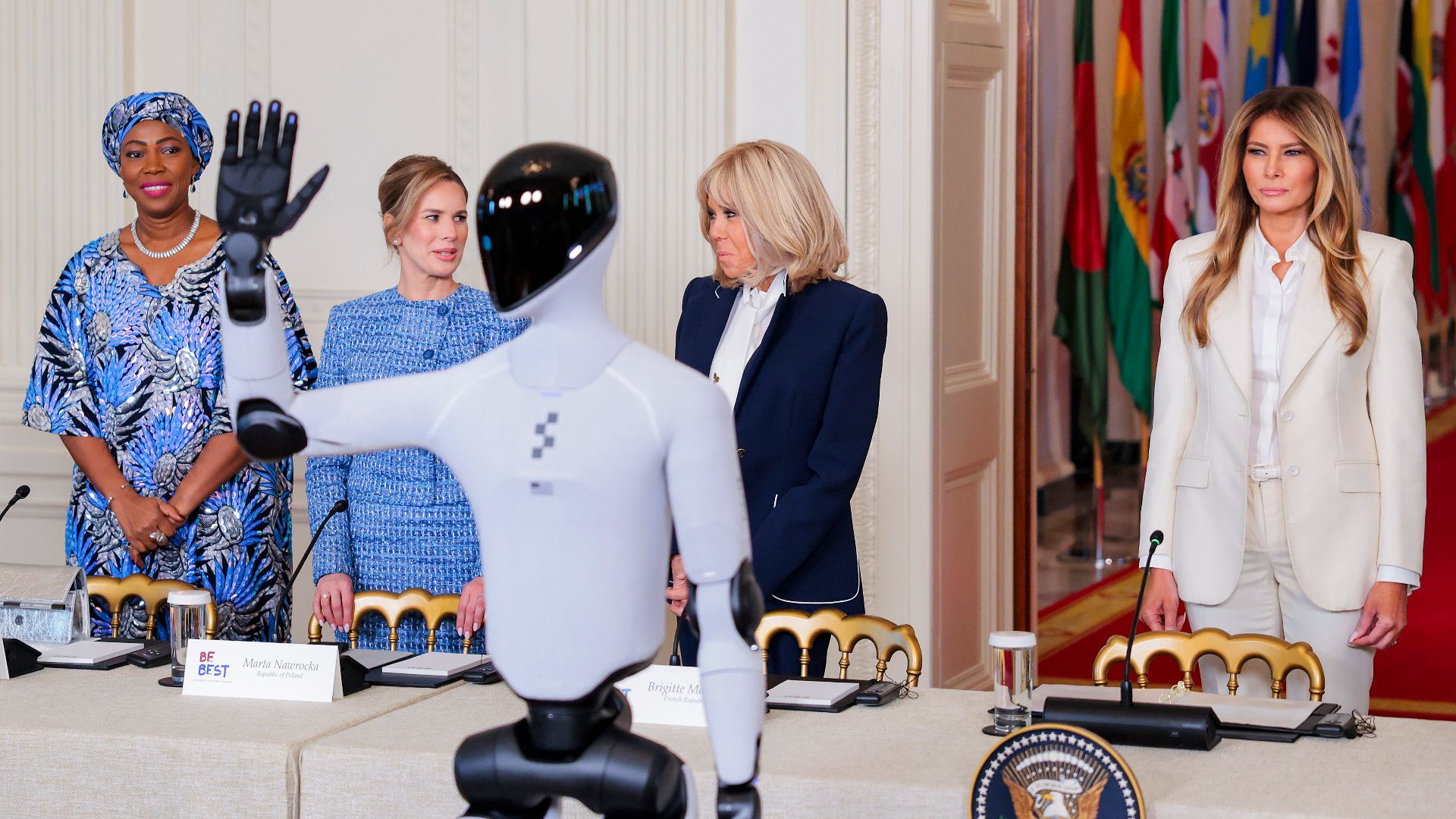
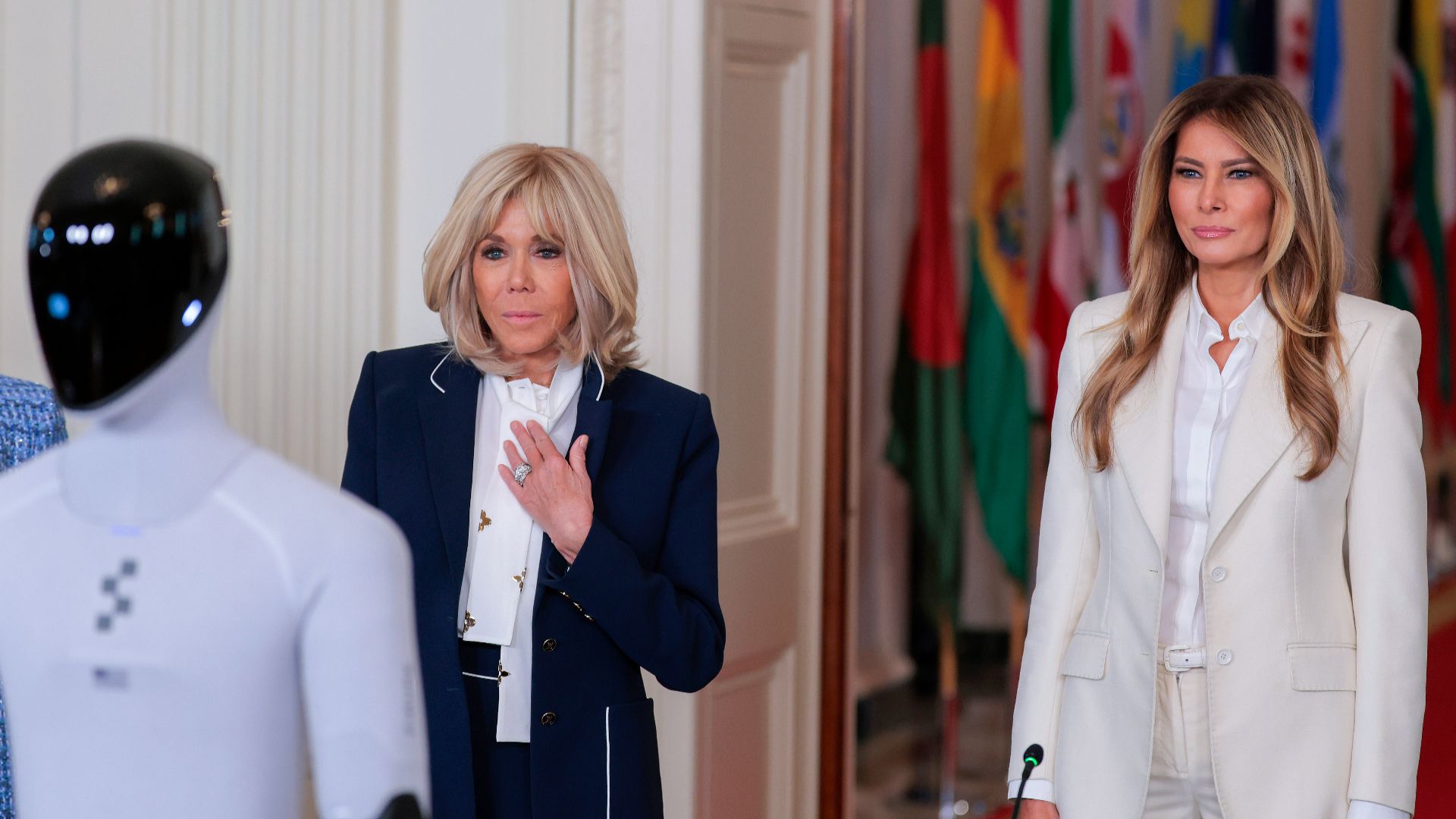
Melania Trump made a striking and unusual entrance at a high-profile artificial intelligence event she hosted alongside the spouses of several world leaders, notably including France’s First Lady Brigitte Macron, immediately drawing attention both in the room and online. Arriving accompanied by a humanoid robot, the First Lady’s appearance quickly went viral across social media platforms, where clips of the moment circulated widely. The event, centered on the future of education and emerging technologies, shifted from a diplomatic gathering to a viral spectacle within hours. While the setting gathered influential figures from across the world, it was the unexpected staging and visual symbolism that first captured public attention.
Getty Images
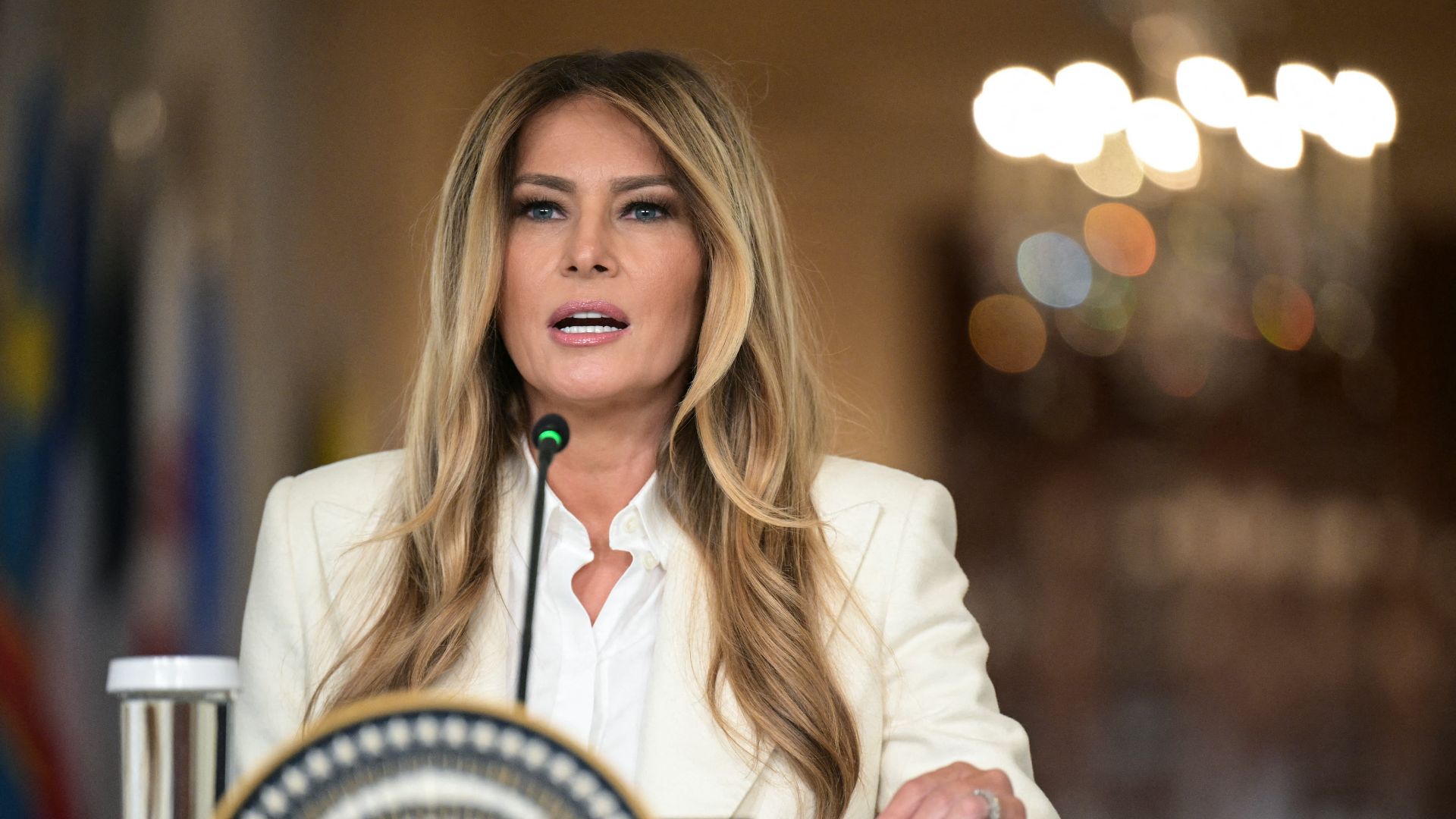
As the event progressed, Melania Trump laid out her vision for integrating artificial intelligence into American classrooms, introducing a concept that she framed as transformative for education. In one of the most widely shared moments of her speech, she stated:
«Imagine a humanoid educator named Plato.»
The proposal, presented as both innovative and inevitable, immediately sparked discussion among observers, with many focusing on the implications of replacing or supplementing traditional teaching roles with AI-driven systems. The reference to a named robotic educator underscored the administration’s interest in positioning technology as a central component of future learning environments.
«America, we are obligated to ensure that our children become the most technologically fluent and highly educated generation in the world.»
-First Lady, Melania Trump
Expanding on the concept, Melania Trump described the capabilities such a system would bring to students, emphasizing personalization and adaptability. She said «Plato will provide a personalized experience, adaptive to the needs of each student. Plato is always patient, and always available. Predictably, our children will develop deep critical thinking and independent reasoning abilities. The AI-powered Plato will boost analytic skills and problem solving and adopt in real time to a student’s pace, prior knowledge and even emotional state. The byproduct — a more well-rounded lifestyle for our children, freeing up time for being with friends, playing sports and developing interests beyond school. A more complete person.»
The remarks outlined a vision where technology plays a central, continuous role in children’s intellectual development.
Getty Images
Melania Trump also framed the initiative within a broader national objective, linking the adoption of AI tools in education to global competitiveness.
She stated:
«America, we are obligated to ensure that our children become the most technologically fluent and highly educated generation in the world.»
The comment reflected a strategic emphasis on technological leadership, positioning education reform as a key component of that ambition. Several attendees, including international representatives, acknowledged the importance of innovation in education, though reactions to the specifics of the proposal varied in tone and emphasis.
Getty Images
The event, however, has raised a number of questions among educators, researchers, and policy observers regarding the ethical and social implications of such a shift. Critics have pointed to concerns about the absence of human interaction in learning environments increasingly shaped by artificial intelligence. Experts in child development have long emphasized the importance of emotional connection, mentorship, and interpersonal communication in education, elements that may be difficult to replicate through even the most advanced systems. The idea of an «always available» and «always patient» AI educator has been described as both appealing and potentially problematic, depending on how it is implemented.
«Plato will provide a personalized experience, adaptive to the needs of each student. Plato is always patient, and always available. Predictably, our children will develop deep critical thinking and independent reasoning abilities. The AI-powered Plato will boost analytic skills and problem solving and adopt in real time to a student’s pace, prior knowledge and even emotional state. The byproduct — a more well-rounded lifestyle for our children, freeing up time for being with friends, playing sports and developing interests beyond school. A more complete person.»
-First Lady, Melania Trump
As reactions continue to unfold, the event highlights the growing intersection between technology, politics, and education policy. While Melania Trump’s presentation positioned AI as a tool to enhance and modernize learning, it has also reignited debate over the role of human educators and the boundaries of automation in formative environments. The viral nature of the event, combined with the ambitious scope of the proposal, ensures that the discussion will extend beyond the initial gathering. The introduction of AI-driven education models now appears poised to become a significant topic in ongoing conversations about the future of schooling in the United States.