Catégorie oBox : OBOXMA














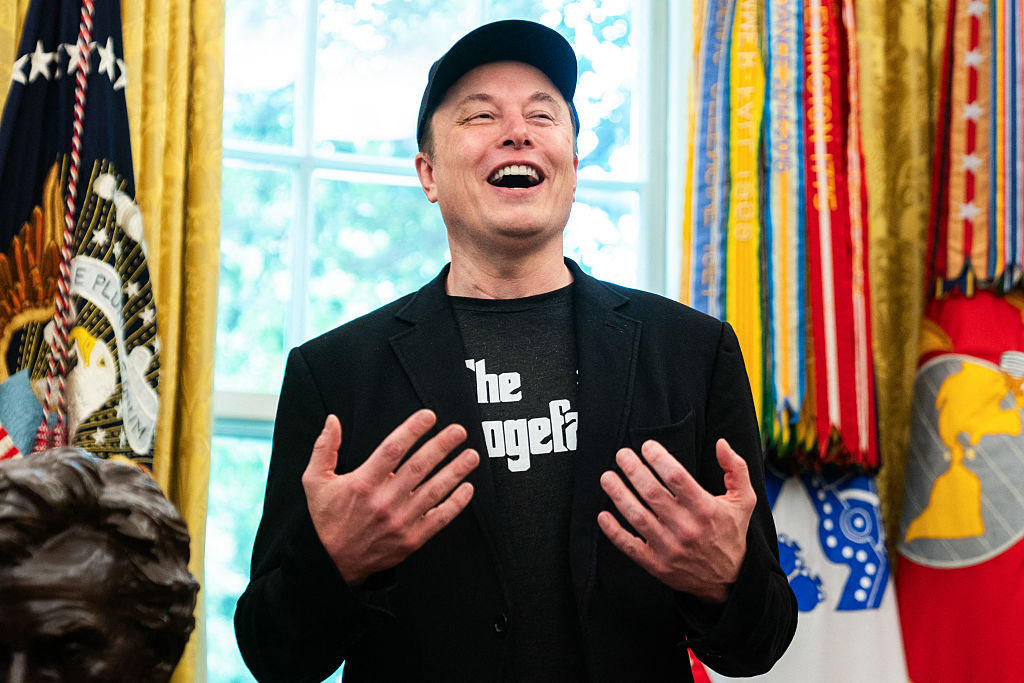



























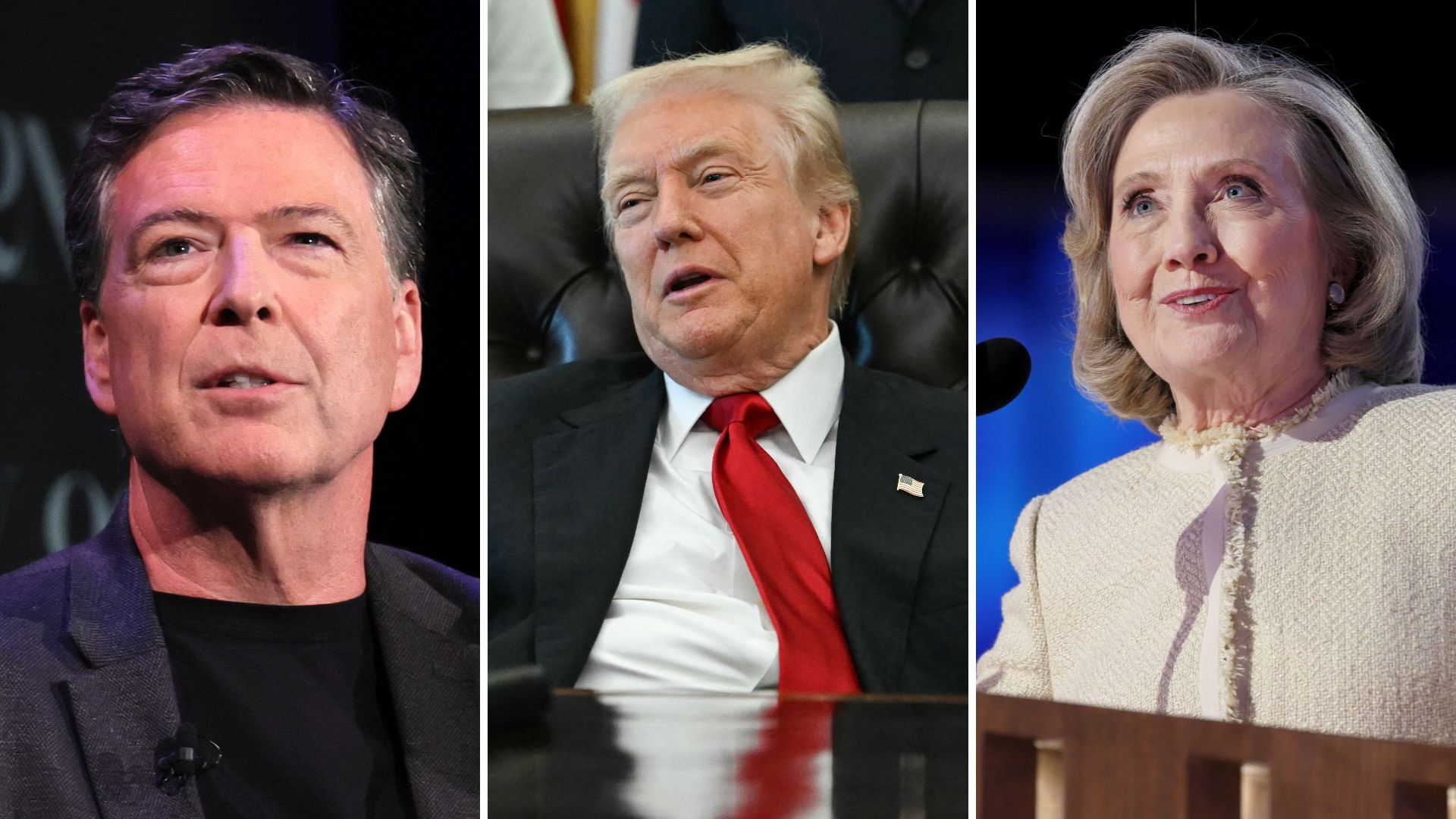
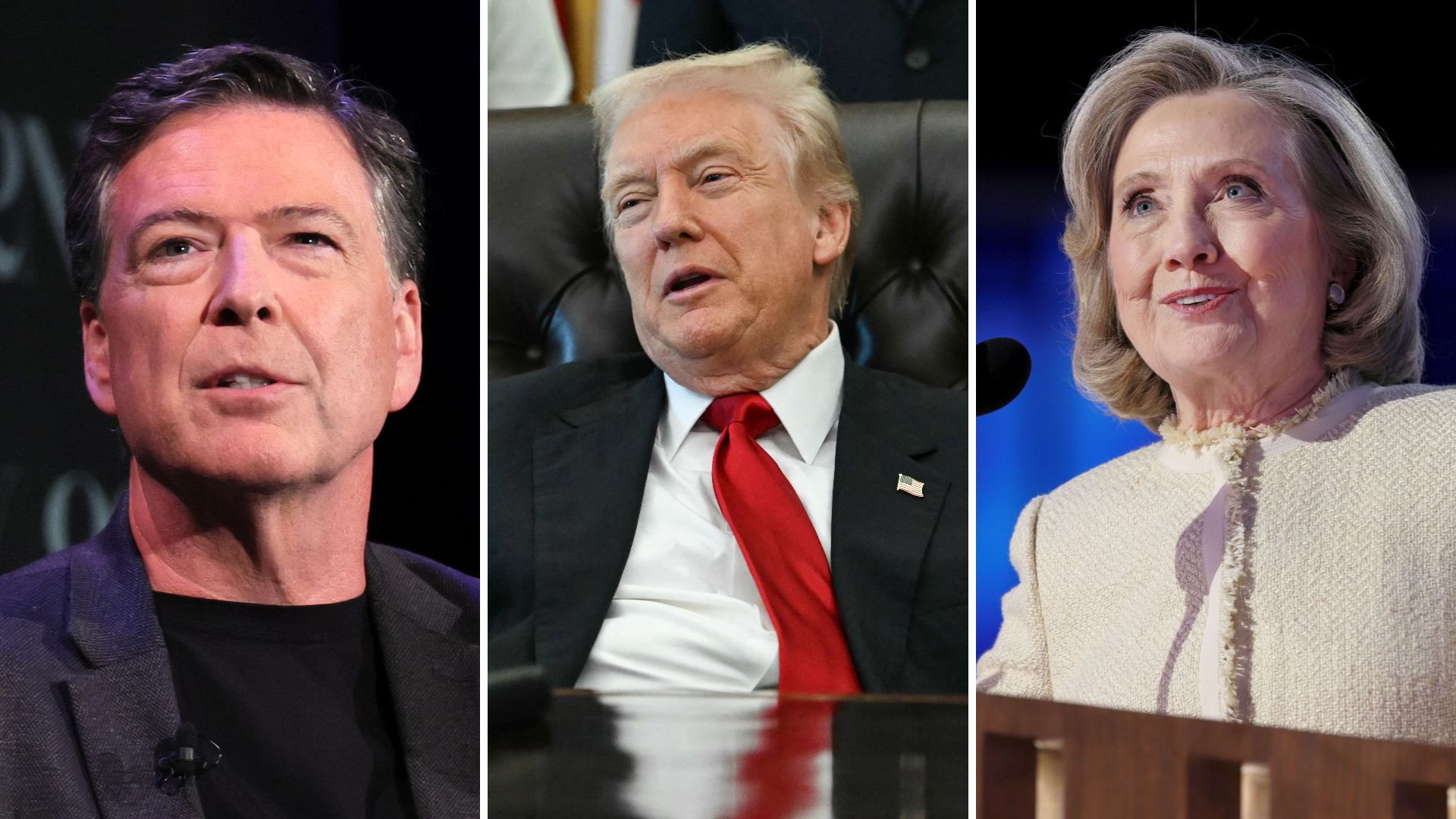
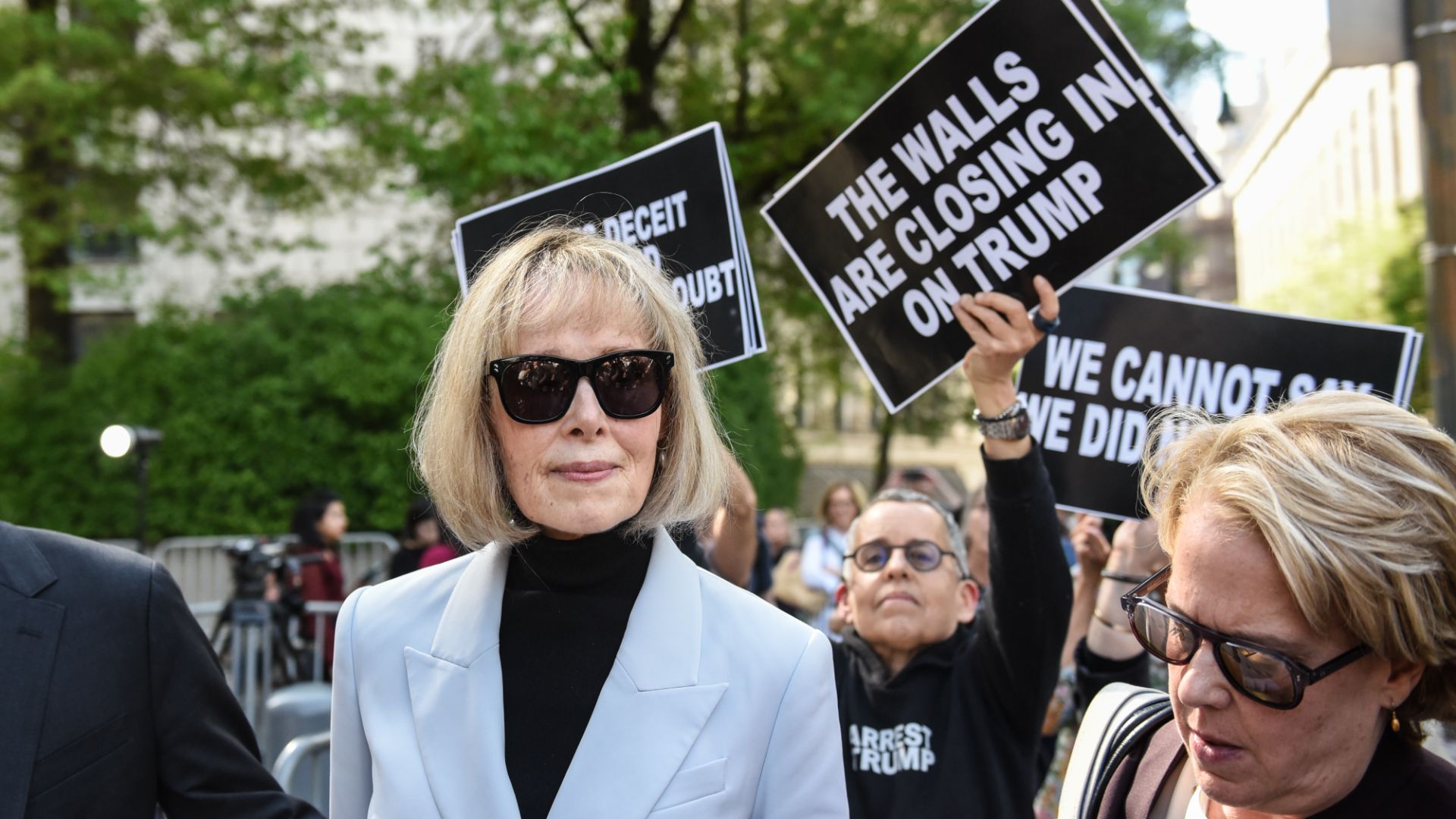
The appeals court is expected to issue its decision in the coming weeks or months, and if Donald Trump loses, he can seek a rehearing by the full court or ask the Supreme Court to take up the case.
Catégories
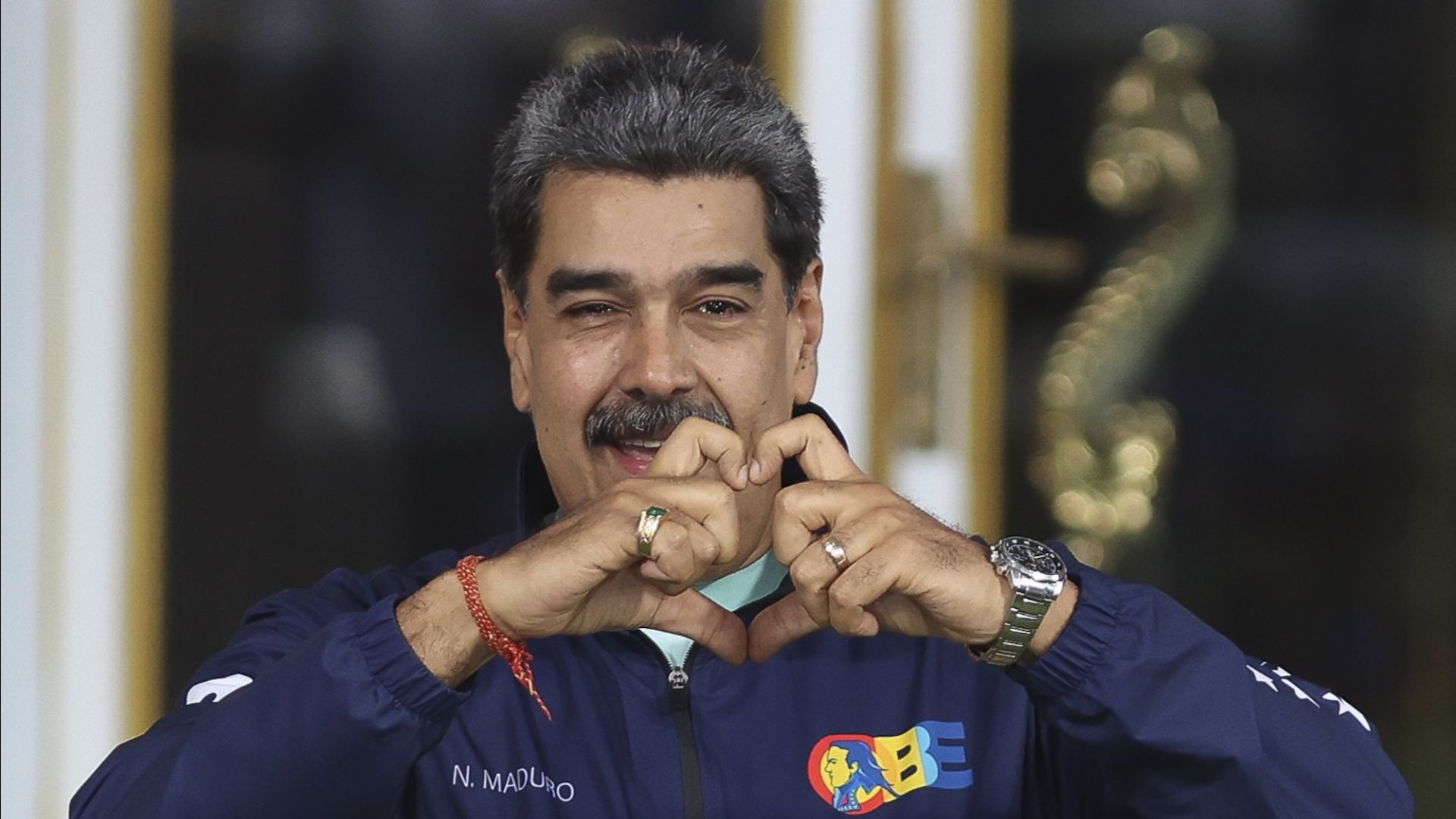
Trump labels Maduro a terrorist
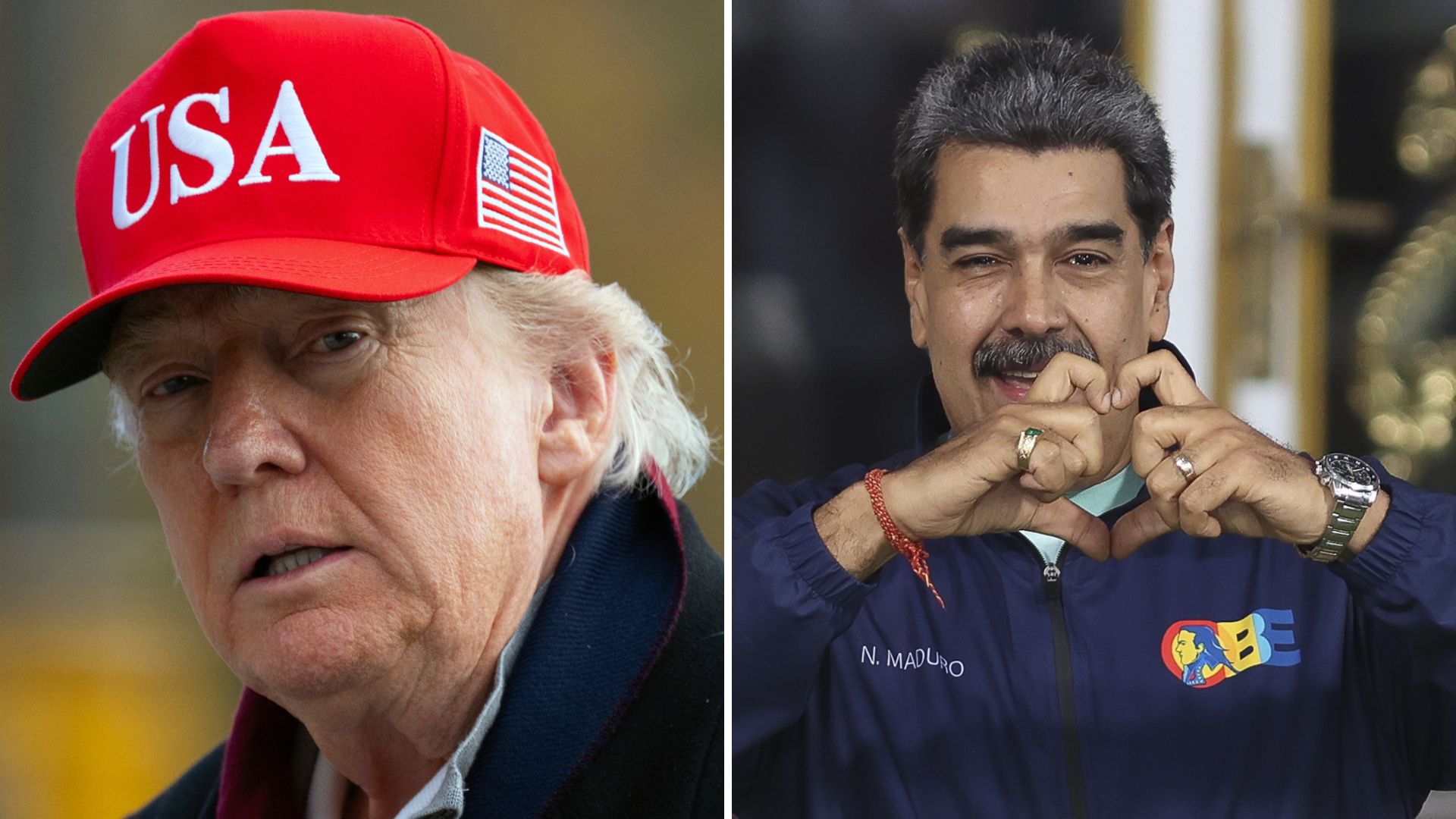
The Trump administration has designated Venezuelan Nicolás Maduro and key figures in his government as members of a foreign terrorist organization, further escalating tensions between the two countries in the context of Trump’s declared war on drug cartels.
While officials present the move as part of a broader crackdown on narcotrafficking, many observers say it is primarily aimed at increasing pressure to push Maduro’s government out of power.
Trump’s latest escalation
The Trump administration’s latest escalation comes at a moment when tensions in and around Venezuela are already at a peak.
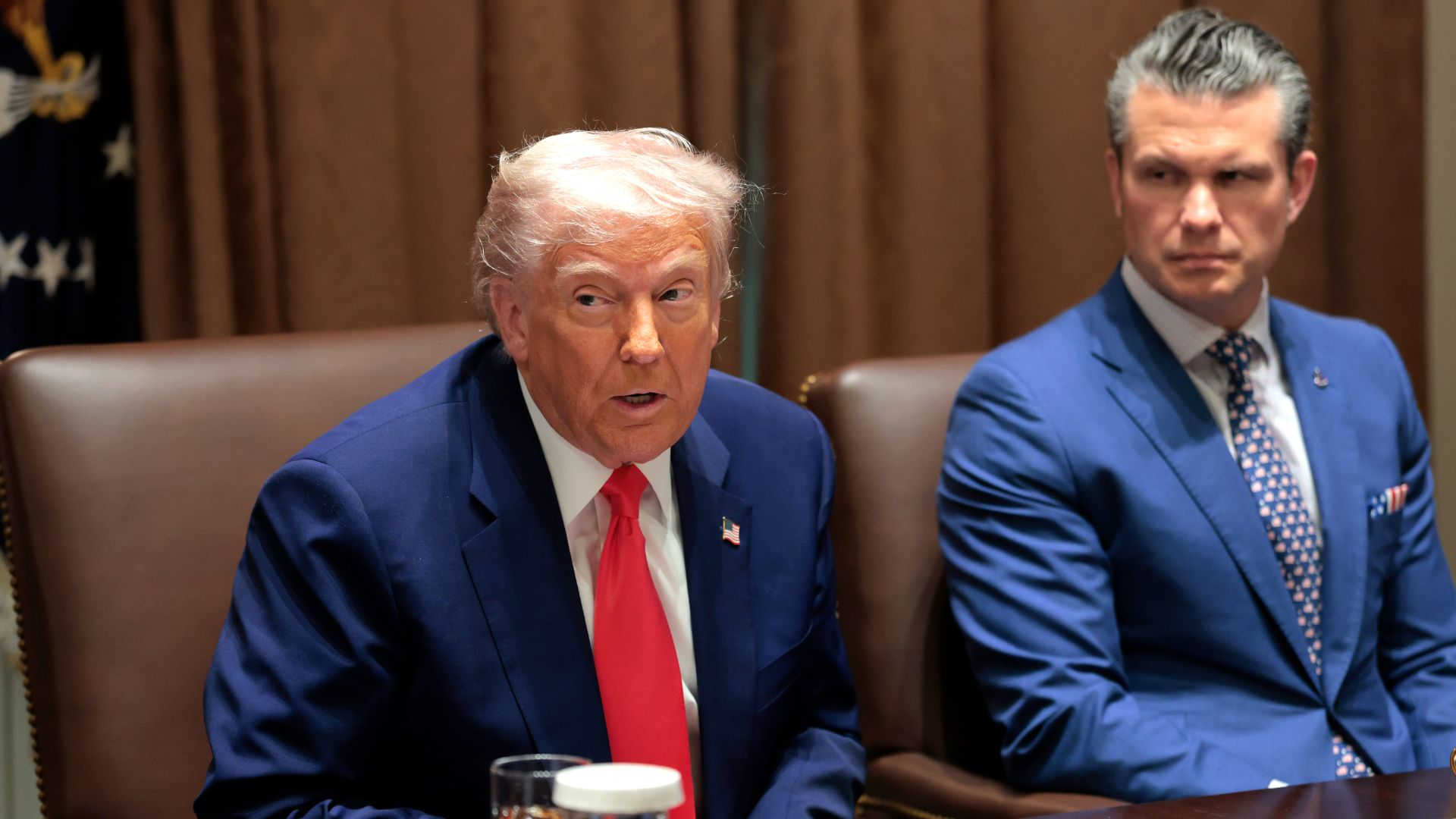
Multiple international airlines have canceled flights to the country after the Federal Aviation Administration warned of a «worsening security situation» amid a growing U.S. military buildup in the region, adding a new layer of uncertainty and isolation as Washington moves to formally label Nicolás Maduro and his allies as part of a foreign terrorist organization.
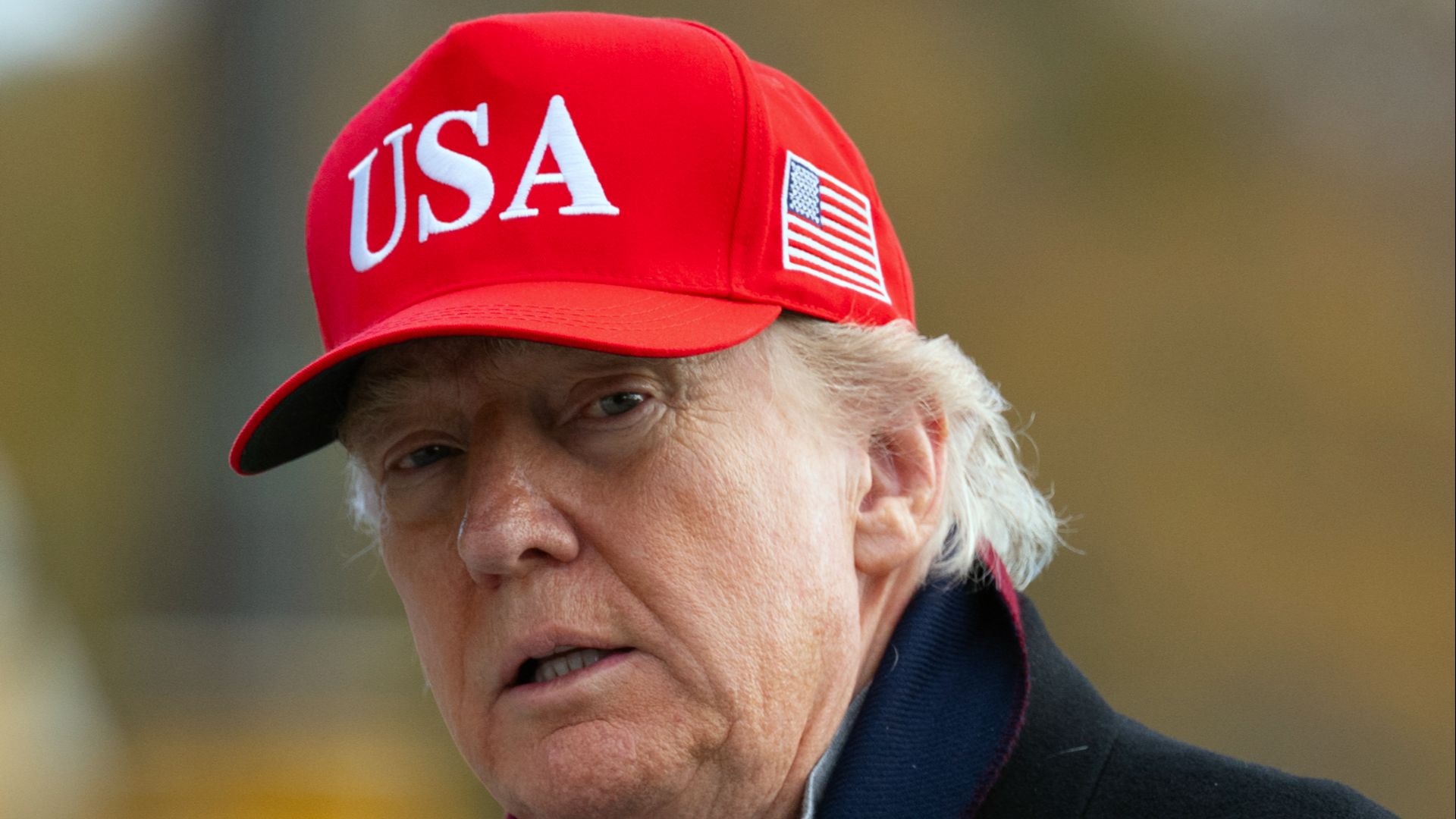
With this almost unprecedented move by a U.S. president — designating a sitting foreign head of state as a member of a terrorist organization — Trump is turning up the pressure to maximum levels in a way that risks isolating Venezuela even further. Behind the designation is a strategy that could open the door to new sanctions, tighter restrictions on travel and financial transactions, and push even more international companies to pull out of the country, deepening its economic and diplomatic isolation.
In a legal gray zone
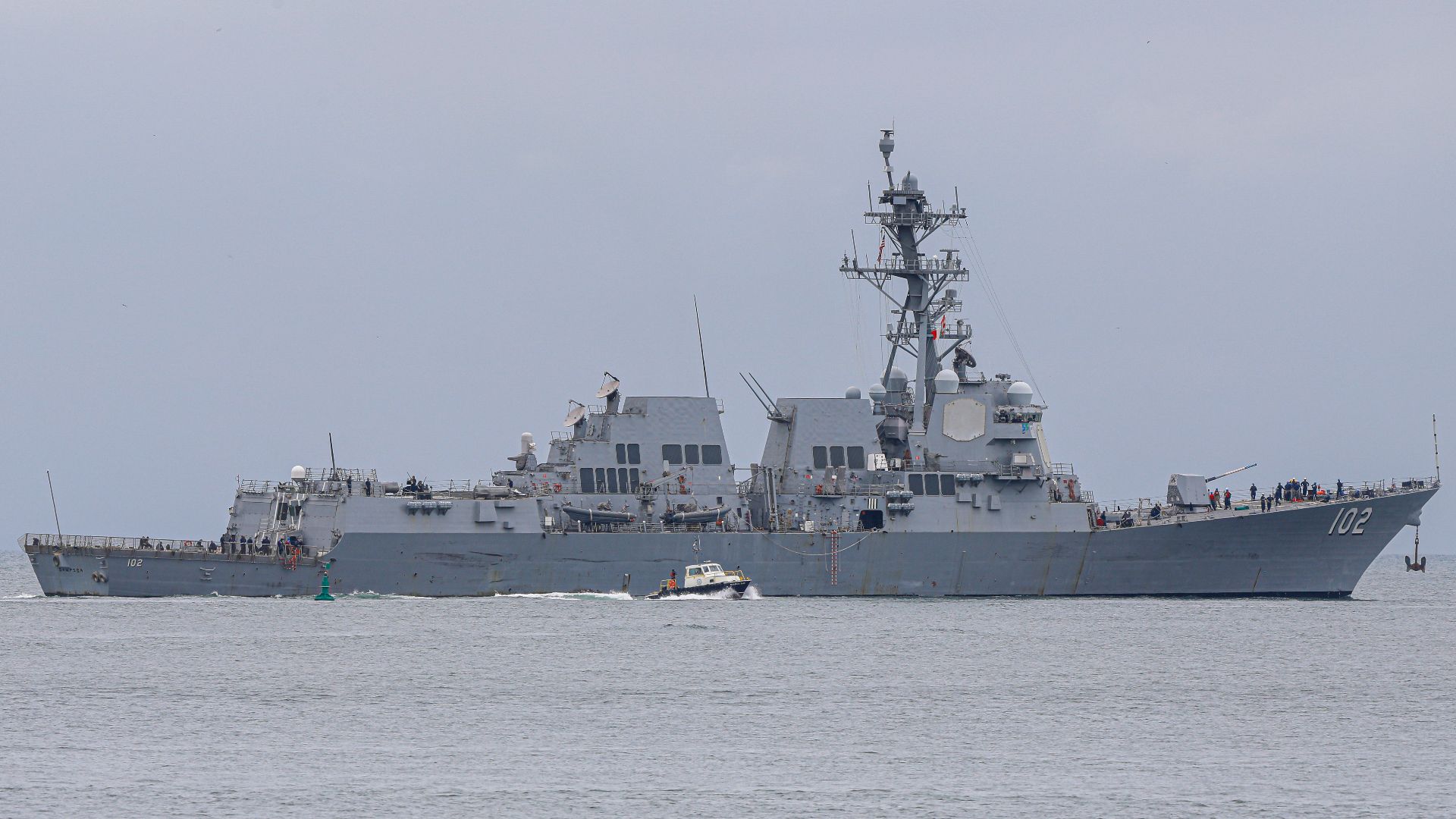
Since early September, the United States has repeatedly bombed small boats it claims are run by Venezuelan drug cartels, striking them in the Caribbean and eastern Pacific. As of mid-November, there have been 21 airstrikes on 22 vessels and leaving 83 people dead.
Trump’s hard-line approach has triggered mounting unease abroad, with allies and rights groups warning it blurs legal boundaries, undermines due process and risks fueling a wider regional crisis — concerns underscored by the U.K.’s recent decision to halt the sharing of certain classified intelligence with Washington.
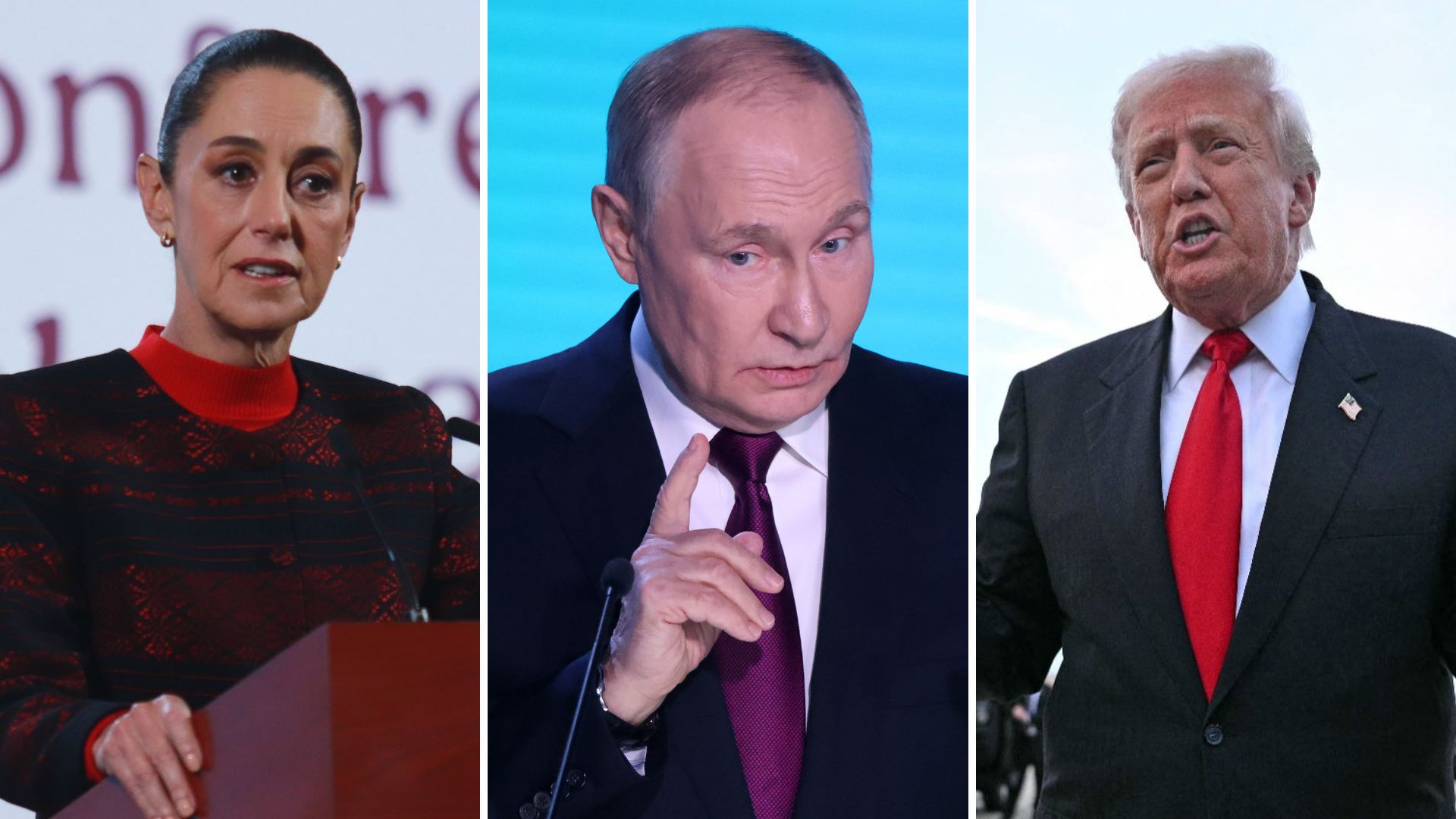
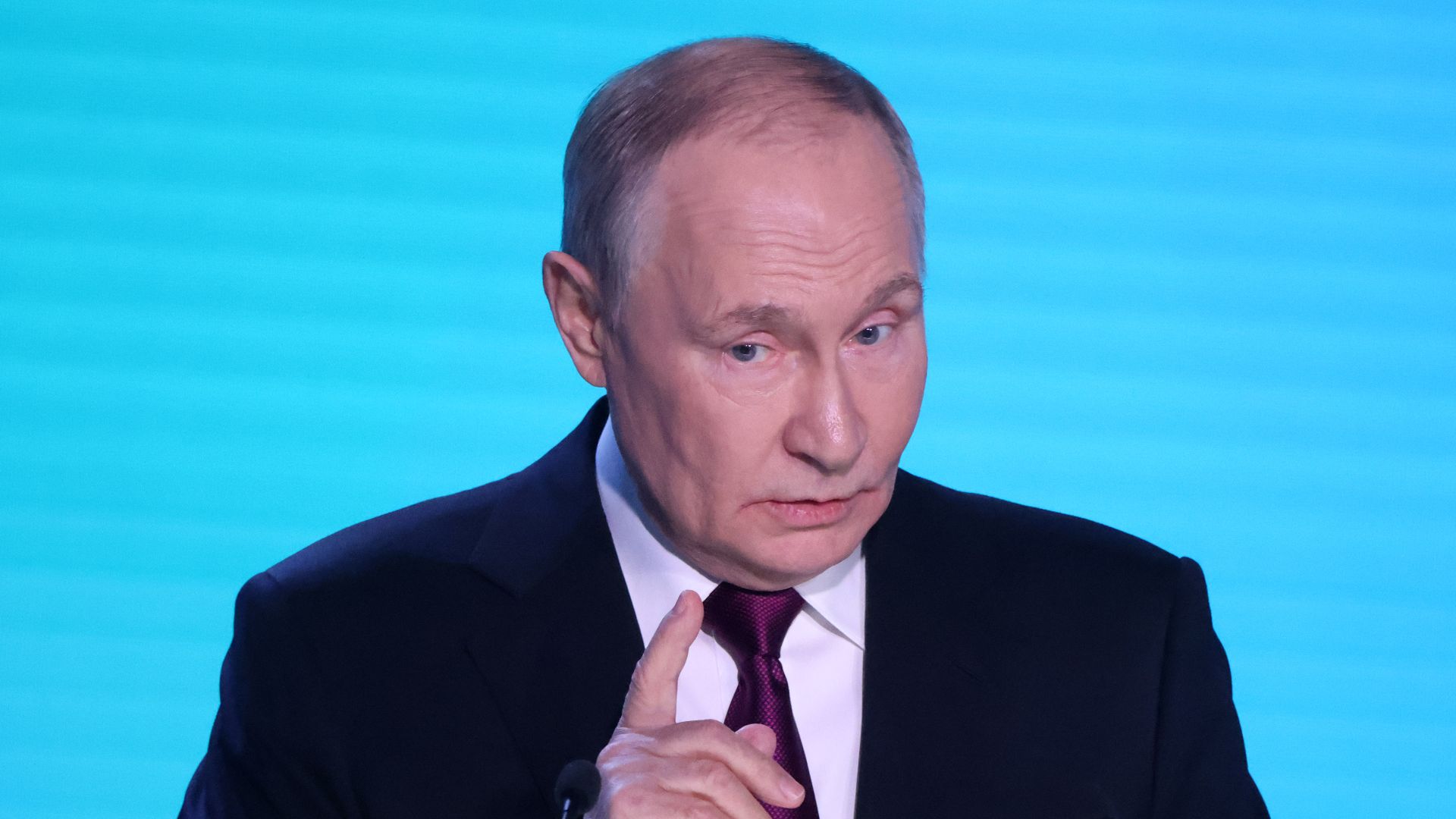
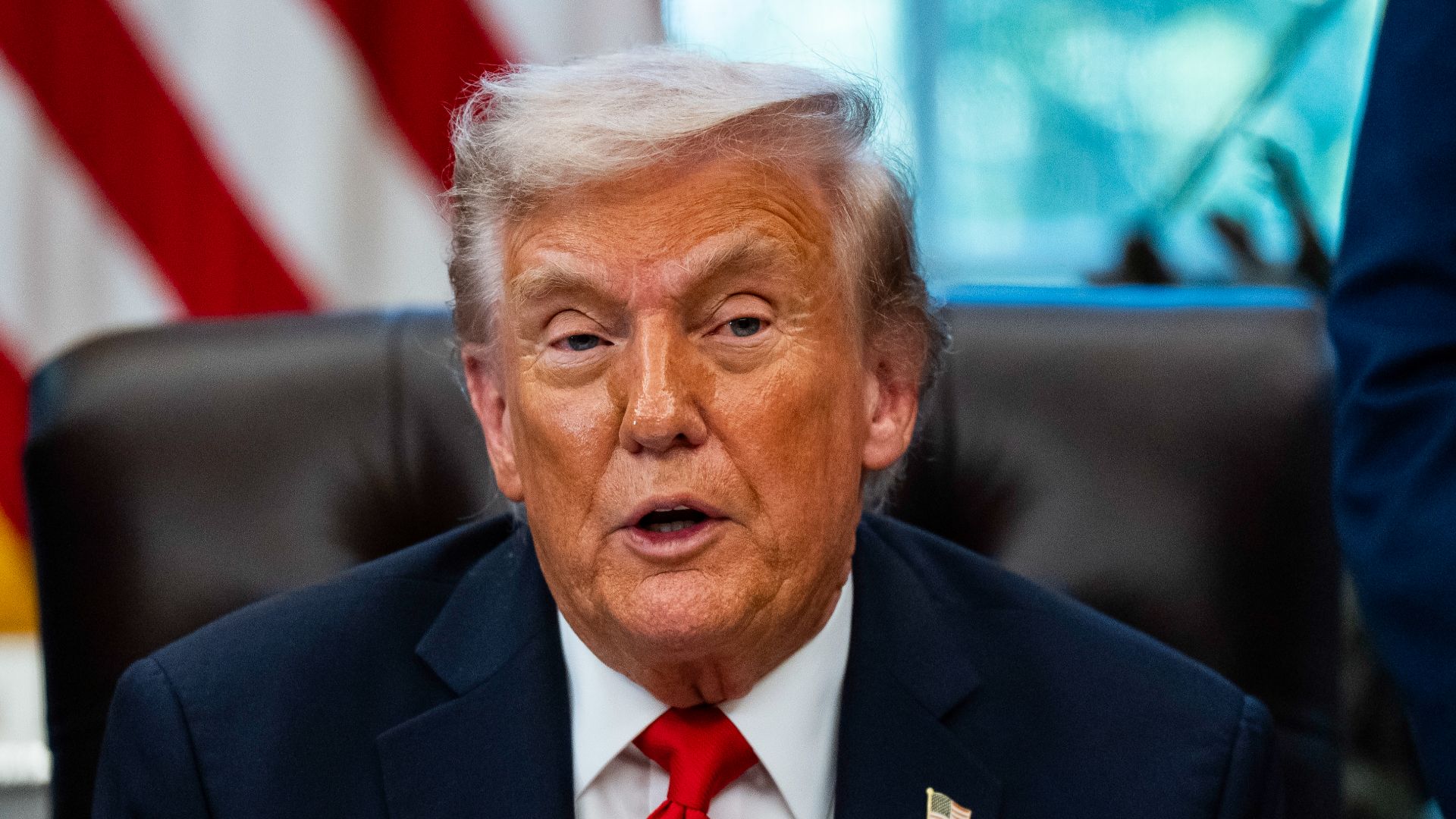
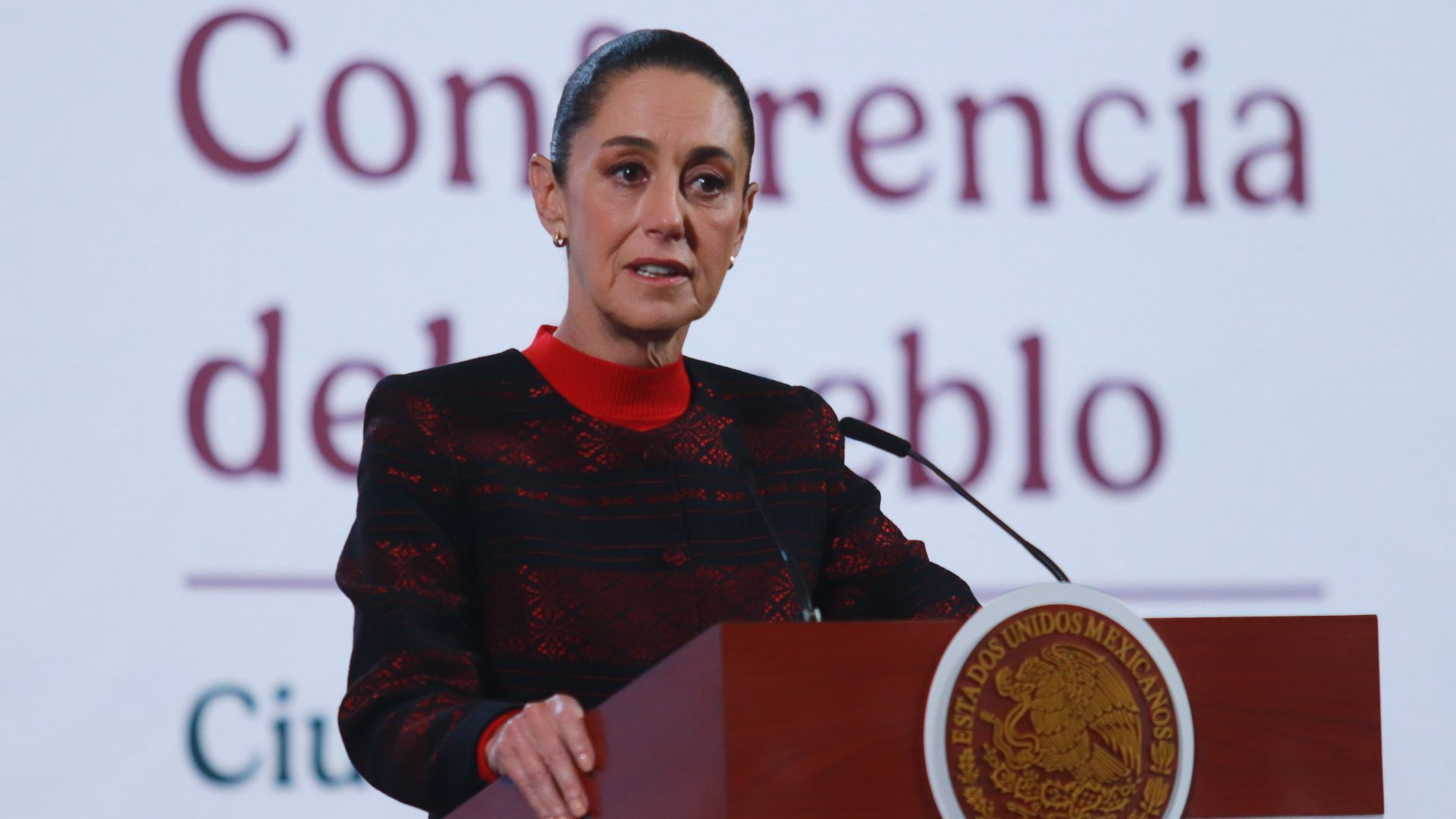
Russia’s latest disinformation attack on the United States increasingly runs through Mexico, where the Kremlin has found a strategic gateway to the vast Spanish-language media space that links Latin America to millions of Latino viewers inside the US.
Over the past two years, Kremlin-owned media outlets such as Sputnik and RT have sharply stepped up their activity in the region, with efforts aimed in part at sowing discord between Washington and its allies, according to watchdog groups, an American diplomatic cable and reporting by the New York Times.
Sounding the alarm
The diplomatic cable warned that «RT’s aggressive investment in Mexico and its strategy to build its credibility and undermine the United States poses a threat to current popular perception», noting that American diplomats in Mexico City were already sounding the alarm in 2024 and asking for «more resources to counter RT’s well-funded efforts».
According to the same cable, online views for «RT en Español» on X jumped from less than 200,000 in 2022 to 715 million in 2023, a dramatic surge that shows how quickly the channel has expanded its reach and how central Mexico has become to Moscow’s effort to shape conversations about the United States.
An overreaching power
Moscow does not just chase bigger audiences; it also adapts much of its Spanish-language messaging to Mexico’s own disputes with Washington, using local controversies to make its narratives look organic rather than imported.
RT and Sputnik promote stories that portray the United States as an overreaching power, from coverage linking the U.S. Drug Enforcement Administration to the 2021 assassination of Haiti’s president — a Sputnik article amplified by Mexico’s state broadcasting chief with the comment «another D.E.A. intervention in Latin America» — to Russian officials’ claims that Washington and Kyiv are working with Mexican and Colombian cartels to fight Russia.
These themes tap into existing nationalist and anti-U.S. currents inside Mexico, where some figures in the ruling party have circulated Kremlin-friendly content, helping Russia’s messaging blend into domestic political debates.
Its influence on the country’s information
The Kremlin, for its part, rejects accusations of manipulation and insists its state outlets simply offer an «unbiased alternative to American media», pointing out that they provide free material to local partners.
In Mexico, that approach has enabled RT and Sputnik to deepen their presence through partnerships with organisations such as the Journalists Club, an industry association that has received funding from the Mexican Senate, giving Russian media an additional layer of institutional visibility — and making its influence on the country’s information space even harder to counter.
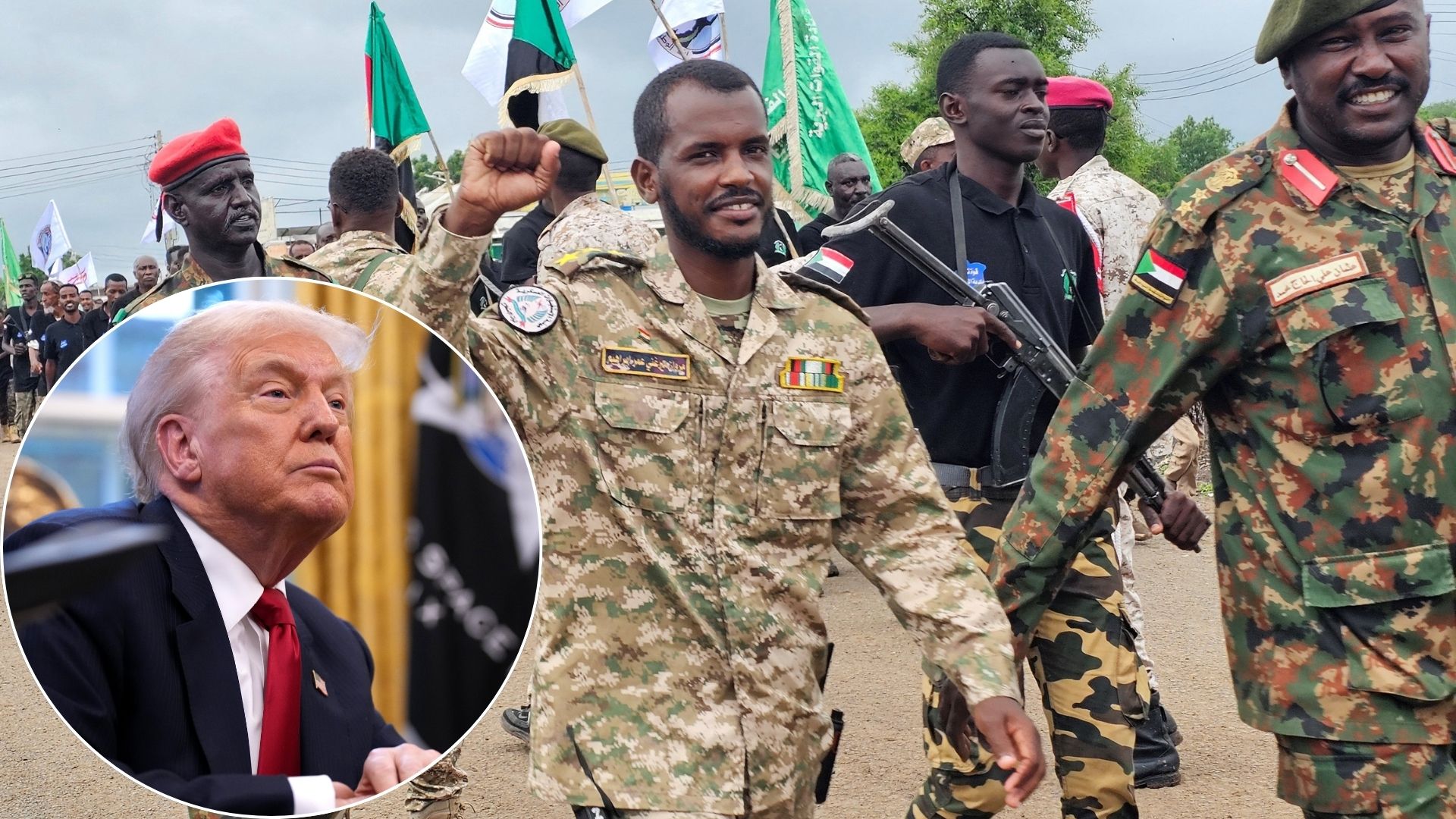
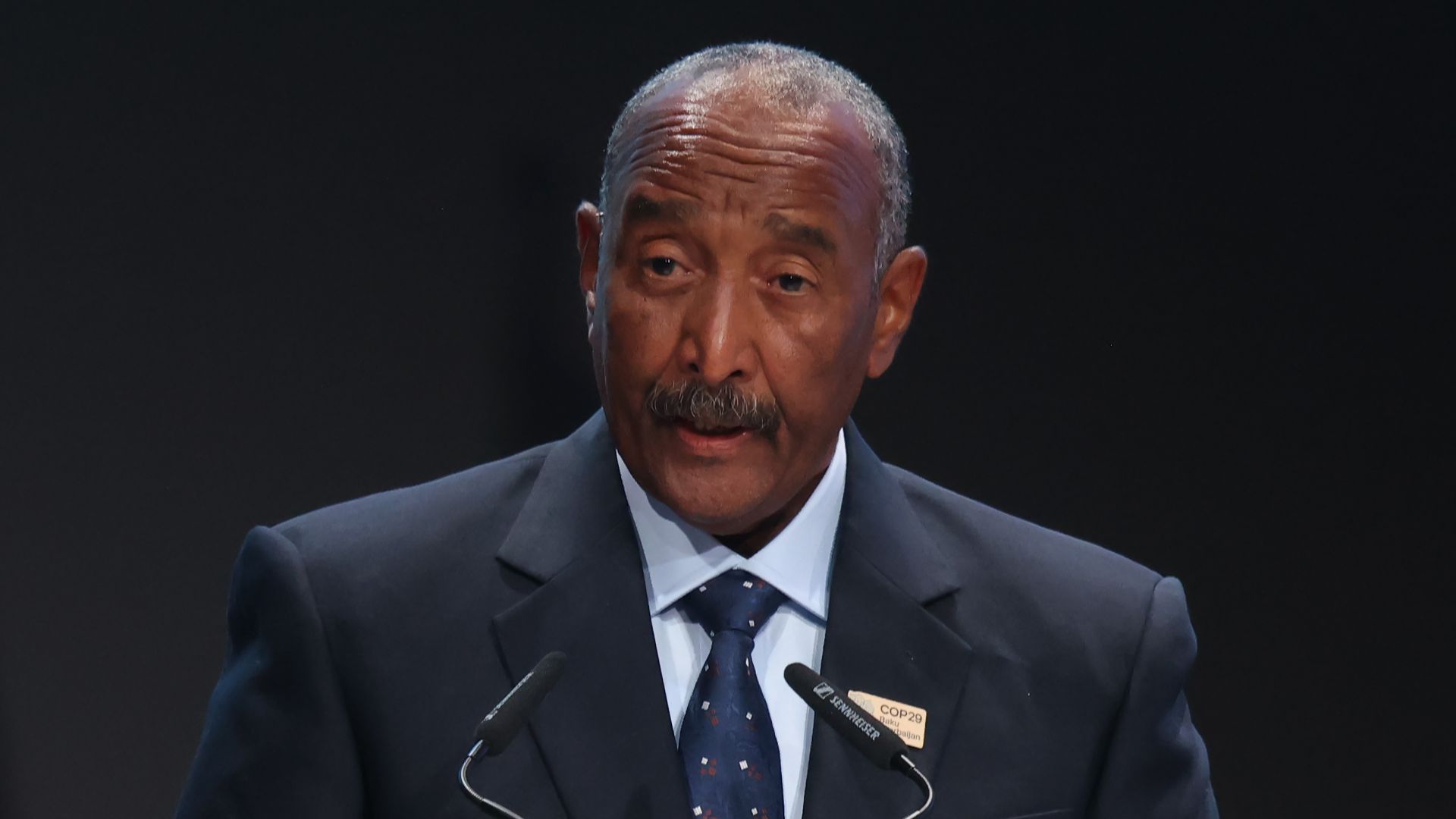
The Trump administration’s attempt to secure a peace agreement in Sudan is at high risk of collapse, as Abdel-Fattah Burhan, a top Sudanese general, voices his strong opposition to the US-led ceasefire proposal aimed at stopping the war that has raged in Sudan since 2023.
General Burhan denounces the proposal as «the worst document yet» and accuses the US of trying to «impose some conditions on us».
«We’re not warmongers, and we don’t reject peace».
At war since 2023
The conflict in Sudan, which escalated dramatically in 2023, pits the Sudanese Armed Forces (SAF), led by Sudan’s de facto leader Abdel-Fattah Burhan, against the Rapid Support Forces (RSF) commanded by Mohamed Hamdan Dagalo, known as Hemedti.
What began as a power struggle between two former allies who jointly seized control in 2019 quickly turned into one of the world’s deadliest urban wars, devastating Khartoum and spreading across Darfur and other regions. Millions of civilians have been displaced, basic services have collapsed, and widespread atrocities have been reported, particularly in Darfur where ethnic targeting has resurfaced.
Despite multiple international attempts at mediation, a durable ceasefire has remained elusive, as both sides accuse each other of atrocities and refuse to concede ground.
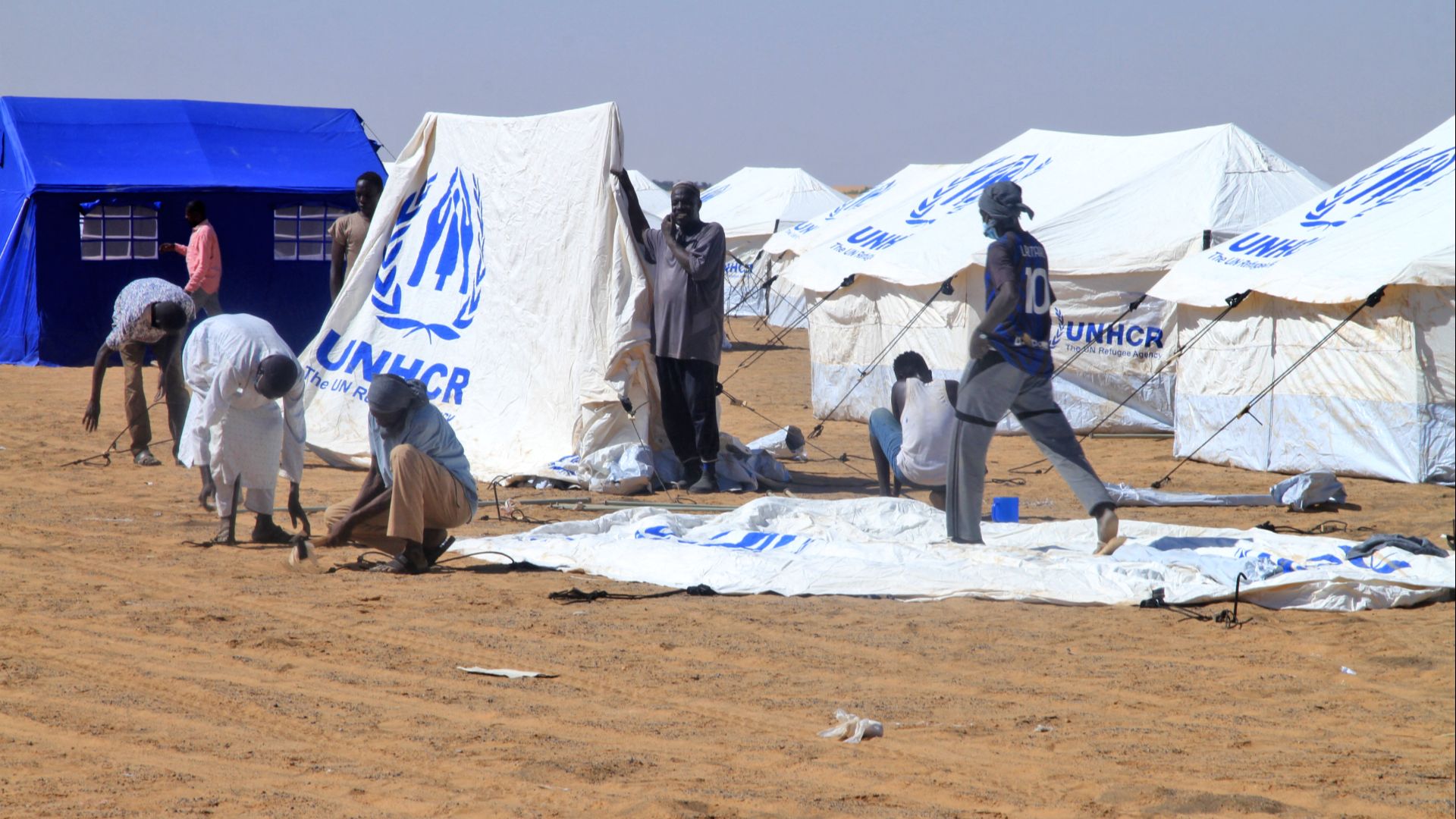
US accused of «biased mediation»
Abdel-Fattah Burhan insisted that «no one can threaten us or dictate terms to us» as he rejected accusations of warmongering, saying «We’re not warmongers, and we don’t reject peace». However, he stressed that his military will only accept a ceasefire when the RSF (Rapid Support Forces) completely withdraws from civilian areas.
Sudan’s top general described the US mediation attempt as «biased mediation», saying it «eliminates the Armed Forces», «dissolves security agencies» and «keeps the militia where they are», and accused the Trump administration of lying.
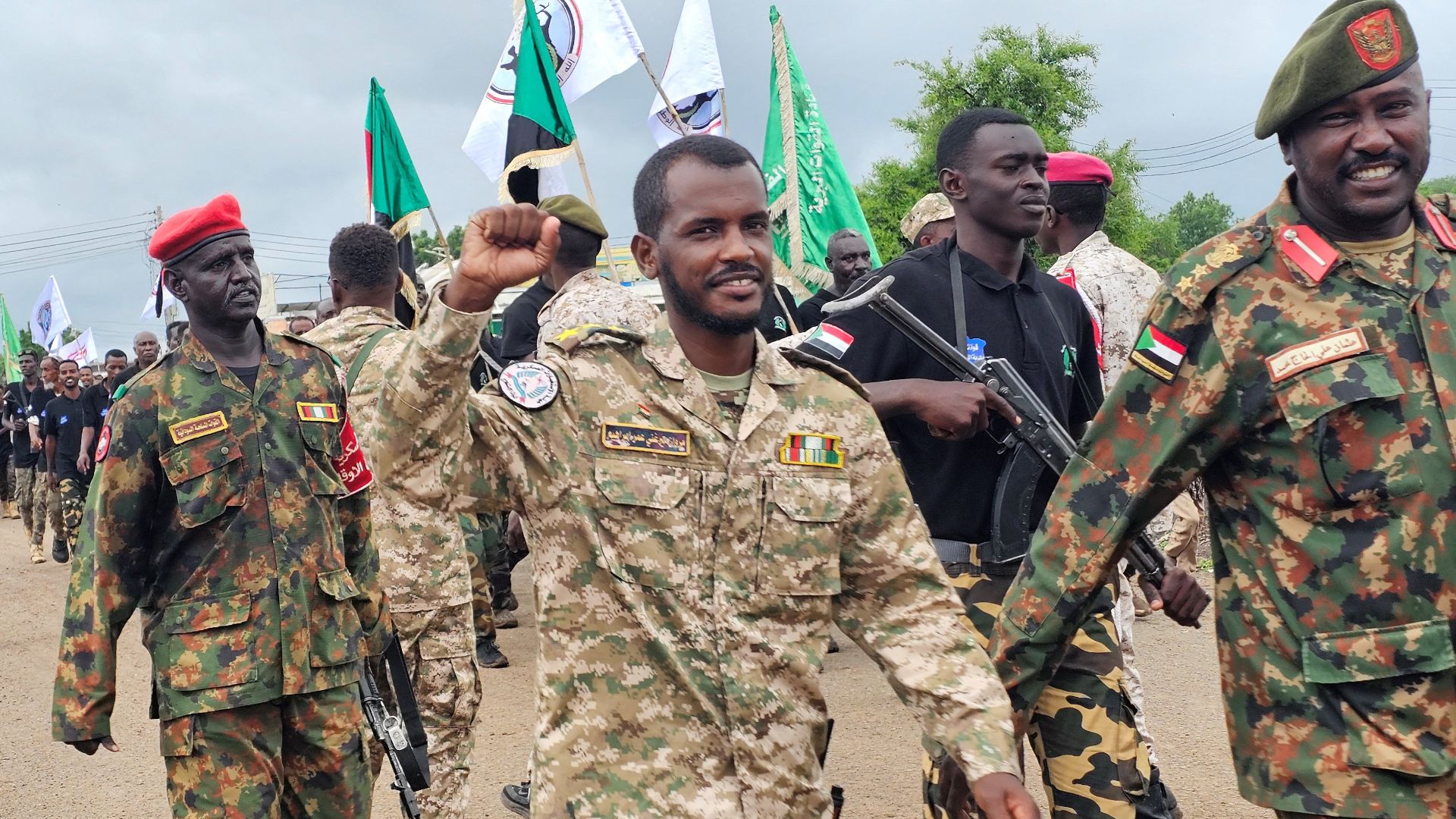
Burhan’s rejection further complicates ongoing diplomatic efforts, as the US plan had been presented as the foundation for the next round of negotiations.
Several international actors, including the UN, the African Union and key Arab states, had viewed the US proposal as the last serious attempt to secure a pause in the fighting.
On the US side, officials privately argue that Burhan’s stance is primarily aimed at buying time on the ground and consolidating his military lines.
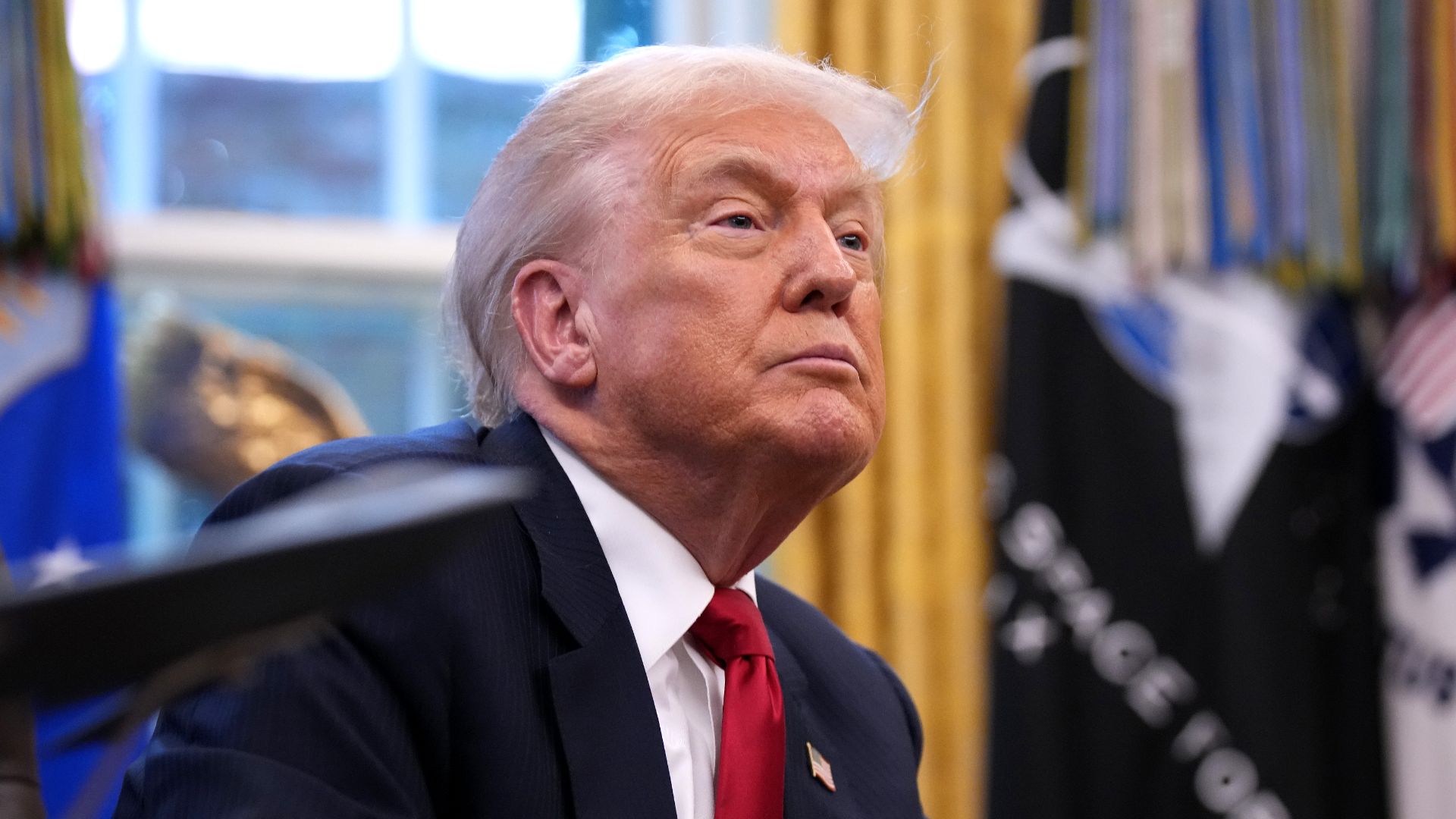
For the Trump administration, the setback is significant, as Trump was particularly eager to add Sudan to his self-styled peace agreement trophy list.












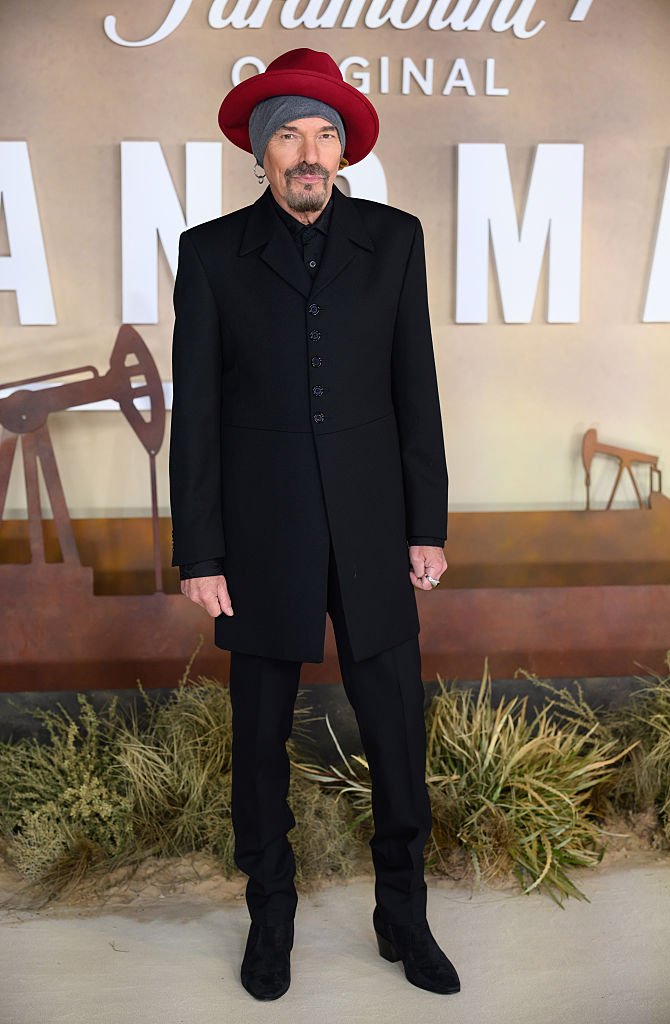
Billy Bob Thornton caused quite a stir at the London premiere of Landman, appearing at the heart of a veritable parade of celebrities celebrating this eagerly-awaited new production. On the carpet, the Oscar-winning actor was warmly surrounded by acting partners and industry friends, including Ali Larter and Demi Moore, creating an atmosphere both glamorous and electric.