Catégories
Uncategorized

Trump Threatens «Very Bad» Future for NATO Over Strait of Hormuz

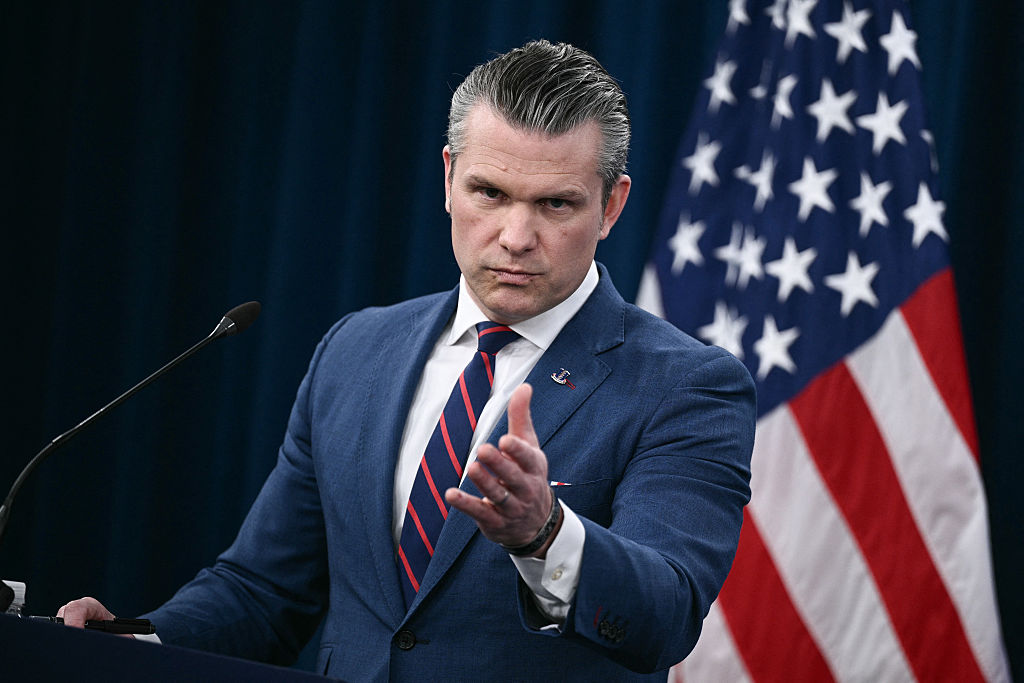
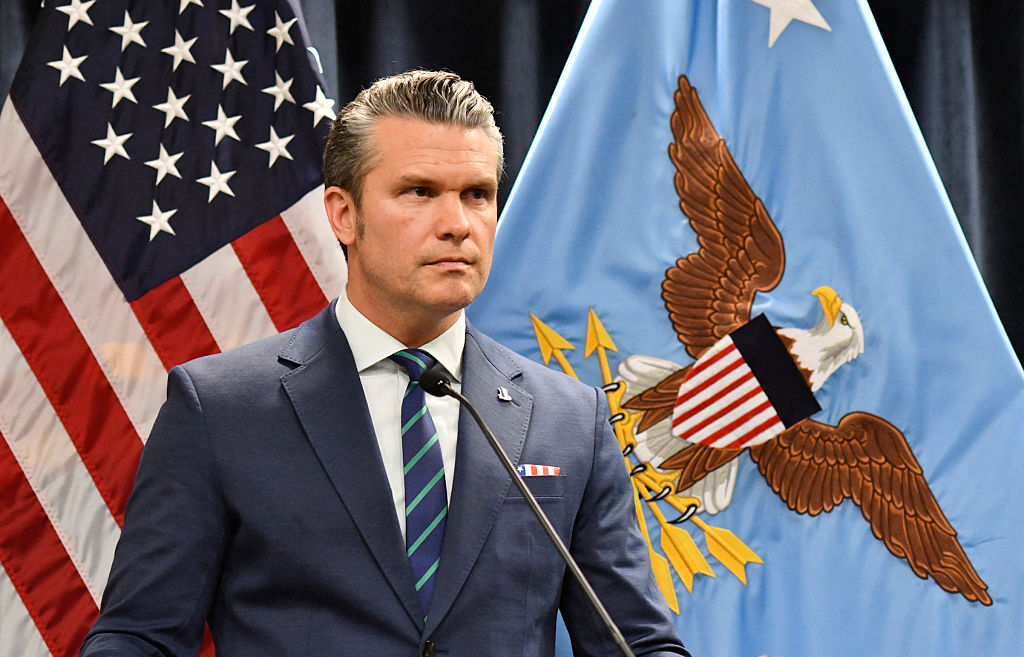
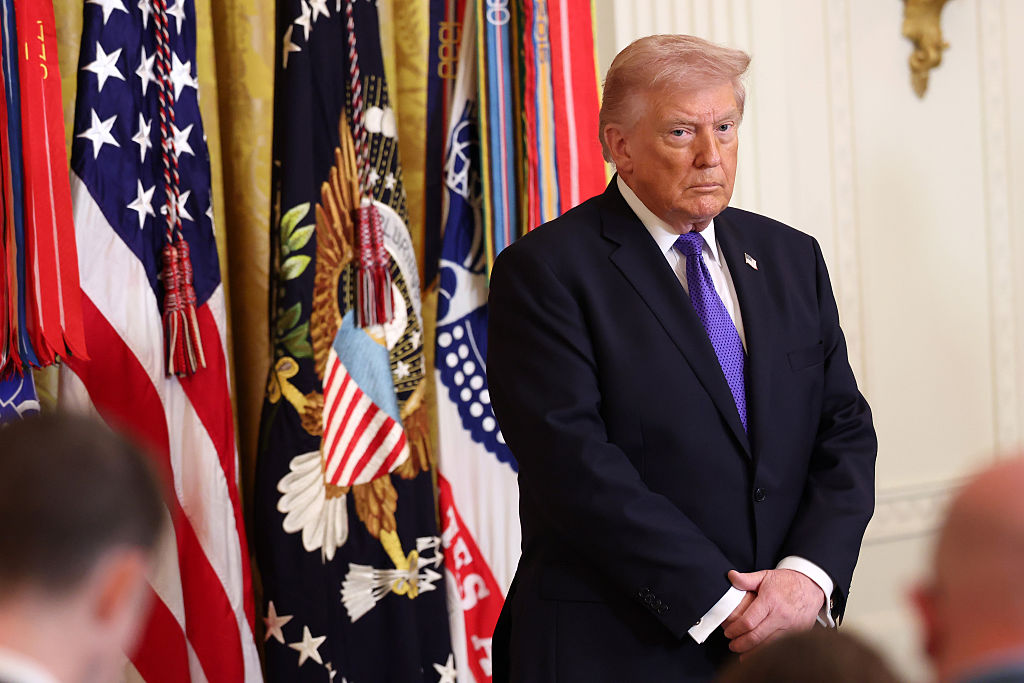
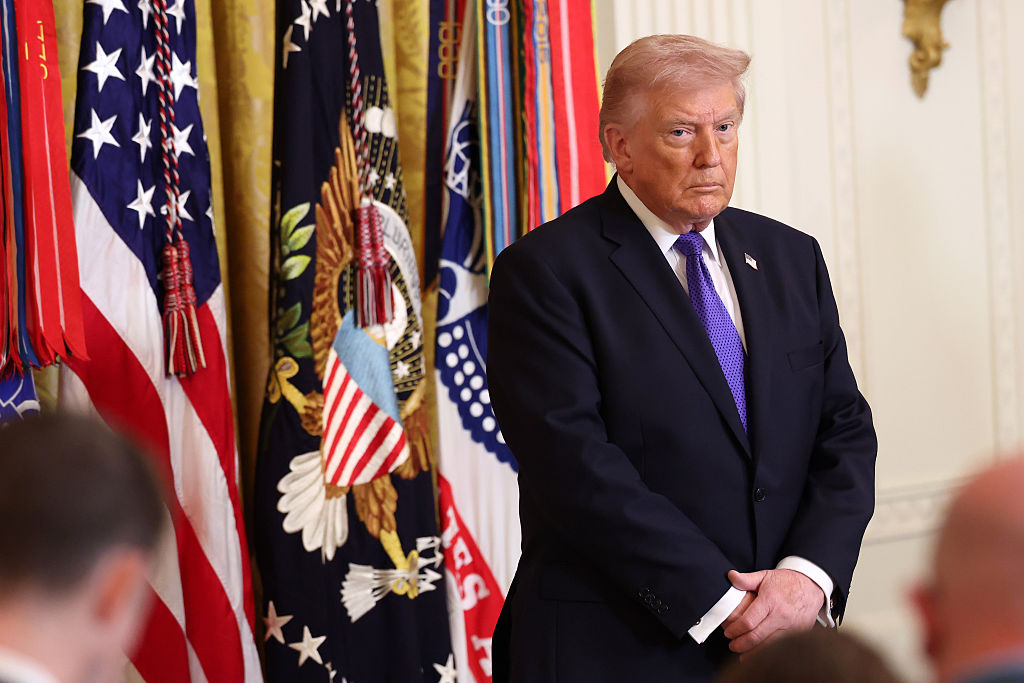
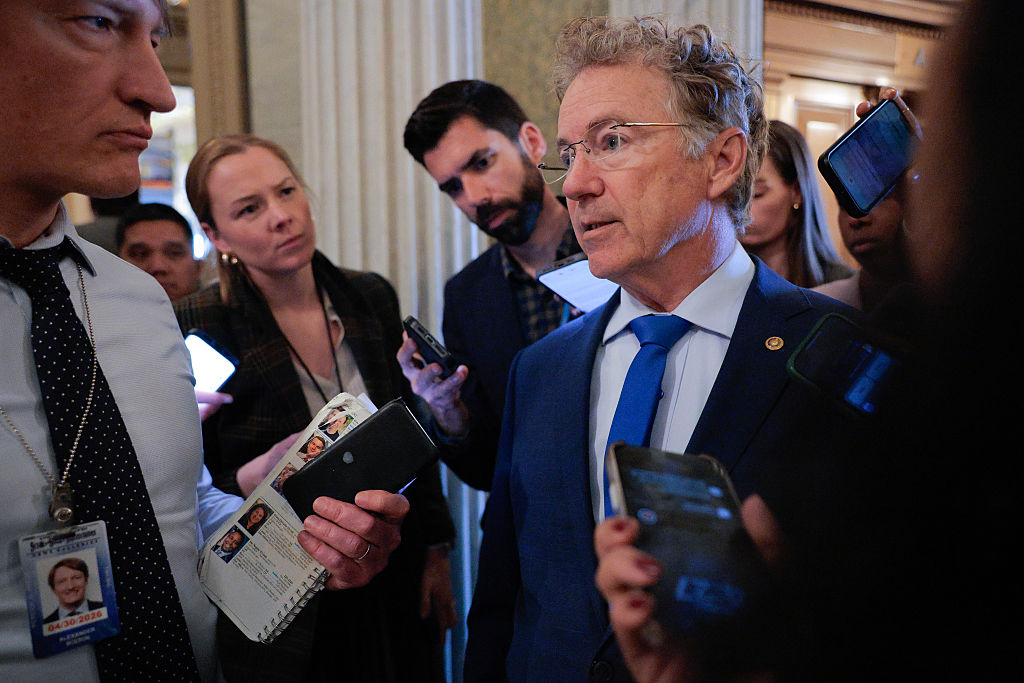
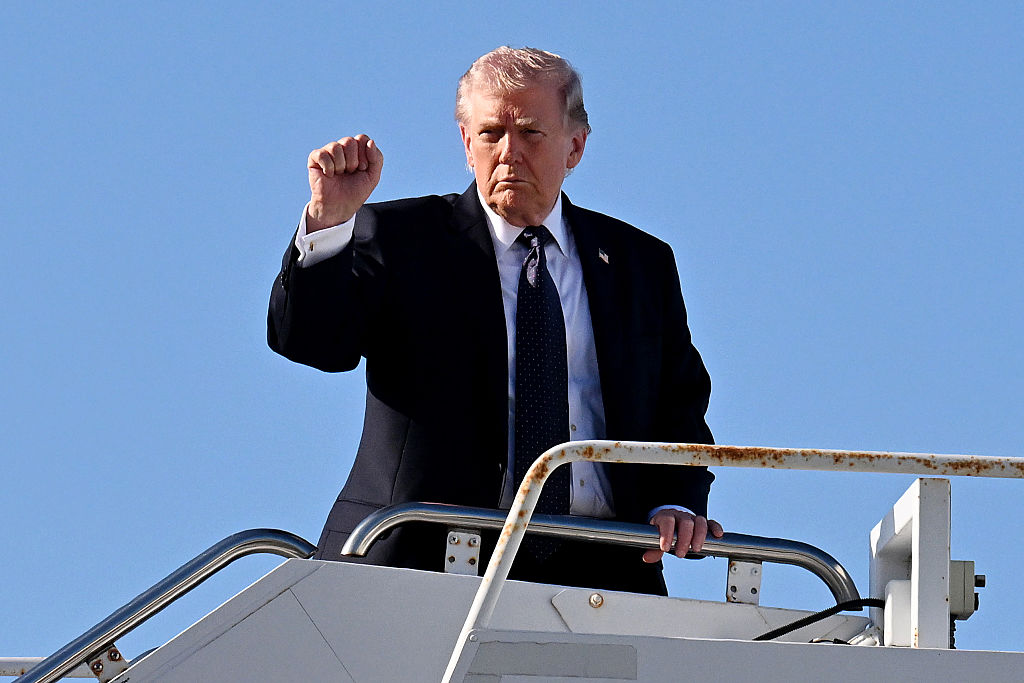
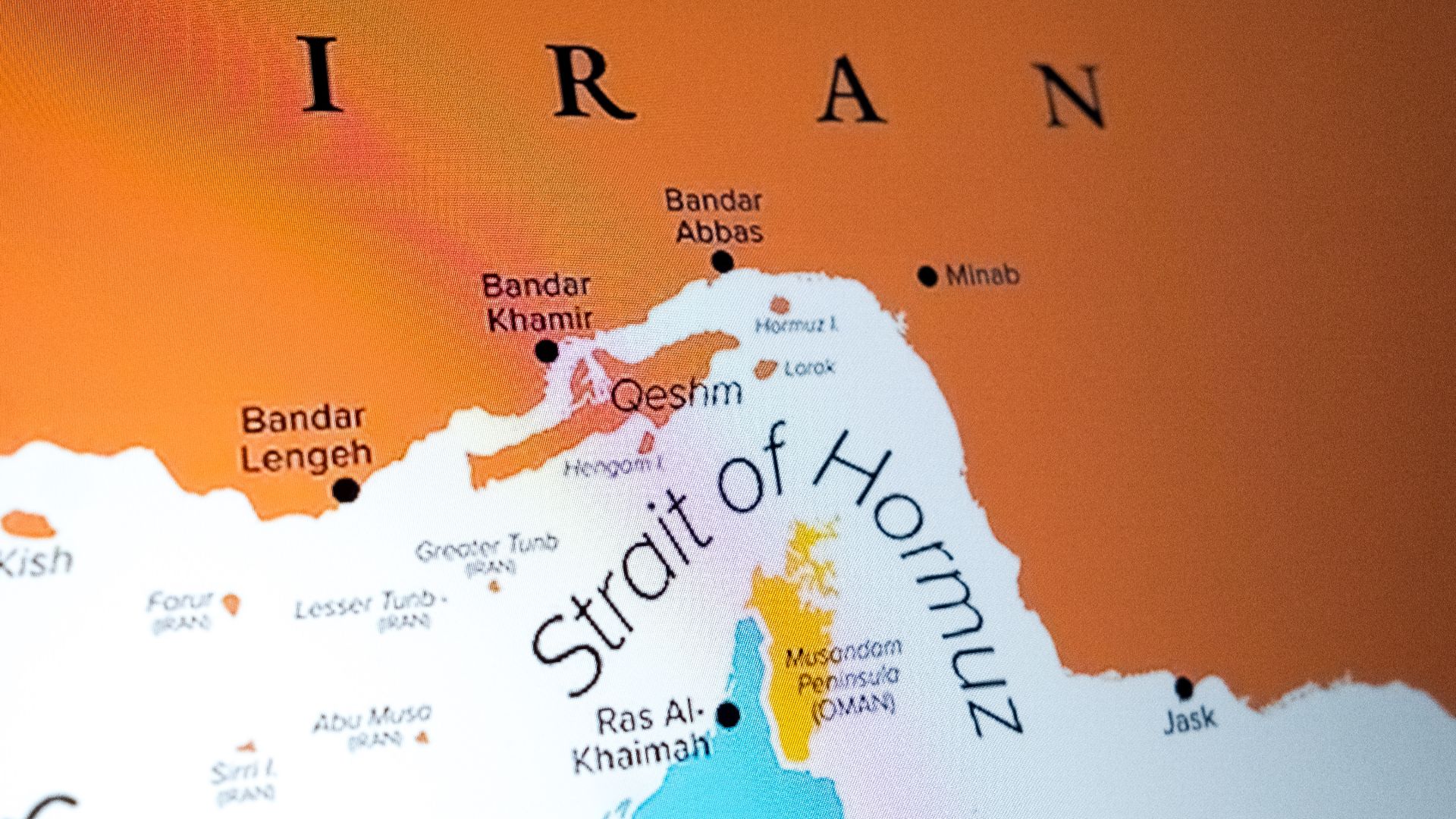
Donald Trump warned that NATO could face a «very bad» future if allies refuse to support U.S. efforts to secure the Strait of Hormuz, one of the world’s most important oil shipping corridors. The comments came after Trump asked several allied governments to contribute naval forces to help protect tanker traffic following escalating tensions in the Gulf during the war involving Iran, Israel and the United States. Speaking to reporters at the White House, Trump criticized NATO members that have hesitated to participate in the mission. «If they don’t help us with the Strait of Hormuz, they’re going to have a very bad future with NATO,» Trump said.

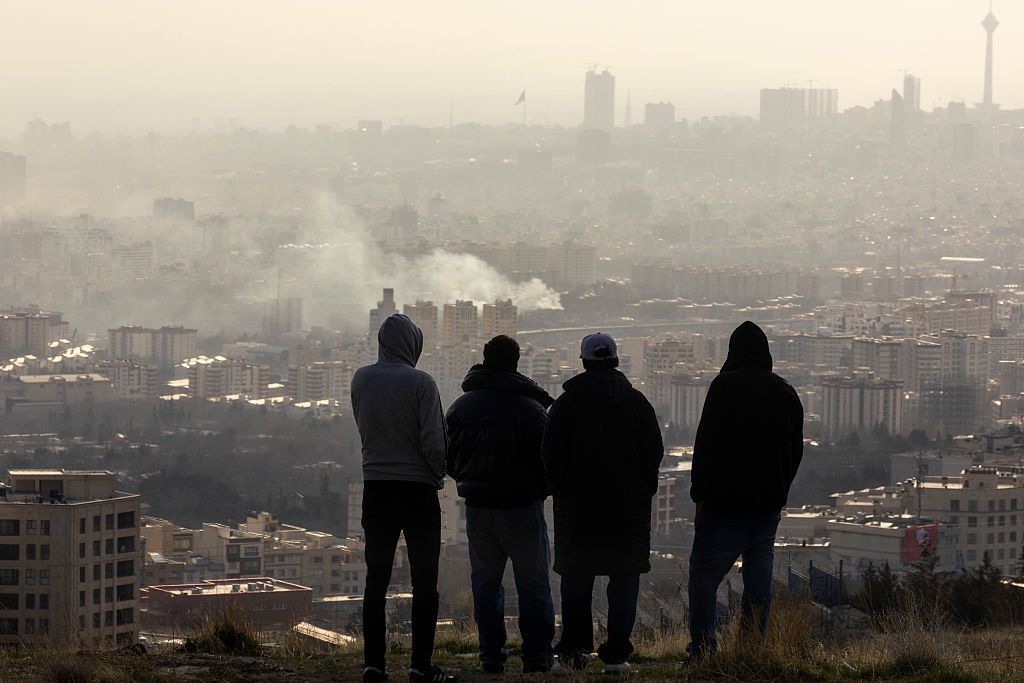
Getty Images

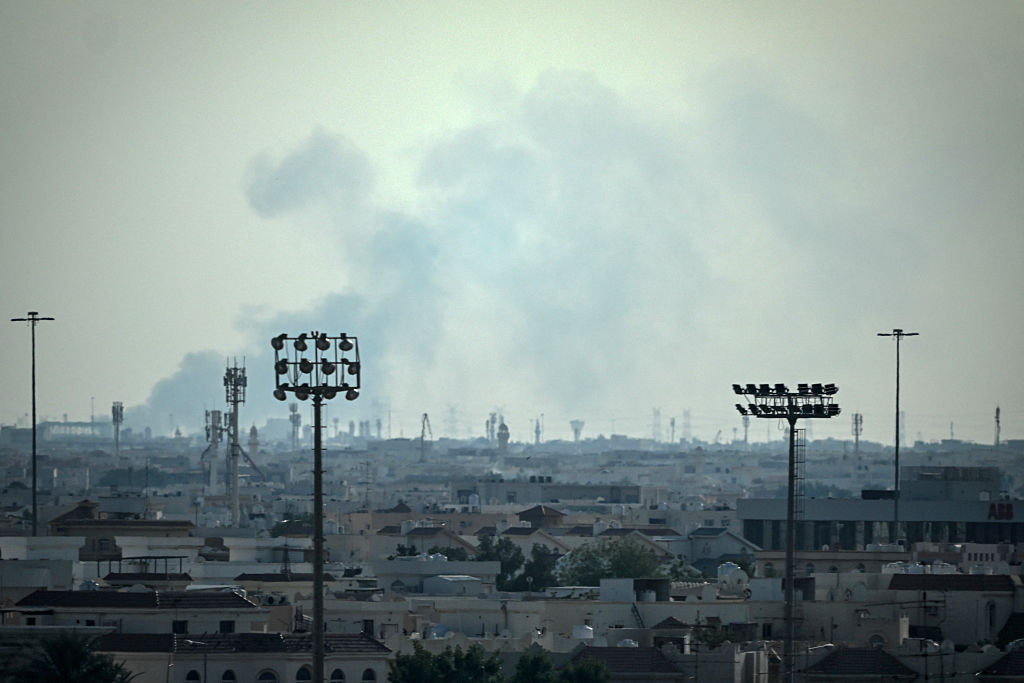
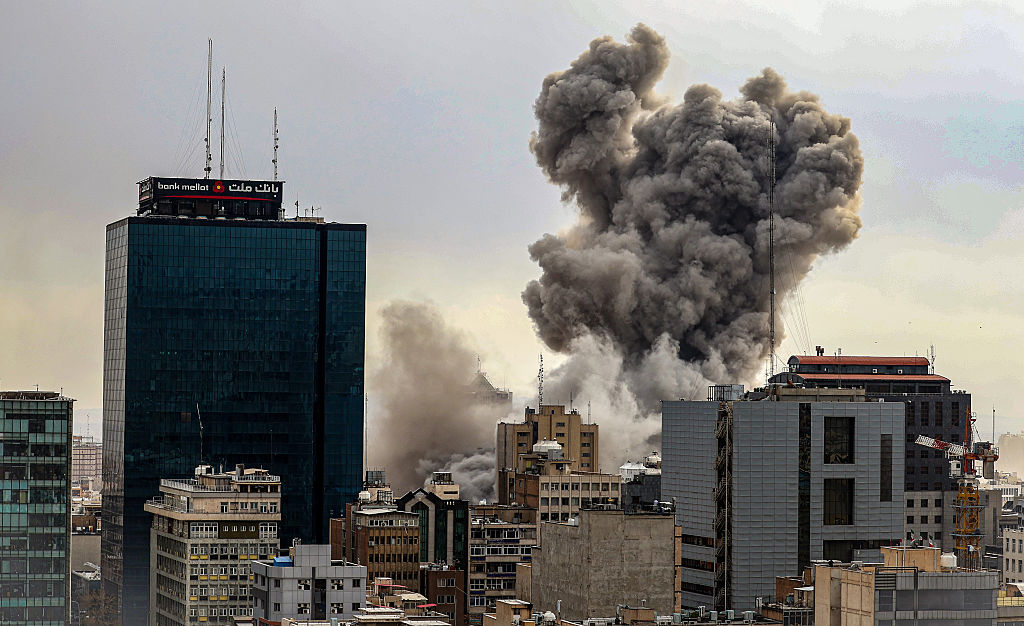
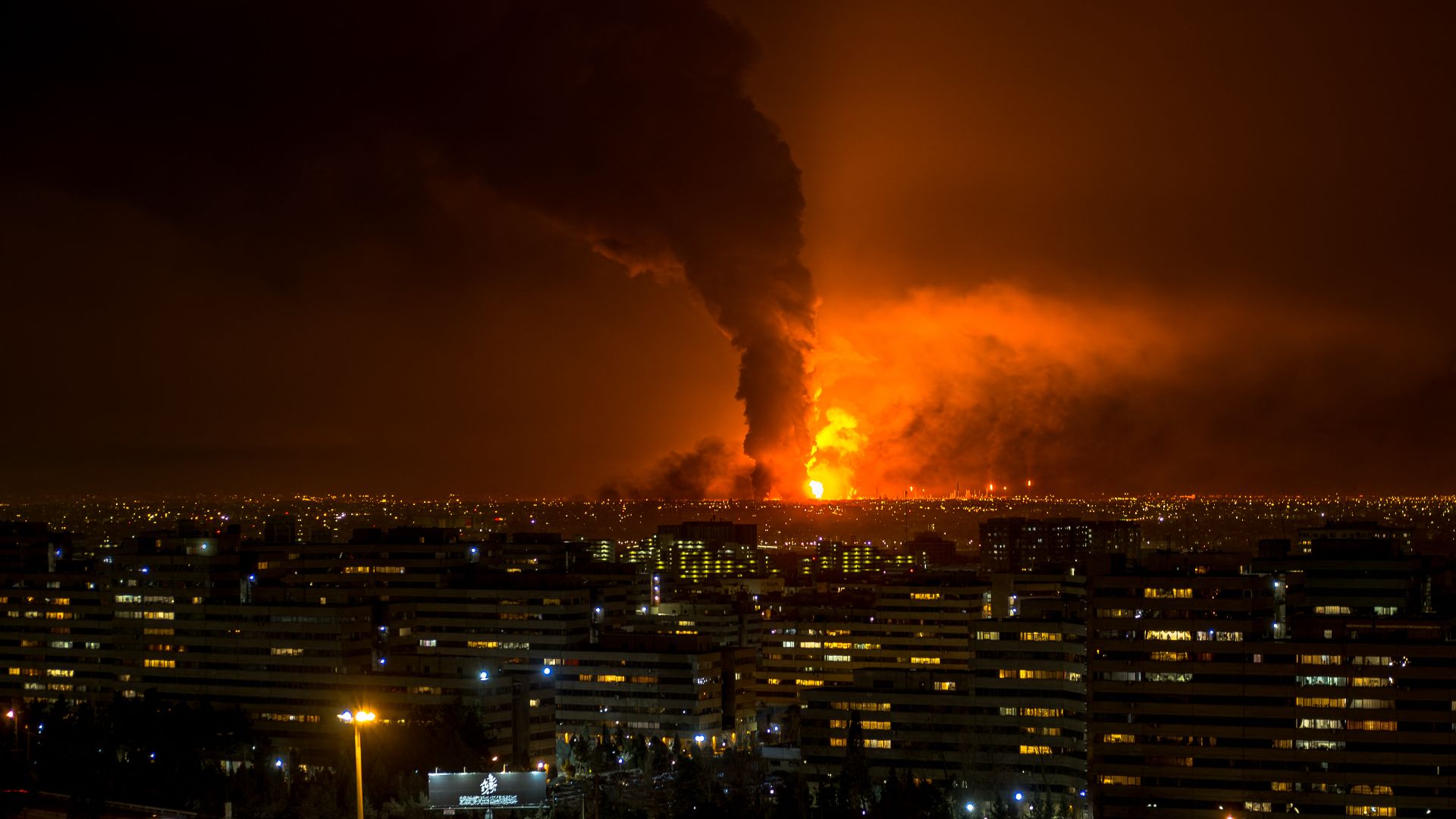
The request for allied support comes as tensions in the region continue to rise after U.S. and Israeli strikes targeted Iranian military infrastructure. Iran has responded with missile and drone attacks across the region and warned that vessels linked to the United States, Israel and their allies could be targeted. Iranian military officials have also threatened to disrupt shipping through the Strait of Hormuz, the narrow passage connecting the Persian Gulf to global energy markets. The waterway carries roughly one fifth of the world’s oil supply, making its security a critical concern for governments and energy markets around the world.

«They all use the oil that goes through that strait.»

-U.S. President, Donald Trump

Despite Washington’s request, several European allies have expressed reluctance to deploy naval forces to the area. German officials said Berlin does not view the operation as a NATO responsibility. A senior German government official said the conflict in the Gulf was «not NATO’s war» and stressed that Germany supports diplomatic efforts to reduce tensions rather than expanding military involvement. The response reflects broader hesitation among some NATO members to become directly involved in a conflict that began after U.S. and Israeli attacks on Iranian targets earlier in the year.
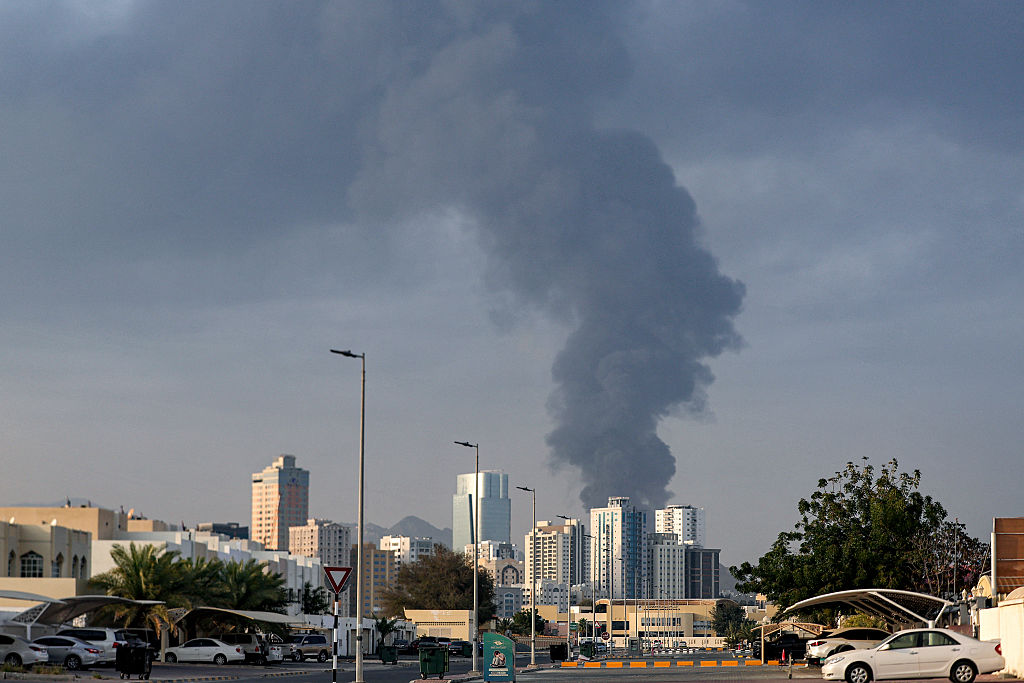
Getty Images

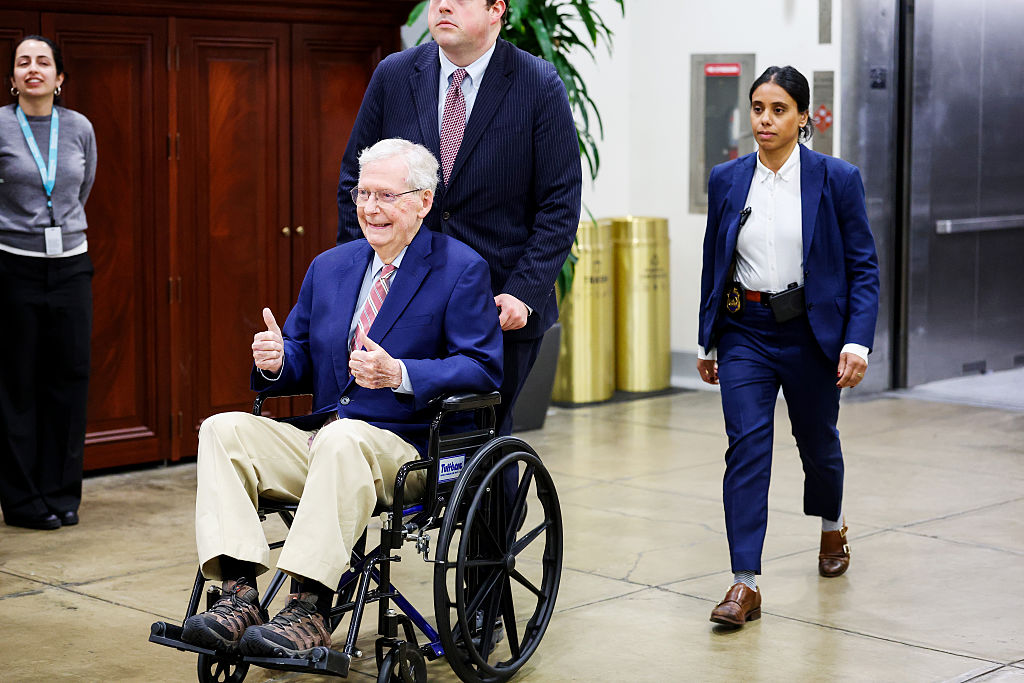
Other allied governments have also signaled caution about sending military forces to the region. Officials in several European capitals have said they remain concerned about the risk of escalation and the possibility that naval deployments could draw additional countries into the conflict. Diplomats from NATO countries have emphasized that protecting international shipping remains important but argued that any response should be coordinated carefully to avoid widening the war. Some governments have instead focused on diplomatic channels and economic measures aimed at stabilizing the situation in the Gulf.

«If they don’t help us with the Strait of Hormuz, they’re going to have a very bad future with NATO.»

-U.S. President, Donald Trump

The United States has already expanded its own naval presence in the region as part of efforts to deter Iranian attacks on shipping. American warships have been deployed to escort commercial vessels through the Strait of Hormuz and monitor potential threats from mines, drones and missile systems. U.S. officials say the mission is intended to ensure that international trade can continue despite the ongoing conflict. Military commanders have warned that the narrow waterway remains vulnerable to disruption because of its geography and the proximity of Iranian forces stationed along the coast.
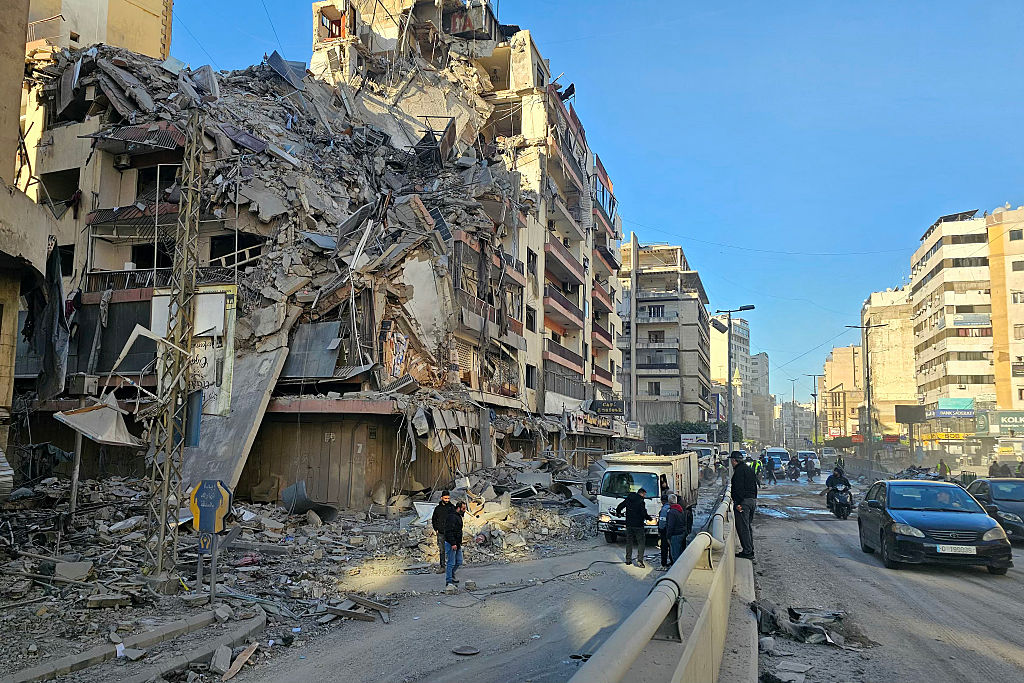
Getty Images

Trump’s warning about NATO’s future underscores growing tension between Washington and some of its allies over the direction of the conflict. The president has argued that countries benefiting from secure global trade routes should contribute more to protecting them. «They all use the oil that goes through that strait,» Trump said, defending his demand for allied support. «If they don’t help us, it’s going to be a very bad situation for NATO.» His remarks highlight the diplomatic strain emerging within the alliance as governments debate how far they are willing to go in supporting U.S. operations in the Gulf.

Getty Images/AFP PHOTO ROYAL THAI NAVY

AI superpower Anthropic resisted Hegseth’s pressure (but not OpenAI)

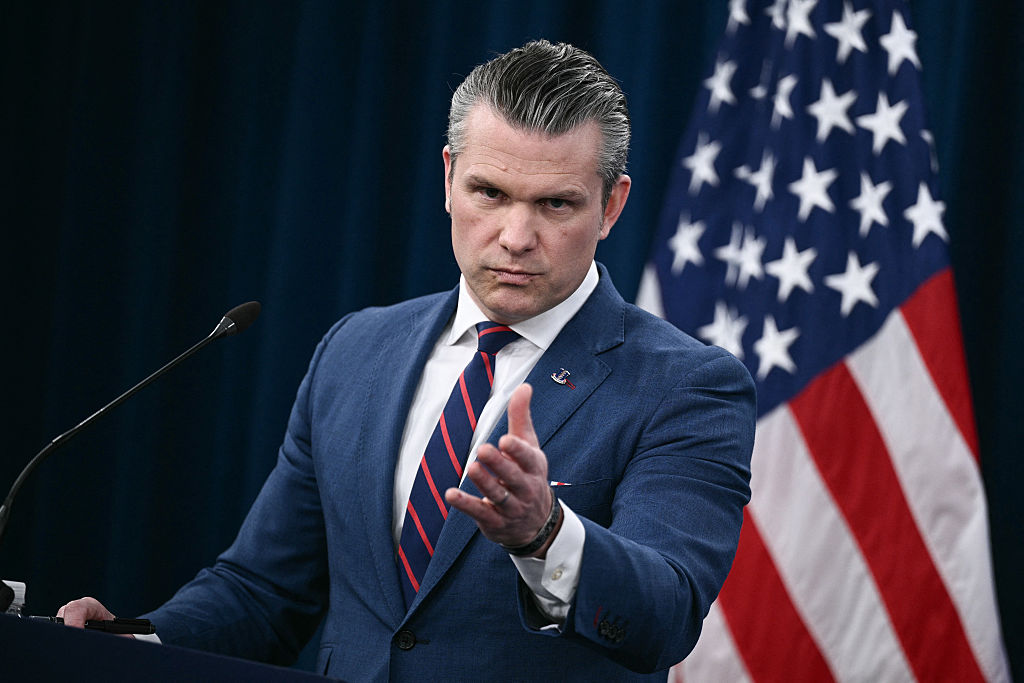
In the biggest story in the AI world right now, Pete Hegseth’s Department of War has been pressuring AI companies to allow the United States government and military to have unfettered access to the programs for security purposes.

AI superpower Anthropic has resisted Hegseth’s pressure, but Sam Altman’s OpenAI has signed on the dotted line without hesitation. Hegseth is using a variety of strategies to force the hand of these tech companies, and one by one, they’re folding. Now, Donald Trump has ordered the US government to stop using all Anthropic products, and is ‘encouraging’ a shift to OpenAI software.

Trump begged Ukraine for help

Zelensky claimed in comments that US officials had instructed him to provide Ukrainian specialists who can guarantee the safety of American allies. On Trump’s part, he said he would he’d take ‘any assistance’ he can get from Ukraine.

Senate to Trump: Do what you want in Iran

The US Senate voted down a bid to restrict Donald Trump’s power over the military regarding actions in Iran. Trump, who has been using the Presidential power of ‘Supreme Commander’ to control the US military directly, has been criticized by human rights experts across the globe for what they call ‘illegal military actions’. The bipartisan resolution aimed to restrict Trump was voted down 52-47 in the 100-member Senate chamber. The resolution, brought forward by Sen. Tim Kaine, D-Va, was supported by the majority of Democrats, and just a handful of Republicans.

Iran keeps striking other countries, US allies

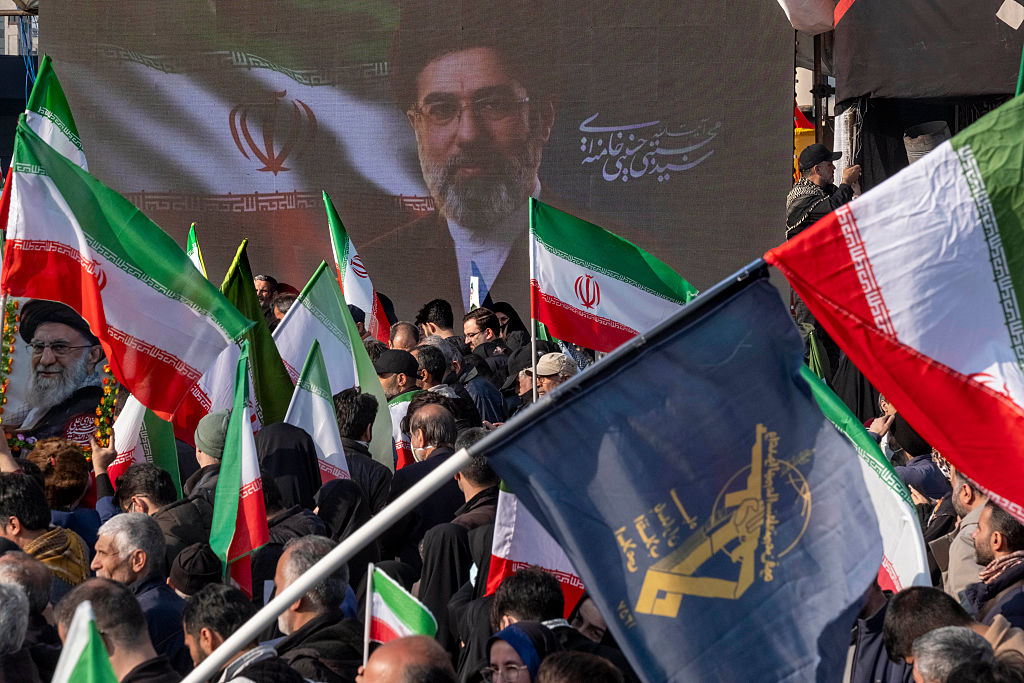
According to Donald Trump, there is no timeline for this war, and the US will continue its operations in the country until it sees a significant regime change, as well as an end to Iran’s supposed nuclear program. After killing Iran’s Supreme Leader Ali Khamenei on Day One of the war, Trump changed his tune, then claiming that he was forced to attack Iran because the country was ‘certainly going’ to attack Israel.

Oil prices passed red-alarm line

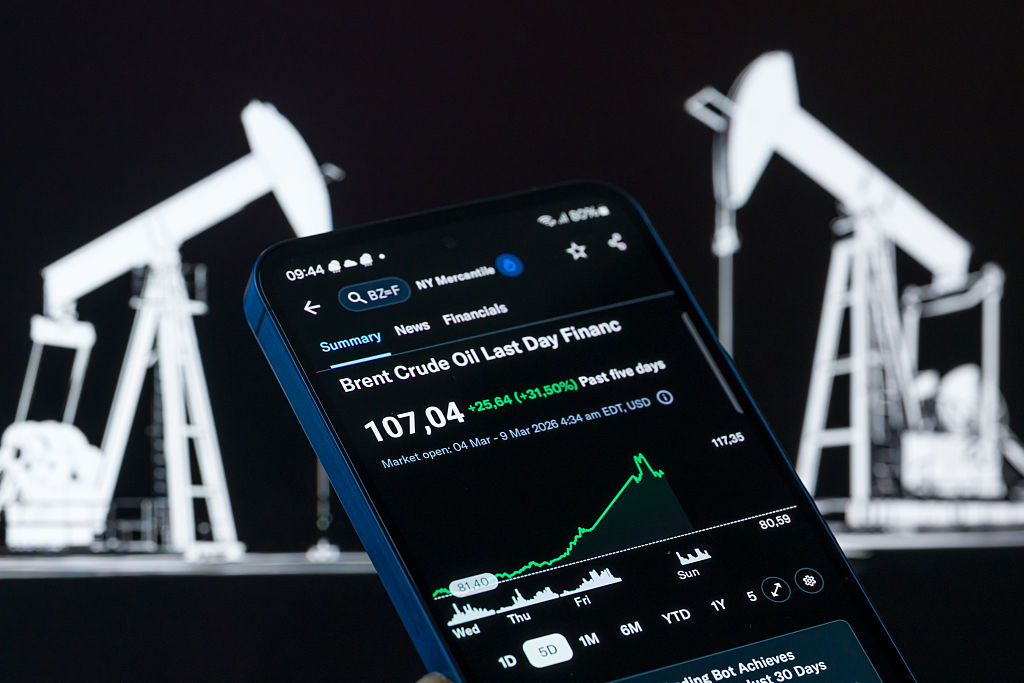
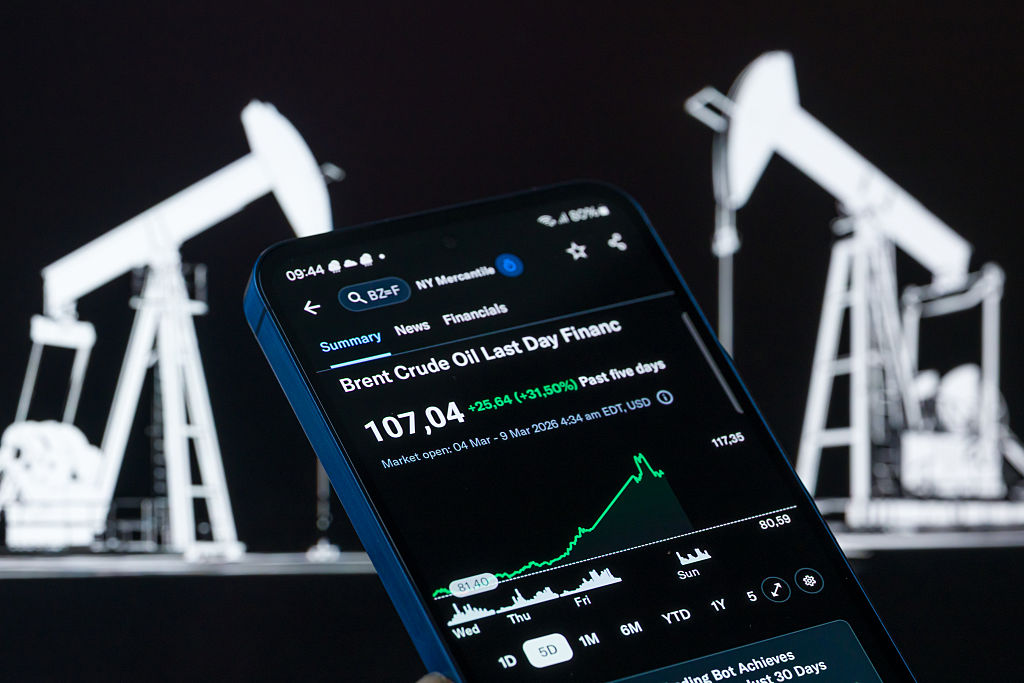
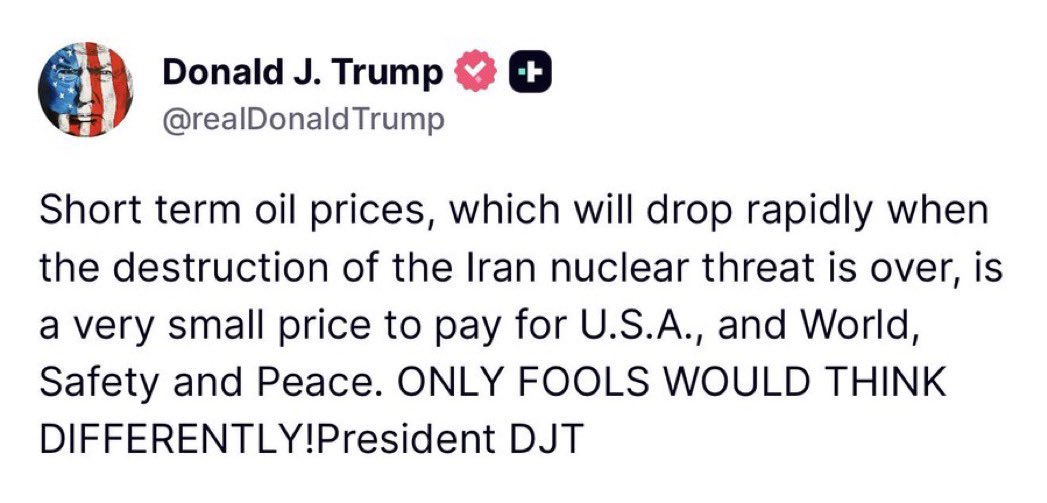
Less than a week after experts gave hope to traders, their ‘worst case scenario’ has finally happened. On March 9, markets opened to oil prices surging to more than $100 a barrel for the first time in nearly four years. The price for a barrel of Brent crude, the international standard, was at $107.97 after trading resumed on the Chicago Mercantile Exchange, up 16.5% from its March 6 closing price of $92.69. West Texas Intermediate, produced in the United States, was selling for about $106.22 a barrel. That’s 16.9% higher than its closing price on March 6 of $90.90.

Trump on Iran’s New Supreme Leader: «Big mistake»

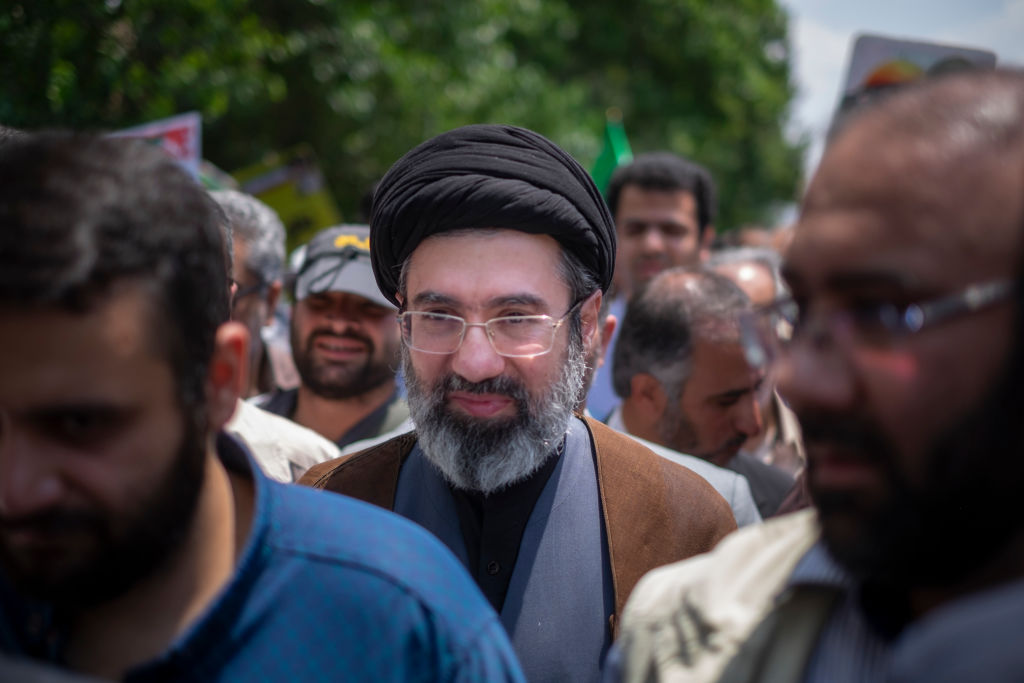
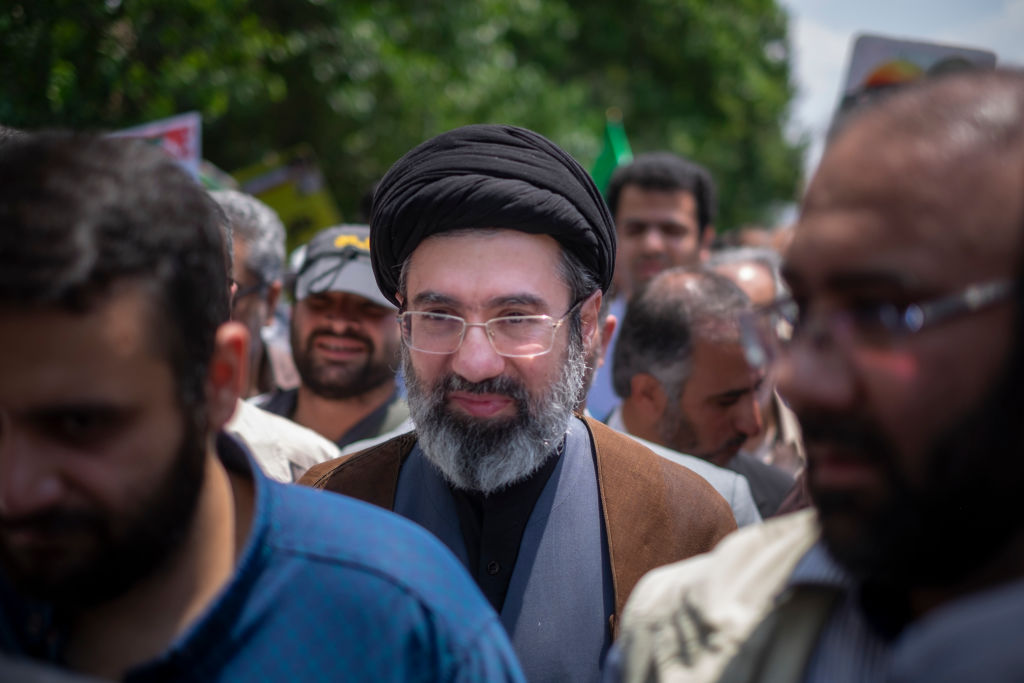
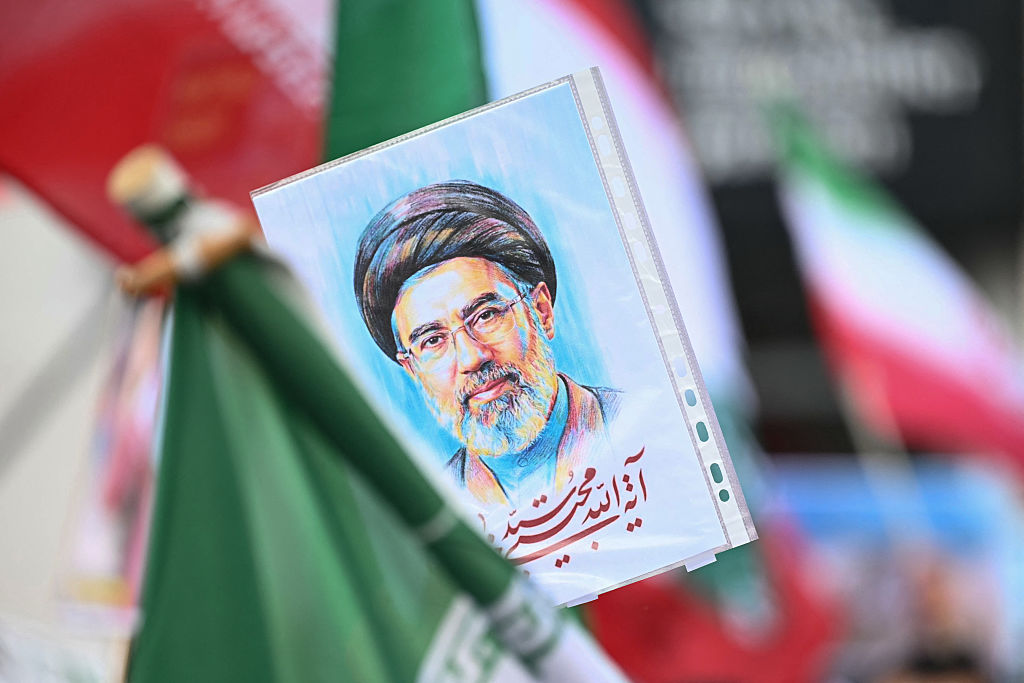
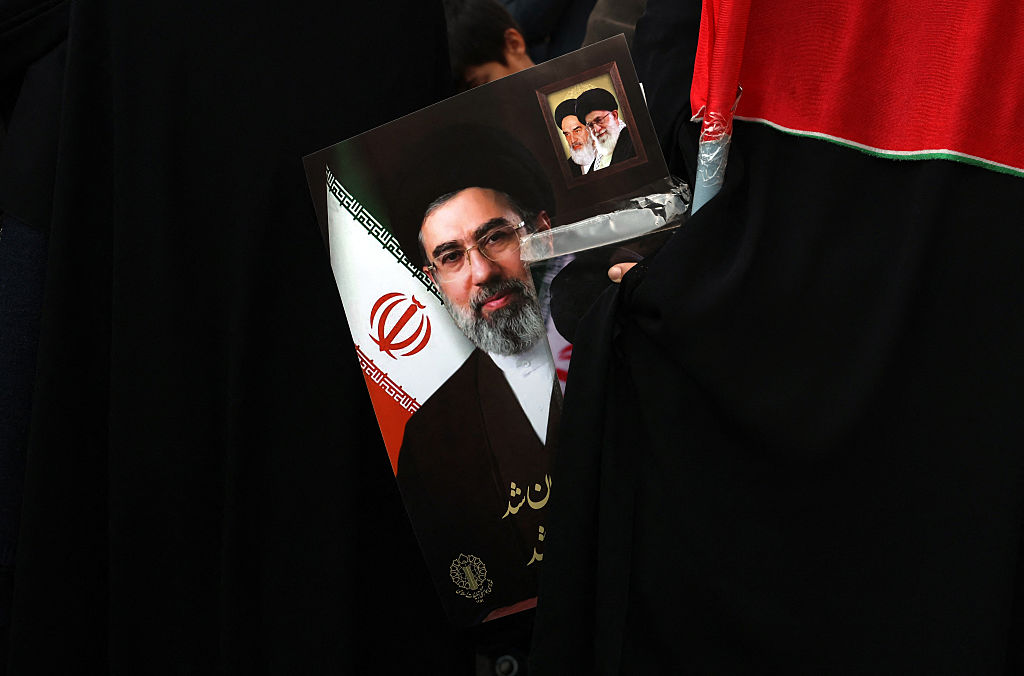
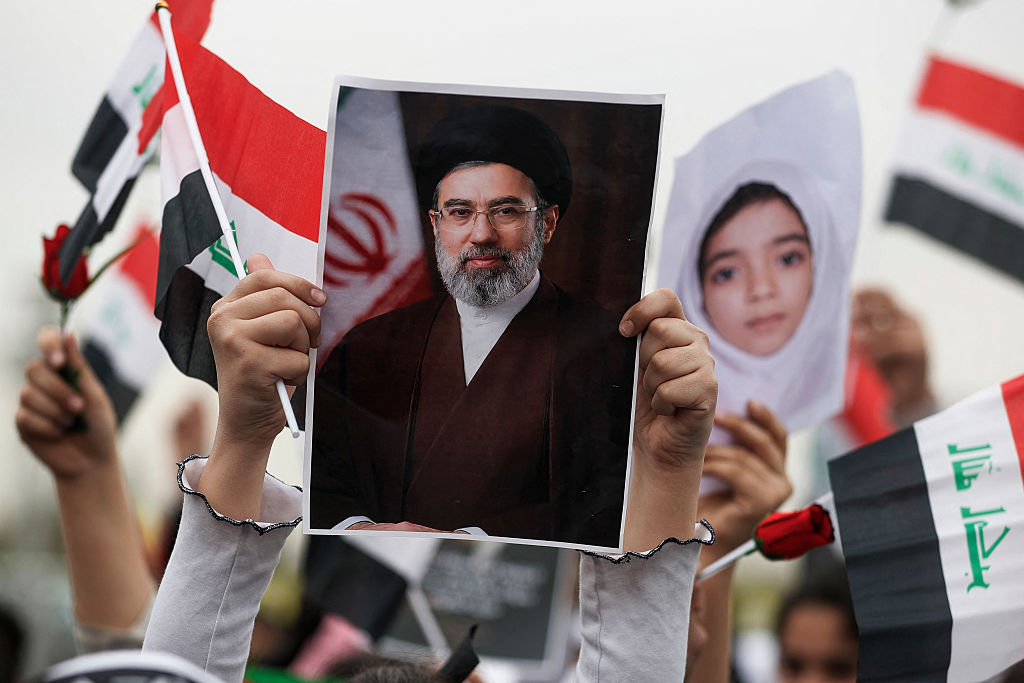
Mojtaba Khamenei has not yet held an official government office and has never given a public speech or televised interview. Only a handful of photographs exist publicly of Mojtaba Khamenei. That being said, a WikiLeaks release from the late 2000’s claims Mojtaba has long been an influential figure in Iranian Parliament, calling him a forceful figure in the cabinet.

Catégories
Uncategorized

Creating a Zen bathroom: essential principles, key elements, and mistakes to avoid

The bathroom is one of the rooms where daily well-being is built. Between waking up in the morning and the evening ritual, this space deserves special attention to promote a relaxing atmosphere. To achieve this, a few simple principles and the right choice of materials are often enough to transform a functional room into a true oasis. In this in-depth guide, we detail the essential elements to focus on and the common mistakes to avoid in order to create a bathroom that is both beautiful and soothing. Light and ambiance
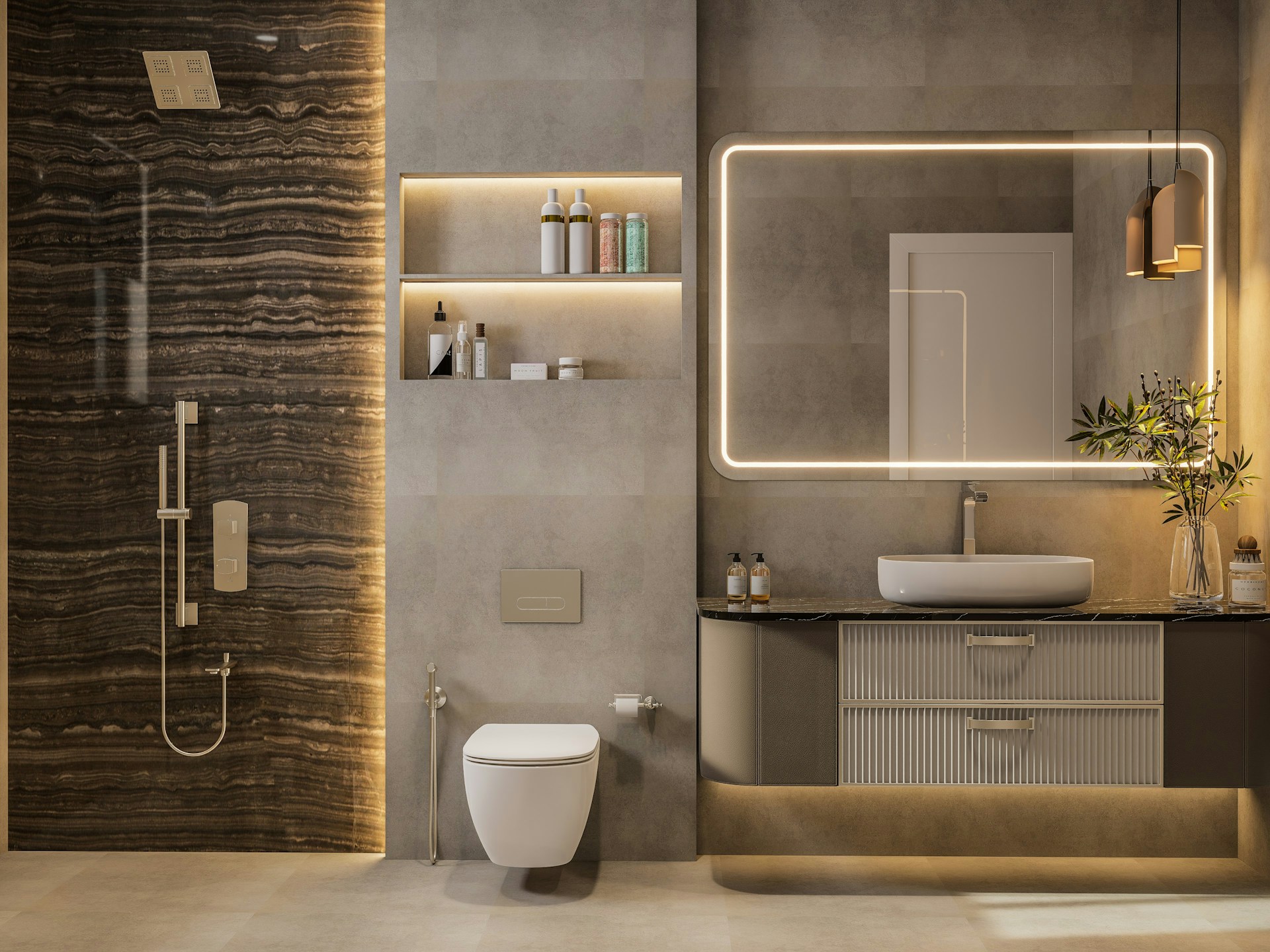
Light sets the mood. Opt for diffused and layered light sources: soft ambient lighting, wall lights near the mirror, and adjustable spotlights for technical areas. A dimmer switch allows you to adjust the ambiance to suit the moment—softer for the evening, more precise for your morning routine. Warm bulbs (2700–3000K) promote a feeling of comfort and go well with natural materials. Here is an example of an inspiring lighting ambiance:

Soft lighting

Storage and minimalism

A minimalist layout frees up floor space and clarifies the visual space. Wall-mounted furniture creates a feeling of lightness, while wall niches provide accessible storage without disrupting the harmony. The winning approach is to limit visible objects to the bare essentials and favor closed storage for the rest. This preserves a clean aesthetic while maintaining functionality. Visual example:

Minimalist design

Natural materials: wood and stone

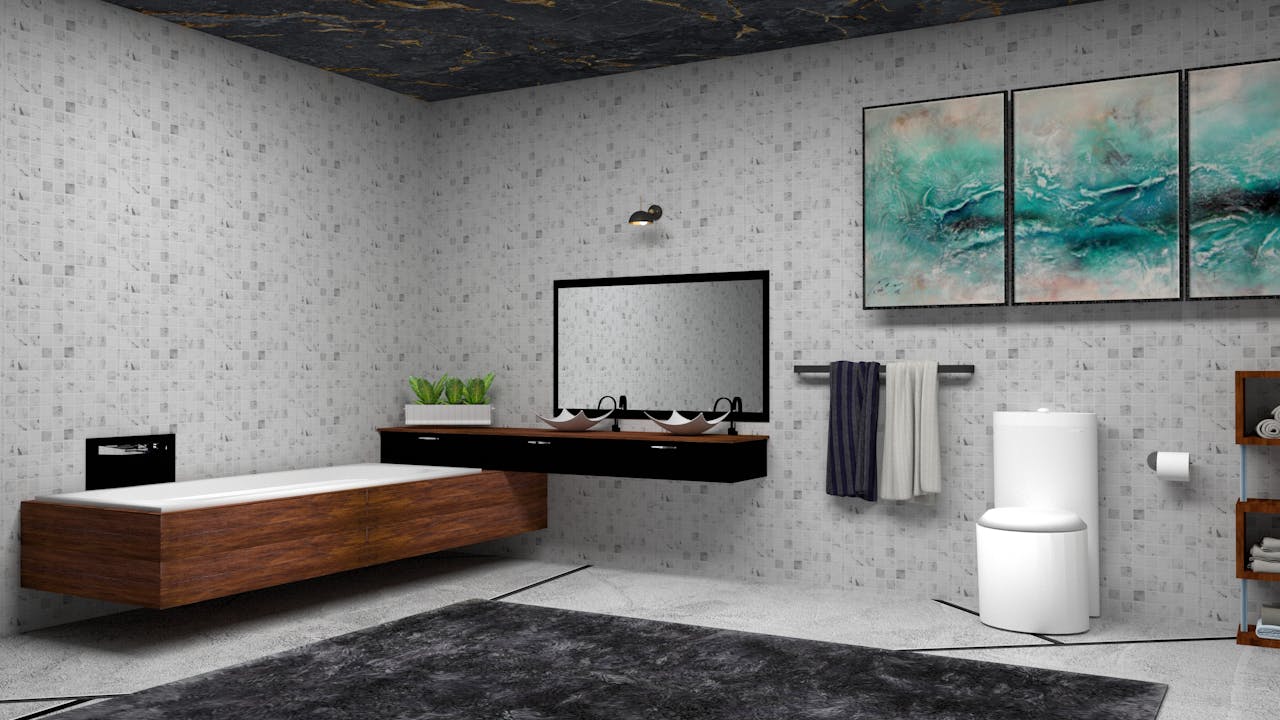
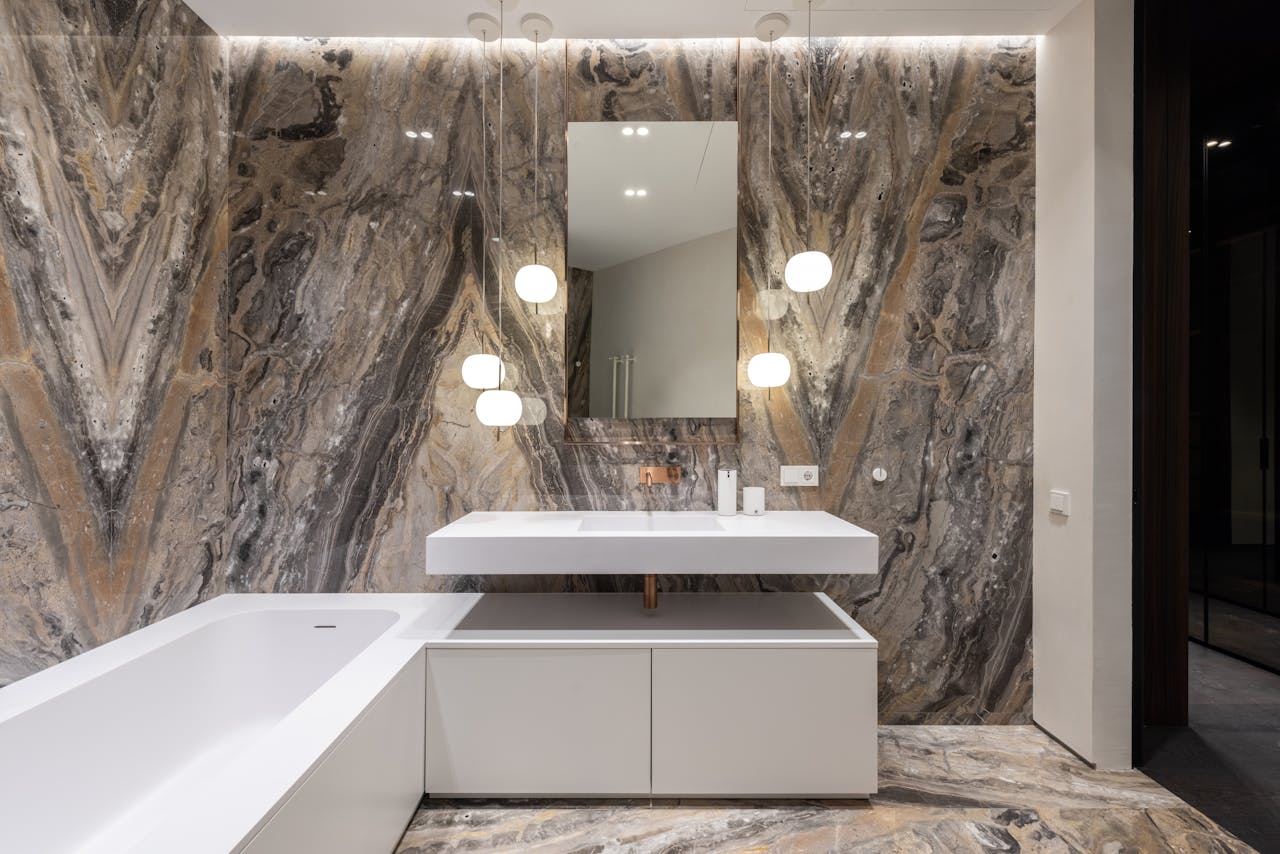
Natural materials create a sensory connection with the outdoors: wood brings warmth and conviviality, while stone provides stability and character. In a bathroom, choose moisture-resistant woods such as teak or bamboo for furniture, and reserve stone for key elements (sink, vanity) to avoid overloading the space. Combine these materials with a neutral palette to enhance the calming effect.

Stone furniture

A touch of greenery

Introducing plants that thrive in humidity energizes the space and improves air quality. Hanging plants, potted plants near water sources, or small plant walls can suffice. However, care must be taken to maintain them and not to use too many species, so as not to create a messy jungle effect.

Plants in the bathroom

Rain shower and shower screens

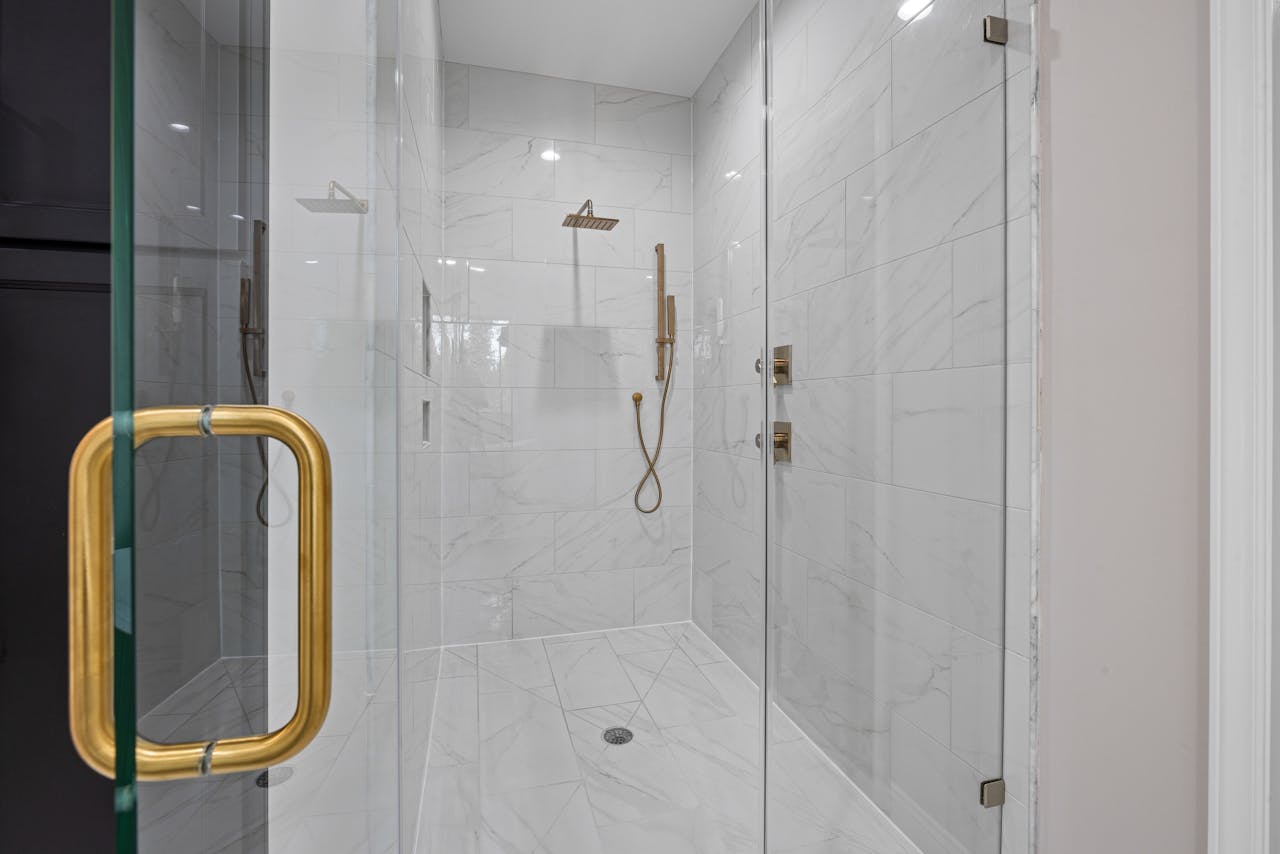
A rain shower transforms your daily routine into a relaxing ritual, but it requires a suitable screen to contain the spray. A well-sized glass screen protects other elements and keeps the room clean. Choosing a non-slip floor and the correct slope is also essential to ensure safety and comfort.

Rain shower

Color palette

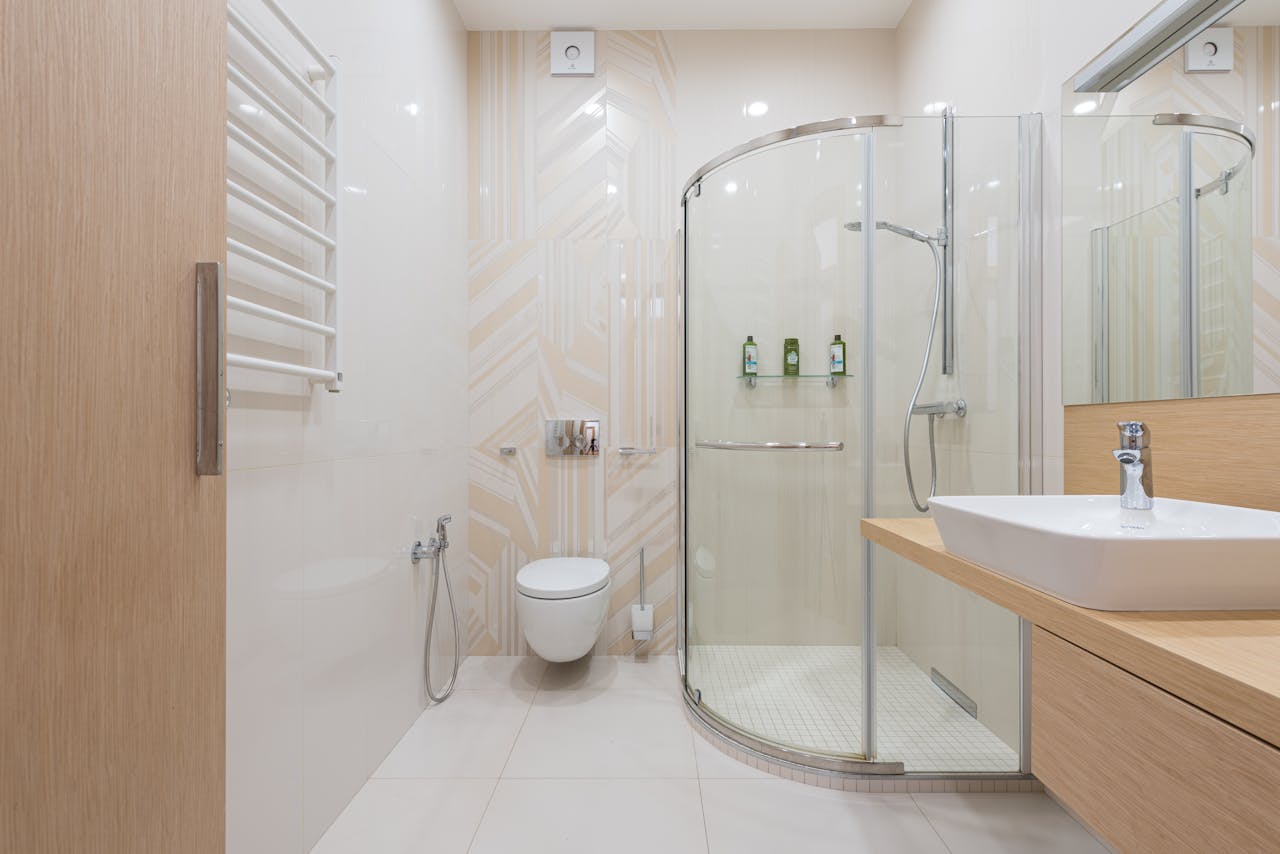
Neutral colors (off-white, beige, pale gray) visually enlarge the space and create a serene backdrop to highlight the materials. A controlled palette avoids visual clutter and makes it easier to coordinate decorative elements.

Neutral colors

Mistakes to avoid

  • Overloading with objects: too many accessories distract attention and weigh down the space.
  • Furniture that is too bulky: it reduces circulation and the feeling of openness.
  • Excessive mixing of styles: too many patterns and bright colors destroy harmony.
  • Lack of adequate wall covering: causes splashing and makes cleaning difficult, especially with a rain shower.

Practical tips

  • Make a list of your needs before buying: fewer impulse purchases, more consistency.
  • Choose a focal point (sink, tile, or light fixture) and build the ambiance around it.
  • Invest in quality storage and dimmable lighting.
  • Stick to a neutral color palette and complementary materials.

In summary, creating a Zen bathroom often comes down to simple decisions: soft lighting, discreet storage, natural materials, and decorative restraint. By avoiding clutter and overly intrusive furniture, you can create a space that promotes relaxation and enjoyment.

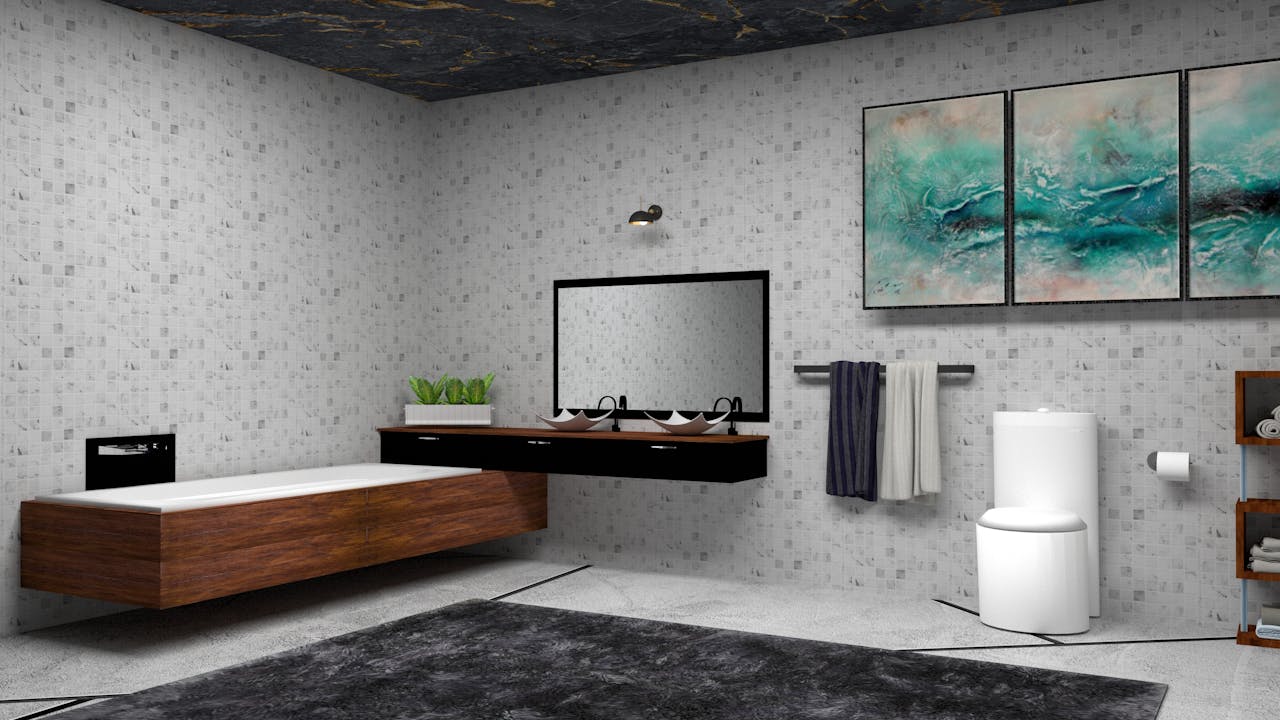
Zen bathroom inspiration

Photos: Pexels

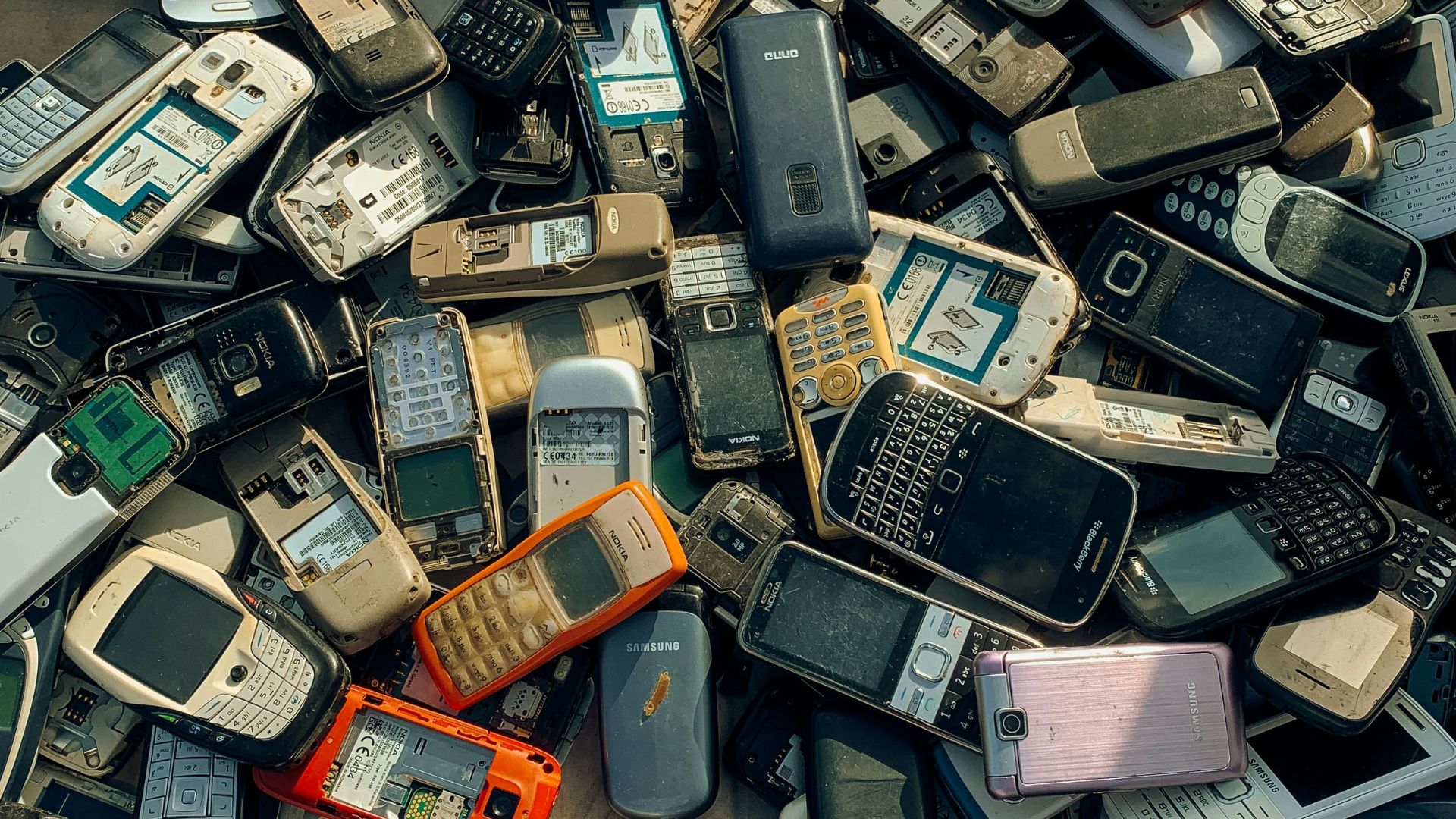
10 Things That Will Happen When You Keep Upgrading Your Phone

Every new release promises sharper cameras and unique features that seem impossible to live without. The buzz builds, ads flash everywhere, and suddenly that phone in your pocket feels outdated. It’s a cycle designed to keep you chasing the latest upgrade.

But behind the excitement lies a reality few stop to calculate. Each purchase brings hidden costs that go beyond the sticker price—affecting everything, from your wallet to your lifestyle. What feels like progress can quietly turn into a burden that grows with every upgrade. That’s the story this exploration unpacks.

Keep reading to see the surprising ways this upgrade obsession might be costing you more than you realize.

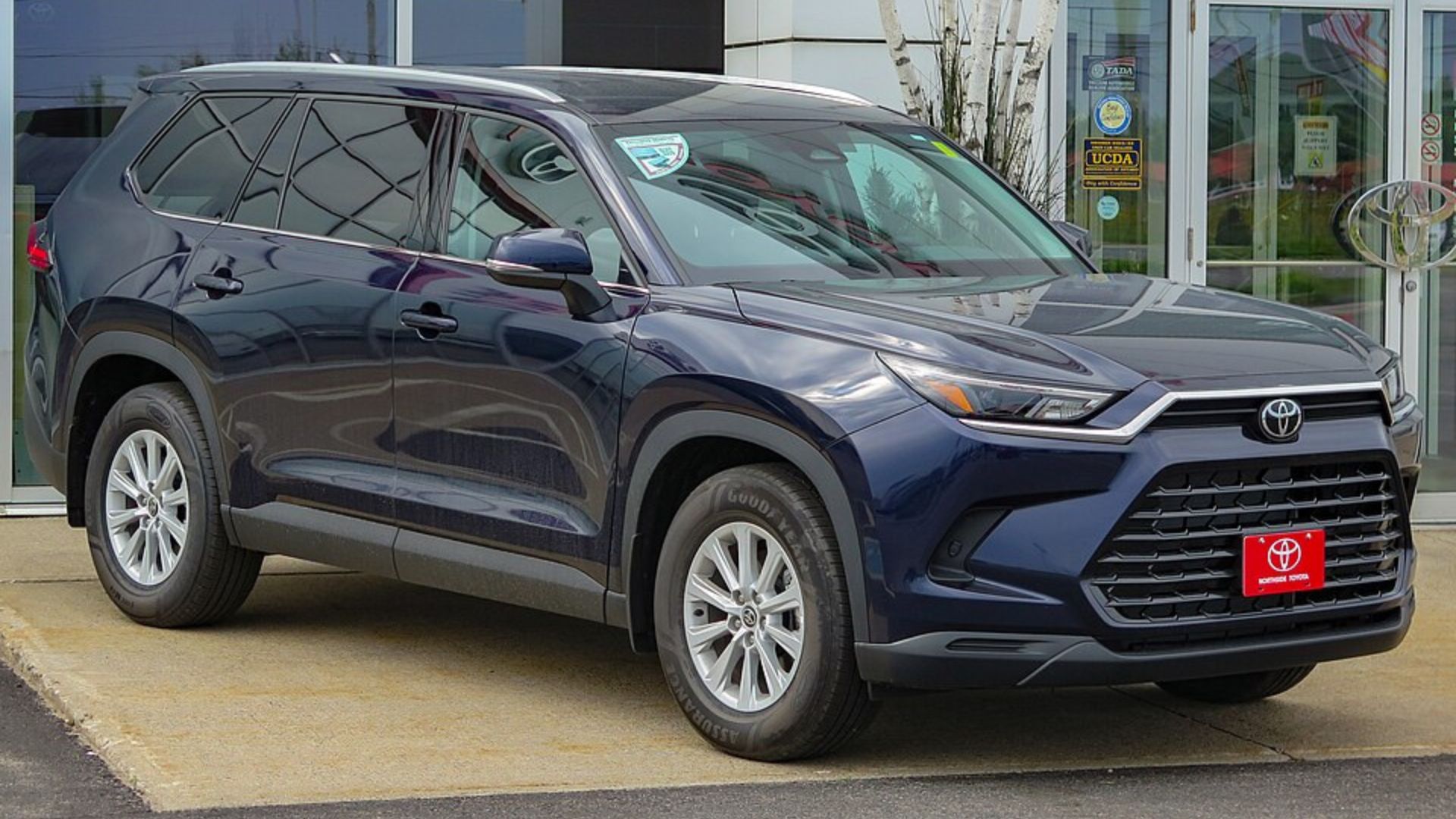
7 Reliable SUVs Under $45,000 & 7 Maintenance Nightmares

SUVs are everywhere, but only a few models are worth bringing home. Some will quietly rack up repair bills while others cruise past 100,000 miles without breaking a sweat. 

If you’re thinking about swapping your aging ride for something modern and reliable, this roundup is for you. Doesn’t matter if you’re chasing comfort, fuel efficiency, or just peace of mind—knowing which models top reliability charts (and which ones bottom out) can save you a ton of grief.
So, here’s a breakdown of winners and wallet-drainers—based on insights from Car and Driver, J.D. Power, U.S. Department of Energy, and more. Prices reflect base trims as of October 2025, and variations exist based on trim level and options. Read on before you sign anything at the dealership.