Catégories
Uncategorized

US Senate gives Trump free rein in Iran

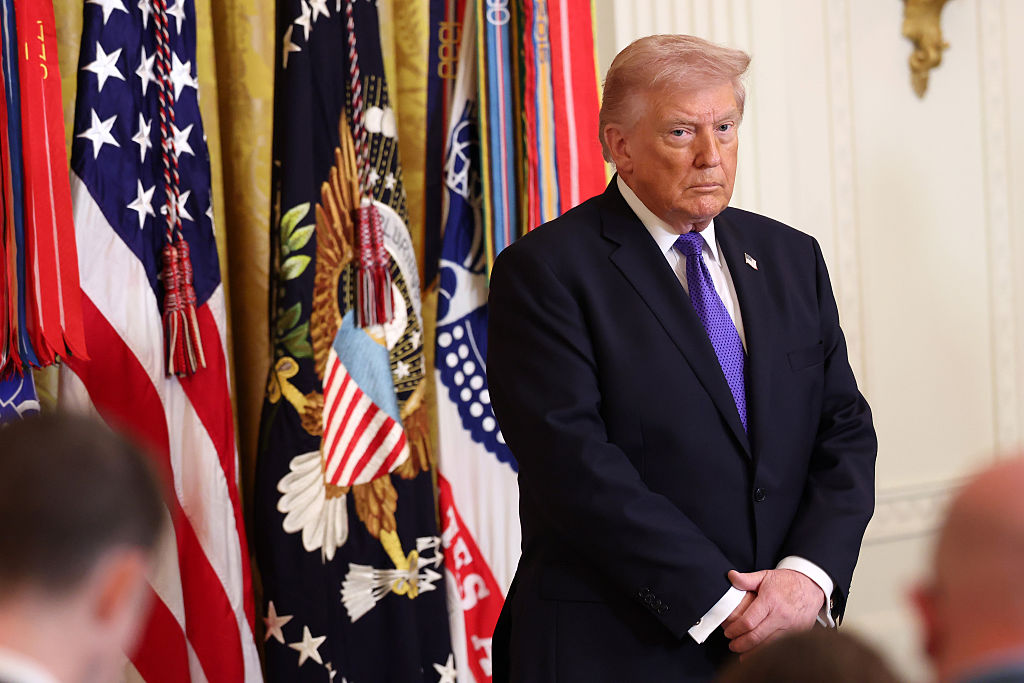
On March 4, the US Senate voted down a bid to restrict Donald Trump’s power over the military regarding actions in Iran. Trump, who has been using the Presidential power of ‘Supreme Commander’ to control the US military directly, has been criticized by human rights experts across the globe for what they call ‘illegal military actions’. The bipartisan resolution aimed to restrict Trump was voted down 52-47 in the 100-member Senate chamber. The resolution, brought forward by Sen. Tim Kaine, D-Va, was supported by the majority of Democrats, and just a handful of Republicans.

Resolution to restrict

The resolution was brought forward by Sen. Tim Kaine, D-Va. Kaine, who served as the governor of Virginia from 2006 to 2010, has been a member of the US Senate since 2013. The resolution aimed to direct the removal of US troops from Iran. According to US law, only Congress has the right to declare the United States in a state of war, not the President. While the world is calling it the Iran war, Donald Trump has mostly avoided the word. Technically, he has not claimed to be at war with Iran, instead using terms like ‘military operations’ and ‘major combat operations’, though he has used the word ‘war’ in multiple press scrums while on the topic of Iran. For a president known for melodrama and rambling rants, his avoidance of the word ‘war’ seems surprisingly strategic.

Sen. Kaine had a spirited speech before lawmakers voted on the bill, attempting to stir his coworkers on the other side of the aisle. At the end of the speech, Kaine shouted, “Members of the Senate, this is war!” Kaine claimed that these actions were at the very least ‘pinpricks’ that would inevitably lead to an all-out war. Iran, Israel, and Iranian-funded Hezbollah based in Lebanon have all claimed they are prepared for a full-scale war.

Details of the resolution

The bipartisan resolution released five findings cited as evidence for the need to remove troops from Iran. According to the US lawmakers, Trump’s actions in Iran are actions of war, and Trump is unable to order the attacks unless Congress has declared a state of war. The resolution clarifies that the President only has the constitutional power to conduct military actions to defend the United States from attack, not to conduct aggressive offensive actions. The resolution tried to implement the War Measures Resolution from 1973. According to the resolution, the President is supposed to inform Congress of major military actions 48 hours before hostilities begin. Donald Trump is allowed to undertake certain military operations without a declaration of war, but US lawmakers are claiming he’s crossed the line.

Donald Trump’s war on Iran

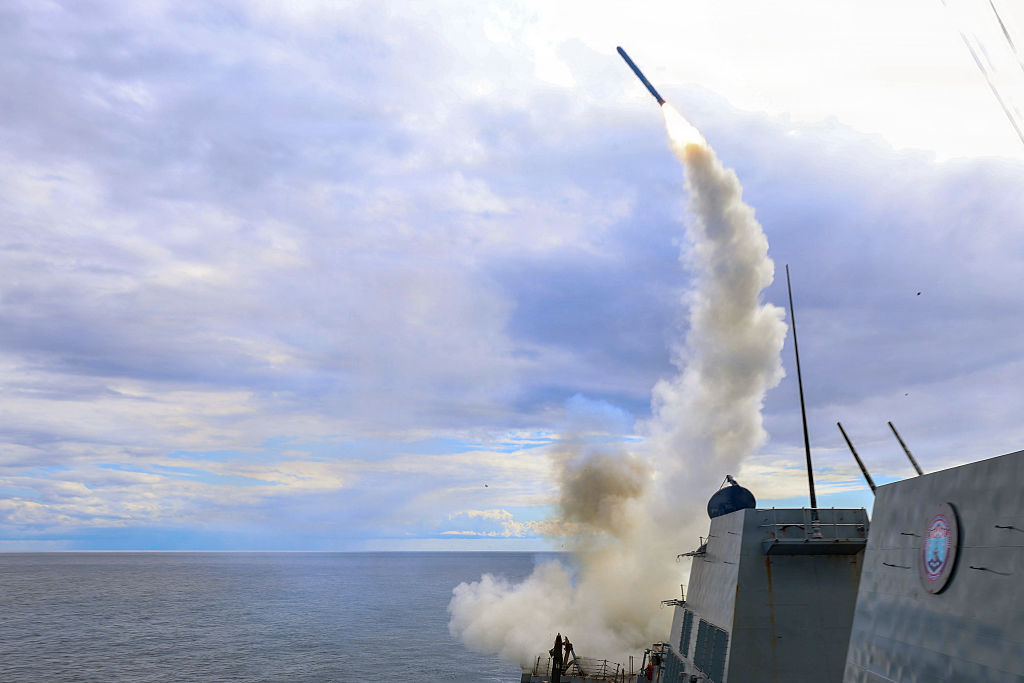
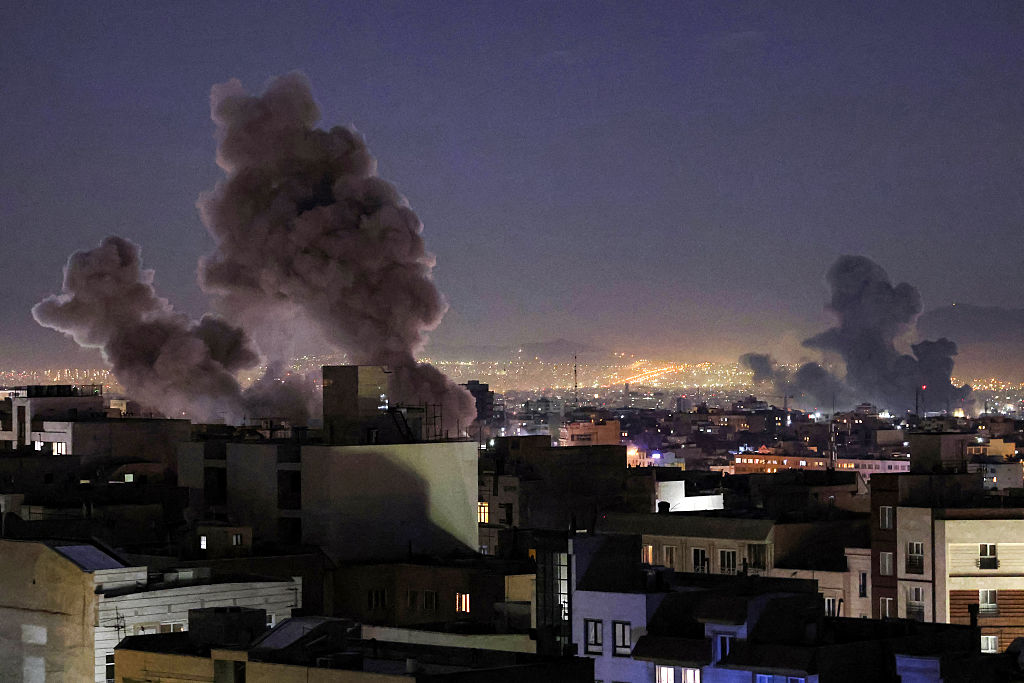
On February 28, 2026, the US government and Israel undertook a joint operation in Iran, with the US subsequently declaring it was at war with the country. The attacks triggered retaliatory strikes from Iran, targeting US and Israeli military bases across the Middle East. According to Donald Trump, there is no timeline for this war, and the US will continue its operations in the country until it sees a significant regime change, as well as an end to Iran’s supposed nuclear program.

US and Israeli strikes killed Iran’s Supreme Leader, Ali Khamenei, on Day One of the war. Khamenei has been using deadly violence against civilian protesters in Tehran, and his killing has been the only positive piece of Donald Trump’s illegal intervention. Much like Maduro in Venezuela, Ali Khamenei was a vicious and unpopular leader, with the majority of the country wanting him ousted. That being said, being unpopular does not justify illegal international overreach, and just like in Venezuela, Donald Trump has broken international law to get what he wants.

Now Lebanon and the rest of the Gulf countries have been sucked into the conflict. Iran has struck US infrastructure in nine different nations. Donald Trump’s war on Iran has threatened global trade routes and sunk the global stock markets as important Middle Eastern energy hubs are threatened.
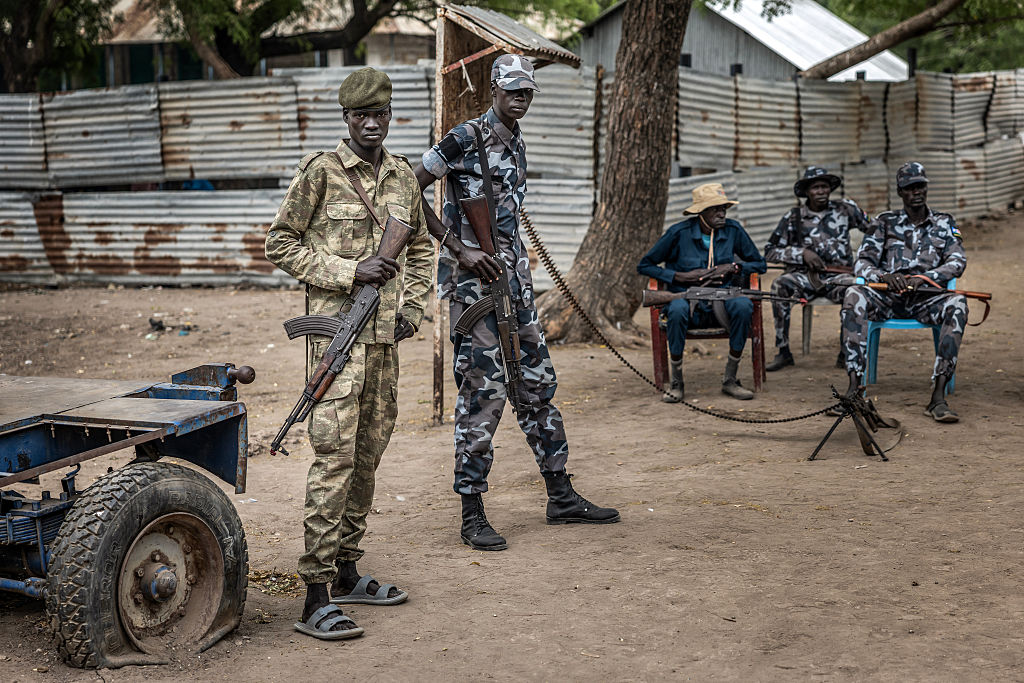
More than 150 killed in South Sudanese village

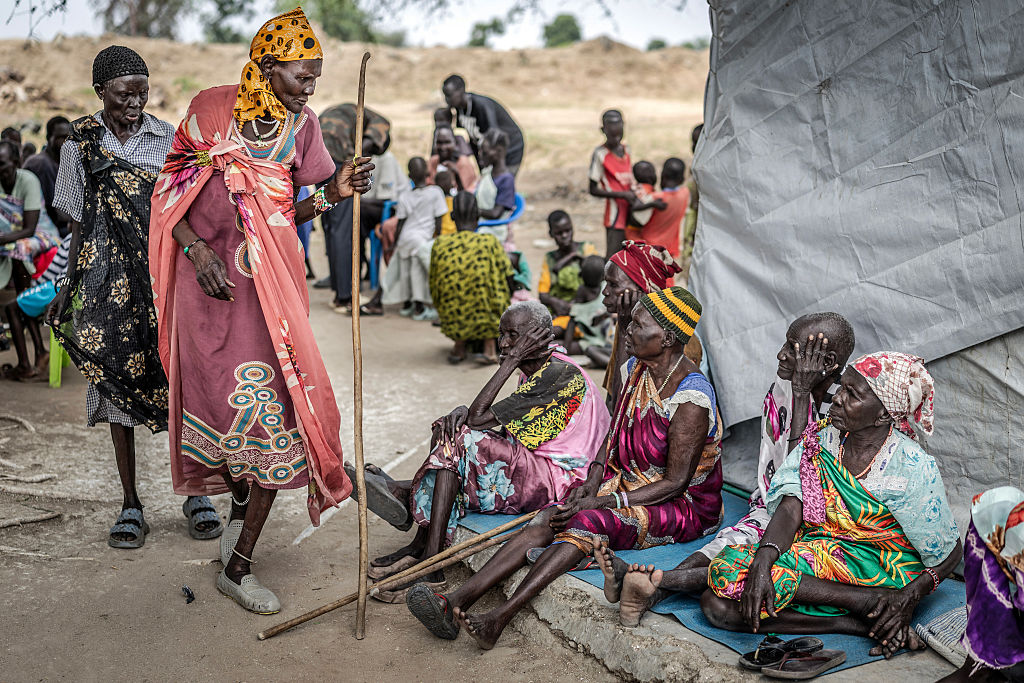
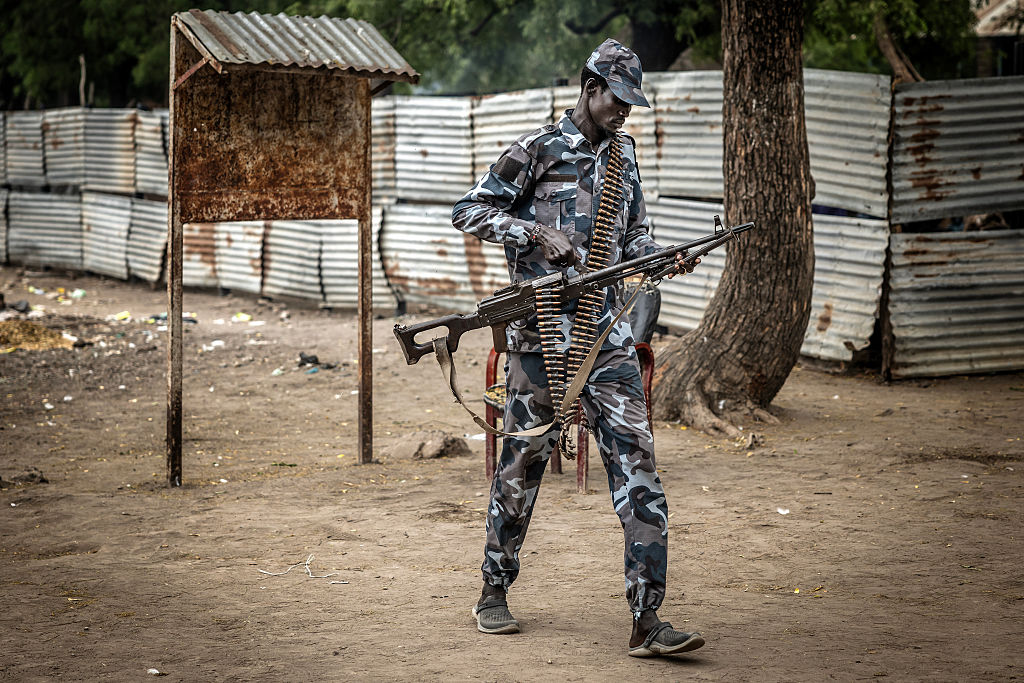
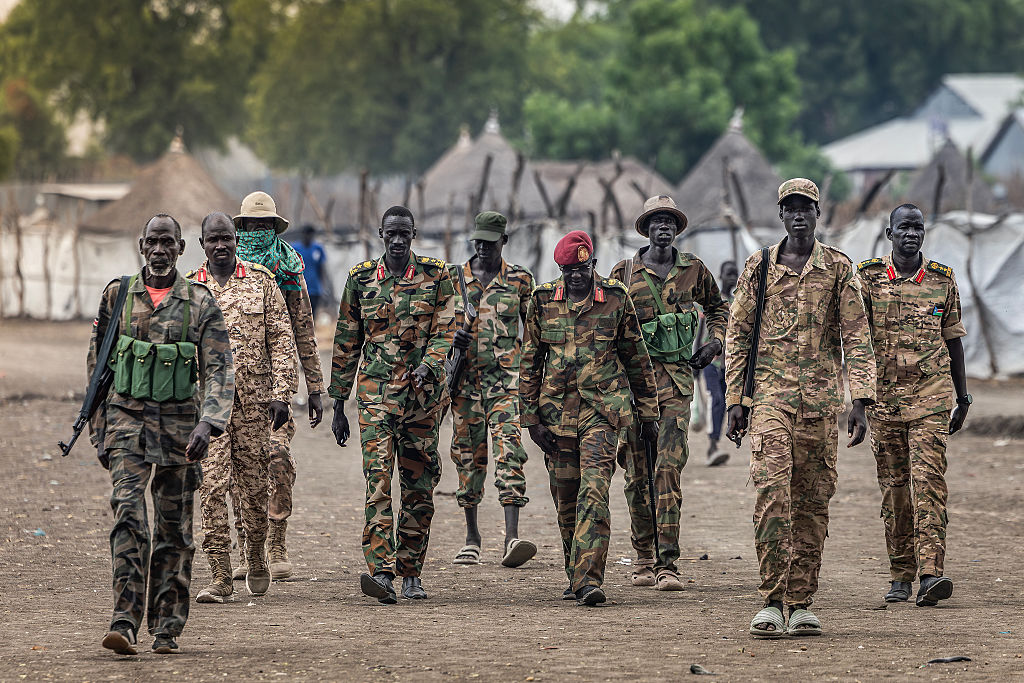
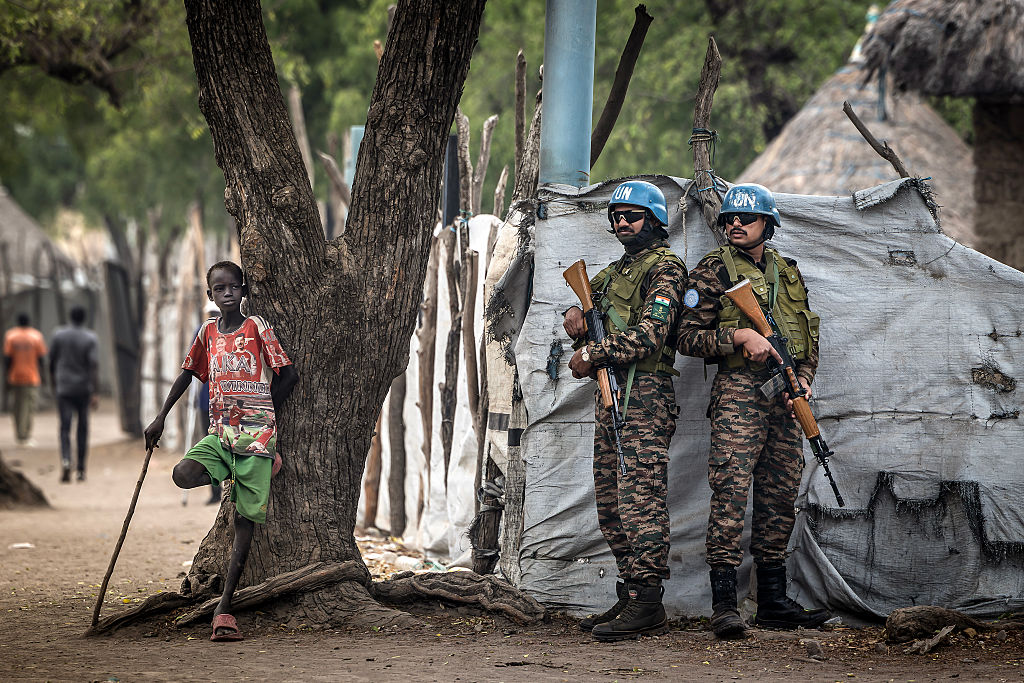
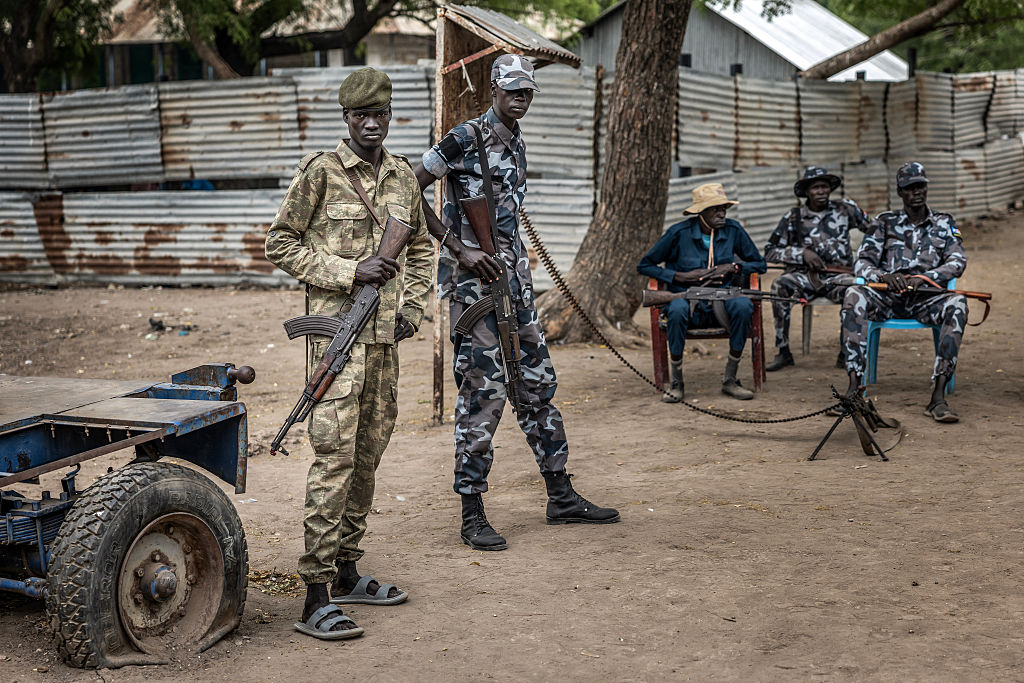
Insurgents in South Sudan razed a village, killing 169 people, including women, children, and elders. South Sudanese officials are calling the attack a ‘brutal massacre’ and warn that the death toll may rise as bodies continue to be uncovered. The death toll was counted as the bodies were buried in a mass grave on March 3. South Sudan is the world’s youngest country, only separating from Sudan in 2011. Since its separation, the country has been marred by corruption and violence, defined by two warring ethnic groups, the Dinka and Nuer tribes.

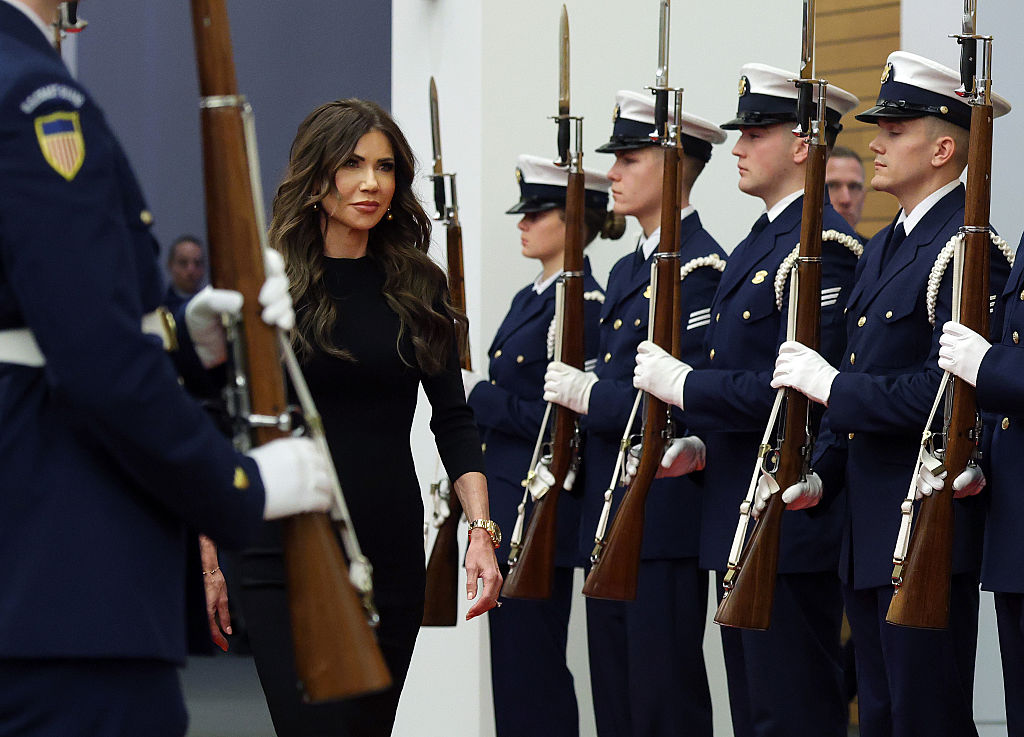
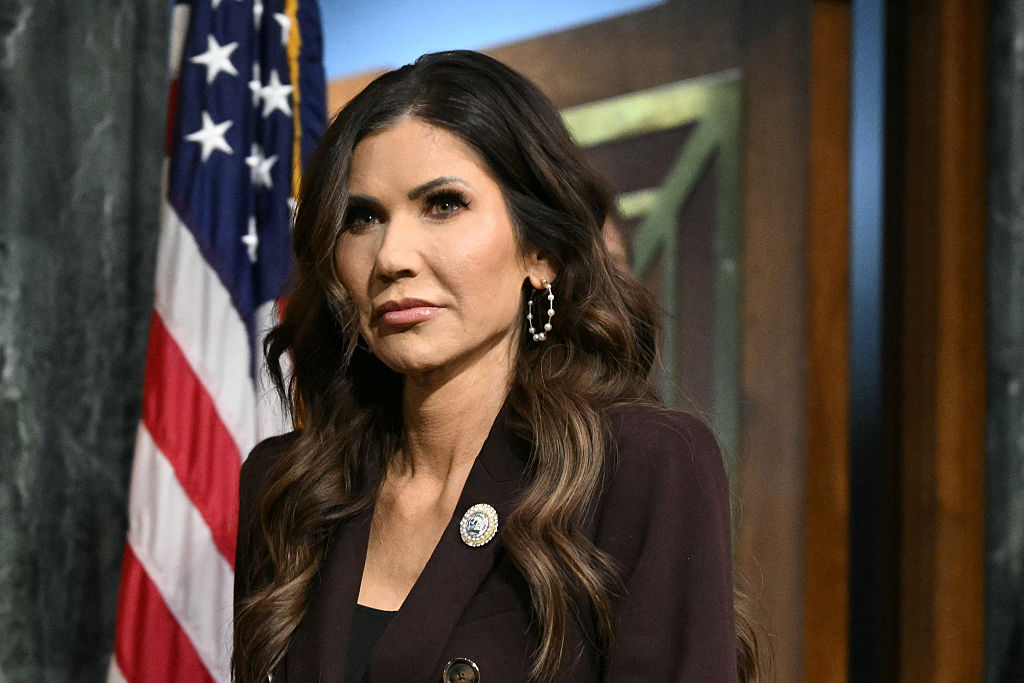
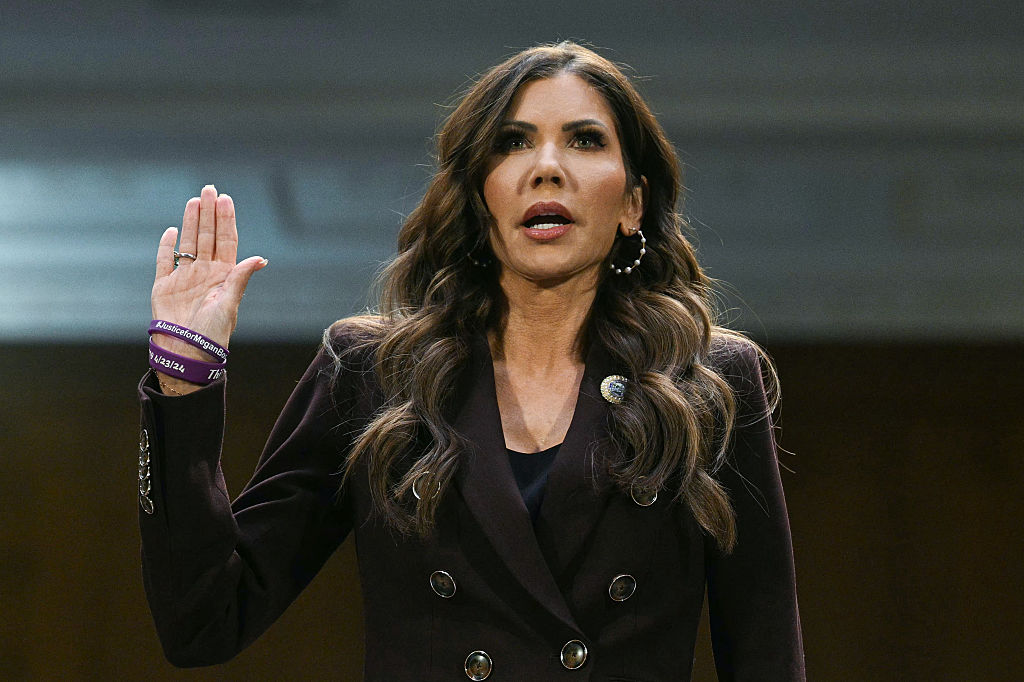
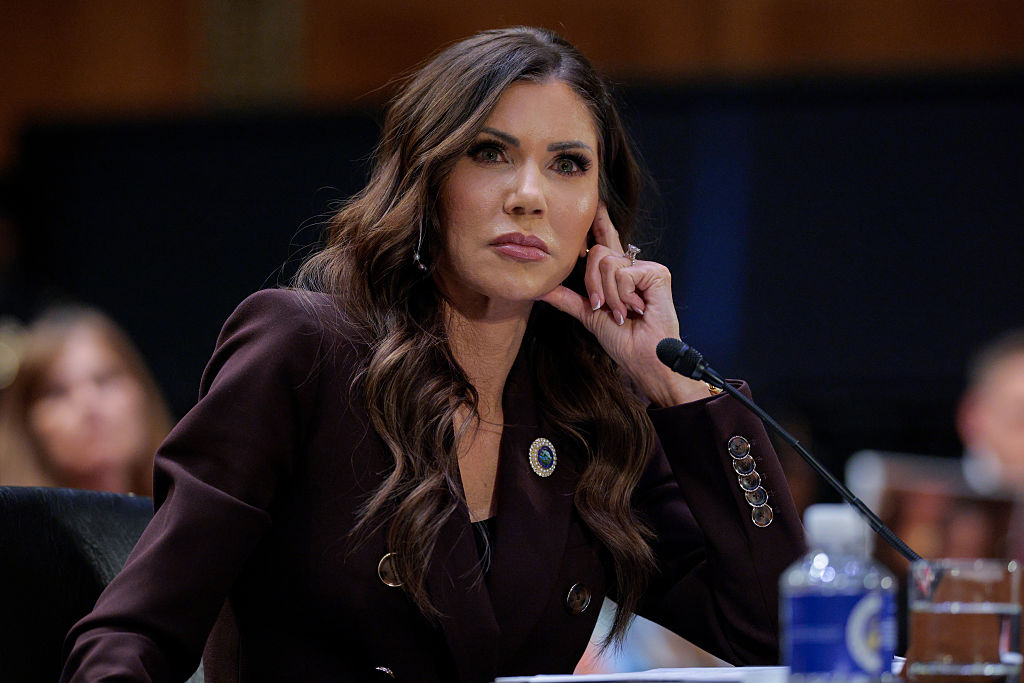
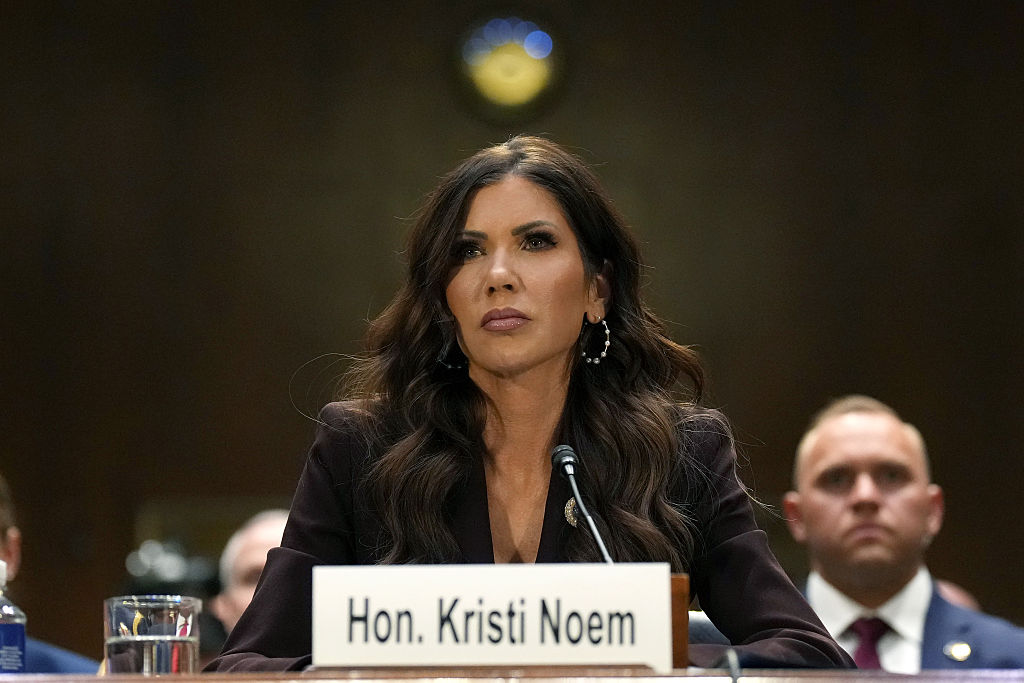
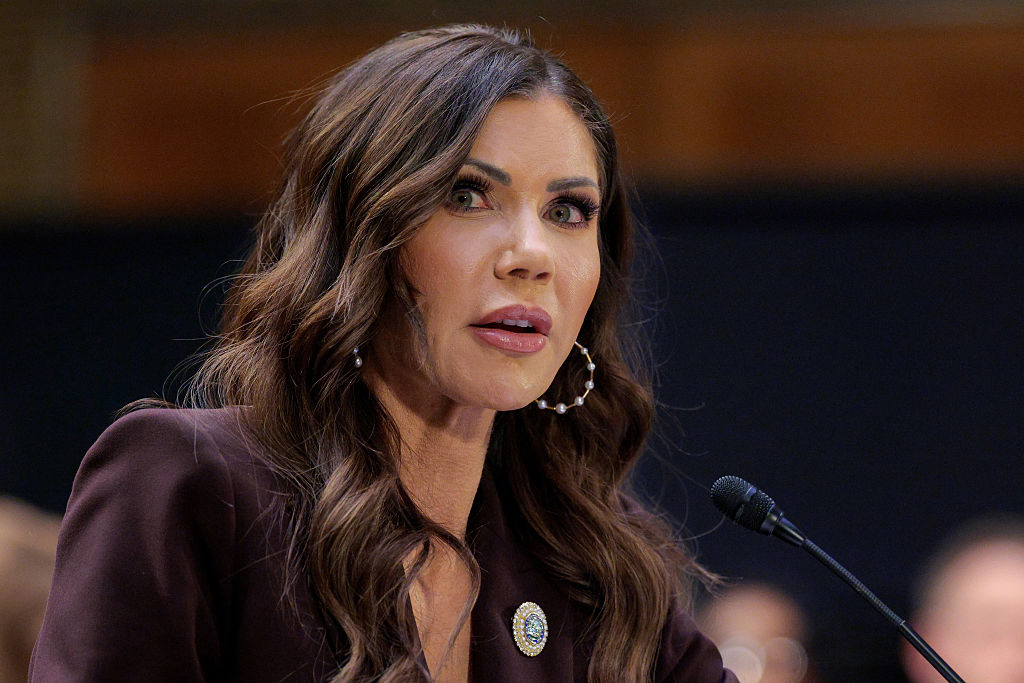
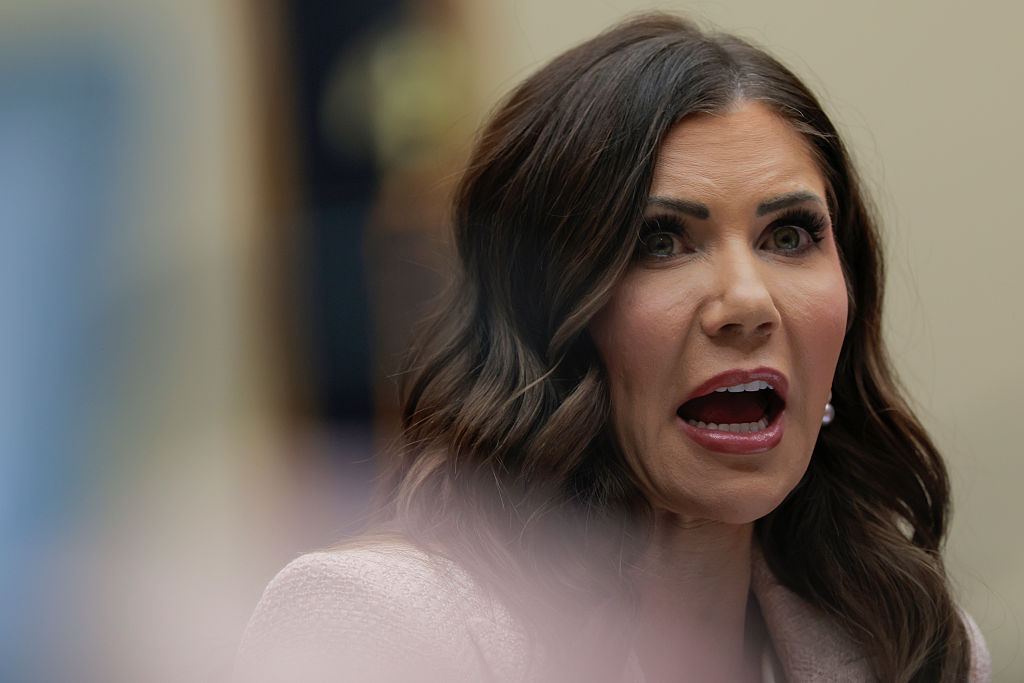
A look at Kristi Noem’s wild ride at the DHS and how she changed the coast guard forever

The United States Coast Guard has changed under Donald Trump. An organization that used to represent saving lives now focuses on destroying them, and Coast Guard brass are reportedly fed up with Kristi Noem’s usage of the military branch. Noem has turned the once-proud organization into a deportation machine, and top officials are reportedly fed up with the aggressive culture change enforced by Trump and Noem. Since Kristi Noem took over the Department of Homeland Security, the organization has faced criticism from multiple Republican congresspeople for her handling of the organization.

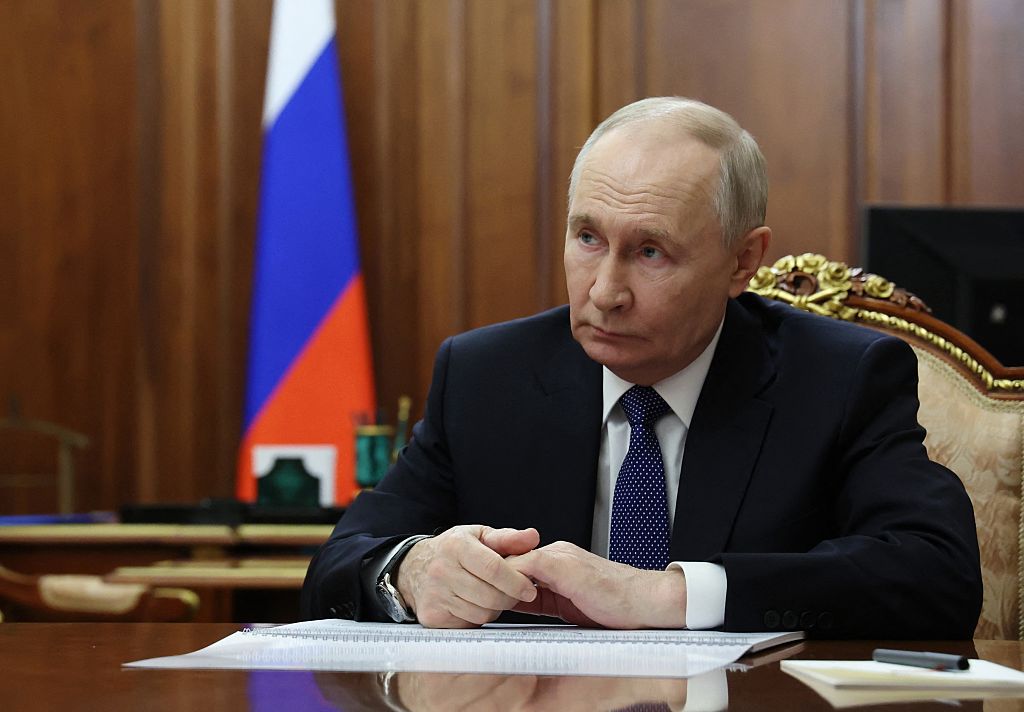
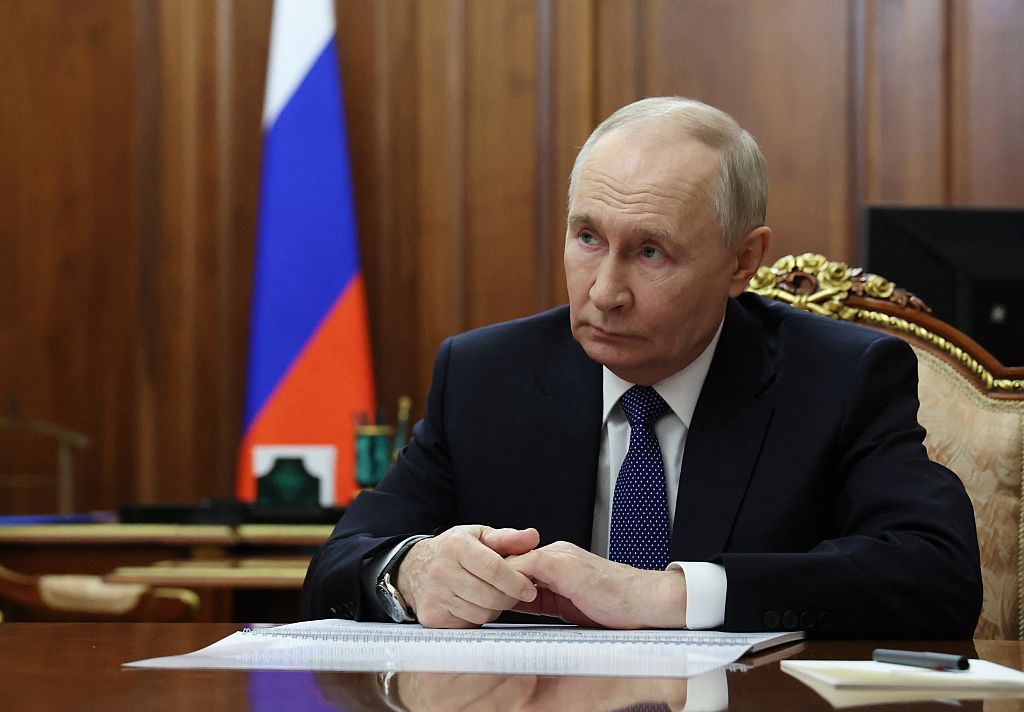
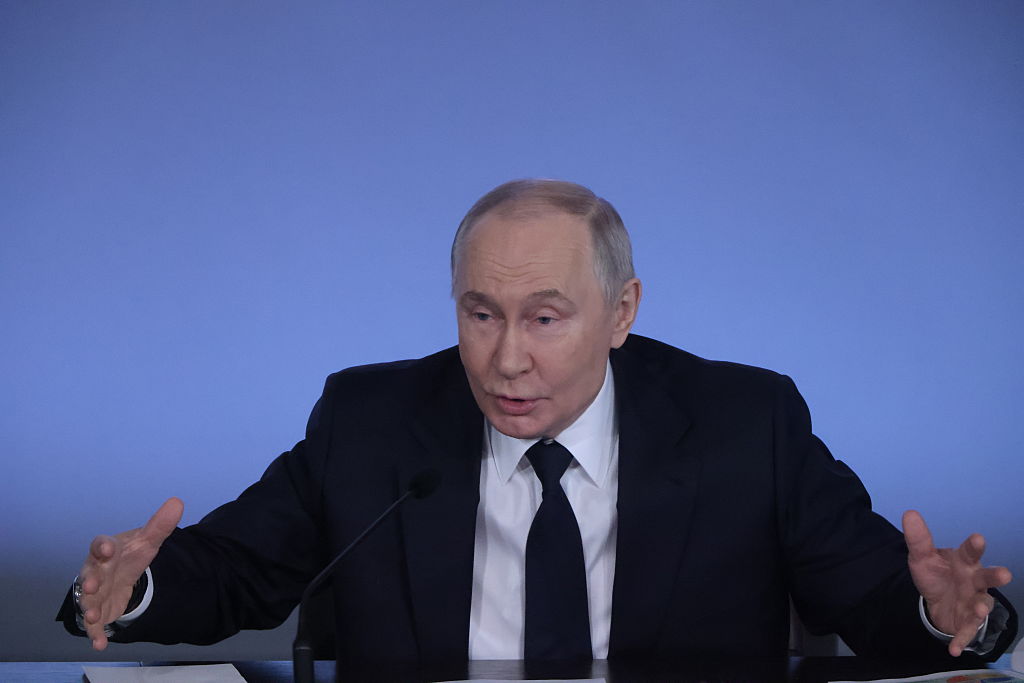
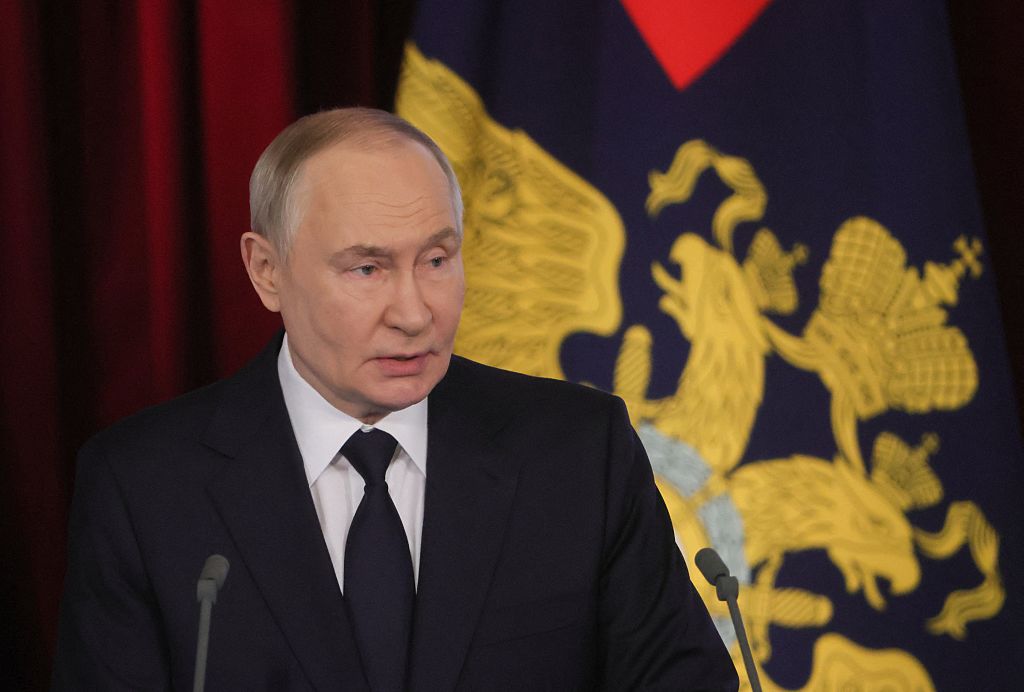
Putin complains the U.S. «deliberately provoked» Iran

Moscow accused both Donald Trump and Benjamin Netanyahu of trying to drag Arab countries into a drawn-out, violent war.

Russian President Vladimir Putin claimed that the US and Israel goaded Iran into striking targets across the Middle East, thus forcing the attacked countries to get involved in the Western-manufactured conflict. According to Putin, the US, ‘deliberately provoked’ Iran into striking American military installations across the Middle East, knowing they wouldn’t strike American soil.

Mark Carney won’t rule out Canada’s help in Iran

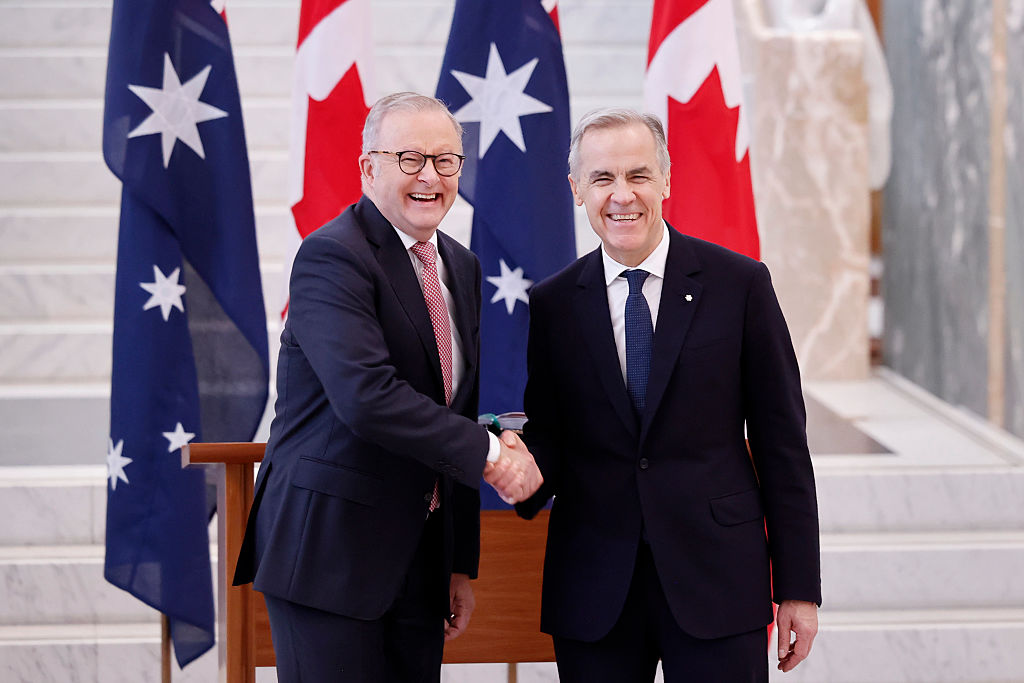
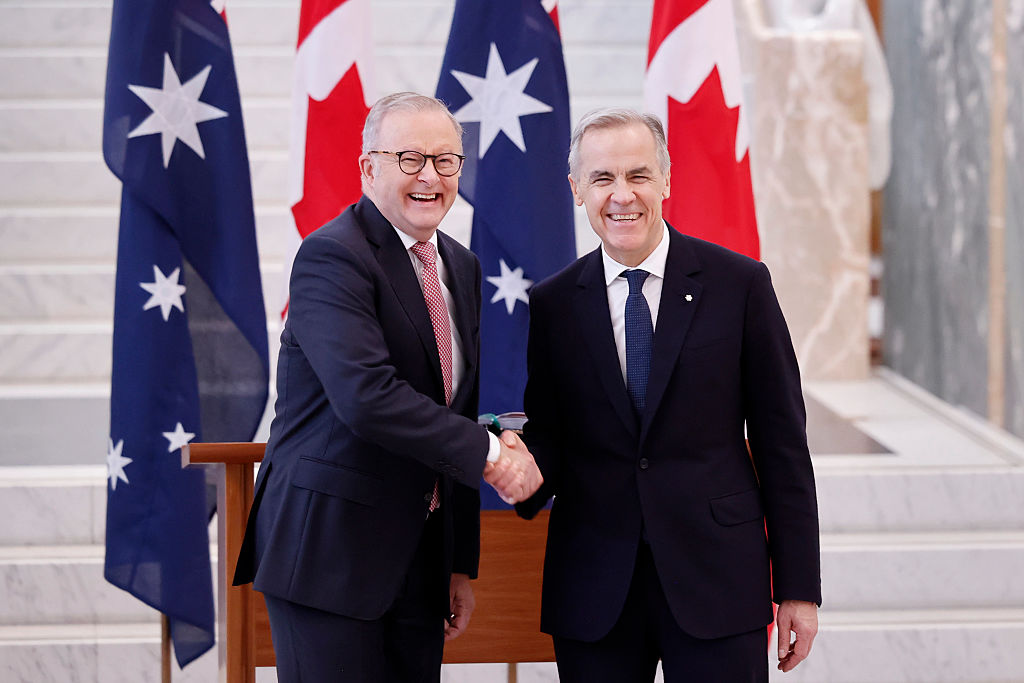
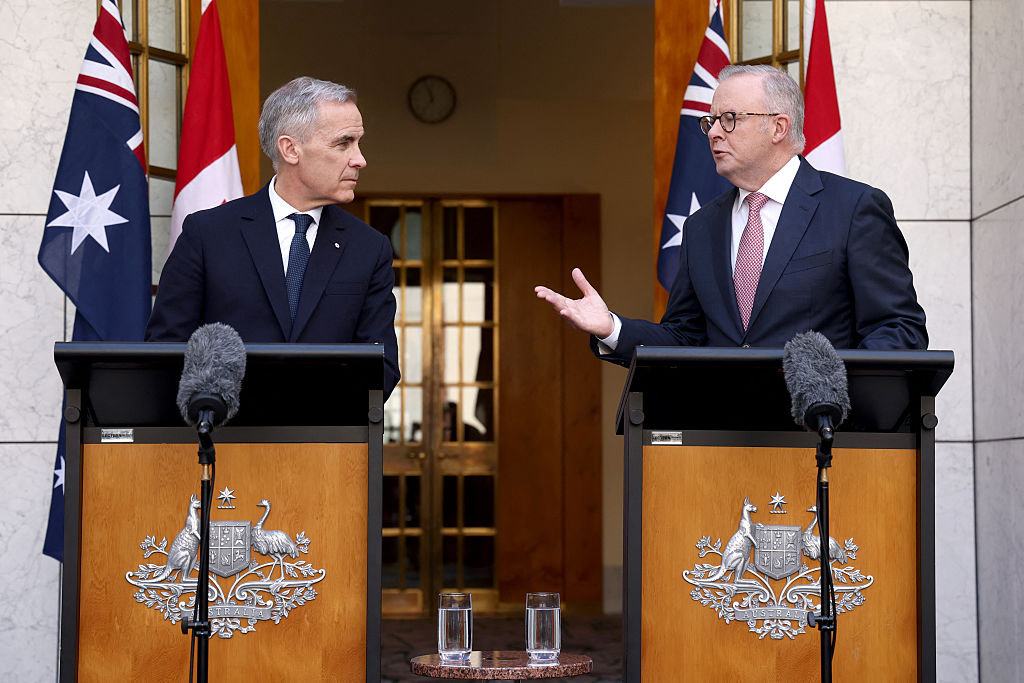
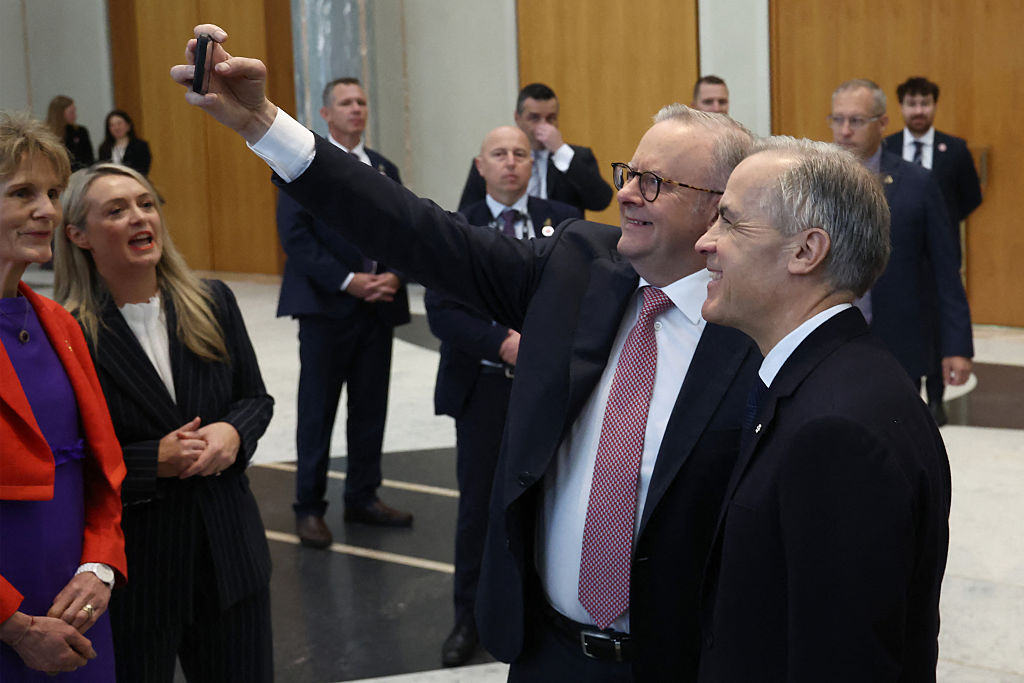
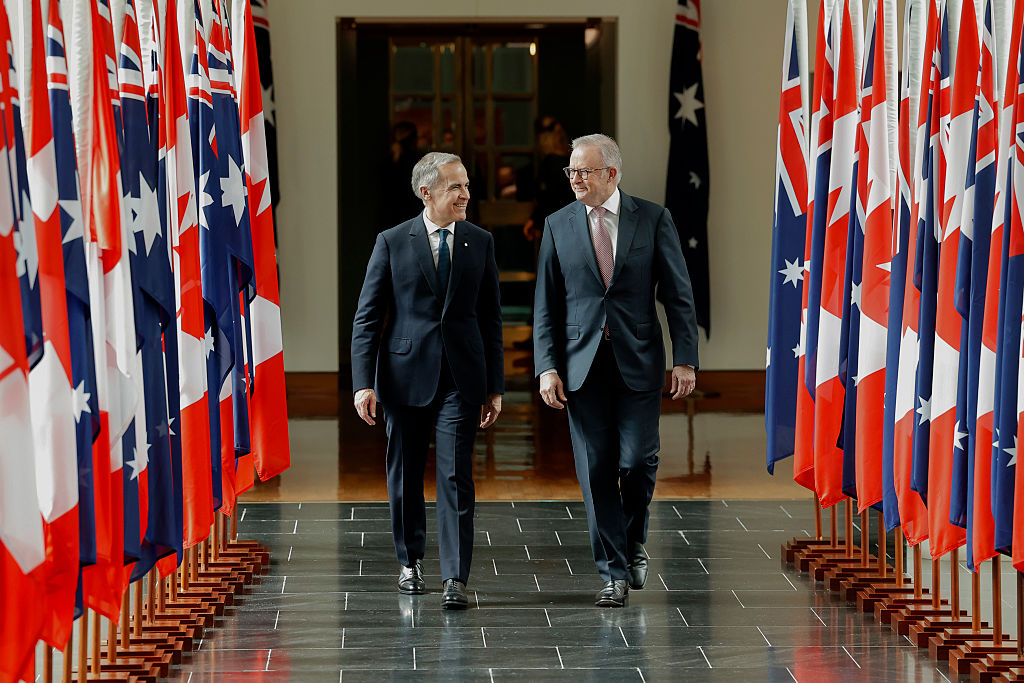
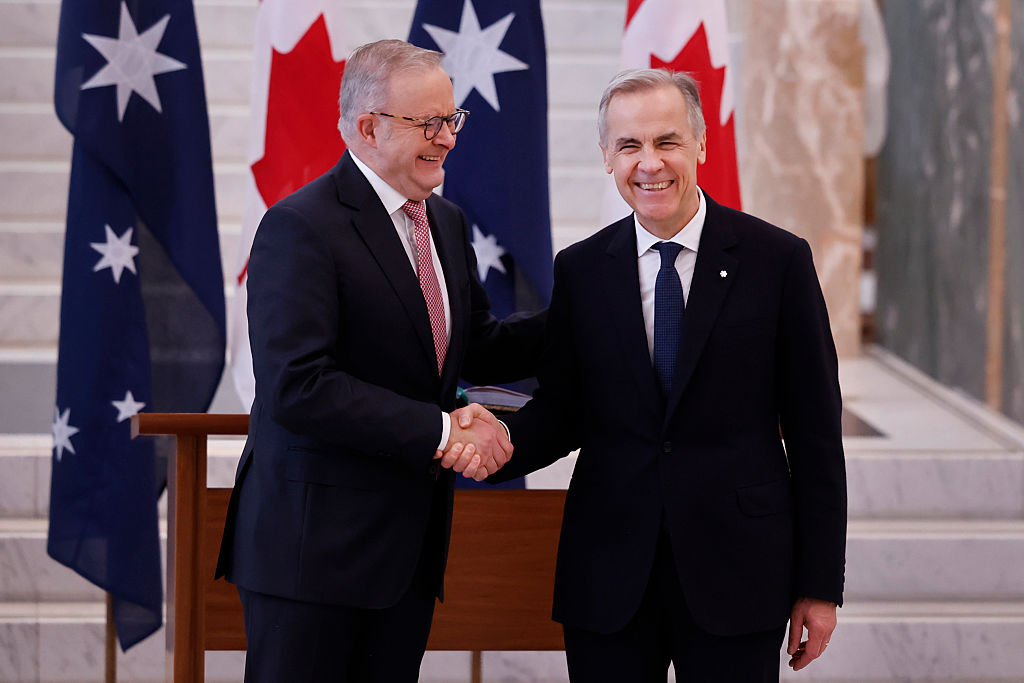
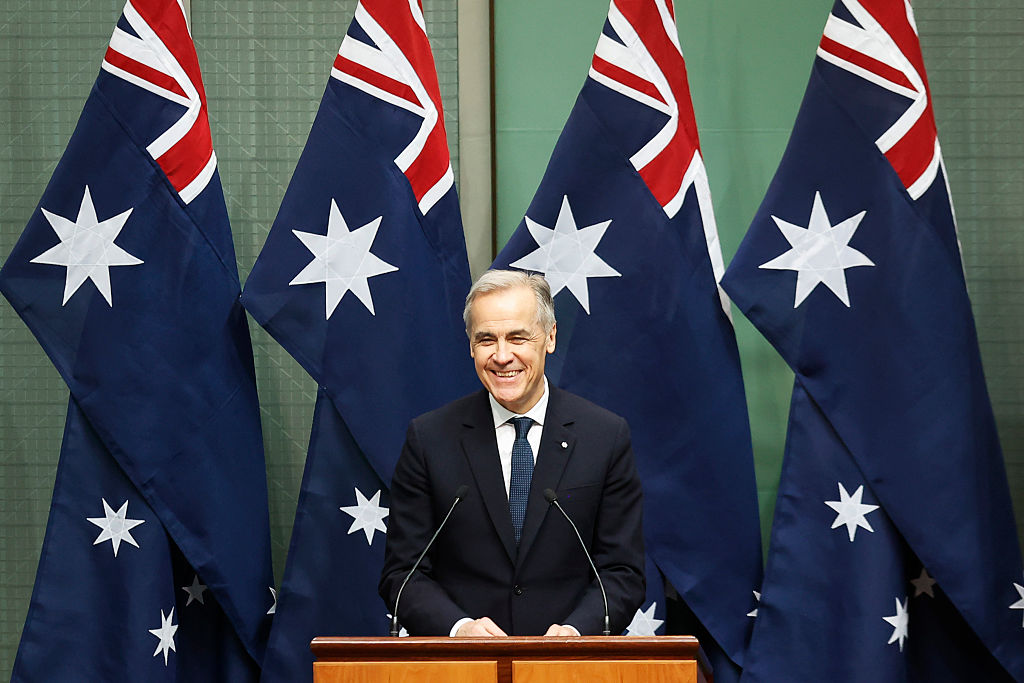
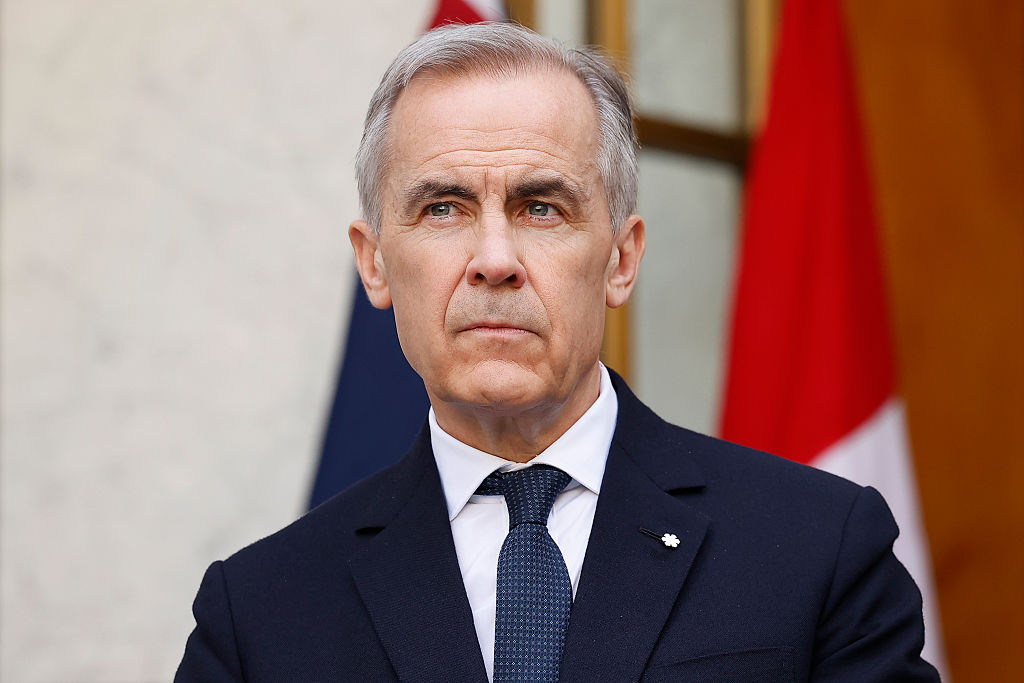
During Canadian Prime Minister Mark Carney’s latest trip to Australia, the PM doubled down on his pitch for ‘middle powers’ to work together, and confirmed that he was unable to rule out Canadian military participation in Iran. Speaking at a joint press conference with Australian Prime Minister Anthony Albanese on March 4, Carney fielded questions about global tariffs, Donald Trump, and the military action in the Middle East. Carney confirmed that Canada and its allies do not wish to get involved in military operations, but that it’s impossible to fully rule anything out.

10 Real Reasons Why We Sometimes Feel Like “Nothing Fits”

We all have days when we are searching through our closets for the perfect outfit. We grab coordinating pieces and start trying on each completed ensemble. And then there it is, the realization that nothing fits, and we don’t have anything to wear. The frustration sets in. We melt into a puddle of despair, and we start questioning what we did to deserve this.

Fortunately, there are many reasons why we feel like nothing fits, and it isn’t that slice of cheesecake we ate at 2 a.m. or the extra taco we had at lunch. You’ll find that many of these reasons aren’t your fault at all, even if it feels like you’ve had a significant blow to your self-confidence. Let’s review the 10 reasons why we sometimes feel like “Nothing fits!”

10 Truths About Certified Pre-Owned Vehicles

Buying a car doesn’t always mean choosing between brand-new and decades-old. There’s a middle lane that many drivers explore, and it often feels like mixing practicality with peace of mind. Certified pre-owned vehicles sit in that space.


Catégories
Uncategorized

Lawsuits, threats, and stakes: why Trump is demanding $1 billion from Harvard and what it means

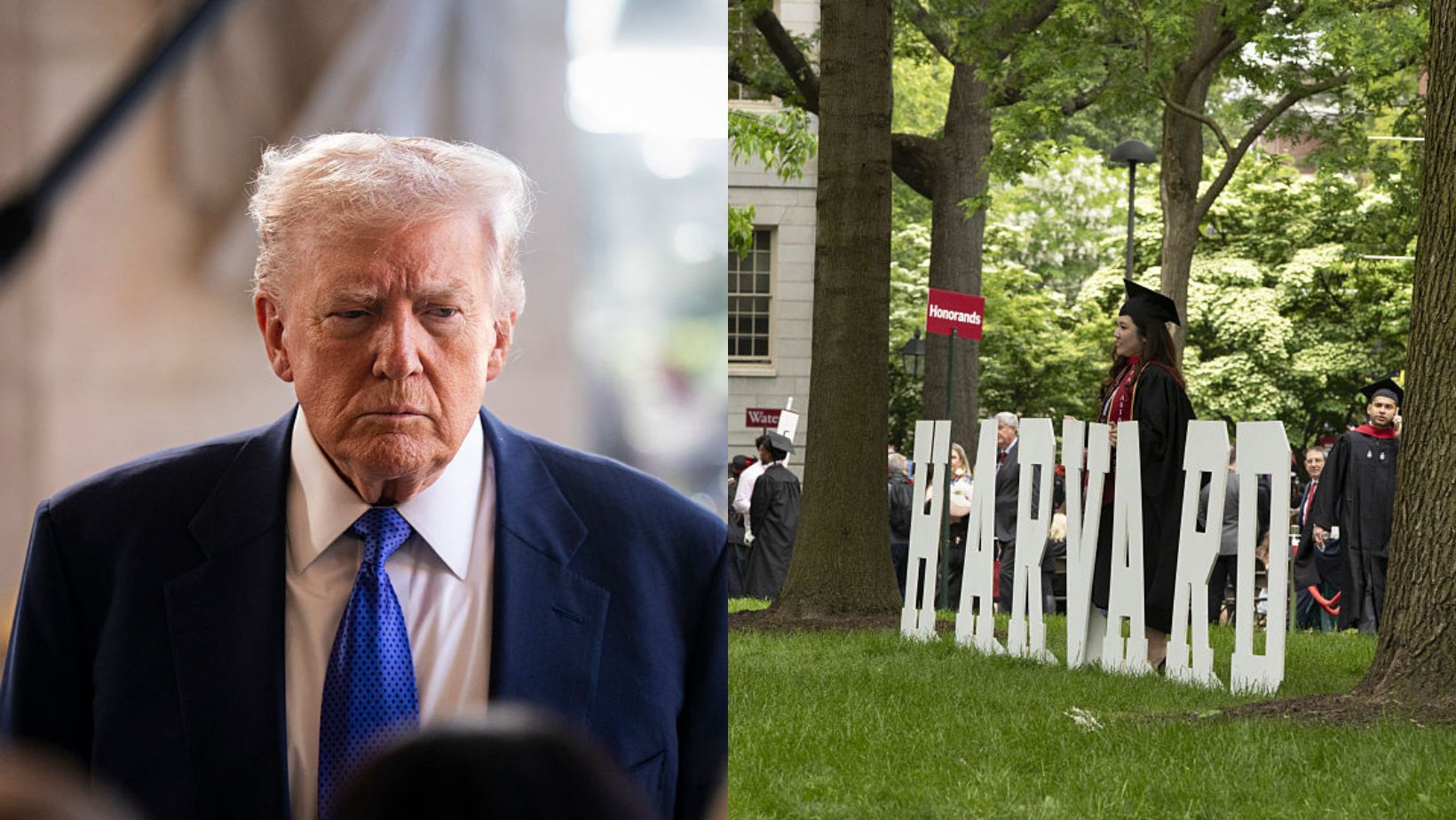
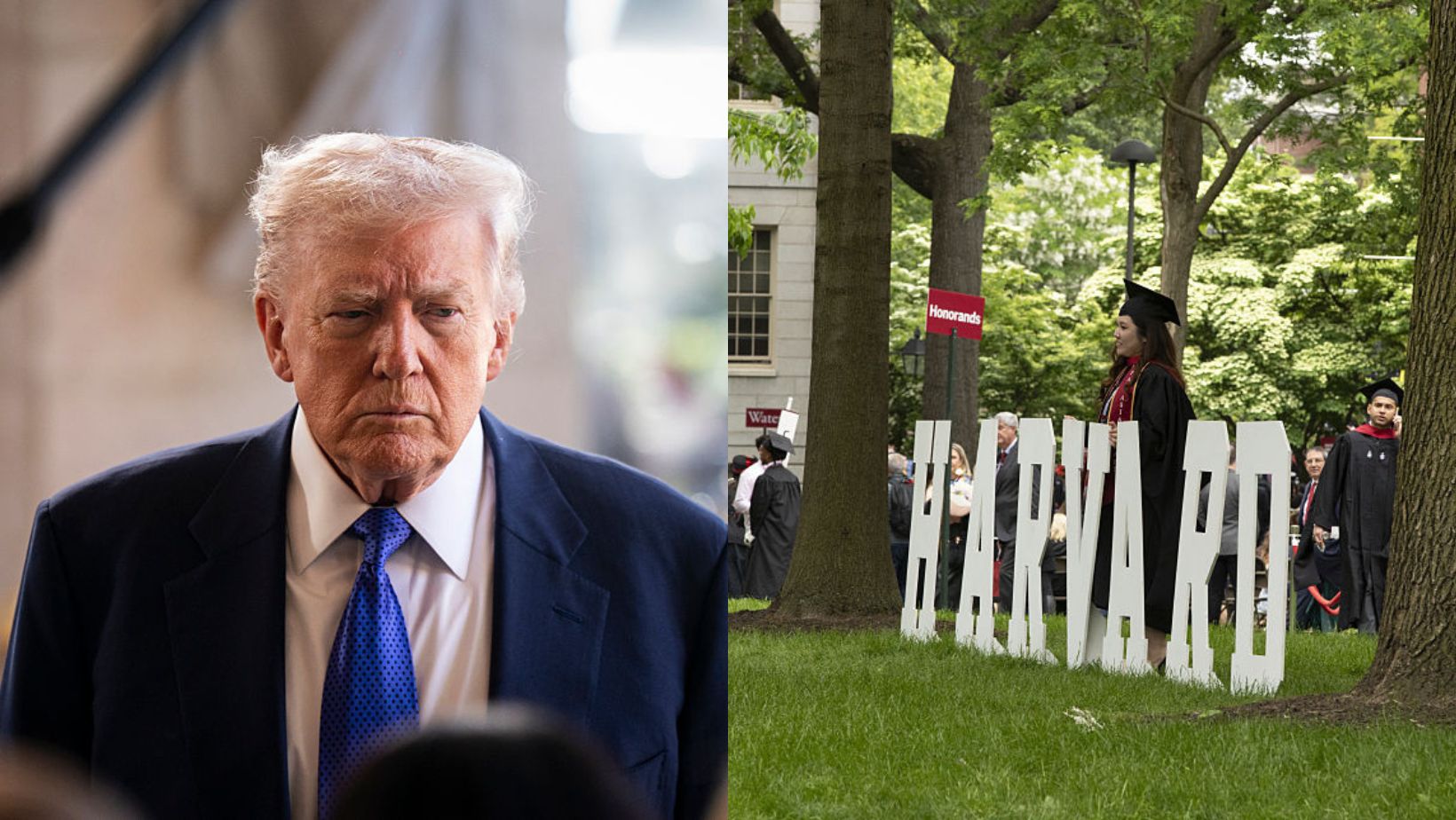
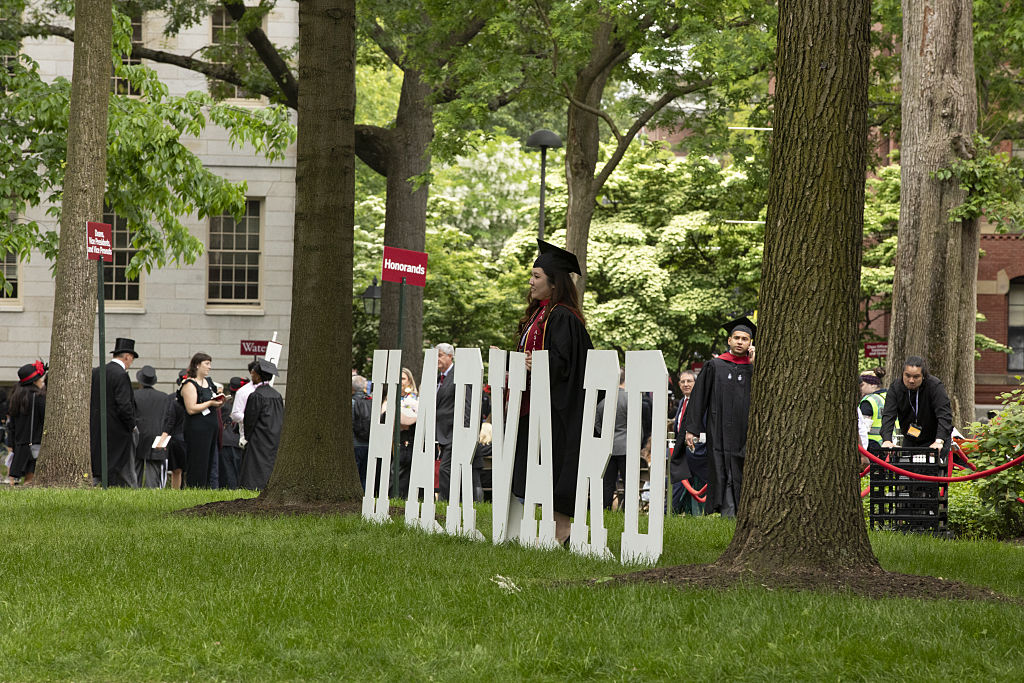
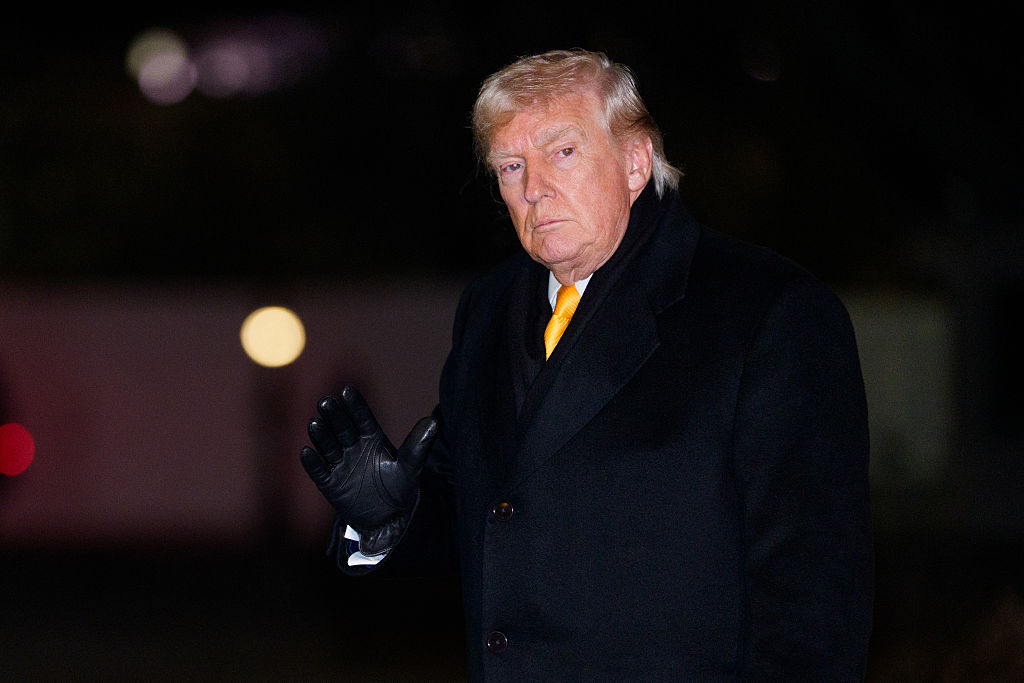
Donald Trump has announced that he is now demanding $1 billion from Harvard, a dramatic claim that is part of a broader offensive against American universities that he considers « woke » or insufficiently protective of Jewish students during protests. This demand comes after several episodes of tension—complaints, federal funding cuts, and appeals—that have turned what could have been an administrative dispute into a high-stakes political and legal battle.

In concrete terms, the billion-dollar claim comes after years of clashes between the Trump administration and elite institutions. The White House’s stated goal is twofold: to obtain financial compensation and to force changes in university policies on sensitive issues such as diversity, gender definitions, and protest management.

One billion dollars
The $1 billion demand was announced publicly on the president’s network. This sum serves as both political leverage and financial punishment, according to its supporters.

An essential point to understand the issue: Harvard is not the only target. According to recent surveys, at least 75 universities have been the subject of similar complaints or pressure, and several have ended up agreeing to pay significant amounts to ease tensions or guarantee continued federal aid.

Trump doubles down
Prior to this latest announcement, widely varying amounts had already been circulating: an initial request for $200 million, then discussions of $500 million. The increase to $1 billion illustrates the escalation and the intention to take a harder line.

Why Harvard?

  • Harvard embodies the American academic elite and, as such, is a symbolic target for an administration that wishes to reaffirm a conservative vision of higher education.
  • Presidential authorities accuse the university of ideological bias (which they describe as « wokism ») and of lax management of inter-community tensions, particularly during pro-Palestinian demonstrations and allegations of anti-Semitism.
  • Harvard has responded legally: the university has filed two lawsuits against the administration, and federal rulings have so far found in favor of the institution in these cases. The administration has appealed.

Harvard has filed two lawsuits
Harvard leaders denounce illegal reprisals aimed at forcing independent think tanks to comply. This rhetoric has resonated within the academic community, which sees it as an attack on institutional autonomy.

The methods used and their effects

The administration has not limited its actions to legal threats: it has also reduced federal research funding and attempted to restrict the admission of foreign students. These measures have a concrete impact—both financial and academic—on universities that rely heavily on public funds for their laboratories and projects.

At the same time, several universities have negotiated agreements to obtain federal leniency: Columbia (200 million), Cornell (60 million), and Brown (50 million) have entered into arrangements that often included commitments on admissions policies and diversity. These agreements show that pressure tactics can produce results, despite legal challenges.

75 universities targeted
The list of targeted institutions reveals a systemic phenomenon: these are not isolated attacks but a coordinated strategy aimed at reshaping certain university practices on a national scale.

What are the possible consequences?

  • Legally: the outcome will depend on the appeals currently underway and the decisions of the courts of appeal. Precedents in which federal judges have ruled in favor of universities show that the battle is far from won by the administration.
  • Politically: The pressure exerted is likely to weaken universities’ ability to defend academic autonomy if the strategy results in funding cuts or the imposition of strict conditions for receiving federal aid.
  • Socially: these confrontations fuel the debate on freedom of expression, diversity on campuses, and the role of universities as places for critical debate. Students and faculty often find themselves at the center of issues that go beyond the strictly academic sphere.

Trump's priorities in education
Finally, the underlying issue is ideological: the administration is seeking to redefine certain admission and representation frameworks within institutions—measures that, if imposed on a large scale, would profoundly transform the landscape of American higher education.

In short, the $1 billion demand is not just a figure: it is a political signal, an attempt to apply pressure, and a test of the resilience of academic institutions in the face of increasingly direct government intervention. It remains to be seen whether this strategy will lead to further concessions, legal victories for universities, or increased polarization of the public debate on the future of American campuses.

Catégories
Uncategorized

Budget, NATO, and defense: analysis of the commitment to spend 5% of GDP and its expected impact ($63 billion by 2035)

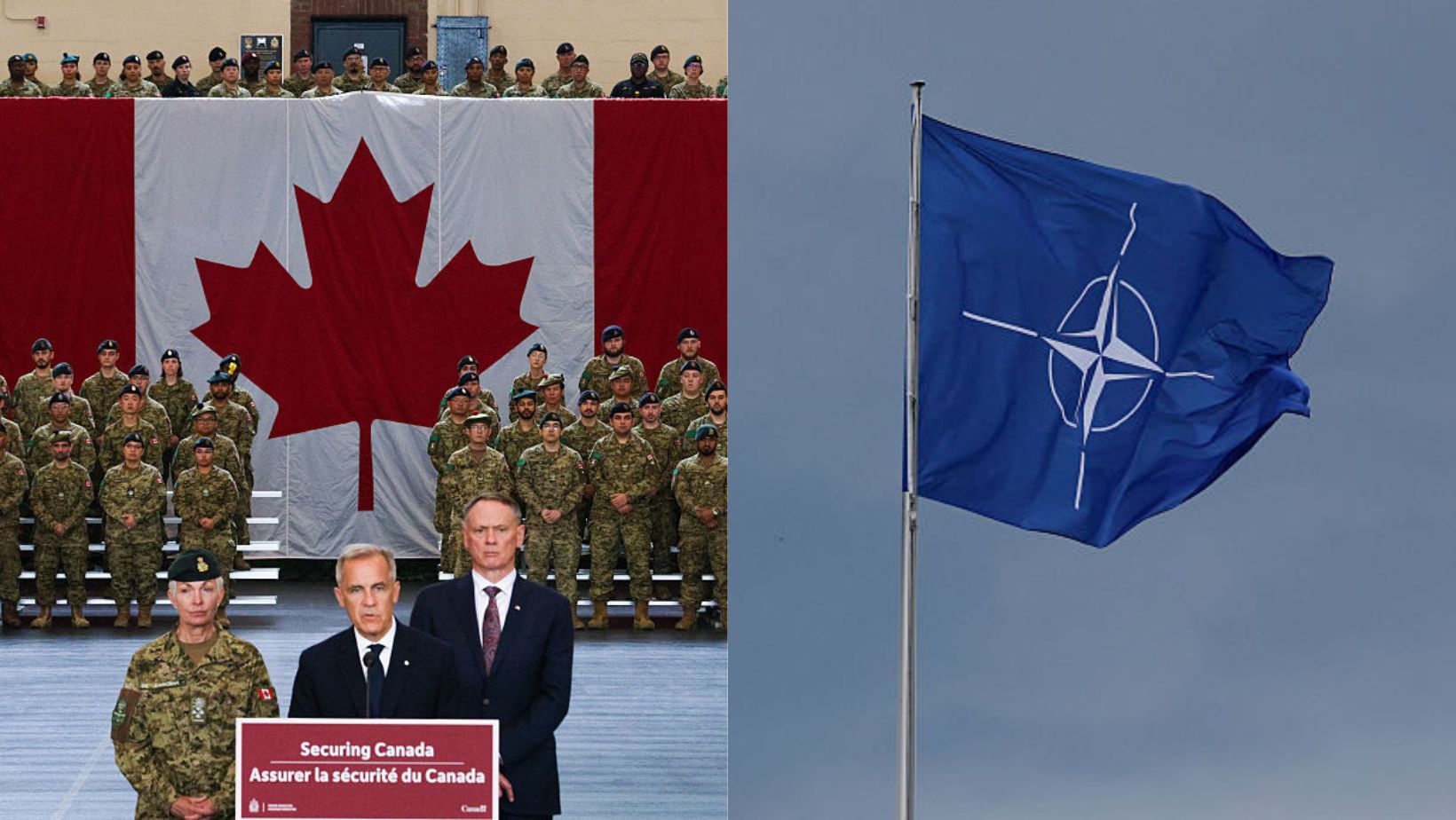
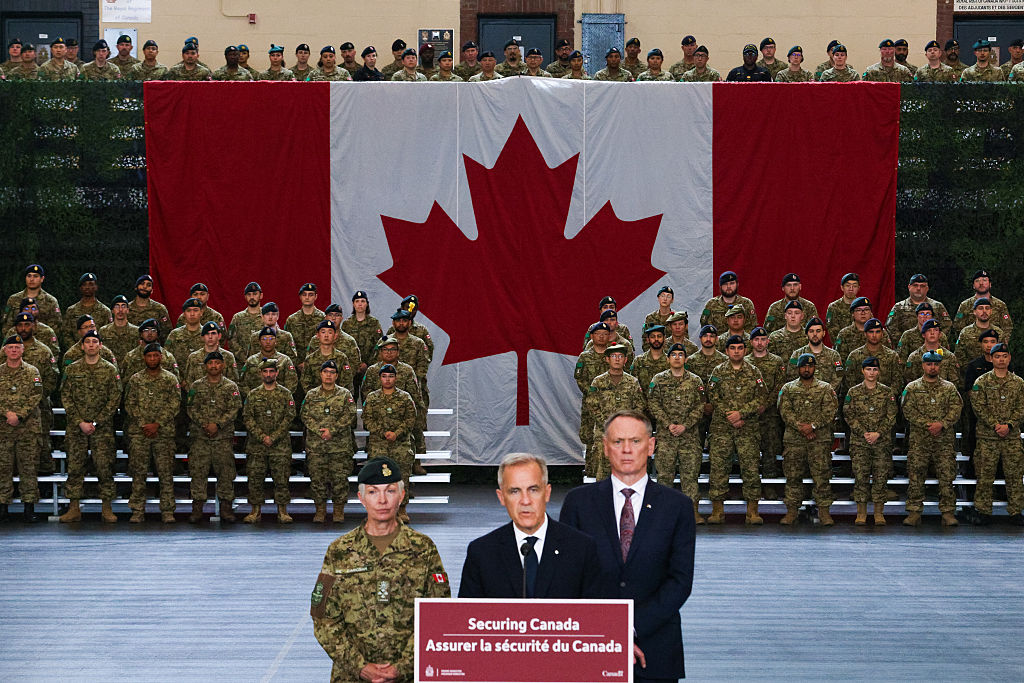
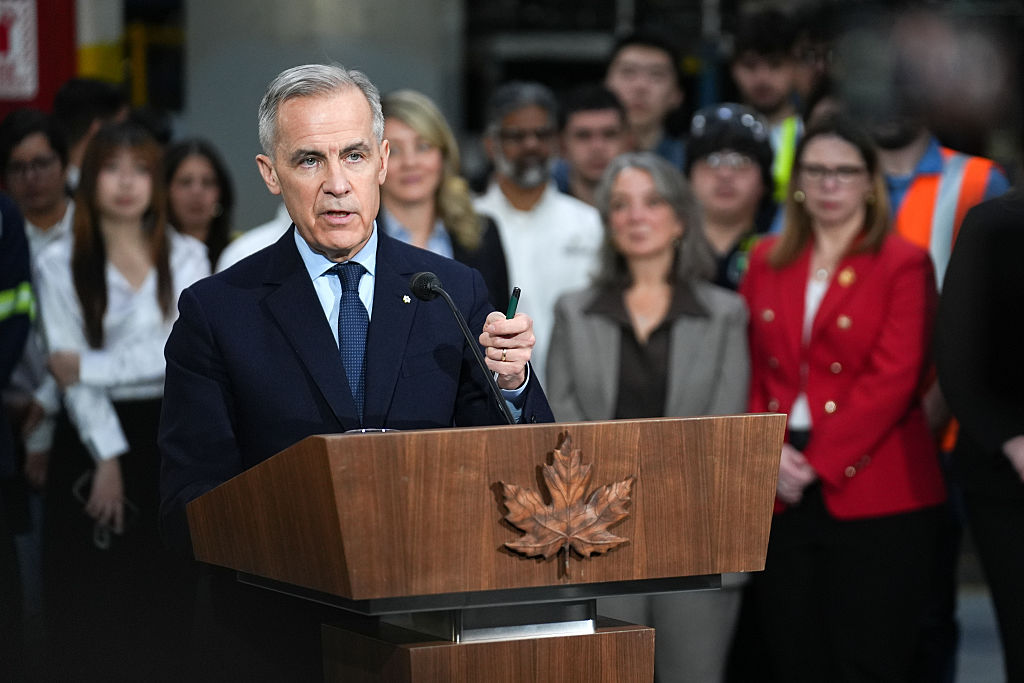
Context — In early February, the Parliamentary Budget Officer (PBO) published a quantitative analysis of the budgetary implications of Prime Minister Mark Carney’s plan to increase defense spending to the equivalent of 5% of GDP by 2035. According to the report, this effort would result in an increase in the federal deficit of approximately C$63 billion by 2035 (or ~1.4 percentage points of GDP).

Defense budget analysis

The OMB, led by Jason Jacques, points out that the increase in military spending—to reach the 5% target—would represent an average of nearly $33.5 billion more per year over the adjustment period. Starting in fiscal year 2026–2027, the additional spending could increase the annual budget deficit by approximately $3 billion (≈0.1 percentage point of GDP), then gradually increase to reach the cumulative figure mentioned above.

Additional military spending

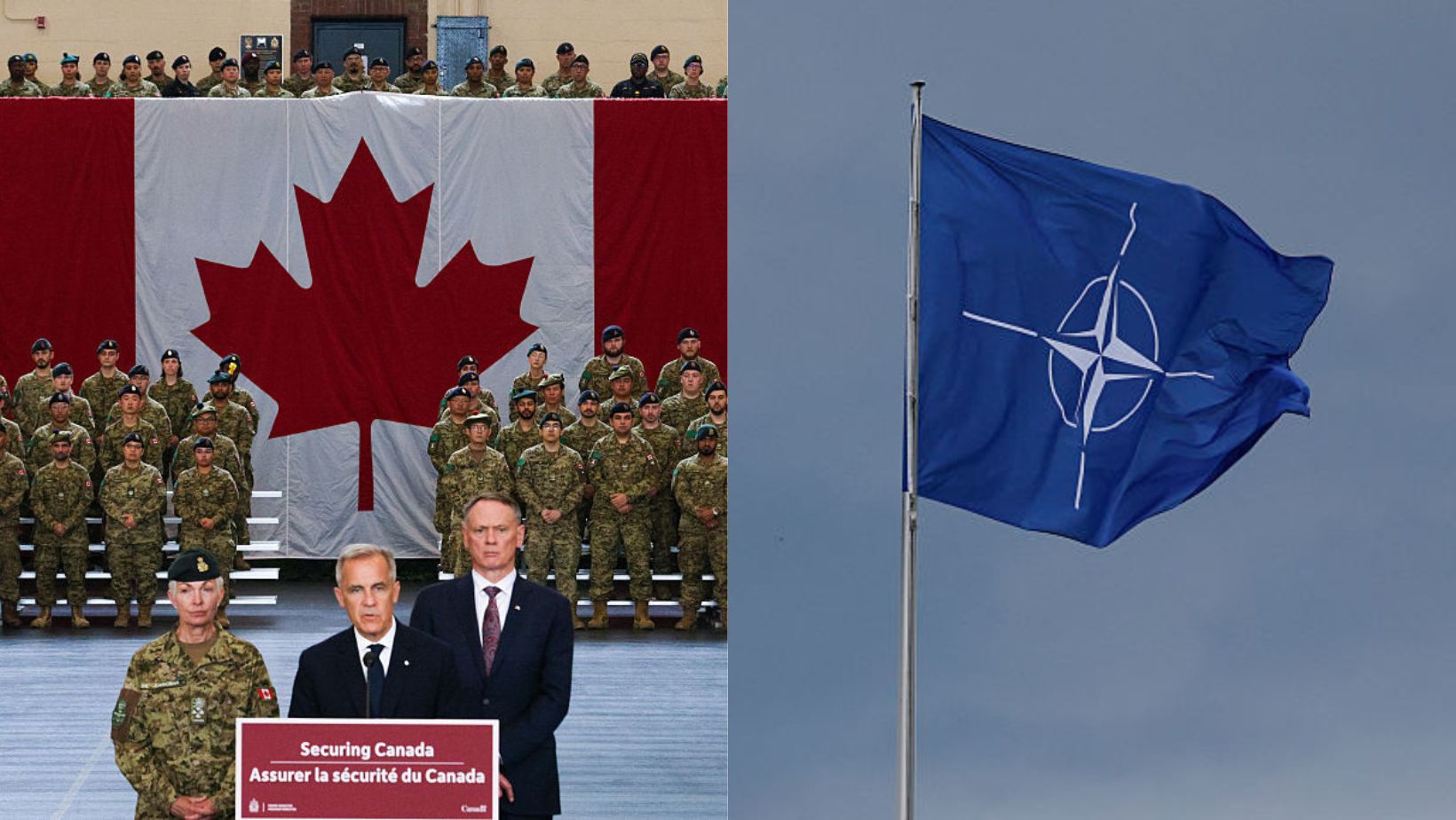
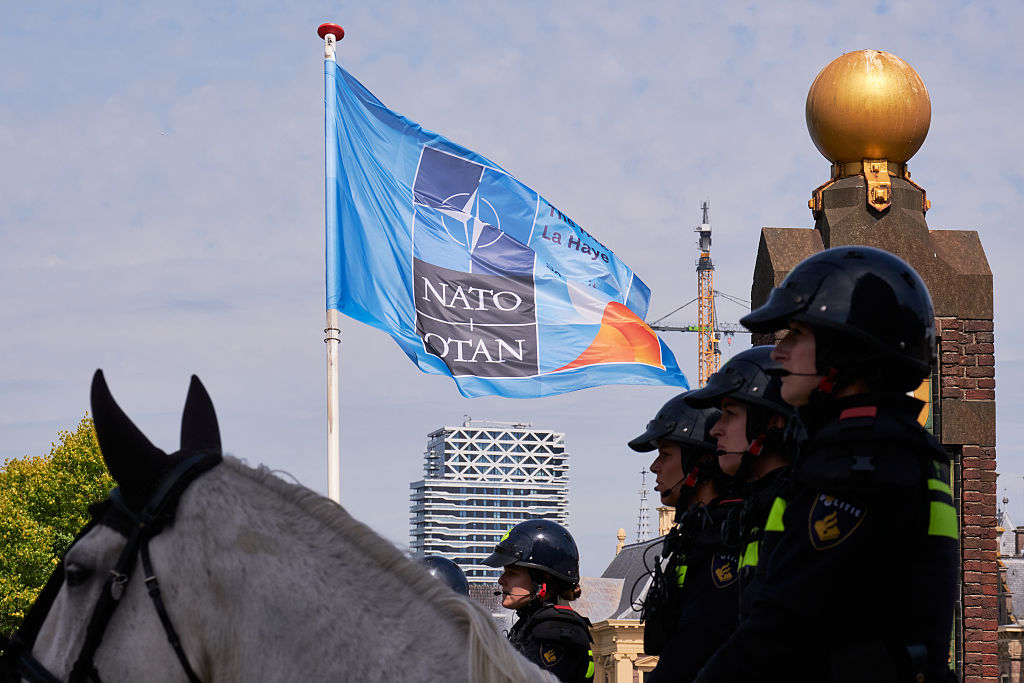
Why 5% of GDP? This target comes from a goal set within NATO, driven by pressure from certain allies. The idea is to substantially increase national capabilities, but the methods vary: the plan announced by Ottawa is structured in two parts.

  • 3.5% of GDP for « basic » military capabilities: modernization of equipment, platforms, ammunition, digital systems, and R&D.
  • 1.5% of GDP for broader infrastructure projects: airports, ports, telecommunications networks, and logistics necessary to support the forces.
  • Target of 5% of GDP for defense

    Impact on debt and the debt-to-GDP ratio — The PBO anticipates that the impact on the federal debt-to-GDP ratio would increase modestly at first (≈0.1 percentage points in 2026-2027), then could reach several percentage points: the forecast shows an increase of up to 6.3 points in 2035-2036 if funding is based primarily on borrowing rather than budgetary adjustments elsewhere.

    Risks and open questions:

    • The government has not produced detailed documents quantifying how the additional $33.5 billion per year will be allocated: timing, phasing of purchases, industrial contracts, and long-term operating costs remain unclear.
    • The lack of a published defense industrial strategy to date (a promise not kept for Christmas 2025) limits visibility on job creation, the national supply chain, and the potential for domestic economic benefits.
    • Massively increasing military spending poses a dilemma: should priority be given to immediate operational equipment or to structural investments (infrastructure, cyber, training) that pay off in the long term?

    Military capabilities and infrastructure

    Financing options and trade-offs — Several paths are possible to limit the impact on the deficit:

    • Reallocation of existing spending: politically and socially difficult if it affects health, education, or provincial transfers.
    • Increasing tax revenues: raising taxes or closing tax loopholes, which requires political and economic trade-offs.
    • More gradual phasing: spreading increases over a longer period to smooth the budgetary impact.
    • Public-private partnerships and local industrialization: could reduce costs in the long term if the industrial strategy is well thought out and executed.

    Political issues — The issue is doubly sensitive: it affects national security as well as public finances. For the Carney government, meeting the NATO target strengthens international ties, but public opinion must be convinced that the effort is sustainable and will bring tangible benefits to the country.

    Expected industrial strategy

    Conclusion — What to watch for:

    • The expected publication of the defense industrial strategy: it must detail the procurement chain, economic spinoffs, and spending schedule.
    • Future budget documents: check how Ottawa plans to finance the effort (taxes, borrowing, cuts) and the impact on the debt-to-GDP ratio.
    • Operational implementation: contracts, domestic production capacity, and recurring operating costs.

    In short, the commitment to devote 5% of GDP to defense is a decision with far-reaching consequences. The figures published by the PBO offer a clear initial estimate: an additional cumulative deficit of approximately $63 billion by 2035 and substantial annual costs. The upcoming public debate will focus on how to finance this effort, the priority between immediate capabilities and structural investments, and the promise of a credible and transparent industrial strategy.

    OpenAI’s promise to Canada after the Tumbler Ridge shooting

    On Friday, Open IA announced an overhaul of its security protocols to improve collaboration with Canadian authorities so that tragedies such as those in Tumbler Ridge « can be avoided in the future. »

    « At the request of ministers, we will establish direct points of contact with Canadian authorities to ensure that we quickly refer cases to them when we identify potential violence, » said Ann M. O’Leary, vice president of global policy at Open AI, the parent company of Chat GPT.