Wood is a fascinating material: it combines strength, aesthetic warmth, and technical versatility. Whether we’re talking about furniture that lasts for generations, floors that can be refinished, or monumental roof structures, wood possesses qualities that explain its longevity and its ubiquity in construction and design. In this article, I offer a comprehensive overview of the main uses of wood, the technologies that enhance it, and tips for choosing the right type based on its intended use.
1. The Intrinsic Qualities of Wood
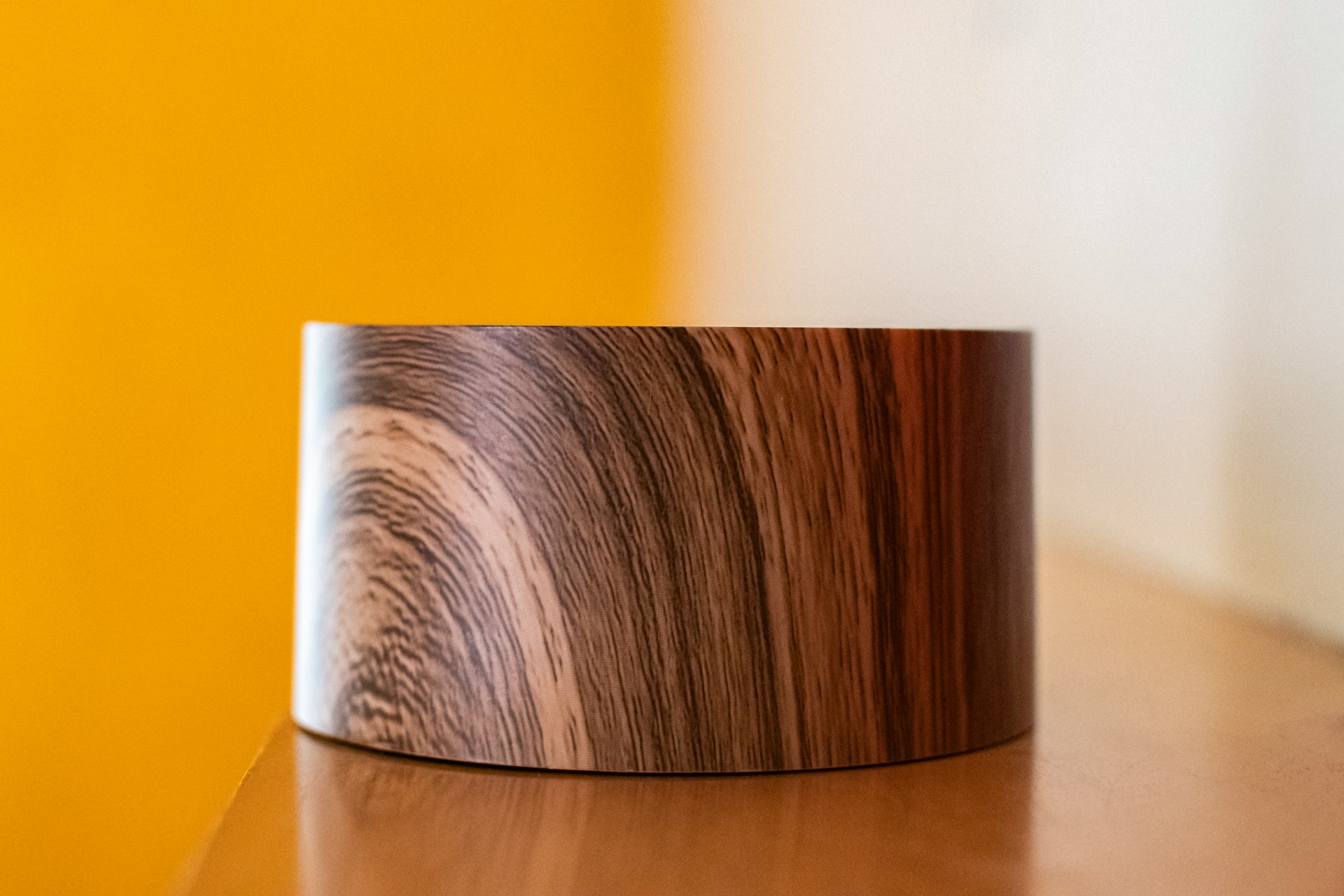
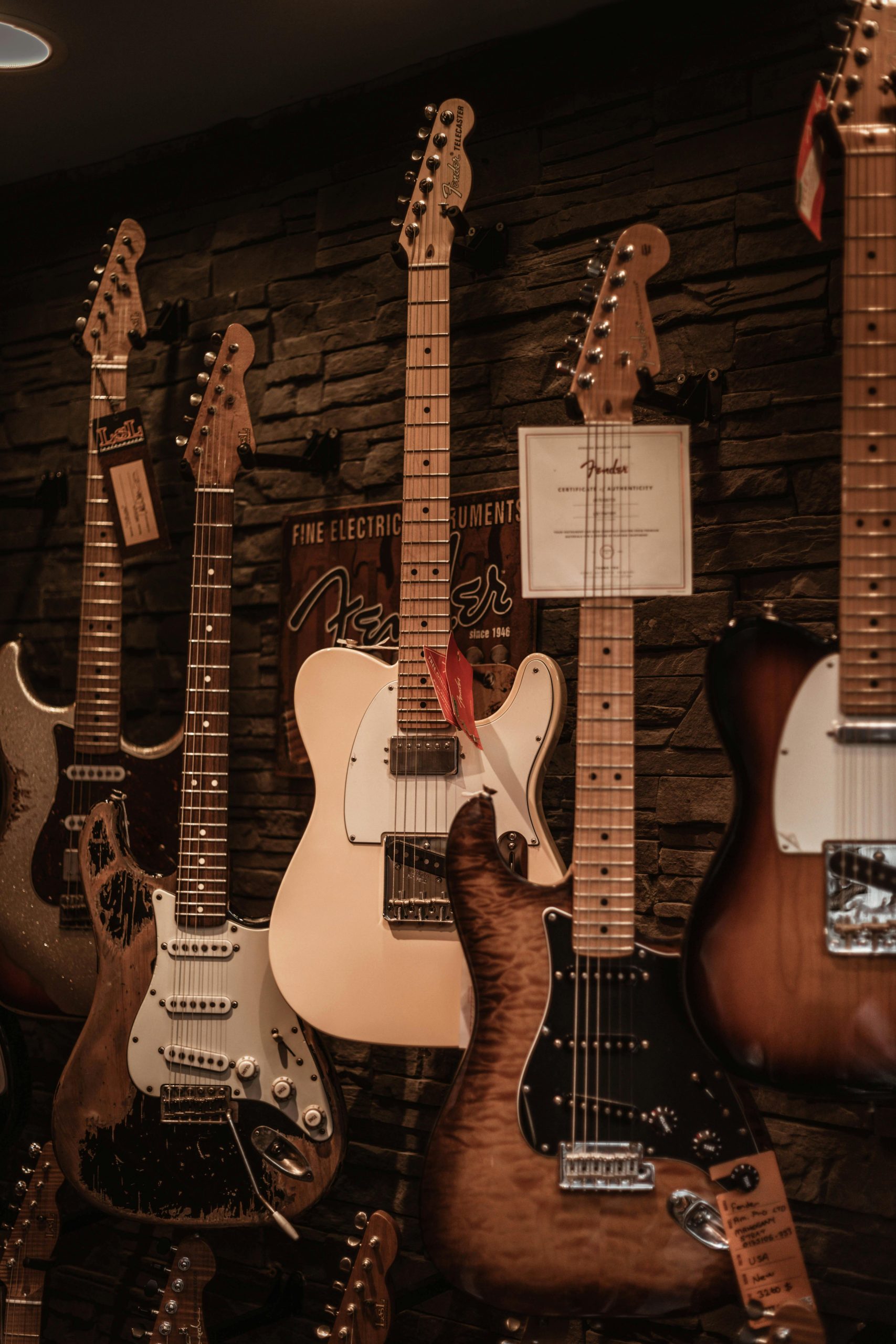
Wood possesses excellent mechanical strength relative to its mass, natural thermal insulation properties, and resilience against mechanical stress. Depending on the species—oak, ash, birch, spruce, etc.—these properties vary: density, elasticity, and resistance to moisture and fire. The choice of wood species therefore depends on the intended use: a floor, a roof structure, and a musical instrument do not have the same requirements.
2. From Traditional Furniture to Designer Furniture
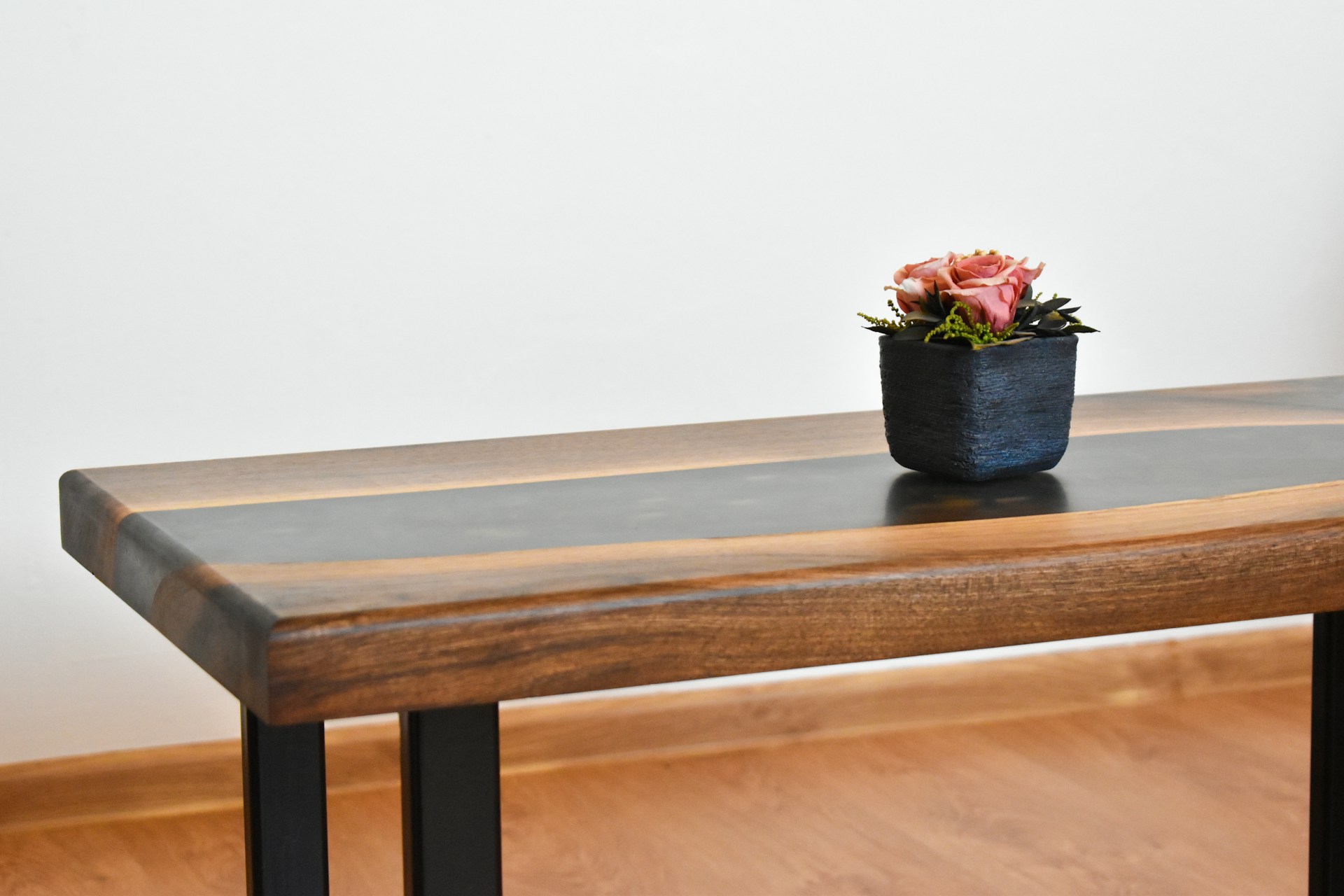
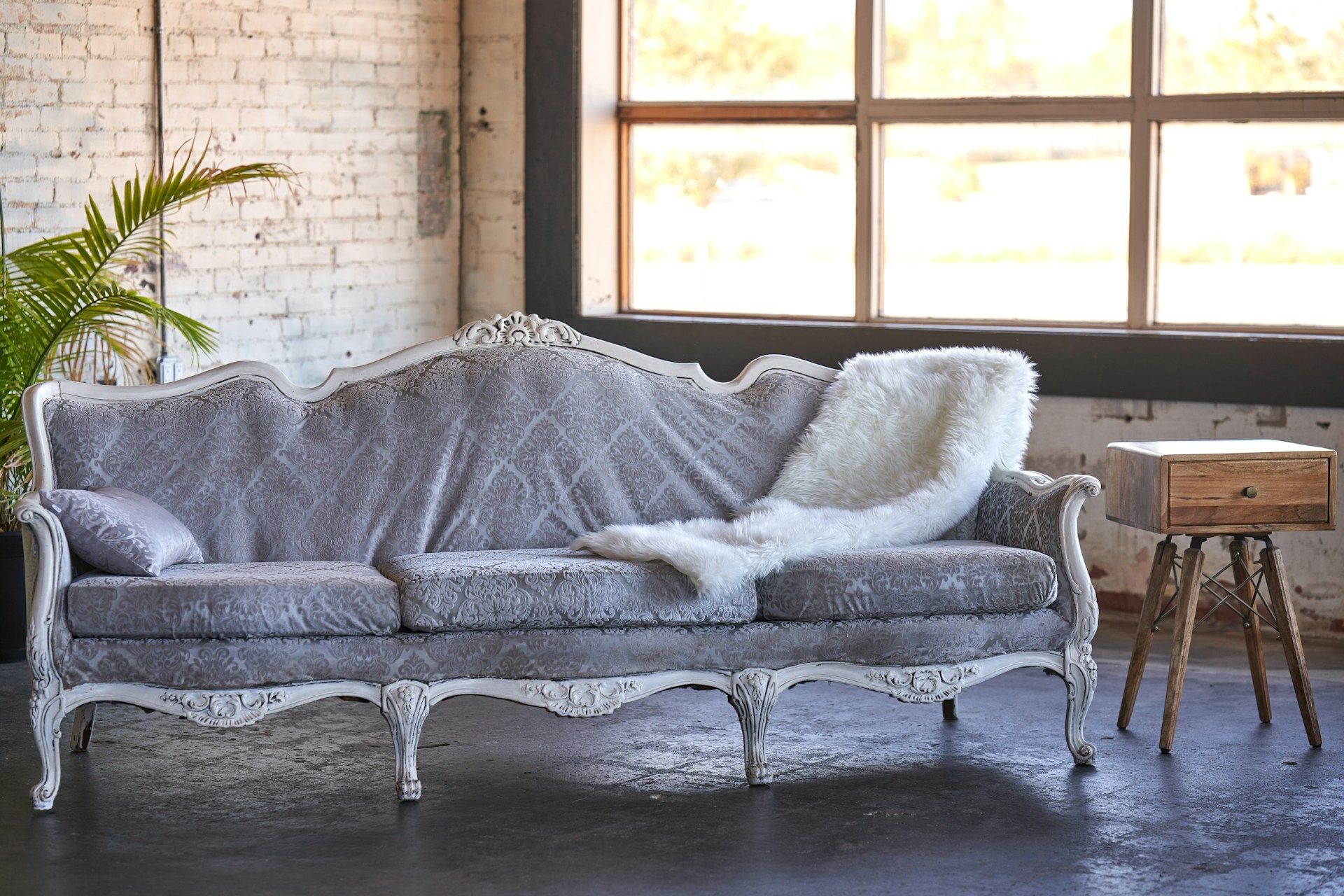
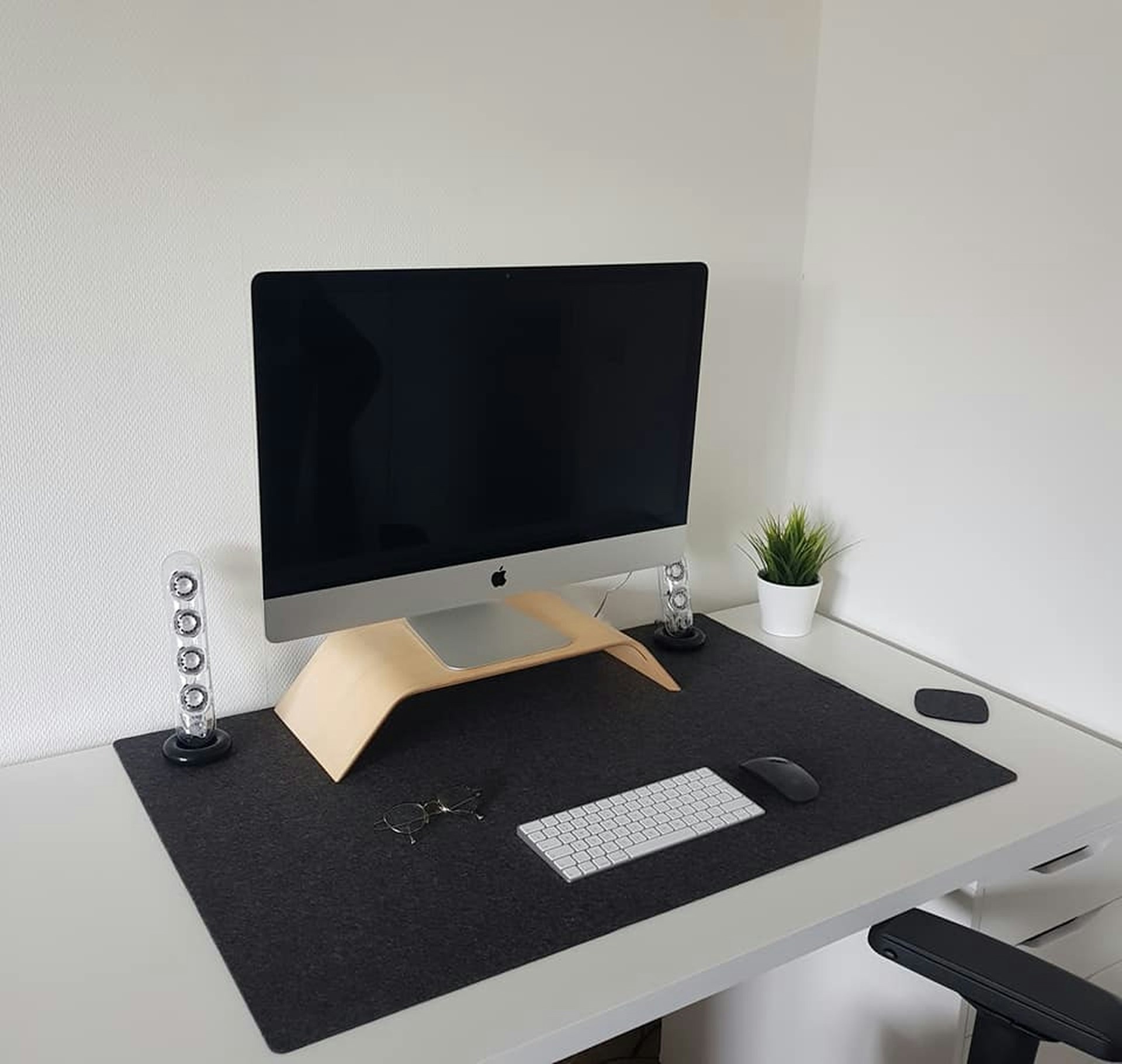
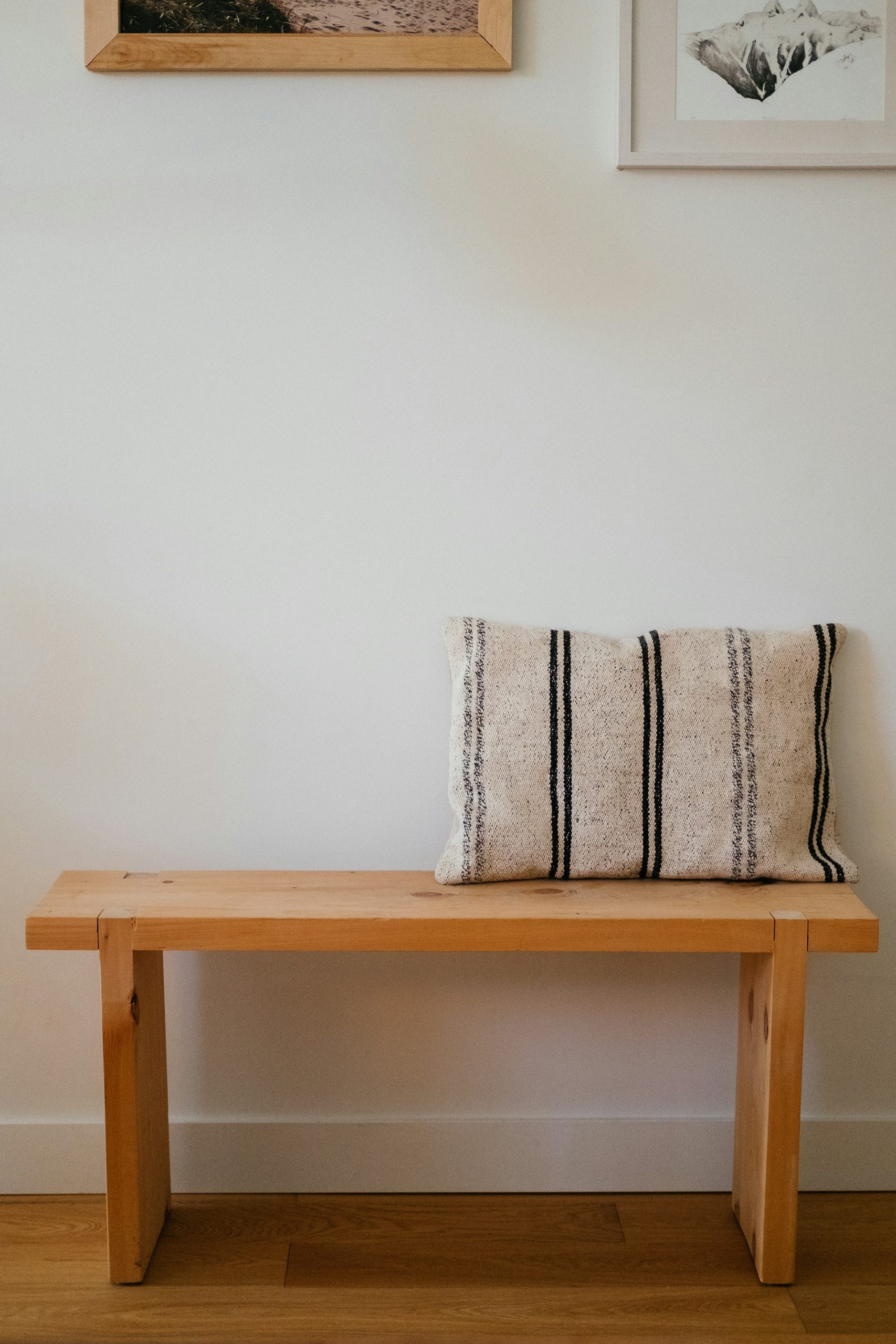
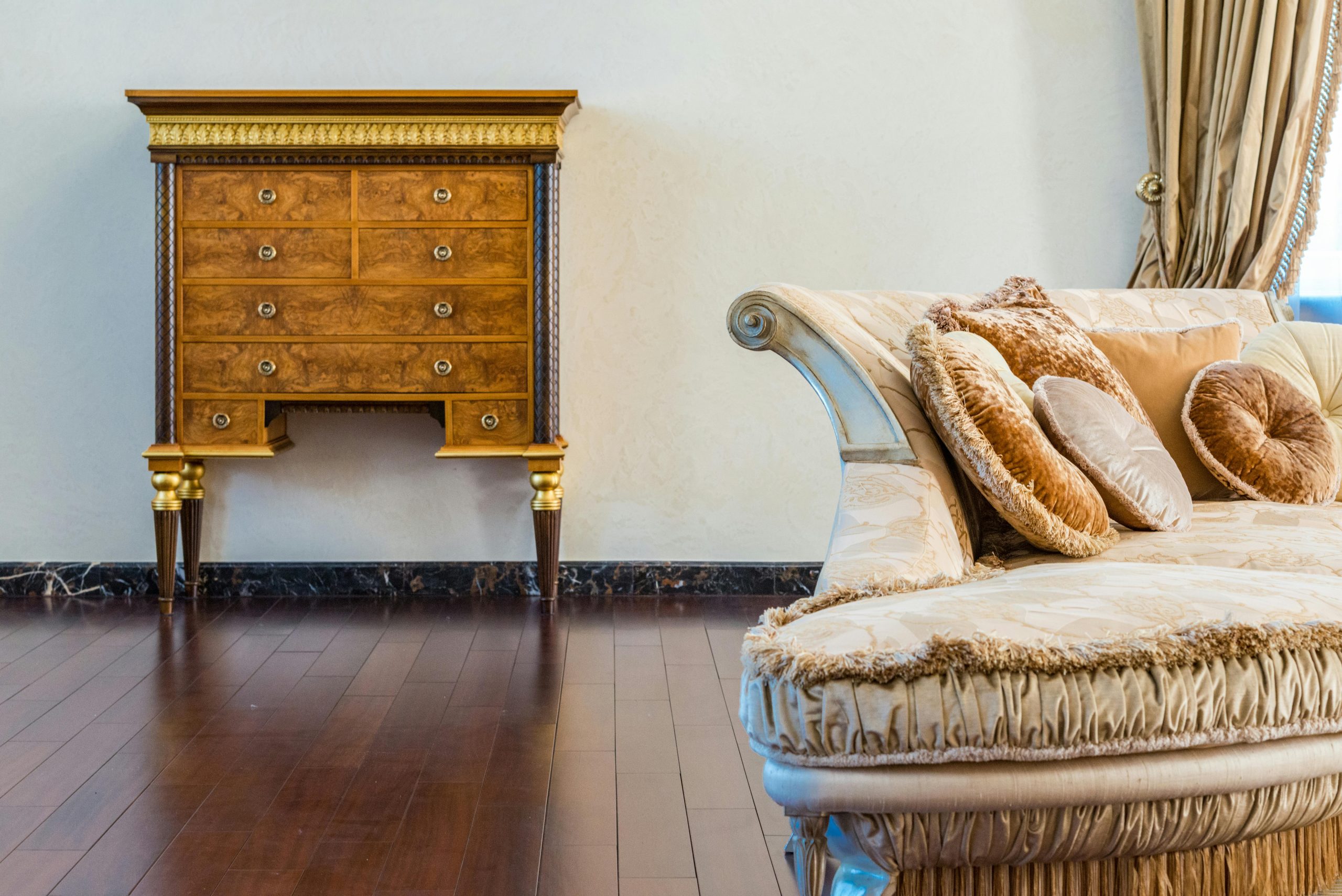
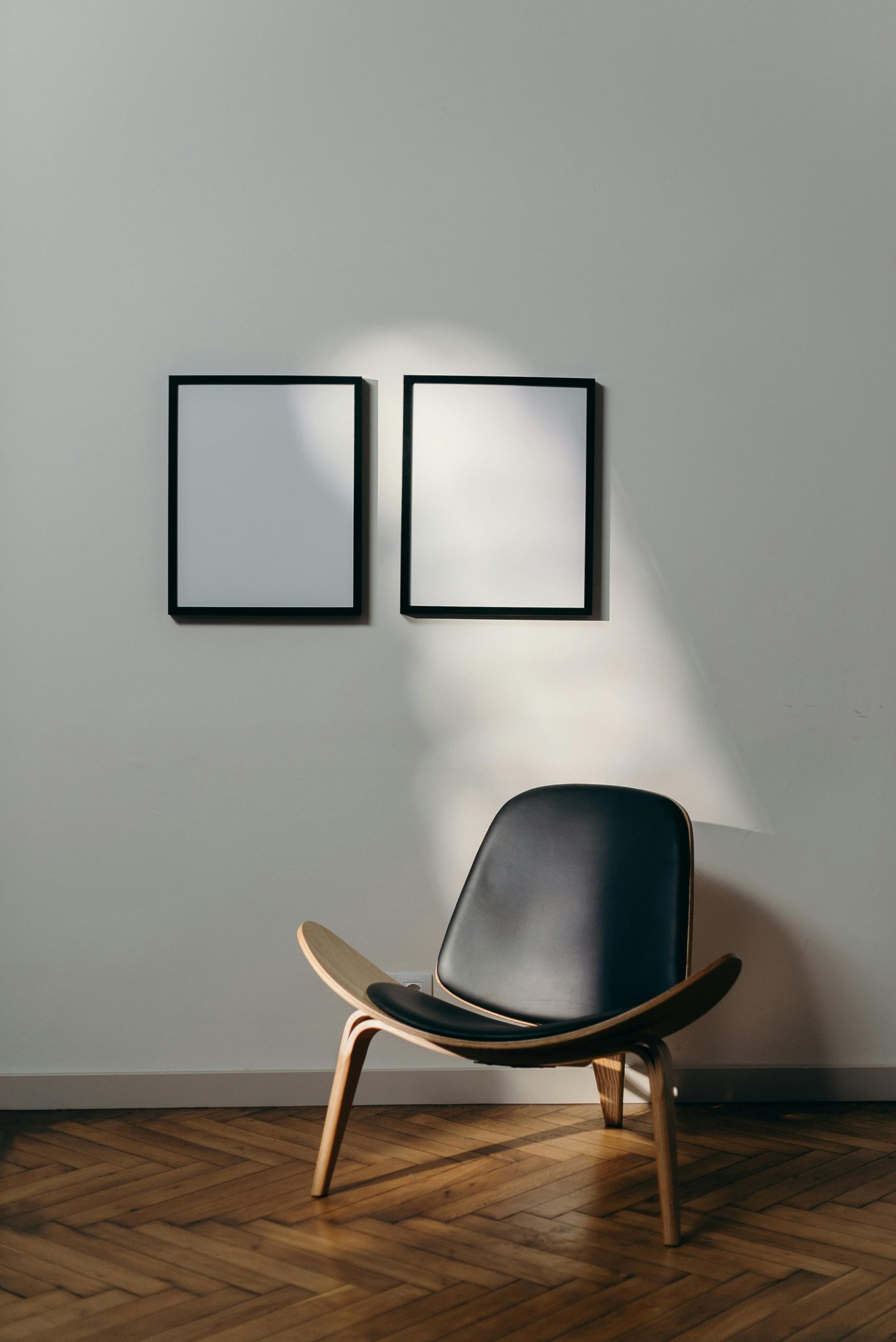
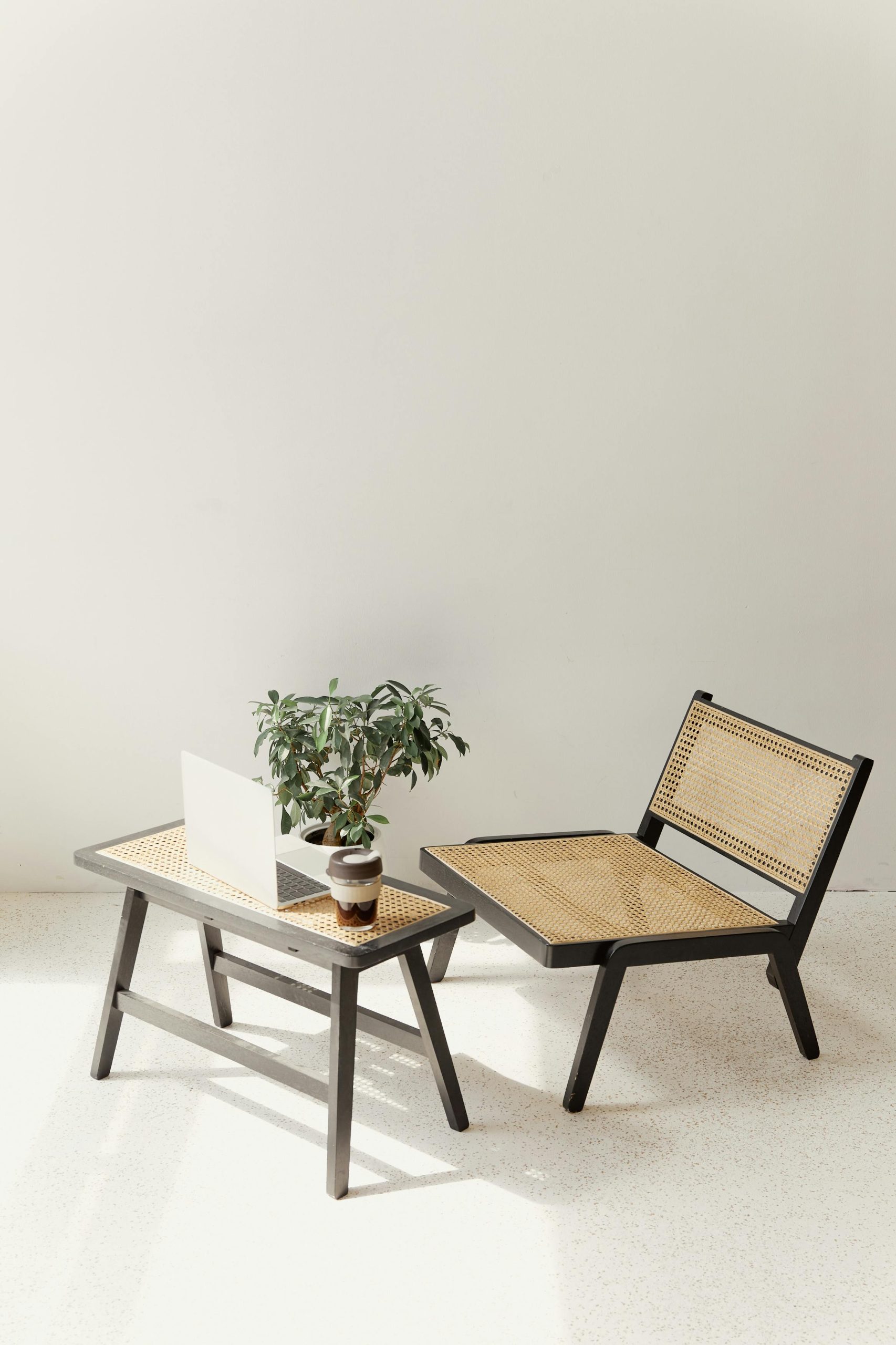
Antique furniture made of solid wood remains the gold standard for durability. Its success stems not only from the wood species used but also from traditional joinery techniques (mortise and tenon, dowels) that facilitate repair and ensure longevity. Conversely, modern Scandinavian furniture favors clean lines and solid wood for its stability and warm appearance. These two approaches demonstrate that wood, when well-crafted, meets both aesthetic requirements and longevity criteria.
3. Wood Flooring: Why Choose Solid Wood?
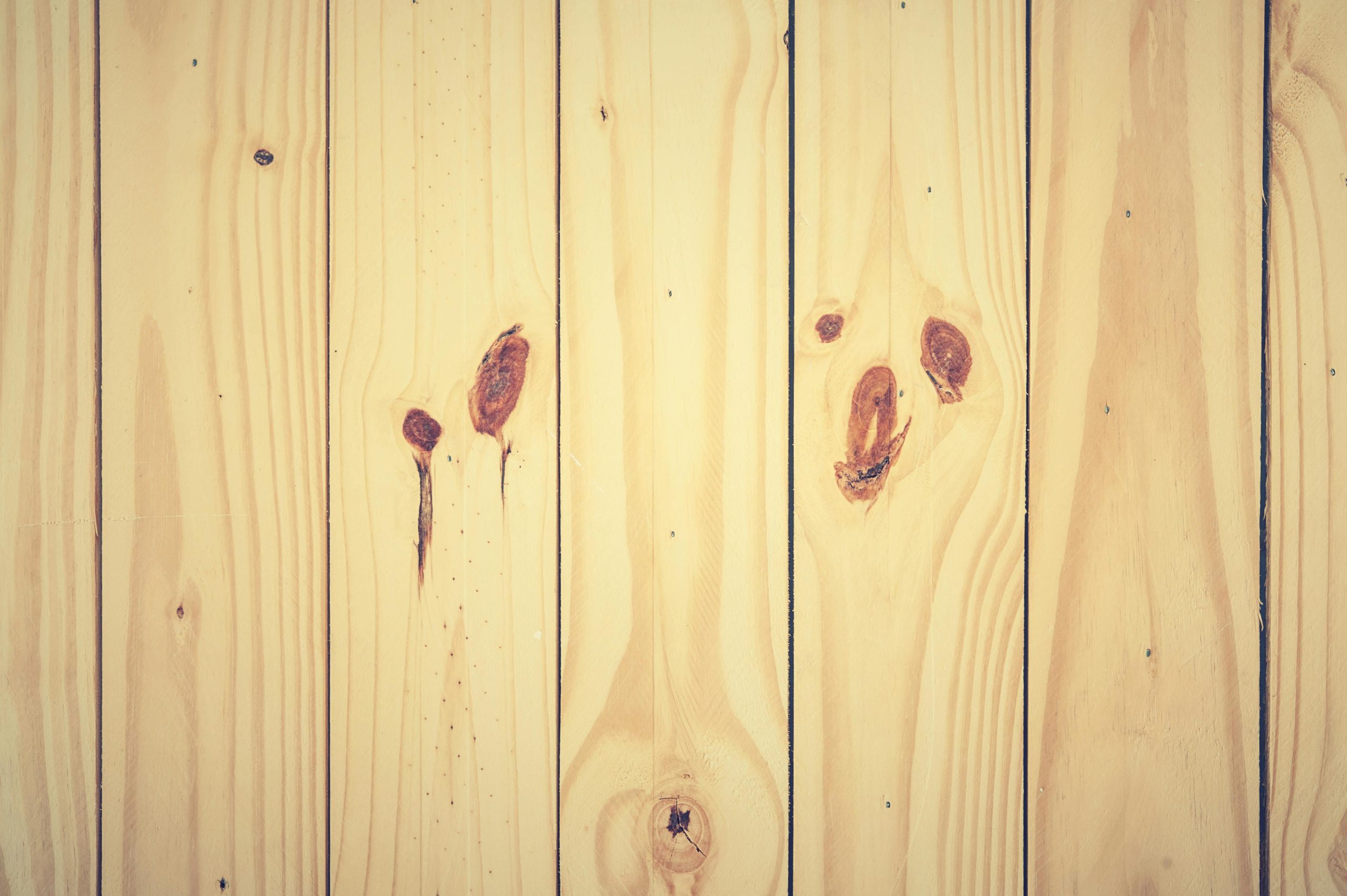
Solid wood floors, particularly oak, are valued for their durability and ability to be refinished. A solid wood floor can be sanded multiple times, repaired, and oiled to restore its original luster—an ecological and economic advantage in the long term. Solid wood also offers pleasant thermal inertia and excellent resistance to foot traffic, making it a preferred choice for high-quality interiors.
4. Roof Frames and Structures: The Old and the New
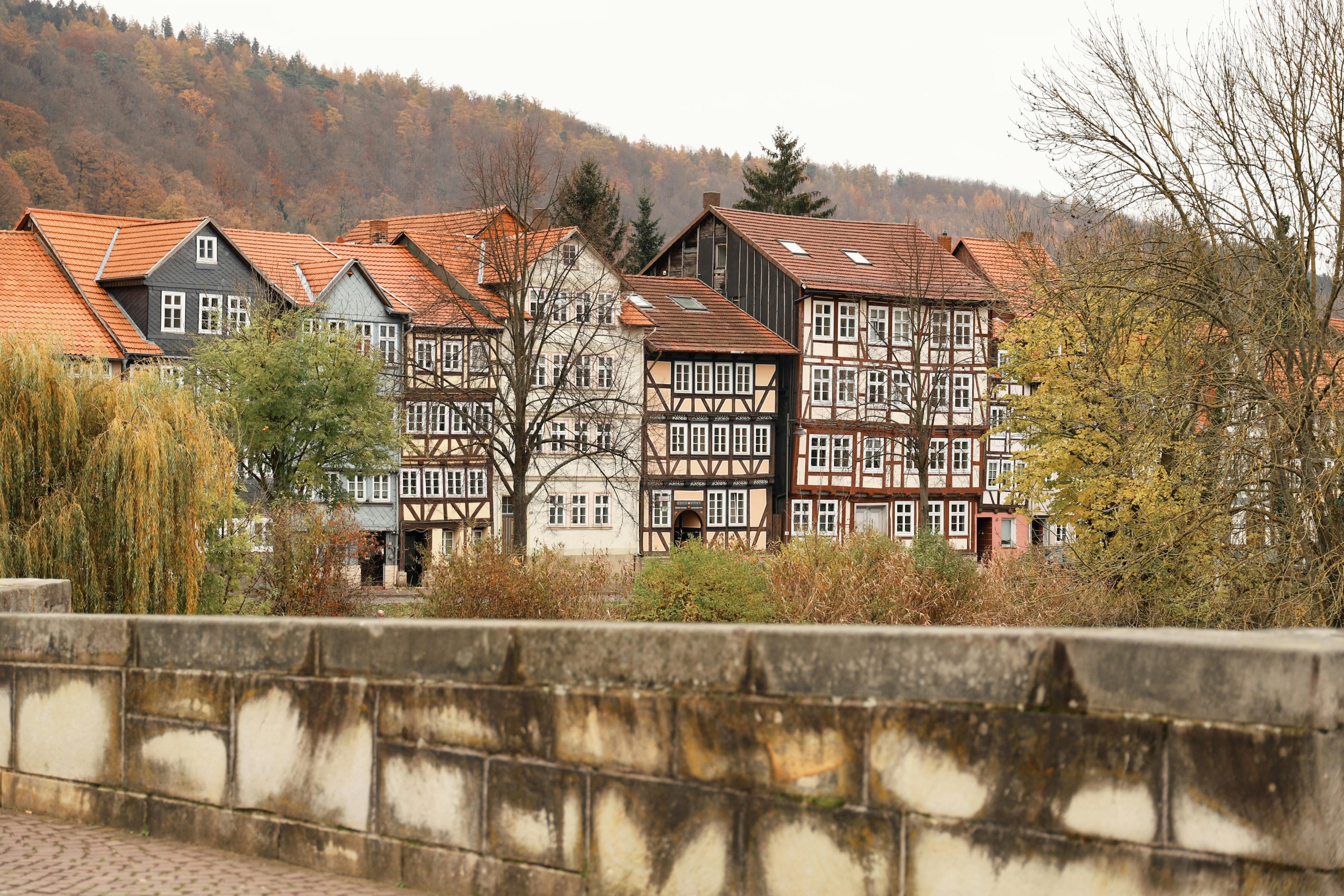
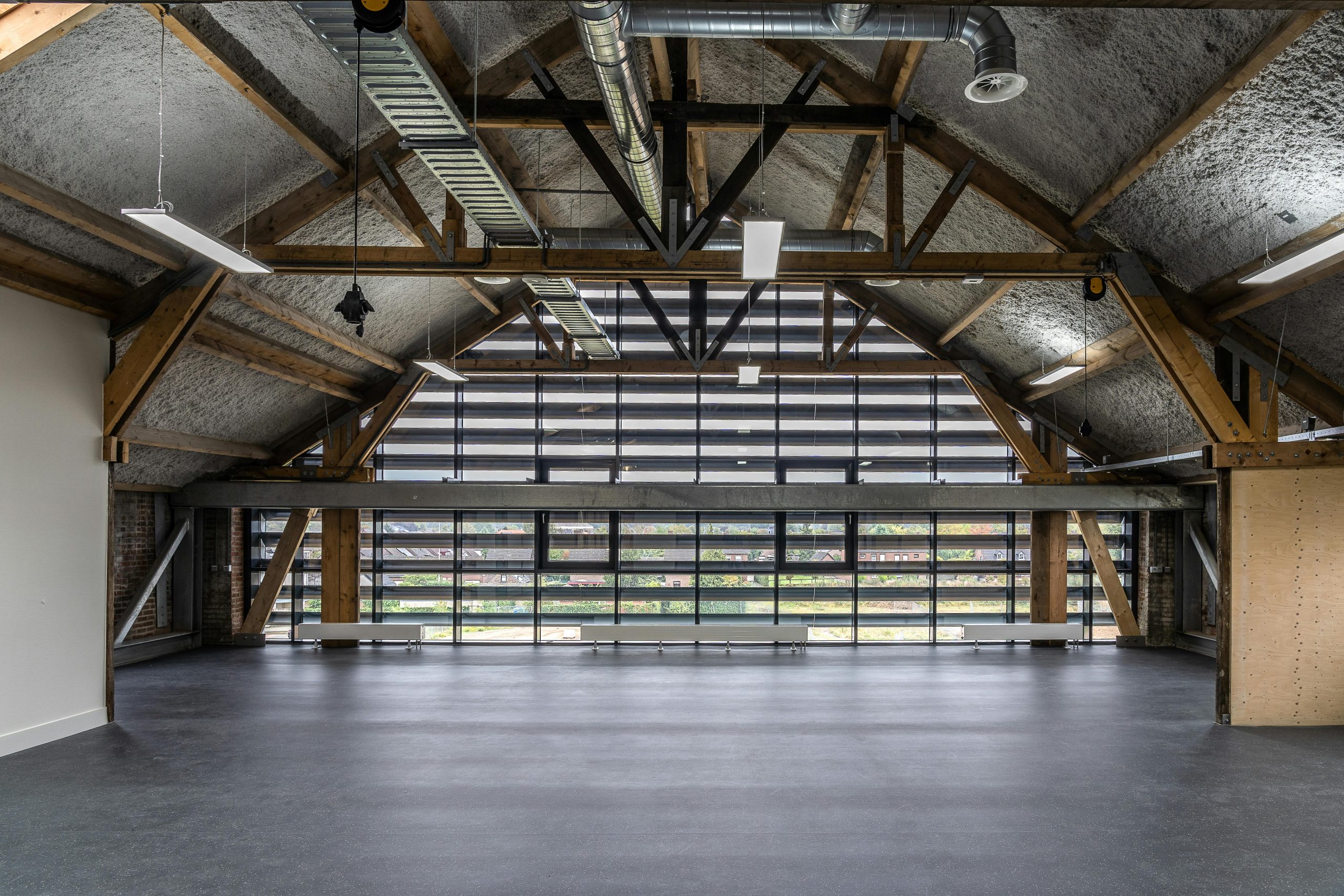
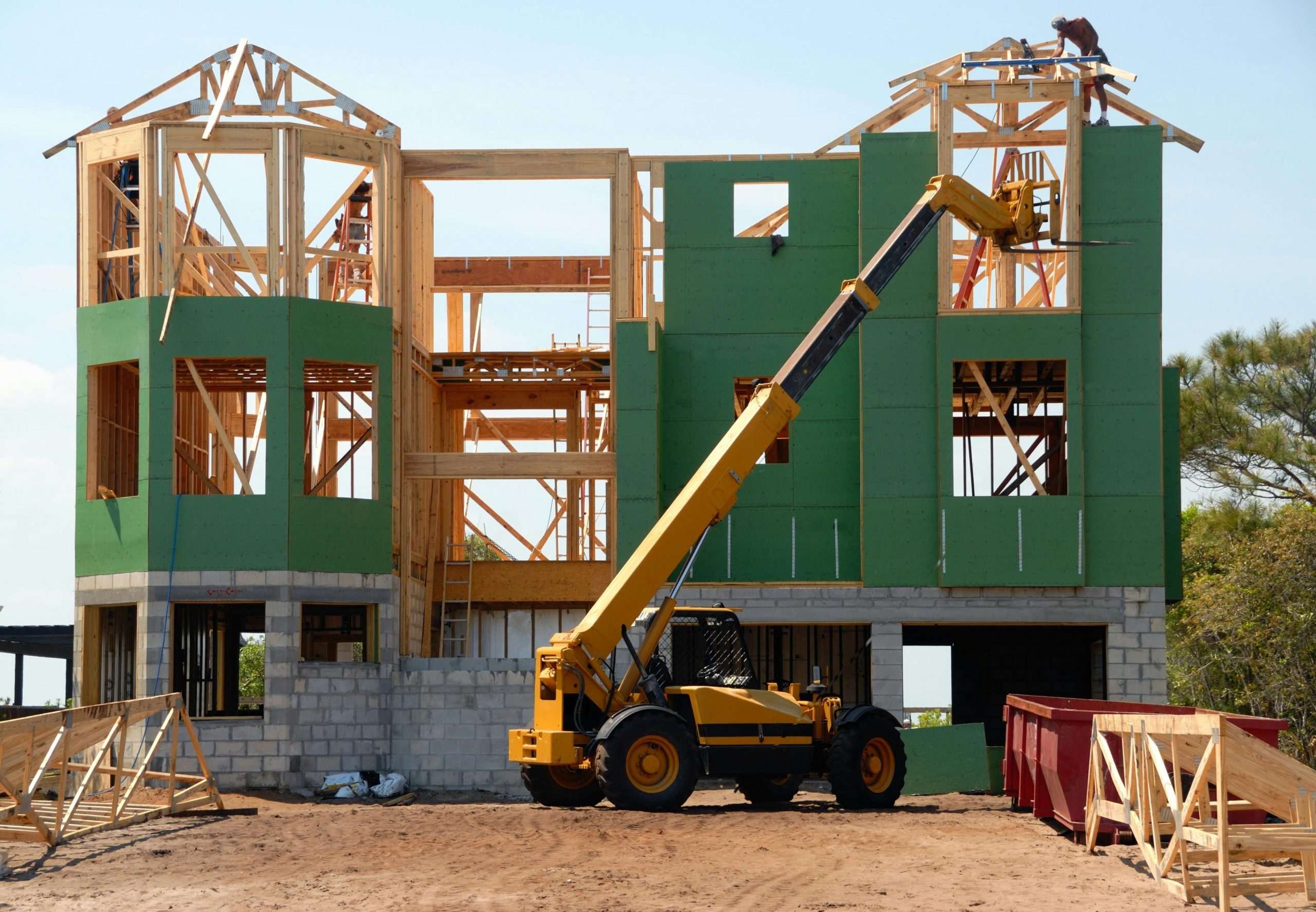
Traditional oak roof trusses have proven their ability to last for centuries. Today, techniques such as glued-laminated timber further expand the possibilities: long-span constructions, curved forms, bridges, and public structures. Glued-laminated timber combines the natural beauty of wood with high structural performance, while remaining lighter than many alternative materials.
5. Exposed Beams and Siding: Aesthetics in the Service of Function
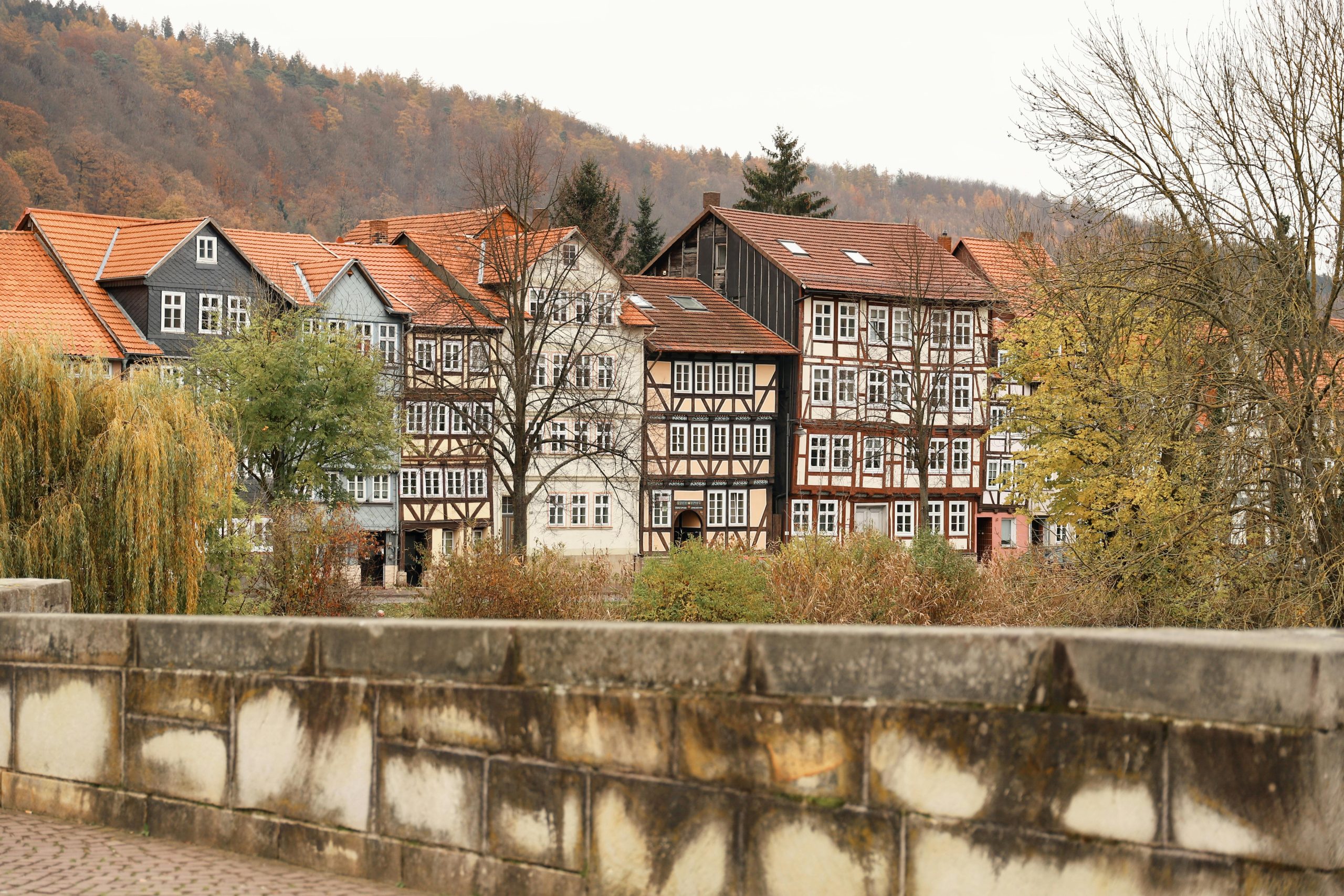
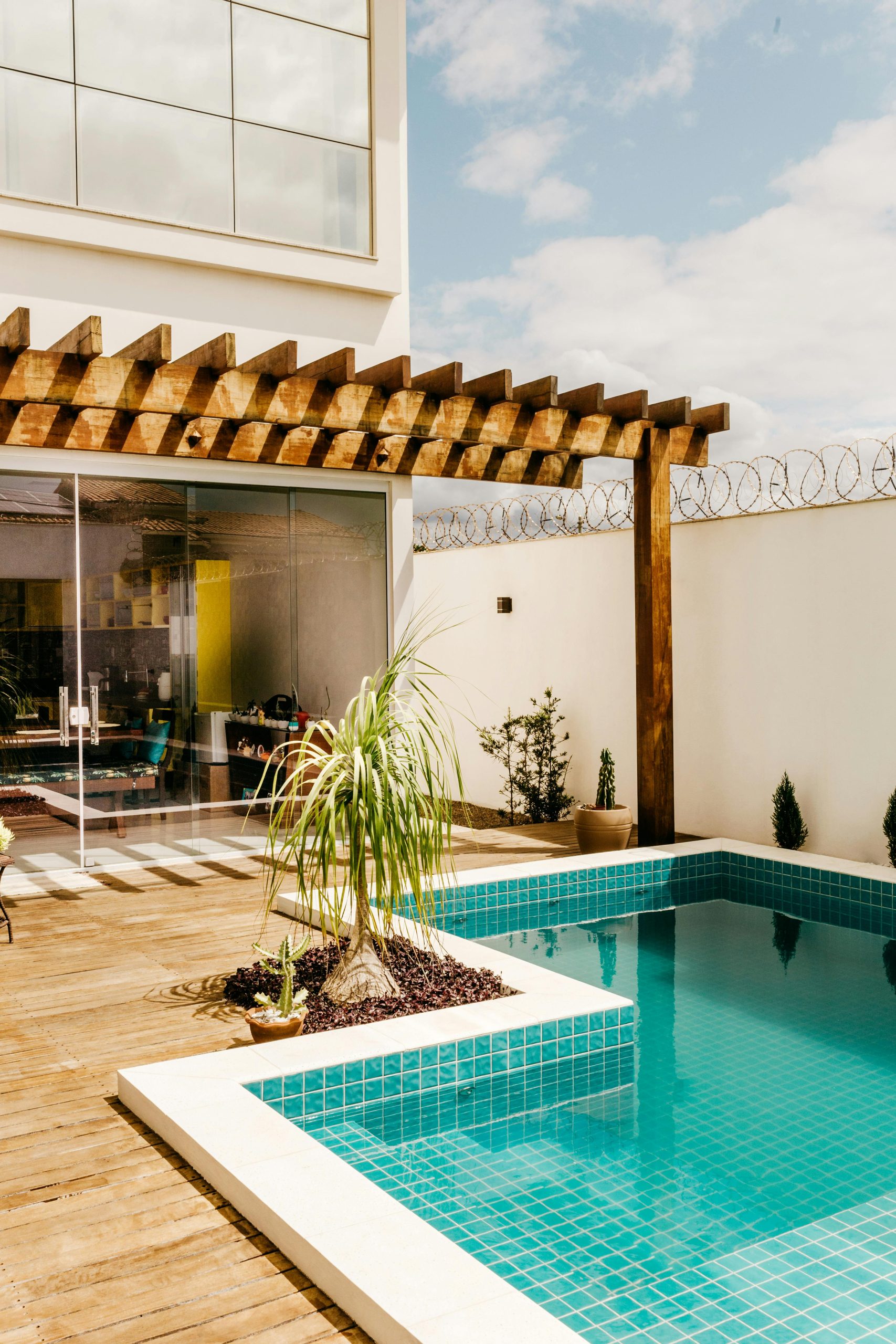
Exposed beams remain an excellent way to showcase the structure while taking advantage of wood’s strength. When it comes to facades, wood siding offers effective weather protection and a warm aesthetic. When properly ventilated and treated, siding can last for many decades and contribute to the building’s overall insulation.
6. Making an informed choice: sustainability and maintenance
To choose the right wood, you must consider its origin (forestry certifications), intended use, and necessary treatments. Sustainably managed and locally sourced wood reduces the carbon footprint. Maintenance (cleaning, oiling, inspections) significantly extends the life of wooden elements. Finally, opting for wood species suited to the intended use limits the need for chemical treatments.
Conclusion
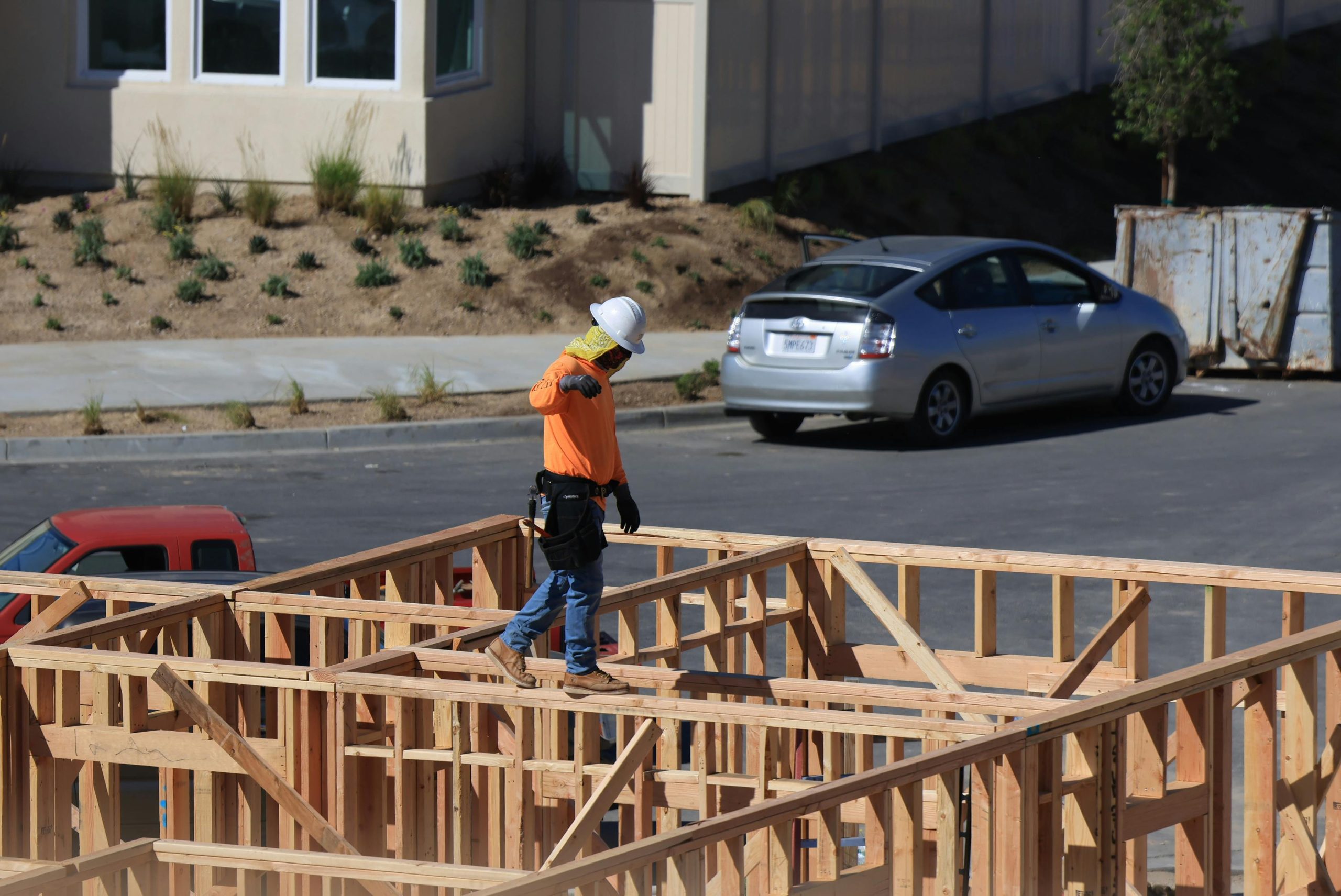
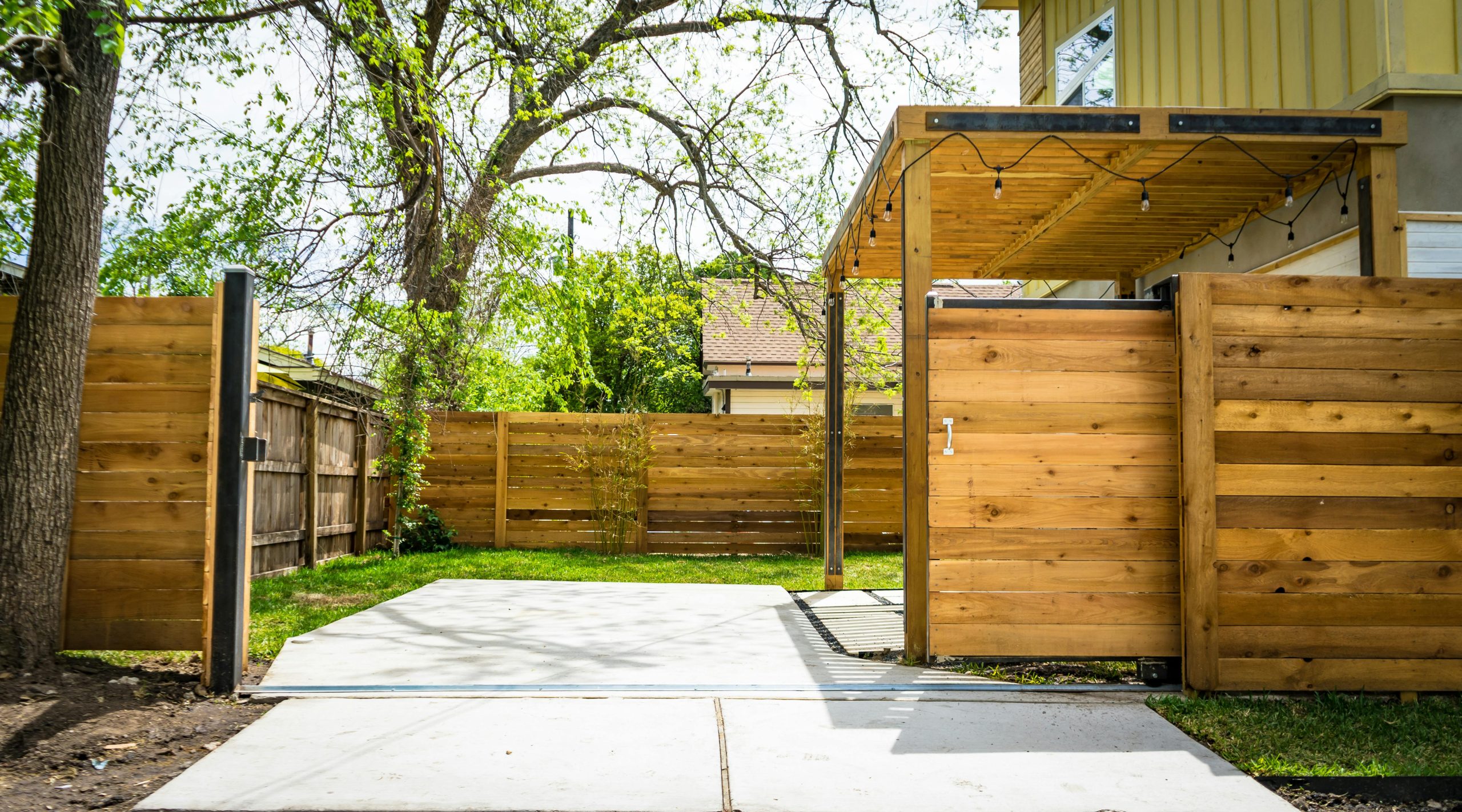
Whether it’s an antique piece of furniture, an oak floor, a monumental roof structure, or a modern timber-frame building, wood consistently proves its relevance. It combines performance, aesthetics, and restoration potential, meeting contemporary needs for sustainability. By choosing suitable wood species, prioritizing responsible practices, and properly maintaining the elements, wood can be made into a sustainable and attractive solution for many projects.
Photos: Courtesy