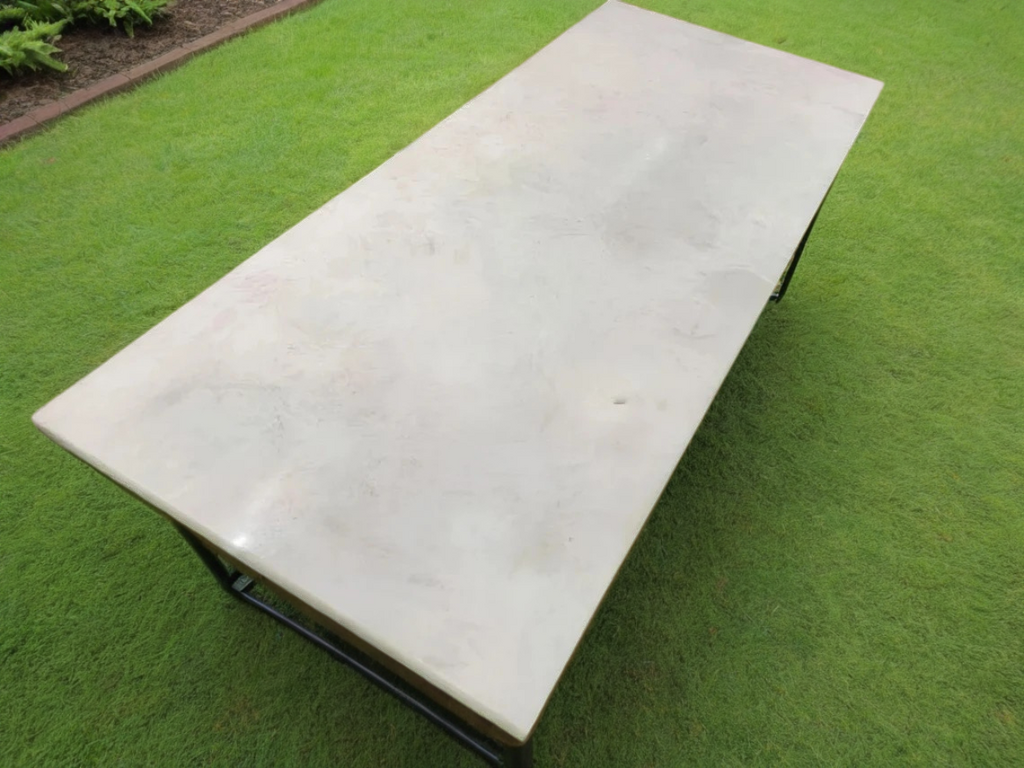
A countertop is more than just a surface: it’s where the kitchen comes to life, where functionality, aesthetics, and lifestyle blend together. In this user-friendly guide, I’ll explain how to choose the right material for your needs, what trade-offs to consider, and what maintenance tips to follow to extend the life of your countertop.
Start by asking yourself the right questions: do you use your countertop extensively for cooking? Do you have children? Do you want a bold aesthetic or a neutral backdrop? The answer will guide your choice between hard materials (stone, granite), engineered surfaces (quartz, Corian), warm options (wood, laminate), or industrial finishes (stainless steel, polished concrete).
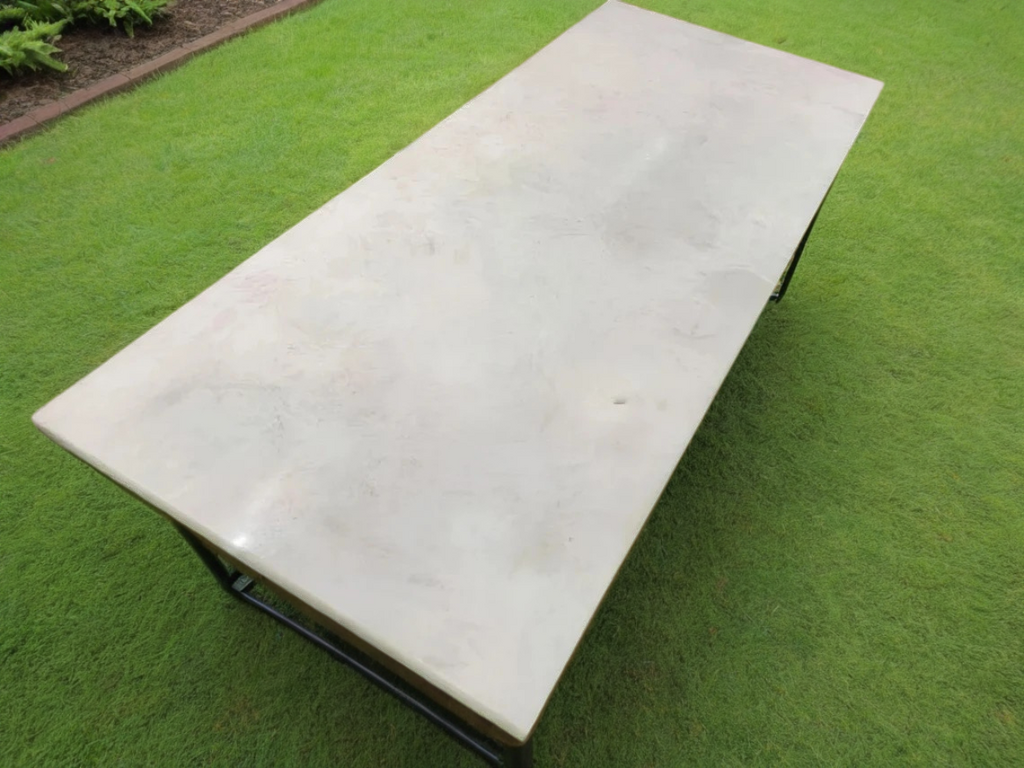
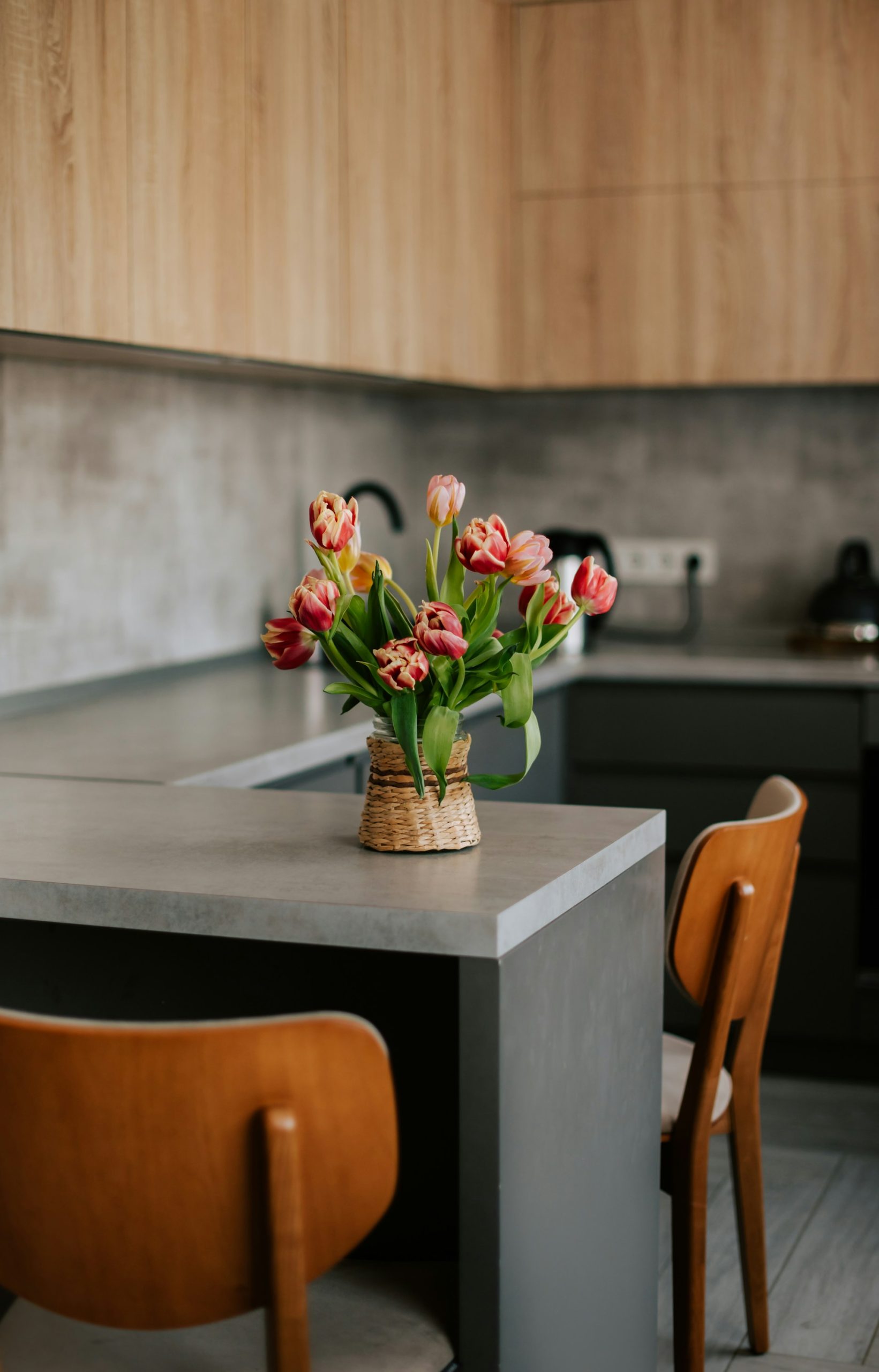
Some visual references for inspiration:

Strengths and limitations of the main materials
- Quartz: durable, low-porosity, easy to maintain, and available in many colors—ideal for families. Limitation: may be susceptible to severe impacts.
- Natural stone (marble, granite): elegant and sophisticated. Granite is very durable; marble is more fragile and sensitive to acids. Maintenance: regular sealing recommended.
- Stainless steel: hygienic and professional, perfect for heavy use. Limitation: cold appearance; watch out for fine scratches and water marks.
- Polished concrete: contemporary look, highly customizable. Maintenance: protective treatment and preventive care to avoid stains.
- Wood and wood-effect laminate: warm and inviting. Solid wood requires more maintenance (oils, occasional sanding); laminate offers the aesthetic appeal without the hassle.
- Fenix and Corian: composite surfaces, ideal for clean lines and easy cleaning. Be mindful of resistance to very hot objects and deep scratches.
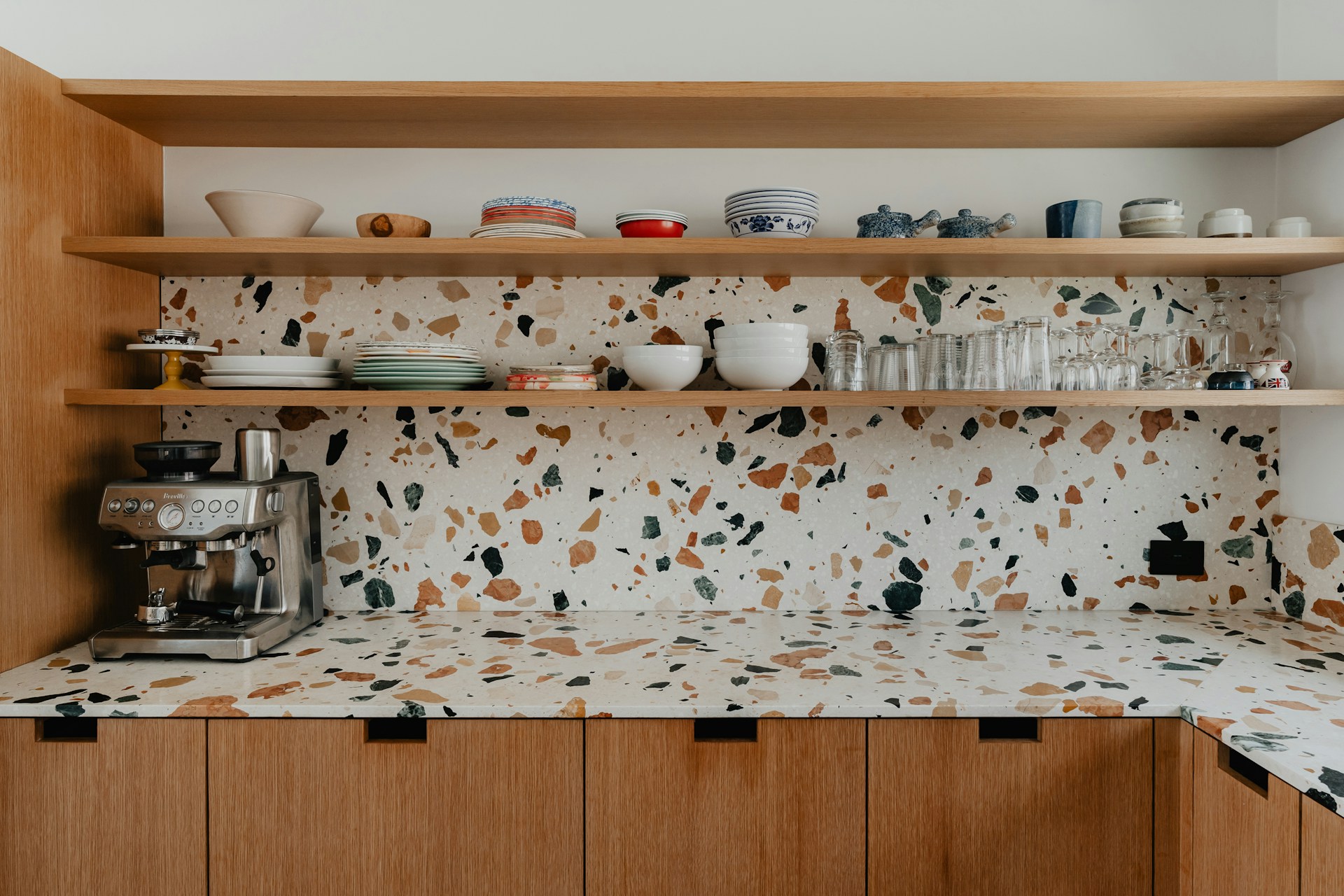
- Expressive surfaces (terrazzo, exotic inlays): they bring a space to life and add a strong personality, provided the overall decor is well balanced.
Practical tips for making the right choice:
- First, define the primary use (intensive food prep, dining surface, or multipurpose surface).
- Assess your budget: certain natural stones or exotic granites can be expensive, while laminate or engineered quartz offer more affordable alternatives.
- Consider long-term maintenance: a low-maintenance material can save you time and preserve the aesthetic appeal over the years.
- Experiment with combinations: the same countertop can look radically different depending on the cabinet fronts, flooring, and lighting you choose.
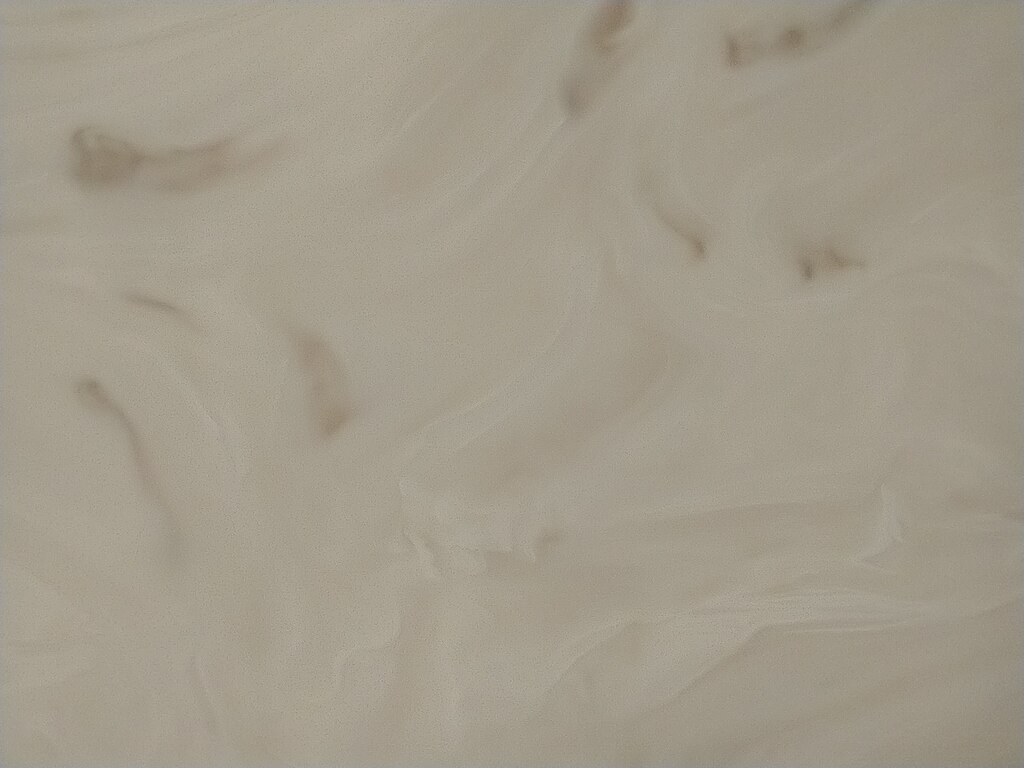
Daily care — simple steps:
- Regular cleaning: warm water and mild soap for most surfaces.
- Prevention: use cutting boards and trivets, and avoid exposing surfaces to prolonged direct heat.
- Protection: Regular sealing for natural stone; oil or wax for certain woods, following the manufacturer’s recommendations.
- Repairs: composite surfaces like Corian or Fenix can often be repaired locally; for stone, call in a professional in case of significant damage.
In summary: there is no “best” universal countertop, but rather a material that’s ideal for your lifestyle. Quartz combines practicality and aesthetics, natural stone adds character, wood brings warmth, and engineered materials (stainless steel, Fenix, Corian) offer hygiene and contemporary lines. Take the time to envision your daily life, test samples in your kitchen’s natural light, and choose based on both function and style. That way, your countertop will not only be beautiful but also perfectly suited to your everyday life.
Photos: Courtesy