Complete guide to choosing a modern fireplace: models, uses, and pitfalls to avoid
Introduction
Choosing a fireplace today is no longer just a matter of selecting a hearth: it means thinking about its use, aesthetics, safety, and integration into a home that is sometimes compact. In this article, we review the most relevant contemporary models, explain how to evaluate their efficiency, and list common mistakes to avoid. My goal is to give you concrete guidelines for a successful project, whether it’s a renovation or a new installation.
1. Understand the uses: aesthetics vs. heating
The first question to ask yourself is functional: are you mainly looking for a decorative element or a source of heat? Electric fireplaces and some bioethanol fireplaces are excellent for creating ambiance but often do not offer significant heat output. Conversely, a modern wood-burning insert or pellet stove will provide tangible heat and real autonomy, but will require more work and maintenance.
Some criteria to compare: power in kW, efficiency, advertised heated area, and compatibility with existing ventilation. If you live in a cold region, don’t just focus on aesthetics; check the actual thermal performance.
2. Models to consider depending on the space
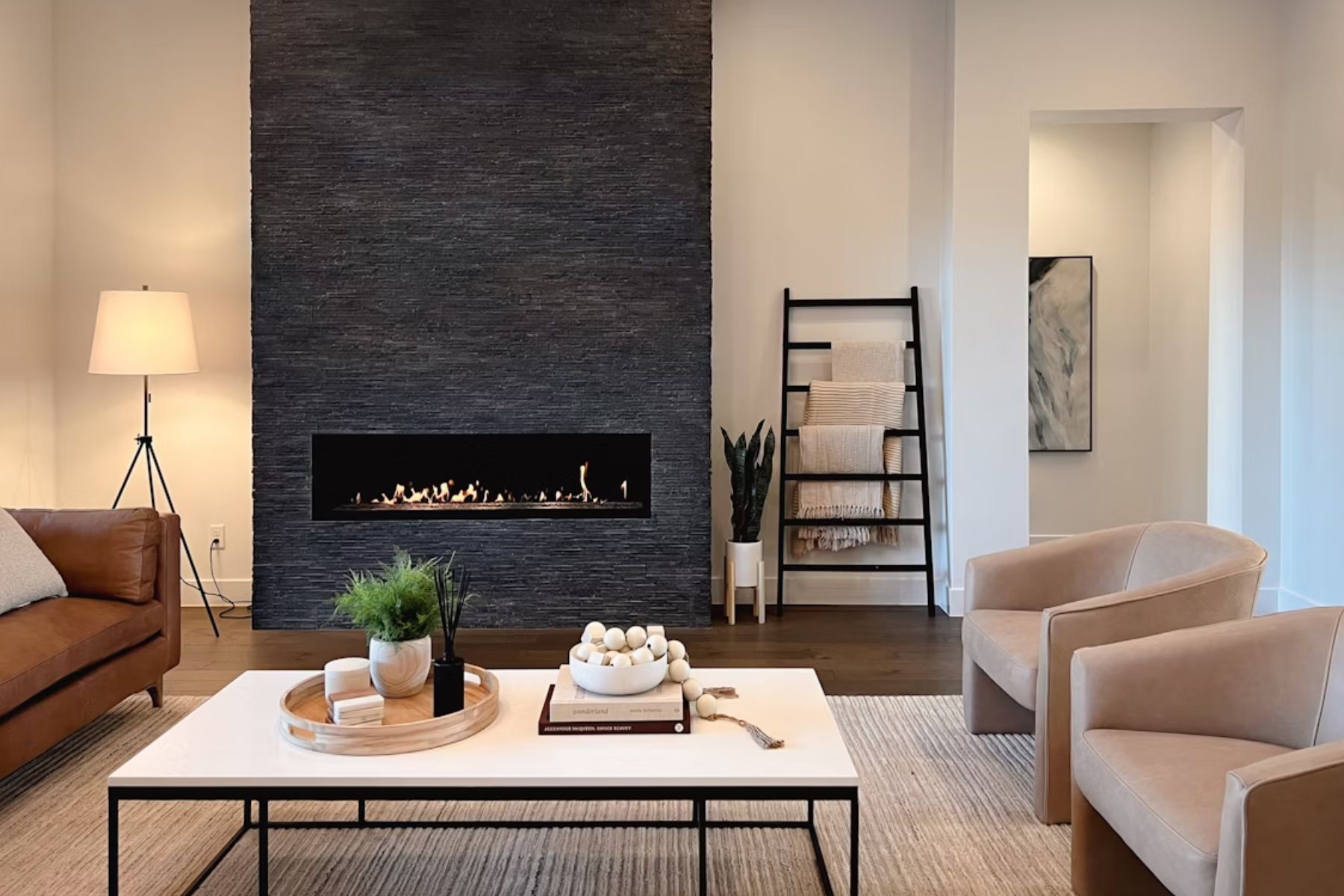
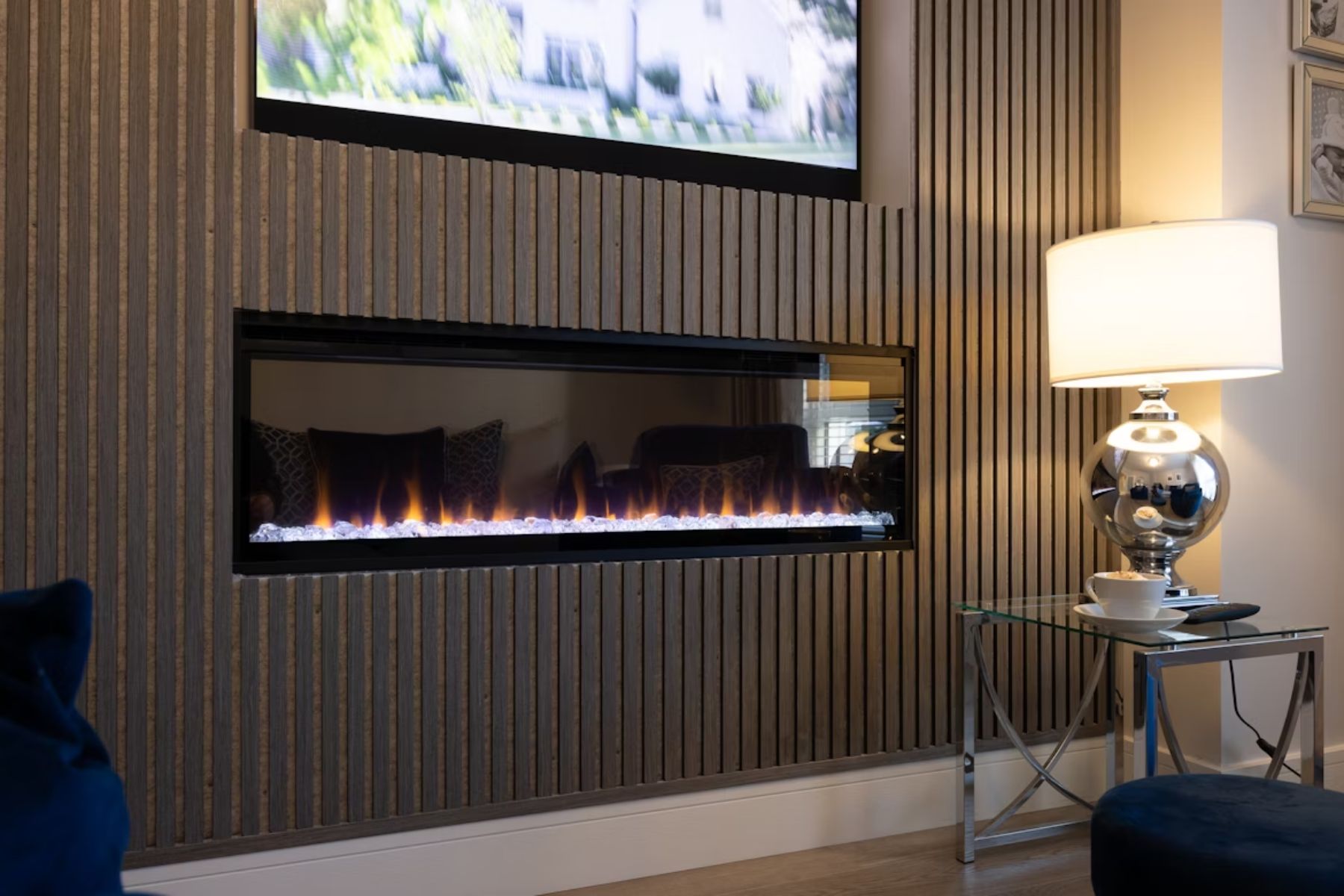
- Wall-mounted: ideal for small spaces, they free up floor space and create a focal point. Check the strength of the wall and the power supply. (See image above.)
- Linear: perfect for visually enlarging a wall, but be careful about the proportions in relation to the room.
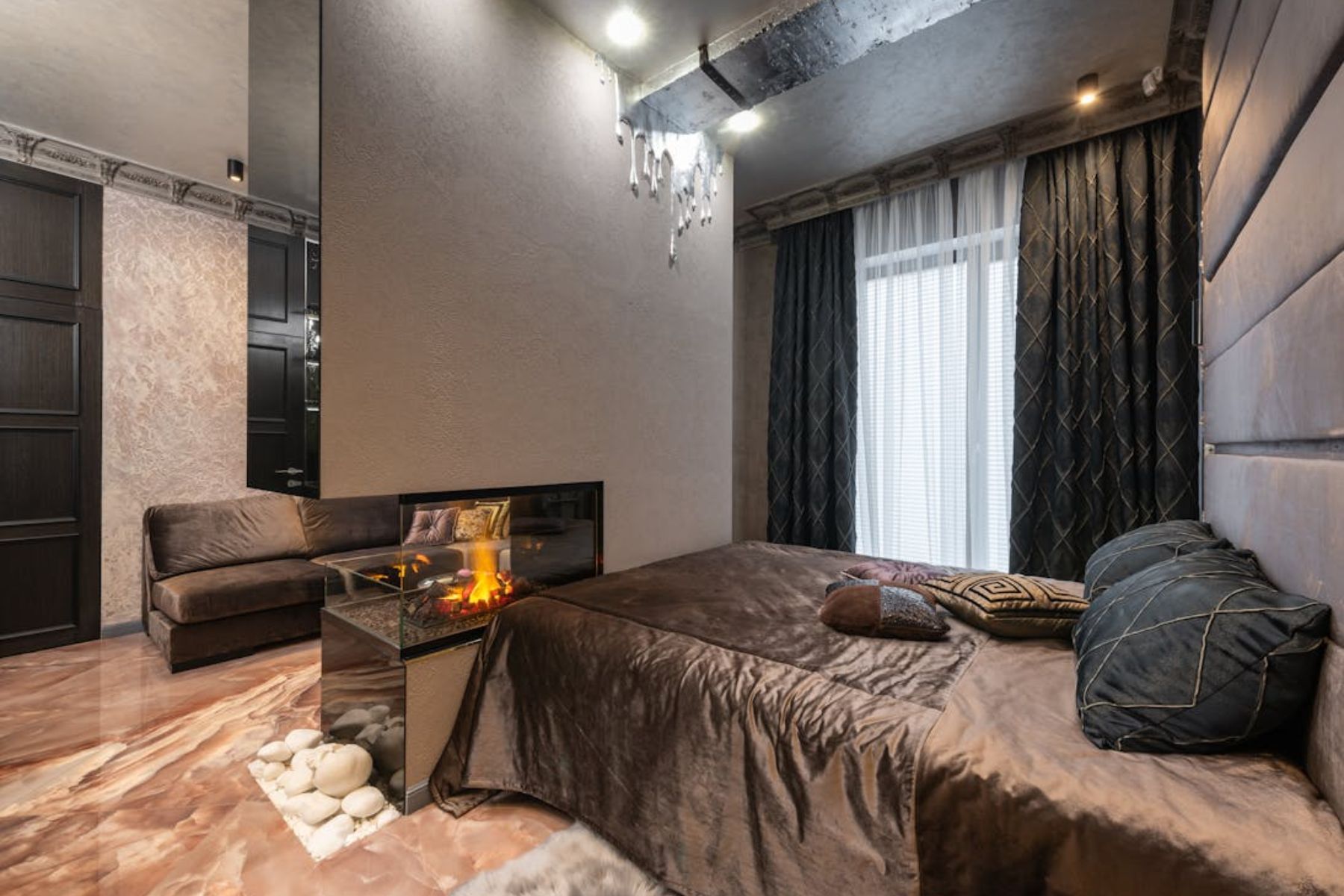
- Double-sided: an elegant solution for defining space without partitioning; useful in open-plan layouts.
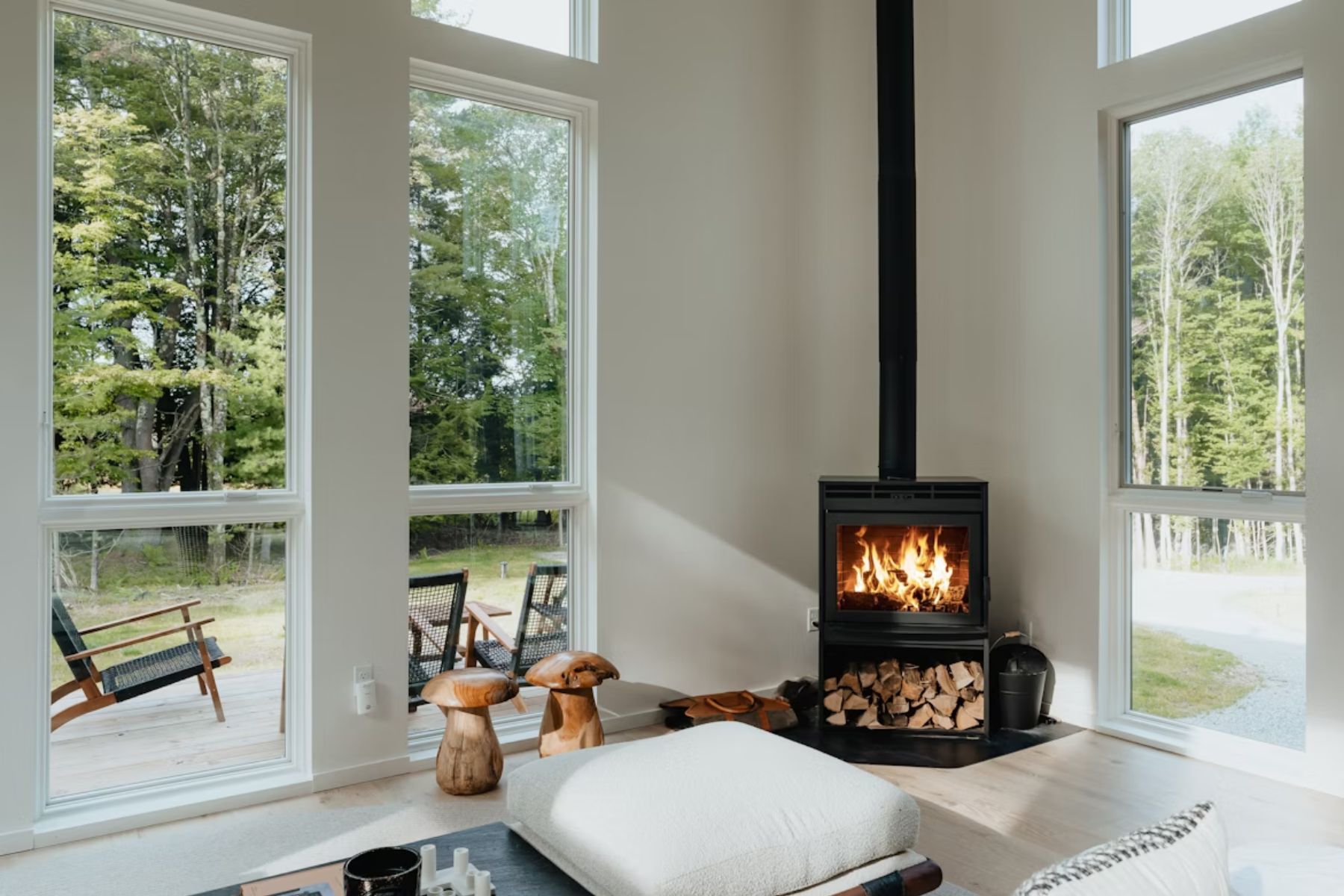
- Freestanding: a thermal sculpture in the center of a living room, they require space around them but make a strong statement.
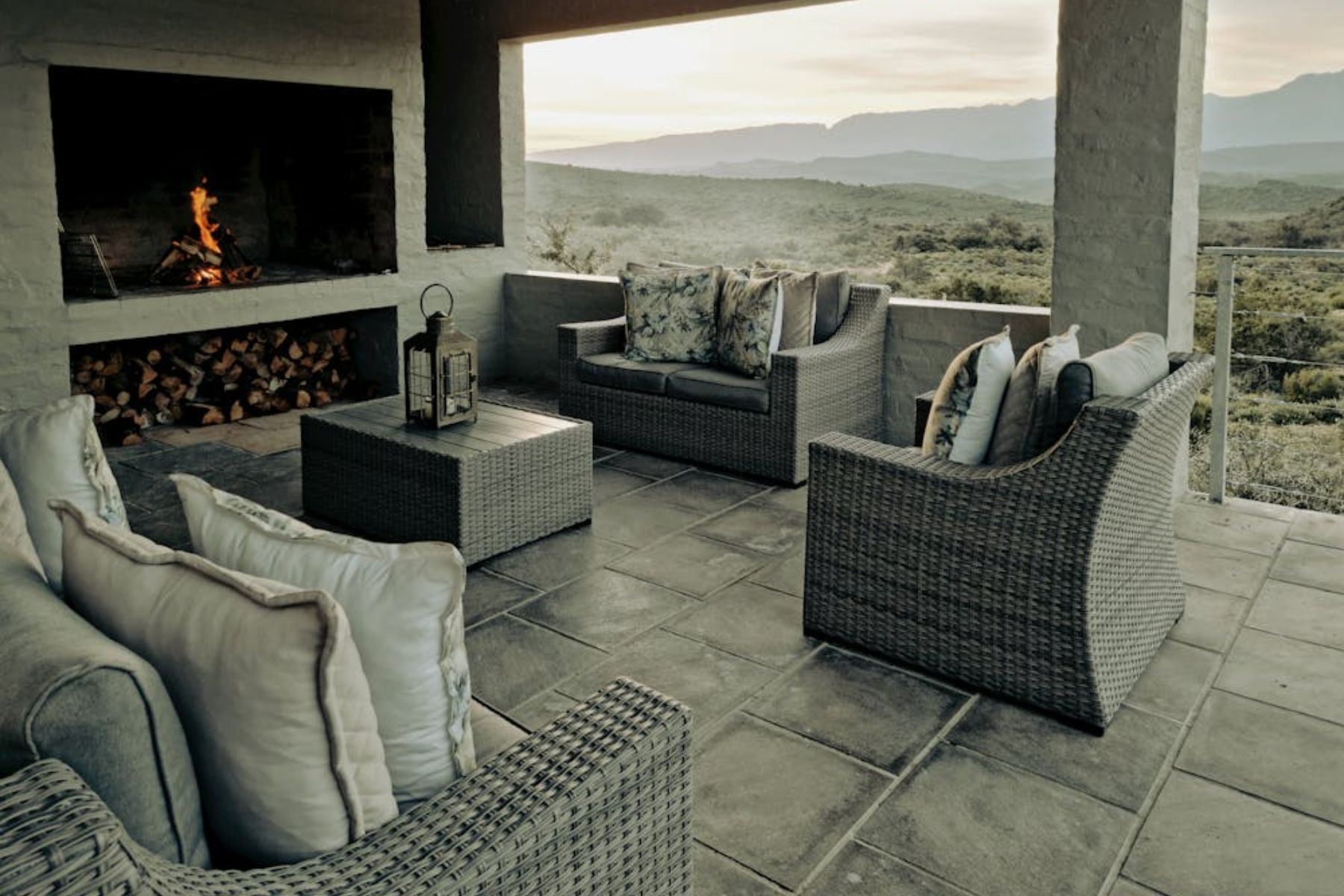
- Indoor/outdoor: excellent for extending outdoor living, especially with large bay windows; requires weather-resistant materials.
3. Home automation and automation: a plus with precautions
Smart home integration makes life easier—scheduling, voice control, climate scenarios. However, don’t rely solely on a mobile app: choose a system that also offers physical controls and backup modes. Compatibility and safety (CO sensors, failure detection) must remain a priority.
4. Common pitfalls to avoid
Common mistakes include purely decorative fireplaces in cold climates, models without adequate ventilation, designs that rely solely on mobile apps, and units that are difficult to maintain (glass that gets dirty quickly). These choices often lead to frustration, additional expenses, and compromises on safety.
For example, a unit that provides little heating will force you to use central heating; a design without ventilation can cause humidity and air quality problems. Always request technical data (efficiency, ventilation requirements) and reliable after-sales support.
5. Installation, safety, and maintenance
Have the installation carried out by a qualified professional: connections, safety distances, smoke extraction, and choice of materials are all factors that affect durability. Plan for regular maintenance—chimney sweeping for wood-burning fireplaces, checking electronic systems for connected models, cleaning the glass to maintain good visibility of the flame. Install smoke detectors and, if relevant, carbon monoxide sensors. Conclusion A modern fireplace can transform a home—provided you clearly define your priorities: ambiance, warmth, ease of maintenance, or high-tech integration. Take the time to compare performance, plan for ventilation, and request backup controls if you opt for home automation. With the right combination of design and practicality, you’ll end up with a beautiful, safe, and enjoyable fireplace.