Creating a Zen bathroom: essential principles, key elements, and mistakes to avoid
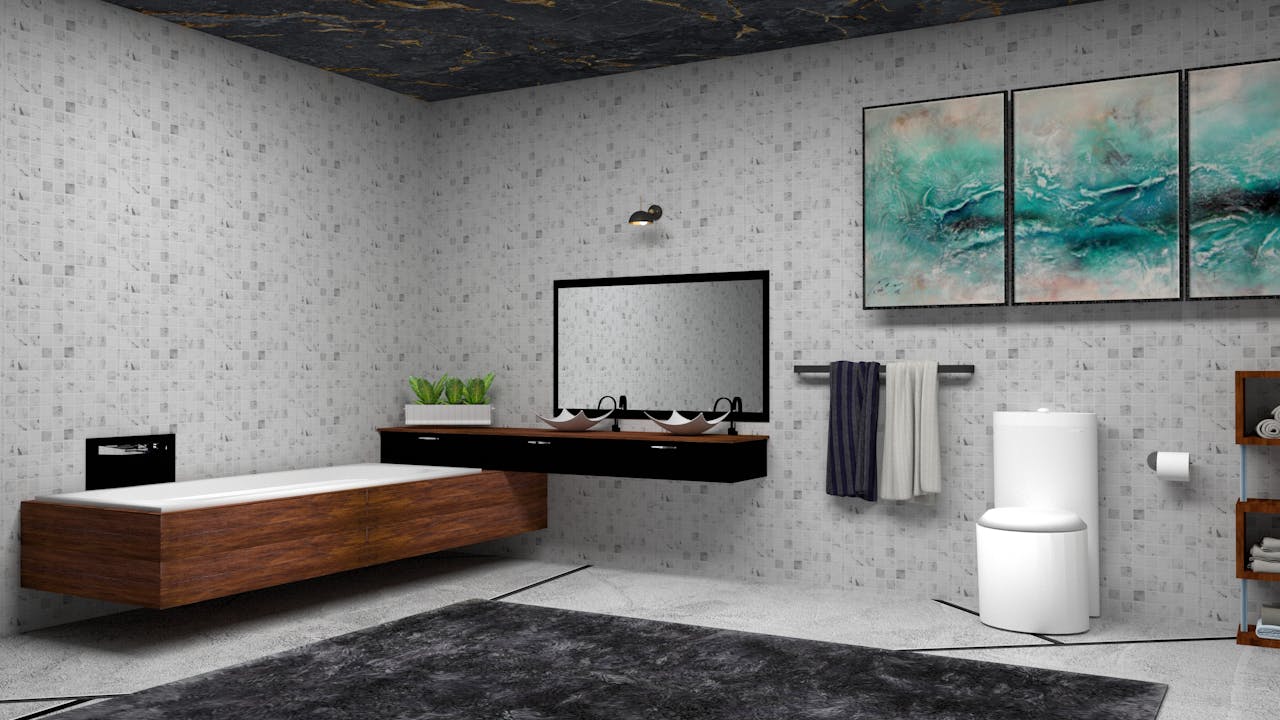
The bathroom is one of the rooms where daily well-being is built. Between waking up in the morning and the evening ritual, this space deserves special attention to promote a relaxing atmosphere. To achieve this, a few simple principles and the right choice of materials are often enough to transform a functional room into a true oasis. In this in-depth guide, we detail the essential elements to focus on and the common mistakes to avoid in order to create a bathroom that is both beautiful and soothing. Light and ambiance
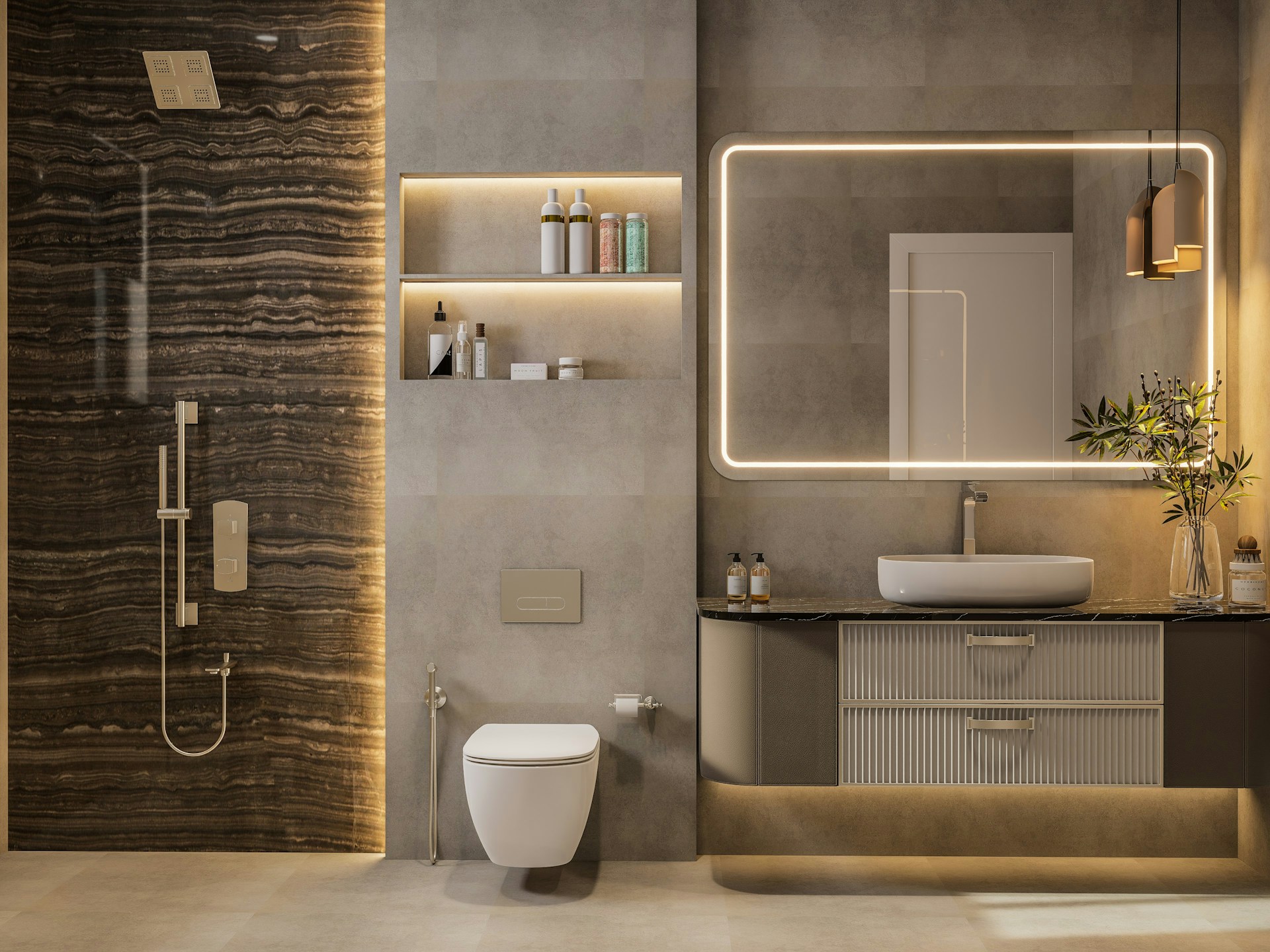
Light sets the mood. Opt for diffused and layered light sources: soft ambient lighting, wall lights near the mirror, and adjustable spotlights for technical areas. A dimmer switch allows you to adjust the ambiance to suit the moment—softer for the evening, more precise for your morning routine. Warm bulbs (2700–3000K) promote a feeling of comfort and go well with natural materials. Here is an example of an inspiring lighting ambiance:
Storage and minimalism
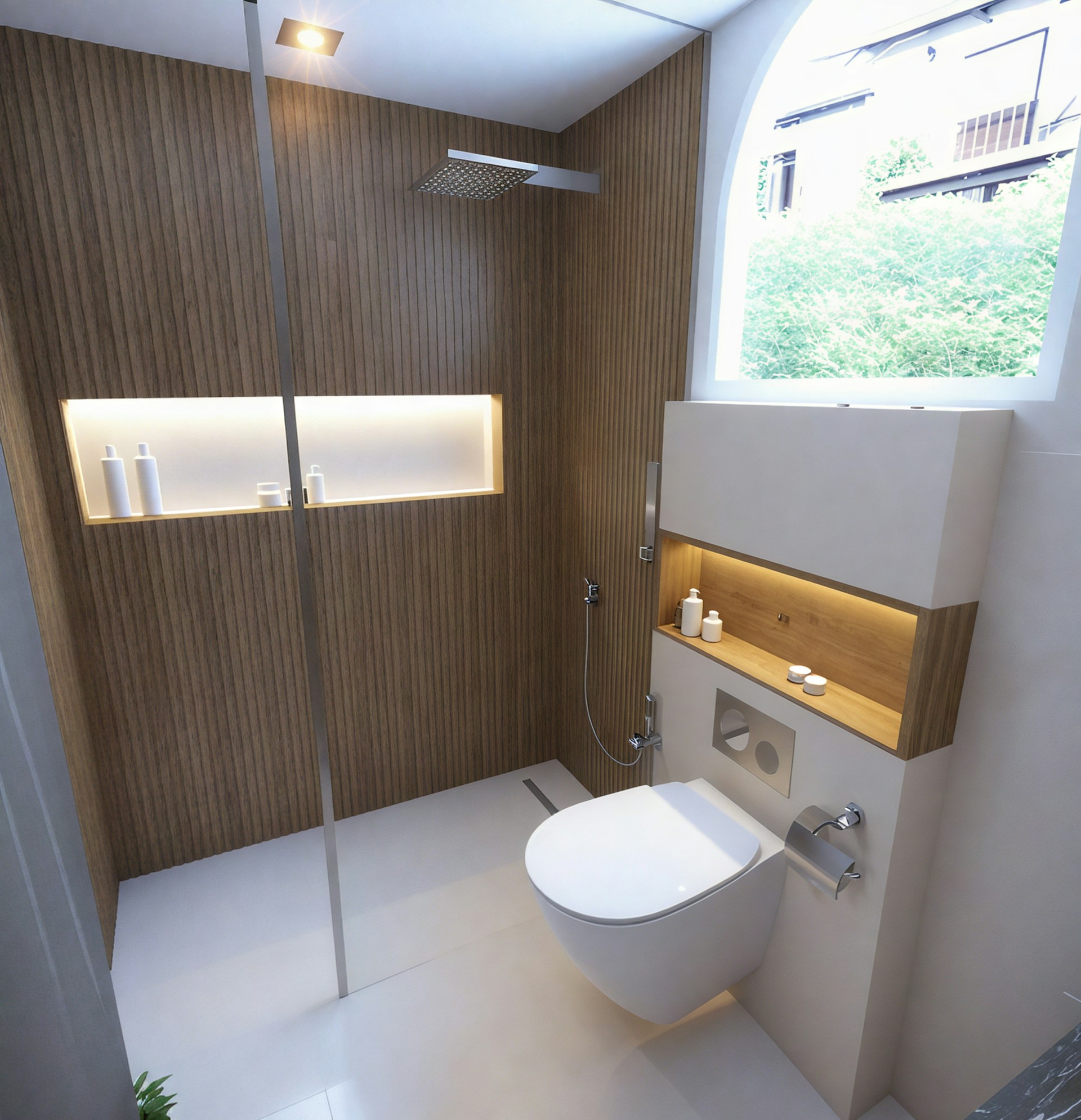
A minimalist layout frees up floor space and clarifies the visual space. Wall-mounted furniture creates a feeling of lightness, while wall niches provide accessible storage without disrupting the harmony. The winning approach is to limit visible objects to the bare essentials and favor closed storage for the rest. This preserves a clean aesthetic while maintaining functionality. Visual example:
Natural materials: wood and stone
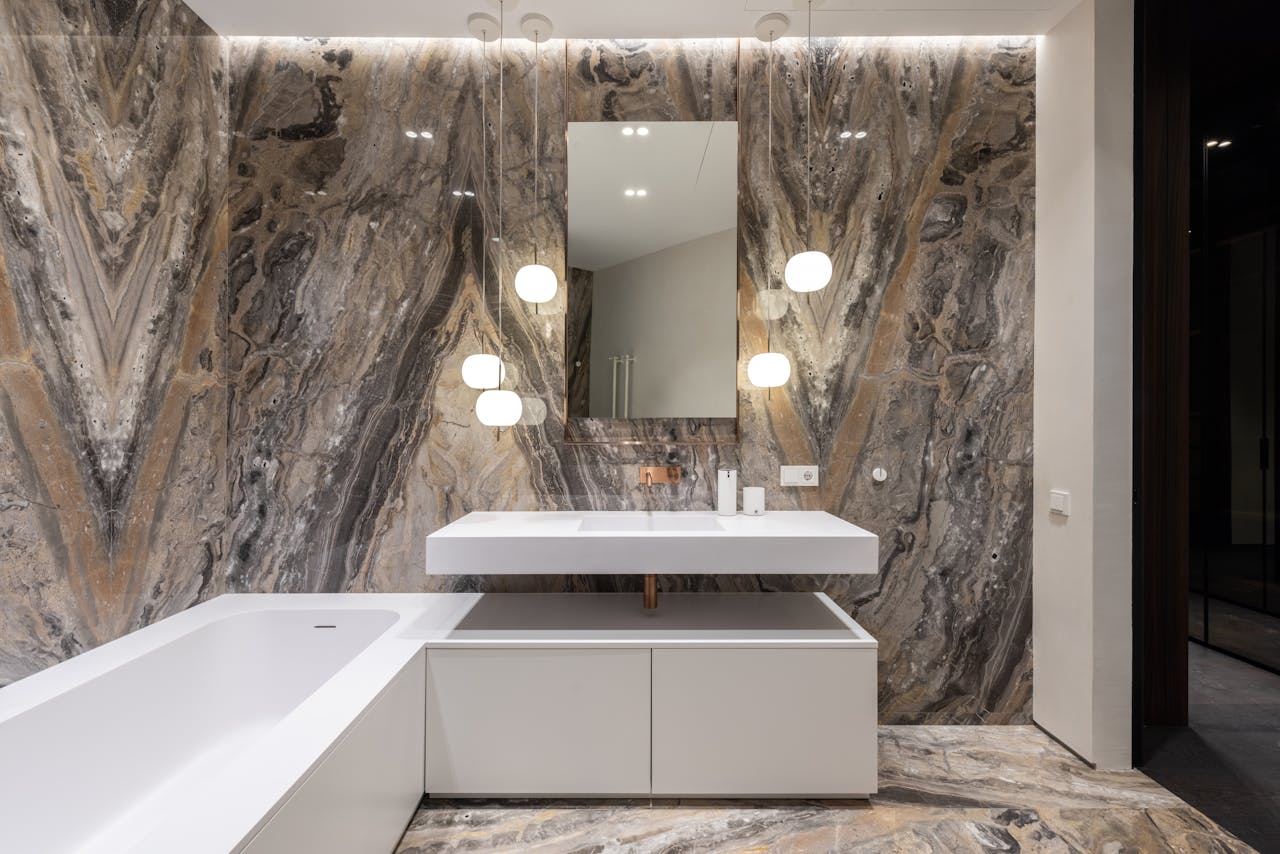
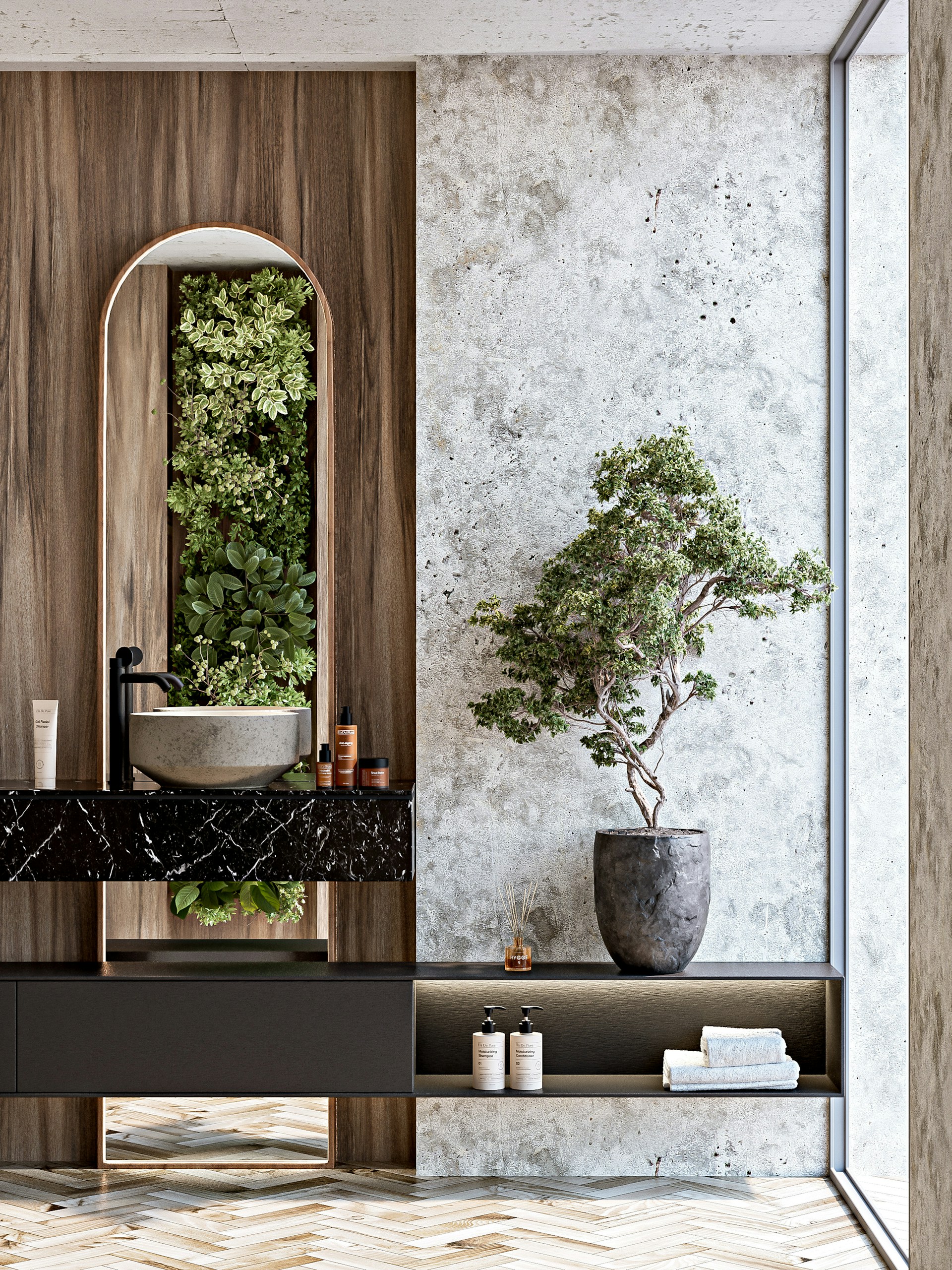
Natural materials create a sensory connection with the outdoors: wood brings warmth and conviviality, while stone provides stability and character. In a bathroom, choose moisture-resistant woods such as teak or bamboo for furniture, and reserve stone for key elements (sink, vanity) to avoid overloading the space. Combine these materials with a neutral palette to enhance the calming effect.
A touch of greenery
Introducing plants that thrive in humidity energizes the space and improves air quality. Hanging plants, potted plants near water sources, or small plant walls can suffice. However, care must be taken to maintain them and not to use too many species, so as not to create a messy jungle effect.
Rain shower and shower screens
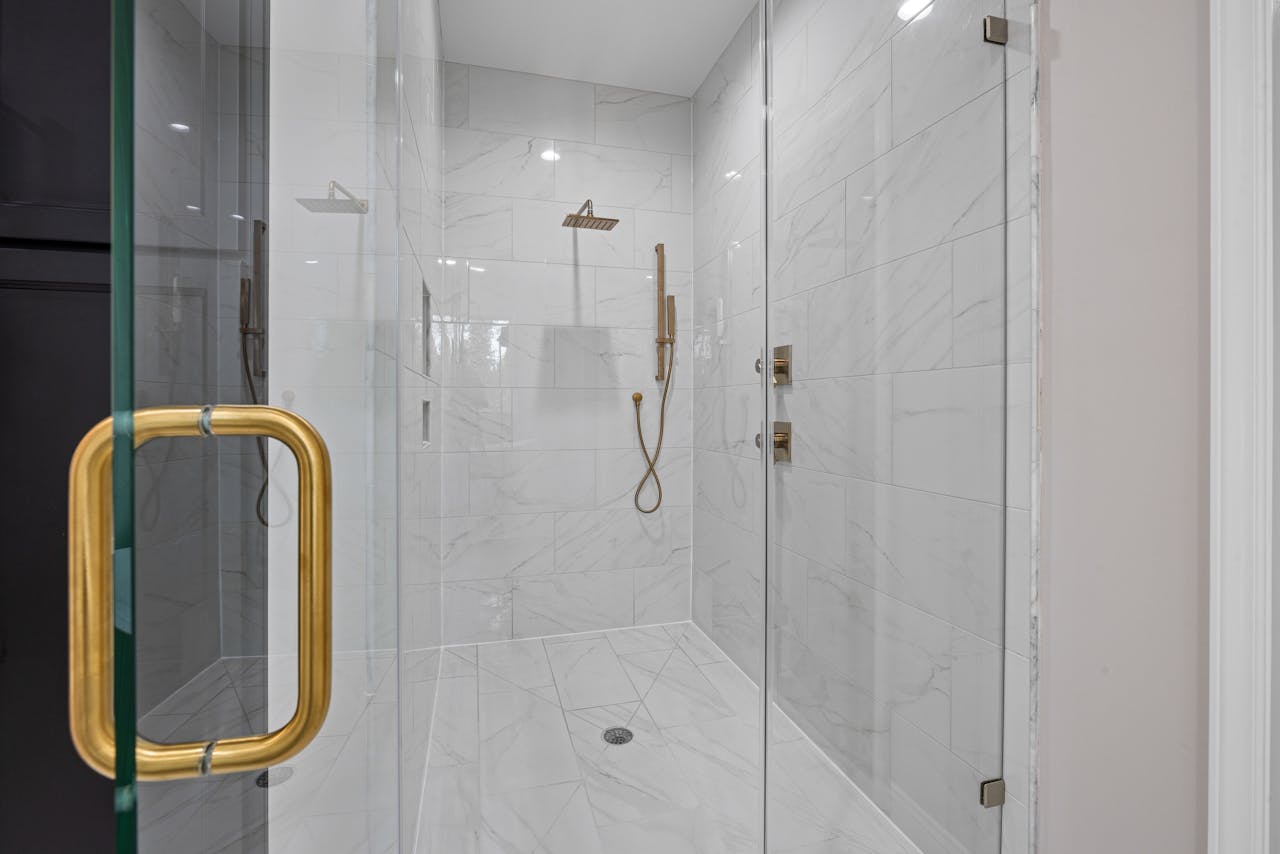
A rain shower transforms your daily routine into a relaxing ritual, but it requires a suitable screen to contain the spray. A well-sized glass screen protects other elements and keeps the room clean. Choosing a non-slip floor and the correct slope is also essential to ensure safety and comfort.
Color palette
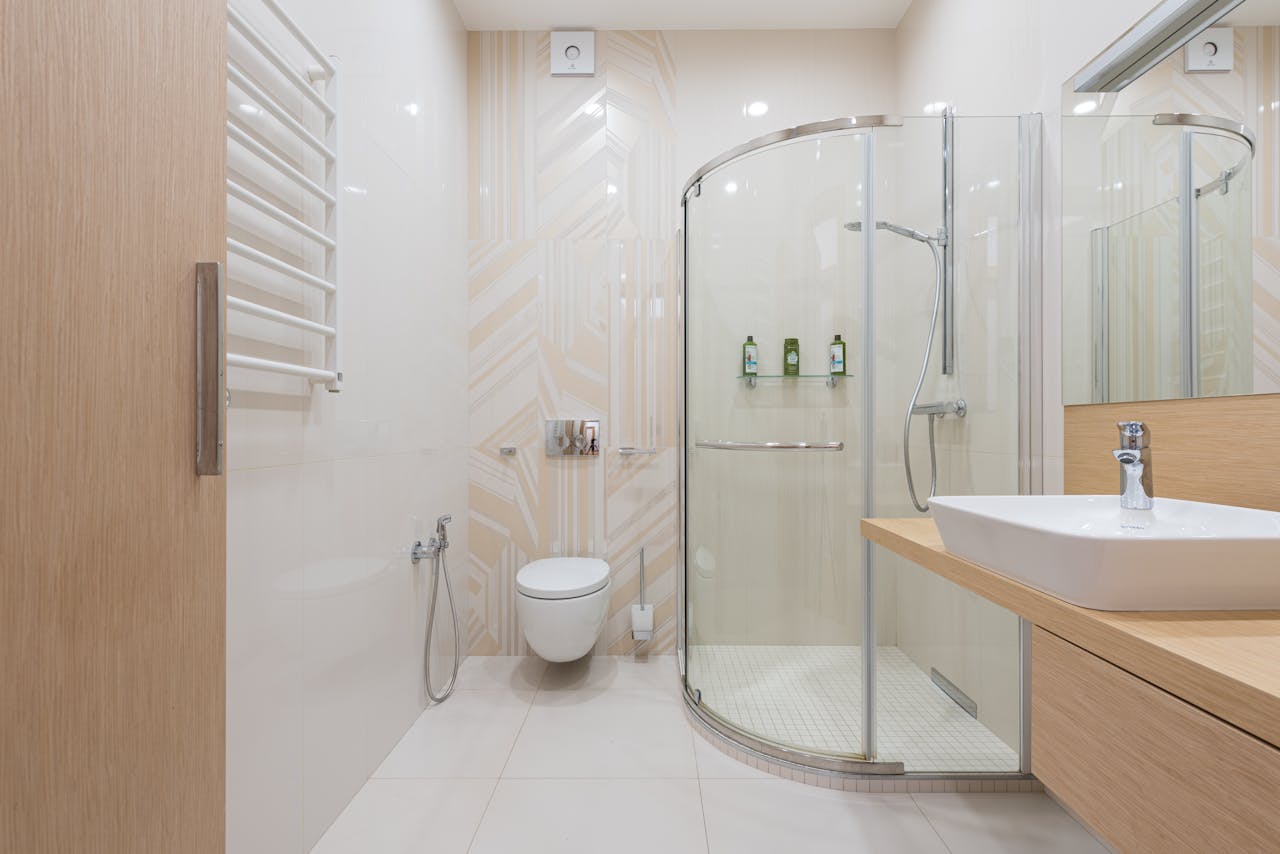
Neutral colors (off-white, beige, pale gray) visually enlarge the space and create a serene backdrop to highlight the materials. A controlled palette avoids visual clutter and makes it easier to coordinate decorative elements.
Mistakes to avoid
- Overloading with objects: too many accessories distract attention and weigh down the space.
- Furniture that is too bulky: it reduces circulation and the feeling of openness.
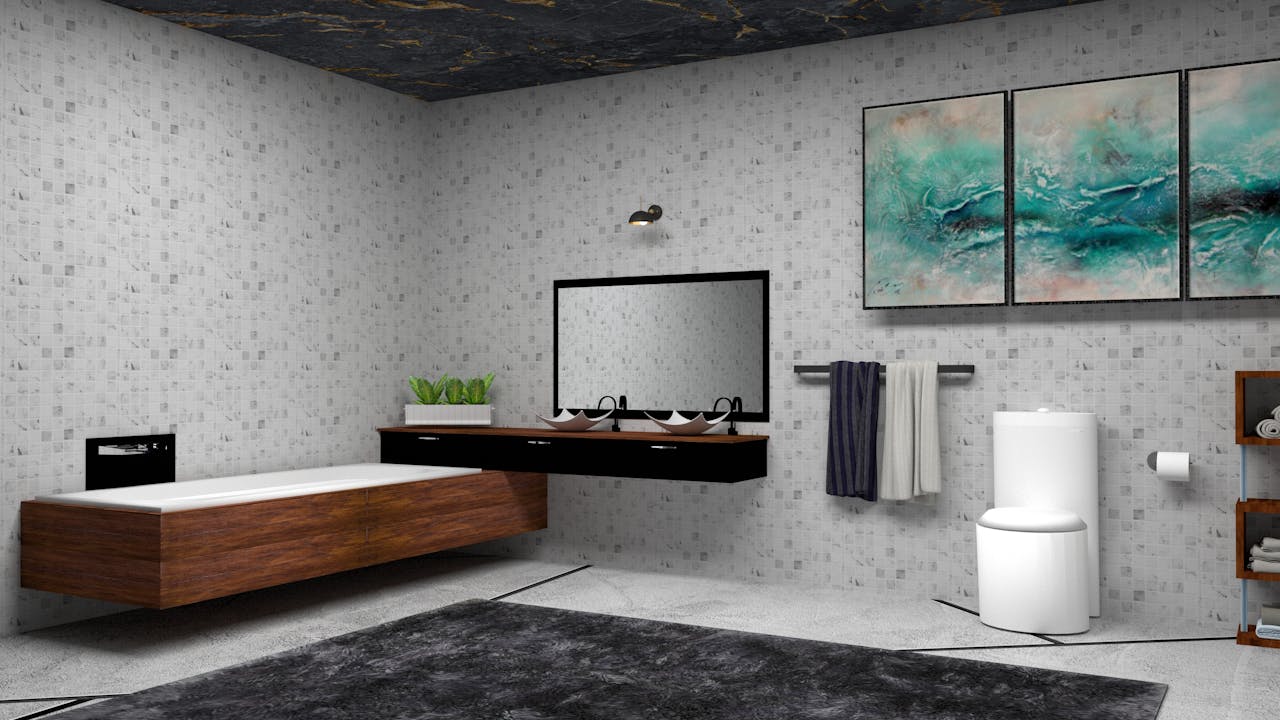
- Excessive mixing of styles: too many patterns and bright colors destroy harmony.
- Lack of adequate wall covering: causes splashing and makes cleaning difficult, especially with a rain shower.
Practical tips
- Make a list of your needs before buying: fewer impulse purchases, more consistency.
- Choose a focal point (sink, tile, or light fixture) and build the ambiance around it.
- Invest in quality storage and dimmable lighting.
- Stick to a neutral color palette and complementary materials.
In summary, creating a Zen bathroom often comes down to simple decisions: soft lighting, discreet storage, natural materials, and decorative restraint. By avoiding clutter and overly intrusive furniture, you can create a space that promotes relaxation and enjoyment.
Photos: Pexels