Advice on kids comes at you from every direction. Every blog, app, and well-meaning relative offers shortcuts promising easier days and peaceful nights. Yet somehow, your house still feels like chaos central, and you’re more exhausted than ever.

Advice on kids comes at you from every direction. Every blog, app, and well-meaning relative offers shortcuts promising easier days and peaceful nights. Yet somehow, your house still feels like chaos central, and you're more exhausted than ever.
Here's the uncomfortable truth: many popular parenting "solutions" actually create bigger problems. These seemingly brilliant strategies often backfire spectacularly, leaving families more stressed, children more confused, and parents questioning their instincts. What works for Instagram influencers might be sabotaging your sanity.
If you want to know which beloved parenting hacks are secretly working against you, then keep reading. This eye-opening list reveals the strategies that sound amazing in theory but crumble under real-world pressure.
Forcing Apologies Immediately

Apologize right now!” teaches compliance, not compassion. Immediate apologies skip reflection and can increase frustration instead of understanding. Children require time to recognize the impact of their actions, which allows genuine remorse to form naturally. Forcing an apology robs them of the chance to develop empathy and emotional insight.
Early Potty Training Before 18 Months
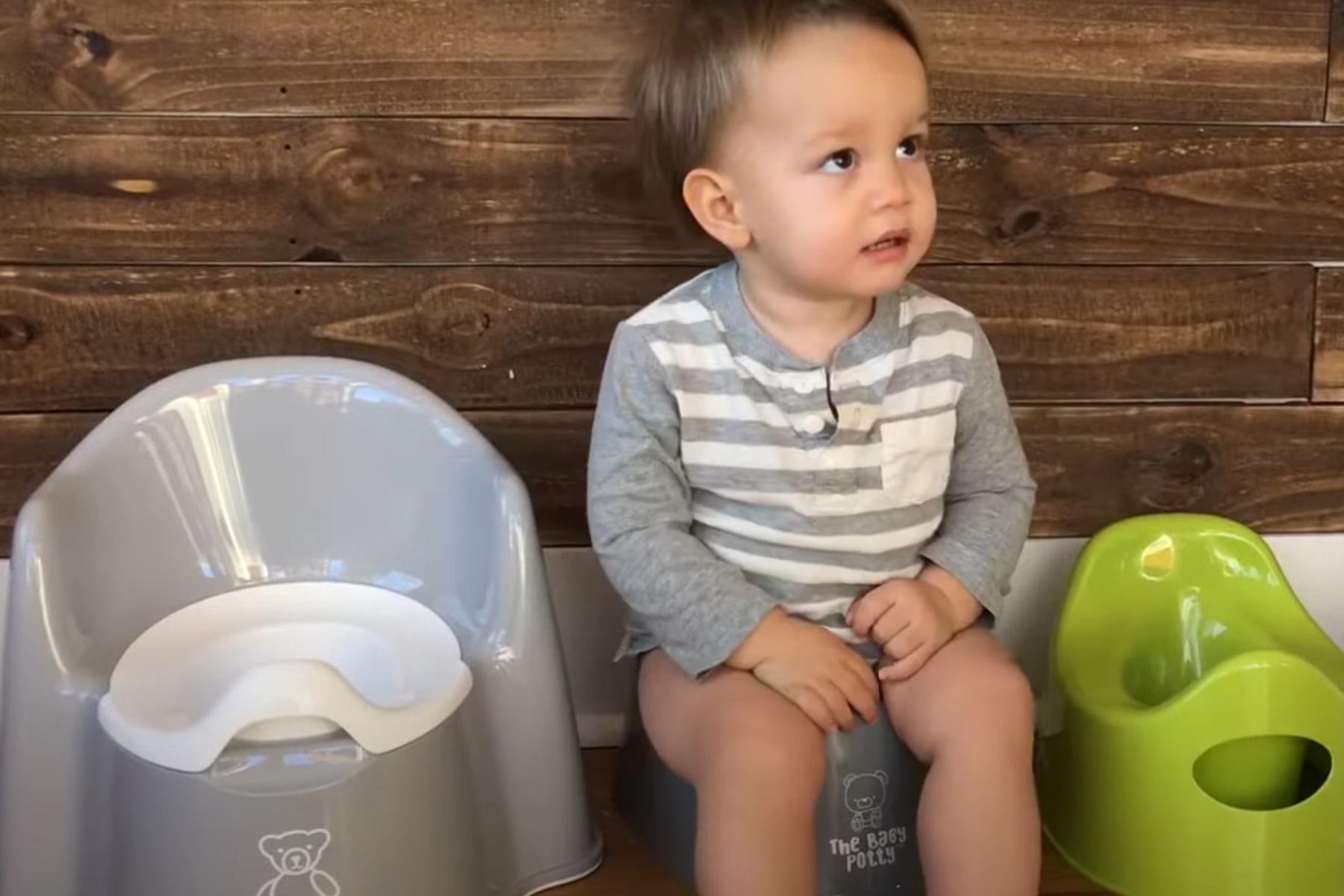
Pinterest made it look so easy, but your 15-month-old isn't buying the hype. Most pediatric guidelines recommend waiting until natural readiness emerges, which means forcing early training typically backfires with increased accidents and frustrated tears from both of you. This regression undoes weeks of effort, ultimately making it wiser to trust your child's developmental timeline.
Over-Scheduling Kids With Activities
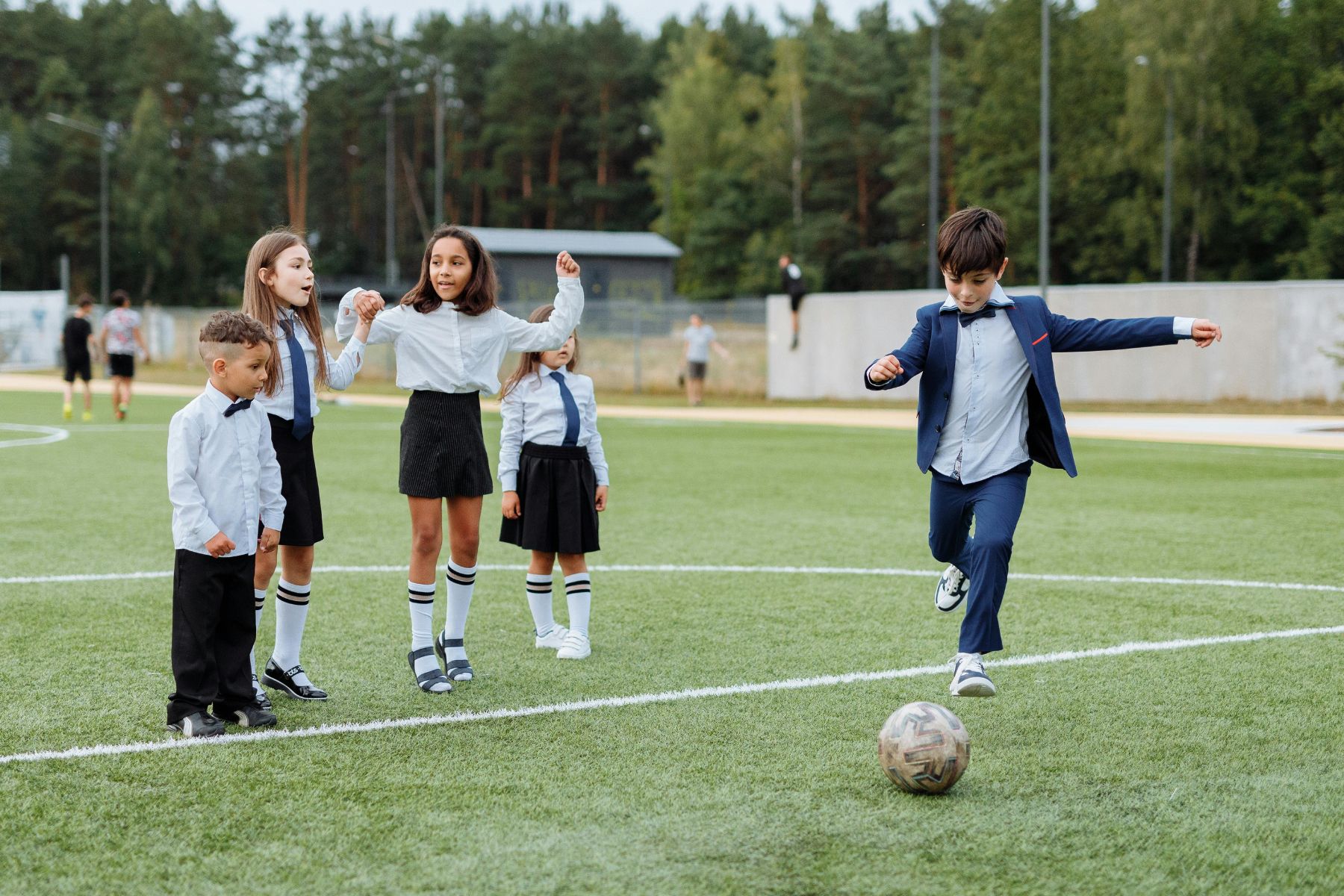
Tuesday piano, Wednesday soccer, Thursday art class—how did childhood become a corporate calendar? Such jam-packed schedules eliminate essential free play time that develops creativity and problem-solving skills. Your family experiences constant stress, rushing between commitments, while kids may develop anxiety and sleep issues.
Constant Praise For Every Action
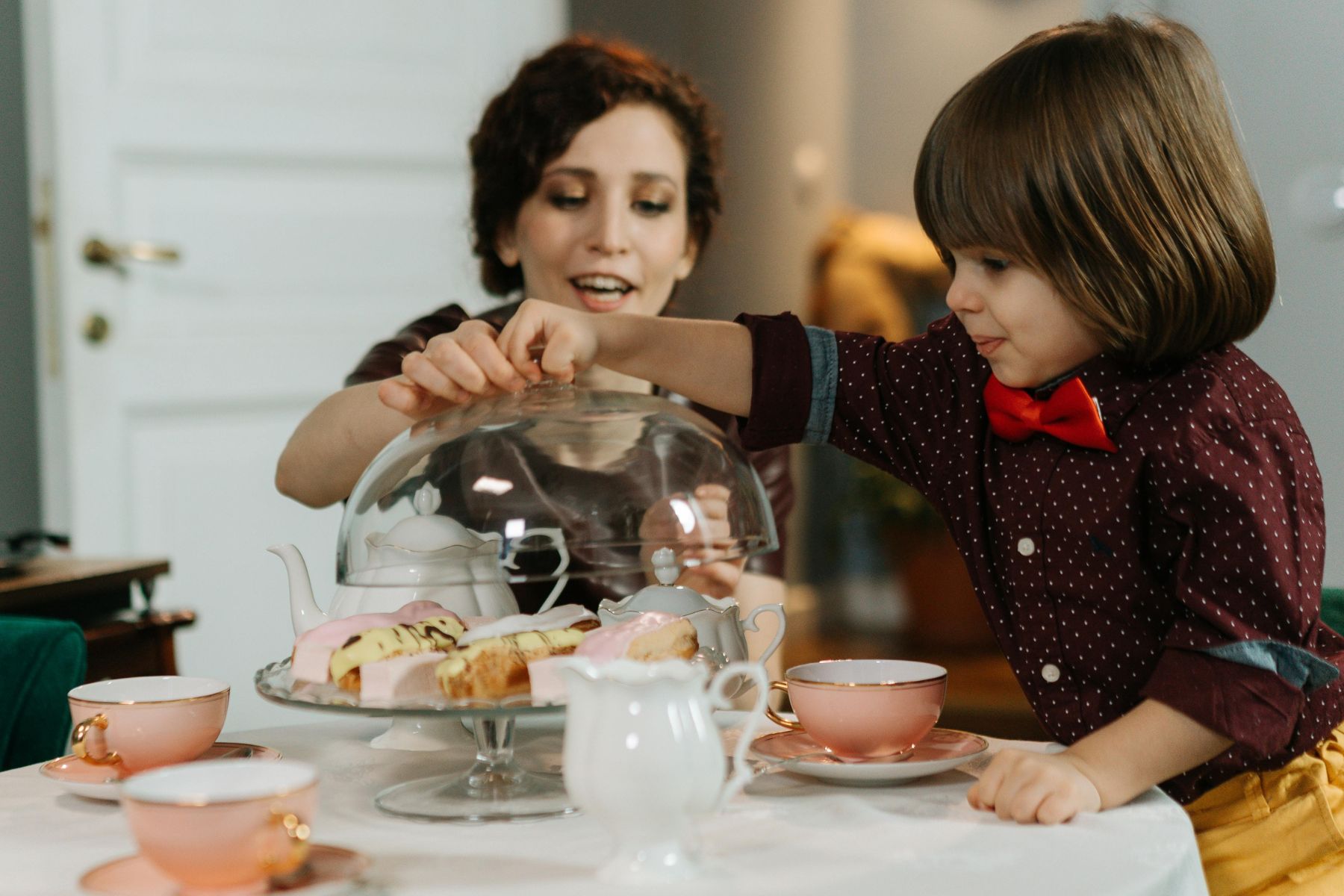
Excessive praise can reduce intrinsic motivation, leaving children dependent on external approval for their sense of self-worth. When praise is absent, kids may grow anxious and habitually confuse effort with outcome. Over time, phrases like “Good job!” lose meaning through overuse. In contrast, genuine and specific feedback proves far more effective than generic cheerleading.
Using Food As A Behavior Tool

Dessert-for-good-behavior seems logical until you realize you're creating emotional eaters. Food rewards weaken healthy relationships with nutrition and frequently prove ineffective in the long term. Children learn to associate treats with compliance in place of hunger cues. Such an approach can set up problematic eating patterns that persist into adulthood.
Strict Screen Time Bans

Strict screen bans rarely deliver the promised discipline. Instead, they intensify kids’ cravings and close doors to digital learning. Parents become enforcers in exhausting battles they can’t win. In a society built around technology, refusing to teach balance leaves families struggling with rules that undermine growth and connection.
Reward Charts For Every Task
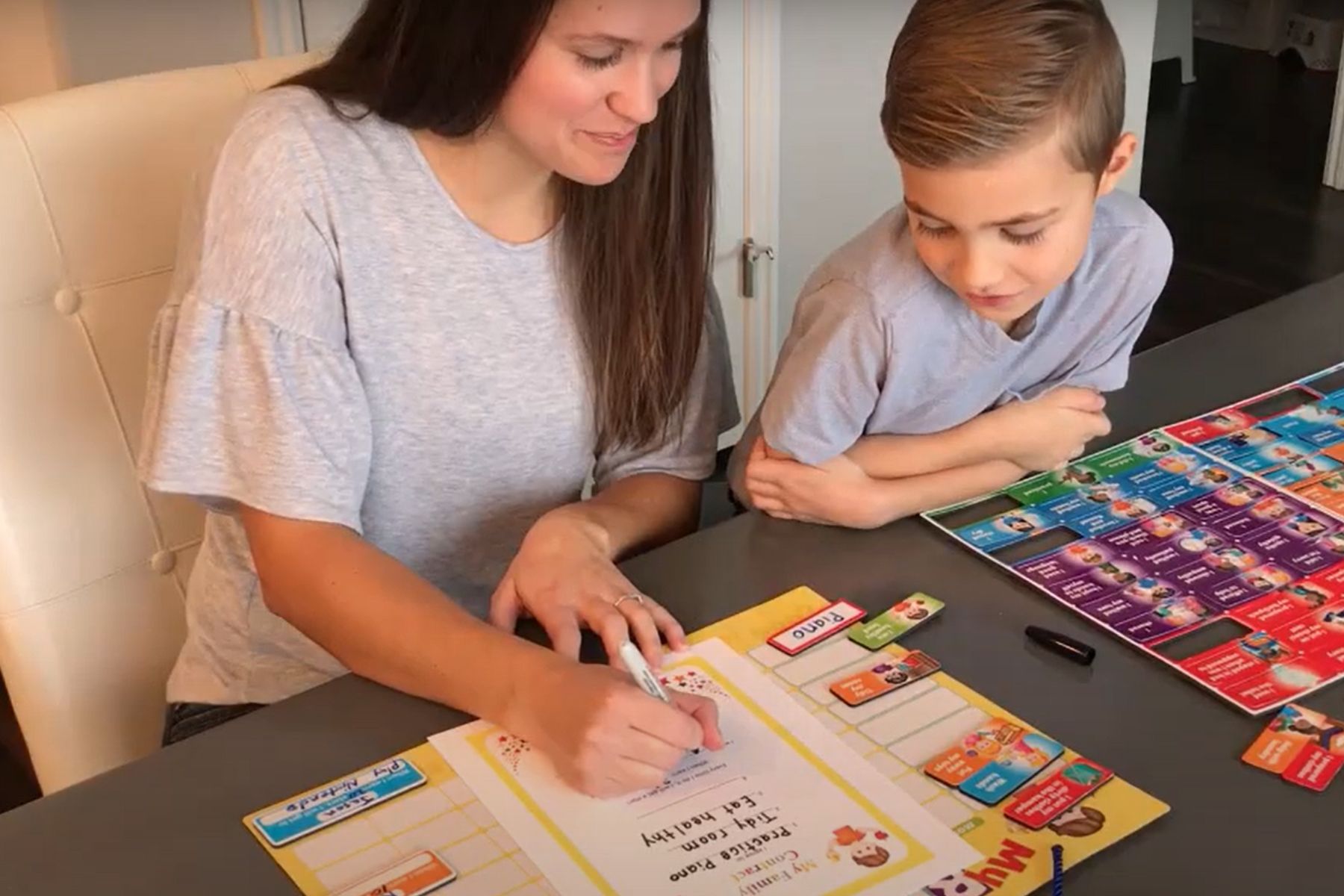
Sticker charts sparkle with promise, right up until your child demands a prize for tying shoelaces. What begins as motivation quickly turns into external validation dependency, where children lose their natural drive when every action requires a prize. Meanwhile, you're frantically tracking behaviors only to create sibling rivalries, watching effectiveness plummet faster than your sanity.
Ignoring Tantrums Completely

Total dismissal misses golden teaching opportunities. While some tantrums need space, complete ignorance can signal emotional neglect to your child. You're missing chances to model emotional regulation and often prolonging behavioral issues. Strategic response—acknowledging feelings and maintaining boundaries—proves more effective compared to cold shoulder treatment that may escalate frustration.
DIY Sleep Training Without Guidance

Sleep training isn’t something to improvise. When parents rely on online shortcuts, babies face confusing routines, sleep cycles derail, and exhaustion sets in fast. The absence of expert support often creates unnecessary anxiety and nightly battles that make rest harder for everyone instead of easier.
Using “One-Size-Fits-All” Parenting Scripts

Following rigid parenting scripts—like “always offer choices” or “never say no”—can backfire when real-life situations demand flexibility. Although these tips sound empowering, they often ignore the nuances of temperament, context, and emotional development. Children aren’t robots, and what works for one may confuse or overwhelm another.