For many children, the trauma they have experienced persists into adulthood. It is often a burden they must carry throughout their lives, one that is very difficult to shake off. Whether they are aware of it or not, these emotional wounds shape their early experiences as adults—experiences that are sometimes marked by disappointment, fear, vulnerability, and struggle. It therefore becomes essential for them to learn how to overcome, or even detox from, these negative emotions so they can flourish peacefully and find inner peace.
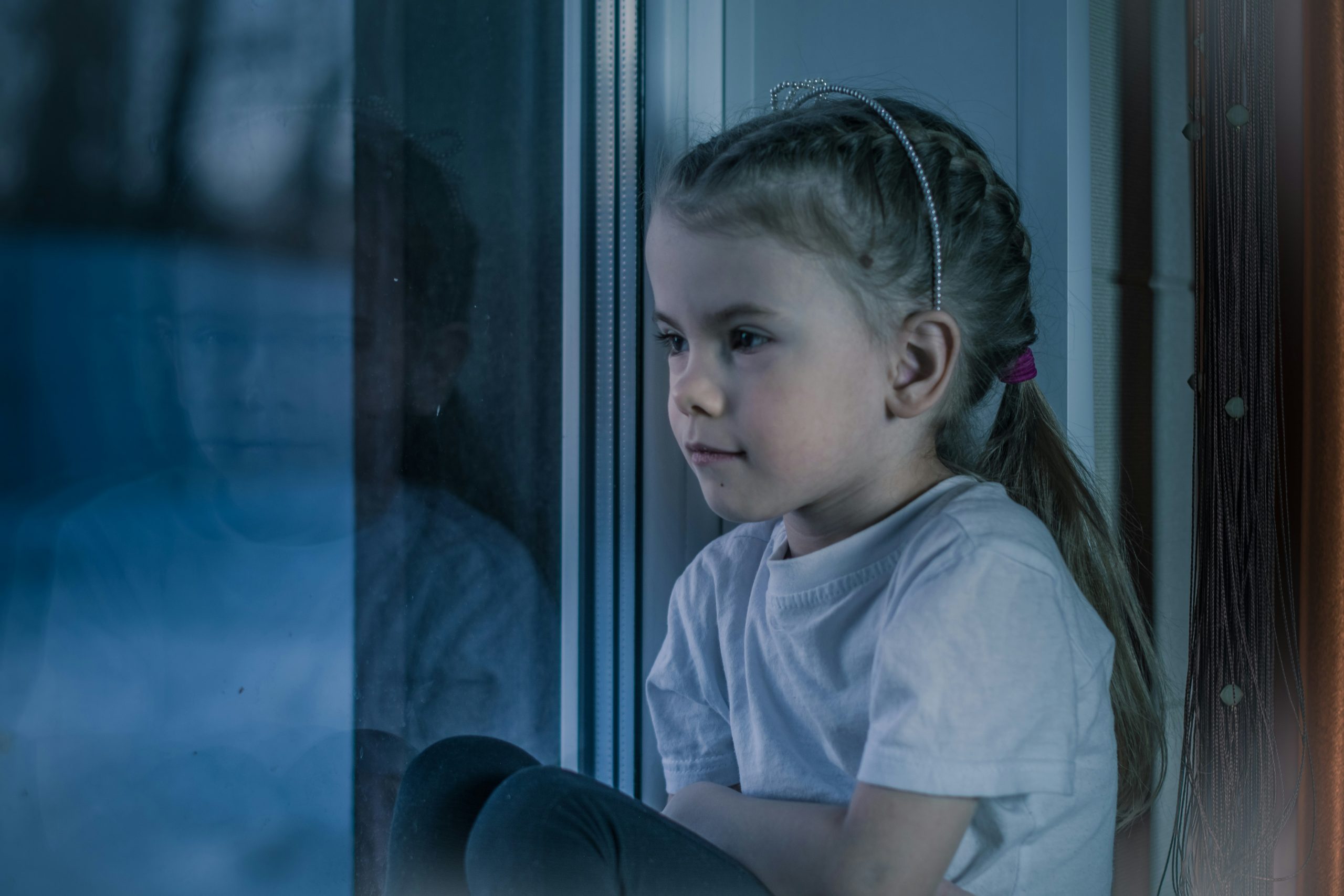
For many children, the trauma they have experienced lingers into adulthood. It is often a burden they must carry throughout their lives, one that is very difficult to shake off.
Whether they are aware of it or not, these emotional wounds shape their early experiences as adults—experiences that are sometimes marked by disappointment, fear, vulnerability, and struggle.
It then becomes essential for them to learn to overcome—or even detox from—these negative emotions in order to flourish peacefully and regain inner peace.
Discover in this article the 10 family wounds that resurface in adulthood.
1. Domestic violence

Even though certain forms of violence, such as spanking or slapping, remain culturally tolerated, the research is clear: resolving family conflicts through violence does absolutely nothing to teach a child how to manage their anger.
On the contrary, it confuses their emotional bearings and prevents them from developing healthy strategies for expressing their feelings. The child then comes to believe that hitting is an acceptable response, which undermines their ability to communicate, defend themselves in other ways, and resolve tensions with their parents.
These actions often leave lasting scars that resurface much later, in adulthood.
2. Betrayal

Broken promises may seem trivial to adults, but for a young child, they have a profound impact. Every broken promise creates a crack in trust, eventually turning into a genuine emotional wound.
The child then learns that the words of their loved ones are unreliable, that what is promised can vanish overnight. As they grow up, this insecurity can develop into a fearful, jealous, or insecure personality, always on edge.
Repeated betrayal leaves a lasting mark: it shapes how a person loves, forms bonds, and trusts others as an adult
3. Rejection
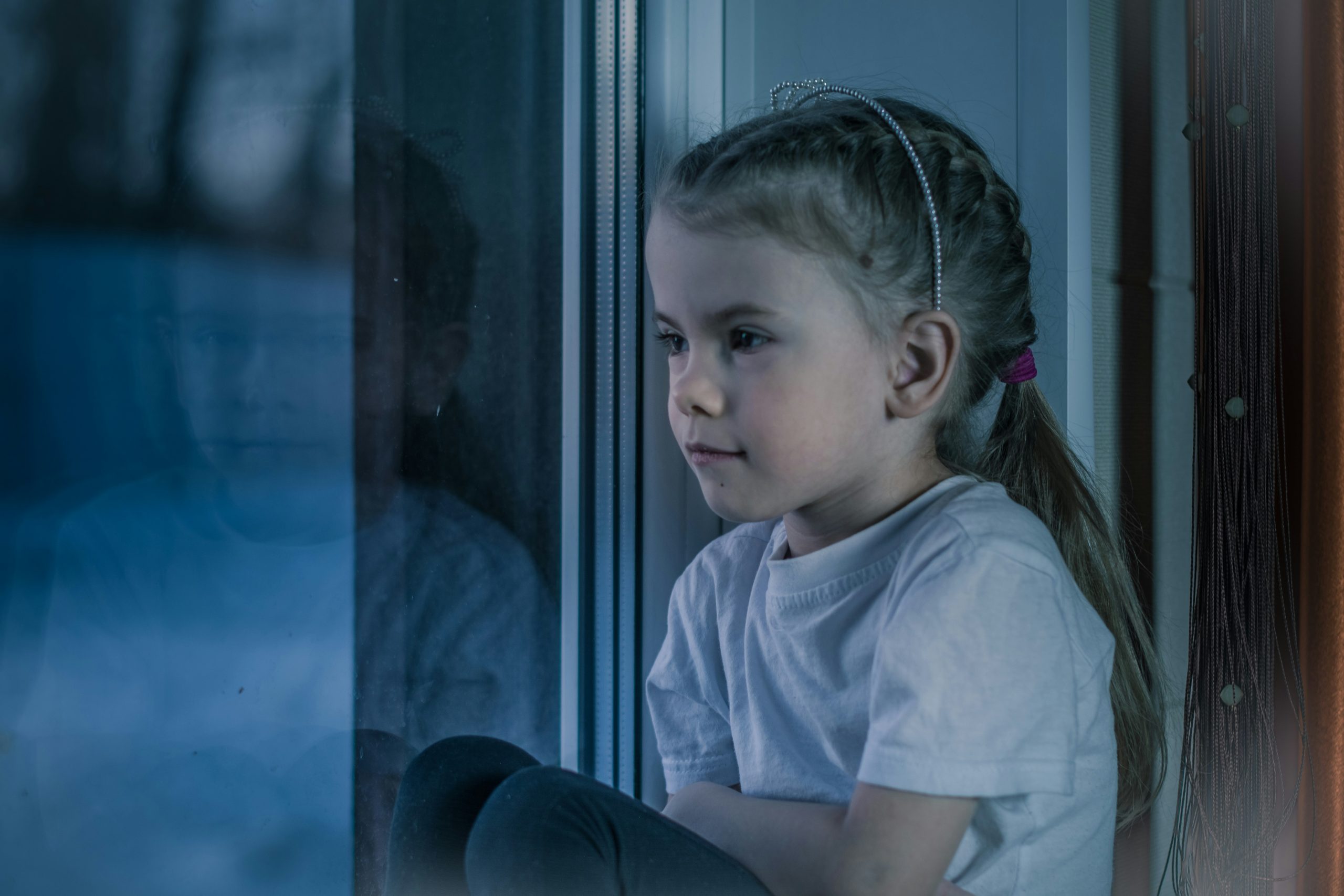
Unwanted births, when accompanied by parental neglect or rejection, leave a deep mark on the child.
Feeling unwanted, they often develop a mechanism of self-rejection: they internalize the idea that they have no value, that they are “superfluous.”
As they grow up, this wound transforms into a constant fear of never measuring up, whether in romantic relationships or in their professional life.
To avoid being rejected again, they sometimes choose to isolate themselves, convinced that they do not deserve the attention or affection of others. A silent but lasting wound.
4. Fear of abandonment

Children who are left alone for long periods of time, entrusted to other adults, or raised by emotionally absent parents often develop an intense fear of abandonment.
Their child’s brain interprets this lack of presence as a danger: “If no one comes, I don’t matter.” This insecurity takes root and resurfaces later in the form of emotional dependency. To avoid reliving this loneliness, they cling, withdraw, and constantly seek proof of love.
But this quest drains their relationships and hinders their personal growth. The wound of abandonment does not disappear: it re-emerges in adulthood, often against their will.
5. Lack of affection
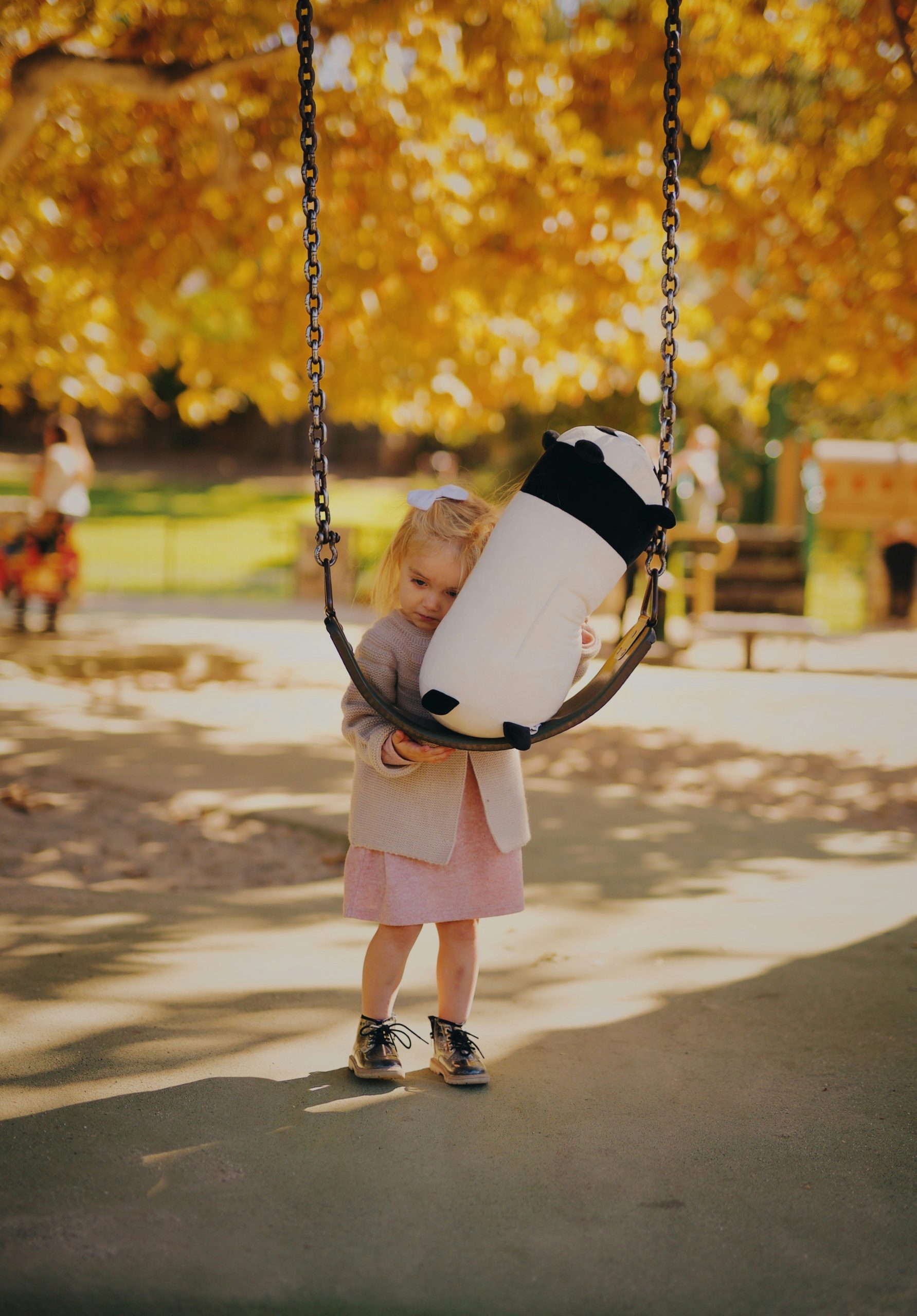
A lack of validation or affection deeply undermines a child’s self-esteem. Without a caring gaze to reassure them, they begin to seek their parents’ approval as an emotional lifeline.
Every action, every achievement becomes an attempt to prove that they deserve to be loved. As an adult, this wound turns into constant self-doubt: they question their worth, downplay their successes, and depend on others’ opinions to feel validated.
This constant quest for validation is not a whim, but the trace of an emotional void that has never been healed.
6. The Comparison

Constant comparisons between siblings, even when they seem harmless, leave deep scars. When a child is constantly measured against another, they eventually internalize the idea that they are “less than,” “less capable,” or “less worthy.”
This imposed rivalry creates an unhealthy competition that often carries over into adulthood, taking the form of jealousy, resentment, or emotional distance. But above all, it damages self-esteem: the child feels inferior, convinced that they must constantly prove their worth.
A silent but lasting wound that shapes how they perceive themselves and their place in the world.
7. Overprotection

Overprotective parenting may seem reassuring, but it severely hinders a child’s development. Because they are overprotected, children do not learn to make decisions on their own or to take initiative without external validation.
Every choice becomes a source of anxiety, every risk a potential danger. By the time they reach adulthood, this overprotection often turns into an irrational fear of failure: they dread making mistakes, hesitate to act, and lack autonomy in their daily lives.
This is not a lack of willpower, but the direct consequence of an environment that never allowed them to try or to make mistakes.
8. Humiliation

We are seeing more and more children growing up in an environment of constant humiliation, often fueled by bullying at school… but sometimes also by teasing at home.
Through constant belittling, the child eventually internalizes these attacks as truths about themselves: “I’m worthless,” “I deserve this.”
This repeated violence erodes their sense of self and instills lasting shame. In adulthood, this wound frequently manifests as severe depression, anxiety, or social withdrawal.
Humiliation is never “just words”: it shapes the way we perceive ourselves and how we feel we have the right to exist.
9. Injustice
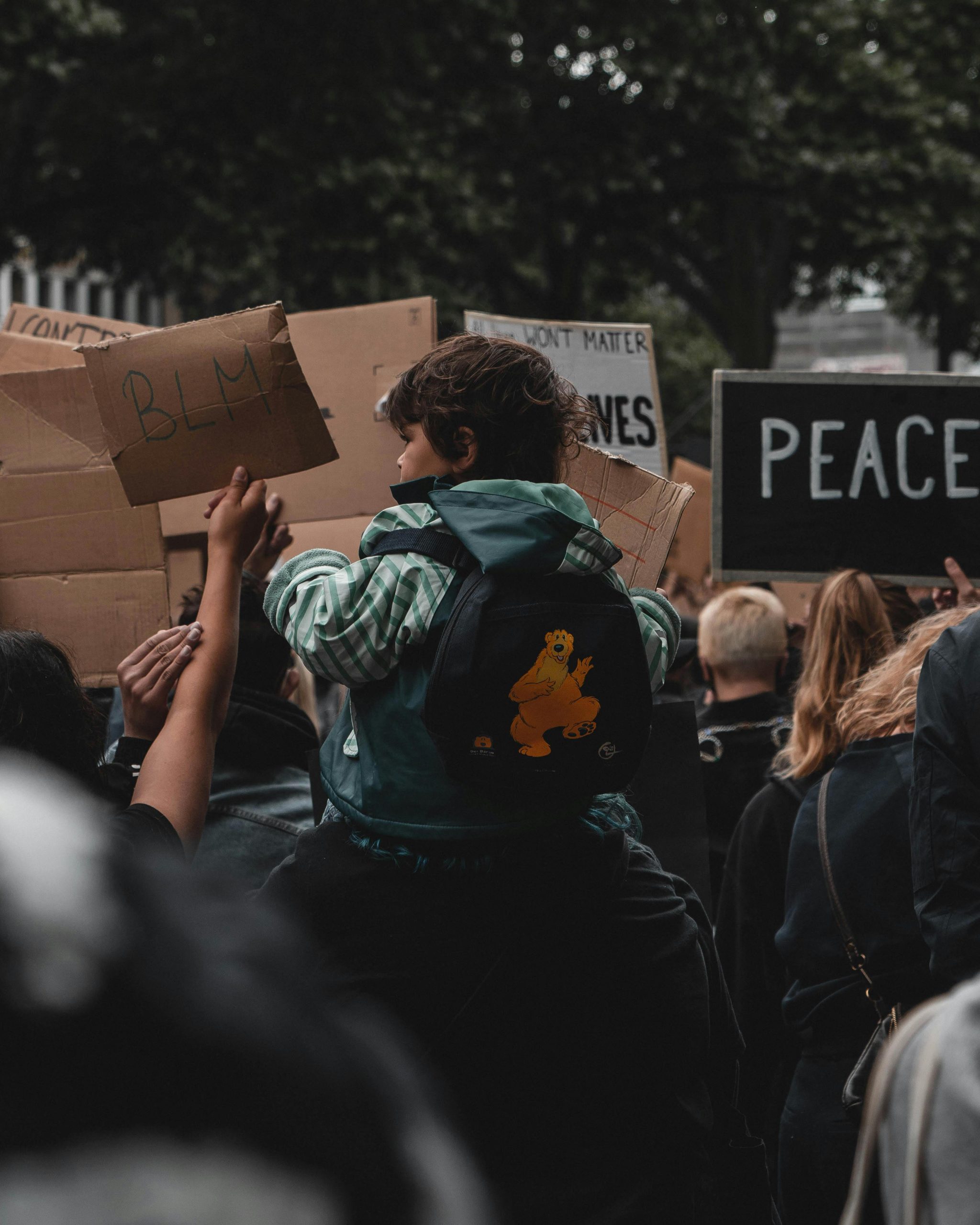
Children develop a sense of fairness and unfairness at a very early age: they instinctively know the difference between fair treatment and arbitrary decisions.
When they experience repeated injustices, deep emotional wounds take root. They learn that their needs matter less, that rules can change for no reason, and that their voice carries no weight.
In adulthood, this experience often manifests as difficulty trusting others, hypersensitivity to situations perceived as unfair, and a more pessimistic view of the world.
The wound of injustice has a lasting impact on how we protect ourselves… and connect with others.
10. Family Secrets

Family taboos and secrets, especially when they are never acknowledged, deeply disrupt a child’s emotional development. The child intuitively senses that “something is missing,” that a truth is circulating without ever being spoken.
This atmosphere of unspoken secrets fosters lasting mistrust: if adults are hiding things, it must mean that reality is dangerous.
This lack of transparency undermines the development of identity and fosters a sense of not belonging, as if the child does not fully belong in their own family.
In adulthood, this wound often manifests as constant doubt, a struggle to feel accepted, and a fear of being excluded.