10 Food Habits That Waste Money & 10 That Quietly Save You Hundreds
Somehow, a trip to the grocery store always starts with noble intent and ends with emotional damage. You go in with a list—or at least a mental sketch of one—and still wind up wandering the aisles like a contestant in a game show, tossing things into the cart that feel like good life choices at the moment. Ten minutes in, you’ve bought enough produce to nourish a small village.

Somehow, a trip to the grocery store always starts with noble intent and ends with emotional damage. You go in with a list—or at least a mental sketch of one—and still wind up wandering the aisles like a contestant in a game show, tossing things into the cart that feel like good life choices at the moment. Ten minutes in, you’ve bought enough produce to nourish a small village.
And there’s a strange comfort in believing these habits are just part of adulting. Everyone’s pantry has a mysterious jar of something that felt important at the time. Everyone’s freezer hides a forgotten brick of something once identifiable. No matter how many times it happens, there's always that persistent belief that next time will be different.
However, it’s not just about food or planning. It’s about the strange rituals that creep into routines and shape the way you spend. So, first, let’s take a look at ten everyday food habits that slowly nibble away at your money while pretending to be harmless.
Tossing Leftovers Without A Second Look
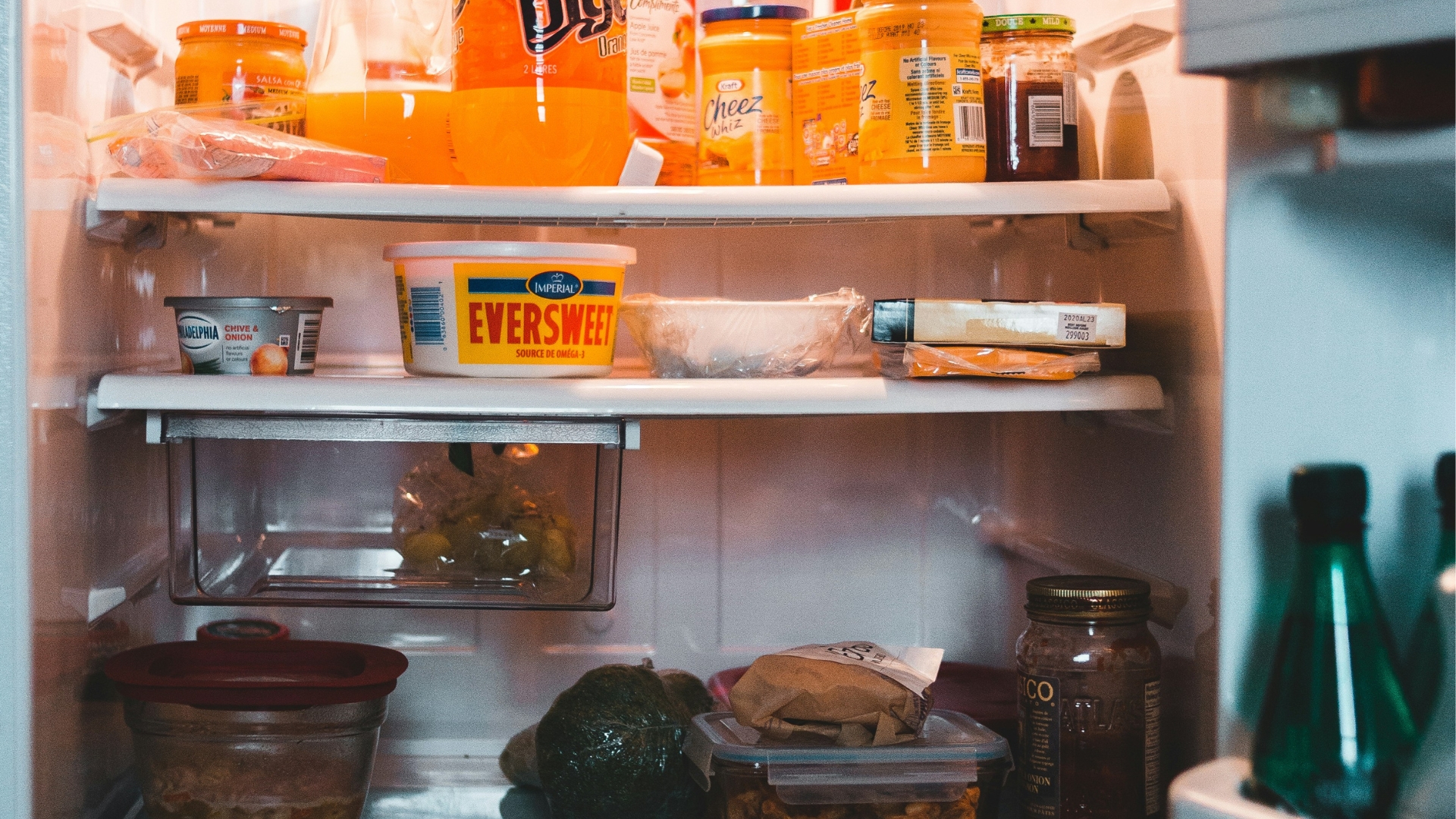
Not everything in your fridge is a mystery box—some of it is dinner you made two nights ago. When meals get shoved to the back and ignored, they quietly spoil while you plan something new. That’s not just food going to waste; it's your budget, time, and effort disappearing too.
Buying Spices You Never Finish
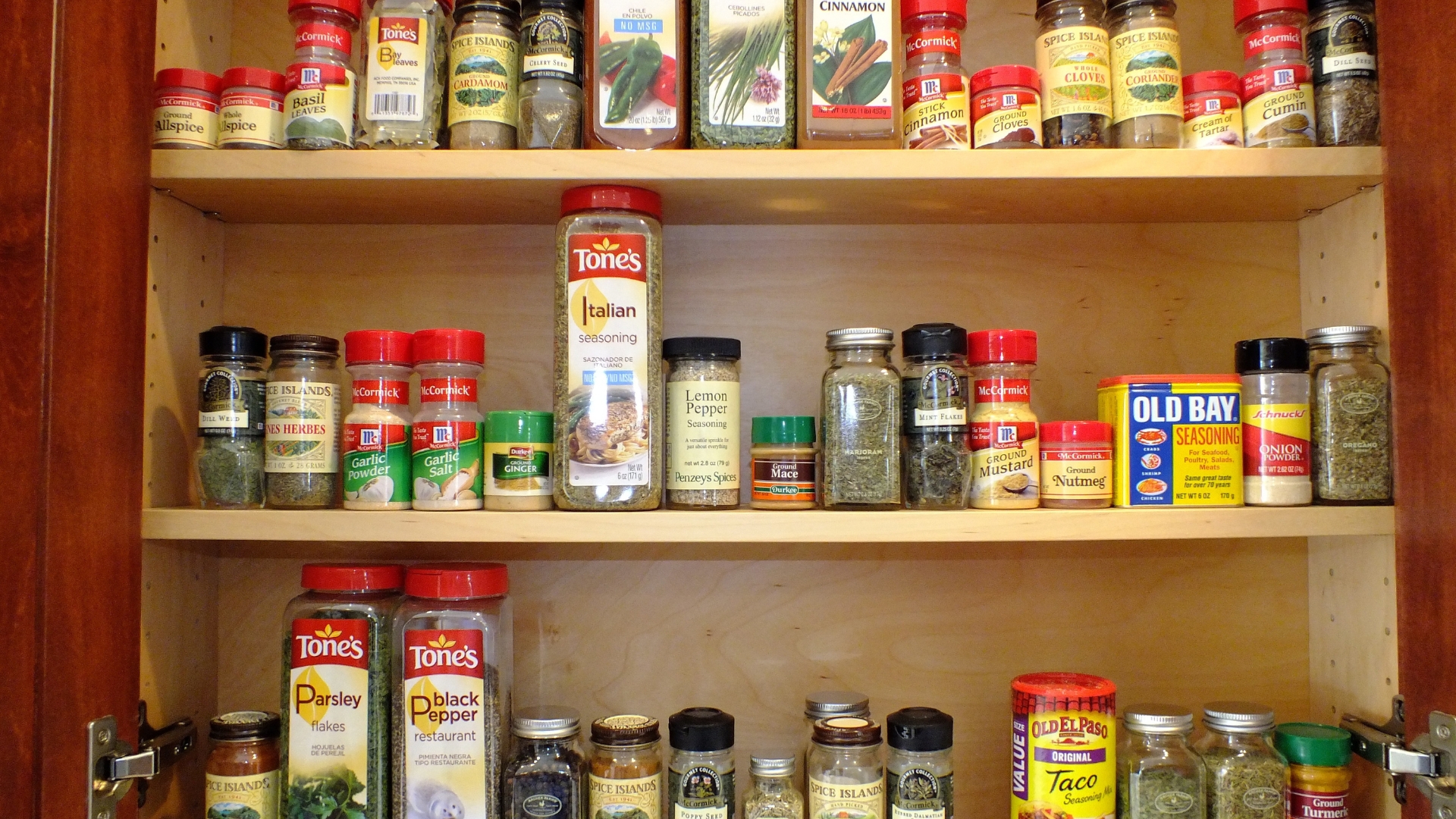
It starts with one recipe and ends with a shelf full of barely-used jars. Spices bought for single dishes often sit untouched, losing potency and hogging pantry space. Heat and light only speed up the fade. And before you know it, you're tossing money along with those expired, unused jars.
Shopping Hungry And Overloading The Cart

Walking into a store while hungry is like shopping with blinders on, as your cravings do the picking. Suddenly, snacks, frozen meals, and anything ready-to-eat feel essential, whereas actual necessities fade from memory. You pile on extras you don’t need, many of which spoil or sit untouched.
Letting Produce Rot Before Use
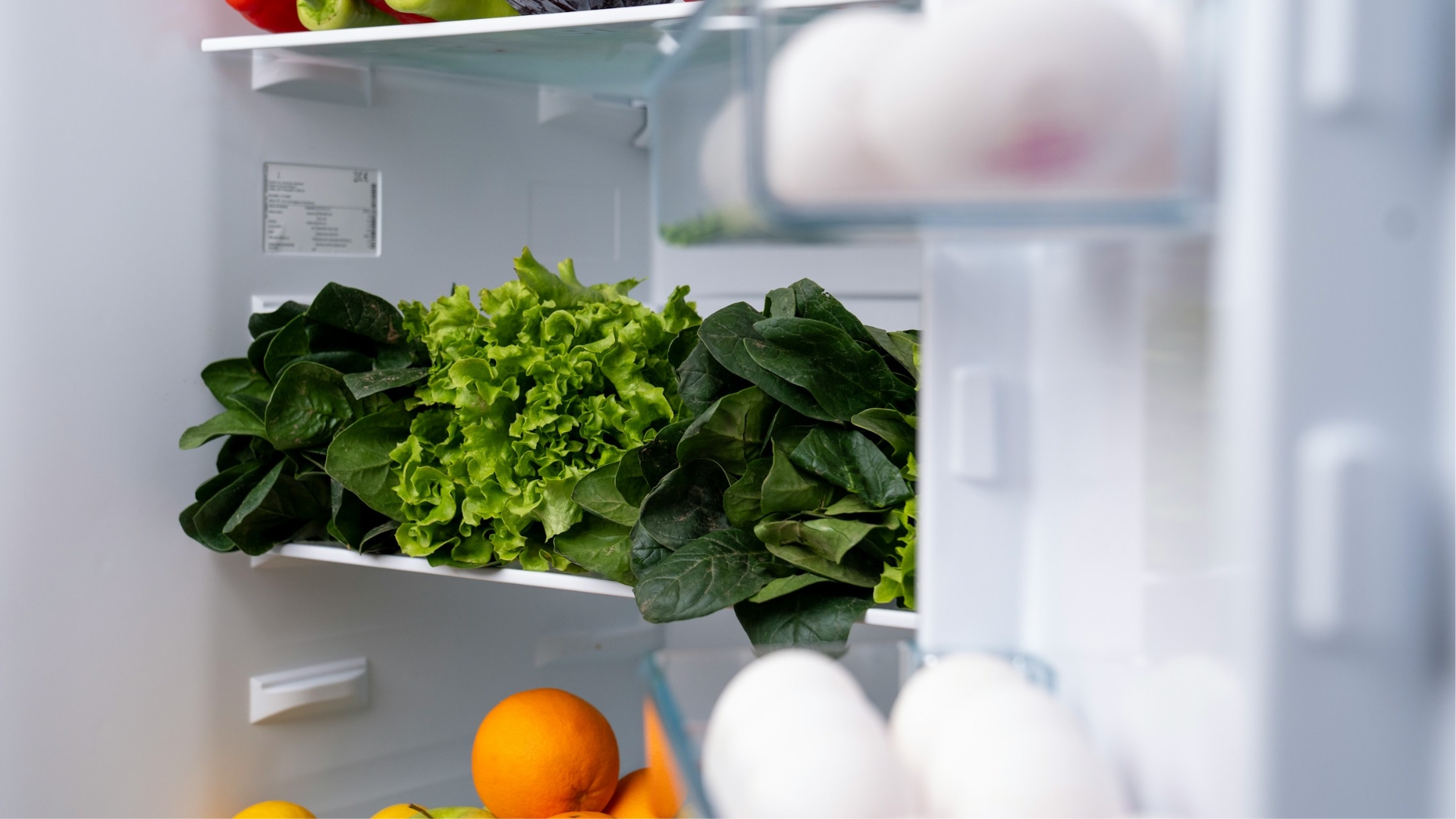
Fresh produce demands prompt cooking or at least acknowledgment. But too often, those leafy greens or ripe avocados get shoved behind last night’s takeout and vanish into the fridge abyss. With the wrong settings or steamy containers, your veggies basically rot on fast-forward.
Choosing Pre-Cut Fruit And Veggies

Once produce is chopped, nutrients start to fade, and shelf life takes a nosedive. Plastic packaging traps moisture with nowhere to go, speeding up spoilage and dulling taste and texture. You’re also paying more for that convenience, as it’s something that won’t even last the week.
Ignoring Expiry Dates On Pantry Items
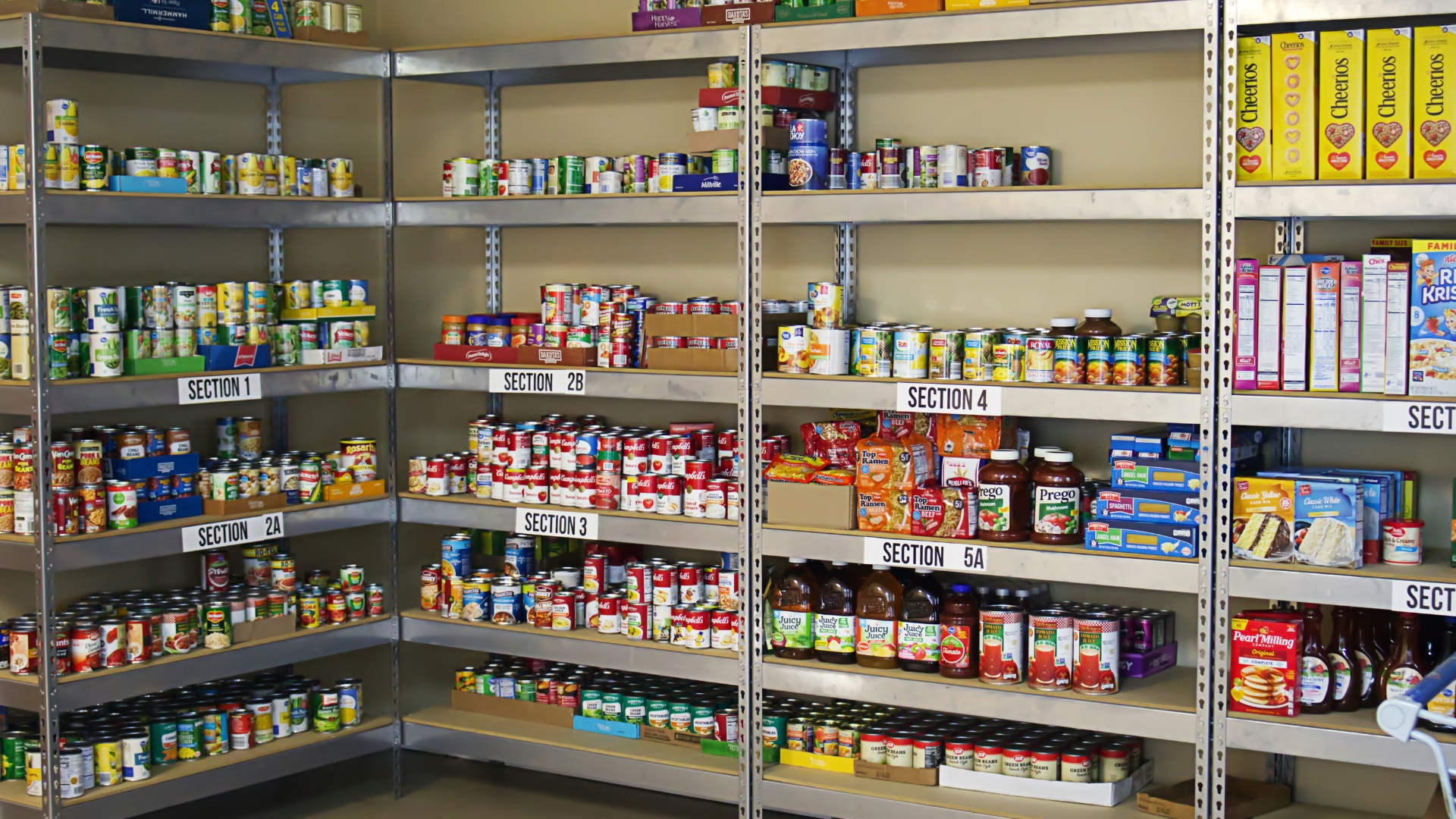
Pantry items don’t last forever, no matter how sealed or stacked they seem. When food creeps past its expiry date, you’re left with stale grains and a higher chance of pantry pests. And without rotating stock, old items hide behind new ones, quietly wasting away.
Always Opting For Brand-Name Products

Brand-name products typically charge extra for their reputation. In fact, store brands are frequently produced in the same factories, using nearly identical ingredients. Yet brand loyalty locks you into costlier routines. Moreover, just because the packaging looks polished doesn’t mean what’s inside is any better.
Wasting Cooking Oil Through Overuse
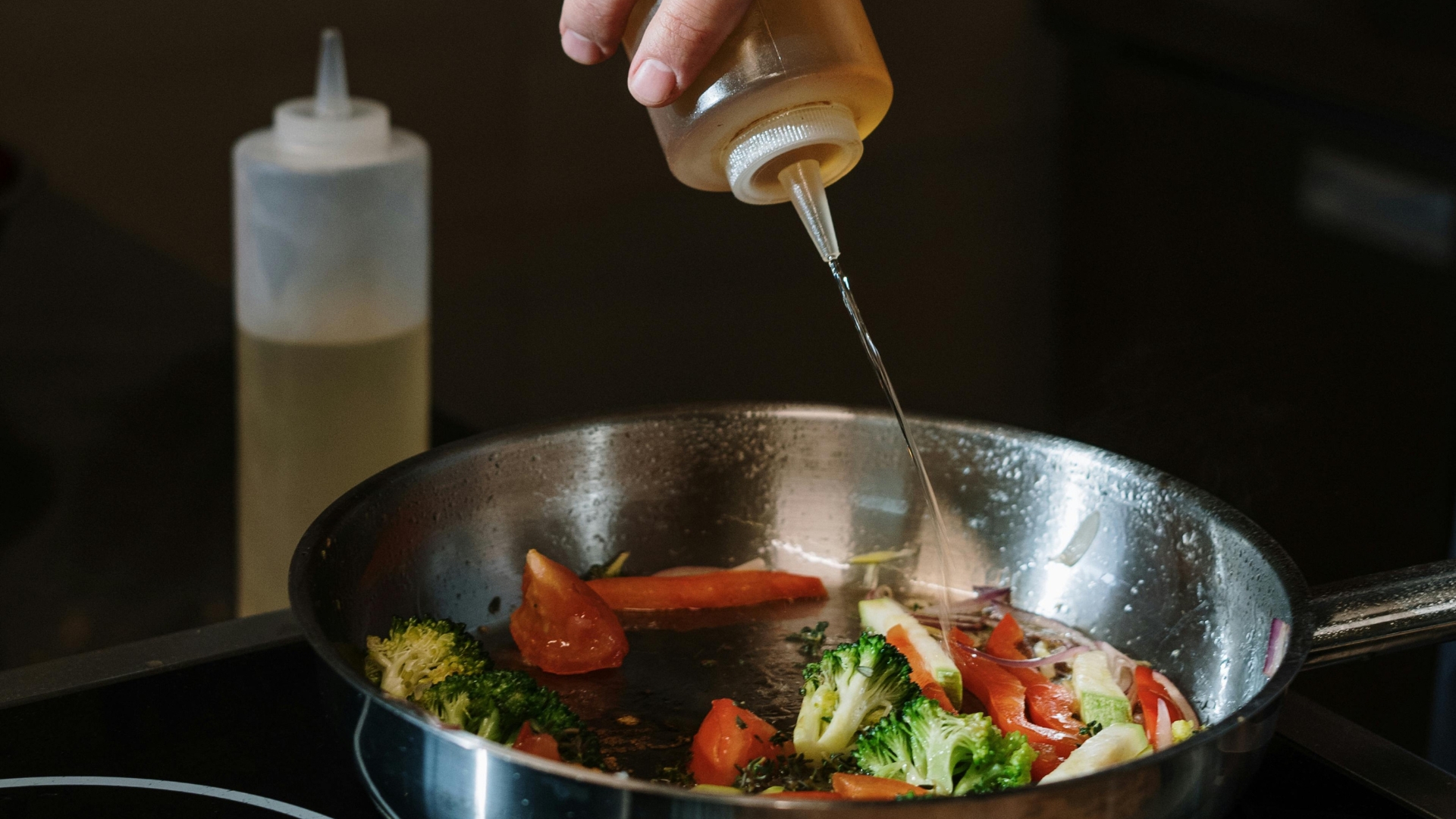
Reaching for the bottle and skipping the measuring spoon might feel convenient, but that casual splash of oil costs more than you think. What’s worse, many home cooks toss the oil after a single use, even when it’s still perfectly reusable. Over time, all this spills right into your grocery budget.
Over-Relying On Food Delivery Apps
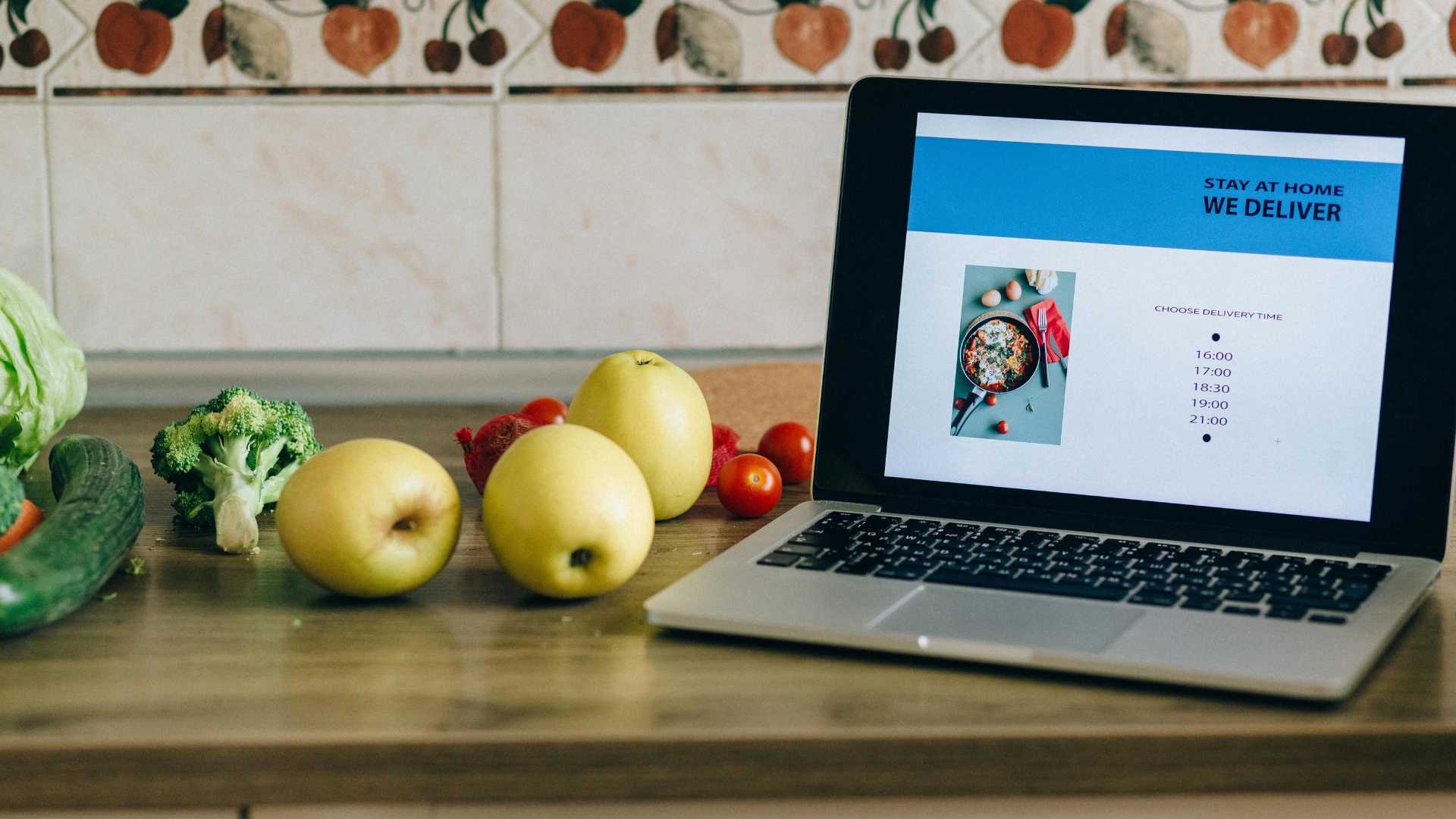
One day, it’s “just this once,” and suddenly your delivery app knows you better than your mom. Toss in delivery fees, service charges, and tips, and your wallet starts crying before the food arrives. And those tiny portions barely fill a corner of your hunger, forcing you into a second order like it’s a snack run.
Cooking More Than You Ever Eat
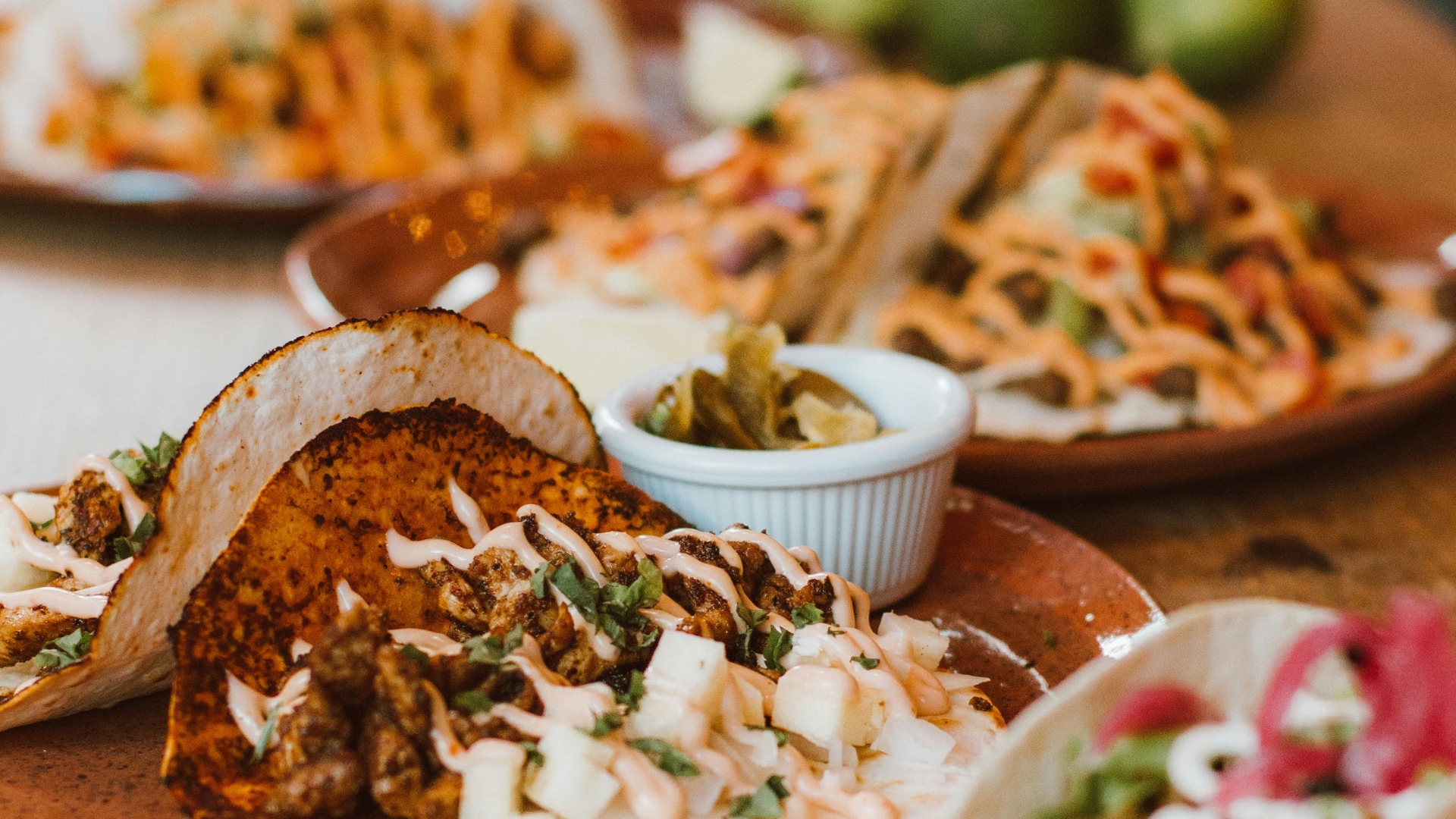
You start off thinking you’re being efficient by cooking a giant pot of something. Then reality hits when your fridge becomes a storage unit for meals no one’s excited to eat again. Leftovers without a plan usually end up ignored, and eating the same thing all week gets boring fast.
Now that we’ve stared into the wallet-draining side of the pantry, let’s swing the fridge door the other way and meet the habits actually saving your budget.
Meal Prepping With A Weekly Plan
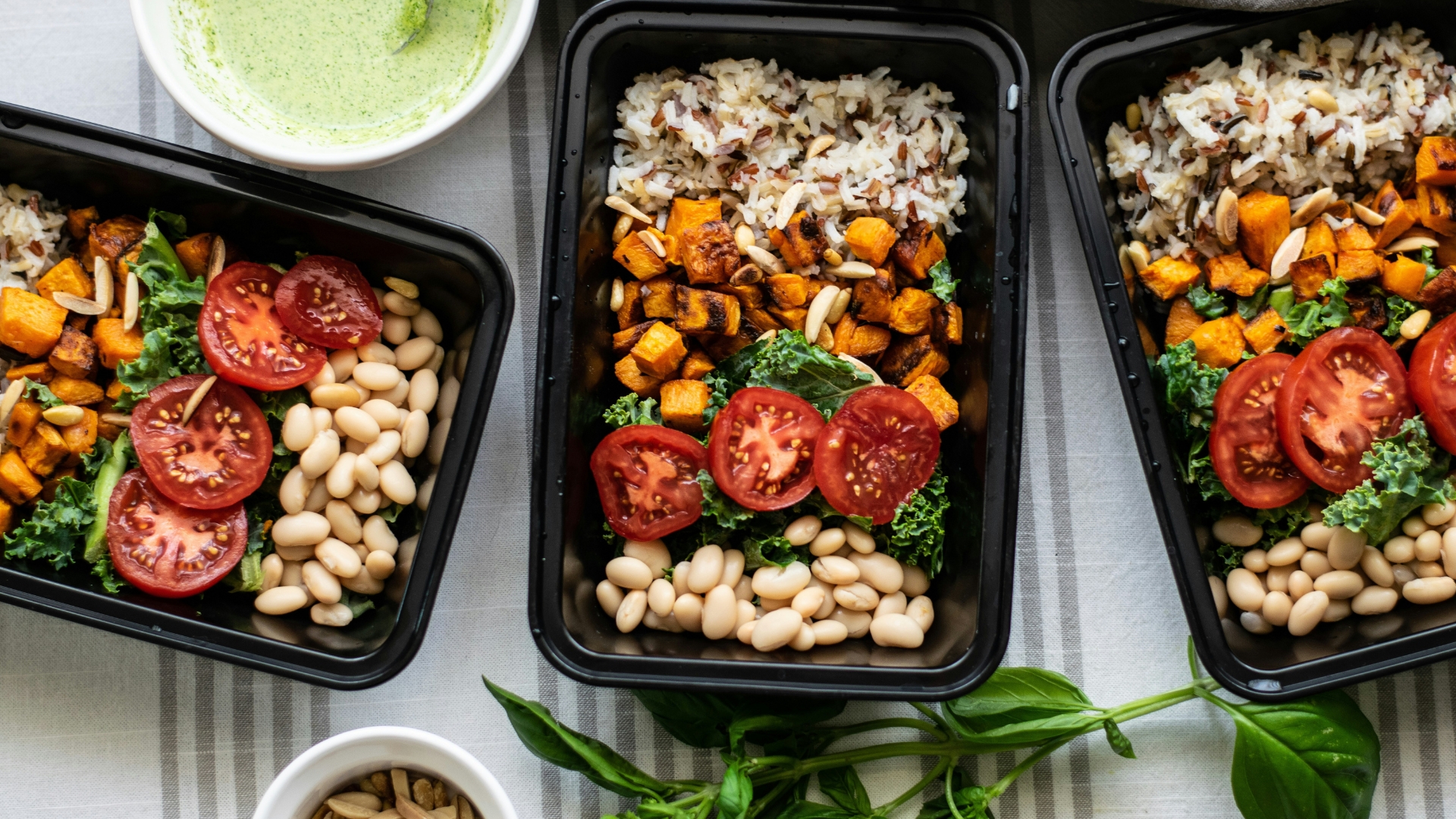
A weekly meal plan keeps your kitchen organized and your spending in check. You shop only for what you’ll cook, cutting down on waste. On top of that, having meals ready makes takeout less appealing, limits extra snacking, and ensures grocery trips are quick and accurate.
Freezing Single Servings For Busy Days
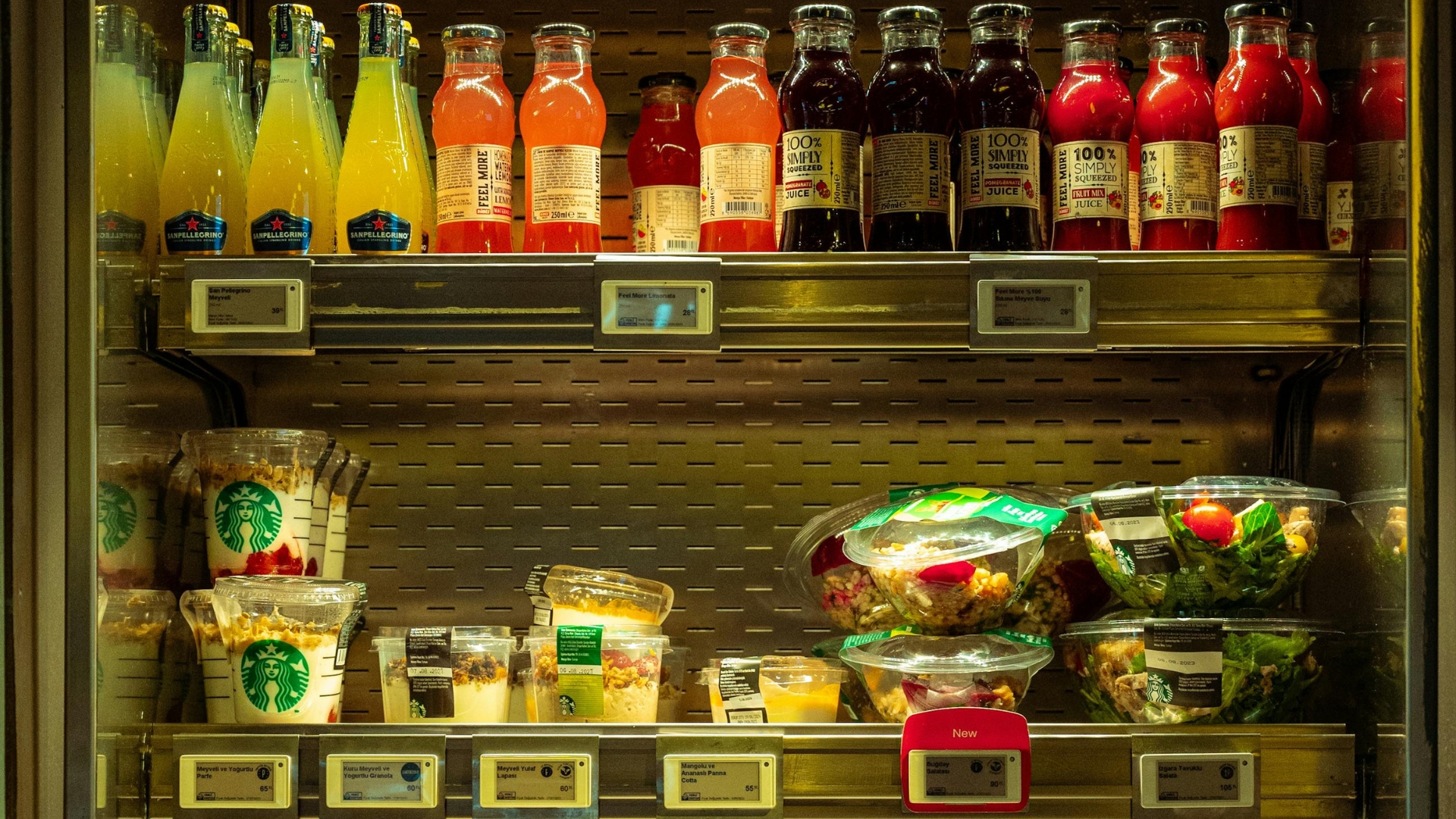
Freezing single servings makes life easier when your schedule gets hectic. You cook once, portion it out, and know each meal will be ready when you are. This also means fewer grocery runs and less temptation to order takeout.
Keeping A FIFO System In The Fridge
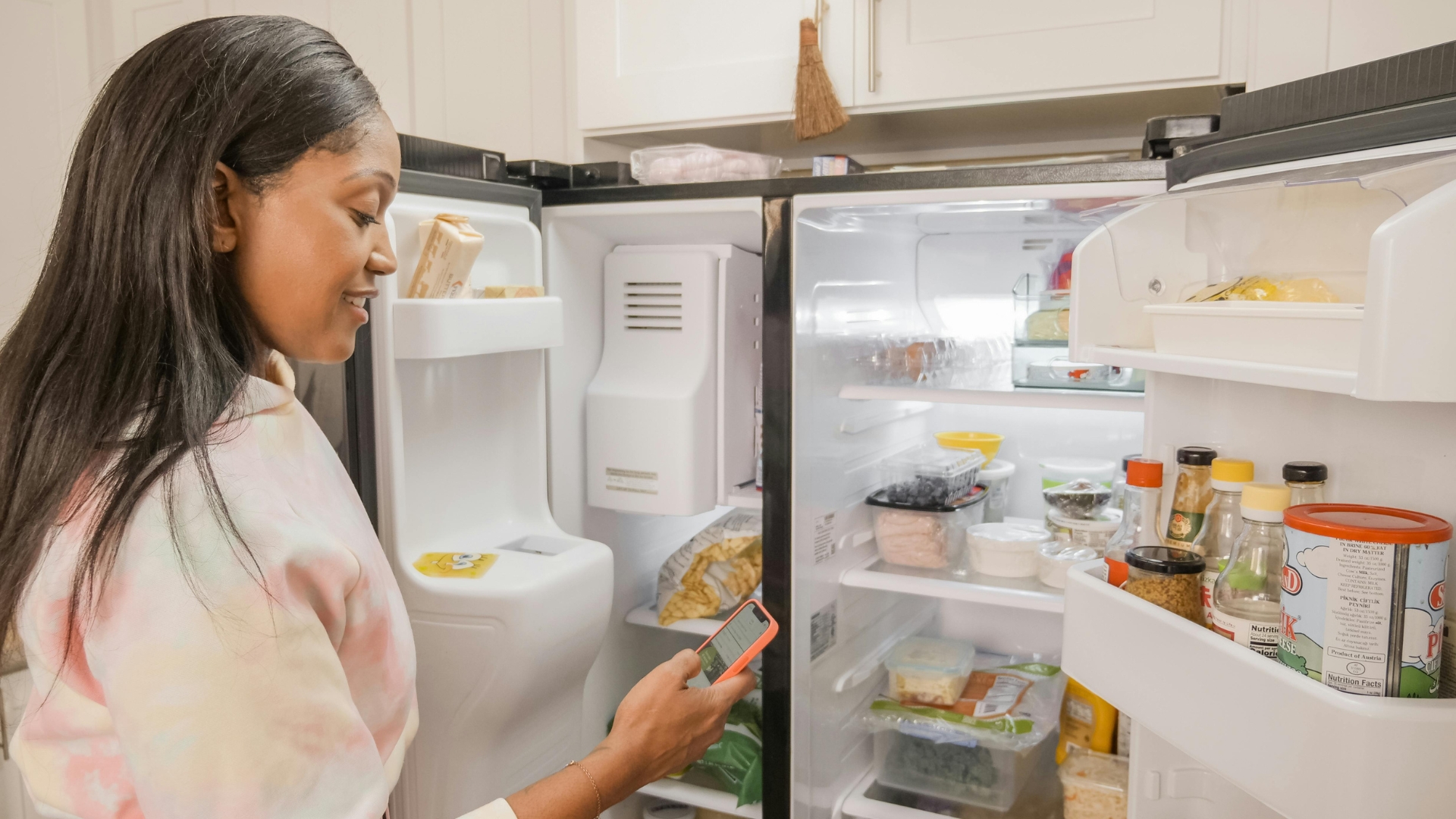
FIFO stands for “First In, First Out,” and it’s a simple way to make sure older food gets used before newer items. By rotating what’s in your fridge, you prevent forgotten leftovers and keep shelves neat. Besides, it also encourages mindful storage.
Using Vegetable Scraps For Broth
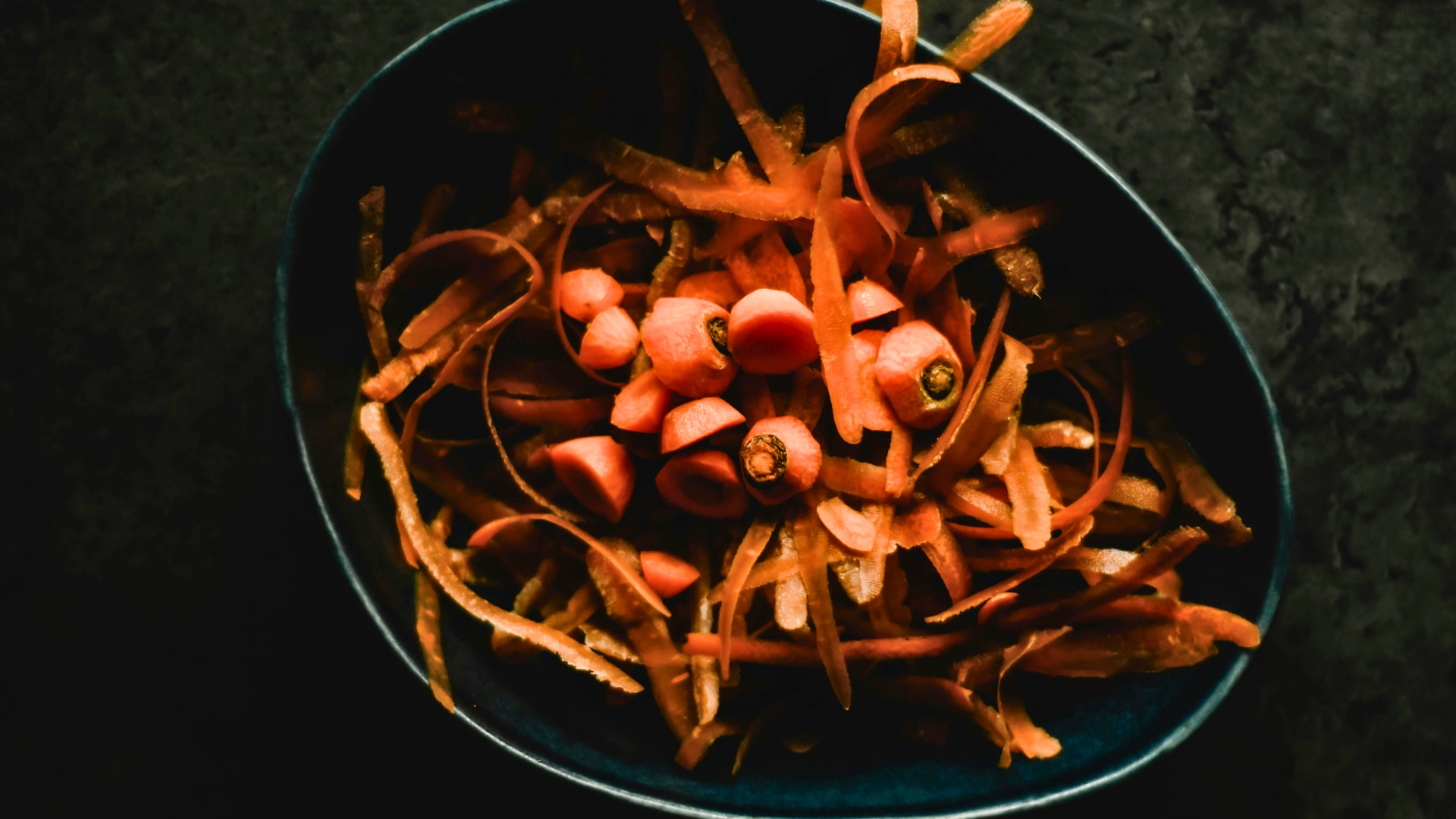
Instead of tossing onion ends, carrot peels, or celery tops, store them in a freezer bag until you’ve collected enough for a pot. When simmered, these scraps convert into a rich, flavorful broth that beats store-bought versions and skips the additives.
Buying Generic Brands For Staples Like Rice
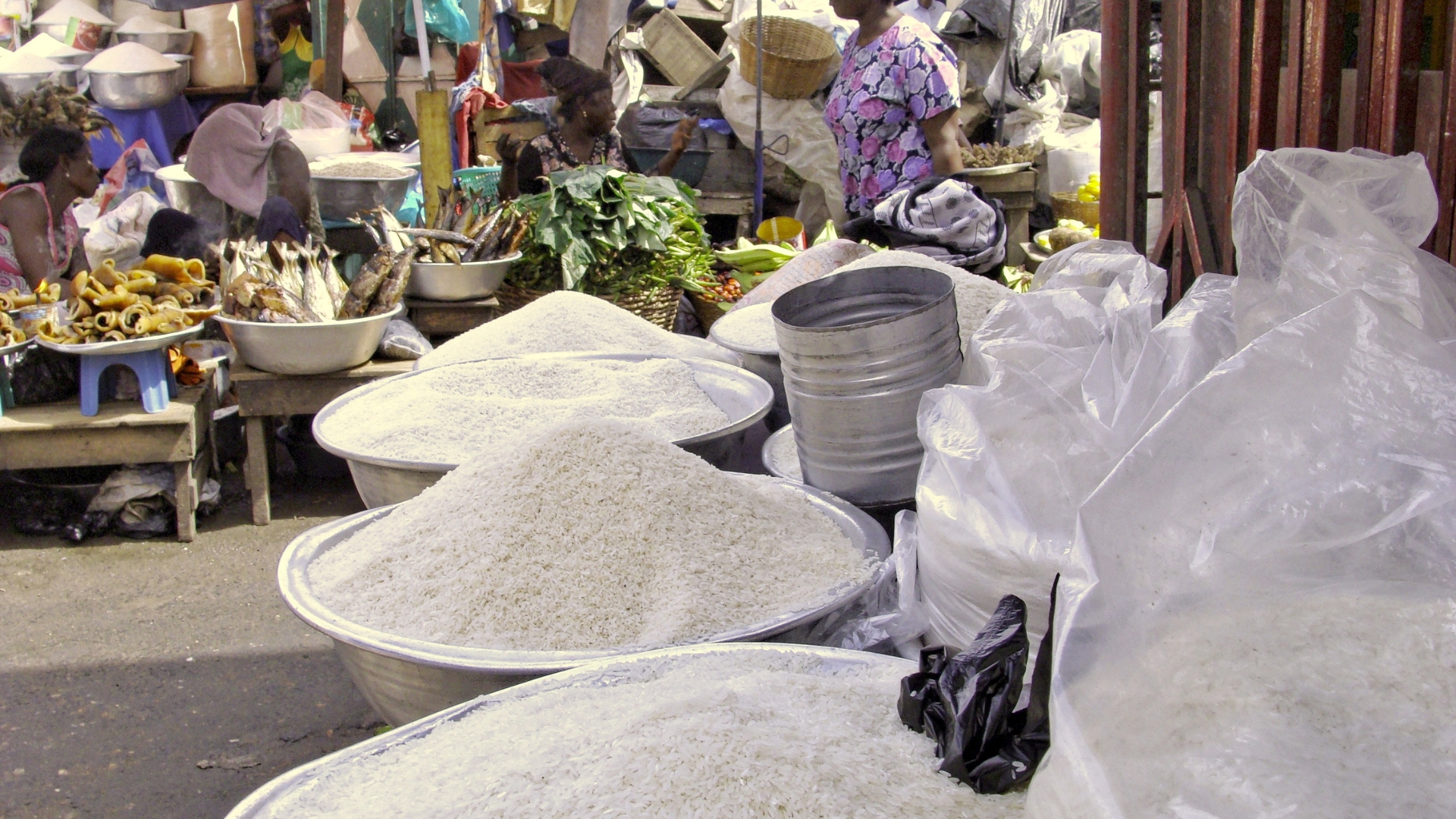
Buying generic items is an easy way to cut costs without sacrificing quality. Often, the only difference is the label on the package, while the product inside is practically the same. Plus, choosing generics means you get more for your money, especially with long-lasting items.
Storing Herbs In Damp Paper Towels
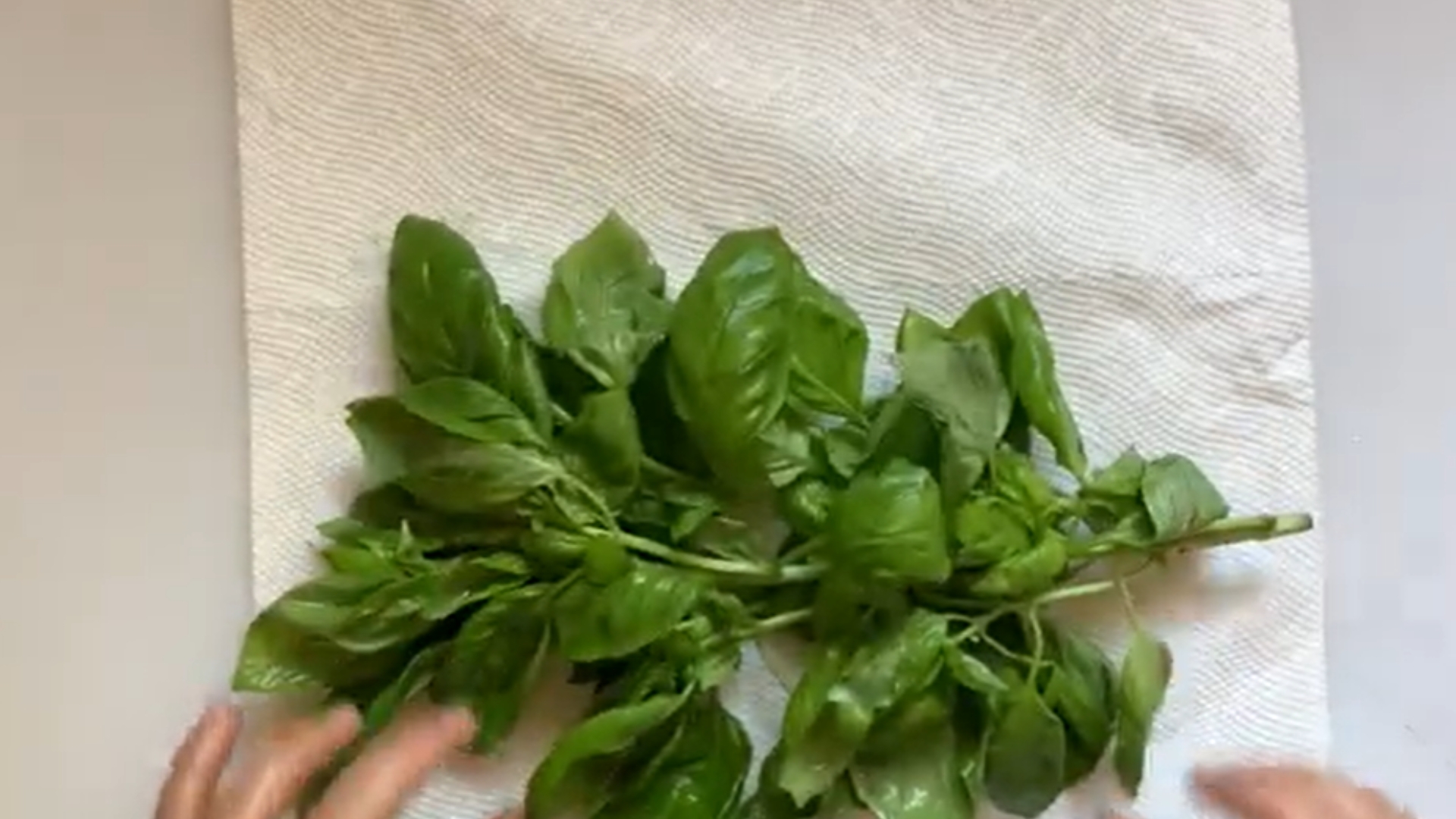
Think of damp paper towels as the VIP lounge for your herbs. Rather than turning into an unrecognizable green sludge, parsley, cilantro, and mint stay fresh and fragrant for days. This way, you’ll skip the guilt of tossing slimy bunches and stretch every purchase further.
Shopping The Sales With A List
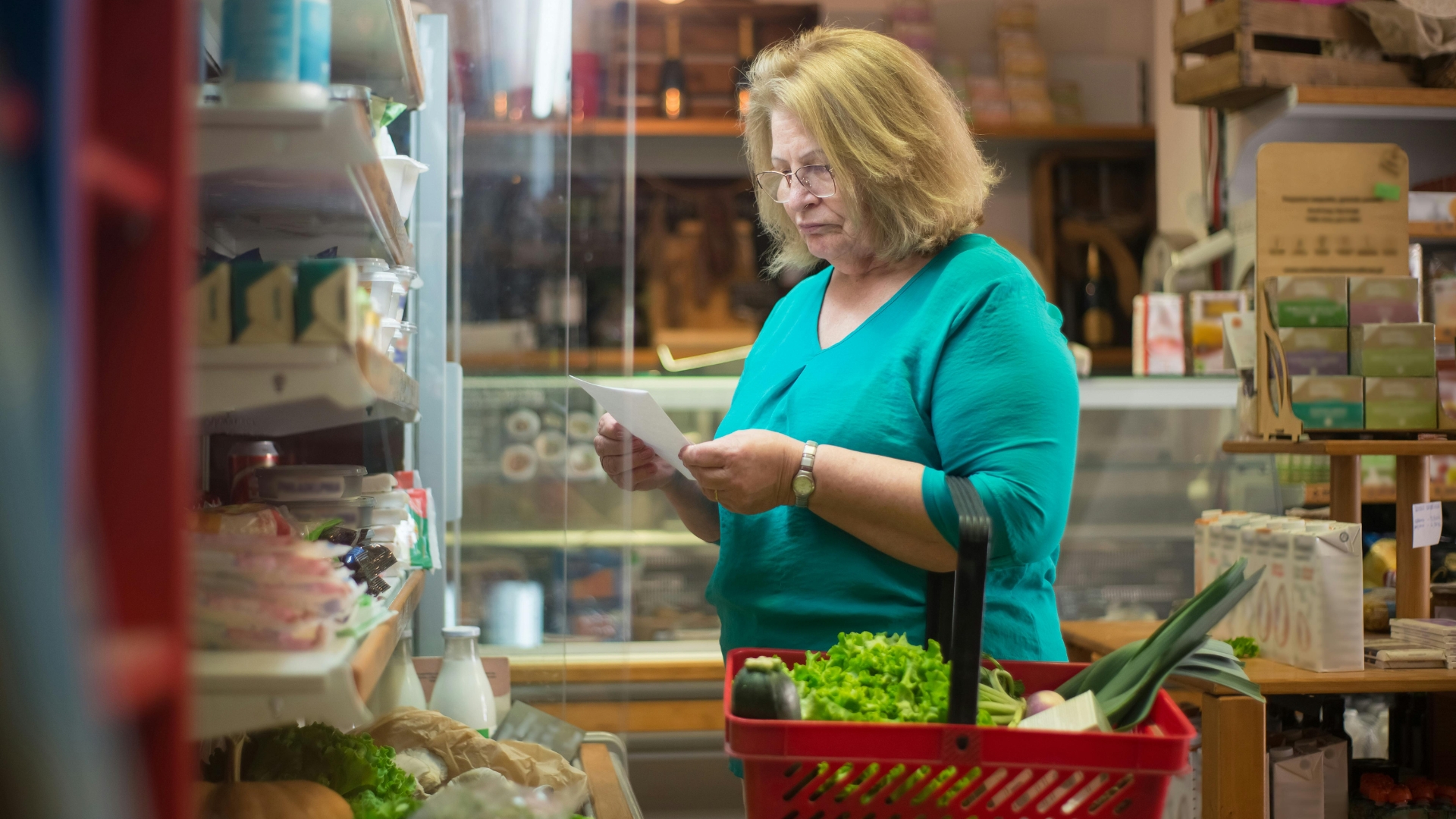
If you shop the sales with a list, you turn discounts into real savings rather than random purchases. A clear plan lets you match deals to your meal plan, stretching your budget while avoiding waste. It also helps you steer clear of in-store marketing tricks aimed at tempting you into buying what you don’t need.
Mastering The Art Of Portion Control
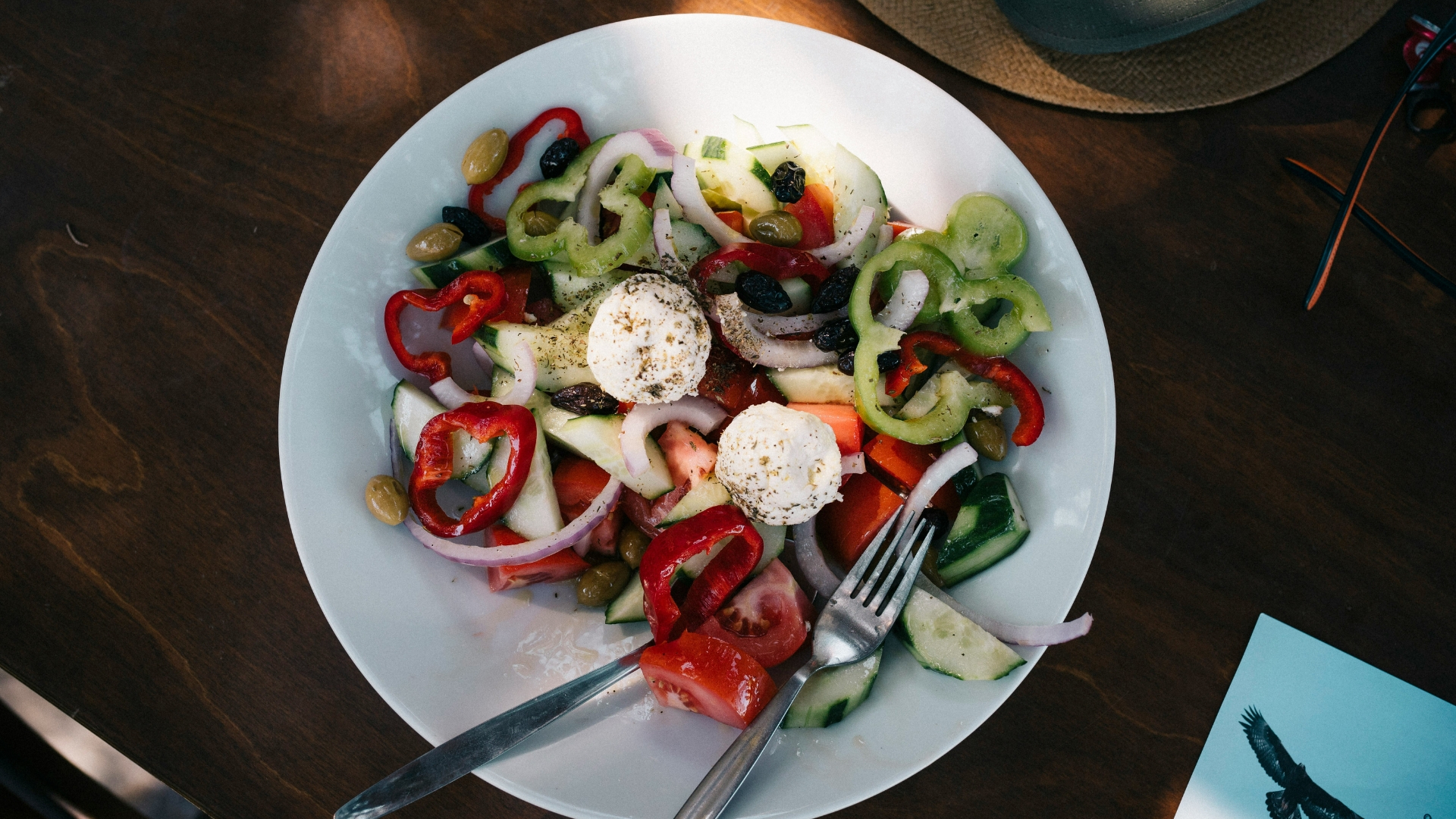
Smaller servings make ingredients last longer, and leftovers suddenly have a second act instead of vanishing in one sitting. You eat just enough to feel satisfied, waste far less, and keep your grocery list accurate. The bonus? You’re never stuck with that mystery container of forgotten food hiding in the back.
Cooking In Batches And Reusing Ingredients

Preparing a large portion of a protein, like roasted chicken or grilled vegetables, means you can build several different meals over the week. That same chicken might appear in tacos one night and a hearty soup after that. This approach also saves time, since you’re prepping once and enjoying the results multiple times.
Repurposing Leftovers Into New Meals

Are you about to toss last night’s roast into the trash? Stop right there and turn it into something new and satisfying. Repurposing leftovers keeps your menu varied. Plus, the result is less waste and more creativity in the kitchen.