10 of the Most Iconic Styles Through the Decades
Fashion evolves dramatically from one decade to the next. While a few silhouettes manage to feel timeless, most trends burn bright before quickly becoming outdated. This cycle is as old as fashion itself, and it’s almost certain to continue as new generations redefine what’s stylish. Yet there’s something endlessly fascinating about looking back and seeing what once captured the world’s imagination. From bold shapes to unexpected fabrics, each era tells its own story through clothing.
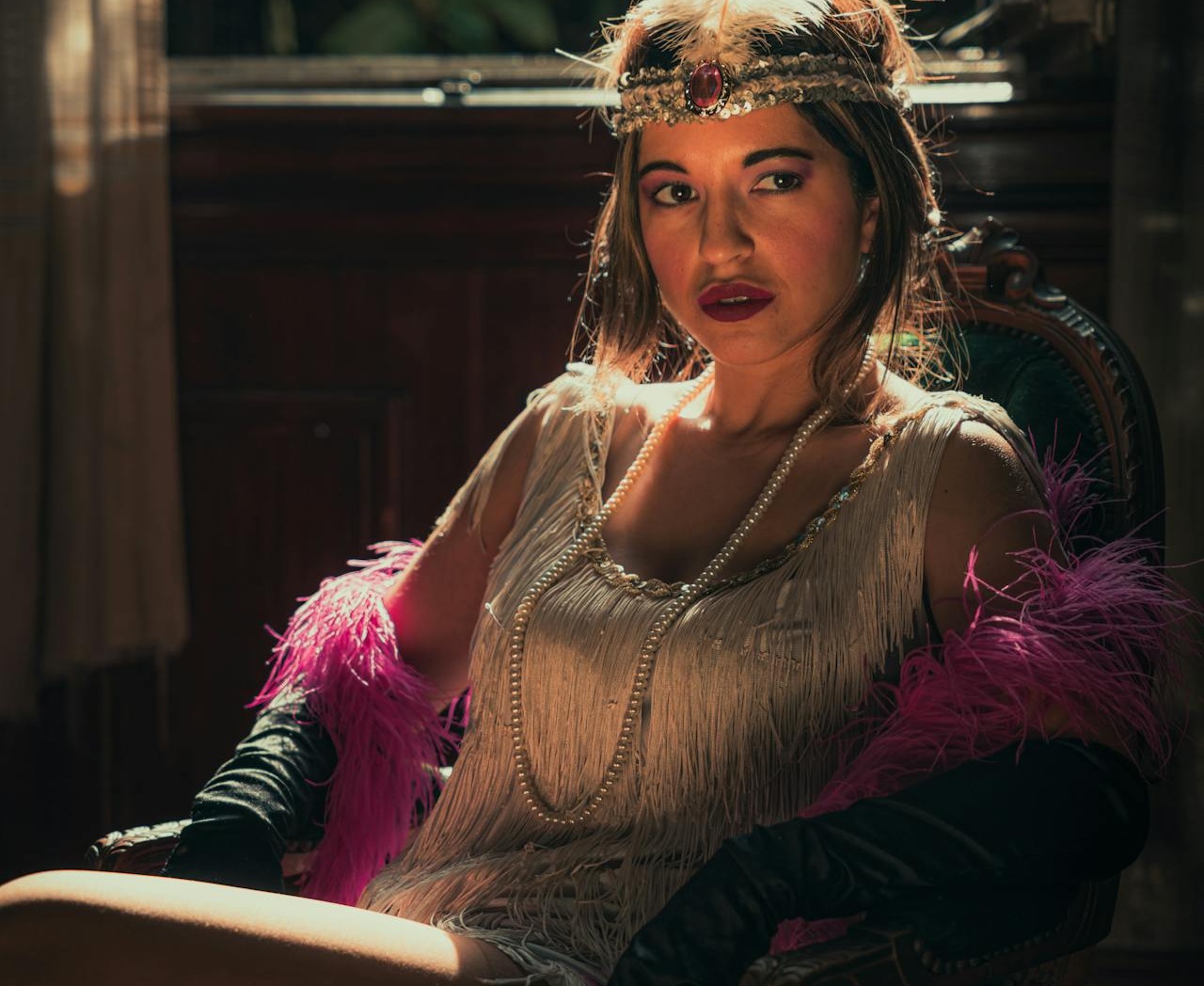
Fashion evolves dramatically from one decade to the next. While a few silhouettes manage to feel timeless, most trends burn bright before quickly becoming outdated.
This cycle is as old as fashion itself, and it’s almost certain to continue as new generations redefine what’s stylish. Yet there’s something endlessly fascinating about looking back and seeing what once captured the world’s imagination.
From bold shapes to unexpected fabrics, each era tells its own story through clothing. Let’s explore some of the most iconic styles from past decades and rediscover the looks that shaped the way we dress today.
1. The Flapper Dress of the 1920s
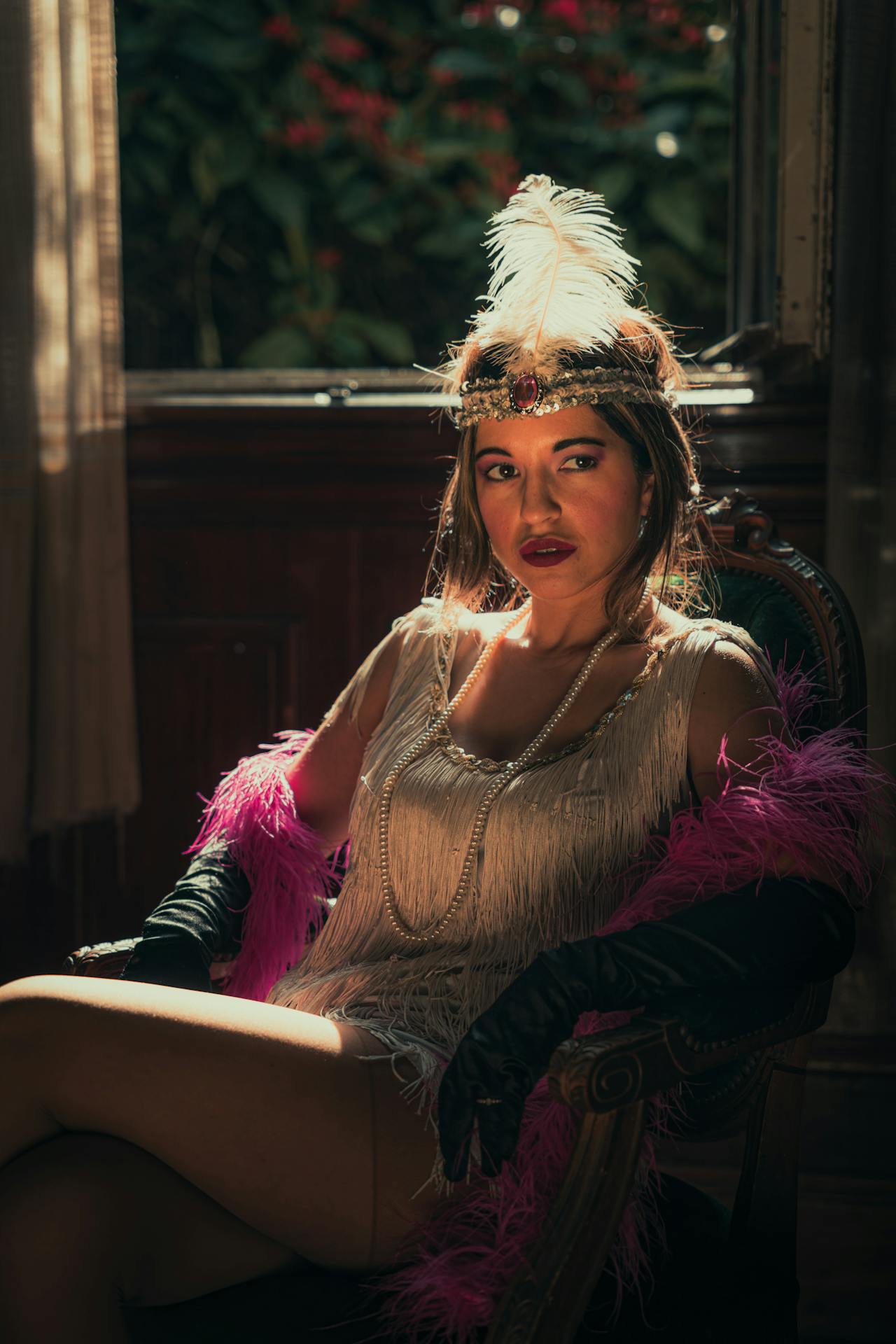
Defined by knee‑length hemlines, shimmering fringe, intricate beading, and a loose, boyish silhouette, the flapper dress became the ultimate emblem of female independence in the roaring 1920s.
It captured the energy of jazz clubs, late‑night dancing, and a generation eager to break away from restrictive Victorian ideals. Women paired these dresses with cloche hats, long pearl necklaces, and bold red lipstick, creating a look that felt daring and modern.
More than a fashion trend, the flapper style represented a cultural shift, one where women claimed new freedoms, new identities, and a new place in society.
2. The Glamorous Looks of the 1930s
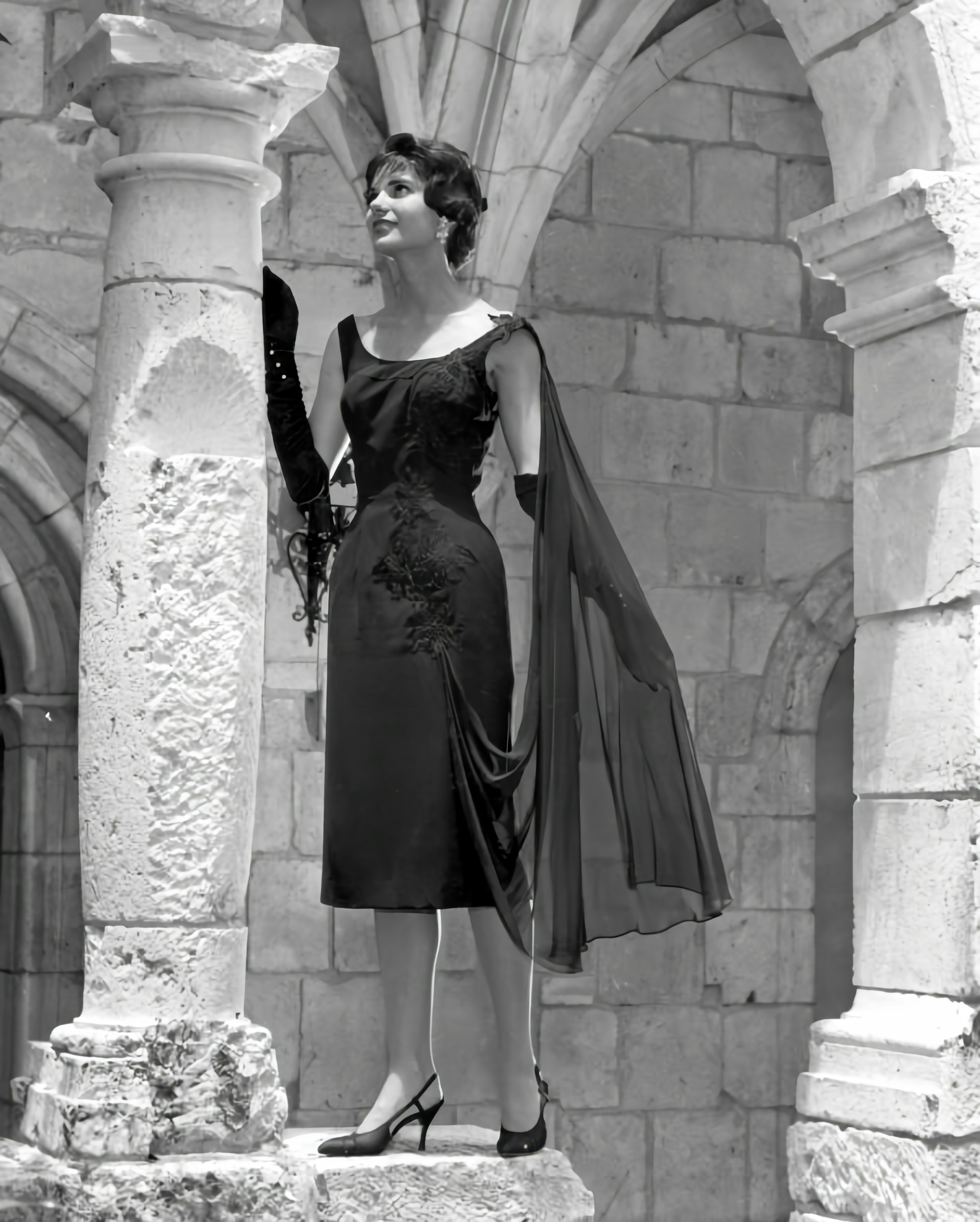
Inspired by luminous film stars like Jean Harlow and Greta Garbo, 1930s fashion embraced a new level of sophistication.
Women gravitated toward bias‑cut evening gowns that draped fluidly over the body, creating a soft, sensual silhouette that felt both modern and luxurious.
Fur stoles, satin gloves, and sparkling brooches added a touch of opulence, while the iconic finger‑wave hairstyle framed the face with sculpted precision.
This look defined the Golden Age of Hollywood, capturing its dreamy allure and setting a standard for elegance that continues to influence red‑carpet fashion today.
3. The Wartime Fashion of the 1940s
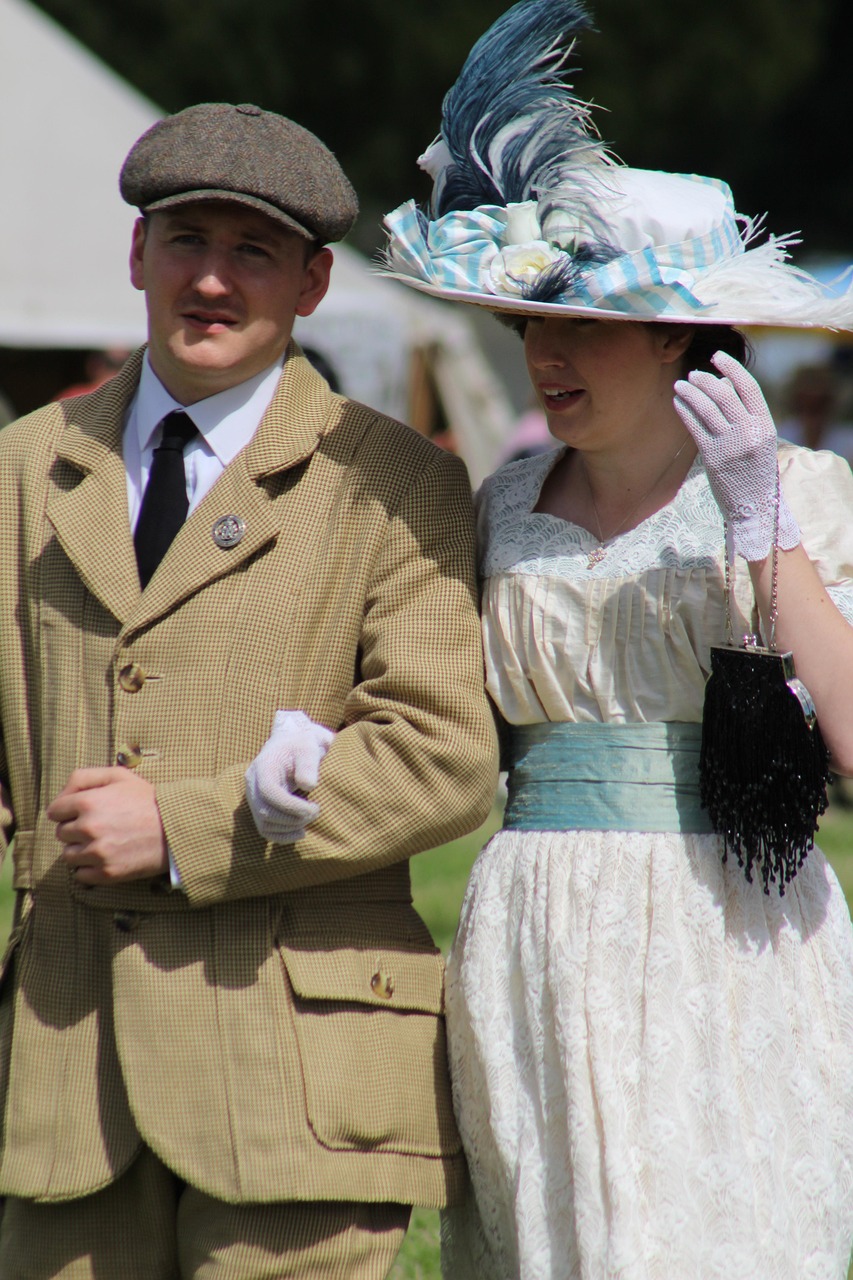
Wartime rationing in the 1940s reshaped fashion, pushing practicality to the forefront. With limited materials available, clothing adopted a structured, utilitarian look inspired by military uniforms.
Tailored suits with strong shoulders, high‑waisted trousers, and simple day dresses became everyday staples. Fabrics were sturdy, colors muted, and embellishments kept to a minimum for both men and women.
Despite these restrictions, people found subtle ways to express style through neat tailoring and clever accessories. The decade’s fashion reflected resilience and resourcefulness, proving that even in challenging times, style adapts and endures.
4. Poodle Skirts and Greaser Fashion of the 1950s
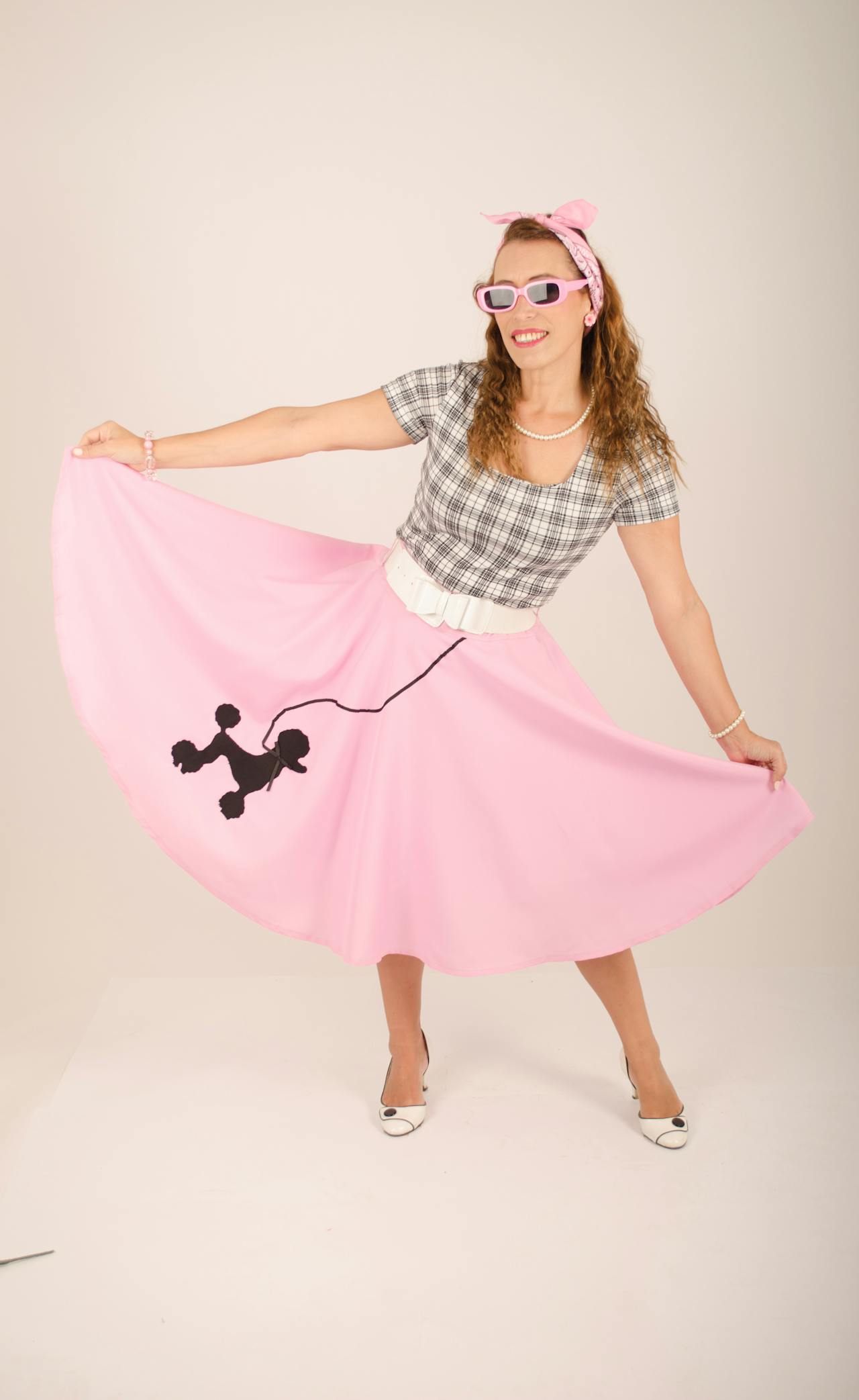
Post‑WWII America saw a burst of youthful creativity, and teenage girls quickly embraced the iconic poodle skirt, a full felt circle skirt decorated with whimsical appliqués that twirled beautifully on the dance floor.
Teenage boys, meanwhile, adopted the rebellious “greaser” look with leather jackets, cuffed jeans, and slicked‑back hair inspired by rock ’n’ roll culture.
At the same time, adult women gravitated toward Dior’s revolutionary “New Look,” defined by cinched waists, soft shoulders, and voluminous skirts.
Together, these styles captured the decade’s blend of innocence, attitude, and renewed sophistication.
5. The Mod Look of the 1960s
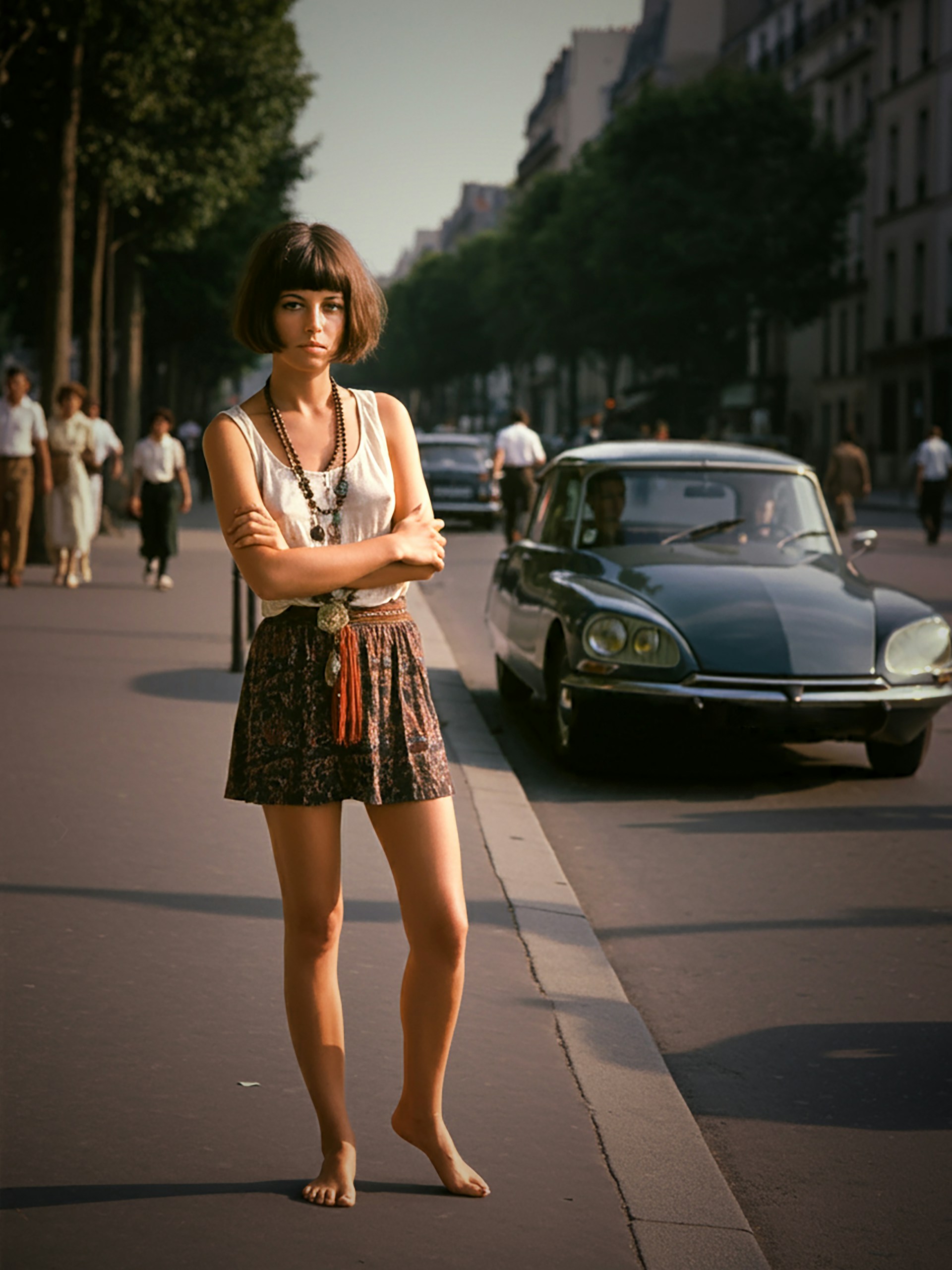
The Mod look swept through the 1960s with a burst of color, confidence, and futuristic flair. Bold geometric patterns, sharp lines, and vibrant hues defined the era, while mini‑skirts and go‑go boots became essential pieces for trend‑setting youth.
Models like Twiggy, with her iconic pixie haircut and androgynous charm, helped popularize a minimalist yet striking aesthetic that celebrated youth culture.
The Mod movement wasn’t just a fashion trend, it was a cultural shift that embraced modernity, individuality, and a playful break from traditional silhouettes, leaving a lasting imprint on contemporary style.
6. The Rise of Disco & Boho in the 1970s
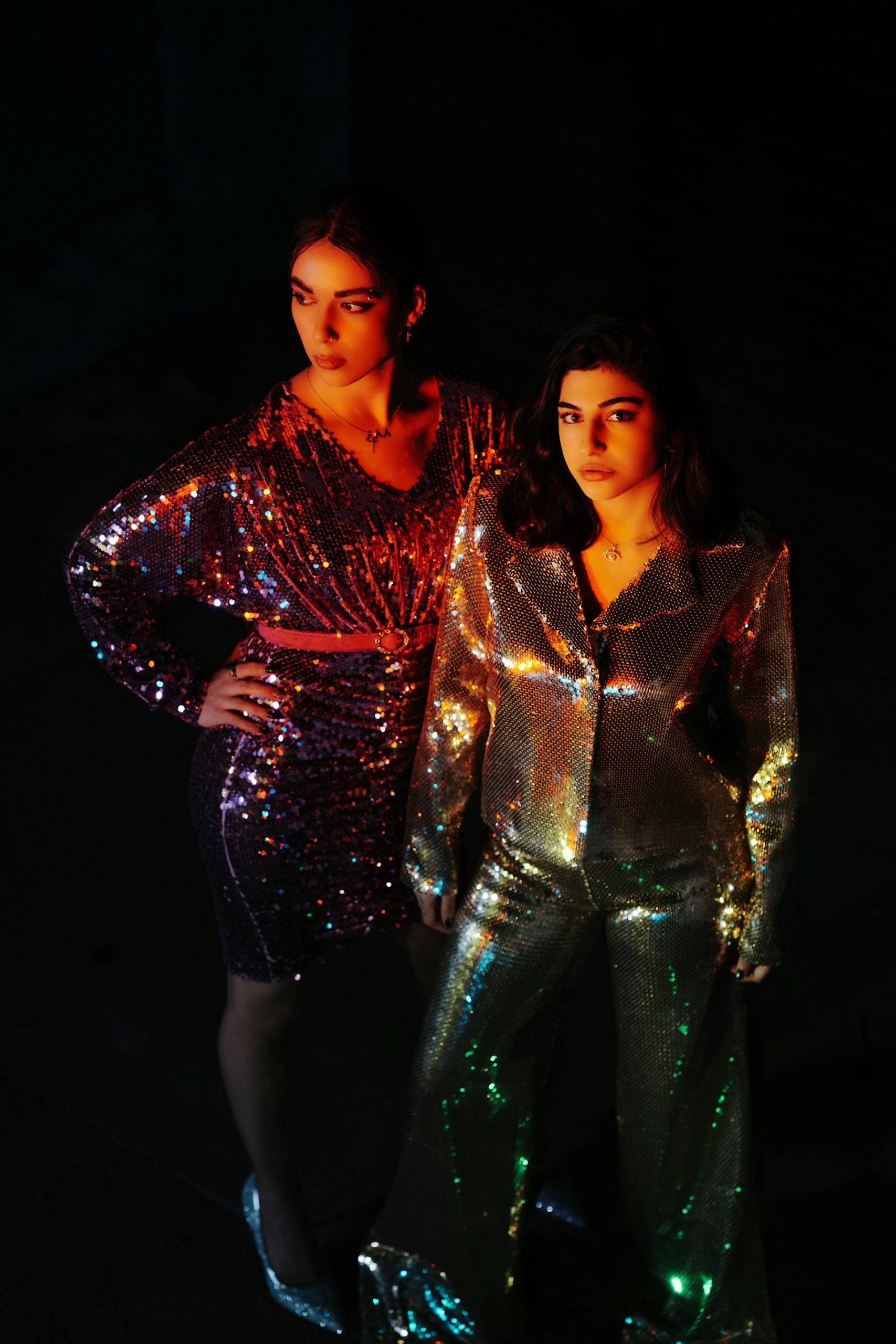
The rise of disco clubs in the 1970s brought a wave of high‑energy fashion filled with glitter, metallic fabrics, and body‑hugging silhouettes designed to shine under flashing lights.
Platform shoes, jumpsuits, and bold colors defined the dance‑floor aesthetic. In contrast, the boho movement embraced a more relaxed, earthy vibe inspired by late‑1960s hippie culture and music festivals.
Bell‑bottoms, tie‑dye, crochet tops, and flowing maxi dresses celebrated individuality and freedom. Together, these two opposing styles, one glamorous and electric, the other natural and carefree, perfectly captured the eclectic spirit of the decade.
7. Neon, Shoulder Pads, and Aerobics
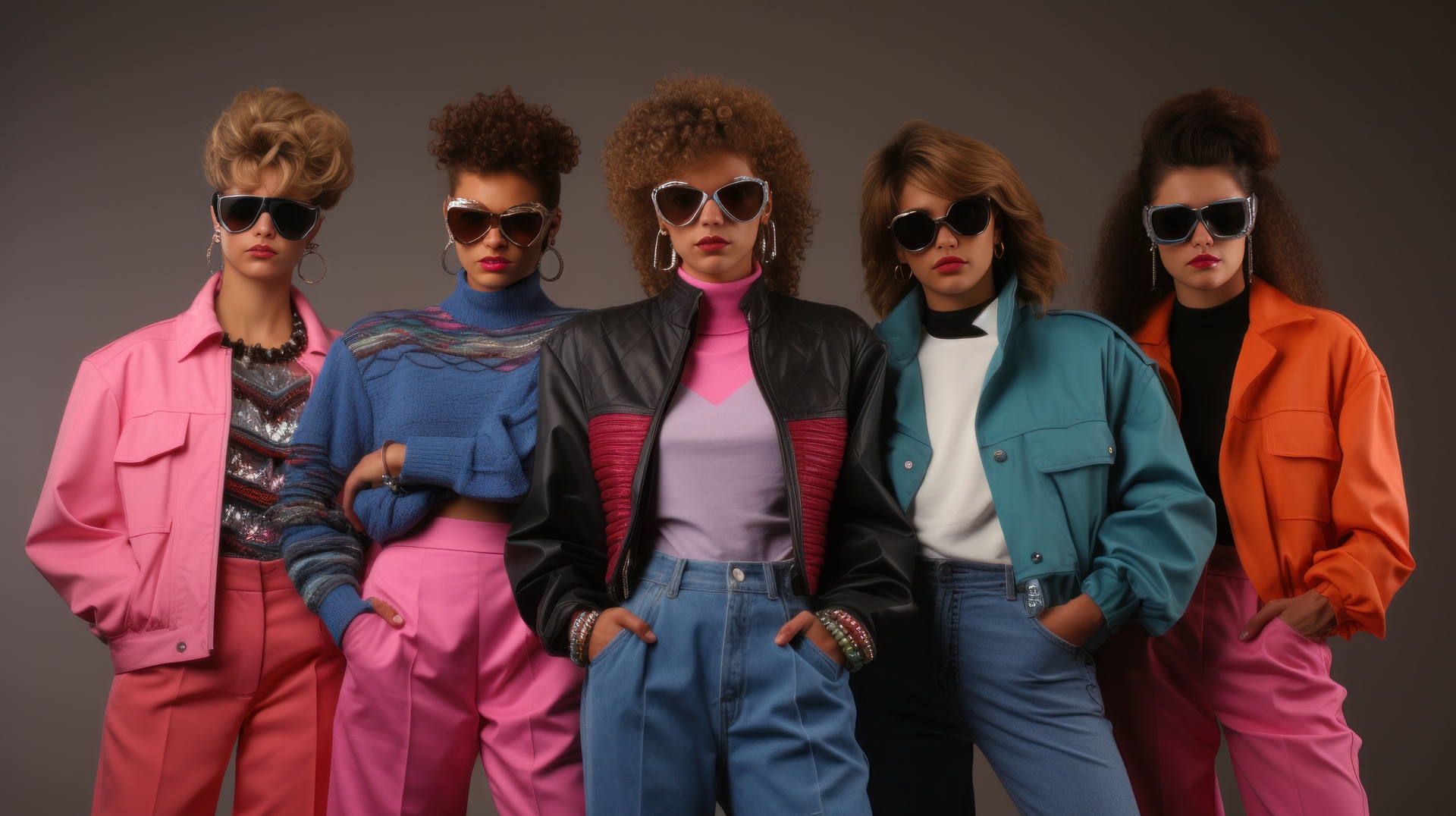
The 1980s embraced excess, and fashion followed suit with oversized shoulder pads, electric neon colors, and designer logos worn proudly as status symbols.
Power suits became essential for women entering the corporate world, often paired with bold jewelry and dramatic makeup inspired by pop icons of the era.
At the same time, the aerobics craze exploded, bringing leg warmers, spandex, leotards, and sweatbands from the gym into everyday streetwear.
This mix of high‑powered glamour and sporty practicality defined the decade, creating a look that was unapologetically loud, confident, and full of attitude.
8. The Grunge and Hip-Hop Looks of the 1990s
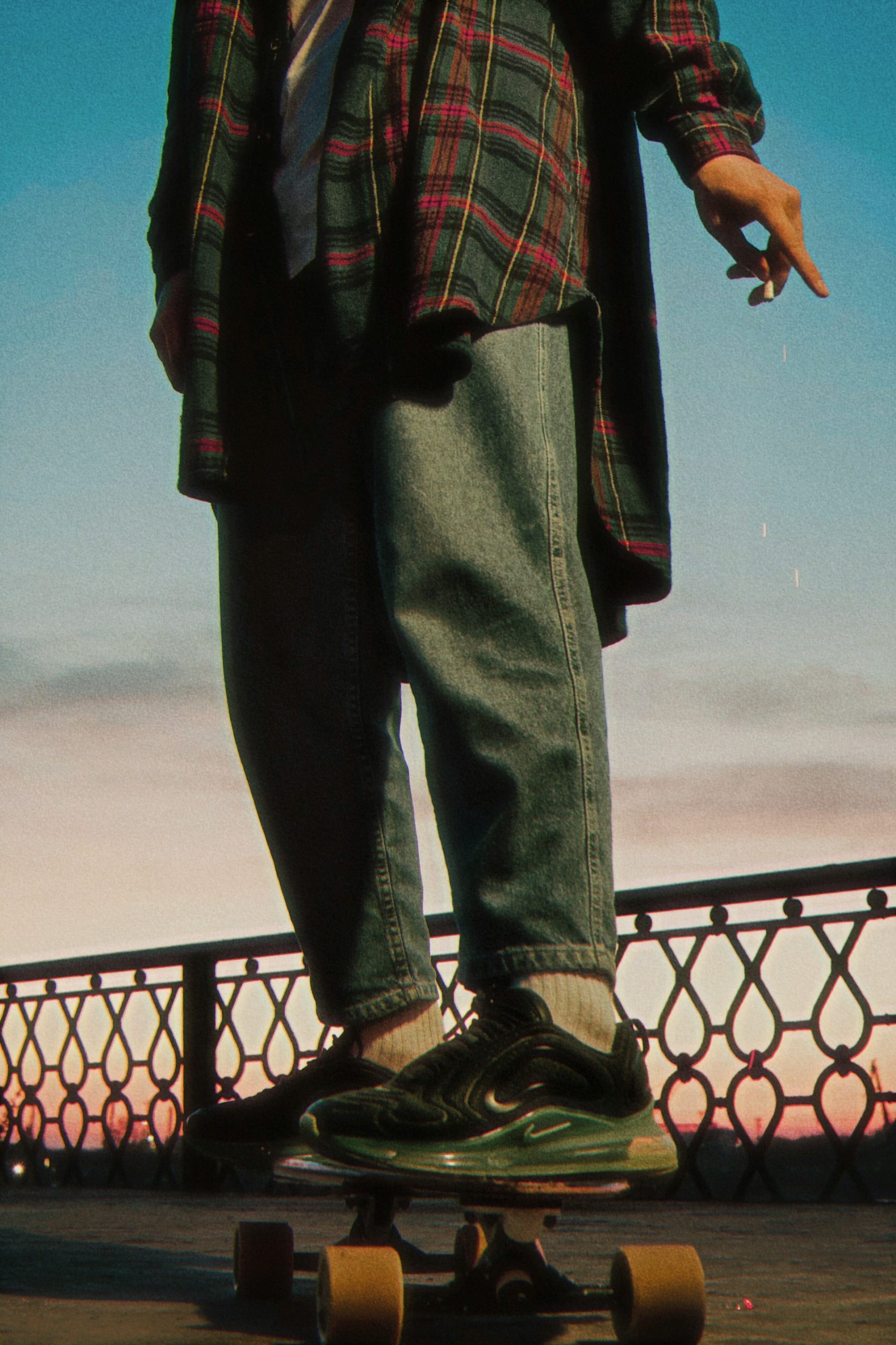
The 1990s produced two of the most influential fashion movements of the century, each shaped by powerful musical subcultures.
Grunge bands like Nirvana inspired a laid‑back, anti‑fashion aesthetic built around flannel shirts, ripped jeans, oversized sweaters, and worn‑in Doc Martens, a look that rejected polish in favor of authenticity.
At the same time, hip‑hop artists such as Tupac Shakur brought bold streetwear into the mainstream with tracksuits, bucket hats, baggy sweaters, and statement sneakers.
Together, these contrasting styles defined the decade, blending rebellion, comfort, and cultural expression in a way that still resonates today.
9. Emo and Other Fashion Trends of the 2000s
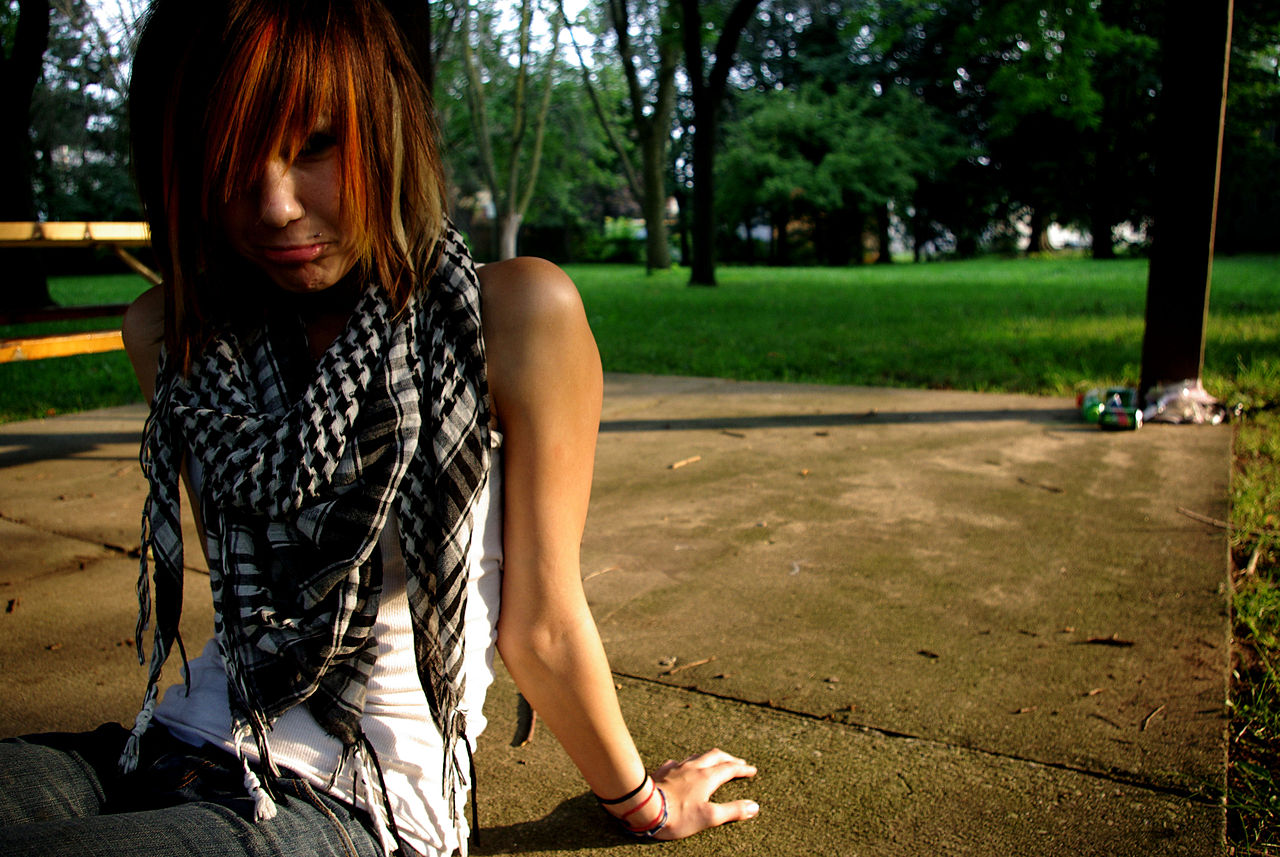
The turn of the millennium ushered in a bold new era of style defined by low‑rise jeans, velour tracksuits, rhinestone‑covered accessories, and cyber‑inspired looks that embraced metallics and futuristic silhouettes.
Pop culture icons made glossy lips, tiny handbags, and logo‑heavy outfits must‑have trends. At the same time, the emo subculture carved out its own distinct aesthetic.
Skinny jeans, band tees, studded belts, and dramatic side‑swept hairstyles reflected the emotional intensity of the pop‑punk music scene.
Together, these contrasting styles, flashy Y2K glamour and moody emo edge, shaped one of the decade’s most memorable fashion identities.
10. The Simple and Comfortable Fashion of the 2010s

The 2010s embraced a new kind of simplicity with the rise of normcore, a trend that blended comfort and fashion through unbranded basics, yoga pants, minimalist sneakers, and everyday staples designed to look intentionally ordinary. This understated aesthetic stood out as a quiet rejection of bold, fast‑changing trends.
At the same time, celebrities and social media influencers propelled athleisure into the mainstream, turning leggings, sports bras, and performance fabrics into stylish casual wear.
Together, normcore and athleisure redefined the decade, proving that practicality and comfort could be just as fashionable as high‑impact statement pieces.