We all have days when we are searching through our closets for the perfect outfit. We grab coordinating pieces and start trying on each completed ensemble. And then there it is, the realization that nothing fits, and we don’t have anything to wear. The frustration sets in. We melt into a puddle of despair, and we start questioning what we did to deserve this.
Fortunately, there are many reasons why we feel like nothing fits, and it isn’t that slice of cheesecake we ate at 2 a.m. or the extra taco we had at lunch. You’ll find that many of these reasons aren’t your fault at all, even if it feels like you’ve had a significant blow to your self-confidence. Let’s review the 10 reasons why we sometimes feel like “Nothing fits!”
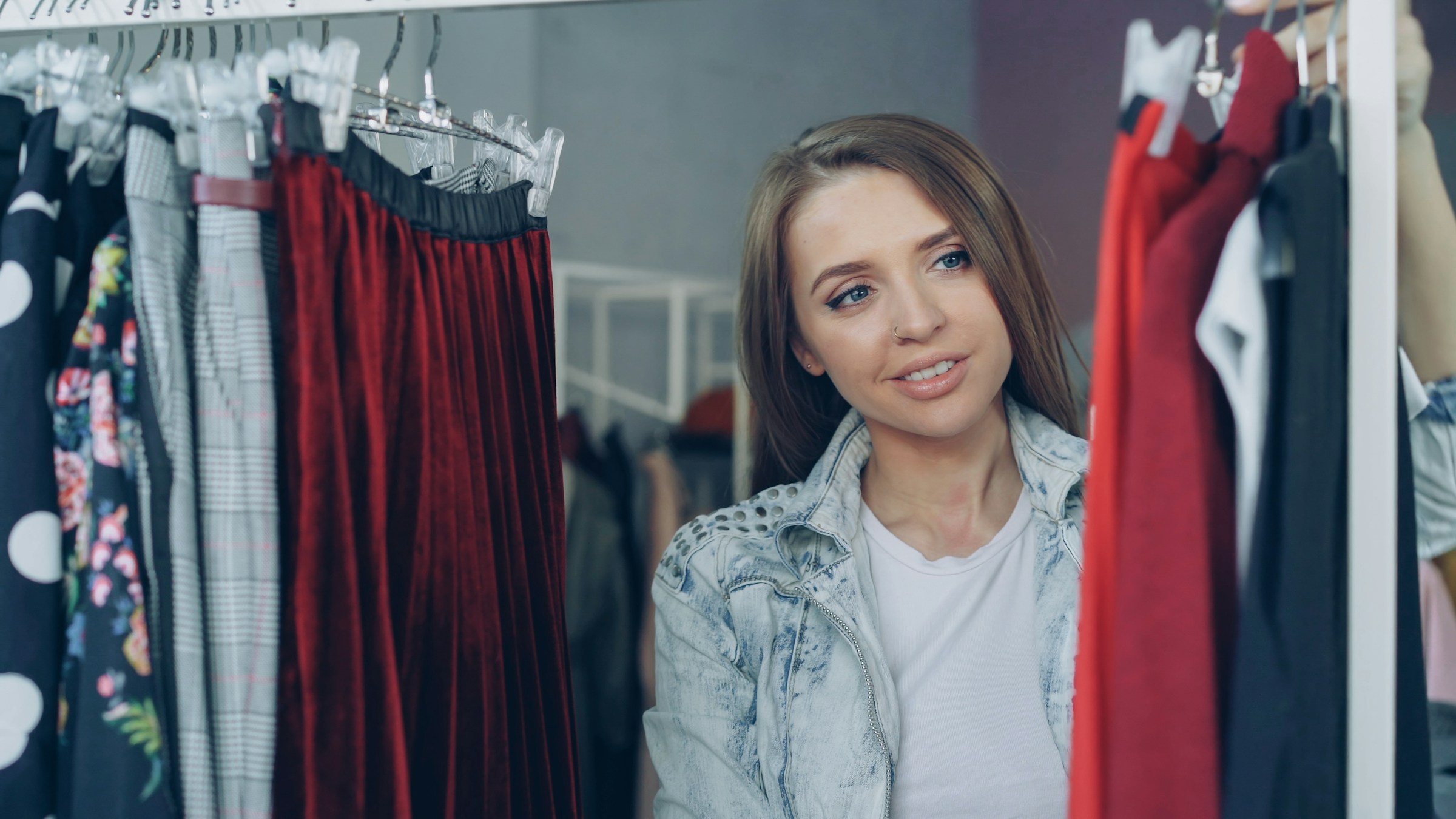
We all have days when we are searching through our closets for the perfect outfit. We grab coordinating pieces and start trying on each completed ensemble. And then there it is, the realization that nothing fits, and we don’t have anything to wear. The frustration sets in. We melt into a puddle of despair, and we start questioning what we did to deserve this.
Fortunately, there are many reasons why we feel like nothing fits, and it isn’t that slice of cheesecake we ate at 2 a.m. or the extra taco we had at lunch. You’ll find that many of these reasons aren’t your fault at all, even if it feels like you’ve had a significant blow to your self-confidence. Let’s review the 10 reasons why we sometimes feel like “Nothing fits!”
1. Weight Fluctuations Altering Our Go-To Sizes
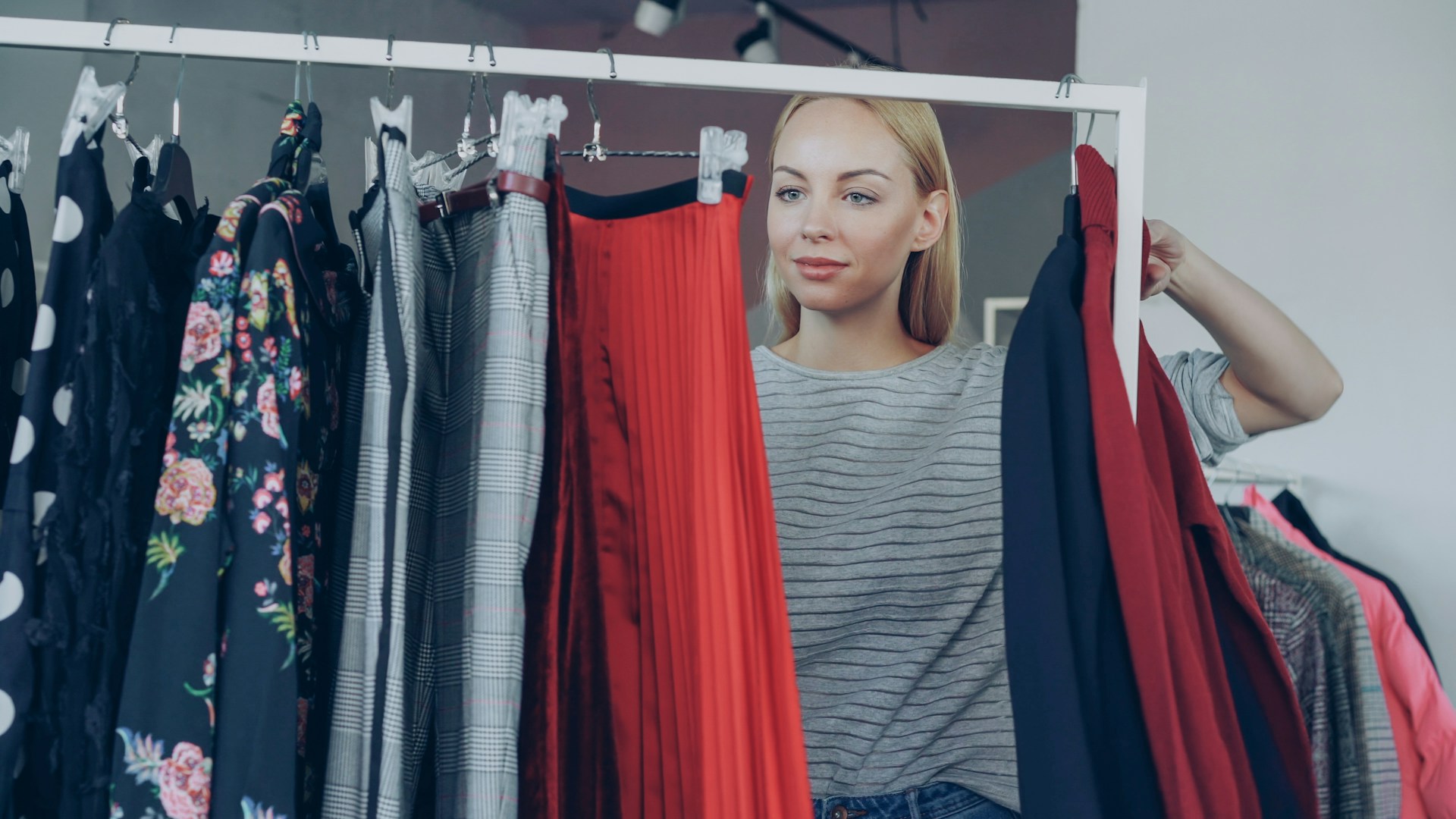
Weight fluctuations can easily affect how well our clothes fit even if the garment is a usual size. Weight fluctuations aren’t always our fault. All it takes is for your digestive system to have a little hiccup, and your favorite pair of jeans won’t fit. As you age, your weight can go up and down like a yo-yo.
2. Different Brands Using Inconsistent Size Charts
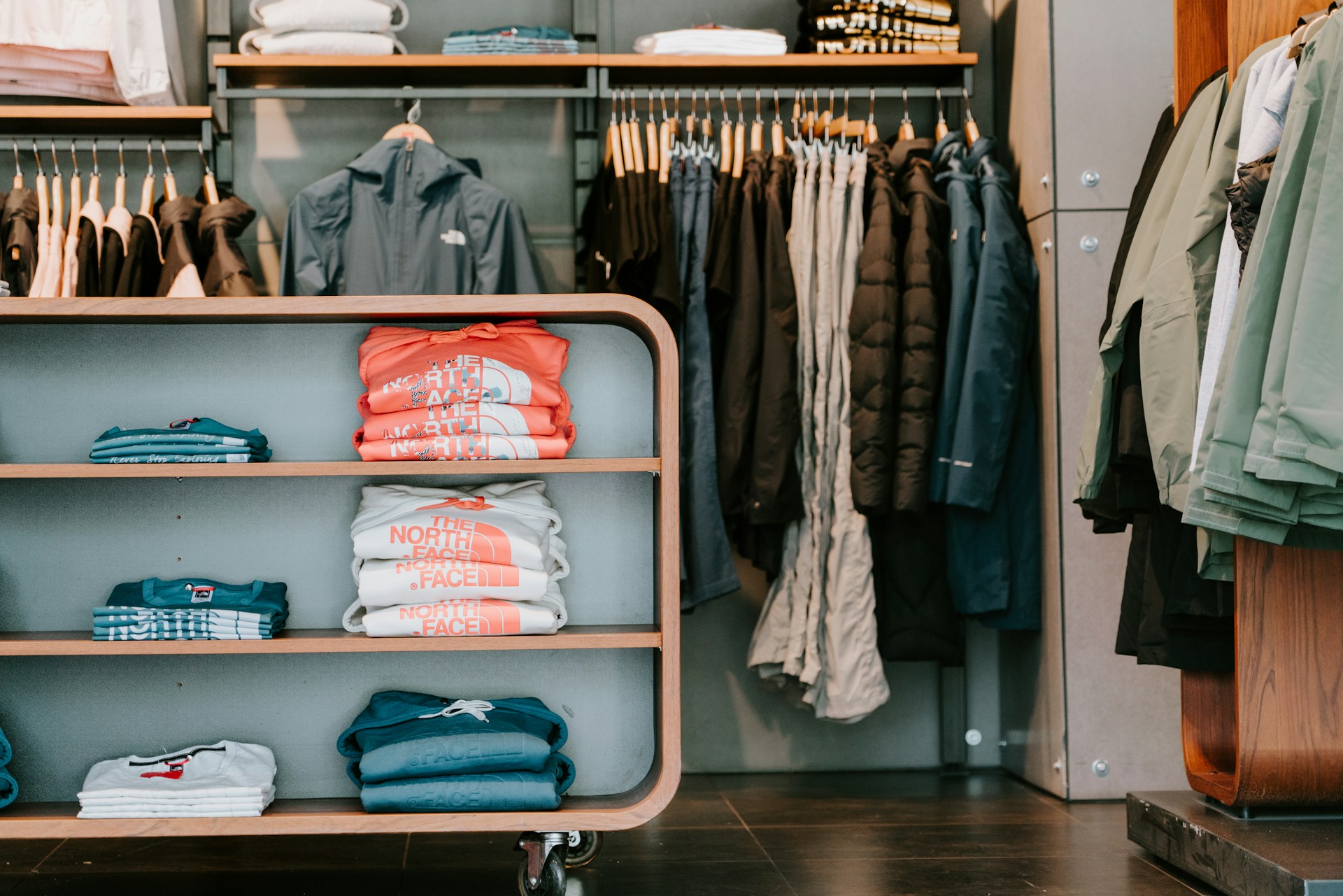
Brand size inconsistencies happen all the time. Too often we grab jeans or tops that are our regular size and forget that no two brands are the same size. Their inconsistent size charts aren’t helpful either, and sometimes, each brand’s size differs an inch here or there. Always try on clothes before you buy them to ensure proper sizing.
3. Fabric Shrinkage After Washing
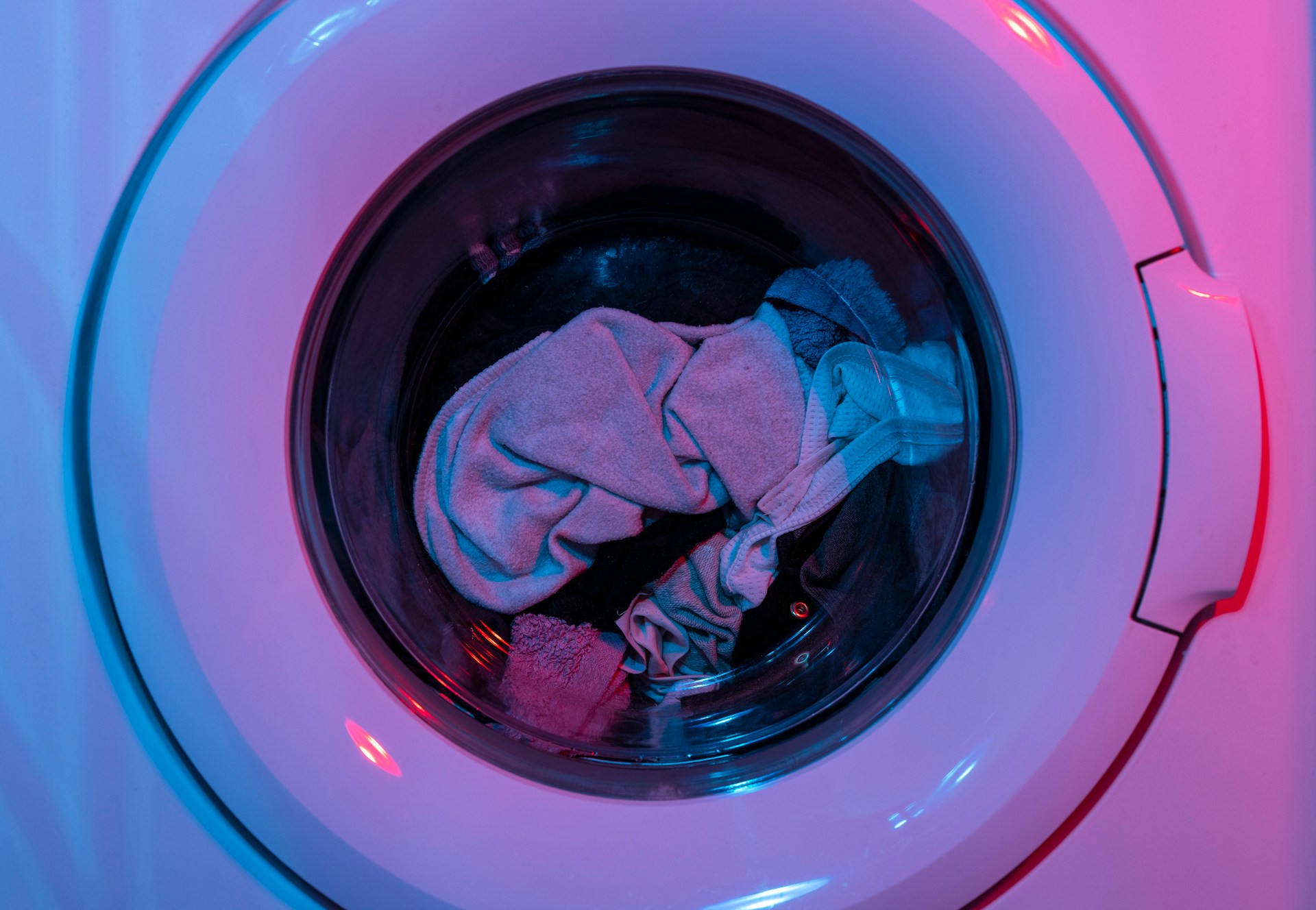
Many fabrics can shrink after you wash them. Cotton used in T-shirts is a common culprit. To avoid these negative shrinkage-related effects, consider going up a size. Always read the care instructions for each garment. They may provide warnings related to fabric shrinkage and how to avoid it when washing your clothes.
4. Style Trends Changing How Clothes Are Cut
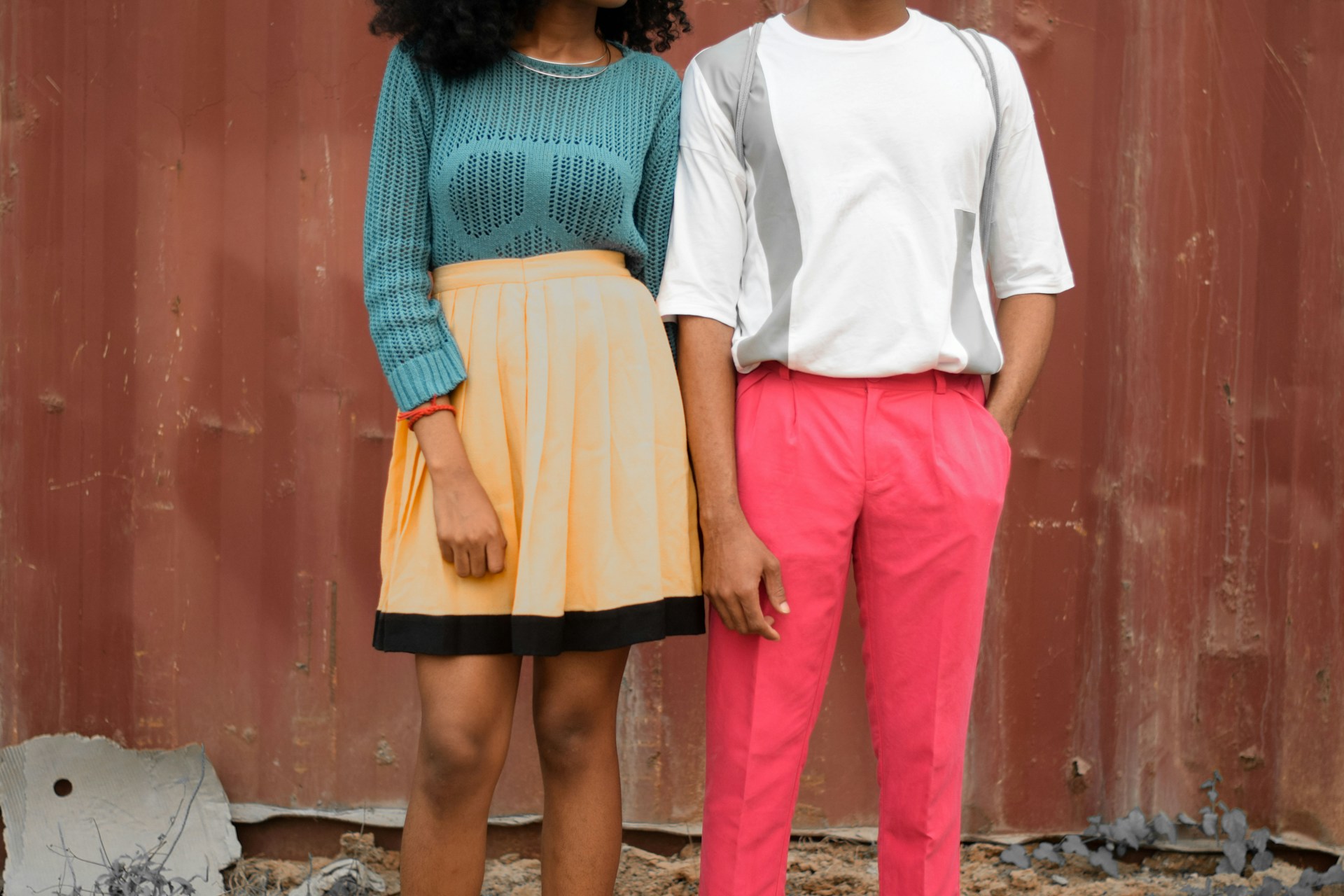
Style trends affect how fashion designers cut their clothing. These changes could be subtle or take you up or down a size. Jeans are a prime example of how the cut affects how the clothes fit. For example, skinny jeans and wide-leg pants fit differently. Your size in skinny jeans could be larger than what you’d wear in a wide-leg.
5. Body Composition Changes (Muscle Vs. Fat)
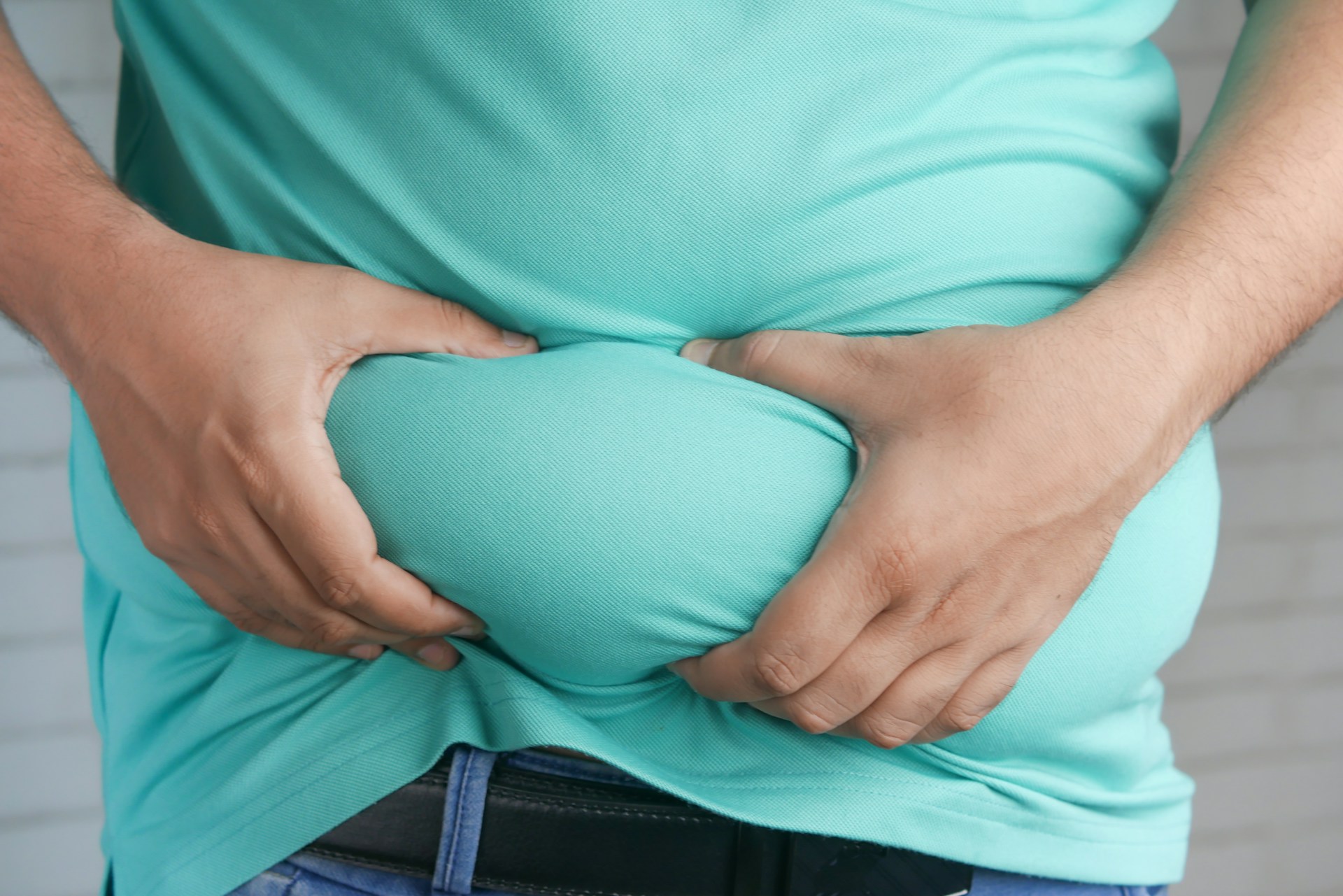
As you age, your body composition naturally changes, even if your overall weight stays about the same. Muscle mass tends to decrease while body fat increases, and fat distribution often shifts for both men and women. At the same time, connective tissues lose some elasticity, and posture can subtly change, altering how garments drape on your frame. Even without significant weight gain, these shifts in muscle, fat, and body shape can make familiar clothing fit and feel different, prompting adjustments in size, cut, or fabric choice to maintain comfort and style.
6. Posture Shifts Affecting Fit and Drape

Some of us will never forget the many lectures from our moms about our posture. However, posture doesn’t just affect the image we portray to others. It can also affect how our clothes fit and drape. Poor posture can allow some items to bunch up in all the wrong places, and it can even make us uncomfortable in specific clothing, such as fitted jackets.
7. Clothing Aging and Losing Its Original Shape
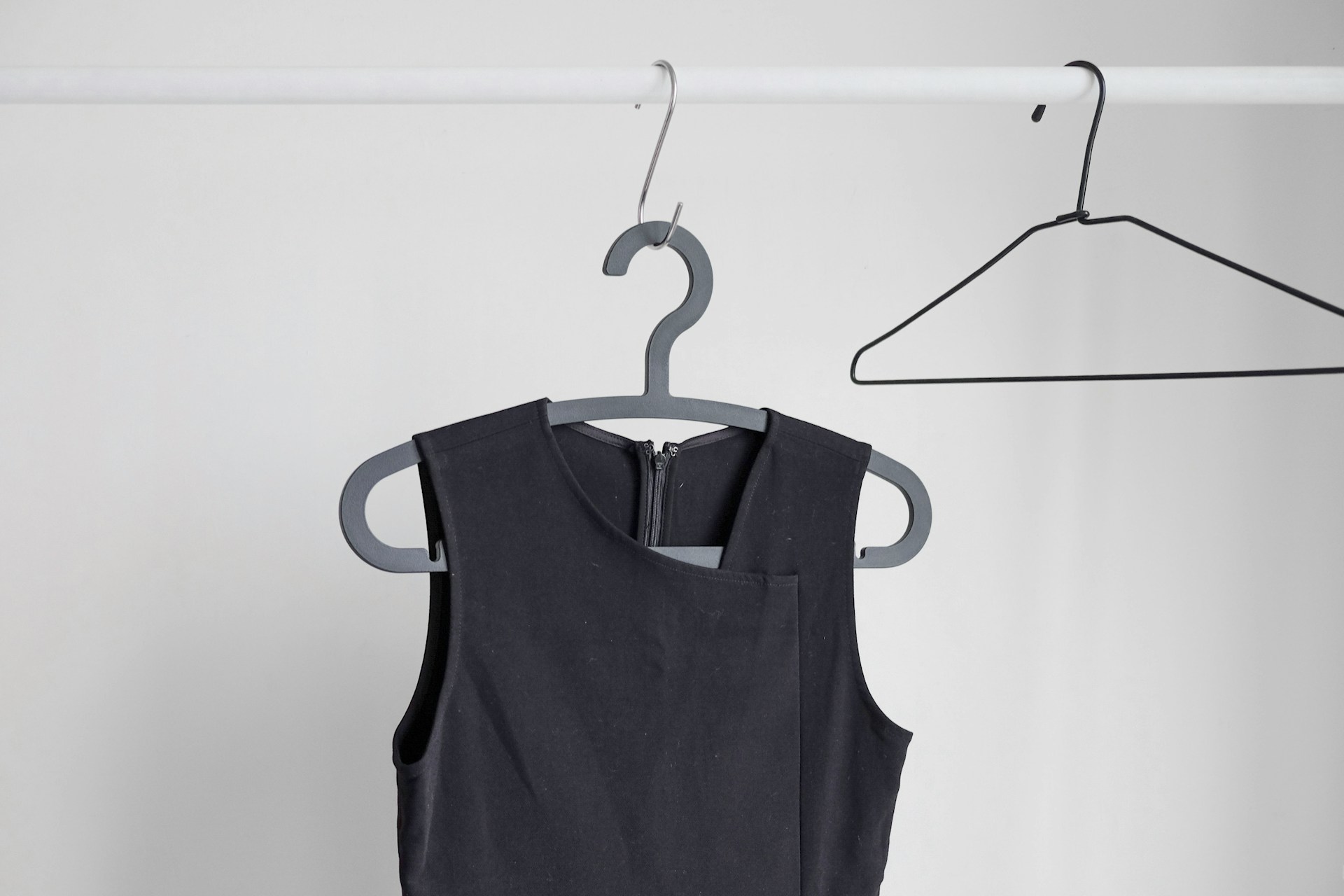
Like us, our clothing will age, and it can lose its original shape. Even if we follow all care instructions perfectly, after many years, some items will never be the same. As the integrity of the fabric is compromised, the garment loses its shape and can become loose on our bodies. If you aren’t getting the best fit, it’s time to replace the clothing.
8. Hormonal Changes Affecting Bloating and Size
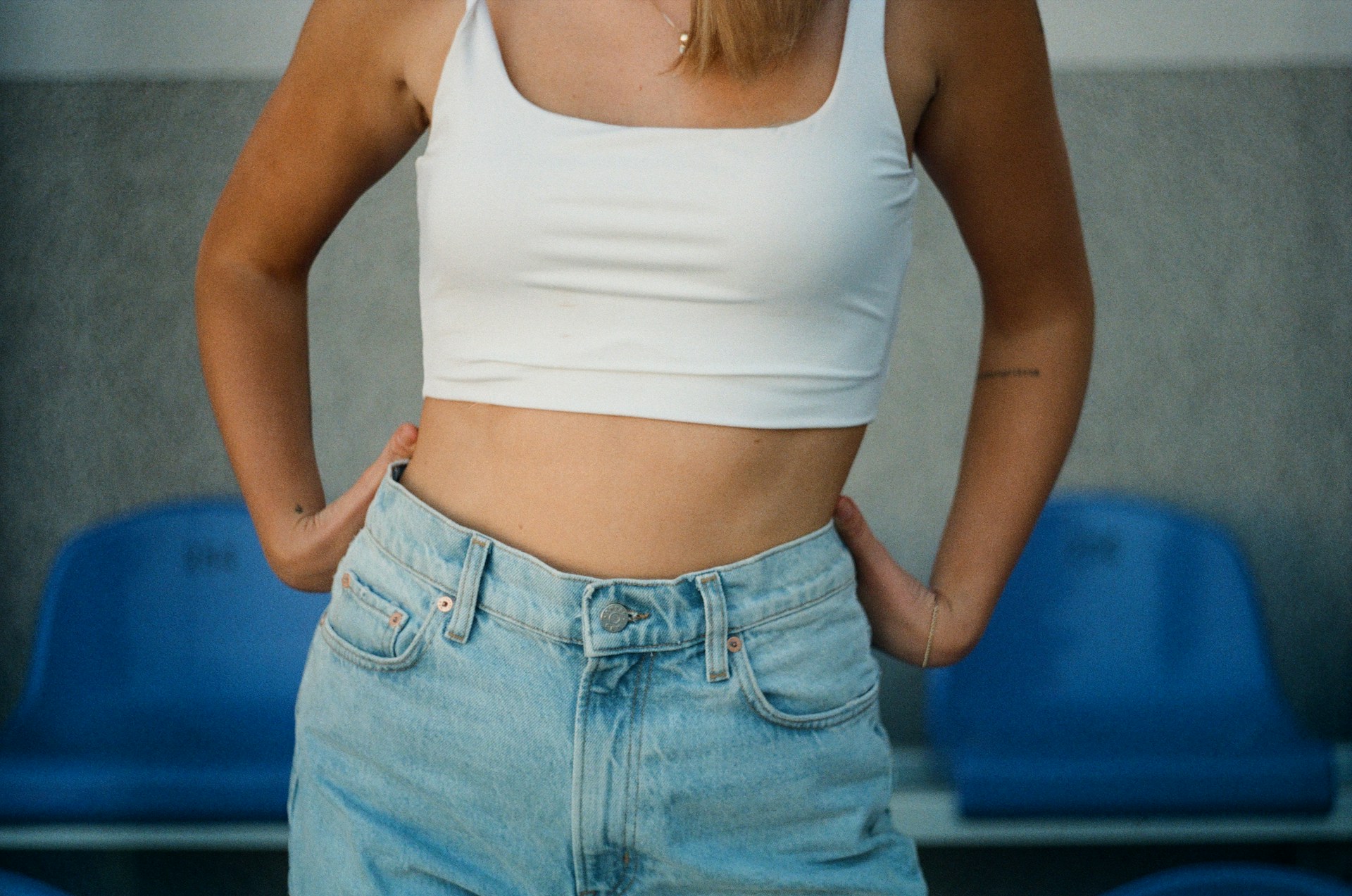
At different stages of our lives, our hormones will play a role in how our clothes fit. The beginning of your menstrual cycle can cause bloating and make clothing tighter. Perimenopause and menopause can also cause hormonal imbalances that affect our weight. While frustrating, the best way to manage these imbalances is through hormone replacement therapies. These treatments can improve how your clothes fit.
9. Seasonal Layering Making Clothes Feel Tighter
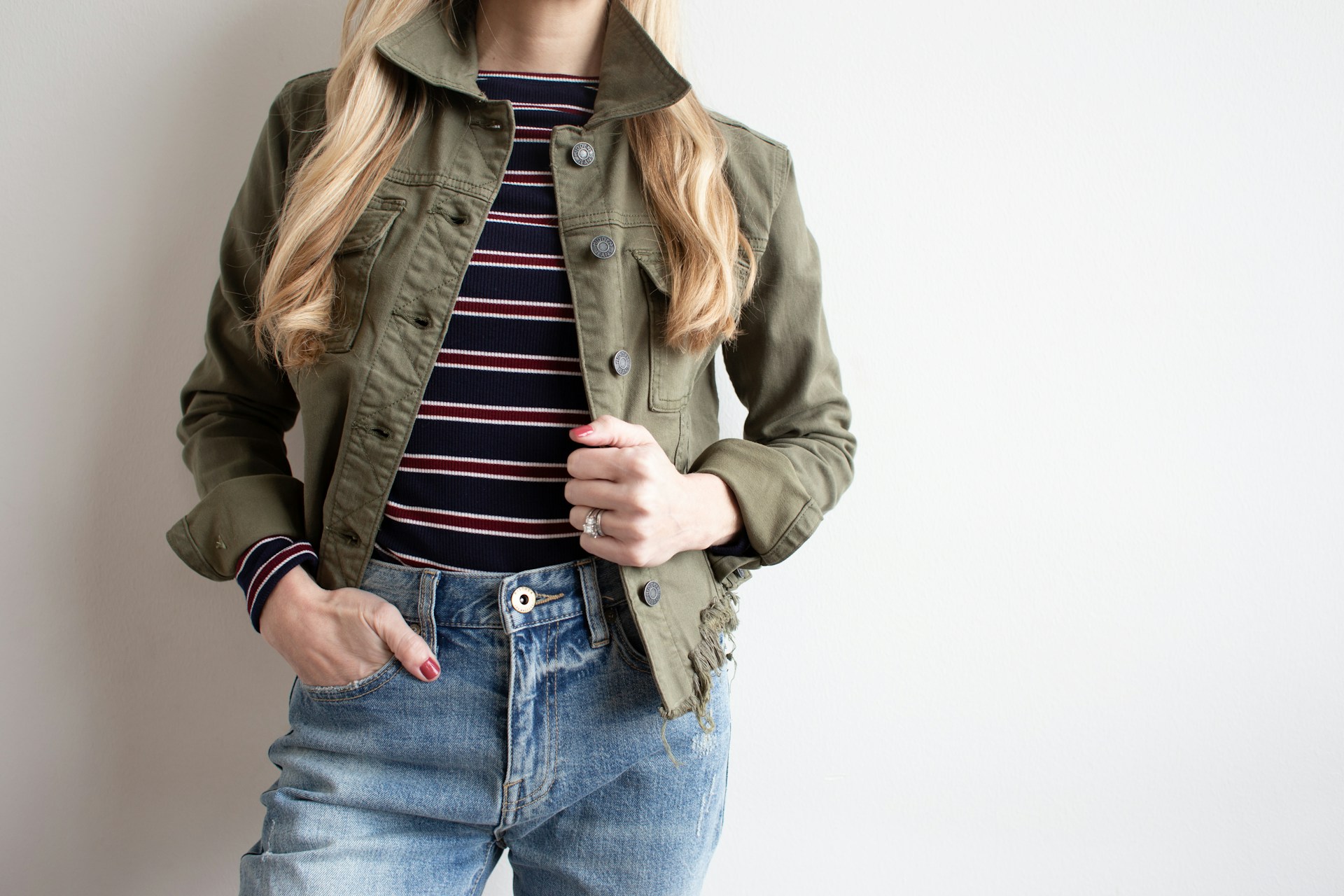
Seasonal layering is excellent for creating comfortable styles when the temperatures drop. However, sometimes, layering can make clothing too snug around problem areas. An easy fix is to go up a size with shirts you want to layer over tank tops or T-shirts. The outer layer will fit more loosely and won’t cling to your other garments.
10. Psychological Perception Shifts (“Body Image Days”)
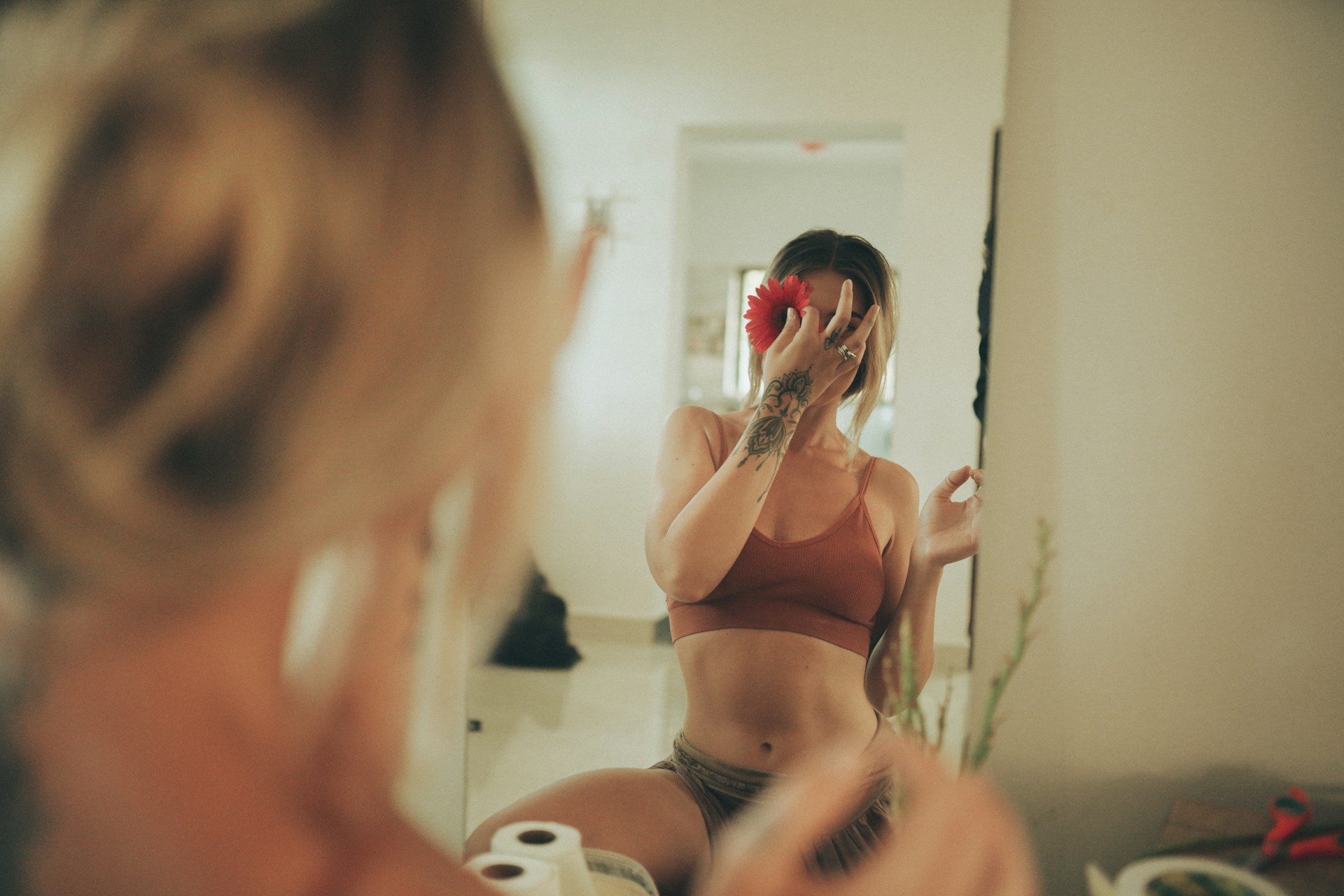
Self-perception and psychological shifts will affect how you see yourself in clothes. Studies have shown that ill-fitting clothing can negatively impact your emotional well-being and self-esteem. Body Dysmorphic Disorder can have a devastating effect on how you perceive yourself and make you hyperfixated on how you look when trying on clothing. Addressing underlying mental health conditions can help.