Many drivers throughout the country experience road rage. For some, it’s just a minor burst of anger when getting cut off in traffic. For others, it could be a history of aggressive behaviors that may have already led to criminal charges. Finding the source of their road rage could help them address more complex issues.
Understanding road rage can help identify why some people are more aggressive in traffic. If you experience it, you could discover that it’s far more common than you realize. Underlying causes of road rage can also present reasons to seek mental health services.
For example, impulsivity, severe aggression, anger, and overwhelming stress are all symptoms of common mental illnesses. To find more answers, let’s review the 10 reasons why some drivers experience more road rage than others.
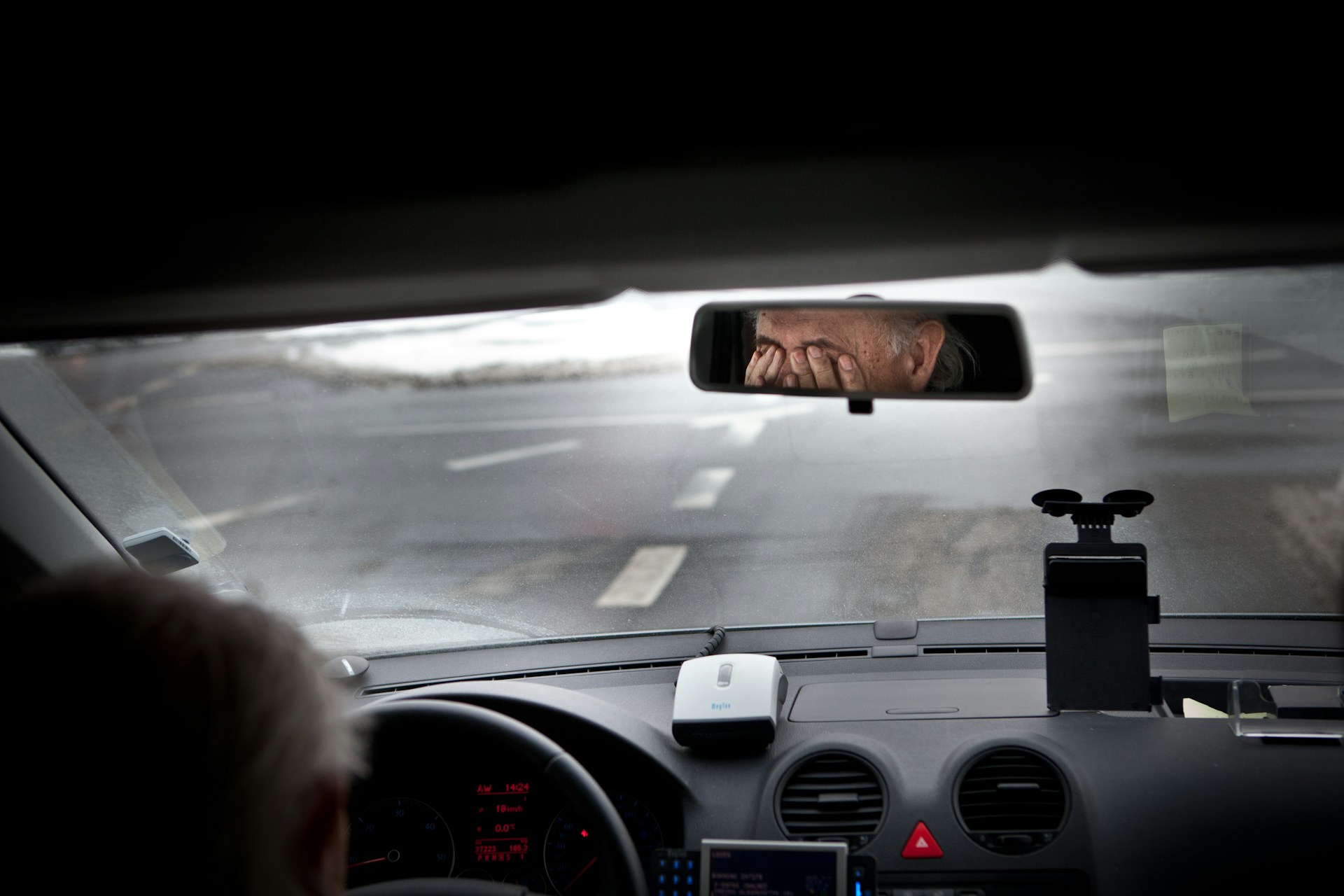
Many drivers throughout the country experience road rage. For some, it’s just a minor burst of anger when getting cut off in traffic. For others, it could be a history of aggressive behaviors that may have already led to criminal charges. Finding the source of their road rage could help them address more complex issues.
Understanding road rage can help identify why some people are more aggressive in traffic. If you experience it, you could discover that it’s far more common than you realize. Underlying causes of road rage can also present reasons to seek mental health services.
For example, impulsivity, severe aggression, anger, and overwhelming stress are all symptoms of common mental illnesses. To find more answers, let’s review the 10 reasons why some drivers experience more road rage than others.
1. High Daily Stress Levels Carrying Over Into Driving

High-stress jobs can cause heightened irritation that carries over from the job into the person’s car. Maybe they had a challenging day, or perhaps they have persistent conflicts with co-workers. Regardless of the reason, some individuals can’t leave their anger at the workplace when they get behind the wheel.
2. Personality Traits Like High Impulsivity

Drivers who have personality traits that make them highly impulsive are likely to experience road rage. Unfortunately, this impulsive nature could lead them to start a conflict on the road or drive recklessly. If the driver has limited impulse control, it’s more probable that their road rage could cause a traffic accident.
3. Driving in High-Congestion Urban Environments
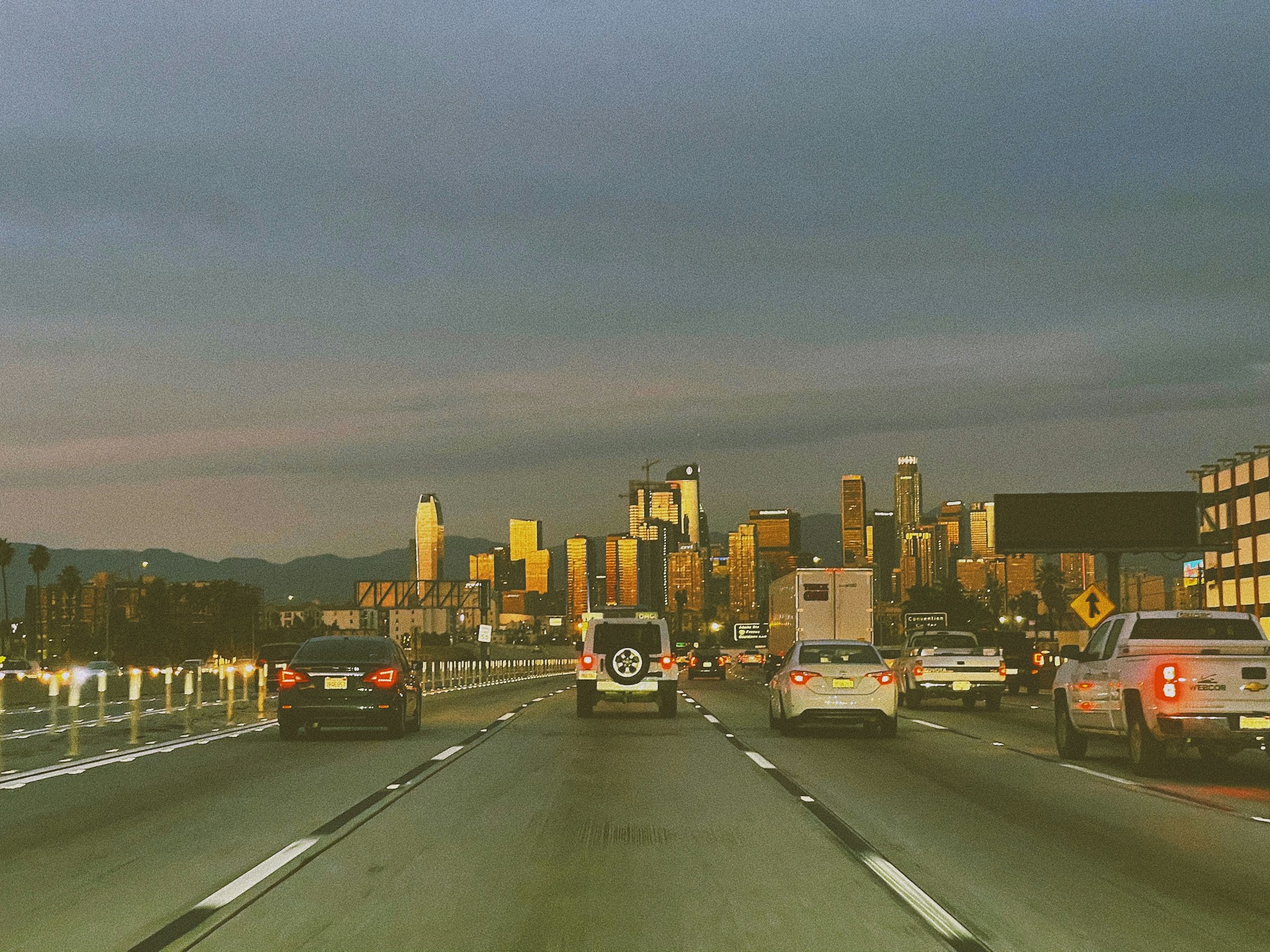
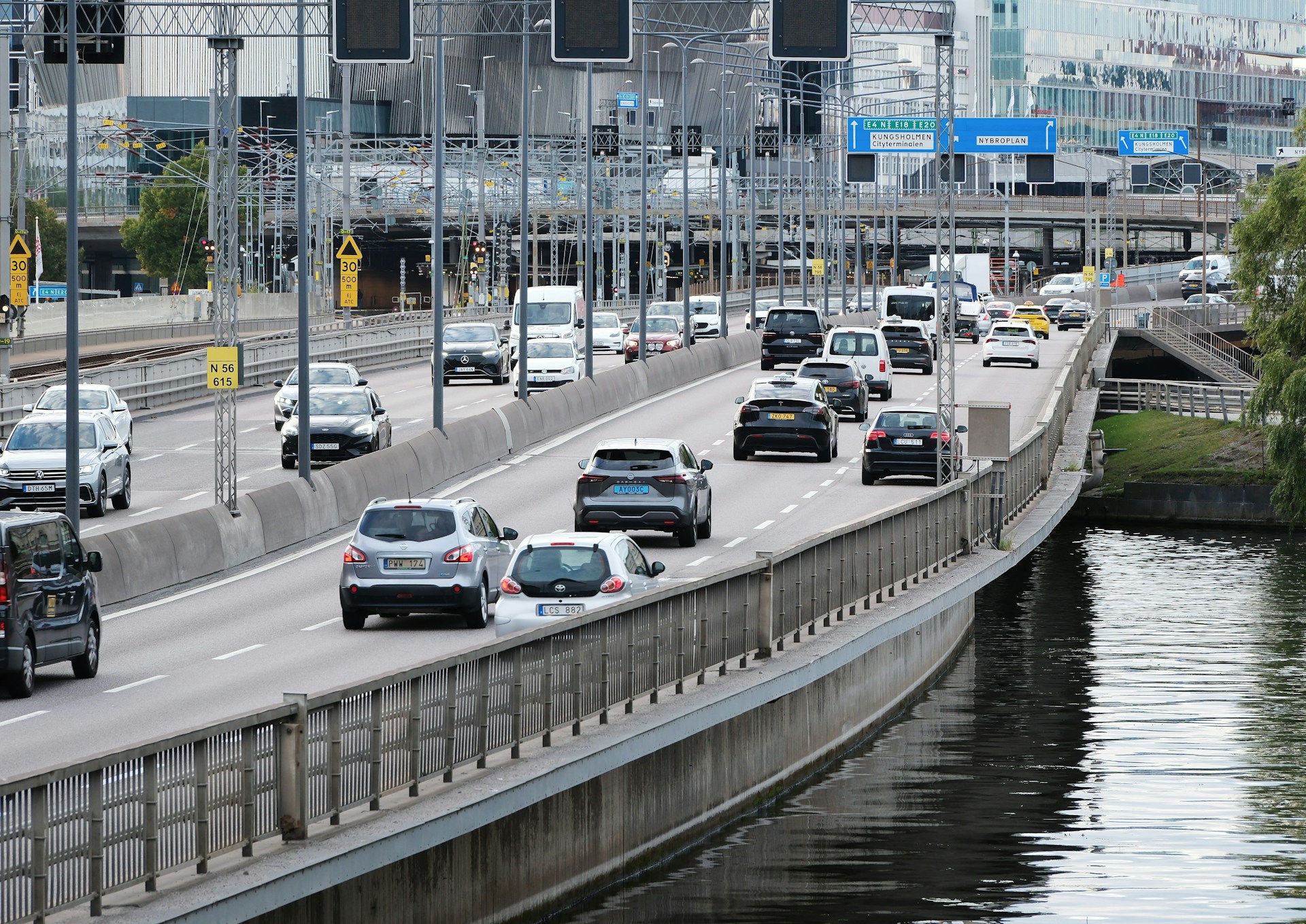
Driving in high-congestion urban environments like metro areas can lead to road rage. Traffic jams and stop-and-go traffic are reasons enough to make anyone angry. Rush hour traffic in these areas is the prime reason that many drivers experience road rage. Drivers can often get cut off or get involved in collisions during these times.
4. History of Aggressive Driving Habits
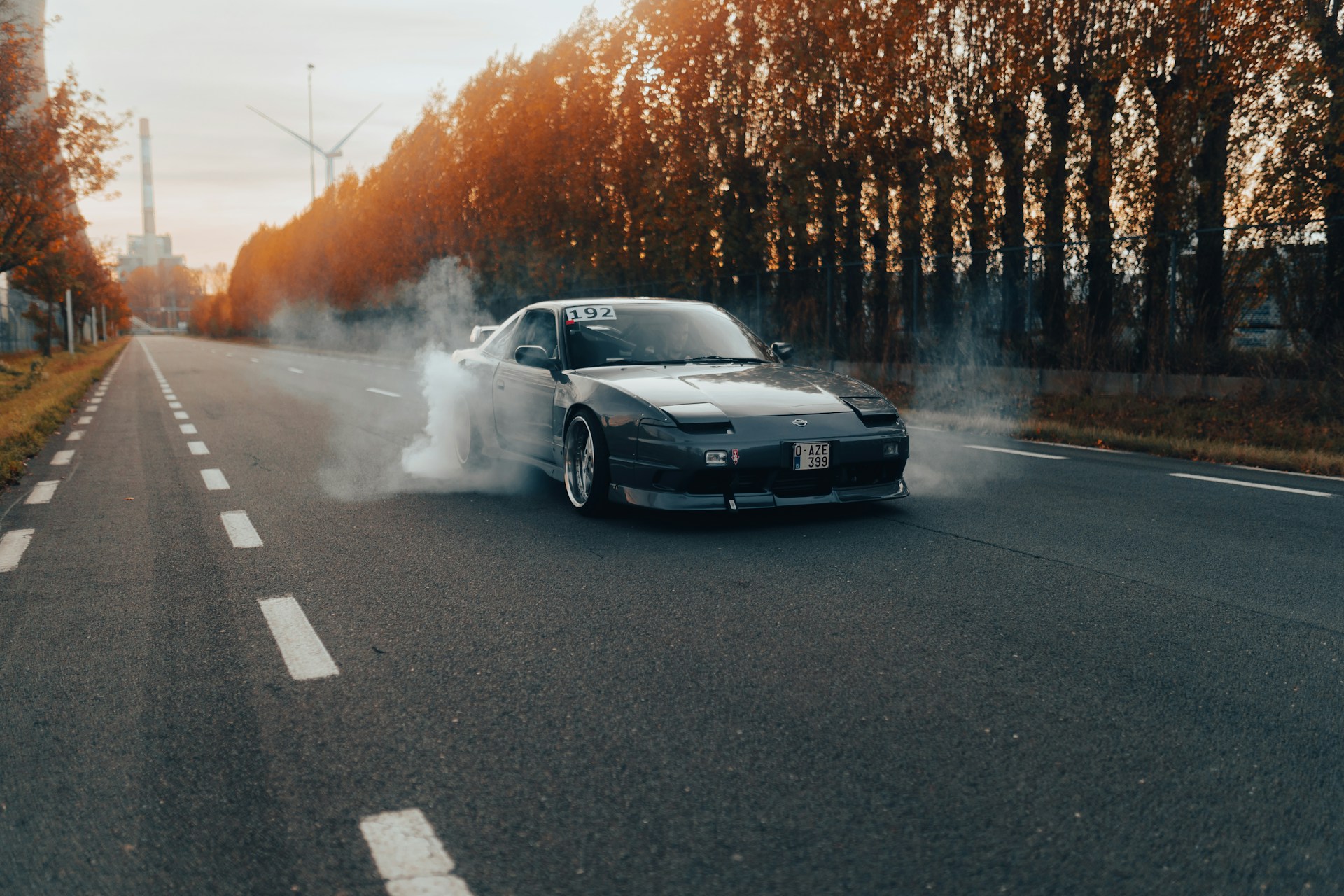
A history of aggressive driving habits can lead to severe road rage, accidents, and other criminal acts. Aggressive driving habits can present risks for everyone on the road. Driving too closely to another car, speeding, and reckless driving are all signs of an aggressive driver. Someone with aggressive driving habits may scream at others on the road and react negatively to responses.
5. Lack of Sufficient Sleep Impairing Patience

Drivers who work longer shifts are likely to experience severe tiredness when leaving work. This lack of sleep can lead to impatience, and they may experience road rage. They’ll exhibit road rage toward anyone who slows down their journey home. However, insufficient sleep doesn’t always lead to dangerous forms of road rage.
6. Perceived Violations of Driving Etiquette
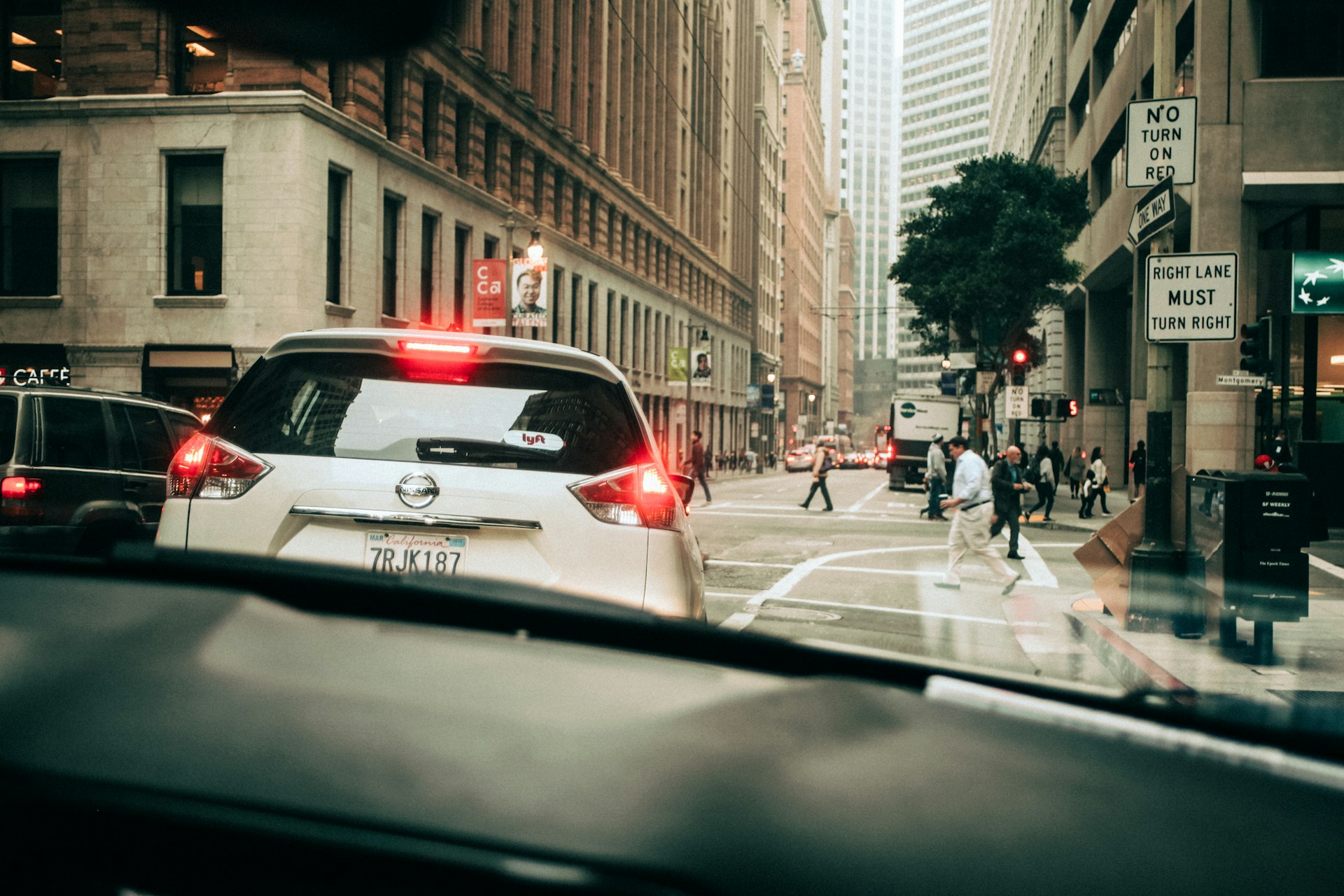
Perceived violations of driving etiquette are another reason drivers experience road rage. These assumed violations could be something as simple as failing to let another driver merge or driving the speed limit in the left lane. Drivers are required to follow traffic laws even if another driver is unhappy and gets road rage.
7. Competitive Mindset Behind the Wheel
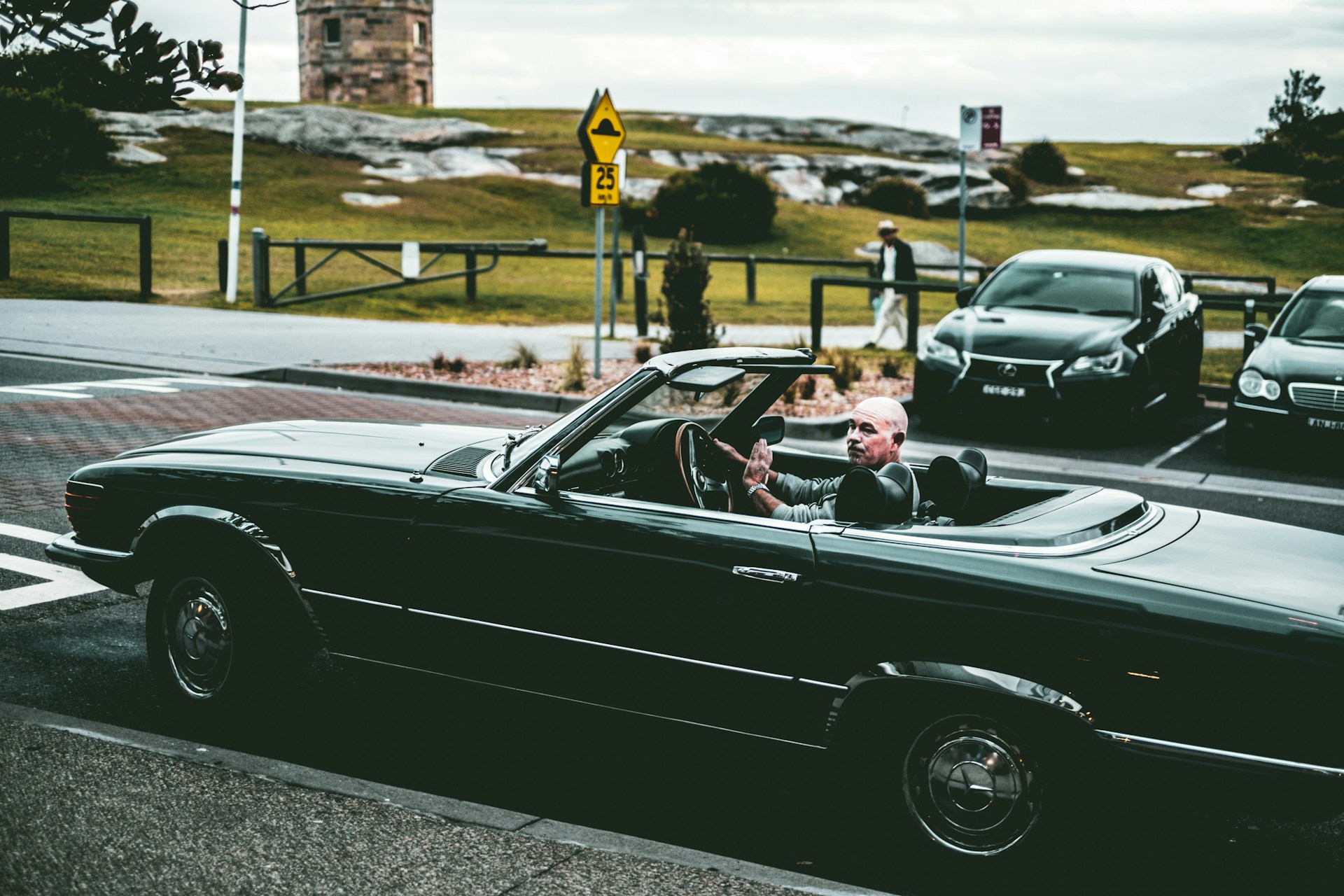
A competitive mindset behind the wheel can cause road rage and accidents if the driver becomes aggressive. Some drivers want to be first in line, and they’ll drive recklessly to maintain that position. Some drivers with this mindset may also attempt to race others, causing traffic collisions. This form of road rage can lead to real dangers on the road.
8. Feeling of Anonymity in Traffic
Some drivers are more vocal with their road rage because they have a feeling of anonymity. Their inhibitions are lowered, and they feel detached from others on the road. This feeling can lead to more dangerous driving habits based on the belief that other drivers can’t identify them.
9. Substance Use Lowering Inhibitions

Substance use can cause severe road rage and dangerous conditions for other drivers. An intoxicated individual has lowered inhibitions and is more likely to engage in road rage. They may become aggressive toward another driver whom they perceive has wronged them. Unfortunately, a person who is under the influence of drugs could also commit serious crimes if they experience road rage.
10. Unrealistic Time Pressure to Arrive Somewhere
Everyone is expected to arrive at work on time. However, many drivers place unrealistic time pressures on themselves to get to other places. They’ll experience road rage if they don’t get to their destination by this specific time frame. Unfortunately, this pressure can cause the person not only to get road rage, but they are more likely to cause an accident.