10 Reasons You Should Spend More On A Better Mattress
20 produits techno si prometteurs, mais qui ont flopé grave

You spend nearly a third of your life in bed. So, why settle for a mattress that leaves you sore or restless at 3 a.m.? Most people treat mattresses like a background purchase, but the truth is, they’re anything but.
A better mattress isn’t just about comfort. It’s about how you feel when you wake up, how well you function during the day, and how long your body holds up over time. Sometimes, even if the sticker price might sting, the payoff is real.
Still not convinced? Here are 10 detailed reasons why spending more on a quality mattress isn’t just smart but an essential step.
Cheap Mattresses Wear Out Quickly

You think you’re saving money, but that bargain mattress starts sagging before your warranty even kicks in. Spend more, and you’ll get something that holds up for years—not months. It’s the difference between a quick fix and a long-term solution.
Low-End Models Can Harm Your Posture

Your mattress should support your spine, not twist it like a pretzel. Cheap ones ignore body alignment, leaving you stiff and sore. Paying more gets you proper support, so your back stays happy—and you don’t wake up shaped like a question mark.
Budget Beds Often Lack Motion Isolation

If your partner rolls over and it feels like a mini earthquake, that’s a budget mattress problem. Pricier models absorb movement like a sponge. You sleep through their tossing, turning, and midnight snack runs—without feeling like you’re on a trampoline.
Inexpensive Options Trap Heat And Moisture
Sweaty nights and sticky sheets? That’s what you get with low-end foam and zero airflow. Spend more and you’ll get cooling layers, breathable fabrics, and actual temperature control. No more waking up drenched—just sleep that feels like fresh air.
Cheap Materials May Contain Harmful Chemicals
Budget mattresses can come with a side of mystery fumes. Think glues, foams, and fabrics that off-gas into your bedroom. Higher-end options use certified safe materials, so you’re not breathing in stuff you can’t pronounce while you sleep.
Warranty Coverage Is Often Minimal On Budget Models
A short warranty says, “We don’t expect this to last.” Premium mattresses come with 10–15 years of coverage because they’re built to endure. Spend more, and you’re not just buying comfort—you’re buying confidence that it won’t fall apart next year.
You Avoid The Hassle Of Frequent Replacements
Shopping for mattresses is annoying. Hauling them, testing them, returning them—it’s a whole ordeal. Pay more once, and you won’t have to do it again for a decade. That’s ten years of uninterrupted sleep and zero trips to the mattress store.
Better Mattresses Use Ergonomic Design Principles
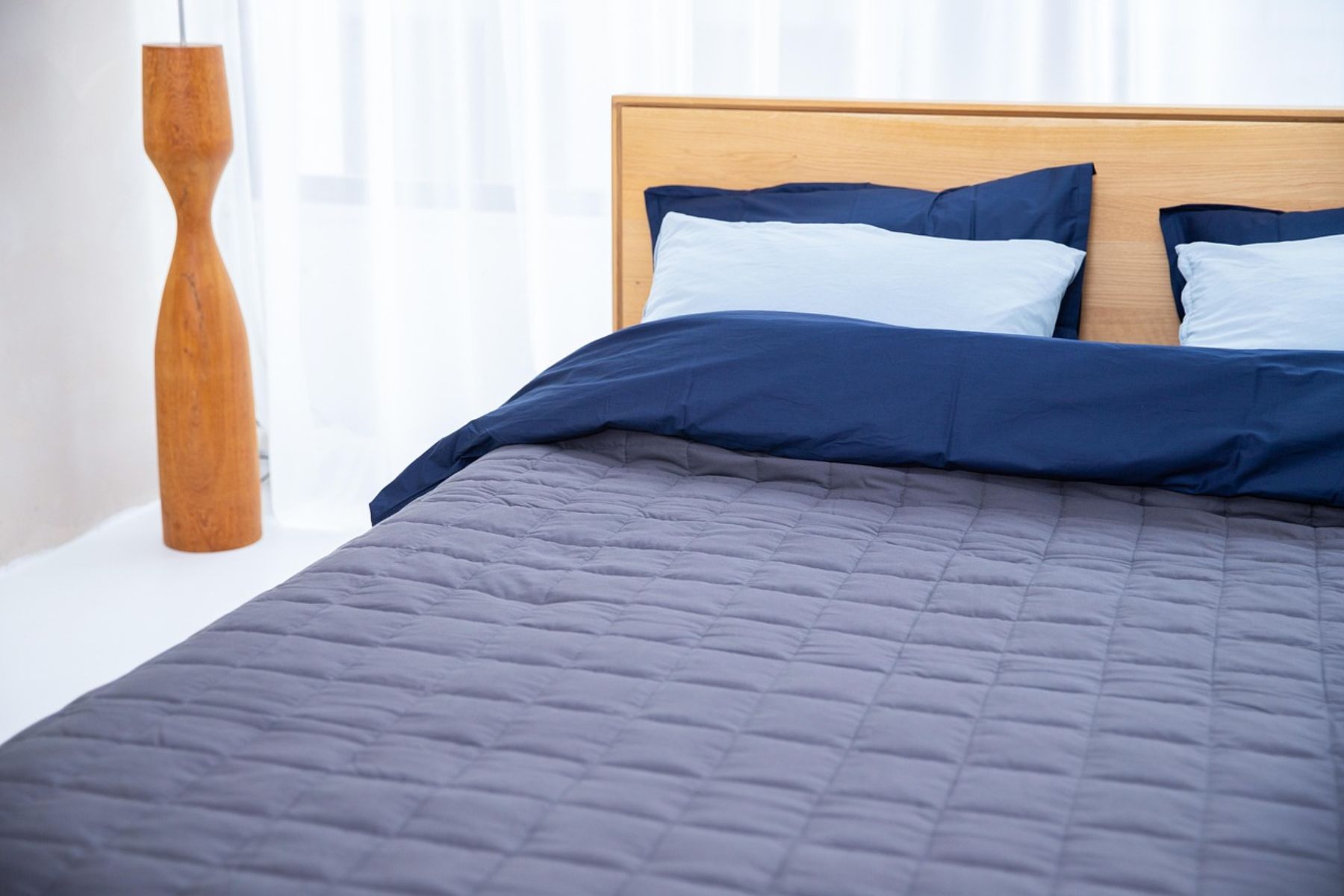
Cheap beds are just foam and hope. Quality ones are engineered to support pressure points, cradle joints, and align your body. It’s not marketing fluff—it’s science-backed design that makes sleep feel like therapy. And yes, it’s worth the upgrade.
Low-Cost Beds Often Lack Trial Periods Or Return Options

With budget brands, what you buy is what you’re stuck with. Premium mattresses offer generous trial periods—sometimes 100 nights or more. If it’s not working for you, send it back. Spending more means buying with confidence, not crossing your fingers.
You’re Making A Long-Term Investment In Sleep Quality

Sleep isn’t optional—it’s foundational. A better mattress helps you fall asleep faster, stay asleep longer, and wake up ready to go. It’s not a splurge—it’s a smart investment in your energy, focus, and health. And that pays off every single day.