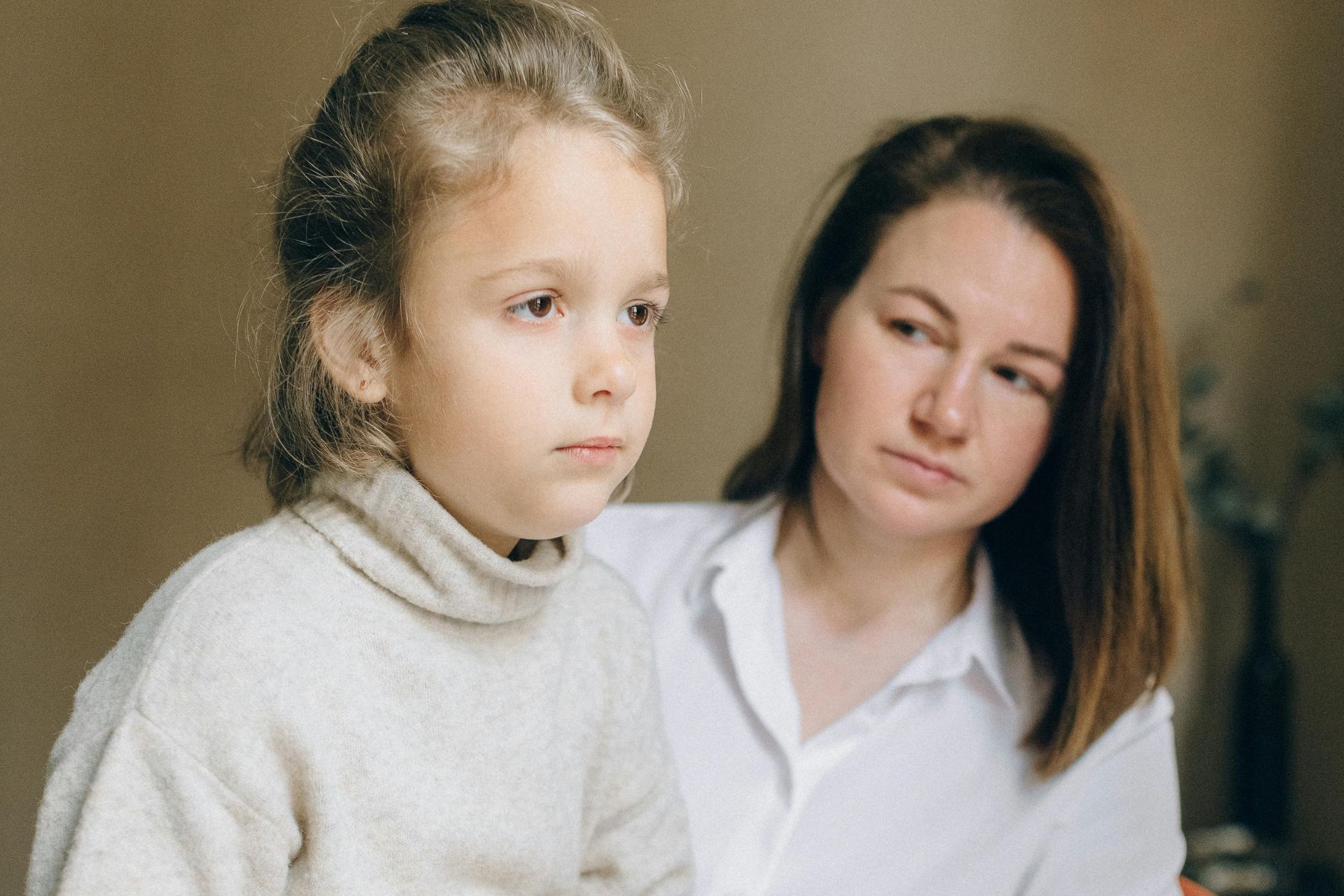
Kids notice everything. The cookie missing from the jar? They’ll call it out. The way you sigh a little louder than usual? They’ll clock it. And when your emotions step back, even slightly, they feel the shift like radar on high alert.
Emotional distance isn’t always about slamming doors or shouting matches—it’s the small, sneaky changes kids pick up on instantly. The flat tone that creeps into your voice. The smile that looks more like a polite postcard than pure joy. The way you suddenly dodge bedtime chats. These details are tiny to adults, but to kids, they’re neon signs flashing: “Something is off.”
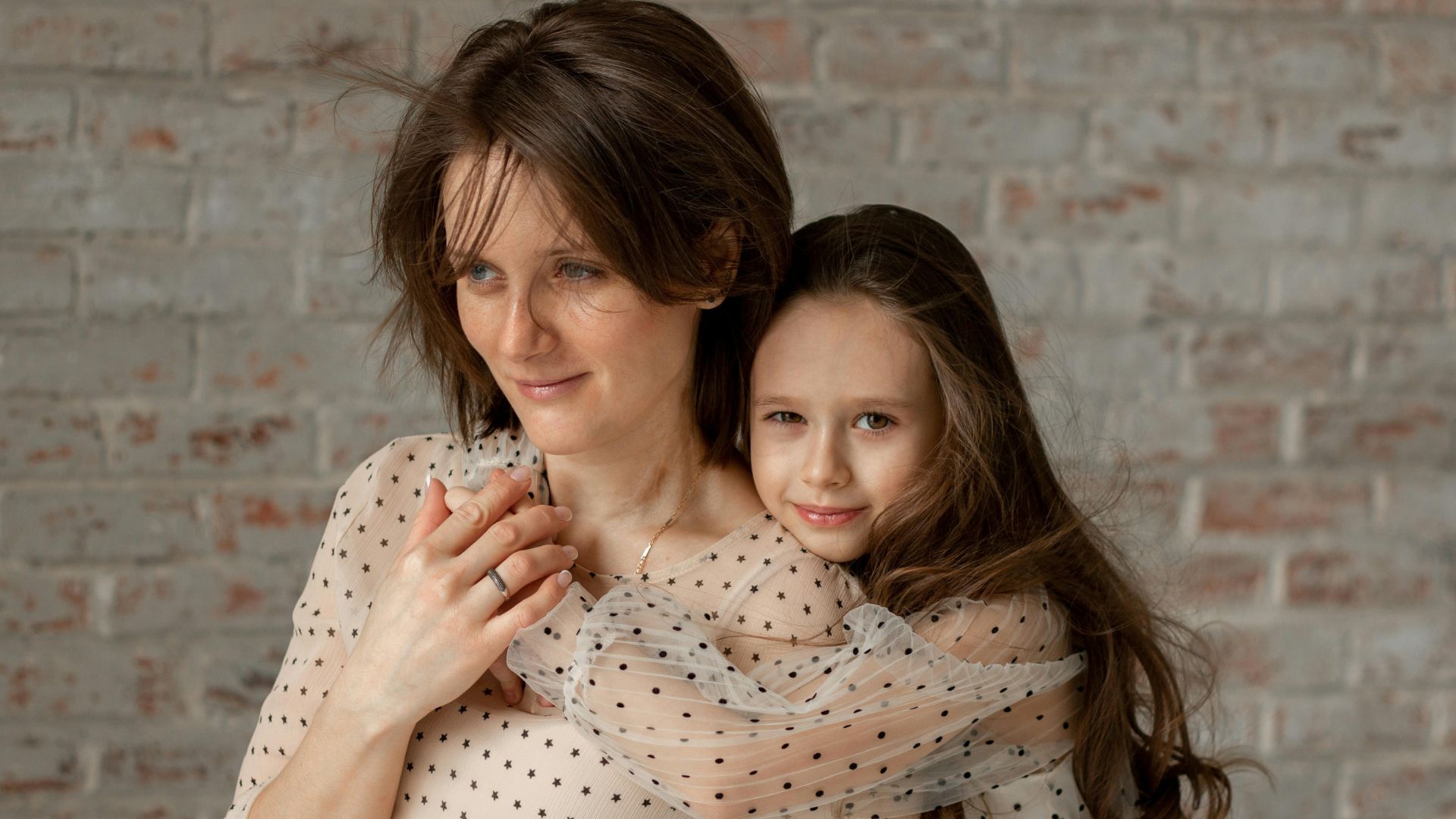
Kids notice everything. The cookie missing from the jar? They’ll call it out. The way you sigh a little louder than usual? They’ll clock it. And when your emotions step back, even slightly, they feel the shift like radar on high alert.
Emotional distance isn’t always about slamming doors or shouting matches—it’s the small, sneaky changes kids pick up on instantly. The flat tone that creeps into your voice. The smile that looks more like a polite postcard than pure joy. The way you suddenly dodge bedtime chats. These details are tiny to adults, but to kids, they’re neon signs flashing: “Something is off.”
They might not have the vocabulary to explain it, but they sense it, absorb it, and often blame themselves for it. That’s why understanding these signals matters. These moments don't slip by unnoticed. They’re the exact ones kids remember most.
Your Eyes Don’t Meet Theirs

Children instinctively search for eye contact as proof of safety and connection. When that contact is missing, they quickly sense emotional distance. Babies as young as six months already notice avoidance. Even animals recognize sustained eye contact as bonding. For the little ones, the absence speaks louder than any words or gestures.
Your Smiles Feel Forced
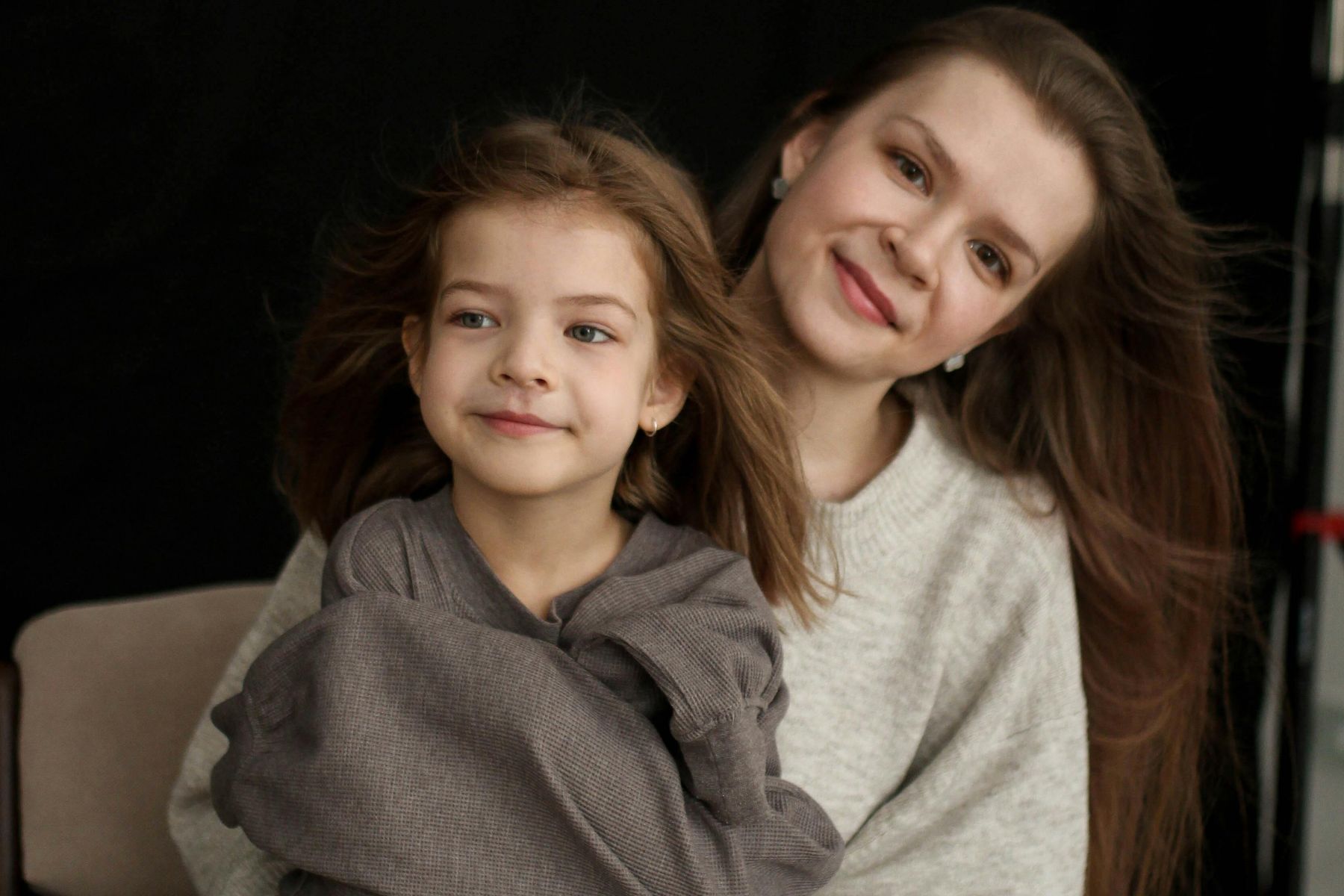
Recognizing the difference between a real smile and one that lacks warmth starts at a very young age. A genuine expression, known as a Duchenne smile, uses both mouth and eyes. Forced smiles confuse kids and break trust. Remarkably, four-year-olds can already detect when a smile is insincere and emotionally disconnected.
You Don’t Ask About Their Day
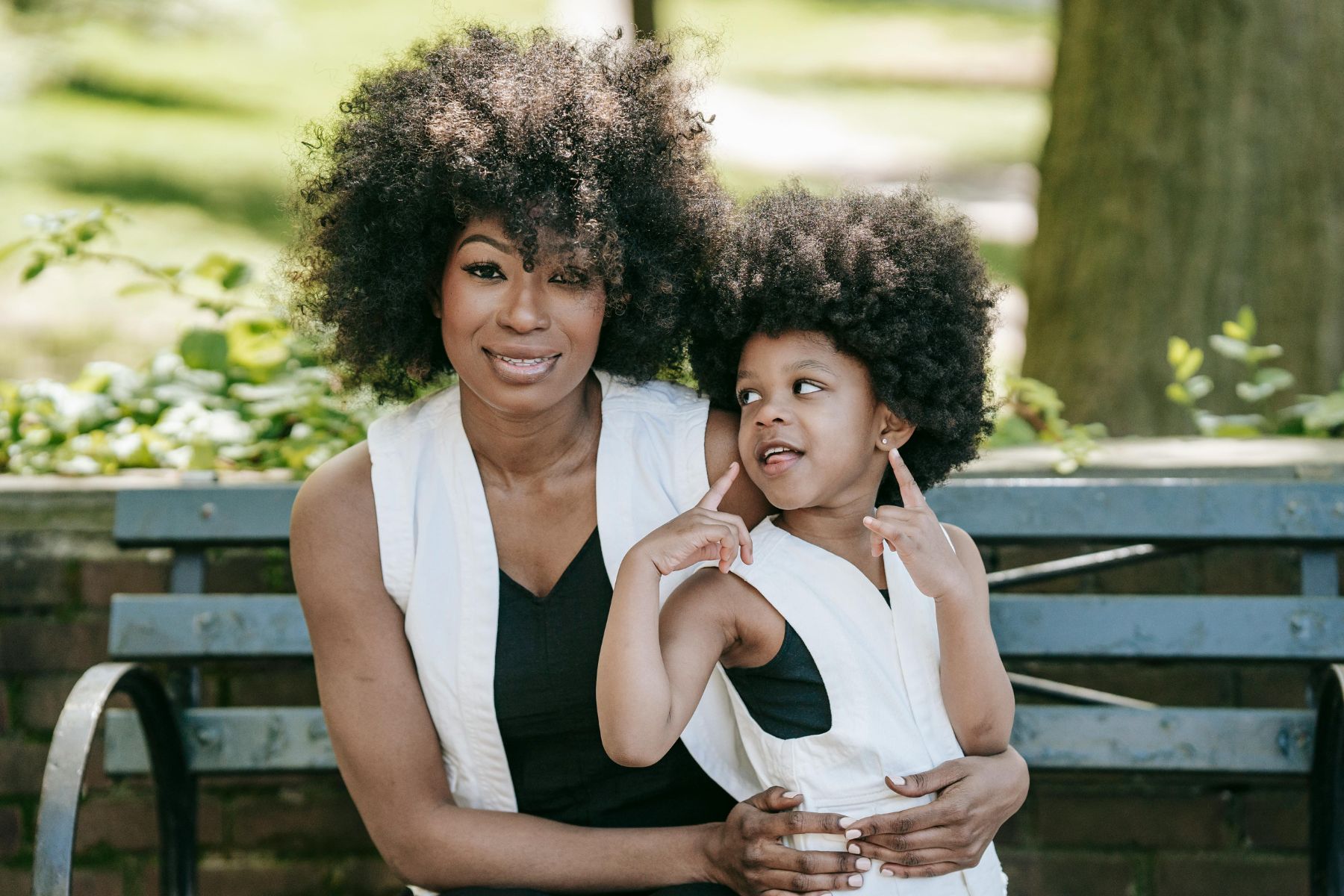
Showing curiosity about a child’s day reinforces love and belonging. Ignoring their stories sends a powerful message of indifference. Kids often repeat the same details when they feel overlooked, seeking acknowledgment. Surprisingly, a simple phrase like “Tell me more,” can instantly double how much they share about their experiences.
Your Hugs Are Brief Or Missing
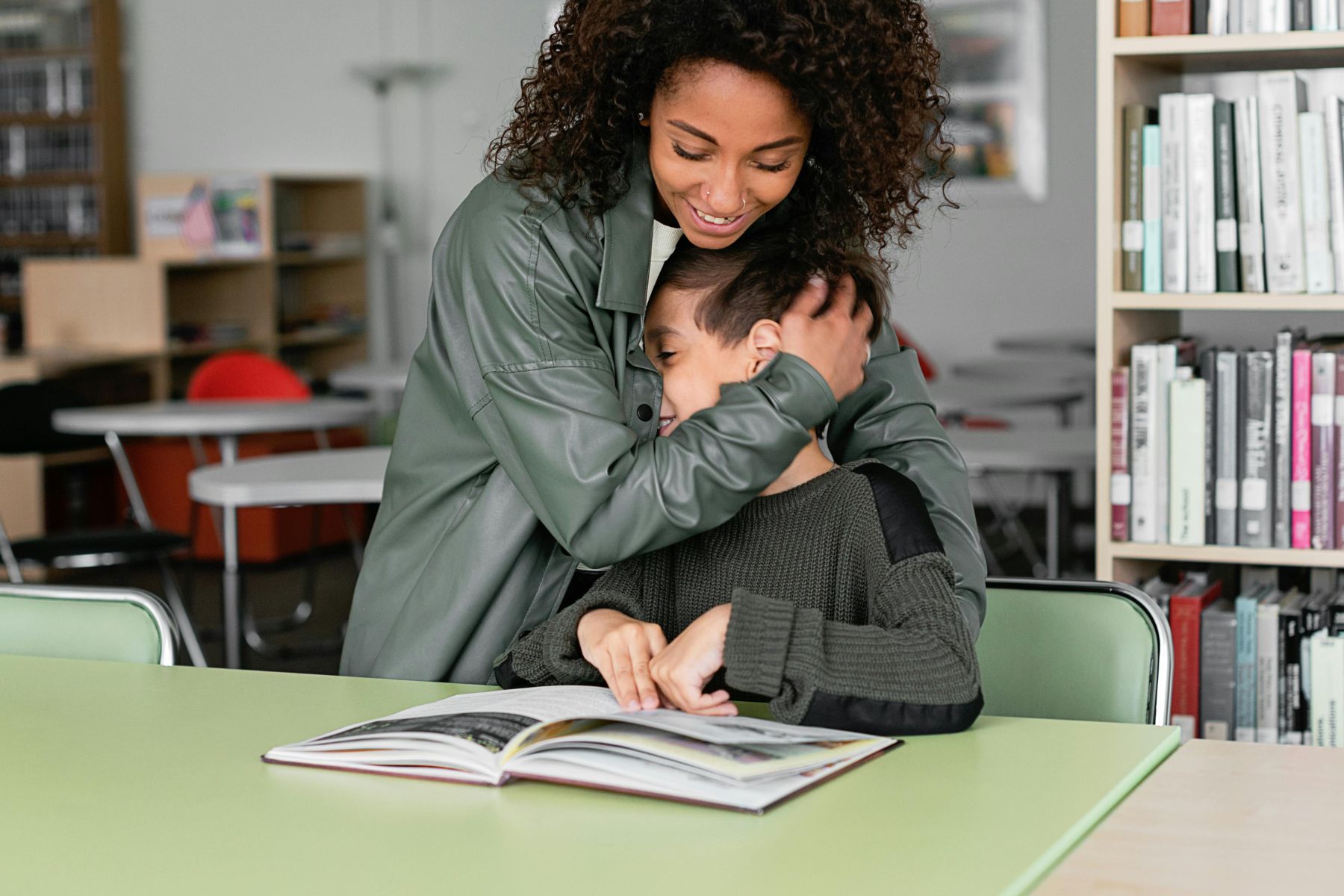
Touch communicates security more powerfully than words. When hugs are absent or rushed, kids interpret it as emotional withdrawal. Long embraces trigger oxytocin and reduce stress. Research even shows hugs beyond 20 seconds can lower stress hormones. Regular affection also supports immunity and makes children feel both emotionally and physically stronger.
You React Slowly To Their Excitement

Children thrive on recognition of their joy. When reactions are slow or flat, they learn their excitement does not matter. Quick enthusiasm validates them, leaving lasting memories. Mirror neurons make excitement contagious and allow kids to physically feel the energy you project. Even one celebrated moment can stay etched in memory.
Your Tone Sounds Flat

A flat or monotone voice signals withdrawal, even when words are kind. Infants react more positively to melodic tones that have more impact than encouraging words. Children listen to pitch and energy to feel safe. Over time, kids mimic tone more than speech, learning disengagement instead of warmth and connection.
You Avoid Play Or Engagement
Play is not just entertainment—it is communication. When a parent avoids or rejects play, the little ones feel dismissed and unimportant. Play signals acceptance and bonding, while absence signals distance. Pretend play, in particular, expands vocabulary and imagination. Avoidance teaches children that shared joy and discovery are unavailable in the relationship.
You’re Easily Irritated By Small Things

Frequent irritability unsettles children and makes them anxious about minor mistakes. Snapping over small issues teaches them to blame themselves, even when it isn’t their fault. Angry outbursts leave longer imprints than calm discussions. Kids may also mirror irritation in play or friendships, repeating the stress they observe at home.
You Withdraw Into Screens Or Work

When screens or work constantly take priority, children conclude they matter less. They notice when attention shifts to phones or laptops instead of them. Many even compete with devices by acting out or demanding recognition. Over time, this teaches them that technology receives more attention than their own presence.
You Don’t Share Stories Or Feelings

Watching what adults share teaches children about emotional expression. When stories and feelings are withheld, they encounter silence that creates barriers. Kids value shared moments so much that they often retell parents’ stories proudly. They also spot mismatches quickly, recognizing when words say “fine” but tone and behavior tell another story.