The phrase « man up » has probably done more damage than we’ll ever fully understand. It’s shorthand for suppressing anything that might look like weakness or emotional complexity. The result is a generation of men who’ve mastered the art of appearing fine while struggling with things they’re not supposed to struggle with.
This kind of emotional editing happens constantly in male friendships and social settings where there are unspoken rules about what’s okay to discuss and what should stay private. Such boundaries aren’t necessarily conscious or intentional, but they’re real enough to shape what gets shared and what gets buried.
Here’s a look at what often gets lost in that careful curation of acceptable masculinity.
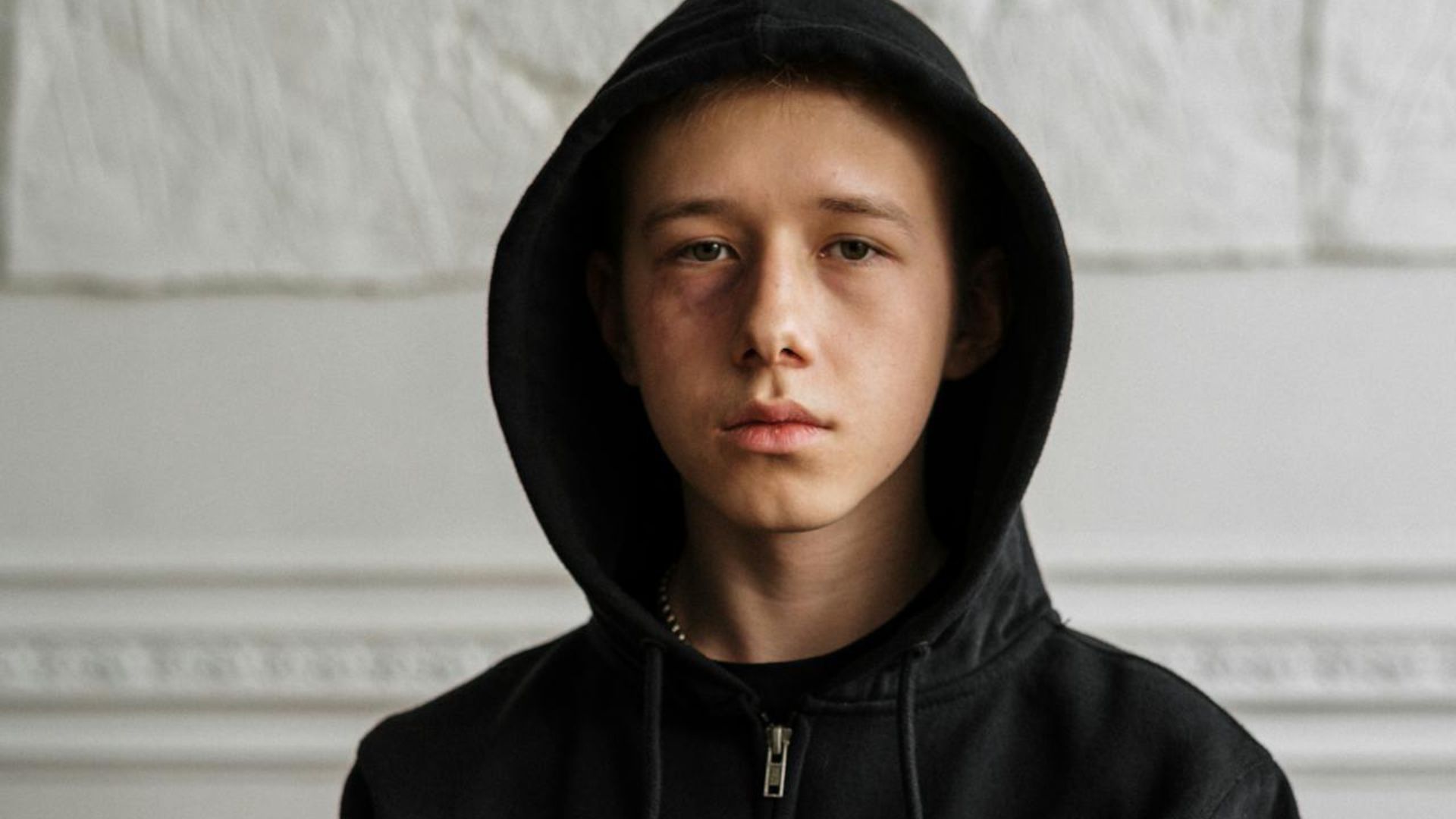
The phrase "man up" has probably done more damage than we'll ever fully understand. It's shorthand for suppressing anything that might look like weakness or emotional complexity. The result is a generation of men who've mastered the art of appearing fine while struggling with things they're not supposed to struggle with.
This kind of emotional editing happens constantly in male friendships and social settings where there are unspoken rules about what's okay to discuss and what should stay private. Such boundaries aren't necessarily conscious or intentional, but they're real enough to shape what gets shared and what gets buried.
Here's a look at what often gets lost in that careful curation of acceptable masculinity.
Mental Health Struggles

Opening up about depression or anxiety often feels impossible for men who were raised to believe strength means silence. The mask of toughness hides what’s happening inside, leaving struggles unspoken. So, when this emotional pain is bottled up this way, it quietly grows until it feels unbearable.
Body Image Insecurities
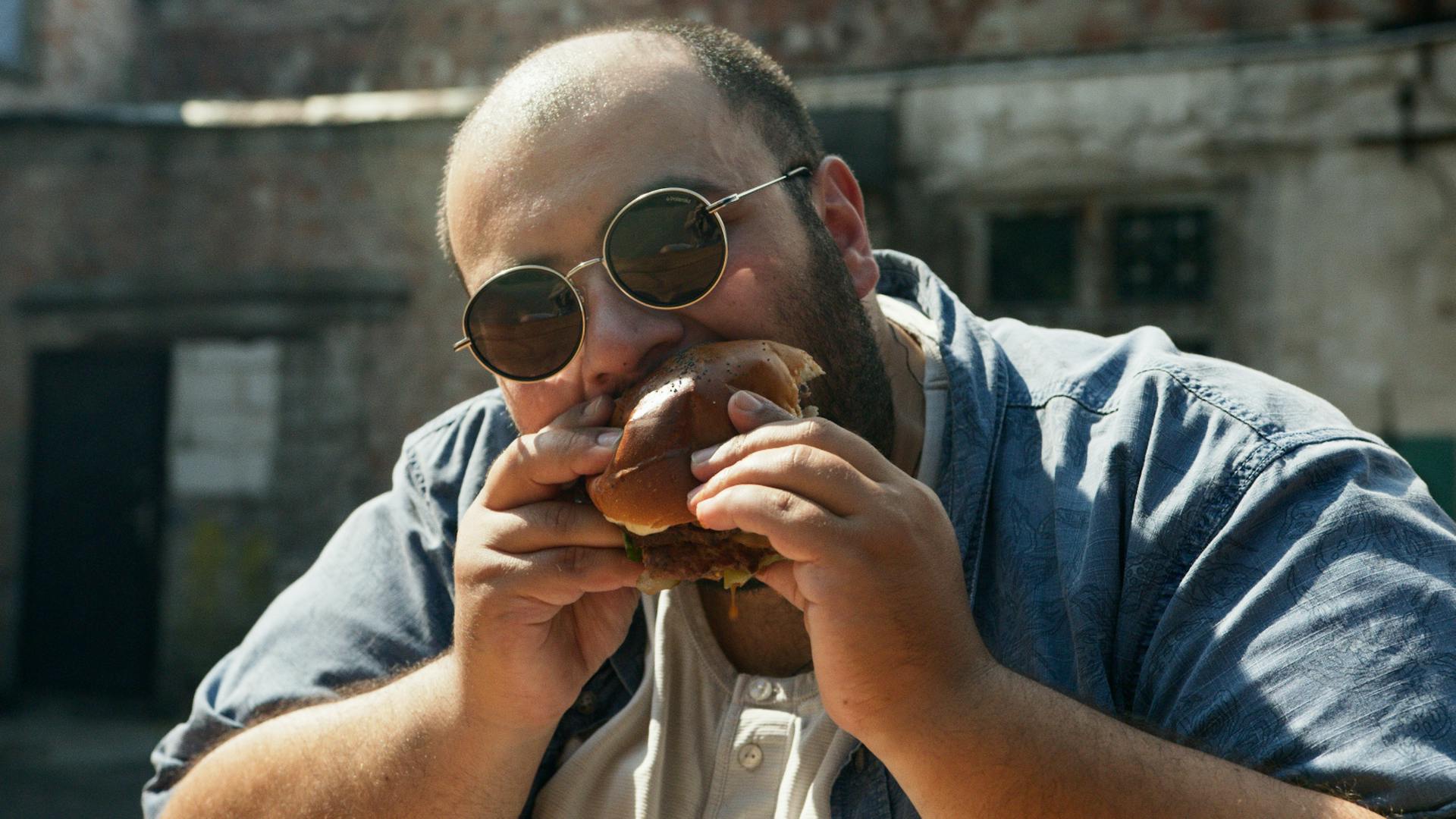
Conversations about appearance usually focus on women, yet men are just as vulnerable. Concerns over hair loss or muscle size linger in private thoughts. Many even dismiss these worries as vanity, though they fuel low confidence and shape how men carry themselves around others.
Financial Stress

When bills pile higher than paychecks, men frequently keep the panic to themselves. The pressure to appear capable and dependable prevents honest conversations about money. That silence doesn’t erase the stress; it deepens it and turns ordinary setbacks into battles carried out in secret.
Fear Of Failure

In a world that praises success, men measure self-worth against achievements. So, a project gone wrong or a missed promotion can feel catastrophic. Rather than risk judgment, many hide these experiences, even though failures can teach more than victories ever will.
Health Concerns

It’s common for men to delay doctor visits in the hope that symptoms will pass. From lingering chest pain to recurring fatigue, important warning signs get ignored. In fact, by the time action is taken, the problem gets worse, showing how pride and hesitation quietly put health at risk.
Parenting Doubts

Fathers, too, just like mothers, feel uncertain about whether they’re doing enough. Worries about bonding or patience often remain unspoken because dads feel they must project certainty. These hidden fears rarely match reality, but silence sometimes makes men feel isolated in their parenting journey.
Workplace Burnout

Staying later at the office or constantly answering messages after hours looks like dedication. Beneath that, exhaustion quietly builds. Men hesitate to admit burnout because it clashes with the image of resilience. The result is a cycle of overwork that drains both energy and joy.
Interest In “Unmanly” Hobbies

Creative outlets like cooking or dancing often get labeled as unfit for men. Many keep these passions under wraps, exploring them privately. Over time, the joy they bring becomes undeniable. Still, fear of mockery means hobbies that could enrich life stay hidden far too long.
Unconventional Career Dreams

The dream of walking away from a steady job to pursue something artistic or adventurous lives in silence. Men fear disappointing their family or losing respect, so ambitions stay buried. Those passions, however, rarely disappear and resurface whenever unfulfilled potential is felt.
Insecurities About Aging
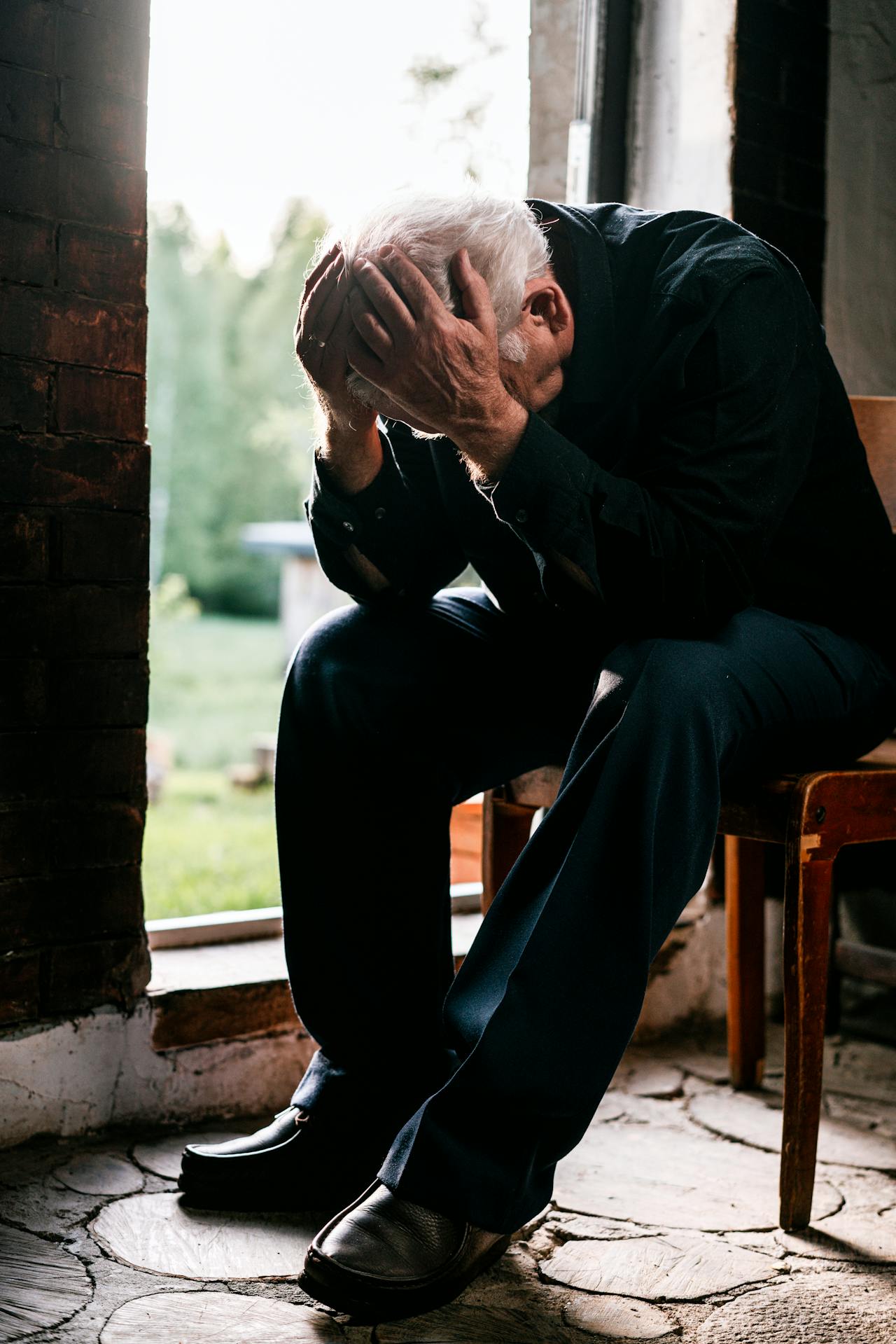
Shifts in appearance and stamina weigh on men more heavily than they admit. Lines across the face or slower recovery spark quiet unease. Society rarely acknowledges how aging shapes male identity, yet behind closed doors, many men wish they could turn the clock back.