
No matter who you are or what you do for work, there's almost certainly something you enjoy doing to unwind at night or on weekends. Whether you're going dancing at loud nightclubs, drinking at a dive bar with your friends, or even spending quiet evenings at home, the way you spend your downtime says more about your state of mind than you think. It obviously doesn't say everything about you, but let's take a look at how your nightlife choices might reflect your current mental state.
1. Using Dance Clubs to Distract from Stress

Going to loud, crowded dance clubs to unwind or look for excitement may signal an attempt to escape a stressful daily life or underlying negative emotions. People drawn to these high-energy settings may be looking for a distraction from daily life challenges, which aligns perfectly with psychological theories on avoidance coping.
2. Going to a Quiet Bar to Relax
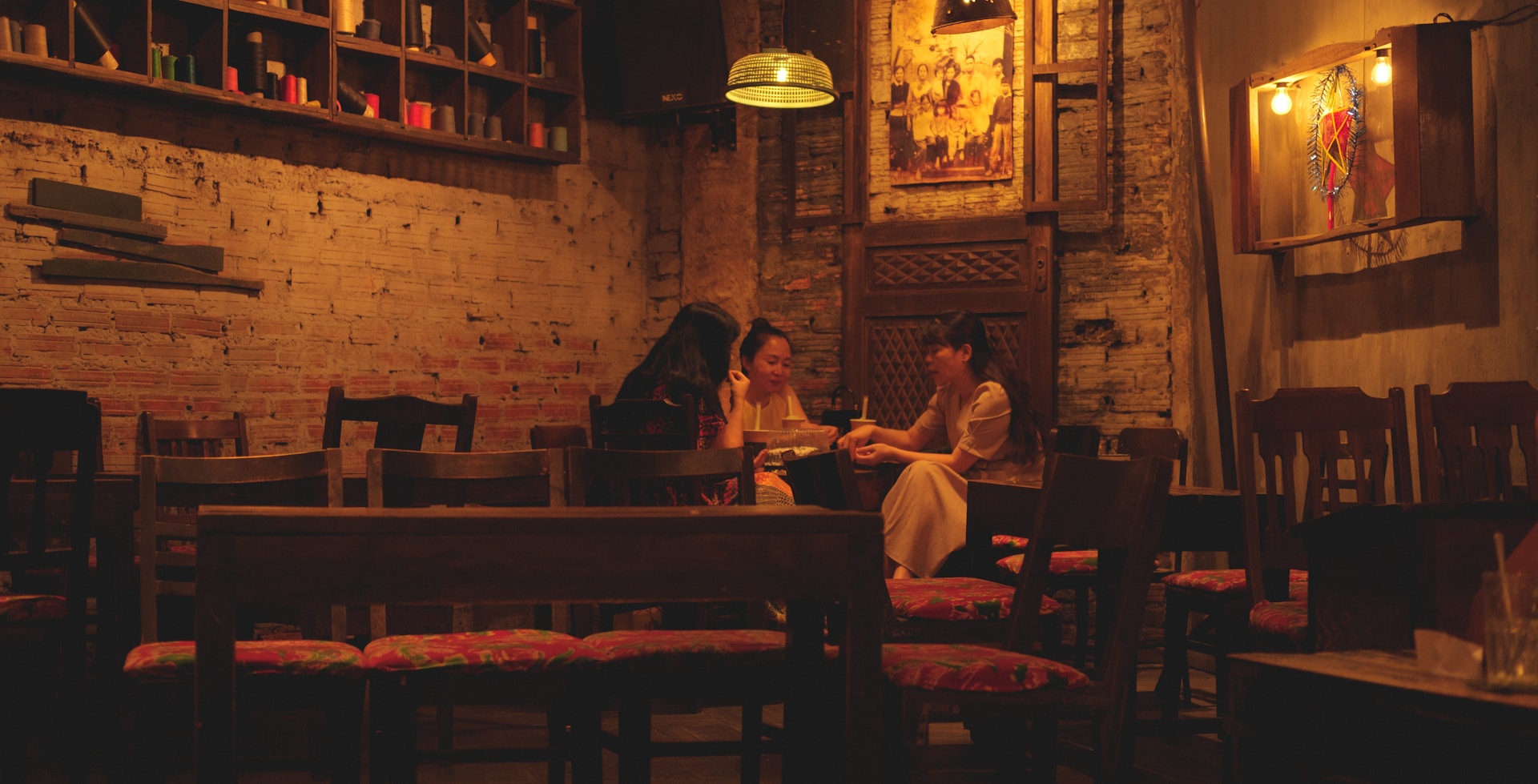
If you would rather go to a quieter bar or lounge, you likely have a preference for calm atmospheres and meaningful conversations. You might have a need for connection with others, relaxation, or emotional comfort. These less-chaotic environments can foster deeper interactions and are preferred by those wishing for more relaxing and laid-back social outings.
3. Spending a Quiet Night Alone

Spending time alone and avoiding the nightlife altogether may be a sign of depression or social anxiety, but it can also be a preference for solitude. If you tend to isolate yourself in social settings, you might have a strong need for self-care. It also means you're likely an introvert who needs time alone to recharge after a social outing.
4. Partying as a Coping Mechanism

While there's nothing wrong with the occasional party with friends, excessive partying or risky behavior when you're out may be tied to issues with poor impulse control or low self-esteem. Many people use these kinds of behaviors as coping mechanisms to deal with emotional pain and mask or numb difficult feelings.
5. Finding Safety and Acceptance in Large Groups

Going out with large groups of friends might reflect a desire for social acceptance, validation, or even a fear of being alone. There are practical reasons for seeking safety in numbers, but needing to be part of a group is a common response among those anxious about being excluded by their peers.
6. Finding Comfort in the Familiar
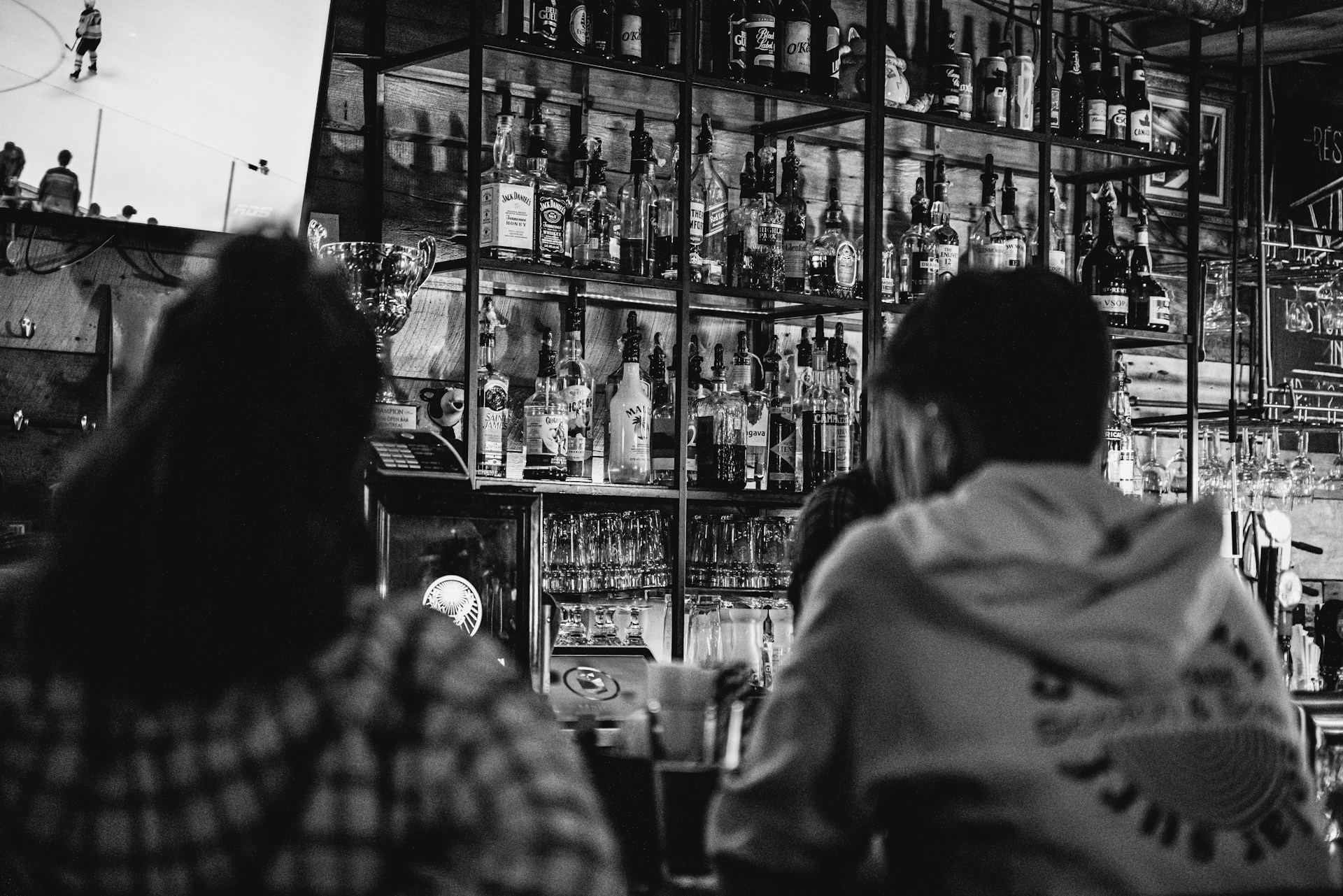
Frequently returning to the same familiar clubs, bars and restaurants suggests that you are more comfortable with routine and reluctant to try new things. There's nothing wrong with having a favorite nightlife spot, but practically refusing to go anywhere else could point to a desire for control and reduced uncertainty.
7. Seeking New Experiences and Venues
Wanting to visit new venues or try new things when you go out points to openness, curiosity, and sometimes a restless mental state. This can indicate a healthy psychological flexibility and a need for novelty and new stimulation, but it may also be a sign of general dissatisfaction with life.
8. Using Drugs and Alcohol to Self-Medicate

If your nights out are full of heavy drug and alcohol use, you could be self-medicating to deal with issues such as anxiety and depression without realizing it. This is a common coping mechanism, but it often masks deeper issues and struggles that often require help from a mental health professional.
9. Feeling Regretful After a Night Out
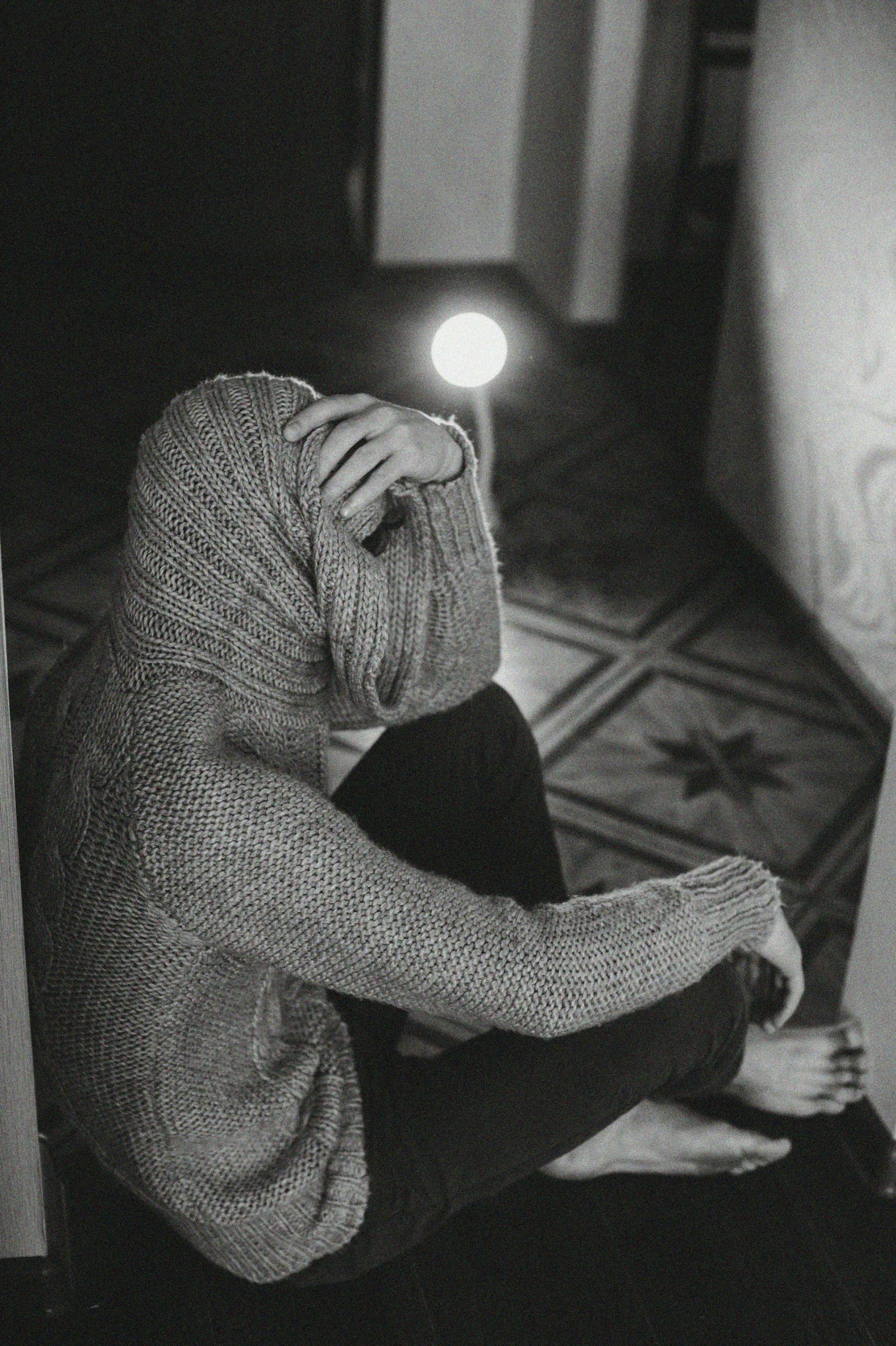
While it's normal to feel tired or drained after staying out late, feeling regretful could indicate that your nightlife choices aren't aligning with what you really want out of your life. If you often regret staying out all night, you need to reassess your habits and adjust your lifestyle to better suit your needs.
10. Adjust Your Habits Based on Your Mood
Adjusting your nightlife habits based on mood—such as celebrating when you're feeling happy or withdrawing when you're feeling sad or anxious—clearly demonstrates a link between mental state and social decision-making. Going out and having fun with friends is great when you feel like it, but you need to know when to withdraw and take some time for yourself.