Every parent wants to raise their child as best they can to help them grow into a good person: hardworking, honest, and respectful. After all, a good education makes for good people. It is therefore essential to teach your children values if you want them to grow up to be good people. This process, however, remains a real challenge for all parents. Indeed, most of us don’t really know what kind of education to provide. Others, on the other hand, think they have instilled the best social behaviors, but they are mistaken.

Every parent wants to raise their child as best they can to help them grow into a good person: hardworking, honest, and respectful. After all, a good upbringing makes for good people.
It is therefore essential to teach values to your little ones if you want them to grow up to be good people. This task, however, remains a real challenge for all parents.
In fact, most of us don’t really know what kind of education to provide. Others, on the other hand, think they’ve instilled the best social behaviors, but they’re mistaken.
To help you, let’s clarify 7 values we think we’re communicating and 7 that children actually perceive.
Authority that is viewed negatively

In children, the value that adults believe they are instilling—respect for authority—can sometimes be interpreted quite differently.
Instead of calmly internalizing the rules, the child may develop an excessive fear of failure, convinced that every mistake will result in punishment. Authority then becomes synonymous with threat rather than guidance.
This confusion leads them to overinterpret expectations, judge themselves harshly, and anticipate punishment even before acting.
A dynamic that fuels anxiety far more than respect, and which underscores the importance of a firm yet deeply reassuring framework.
Ambiguous autonomy

Encouraging independence is essential, but some children interpret it quite differently. Instead of seeing it as a sign of trust, they may feel a sense of abandonment, as if the adult were stepping back too soon.
Faced with this feeling, they put immense pressure on themselves to handle everything alone, convinced that they must succeed without help. This distorted interpretation fuels anxiety, isolation, and sometimes premature perfectionism.
This serves as a reminder that autonomy isn’t fostered by stepping back, but by staying present: available, supportive, and ready to guide without doing things for them.
Mandatory sharing
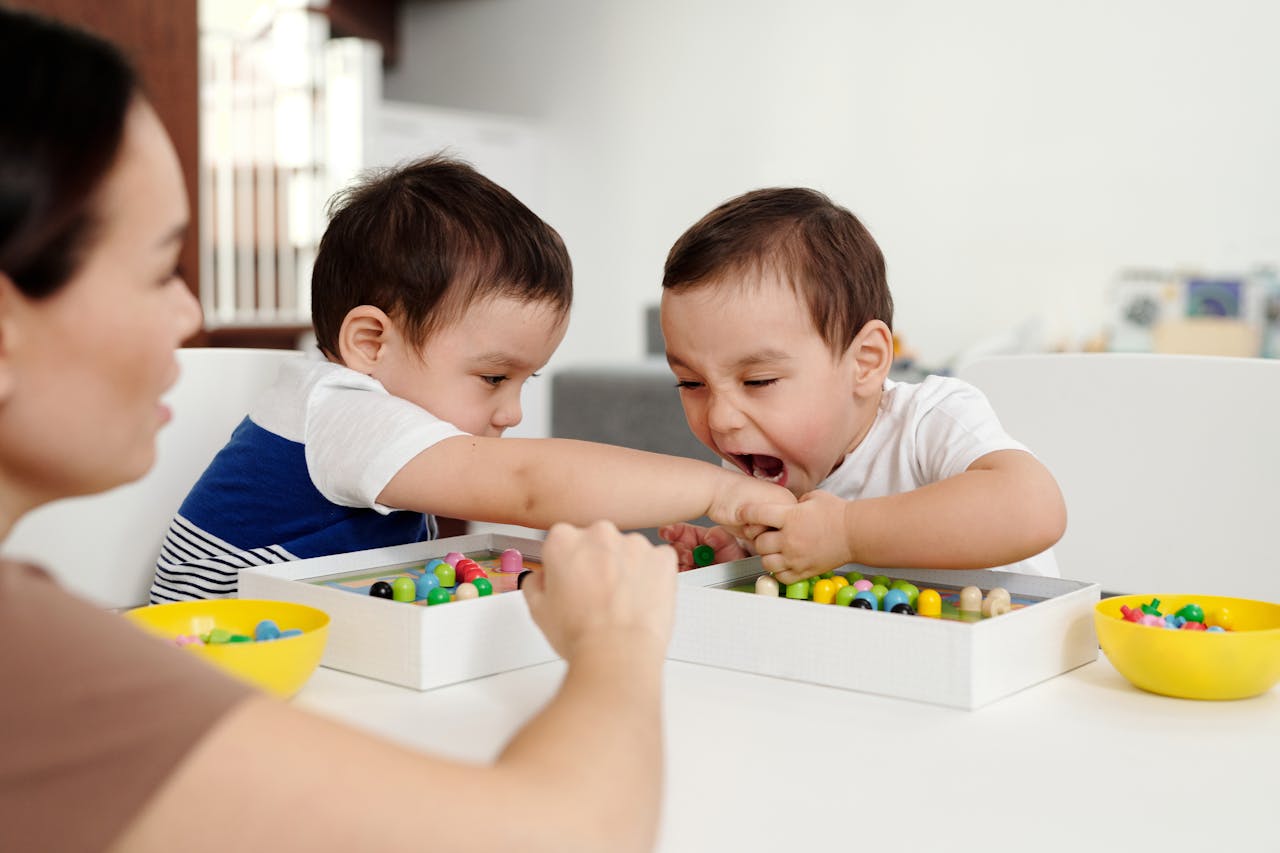
Although sharing is often presented as a noble value, a child may experience it quite differently. To the child, being asked to lend or give something can feel like an unfair obligation—almost like a loss that’s been forced upon them.
Sometimes they feel as though they’re being asked to give up what belongs to them just to please others. In those moments, they don’t see generosity, but coercion.
This confusion is normal: sharing only becomes a genuine value when it is guided, explained, and experienced in an environment that respects their emotions and boundaries.
The agonizing struggle

As a parent, you want to encourage healthy perseverance—the kind that makes children want to keep trying and gradually push themselves further.
But when too much emphasis is placed on effort, children may come to view success as an absolute obligation.
Every task then becomes a test, every mistake a threat. This silent pressure erodes their confidence and turns school into a source of anxiety rather than a place of learning.
The child no longer focuses on the value of effort, but on the fear of disappointing others. Hence the importance of valuing the journey, not just the result.
Passive tolerance
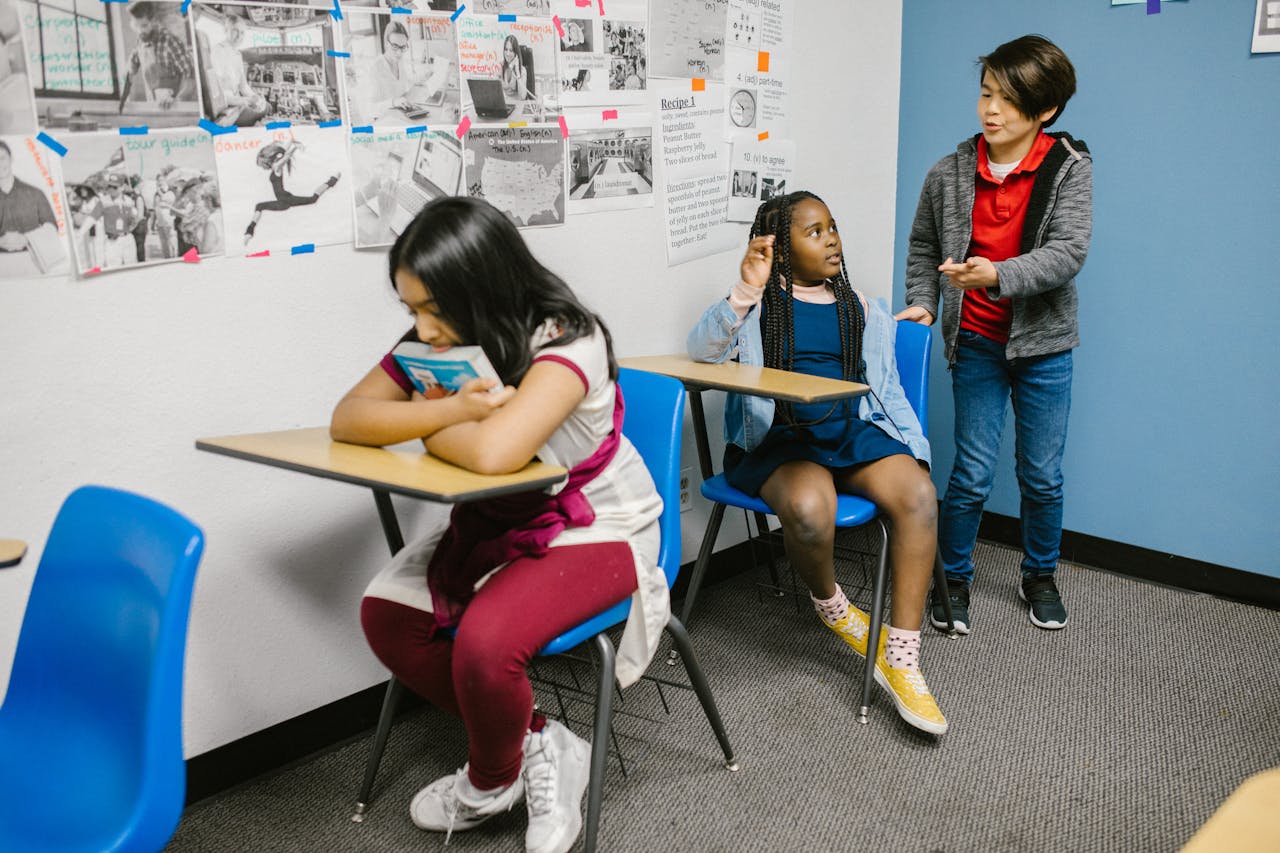
When tolerance is overemphasized, a child may end up accepting everything indiscriminately.
In their efforts to be “nice” or accommodating, they sometimes end up tolerating the unacceptable, becoming more passive in the face of injustice or behavior that hurts them.
This confusion prevents them from developing true assertiveness and distances them from their own convictions. They no longer know where to draw their boundaries or how to protect themselves.
Hence the importance of teaching them that tolerance never excludes self-respect: an essential balance between openness to others and inner protection.
Excessive altruism
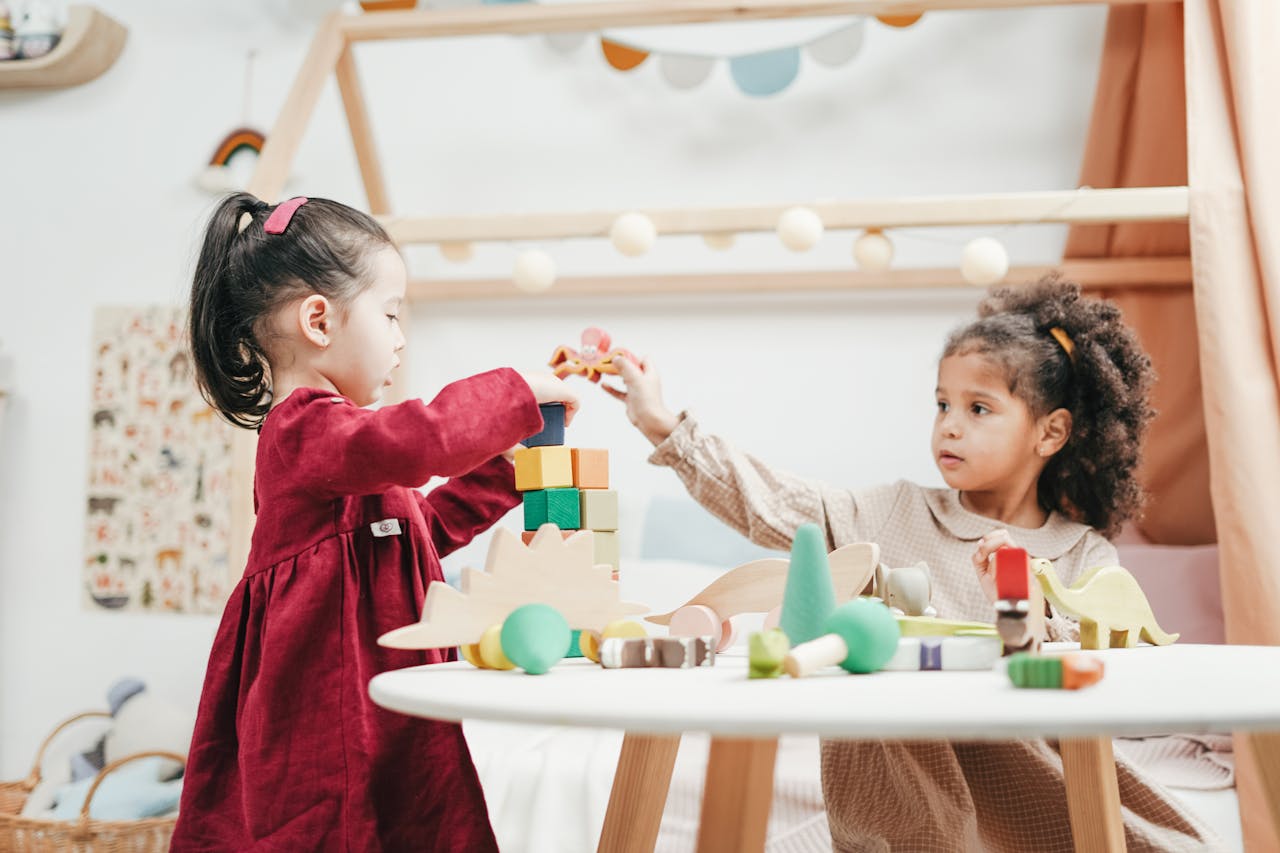
When you emphasize altruism, your child may draw a conclusion quite different from what you hope for. Instead of seeing it as a wonderful way to be open to others, they may believe that they must constantly put themselves last in order to be “kind.”
Little by little, they learn to put their own needs last, convinced that putting themselves first would be selfish. This interpretation stifles their self-assertion and prevents them from recognizing what is important to them.
Authentic altruism develops when a child understands that helping others never means neglecting to take care of themselves.
Conditional trust

You may think you’re building their self-confidence, but some children interpret this message differently. When praise focuses primarily on results, they end up linking their self-worth to their performance.
Every success then becomes proof that they “deserve” your pride, and every difficulty a threat to their worth. This silent pressure drives them to push themselves not out of desire, but out of fear of disappointing you.
Little by little, they confuse self-confidence with perfection, undermining their relationship with mistakes and with themselves.
Mandatory sharing
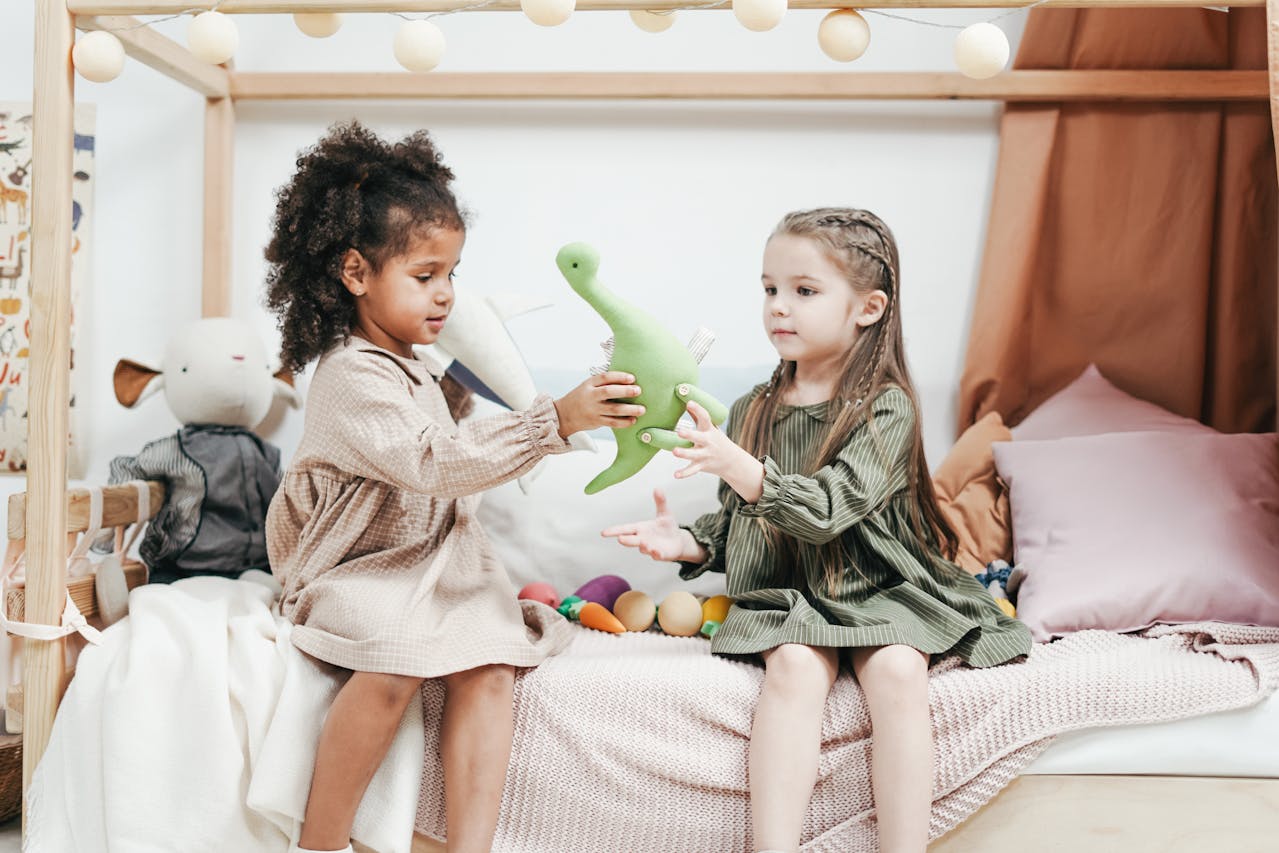
When you encourage your child to share their toys, your intention is noble: to teach them generosity and openness.
But some children interpret this message differently. By constantly being asked to share, they may come to believe that they don’t really have the right to own anything “of their own.”
This impression blurs the concept of ownership and undermines their ability to set healthy boundaries. They no longer dare to say no, even when they need to.
Sharing then becomes an obligation rather than a spontaneous act, reminding us of the importance of respecting their attachments as well.
Restrictive politeness

Teaching manners as a rigid rule can lead a child to believe that they must suppress their emotions in order to be “well-behaved.”
In their mind, asking questions, expressing disagreement, or simply saying what they feel becomes almost forbidden.
They then confuse politeness with self-effacement, which limits their communication and prevents them from developing authentic self-expression.
In their eagerness to do the right thing, they learn above all to censor themselves. True politeness, however, is built in an environment where children feel free to speak, while respecting others.
Stubborn persistence
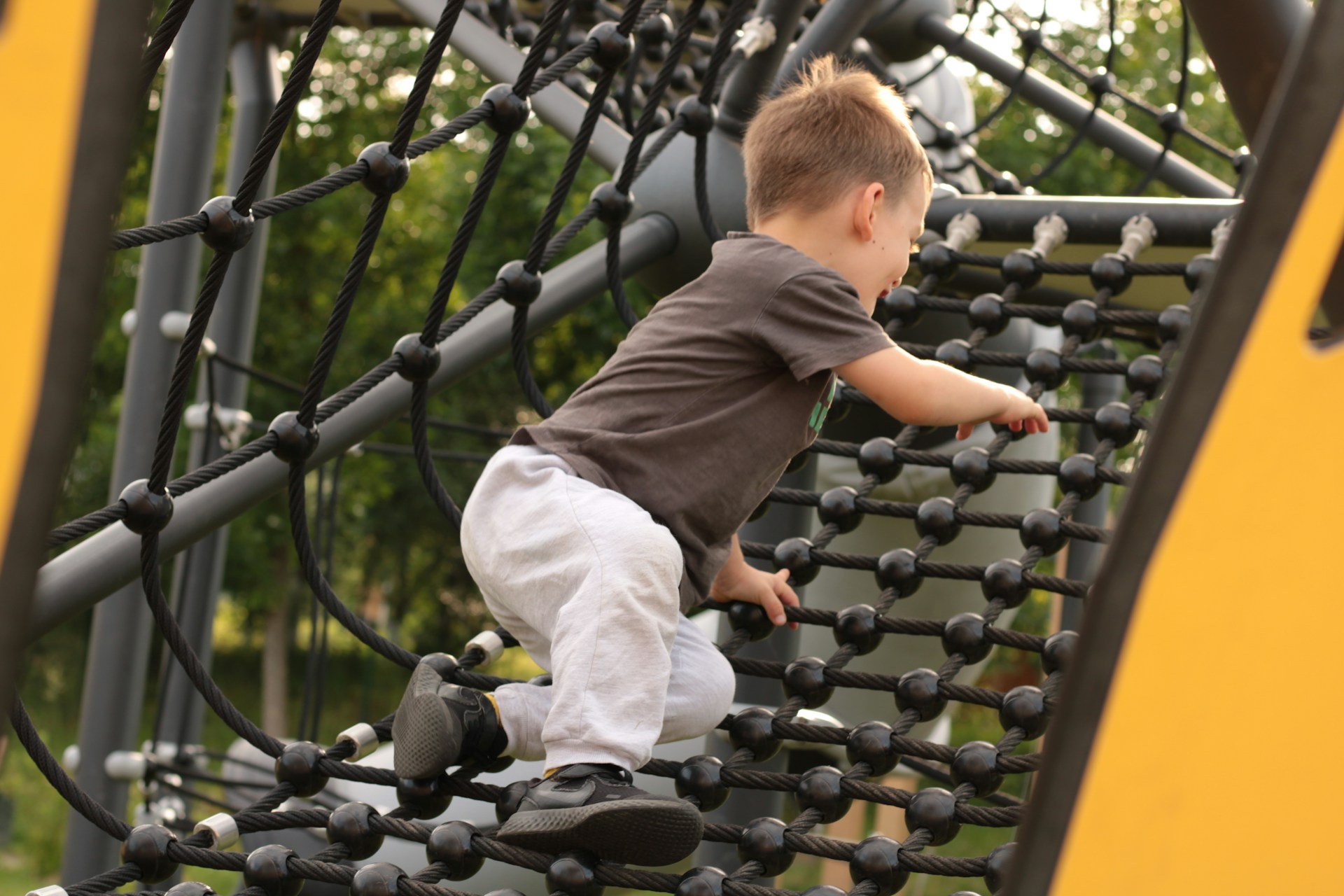
Persevering no matter what may seem like a noble value, but for some children, it becomes a silent trap.
By constantly hearing that they must “hang in there,” they eventually come to believe they must endure everything, even what exhausts them or makes them unhappy. They ignore their internal signals, convinced that giving up is the same as failing.
This rigid mindset distances them from their true needs and undermines their well-being. Healthy perseverance, on the other hand, is learned by listening to oneself: knowing when to keep going… and when to protect oneself.
Unbalanced listening

If you encourage your child to open up without offering the same in return, they may quickly come to believe that their emotions have no value. They feel heard… only when they stay silent.
Perceiving neither recognition nor curiosity about what they are experiencing, they learn to internalize everything and constantly adapt to the needs of others. This dynamic distances them from their own emotional compass and undermines their self-esteem.
True listening, however, is built through dialogue: a space where the child feels that their words matter just as much as the adult’s.
Harmful discretion

When indiscriminately praised, discretion can lead a child to suppress their feelings in order to “behave properly.”
By constantly being encouraged to stay calm, reserved, or not to cause a disturbance, they sometimes learn to hide their emotions rather than express them appropriately.
This restraint, which seems harmless, can hinder their emotional development and prevent them from understanding what they’re truly experiencing.
They cut themselves off from their spontaneity to fit a “well-behaved” image. Hence the importance of providing them with a space where speech is free, respectful… and fully welcomed.