In the protective silence of darkness, another world awakens, where night birds reign. Capable of intense nocturnal activity, these people reveal the richness and diversity of life’s rhythms with their naturally shifted biological clock, or chronotype. Like owls and other night birds, they feel more energetic, creative and productive once the sun goes down. Some find inspiration, productivity and even social relationships in these dark hours, usually dedicated to sleep. Embark on this journey beyond daylight and peel back the intricacies of their lifestyle among these 13 things night birds know, or do. Ready to dive in?

In the protective silence of darkness, another world awakens, where night birds reign. Capable of intense nocturnal activity, these people reveal the richness and diversity of life's rhythms with their naturally shifted biological clock, or chronotype. Like owls and other night birds, they feel more energetic, creative and productive once the sun goes down. Some find inspiration, productivity and even social relationships in these dark hours, usually dedicated to sleep. Embark on this journey beyond daylight and peel back the intricacies of their lifestyle among these 13 things night birds know, or do. Ready to dive in?
1. The night owl

Remember that night owls need the same number of hours of sleep as early risers. Naturally, they rarely go to bed before 2 a.m., waking up around 10 a.m. instead. Their activity peaks in the late evening or early morning, until fatigue sets in.
2. A biological rhythm that goes against the grain

Their biggest challenge is living in a world designed for early risers. Work schedules, appointments, even family interactions, are potential sources of conflict in their lives, as they are incompatible with the rhythm of society. This constant discrepancy sometimes leads to frustration and a feeling of never being totally in sync with the world around them.
3. Night-time productivity

Many night owls seek out and benefit from the quiet of the night to concentrate fully on their tasks. Productive night owls need to protect themselves from excessive stimuli. In this way, they acquire a sense of being alone in the world, avoiding the daytime distractions of colleagues or incessant telephone notifications.
4. Unbridled creativity
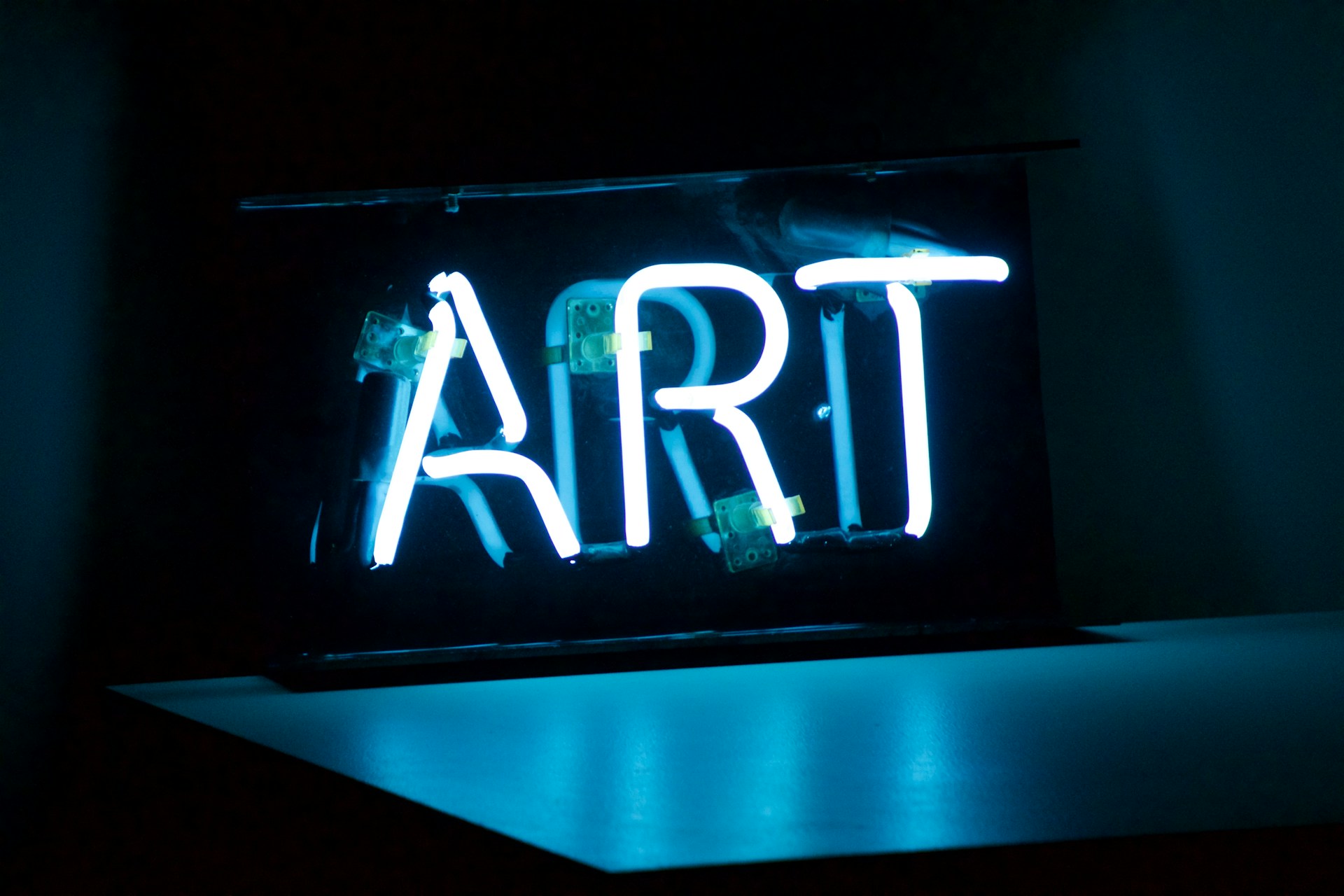
The person who lives by night usually discovers talents off the beaten track after midnight. It's during this time that their brain functions differently. For example, many artists, writers and thinkers identify themselves as night owls, as their brightest ideas often emerge in the middle of the night.
5. A sharper memory after sunset
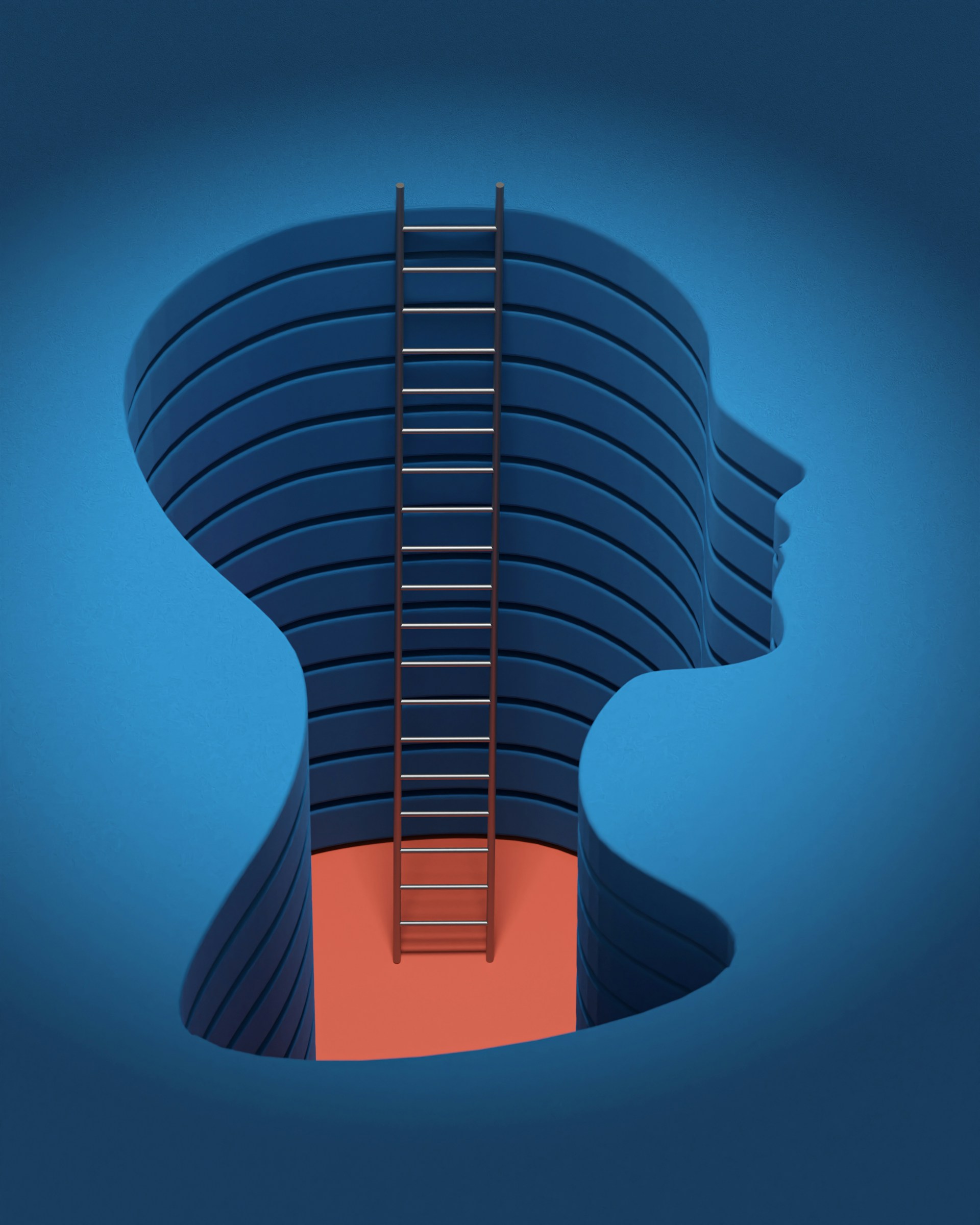
Studies have shown that night owls are better able to consolidate memories and learn new information during their waking hours. Their brains are particularly receptive to learning and long-term memorization. This explains why so many night owls are students.
6. The need for deep, restorative sleep

Night owls need quality sleep to protect their physical and mental health. To function properly, they must respect their natural cycle, even if this means sleeping when the sun is high in the sky. It's not a luxury, but a necessity.
7. The morning battle
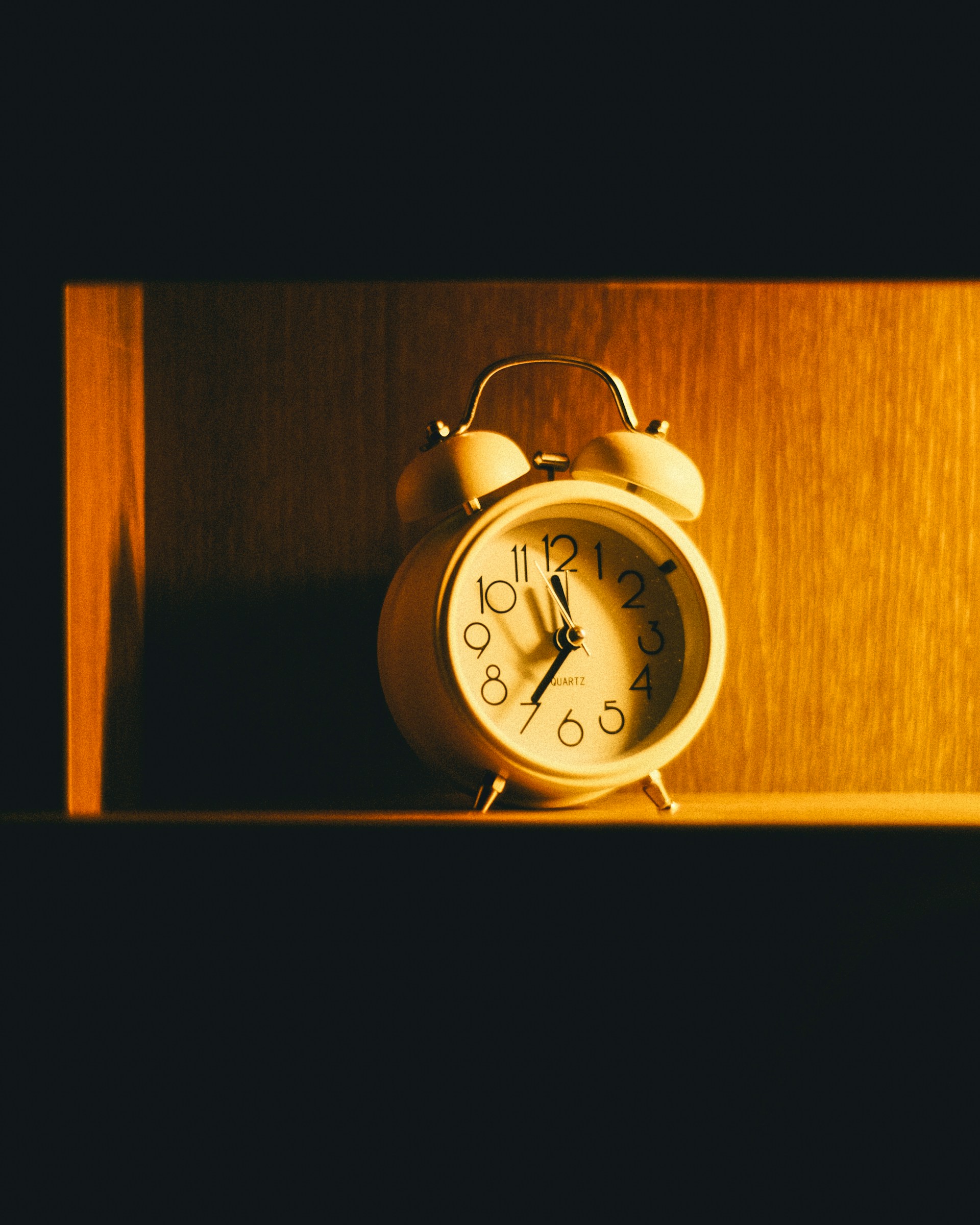
For a night owl, waking up in the morning is usually a trial of strength, and the alarm is his sworn enemy. He feels groggy and unresponsive in the early hours of the day, because his body isn't ready to get going. This is the time of day when he's least efficient.
8. Staggered meals

During the night, night owls are hungry and rarely respect traditional mealtimes. Dinner at 10pm and a snack at 2am are perfectly normal for them. Some become experts at preparing snacks, while others embark on real gourmet feasts.
9. Last-minute shopping, a speciality

Away from the crowds and stress of crowded stores, night owls enjoy shopping at unlikely hours. Grocery stores open 24 hours a day become their favorite places. The peace and quiet they enjoy means they can shop with peace of mind, without having to endure long queues.
10. The silent haven of peace
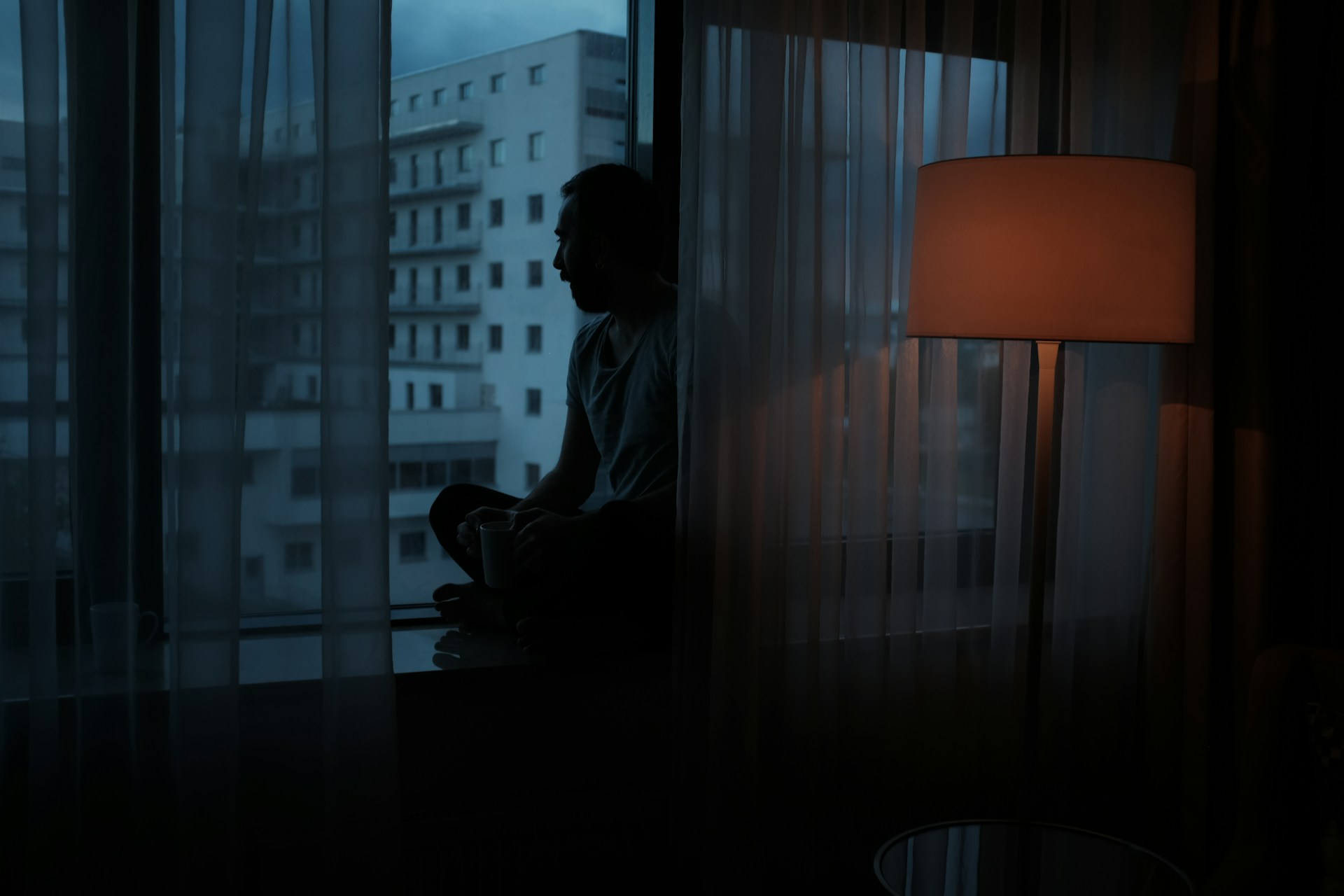
Other night owls are attracted by the silence and penumbra that they consider to be their best assets. Far from the incessant, stressful noise of the day, they enter a space of recollection, reflection and concentration in which they finally have access to the richness of their inner world.
11. The beauty of the night
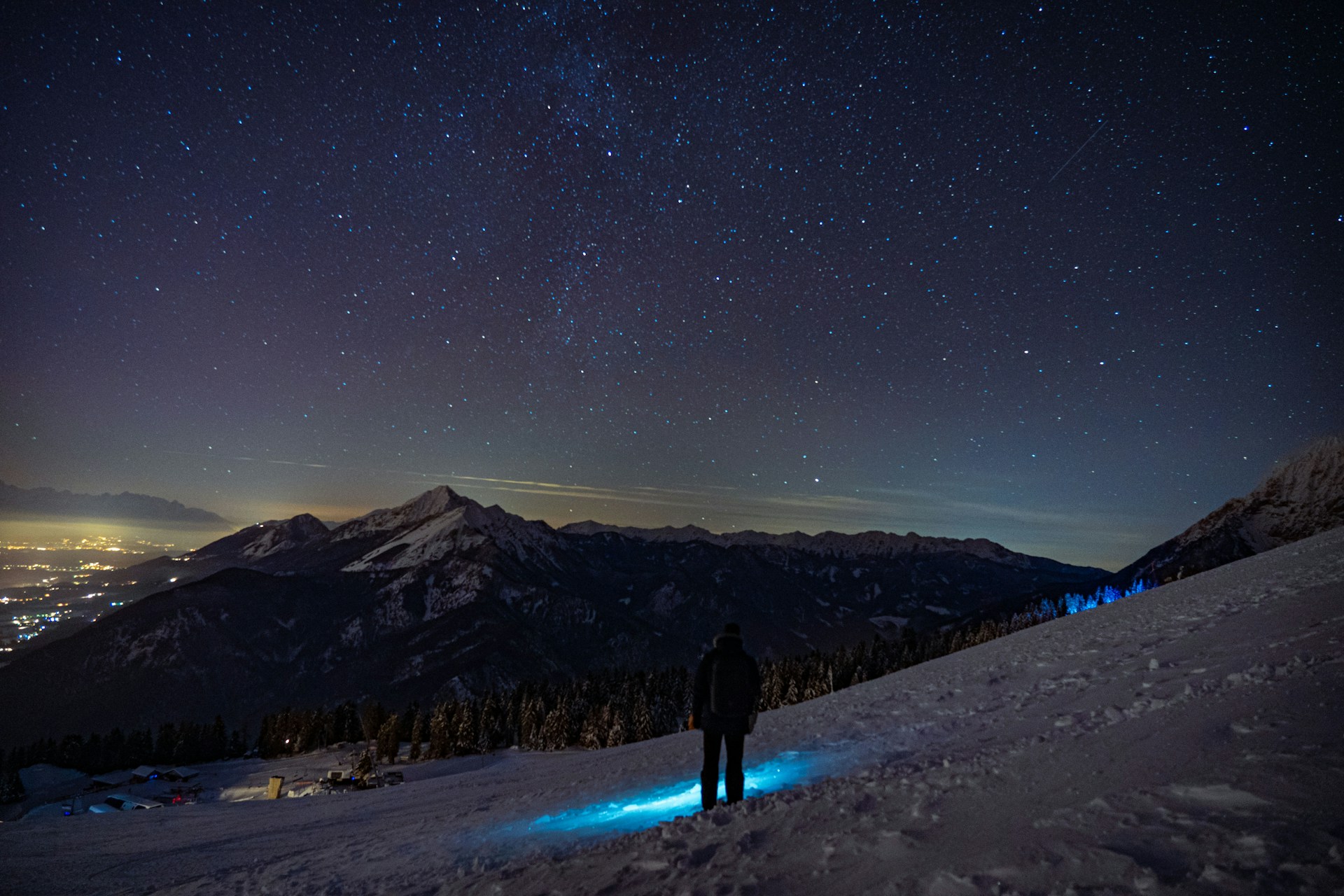
Night owls see the world from a different angle. They appreciate the little wonders that lurk after sunset: the starry sky, city lights and tranquil surroundings. Admiring the stars or the moon is one of the pleasures of the night. For many, the spectacle of the clear sky is a source of soothing inspiration.
12. The dance of the night owls

The night owl who loves to stay up late often infuses his energy into a social and festive life. His favorite playground? Nightclubs, underground parties and after-midnight gatherings, where he thrives and makes connections like nowhere else.
13. The cry of freedom
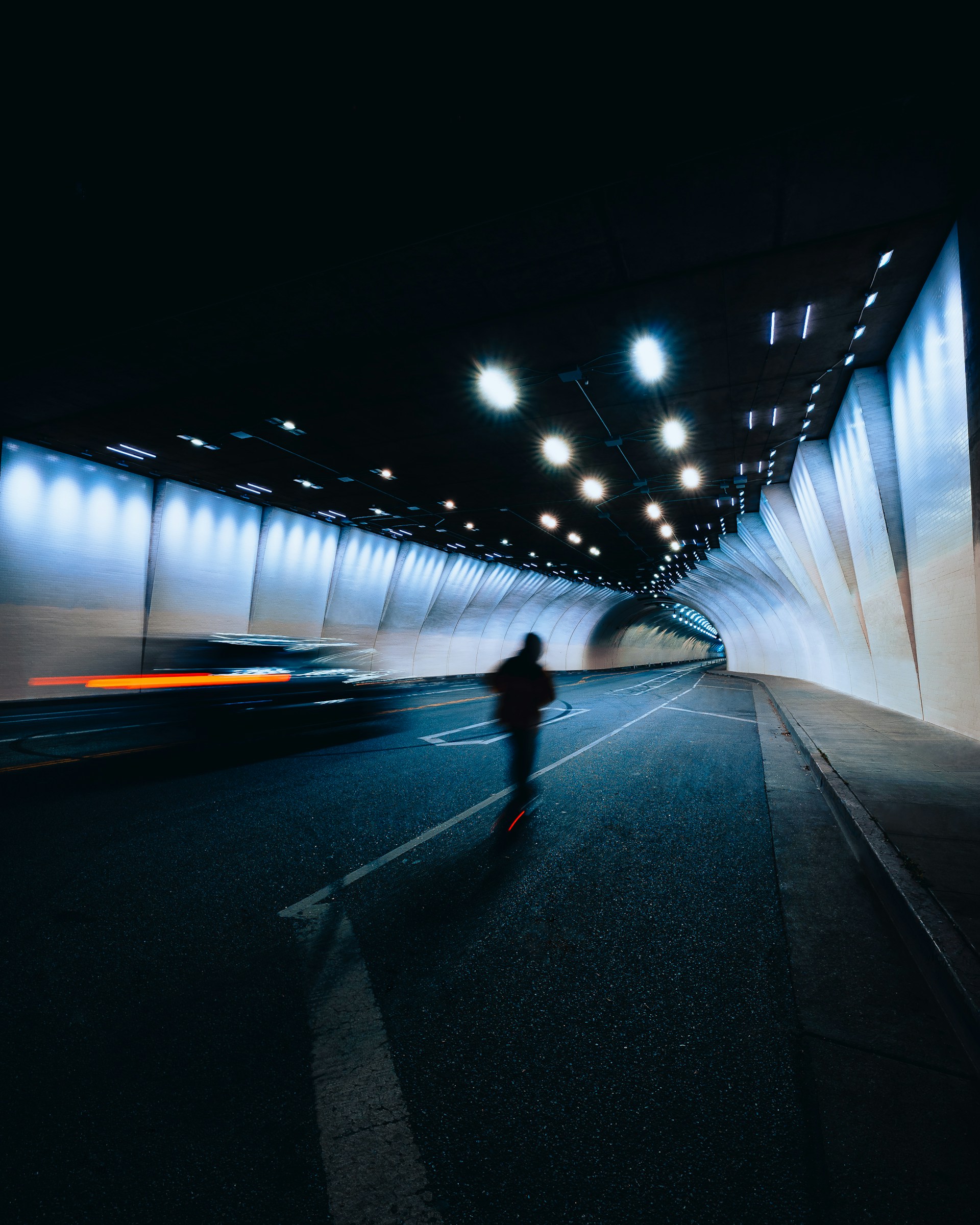
For the nocturnal freethinker, the cry for freedom translates into an irresistible attraction for transgressive activities, sometimes on the heels of daytime rules. Thanks to his nocturnal life, he finds a sense of liberation from the people around him who find it difficult to understand him. This feeds his unique and certainly enigmatic personality.