There’s a difference between being around your kid and actually making them feel secure. Ever notice how they melt down when you rush through things, or shy away when you’re too loud or fast? It’s not about being overly gentle or walking on eggshells. It’s about paying attention to how they receive you. Toddlers are wired to react big because that’s how their brains operate right now. But there’s good news: just a few thoughtful shifts in how you interact can completely change how safe they feel. Here are some small, intentional moves that speak their language better than words ever could.
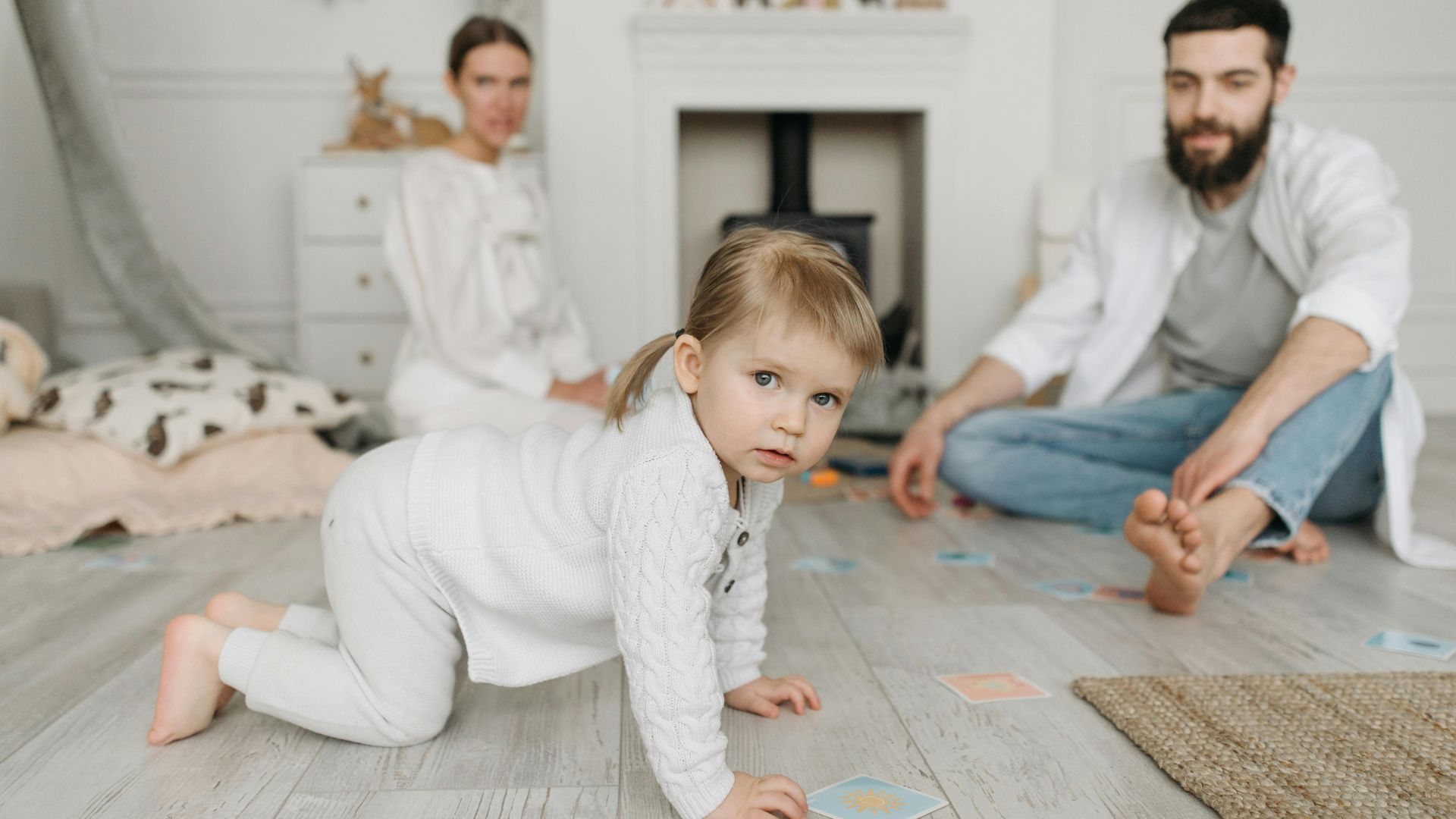
There’s a difference between being around your kid and actually making them feel secure. Ever notice how they melt down when you rush through things, or shy away when you're too loud or fast? It's not about being overly gentle or walking on eggshells. It’s about paying attention to how they receive you. Toddlers are wired to react big because that’s how their brains operate right now. But there’s good news: just a few thoughtful shifts in how you interact can completely change how safe they feel. Here are some small, intentional moves that speak their language better than words ever could.
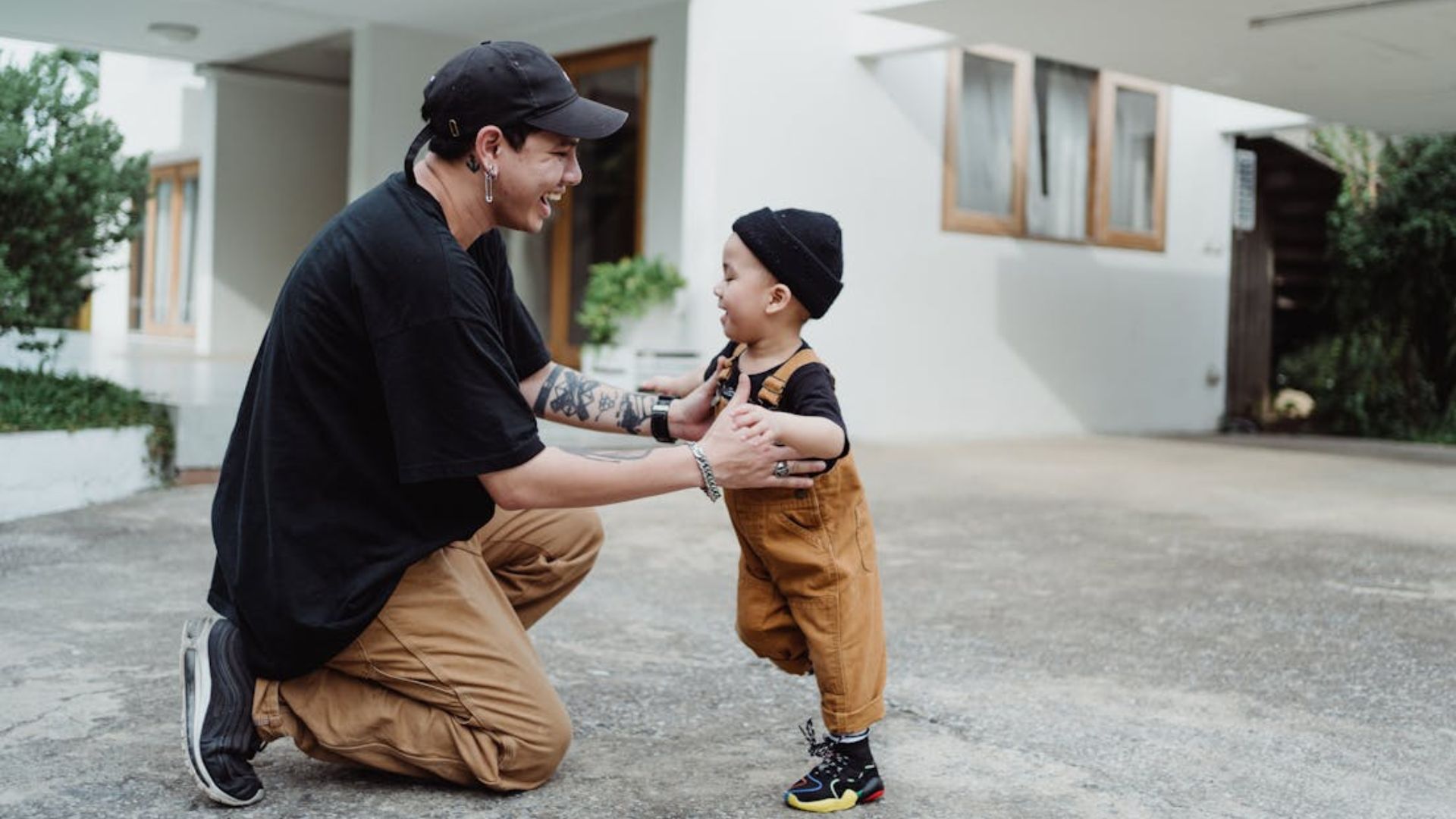
Crouch At Eye Level
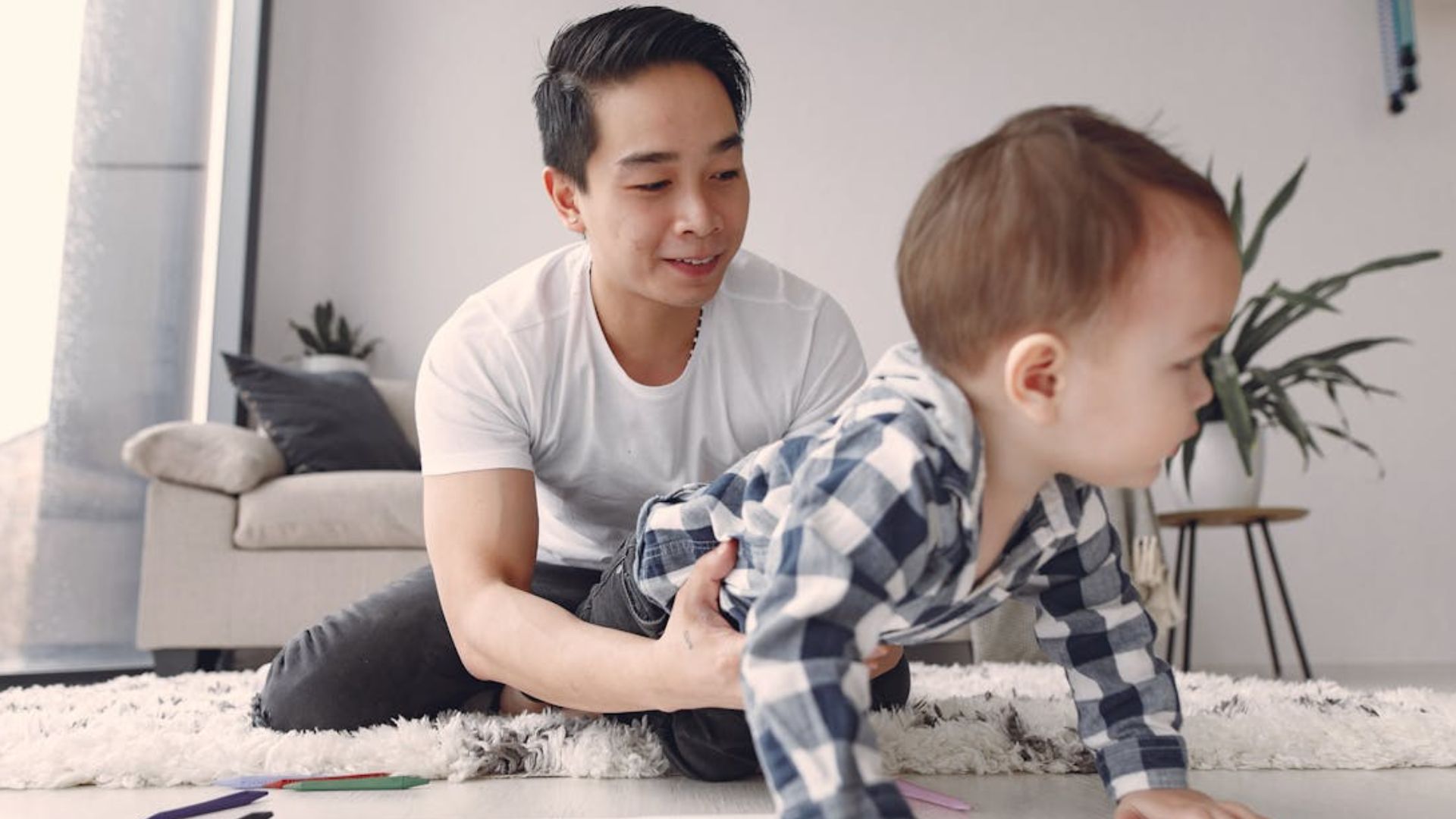
Height matters more than most parents realize. When adults tower over toddlers, it creates an intimidating power imbalance that triggers defensive responses in them. Hence, getting down to their eye level helps eliminate this threat and creates an equal dynamic that promotes cooperation.
Offer Your Hand First
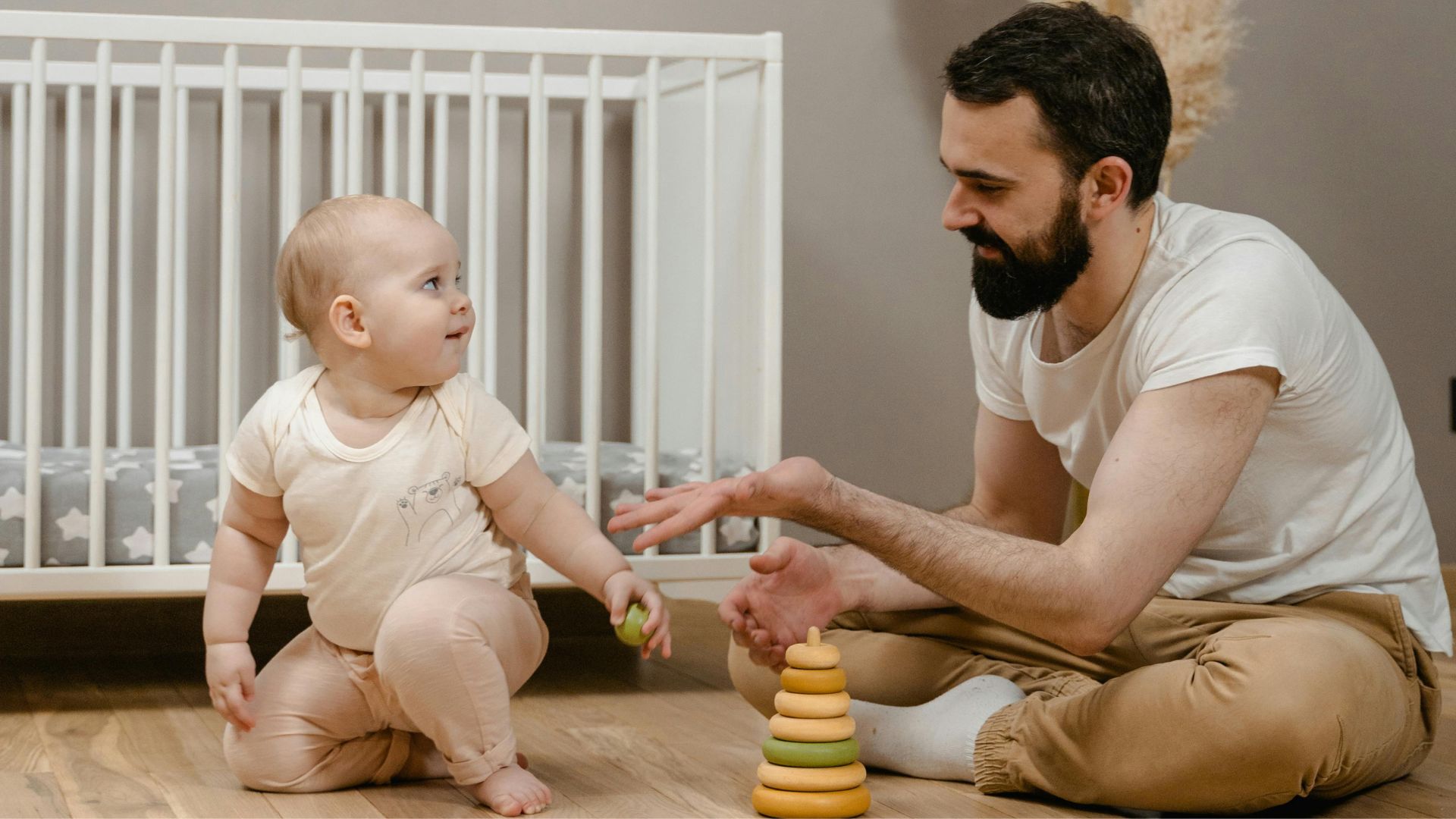
Something magical happens when you extend your hand instead of grabbing theirs. This simple gesture not only provides physical security but also teaches safety awareness in high-risk situations. The palm-to-palm contact activates their proprioceptive system, helping these little ones feel grounded and spatially oriented.
Move Slowly
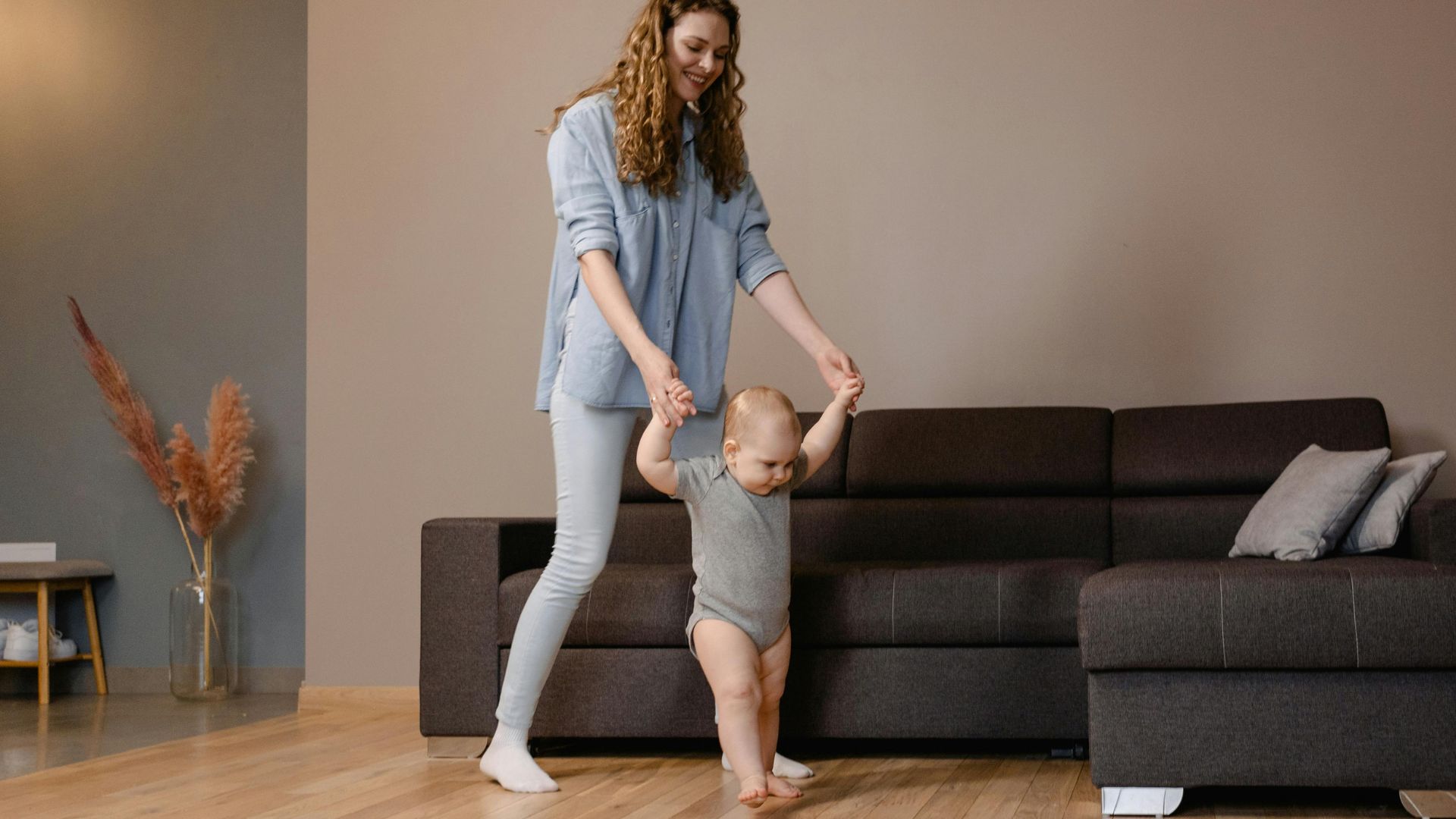
Toddlers live with hypervigilant nervous systems that are still developing impulse control. Sudden movements affect the amygdala in children much faster than in adult brains, causing immediate stress responses. Moving slowly builds trust by giving their brain time to process what's happening next.
Touch Shoulder During Transitions
Use Soft Eye Contact
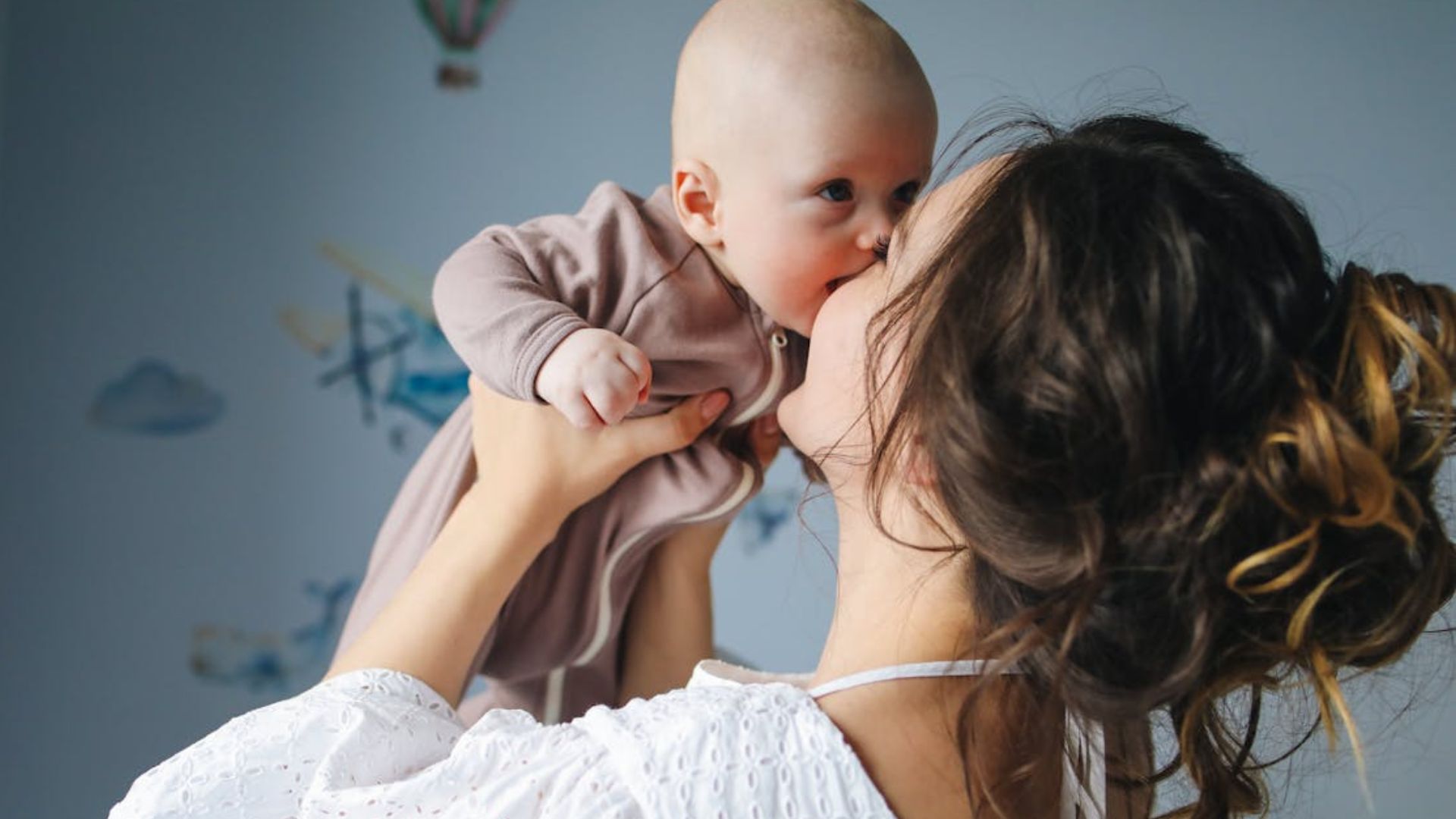
Eye contact mimics the universal mammalian signal for safety and non-aggression. Apparently, cats use slow blinking to show trust, and humans share this evolutionary response pattern. Tender gazing helps co-regulate intense emotions through your calm nervous system without overwhelming their sensitive processing abilities.
Use Open Palm Gestures
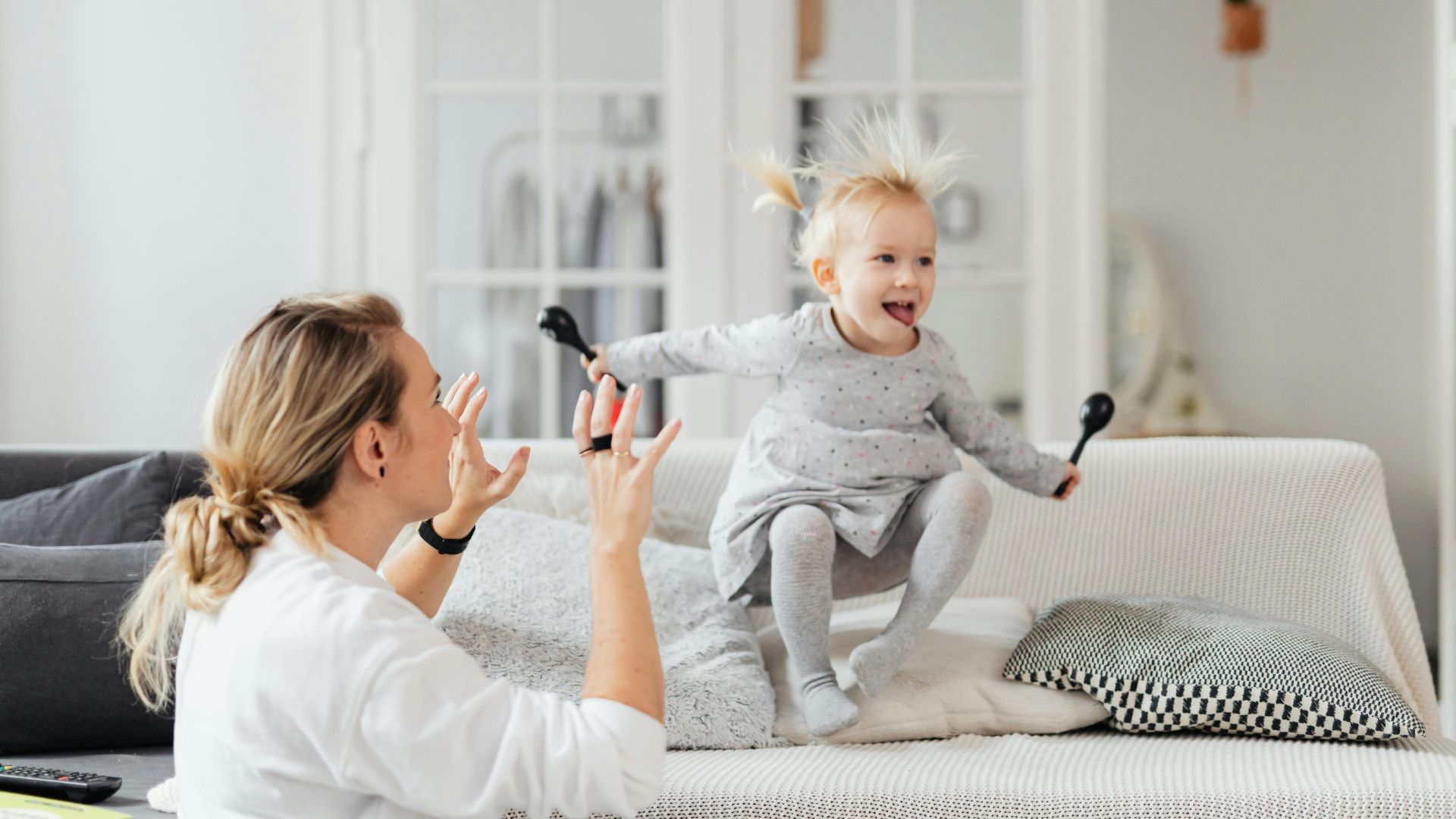
Did you know that pointing fingers resembles predatory behavior and activates defensive actions? Open-palm gestures craft an inclusive, welcoming energy that children instinctively recognize as safe. This posture is universally recognized across cultures as peaceful and naturally relaxes your shoulders, while appearing to be non-threatening.
Keep Hands Visible Always
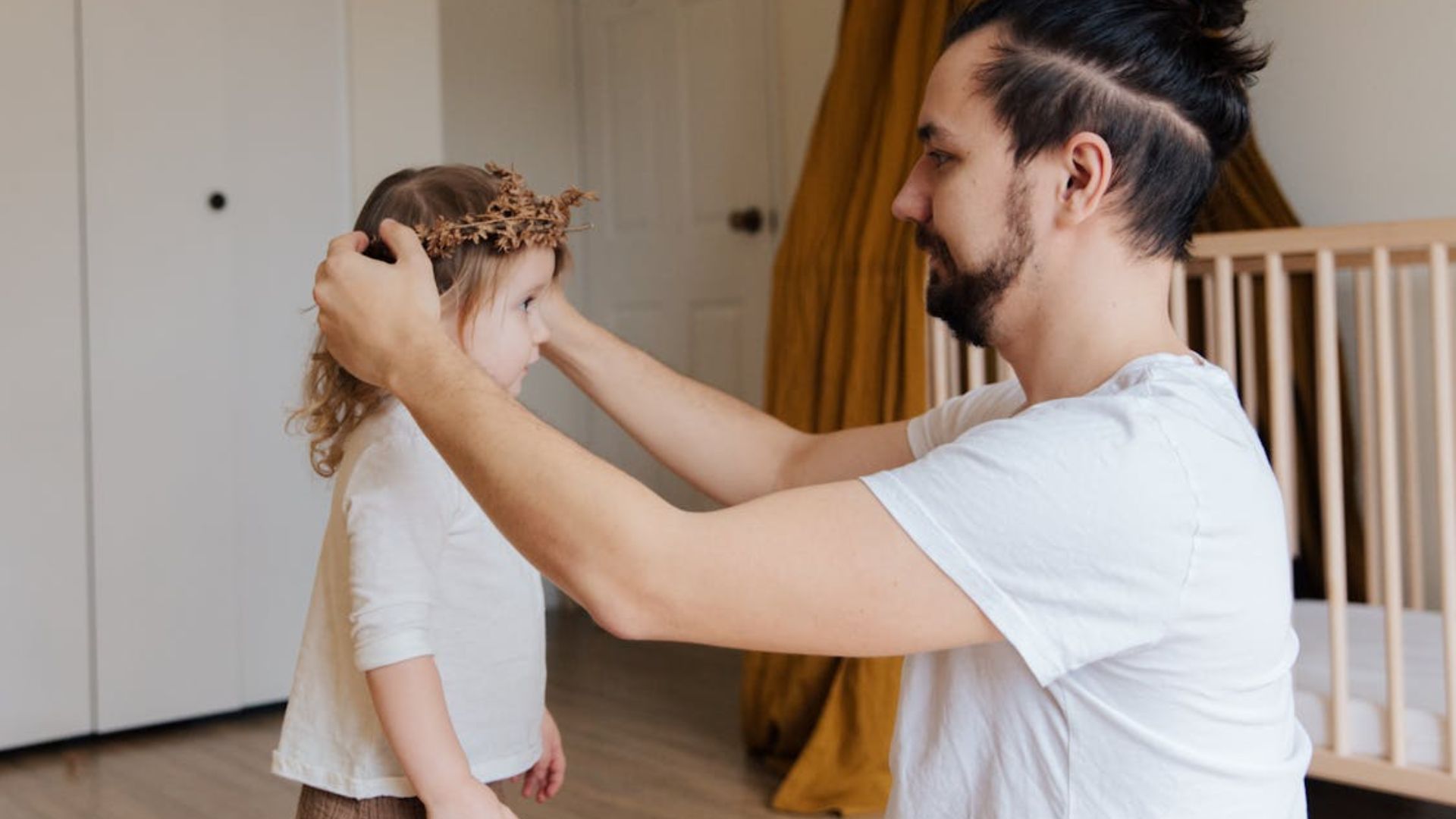
Interestingly, military and diplomatic protocols use this psychological principle for building trust. Hidden hands give rise to uncertainty about your next actions, bringing alive anxiety in those who are naturally hypervigilant about adult behavior. Visible hands reduce this uncertainty and instill trustworthiness in their developing minds.
Match Their Energy Level
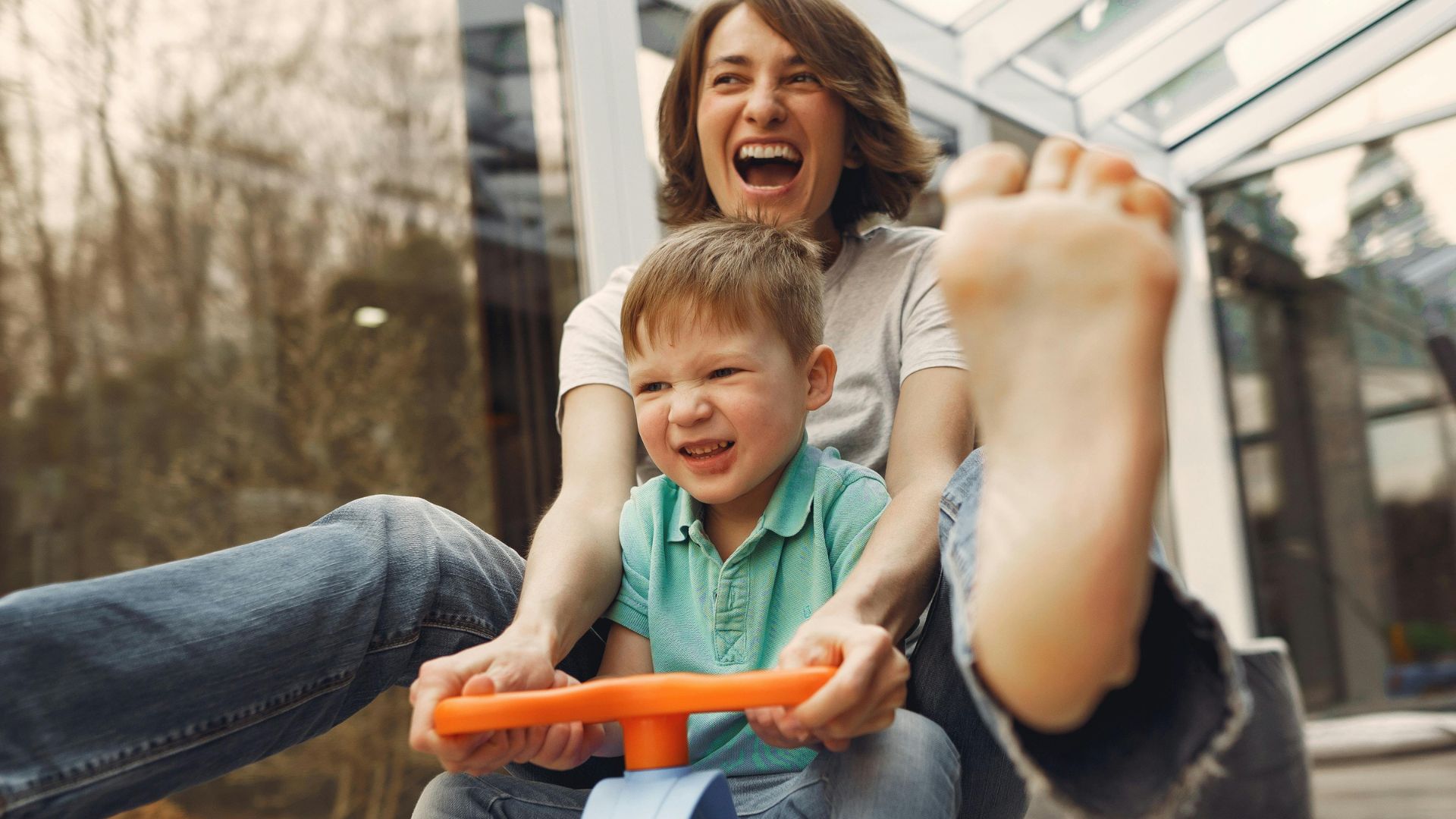
Overwhelming toddlers with high adult energy can overstimulate their sensitive nervous systems and hinder emotional regulation. Matching their current emotional state shows attunement and prevents dysregulation from mismatched interactions. After all, energy synchronization helps coordinate heart rates and breathing patterns between you and your child.
Pause Before Reacting Emotionally
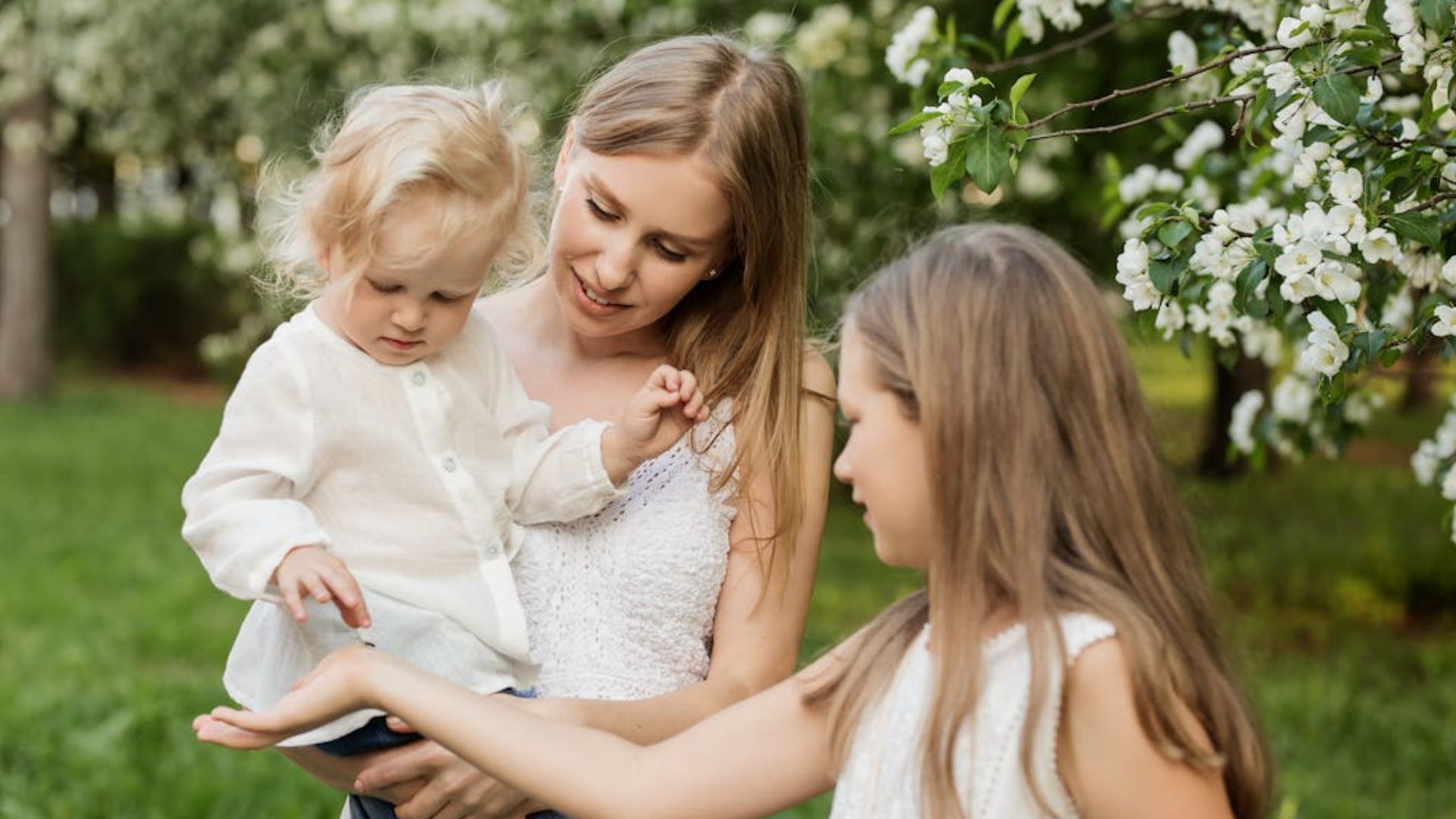
Infants process information much more slowly than adults, requiring extra time to understand complex situations. Therefore, your immediate emotional reactions can escalate their already heightened states before they've even processed what happened. Pausing models the emotional regulation skills they're desperately trying to learn.
Approach From The Front
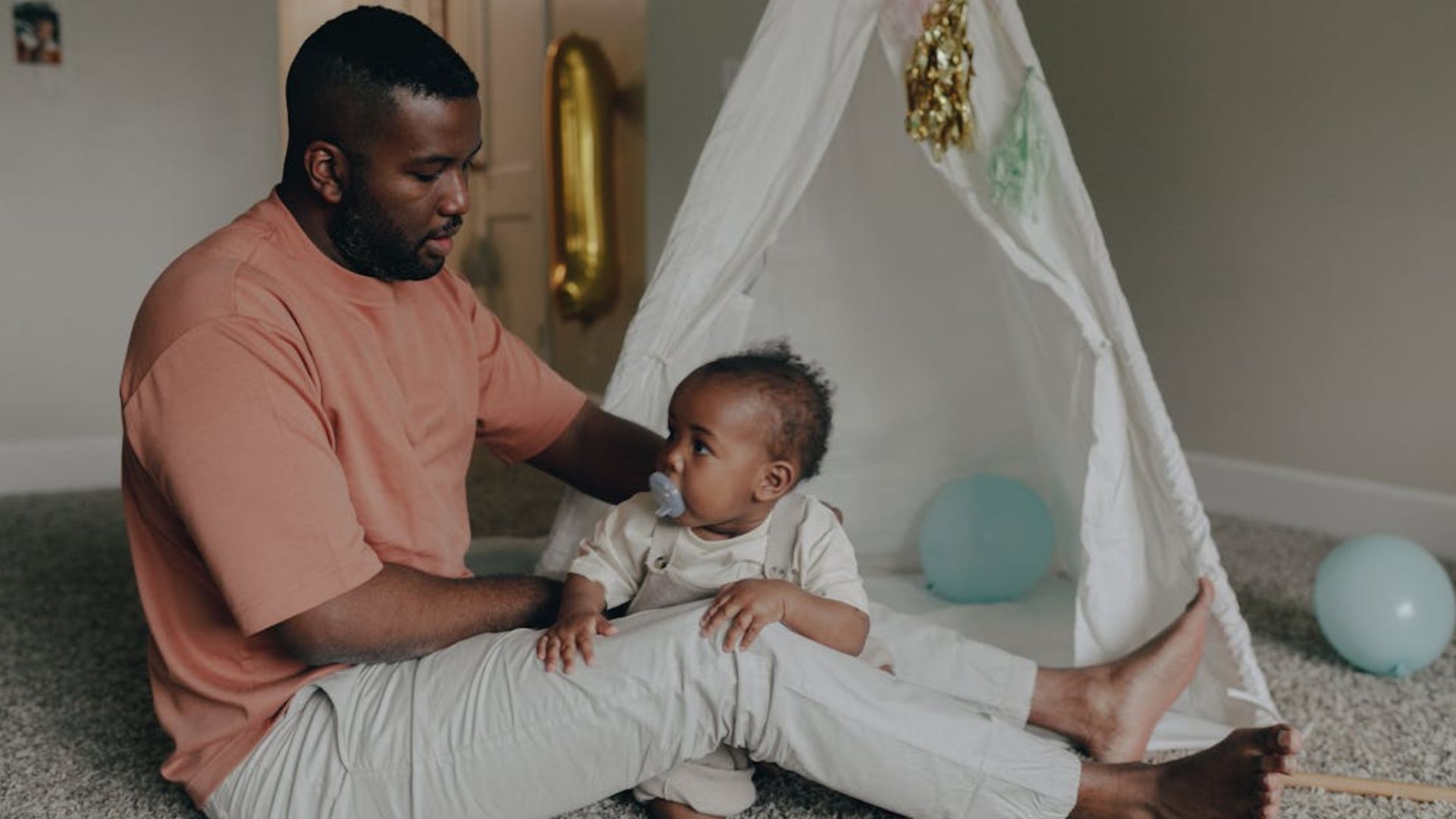
Sneaking up on these folks from behind or the side triggers ancient predator-avoidance instincts that flood their systems with stress hormones. Their peripheral vision is still developing, making surprise approaches particularly startling. Frontal approaches allow them to see you coming and prepare mentally for the interaction.
Warn Before Touching
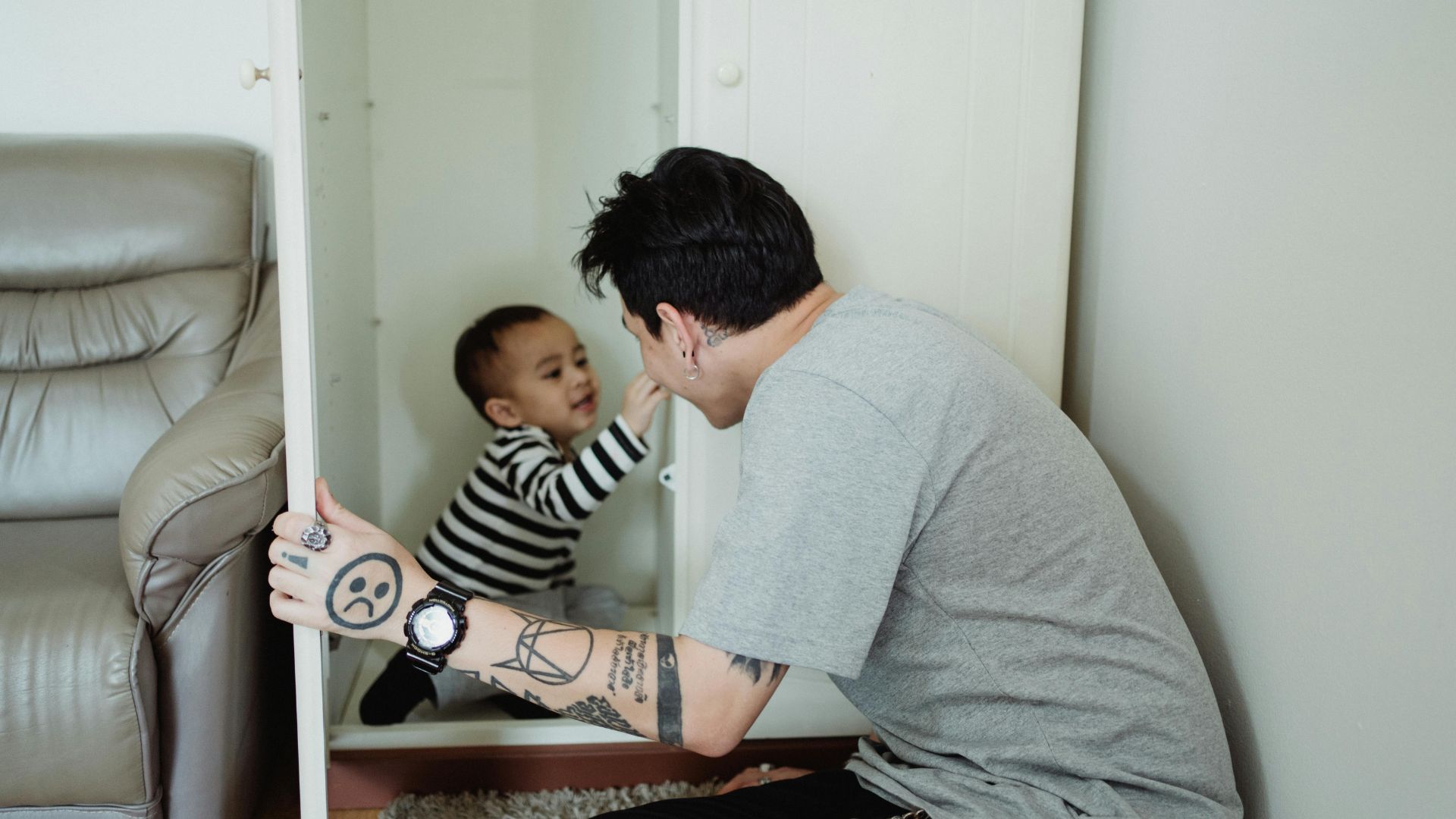
This practice teaches essential lessons about body safety and personal agency. Surprise touch can startle toddlers' sensitive nervous systems, which tend to overreact to unexpected sensations. Warning them first respects their growing sense of bodily autonomy and consent while building trust through boundary respect.
Use Gentle Voice Tones
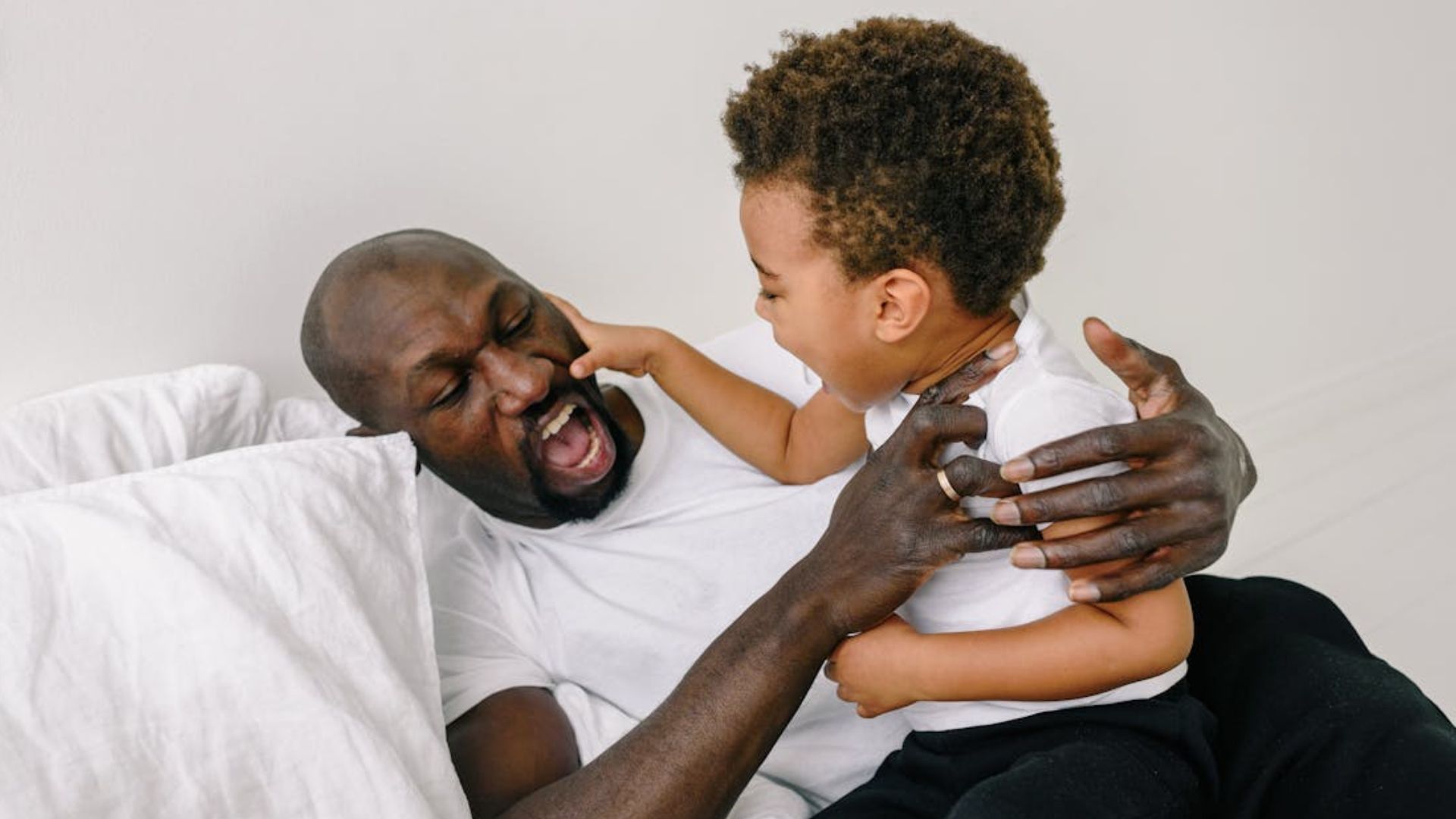
Additionally, harsh tones tend to activate the amygdala in their brains, flooding their systems with stress hormones that shut down learning and cooperation. So, always use soft tones that slow down heart rate and breathing while modeling the emotional regulation skills they're learning to master.
Stay Close During Meltdowns
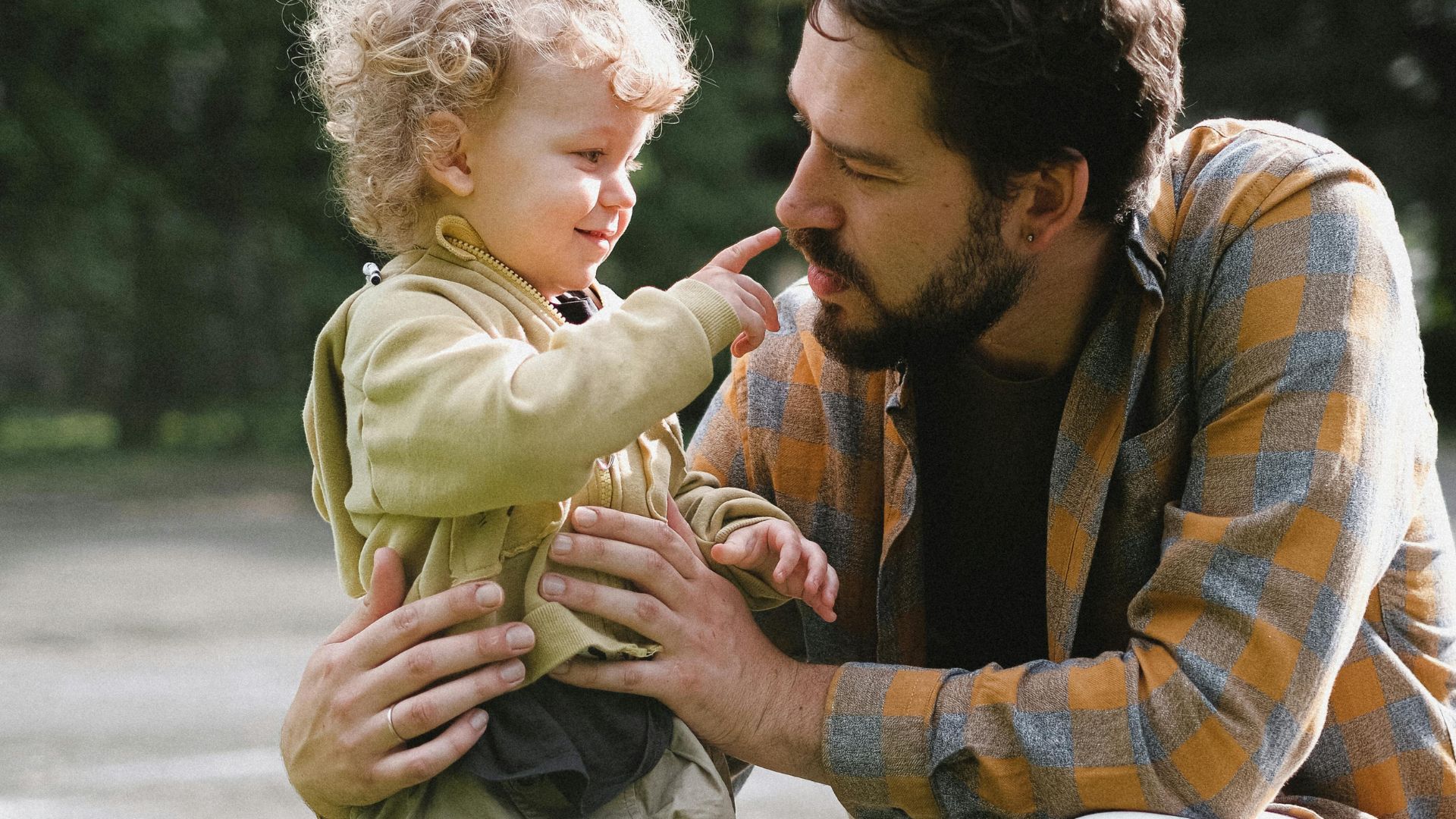
Abandoning little kids during emotional storms intensifies their distress and causes deep abandonment fears. Your calm physical presence provides co-regulation when their emotional systems become completely overwhelmed. Physical proximity releases calming hormones in both adult and child while your regulated nervous system helps stabilize theirs.
Offer Choices Between Options
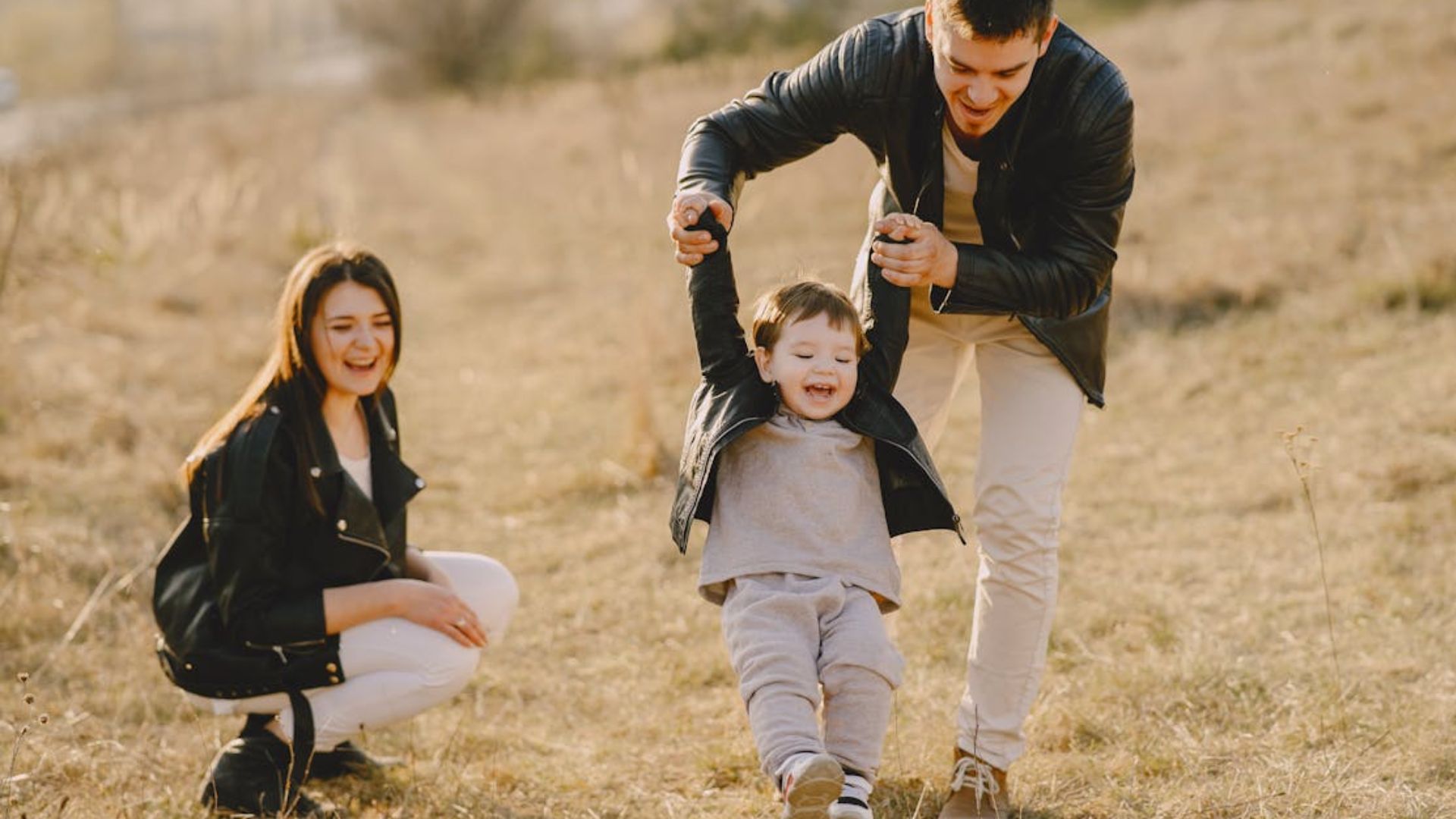
Control is everything to developing individuals who feel powerless in an adult-dominated world. Offer them two simple choices, as it gives them a sense of control that reduces fight-or-flight responses. It's true that too many options overwhelm their decision-making capacity, but two choices build confidence.