You probably remember your first phone—maybe even the ringtone. Some phones stayed in our lives for years, others just long enough to leave a mark. But a few completely changed how we talked, texted, and showed off. It’s strange how a pocket-sized object could shape trends and moments. Flip, slide, tap…each era had its thing. And somehow, these devices tell a bigger story, about how fast things were moving. Let’s take a look back, not at specs or sales, but at the phones that mattered. The ones that stood out, stuck around, or just refused to be ignored. The ones that made us feel.
You probably remember your first phone—maybe even the ringtone. Some phones stayed in our lives for years, others just long enough to leave a mark. But a few completely changed how we talked, texted, and showed off. It’s strange how a pocket-sized object could shape trends and moments. Flip, slide, tap…each era had its thing. And somehow, these devices tell a bigger story, about how fast things were moving. Let’s take a look back, not at specs or sales, but at the phones that mattered. The ones that stood out, stuck around, or just refused to be ignored. The ones that made us feel.
Motorola DynaTAC 8000X (1983)
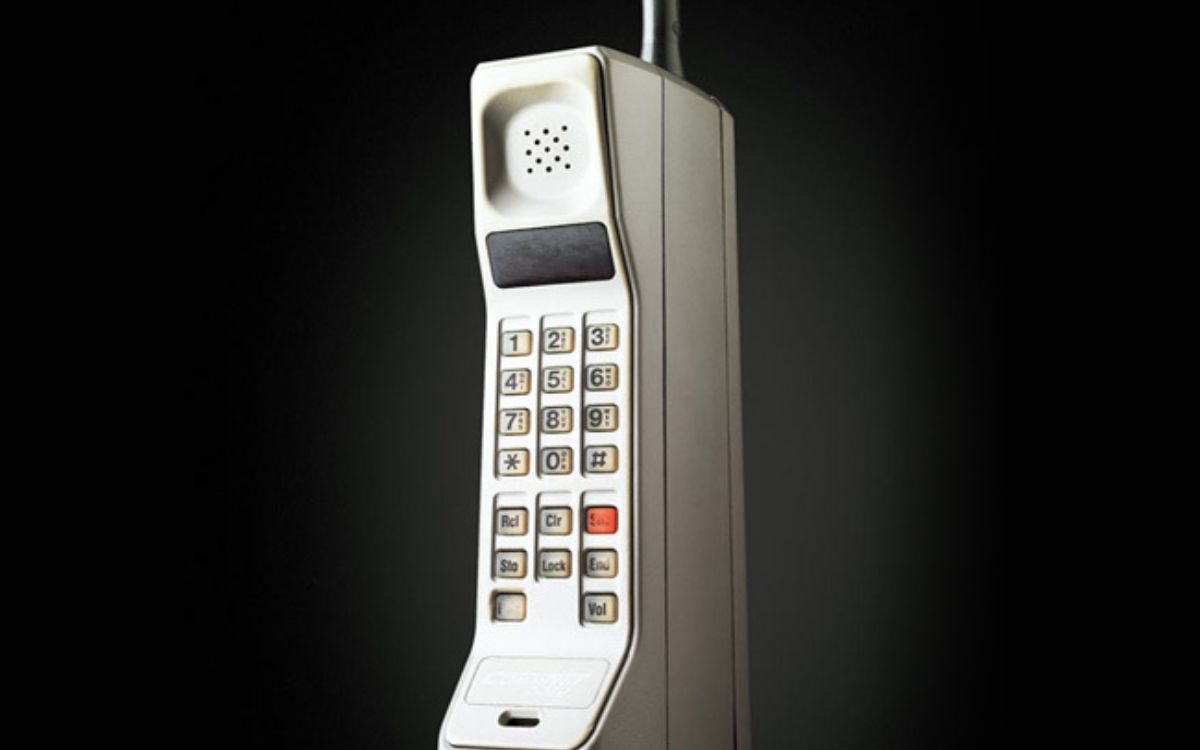
Nearly 2 pounds of pure bulk earned this device the nickname "Brick". At $3,900, early adopters paid premium prices for about 30 minutes of talk time. Yet this heavy pioneer launched the entire mobile revolution as the world's first commercially available handheld phone.
Motorola StarTAC (1996)
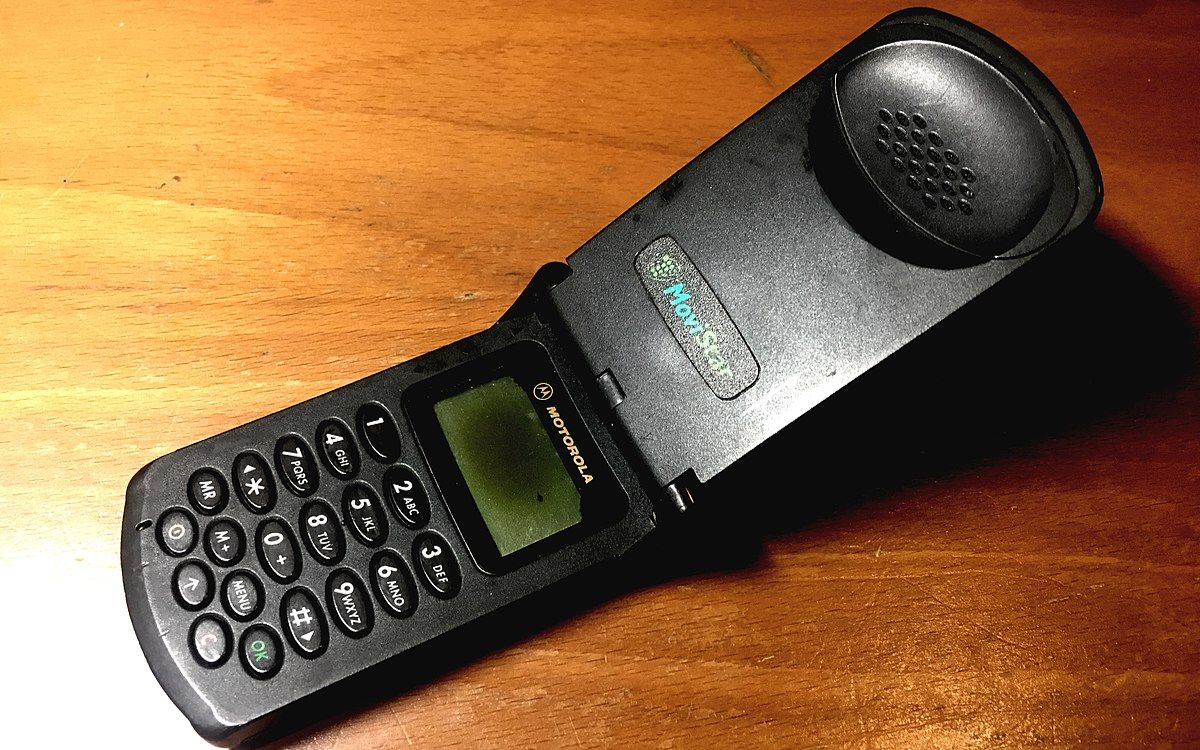
Inspired by Star Trek communicators, we have the StarTAC, an 88-gram marvel that introduced the flip phone concept to eager consumers worldwide. Pop culture status followed quickly, with more than 60 million units sold. The StarTAC proved that phones could be lightweight, stylish, and functional all at once.
BlackBerry 850 (1999)
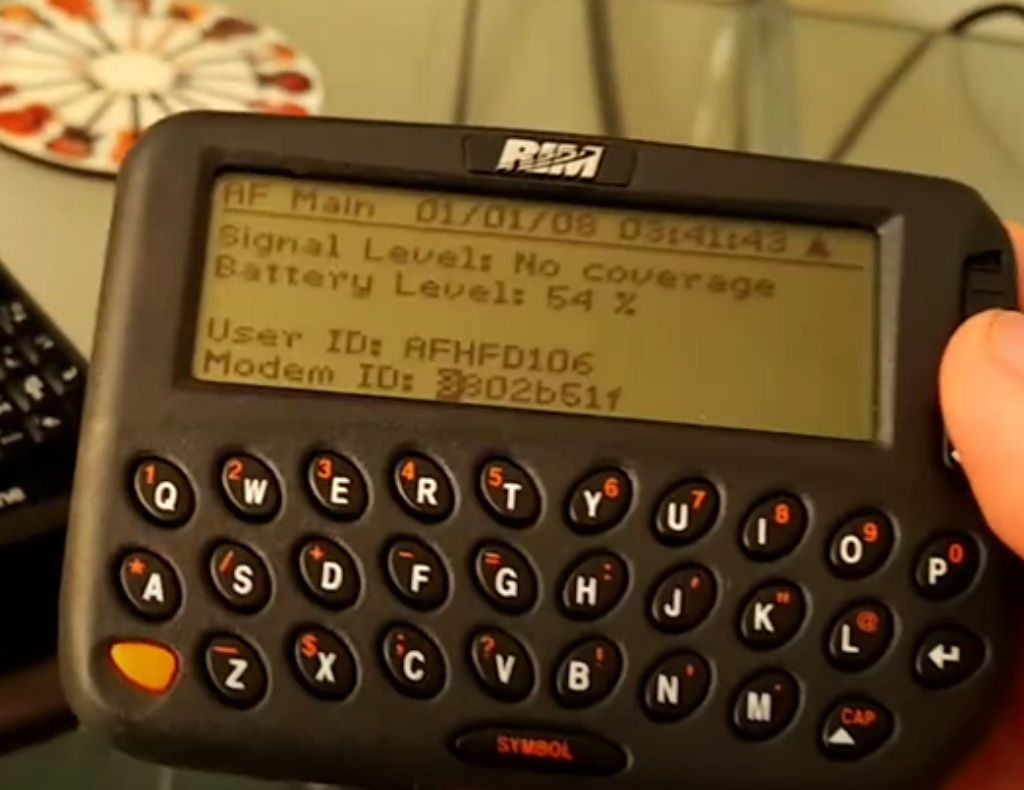
Vintage phones archive/youtube.com
The distinctive keyboard layout of this monochromatic cell is said to have introduced the concept of mobile email to business executives. With its initial continuous connectivity, the BlackBerry 850 pioneered mobile productivity. Rapid corporate adoption made BlackBerry the industry standard for business communication for many years.
Nokia 5110 (1998)
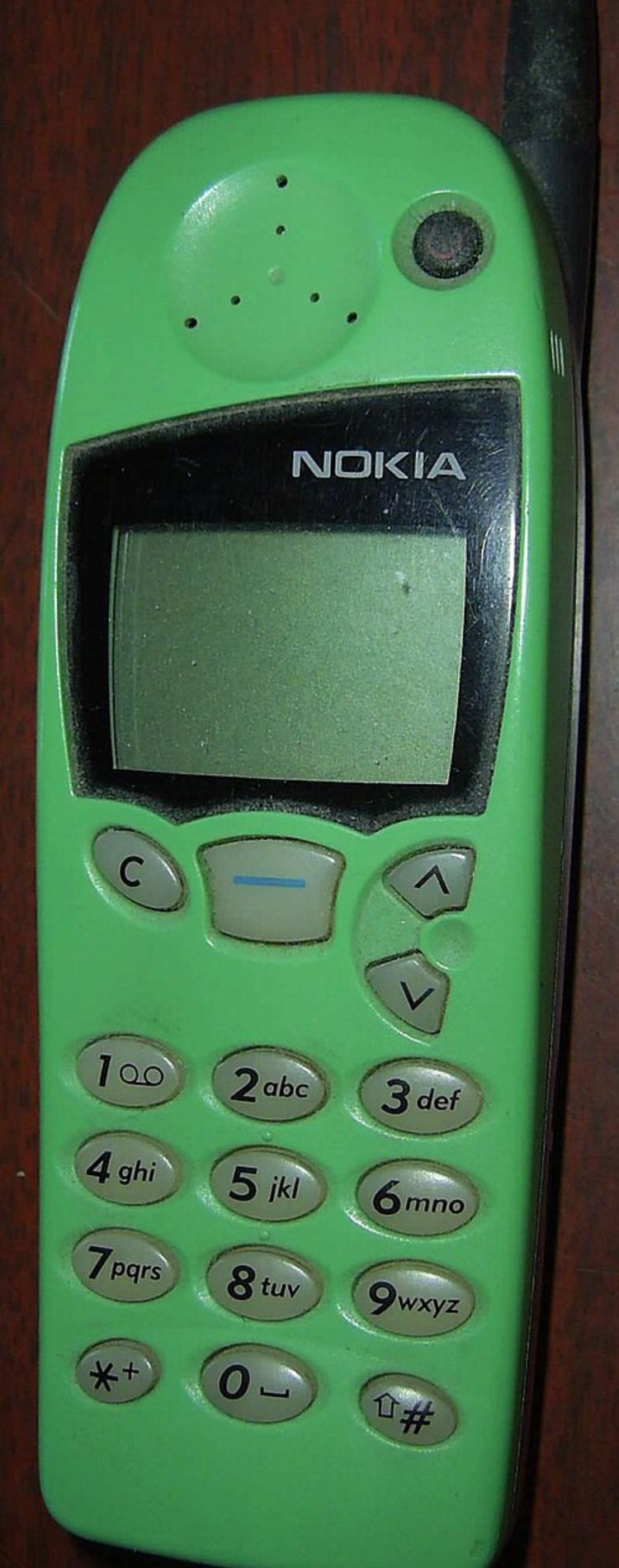
If you were a teenager in 199e, you probably remember customizing this phone. Colorful swappable faceplates let users mirror their personalities. Snake also became an instant gaming sensation. However, it was the week-long battery life and legendary durability that made it the perfect device for young users; and if your teen keeps cracking their screen, it might still make the perfect device.
Nokia 3310 (2000)
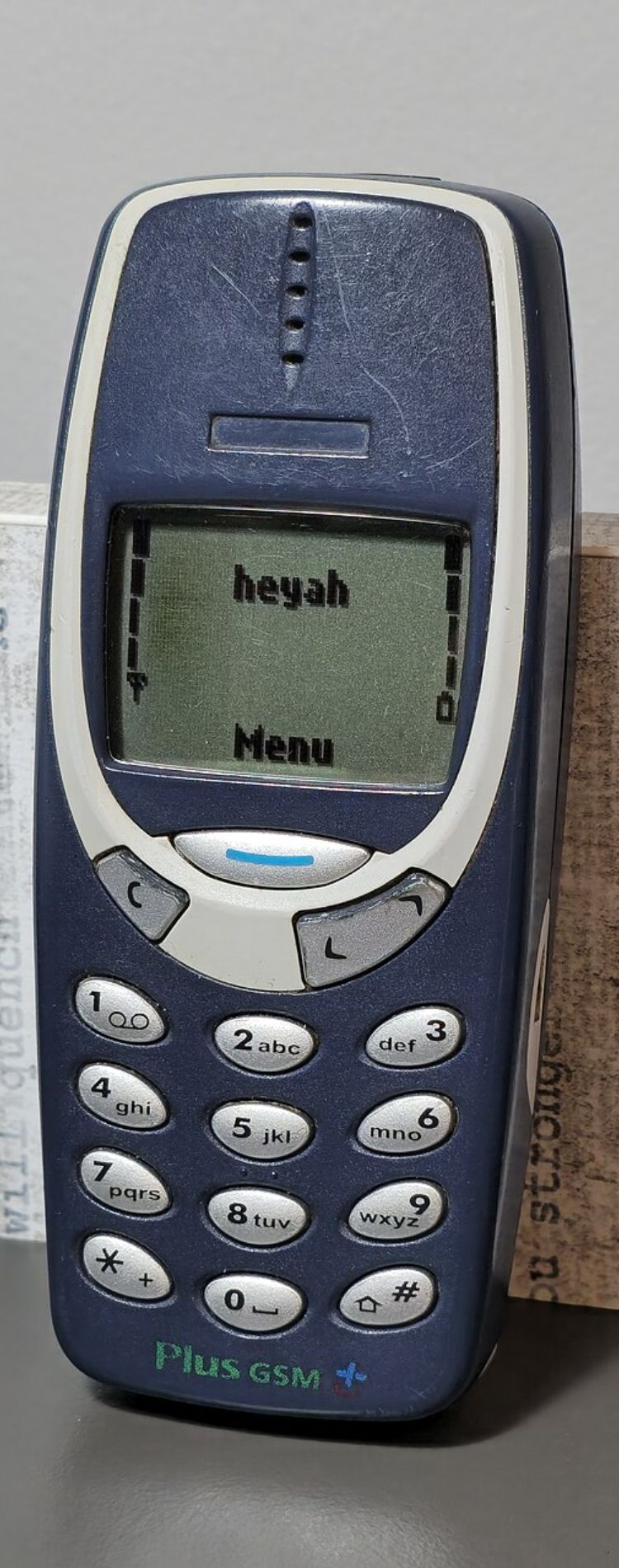
Sales of the 3310 reached an impressive 126 million units, thanks to its near-indestructible construction and excellent battery performance. Ten days of standby time seemed almost magical, while customizable ringtones added personal touches. Decades later, we have internet memes celebrating its legendary toughness. Folks are still reminiscent of the past, especially when it was as tough as this.
Motorola Razr V3 (2004)
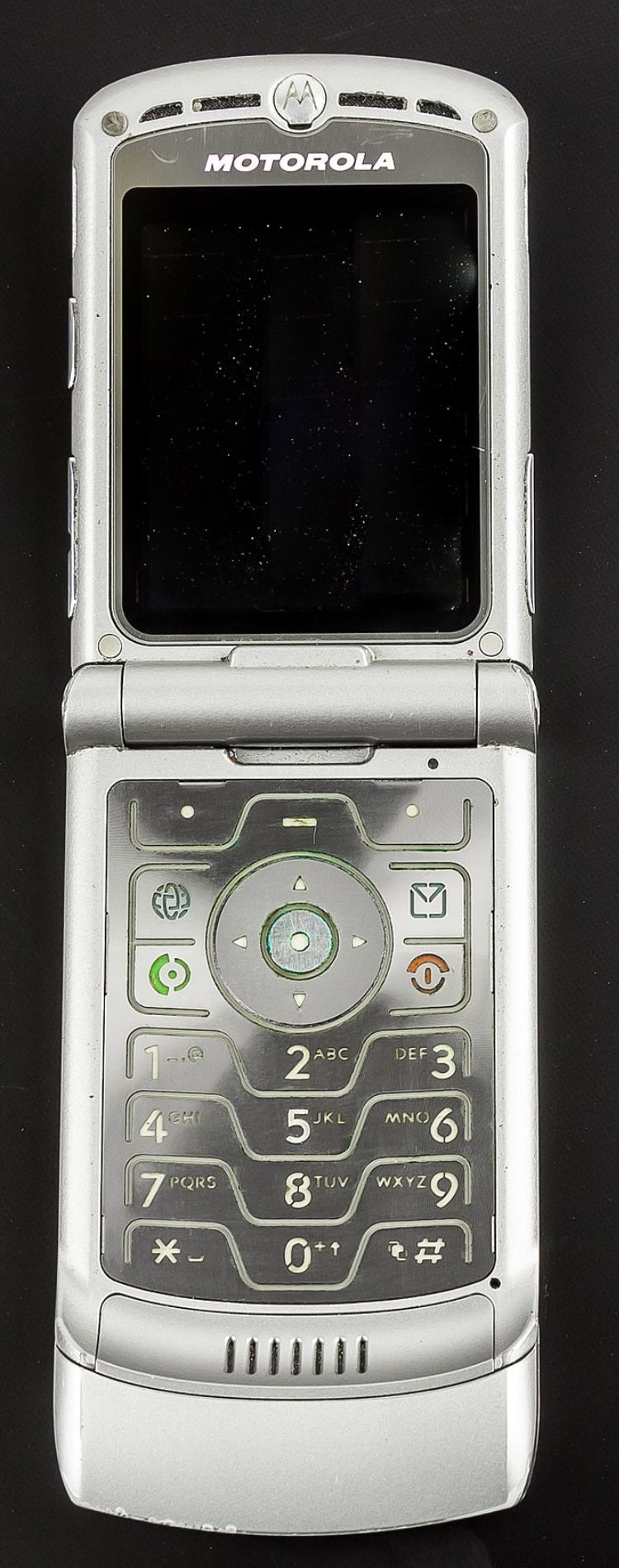
The ultra-thin design turned this clamshell into an instant fashion accessory coveted by celebrities everywhere. External color screens brought the phone a premium appeal. Additionally, gold, pink, and limited-edition models contributed to achieving 130 million sales worldwide. Hollywood films frequently showcased the Razr as the ultimate status symbol at the height of its popularity.
BlackBerry Pearl 8100 (2006)
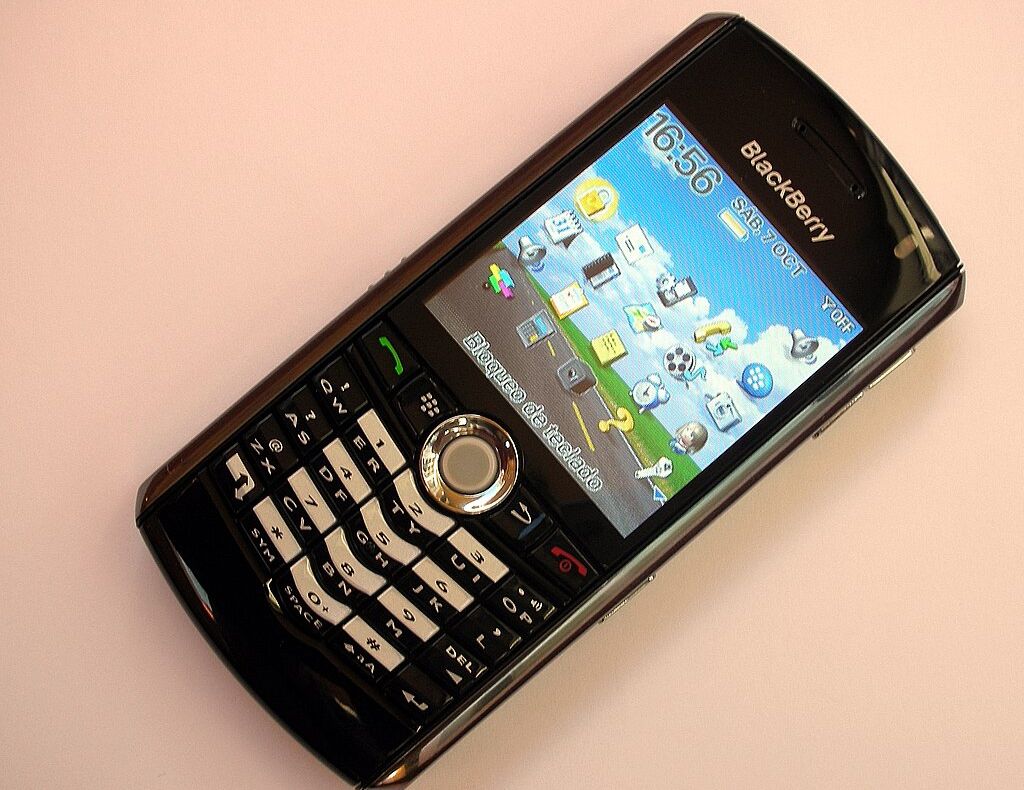
Camera functionality made its debut on the BlackBerry Pearl, complete with trackball navigation that users loved. MP3 playback and multimedia features attracted demographics beyond business markets. In terms of media player, it supported MP3, AAC, WMA, WAV audio, and MPEG-4, Xvid, DivX, WMV, H.263 video formats making it the go-to phone for anyone involved in technology.
Apple iPhone (2007)
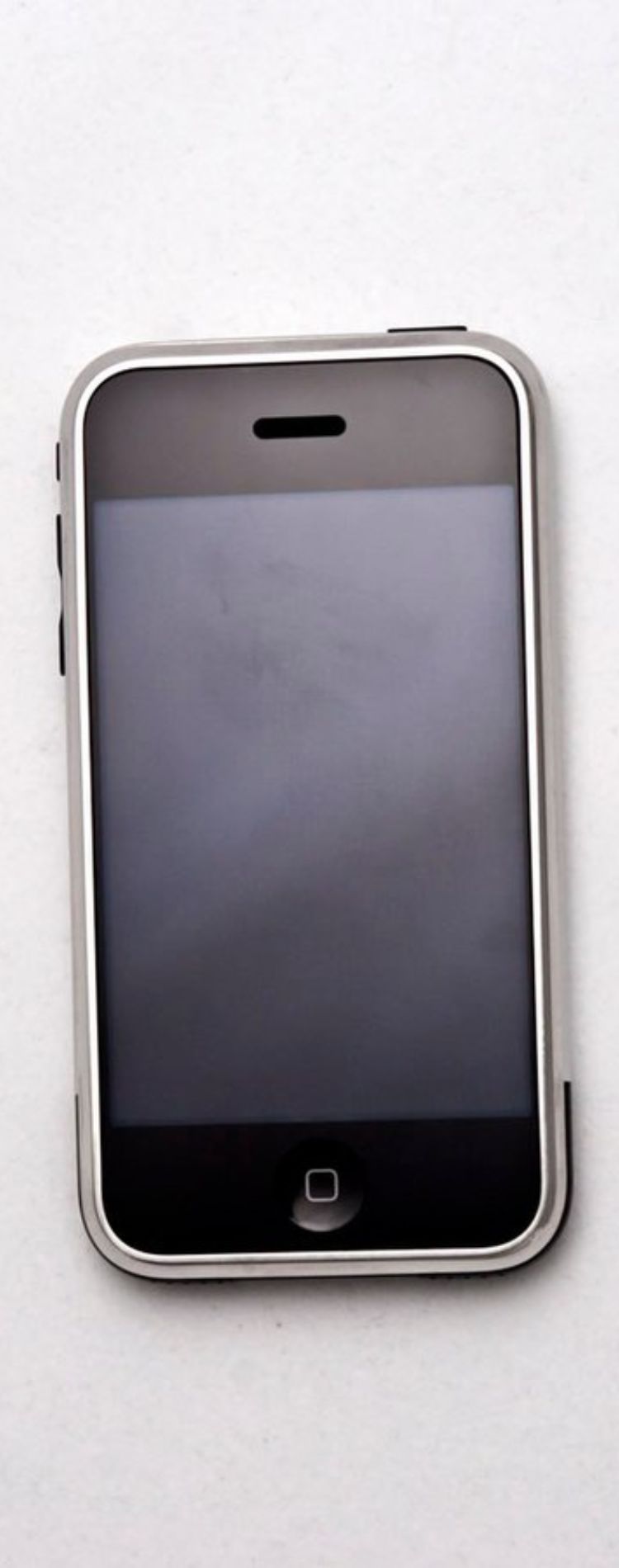
Steve Jobs delivered a keynote that became a technology legend, bringing to light capacitive touchscreen innovation that changed the world. Phone, MP3, and internet capabilities merged into one brilliant object. In case you didn’t know, around six million units were sold before discontinuation.
HTC Dream / T-Mobile G1 (2008)
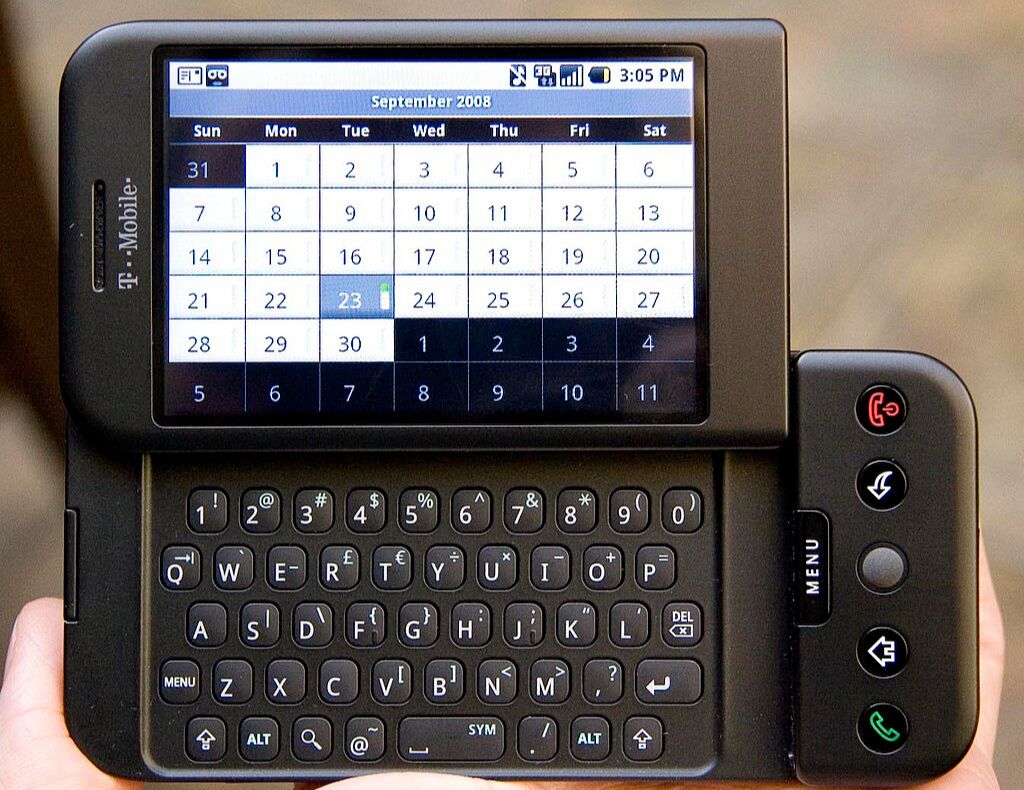
Android entered the scene through this unassuming cell. Unique for its time, the G1 combined a touchscreen, a clickable trackball for navigation, and a slide-out full QWERTY keyboard. It integrated with Google services (Gmail, Maps, Search, etc.) and introduced Android Market (now Google Play Store).
Nokia N8 (2010)
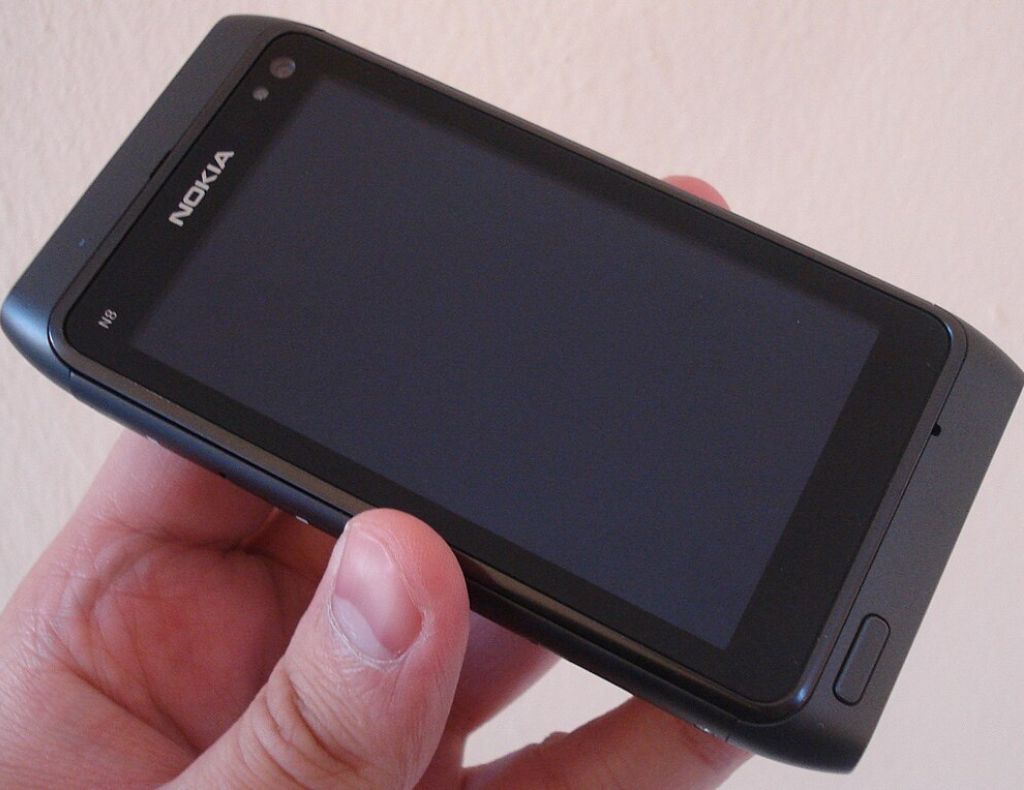
Mobile photography reached new heights, thanks to the N8’s superb 12-megapixel Carl Zeiss camera system. As Nokia's first Symbian^3 OS phone, it displayed HDMI output and Dolby Digital Plus support for decent multimedia experiences. Recording 720p video was a groundbreaking achievement, establishing Nokia as the undisputed leader in mobile photography.
Samsung Galaxy S2 (2011)
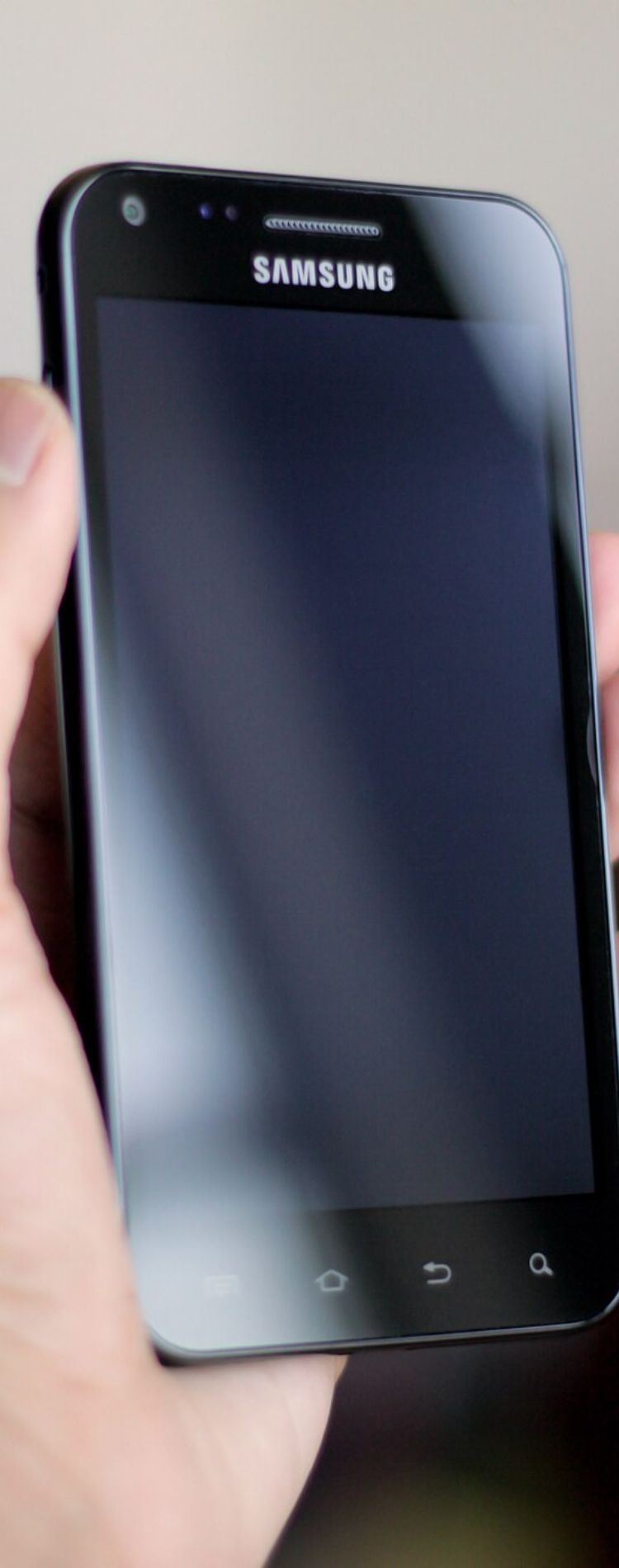
The Samsung Galaxy S2 (model I9100), released in April 2011, was a landmark Android smartphone that helped set up Samsung as a global leader in the smartphone market. It was crowned "Phone of the Year" in 2011. The Galaxy S2 stood out for its slim profile.
iPhone 5 (2012)
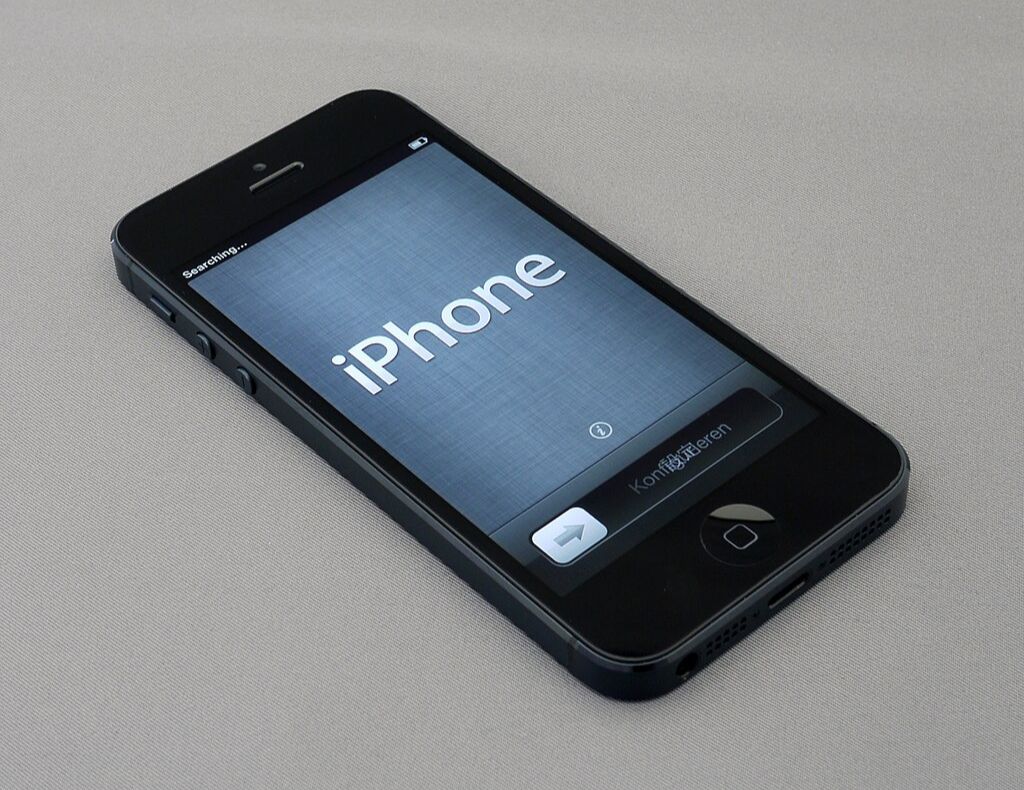
LTE connectivity reached iPhone users for the very first time in 2012, with five million weekend sales proving instant the success of the iPhone 5. The 5 was the first iPhone to support LTE (4G), along with Wi-Fi (dual-band), and GLONASS. The device was sold in 16 GB, 32 GB, and 64 GB variants.
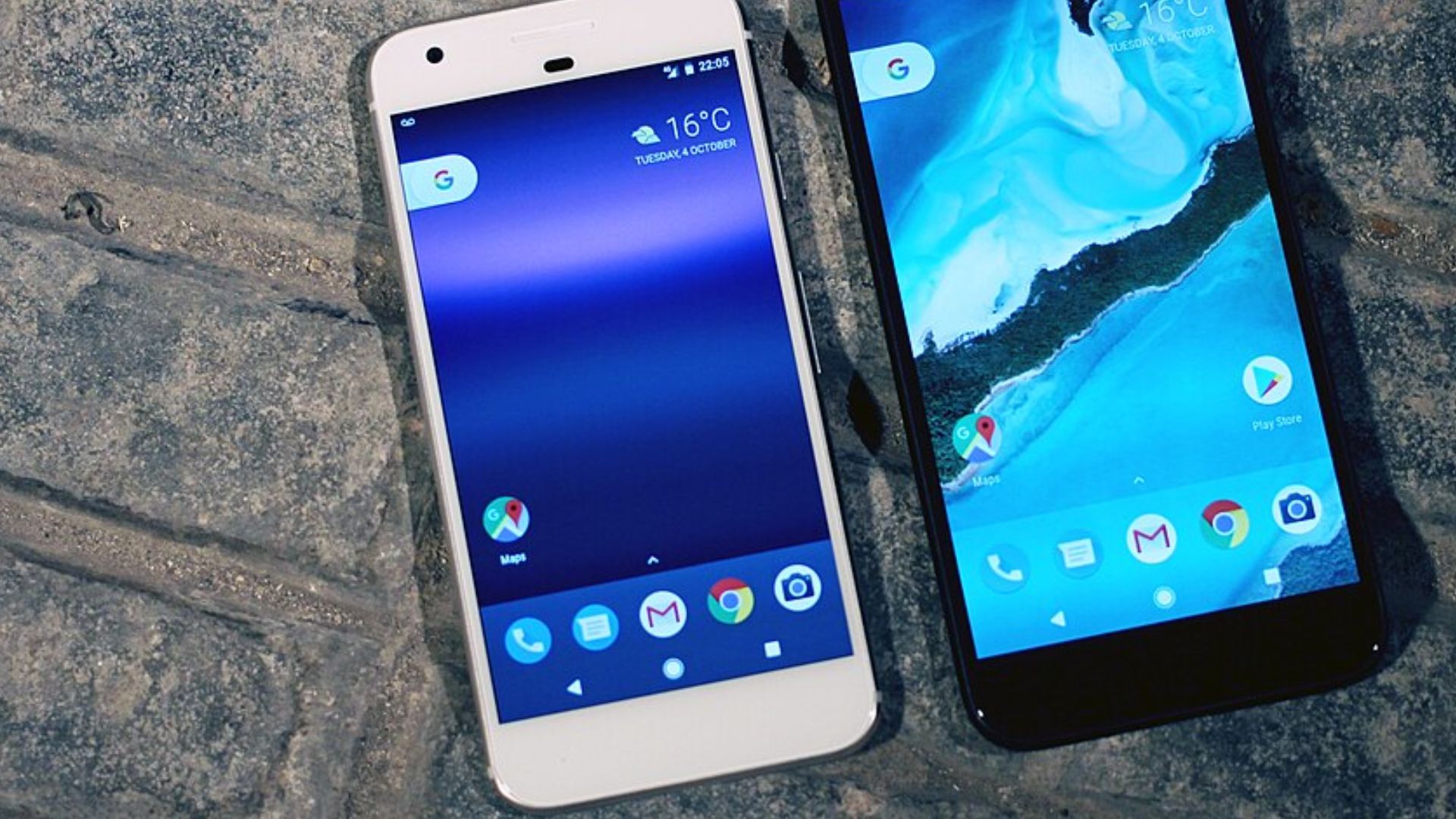
Google Pixel (2016)
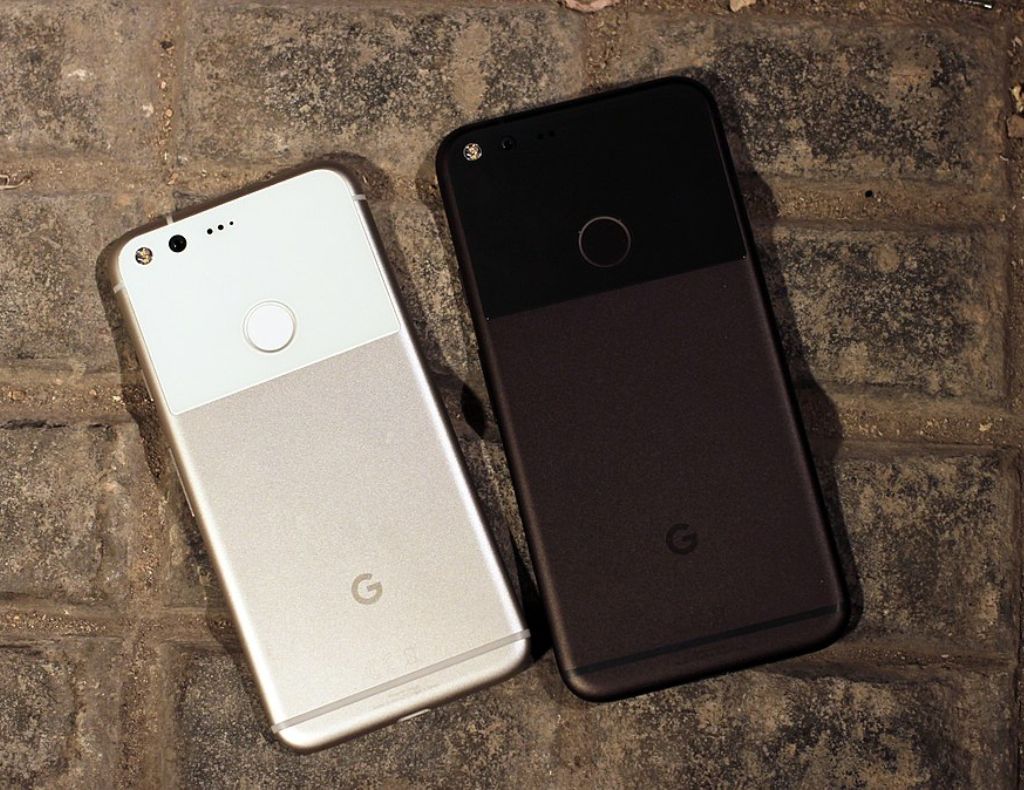
Because of the Google Pixel's incredible camera capabilities, photography fans spotted their new favorite smartphone. The Google Assistant made daily activities easier for people. Unlimited storage for Google Photos was a significant bonus. Additionally, the smooth UI and regular software updates have garnered accolades from many critics.
Nothing Phone (1) (2022)
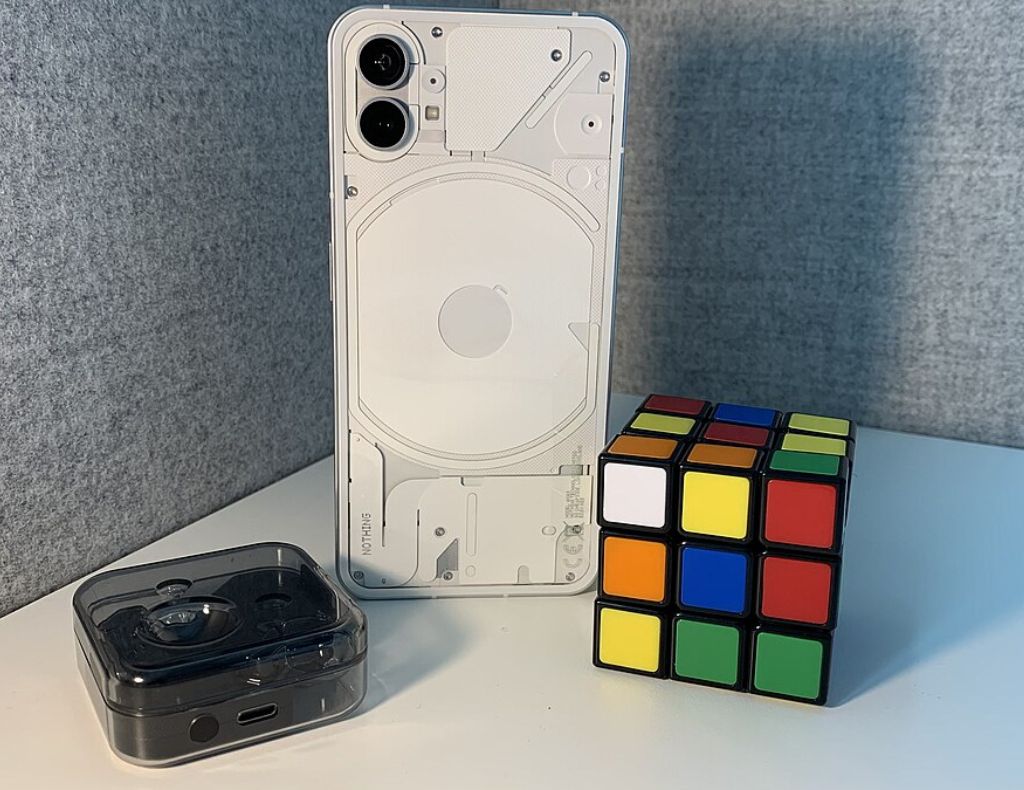
A transparent design philosophy challenged conventional smartphone aesthetics through the use of LED Glyph Interface technology. It is said that Carl Pei's post-OnePlus venture aimed to revitalize stagnant mobile innovation. Apparently, the minimalist branding attracted devoted followers who appreciated thoughtful design over flashy marketing gimmicks.