Every vehicle depreciates, but not all of them age the same way. Some models manage to hold their value surprisingly well, making them smart investments for the long haul.
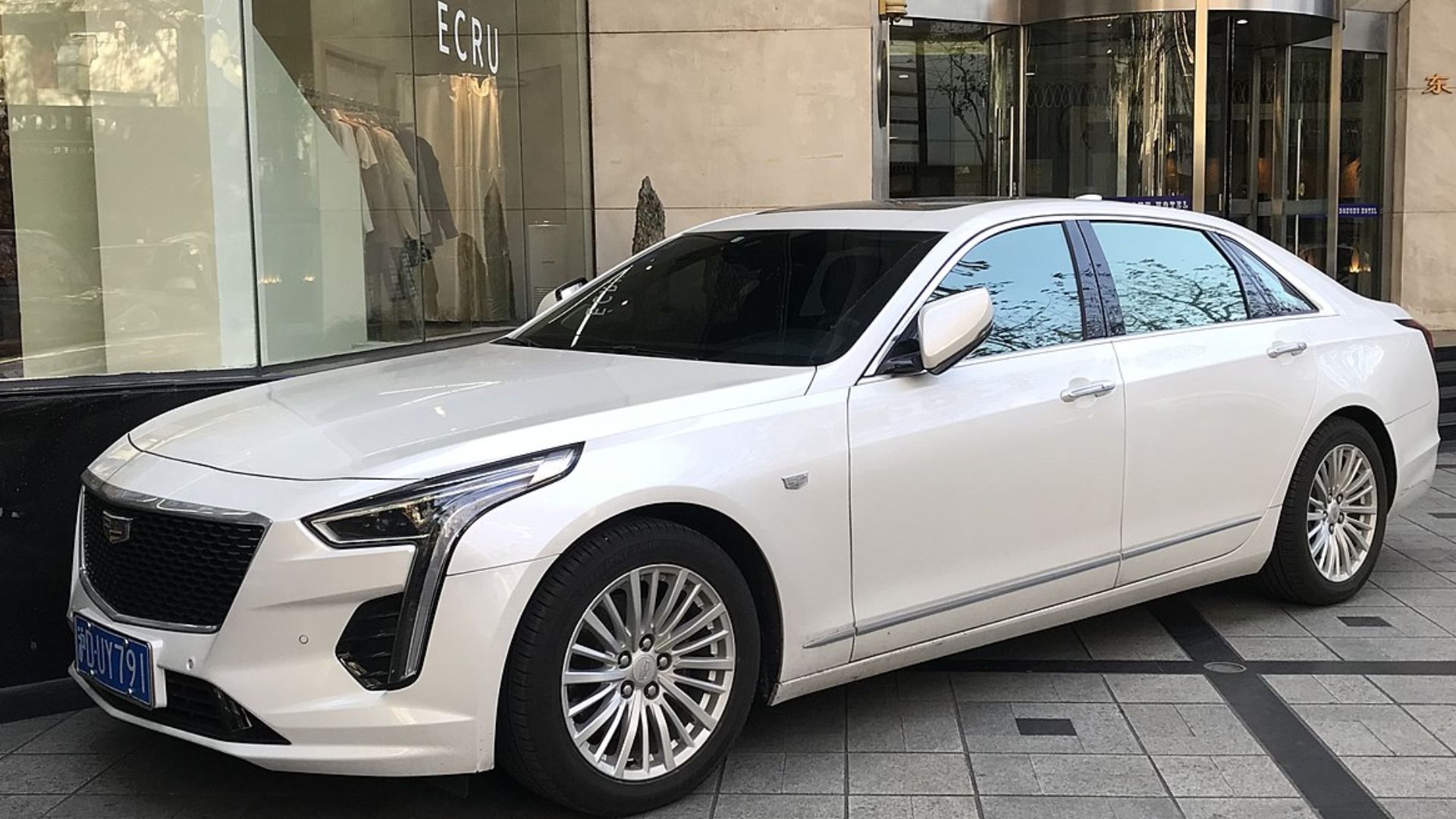
Every vehicle depreciates, but not all of them age the same way. Some models manage to hold their value surprisingly well, making them smart investments for the long haul.
Others, however, drop in price so quickly that selling them later can feel like a financial sting. This list of 15 cars with the worst resale value in 2025 and 2026 will help anyone shopping for their next vehicle, or thinking about trading in their current one.
Nissan Leaf
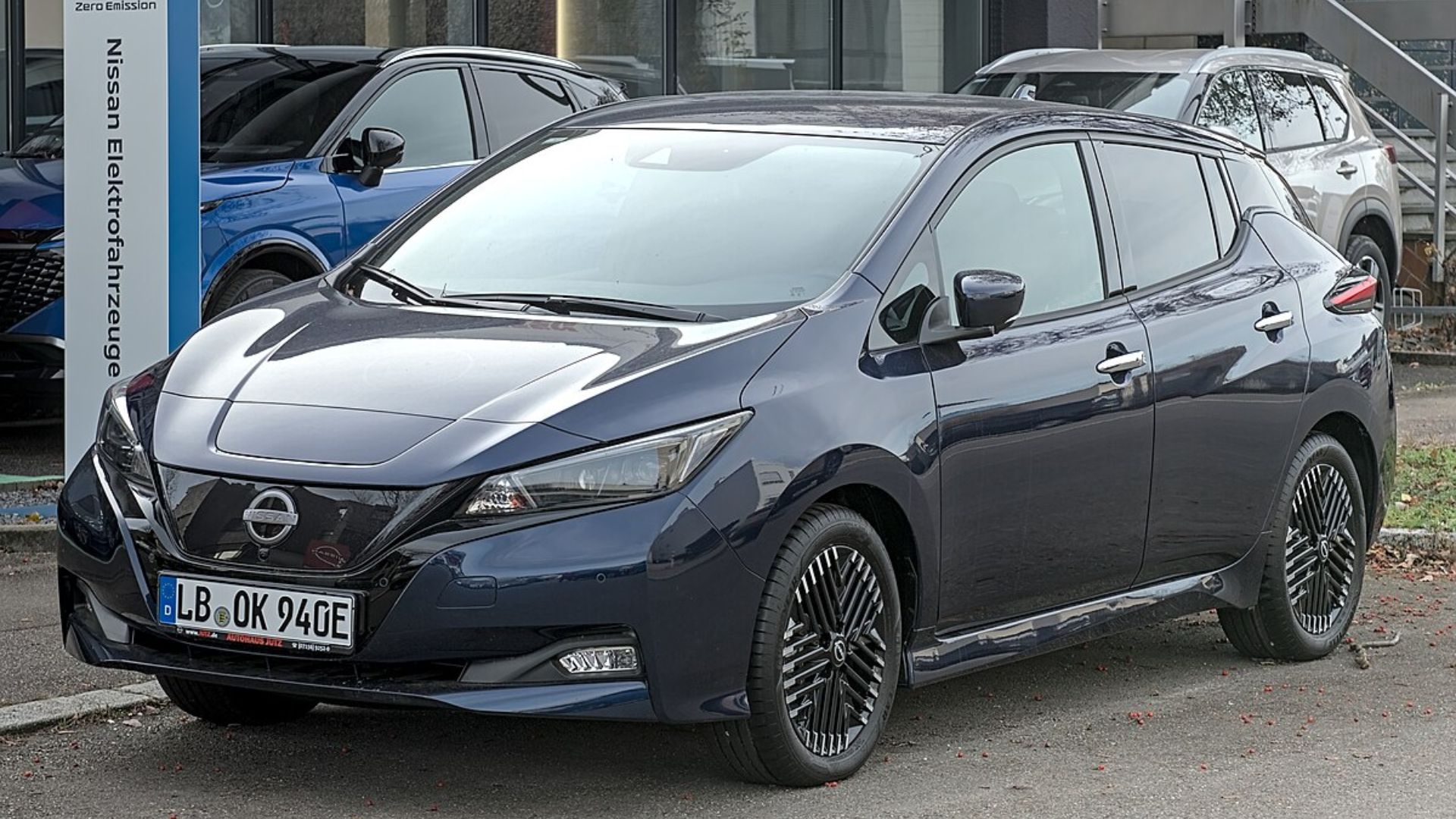
Advances in battery technology are the primary reason for the Nissan Leaf’s significant decline in resale value. By 2026, it will lag behind other electric vehicles in long-term worth. Its distinct bubble-shaped design divided opinions, and what began as excitement at launch slowly shifted into doubts about the Leaf’s staying power in the EV market.
Chevrolet Malibu
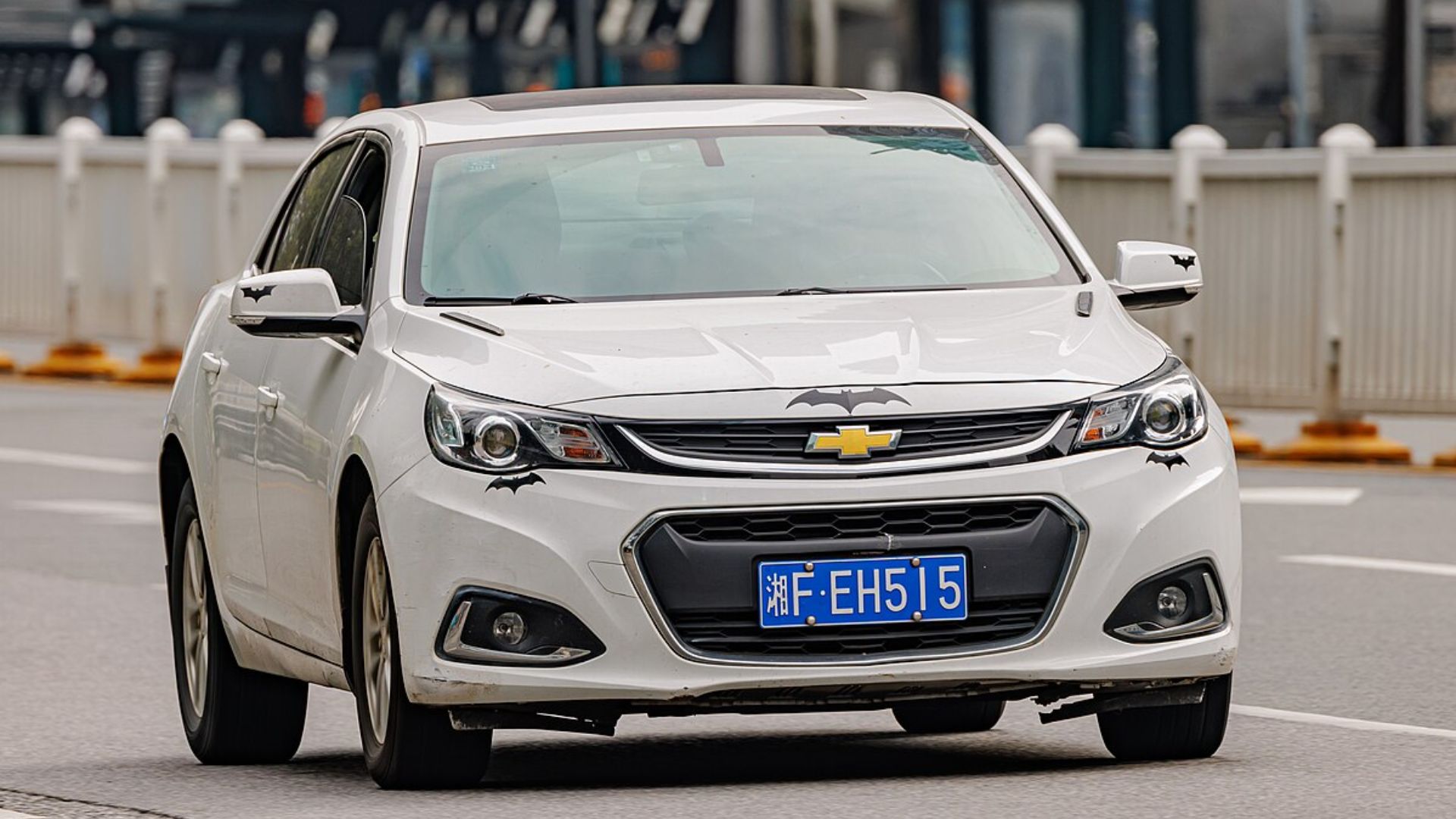
The Chevrolet Malibu’s resale value has steadily weakened due to market saturation and lingering reliability concerns. Depreciation hits harder here than in many rivals, with the car losing value at a faster pace. Sales are even projected to fall by 30% in 2025, despite design updates that tried to modernize the once-conservative midsize sedan.
BMW 7 Series
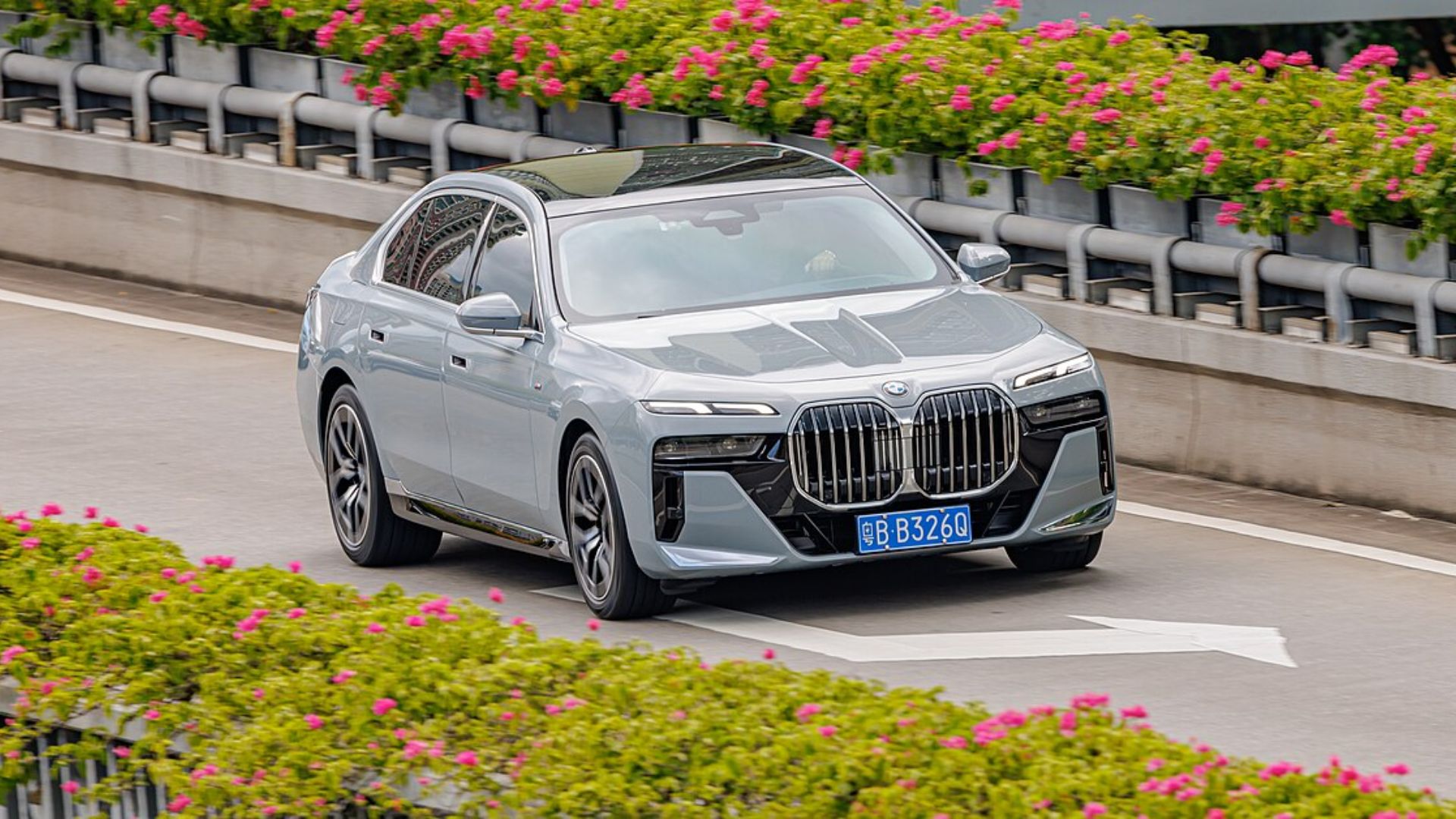
Luxury often comes with hidden costs, and the BMW 7 Series exemplifies this with steep depreciation. Between 2020 and 2025, resale values dropped sharply as market dynamics shifted. While enthusiasts still praise its standout luxury features, resale demand has thinned. Interestingly, recent buyer trends highlight waning interest in large luxury sedans overall, accelerating the 7 Series’ decline.
INFINITI QX80
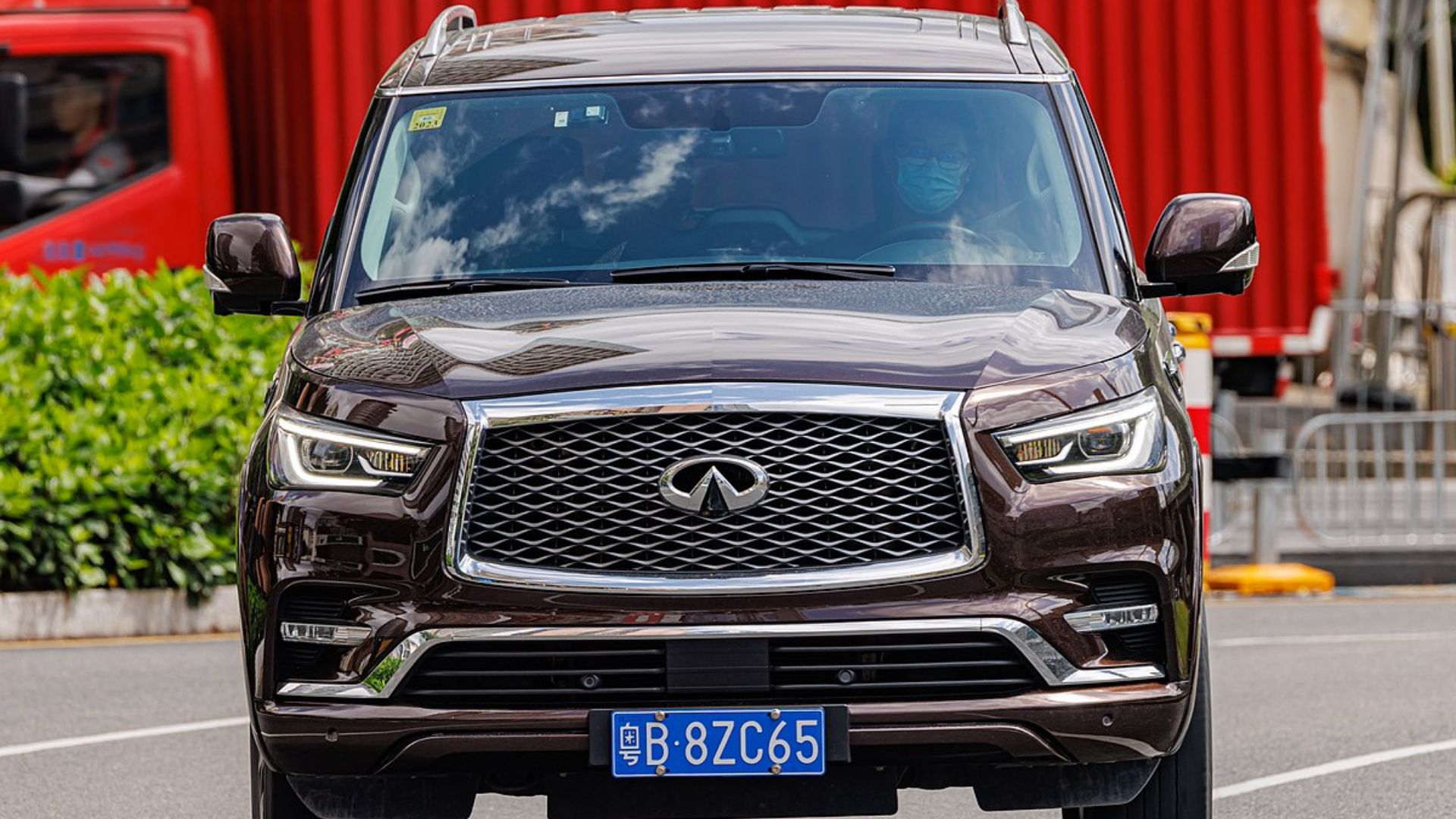
The INFINITI QX80 is massive, powerful, and loaded with features—basically a rolling mansion. The problem? Not everyone wants to inherit a mansion’s upkeep. Gas mileage is brutal, and demand for oversized luxury SUVs just isn’t what it used to be. Translation: if you buy one, prepare for its value to sink faster than its fuel gauge.
Jaguar XE
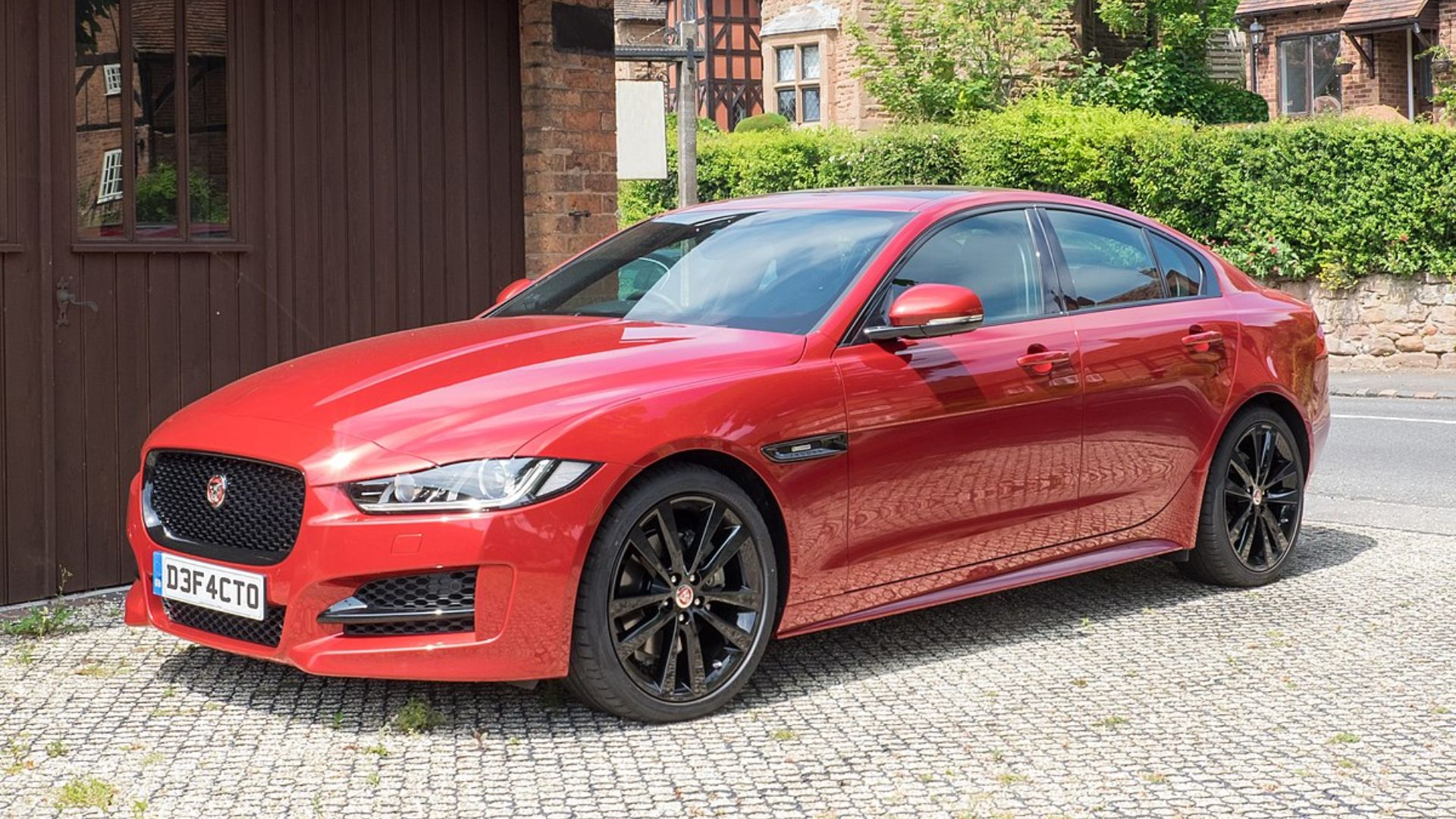
Jaguar engineered the XE with an aluminum-heavy body, assembled through advanced riveting and bonding processes. However, even these innovations couldn’t offset intense competition in the luxury sedan market. Depreciation outpaces many of its peers, and Jaguar’s introduction of a “personalized ownership” program in 2025 doesn’t help.
Maserati Ghibli
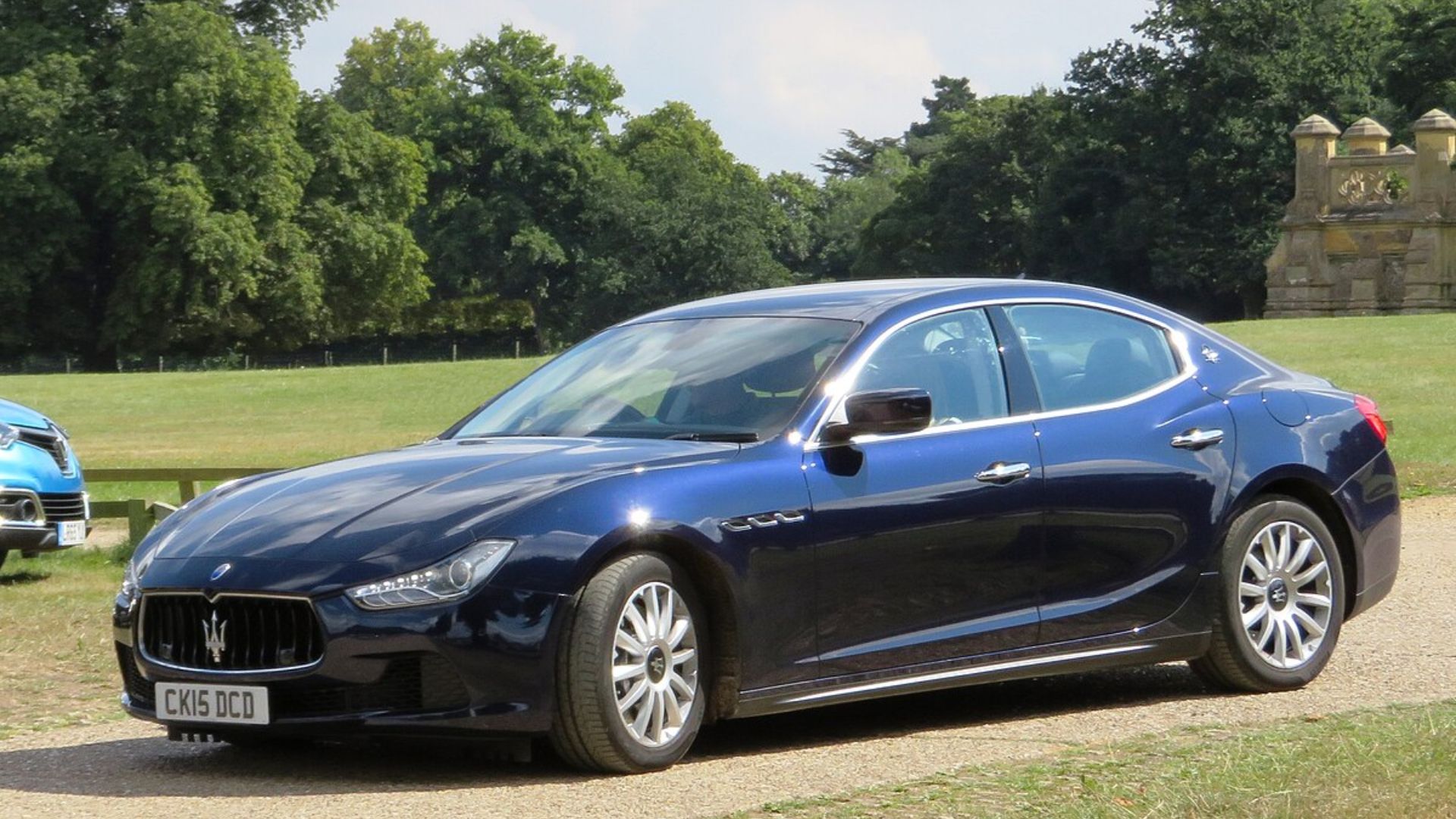
Driving this car is like wearing a designer suit to the grocery store—stunning, sure, but wildly impractical. People love the idea of owning one until they see the repair bills. Luxury badges don’t always guarantee strong resale, and in the Ghibli’s case, buyers quickly realize it’s more style than staying power.
Mitsubishi Mirage
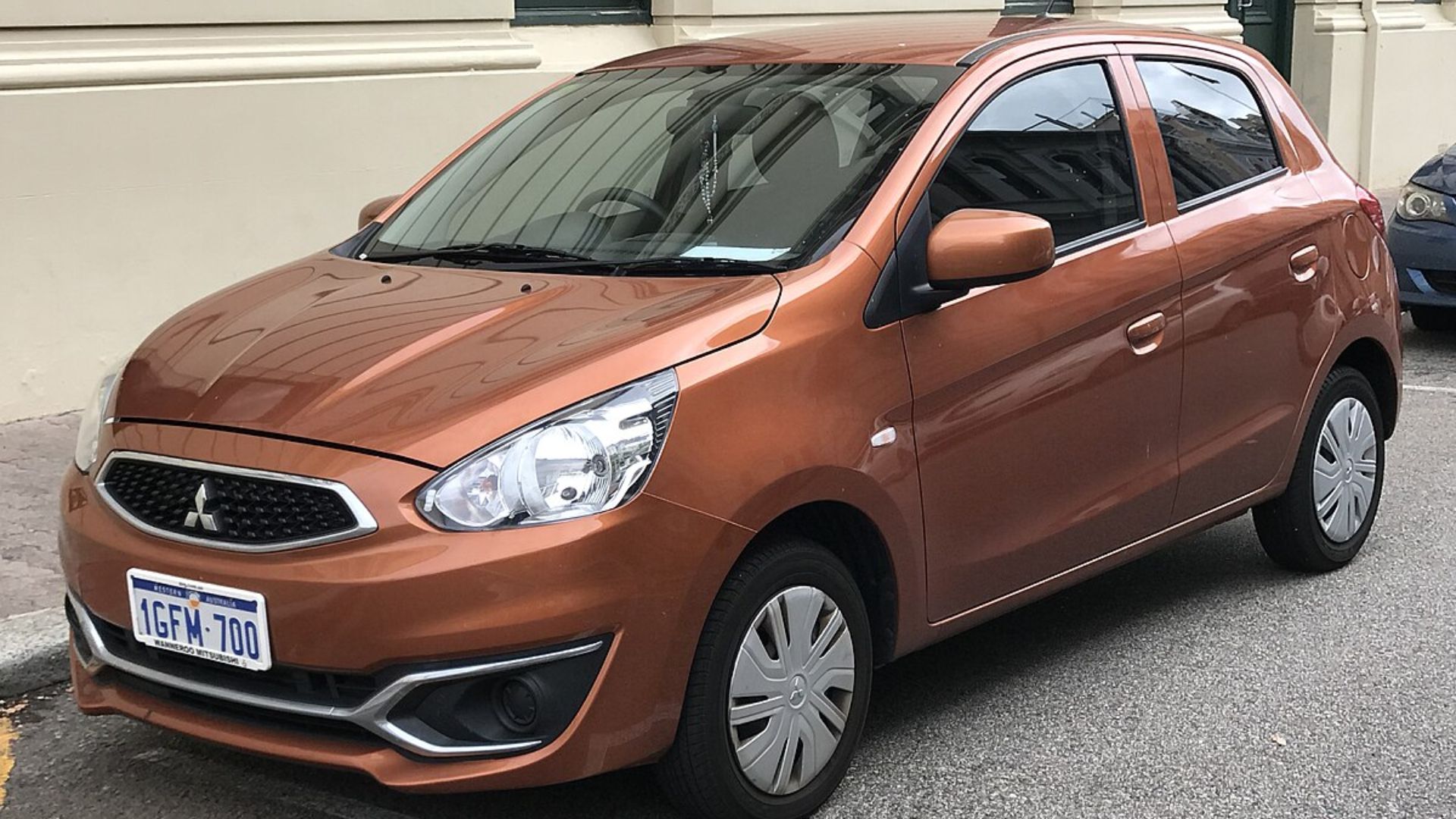
This vehicle maintains an edge in fuel efficiency, often outperforming its rivals, but struggles to hold value. Its quirky styling sets it apart on the road, yet public sentiment has shifted. Despite strong mileage numbers, resale values continue to fall. It's true; efficiency alone isn’t enough to guarantee long-term market confidence.
Lincoln MKZ
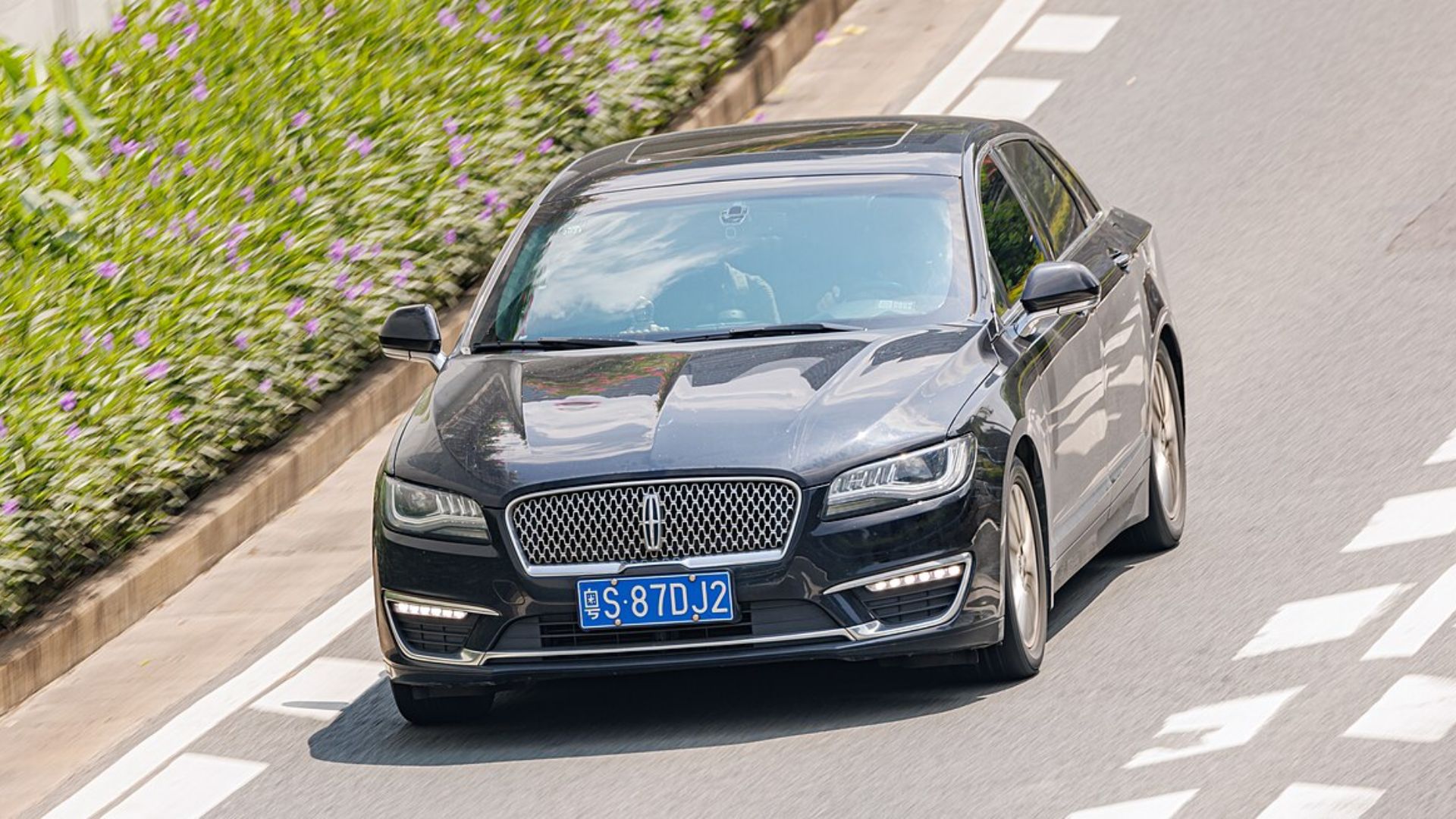
The Lincoln MKZ offered innovative technology and a bold push-button gear selector, yet these features weren’t enough to secure lasting value. Competition in the luxury segment was fierce, and depreciation hit hard. When Lincoln announced the model’s discontinuation in 2025, resale values dropped further. The confidence once held in the MKZ’s position in the used market is now gone.
Chrysler 300
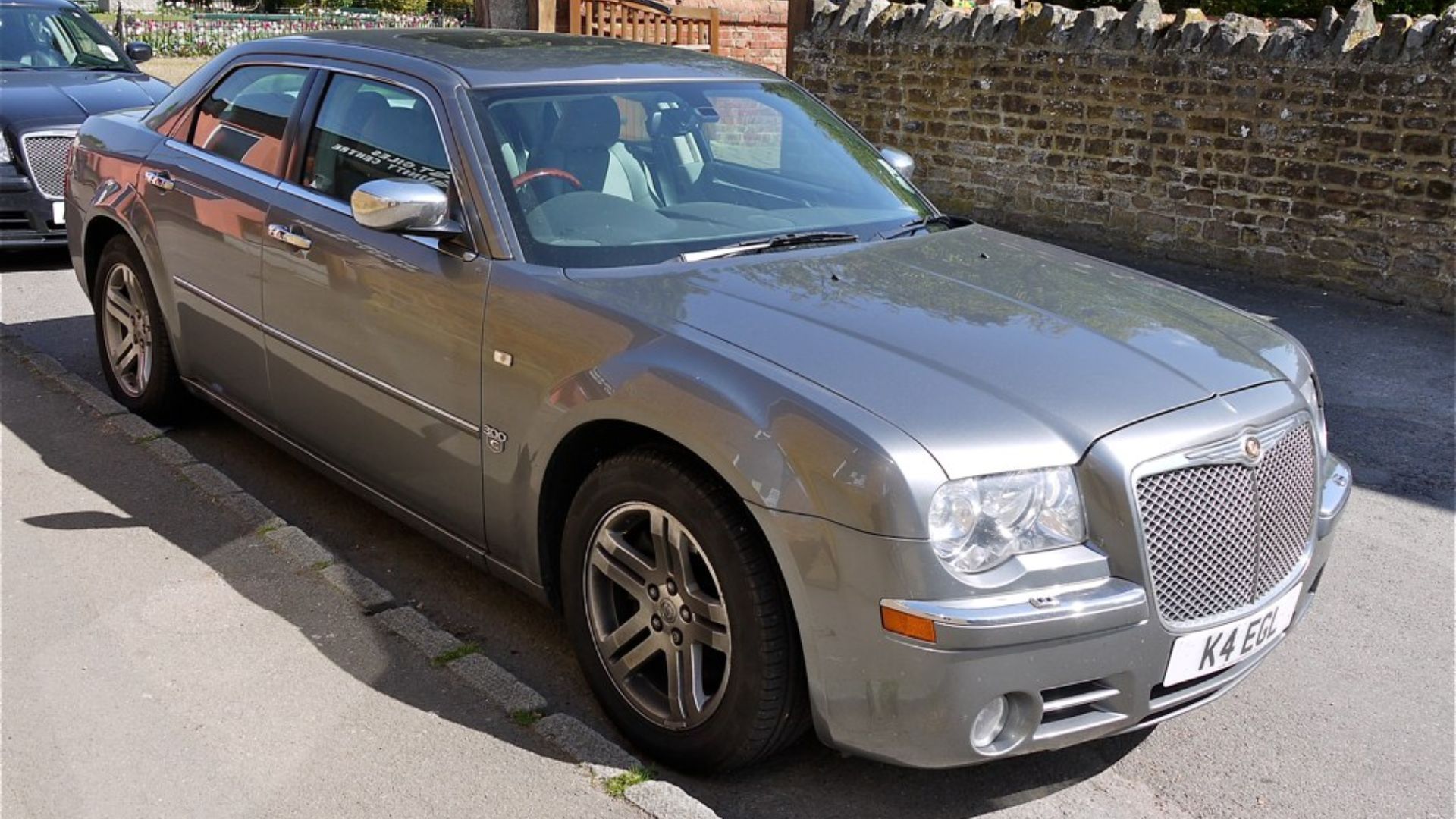
This vehicle was once a symbol of swagger and street presence. The Chrysler 300 has held onto its bold image—but not its value. Heritage and recognition can only carry it so far, and depreciation keeps knocking at the door. Even with pop culture recognition, the 300 struggles. Cultural relevance doesn’t always translate into market success.
Volkswagen Arteon
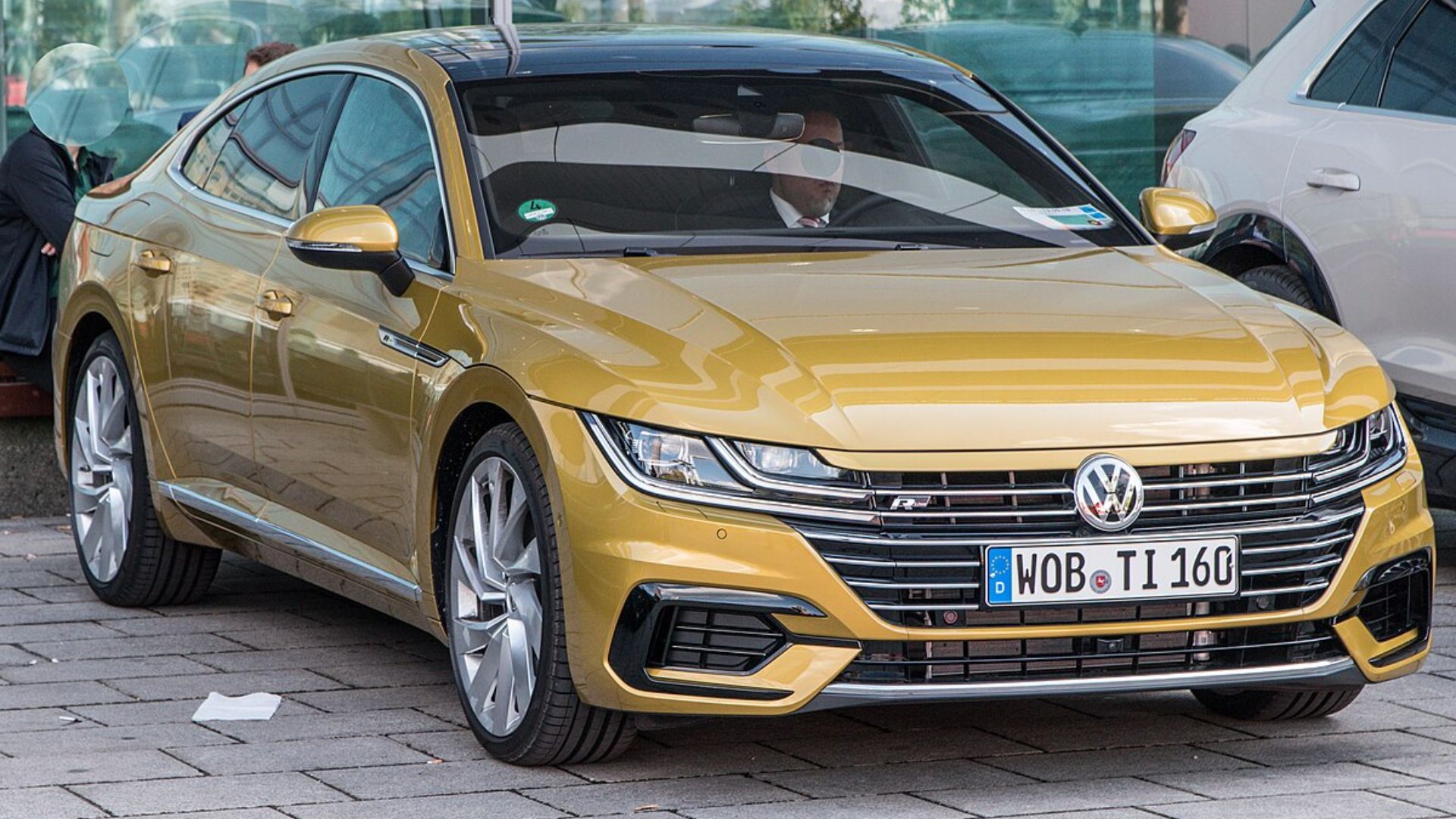
On paper, the Arteon had everything to lure in buyers: style, performance, and tech. Volkswagen positioned it as a semi-luxury sedan with features like a digital cockpit, advanced driver-assistance systems, and a sleek silhouette that turned heads. But hesitation at the dealership quickly translated into weak resale demand.
Fiat 500
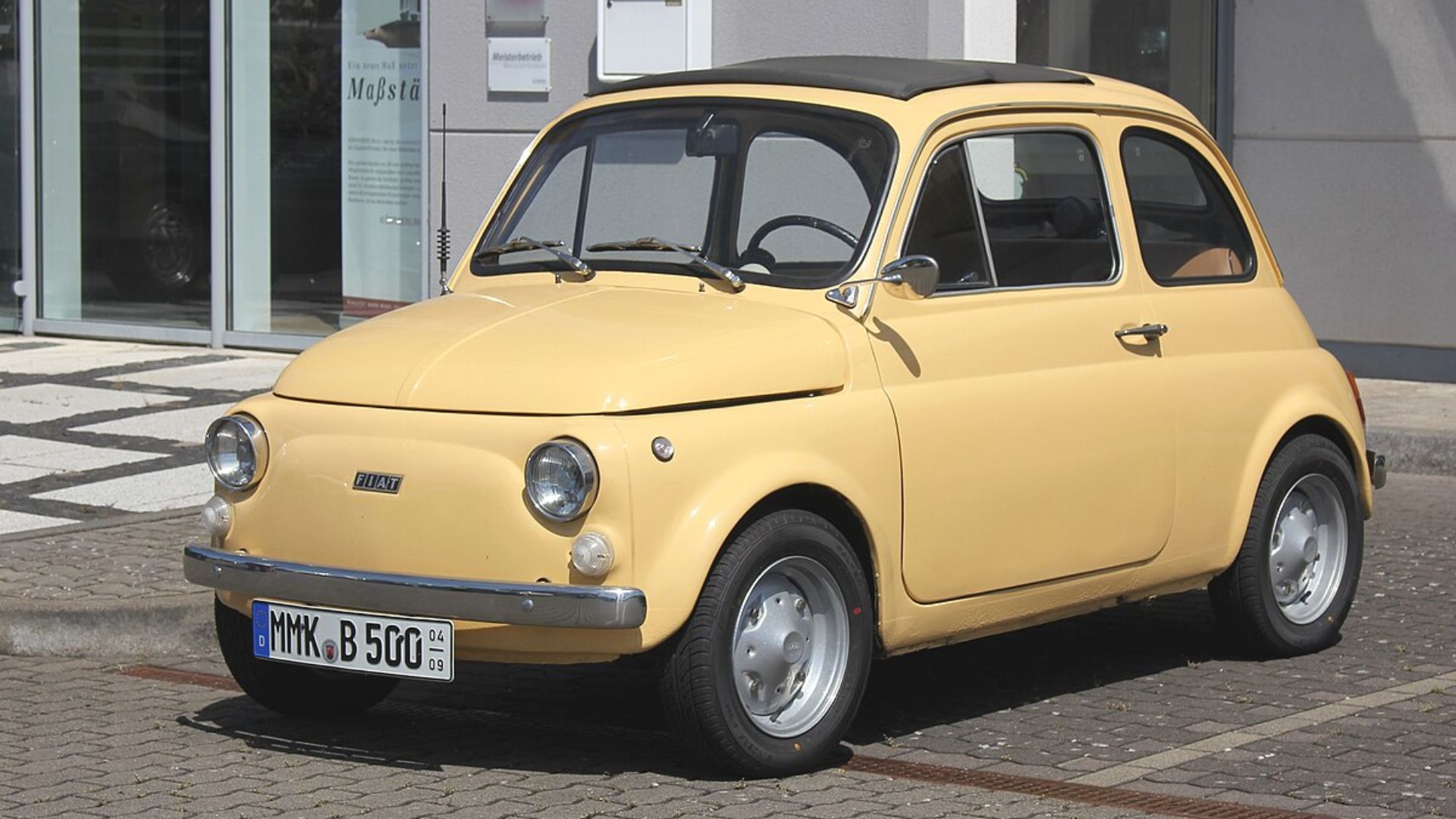
The 500’s eye-catching design has long been celebrated, yet charm alone hasn’t preserved its value. As newer competitors entered the market, demand for the 500 waned, leaving it vulnerable to rapid depreciation. Its shrinking popularity only accelerated losses, and this makes resale a serious challenge despite its distinctive character and European flair.
Cadillac CT6
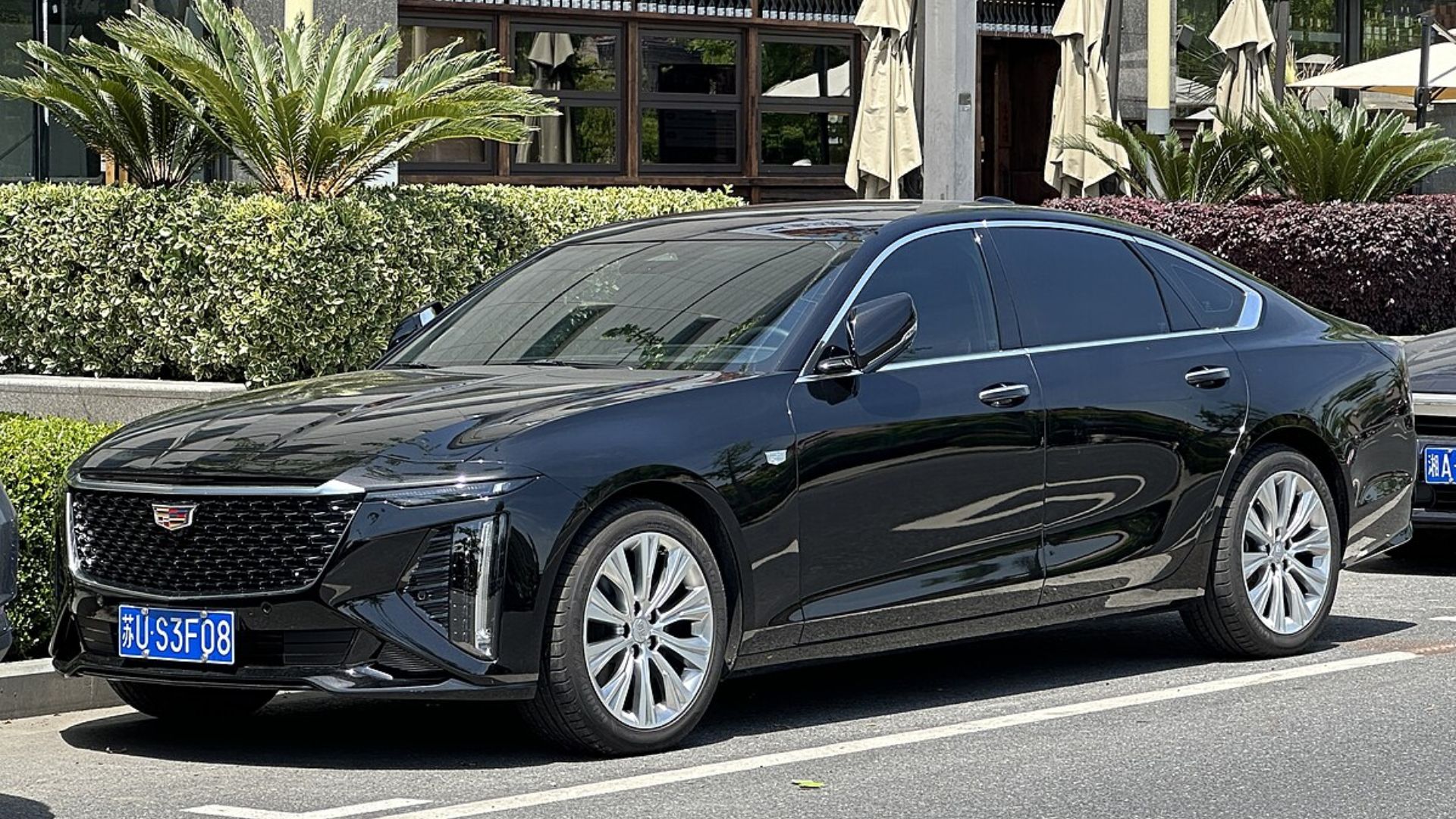
Exciting features, from Super Cruise semi-autonomous driving to a rearview mirror camera, helped the Cadillac CT6 stand out at launch. Yet those innovations didn’t protect it from rapid depreciation. Once Cadillac confirmed the model’s discontinuation, resale values plummeted further, leaving the CT6 as an example of advanced technology failing to sustain long-term worth.
Jaguar I-PACE (EV)
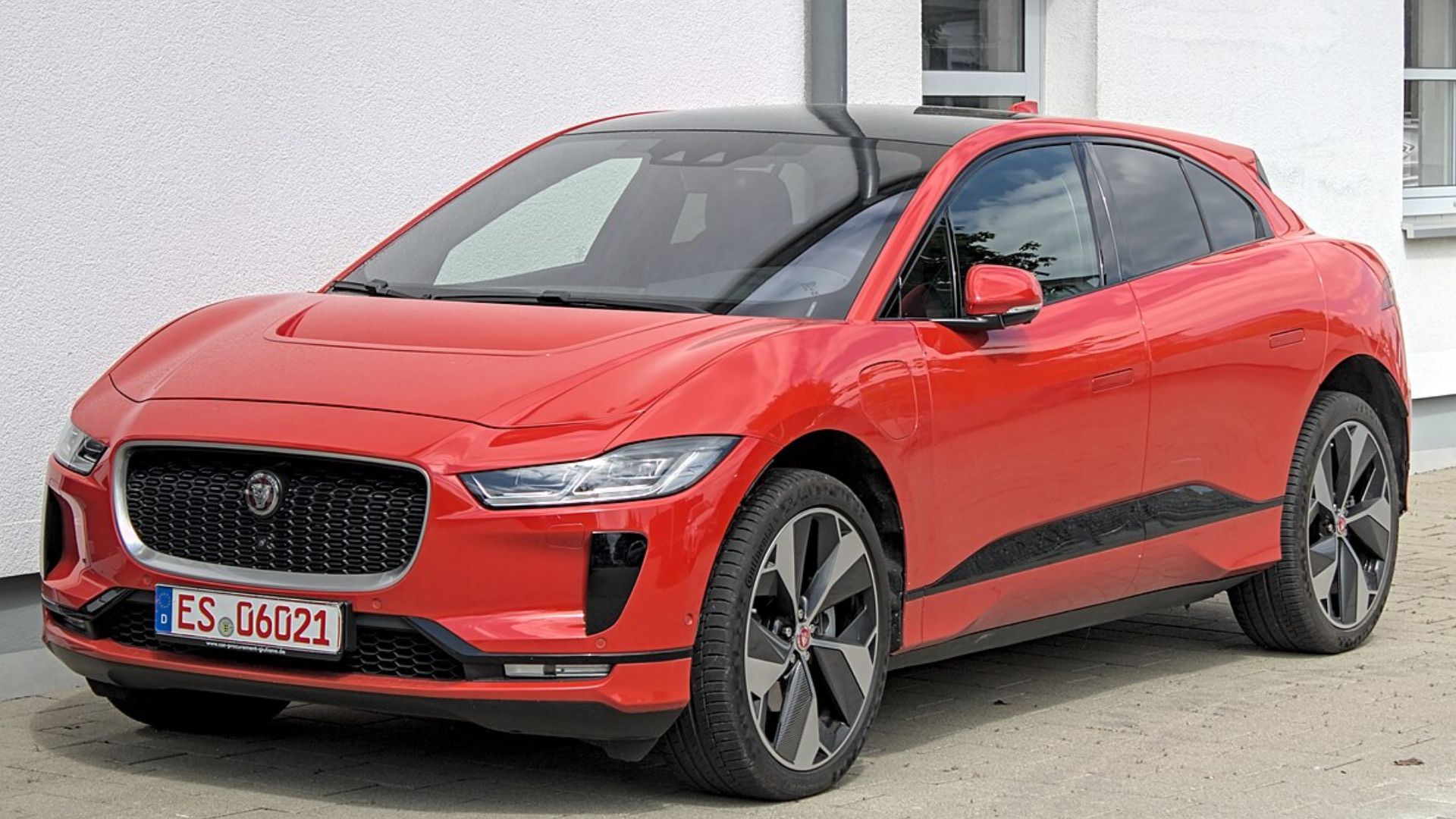
Think of the Jaguar I-PACE as that flashy new phone you bought a few years back—futuristic at the time, but now completely overshadowed by newer models. That’s exactly what’s happening here. EV tech is evolving at breakneck speed, and buyers are hesitant to gamble on older batteries. Even though it’s sleek and luxurious, the resale market just isn’t biting.
Tesla Model S
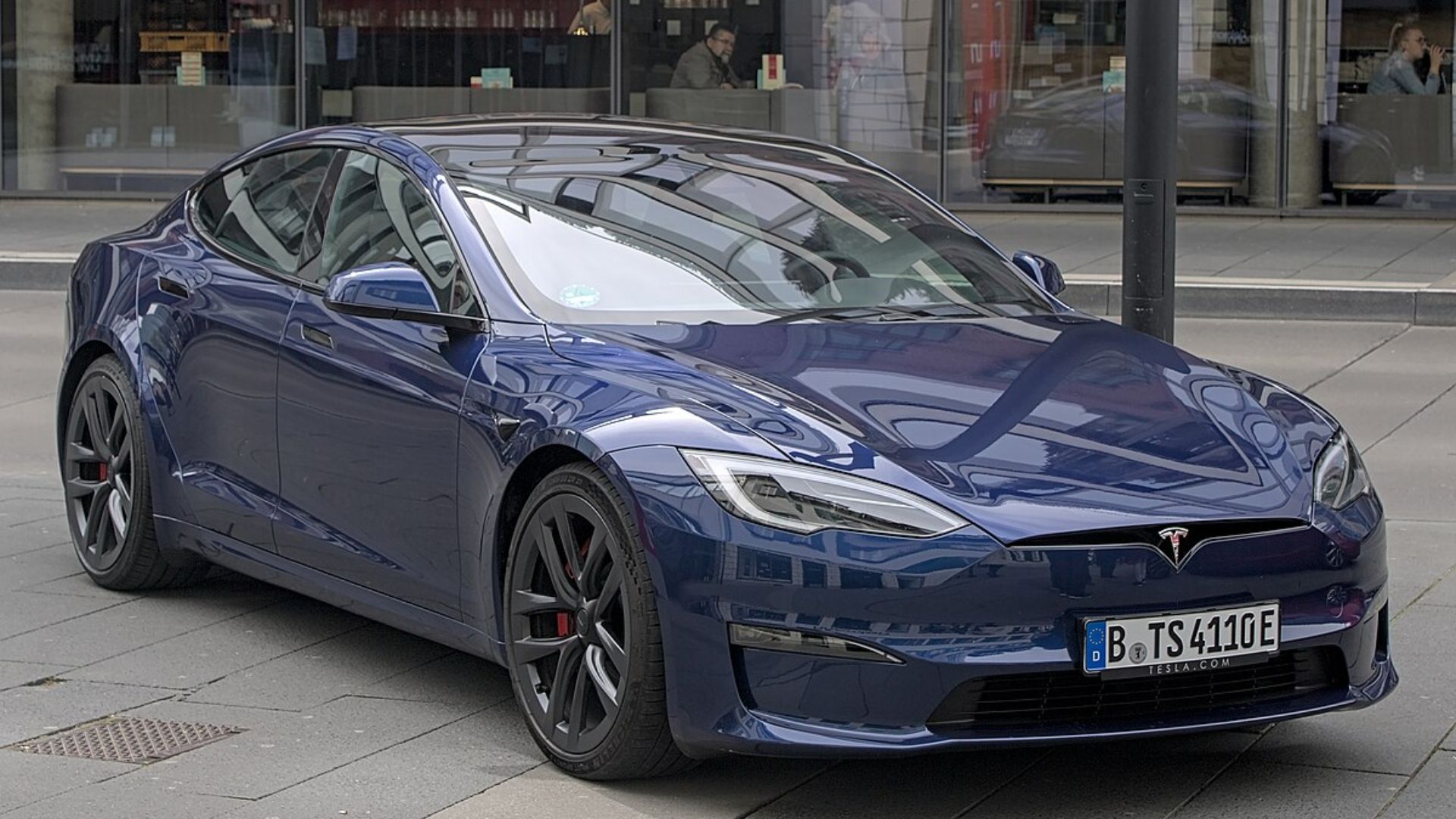
Once the crown jewel of the electric car world, the Tesla Model S is now learning a hard lesson: luxury EVs age like smartphones, not fine wine. With new Tesla models (and competitors) constantly pushing fresh tech, yesterday’s $100k sedan suddenly feels like yesterday’s news. Cool car, but if you’re thinking resale, brace yourself for sticker shock on the downside.
Maserati Levante
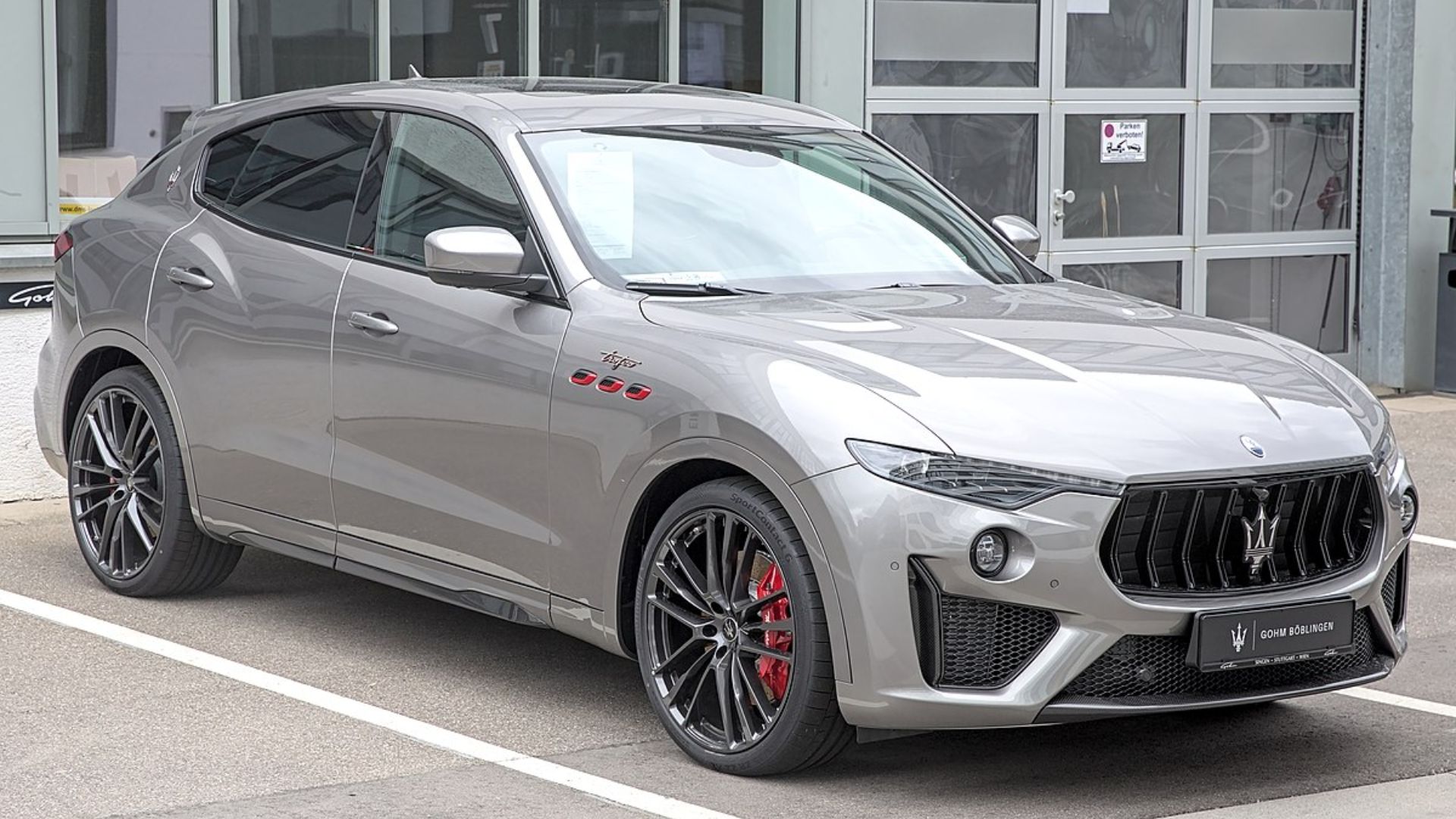
The Levante was supposed to be Maserati’s big SUV breakthrough—a chance to cash in on the booming crossover market. Instead, it turned into the automotive equivalent of a one-season TV show: hyped at first, then quietly forgotten. On the used market, people just aren’t lining up, which means depreciation comes knocking early and hard.