Some cars have built up an impressive reputation through marketing, social media, or their image of prestige. However, once behind the wheel, many models don’t always live up to the hype surrounding them. Exorbitant prices, disappointing performance, questionable reliability, or lackluster technology: some cars are sometimes admired more for their image than for their actual qualities.
Some cars enjoy an impressive reputation thanks to marketing, social media, or their prestigious image. However, once behind the wheel, many models don’t always live up to the hype surrounding them. Exorbitant prices, disappointing performance, questionable reliability, or underwhelming technology: some cars are sometimes admired more for their image than for their actual qualities.
This doesn’t necessarily mean they’re bad, but rather that they don’t always justify the public’s enthusiasm for them. In an automotive market where trends change rapidly, some models benefit more from their status or popularity than from any real superiority over the competition. From luxury SUVs to highly publicized sports cars, here are 15 cars often considered the most overrated in today’s automotive market, according to several enthusiasts and experts.
Mini Cooper
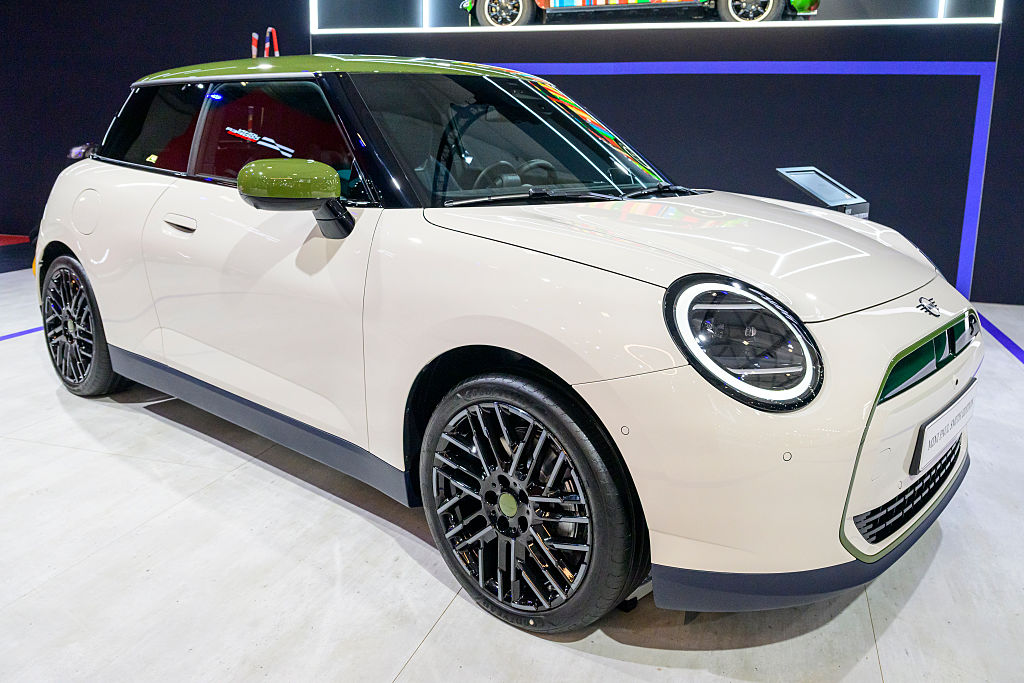
The Mini Cooper has long been a favorite thanks to its unique style and endearing personality. Its modern retro design, inspired by the classic British Mini, makes it instantly stand out in traffic. On the road, it offers a dynamic and agile driving experience that’s a lot of fun, especially in the city and around corners. This “go-kart” feel is, in fact, one of its main selling points for fans of small sports cars.
Despite its obvious charm, some owners point out several limitations in everyday use. Interior space remains quite limited, particularly in the back and trunk, which reduces its versatility for families or long trips. Maintenance costs and certain repairs can also be surprisingly high for a car of this size, especially on the more powerful or better-equipped versions. The Mini therefore remains more of an emotional purchase than a purely rational choice.
Cadillac Escalade
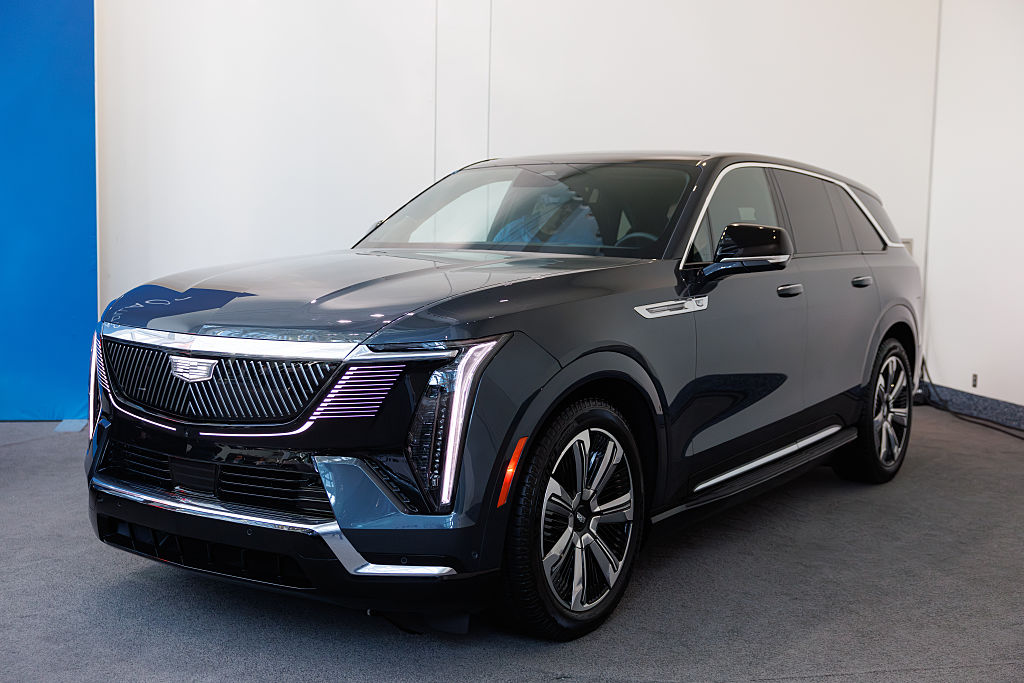
Over the years, the Cadillac Escalade has become one of the most recognizable symbols of American luxury. With its imposing design, dramatic road presence, and high-tech interior, it appeals to those seeking comfort, space, and prestige. Recent models feature premium materials, a massive digital display, and limousine-level comfort, particularly on long drives.
However, its massive size is also one of its main drawbacks. In the city, parking and maneuvering can quickly become complicated, especially in tighter spaces. Its high fuel consumption, even with some modernized engines, also remains hard to ignore in today’s context. For many drivers, the Escalade offers impressive luxury, but sometimes at the cost of excessive size and expenses that exceed actual daily needs.
Audi TT
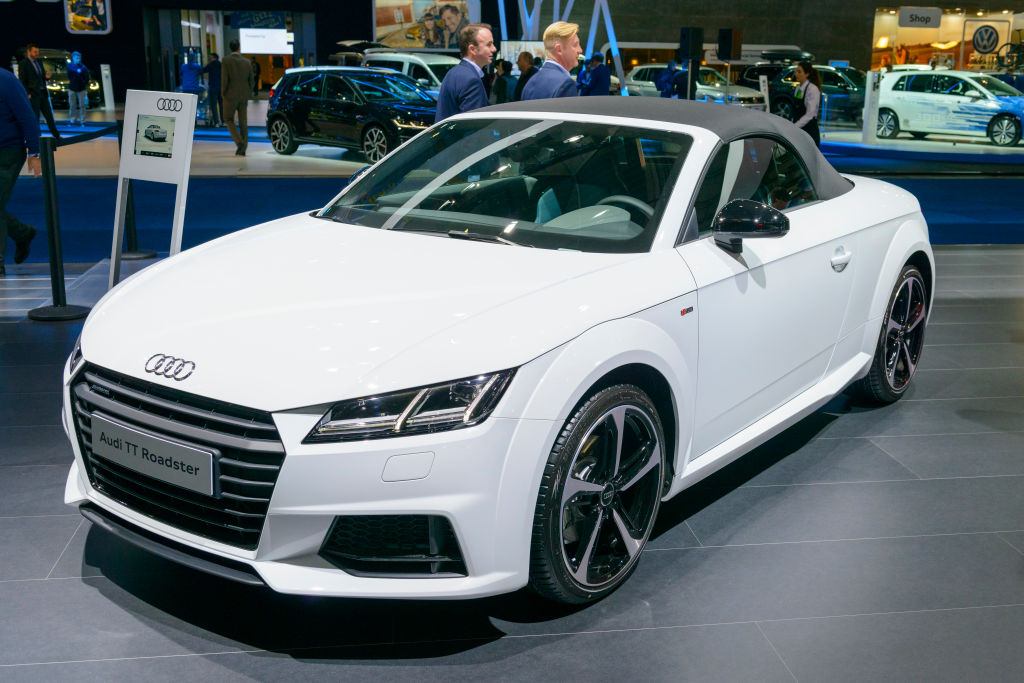
The Audi TT has always held a special place in the automotive world thanks to its instantly recognizable design. With its rounded lines, compact size, and modern styling, it quickly became a true icon of automotive design in the 2000s. Many drivers appreciate it more for its elegance and practicality in everyday use than for extreme performance.
This is precisely what divides some sports car enthusiasts. Despite its dynamic appearance and more powerful versions like the TTS or TT RS, many feel that the TT prioritizes comfort, technology, and Audi’s signature stability over the raw driving thrills of a true lightweight sports car. Its very reassuring handling sometimes lacks character for purists. As a result, the TT appeals primarily as a stylish and versatile coupe rather than as a radical sports car.
Maserati Ghibli
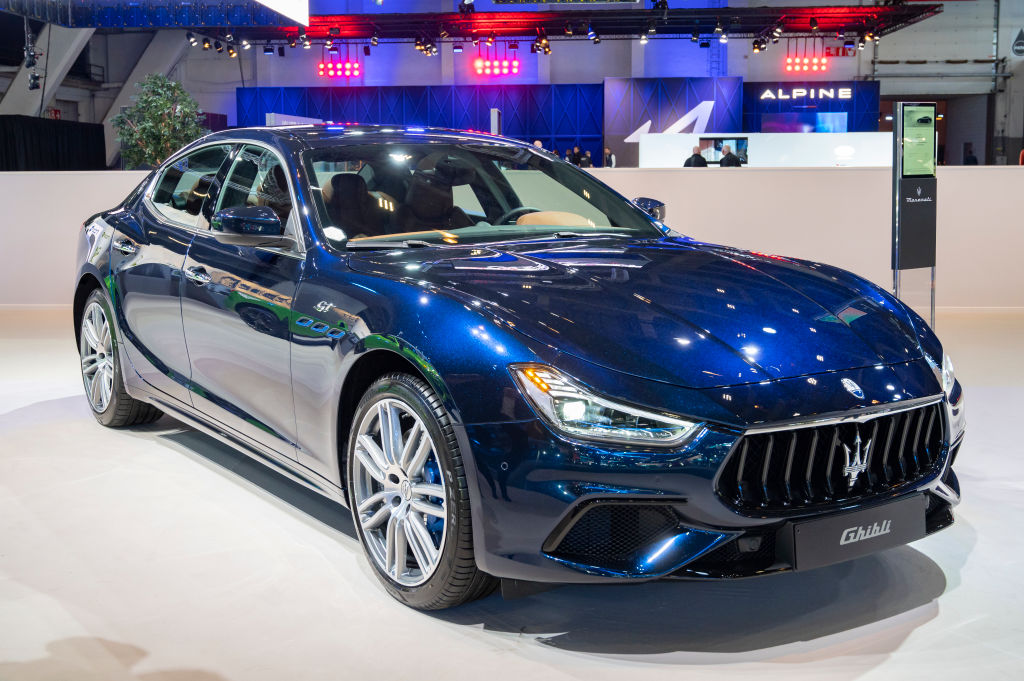
The Maserati Ghibli immediately catches the eye with its Italian elegance and distinctive style, which sets it apart from more conventional German sedans. Its refined exterior design, sporty sound, and the prestigious image associated with the Maserati brand appeal to many buyers looking for a luxury car with more personality. At first glance, the Ghibli seems to offer an exclusive and emotional experience that is hard to find elsewhere.
However, several critics believe the car struggles to justify its high price tag in the face of very strong competition. Some interior materials and technological features seem less modern or sophisticated than those offered by Mercedes-Benz, BMW, or Audi in the same class. The multimedia system, ergonomics, and certain finishes have also often been deemed lacking. Despite its undeniable charm, the Ghibli is sometimes perceived as a car purchased more for its image and design than for its true value for money.
Chevrolet Camaro ZL1
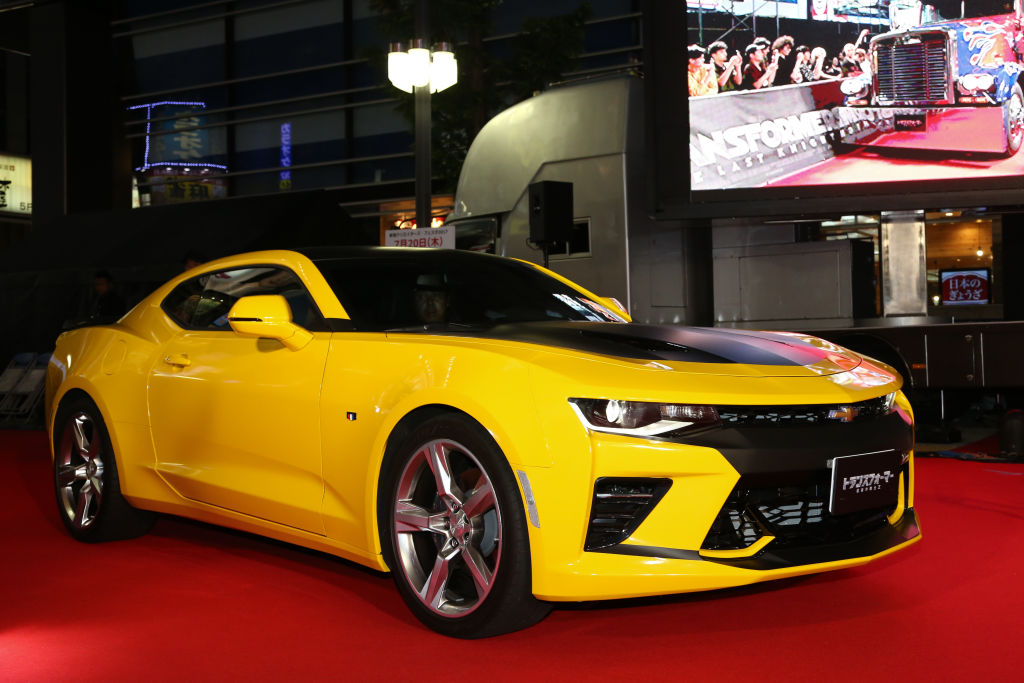
The Chevrolet Camaro ZL1 immediately impresses with its extreme performance and aggressive stance. Thanks to its powerful supercharged V8 engine, it delivers blistering acceleration and handling that rivals many much more expensive European sports cars. Its muscular design and legacy in popular culture—notably as the famous Bumblebee from Transformers—have also cemented its iconic status among enthusiasts.
Despite its mechanical prowess, the ZL1 regularly draws criticism regarding its day-to-day usability. The small windows and low driving position significantly reduce visibility, especially in the city or when maneuvering. Its relatively narrow cabin and limited rear space also diminish comfort for some drivers. Thus, while the Camaro ZL1 remains an impressive machine on the road and on the track, it requires several compromises in daily use.
Dodge Charger Hellcat
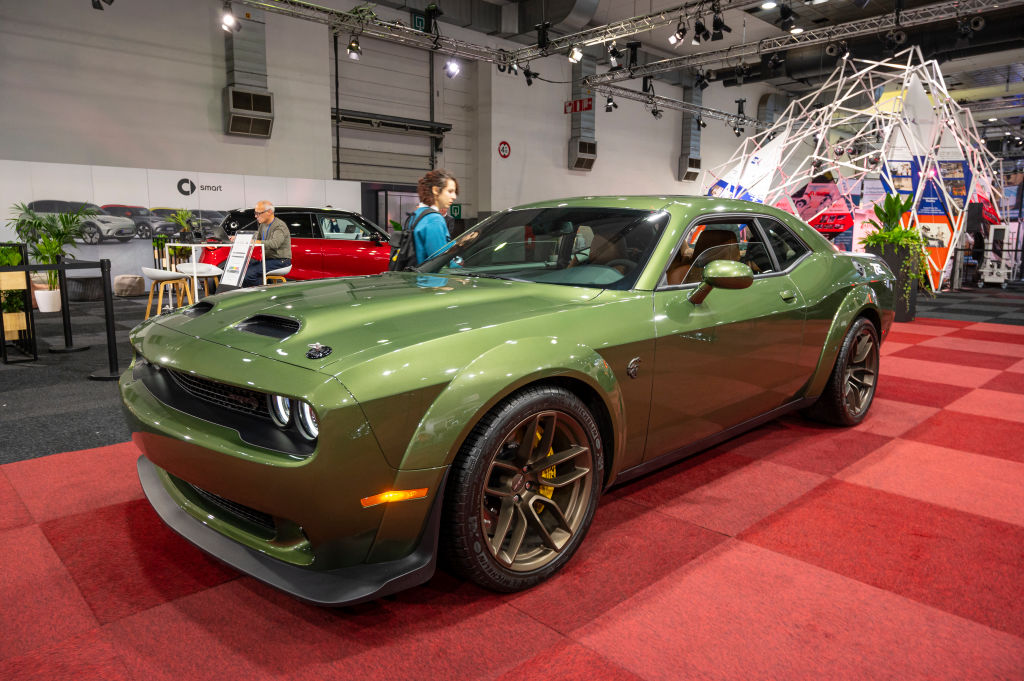
The Dodge Charger Hellcat has become a true modern icon of American muscle cars thanks to its spectacular power and supercharged V8 engine capable of producing over 700 horsepower, depending on the model. From the moment you step on the gas, the car impresses with its raw mechanical power, aggressive sound, and ability to deliver performance on par with some much more expensive supercars. Its muscular styling and rebellious image have also contributed to its immense popularity among fans of powerful cars.
However, despite this impressive straight-line power, several critics point out that the Charger Hellcat’s heavy weight limits its agility in corners and reduces driving precision compared to more balanced sports cars. Its high fuel consumption and handling that can be difficult to master on open roads also reinforce this perception. For many enthusiasts, the Hellcat remains above all a spectacular display of raw power rather than a truly versatile and refined sports car.
Range Rover
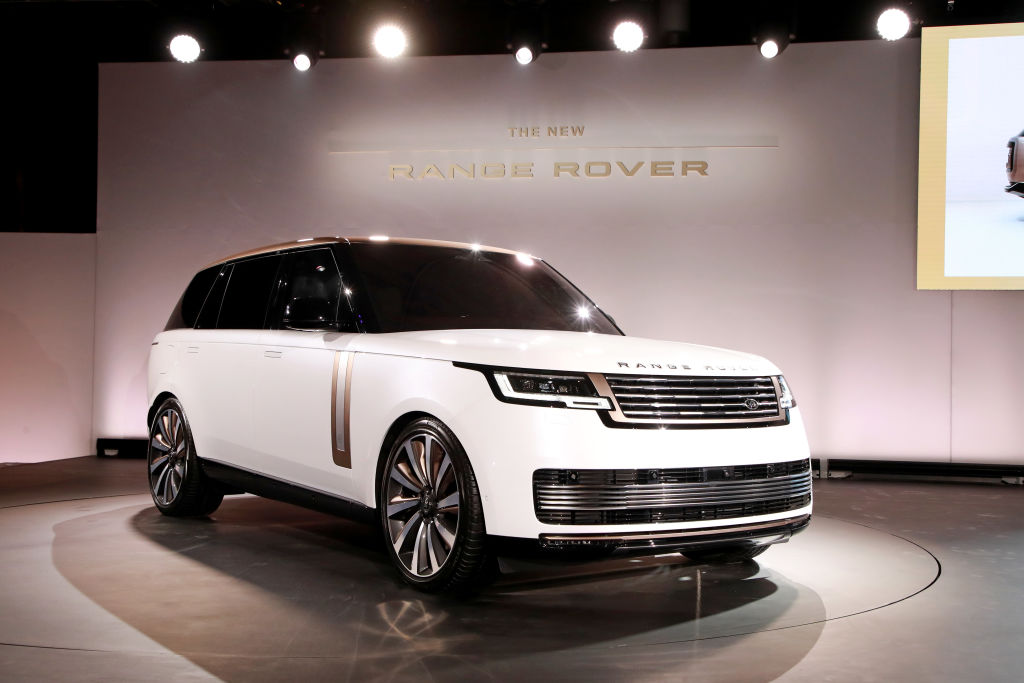
The Range Rover has long been associated with British luxury and automotive prestige. Its elegant design, refined interior, and exceptional comfort allow it to maintain a very strong high-end image among buyers. Whether on the road or off-road, it delivers a particularly quiet and comfortable driving experience, which explains its popularity in the large luxury SUV segment.
Despite this prestigious reputation, the model is regularly criticized for its high maintenance costs and sometimes questionable reliability. Repairs, specialized parts, and certain electronic failures can quickly drive up expenses for owners. Several competitors now offer a comparable level of luxury with a better long-term reputation. For some enthusiasts, the Range Rover appeals primarily for its image and status rather than for its ease of use in daily life.
Nissan GT-R R35
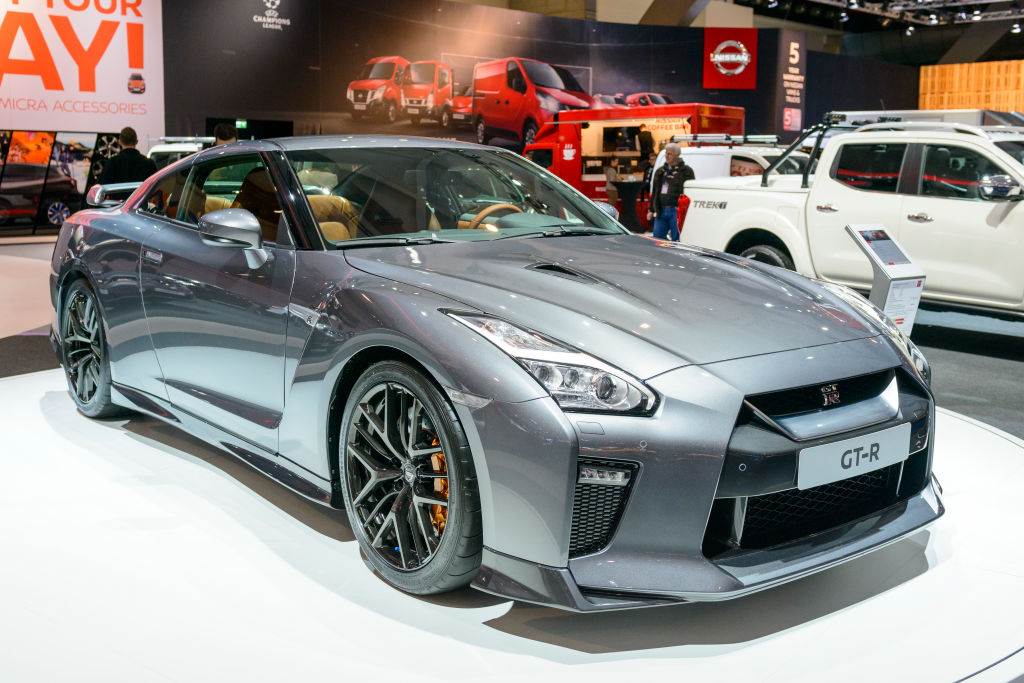
When it first hit the market, the Nissan GT-R R35 completely revolutionized the sports car world. Capable of competing with much more expensive supercars, it impressed with its blistering acceleration, ultra-efficient all-wheel drive, and advanced technology. For several years, it offered an almost unbeatable value for money.
However, time has gradually changed perceptions of the model. Despite several updates, the interior and certain technologies are now beginning to show their age when compared to more modern competitors. Its price has also risen sharply over the years, diminishing the advantage that once defined its reputation. The GT-R remains an extremely high-performance and respected car, but many enthusiasts feel that it no longer makes the same revolutionary impact as it did in its early days and that it relies more on its legacy than on current innovation.
Ford Bronco Raptor
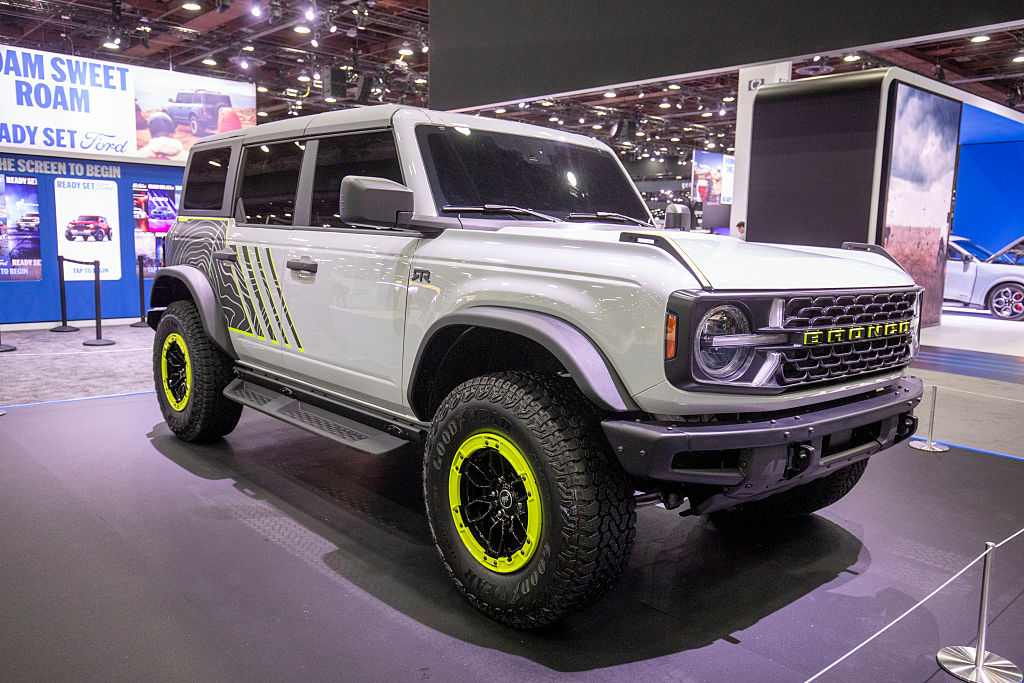
The Ford Bronco Raptor was designed to push the boundaries of off-roading with an extreme and spectacular approach. Thanks to its reinforced suspension, massive tires, and powerful twin-turbo engine, it offers impressive capabilities on challenging terrain. Whether in the dunes, on rocky trails, or on fast off-road routes, it ranks among the top-performing vehicles in its class.
Despite these qualities, many drivers find it difficult to fully realize its potential in everyday use. Its imposing size makes parking and city driving challenging, while its fuel consumption and high price tag make it less practical for daily use. On the road, some also find its ride less comfortable than that of a traditional SUV. The Bronco Raptor is hugely impressive on paper, but for many, it remains a vehicle that’s more spectacular than truly practical for everyday use.
Jeep Wrangler
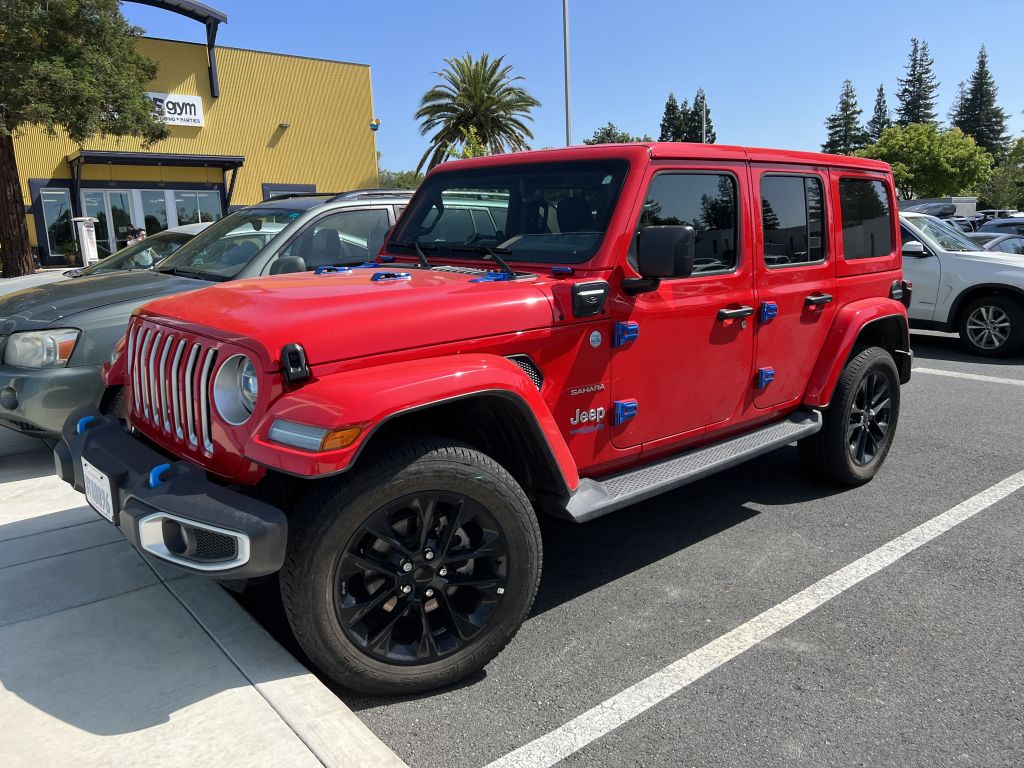
The Jeep Wrangler has an almost legendary reputation in the off-road world. With its iconic design, removable doors, and impressive off-road capabilities, it has been attracting adventure seekers and lovers of freedom for decades. On rough terrain, few vehicles can truly rival its performance and ruggedness.
However, everyday reality is sometimes less appealing than its image. On the road, the Wrangler can get noisy at high speeds, especially with certain removable roofs. Its stiffer suspension and less precise steering also make city driving or long trips less comfortable than in many modern SUVs. Despite its exceptional off-road qualities, many drivers feel it requires significant compromises in daily use. For many, the Wrangler remains first and foremost a vehicle for enthusiasts rather than a truly practical choice for all-around use.
Toyota GR Supra
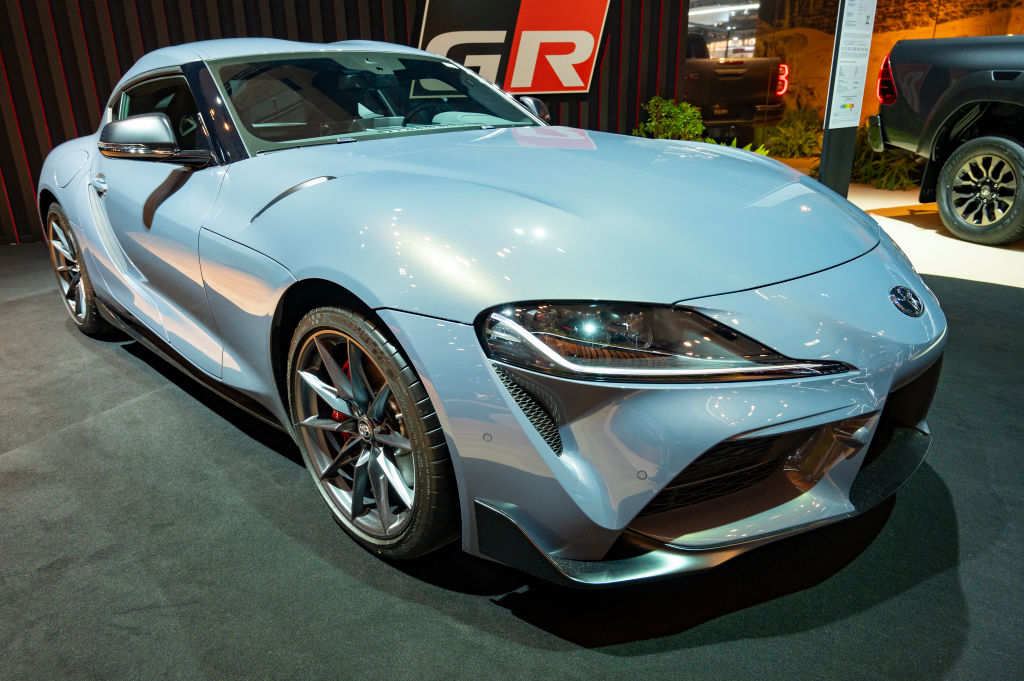
The return of the Toyota GR Supra immediately sparked enthusiasm among sports car enthusiasts. With its aggressive design, rear-wheel drive, and solid performance, it seemed poised to revive the legendary legacy of the 1990s Supra. On the road, the car truly impresses with its acceleration, precise handling, and powerful turbocharged engine.
However, a significant portion of enthusiasts remain divided regarding this model. The close collaboration between Toyota and BMW has led to the use of numerous German components, particularly in the engine, the platform, and even several elements of the interior. For some purists, this approach strips away some of the Japanese authenticity that defined the older Supras. Thus, despite its undeniable qualities, the GR Supra is sometimes perceived as an excellent modern sports car that carries more of BMW’s DNA than Toyota’s.
Mercedes-Benz G-Class
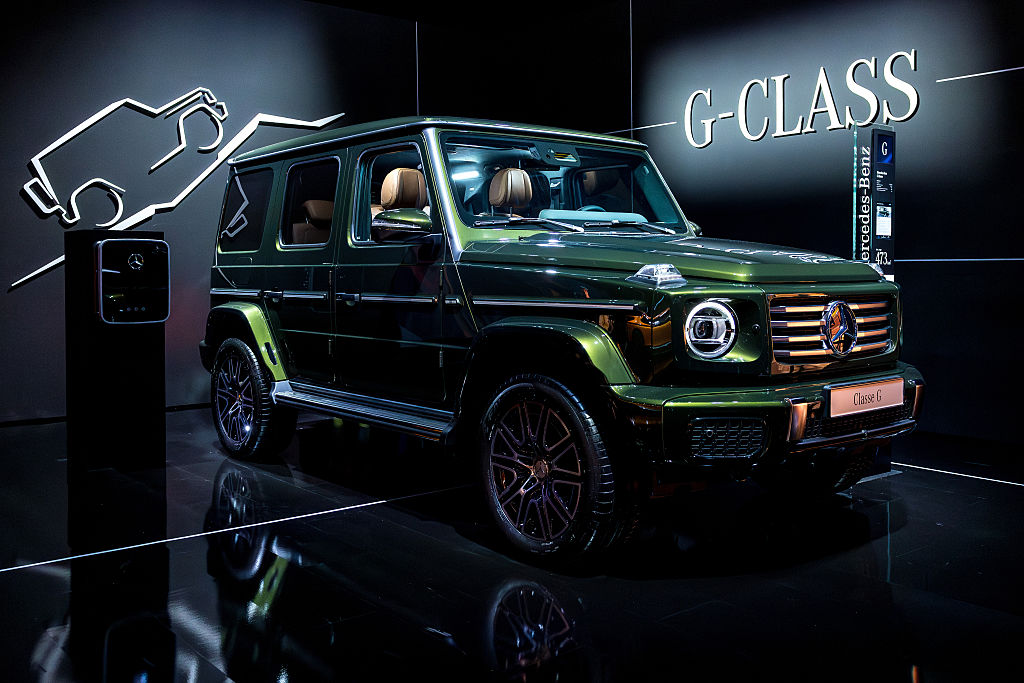
The Mercedes-Benz G-Class, often referred to as the G-Wagon, has become over the years a true symbol of luxury and social status. Its iconic boxy design and imposing presence have allowed it to maintain a unique identity in the world of high-end SUVs. However, despite its immense popularity, many critics consider it to be largely overrated.
Originally designed as a military and off-road vehicle, the G-Class offers a stiffer, less refined ride on the road compared to many modern luxury competitors. Its fuel consumption also remains very high, especially in the most powerful versions. Added to this is an extremely high price tag that often exceeds that of SUVs offering greater comfort, technology, and efficiency. For many buyers, the G-Class appeals more for its prestigious image and iconic style than for its true value for money in everyday use.
BMW XM
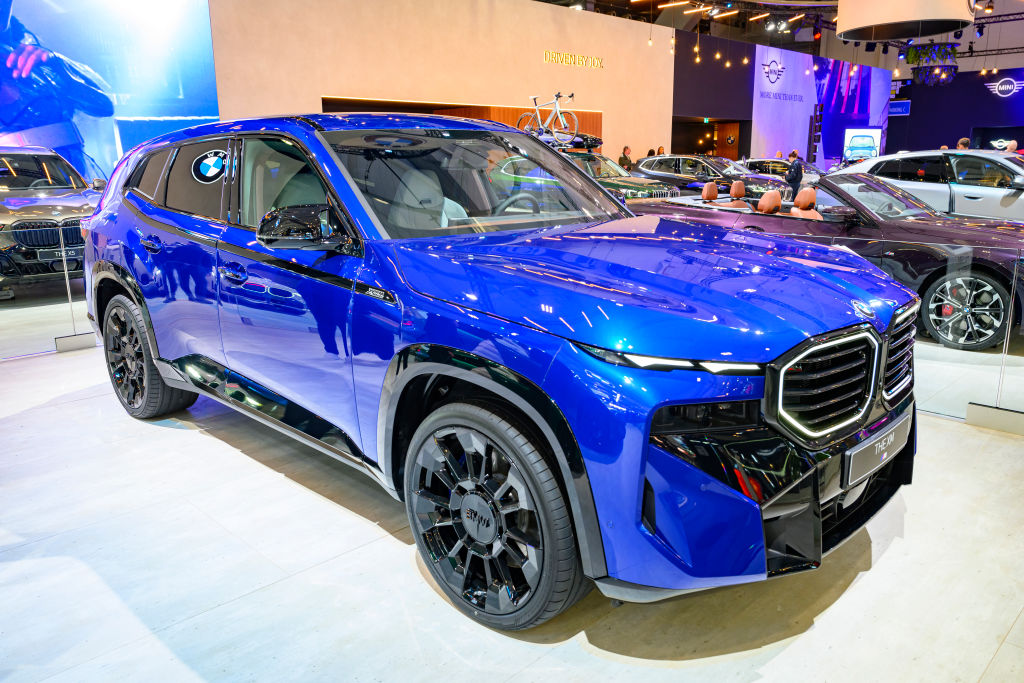
The BMW XM is one of the most controversial models ever produced by the BMW M division. Despite its impressive performance and extremely powerful hybrid powertrain, many enthusiasts feel that it strays significantly from the traditional spirit of M vehicles, which have historically been associated with lighter, sportier cars focused on driving pleasure.
Its massive and very aggressive design is also highly divisive, with some finding it excessive compared to the more understated elegance that once characterized BMW. Added to this is a particularly high price tag that puts it in direct competition with several well-established luxury SUVs. Well-equipped and technologically advanced, the XM impresses in certain areas, but many enthusiasts feel it prioritizes image and flamboyance over the classic philosophy of pure performance that has long defined the reputation of BMW M models.
Hummer EV
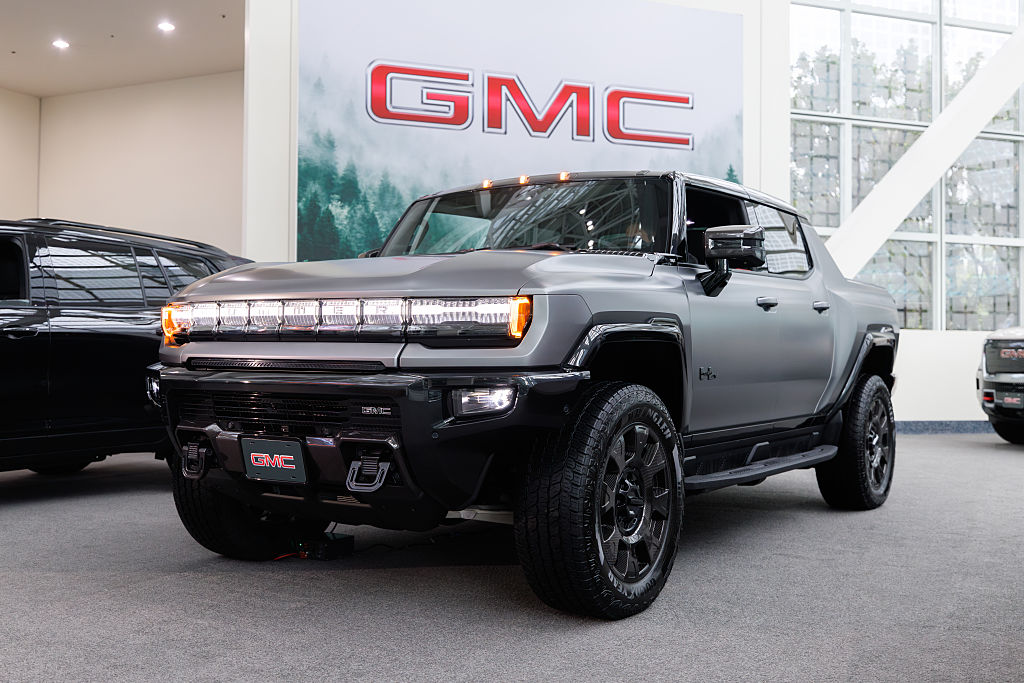
The Hummer EV immediately impresses with its massive size, spectacular power, and advanced technology. GMC has transformed the former symbol of large American vehicles into a fully electric pickup truck capable of astonishing acceleration and impressive off-road performance. On paper, the concept seems revolutionary.
However, many critics view the Hummer EV as a largely overrated vehicle. Its extremely high weight—sometimes exceeding 4,000 kg—raises questions about its fuel efficiency, handling, and even its actual environmental impact despite its electric powertrain. Its gigantic size also complicates parking and daily use in urban areas. Although it attracts attention and demonstrates the technological potential of large electric vehicles, for many, the Hummer EV remains more of a spectacular demonstration than a truly practical or eco-friendly vehicle for the majority of drivers.
Tesla Cybertruck
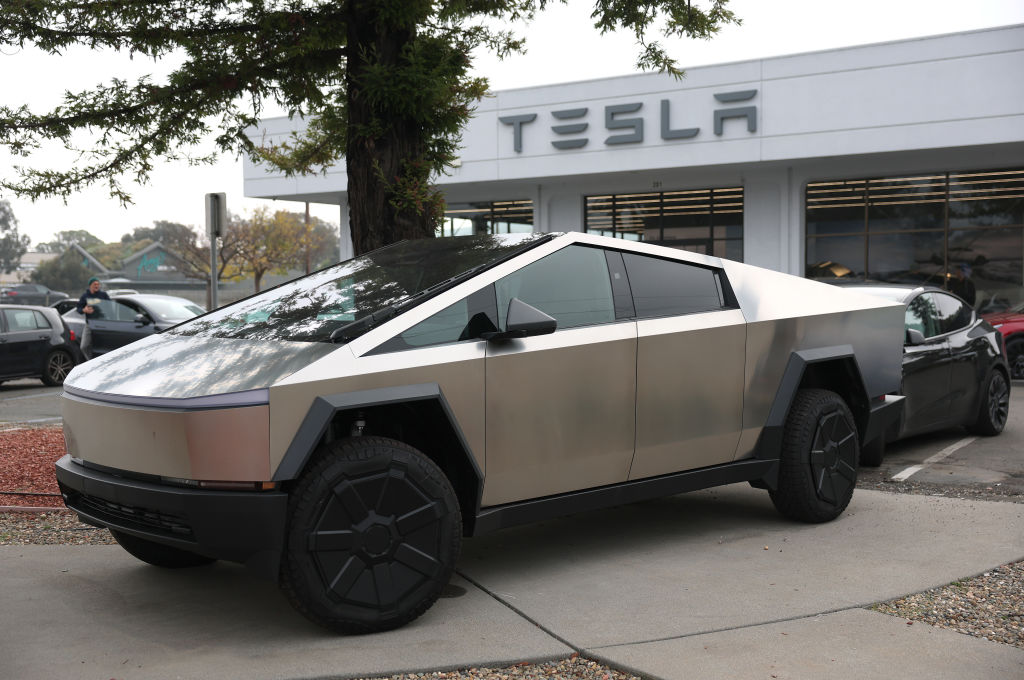
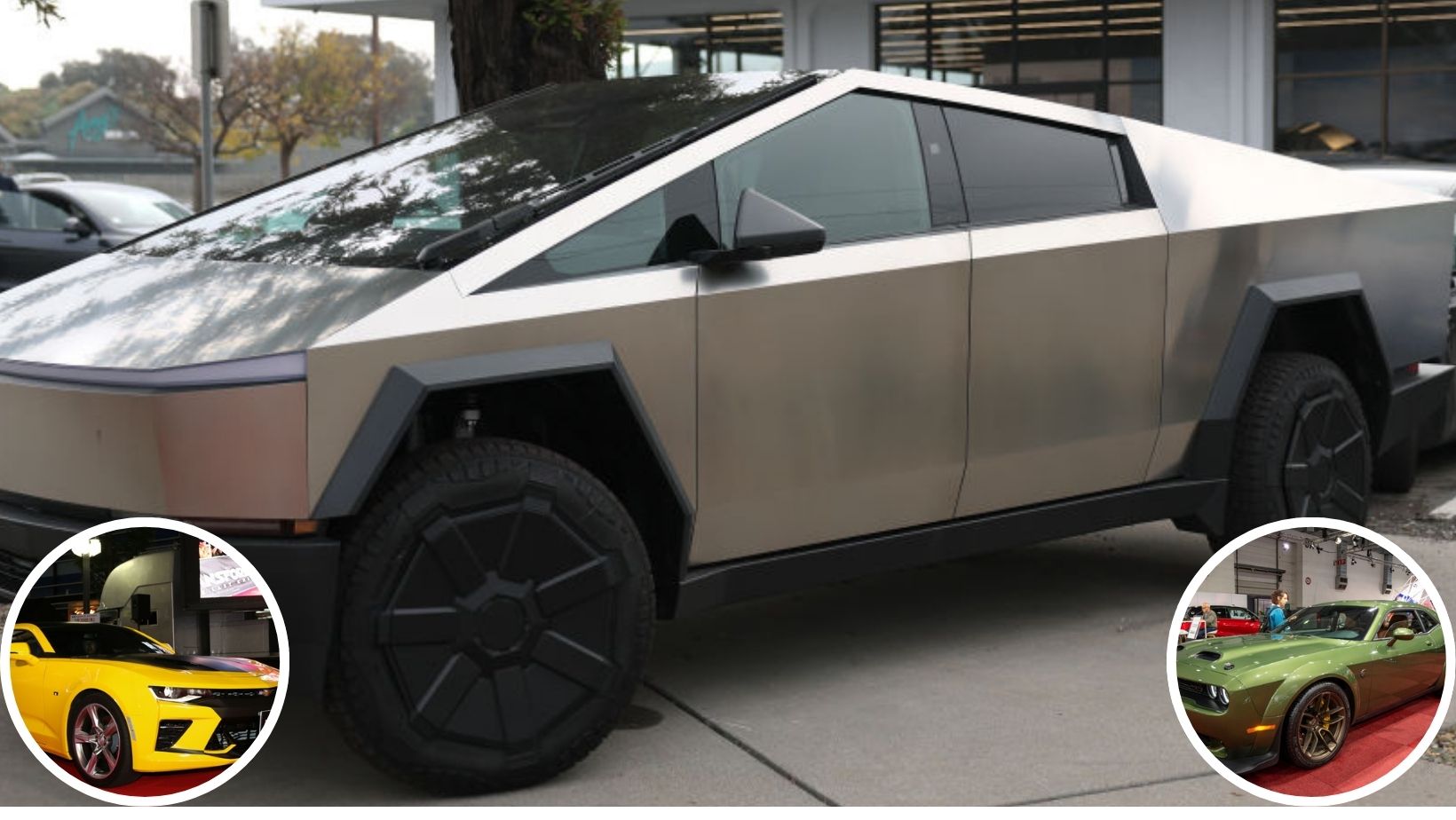
The Tesla Cybertruck is undoubtedly one of the most talked-about vehicles of recent years. Its futuristic and radical design makes it instantly stand out on the road, sparking both curiosity and debate. Tesla promised a revolutionary pickup truck capable of transforming the segment thanks to its electric performance, ruggedness, and advanced technologies.
However, several criticisms quickly emerged after its release. Some owners and experts pointed out issues with the finish, uneven bodywork, and a particularly high weight that affects handling and real-world range. Others also criticize Tesla for not fully delivering on certain promises made during the initial presentation. Despite its impressive acceleration and unique image, the Cybertruck remains a highly polarizing vehicle, often considered more spectacular in concept than truly revolutionary in everyday use.