
Let’s be honest: modern life is a labyrinth of convenience, and your money is the thread you keep losing. With every swipe, tap, and autofill, spending has become so seamless that you hardly notice it happening.
One moment you’re browsing a recipe video, the next you’ve ordered takeout, subscribed to a new app, and somehow bought a garlic press you’ll never use. But what most of us don’t realize is that instead of blowing our budgets on expensive things, we’re losing money through our habits.
These are the everyday digital choices that chip away at your financial stability by compounding over time. So, in this article, we’re peeling back the layers on 15 sneaky digital behaviors that silently wreck your bank account.
Impulse Buying Through One-Click Checkouts

One of the cleverest traps in modern consumer technology is the one-click checkout. It feels like a convenience, but by removing the micro-moments where a consumer might hesitate—like double-checking a cart total or second-guessing a late-night purchase—companies create a frictionless experience that encourages impulse over intention.
Following Influencer Lifestyles And Copycat Purchases

“Link please.” is what everyone sees in comments these days. Influencers curate images and narratives that make their lives look not only desirable but accessible, if only you buy what they’re using. Whether it’s skincare or sneakers, these endorsements are woven into a story that feels personal and, hence, persuasive.
Ignoring Automatic Renewals In Services
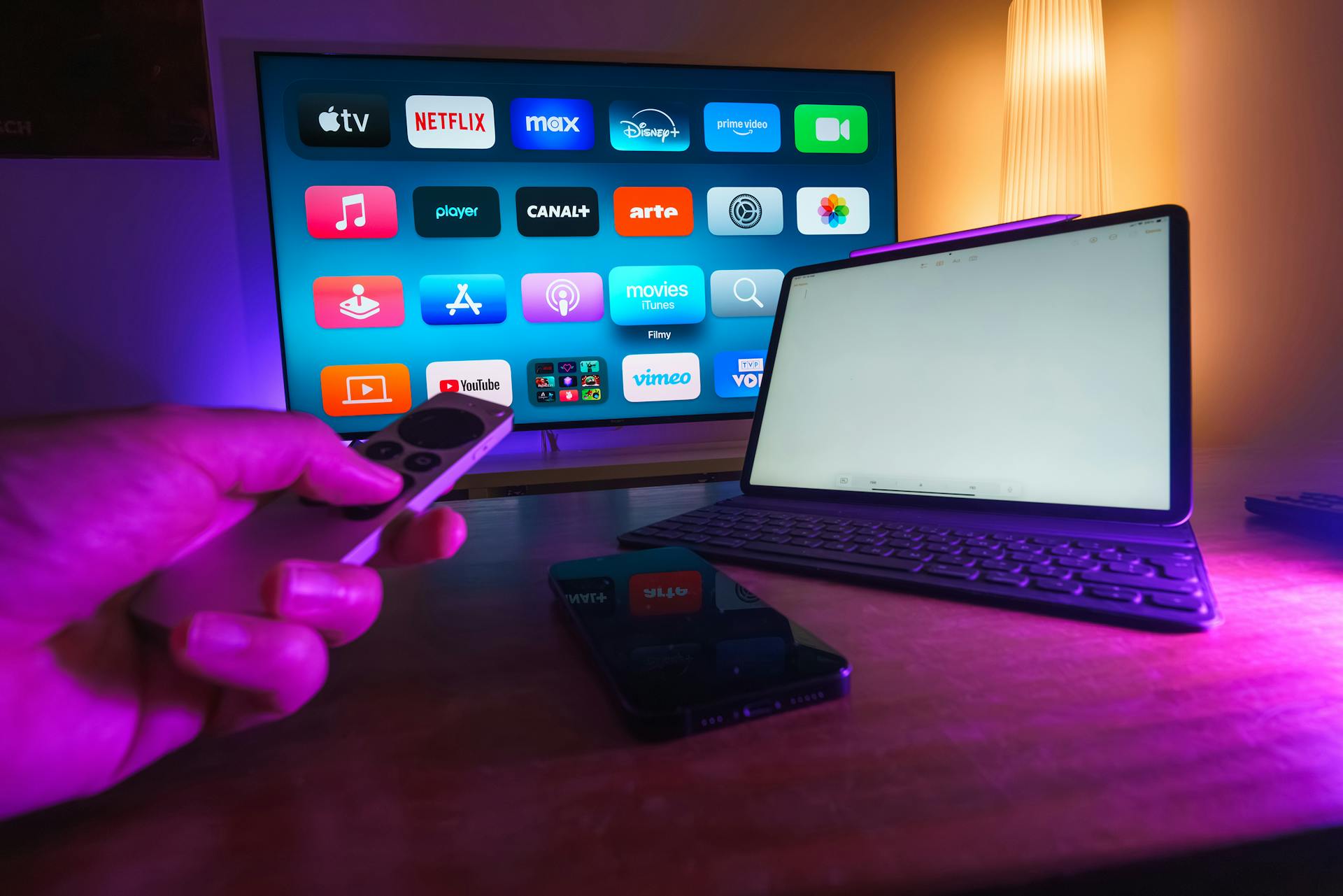
Streaming platforms, in particular, thrive on forgetfulness. That trial you signed up for to watch a show “just for a week” quietly turns into a recurring monthly charge—one that often slips under the radar because the cost seems minimal. Plus, they make the cancellation process purposefully more tedious than signing up.
Keeping Too Many Food Delivery Apps On Your Phone
Food delivery apps are designed to make indulgence feel justified. Having just one app is already tempting enough, but when you have 3–4 of them, each offering slightly different discounts, it becomes an open invitation to spend. Notifications about 20% off here, free dessert there seem too good to ignore.
Buying Things Just To Unlock Free Shipping

You add a $15 item to your cart, only to be told you need to spend $35 more to “unlock” free shipping. And instead of accepting the $6 delivery fee, you start hunting for things you don’t need just to cross that threshold. Stop letting small incentives steer your spending decisions!
Letting App Store Purchases Add Up Silently
These purchases are tucked neatly behind auto-renewals. And because they’re distributed across various apps, it’s hard to track them as a single, accumulating expense. The App Store, in particular, is brilliant at keeping the process frictionless by saving payment details and not providing a consolidated monthly statement.
Buying Gadgets You Don’t Need After Tech Ads Target You

Personalized marketing understands that consumers don’t just want new gadgets—they want to feel like they’re keeping pace with innovation. Unfortunately, that sense of progress usually comes at a steep and unnecessary cost. If you even accidentally click on a new tablet review, expect it to haunt your feed for days.
Upgrading Phones More Often Than Necessary
There was a time when people bought a phone and stuck with it until it barely powered on. Not anymore. Now they’ve become status symbols, which is why the average phone upgrade cycle has shrunk dramatically, thanks to trade-in programs and monthly financing plans that make the cost seem deceptively manageable.
Paying Full Price Instead Of Using Online Coupons

In the rush to check out, many shoppers skip the extra step of searching for promo codes or exploring cashback offers—despite the fact that they’re just a few clicks away. Retailers are well aware of this and design their pricing strategies accordingly. The issue isn’t a lack of availability, but underuse.
Shopping During Flash Sales You Didn’t Need
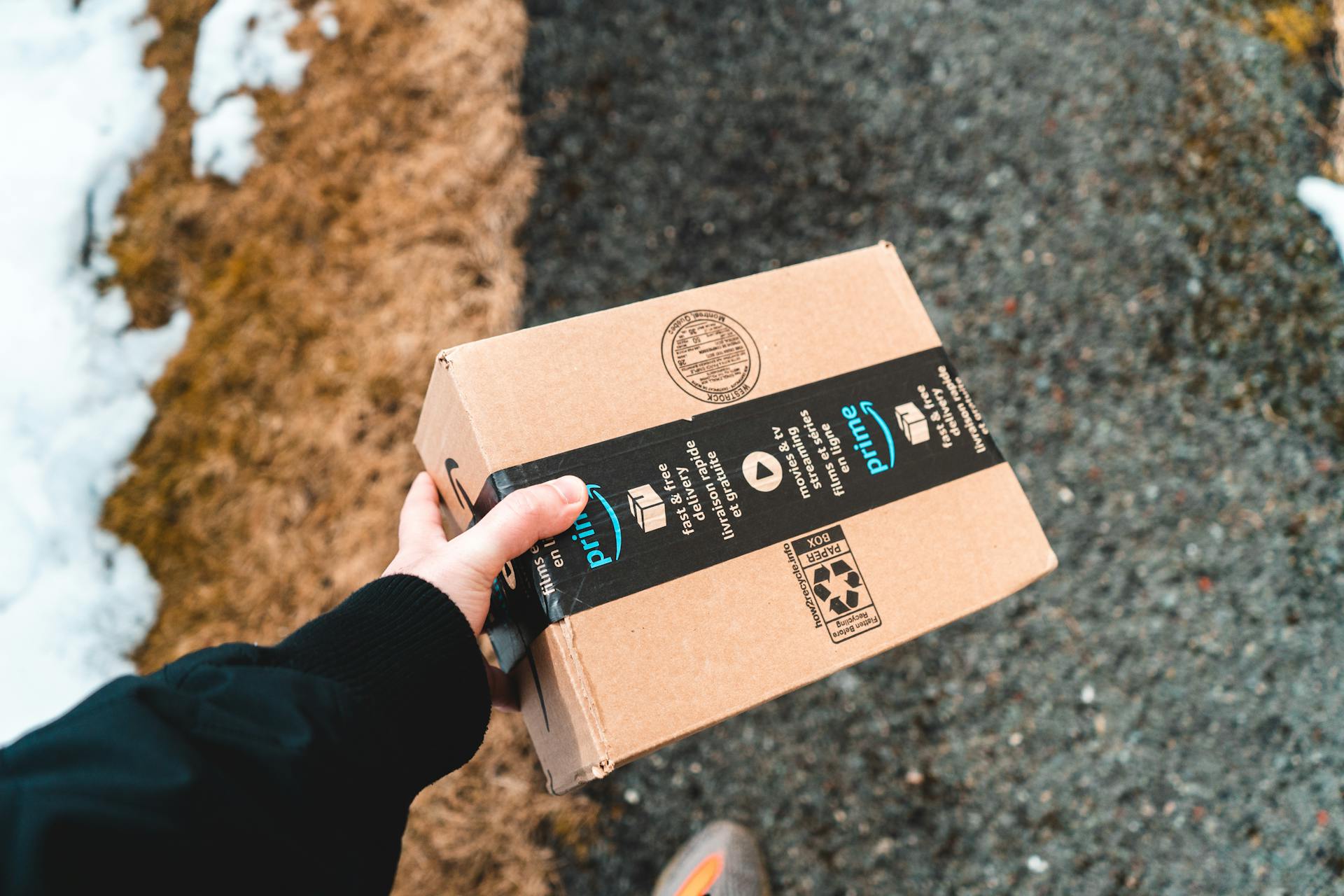
A timer counts down. A banner screams “50% OFF for the next 2 hours only.” And suddenly, you feel the urge to act—not because you truly need anything, but because the window to act is closing. Retailers use this exact urgency to override your inner voice of reason, capitalizing on FOMO (the Fear Of Missing Out).
Spending More For Same-Day Or Express Delivery

The race for speed in online shopping has created a modern luxury we now treat as a necessity: same-day delivery. It's thrilling to order something in the morning and have it arrive by dinner, and many consumers happily pay extra for it. Slowly, but surely, those extra fees stack up.
Overpaying For Cloud Storage You Don’t Use
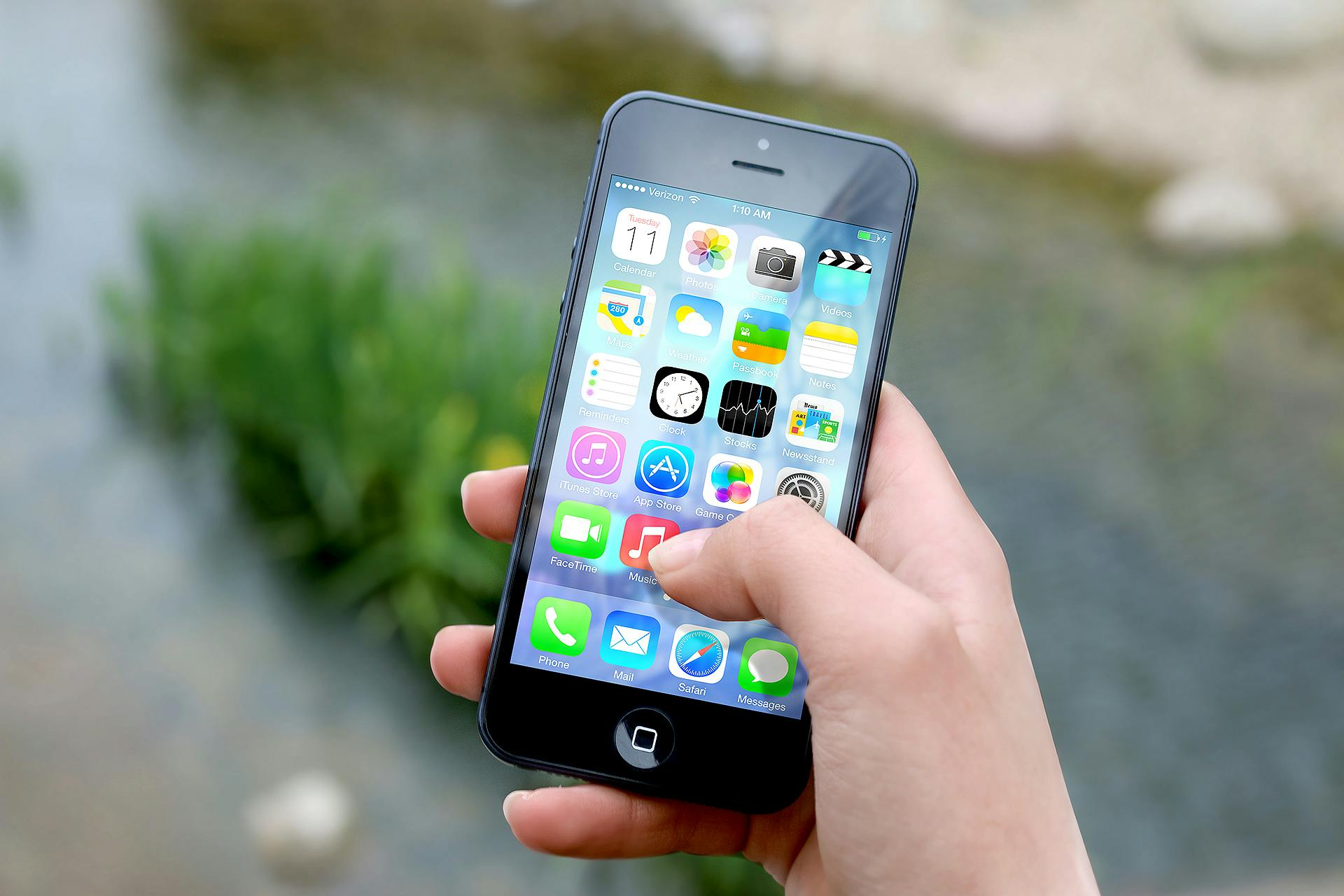
It begins with a simple need, like backing up photos, which quickly escalates into a monthly charge that feels too small to notice. Most people overestimate how much space they’ll need and end up paying for many more GBs of storage than they will actually use.
Mindless Online Window-Shopping

There’s a fine line between scrolling for fun and shopping without realizing it. Online window-shopping begins innocently enough: you’re bored, and a product ad catches your eye. You click. You browse. Before you know it, your cart is full, and your wallet, lighter. These personalized suggestions are designed to convert curiosity into action.
Sharing Too Much Personal Data For Discounts And Offers
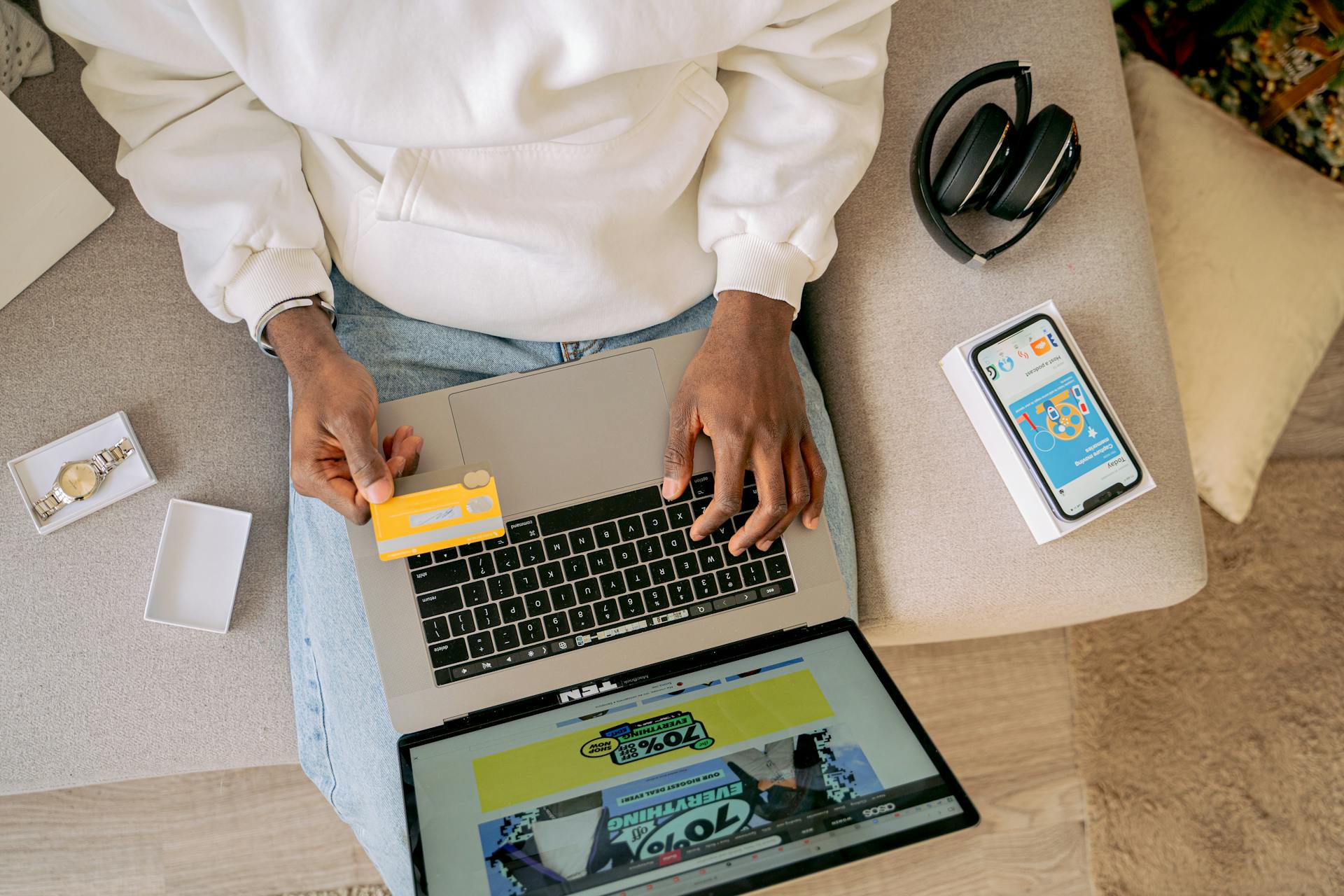
Many companies dangle discounts in exchange for personal information—emails, phone numbers, even more intimate data like your location. That data doesn’t just sit in a secure vault waiting to serve your shopping needs. It’s shared with third parties without your clear consent. And the more you give away, the more vulnerable you become. Remember, if the service is free, it's more than likely that you are the product being sold.
Collecting Loyalty Points Instead Of Actual Savings
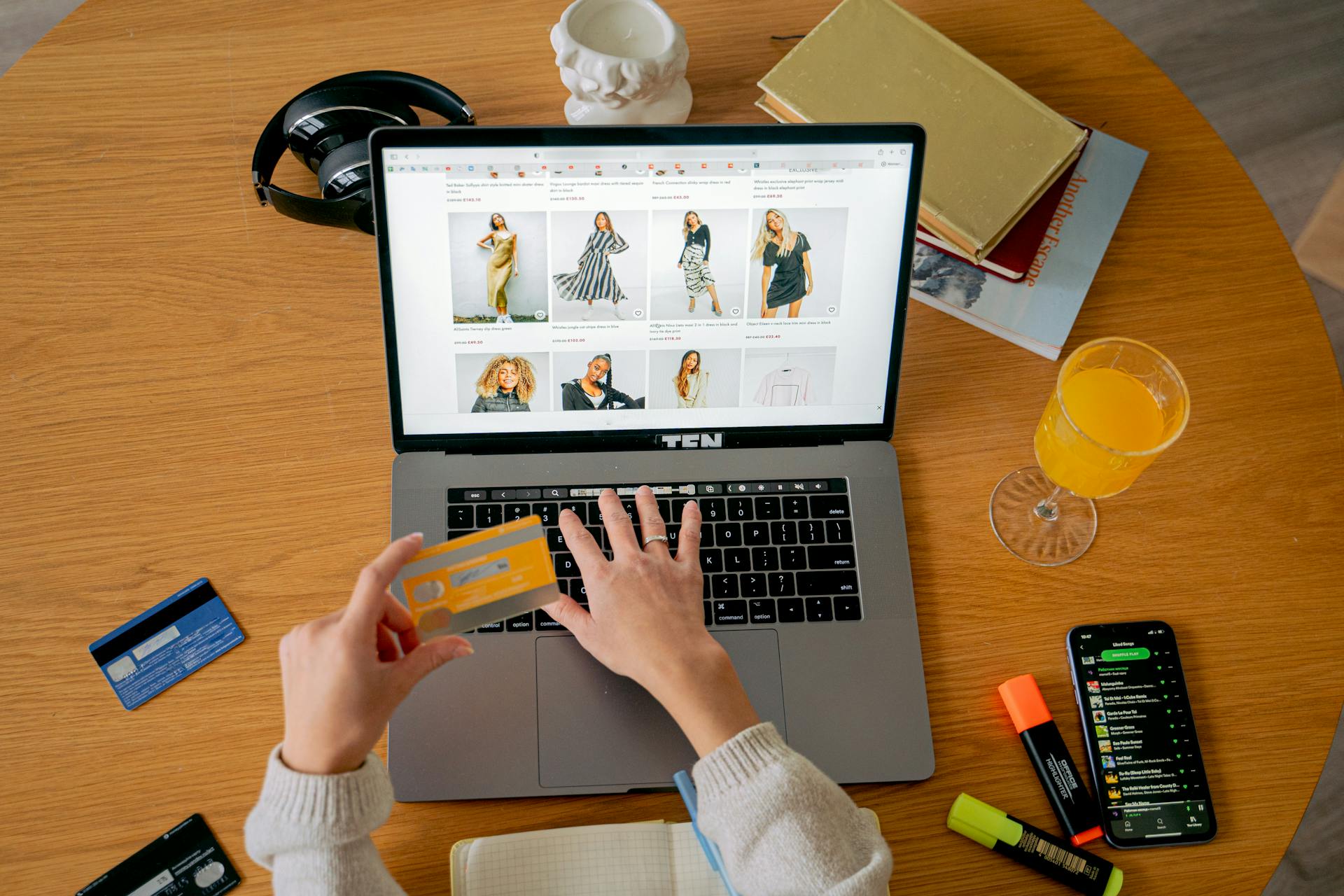
Unlike straightforward cashback or instant discounts, points require patience—and more spending—to be useful. That’s no accident. In most cases, you have to spend quite a bit just to earn enough points for a small discount, and even then, the actual value of those points can be maddeningly unclear.