15 fun ways to learn as a family
Family learning is much more than just a trend: it’s a real booster of complicity and motivation. According to Statistics Canada, 68% of families are looking for educational activities to share. But let’s face it, workbooks can get tiresome! Fortunately, there are fun ways to turn learning into an unforgettable experience. Whether you’re a dad, uncle, big brother or just a guy who wants to spice up evenings at home, these 15 ideas will awaken your curiosity and that of your loved ones.
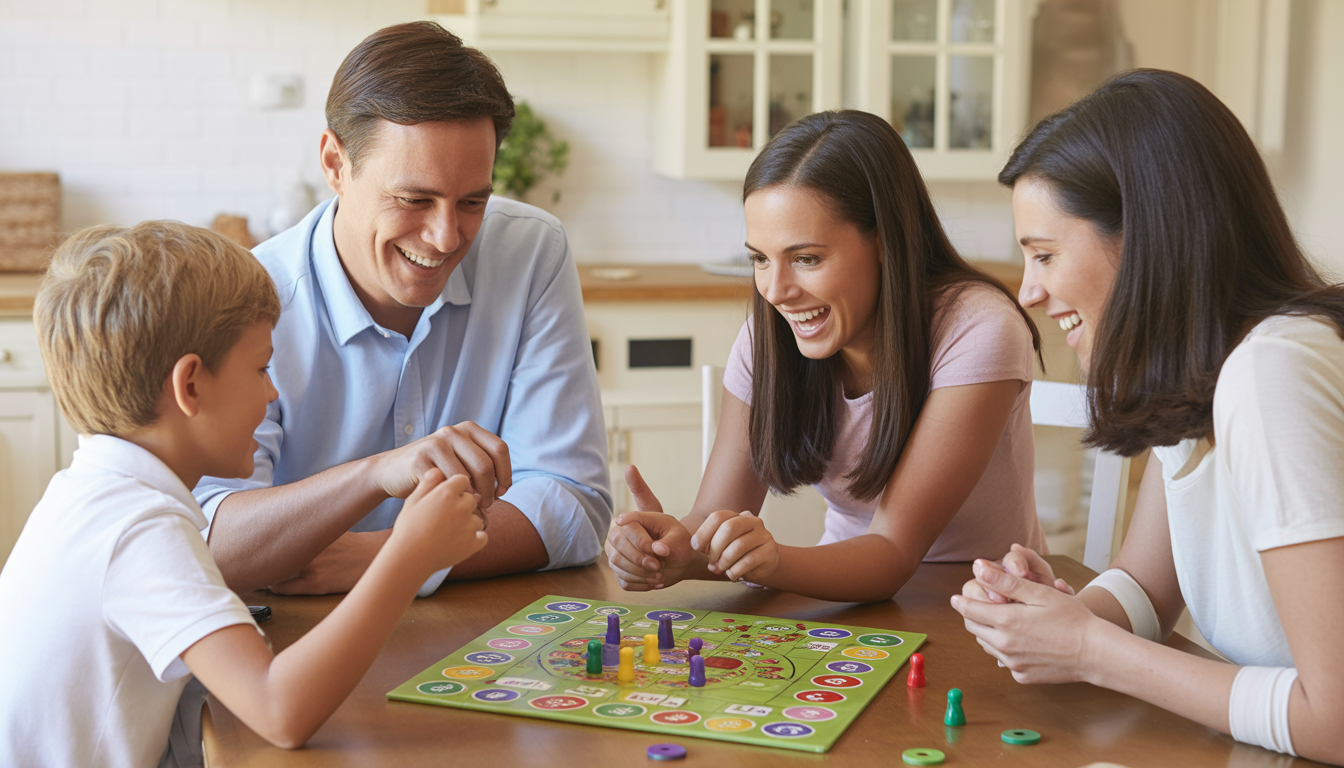
Family learning is much more than just a trend: it's a real booster of complicity and motivation.
According to Statistics Canada, 68% of families are looking for educational activities to share. But let's face it, workbooks can get tiresome!
Fortunately, there are fun ways to turn learning into an unforgettable experience. Whether you're a dad, uncle, big brother or just a guy who wants to spice up evenings at home, these 15 ideas will awaken your curiosity and that of your loved ones.
Ready to swap routine for laughter and discovery? Here's a roundup of the best ways to learn together, without ever getting bored!
1. Friday night family quizzes
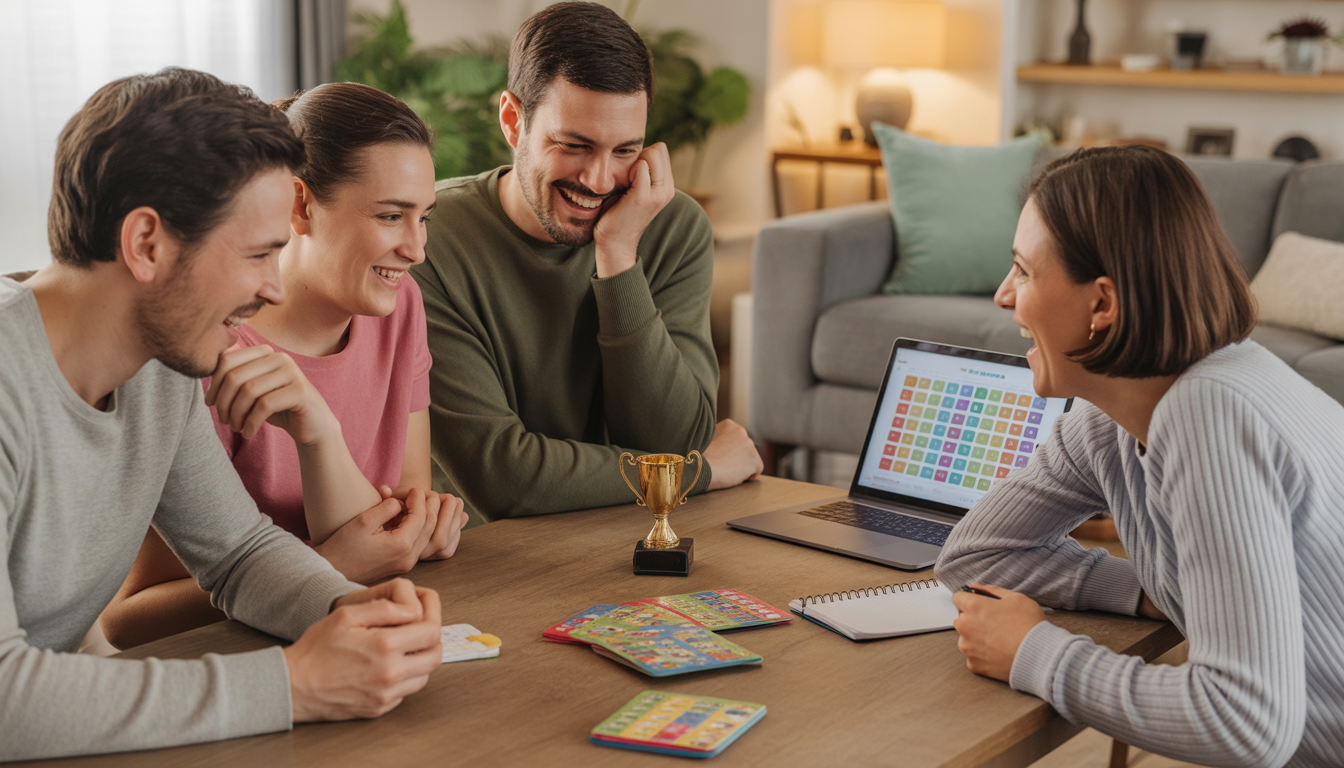
There's nothing like a home quiz to kick off the weekend! Prepare questions on general culture, sports or even family anecdotes.
According to a study by Laval University, quizzes stimulate memory and strengthen cohesion. To spice up the game, the winner chooses the Saturday movie.
Bonus: create your own multilingual quizzes with Babbel and impress everyone with your international knowledge!
2. Multilingual cooking workshops
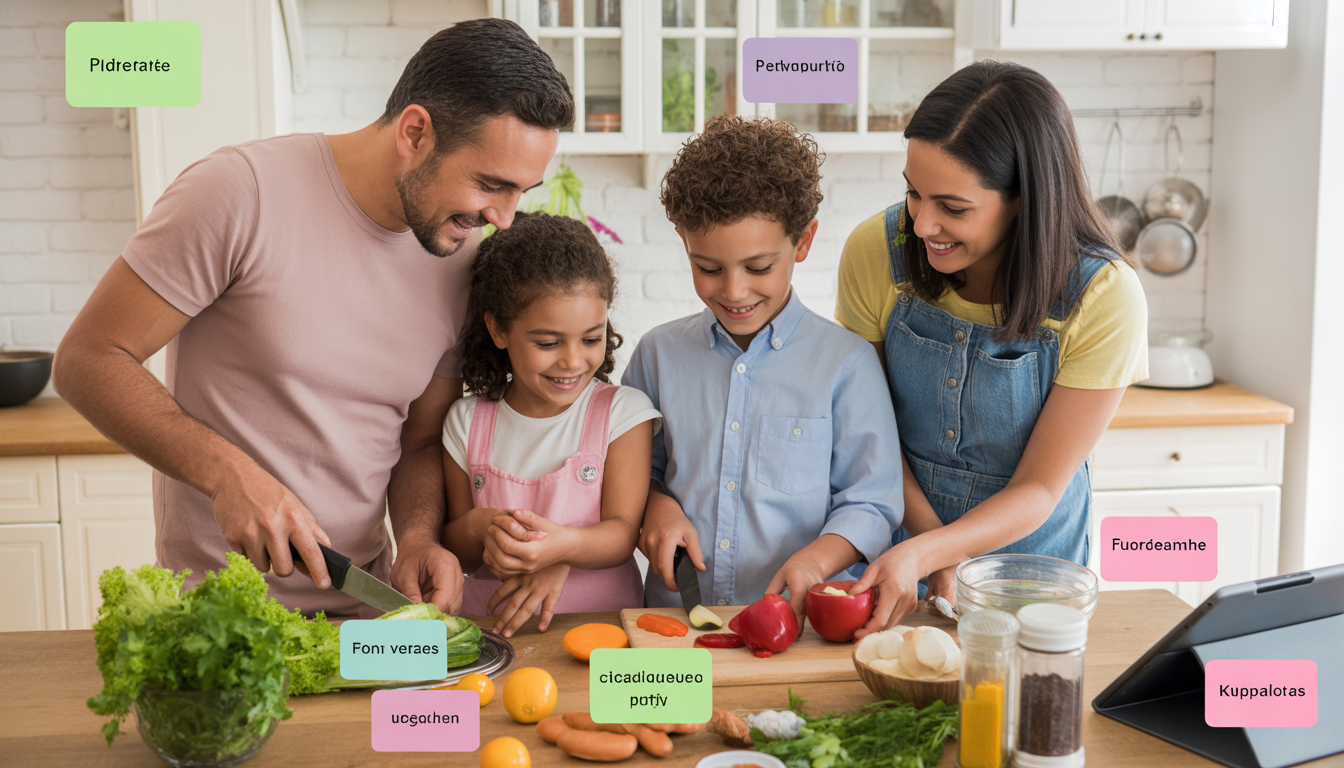
Turn the kitchen into a classroom! Choose a foreign recipe and learn the ingredients together in a new language.
It's proven: cooking as a family develops creativity and communication skills. To take it a step further, try Busuu to enrich your vocabulary while preparing a dish worthy of a chef.
The result: a feast for the taste buds and neurons!
3. In-house scientific challenges
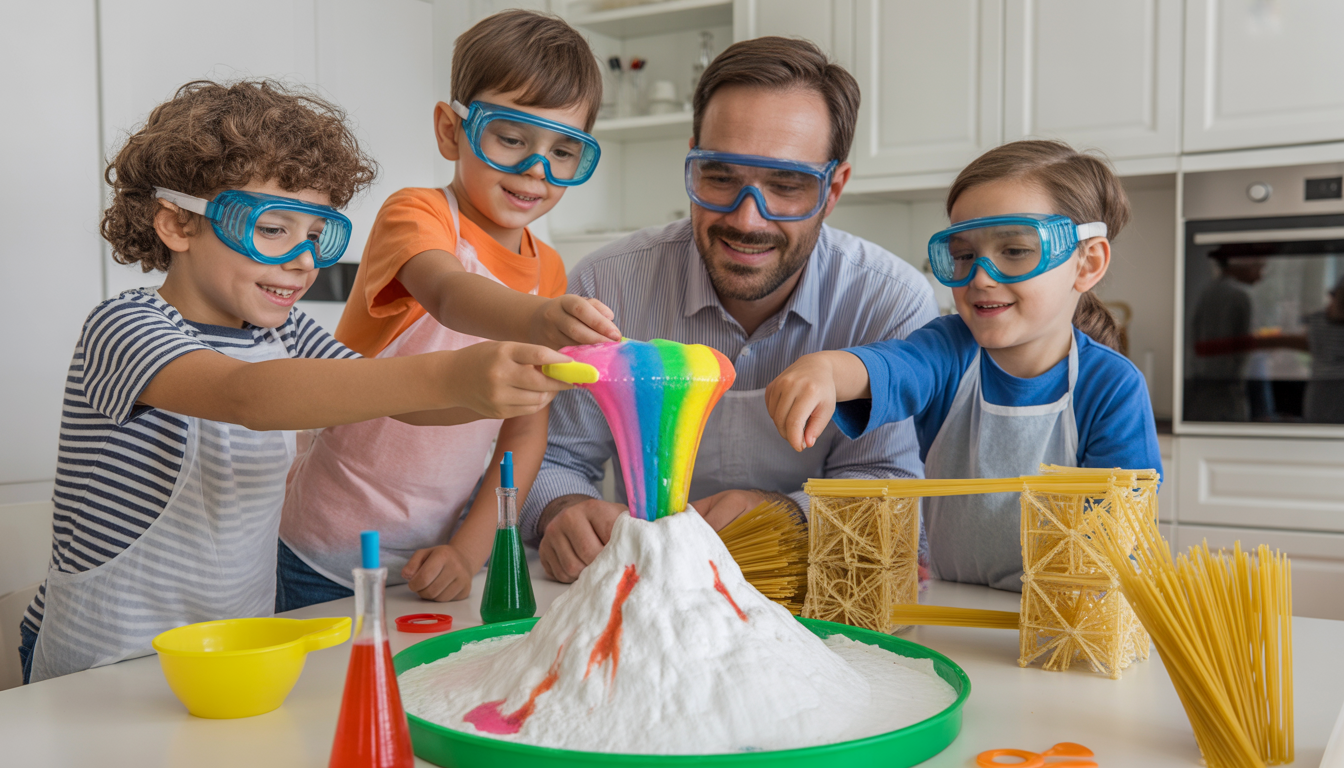
Who said science was only for laboratories? Make a volcano out of bicarbonate, or launch a spaghetti bridge-building competition.
According to UNESCO, hands-on experiments increase young people's understanding of scientific concepts by 40%.
And for daddy tinkerers, it's a chance to show off your engineering skills while sharing a fun moment.
4. Read-aloud marathons
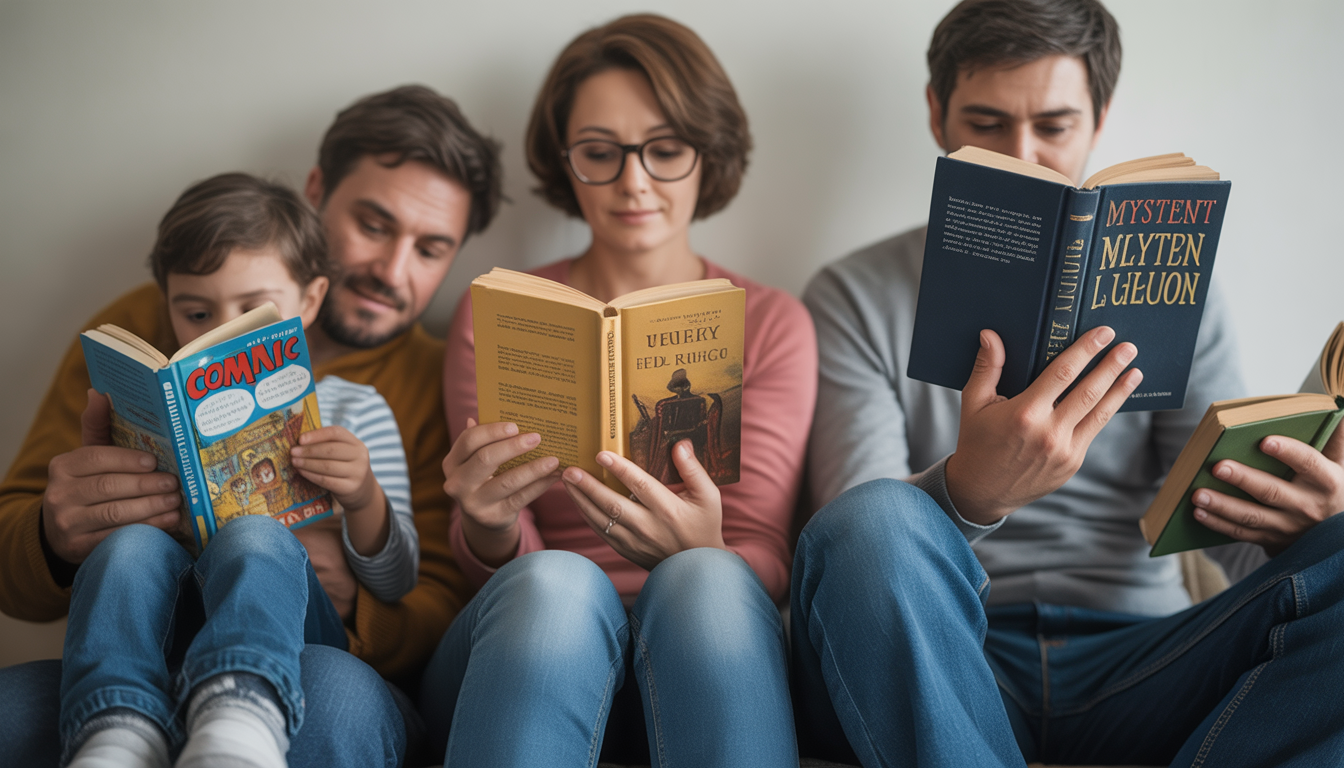
Make yourself comfortable and start a reading marathon. Everyone reads a passage aloud, in French or in a foreign language.
According to the OECD, shared reading improves reading comprehension by 30%. For variety, pick up books in different genres: thrillers, science fiction, comics...
And why not use Lingoda to discover stories from elsewhere?
5. In-house escape games
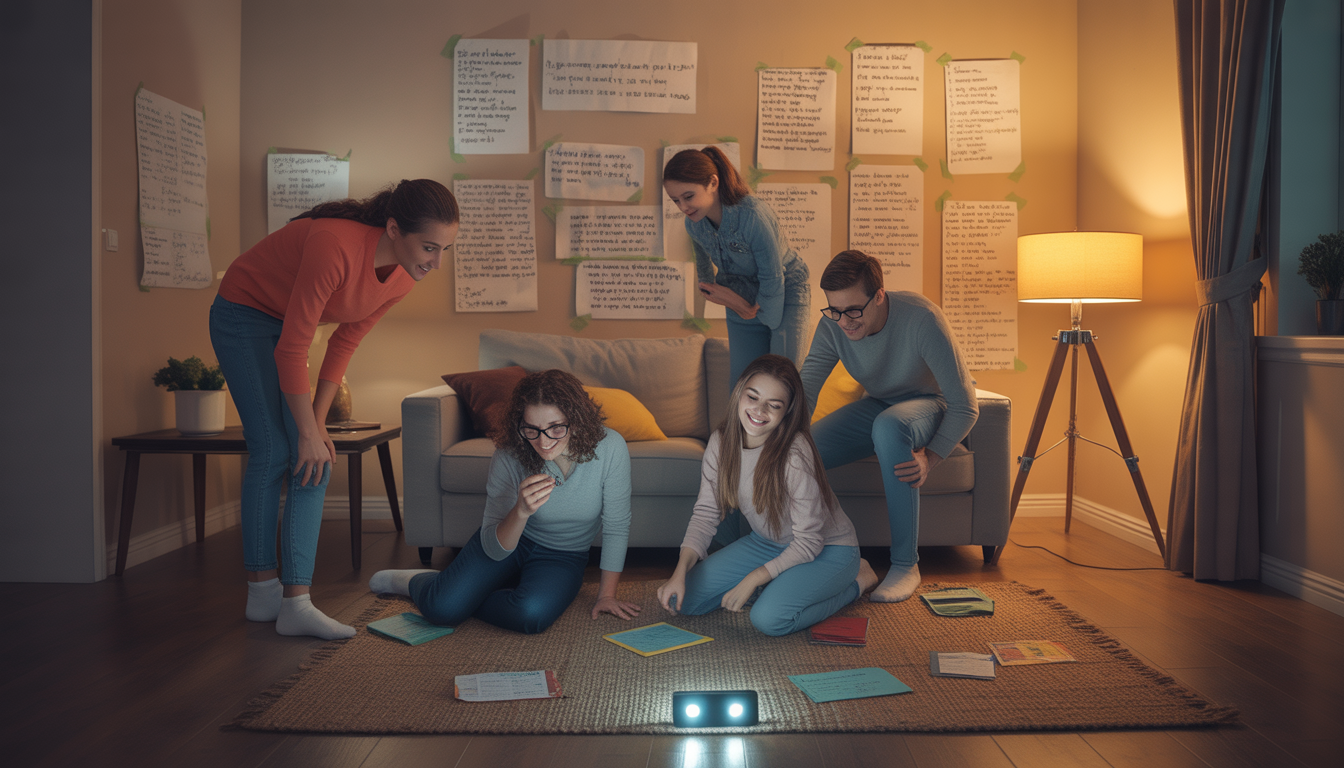
Turn your living room into an adventure playground with a homemade escape game. Hide clues, invent riddles and start the clock!
According to a survey by the Canadian Recreation Association, these games stimulate logic and team spirit.
It's also an opportunity to reveal your inner Sherlock Holmes, while learning to solve problems together.
6. Multilingual karaoke evenings

Sing your heart out as a family, but not just in French! Sing along to international hits and discover new words.
According to a study by the Université de Montréal, music helps language learning by 25%.
Use Babbel to prepare your lyrics and impress everyone with your perfect accent.
7. Educational board games
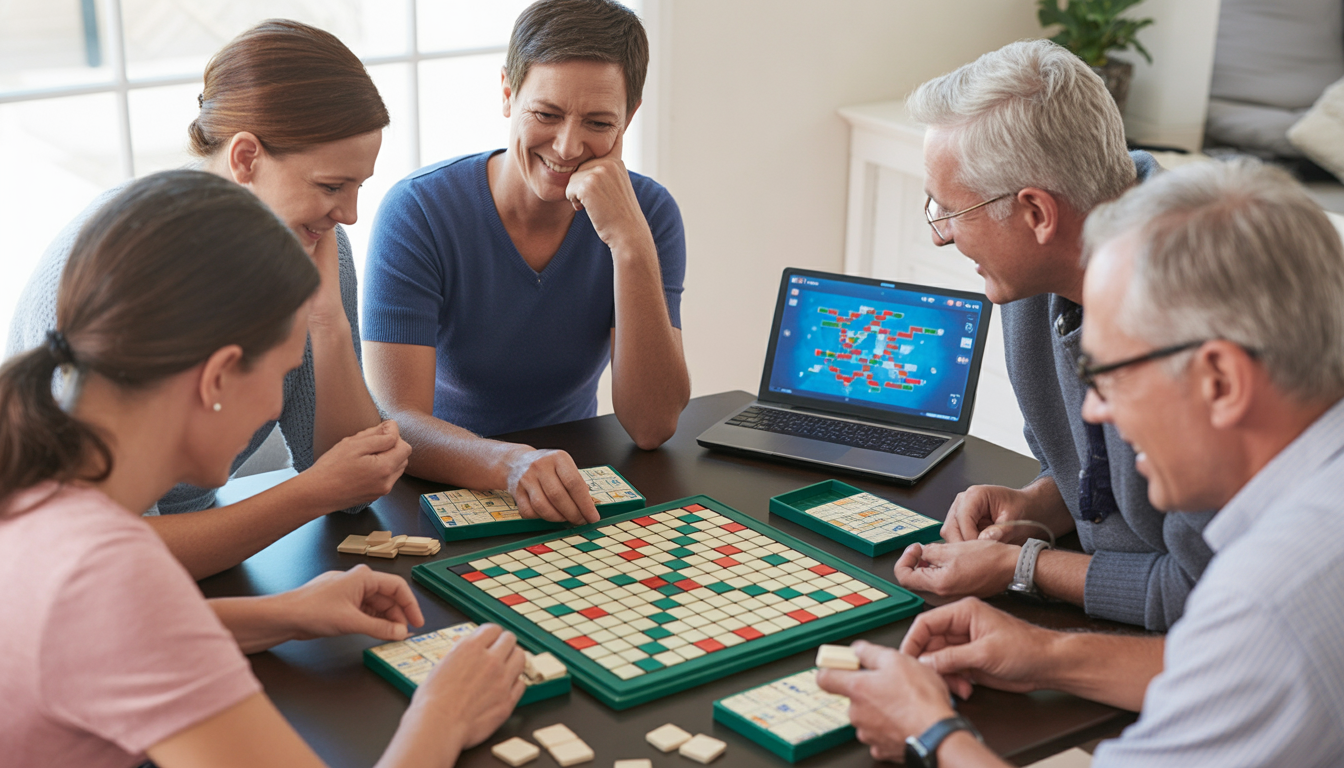
Bring out the board games that make you think: Scrabble, Trivial Pursuit, or even strategy games.
According to Ipsos, 72% of families regularly play educational games. It's an opportunity to learn while having fun, develop logic and sharpen the competitive spirit.
And for the more geeky, try out the digital versions to vary the pleasures.
8. Nature discovery walks
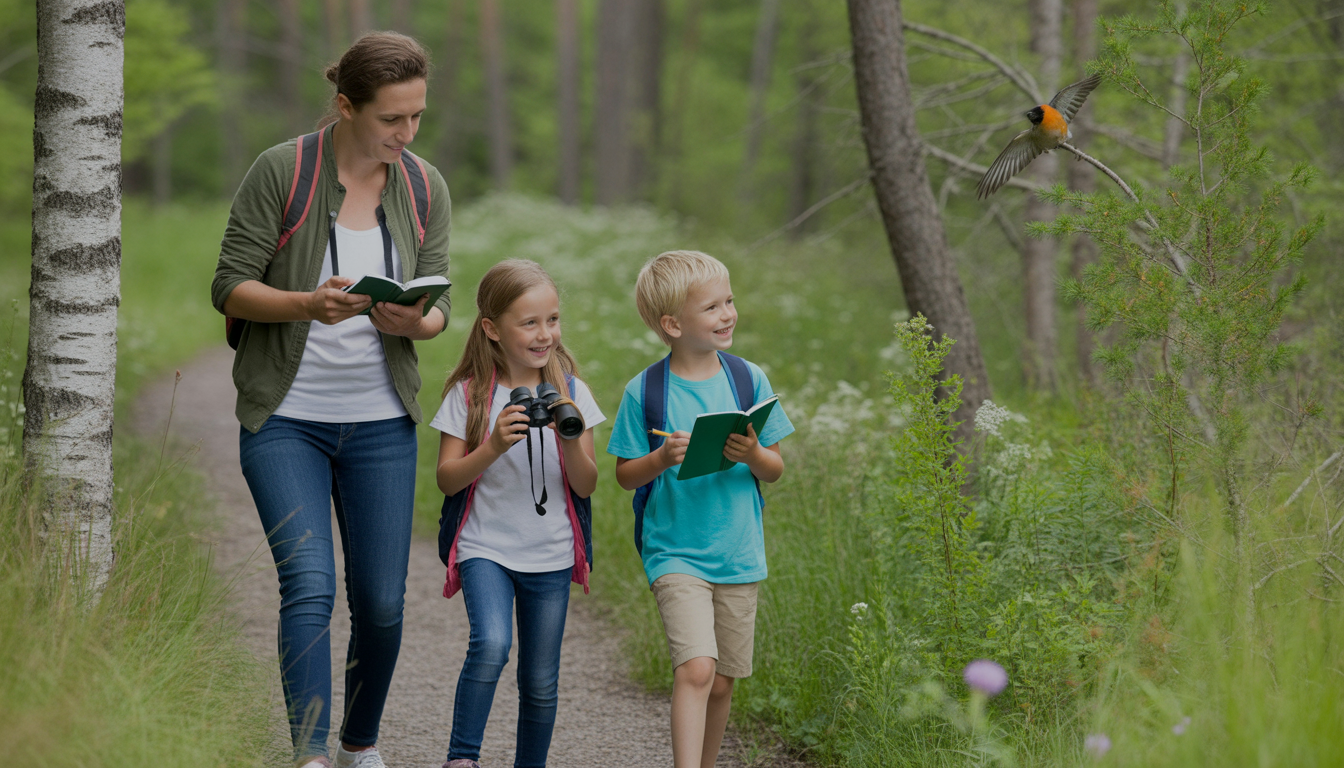
Explore Canada's parks and forests, notebook in hand. Note the species of trees, birds and insects you encounter.
According to Parks Canada, outdoor learning increases concentration by 20%. It's also a great way to get moving, breathe and share stories about local wildlife.
Bonus: organize a nature photo contest to immortalize your discoveries.
9. DIY workshops
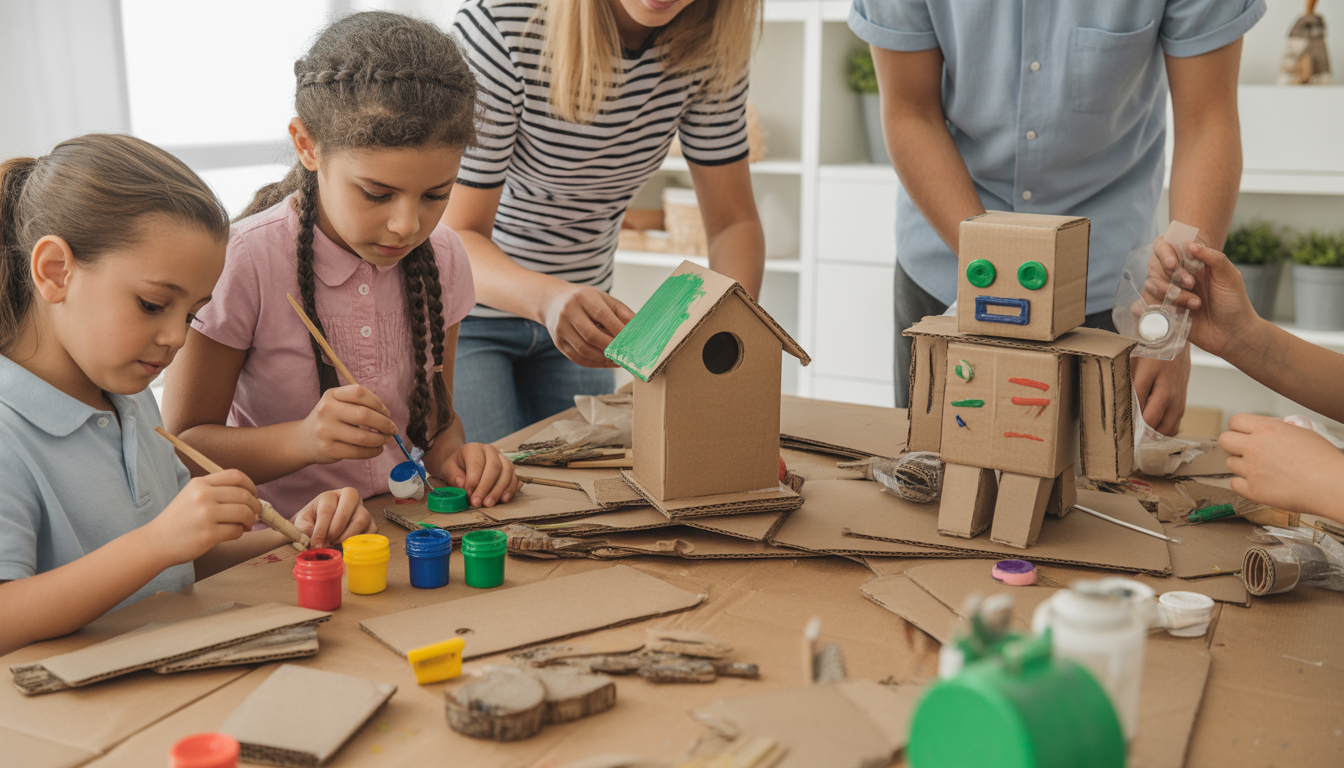
Gather materials and embark on a DIY project: build a birdhouse, make soaps or create a cardboard robot.
According to Statistics Canada, DIY stimulates creativity and problem-solving in 60% of children.
It's also a great way to pass on grandfatherly tips and value manual labor within the family.
10. Original version cinema screenings
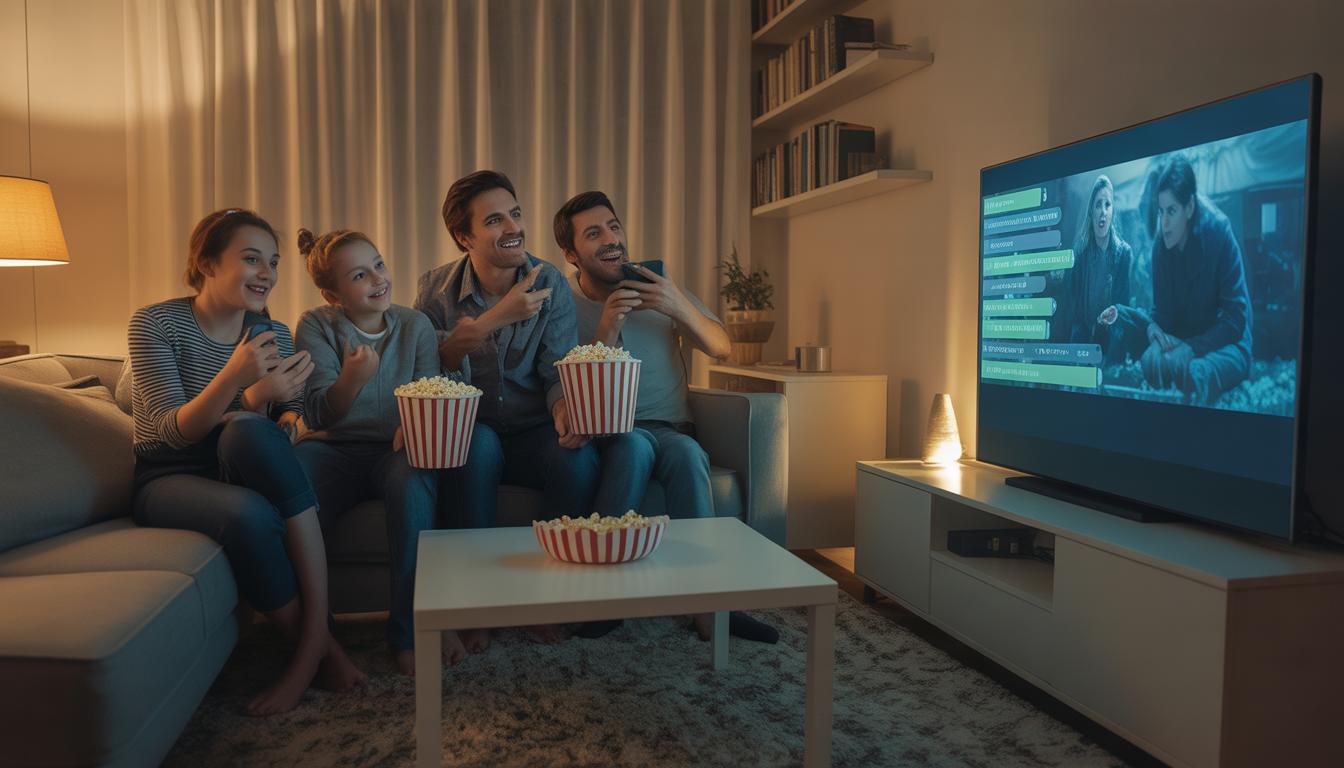
Watch a film in its original subtitled version and discuss it afterwards.
According to the Institut National de l'Audiovisuel, this method improves oral comprehension by 35%.
To improve your English, Spanish or German, try out Busuu and enrich your vocabulary while enjoying a good movie. Popcorn mandatory!
11. General culture competitions
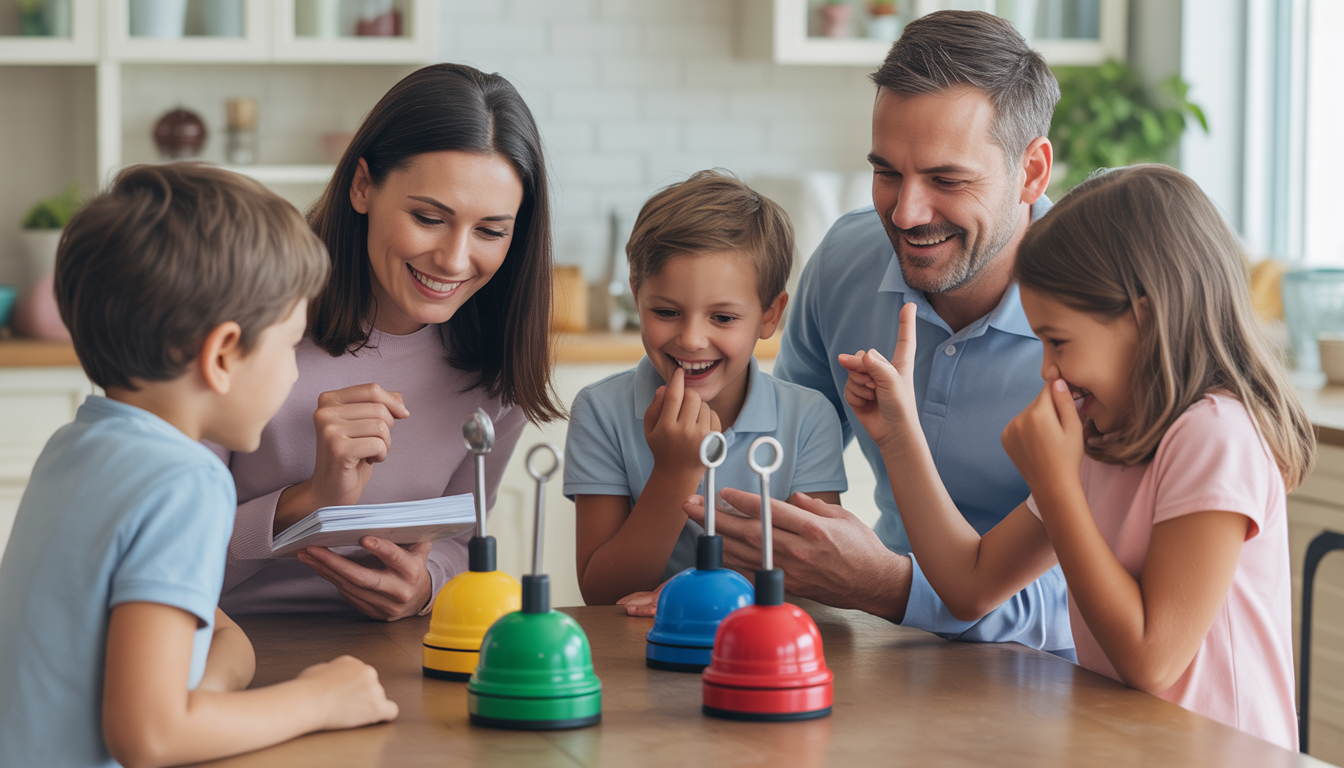
Organize a general knowledge contest on a variety of themes: history, geography, sports, cinema...
According to a Léger survey, 54% of Canadians like to test their knowledge as a family. Prepare homemade buzzers and reward the winner with a fun privilege.
It's an opportunity to learn while awakening the spirit of competition.
12. Podcasts to listen to together
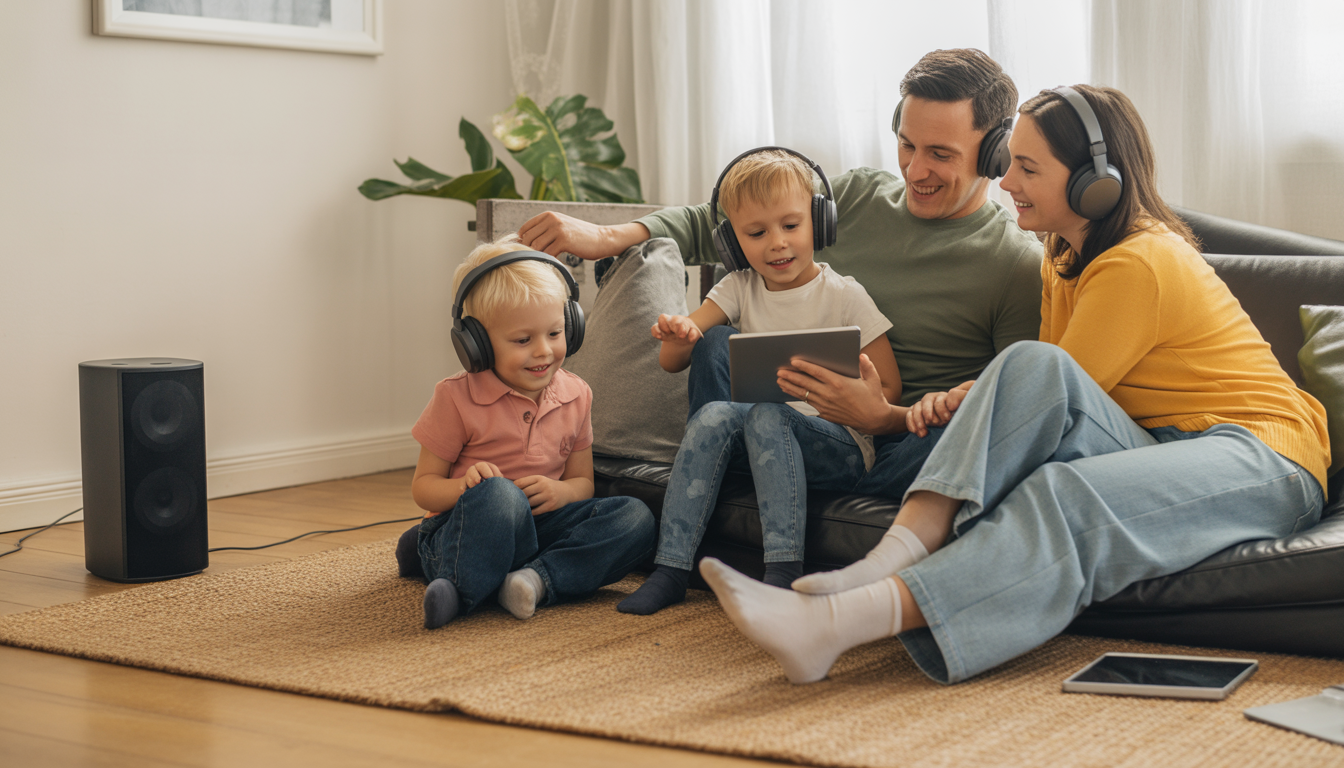
Select podcasts suitable for all ages: science, history, humor...
According to Edison Research, 41% of families listen to podcasts at least once a week. After listening, discuss the topics covered and share your opinions.
It's a modern way of learning, ideal for car journeys or cocooning evenings.
13. Group writing workshops
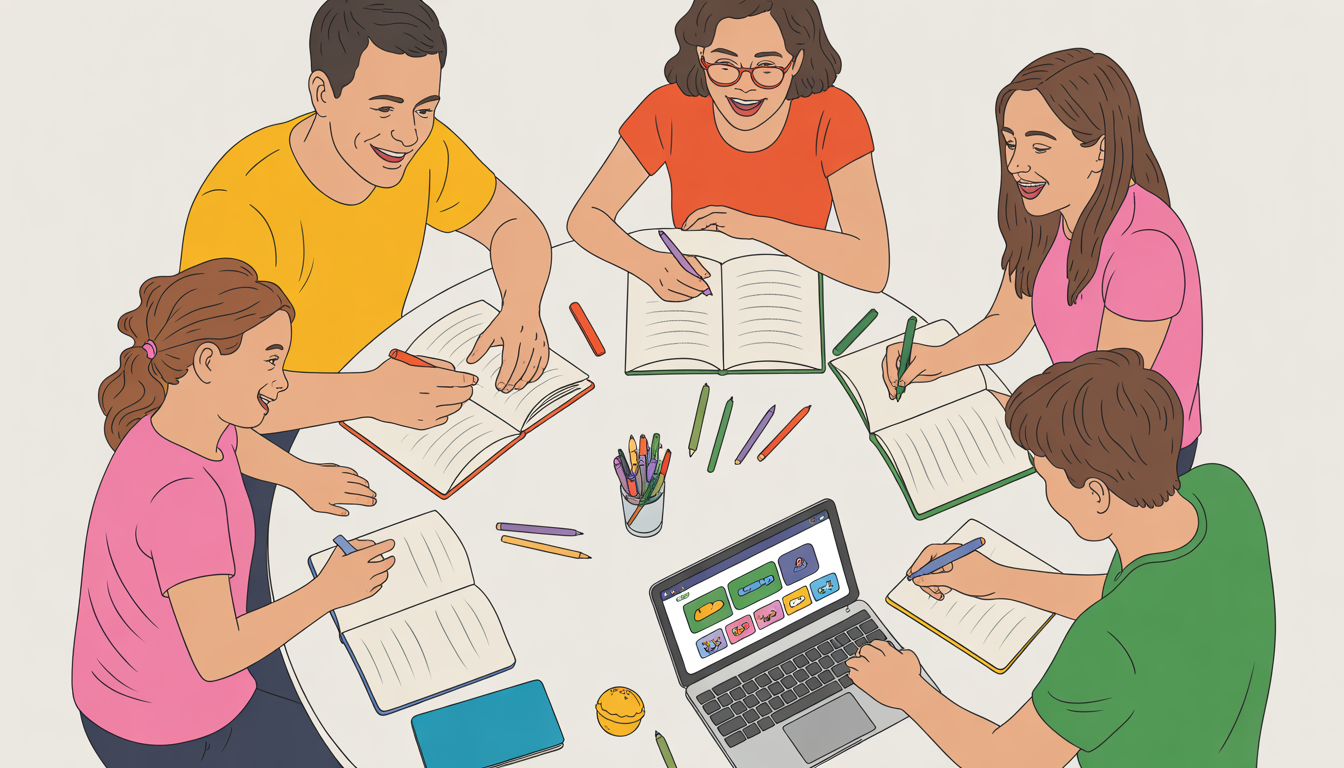
Create a story with several hands. Each person writes a paragraph, then passes the pen to the next.
According to the Association des écrivains québécois, collaborative writing stimulates imagination and oral expression. To spice up the exercise, impose outlandish words or themes.
And why not write your story in a foreign language with Lingoda?
14. Educational video games
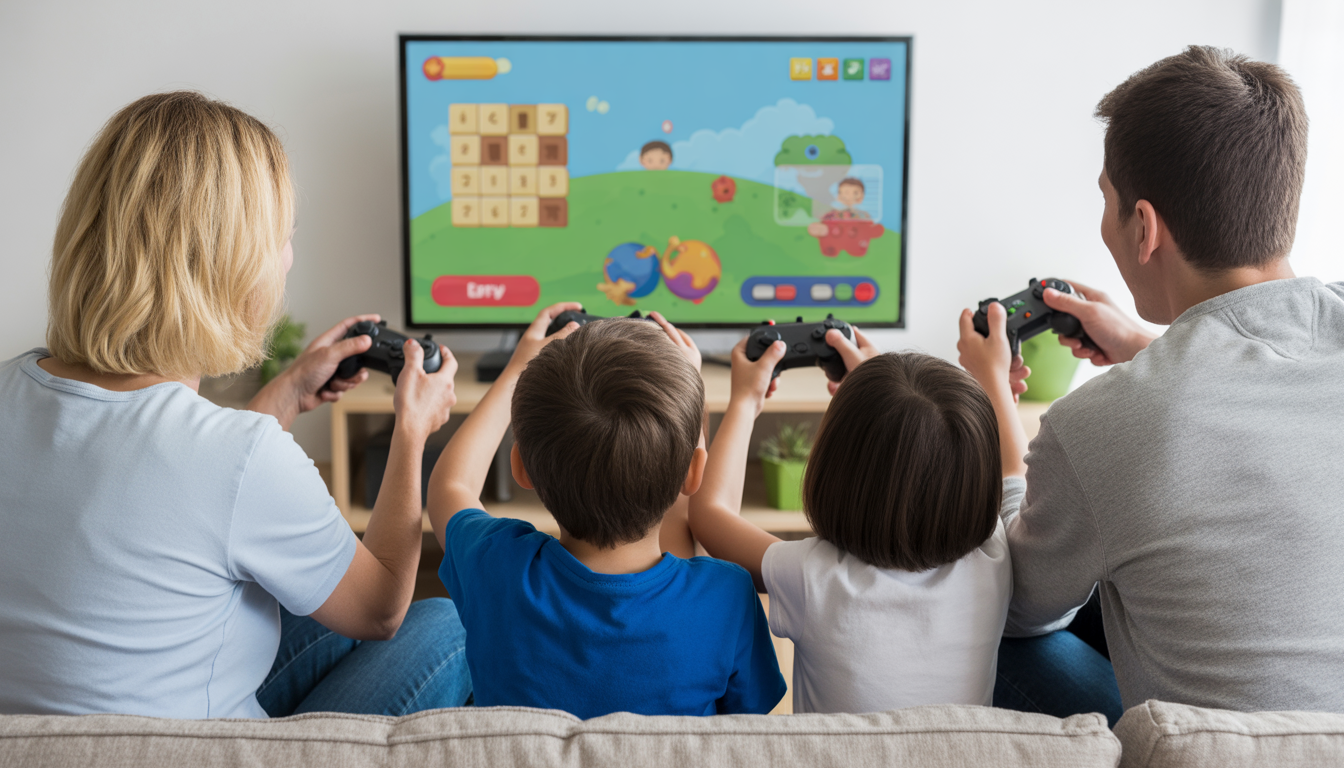
Choose video games that get the brain working: puzzles, logic, language learning...
According to the University of Sherbrooke, digital educational games improve concentration and problem-solving by 28%.
They're also a great way to share a geeky passion while learning, especially on those long winter evenings.
15. Sports and math challenges
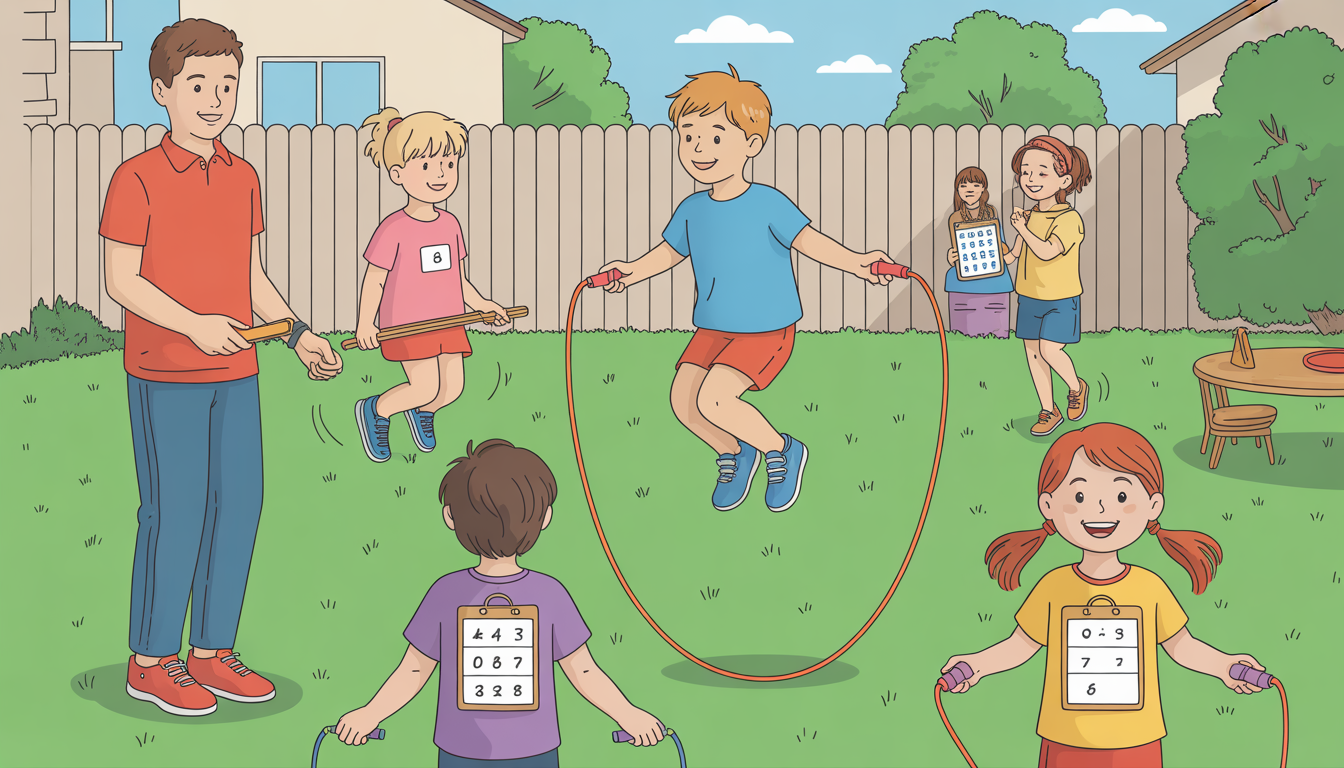
Mix sport with mental arithmetic: who can do the most rope jumps in 60 seconds? Who can add up the points scored the fastest?
According to ParticipACTION, physical activity combined with logic games boosts memory and speed of thought.
It's the perfect way to burn off energy, build brain power and end the day on a high note!