Houses have always played a central role in cinema. Far more than mere backdrops, they sometimes become characters in their own right, capable of leaving a lasting mark on the collective imagination. Some evoke mystery and fear, like the famous Bates House in Psycho, while others embody dreams, luxury, or nostalgia, such as the mansion in The Great Gatsby or the family home in Home Alone.
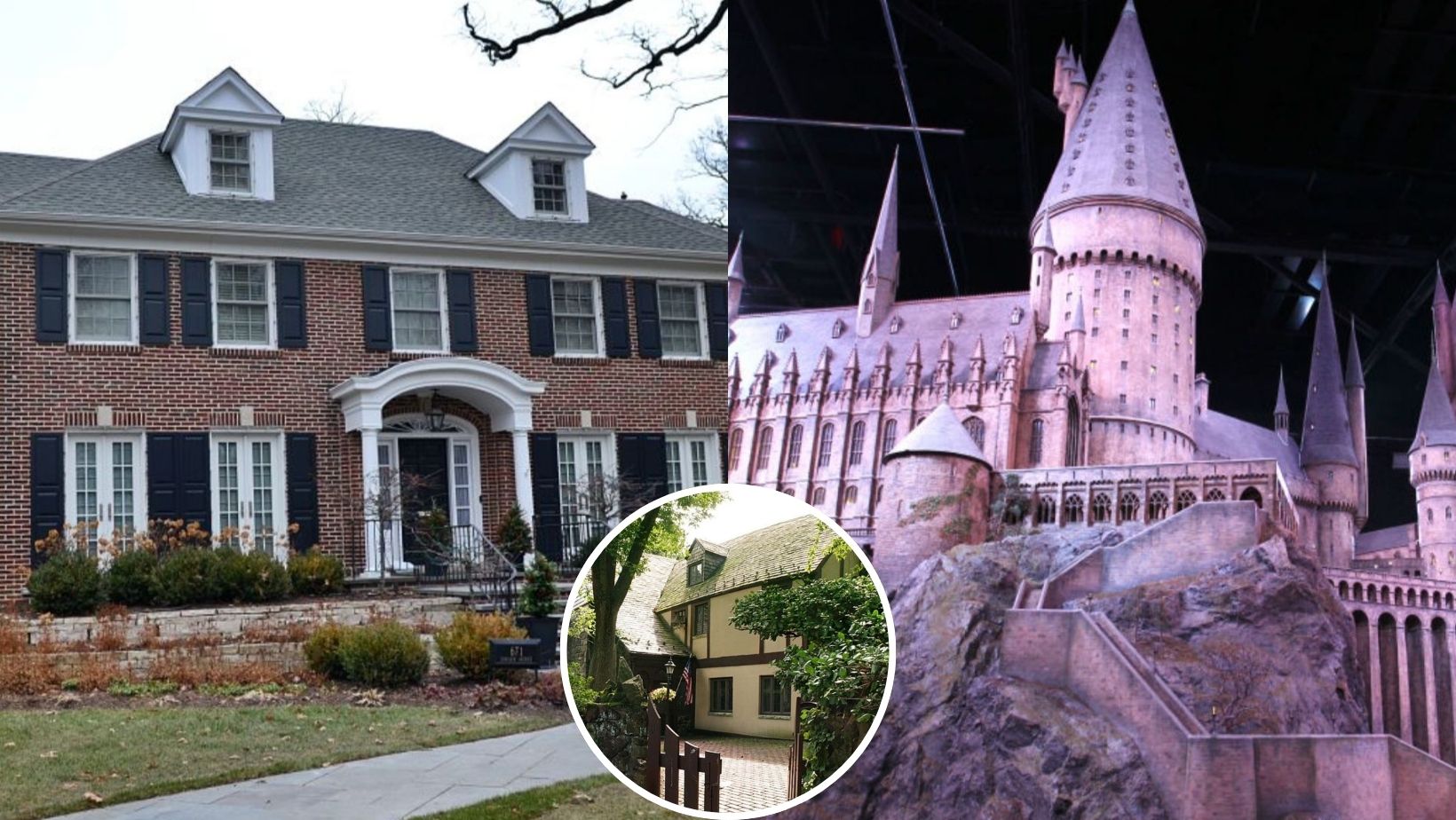
Houses have always played a central role in cinema. Far more than mere backdrops, they sometimes become characters in their own right, capable of leaving a lasting mark on the collective imagination. Some evoke mystery and fear, like the famous Bates House from Psycho, while others embody dreams, luxury, or nostalgia, such as the mansion in The Great Gatsby or the family home in Home Alone.
Whether futuristic, Gothic, minimalist, or extravagant, these homes play a key role in the visual identity of films and contribute to their cult status. From Wayne Manor to the Barbie Dreamhouse, here’s a look back at 15 iconic houses that have left a deep mark on the cinematic landscape and continue to fascinate audiences around the world to this day.
Tony Stark's villa
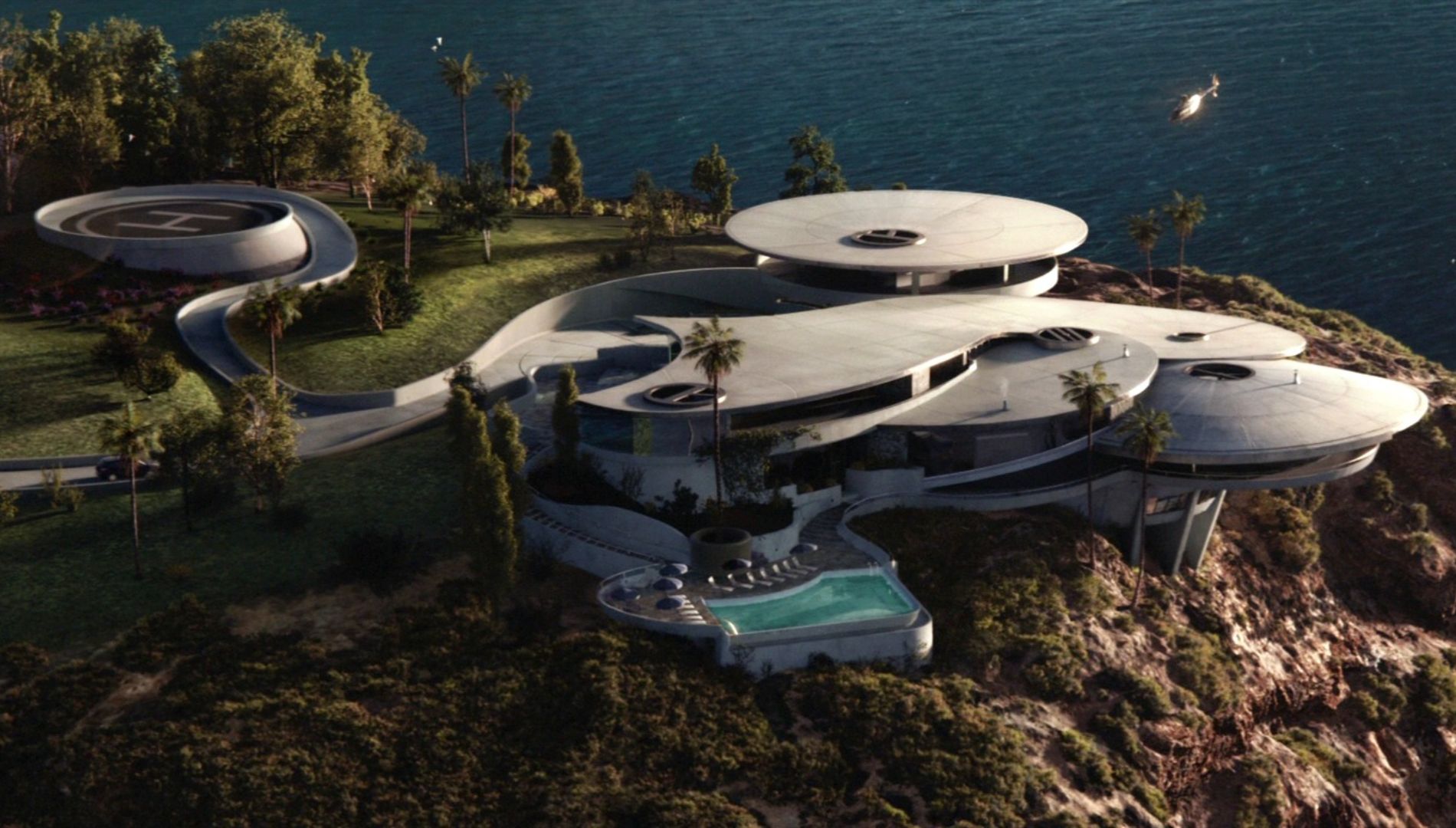
Tony Stark’s villa, featured in Iron Man and The Avengers, is one of the most iconic homes in modern cinema. Perched on a cliff in Malibu, it combines luxury, technology, and futuristic design. Its massive glass facade offers a spectacular view of the Pacific Ocean, while the minimalist interior perfectly reflects Stark’s personality: brilliant, elegant, and avant-garde.
The house also houses his famous laboratory, where he designs the Iron Man suits with the help of the artificial intelligence system JARVIS. Although the villa does not actually exist in this form, it is inspired by contemporary California residences. In the films, it becomes almost a character in its own right, representing the genius, power, and extravagant lifestyle of billionaire Tony Stark.
The Cullens' House
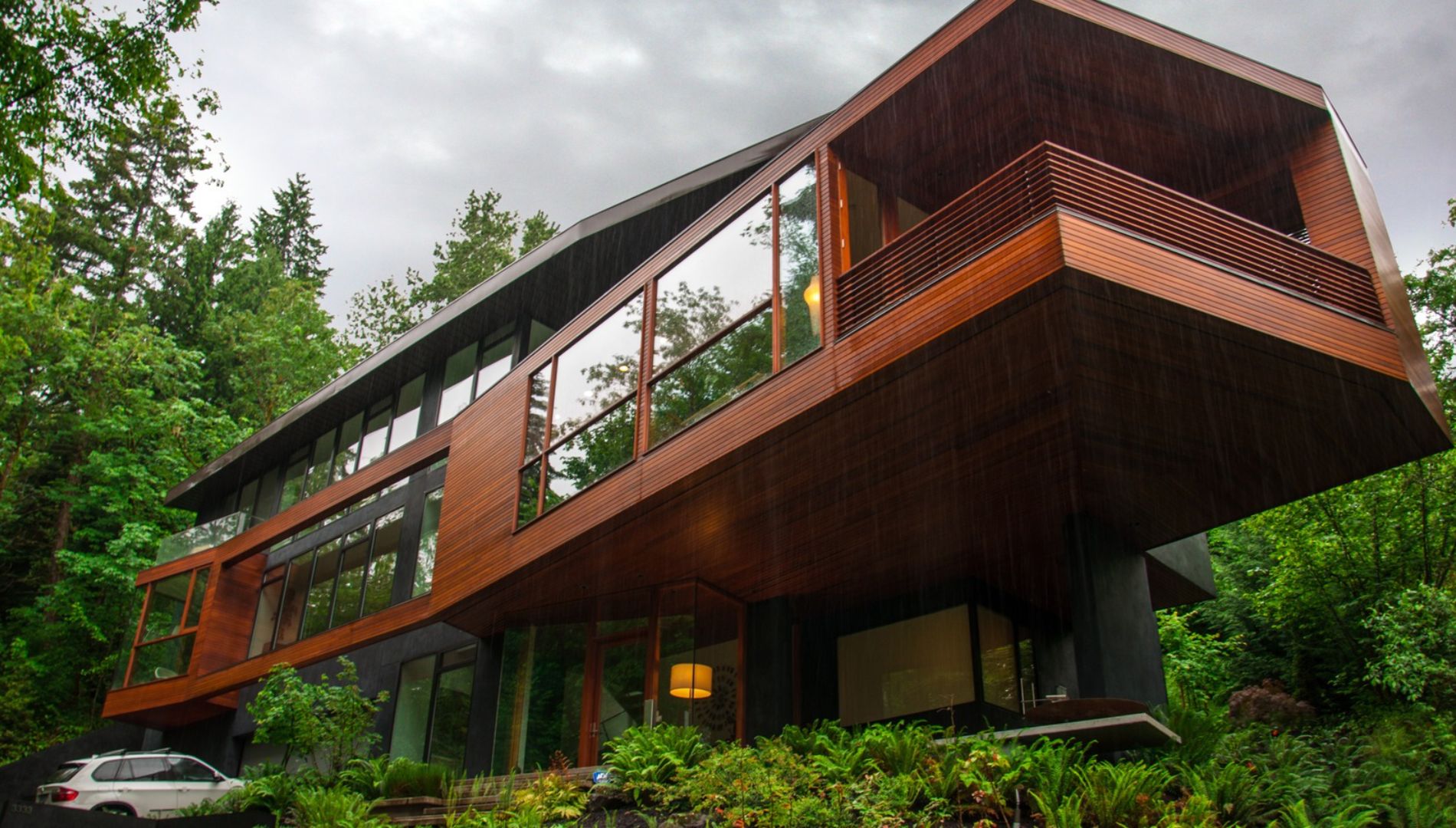
The Cullens’ home in the Twilight saga has become an icon of contemporary fantasy cinema. Nestled in the heart of a dense forest in Washington State, this modern residence impresses with its minimalist architecture, massive floor-to-ceiling windows, and seamless integration into the natural surroundings. The house reflects the elegance and sophisticated lifestyle of the Cullen family, a unique group of vampires who seek to live in harmony with humans.
The interior is bright, sleek, and filled with natural materials like wood and stone. Unlike the Gothic castles often associated with vampires, this residence adopts a decidedly contemporary style. In the films, it symbolizes both mystery and family protection. The actual house used for filming is located in Portland, Oregon, and still attracts many admirers today.
The Bates House
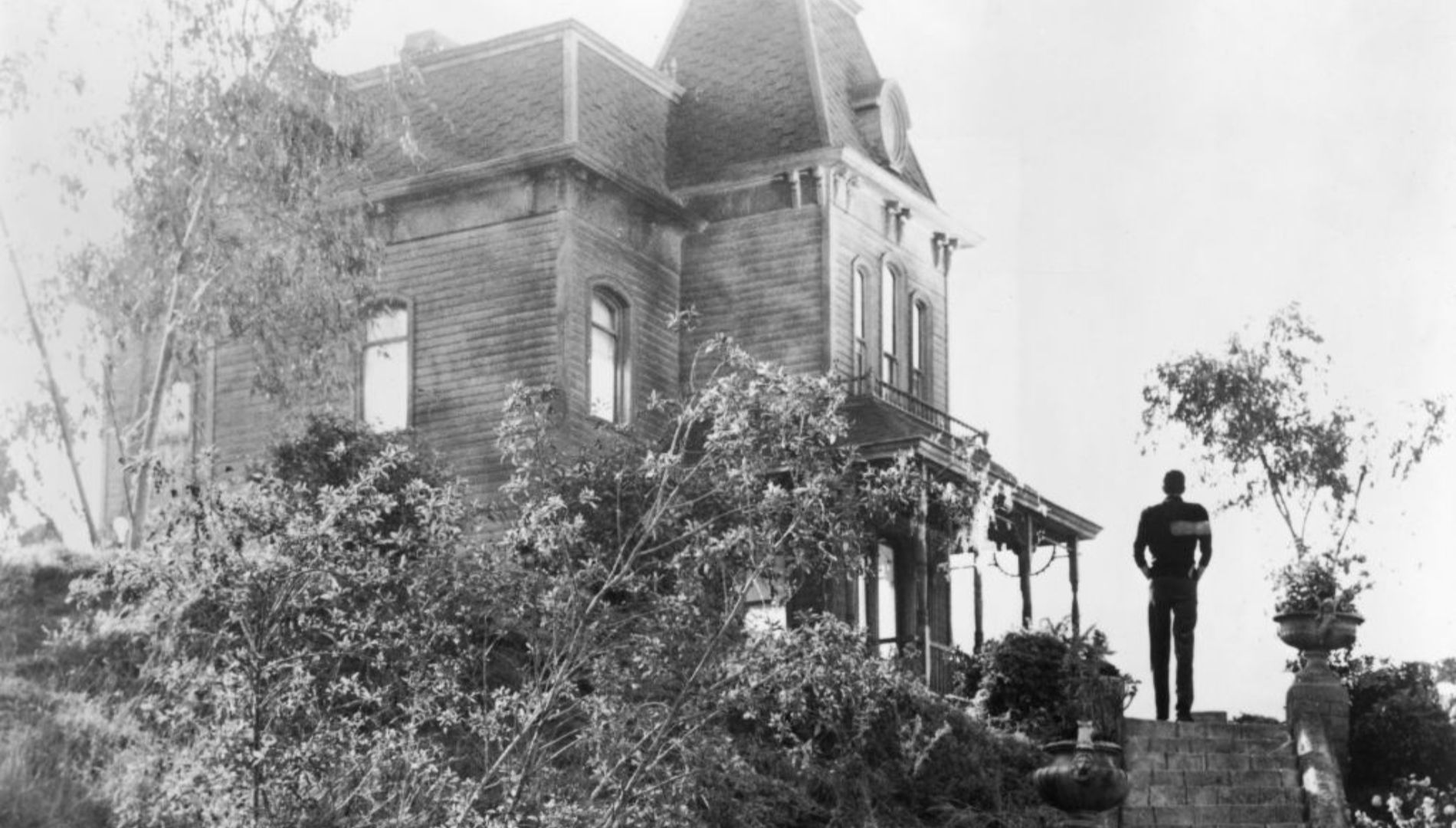
The Bates House, from Alfred Hitchcock’s Psycho, is one of the most famous homes in film history. Perched on a dark hill behind the Bates Motel, this eerie Victorian house immediately becomes a symbol of fear and mystery. Its Gothic architecture, narrow windows, and weathered appearance create an oppressive atmosphere that leaves a lasting impression on viewers.
It is in this house that Norman Bates lives with his mother, at the heart of a psychological plot that has achieved cult status. Hitchcock makes perfect use of the house to heighten the tension and unease throughout the film. Inspired by 19th-century American paintings, notably Edward Hopper’s House by the Railroad, it is now an icon of horror cinema and continues to influence many contemporary productions.
Hogwarts Castle
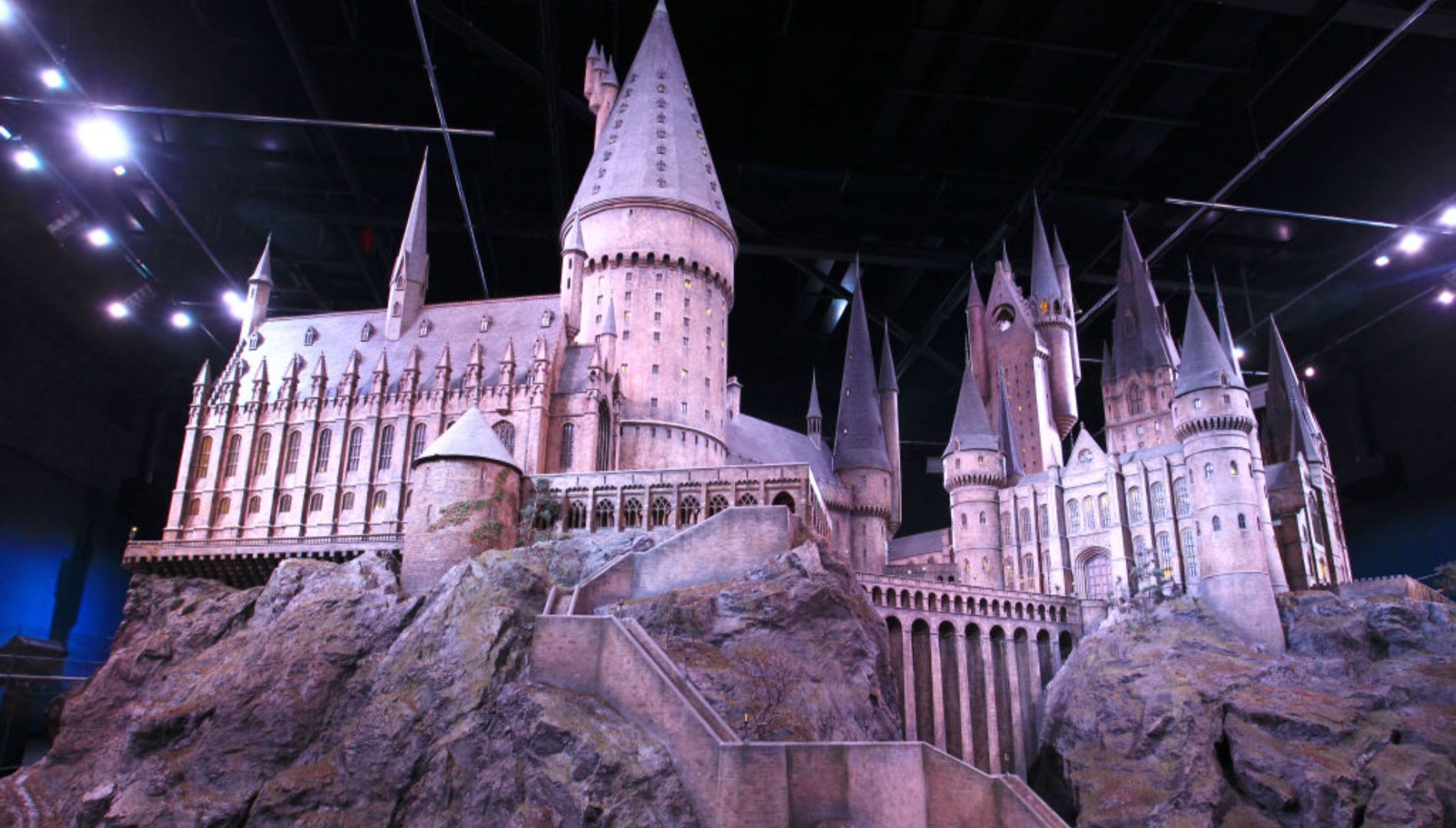
Hogwarts Castle, from the Harry Potter series, is one of the most iconic locations in fantasy cinema. This immense school of witchcraft and wizardry, nestled among mountains, forests, and lakes, impresses with its architecture inspired by medieval European castles. With its majestic towers, moving staircases, and secret rooms, Hogwarts seems alive and full of mystery.
The castle is home to students from the four houses—Gryffindor, Slytherin, Hufflepuff, and Ravenclaw—where they learn magic under the guidance of legendary professors like Dumbledore and McGonagall. Each film reveals new and fascinating spaces, such as the Great Hall or the Chamber of Secrets. A blend of real sets, models, and digital effects, Hogwarts has become a universal symbol of adventure, imagination, and magic.
The Corleone Family Home
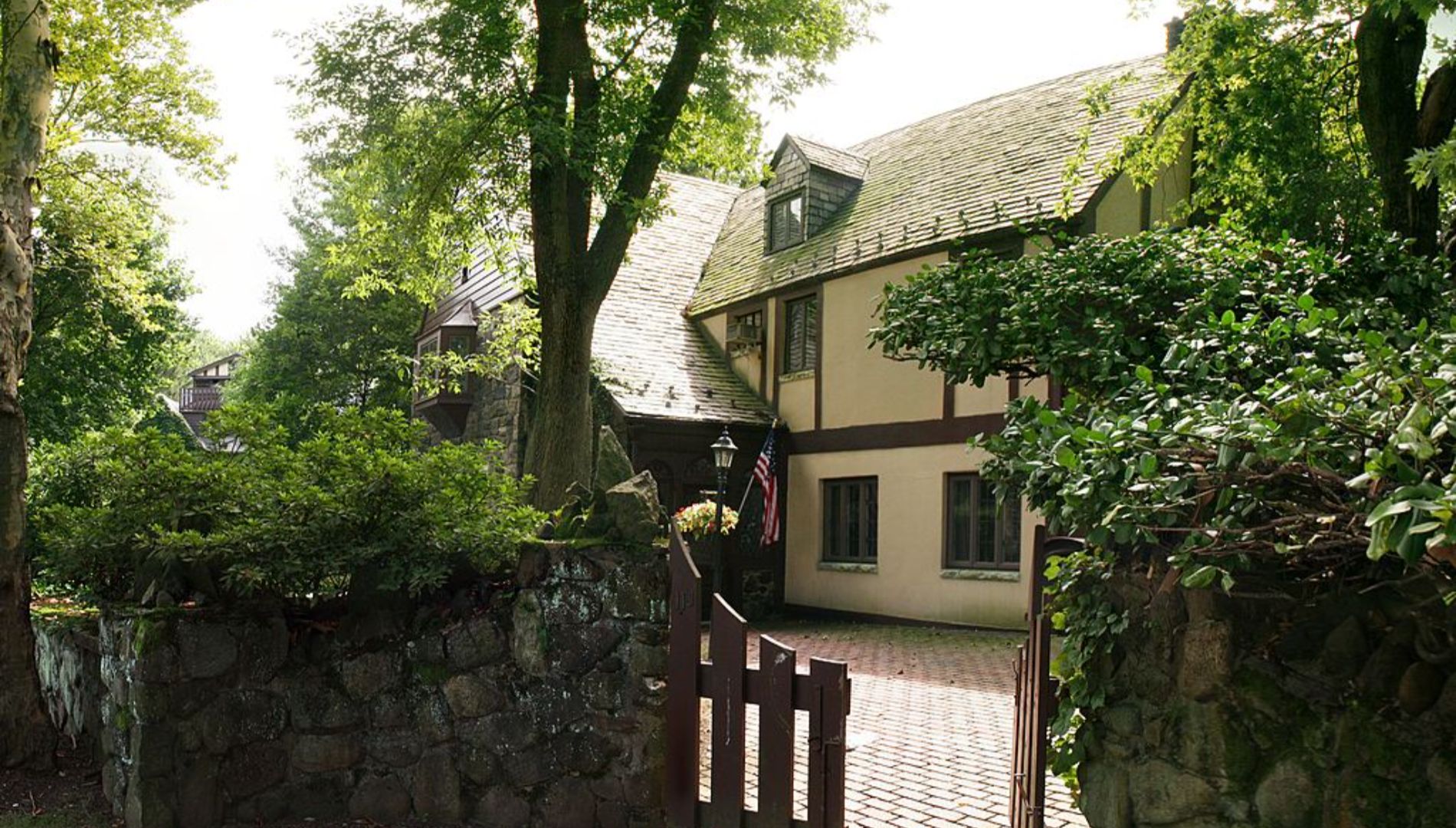
The Corleone family home in Francis Ford Coppola’s The Godfather symbolizes the power, tradition, and authority of the famous Italian mafia family. Located in a residential neighborhood on Long Island, this large, elegant mansion becomes the center of family gatherings and criminal decisions led by Don Vito Corleone. Its classical architecture and expansive garden reflect the family’s wealth and apparent respectability, contrasting with the violence of the mafia world.
Several memorable scenes from the film take place there, notably the famous wedding at the beginning of the story. The house also represents the importance of family ties in the Corleone universe. Thanks to its refined atmosphere and striking visual presence, it has become one of the most memorable residences in the history of American cinema.
Barbie's Pink House
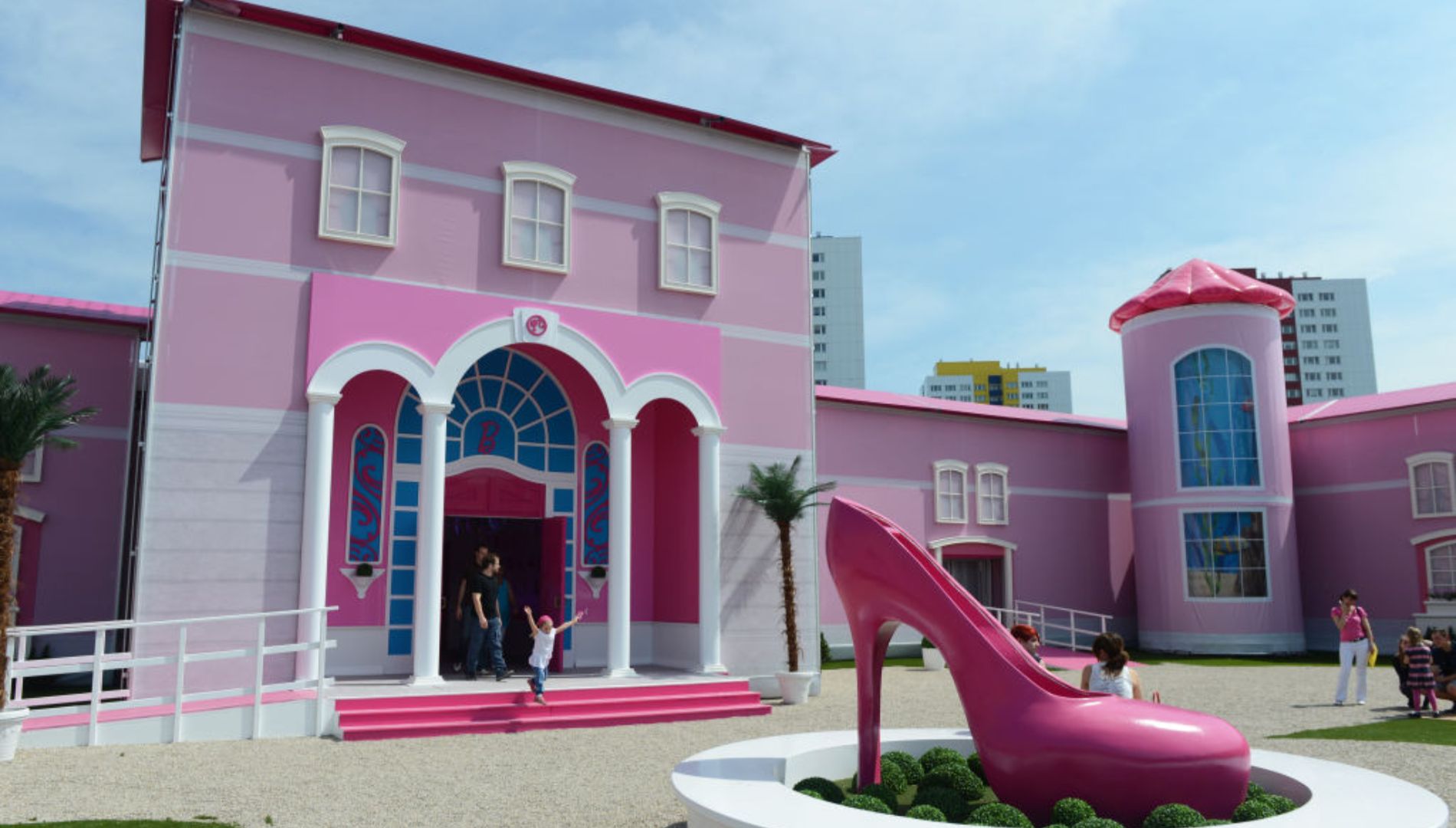
Barbie’s pink house, featured in the 2023 film Barbie, has become a true visual icon of contemporary cinema. Inspired by Mattel’s famous dollhouses, this massive, entirely pink mansion reflects the perfect, colorful, and whimsical world of Barbie Land. With its open walls, sparkling pools, retro furniture, and pastel decor, the house blends 1960s aesthetics with modern design.
Each room is designed like a life-size toy set, creating a joyful and fantastical atmosphere. The villa also represents the idealized world in which Barbie lives before discovering reality. Built using impressive physical sets rather than CGI, this house has quickly become a cultural symbol, celebrated for its bold, playful, and decidedly pop style.
The House from The Conjuring
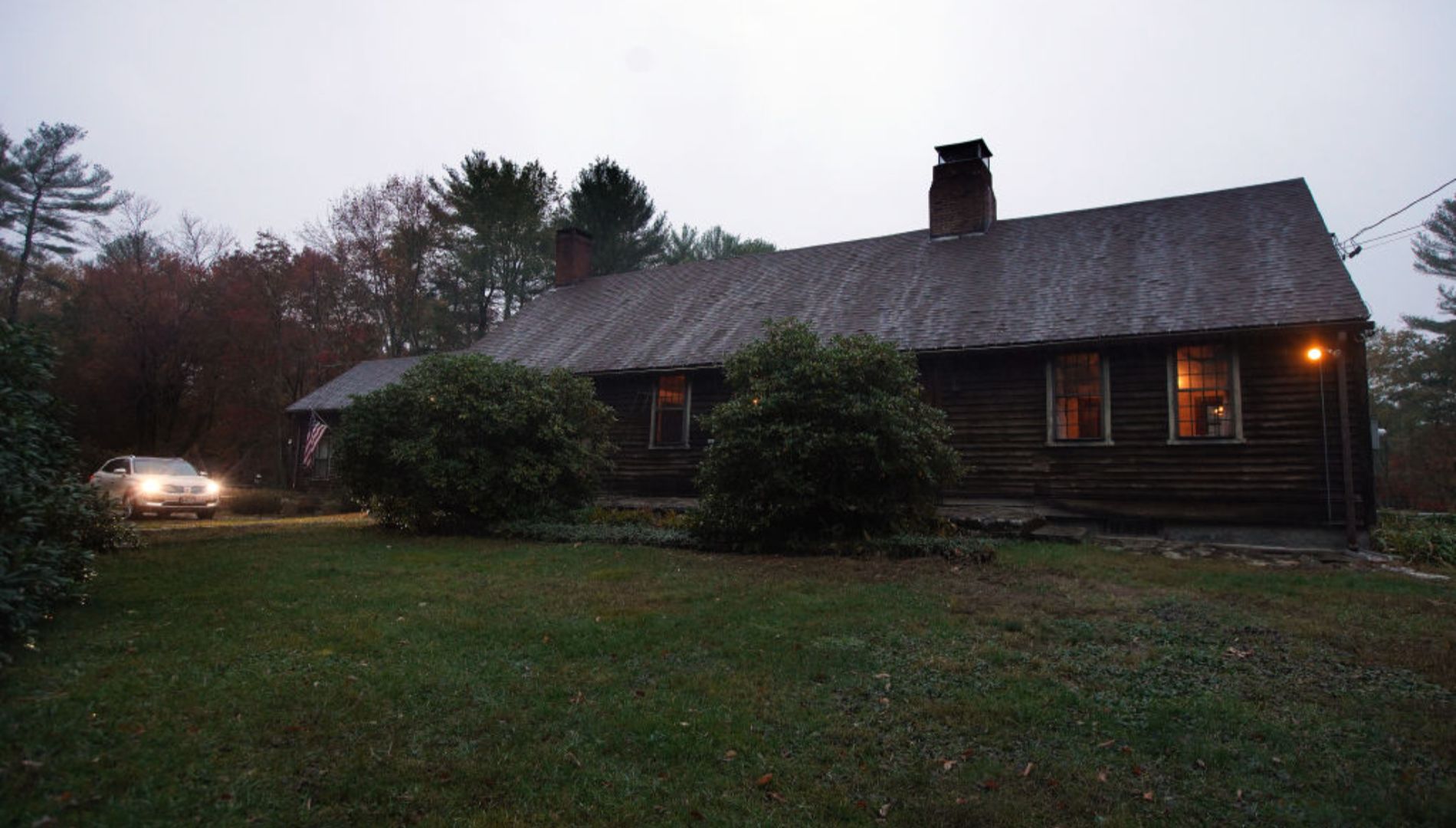
The house from The Conjuring, inspired by a real farmhouse in Harrisville, Rhode Island, has become one of the most terrifying homes in modern horror cinema. In the film directed by James Wan, this old, isolated house is at the center of the paranormal events experienced by the Perron family in the 1970s. Its simple, rustic architecture contrasts with the oppressive atmosphere that reigns inside.
The long, dark hallways, eerie basements, and silent rooms constantly heighten the tension of the story. The famous investigators Ed and Lorraine Warren face particularly violent supernatural phenomena there. Thanks to its realistic staging and terrifying atmosphere, this house has become a landmark of contemporary horror cinema and continues to fascinate paranormal enthusiasts around the world.
The McCallister House
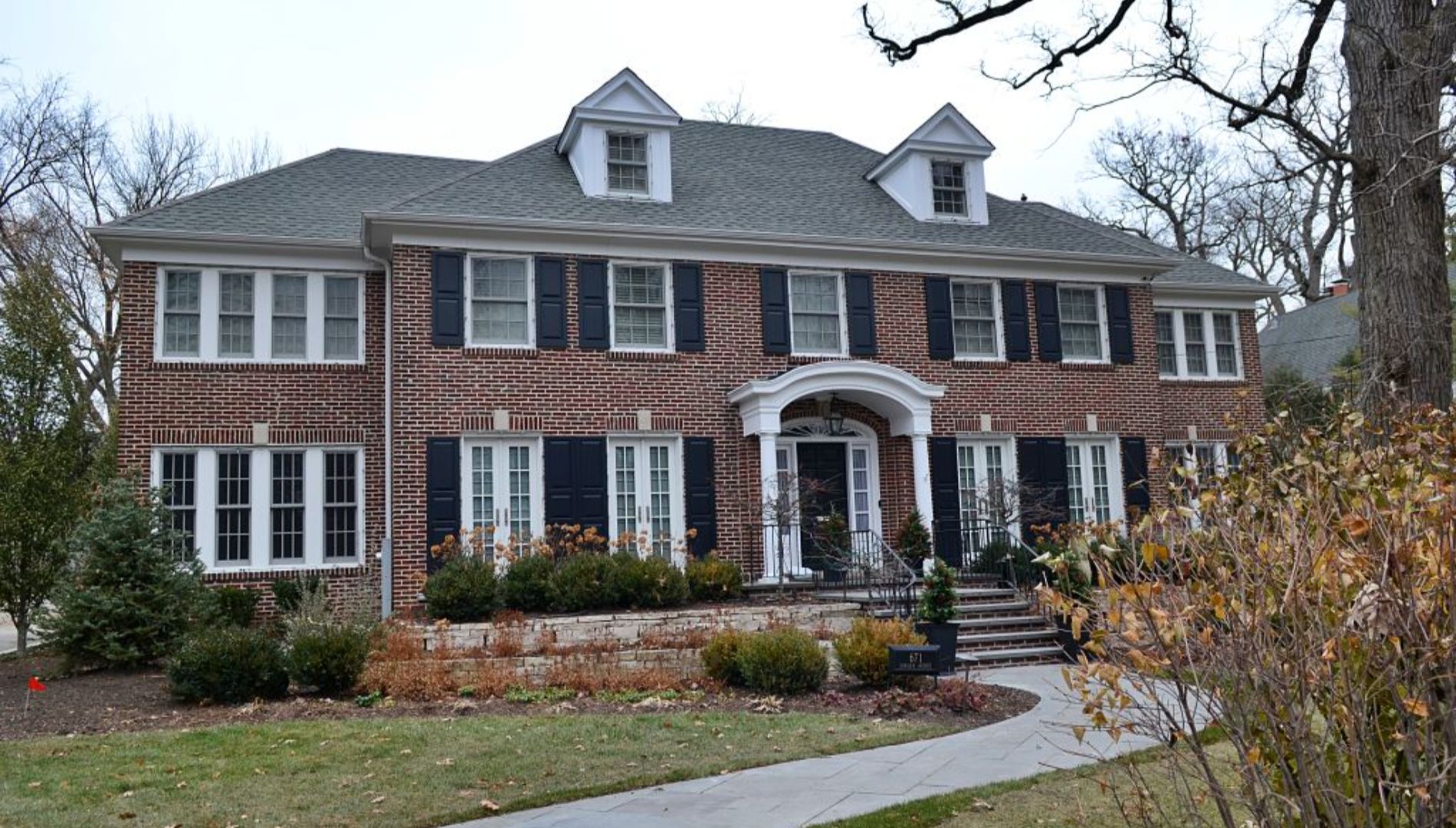
The McCallister family home in Home Alone has become one of the most famous residences in family cinema. Located in an upscale Chicago suburb, this large red-brick house perfectly embodies the American dream of the 1990s. With its spacious rooms, grand staircase, and cozy Christmas decor, it creates an atmosphere that is both welcoming and memorable.
It is in this home that young Kevin McCallister is accidentally left behind by his family before having to defend the house against two clumsy burglars. The inventive traps set up in every room left a lasting impression on an entire generation of viewers. Thanks to its classic style and central role in the film, this house has become a true icon of popular culture.
Tony Montana's villa
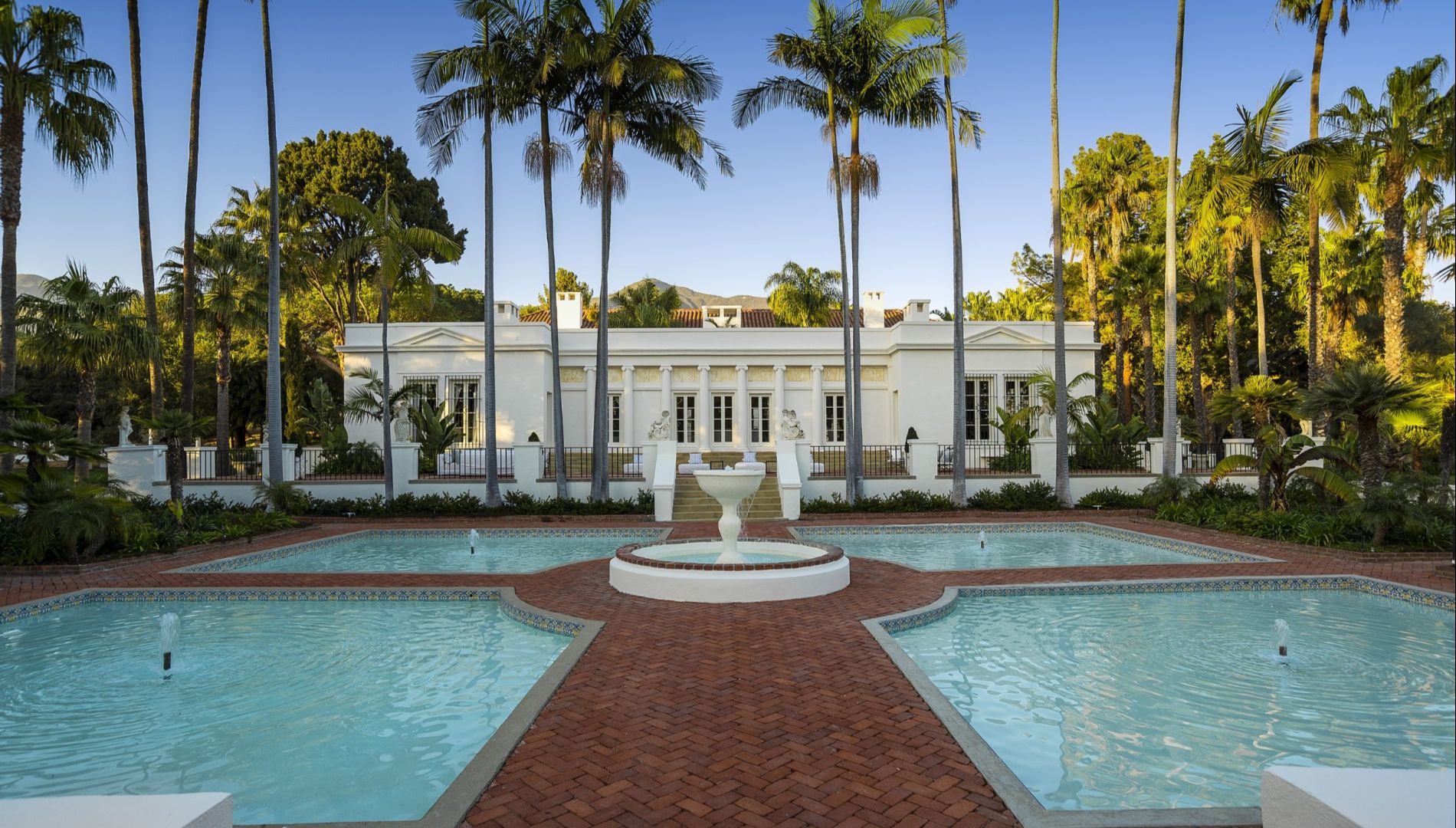
Tony Montana’s villa in Brian De Palma’s Scarface epitomizes the excess, wealth, and power of the infamous drug lord portrayed by Al Pacino. Set on a sprawling, luxurious estate in Miami, this spectacular residence perfectly reflects Tony Montana’s meteoric rise and extravagant lifestyle. The house stands out for its imposing columns, vast living rooms, gilded sculptures, and opulent decor typical of the 1980s.
It also houses the famous office where the final scene—now legendary in crime cinema—takes place. Behind its impressive luxury, the villa also symbolizes the character’s paranoia and loneliness, trapped within his own empire. Thanks to its extravagant aesthetic and its significance in the film, this residence has become a true icon of popular culture.
Wayne Manor
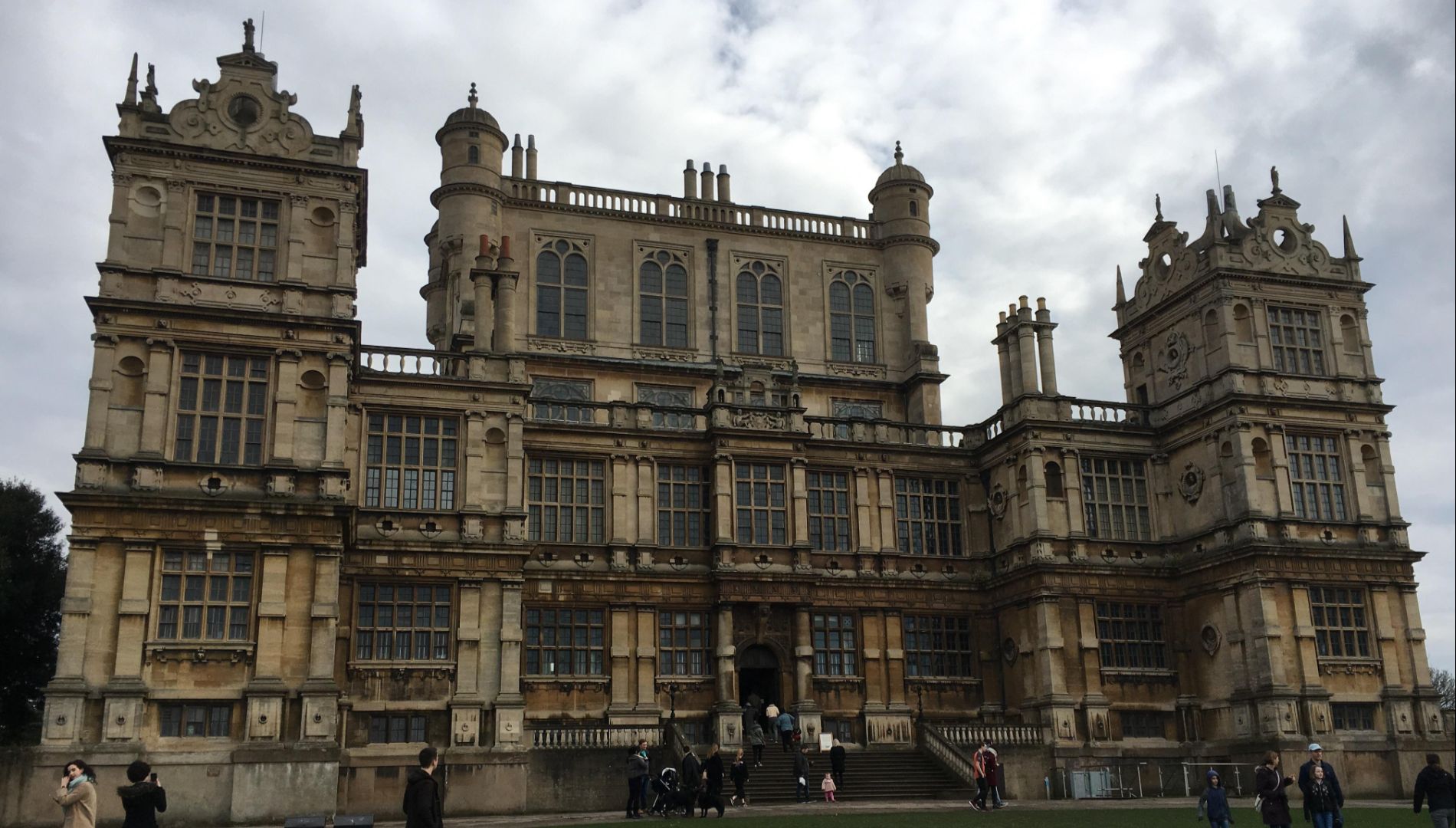
Wayne Manor, in the Batman universe, is one of the most iconic mansions in superhero movies. Located on the outskirts of Gotham City, this vast Gothic castle has belonged to the wealthy Wayne family for several generations. With its majestic architecture, long dark corridors, and vast, elegantly decorated rooms, the mansion reflects Bruce Wayne’s prestige and tragic past. Behind this refined facade lies the secret entrance to the famous Batcave, Batman’s headquarters where gadgets, vehicles, and advanced technologies are stored.
The mansion also symbolizes Bruce Wayne’s dual identity: a respected billionaire by day and a masked vigilante by night. Featured in numerous film adaptations, it has become an iconic symbol of the Batman universe and Gotham City.
The Overlook Hotel
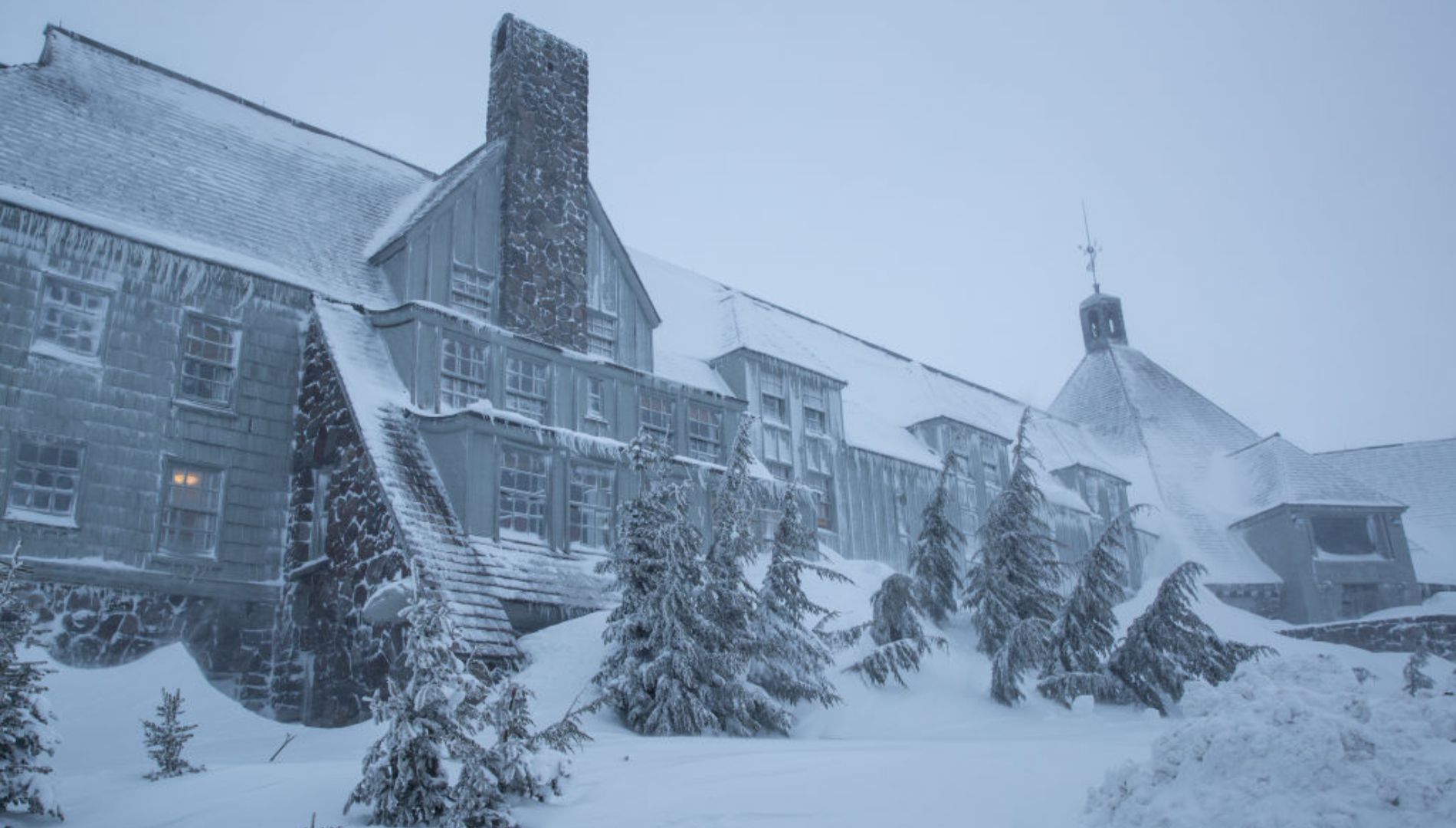
The Overlook Hotel, from Stanley Kubrick’s The Shining, is one of the most unsettling and iconic locations in the history of cinema. Isolated in the heart of Colorado’s snow-capped mountains, this vast, empty hotel becomes the setting for terrifying supernatural phenomena. Its labyrinthine architecture, long silent corridors, and vast, nearly deserted rooms create an oppressive atmosphere throughout the film. The hotel seems to possess a malevolent presence that gradually influences Jack Torrance, the winter caretaker played by Jack Nicholson.
Certain scenes, such as the binoculars in the hallway or the blood-filled elevator shaft, have become legendary. Inspired by the real Stanley Hotel, the Overlook embodies madness, isolation, and psychological terror. Even today, it remains an essential landmark of modern horror cinema.
Beetlejuice's House
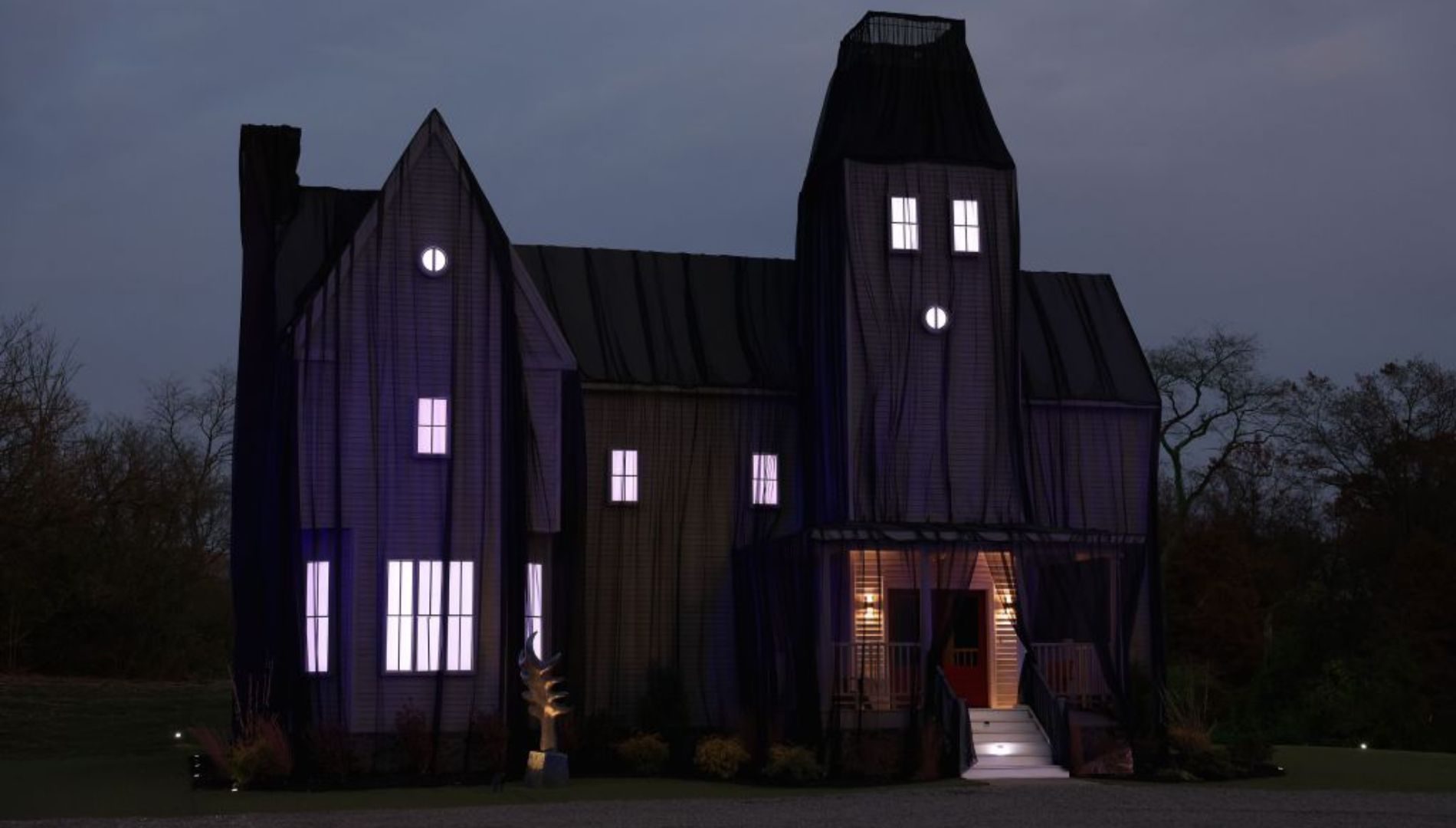
The house in Beetlejuice, Tim Burton’s cult classic film, is a strange and fascinating Gothic mansion that plays a central role in the story. Located in the fictional small town of Winter River, this house originally belonged to the Maitlands before being transformed by the Deetz family. Its appearance changes completely throughout the film, evolving from a cozy home into an eccentric space filled with modern sculptures and surrealist decor.
With its dark hallways, mysterious attic, and passages to the afterlife, the house perfectly reflects Tim Burton’s fantastical and macabre universe. It becomes a place where ghosts, the living, and strange creatures like Beetlejuice himself all cross paths. Thanks to its unique style and original atmosphere, this house has become an icon of fantasy cinema.
The Addams Mansion
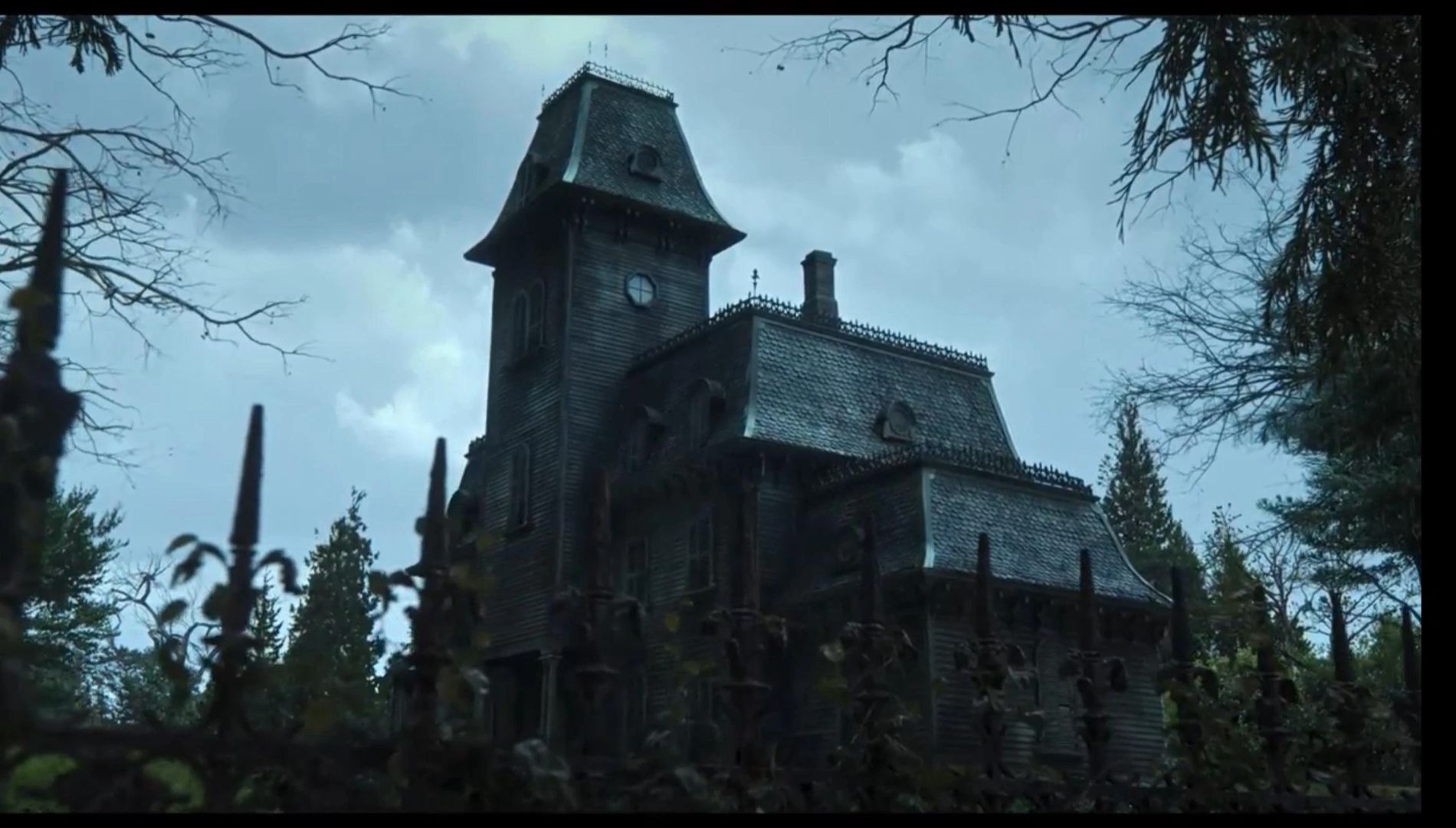
The Addams Mansion, from The Addams Family, is one of the most recognizable houses in fantasy cinema and black comedy. This immense Gothic mansion, shrouded in fog and surrounded by eerie iron gates, perfectly reflects the eccentric personality of the Addams family. With its dark rooms, chandeliers, secret passages, and strange objects, the mansion creates an atmosphere that is both macabre and fascinating.
Despite its frightening appearance, the house is also a warm place where the family lives together according to its own rules. Every detail of the decor blends humor, mystery, and Victorian aesthetics. Featured in several films and TV series, the mansion has become an iconic symbol of popular culture. It perfectly represents the unique, offbeat, and endearing world imagined by Charles Addams.
Laurie Strode's house
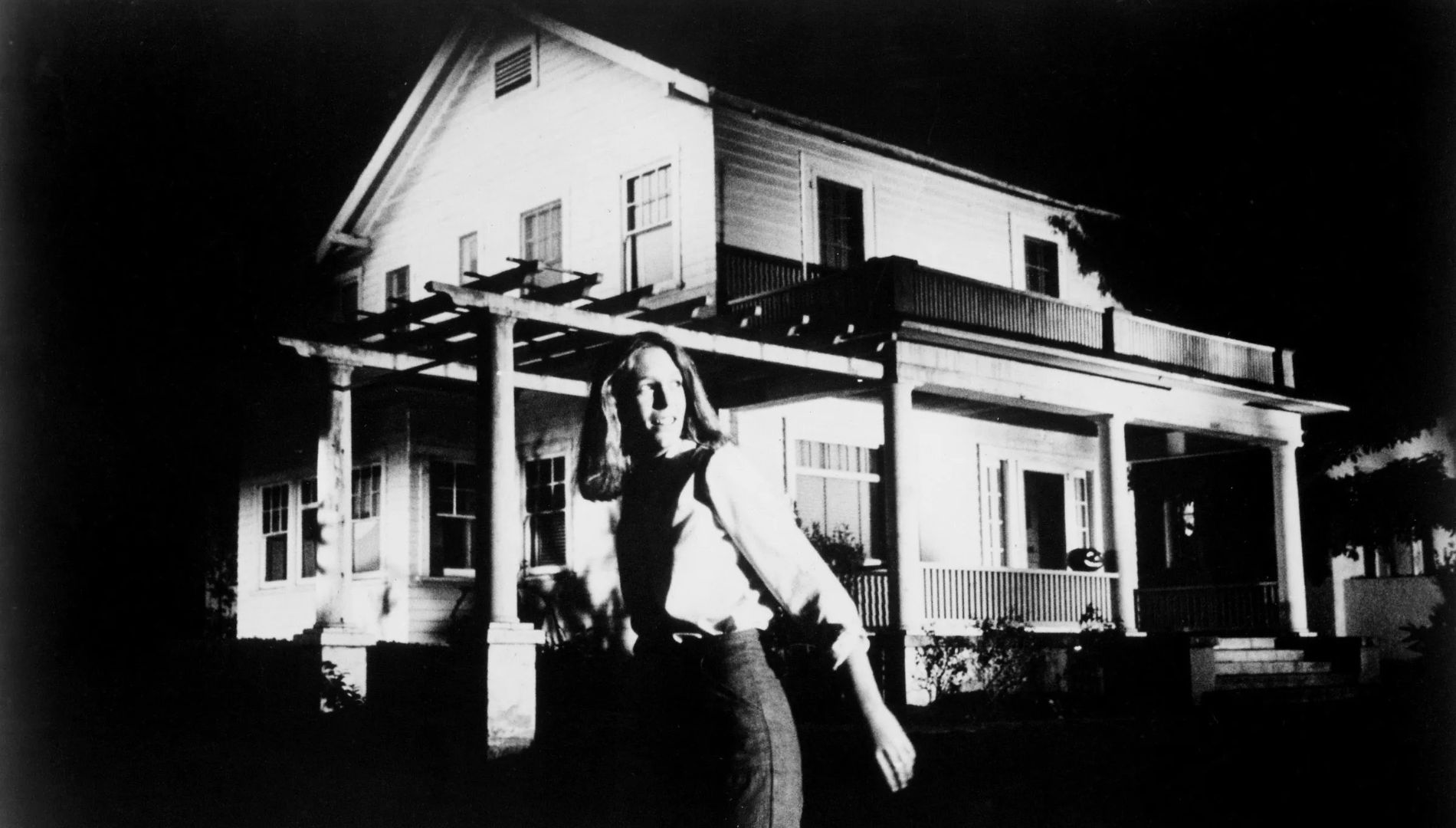
Laurie Strode’s house in John Carpenter’s Halloween has become an icon of classic horror cinema. Located in a quiet suburb of Haddonfield, this ordinary American home stands in stark contrast to the terror that descends upon it on Halloween night. It is in this house that Laurie Strode, played by Jamie Lee Curtis, tries to escape the killer Michael Myers.
The dark hallways, narrow staircases, and silent rooms create constant tension throughout the film. Carpenter uses the house’s simplicity to make the horror more realistic and relatable. Unlike traditional Gothic mansions, this home looks like any ordinary family house, which heightens the sense of fear. It is now considered an iconic staple of slasher cinema.