15 Overhyped Tech Upgrades That Just Didn’t Deliver As Promised
That glossy new device on the shelf promises to change your life, right? It hums with possibility, glowing screens and sleek packaging whispering of convenience and excitement. You picture how much smoother your day might run once it’s yours.
Then reality sets in. The upgrade works, sure, but not in the way the commercials made it feel. The buzz fades, the features disappoint, and you’re left wondering why you spent so much on something that barely made a dent in your routine.
Before you rush into the next big “must-have,” take a closer look at this word list—it might save your wallet and your patience.
That glossy new device on the shelf promises to change your life, right? It hums with possibility, glowing screens and sleek packaging whispering of convenience and excitement. You picture how much smoother your day might run once it’s yours.
Then reality sets in. The upgrade works, sure, but not in the way the commercials made it feel. The buzz fades, the features disappoint, and you’re left wondering why you spent so much on something that barely made a dent in your routine.
Before you rush into the next big “must-have,” take a closer look at this word list—it might save your wallet and your patience.
3D TVs
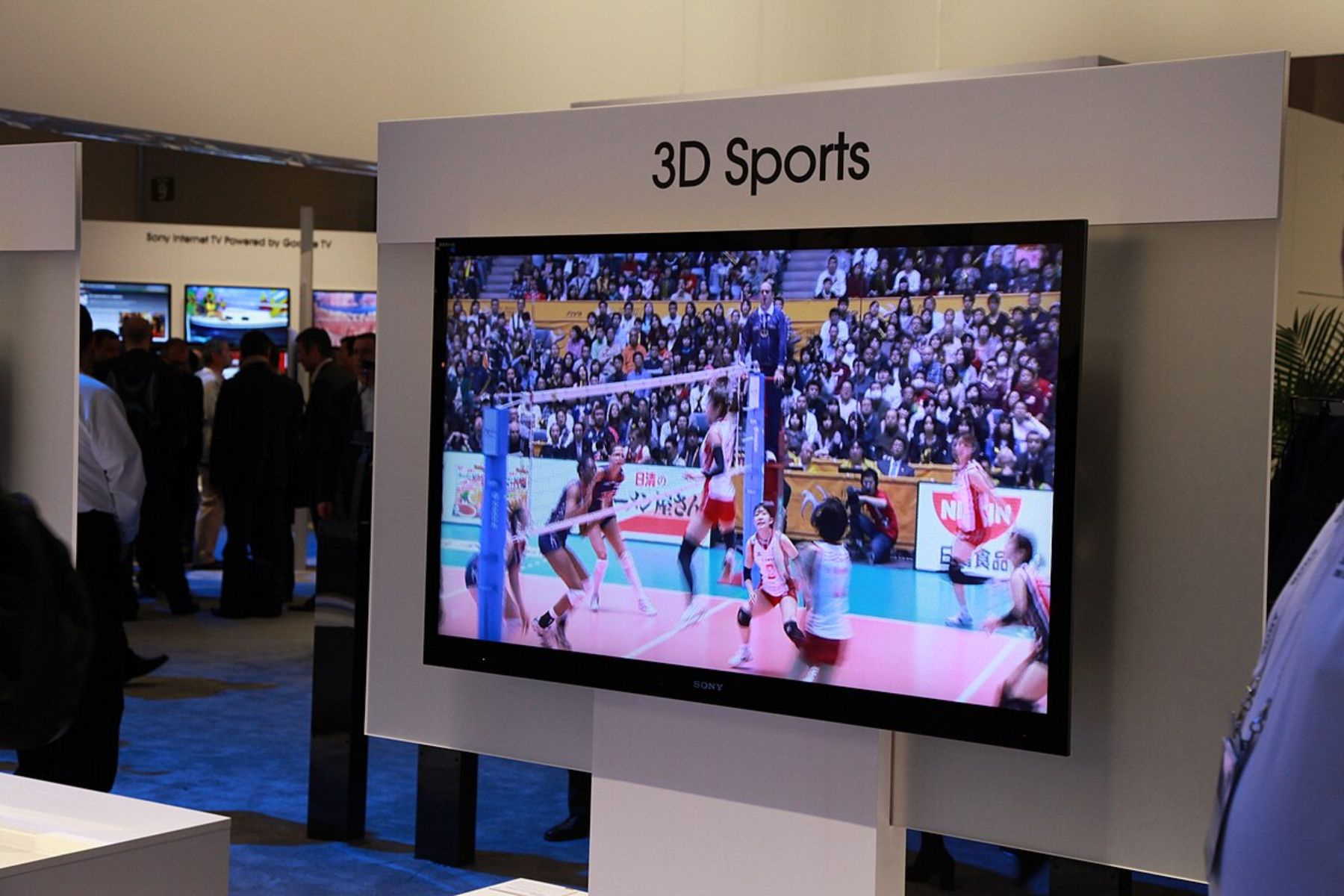
3D TVs, despite their initial hype, have proven to be more of a headache than a breakthrough. The need for special glasses for viewing, coupled with common side effects such as eye strain and nausea, makes them a less-than-ideal choice. If you have kids, health experts caution that kids under six shouldn’t use them at all.
Curved TVs
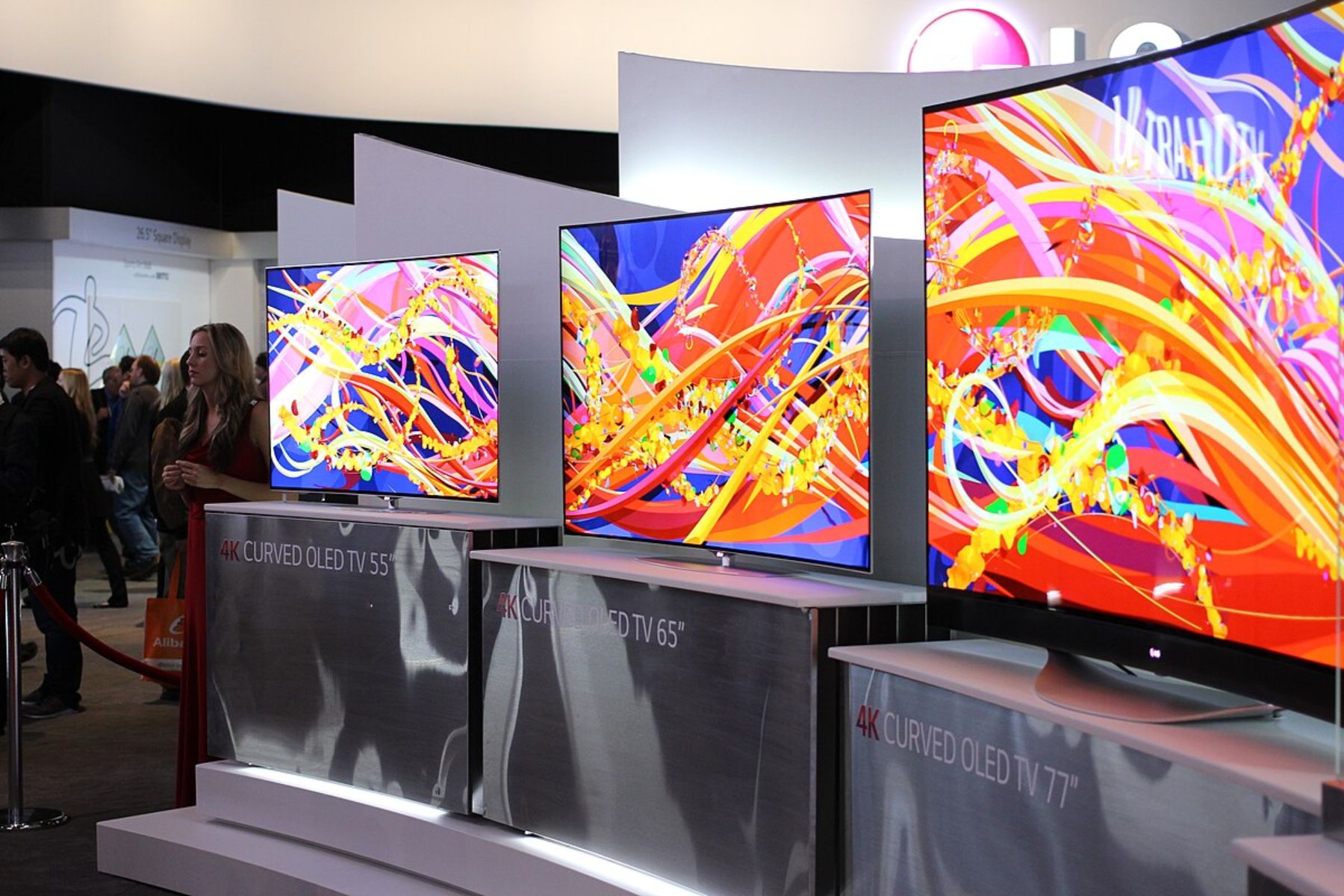
While we are on the subject of TVs, Curved TVs are also not a worthy upgrade. Why? Well, first, the curve, rather than enhancing the experience, distorts images and limits viewing angles. Second, the glare from lights and windows is another issue, as the curved screen tends to be more reflective. Lastly, their unconventional shape complicates wall-mounting.
Smart Fridges
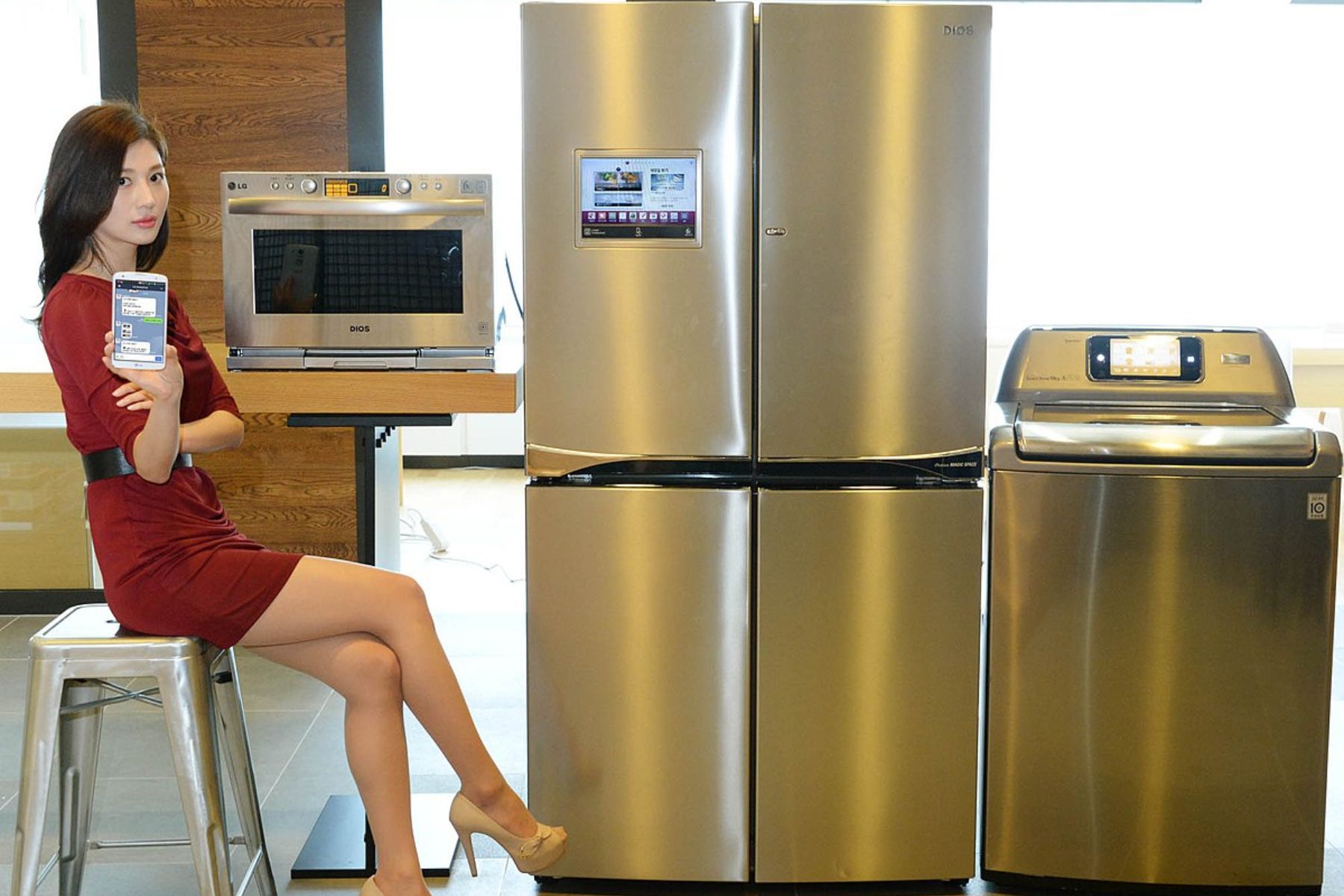
High-tech fridges, with their touchscreens, cameras, and app controls, seem like a modern marvel. However, these features often feel unnecessary and do little to enhance basic refrigeration. The high cost and reliance on internet connectivity are additional drawbacks, because why would you pay for wifi being used by a fridge? Moreover, many features, like shopping lists, go unused.
VR Treadmills

It seems like a promising leap into immersive virtual worlds, but do you really need it? Answer is nope. VR treadmills disappoint due to their bulky size and complex setup. The unnatural feeling of movement, combined with the necessity for special shoes or harnesses, also makes these devices a choice that can be skipped.
Smart Rings
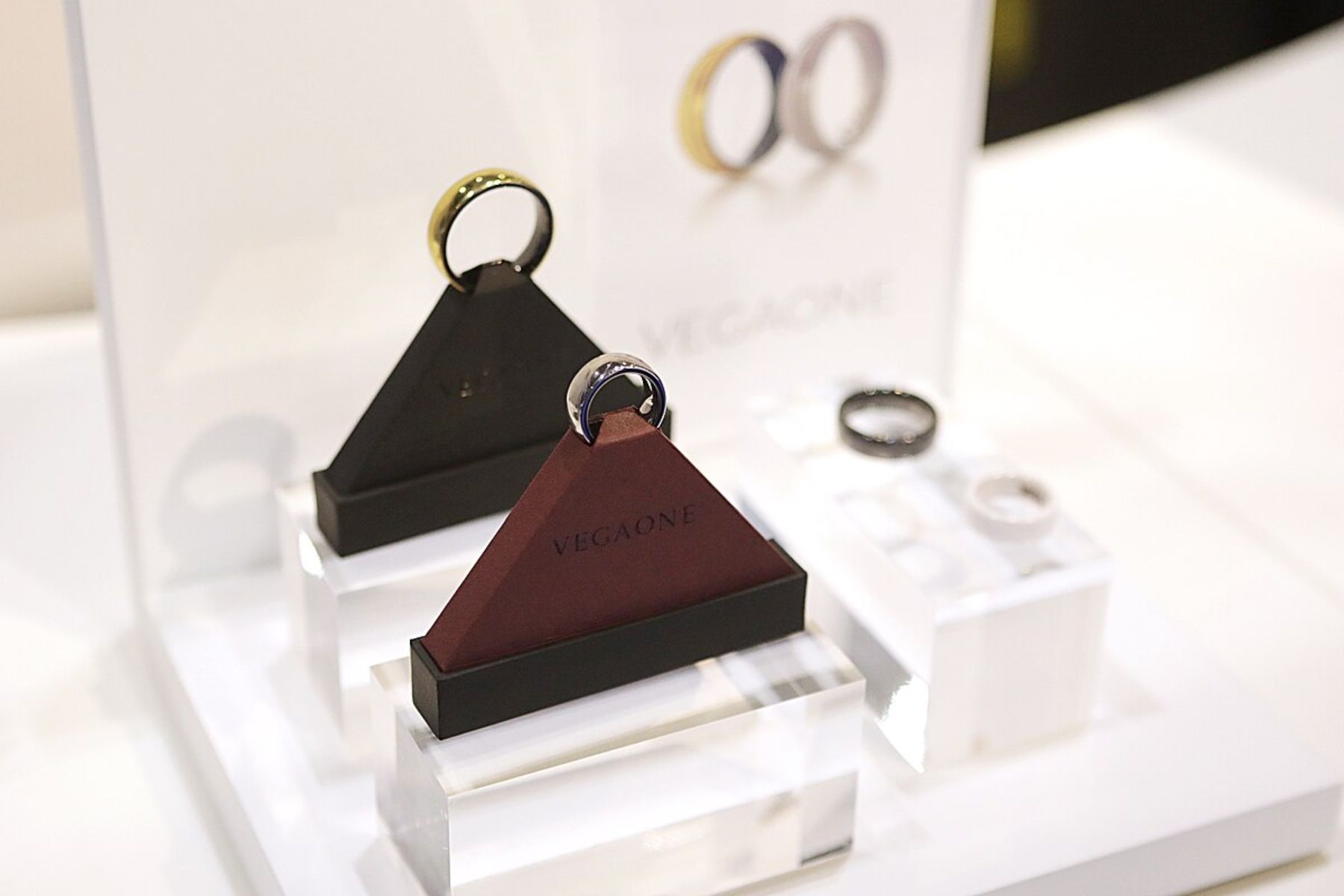
These rings, used for monitoring health or improving contactless and NFC functions, have been lauded for their extended battery life and comfort during extended wear. Unfortunately, they have their fair share of drawbacks. Their small size limits both battery life and functionality, and issues are exacerbated by exposure to elements like water, sweat, and dust.
Google Glass
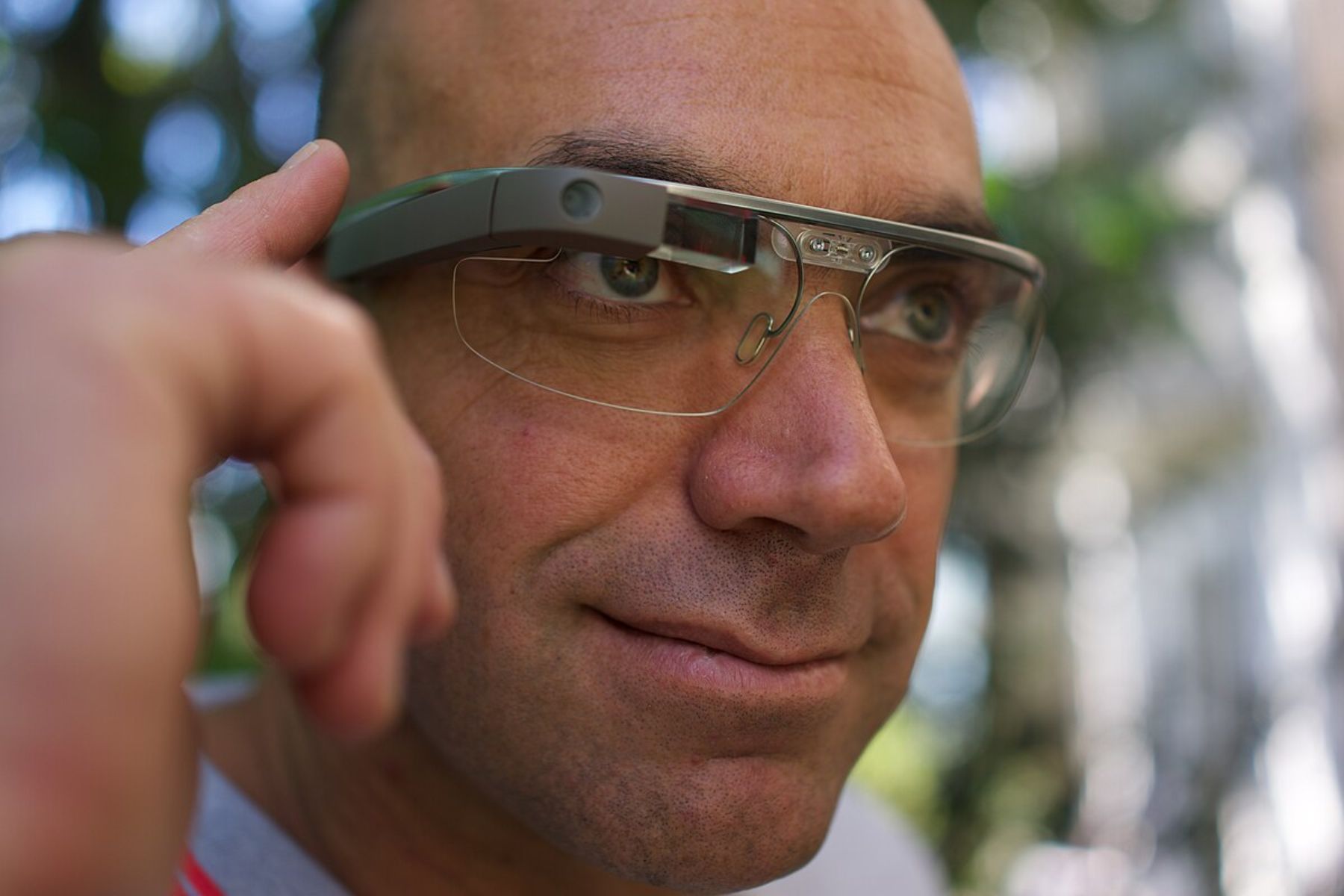
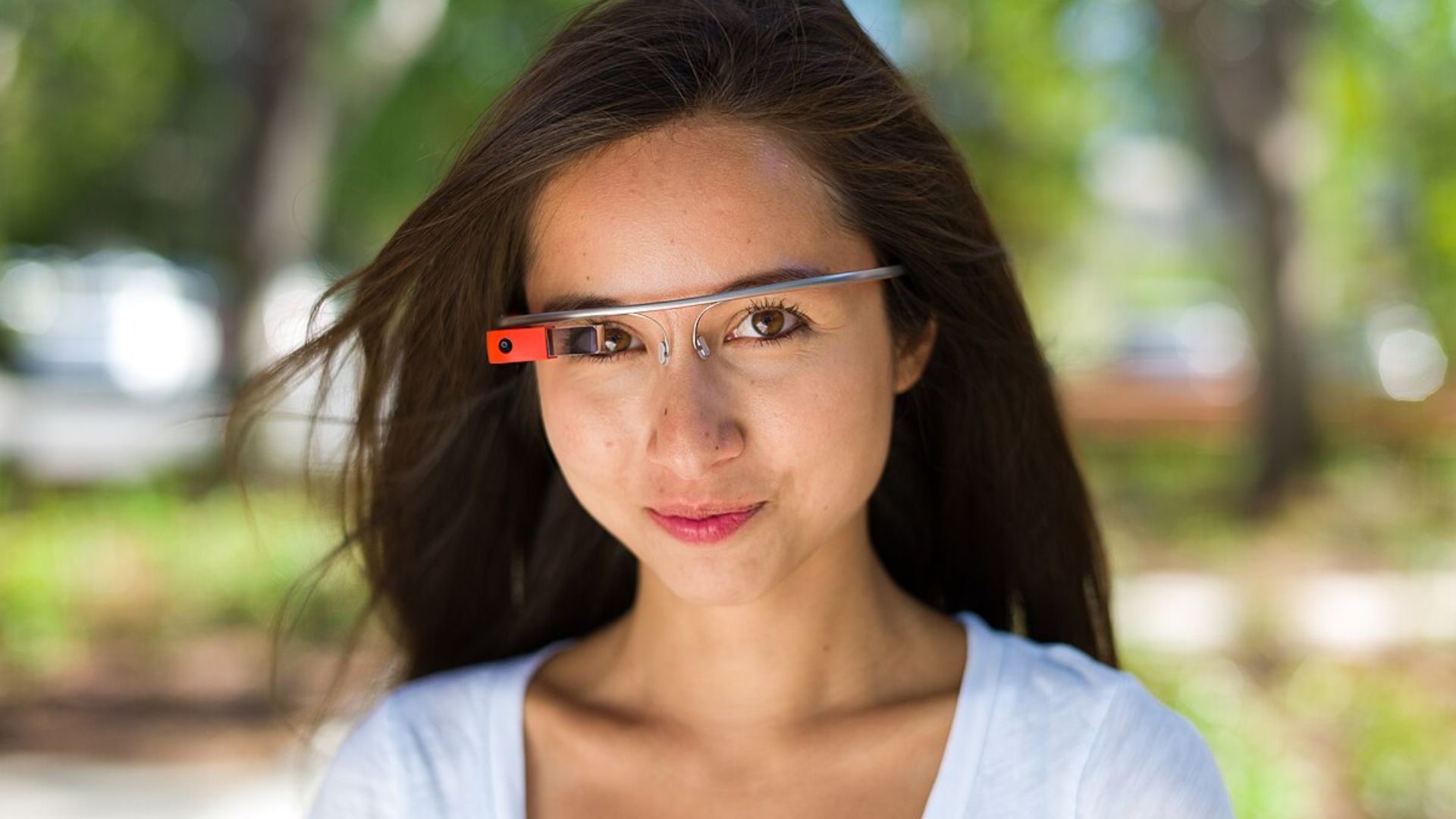
Despite the promise of augmented reality at your fingertips, Google Glass found itself in hot water. It was plagued by a short battery life and a display that struggled in bright sunlight. Society didn't react kindly either, with wearers derogatorily termed "Glassholes". The final blow came as establishments like bars and casinos banned it, citing concerns about privacy invasion.
Amazon Dash Buttons
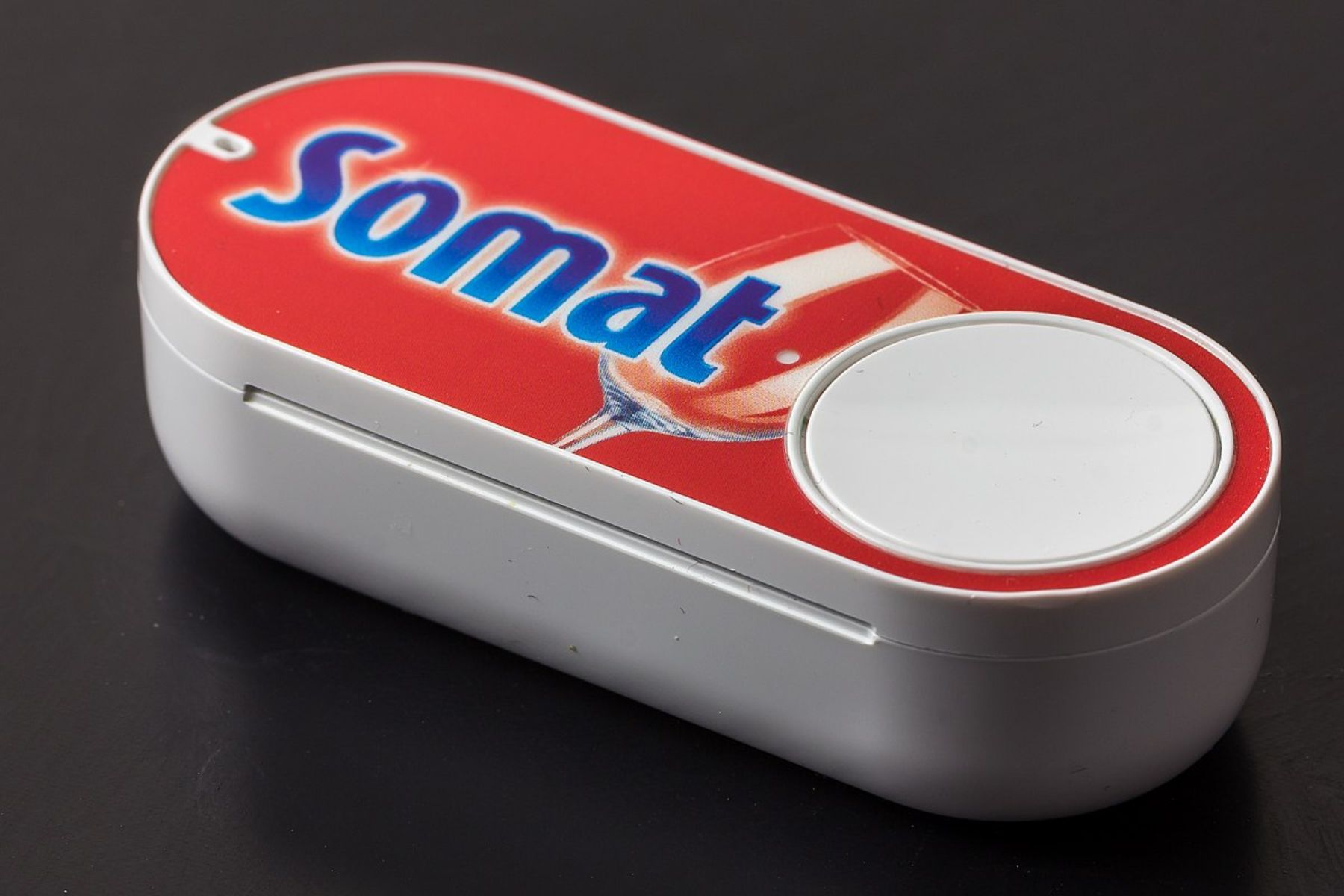
The tale of Amazon Dash Buttons is a curious one. Designed to reorder household items with a single press, they were ultimately discontinued as Amazon shifted towards virtual buttons and automated reordering. While some users found them unnecessary, others criticized them for being too easy to press, leading to inadvertent orders.
Mini Photo Printers For Phones
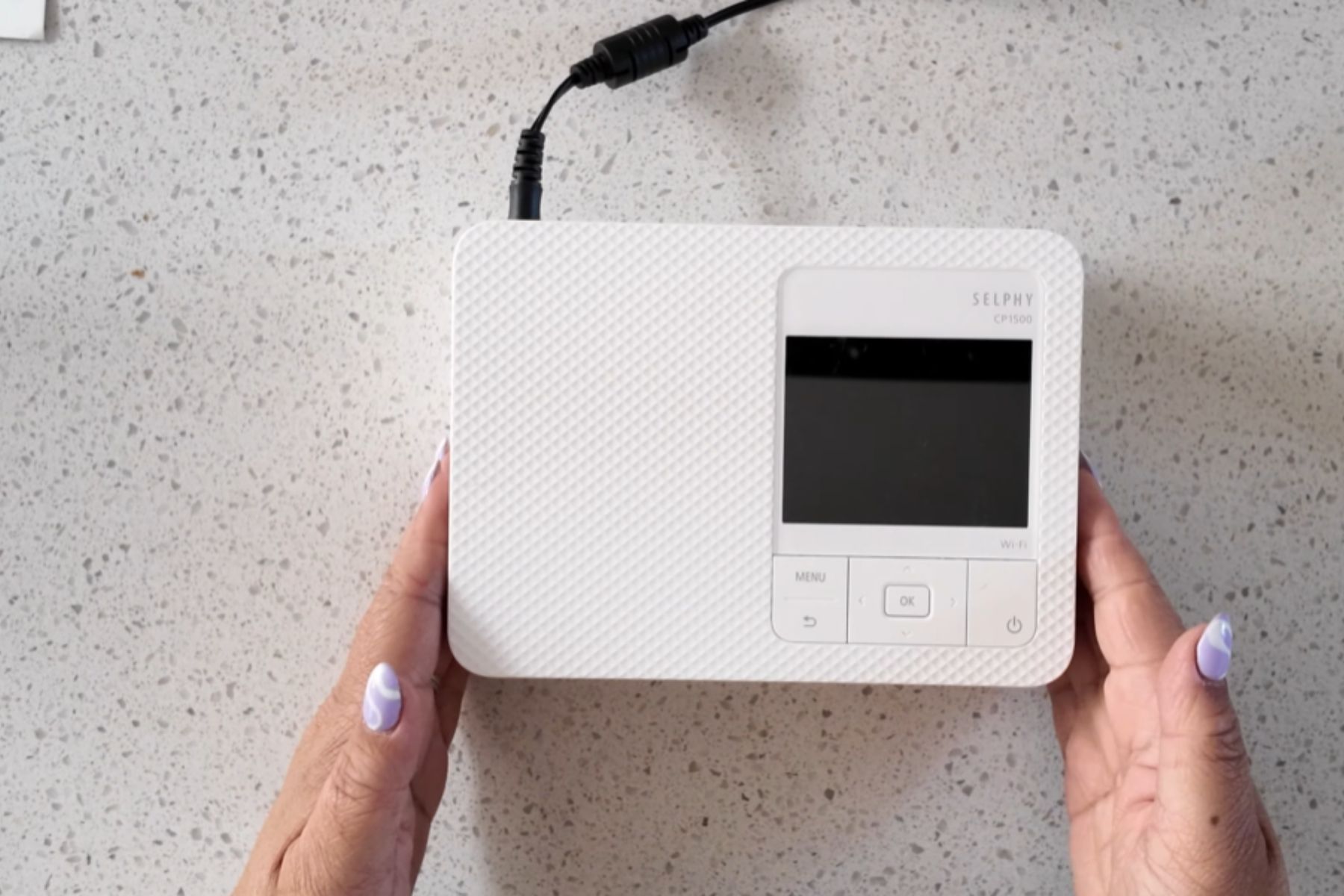
Mini photo printers, which link to mobile phones for immediate prints, unfortunately deliver low-grade results with color inaccuracies. Their operation relies on unique "zero ink" paper that shifts color when heated. Regrettably, the replacement cost for this paper and ink tends to be high compared to standard printing alternatives.
Voice-Controlled Microwaves

Voice-controlled microwaves' voice commands are sometimes deemed unreliable, leading many to favor traditional buttons for their speed and simplicity. Even the integration with high-tech assistants like Alexa has done little to enhance the practicality of these devices, with users finding the voice feature unnecessary and inconsistent.
Selfie Drones
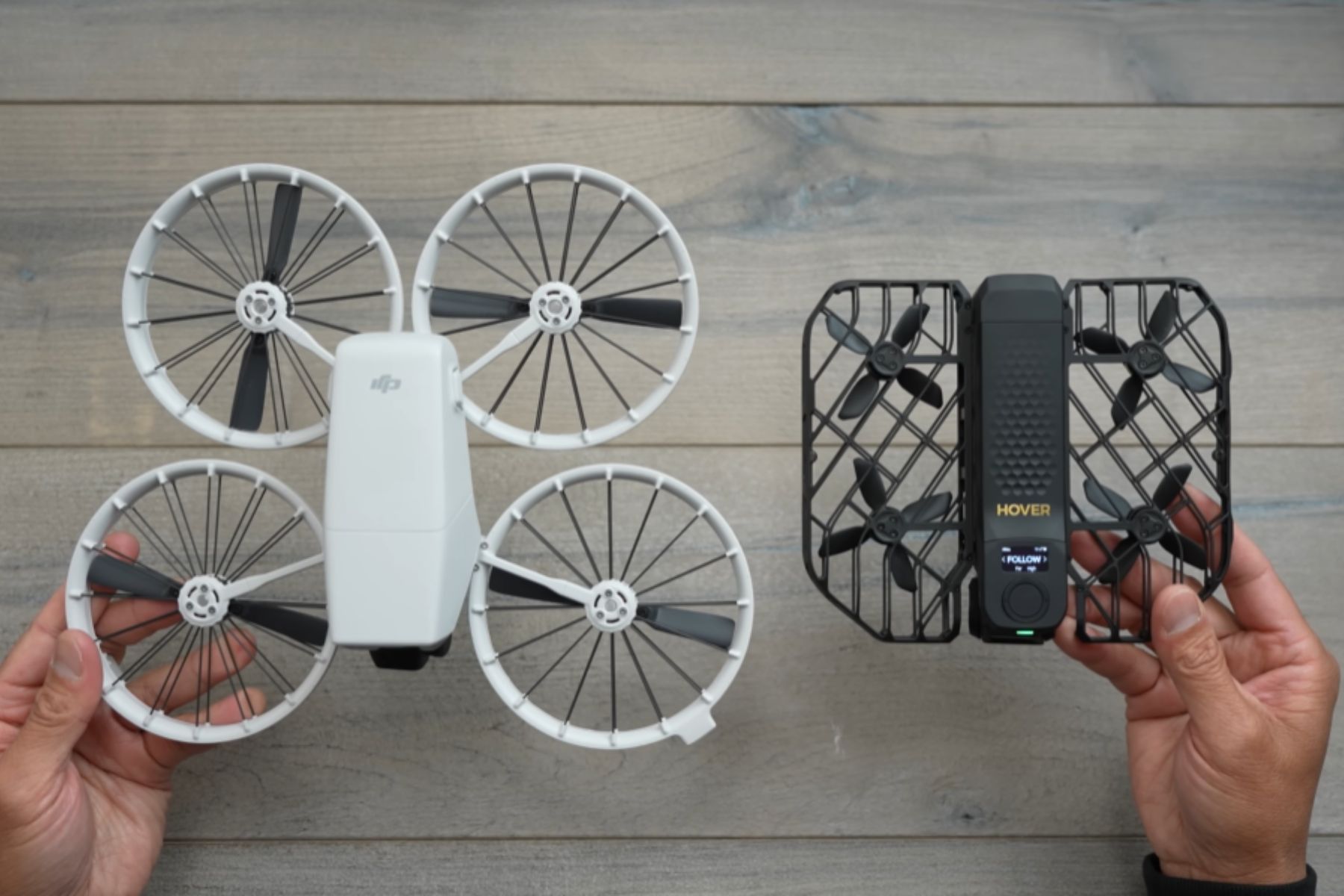
With social media buzzing, selfie drones were meant to be a hit. But users would complain about their short battery life and mediocre camera quality. In spite of them being portable and easy to carry, their small size makes them prone to being misplaced or forgotten. Another downside? You can’t use them in spaces with drone restrictions.
5G Phones (Early Models)
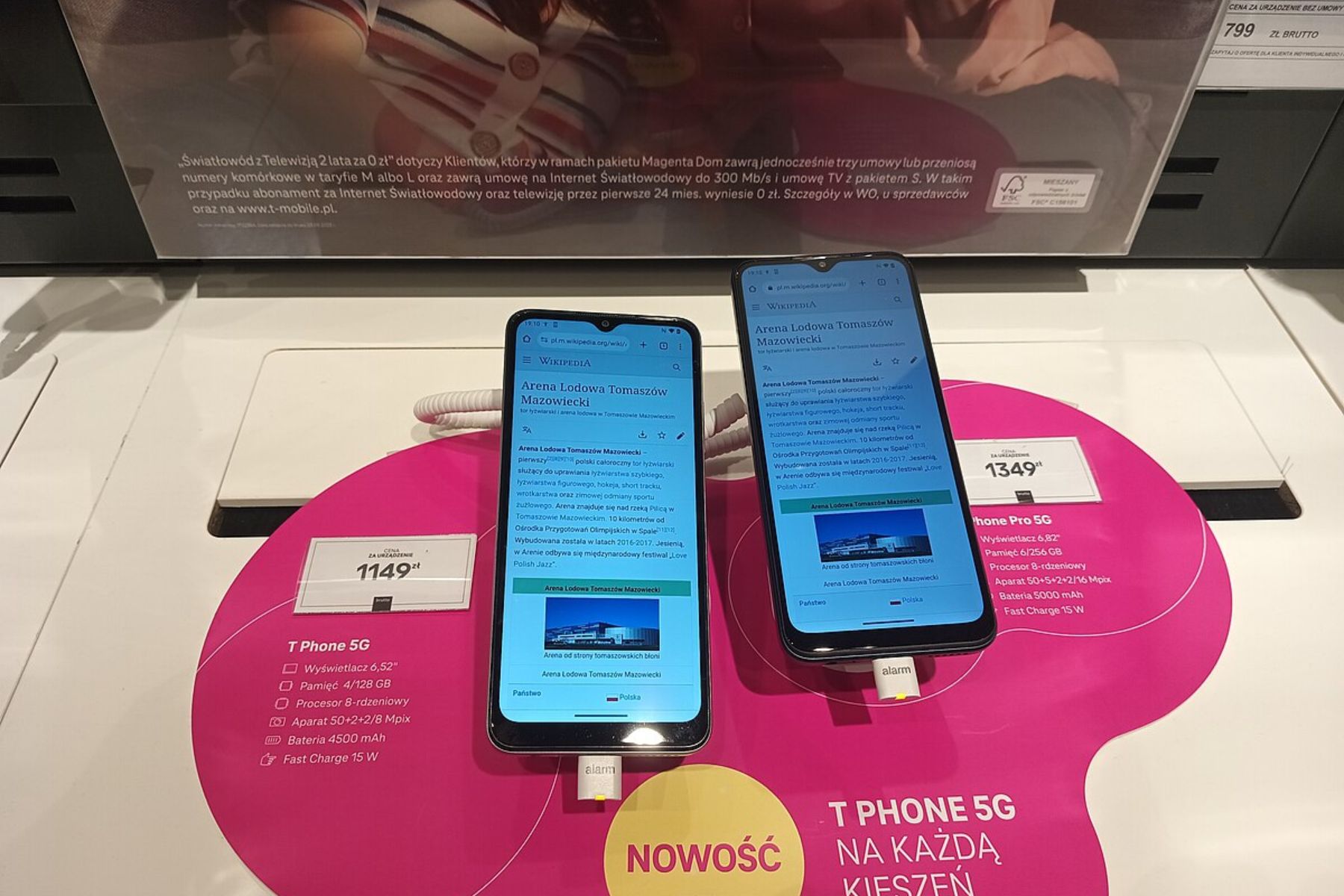
The hype surrounding early 5G phones fell short of expectations due to limited network coverage, which often nullified the promised speed boost. The power demands of 5G hardware also resulted in poor battery life. Furthermore, users in areas lacking 5G coverage saw little to no benefit, rendering these phones less than ideal for everyday use.
Smart Toasters

The idea was that your toaster could operate remotely, and the settings on “ how toasty” your bread would now be at the palm of your hand. In reality, their features, such as precise browning control, countdown timers, and special settings, are impressive, yet most fail to remember individual bread preferences.
Robotic Personal Assistants
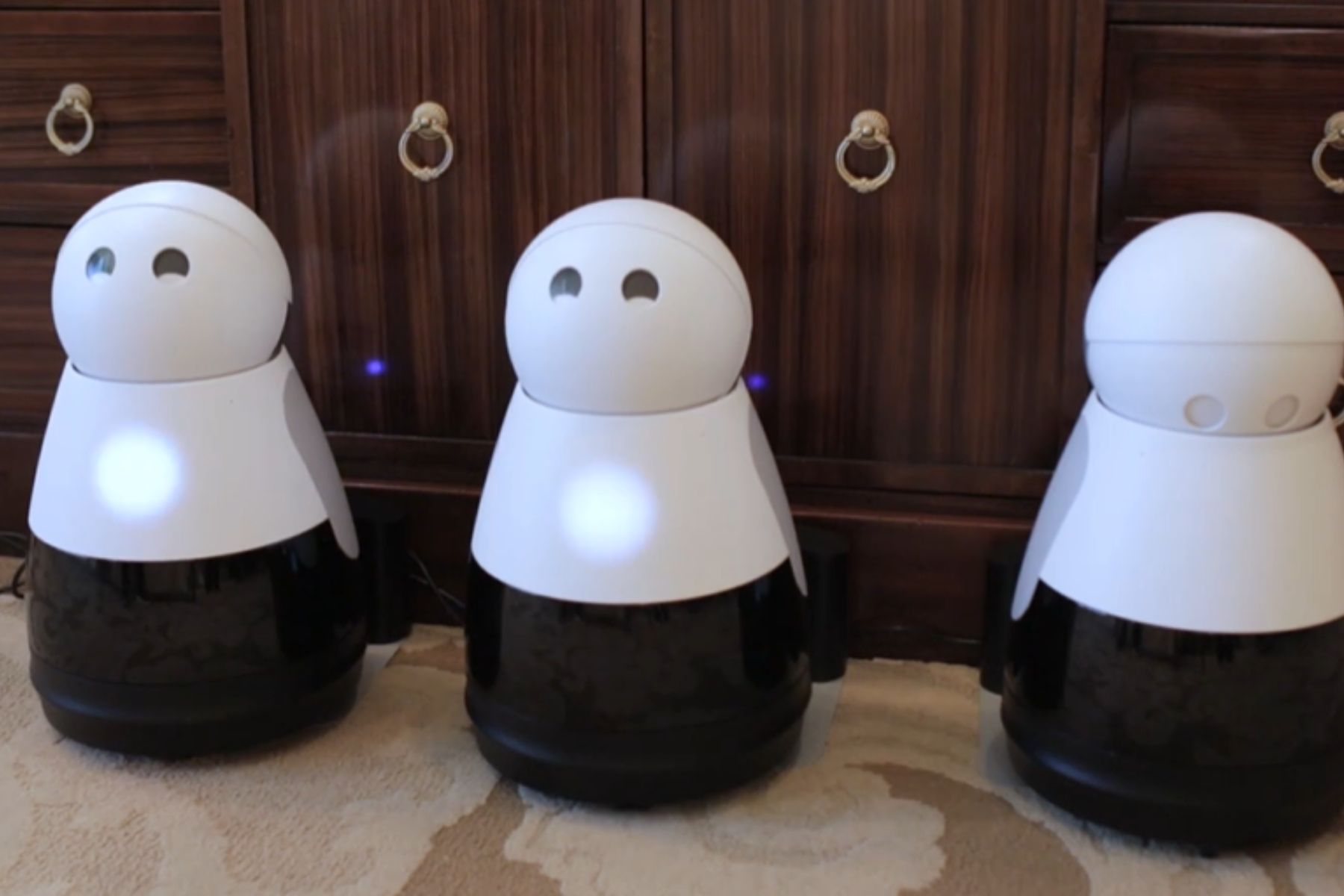
Owners of robotic personal assistants such as Jibo and Kuri were charmed by their lifelike movements and personalities. These devices could even dance or tell jokes, adding a touch of novelty. However, their high prices and limited usefulness led to low consumer demand and subsequent discontinuation. In the end, these robots were more entertainment than helpful companions.
Gaming Phones
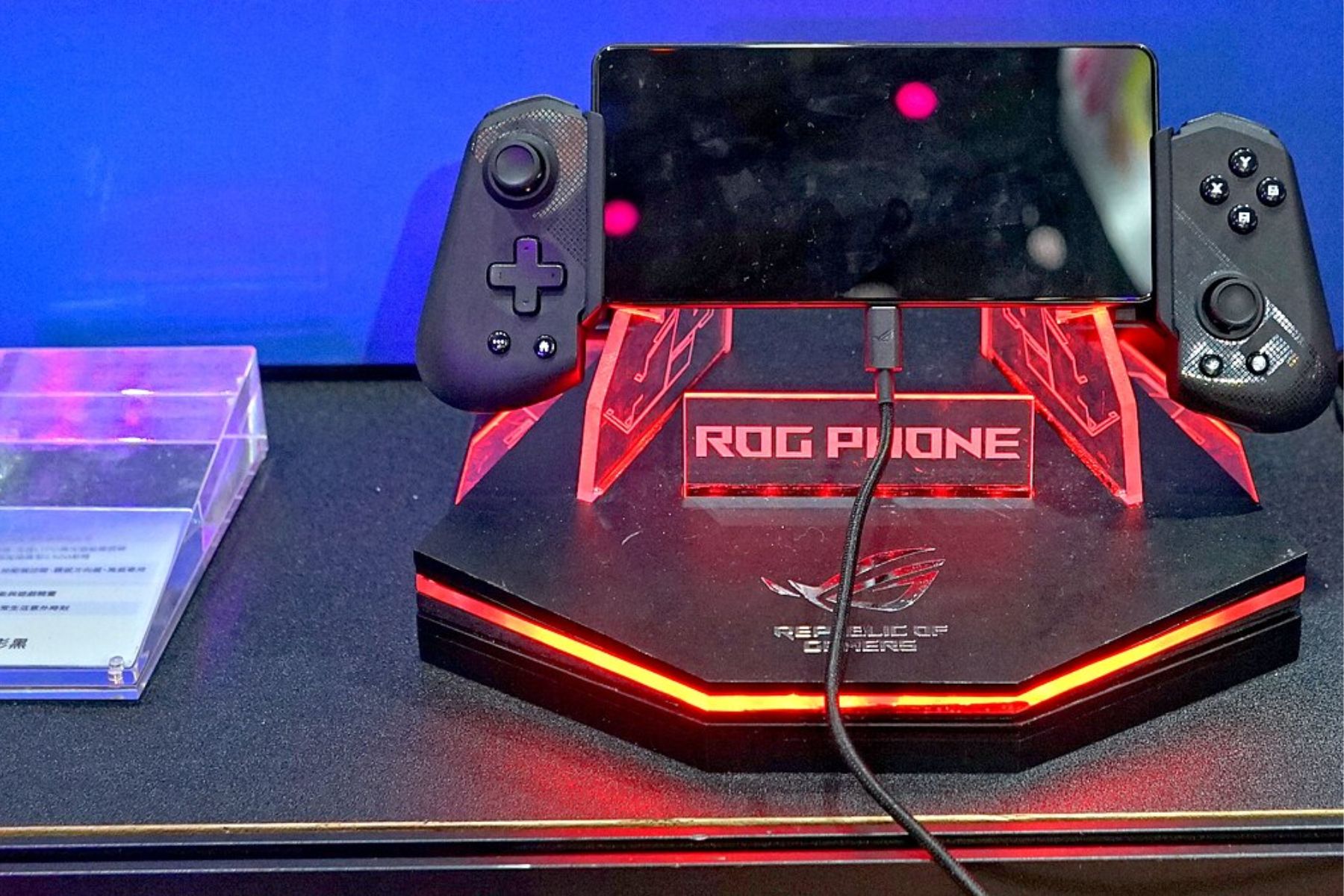
High refresh rate screens and extra cooling make gaming phones seem like a good investment, but the reality is that most mobile games don't need such high-end hardware. These phones also tend to be bulkier due to their larger batteries and advanced cooling systems, creating a nightmare for gamers on the go.
Solar-Powered Backpacks
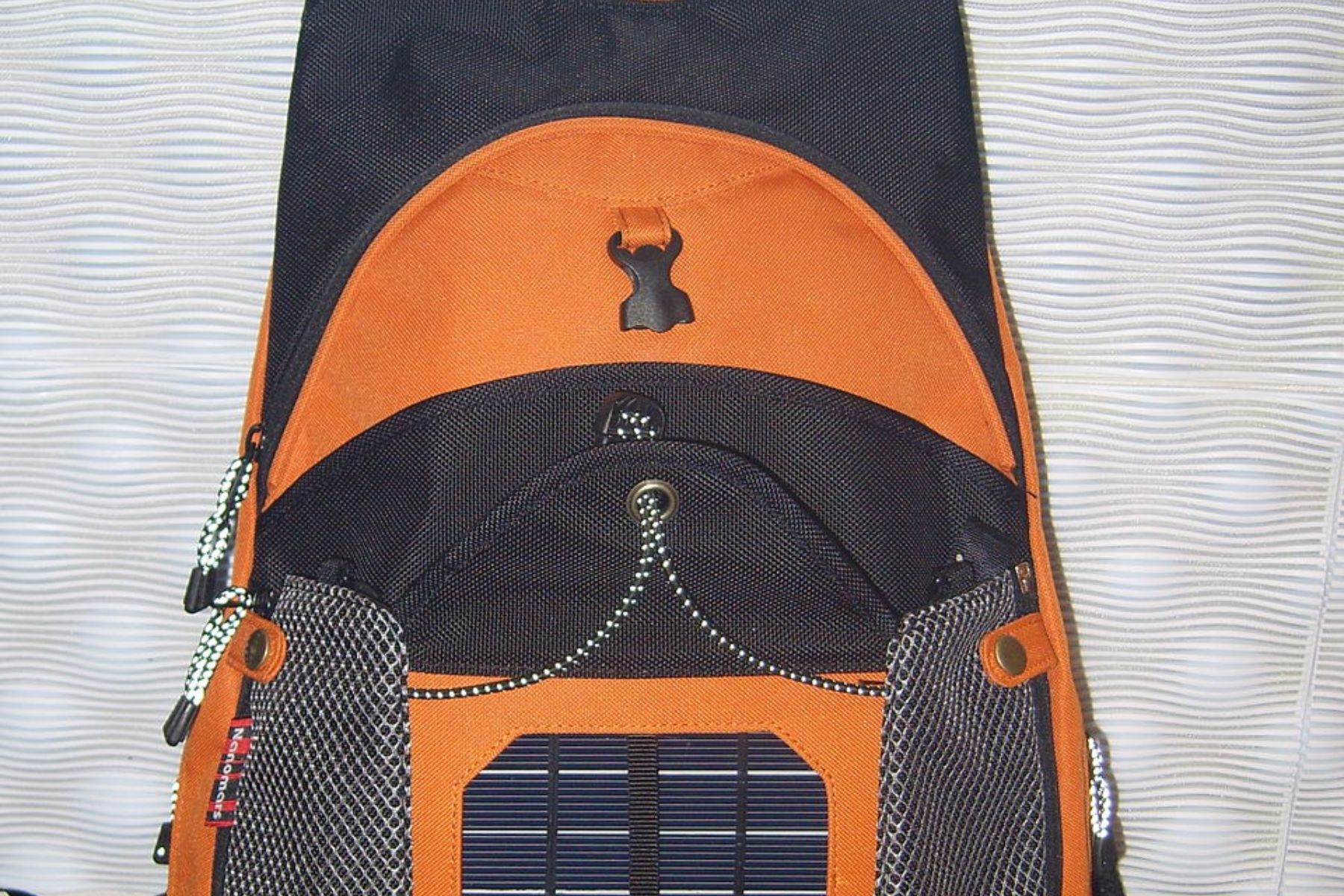
Solar-powered backpacks, with their lightweight design and removable panels, may seem like a boon for the tech-dependent traveler. They can charge devices on the go, but only small ones, and the charging speed is painfully slow. Despite the convenience of built-in USB ports, hikers often have to fall back on power banks when sunlight is scarce or absent.