The construction of the modern world has been strongly influenced by the establishment of trade routes facilitating trade of all kinds between relatively distant populations and regions of the world. From the Silk Road to the Panama Canal, from Roman trade routes to the Gold Route in West Africa, these routes have always had a profound impact on geopolitics and world trade. Here’s a selection of 15 of the world’s most important trade routes!
The construction of the modern world has been strongly influenced by the establishment of trade routes facilitating trade of all kinds between relatively distant populations and regions of the world. From the Silk Road to the Panama Canal, from Roman trade routes to the Gold Route in West Africa, these routes have always had a profound impact on geopolitics and world trade. Here's a selection of 15 of the world's most important trade routes!
1. The Silk Road
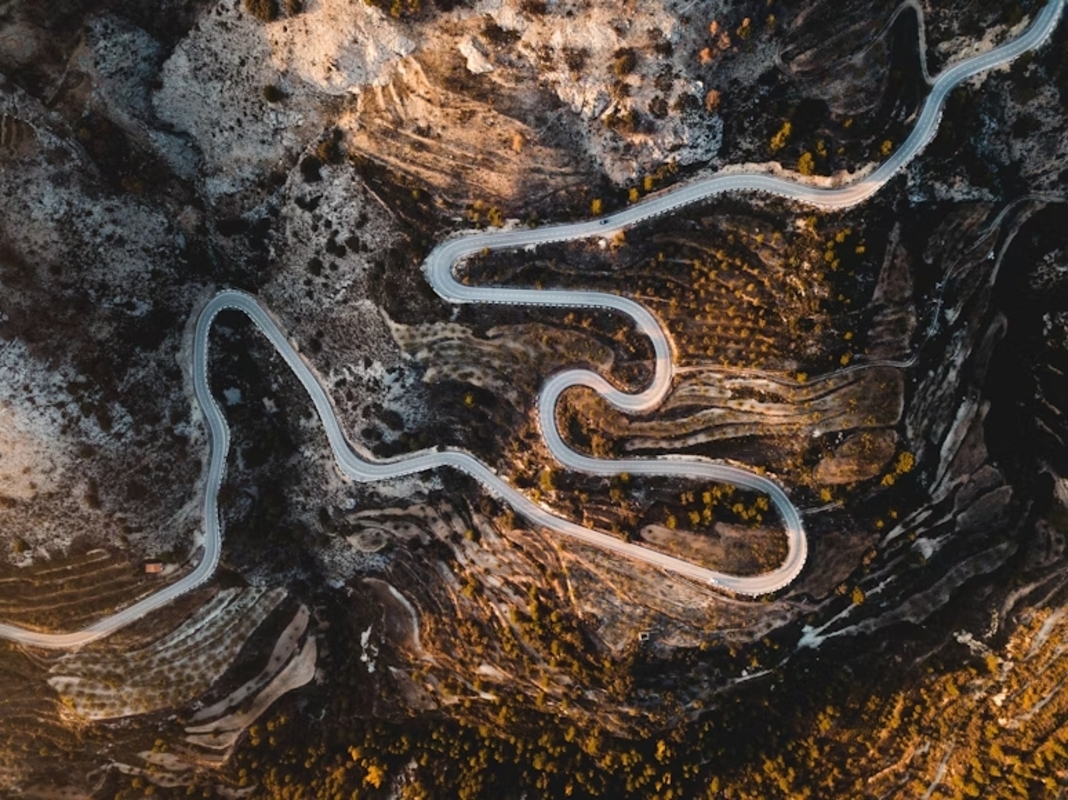
Historically, one of the best-known trade routes is the so-called "Silk Road". This route carried goods, cultures, philosophies and ideas from China to the Mediterranean, via Eurasia and vice versa.
2. The Maritime Silk Road
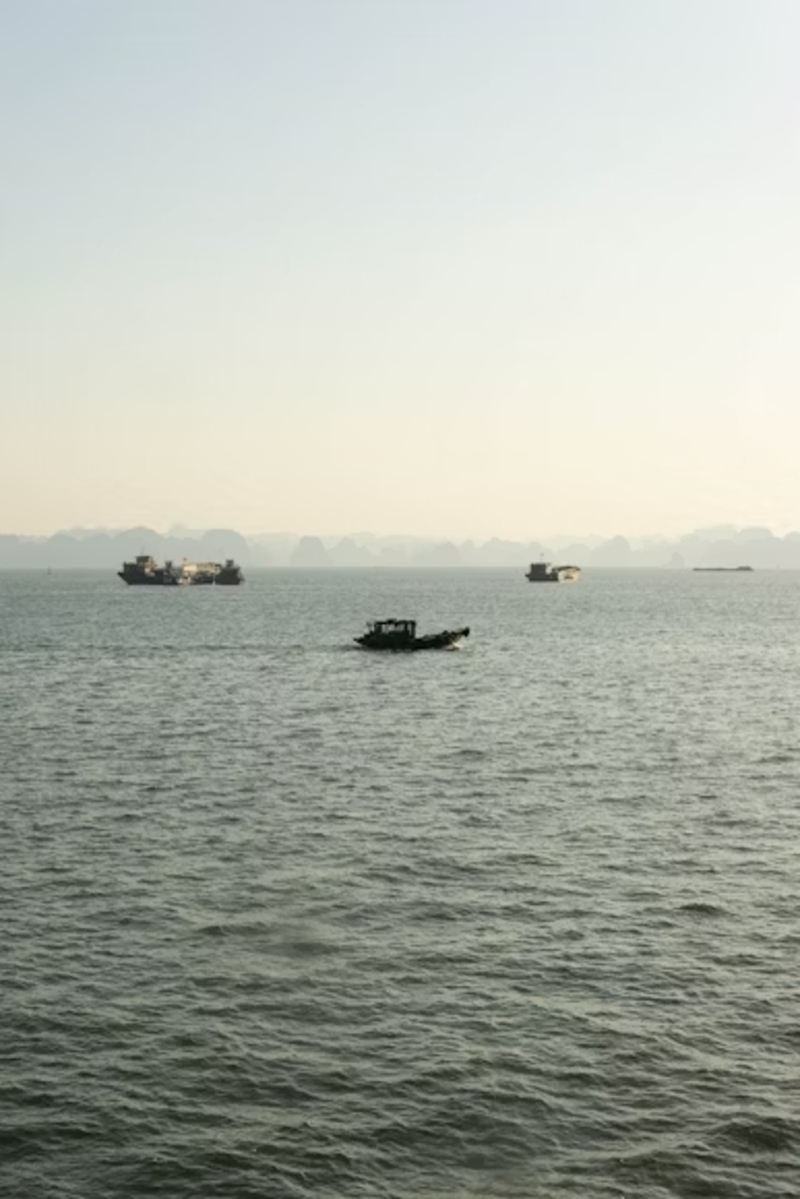
The Silk Road also extended out to sea. In fact, the Maritime Silk Road predated the overland Silk Road, and consisted of routes from the East China Sea and the South China Sea.
3. Roman trade routes
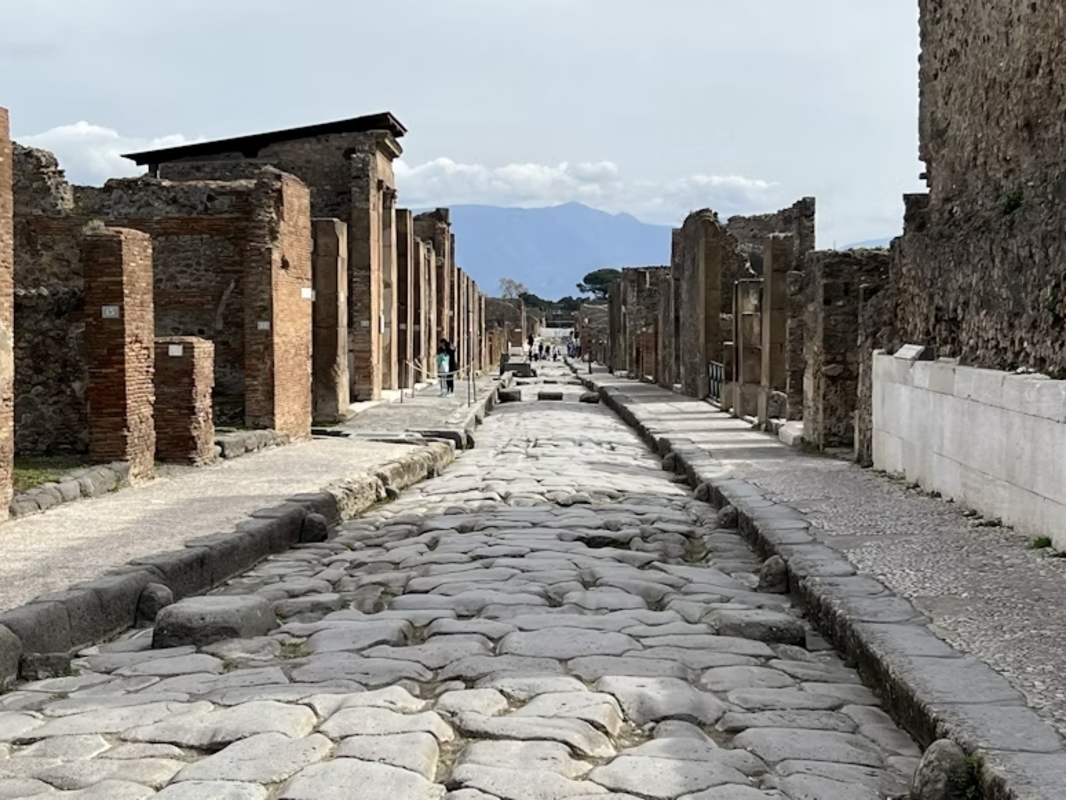
Roman trade routes made their name thanks to the famous cobblestones used in their construction. These roads enabled the Roman Empire to organize trade throughout its territory, and even beyond its borders with other empires in Africa and Asia.
4. The Mediterranean route
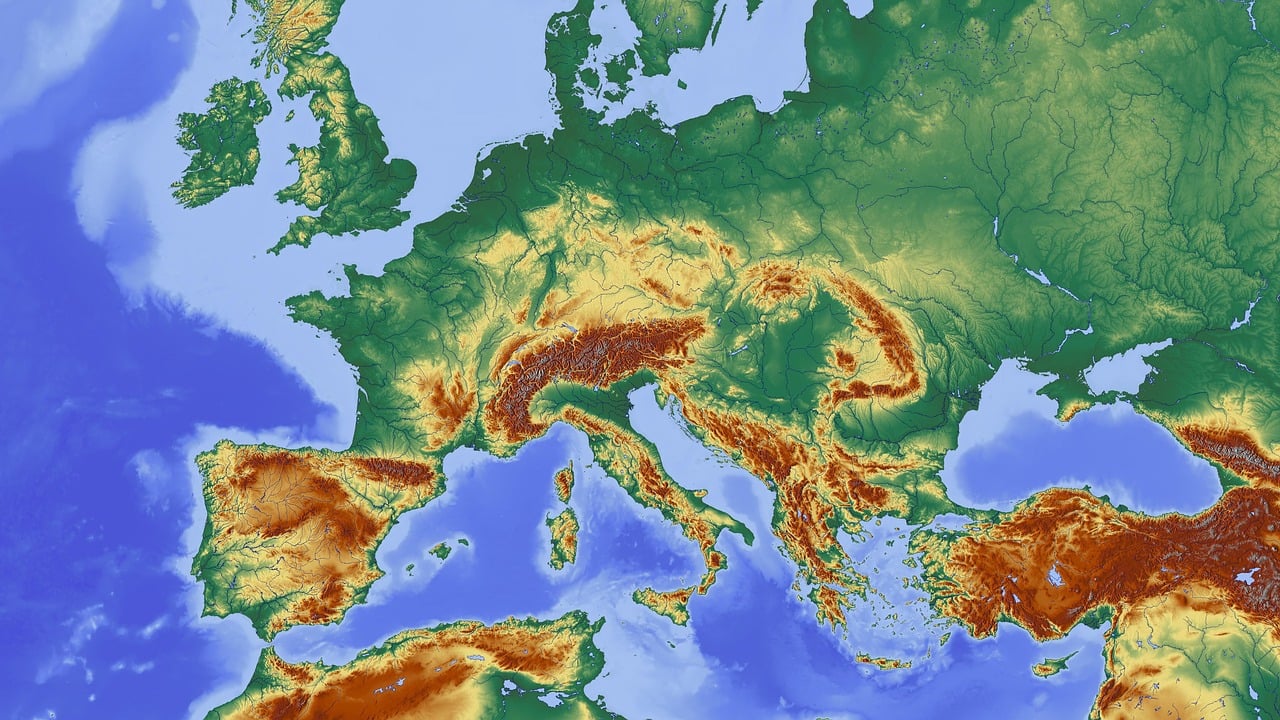
After taking control of the Mediterranean, the Roman Empire sent its merchant ships to trade with the regions cradling this sea, bringing back precious exotic goods. The trade routes around the Mediterranean were so important to the Empire that it eventually renamed it "Mare Nostrum" in Latin, or "Our Sea" in French.
5. The amber route

In ancient times, the amber trade route linked the Baltic Sea to the Mediterranean. In fact, this route crossed Europe to enable the Egyptian, Greek and Phoenician civilizations to make jewelry with "northern gold".
6. The gold route
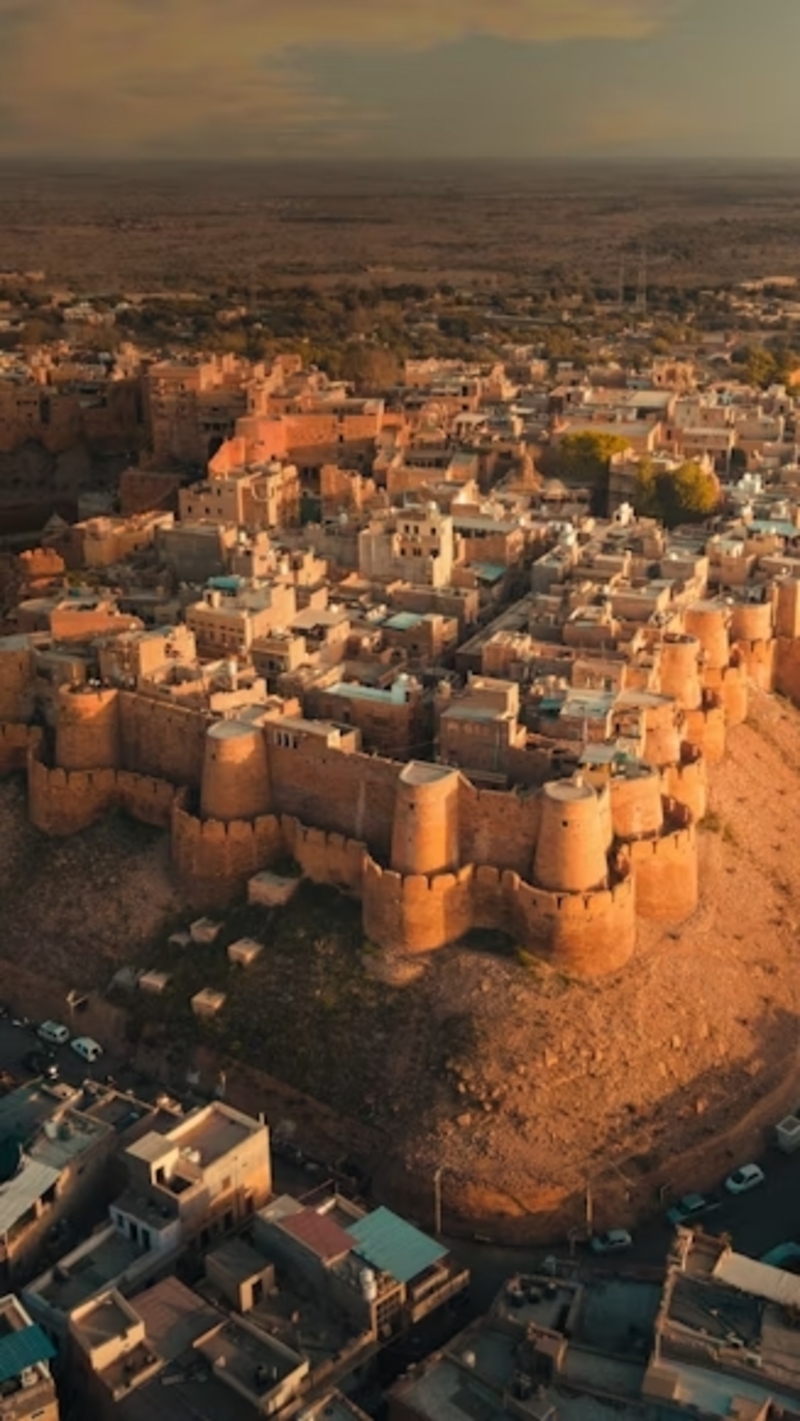
In the Middle Ages, West Africa was one of the world's largest gold producers. The Mali Empire in particular benefited from this trade route, and quickly became one of the spearheads of trans-Saharan trade, thanks in particular to the gold trade that made it famous in the 14th century.
7. The Trans-Saharan route
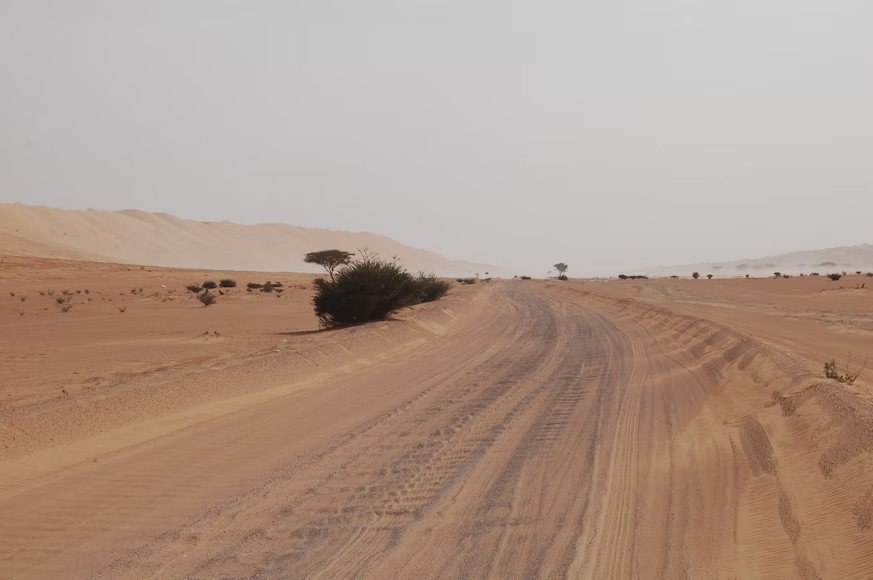
From the 8th to the 16th century, the growing exploitation of trans-Saharan trade routes, from west to east and north to south, initiated profound socio-political, economic and cultural changes in West Africa. These changes led to the rise of powerful and prosperous empires in the region, such as Mali and Ghana.
8. Tea routes

Tea routes refer to the ancient trade routes used from the 10th century onwards by caravans and calavans to transport tea from western China to other regions of the world that were accessible at the time, such as Tibet, Russia or eastern Asia.ches to transport tea from western China to other regions of the world accessible at the time, such as Tibet, Russia and East Asia. Tea routes are one of the main axes of the Silk Road.
9. The spice route

The spice route refers to the ancient trade networks, both land and sea, that enabled the exchange of spices and other products between Asia, the Middle East, Europe and Africa. A coveted commodity, control of the spice route contributed to the rise and fall of empires seeking to maximize their profits.
10. The Portuguese sea route to India
Carreira da India: this is the name given to Portugal's sea route to India, which linked Lisbon to Goa via the Cape of Good Hope. Established by Vasco da Gama between 1497 and 1499, it was the first direct link between Europe and Asia in the early Renaissance.
11. The British East India Company
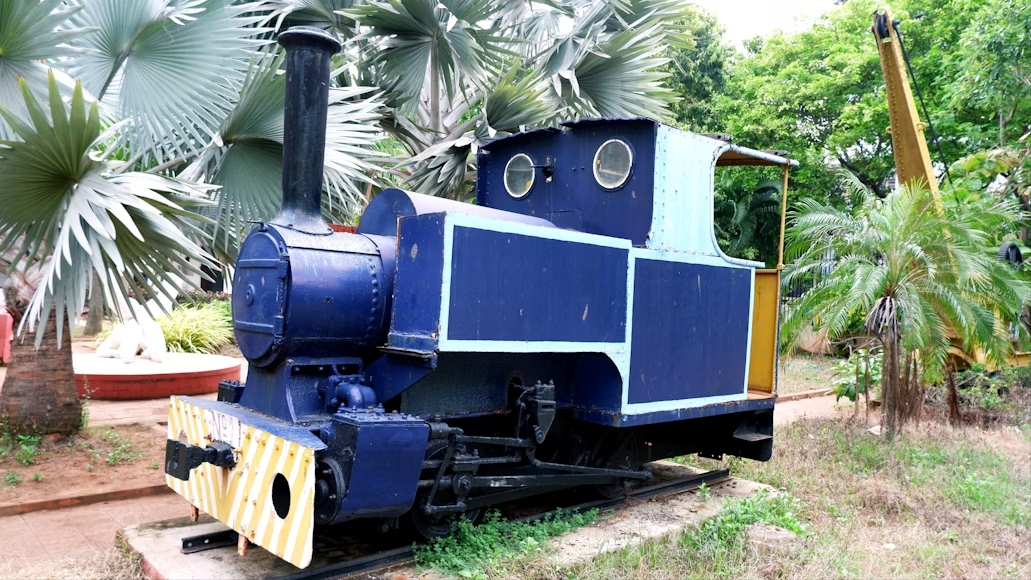
The British East India Company was founded under the reign of Queen Elizabeth I and quickly became a powerful global player, with its own army and considerable influence and power over the spice and textile trades.
12. The transatlantic slave trade
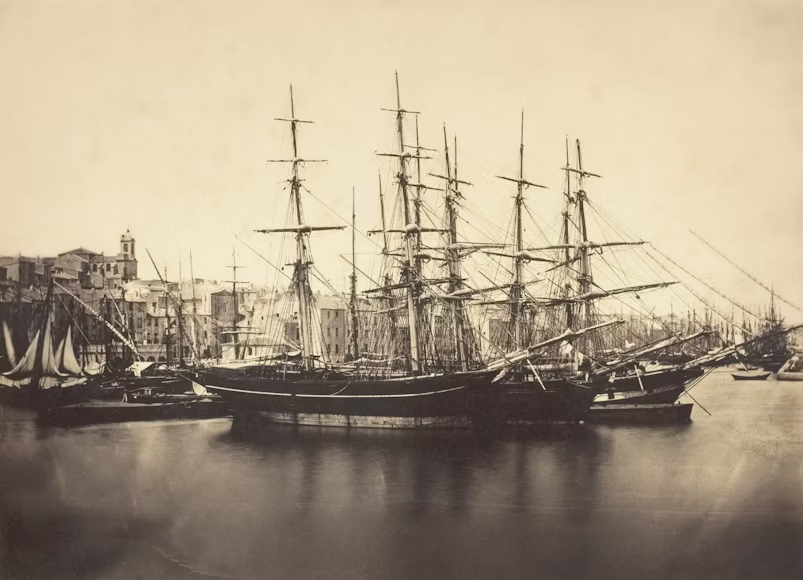
The transatlantic slave trade, also known as the triangular trade, began in the 16th century, ushering in the beginnings of colonial slavery to build the "New World" that certain European powers had just reached. Illustrating the dark coasts of human history, the slave trade reached its apogee in the 18th and 19th centuries.
13. The Suez Canal
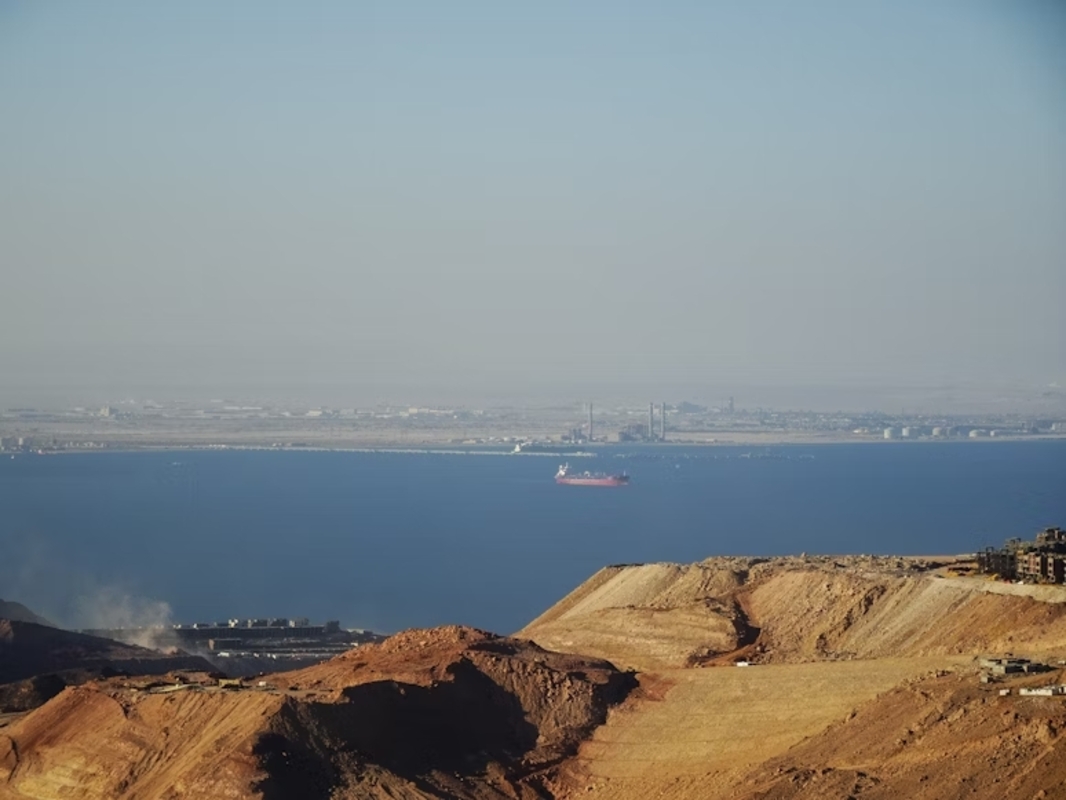
The 200 km-long Suez Canal links the Mediterranean Sea to the Gulf of Suez, at the level of the Egyptian Sea. This artificial waterway was inaugurated in 1869 and is now one of the world's busiest shipping routes.
14. The Panama Canal
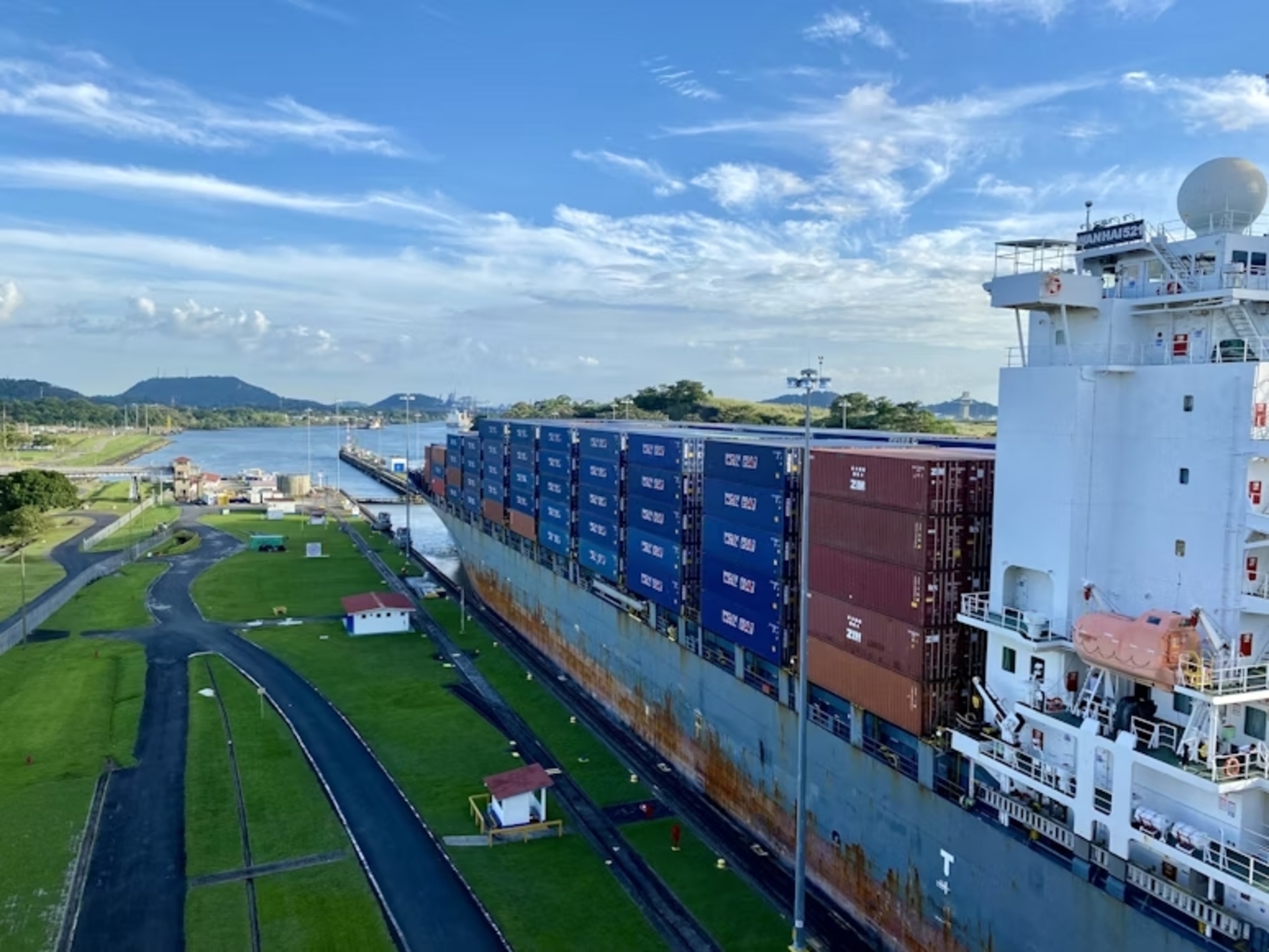
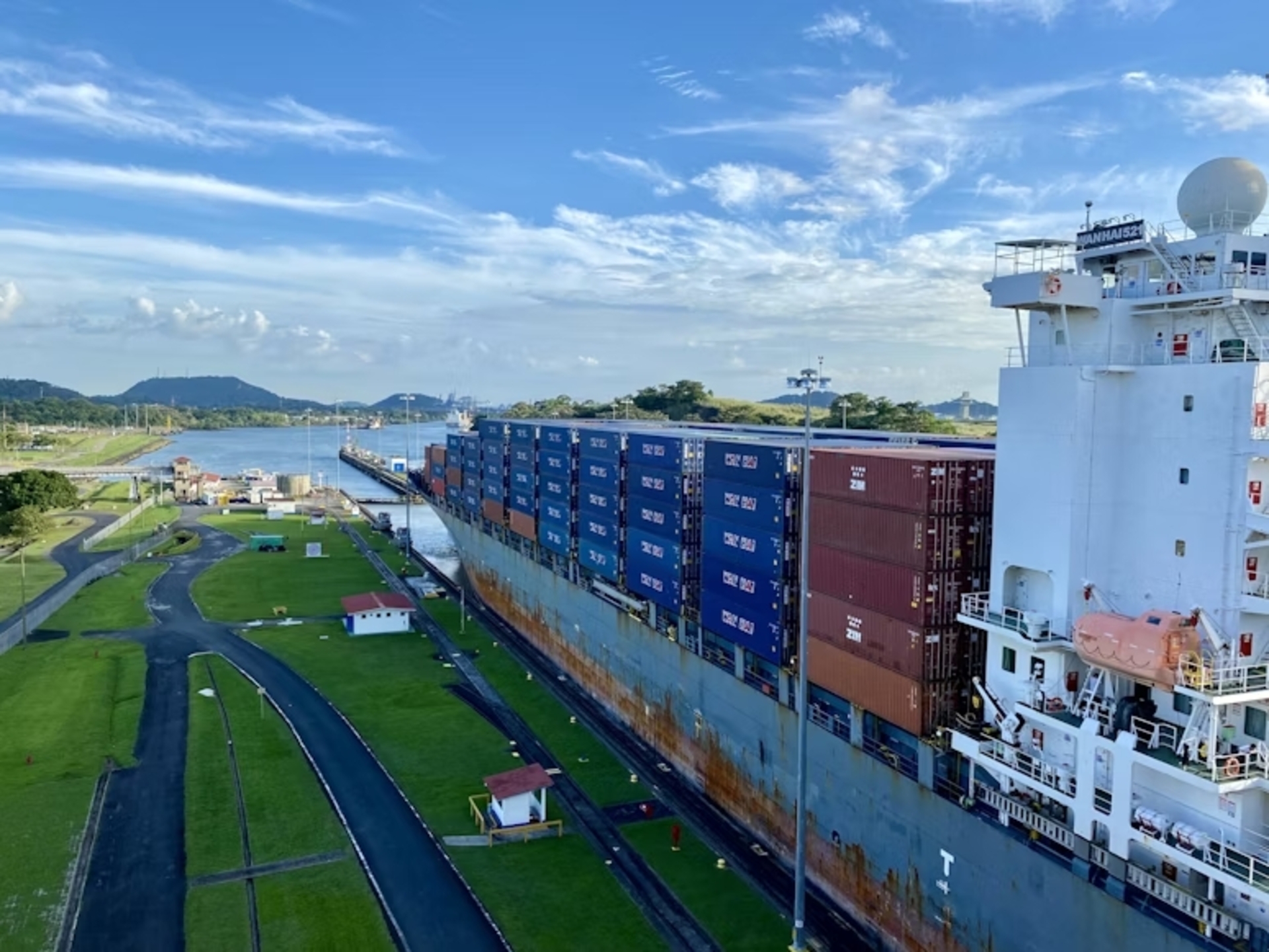
The Panama Canal is around 80 km long, linking the Atlantic and Pacific oceans. Its distinctive feature is the use of locks as water elevators to allow ships to pass through. Today, it is one of the nerve centers of globalized world trade.
15. Space routes

Although relatively recent, space exploration has led to the identification of certain trajectories that facilitate the travel of artificial satellites and other natural space objects. Indeed, the peculiarities of gravitational interactions in these zones increase the travel speed of objects taking such trajectories.