Around the world, homes reflect the history, climate, traditions, and way of life of different cultures. Some homes are designed to withstand extreme conditions, while others emphasize comfort, elegance, or a connection to nature. From Swiss alpine chalets to Moroccan riads, each type of home features unique architecture and characteristics tailored to its environment.
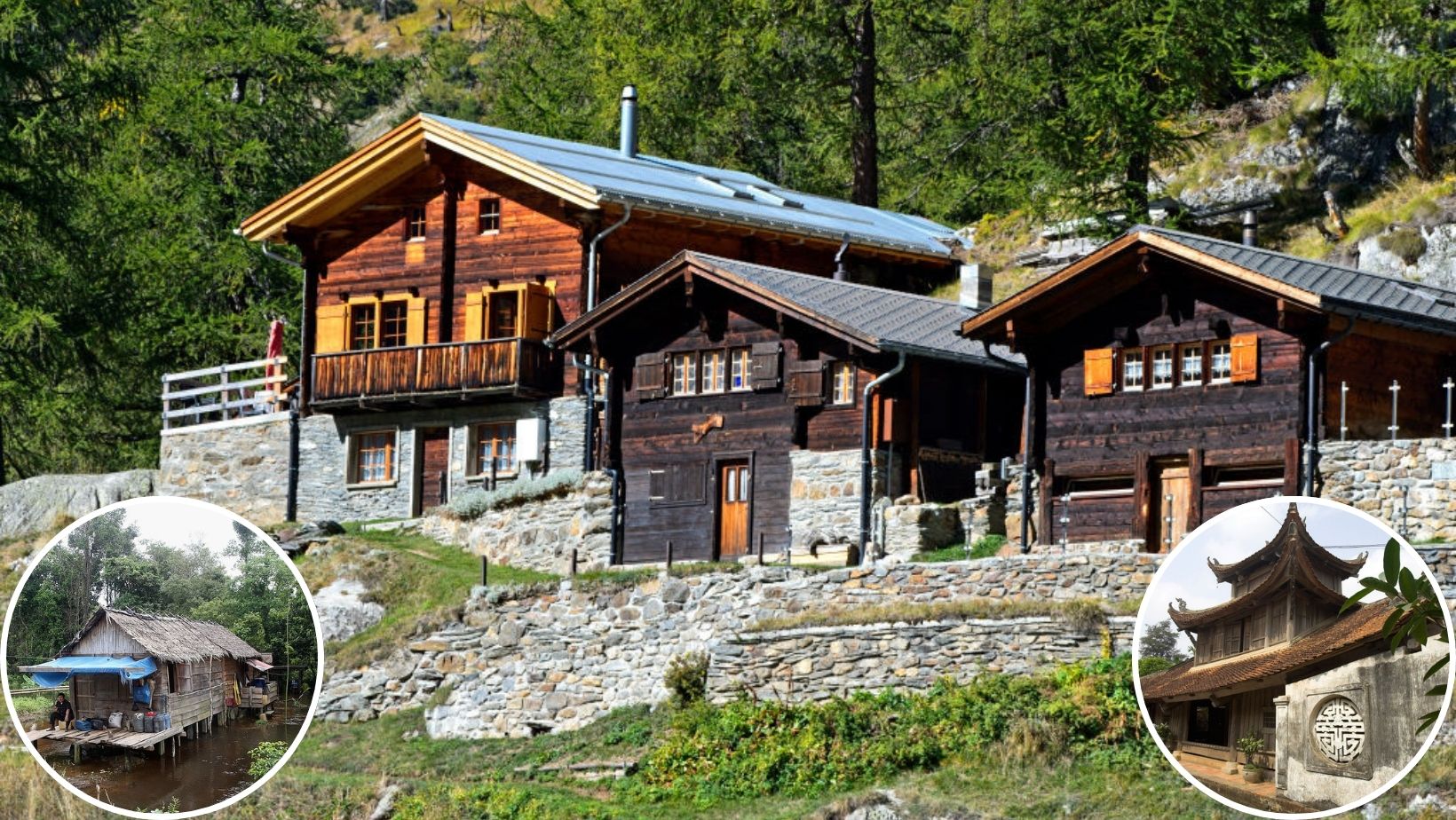
Around the world, homes reflect the history, climate, traditions, and way of life of different cultures. Some dwellings have been designed to withstand extreme conditions, while others emphasize comfort, elegance, or a connection to nature. From Swiss alpine chalets to Moroccan riads, each type of home features unique architecture and characteristics tailored to its environment.
Many of these homes have become true cultural symbols and now attract visitors from all over the world. Some are modern, others ancient, but all bear witness to the architectural genius of the people who created them. Here are 15 fascinating types of houses that represent different regions and cultures across the globe.
Creole House – Caribbean
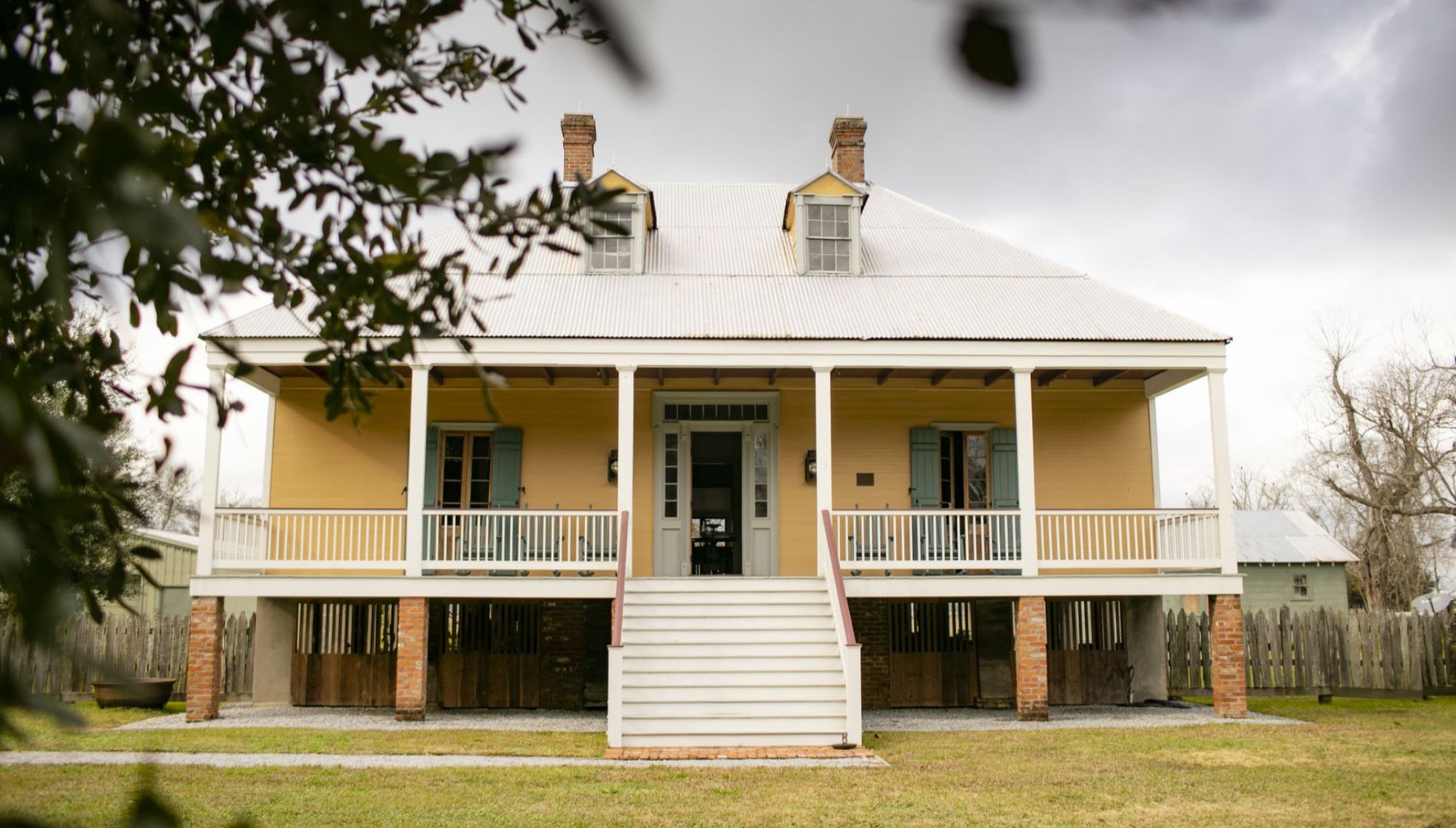
Creole houses are traditional dwellings commonly found throughout the Caribbean islands and certain tropical regions. They are known for their bright colors, large verandas, and excellent natural ventilation. Designed to withstand heat and humidity, they often feature high ceilings and numerous windows. Wood is frequently used in their construction, along with metal or shingle roofs.
Creole houses reflect a blend of African, European, and Caribbean influences. Today, they remain an important symbol of tropical architectural heritage. Their warm and inviting style appeals to both residents and visitors seeking authenticity and local charm.
Hanok – South Korea
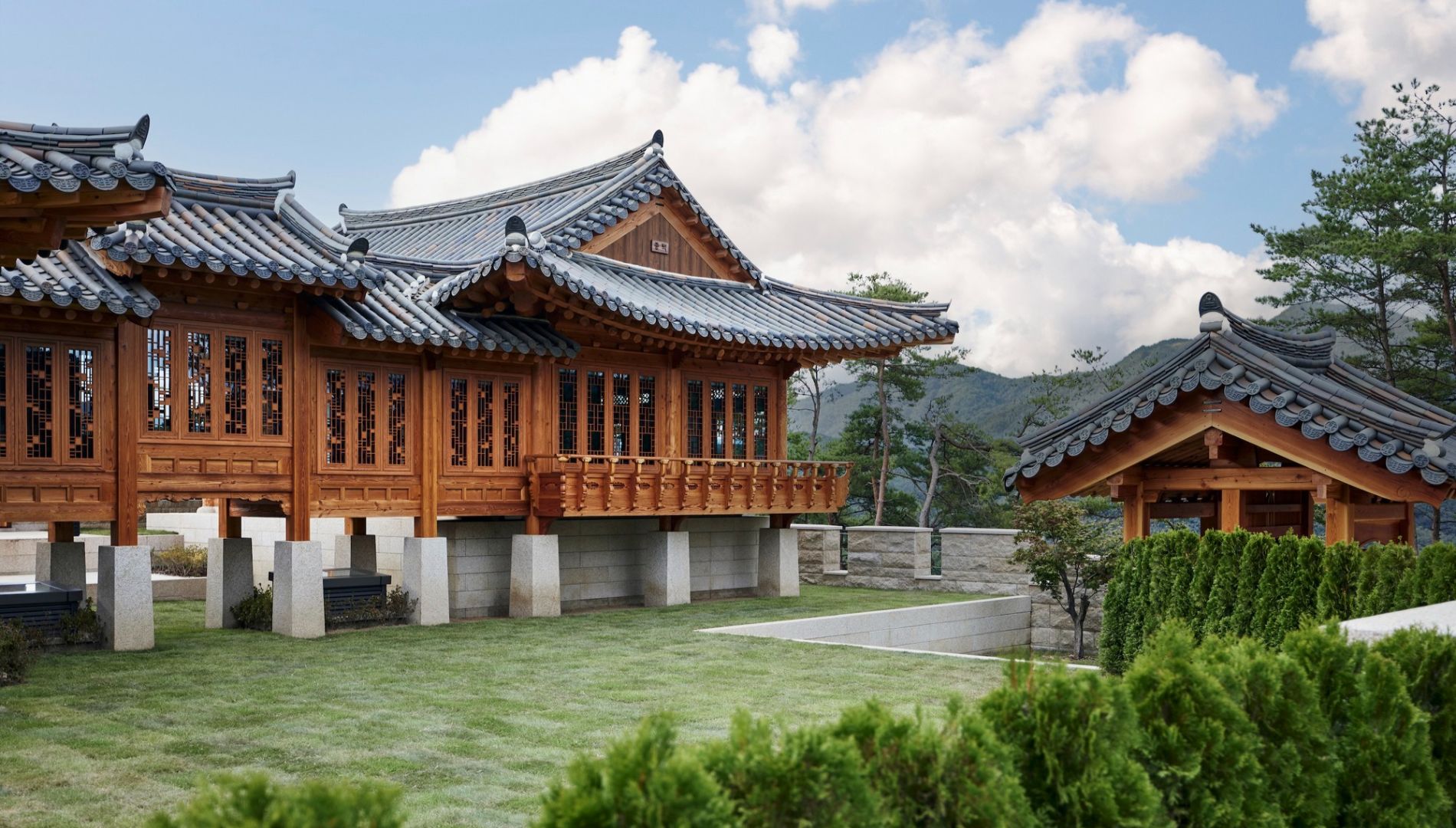
The hanok is a traditional Korean house known for its harmonious architecture and close connection to nature. Built primarily of wood, stone, and clay, hanoks use natural materials to create a comfortable and eco-friendly environment. Curved roofs and inner courtyards are characteristic features of these homes.
The traditional underfloor heating system called “ondol” helps maintain a comfortable temperature during the winter. Hanoks are designed to promote natural air circulation during the warmer months. Today, several historic villages in South Korea preserve these ancestral homes, which remain an important symbol of Korean culture and architecture.
Hacienda – Mexico
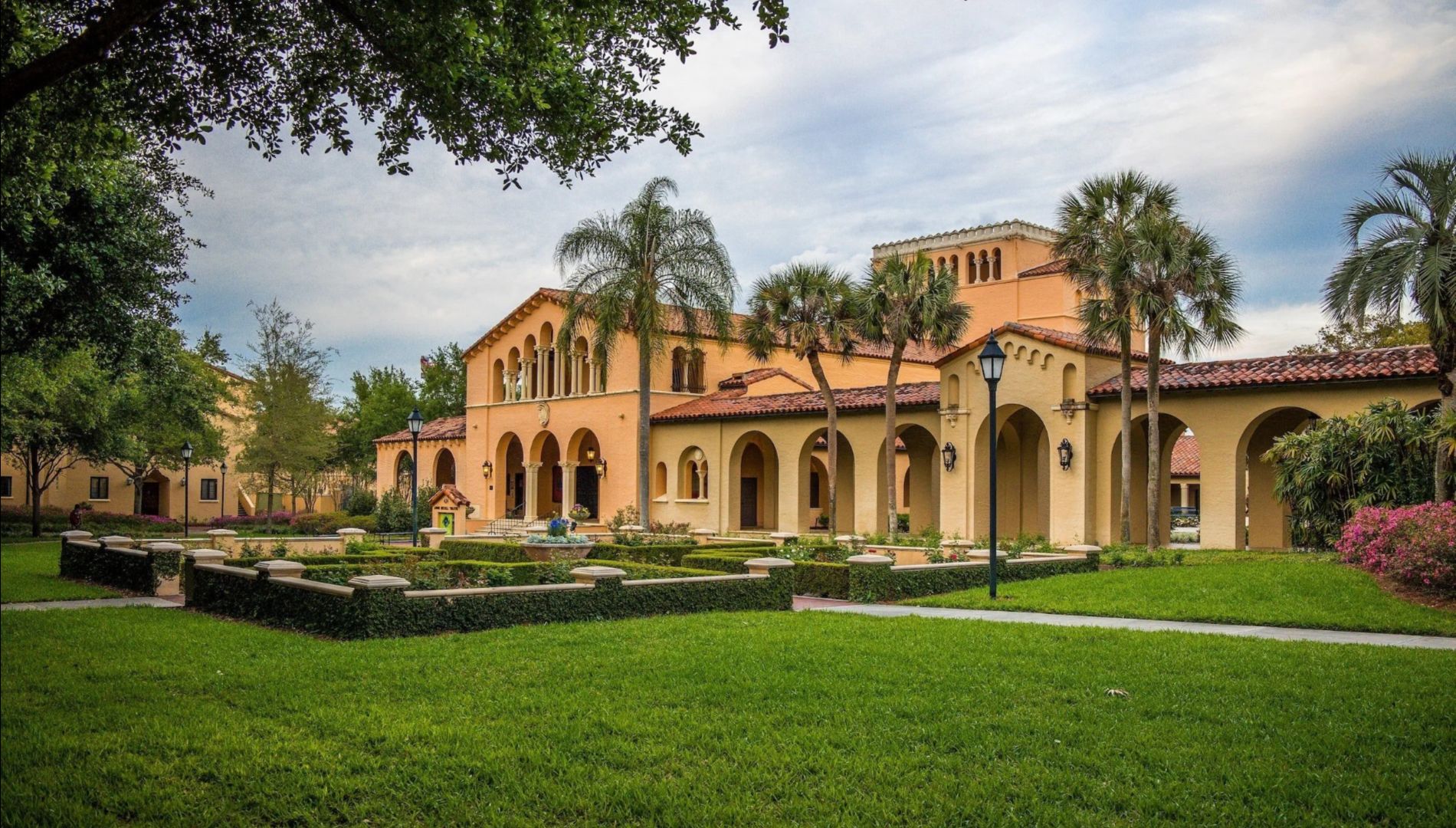
An hacienda is a large traditional house of Spanish origin that is common in Mexico and several other Latin American countries. These rural estates were once used as agricultural centers or ranches. Haciendas typically feature spacious courtyards, thick walls, and elegant arches that help keep the interior cool in hot climates. Their architecture often combines Spanish influences with local traditions.
Many haciendas also feature gardens, fountains, and large family rooms. Today, some have been converted into luxury hotels or historic sites open to the public. For centuries, haciendas have been an important part of Mexico’s cultural and architectural heritage.
Riad – Morocco
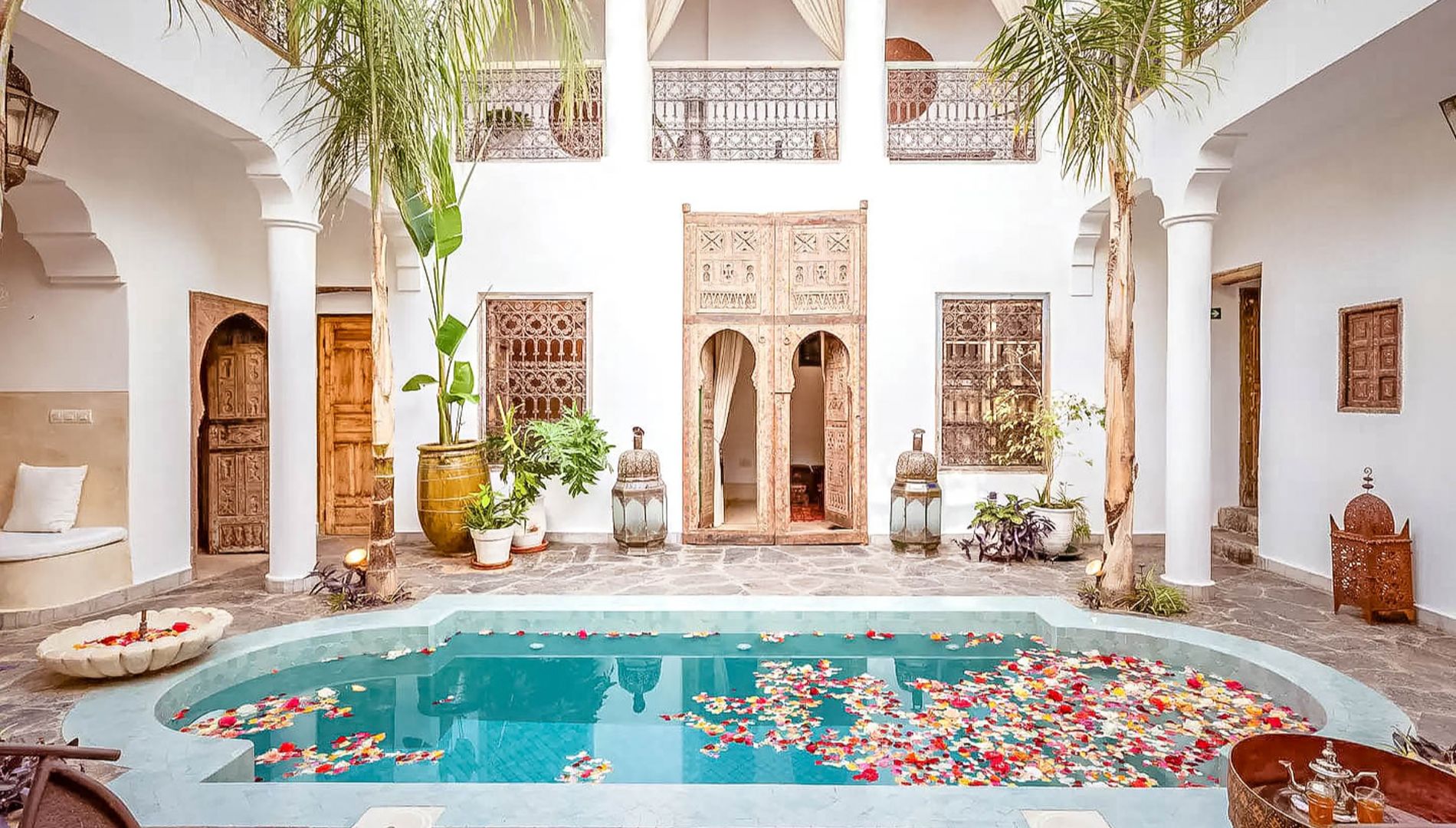
A riad is a traditional Moroccan house built around a central courtyard. This type of dwelling is particularly popular in the old medinas of cities such as Marrakech and Fes. Riads are designed to offer residents peace, coolness, and privacy. The exterior walls are often simple, while the interior features magnificent handcrafted decorations, colorful mosaics, and fountains.
The rooms generally open onto the inner courtyard to promote air circulation in hot climates. Today, many riads have been converted into hotels or luxury homes for tourists. Their elegant architecture and peaceful atmosphere perfectly embody the cultural and artistic richness of traditional Morocco.
Cave house – Turkey
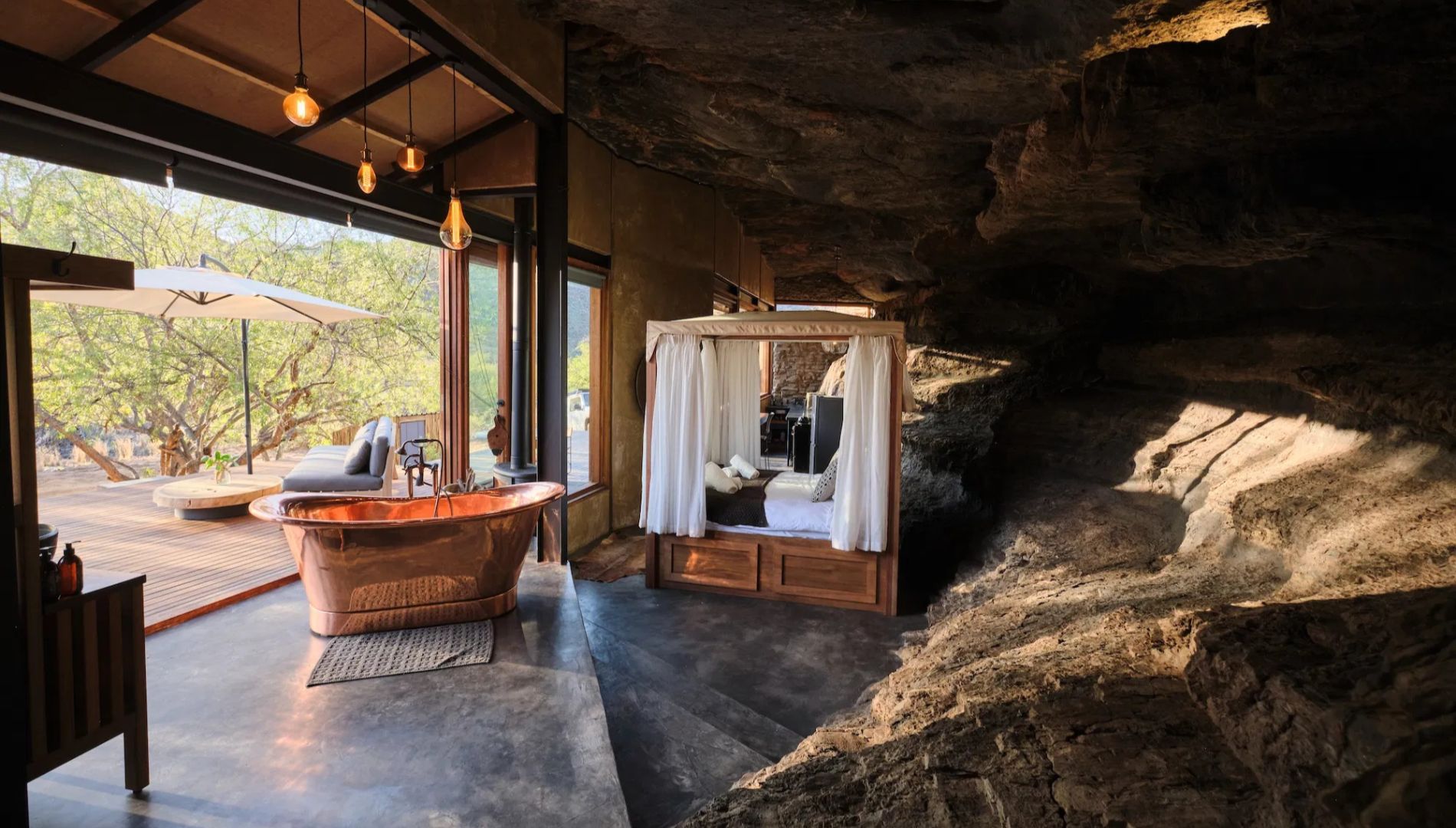
Turkey’s cave houses, particularly famous in Cappadocia, are carved directly into volcanic rock. These unique dwellings have existed for hundreds of years and offer excellent natural insulation against extreme temperatures. In summer, the interior stays cool, while in winter, heat is effectively retained. Many of these houses have been converted into luxury tourist hotels while retaining their historic character.
Cappadocia’s spectacular landscapes attract visitors from around the world who come to discover these impressive dwellings. The cave houses represent a remarkable example of human adaptation to the natural environment. Today, they remain an iconic symbol of Turkey’s architectural and cultural heritage.
Yurt – Mongolia
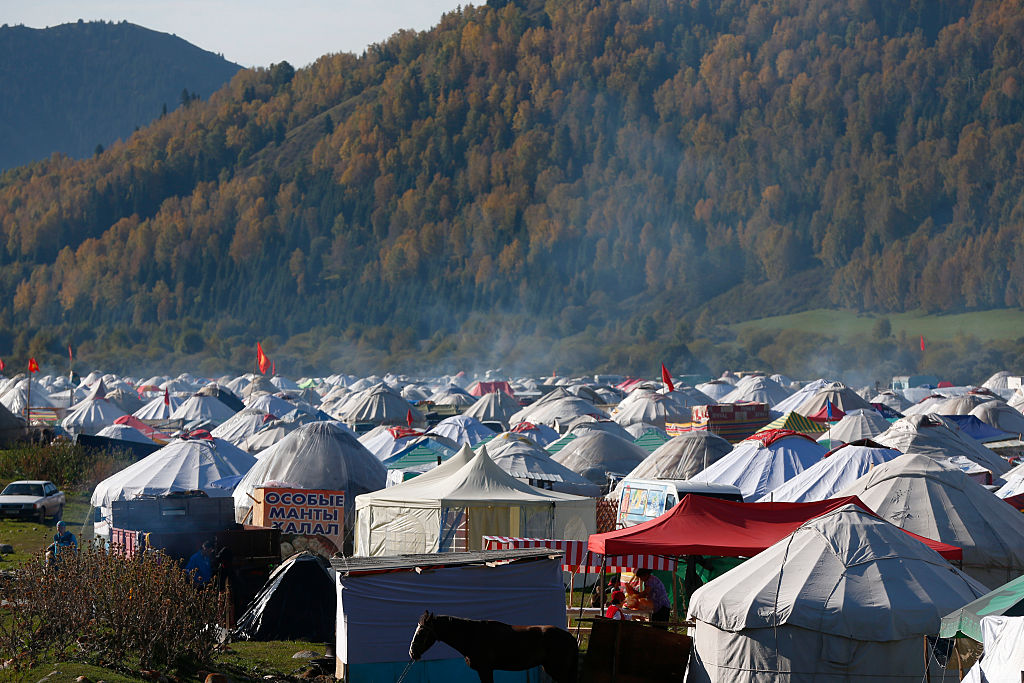
The yurt is a traditional dwelling that has been used for centuries by nomads in Mongolia and Central Asia. This large circular tent is designed to be easily dismantled and transported when moving. The structure is typically made of wood covered with felt or thick fabric to provide excellent protection against the cold and wind.
The interior of the yurt is often decorated with colorful patterns and arranged in a functional way to accommodate the whole family. Despite its apparent simplicity, it offers great comfort in extreme climates. Today, the yurt remains an important symbol of Mongolian nomadic culture and also attracts eco-tourism enthusiasts.
Residential Pagoda – Japan
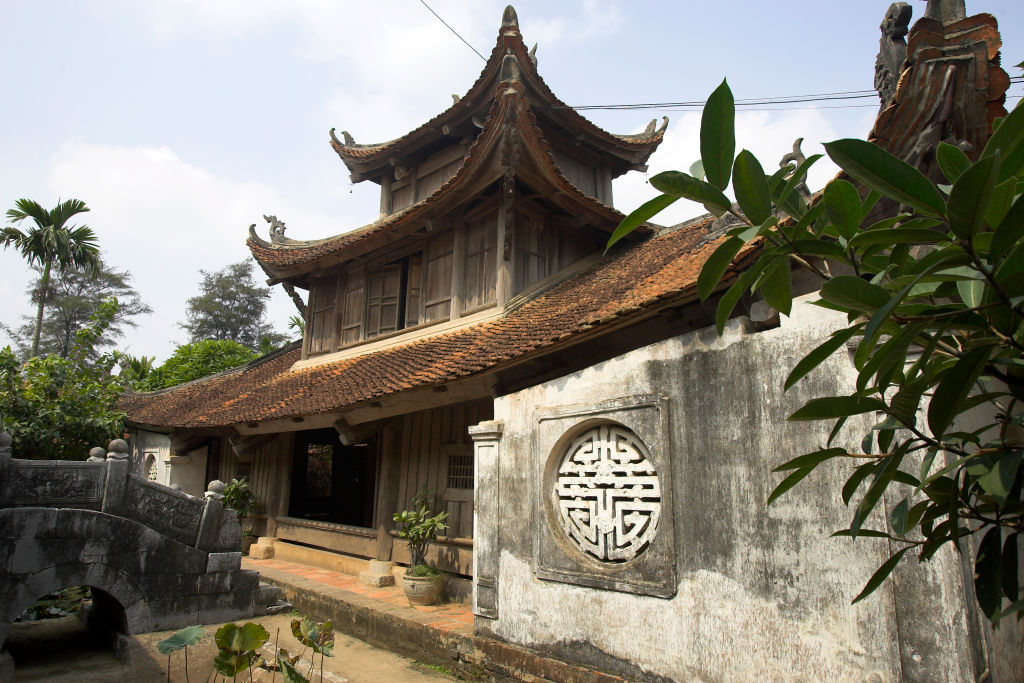
Homes inspired by Japanese pagodas feature elegant architecture deeply rooted in spirituality and nature. They are distinguished by their curved roofs, natural materials, and minimalist style. Wood is widely used to create warm and harmonious spaces. Gardens and natural elements also play an important role in the design of these homes.
The interior often consists of open spaces separated by traditional sliding panels called “shoji.” This architecture aims to promote calm, balance, and simplicity. Today, many modern Japanese homes continue to incorporate elements inspired by ancient pagodas, blending cultural tradition with contemporary design.
Houseboat – Netherlands

Houseboats have become iconic in the Netherlands due to the country’s many canals and the lack of available space in certain cities. These homes are built directly on the water and allow residents to live in a unique and peaceful environment. In Amsterdam, several neighborhoods consist of beautiful modern or traditional houseboats. They are designed to withstand fluctuations in water levels and harsh weather conditions.
Some feature terraces, floating gardens, and advanced green technologies. With climate change and the risk of flooding, this type of housing is attracting increasing interest around the world. Floating houses represent the Dutch people’s innovation and adaptation to their environment.
Adobe house – Peru
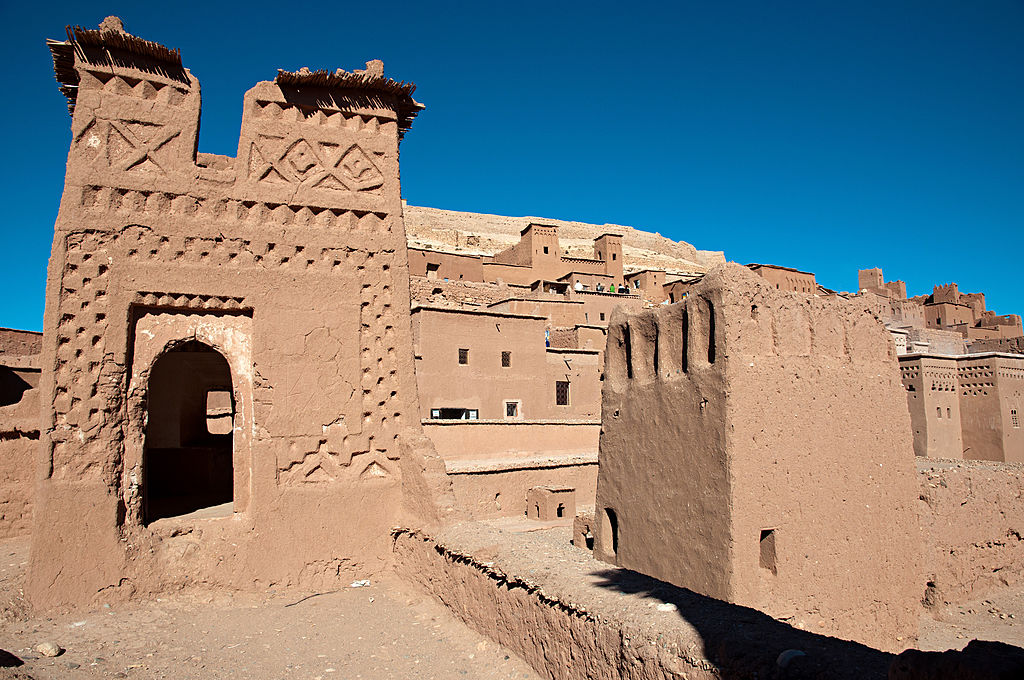
Adobe houses are very common in many regions of Peru and South America. They are built from a natural mixture of sun-dried clay, sand, and straw. This eco-friendly material provides excellent thermal insulation against both heat and cold. Adobe houses are particularly well-suited to dry and desert climates.
For centuries, they have been used by local communities due to their low cost and the availability of materials. Despite their simple appearance, these homes can last a very long time when properly maintained. Even today, adobe houses remain an important part of traditional architecture and Peru’s cultural heritage.
Trullo – Italy
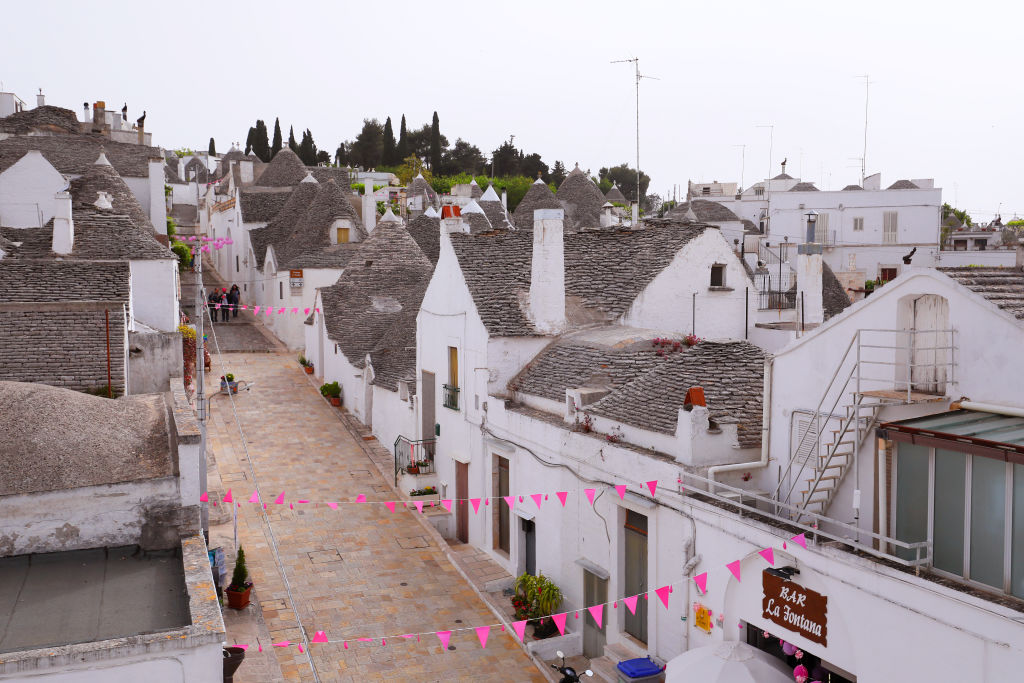
Trulli are small traditional houses found mainly in the Apulia region of southern Italy. These dwellings are easily recognizable by their white walls and conical stone roofs. Their unique architecture dates back several centuries and was built without mortar, which in the past allowed the structures to be quickly dismantled to avoid certain taxes.
Trulli offer excellent natural insulation against the summer heat. Today, many of these houses have been restored and converted into vacation rentals or charming hotels. Trulli have become a symbol of Italian heritage and attract visitors from around the world every year thanks to their picturesque appearance.
Colonial-style house – United States
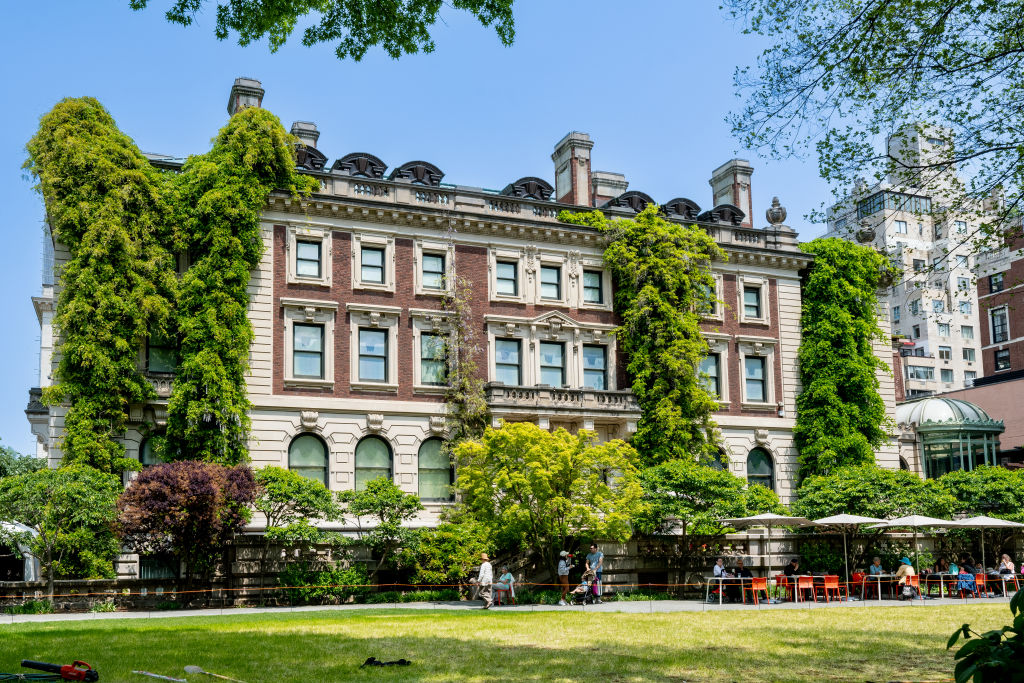
Colonial homes are among the most recognizable architectural styles in the United States. Inspired by the European architecture of the early settlers, they are distinguished by their symmetrical appearance, large fireplaces, and facades often constructed of brick or wood. These homes typically have two stories and a large central hall. The windows are arranged in a balanced pattern, creating a sense of classic elegance.
Very popular in New England, colonial homes remain beloved for their timeless style and functionality. Many modern versions retain traditional features while incorporating contemporary technologies and amenities tailored to the current needs of American families.
Igloo – Arctic
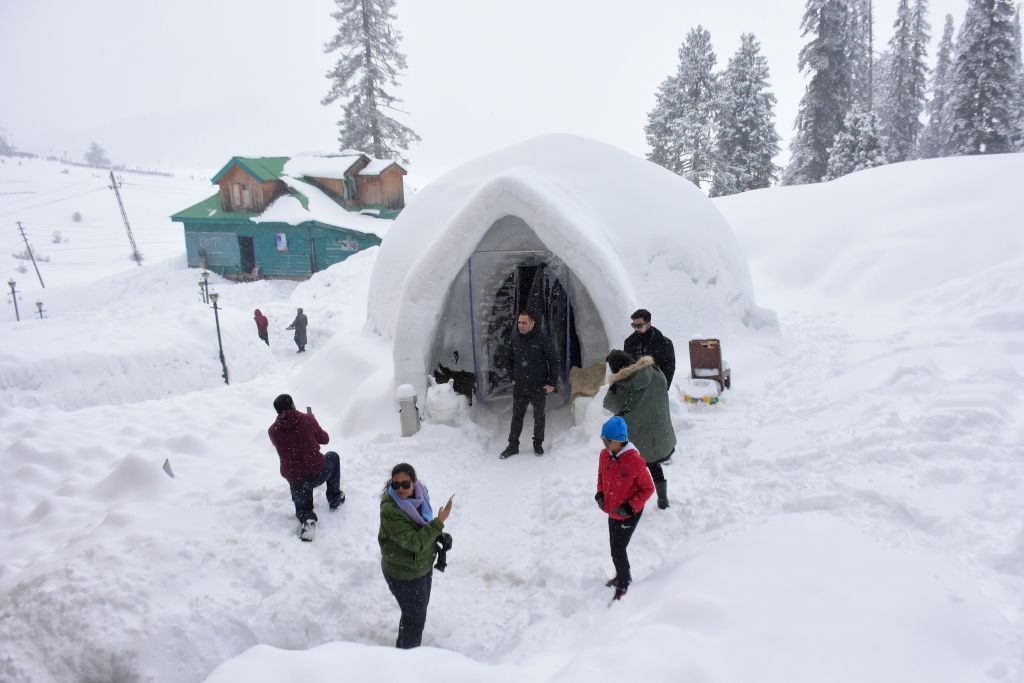
The igloo is a traditional dwelling used by Inuit peoples living in the Arctic regions of Canada and Greenland. Built from blocks of compacted snow, the igloo is specifically designed to retain heat inside despite extremely cold temperatures. Its rounded shape helps it withstand the strong winds of the polar regions.
Although the exterior is made of snow, the occupants’ body heat quickly warms the interior. Historically, igloos were used primarily as temporary shelters during hunting expeditions. Today, they remain an important symbol of Inuit culture and human ingenuity in the face of the extreme climatic conditions of the Canadian North and the Arctic regions.
House on stilts – Southeast Asia
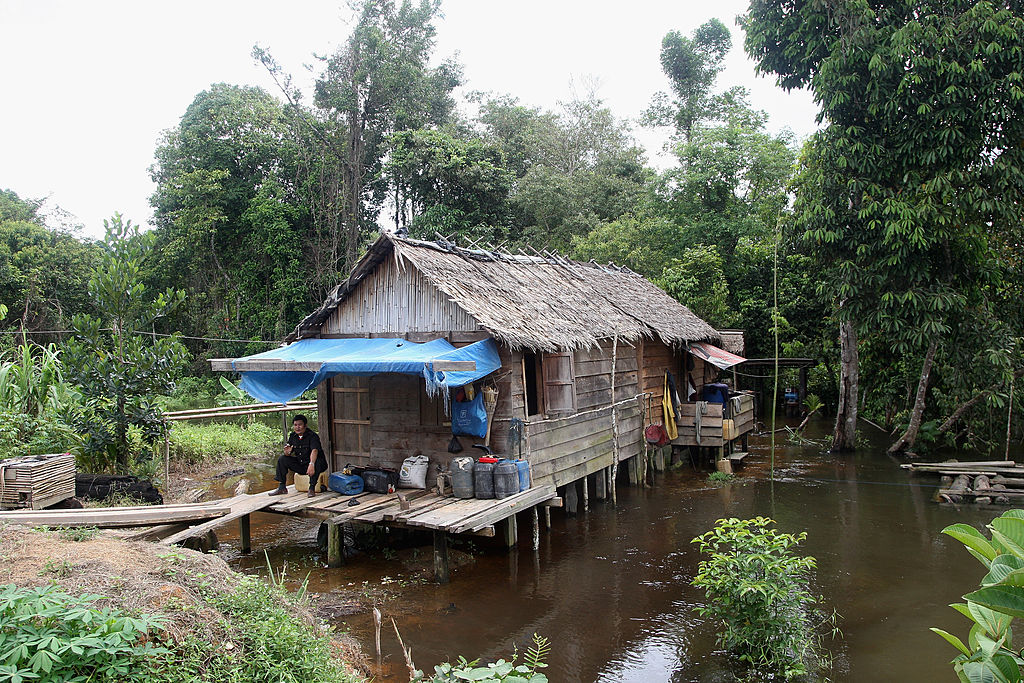
Stilt houses are very common in several Southeast Asian countries, such as Thailand, Vietnam, and Cambodia. These homes are built above ground using wooden or concrete posts to protect residents from flooding, humidity, and animals. They are particularly well-suited to tropical regions and areas near rivers.
The space beneath the house is often used to store tools or boats, or to create a shaded area. Natural materials such as bamboo and wood are frequently used in their construction. These houses perfectly exemplify how local populations have adapted to their natural and climatic environment.
Alpine chalet – Switzerland
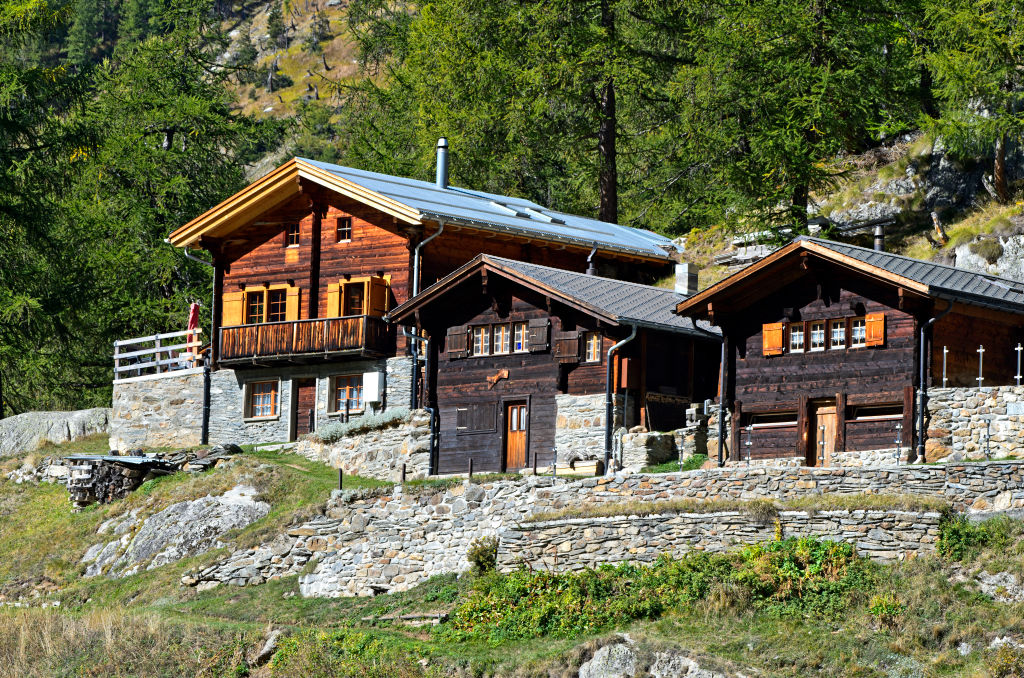
The Alpine chalet is one of the most characteristic types of housing in the mountainous regions of Switzerland and the European Alps. Built primarily of wood, it features a sloped roof designed to withstand heavy winter snowfall. Flower-filled balconies and large windows give the chalets a warm and welcoming appearance.
Originally, these houses served as shelters for farmers and herders living in the mountains. Today, they have become very popular as vacation homes and luxury residences in ski resorts. Thanks to their natural insulation and cozy atmosphere, Alpine chalets remain a symbol of the mountain lifestyle and winter tourism in Europe.
Victorian house – United Kingdom

Victorian homes are among the most iconic residences in the United Kingdom. Built primarily during Queen Victoria’s reign in the 19th century, they are distinguished by their elegant architecture and numerous decorative details. These homes often feature large windows, high ceilings, and colorful brick or stone facades.
Many Victorian homes also feature imposing fireplaces and spacious rooms suited for large families. Today, they are highly sought after in many British cities due to their historic charm and unique character. Despite their age, many of these homes have been modernized while retaining their original style, making them particularly popular on the real estate market.