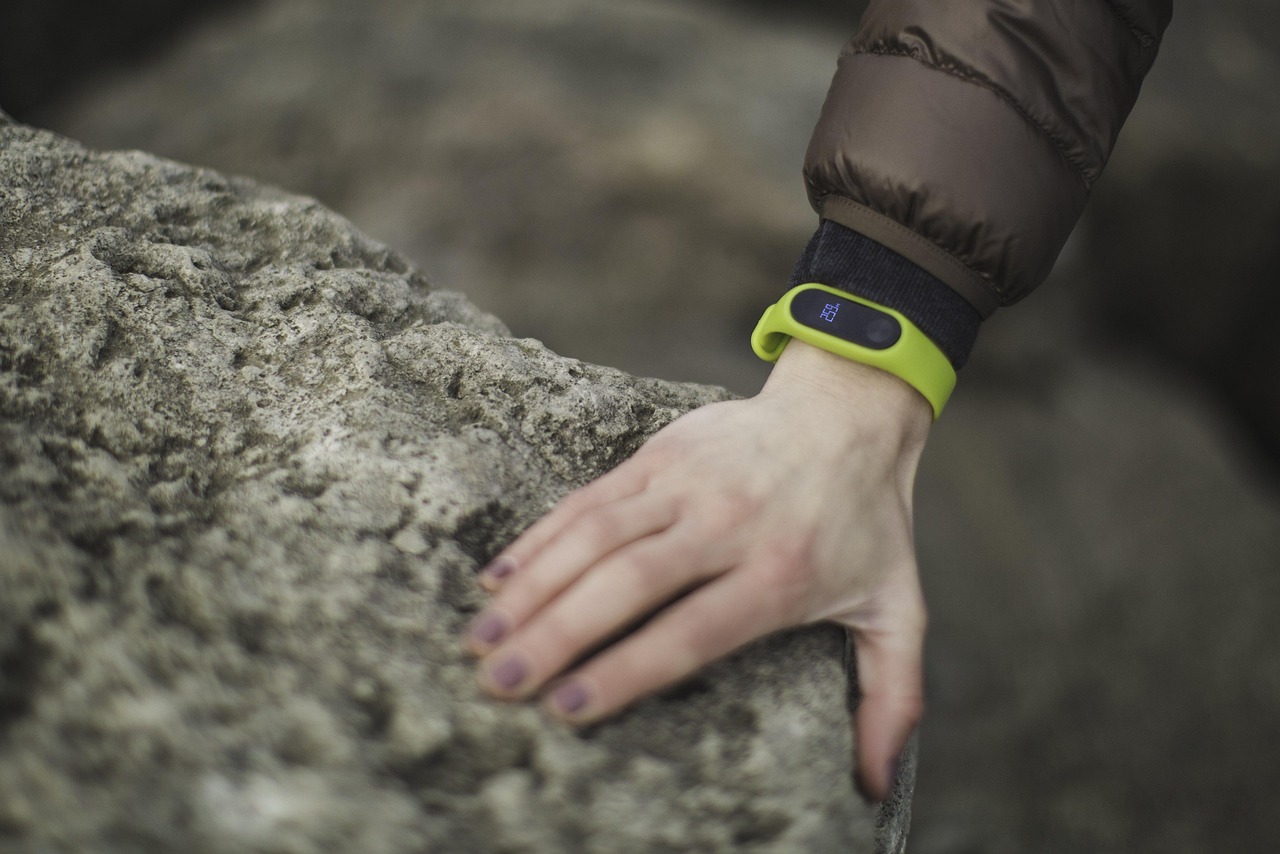
The use of wearable technology has led to increased demand in the healthcare industry. While covid-19 acted as a trigger for a number of transformations, the repercussions go beyond the health crisis. Today, many technological changes have expanded and continue to evolve. Let's take stock of these advances, which are redefining health monitoring.
Connected rings
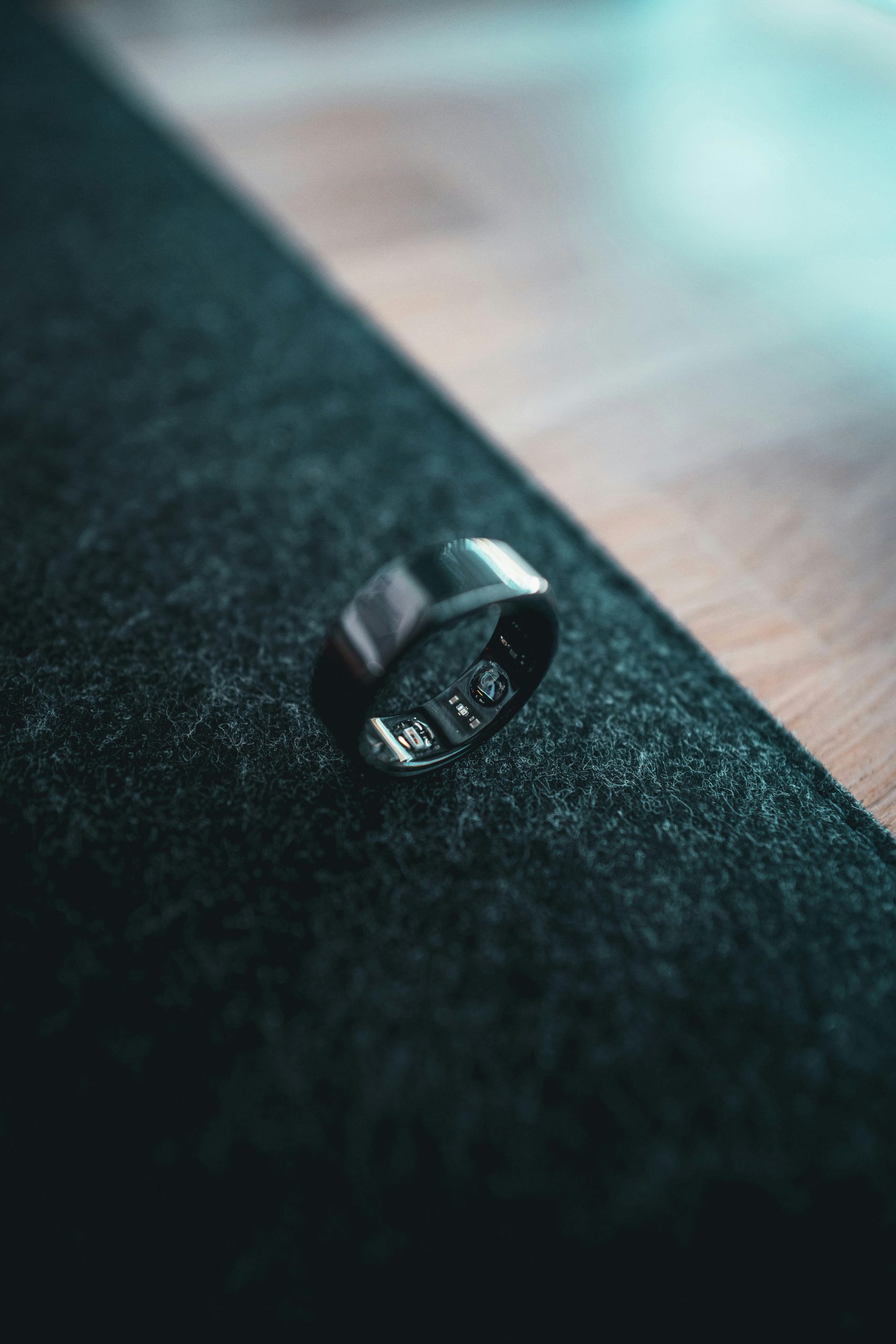
Smart health monitoring rings (such as the Oura Ring) continuously record physiological information such as sleep quality, temperature variations, heart rate and stress management. Lightweight and ergonomic, this type of device can be worn 24 hours a day and provides personalized reports on recovery and well-being.
Connected watches
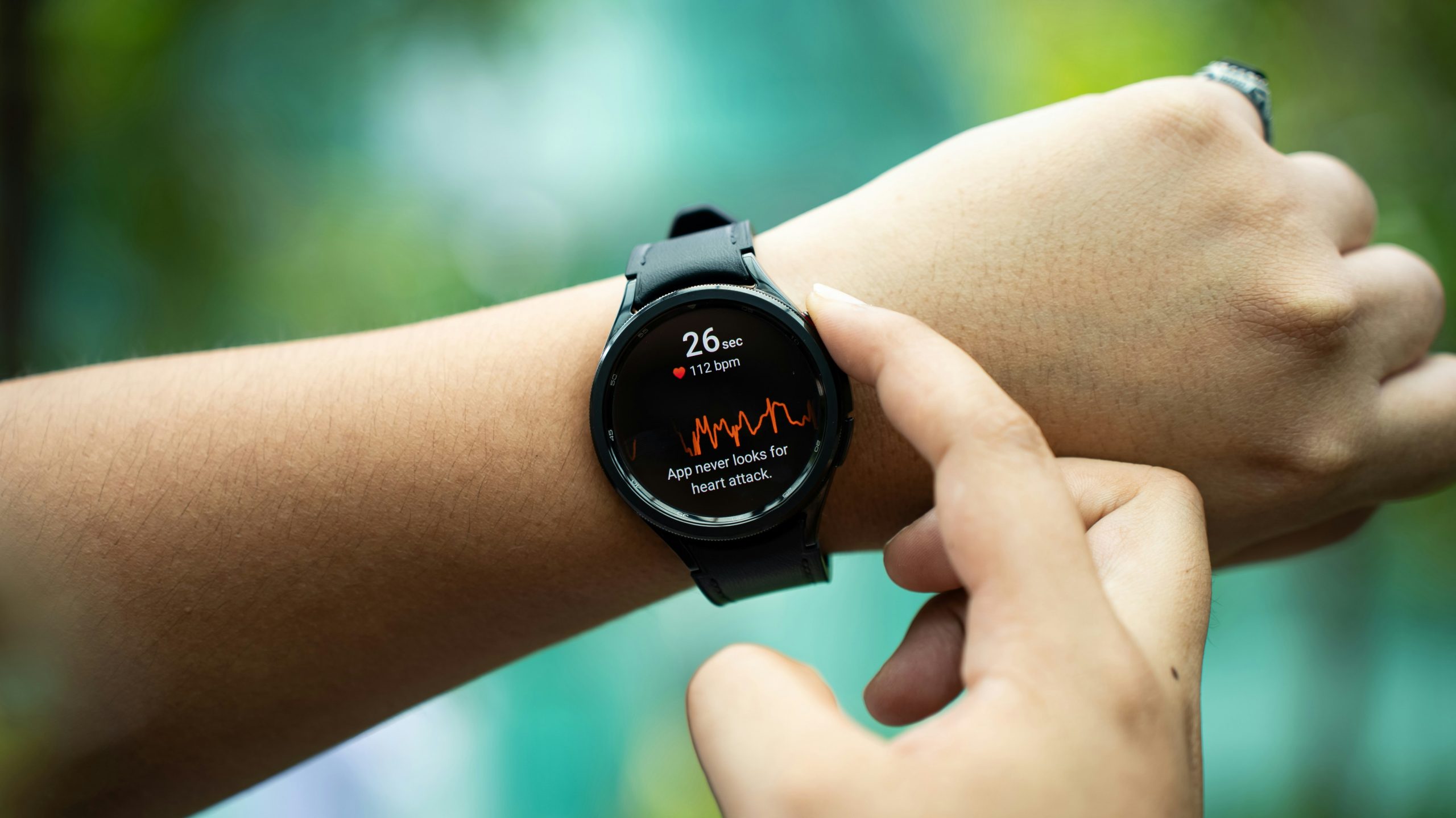
Available on the market, watches such as the Apple Watch and Fitbit guarantee continuous monitoring of heart rate, movement (steps, calories...) and can sound the alarm in the event of an emergency. They can also record sleep cycles and perform electrocardiograms, reinforcing their role in preventive health.
Trackers for seniors
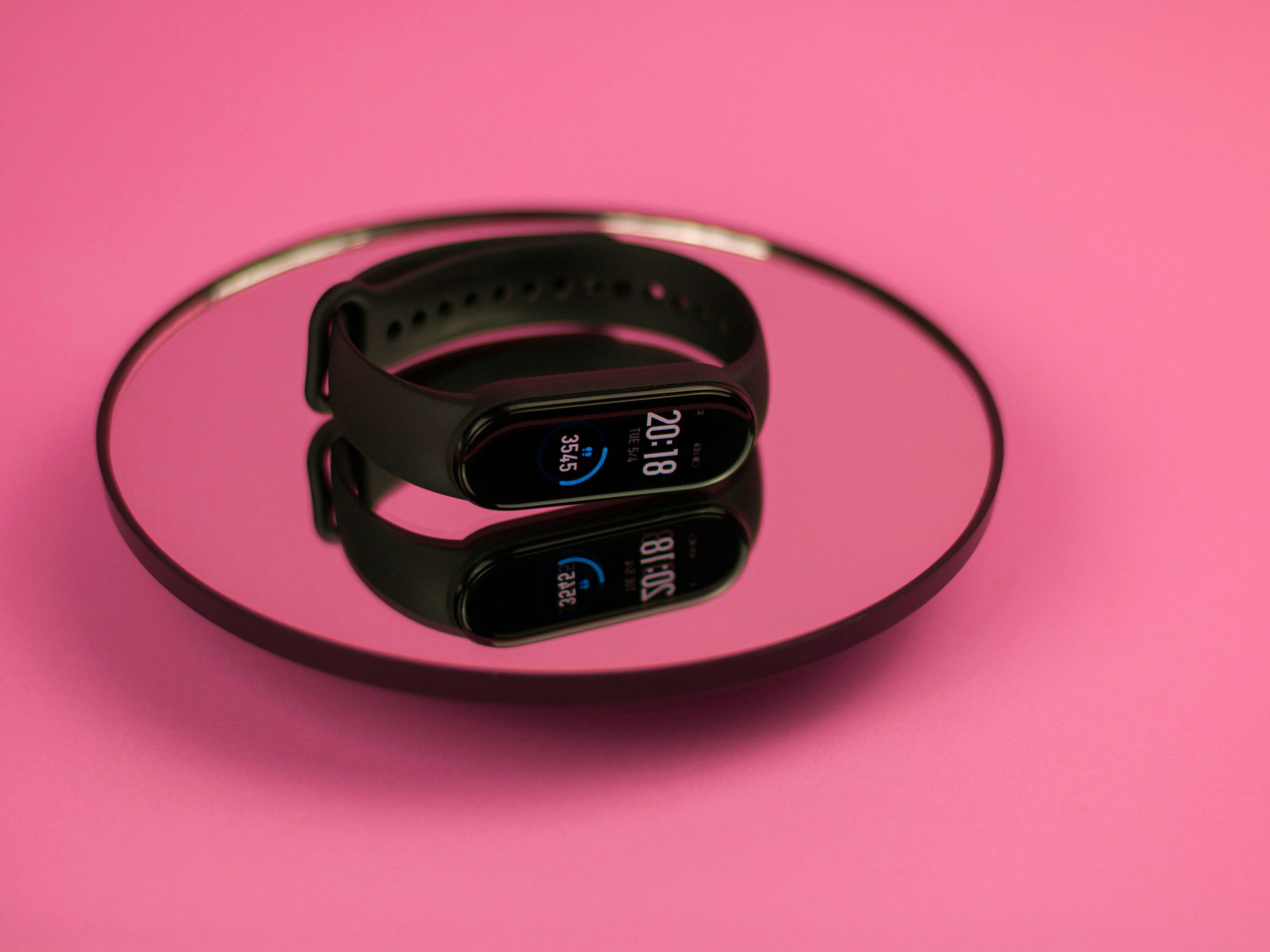
Specially designed for the elderly, these connected bracelets recognize falls thanks to their intelligent sensors, and immediately alert emergency services or relatives via the telephone network. This provides added security for seniors living alone at home.
The MGC
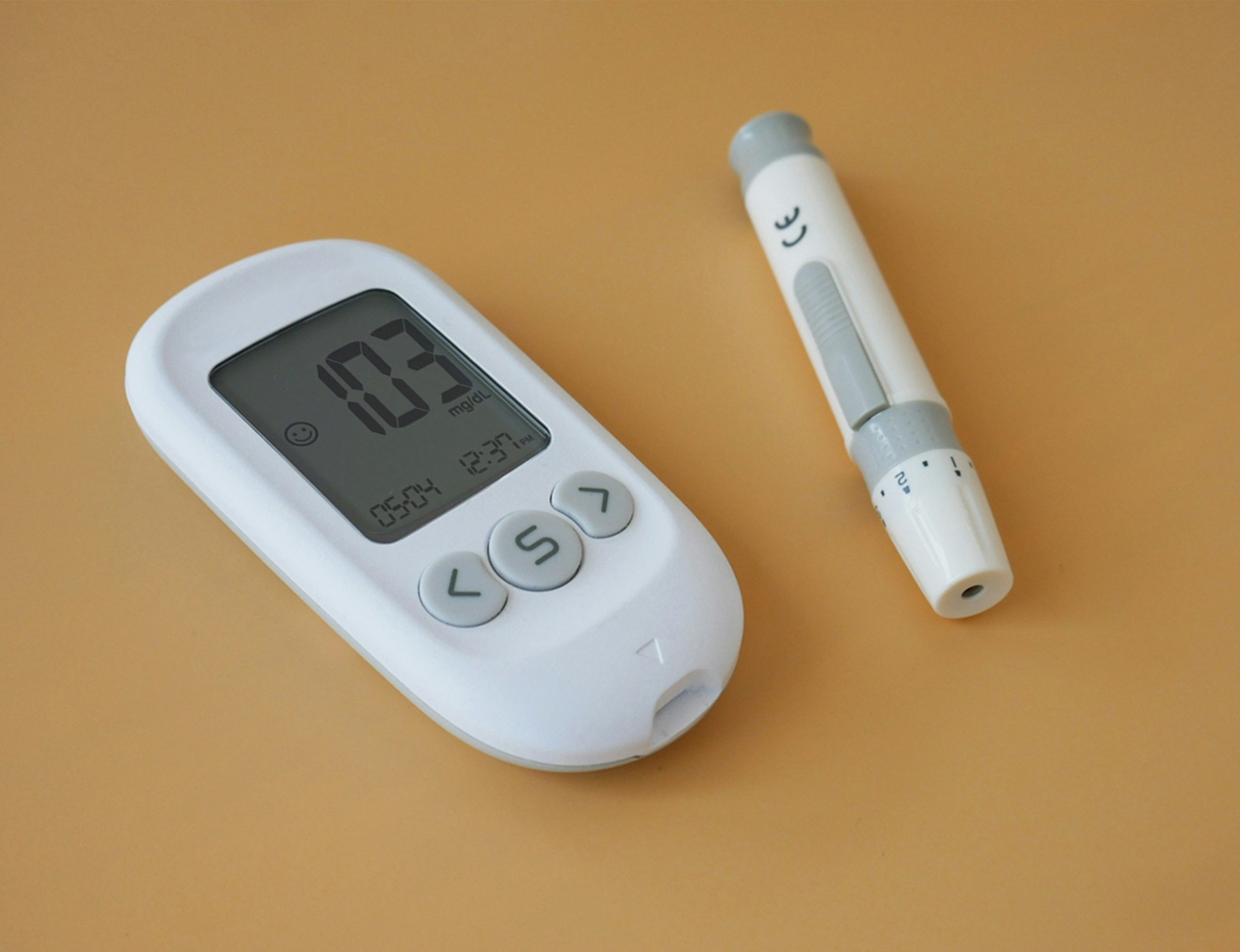
The latest generation of continuous glucose monitors (CGMs) represents a major advance in diabetes care. Automated transdermal detection devices offer a pain-free, more physiological solution than conventional capillary self-monitoring. These new sensors (FreeStyle Libre) measure sugar without bleeding via a discreet patch that sends data in real time to your phone.
Connected headphones
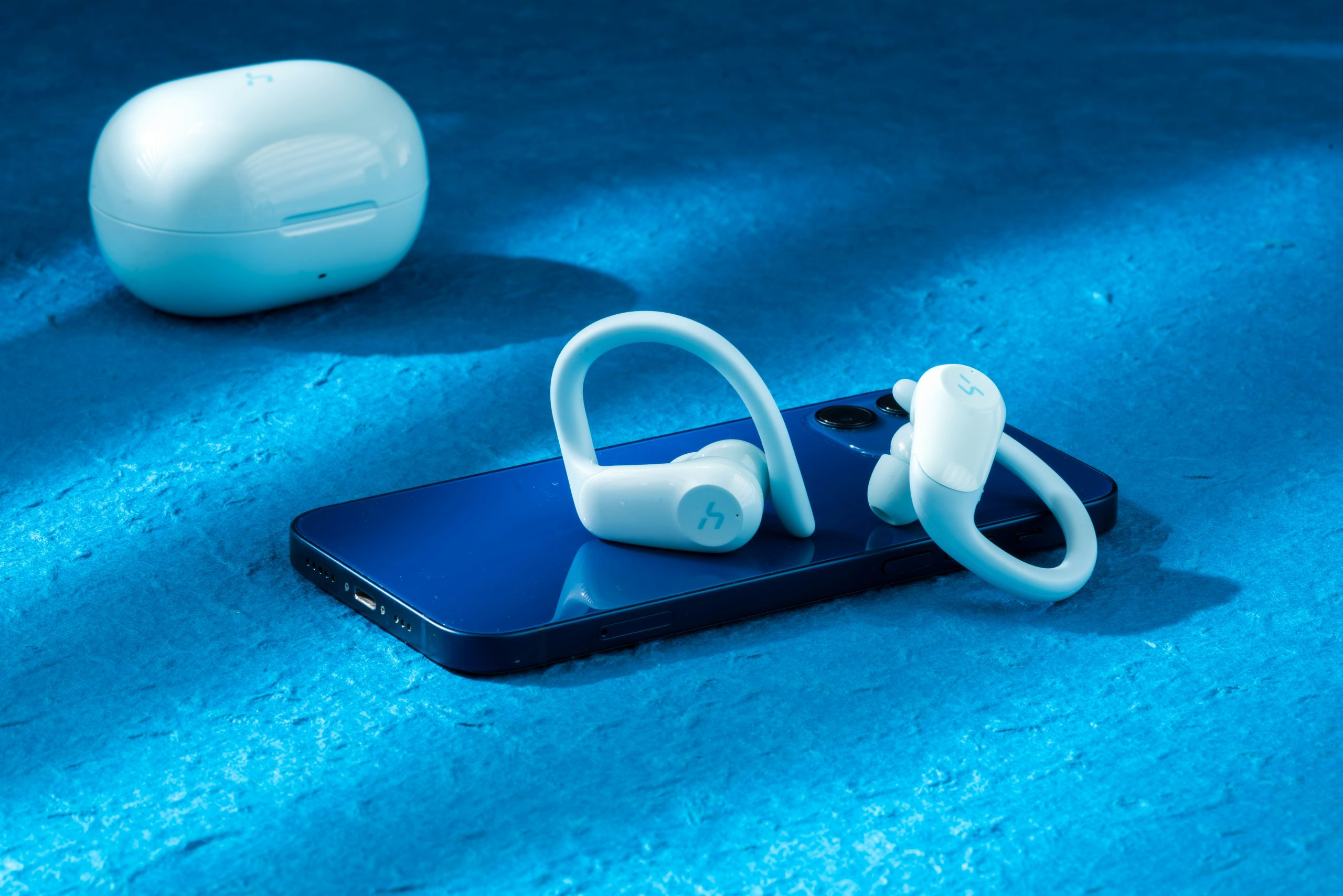
The latest innovations in connected earphones now include medical monitoring: these devices measure your breathing and blood oxygen levels in real time. Their in-ear design offers reliable measurements, thanks to their proximity to the ear's blood vessels.
Smart clothing

New-generation connected textiles incorporate woven electrodes that enable continuous electrocardiogram (ECG) recording, as well as postural monitoring during physical exercise. This technology promises reliable analysis of physiological variables, helping to limit the risk of injury during intensive sports activities.
Connected glasses
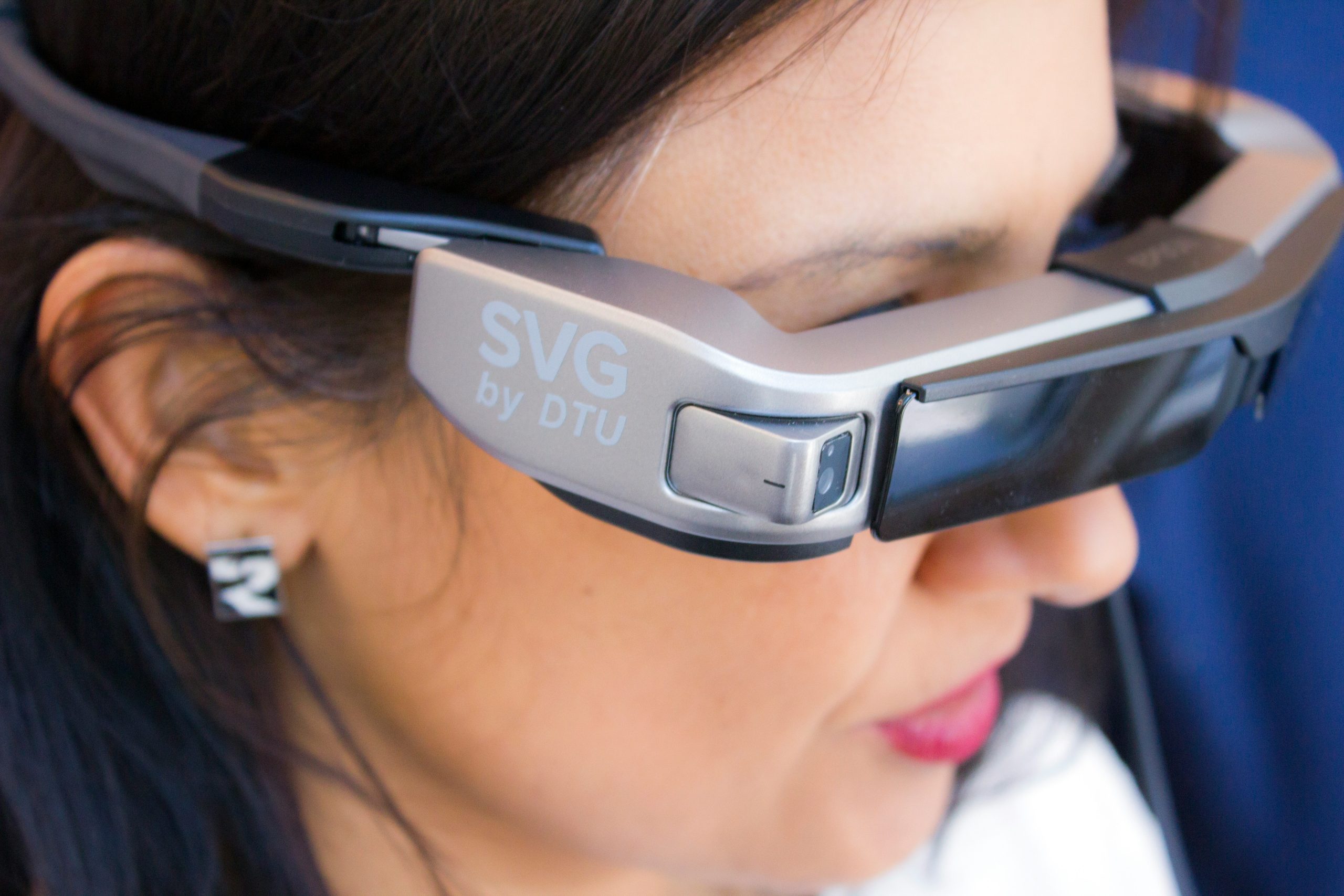
The latest generation of smart glasses now includes on-board tonometry systems for continuous blood pressure monitoring. Their ergonomic design conceals high-precision sensors located at the temples, guaranteeing a rather subtle solution for ambulatory cardiovascular monitoring.
ECG-enabled smartwatches
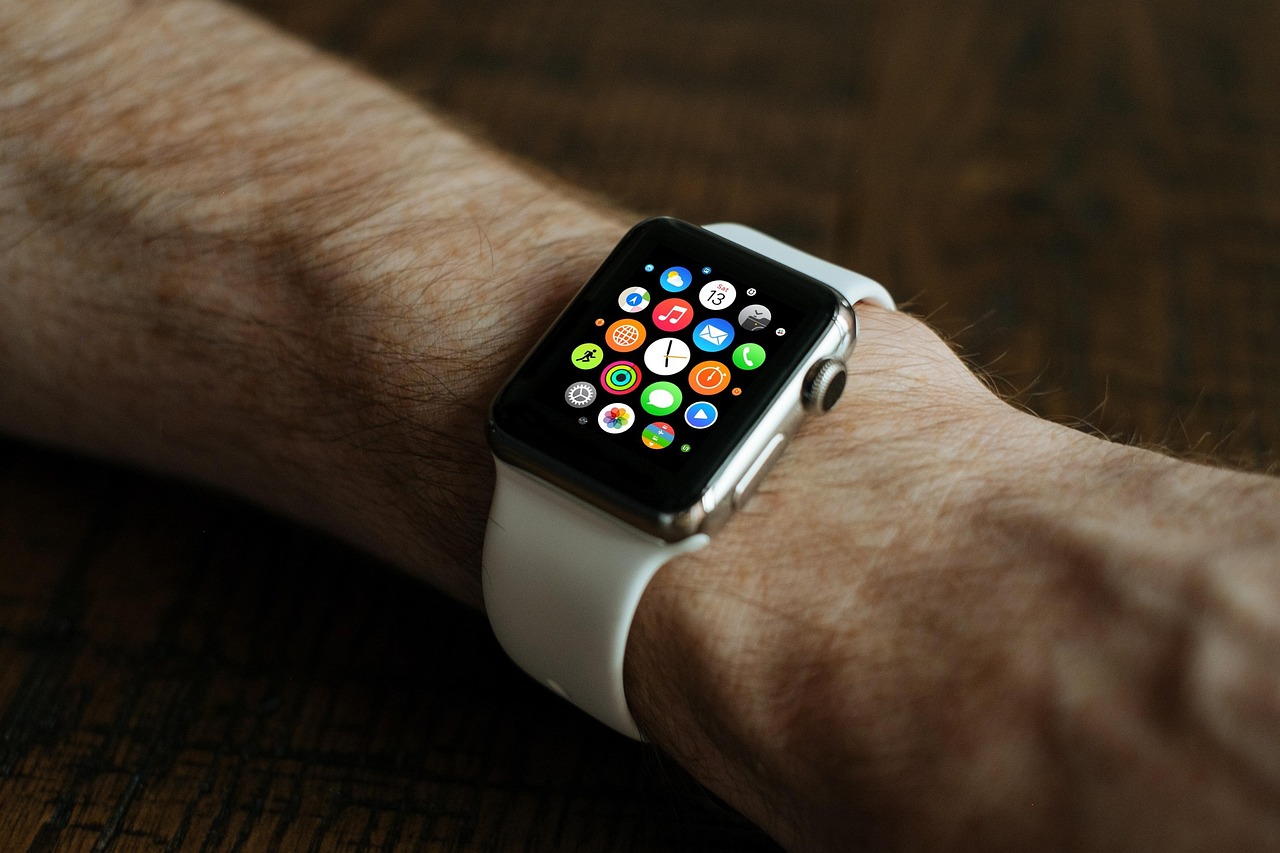
Today's smartwatches feature an on-board electrocardiograph (ECG), capable of identifying heart rhythm disorders such as atrial fibrillation. Health monitoring accessible from the wrist, without having to visit the doctor.
Miniature medical scanners

The advent of miniaturized body scanners has made it possible to detect critical physiological variables at an early stage: state of hydration, core temperature... Thanks to non-invasive optical and thermal technologies, remote medical monitoring is undergoing a veritable revolution.
Smart socks

Designed specifically for Parkinson's patients, these connected socks incorporate sensors that analyze walking parameters (cadence, regularity and symmetry). The device identifies characteristic motor anomalies and immediately issues alerts to prevent falls, thus optimizing patients' autonomy.
Abdominal adhesive patches

abdominal adhesive patches now monitor baby and contractions in real time during pregnancy. They enable continuous recording of uterine contractions and fetal heart rate. This innovation represents a complementary solution to traditional maternity monitoring systems, simplifying the monitoring of high-risk pregnancies.
UV exposure trackers
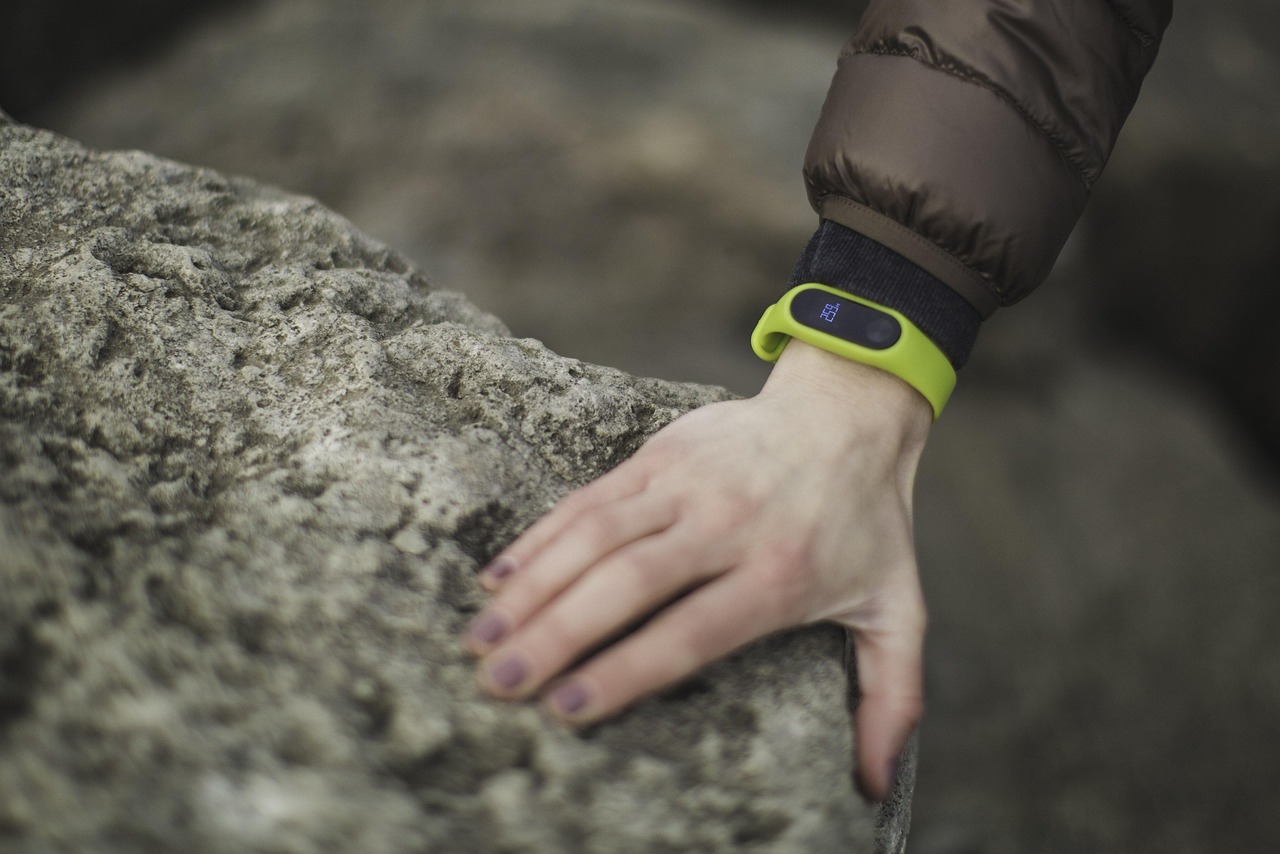
Wearable UV dosimetry devices, integrated into smartwatches or connected bracelets, assess sun exposure in real time. This technology helps prevent acute skin inflammation (solar erythema), as well as the carcinological risks associated with repeated overexposure.
Connected accessories for women

Connected gadgets now help women get to know their bodies better. Connected thermometers and vaginal biosensors record variations in body temperature and hormonal markers. Such data enable precise analysis of the ovarian cycle, useful for both conception and the diagnosis of endocrine disorders.
Portable sensors to monitor VFC
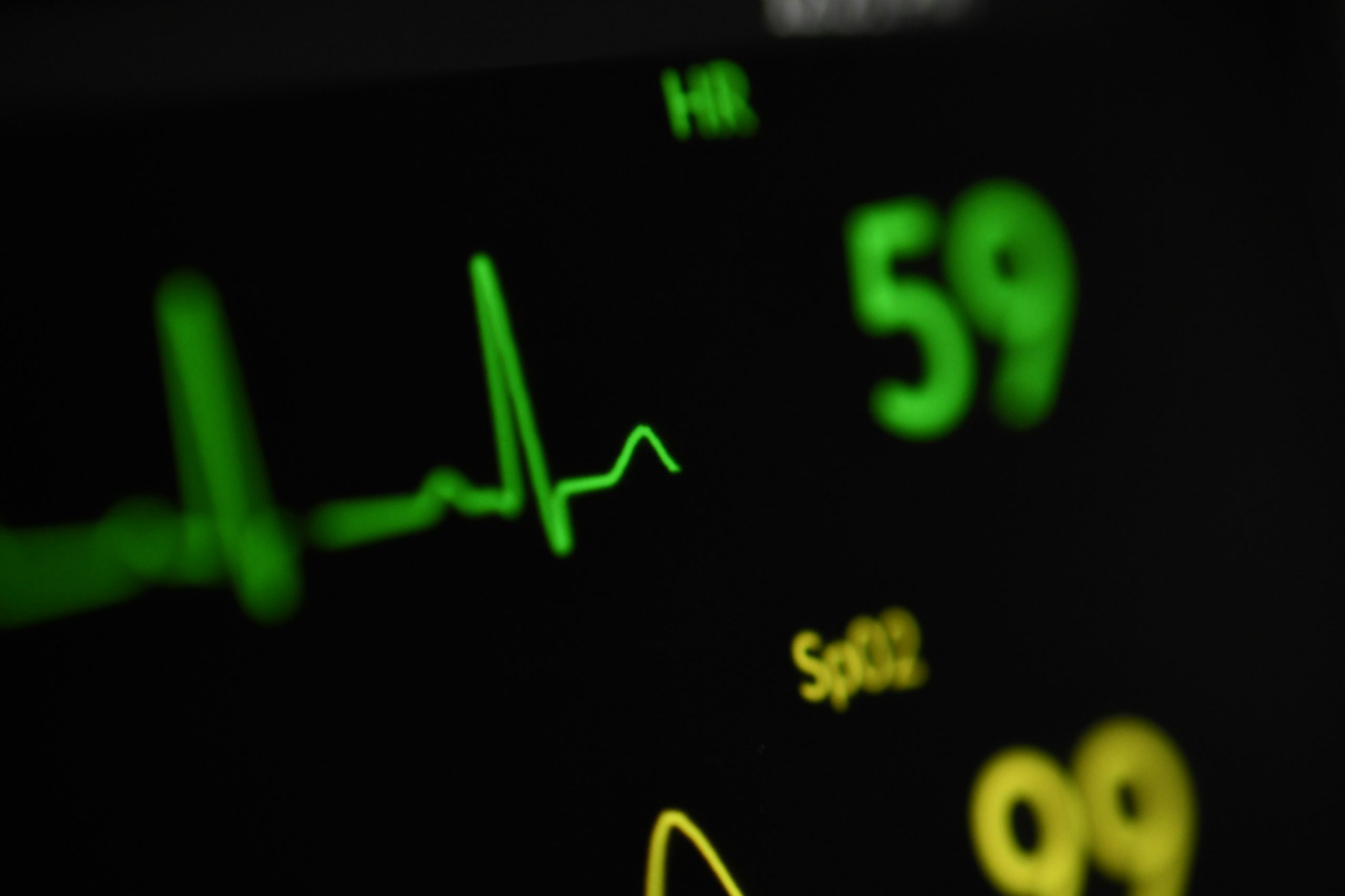
New-generation wearable devices now incorporate high-resolution photoplethysmography (PPG) sensors for precise analysis of heart rate variability (HRV). These objective measurements of the nervous system provide reliable indicators for improving physical activity and managing physiological stress.
Telemedicine platforms
Today's remote medical monitoring applications enable the secure transmission of all physiological parameters (blood glucose, blood pressure, saturation, etc.) to healthcare professionals. This remote transmission enables proactive management and therapeutic adaptation in real time. From now on, you can receive personalized advice without having to go anywhere.