5 Differences Between City and Country Life That Affect Your Energy Levels
Cities and the countryside couldn’t be any more different, so each environment has a profound effect on your mood and psyche. In particular, you should expect your energy levels to be majorly altered by the places you spend the most time in. Whether you live in a bustling city with millions of people bunched together or a calm country town with a sparse population, it is wise to consider how the circumstances will determine the overall vibe each day.
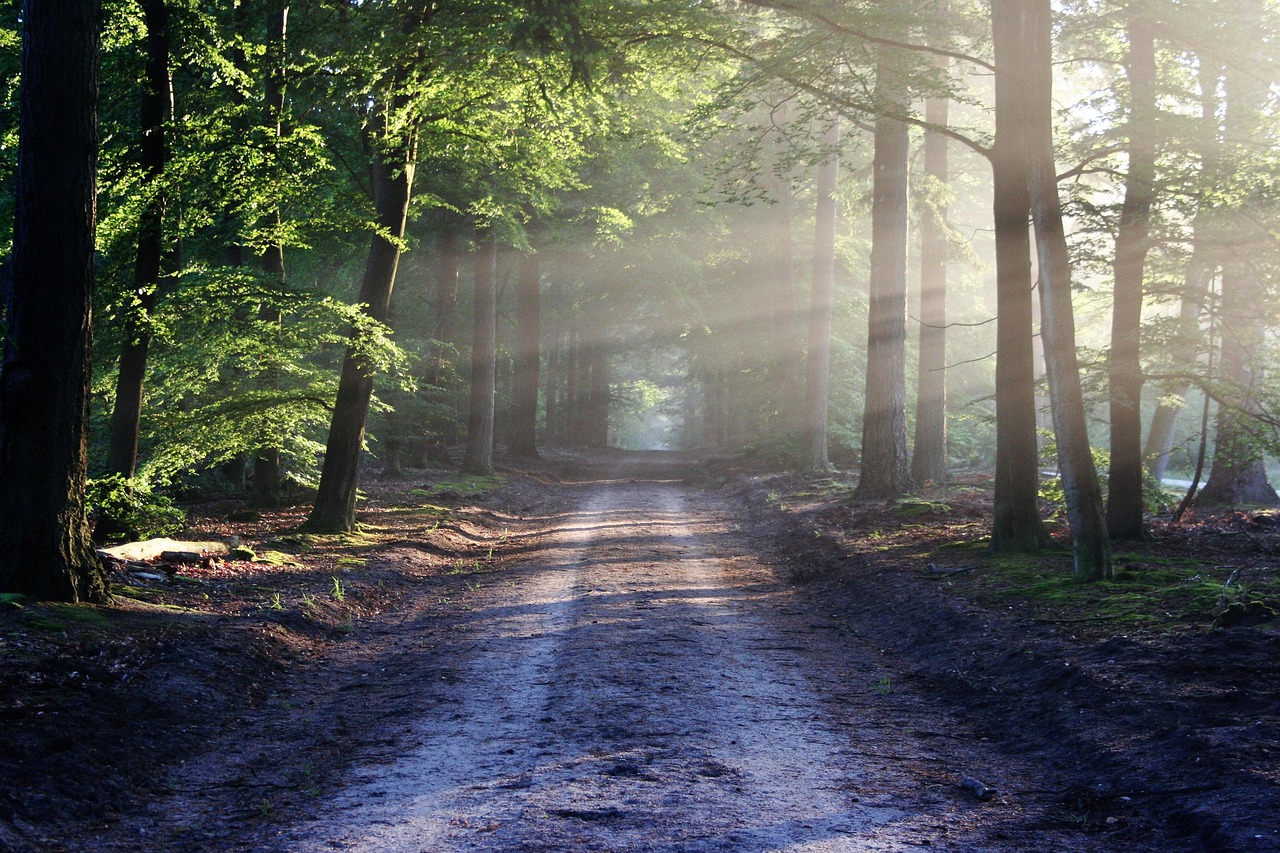
Cities and the countryside couldn't be any more different, so each environment has a profound effect on your mood and psyche. In particular, you should expect your energy levels to be majorly altered by the places you spend the most time in.
Whether you live in a bustling city with millions of people bunched together or a calm country town with a sparse population, it is wise to consider how the circumstances will determine the overall vibe each day.
The following points of contrast between city and country living provide a clear picture of how each environment shapes our energy levels based on a variety of simple daily factors that are easy to take for granted.
1. City: Nighttime Noise can Reduce Sleep Quality and Next-Day Alertness
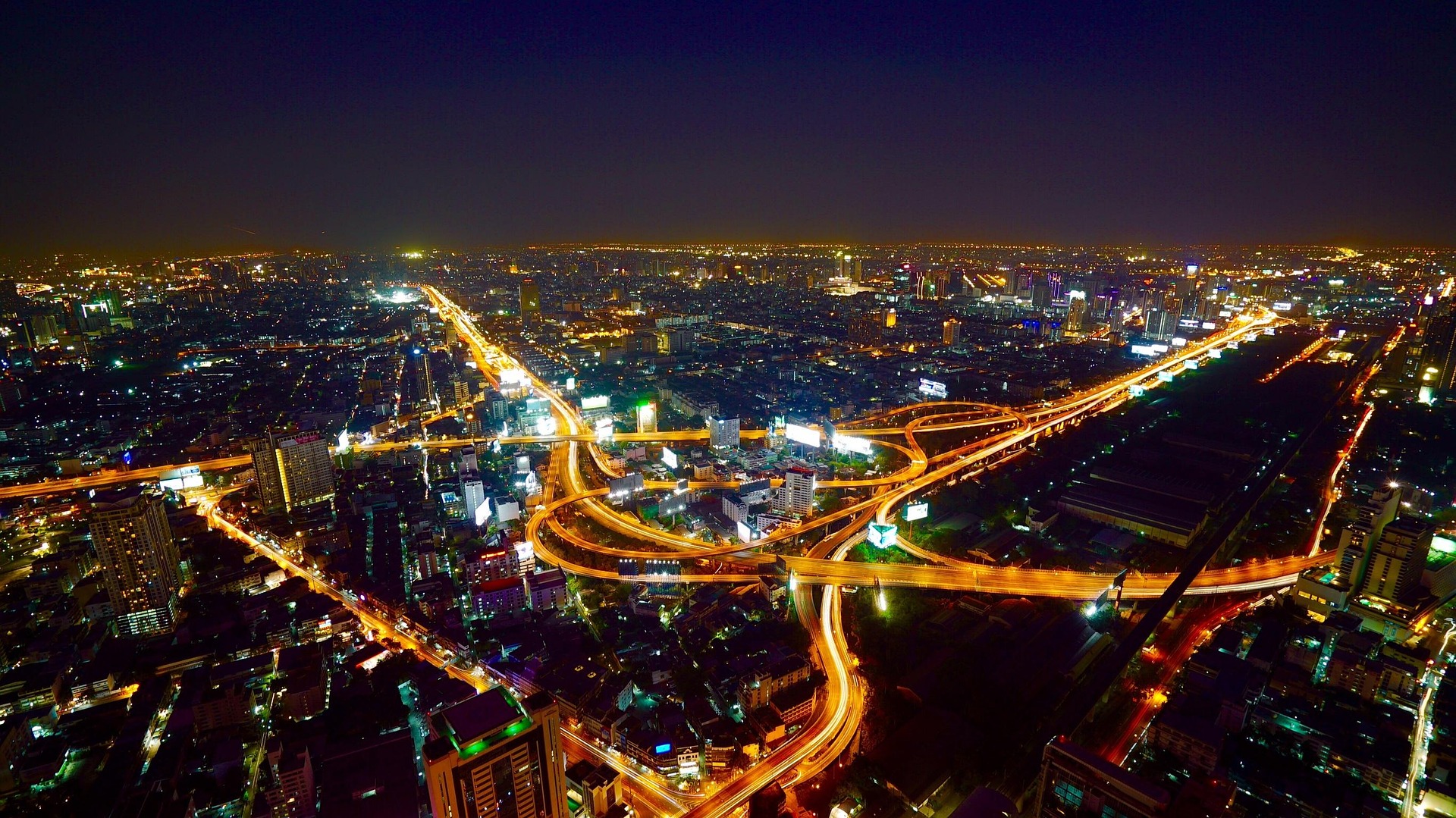
City life is filled with movement at every hour, traffic, pedestrians, late‑night deliveries, and the steady hum of urban activity. Even long after midnight, the noise rarely stops.
For light sleepers, this constant stimulation can lead to frequent awakenings and fragmented rest. Over time, poor sleep quality quickly translates into lower energy levels, irritability, and reduced focus the next day.
The city’s nonstop rhythm may feel exciting, but its soundscape can quietly chip away at your ability to recharge, making it harder to maintain steady energy throughout the week.
2. City: Light Pollution Disrupts Melatonin and Circadian Rhythm

Light pollution is another major factor that often disrupts sleep for city dwellers. When artificial light reaches your eyes at night, your body interprets it as a signal to stay awake, triggering biological responses meant for daytime.
This exposure interferes with melatonin production, the hormone responsible for regulating your circadian rhythm. As melatonin levels drop, your natural sleep–wake cycle becomes misaligned, making it harder to fall asleep and stay asleep.
Over time, this disruption leads to lighter, less restorative rest, and ultimately, lower energy levels throughout the day.
3. City: Walkability Encourages More Daily Movement
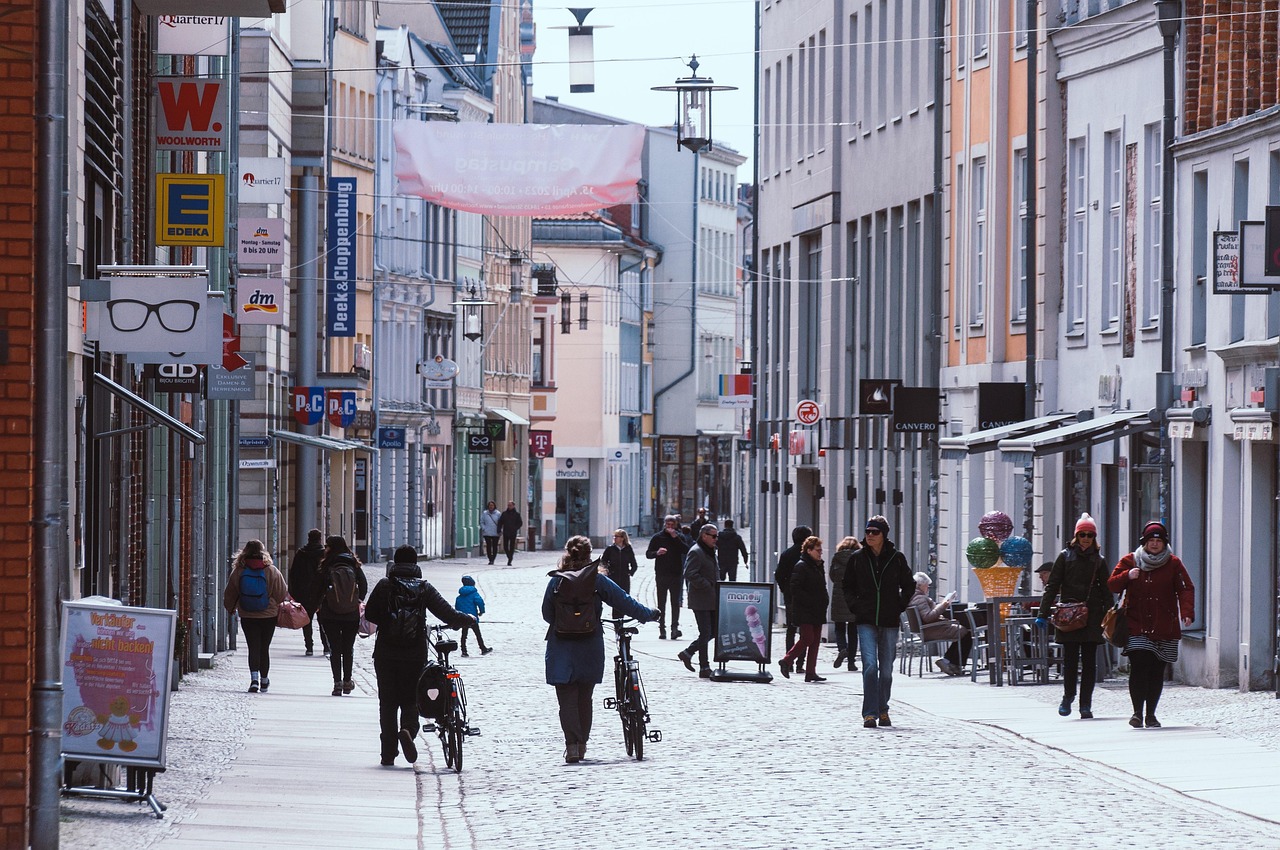
One of the underrated advantages of city living is how naturally it encourages daily movement. Instead of sitting in traffic or relying on long car rides, city dwellers often walk to the grocery store, cafés, transit stops, or work.
This steady, low‑intensity activity adds up throughout the day, improving circulation, stamina, and overall well‑being. Over time, consistent walking acts like a built‑in exercise routine, helping regulate energy levels and reducing feelings of sluggishness.
The city’s walkability may feel subtle, but it plays a powerful role in keeping your body active and your energy more stable.
4. City: Air Pollution (PM2.5) can Contribute to Fatigue
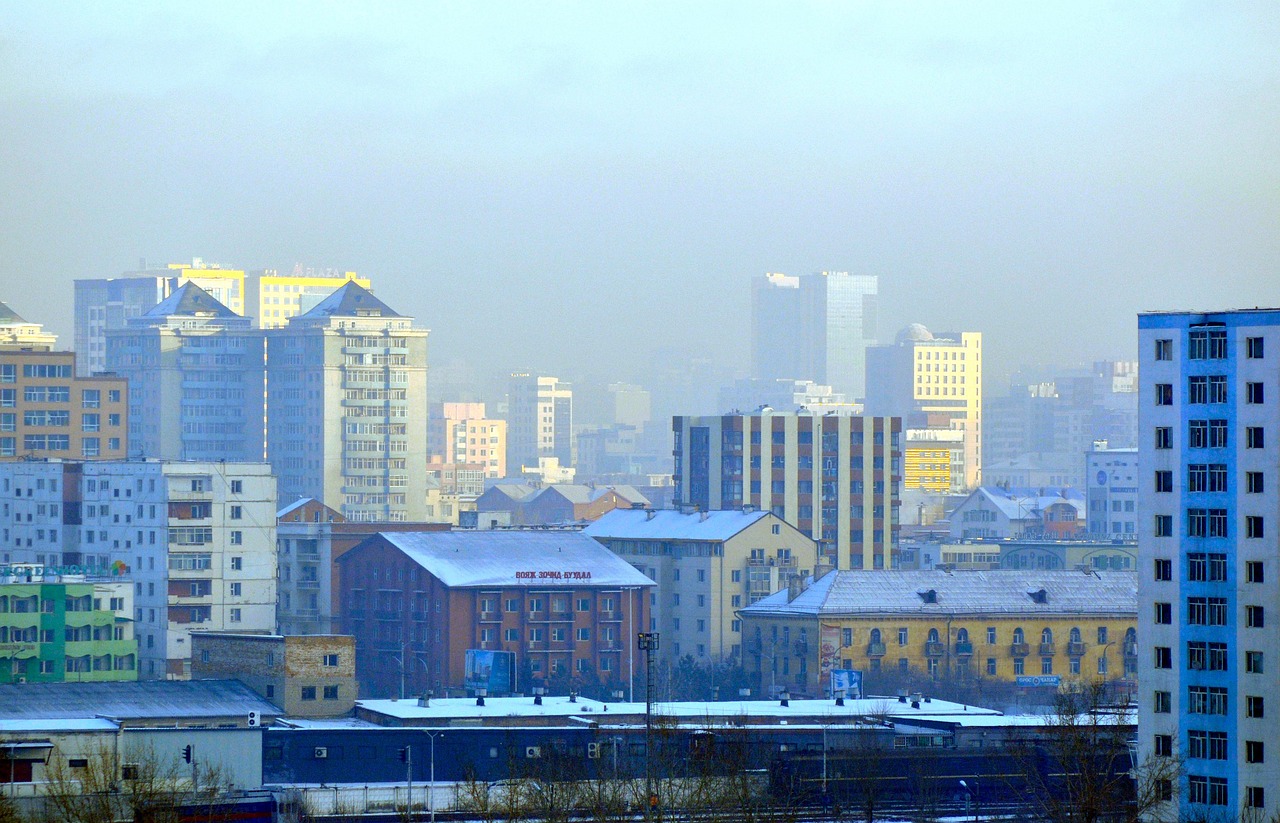
Densely built city environments often come with higher levels of smog and airborne pollutants. Each time you breathe in contaminated air, your body has to work harder to filter out those foreign particles and protect your respiratory system.
This extra effort increases your body’s overall workload, leaving you feeling tired more quickly than you would in cleaner environments. Over time, exposure to poor air quality can reduce stamina, impact focus, and make everyday tasks feel more draining.
In contrast, rural areas with fresher air allow your body to function with less strain, helping you maintain steadier energy levels.
5. City: Commute Stress can Drain Mental Energy
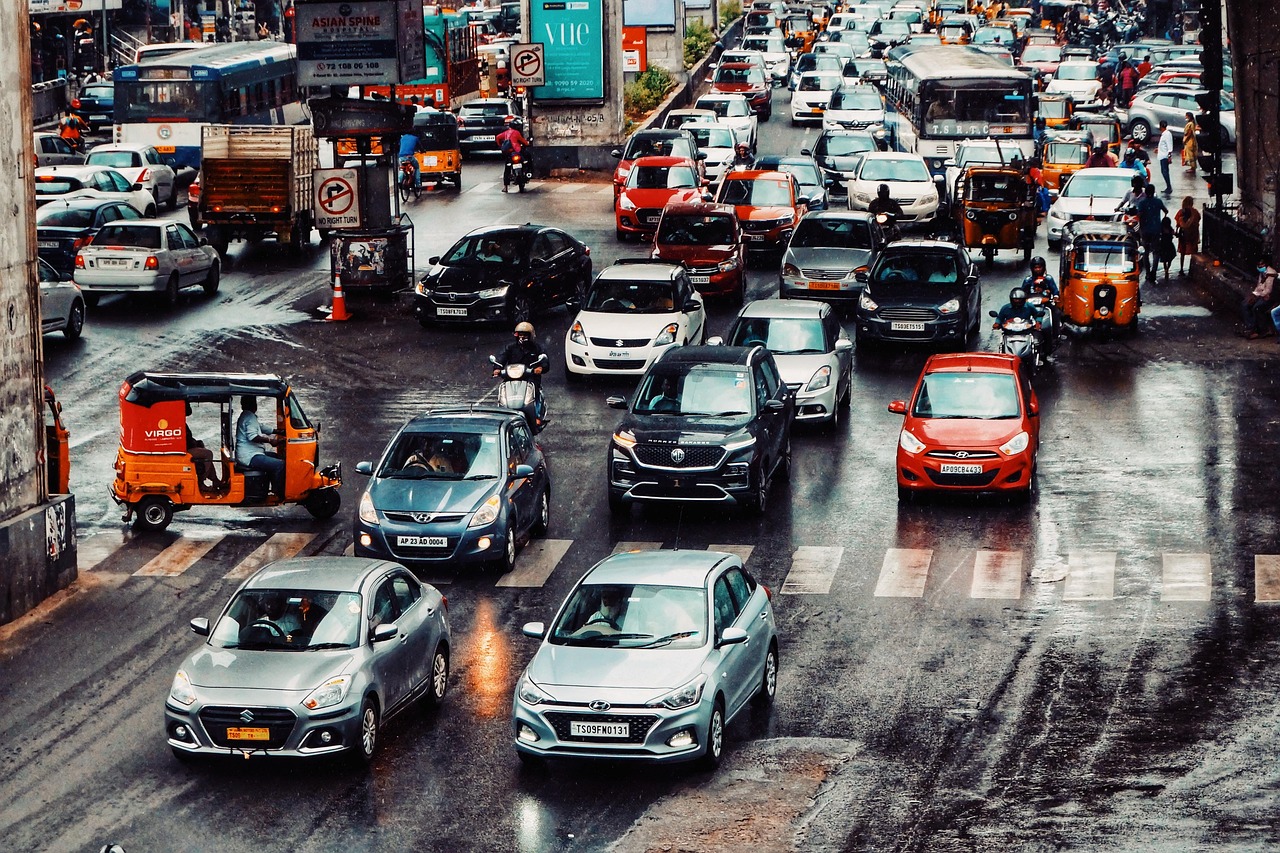
When your destination is too far to reach on foot, city life often forces you into overcrowded traffic. The sheer number of vehicles on the road means that even short trips can take far longer than expected.
Sitting still in a car, especially in stop‑and‑go congestion, quickly saps your energy. The lack of movement, combined with the stress of delays, can leave you feeling drained before you even arrive at your appointment or destination.
Over time, this passive, time‑consuming commute becomes a subtle but significant factor that lowers your overall energy levels.
6. Country: Darker Nights Support Deeper, More Restorative Sleep

Living in the countryside, or simply having more space between homes, means far less light pollution than in the city. With darker, quieter nights, your body can follow its natural cues and slip into deeper, more restorative sleep.
This uninterrupted rest helps regulate your circadian rhythm and supports consistent melatonin production, both essential for high‑quality sleep. A healthy, predictable sleep schedule is one of the strongest contributors to steady energy levels throughout the day.
In rural settings, the absence of artificial light becomes a powerful ally in keeping your mind clear and your body fully recharged.
7. Country: Nature Exposure can Restore Mental Energy
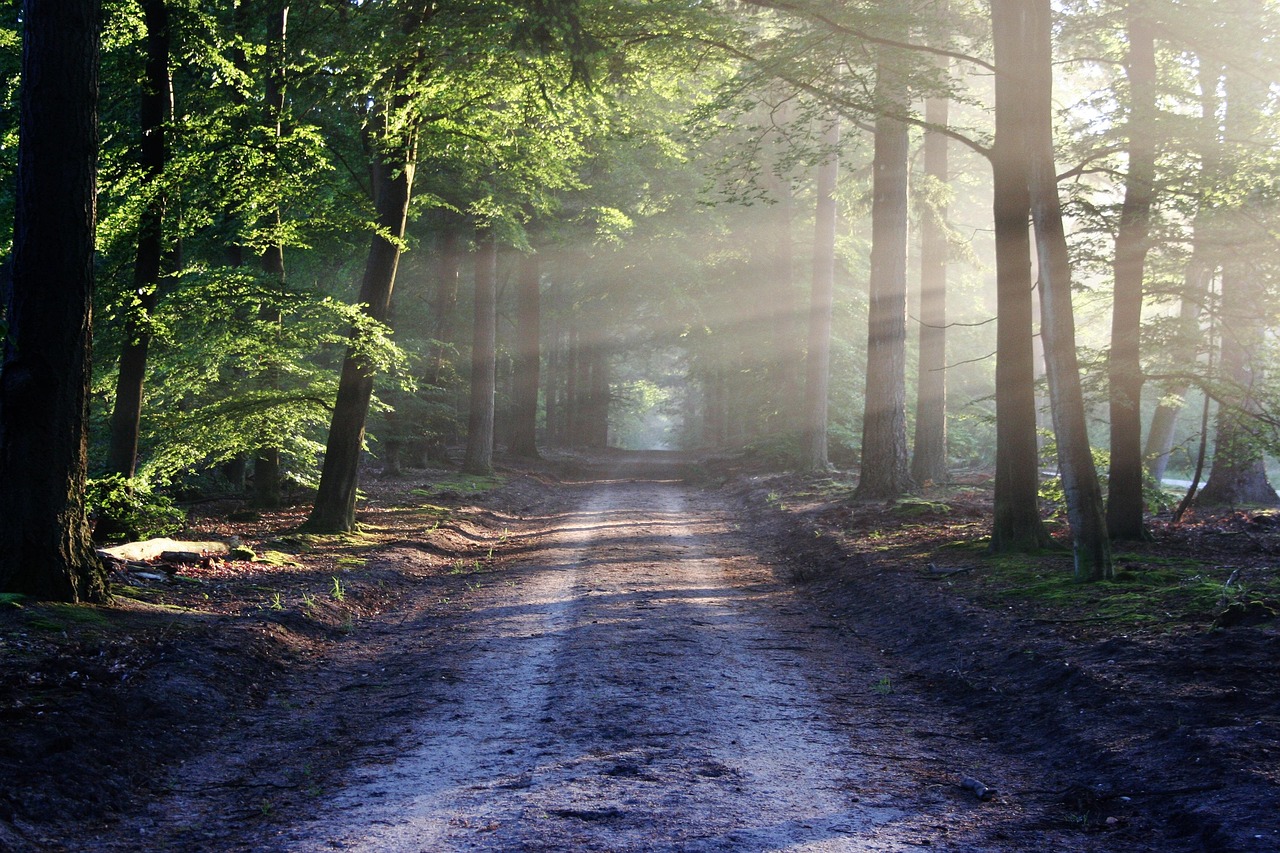
Spending time in nature often brings a deep sense of calm that many people struggle to find in their daily, hyperconnected routines.
Away from constant notifications and the fast‑paced dopamine rush of modern life, the countryside offers space to slow down and reconnect with your thoughts.
Natural environments, forests, fields, quiet trails, create a therapeutic effect that helps your nervous system reset. This mental stillness reduces stress, improves emotional balance, and ultimately boosts your energy levels.
In rural settings, the abundance of peaceful outdoor spaces makes it easier to experience this restorative, grounding effect regularly.
8. Country: Quieter Environments Help Reduce Stress

Just like the calming effect of nature, the countryside offers plenty of space to find true quiet when you need it. While the natural world has its own gentle soundtrack, there’s always enough distance and openness for pockets of deep stillness to form.
Without the constant noise, alerts, and information overload of city life, your mind can finally settle. This mental pause allows your nervous system to reset, helping you return to your day feeling refreshed, focused, and energized. In rural settings, quiet isn’t a luxury, it’s a built‑in source of renewal.
9. Country: Outdoor Chores Provide Regular Physical Activity

Country living often comes with fewer public services and less built‑in infrastructure, which means homeowners handle many tasks themselves.
Whether it’s maintaining a homestead, managing a small farm, chopping wood, or even drawing water from a private well, these responsibilities demand real physical effort.
Unlike the light activity of walking a few city blocks, rural chores often function as full‑body workouts. This consistent, functional exercise builds strength, endurance, and overall fitness.
As your body adapts, your baseline energy levels rise, helping you feel more capable and energized throughout the day.
10. Country: Longer Drives to Amenities may Mean More Sitting Time
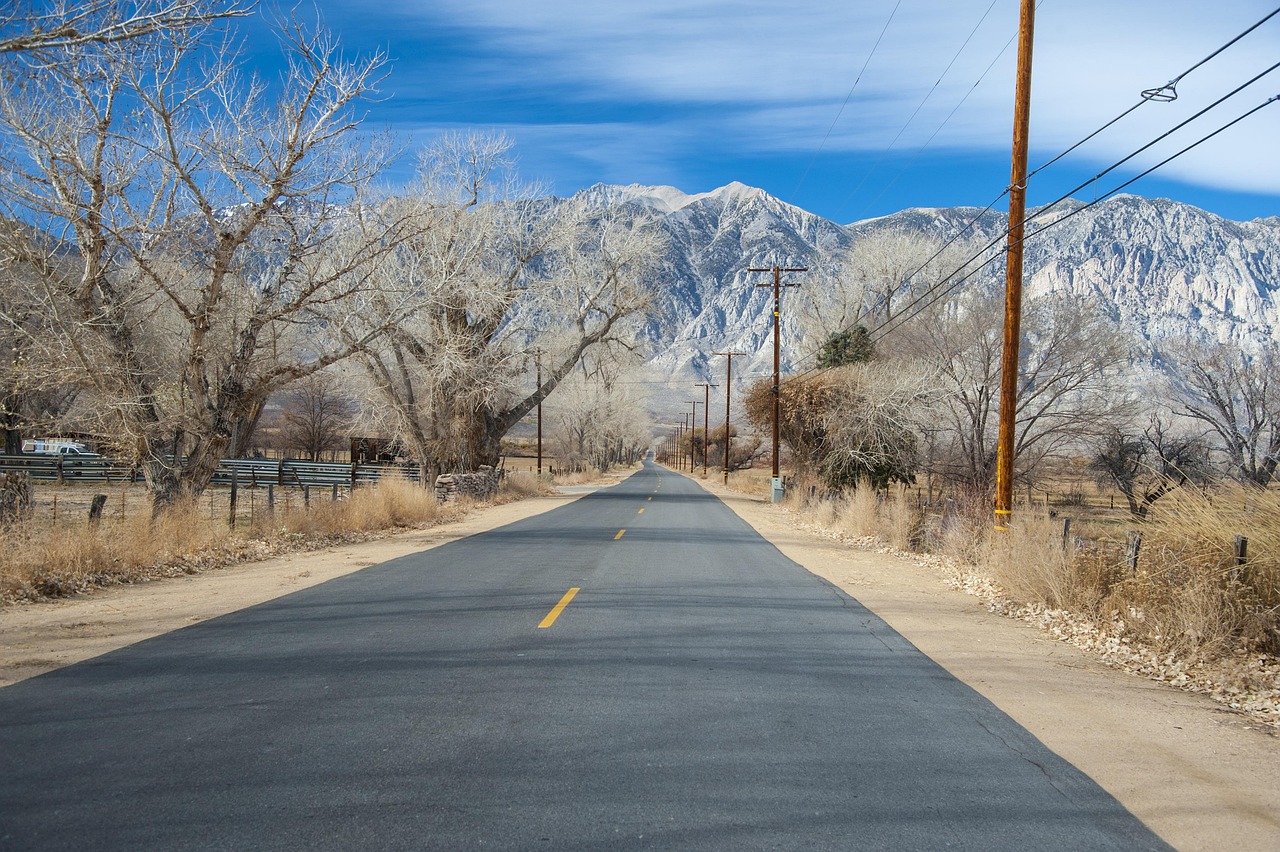
In the countryside, grocery stores, services, and other businesses are often miles apart, turning even simple errands into long drives. While the scenery may be peaceful, spending extended periods sitting in a car can be surprisingly exhausting.
Without movement, your body slips into a low‑energy state, and the monotony of slow rural roads can make fatigue creep in before you realize it.
By the time you reach your destination, you may already feel drained. These long, passive commutes become an unexpected factor that lowers daily energy levels for many rural residents.