It is well known that the motivation to fully immerse oneself in reading can be greatly influenced by the environment in which one engages in this activity. Furthermore, in today’s society, where distractions can be constant due to information and communication technologies, it is necessary to choose a suitable place to engage in intensive and inspiring reading. Whether at home or outdoors, various types of spaces can prove to be highly conducive—or, conversely, not very conducive—to concentrating on reading.

It is well known that the motivation to immerse oneself fully in reading can be greatly influenced by the environment in which one engages in this activity.
Moreover, in today’s society, where distractions can be constant due to information and communication technologies, it is necessary to choose a suitable place to engage in intensive and inspiring reading.
Whether at home or outdoors, various types of spaces can be highly conducive to—or, conversely, not very conducive to—concentrating on reading.
Here is a selection of 5 inspiring reading spots and 4 places that are not conducive to focusing on reading.
1. A park or outdoor green space
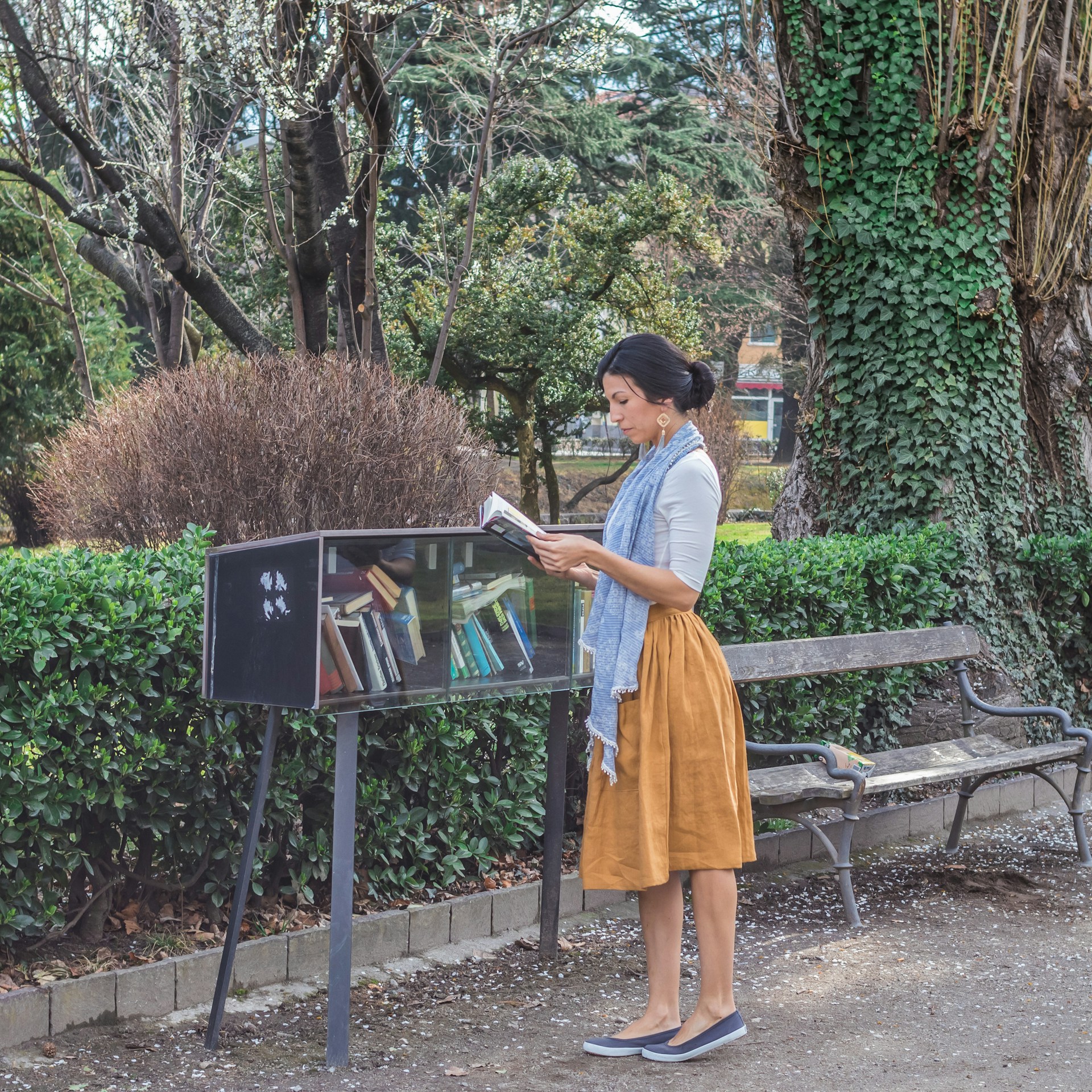
Settling down in a park or green space to read your current book is like treating yourself to a moment of calm and respite.
The rustling of leaves, the gentle breeze, and the soothing presence of trees create an environment conducive to relaxation. Nature sparks inspiration, promotes deeper concentration, and helps release the tensions accumulated in daily life.
In this lively yet peaceful setting, reading becomes more immersive: you let yourself be carried away by the words while enjoying a setting that soothes the mind and nourishes the imagination.
2. A reading nook at home
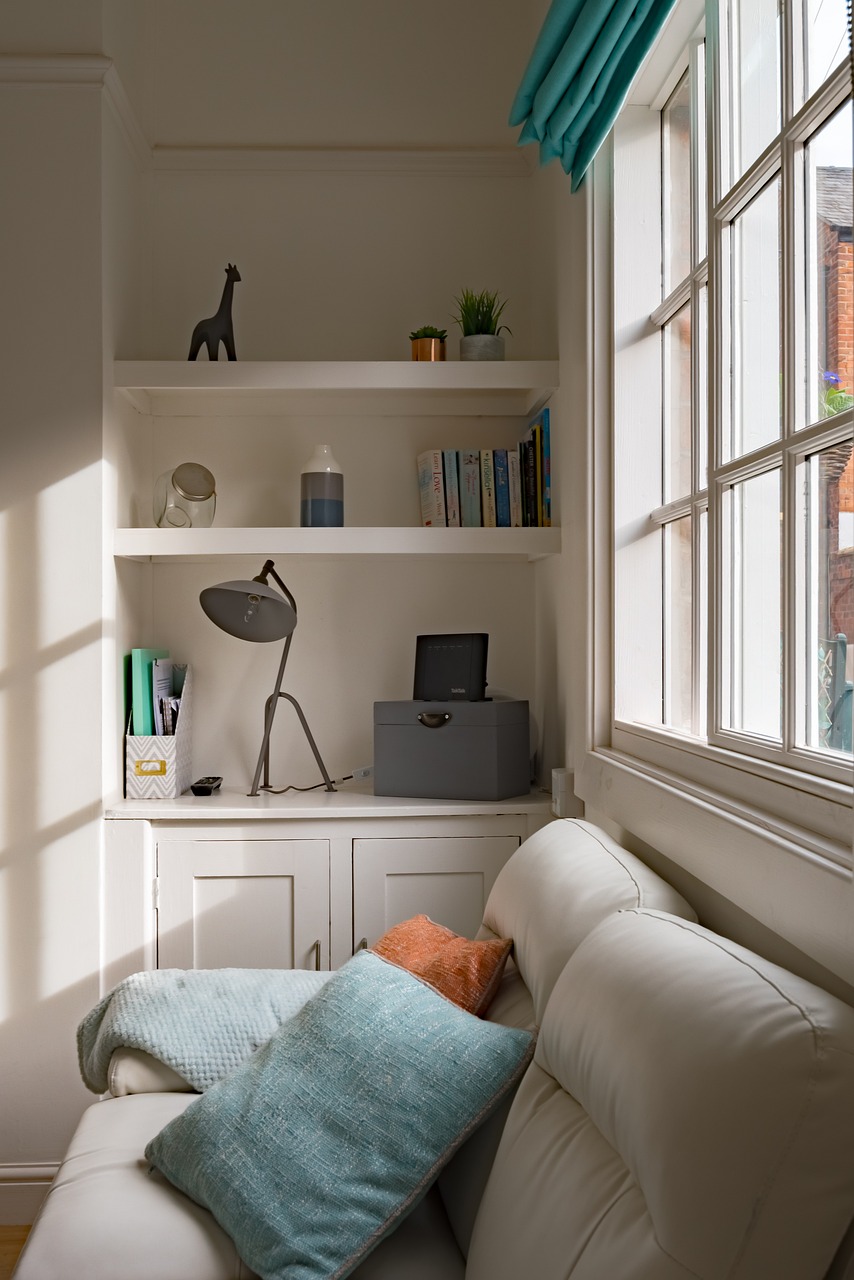
For book lovers, creating a quiet and cozy reading nook is a true source of well-being and serenity.
This dedicated space should offer an atmosphere conducive to escape: warm lighting that softens the ambiance, comfortable seating you can snuggle into, soft colors that soothe the mind, and some storage to keep your favorite books within reach. A small side table, a throw blanket, or a plush cushion can complete the look.
This space then becomes an intimate refuge where you can disconnect from daily life and fully savor the pleasure of reading.
3. A Zen space

Creating a serene reading nook in your home is a wonderful way to enjoy your books in an atmosphere of deep calm. To create this sanctuary, it’s essential to focus on a minimalist, personalized, and comfortable environment.
A soft seat, a few cushions, soft lighting, and soothing colors help reduce distractions and promote sustained concentration. You can add personal touches—a plant, a candle, a small rug—to enhance the cozy, cocoon-like feeling.
This space then becomes a true sanctuary where the mind can refocus and where reading takes on a more meditative quality.
4. A quiet, uncrowded café

A café that isn’t too crowded, especially in the morning, can become a surprisingly inspiring spot to read. The atmosphere is relaxed: a few hushed conversations, the aroma of freshly ground coffee, and often soft lighting.
This semi-lively setting stimulates the mind without overwhelming it, striking the perfect balance between human presence and tranquility. The start of the day reinforces this dynamic: you feel motivated, open, and ready to dive into your reading.
This type of environment fosters active concentration—the kind that sustains focus while nurturing creativity, as if each page opens with renewed energy.
5. A library

The library is the quintessential public space dedicated to reading, a true sanctuary of silence and knowledge. Its hushed atmosphere, imposing bookshelves, and near-total absence of distractions make it an ideal place to immerse oneself in a challenging read.
University libraries go even further: they offer rooms specifically designed for intensive reading, where every detail is aimed at optimizing concentration.
They also provide a wide range of research tools, allowing users to explore their own collections or those of other institutions. Reading in a library means enjoying a structured, inspiring, and deeply stimulating environment.
1. A public transportation station
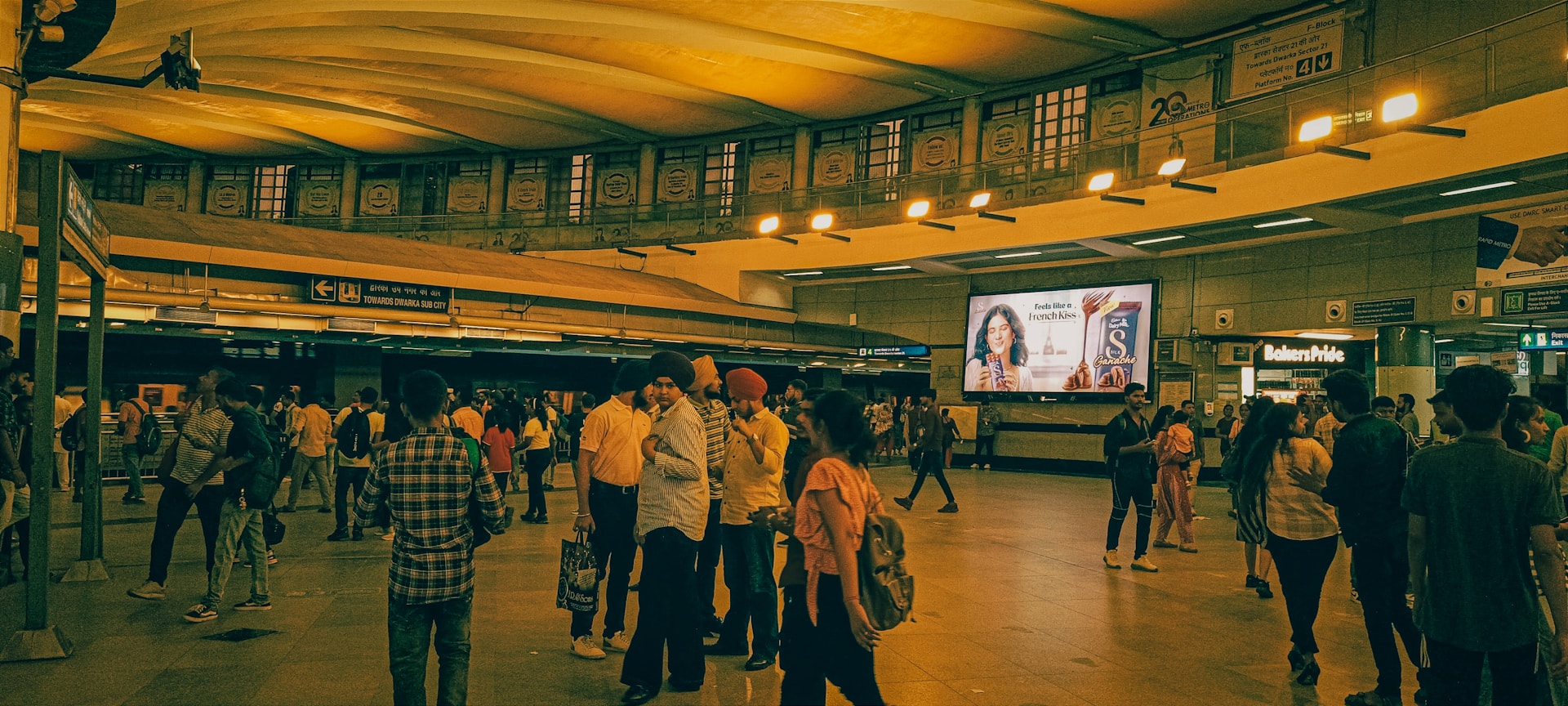
Large public transportation stations are among the least conducive environments for focused reading.
The constant noise, repetitive announcements, the movement of crowds, and the constant coming and going of arrivals and departures create a perpetual commotion that constantly demands attention.
The mind struggles to settle, interrupted by auditory and visual stimuli. Even light reading becomes difficult to follow in this tumult.
This type of place, designed for transit rather than relaxation, naturally disperses concentration and makes it nearly impossible to truly immerse oneself in a book.
2. An open-plan office

Even though they have become the norm in many professional settings, open-plan offices remain environments that are not conducive to focused reading. Background noise, spontaneous conversations, online meetings, and the constant coming and going create a stream of interruptions that is difficult to manage.
We are often called upon to answer a question, greet a colleague, or join an impromptu conversation.
This dynamic, ideal for collaboration, is far less so for intensive reading, which requires calm, continuity, and immersion. In an open-plan office, attention quickly fragments, making concentration more fragile.
3. A company cafeteria or canteen
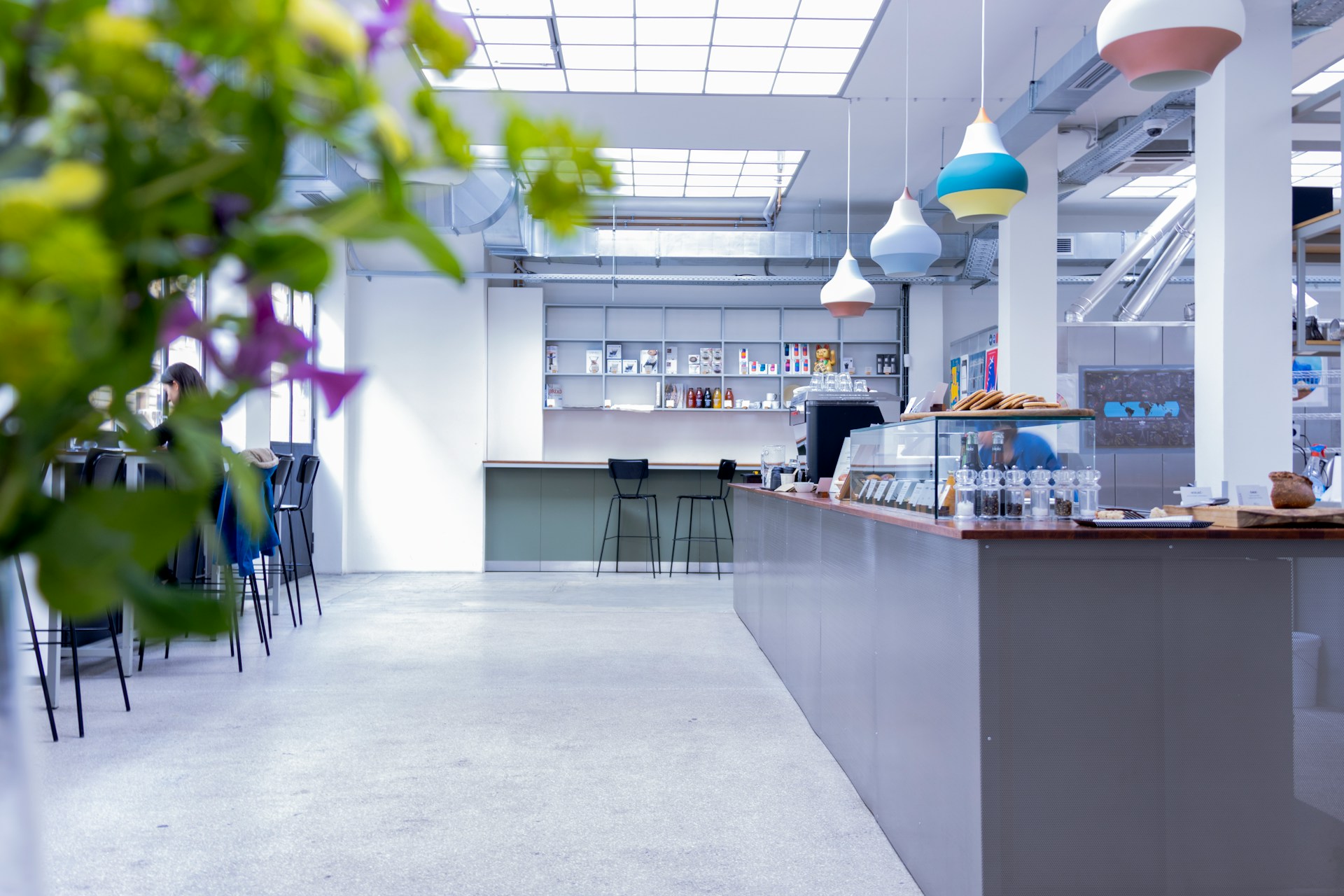
A company cafeteria or canteen is generally not suited for intensive reading. The noise level is high: lively conversations, the clatter of dishes, and constant foot traffic.
This environment, designed for breaks and social interaction, rarely offers quiet or secluded spaces. Concentration quickly wanes there, making it difficult to immerse oneself in a demanding text.
Even with the best intentions, the mind is constantly distracted by surrounding stimuli. To read in peace, it’s best to choose a quieter, more structured setting.
4. A crowded beach

While a quiet beach can provide the perfect setting for reading in peace, a crowded beach quickly becomes incompatible with focused reading.
The constant hubbub, children playing and shouting, lively conversations, impromptu parties, and sports activities create a highly stimulating auditory and visual environment… but not in a good way.
The mind is constantly distracted, unable to settle on the words for any length of time. In this chaos, concentration fades and reading loses its immersive quality, giving way to a restlessness that’s hard to ignore.